Bush stories and anecdotes

The heart of the blog, where I present observations, accounts, funny stories, etc.

A coup?

After the usual long journey, we were arriving in Addis and seeing the city from a distance while already preparing to enter it and finally get to the Harambe hotel. Our friend and colleague Solomon was coming with us and we agreed that we would drop him in town so that he could get home as early as possible.

While looking at the city we saw several jet planes and helicopters flying over it. We had seen planes flying during other journeys and this was not strange as we imagined that new pilots were trained all the time to go to the war with Eritrea. However, we realized that that day, Tuesday the 16 of May of 1989, the traffic was denser than usual but did not think more about it.

We did not think much (rather celebrated!) the thin traffic we met when entering Addis as this would enable us to reach our destinations earlier. So, we entered the usual way, I believe through Sudan road straight to the hotel. About a block away from it we saw a vehicle parked in the middle of the street that blocked our way.

It was not a normal vehicle but a tank! Perhaps it was our imagination but we saw it moving its turret while we approached it. I am not sure if you have been aimed at by a tank, but I believe we were in its sights so, without thinking, I veered rather violently to the left into the next street to get away from it.

The view from our room at the Harambe hotel. The green building is the Ministry of defense, the heart of the coup.
The same view after a heavy hailstorm.

While moving through the empty street I heard Solomon saying “Julio, this is not normal”, “something is happening in Addis that we do not know” and he added nervously “we better find a place to stop so that you can spend the night”. Luckily Solomon knew that the Wabi-Shebele hotel was on that road and that was exactly the place we headed for.

We arrived at the hotel after a couple of minutes and, luckily but not surprisingly, they had rooms available. I offered Solomon to stay there but he wanted to go home and thanked me for the offer but declined. He knew the city, he said, and would manage to get home without problems.

While checking in I noted that, before leaving us, he was having a very animated talk with the receptionists and concièrges. After checking in, a quick talk to Solomon, in Spanish, enlightened us on the situation. Mengistu had gone to the then East Germany and some army officers had attempted to take control of the country. “He will return and I fear for the coup leaders” he said before leaving us.

We saw Solomon leaving not without misgivings as the situation was clearly not safe. We decided to offload the car and moved to our room, located on the second floor, facing the street. While unpacking I turn on my short-wave radio to the BBC world service and, when the news come, we learnt that the information that Solomon had given us was correct: a coup d’état was indeed taking place.

As soon as we knew about the coup we started hearing sporadic shooting but nothing too serious, so we went down to the first floor to have our dinner.

We were very few people dining that night. The dining room had large windows through which you could see the street below and, at the start of the evening things appeared calm with the exception of the sporadic gunfire, now farther away, that continued unabated. At some time we were all peering through the windows when we heard heavy vehicles moving through. It was a lorry convoy carrying troops that, of course, we could not tell on which side they were!

We finished eating, still listening to the BBC, and we decided to go up to our room as we could not do anything but wait and see. We did not have much to wait. By midnight, gunfire became more frequent and the caliber of the guns increased! There was also lots of heavy weaponry being moved in front of the hotel and I could see through a slit in the curtains that there were a few tanks moving as well.

I did not wake Mabel up to avoid her getting too worried but she surprised me by sitting on the bed saying “these are tanks!” and going to the window to watch them. She was, in fact, calmer than me!

While the coup progressed, we stayed put at the hotel until, I believe through a phone call from FAO, we were told that the United Nations personnel were all concentrated at the Ghion hotel from where developments were being followed to decide whether to evacuate us or not. We were at the wrong hotel and we needed to move as soon as possible to join our colleagues!

The following day (probably the 18th or the 19th) things appeared calm, so we decided to go for it. The drive was risky as it involved crossing the centre of town, where some fighting could still be going on. However, we needed to get through and hoped that the UN identification in our vehicle would be of use.

I drove straight to the Ghion without caring too much for the roads’ way, right or left as the roads were almost empty of civilian vehicles but littered with rocks that needed to be negotiated slowly. We did not meet any military personnel but needed to avoid a few damaged military vehicles while we also saw some of the human casualties on the street.

Luckily, we arrived at the Ghion safely and we were immediately “ticked” in the list of personnel by the security officers. We were some of the last arrivals if not the last ones!

It was explained to us that we needed to wait and see how things evolved and, if they escalated, we may need to be evacuated to Nairobi. So, we were given a room and told to rest and wait for news. That evening, over dinner, we met a number of colleagues we knew and shared the dinner table with them, getting up-dated on what was actually happening.

Oddly, our new hotel’s location was of concern as it shared its grounds with the National Palace, the place where the Head of Government stayed and a strategic target for the rebels! This meant that we could see armoured vehicles criss-crossing the grounds. “Guys, there is a lot of heavy agricultural machinery moving around” said a colleague with a chuckle while pointing at a number of tanks manouvring through the hotel lawn. A comment I will not forget!

We had some sketchy information and learnt that Mengistu had already returned and was defeating the rebels although the situation was still uncertain. Interestingly, at lunch and dinner times there were SW radios at every table, and they were all tuned to the BBC News so we had a truly stereo effect as the same radio was all over the dining room!

We stayed at the Ghion for a few days and we were still there on 24 May as I remember watching the European Cup Final from the Camp Nou in Barcelona that A.C. Milan of Italy defeat Steaua Bucarest of Romania 4–0. The match was watched by a large UN crowd that started dispersing when Mengistu regained control of the country later on.

We returned to Bedele alone as we did not have any news of our colleague Solomon. Luckily, he turned up a few days later, unharmed and as cheerful as usual. Although he added more information on the events, it was only much later, when we were already outside Ethiopia, that we understood what had taken place.

Briefly, a while before May 1989 the Government had suffered two major military defeats at Afbet in 1988 and Shire in 1989 where thousands of troops and weapons had fallen in the hands of the Eritrean People Liberation Front. In addition, before the Afbet defeat Mengistu executed the commander of the forces. This resulted in additional loss of moral in the army and marked the start of the decline of the Government.

It was this demoralized army that took its chance in Mengistu’s absence and staged the coup of the 16 May 1989 that we had lived through. The coup was defeated within three days (something we did not know for certain at the time). Two of the leaders died during the fighting while some others were executed later in 1989 and a large number arrested. Solomon had been correct with his concern for the coup leaders!

Despite Mengistu’s victory, the coup left the army command very weak as the new generals lacked combat experience and the end came in 1990 when the Ethiopian People’s Revolutionary Democratic Front (EPRDF) forces advanced on Addis Ababa from all sides, and Mengistu fled the country and was granted asylum in Zimbabwe.
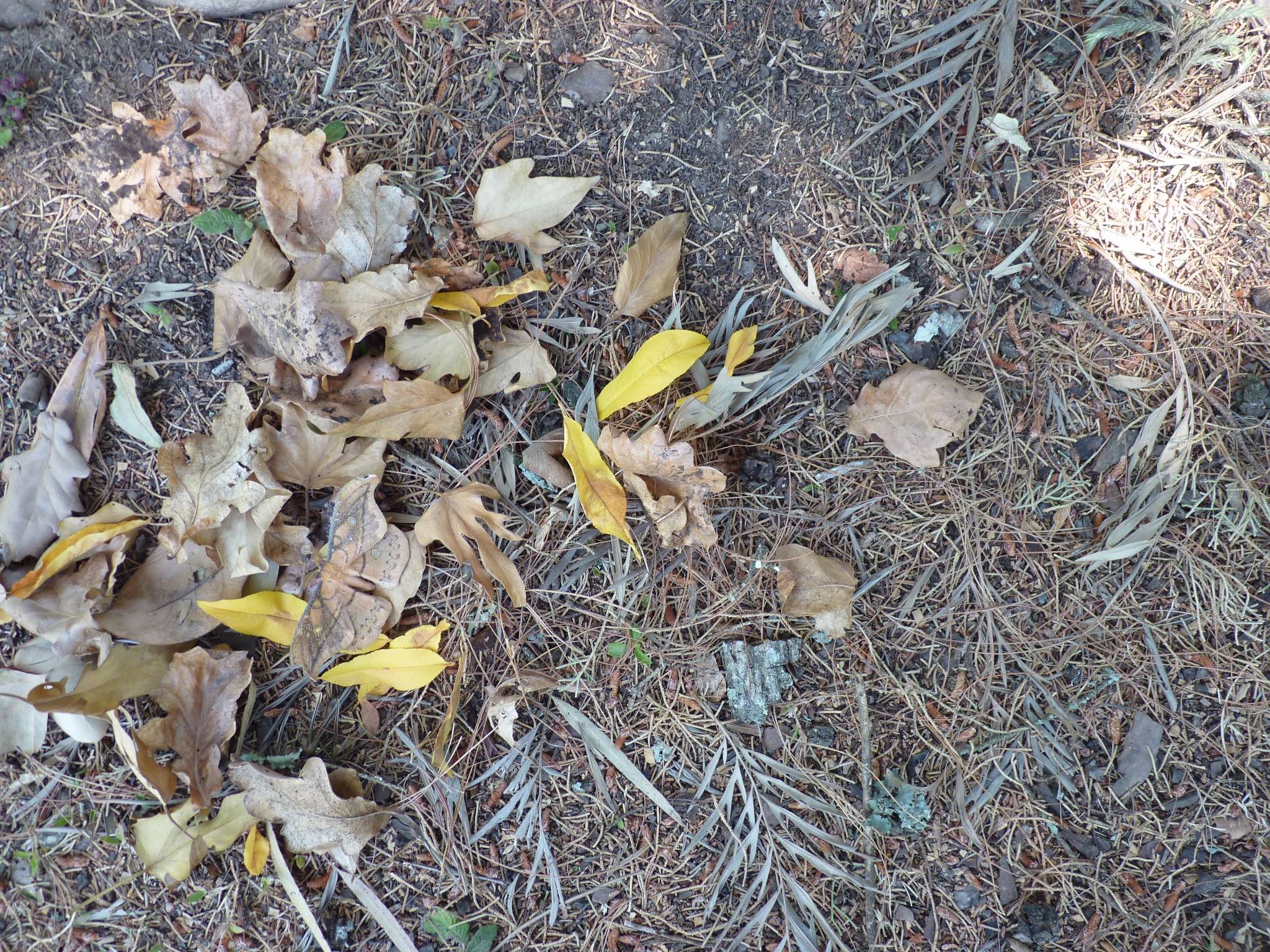
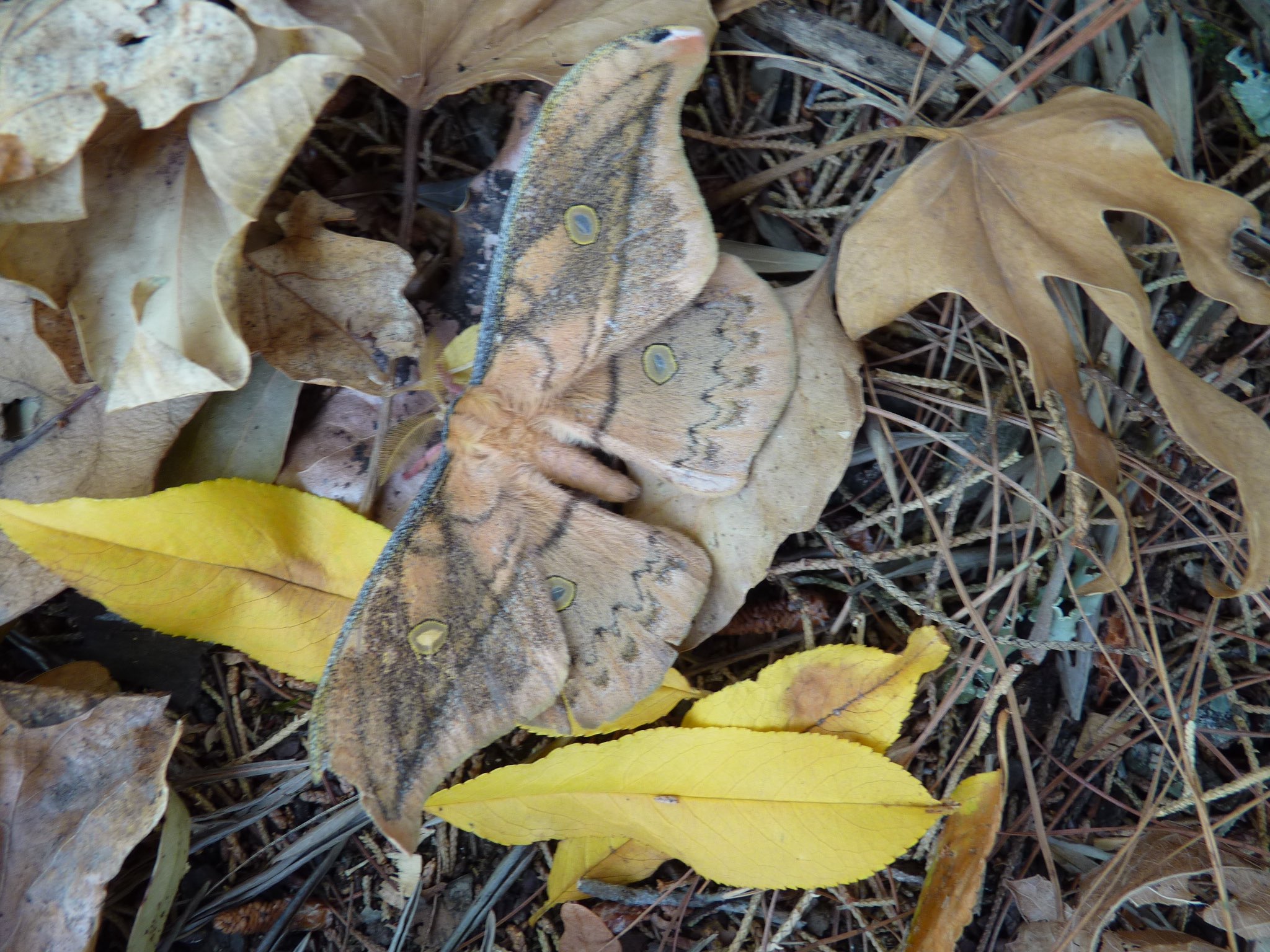
Spot the beast 65

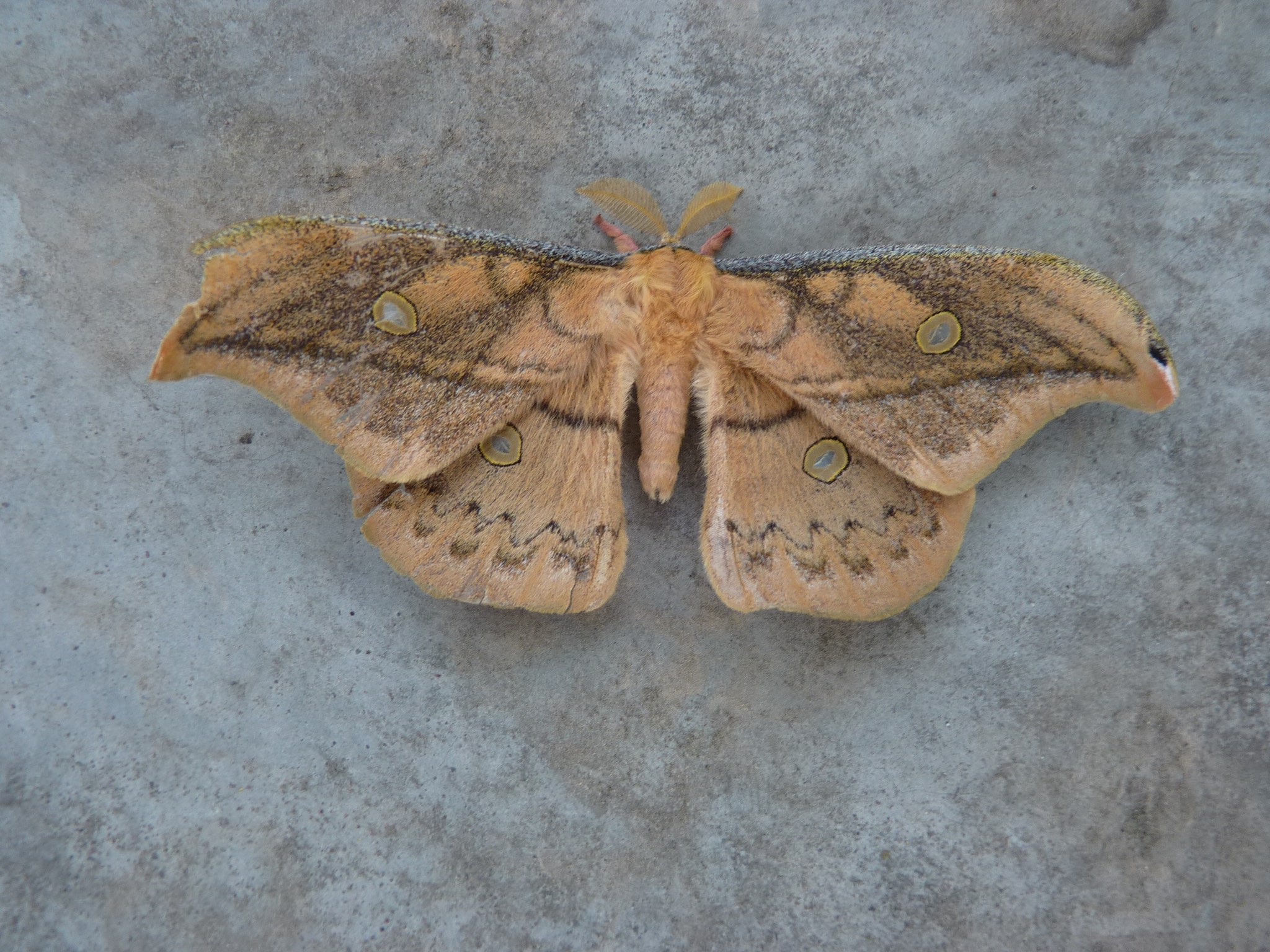
With the warmer weather small beasts started appearing and you get surprised by them more often. This is the case of this one I found on the ground this morning that was very well camouflaged. Can you spot it?

?
?
?
?
?
?
?
?
?
?
?
?
?

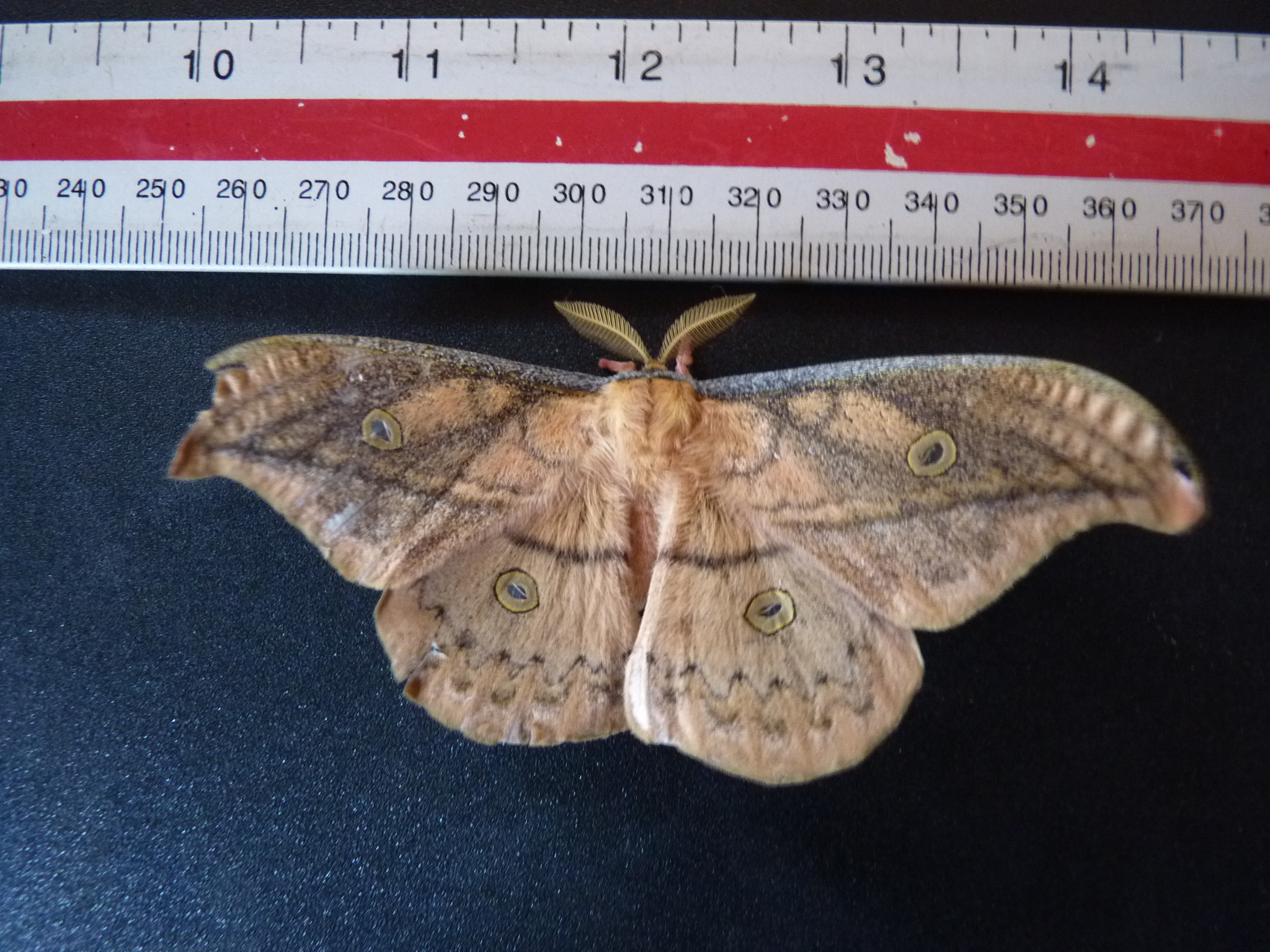
At 12 cm wingspan this is a rather large moth of a species unknown to me but not less beautiful! A couple of other pictures for you to admire.

Spot the beast 64

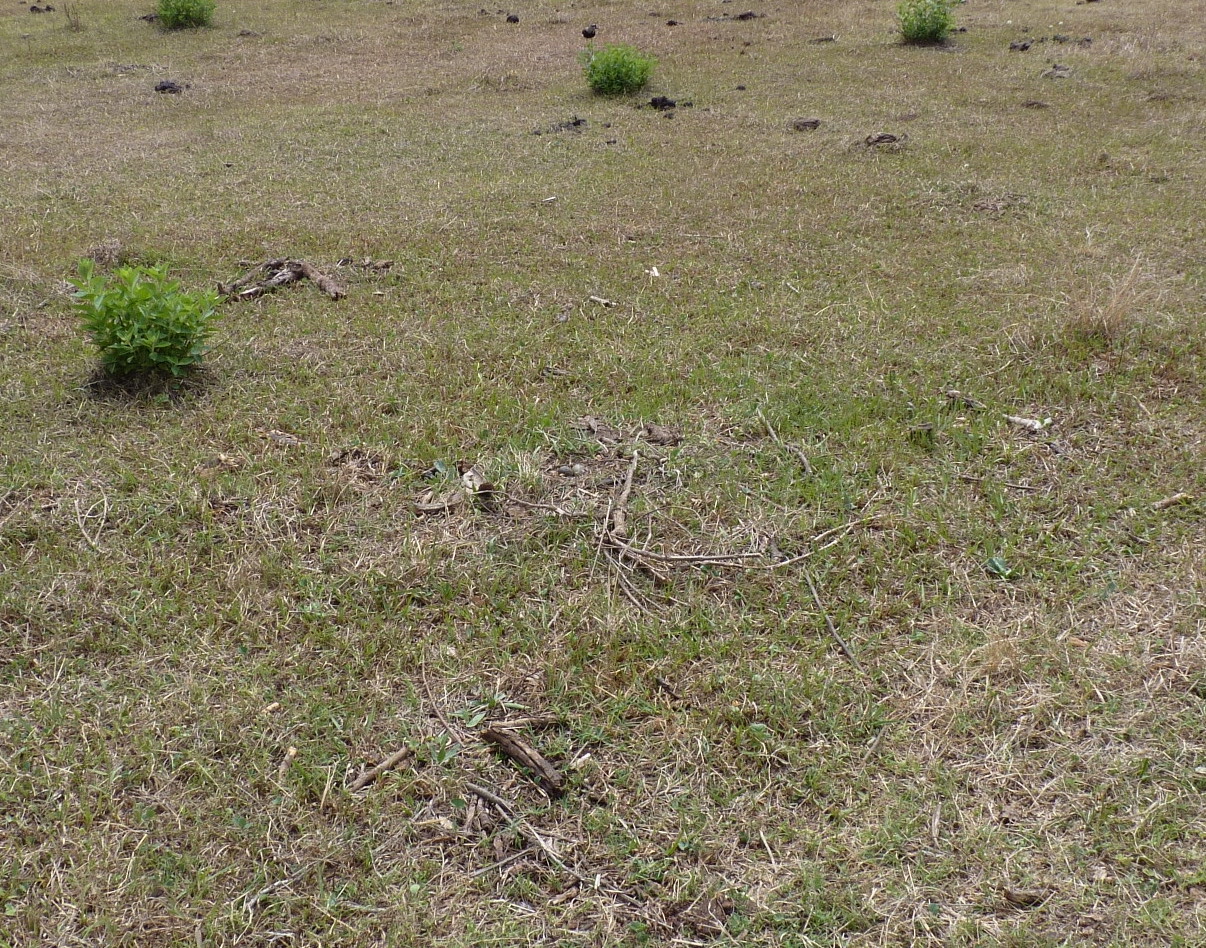
Now that the winter is over, things start to happen at the farm in Salta, Argentina. The following “Spot” is difficult, perhaps too difficult but what follows I believe it is interesting. Here there are two pictures for you to look at and try to find the hidden “beasts”.
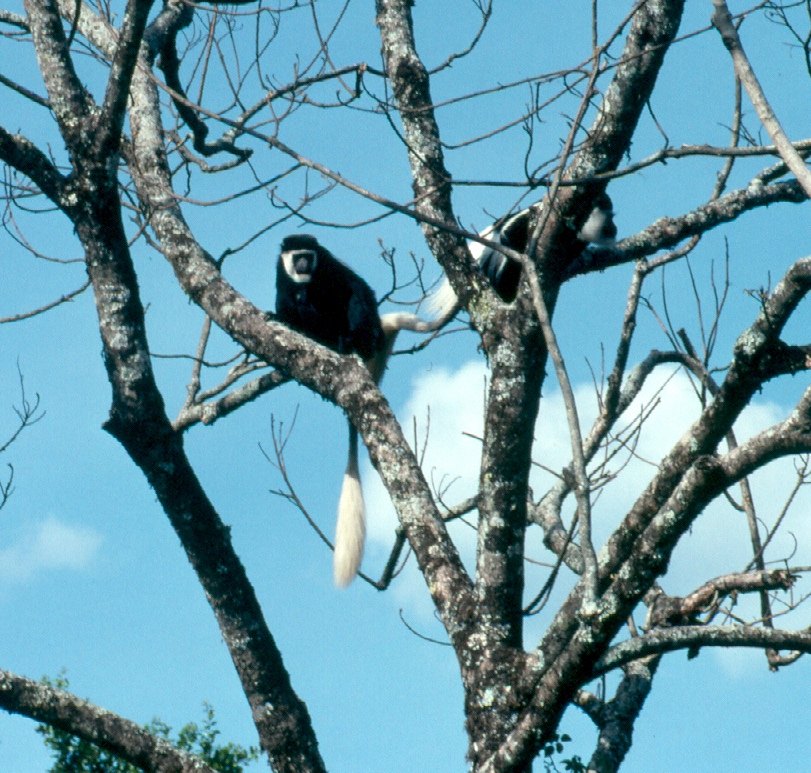
Here you can see our finding:

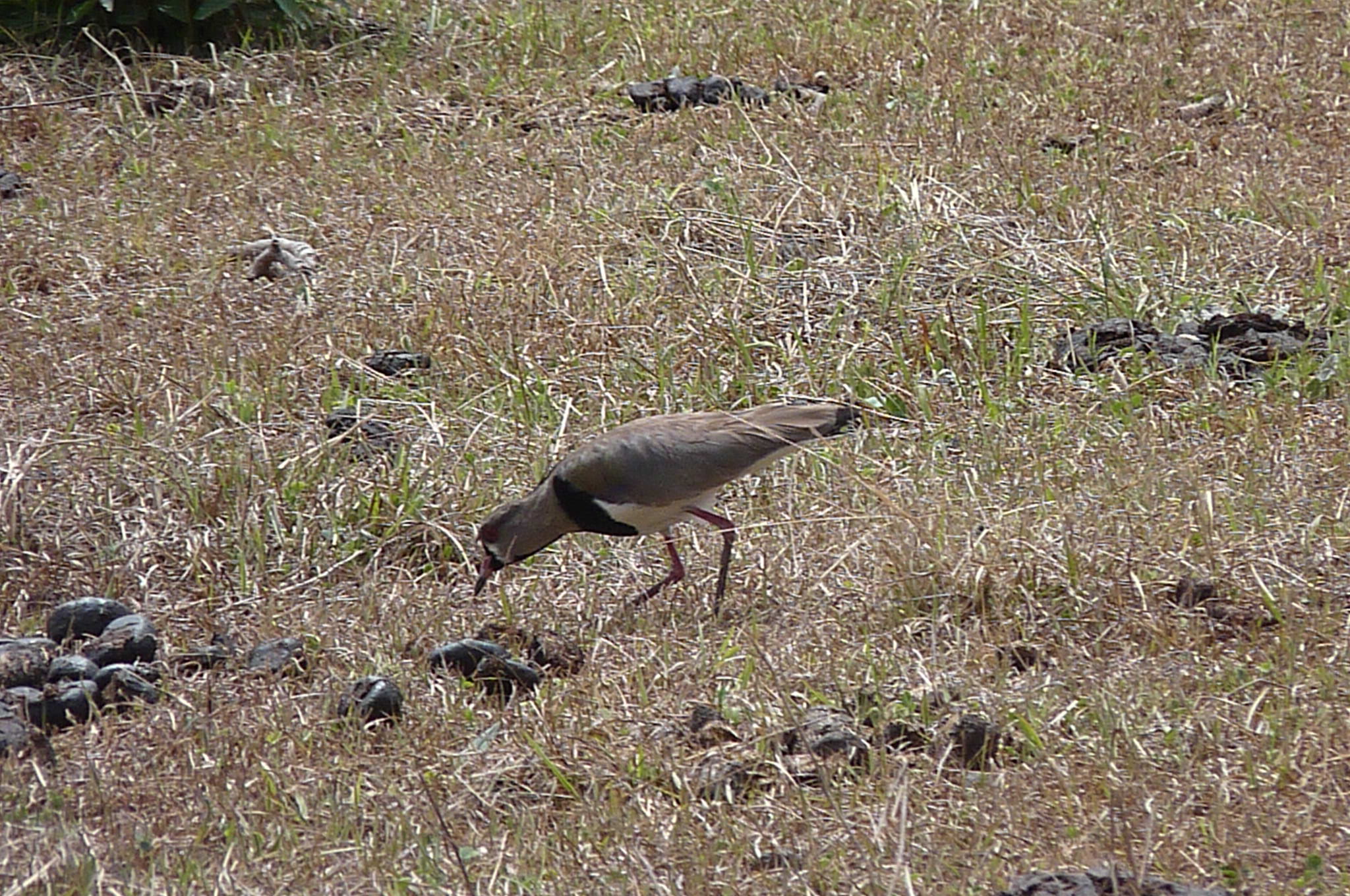
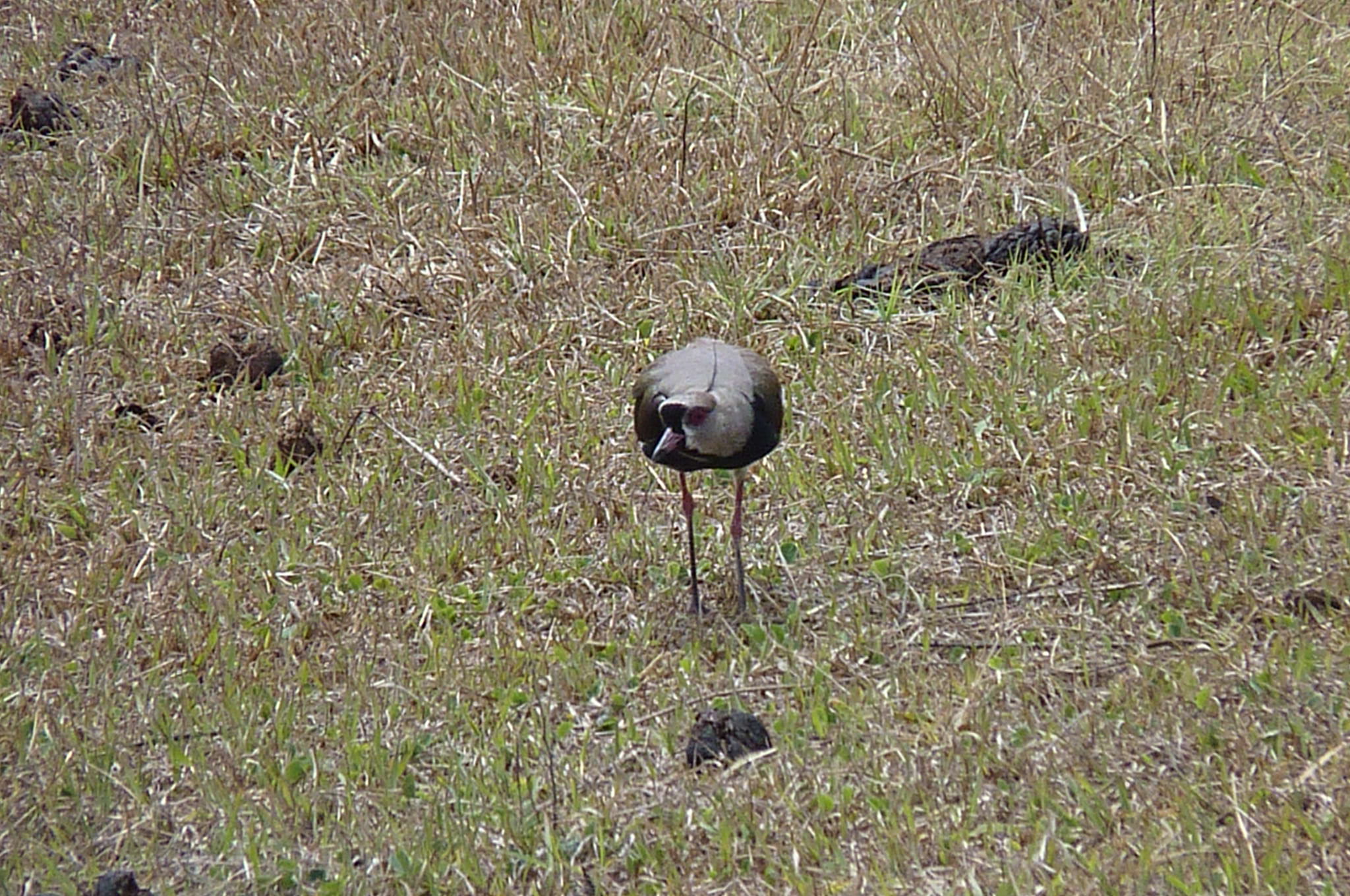
Well, in reality there were “future beasts”. It is a nest of the Southern lapwing (Vanellus chilensis). This bird is common throughout the southern part of Latin America. The nest with two to four eggs looks like if the eggs were dropped anywhere as nests go. The idea of “egg incontinence” came to mind…

Meet the birds known locally as “Tero” or “Teru-teru”, because of their calls, that happens to be the national bird of Uruguay:

As much as the nest looks like a careless affair, its defense by the birds is not. Apart from their loud screams, they go through a routine that I can prove is a good deterrent to anyone approaching the nest.

First they try to attract you to a spot far from the nest by pretending to be sitting on it. If this fails, one or both start behaving weirdly, showing signs of being wounded or just trying to distract you, staying quite close to you.

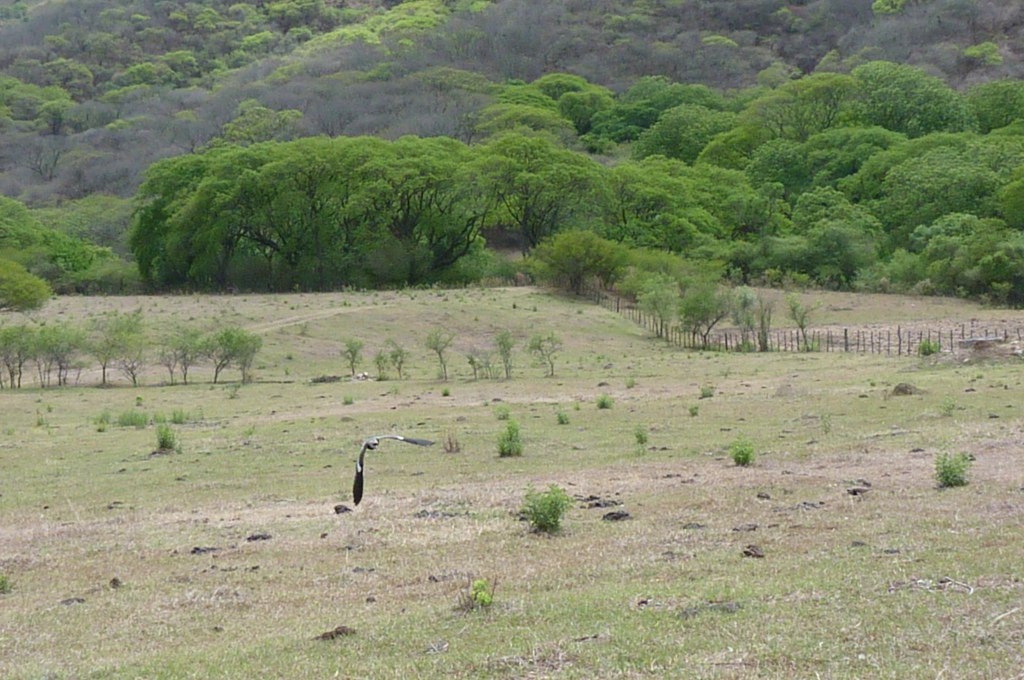
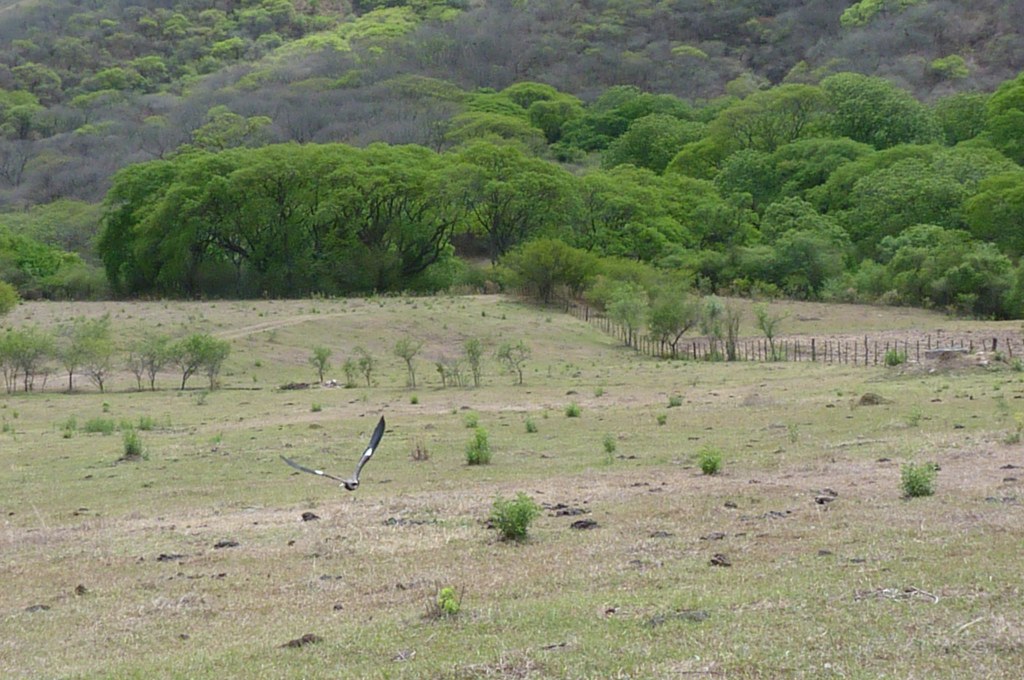
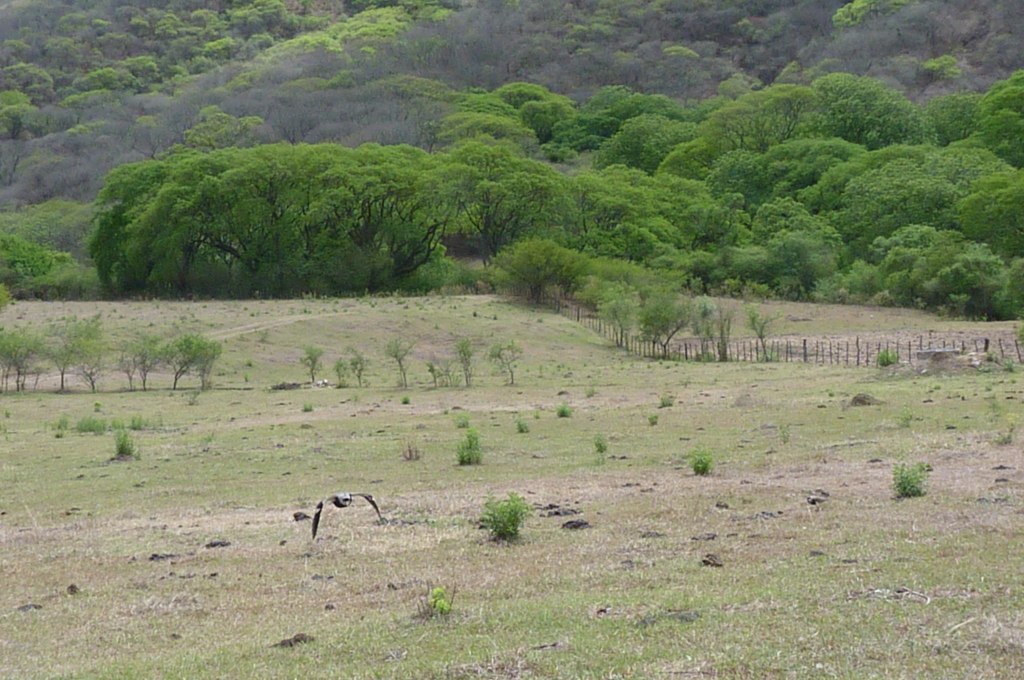
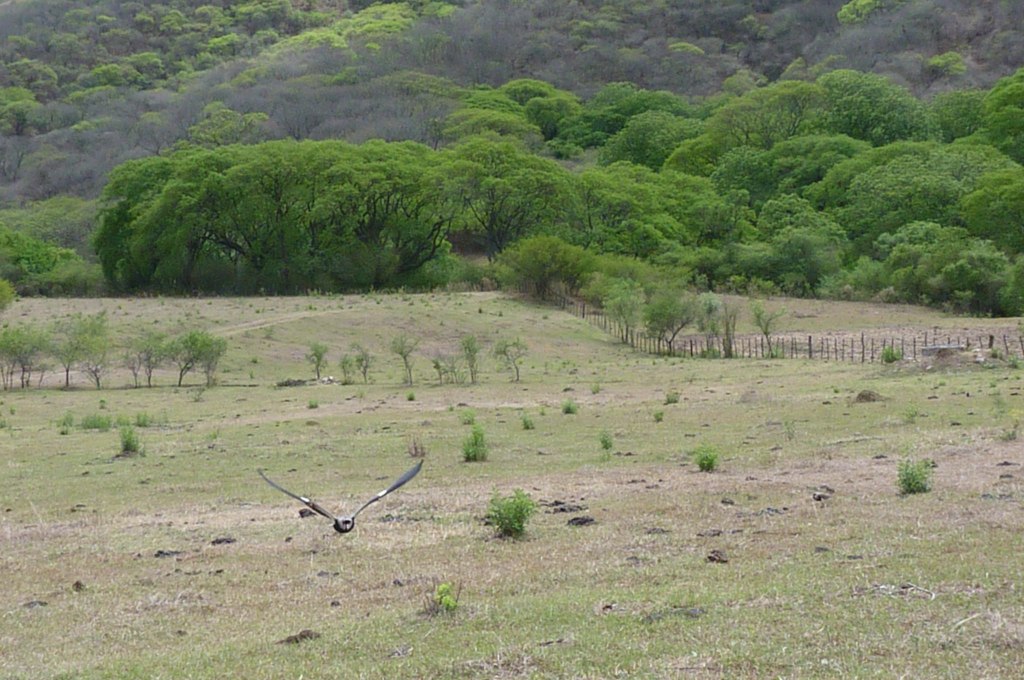
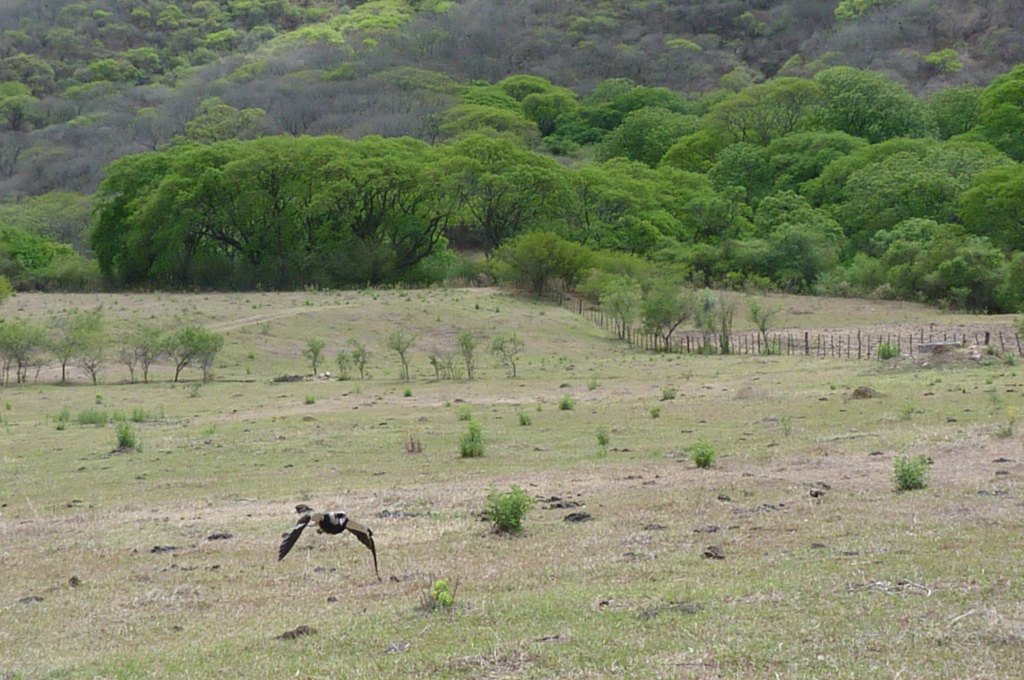
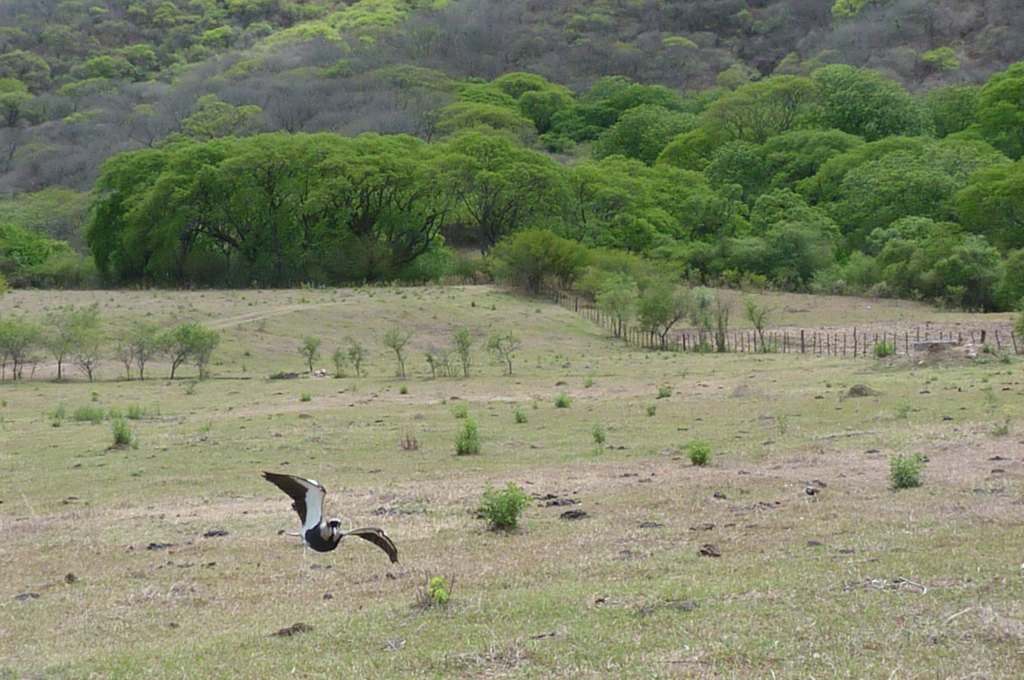
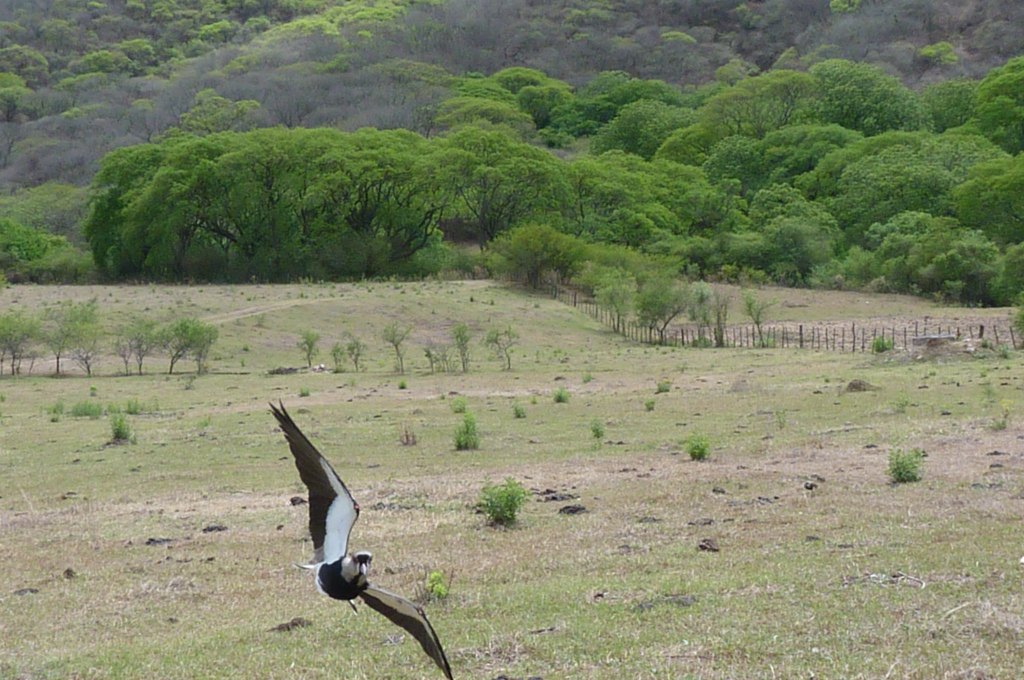
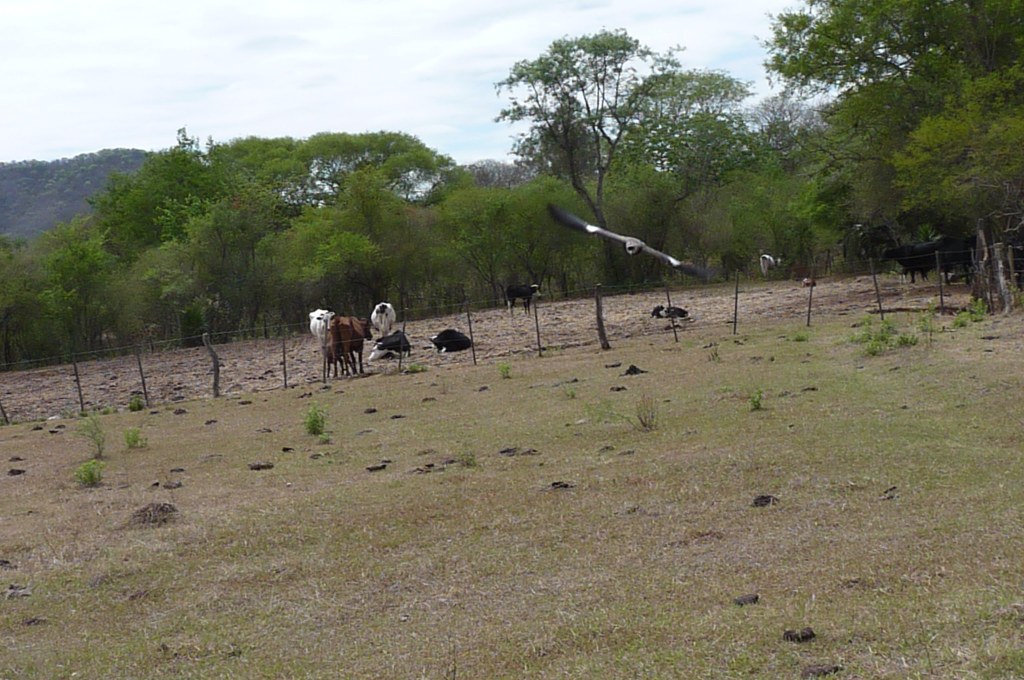
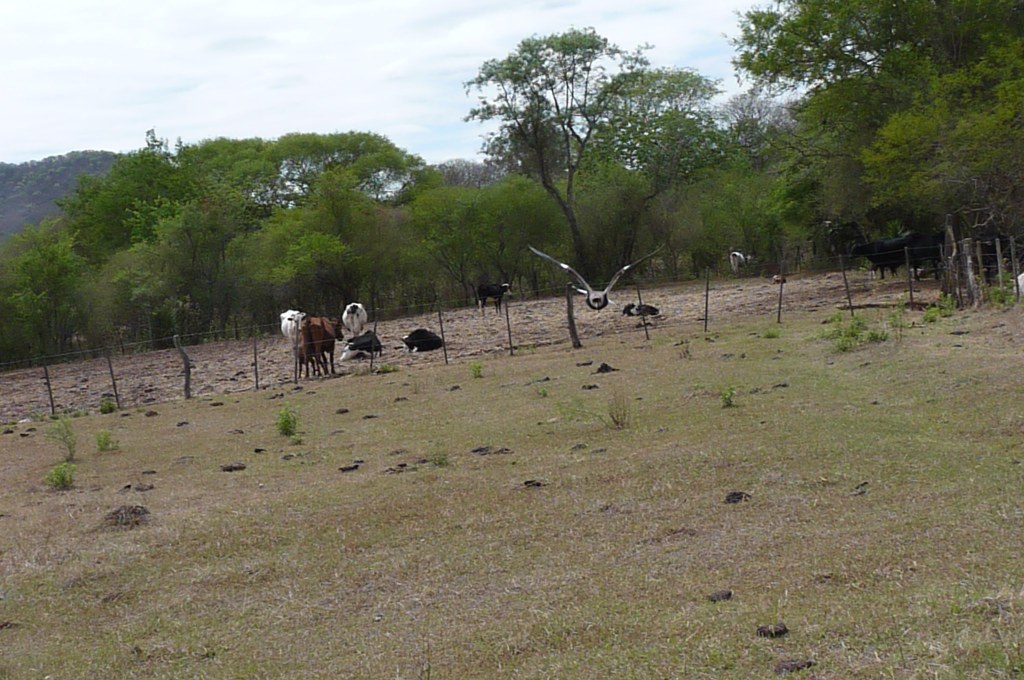
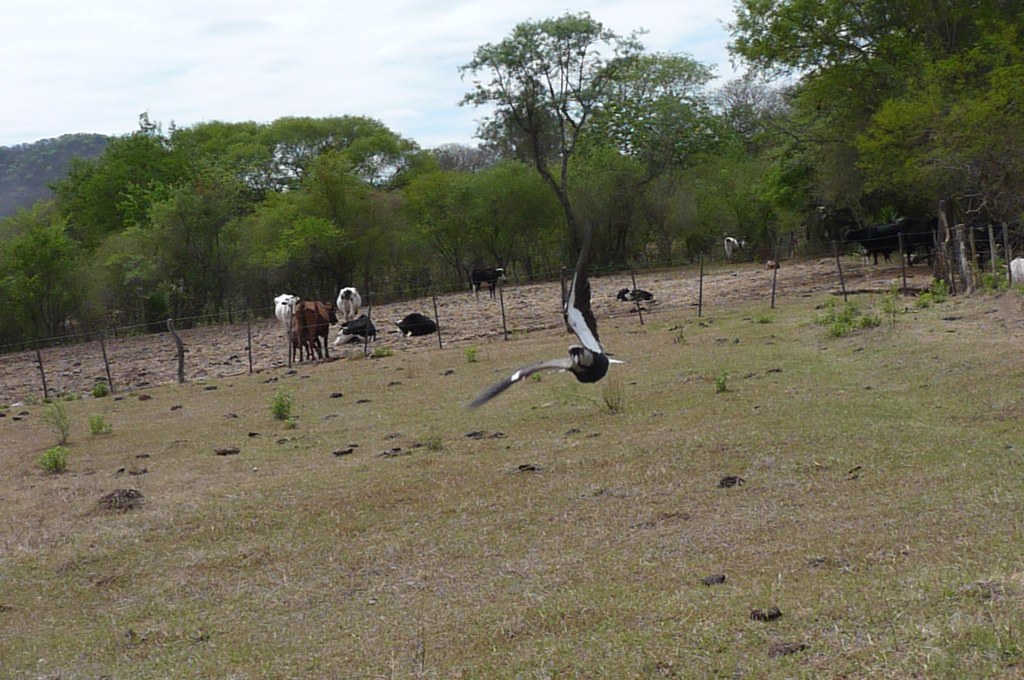
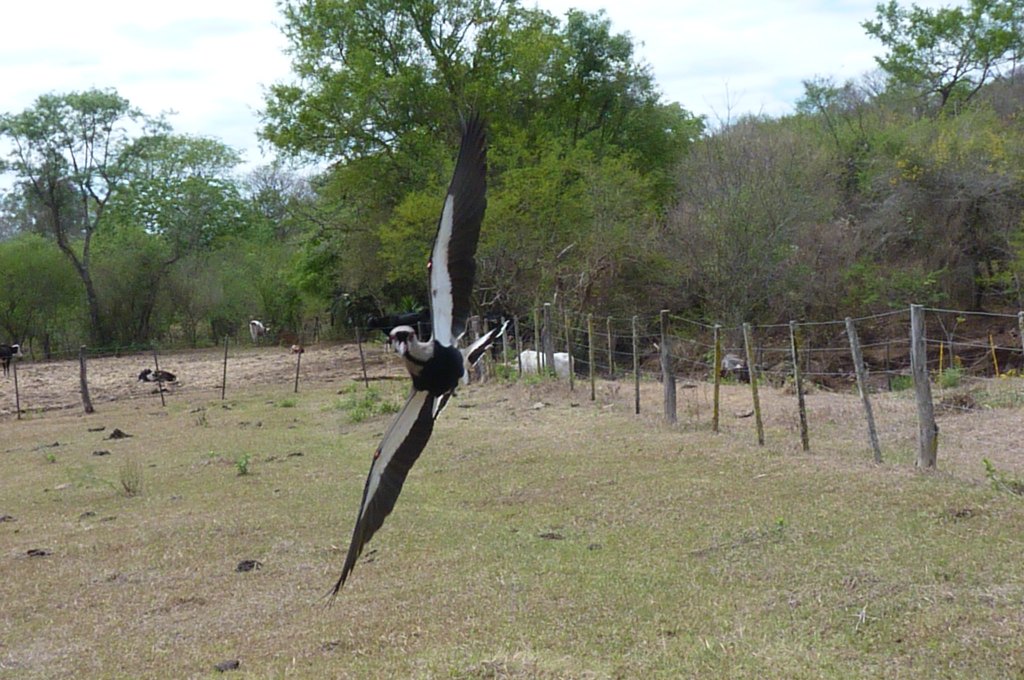
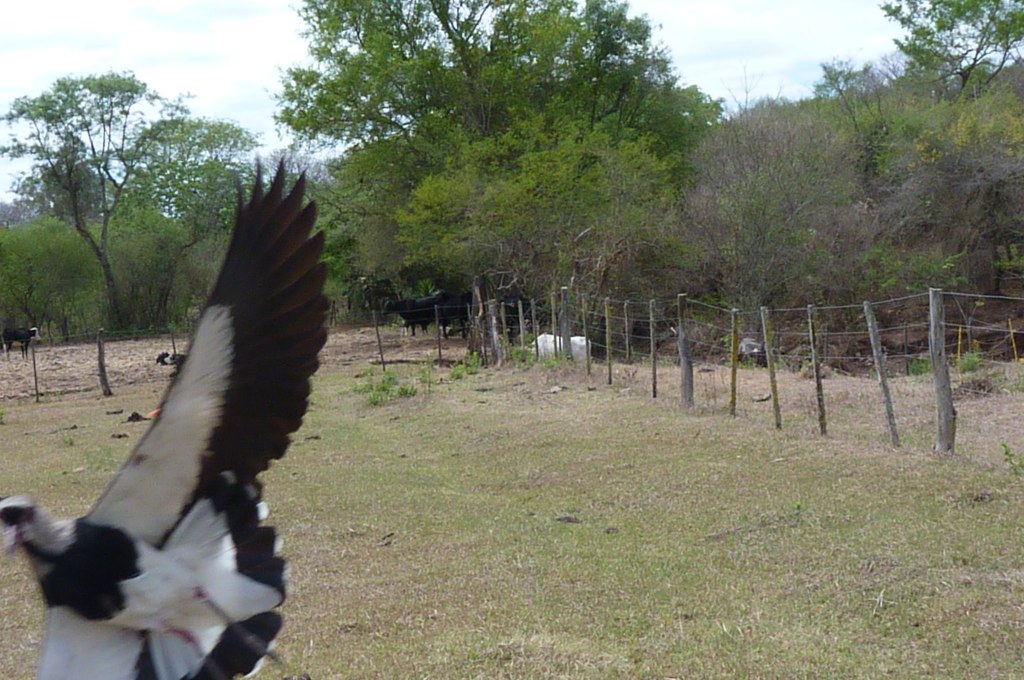
If the above noisy diverting tactics fail, the birds go into the next line of defense that is quite aggressive. The screaming goes up a few decibels while taking off and flying low directly towards you until veering off at the last second! When close, you can hear a clicking noise that I believe they make with their beaks as well as the spurs in their wings.

Although I have being mobbed many times I can assure you that they can be extremely intimidating as the following sequence of images show.

More info on the species can be found at: https://en.wikipedia.org/wiki/Southern_lapwing

To hear their calls:

Bird battle [1]

It was a Saturday afternoon in September 1989, I had just finished working and I was walking back to our bungalow when I saw about four Thick-billed ravens (Corvus crassirostris) flying about around an acacia tree that stood alone in the park of the laboratory.

These birds, usually noisy, were rather common but their behaviour was rather odd as it was obvious that they were more agitated than usual. So, I rushed home to tell Mabel and bring the binoculars and the camera, just in case.

As we returned, a Harrier Hawk (Polyboroides radiatus) flew off with two of the ravens pursuing it. They all disappeared from sight, but the ravens returned shortly after. To our increasing amazement, what appeared to be a Wahlberg’s Eagle (Aquila wahlbergi) also flew away from the tree with another couple of ravens in pursuit. It landed in a nearby dead tree, but the ravens soon forgot about it. This situation was clearly odd, and we could not believe that we had already seen two uncommon raptors!

But there was more to come.

Although two possible candidates for the commotion had been chased away, the ravens were still very agitated. The racket attracted a pair of rather vociferous Cape Rooks (Corvus capensis) that joined in. It was now obvious that there was some other cause for the mobbing behaviour of the ravens that was now focused deep inside the acacia.

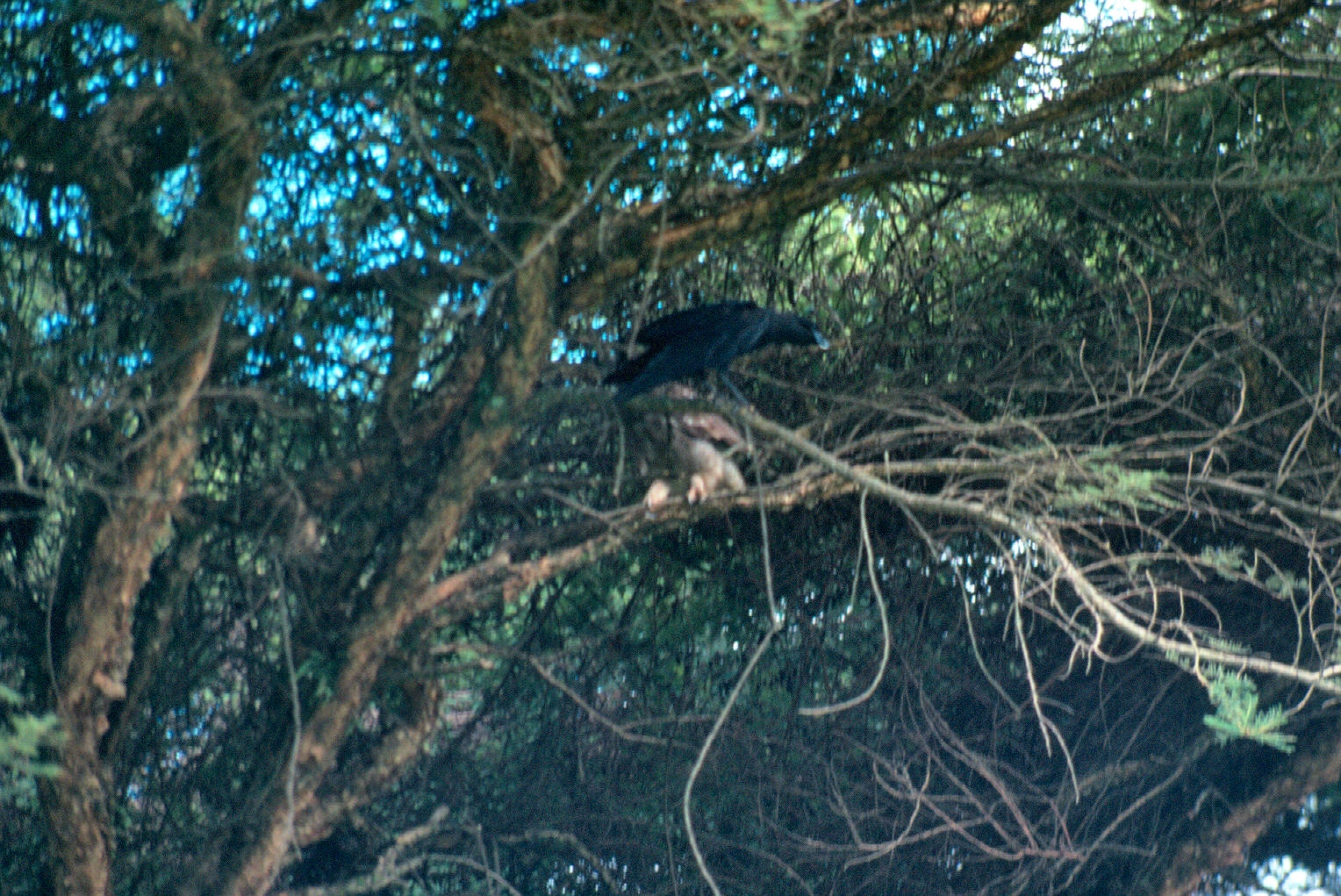
It required a thorough search to detect the presence of a fully grown Verreaux’s Eagle Owl (Bubo lacteus) surrounded by the ravens while the Cape Rooks provided a more distant but very noisy support. The owl had chosen or it was driven by the ravens to a rather thick tangle of thorny twigs. These shielded the owl from the raven’s beaks which were only able to attempt to reach it one at a time through one opening among the branches. 

At this point one of the ravens (frustrated in its attempt to reach the owl?) began to deliberately break off the twigs with its beak in order to increase the size of the hole.

Corvids are regarded among the most intelligent of birds and they have brains with a similar number of neurons as some monkey species! So their “twig-removing” behaviour is not surprising [2].

After a few minutes, all four ravens adapted this activity, and soon made an opening large enough for them to enter and reach the owl from several directions. Despite their numbers, large size and powerful bills, the ravens were very wary of the owl, never facing it and always striking at it by jumping up and pecking at its rear.

The Verreaux eagle owl, at the back, being harried by one of the thick-billed ravens, just before the owl took off.

After a few minutes of being forced to fend off the four attackers simultaneously the owl took off still pursued by the ravens. It alighted again in a nearby tree but was almost immediately forced to fly again into another one where it remained until dark, continually mobbed by the ravens, clearly unhappy to see it in their neighbourhood. The following morning, there were no signs of the dispute of the day before and the ravens were back to their normal noisy life!

Of particular interest to us was to see the congregation of several birds of prey on the tree as well as the persistence and ferocity of the attacking ravens.

The late Leslie Brown in his book African Birds of Prey [3] has reported Verreaux Eagle Owls preying on the young of pied crows and buzzards, so that probably all the corvids and raptors involved in this incident were reacting to the owl as a potential predator of their young.

Note: during the subsequent years spent watching birds in Africa, we have observed the great respect aht most birds of prey have for large owls, clearly seeing them probably as dangerous to their young.

[1] This observation was published much later as: de Castro, J. & de Castro, M. (2013). Verreaux’s Eagle Owl Bubo lacteus attacked by Thick-billed Ravens Corvus crassirostris. Scopus 32: 51–52

Link to the published work: https://www.ajol.info/index.php/scopus/article/view/108343

[2] For a recent study on crowns see: https://www.statnews.com/2020/09/24/crows-possess-higher-intelligence-long-thought-primarily-human/

[3] Brown, L. (1970). African birds of prey. Collins.

The telephone rang once

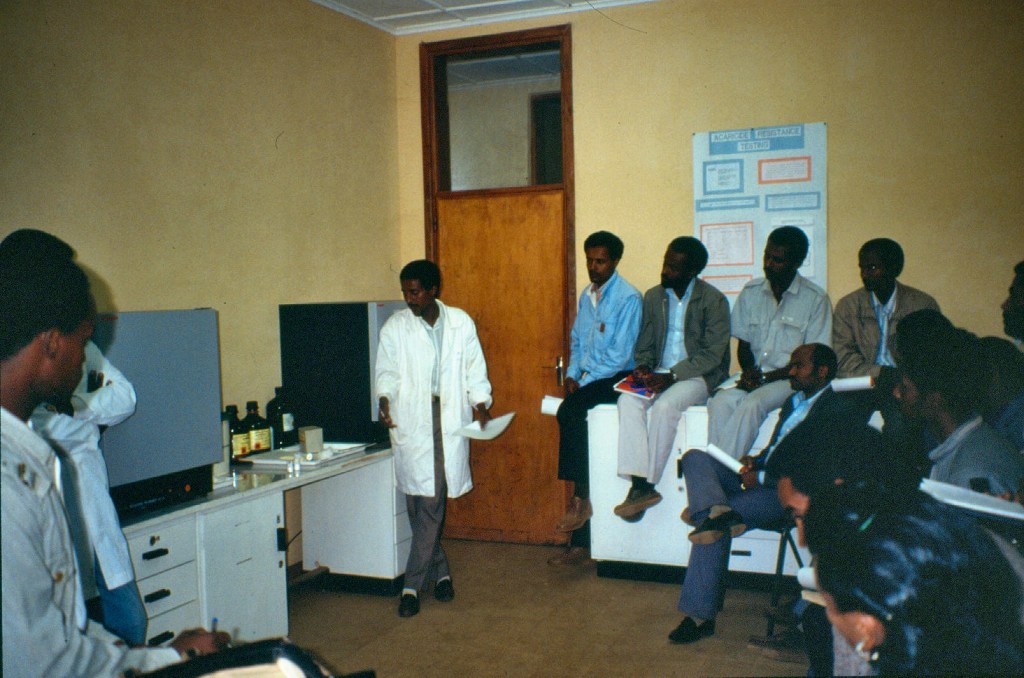
Despite the limitations we found almost daily at a rather remote place such as Bedele, the work progressed. By mid 1989 we had already accumulated good information on tick population dynamics and distribution and trained a large number of veterinary people from the three provinces. We were quite pleased and then we even started looking into other work venues such as acaricide resistance, tickborne diseases and the possible use of local plants in tick control.

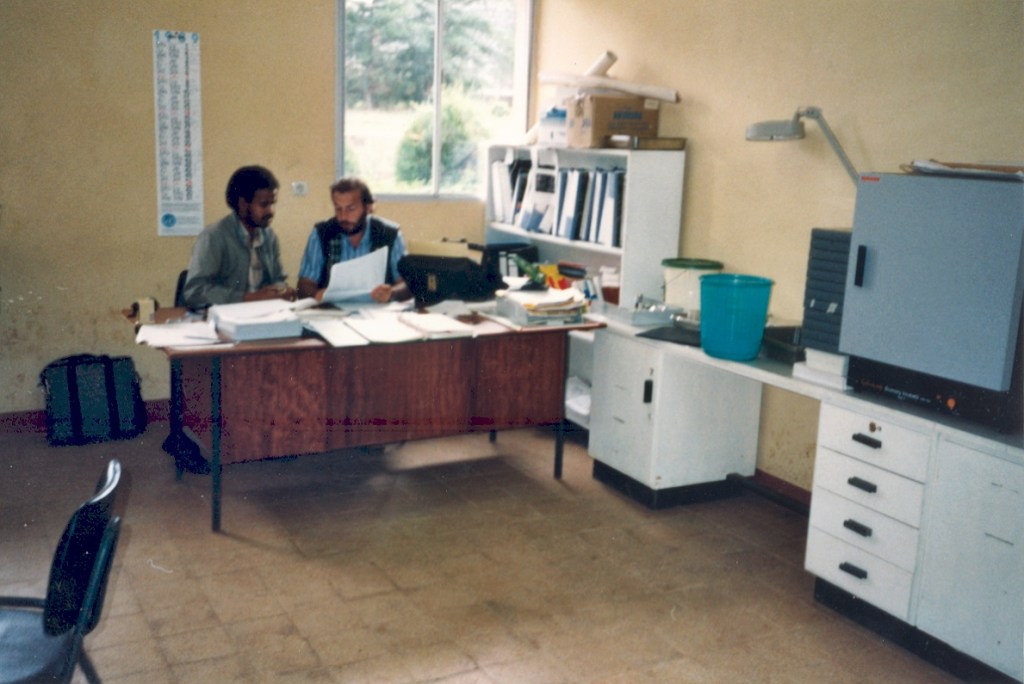
Our laboratory was basic but sufficient for our needs although communications were a severe weakness. We did not have access to telex or telegrams, the only means of communication at the time, together with land telephone lines. We did have a telephone set but it sat in my office noiselessly from the time of our arrival. We soon learnt to ignore it joking that it could be used to put some flowers in it to decorate our lab! This was the situation when, one day, it did ring.

Shocked we all stopped what we were doing to pay attention to this unusual event for which we were quite unprepared. One of the Ethiopian colleagues, rather weary, pick up the receiver and answered. Judging by the tone of the conversation rather than the words in Amharic, I could gather that something serious was happening. I got worried as it looked and sounded like bad news.

Once the conversation was over, we learnt that the head of our donor, the UNDP Representative, was coming to our laboratory to see the work that both FAO projects, the one on trypanosomiasis headed by Jan and ours were doing.

Quite excited, we informed our Director of the unexpected but important news. Used to visits of political nature, he immediately put in motion a number of activities to ensure that our important guests would get a good reception, including the necessary visits, lunch and other refreshments.

We also prepared and rehearsed our technical presentations trying to impress the visitor. I have already mentioned that, as far as UNDP was concerned, our project was regarded as a problem, a consequence of the unfortunate delays it had suffered because of the sickness of my predecesor and my delayed arrival.

The visit was our only chance to get some more funding to continue our work. We also arranged for a field visit to nearby farmer in case time allowed.

So, two days later, when the guests were meant to arrive the laboratory had been cleaned and a new Ethiopian flag was flying at the front of the building where all personnel was lined up for a rather long wait.

Finally the convoy arrived and the car carrying the Representative stopped at the front of the building. The Director of the Laboratory stepped forward to greet him. The solicitous driver opened the door and the man emerged but, before he could even shake hands with the Director, something as unexpected as unfortunate happened: a rather large wasp came from nowhere and stung our guest somewhere in the face!

It was a powerful sting that left our visitor motionless and not sure of what to do, apart from holding his face! He tried to ignore the sting but the swelling (and I am sure the pain also) increased rather fast despite the ice that was applied to try to stop it.

After a while, concerned for a possible allergic reaction to set in, the decision was taken for his return to Jimma and later Addis just in case. that he would need further medical attention tht was not available in Bedele.

To say that the rushed departure of such an important official created generalized consternation would be an understatement as all efforts made by all were rather wasted. We remained with his assistants -well known to us- but feeling a sense of anti-climax. The last chance to change the fate of our project through our planned presentations was gone and, of minor importance of course, our only telephone call was unfortunately for nothing!

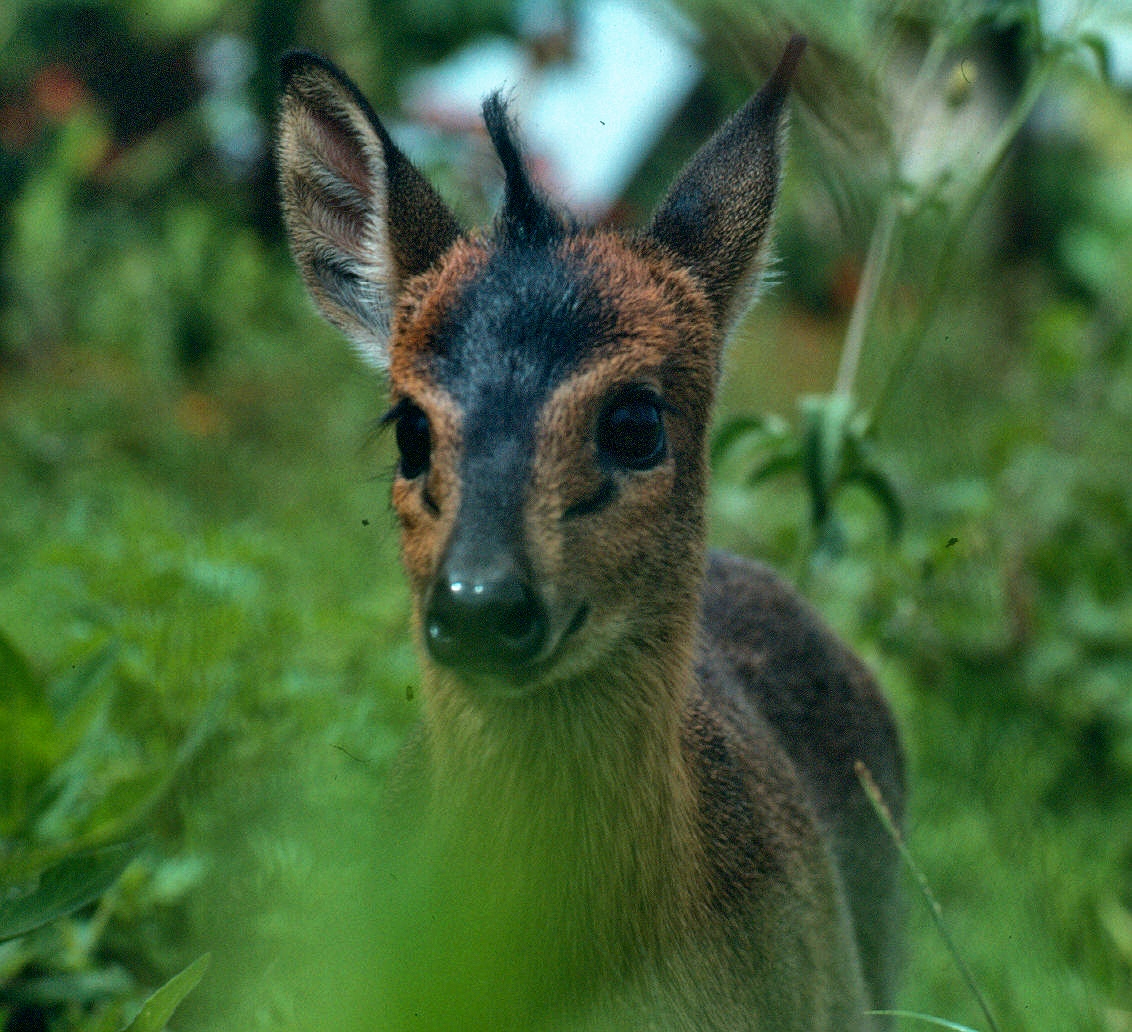
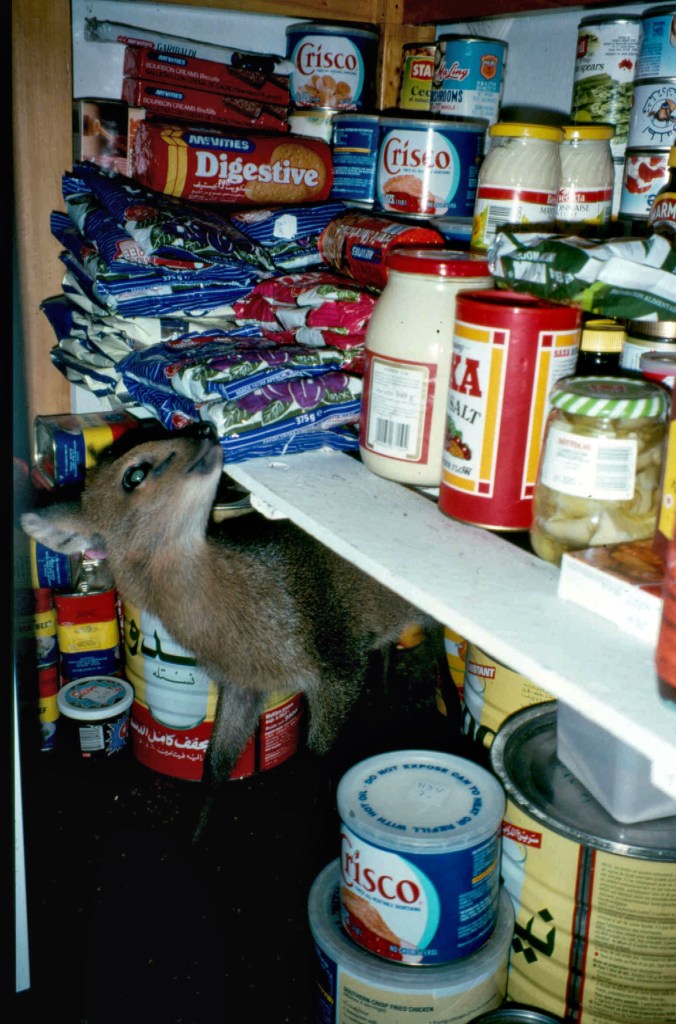
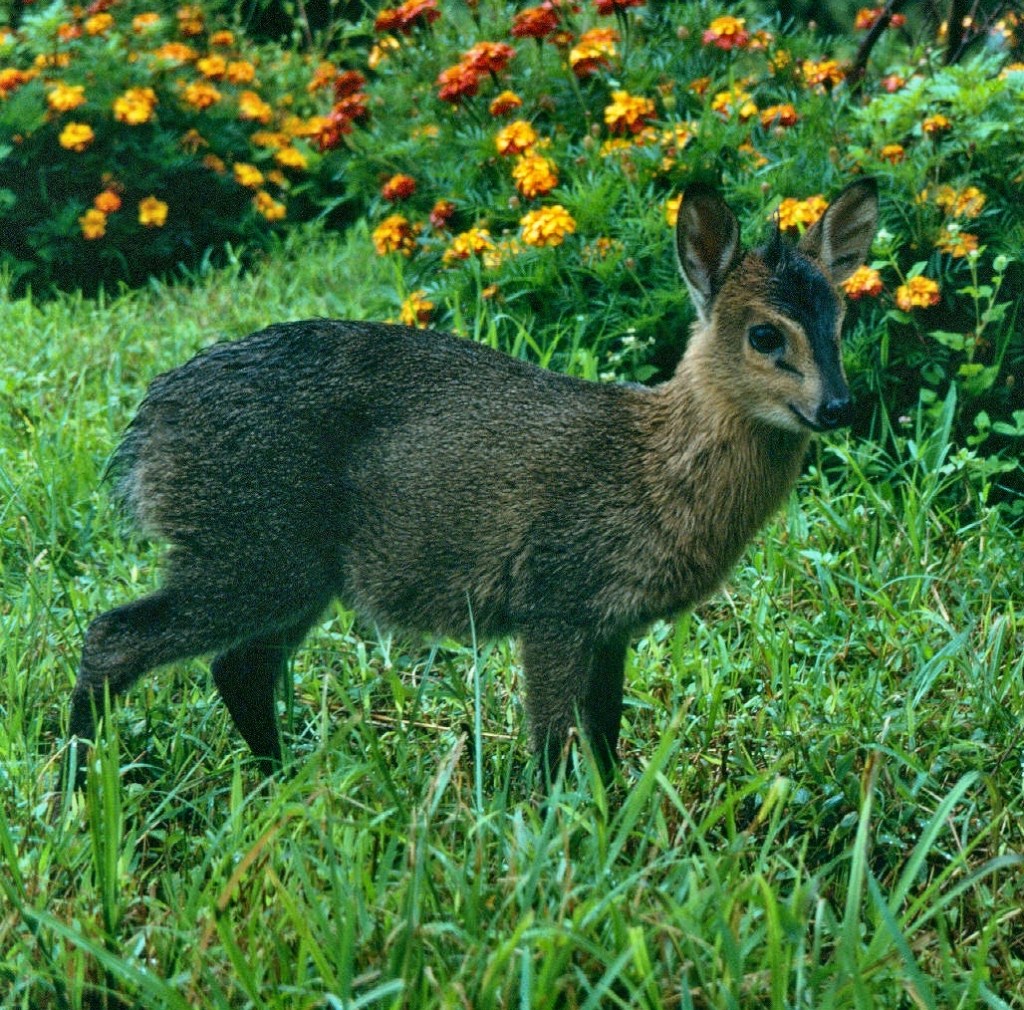
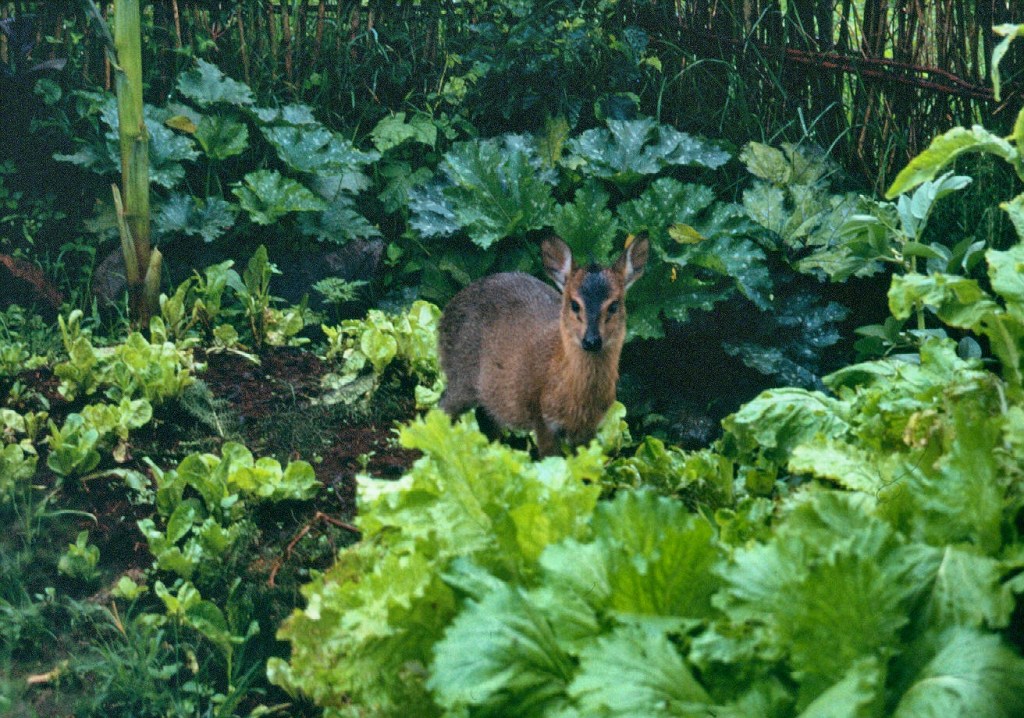
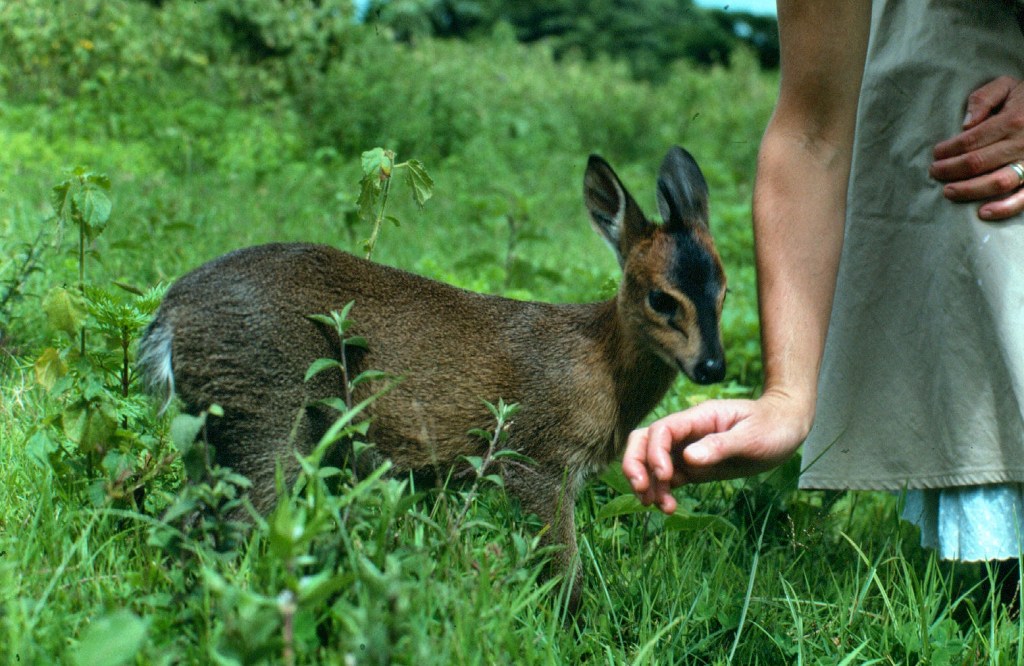
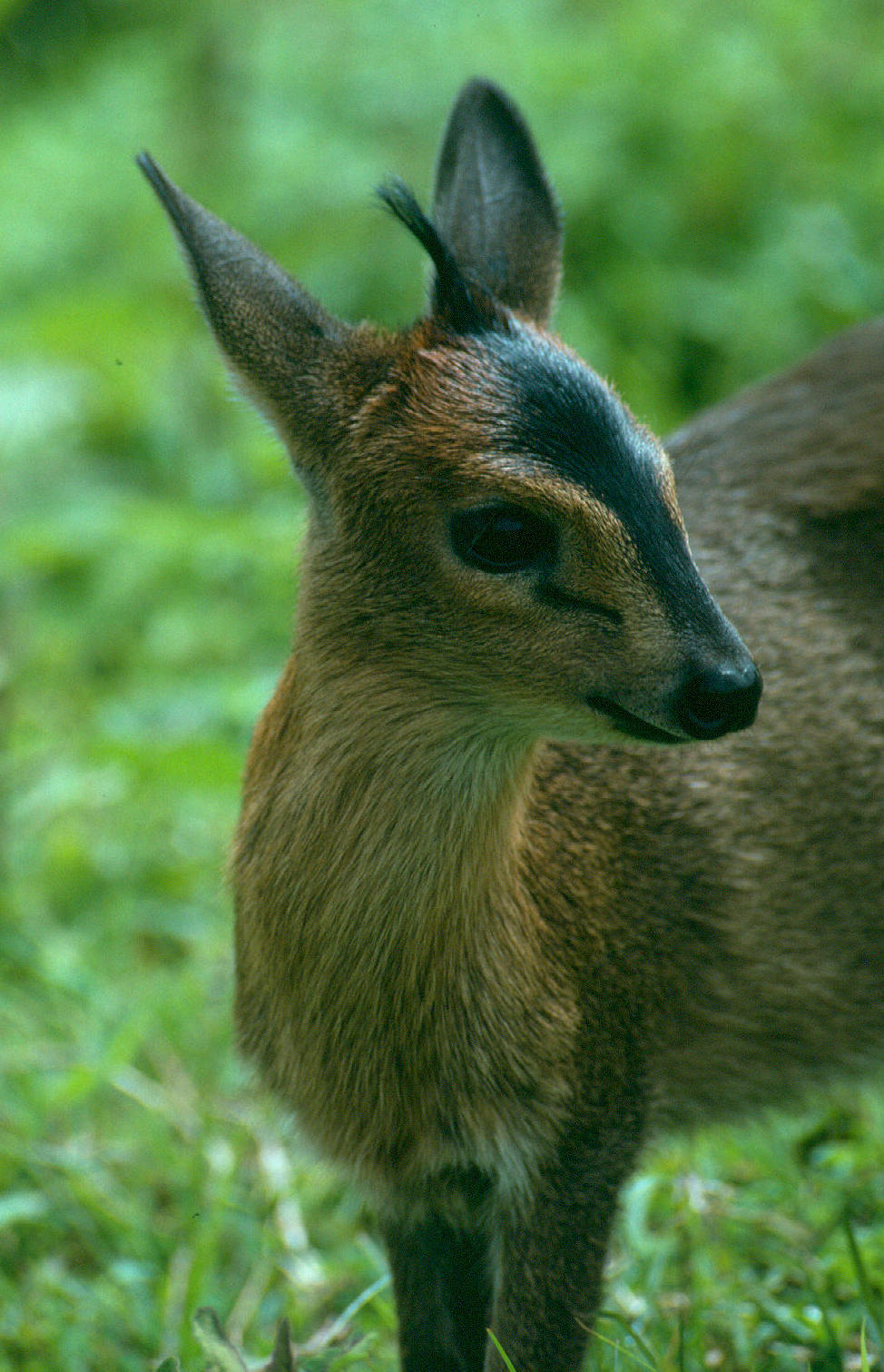
Catalina

The deep eyes of the animal (that happened to be a female) reminded Mabel of those of an old friend from Uruguay and, therefore, the name was coined!

Large eyes and preorbital glands.

When it arrived it was an extremely young common duiker (Sylvicapra grimmia), very likely to had been the survivor of a mother being a casualty of the bush meat consumption around Bedele. Duikers in general are well known to be an important part of the species hunted for food by the local people. A study in Liberia found that duikers and forest antelope constitute 57% of all meat traded [1] and the situation is likely to had been similar in Ethiopia at the time of our stay. 

In any case, Catalina entered our lives. To start with its condition did not look as it would be with us for too long. It had clearly suffered from lack of milk and it was wet, very dehydrated and not very active.

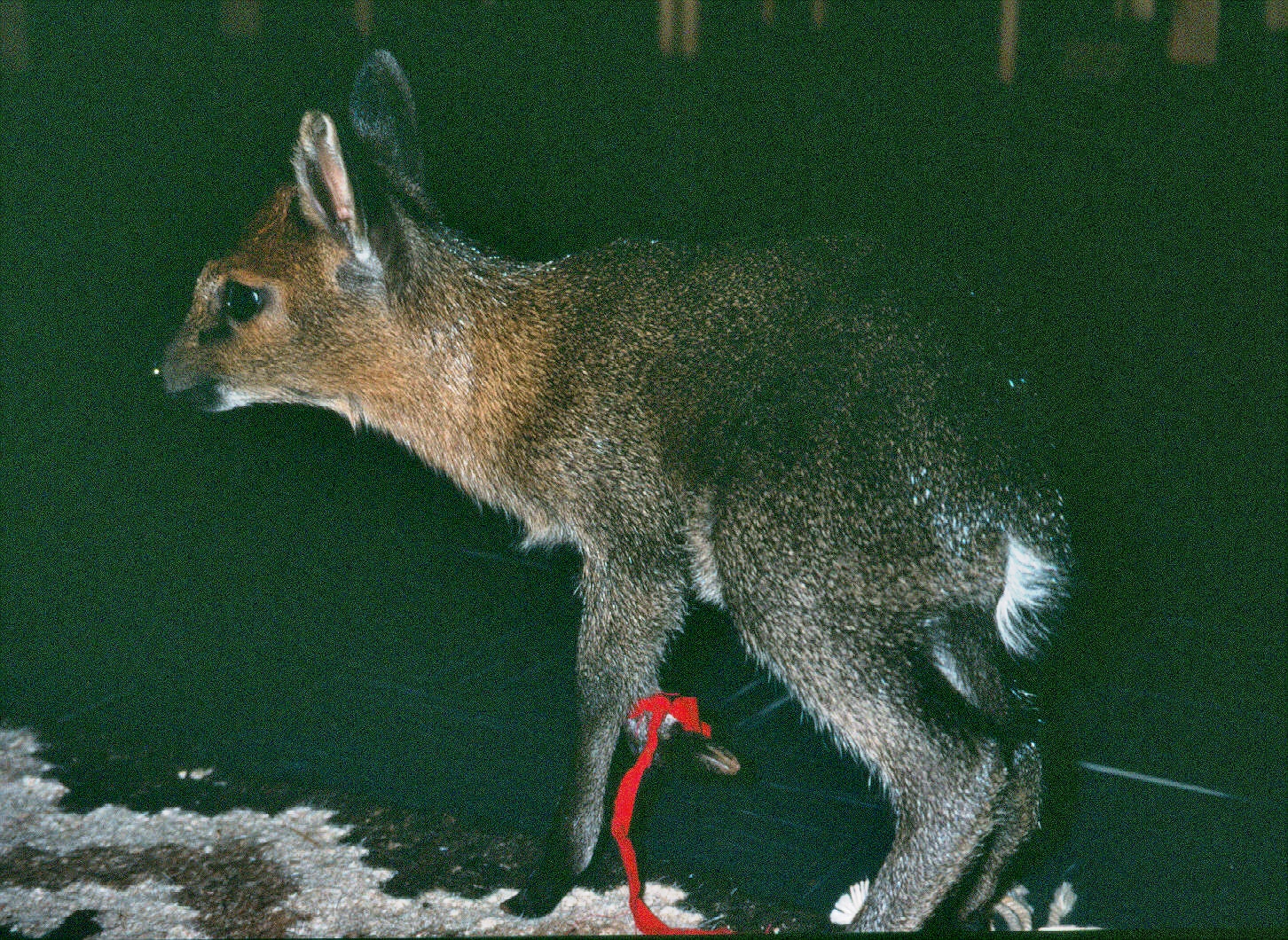
The recently arrived duiker. The red ribbon came with it.

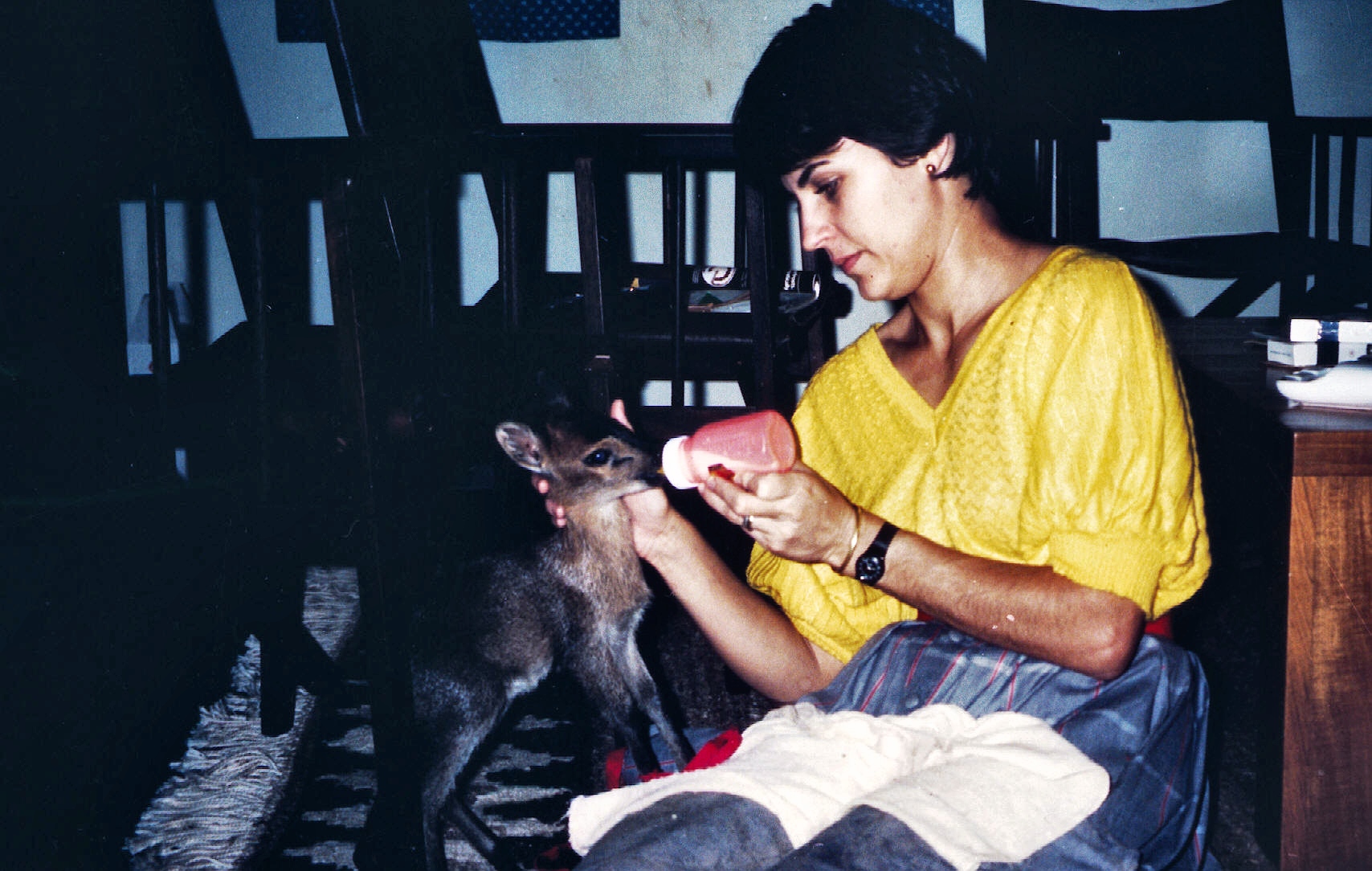
It was immediately adopted by Mabel who placed it inside her jacket pocket for warmth while we heated up milk and sugar to feed it. Luckily, after several attempts we managed. As soon as the creature tasted the sweet milk it started drinking with a passion, head-butting the foster mother in an instinctive attempt at getting more milk.

Mabel bottle-feeding a young Catalina.

Milk-drinking had a positive effect and, by the next day, she was looking more lively although I still did not like its look, particularly her arched back. We then realized that she had urinated but not defecated and that she was probably uncomfortable, hence the position of her back. How do you get a young duiker to defecate was an issue -albeit not very academic- that took us thinking for a while!

Then we remembered having seen female Thomson’s gazelles licking the rear ends of their babies for them to defecate when newly born. We tried to mimic this using cotton wool wet with warm water and the effect was instantaneous with the resulting large harvest of very dry faeces. It looked as she was going to live after all.

Live she did and became an interesting pet with one main drawback: house training! It would not learn to do the necessary outside and she insisted in performing her functions in our sitting room. We got rather tired of collecting her droppings that would bounce and run all over the room, particularly under the armchairs, just like small brown marbles!

With Woletu.

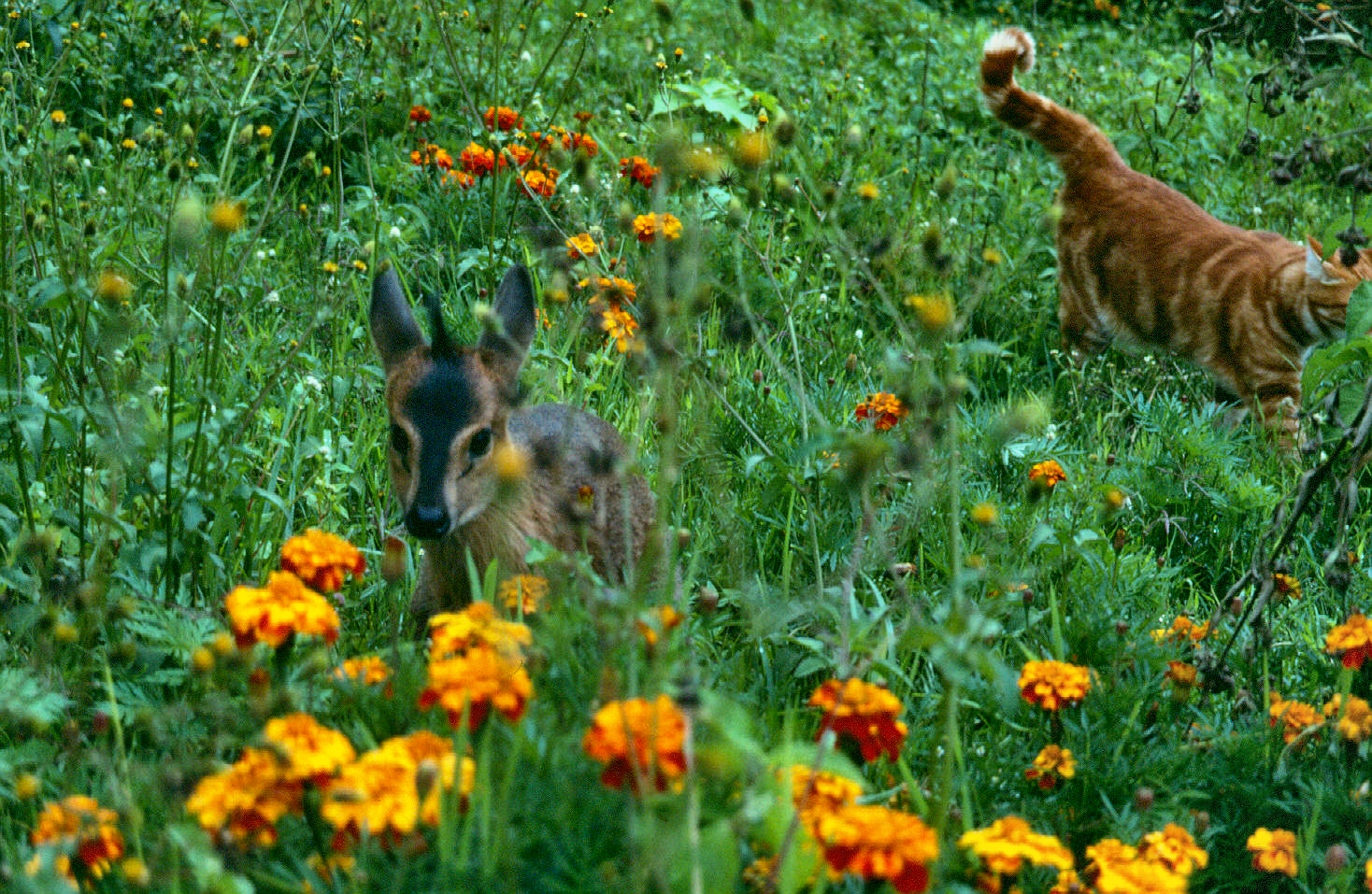
Despite her drawbacks, Catalina became a youngster in a few months and started to eat grass around the house. She would follow you like a dog and enjoy playing with the cats, mainly outside the house where there was quite a large open space.

Catalina with Tigger.

She would tease the cats and mock charge them until the latter tried to catch her only to find that the duiker was much faster than them and she would even jump high above them and bounce off. Her gracility and speed of reaction were truly extraordinary and left the cats looking like sloths in comparison!

It all went well until one day Catalina disappeared. No amount of searching around the house and beyond yielded any results and we feared the worst. Consternation increased as the days passed but no one had seen it and we could not locate her. This went on for about a week until one evening Catalina entered our house through the front door!

We were happy to see her after fearing her dead and she stayed for a couple of days and then disappeared again. This behaviour became the norm until our departure from Bedele towards the end of 1989.

We realized that our departure would be a problem for a “semi-wild” duiker as it was not possible to get someone at the station to care for her. We could not leave her either as it would probably be killed so we started to think what best to do about something we had not planned when Catalina arrived.

The solution came from André, an FAO colleague who was wishing to have Catalina. So it was that we took her to Addis and left her with him. He had it for about a year and, eventually, Catalina ended up at the gardens of the British High Commission where we hope she had a good life coming to watch people drinking a cuppa in the gardens of the mission.

[1] See: https://journals.sagepub.com/doi/10.1177/194008291400700103

Animals come

After being in the laboratory for a while, people from the area learnt that we liked animals and we started getting surprises as we were surrounded by interesting creatures.

The first arrival was a very young gosling that took us a while to identify although we knew that it could only belong to basically three species: Egyptian (Alopochen aegyptiaca), Spur-wing (Plectropterus gambensis) or the rarer Blue-winged geese (Cyanochen cyanoptera). After a detailed search we decided that we were the “owners” of an Egyptian goose and this was confirmed later on when it matured.

Our grown Egyptian goose.

To get a stressed animal is always a problem but luckily it adjusted to living in a heated carbon box where it grew until it became too large for it and we built an enclosure with reed mats and, eventually let it go around the house with the consequences that this produced that needed to be cleaned!

From the start the plan was not to get it attached to us so that we could release it.

The Egyptian goose entering its enclosure.

After a few months it started to beat its wings and run the length of the space between the houses trying to take off. Soon it managed to hop, and the latter became longer and higher. I started to watch it as it was great fun until one day, I saw it lifting off and disappear towards the hills! It was a great success as we never saw it again.

The absence of the goose was hardly noted as it was almost immediately replaced by a young kingfisher that did not look too good on arrival and could not yet fly. However, we placed it in the cats’ cage and supplied with water while we searched for suitable food.

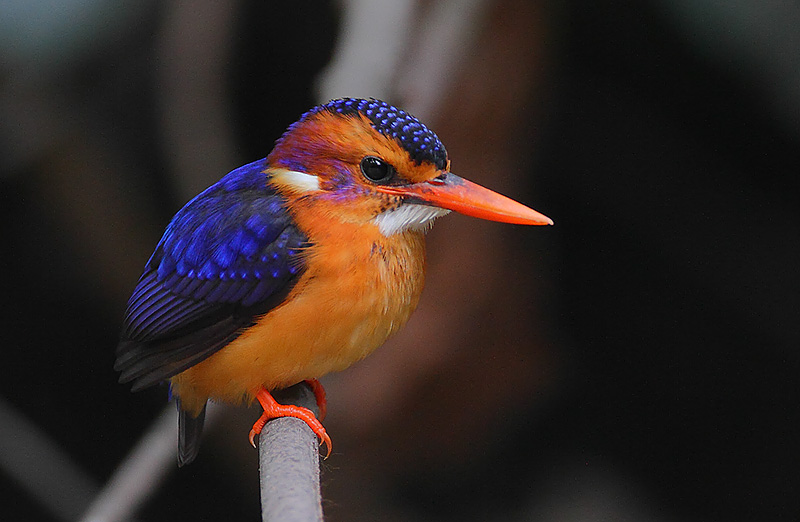
It was easy to identify it as an African pygmy kingfisher (Ispidina picta), one of the very small kingfishers distributed widely in Africa south of the Sahara although it is not present in the whole of the horn of Africa. A woodland species, it is not bound to water and it is usually very secretive and mostly seen when it loses its nerve and flies off from its perch.

African pigmy kingfisher. Credit: Steve Garvie from Dunfermline, Fife, Scotland / CC BY-SA (https://creativecommons.org/licenses/by-sa/2.0)

We learnt that the diet of this kingfisher consists of spiders and various insects as well as geckos and lizards. We were pleased to know that, among the insects, grasshoppers were acceptable as well as praying mantis, worms, crickets, dragonflies, cockroaches and moths. We knew that there were hundreds of grasshoppers across the road in the fields and we soon collected a few. Later we got a couple of children to collect them for us and we never had any shortage of food.

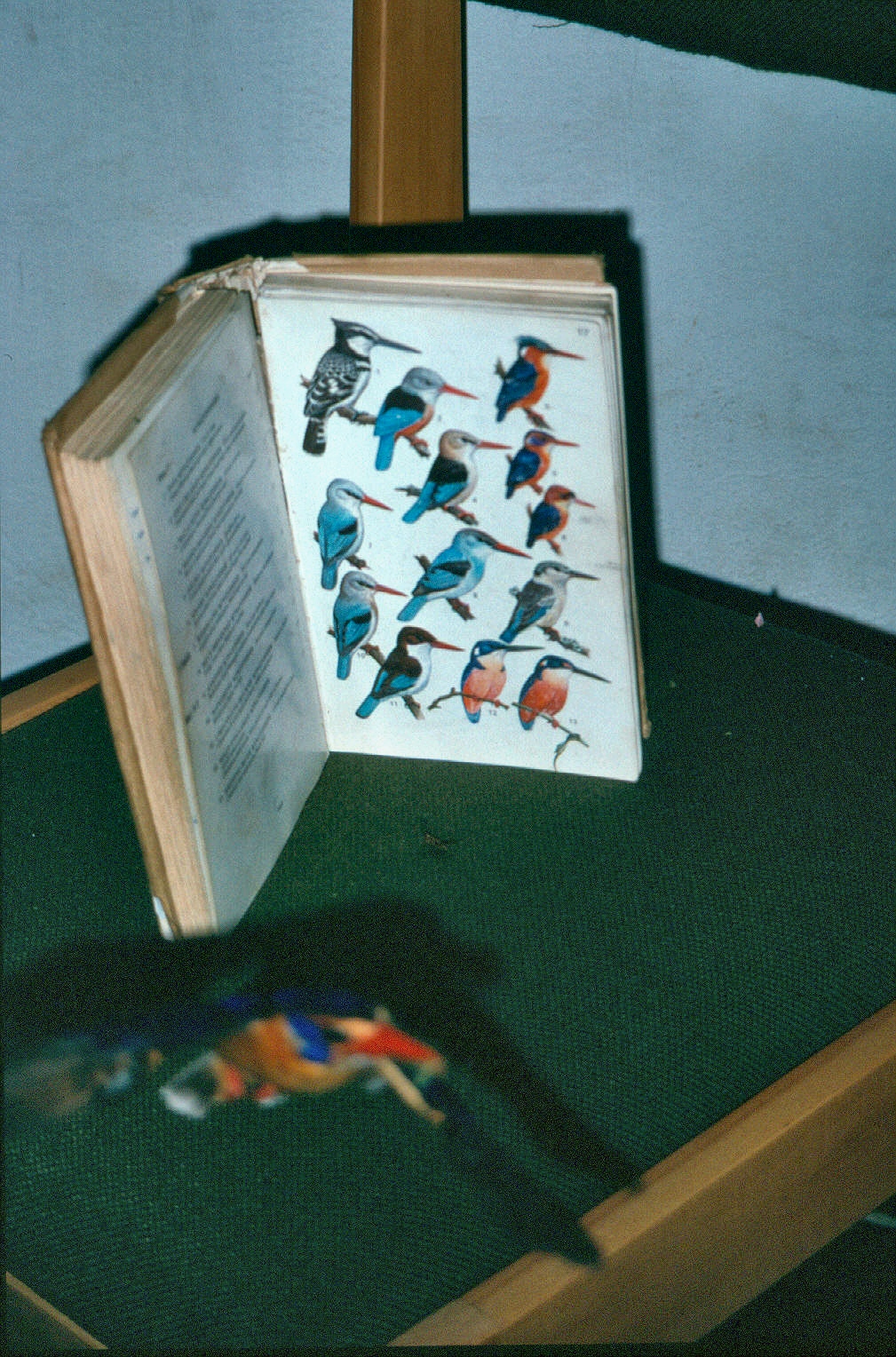
My attempted clever picture! The actual bird flying as it had escaped from the bird book! Not too good.

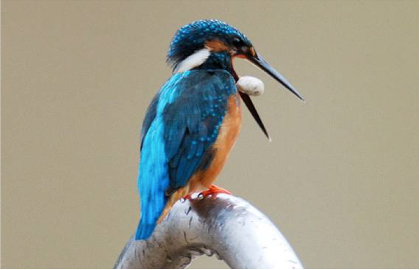
At first the bird ignored our offerings of water and grasshoppers but, to our relief, it started catching a few and to smash them against the box before eating them. We soon learnt that it defecated at one corner of the box while it produced food pellets with insect chitin as owls do with hairs and bones in a separate corner.

A common kingfisher (Alcedo atthis) casting a large white pellet. (Photograph by: Tan Gim Cheong). From L. K. Wang, M. Chan, Y. M. Chan, G. C. Tan and Y. C. Wee (2009). Pellet-casting by non-raptorial birds of Singapore. Nature in Singapore 2: 97–106.

It ate well and clearly matured under the attentive gaze of our cats that were rather frustrated as they could not get it! Interestingly, the bird totally ignored the cats.

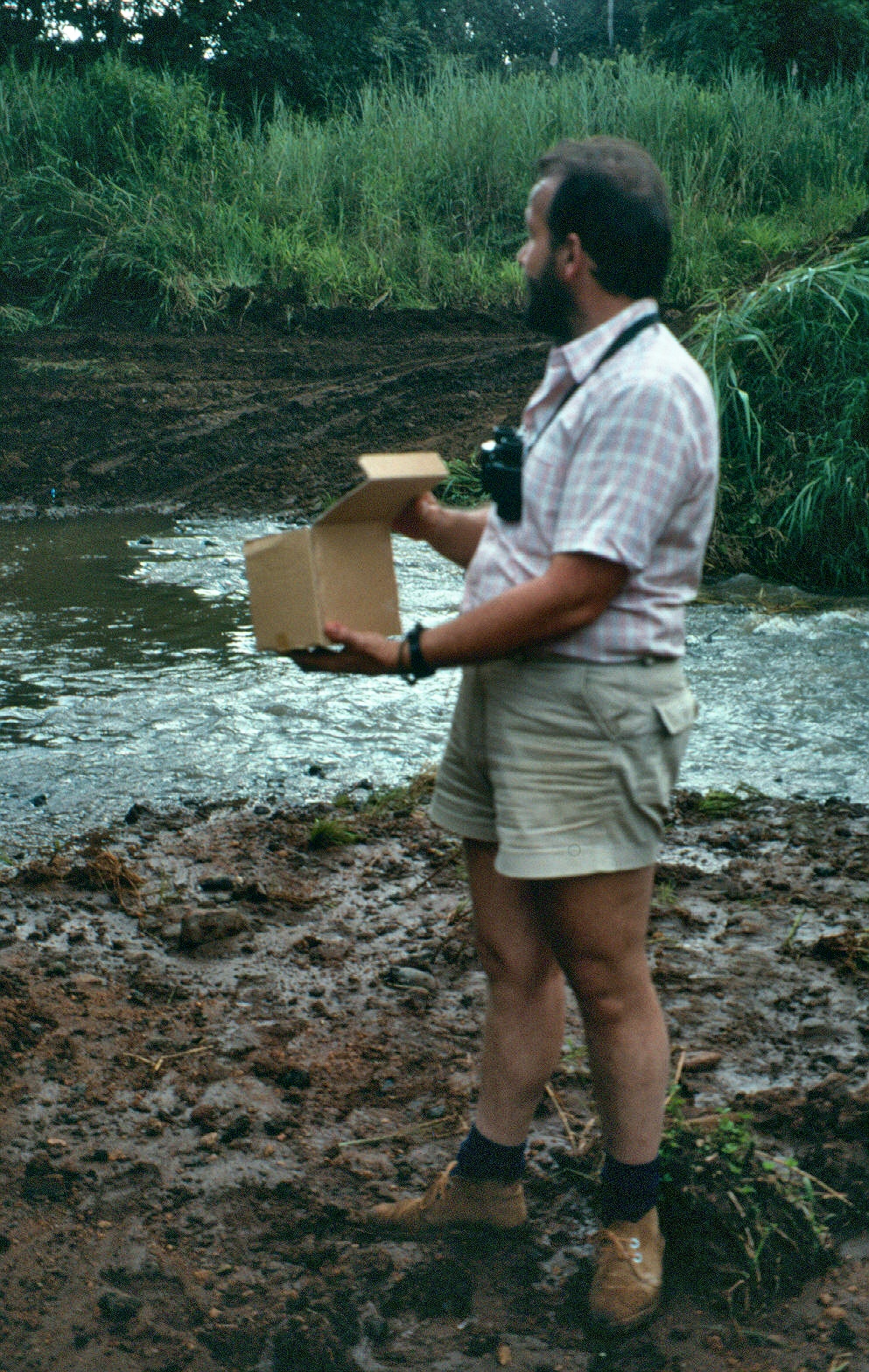
Eventually, I opened the box and allowed to be free inside the room during the day and placed it back in the box for the night. After a few days it was clear that it could fly well and we took it to a forested area and released it.

Releasing the kingfisher.

One day, we started hearing howls that we first identified as coming from young dogs but soon we realized that they were more like the sounds we have heard earlier in Kenya whenever we came close to jackals!

A search in our backyard (a large open field that continued all the way to Ethiopia itself!) produced a family of jackals that we identified as side-striped jackals (Canis adustus) not without surprise. They were a pair of adults and two pups that had taken residence in one of the unused shacks that remained from the time of the building of the laboratory.

They were not bothered by our presence and continued to stay there, well-hidden during the day but becoming active in the late afternoon. Luckily, they went unnoticed by the chicken owners in the laboratory but not by other inhabitants…

It is beyond my knowledge of animal ethology why our two cats decided that they would befriend the jackals. When we discovered a meeting, in panic, we went to the rescue as we thought that our pets were about to be killed. We managed to call them away from the jackals and took them home unharmed.

We kept the cats locked for a few days but eventually they went out of the house and, lo and behold, they did a beeline to the jackals again. This time, we decided towait and watch, and we were quite surprised to see them engaged in a kind of hide and seek exercise with the wild jackals, both adults and pups! After that we relaxed and watched the unexpected interaction until the jackal family left not to be seen again.

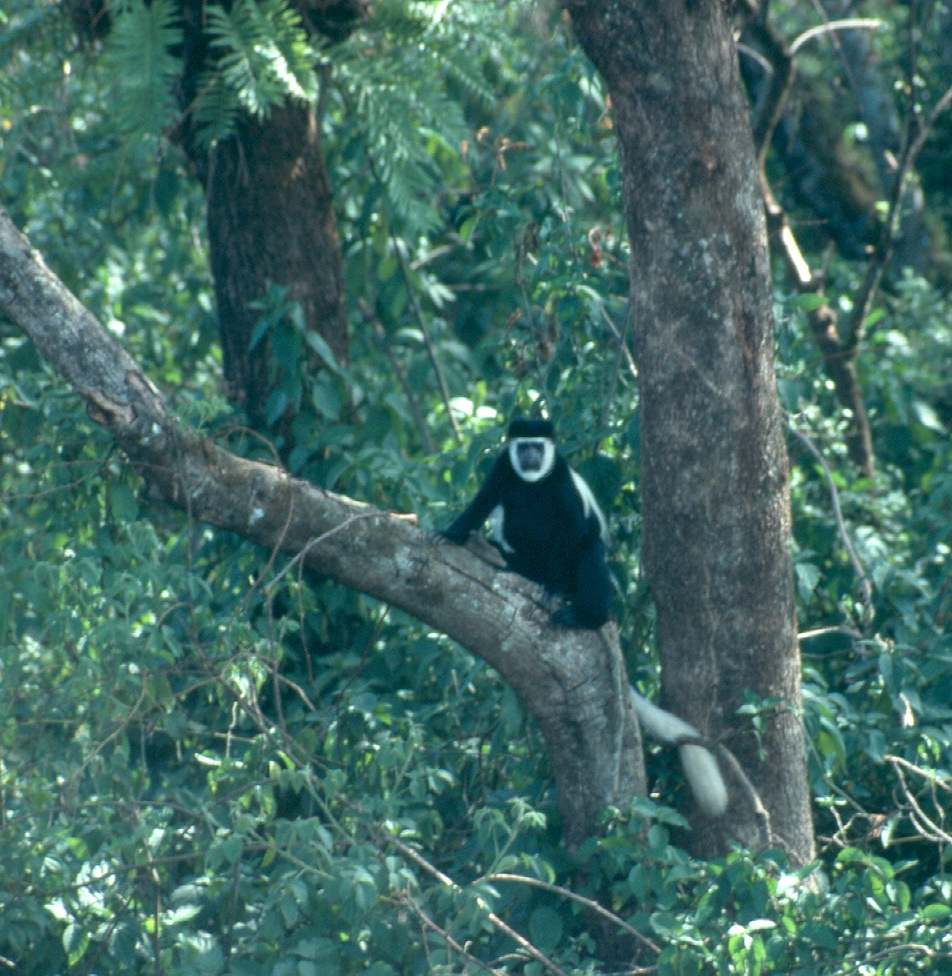
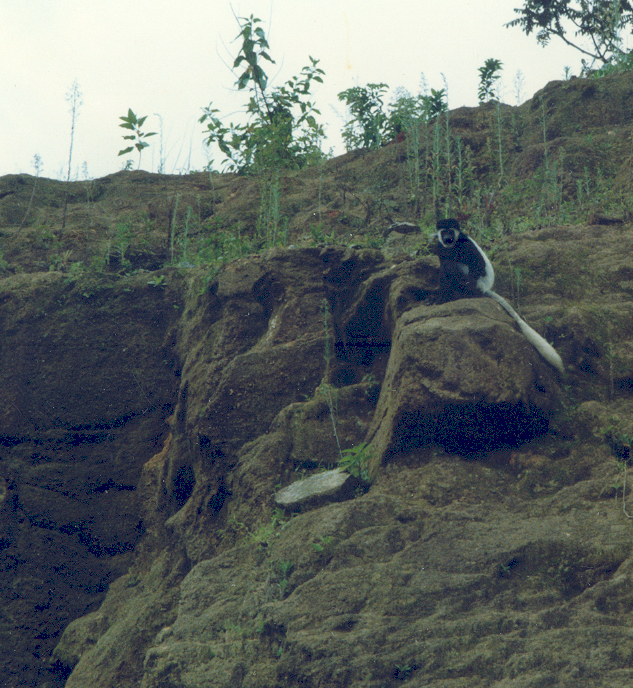
Apart from the long-term visitors, we also had a number of day guests. Among these the least desirable were the grivet monkeys as they would do lots of damage to Mabel’s garden as opposed to the black and white colobus that were not only beautiful to watch but harmless to our garden. I will describe a few more interactions with birds later but there was one that was quite scary.

It happened while Paul and I were working on the document for the extension of the project. We were sitting at home next to the computer when, suddenly, a large bird entered the room through the open window and landed on our worktable, as confused as we were shocked!

Amazingly it was a black kite (Milvus migrans) a rather large bird to be in close quarters with considering that it has 150cm wingspan and we could see that it had a strong beak and talons! Luckily, it departed almost as soon as it arrived leaving us rather amazed and looking at each other in disbelief!

The last long-term guest to arrive was a Common duiker (Sylvicapra grimmia) but I will deal with this visitor on a separate post.

Video preferences

I have now published a number of videos at my channel in Youtube and, frankly, I am surprised and amused at the results. In other words, what I thought were the best videos had a cool reception while others that I did not think much of, were quite popular.

Here are the three less and the three most popular videos for you to watch and decide!

With 7 views (in 4 years!):

With 5 views in 1 year:

With 3 views in 1 year:

Here are the most popular:

With 8k views during 5 years:

Not a very active beast but attractive?

With 23k views in 4 years:

I think that this one is spectacular and perhaps the title helped it?

The winner, with 61k in five years:

I think this one is good and the title was not that attractive!

It is truly amazing how viewers choose what they watch! The following one is my favourite but it has been seen 274 times in 5 years!

This is the address to my video channel in YouTube: https://www.youtube.com/channel/UCzdnf37ID0jrLIEFH3NhuOQ

Visiting Addis

As I mentioned earlier, we needed to travel to Addis roughly every month and, after the first twelve months I got promoted and that meant that we gained access to an expatriate shop known as the Victory shop. Although this impressively named shop could only be compared with a small supermarket in Kenya, to be able to enter it was a moral boost to our remoteness and complemented our food needs. It also offered the option of buying several things in one place and even find some imported stuff.

Despite our newly acquired privilege, we continued to visit the Mercato, attracted not just by the food but also in search of handicrafts. Ethiopia is well known for its rather unique jewellery. Various silver crosses of different sizes, shapes and materials as well as gold ornaments of different kinds, particularly the rather large rounded earrings and other items are sought after by both Ethiopians and visitors.

Although we bought a few crosses and other silver trinkets, we were more interested in other kinds of crafts such as textiles and baskets, the latter in particular we liked a lot. So, while I attended meetings and did project procurement and other official tasks, Mabel spent many hours shopping at Mercato.

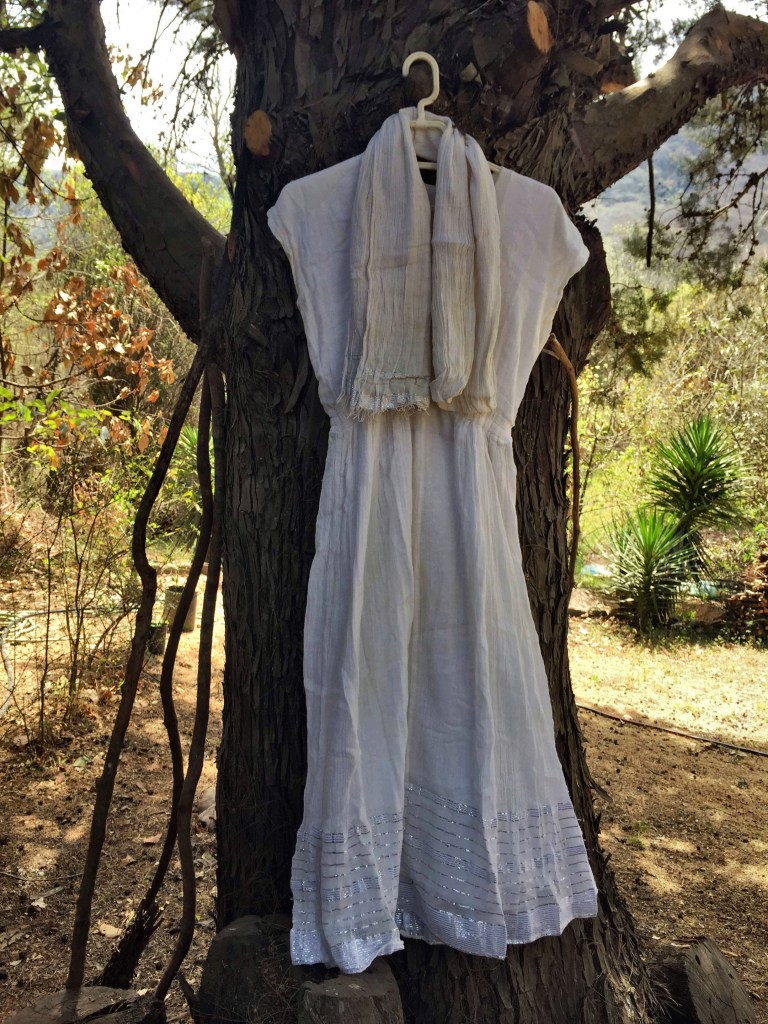
She bought lovely lengths of cotton material known as “shammas”. These are light weight shawls worn by women and decorated with coloured borders. There are also plain and heavier ones worn by men and used as blankets and even as shrouds.

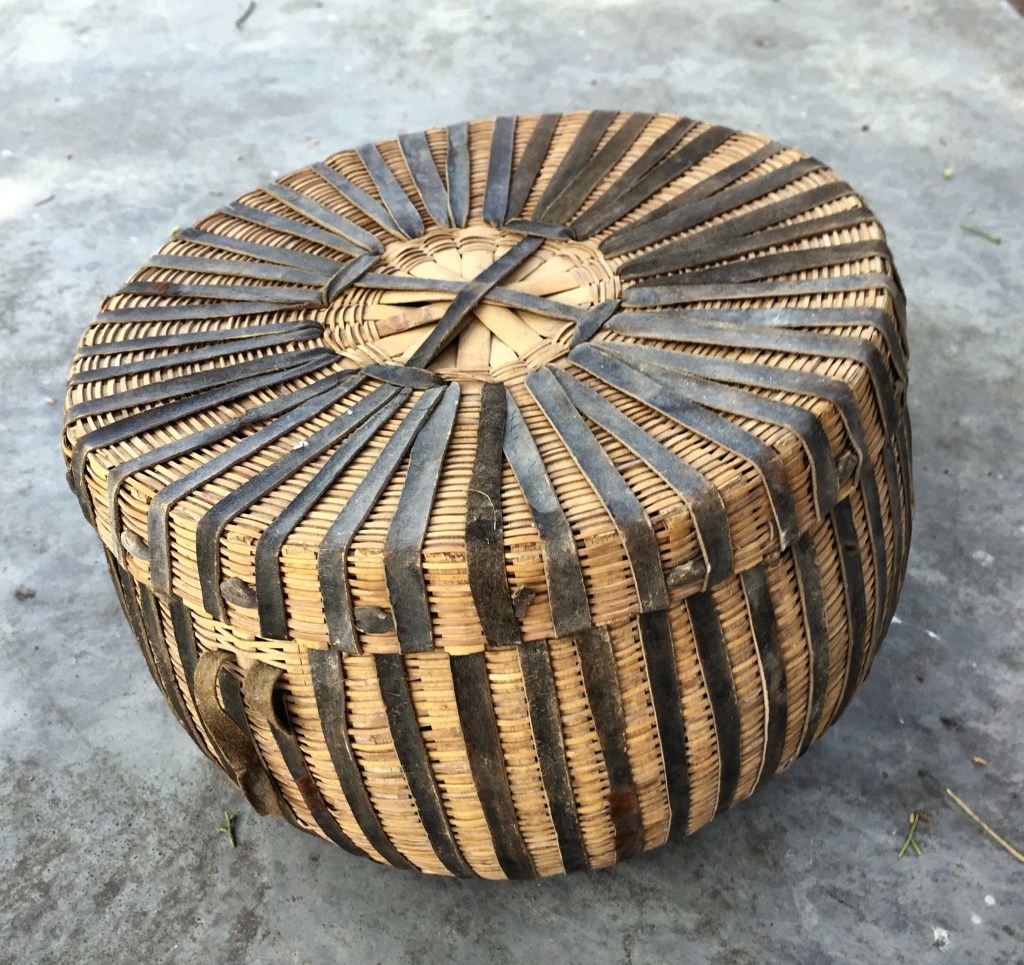
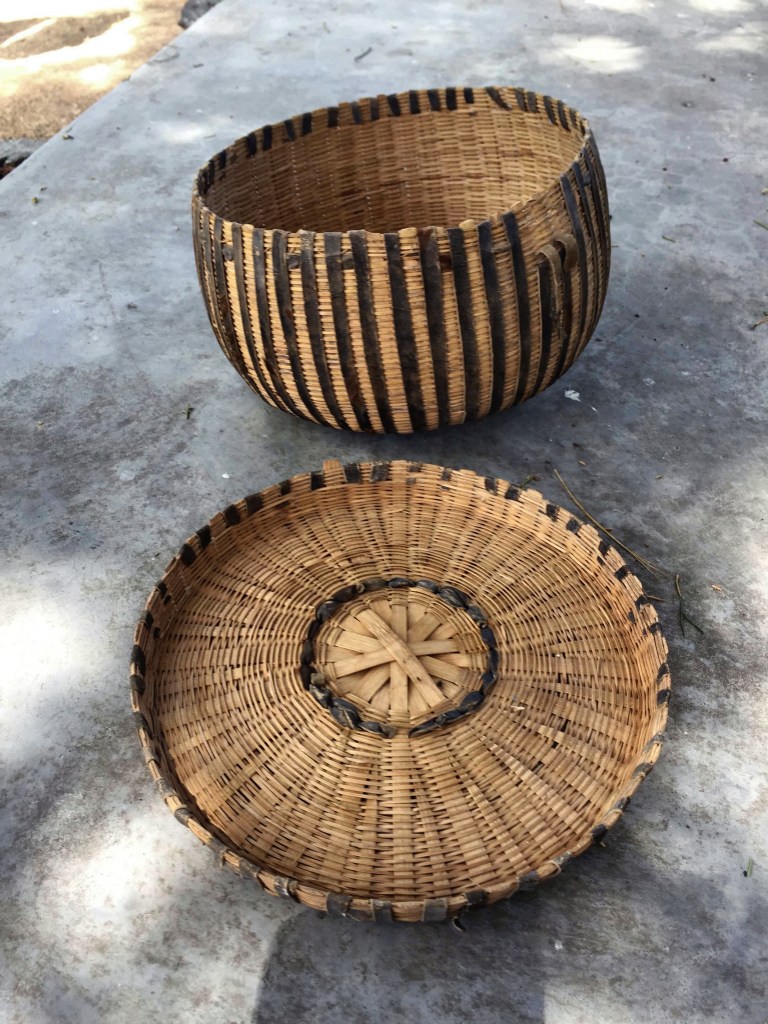
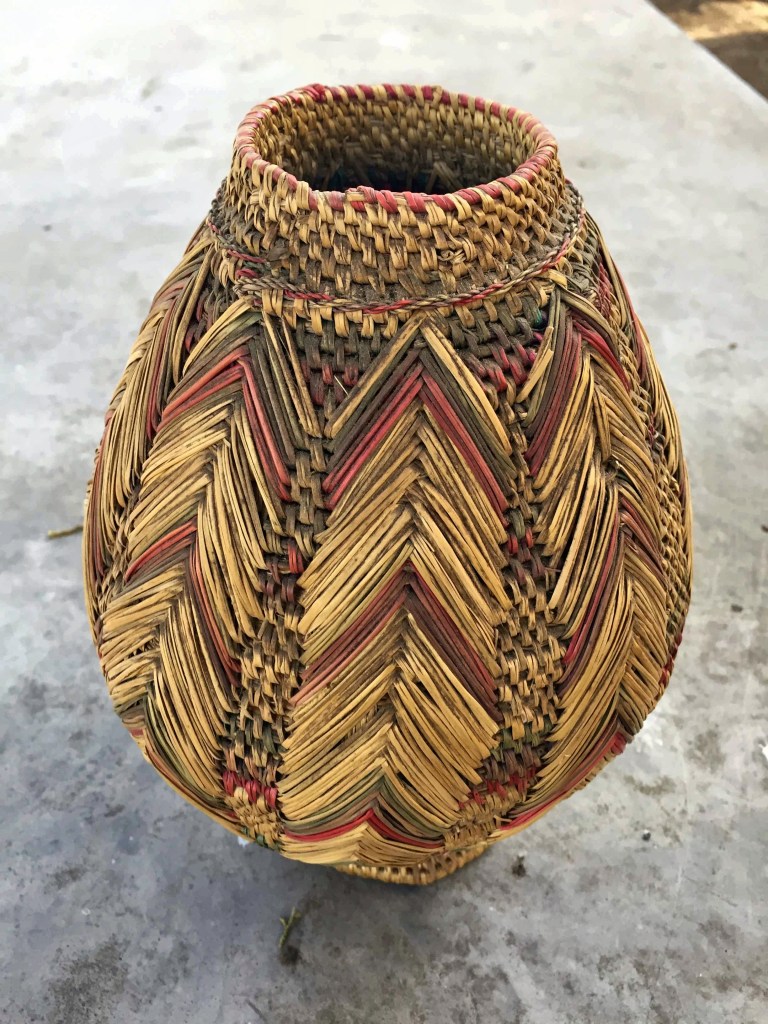
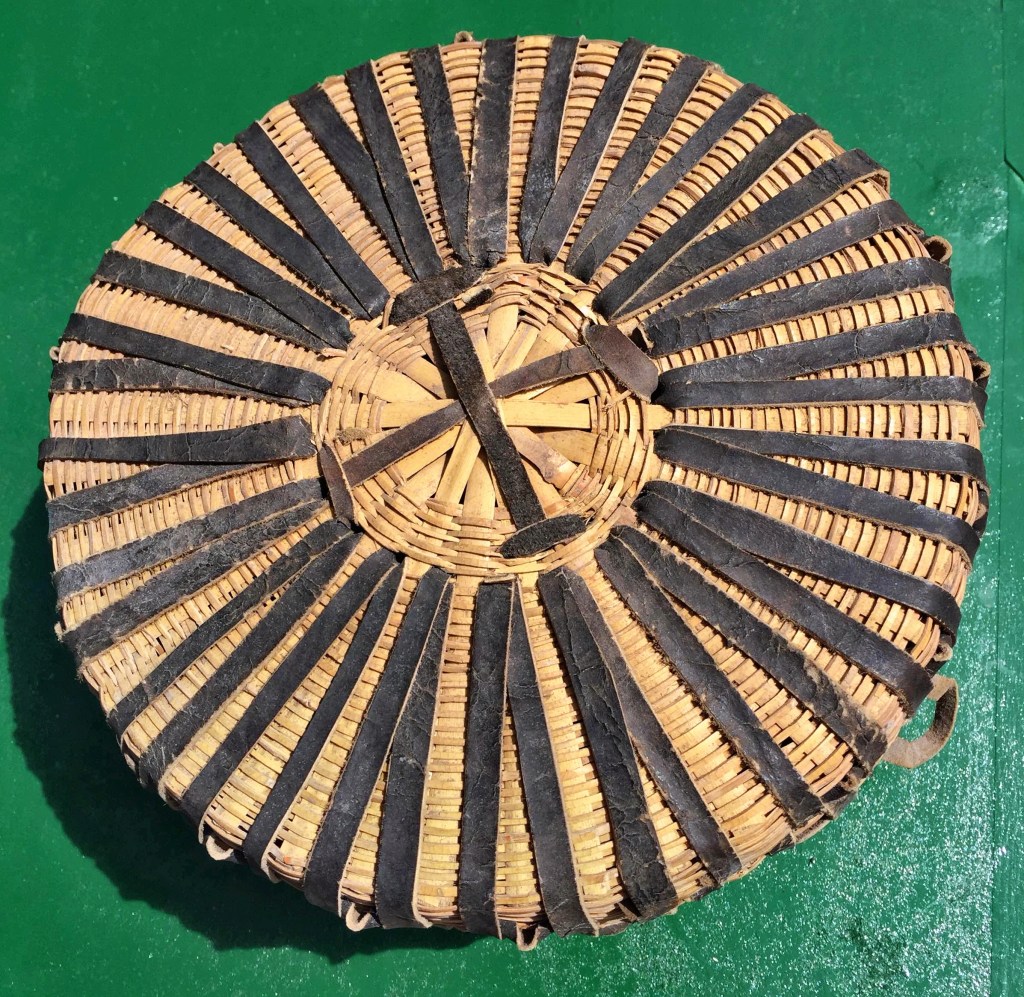
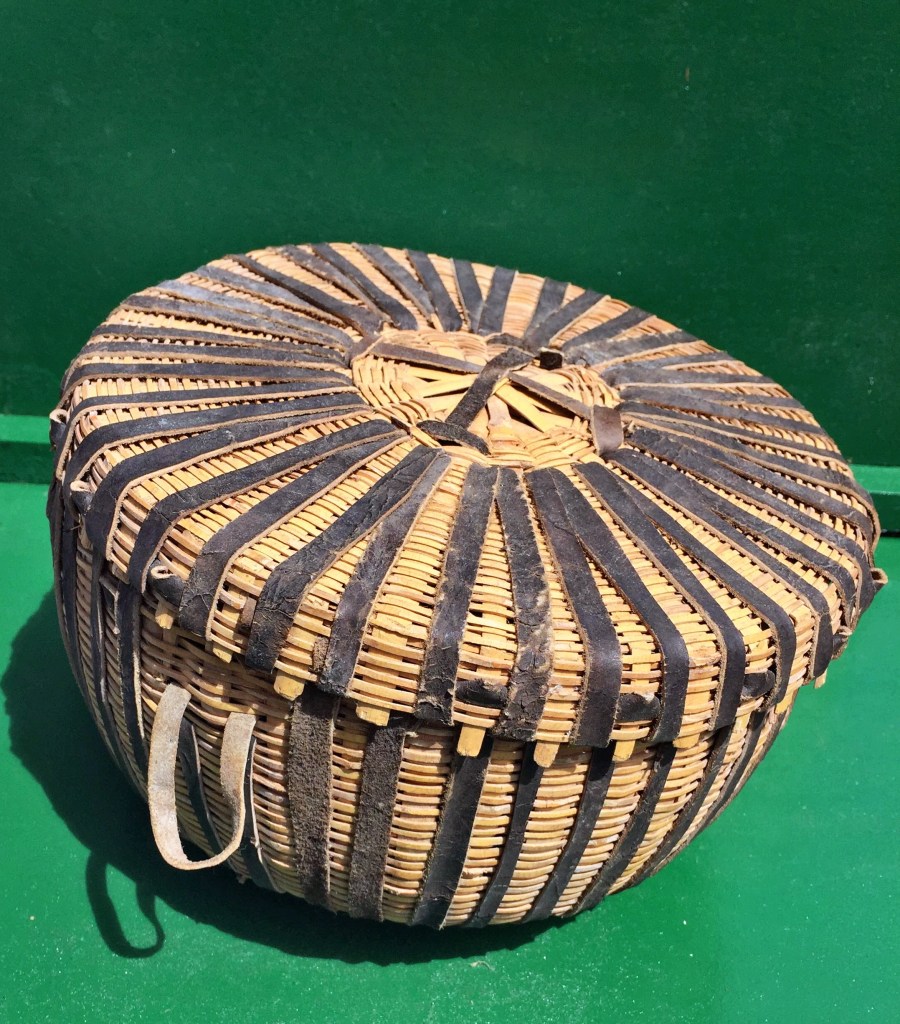
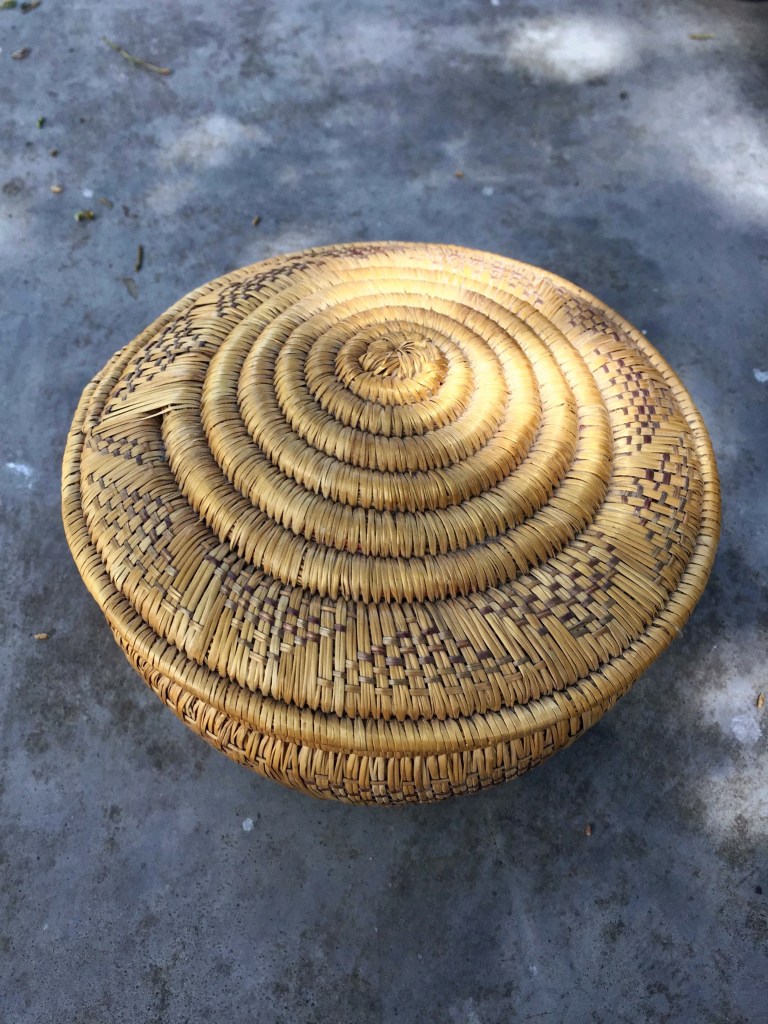
She also bought a number of baskets of which I only have a few where we are now for you to see.

Tequyes. Baskets made of bamboo in southern Ethiopia mostly Gurage zone .

Amazingly, she was not deterred by the amount of strongly smelling rubbish that was strewn all over the place that included lots of human excrement as there were no public toilets available. She solved this inconvenience by wearing her gumboots and spending quite a time cleaning them on return! She walked with our “beggar chaser bodyguard” and both came back loaded with various shopping items.

While in Addis we also got to know the various restaurants as the food at the Harambe Hotel was truly poor. We sampled a few with various results. Eventually we narrowed them down to the great Italian Castelli where the antipasti, the spaghetti with gorgonzola and the tiramisu were truly excellent. Sometimes we also dined at the Greek-Armenian Club where we had a weak spot for the cold mint and yogurt soup and other delicacies of both cuisines. We also liked some of the local restaurants such as the Habesha and the Finfine but, because we ate local food in Bedele, we wished to change to other kind of food.

Regrettably, almost towards the end of our stay we were taken to a non-descript place by a friend who claimed that he had eaten the best chicken in Addis! We followed him and arrived to what looked as a family house. We were accommodated at one of the few tables available and ordered the only dish on offer: fried chicken and chips and waited and then waited a bit more. Eventually the food arrived but when it did, it was really delicious. As we could not remember its name, we started calling it the “Chicken Embassy” and returned to it whenever we felt like having a good chicken!

During one of the trips to Addis our car (a project Land Rover) died about 200km from Addis. After trying everything we knew to find what was wrong, we finally realized that the petrol was not reaching the engine. I recalled that, sometimes, I needed to punch the front panel of my Land Rover Series I in Uruguay to get it going again to the amusement of my companions that did not know that the electrical fuel pump was screwed on the other side of the panel!

So, we looked for the pump not only behind the front panel but all over the place and failed to find it. After that we thought it had fallen off during the journey, but we could not find where it should have been either!

Eventually, we gave up trying to do a DIY repair and stopped a lorry that towed us to the next mechanic we found while we speculated where the pump could be. The mechanic announced that these cars had the pump inside the petrol tank (a clever idea!) and that he needed to siphon the petrol out, remove the tank, open it and check the condition of the elusive pump!

After a few hours spent putting things apart, a loose wire was reconnected and the car re-assembled. Later on, I needed to take it to Addis to fit a new pump outside the tank! Anyway, we got the car going again but only for a few km before nightfall. Luckily, we reached the town of Wolisso and found a hotel to spend the night. The place, built in Italian style, clearly belonged to a gone era when travellers would find there all necessary luxuries. However, it was obvious that the revolution did not have room for frills and the place was clearly state-run and rather dilapidated.

We were tired so we dined on spaghetti and tomato sauce while we were “over served” by all the waiters of the establishment that did not have any other customers to look after!

The following morning, we were woken up by birds calling and the sound of what appeared to be monkeys screaming! We went out to look and realized that our hotel was immersed in a patch of green forest and that there were lots of birds and monkeys around us! The latter were the grivets Chlorocebus aethiops, the horn of Africa equivalent to the more common vervets (C. pygerythrus).

Walking in the park we soon discovered a large derelict steaming open air swimming pool rather overgrown with vegetation and, further on, another one inside a large hall that had also seen better days. We had just stayed at the Ethiopia Hotel (earlier known as the Ghion Hotel and today known as the Negash Lodge) that had been built in the 1930’s and that it was famous because it had been used as a holiday home by Emperor Haile Selassie, because of its natural hot springs which many believe has curative properties.

Although we continued with our journey the following morning, we made a note to return to spend more time in this hotel during our journeys to and from Bedele. We returned again and again to the point that we became rather well known to the staff that was always welcoming! We soon discovered that the hotel had a speciality, the so-called “Emperor’s Suite” that was room number one, near the entrance, in the internal patio, on the way to a closed pool that was functioning and popular with day visitors. We asked for it and, paying a small surcharge, we could have it!

When we entered, we could see that it had been a luxurious suite, with a sitting area with windows that opened to the surrounding lush vegetation, a large bedroom with a large bed and a truly oversized toilet. We felt like the former Emperor, if we ignored the neglect and smell of damp!

Once we entered the toilet, it had another surprise for us: the largest bathtub we had ever seen, almost the size of a small swimming pool! I opened the only and rather humongous tap and hot water -clearly coming from underground- gushed out. Clearly the tap was in accordance with the size of the recipient!

So, to enjoy our private pool, we hatched the plan of opening the tap to fill it up while having dinner. Immediately we hit a snag, the drain hole was also humongous and there was no plug! As the reception did not have one, we improvised one with an ashtray and a hand towel and went for dinner thinking that surely Haile Selassie had a proper stopper, but it had long gone.

To our surprise, when we came back the tub was still empty although the water was still running. Although the ashtray, being of hard plastic, was still there, the towel had gone “down the drain” leaving no trace as the suction power of the outlet was stronger than anything I had seen before. A look in the drain showed no signs of the towel! Luckily, our initial concern of having blocked the pipe forever were unfounded as the water was still running but we could not have our bath! This we managed the following night by using a small dessert plate and a stone that, although was not hermetic, it worked quite well! We paid for the “lost” towel and, fortunately, no questions were asked.

The bath was very soothing, and we slept well, probably partly the consequence of the sub lethal toxaphene fumes inhaled, product of Mabel’s bug control efforts prior to entering her sleeping bag. She steadfastly refused to get between the sheets! We were up early because of the loud bird calls and the screaming of the numerous grivets.

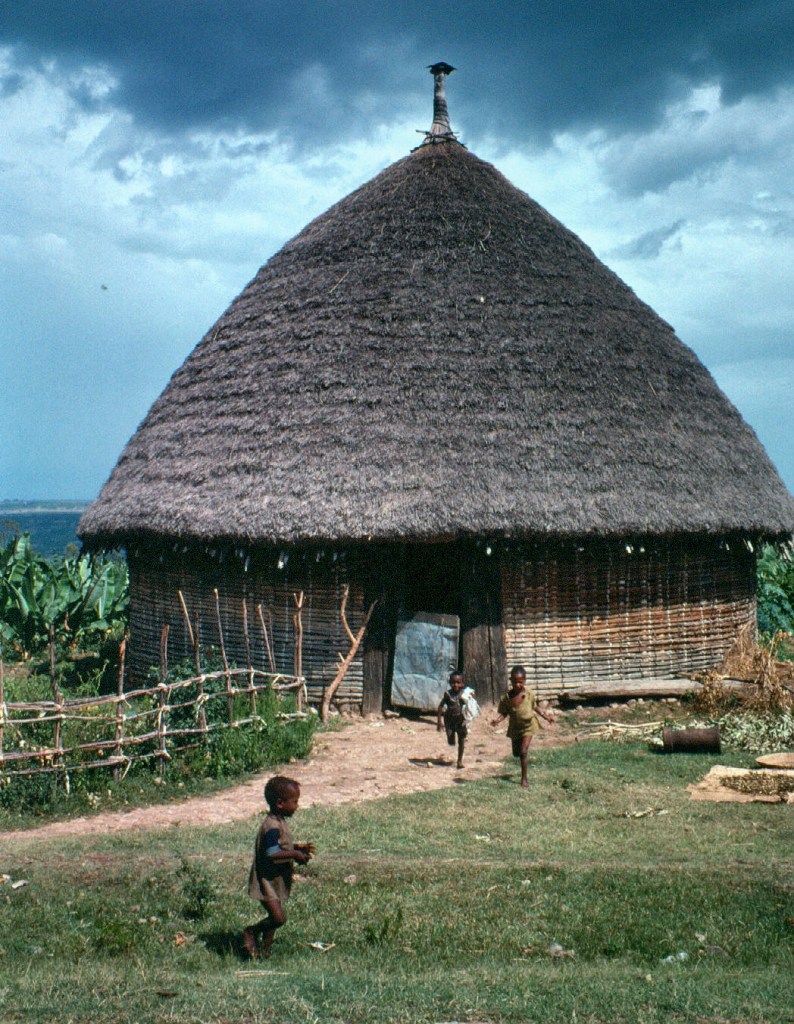
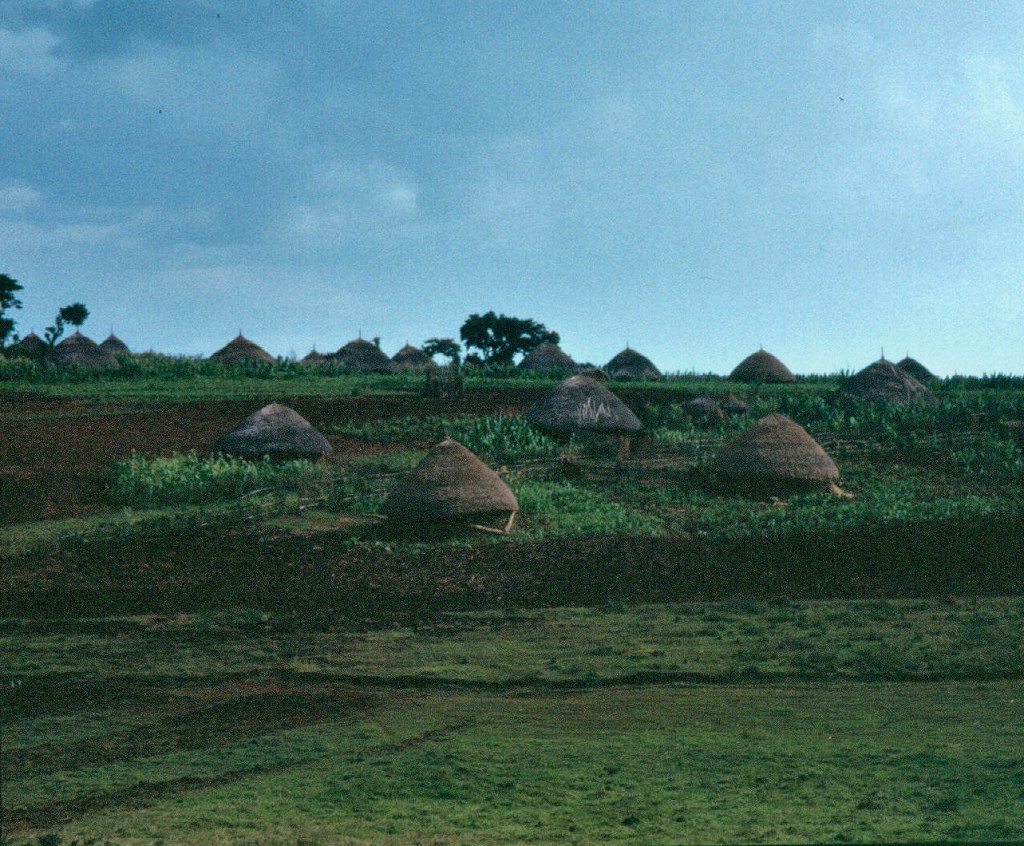
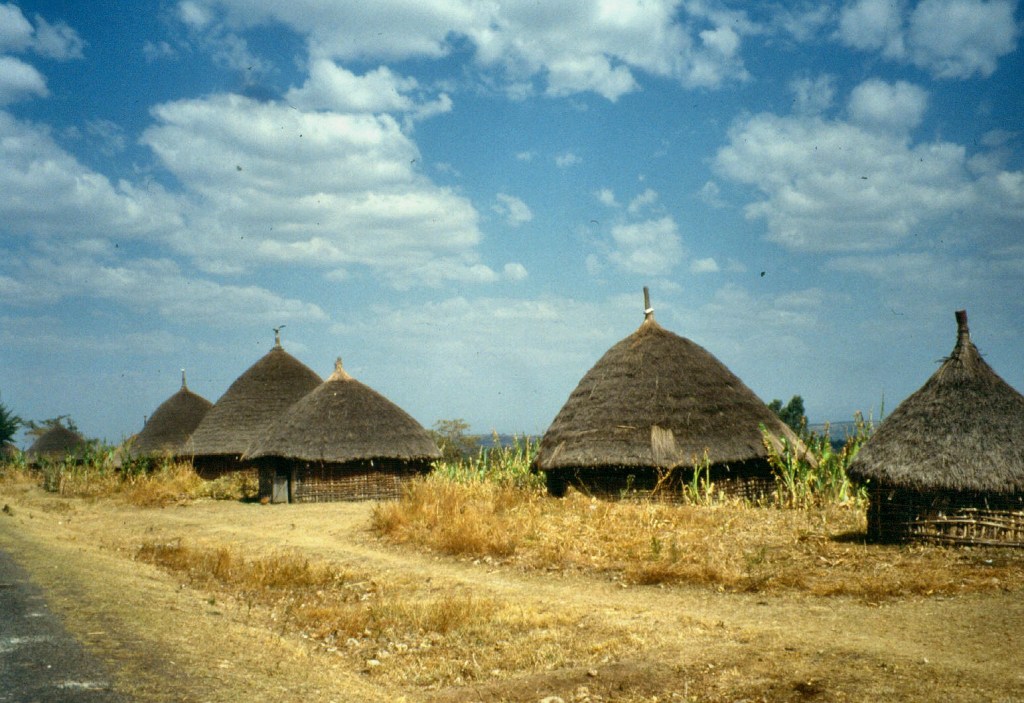
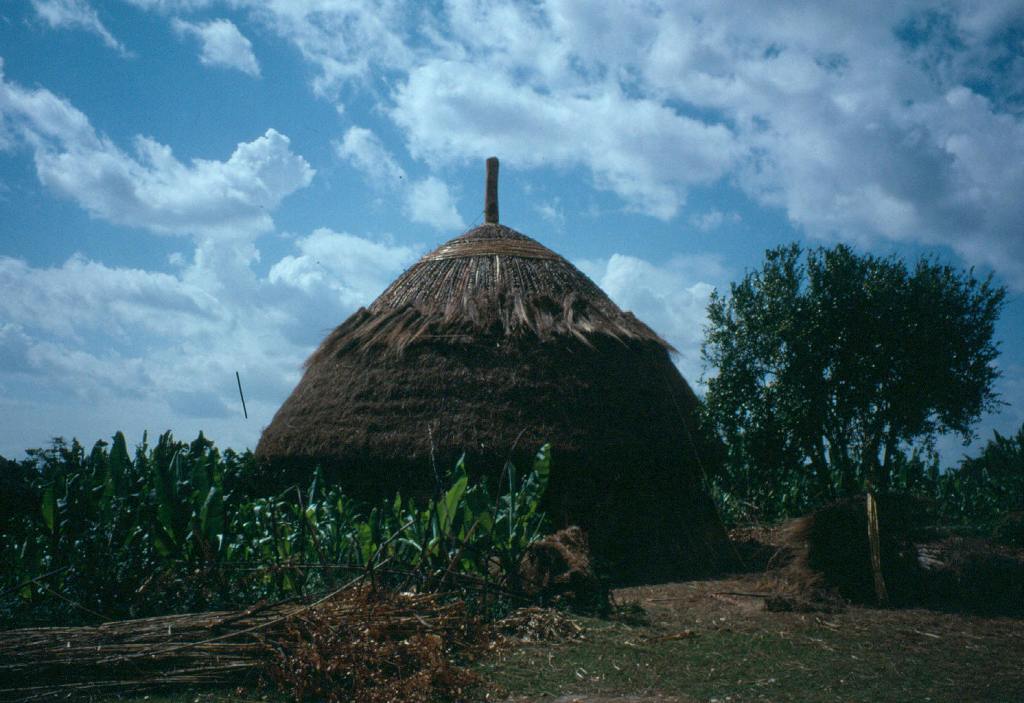
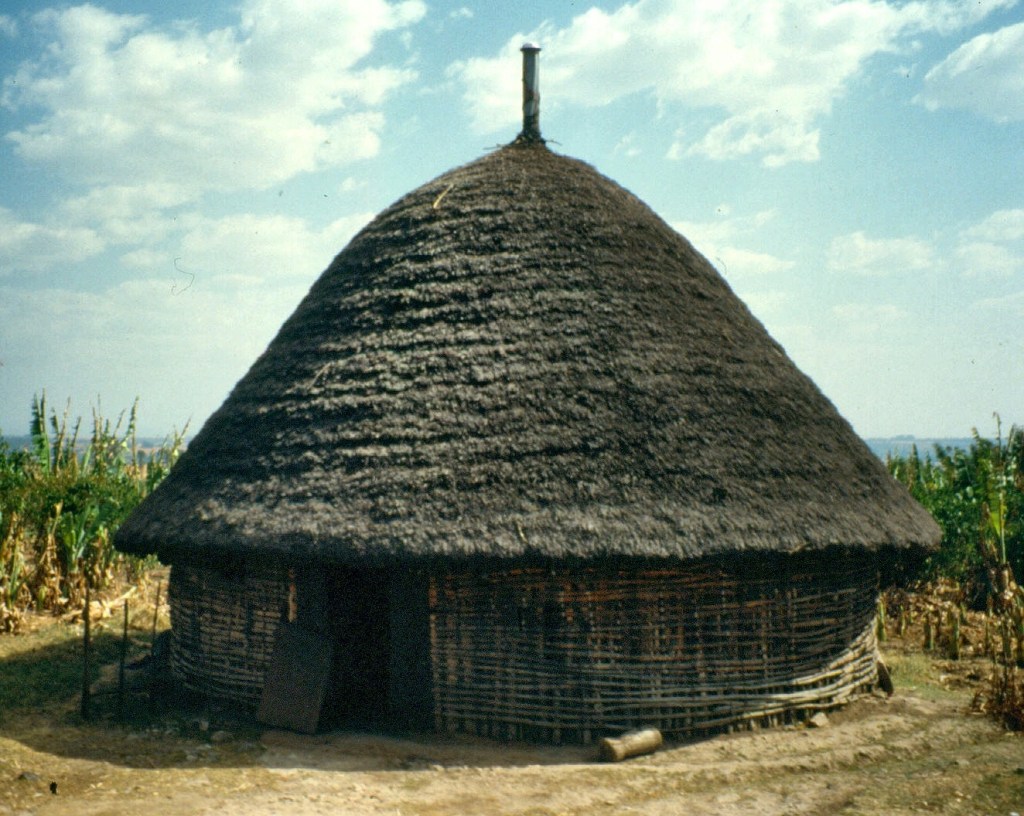
After breakfast we usually continued our journey either west towards Bedele or east to Addis. Either way we could not fail to admire the beautiful round Gurage houses along the road.

House being built.
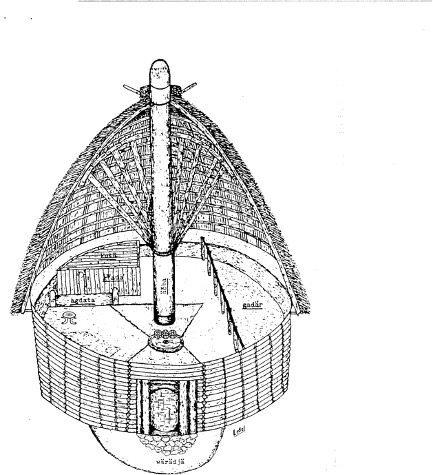
Detail of a Gurage house. Credit: Pic of house: Cutaway Design from P. LeBel, “On Gurage Architecture”, Journal of Ethiopian Studies, Fall 1969.

These were not the usual straw huts, but proper large structures known as “sauer bét”. They are built with eucalyptus, bamboo, vine, and thatch. Red eucalyptus wood is resistant to termites, so the basic structure of a house can last for several years. Although without plumbing or electricity, the houses are meant to be cool during sunny days and can be warmed up with a fire in the centre of the house during the cold months.

Young Gurage coming to greet us.

Each Gurage house was surrounded by the ubiquitous false banana trees (ensete) from where the “kocho”, typical Gurage food comes from. Ensete is a drought resistant staple crop and we also saw some coffee probably for cash or domestic consumption.

We never failed to admire these houses whenever we travelled to or from Bedele.

Spot the beast 63

I have not been able to continue with “Spots” as we are not travelling and we had gone through our winter in our farm in Salta where we focussed on looking after ourselves in isolation.

The arrival of the spring brought nicer temperatures and things started to change and liven up. Plants and trees started to flower and, because it is dry now, lots of birds have arrived to drink at our water baths.

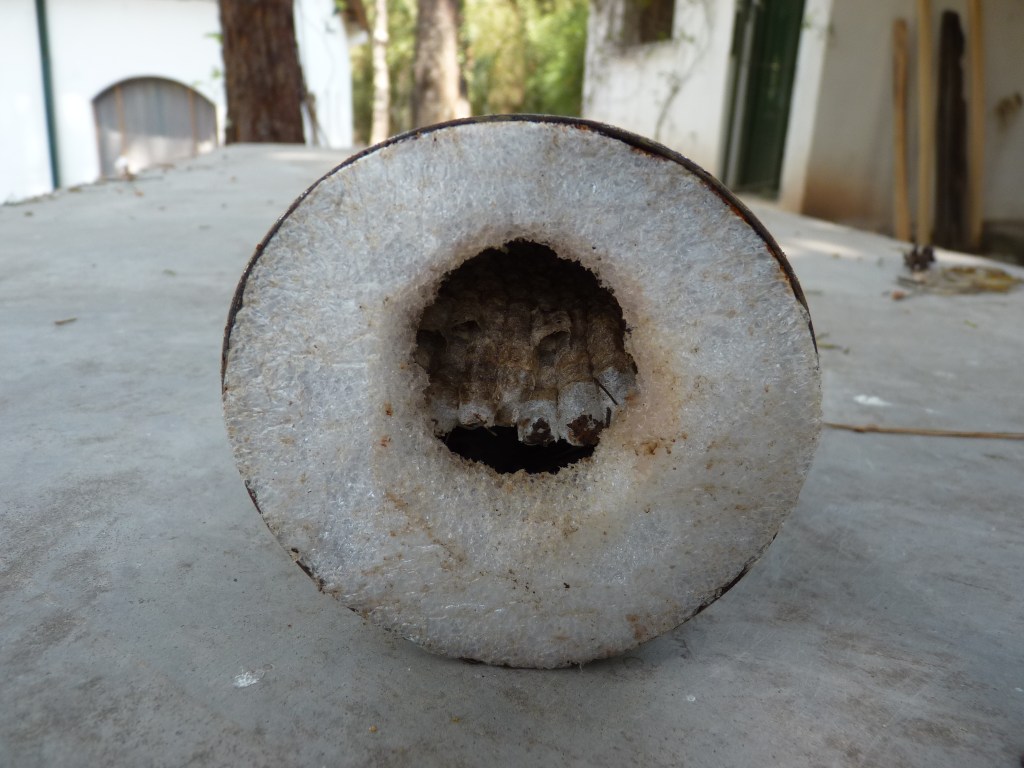
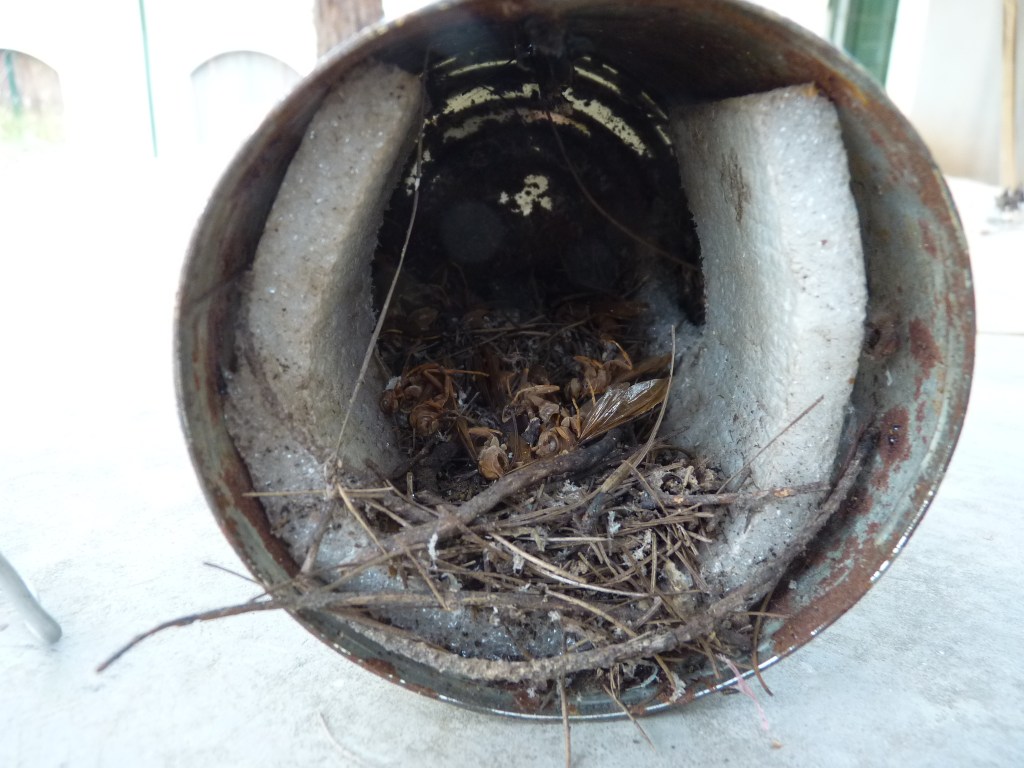
So, while doing general maintenance preparing for the summer that it seems we would need to spend here, I found this object that, although it is not a usual “beast” it is somehow challenging. Would you guess what it is and what happened here?

I am aware that it is not straight forward… but it gets better if we remove the white cover.

Just in case you did not get what had happened I will explain.

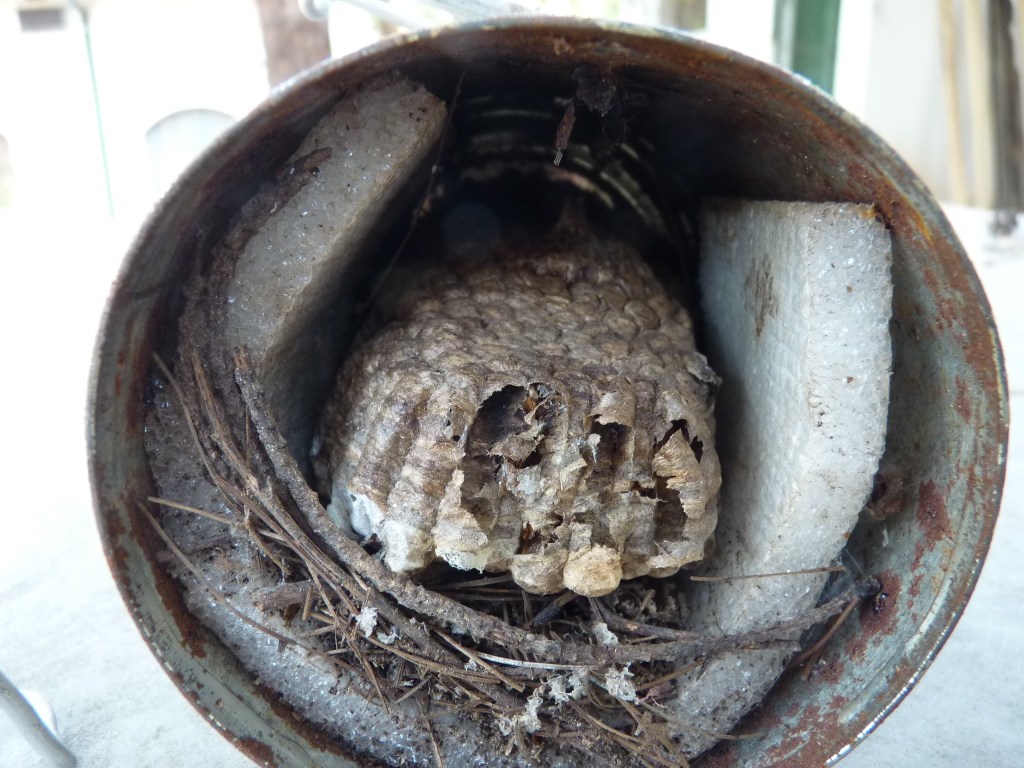
I use the tins of preserve to build bird nests. To this particular one I added the white foam for warmth and used the same material to close it, leaving the round hole for the birds to get in (see first picture, above). They did and you can see their nest at the bottom of the tin. That happened during year one.

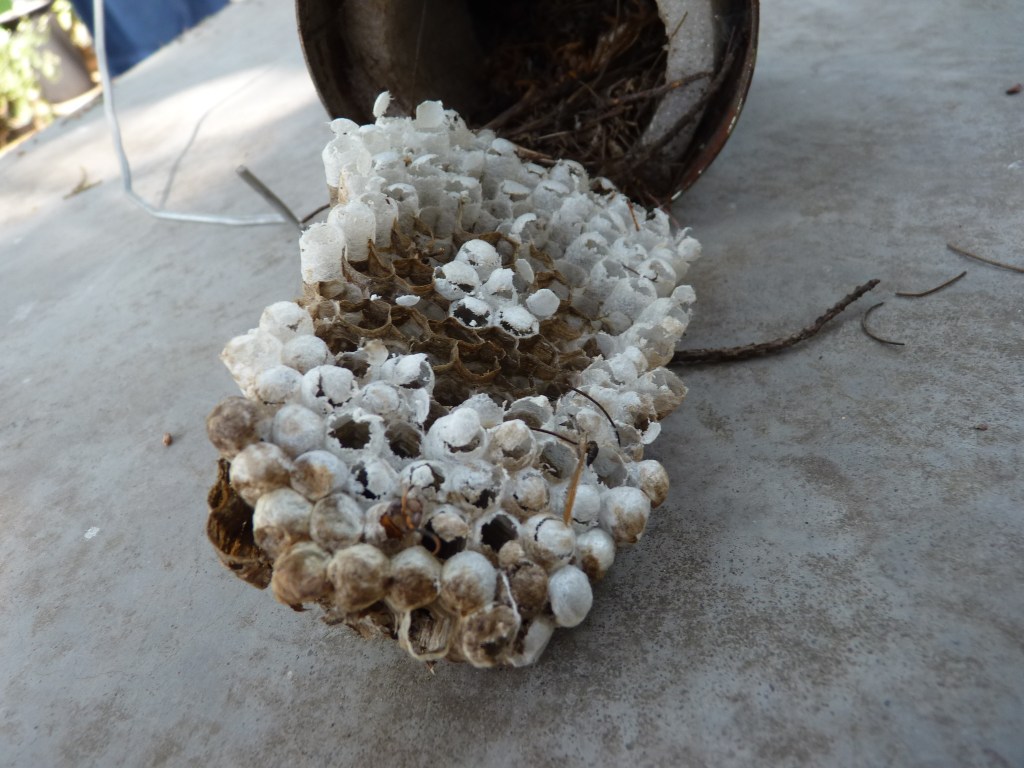
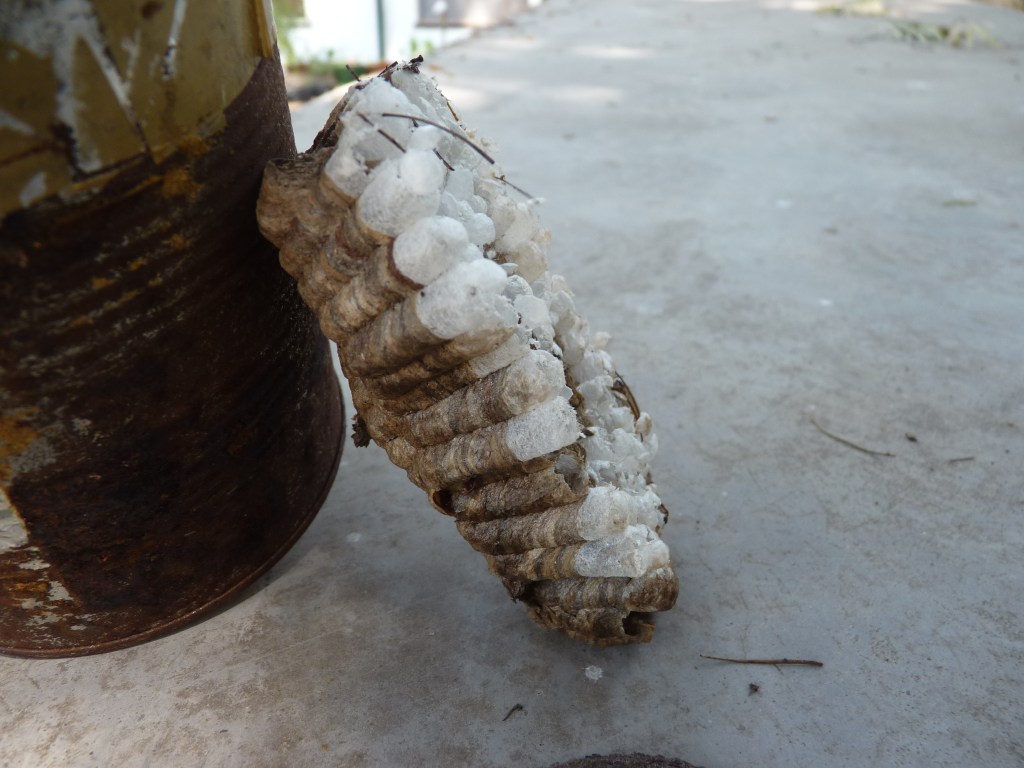
The following year a colony of wasps found the tin suitable for their purposes and decided to build their nest inside, on top of the birds’ nest. The birds did not come back again for obvious reasons as these are large and aggressive wasps.

So, removing the wasp’s nest you can actually see the bird’s nest and a few wasp bodies.

Two more pictures to show you the removed wasp’s nest.

The removed wasp comb .
Another view of the wasp comb.