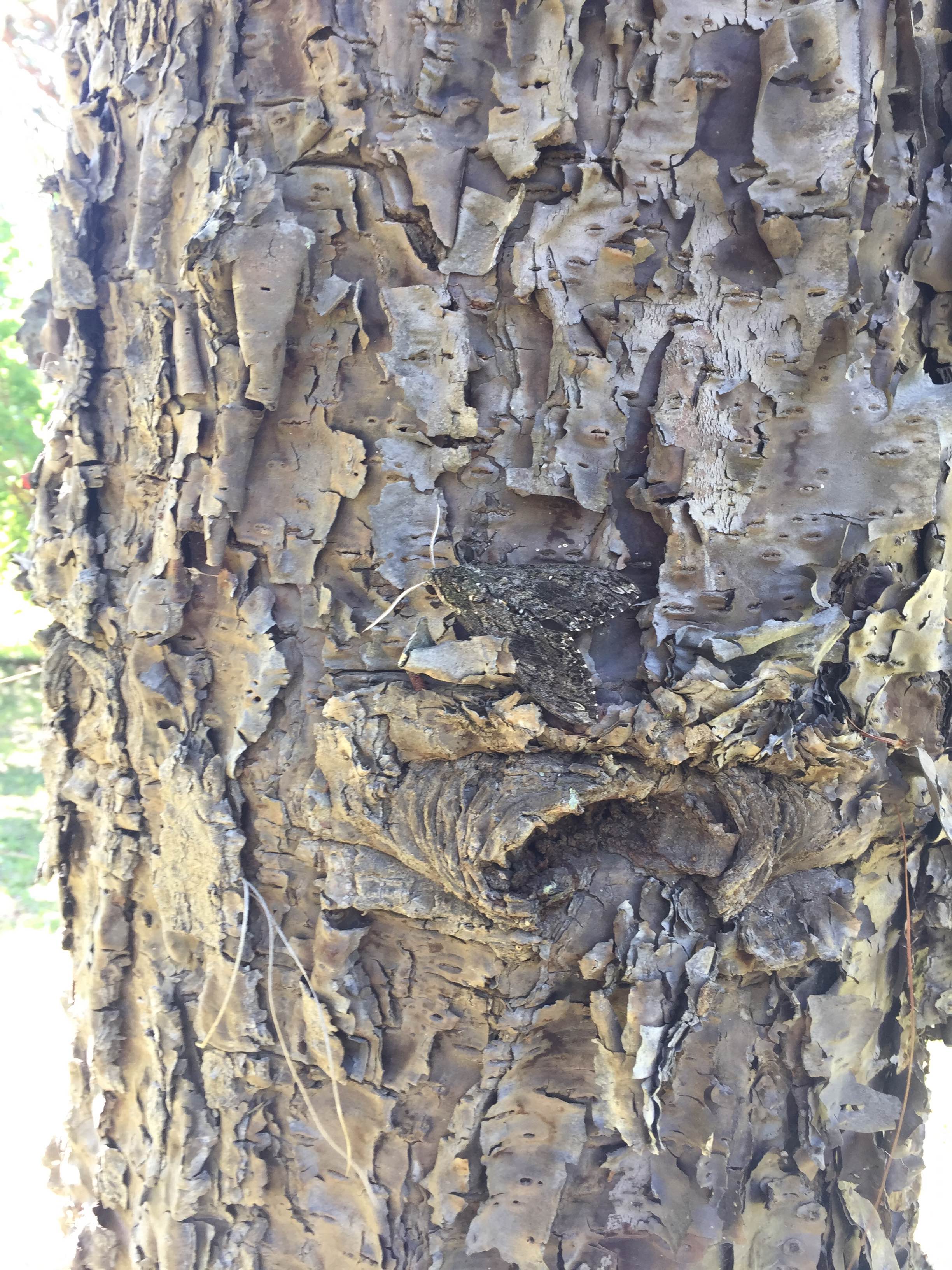
I have not published a “Spot” for a while. I found this one that I found in our farm in Salta, Argentina a while ago and that went “unspotted” until today! Can you see it?
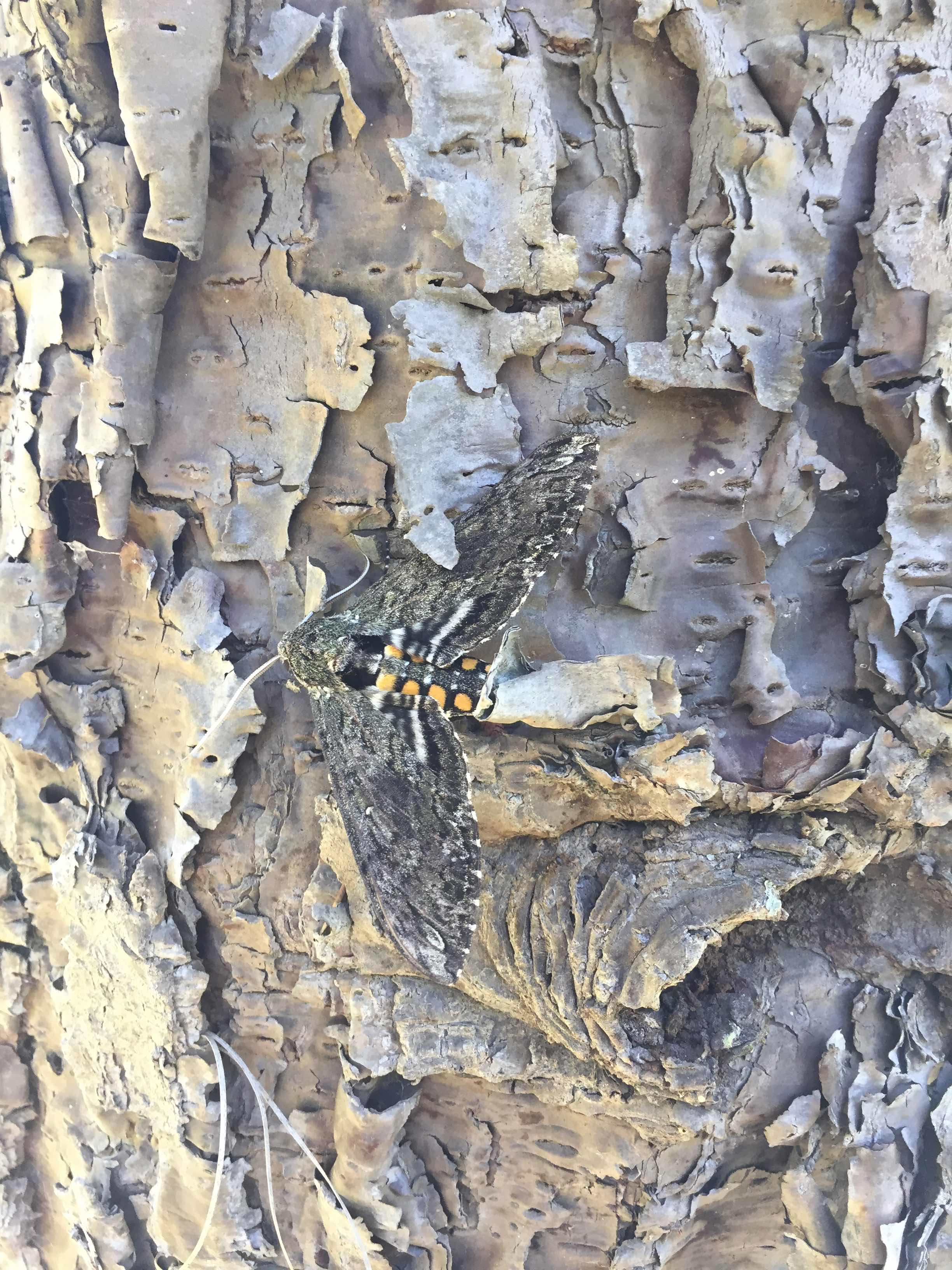
? ? ? ? ? ? ? ? ? ? ? ? If its antennae did not give it away, the colour of the inner part of the wings will now!
The advent of the rains in our farm in Salta brings, like every year, an explosion of life. Today’s beast is not very common but rather spectacular (if you can find it…). At the bottom I include more pictures and videos of it for you to appreciate its beauty.
? ? ? ? ? ? ? ? ? ? ? ? ? ? ?
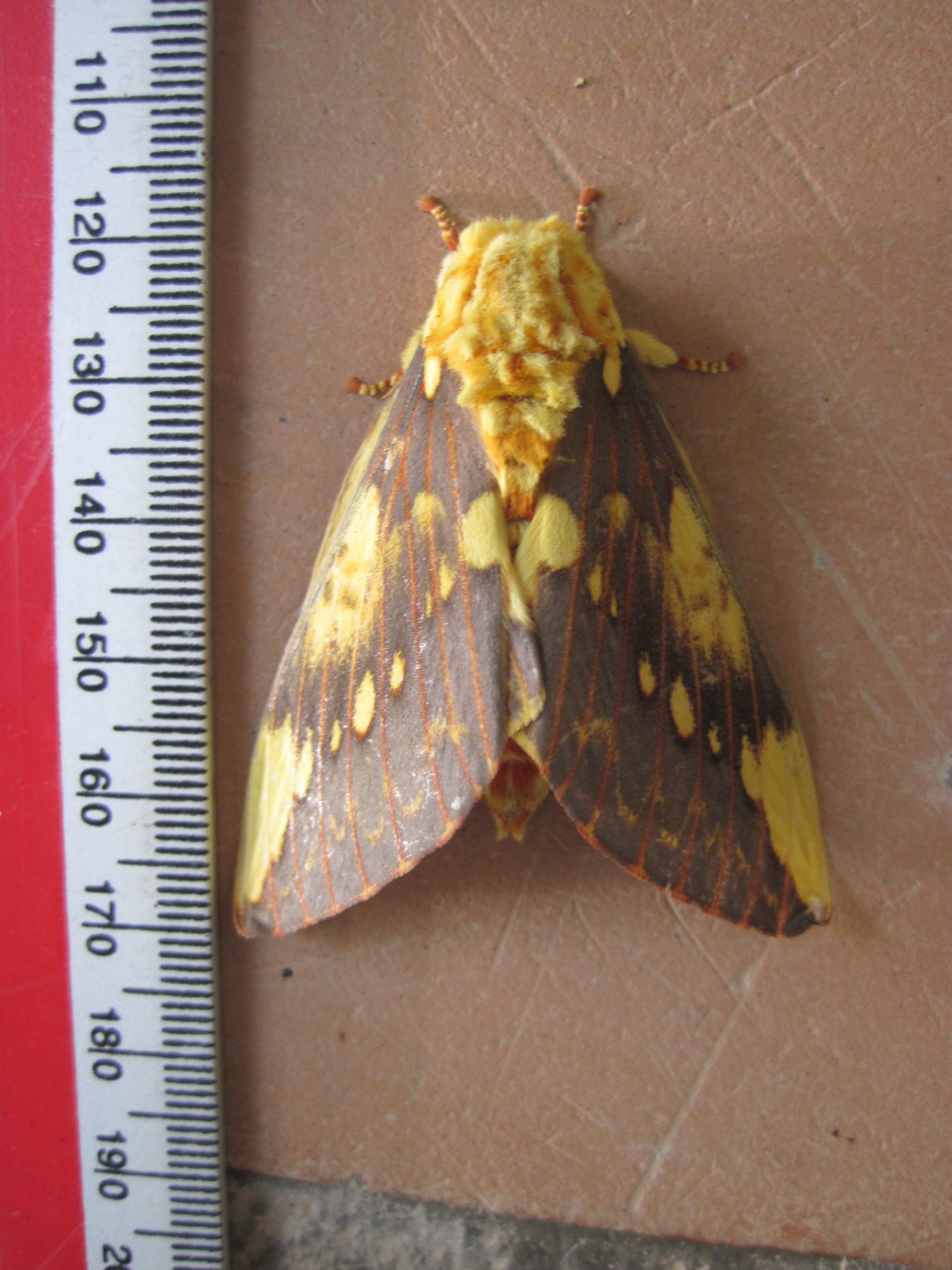
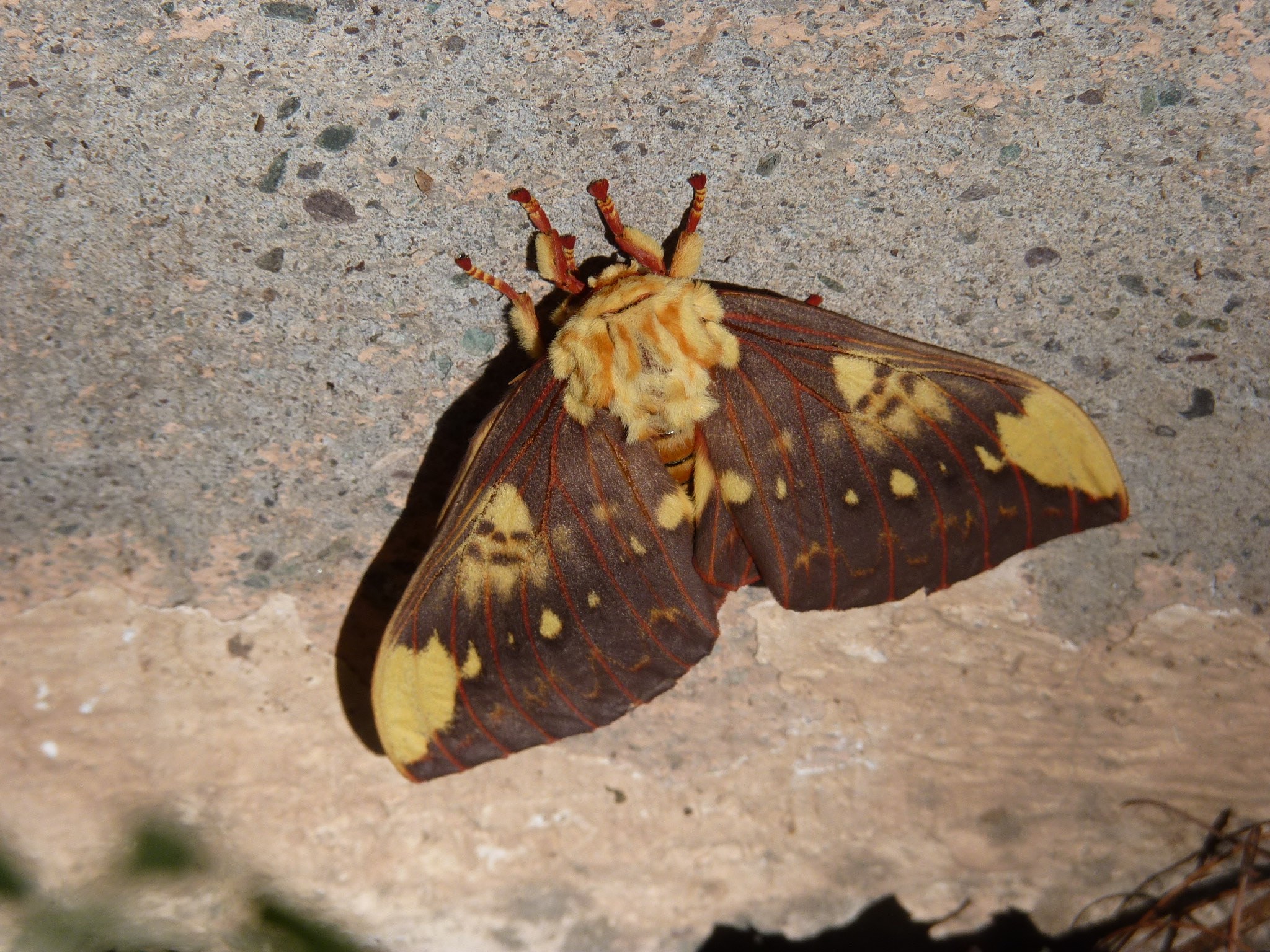
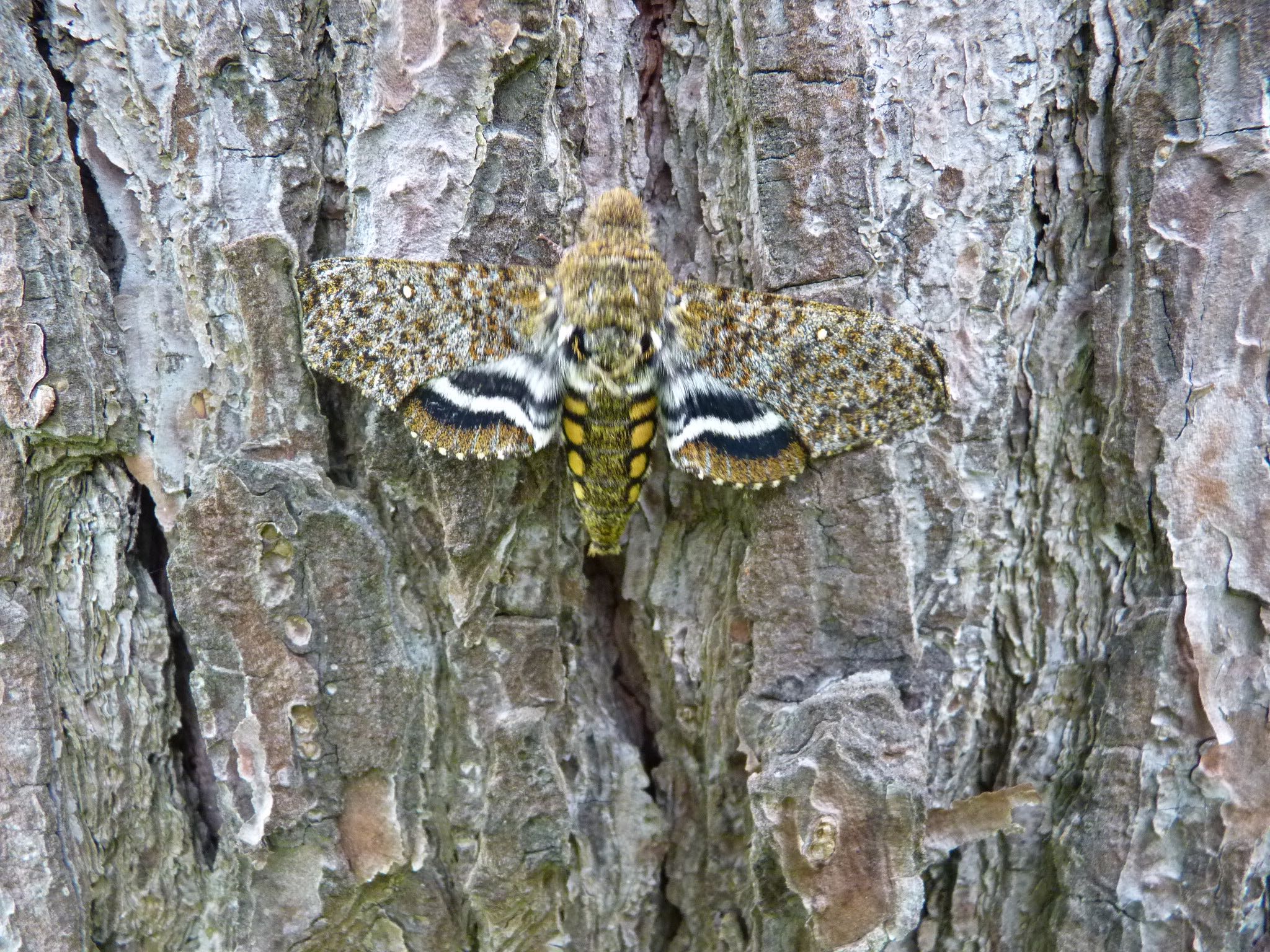
It was an Imperial moth (Eacles imperialis) first described by Drury in 1773, clearly being too obvious to be missed!
This moth is one of the largest and most stunning of the Imperial moths. It is found from Canada to Argentina. Both larvae and adults are highly variable in coloration. They have a wingspan ranging from of 80 to 174 mm, the females being larger than the males.
Their immature instars feed on pines, oaks, maples, sweetgam and sassafras trees. Adults emerge before sunrise and mate after midnight and the females lay eggs singly or in small groups on both sides of leaves. Both sexes do not feed and are short-lived.
Some more pictures and videos below:
I found these moths a couple of years back and observed that they responded in this way to the touch. I filmed them as I found the behaviour interesting. I imagine that this behaviour could be useful the moths to survive while mating and laying eggs?
While working on my next Ethiopian post that I promise will be interesting, I present you with this beast to see if you can find it. I must confess that it was difficult even for me to see it a few days after taking the shot!
? ? ? ? ? ? ? ? ? ? ? ? ? ? ?
More pictures to give you a better idea of this moth:
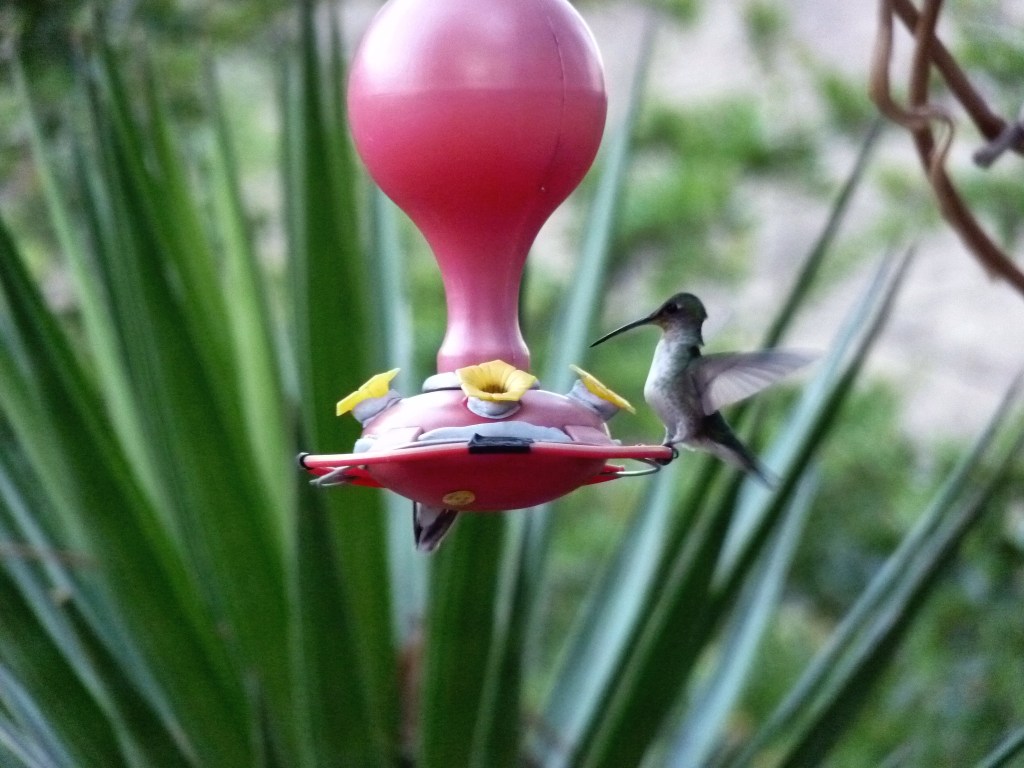
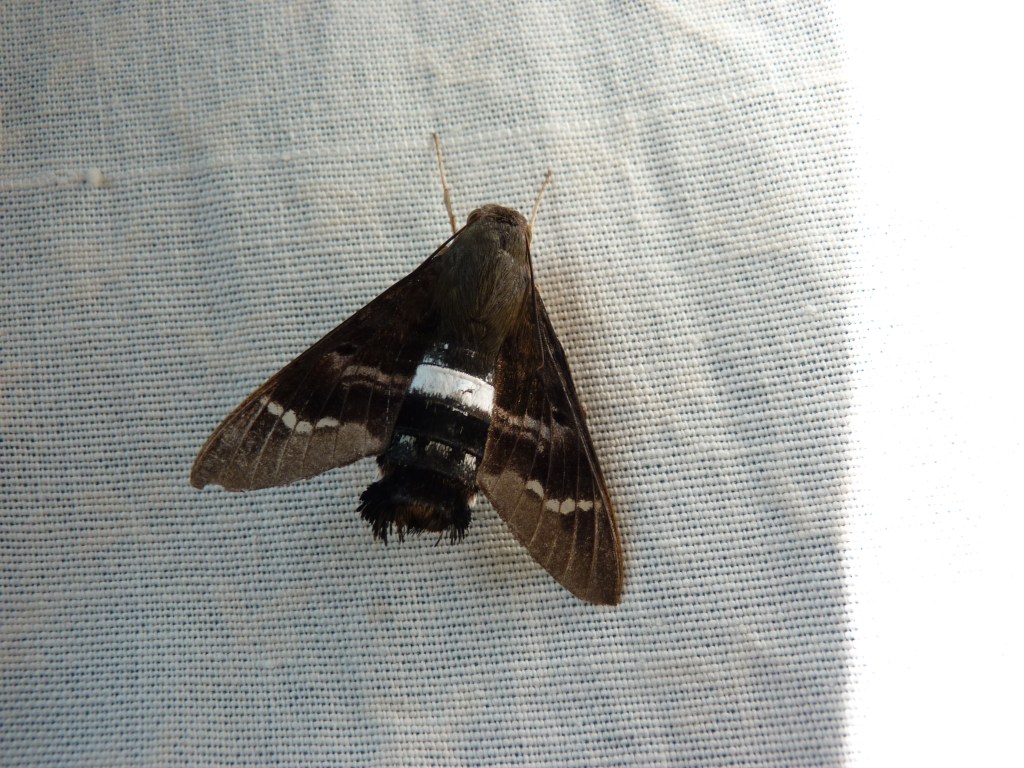
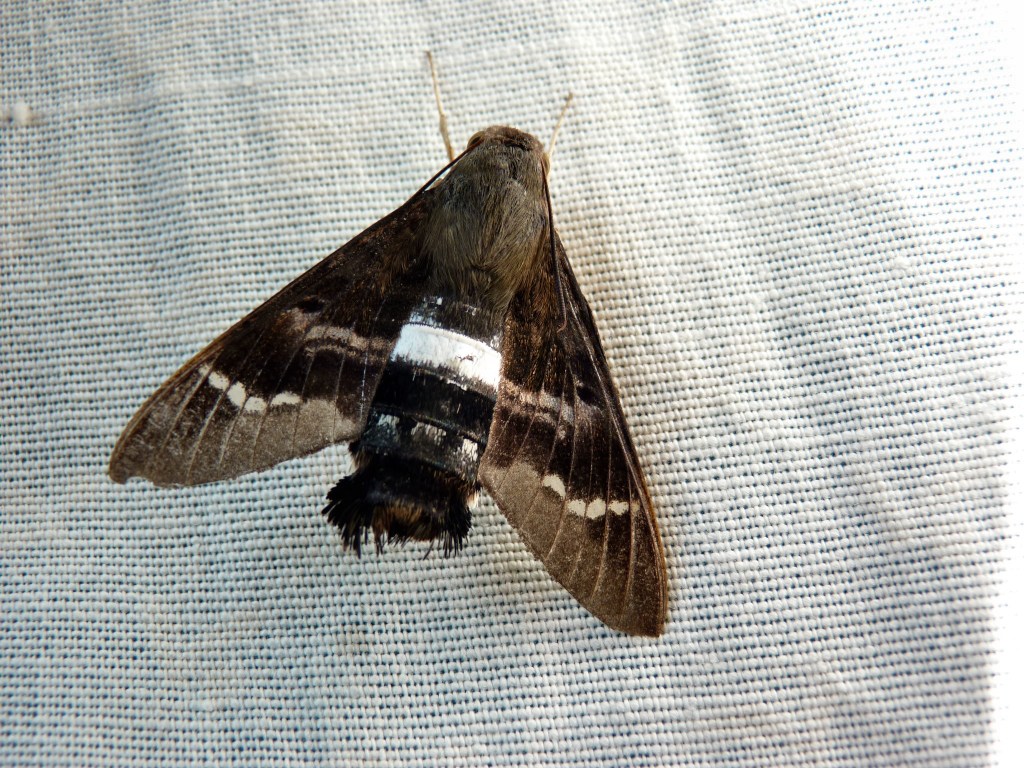
While trying to catch up with the next post about our time in Ethiopia, I present you with this beast captured in the video below. These are frequent visitors in our garden now that the jasmine is flowering. Nice beast but what is it?
Is this what you believe you saw?
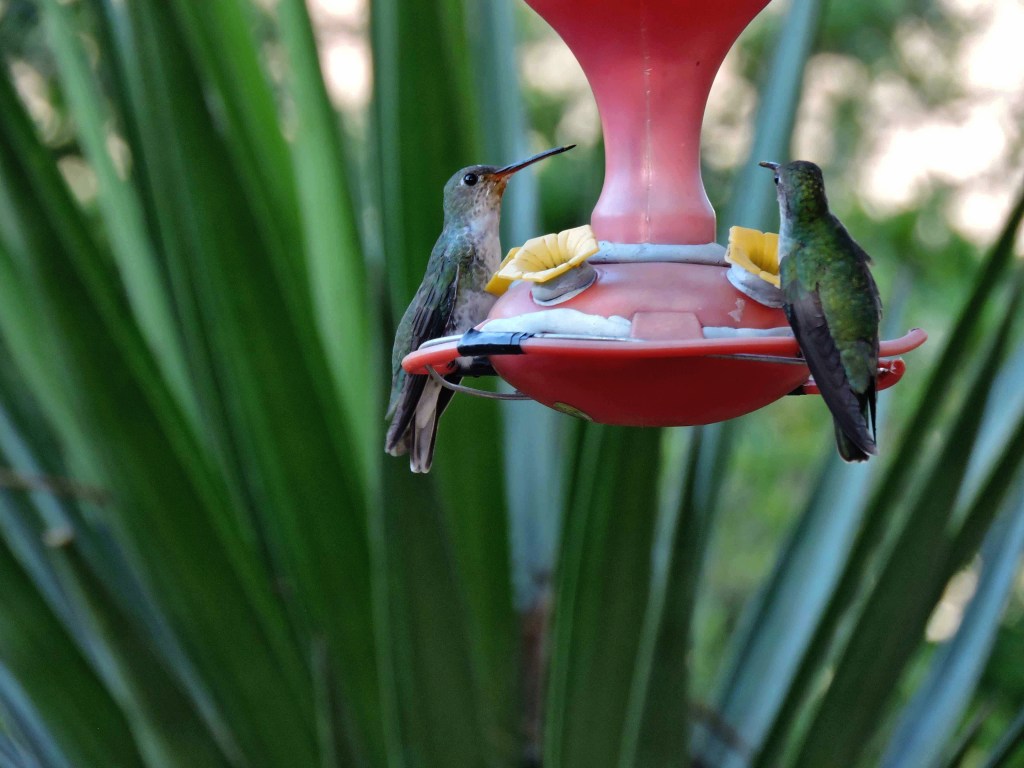
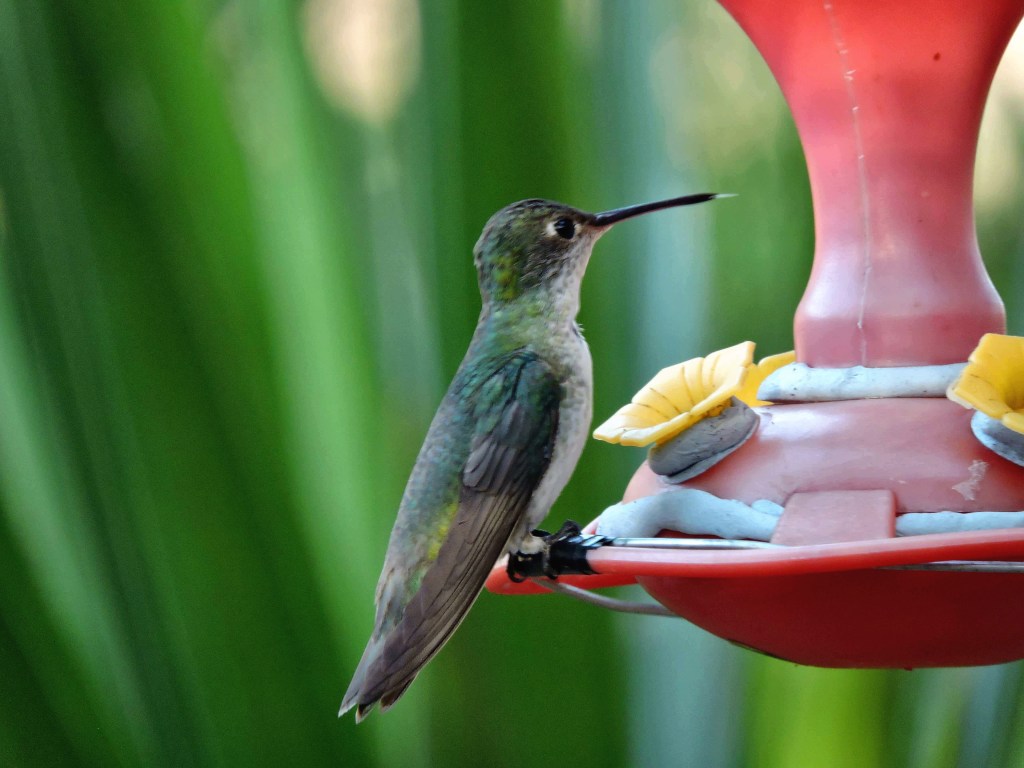
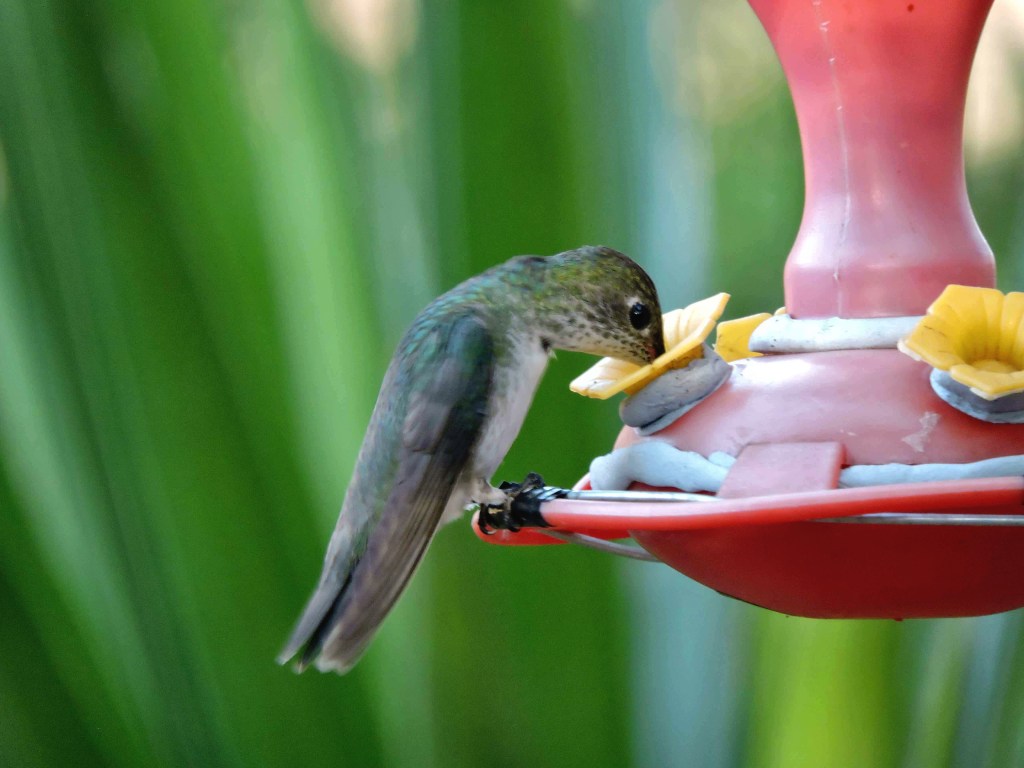
At first I also thought I had seen a small hummingbird of the various species present at the farm. However, it was really too small for a bird.
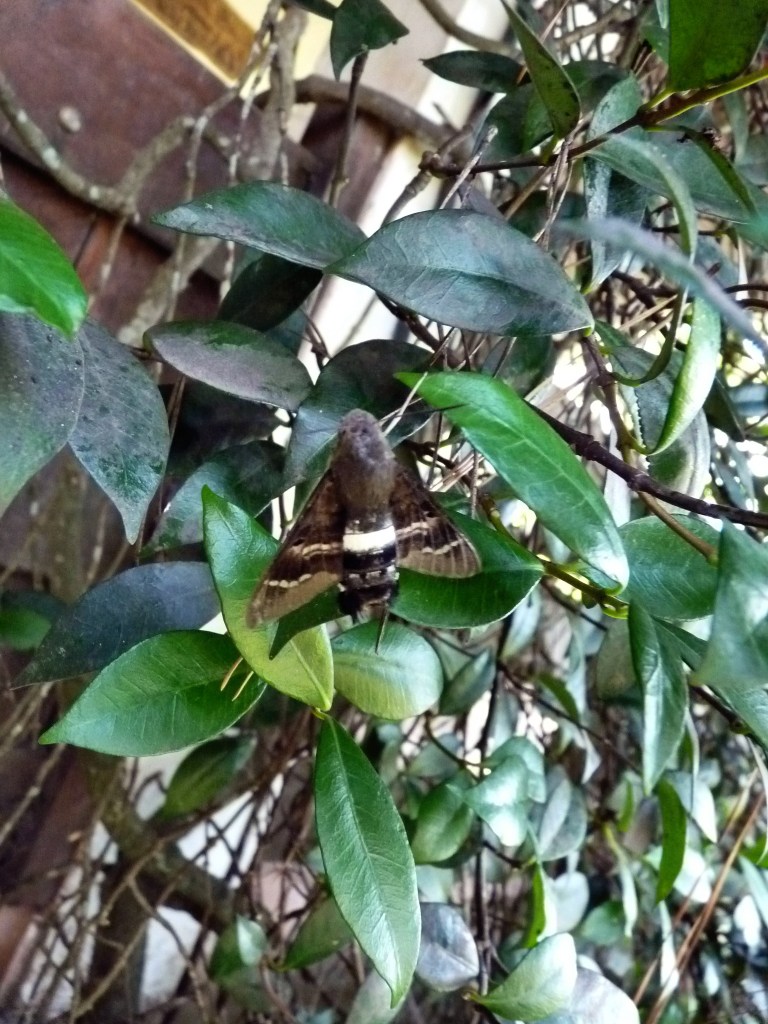
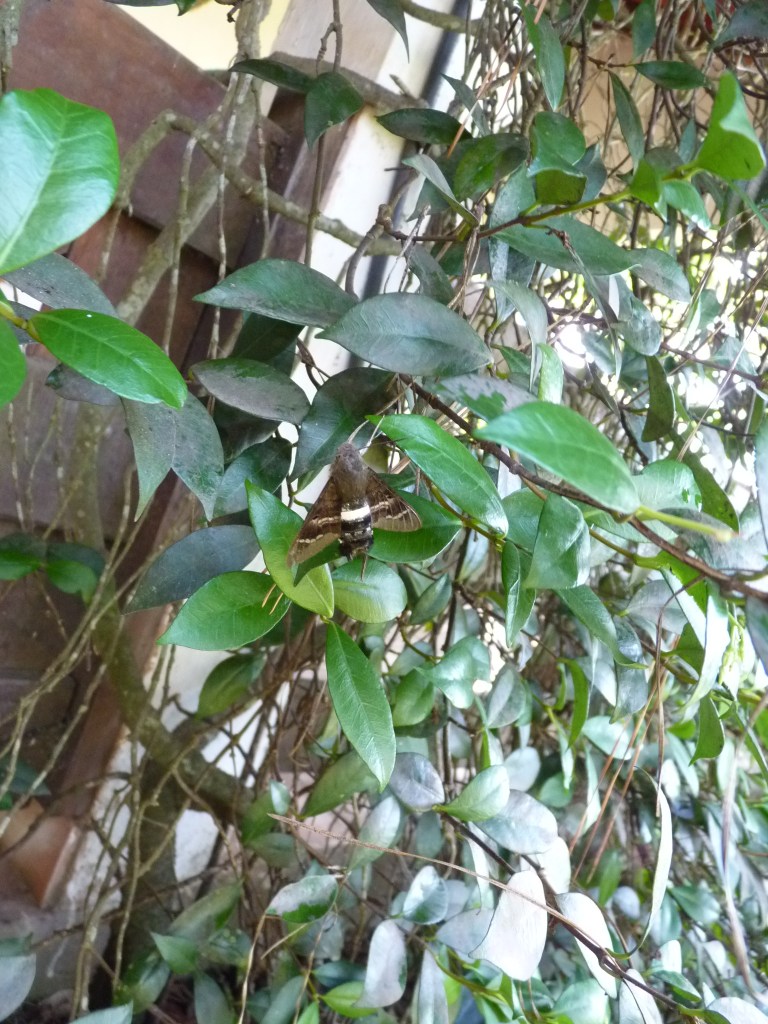
A more careful look reveal it to be a moth that also drinks nectar!
The beast is a day-flying moth in the family Sphingidae described by Jacob Hübner in 1819. More specifically it is known as a Titan sphynx moth (Aellopos titan), a species described by by Pieter Cramer in 1777 [1].
The genus Aellopos occurs from the United States through Central America and down to Argentina and Uruguay in South America. It has a wingspan between 55 and 65 mm and it is dark brown with a distinctive wide white stripe across the abdomen.
The larvae of this moth feed on seven-year apple (Casasia clusiifolia), bottombush (Cephalanthus occidentalis) and white indigoberry (Randia aculeata) among others. They pupate in shallow underground chambers. The adults are around throughout the year in tropical areas, feeding on nectar of various flowers by rolling out their long proboscis, estimated at twice the length of their bodies.
They are fascinating insects to watch as they buzz rather loudly while moving actively between flowers. They are capable to beat their wings up to 70 times per second and they can fly at speeds of up to 20 kph. Their oversized and rather menacing eyes are meant to look like those of a bird so, do not feel bad if when you saw the video you did think it was a hummingbird as I also did!
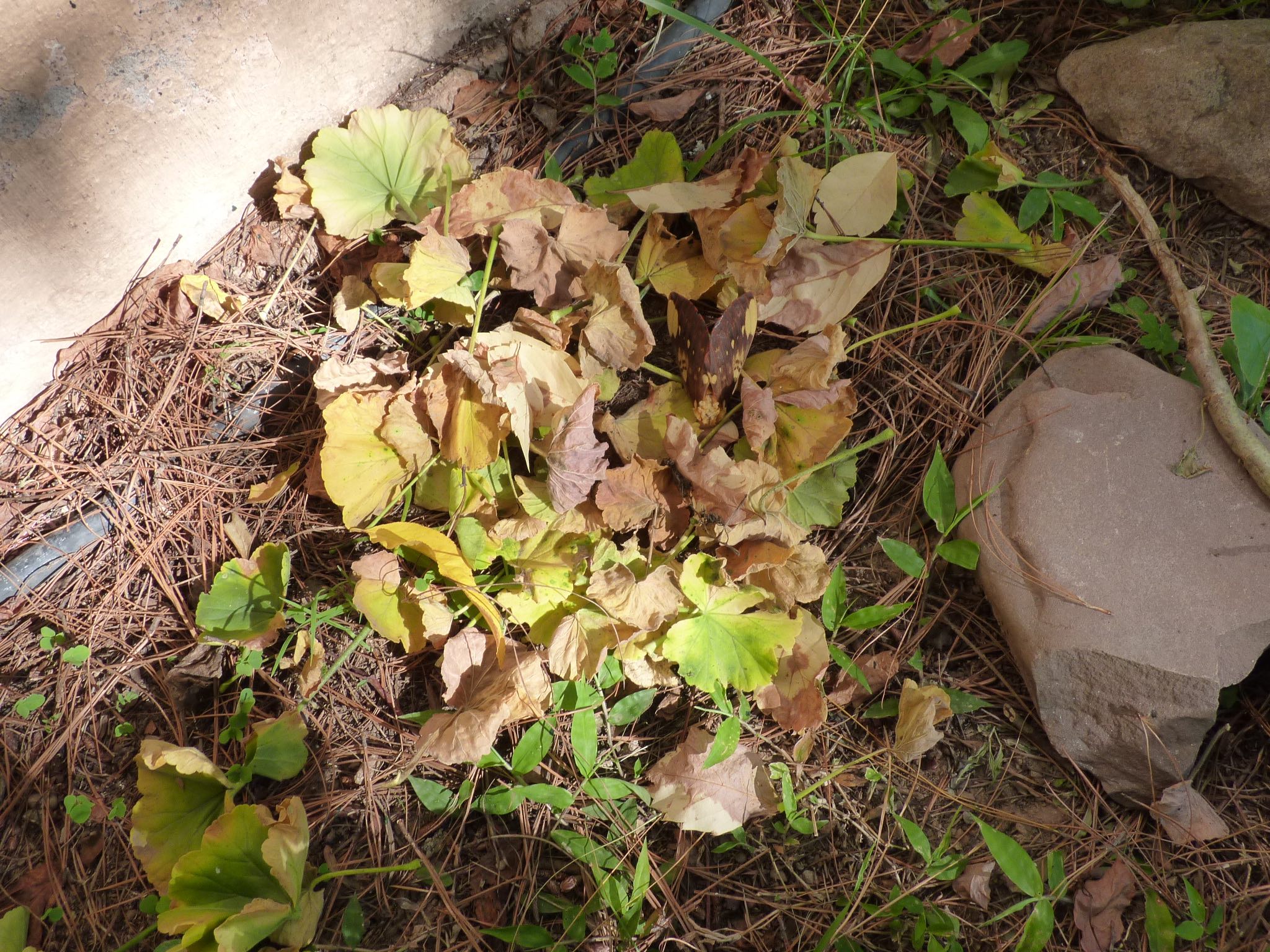
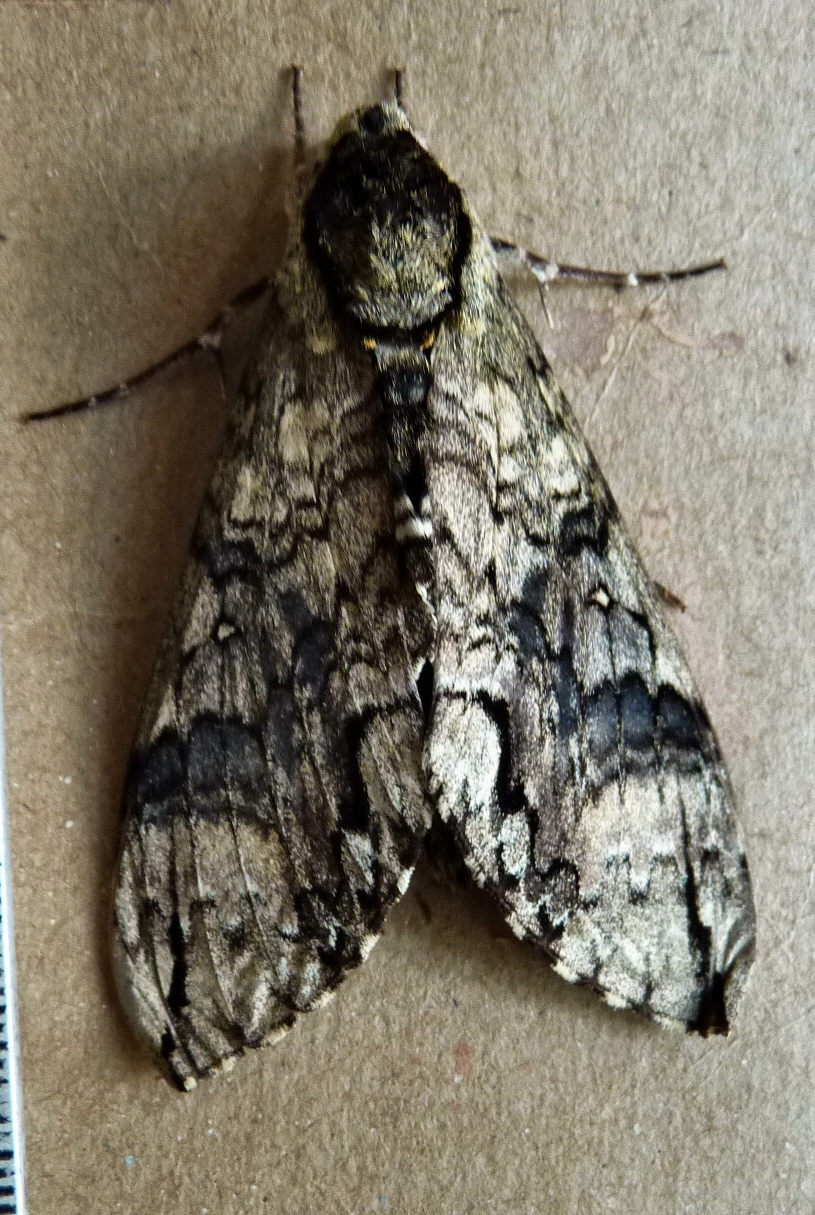
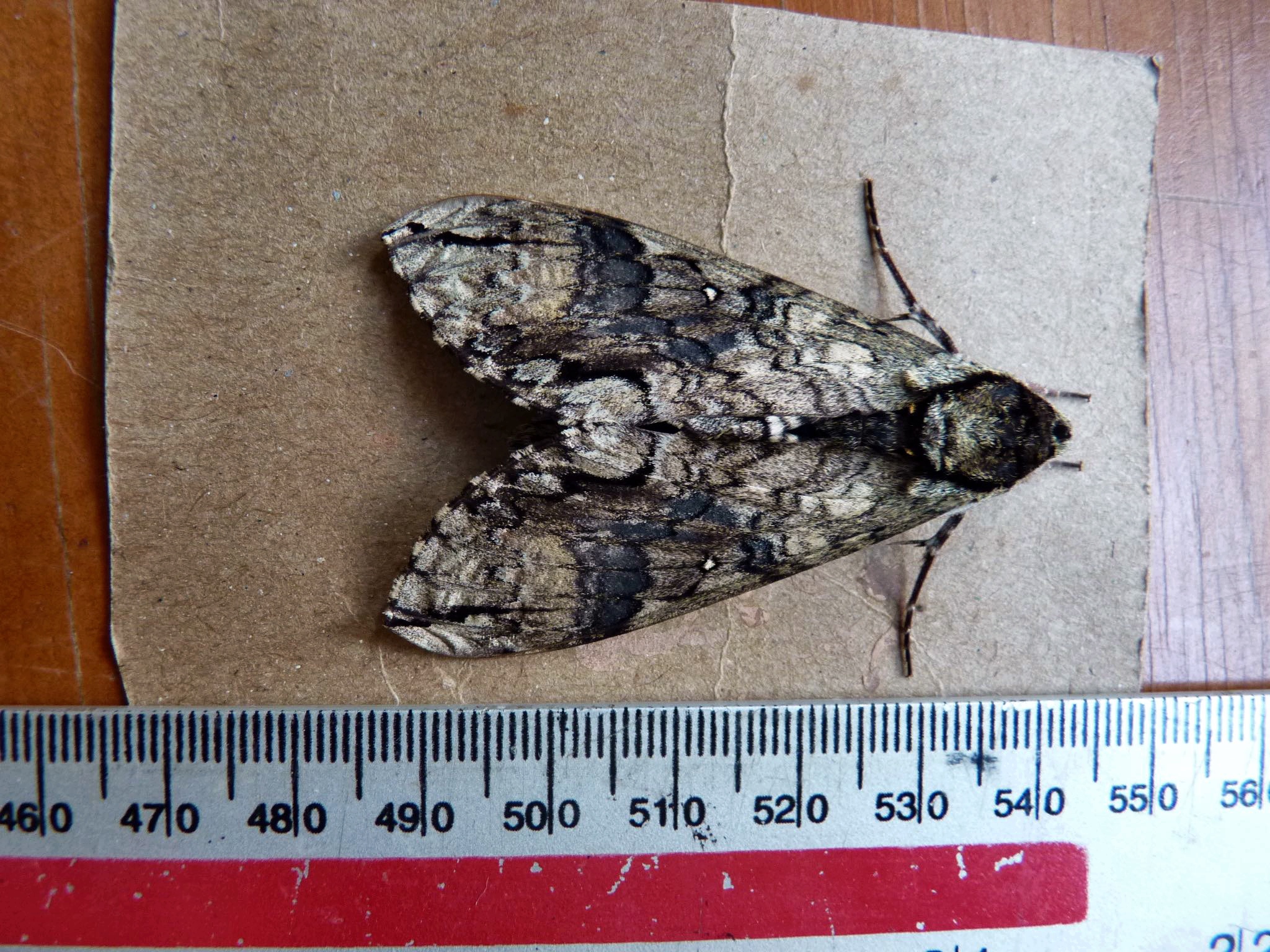
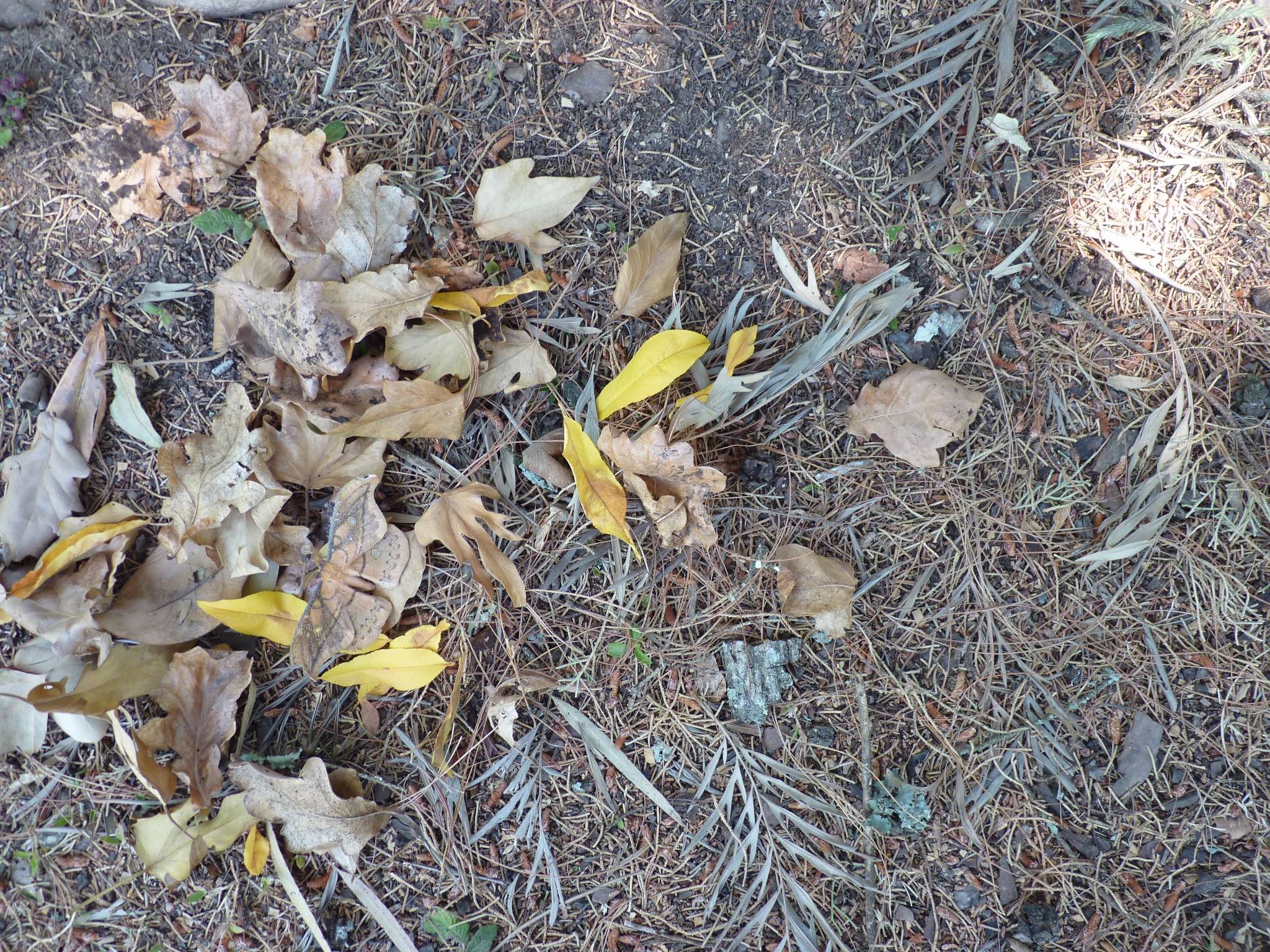
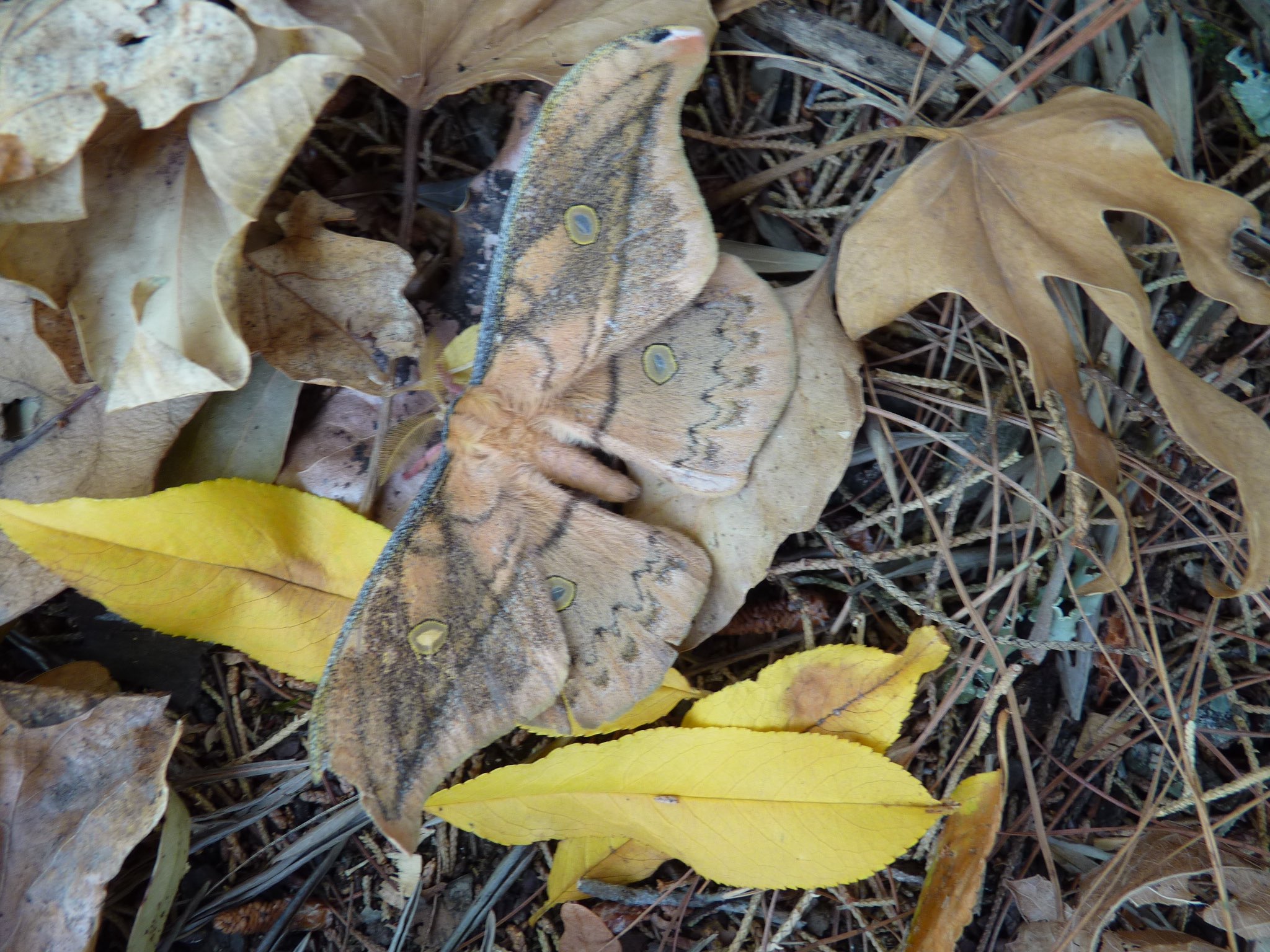
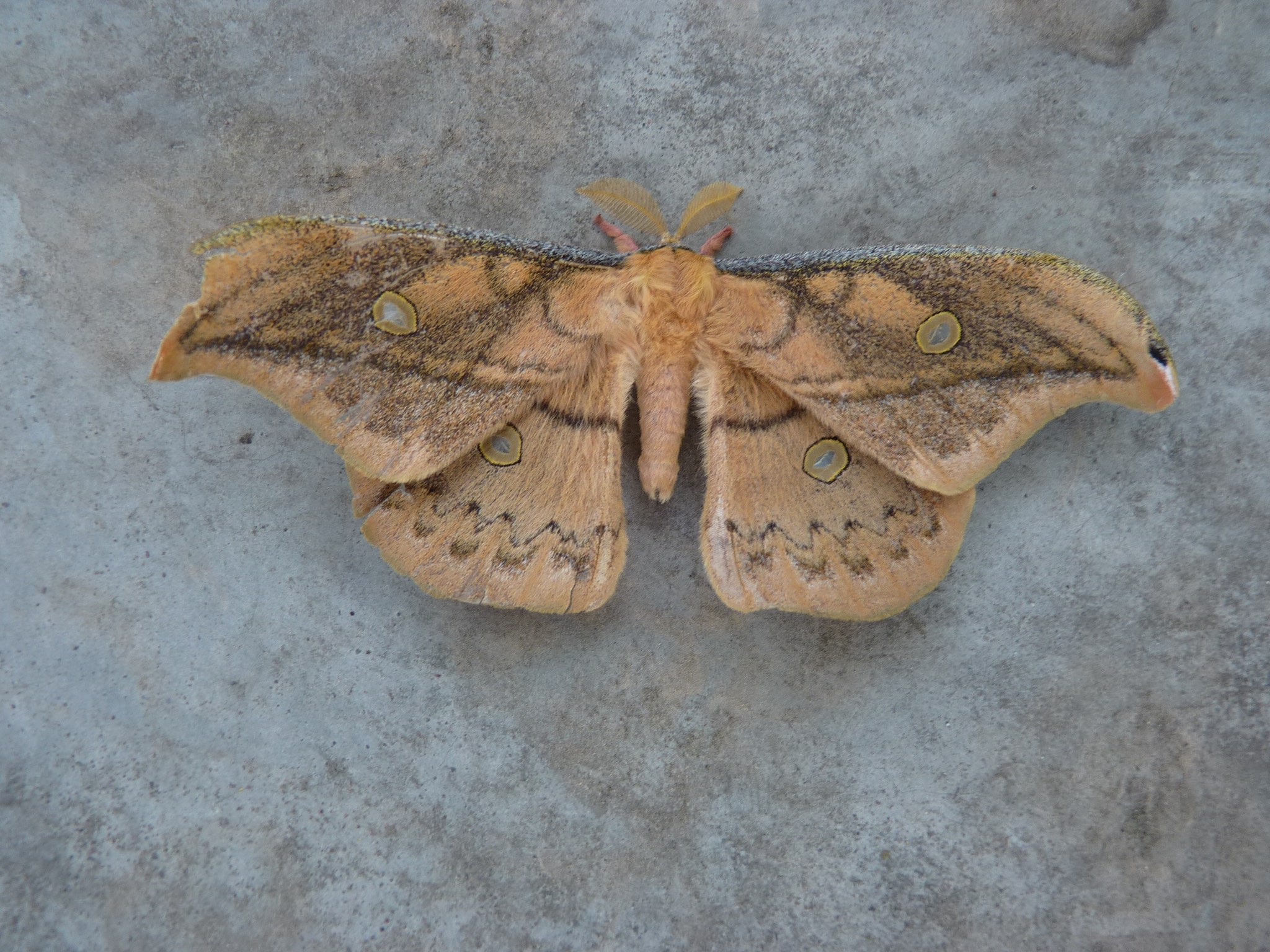
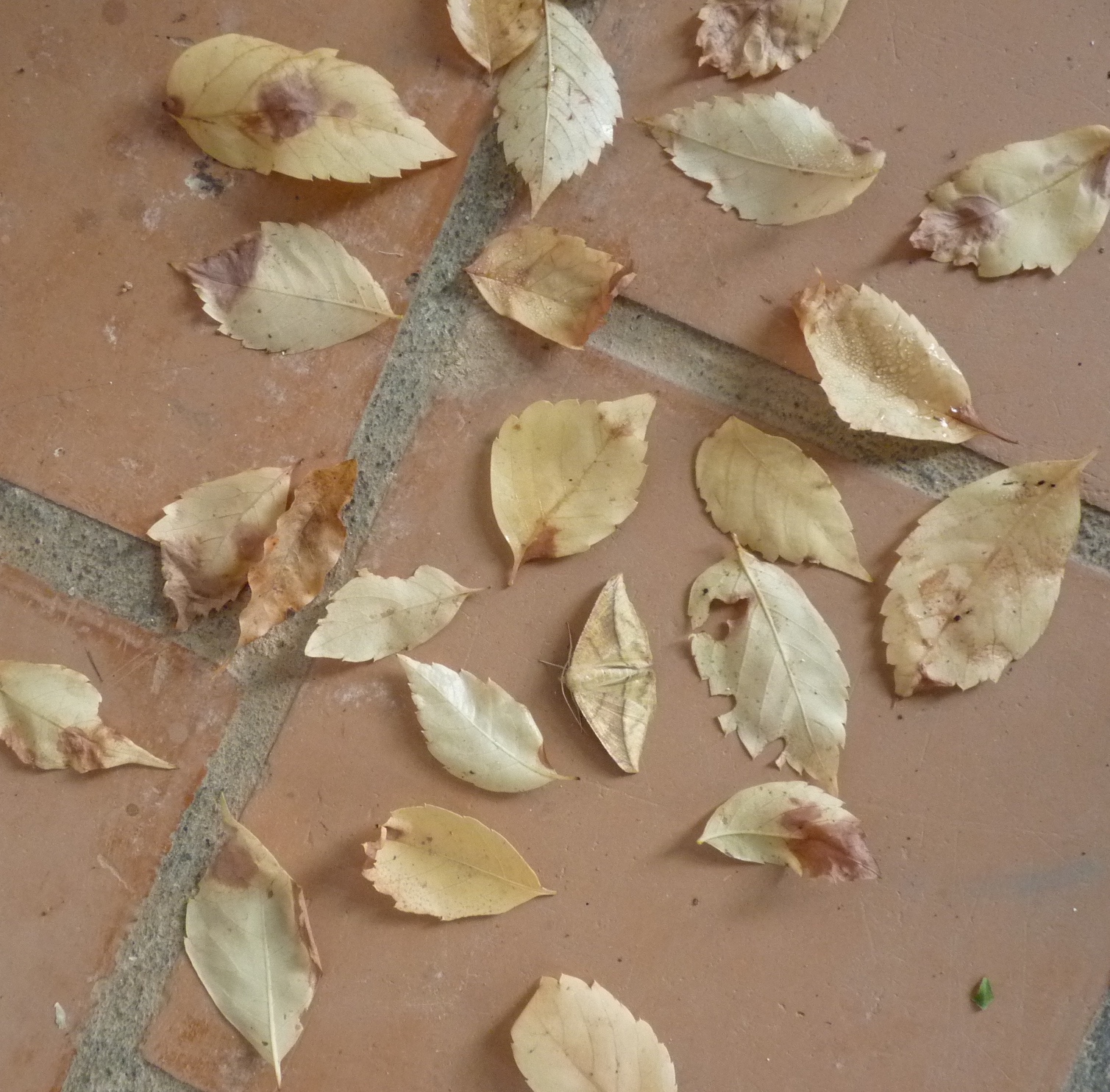
With the warmer weather small beasts started appearing and you get surprised by them more often. This is the case of this one I found on the ground this morning that was very well camouflaged. Can you spot it?
? ? ? ? ? ? ? ? ? ? ? ? ?
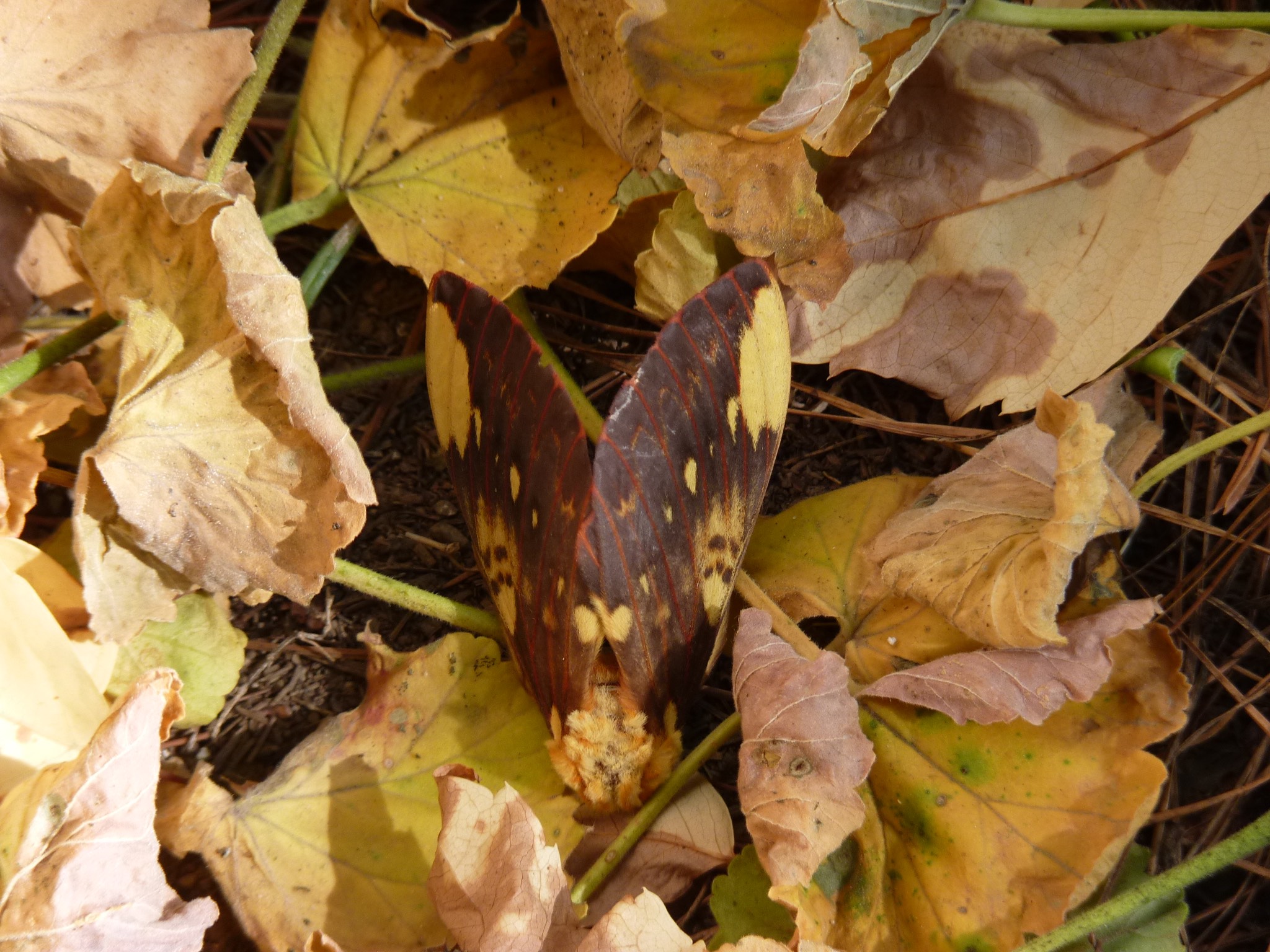
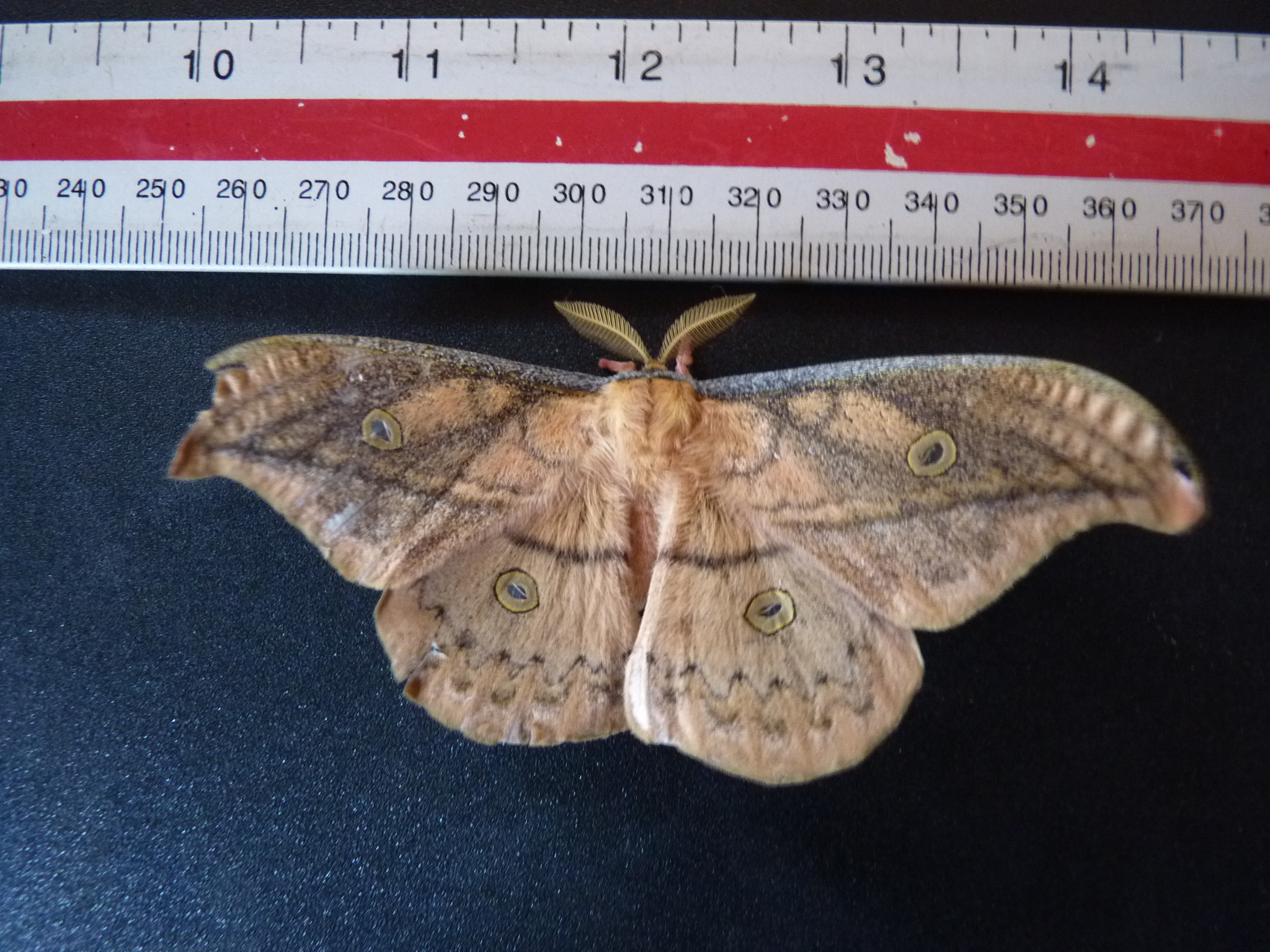
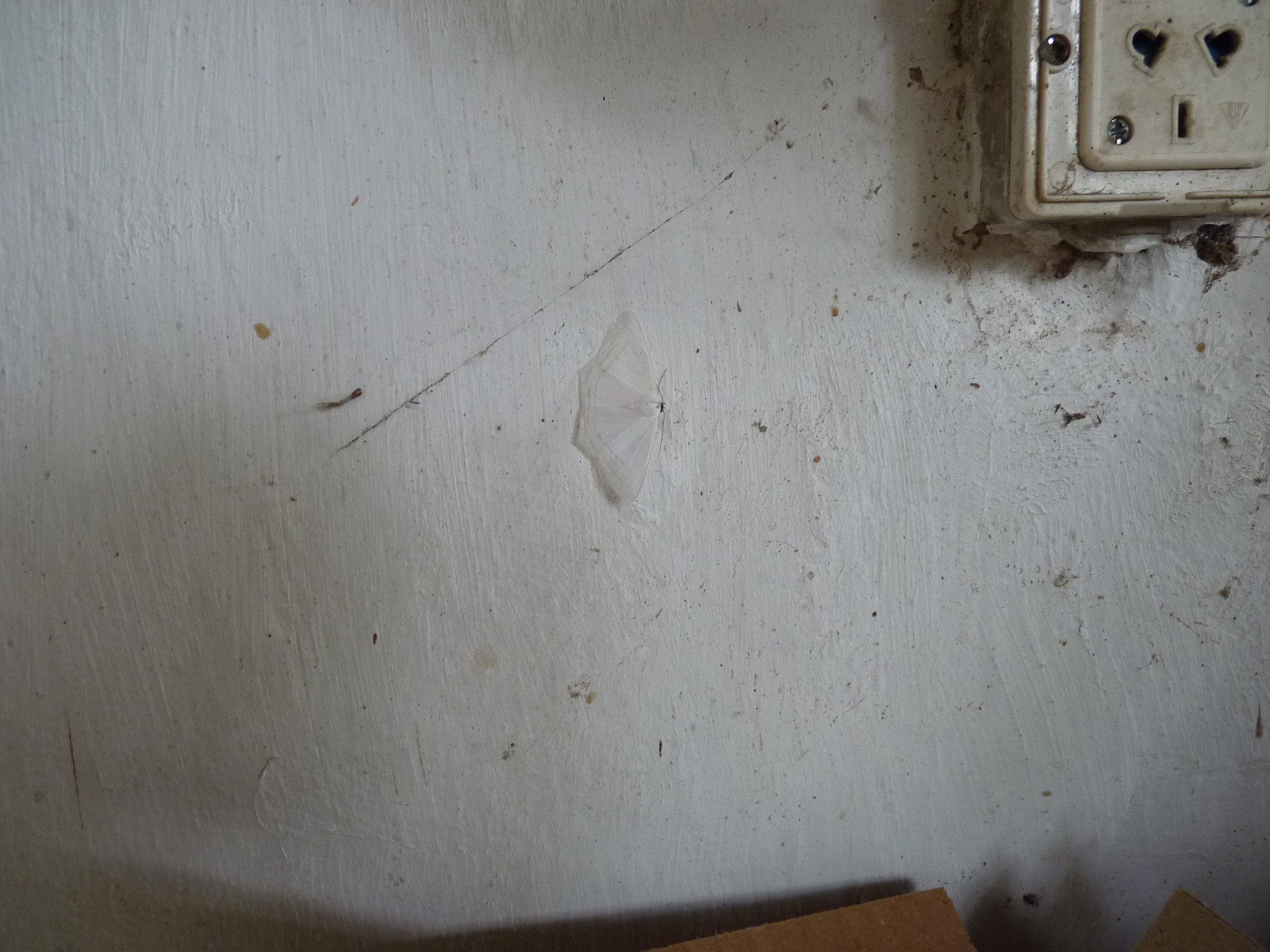
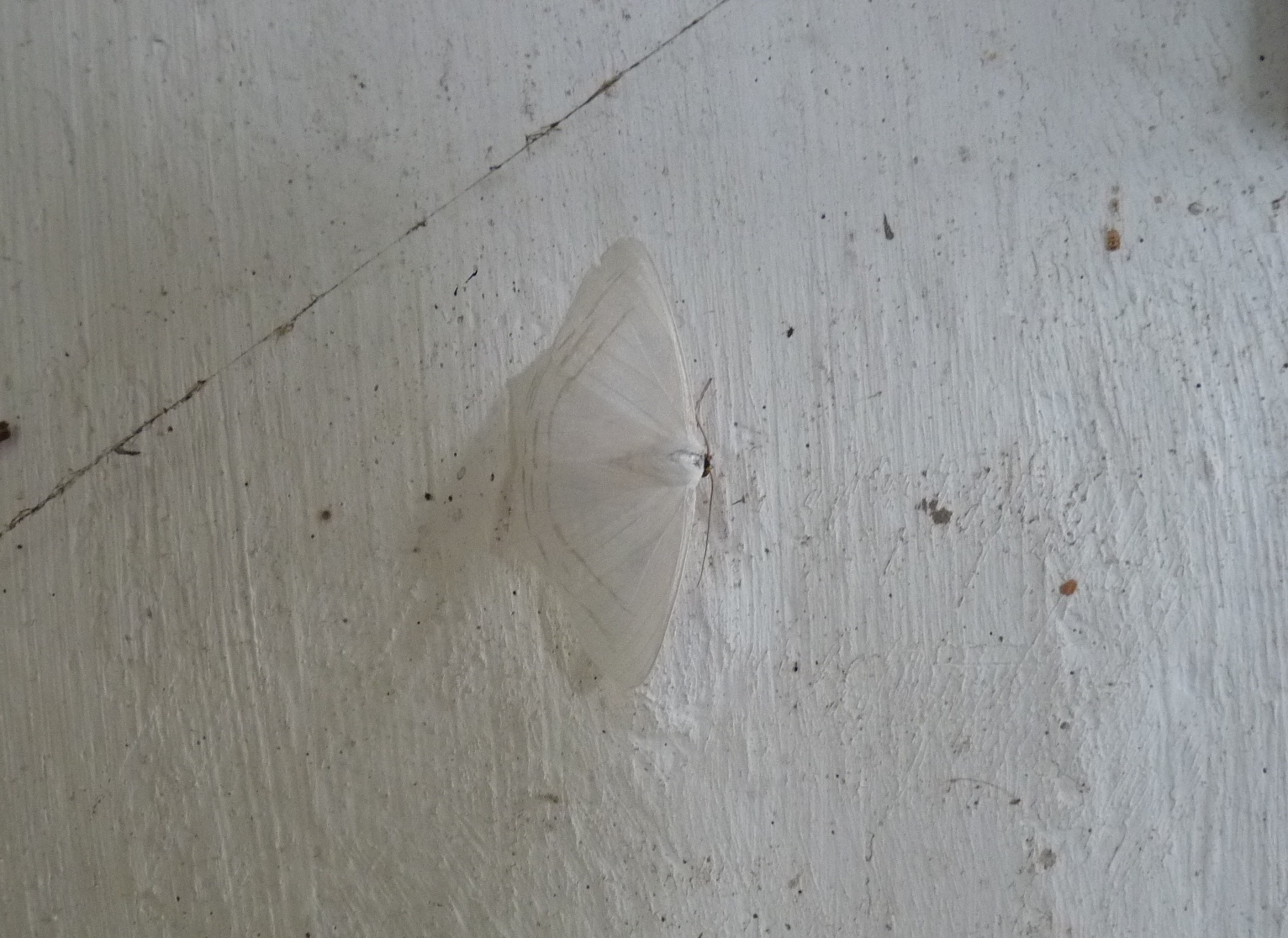
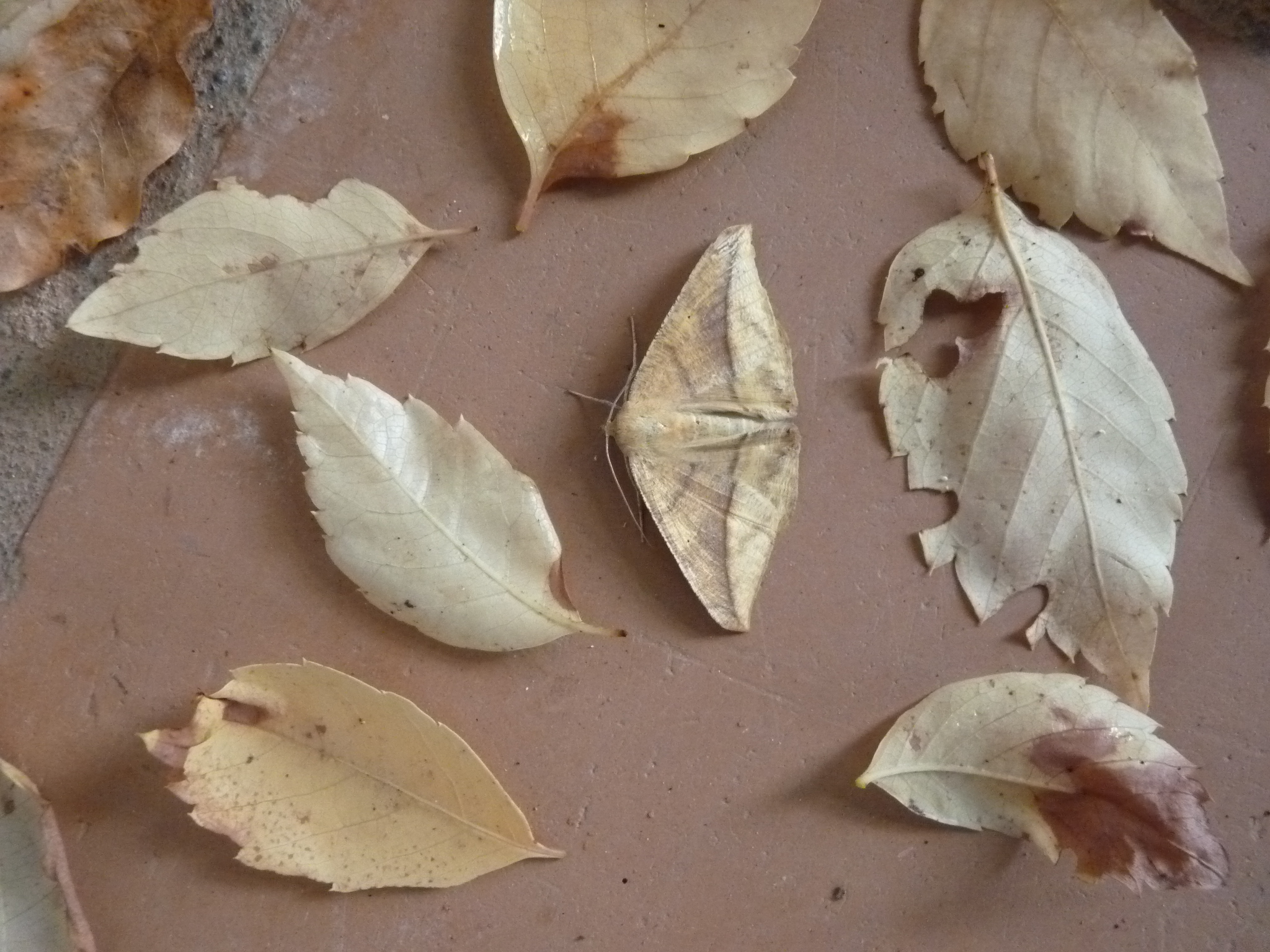
At 12 cm wingspan this is a rather large moth of a species unknown to me but not less beautiful! A couple of other pictures for you to admire.
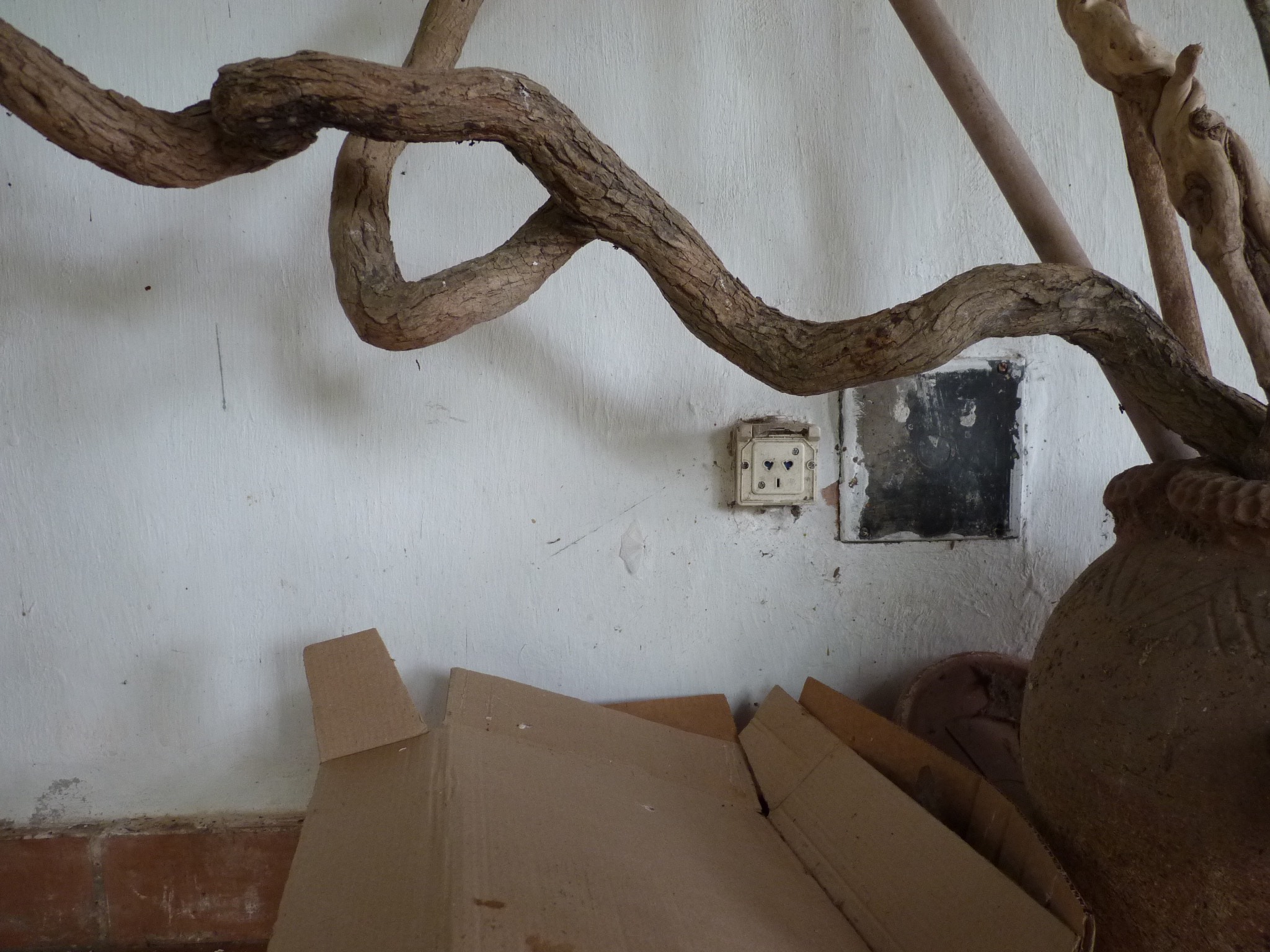
The setting makes spotting this -rather delicate- beast difficult. However, I am sure you will find it…
?
?
?
?
?
?
?
?
?
?
?
?
?
?
Here it is, probably not what you expected? I was pretty sure that you would check the sticks thoroughly and probably (at least at first) miss it.
It is a rather delicate moth that does not visit us very often.
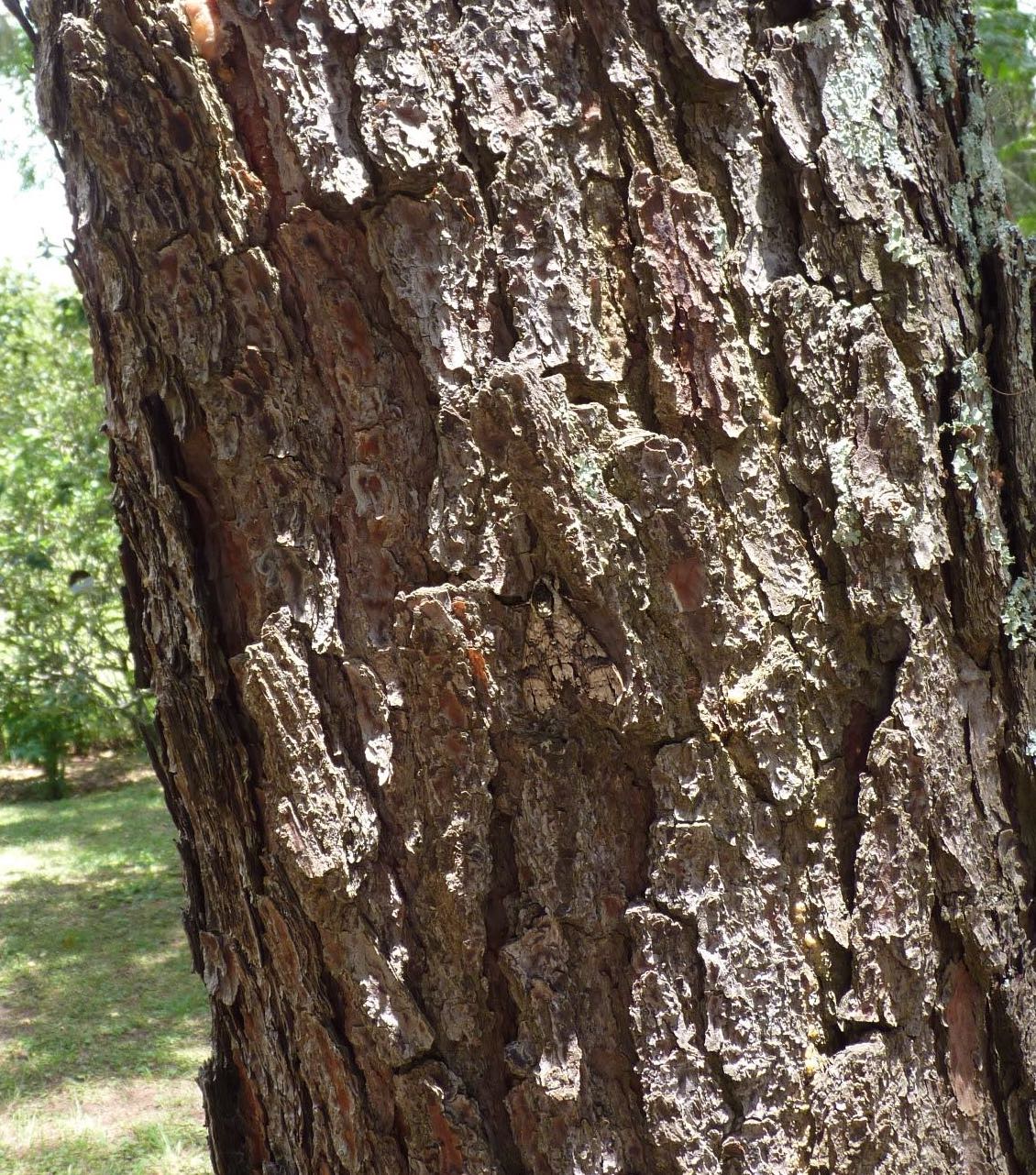
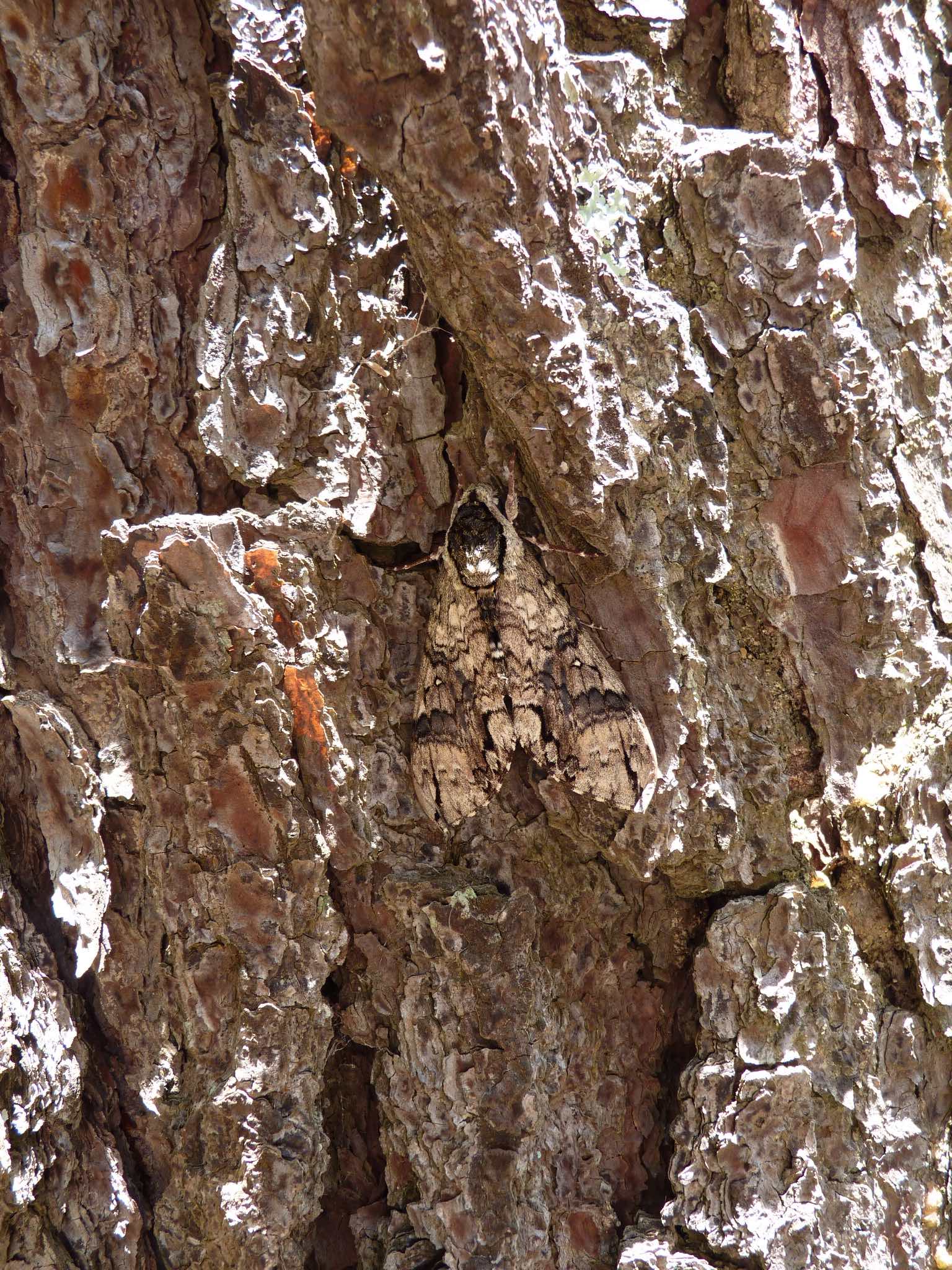
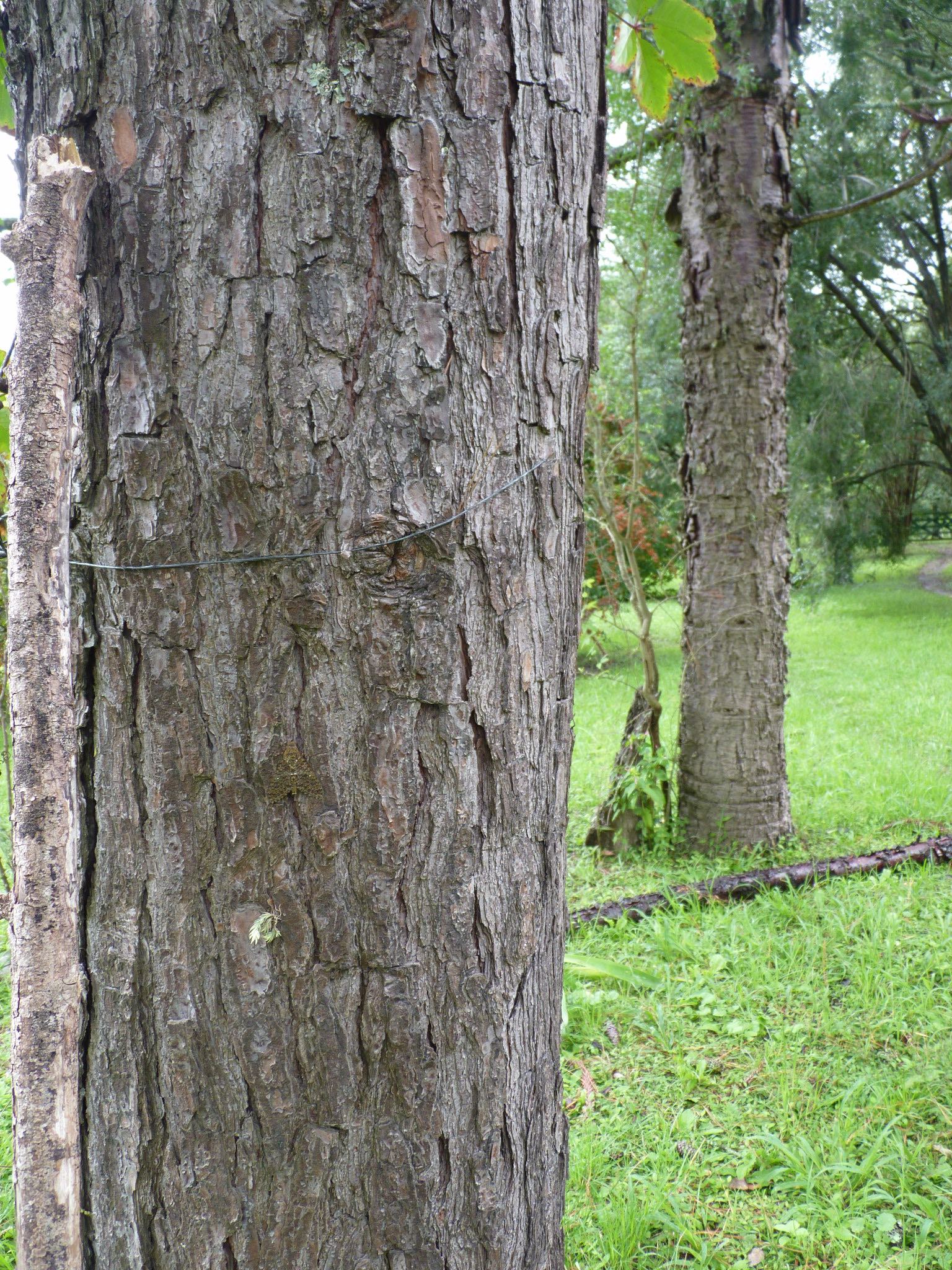
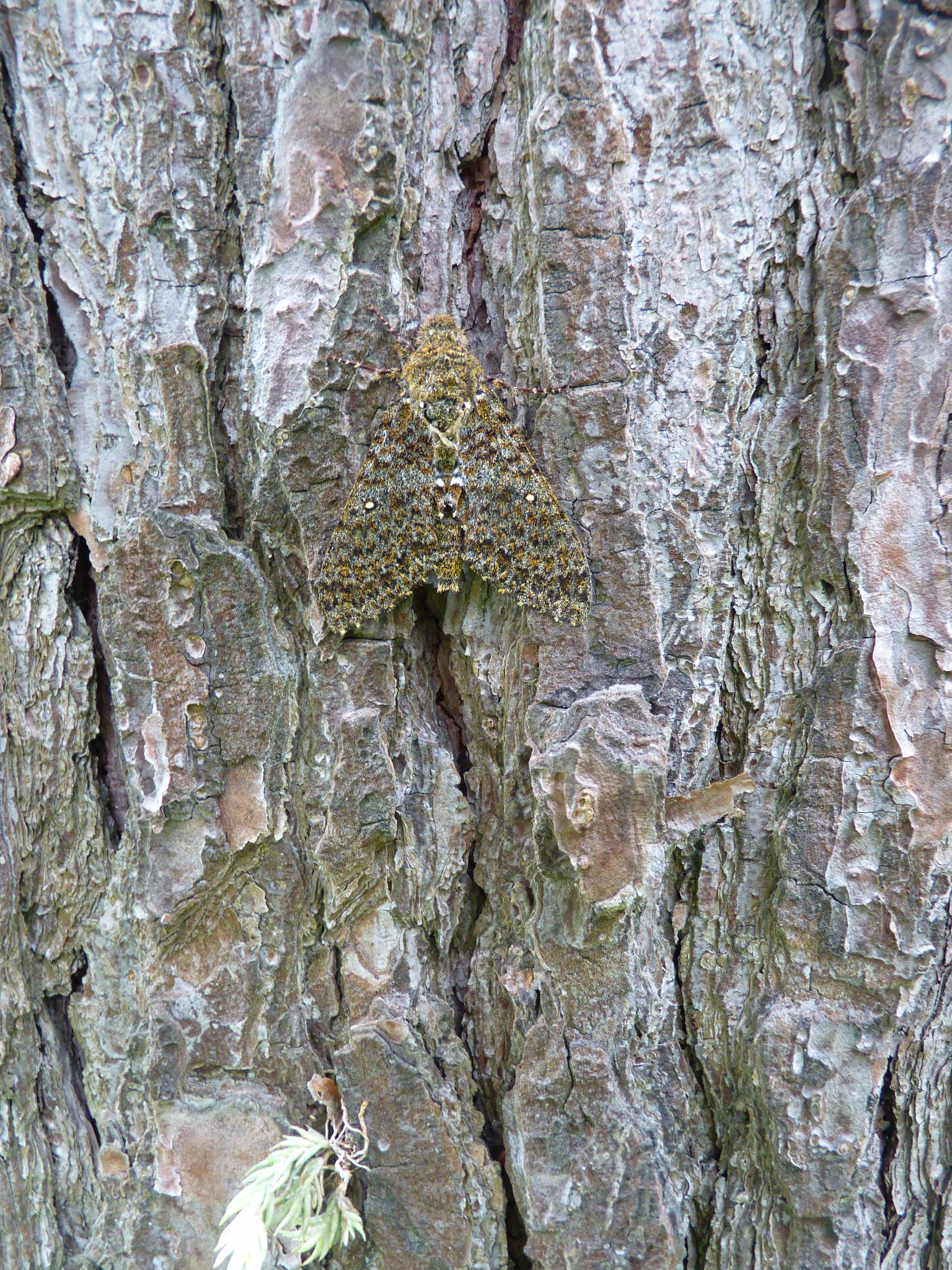
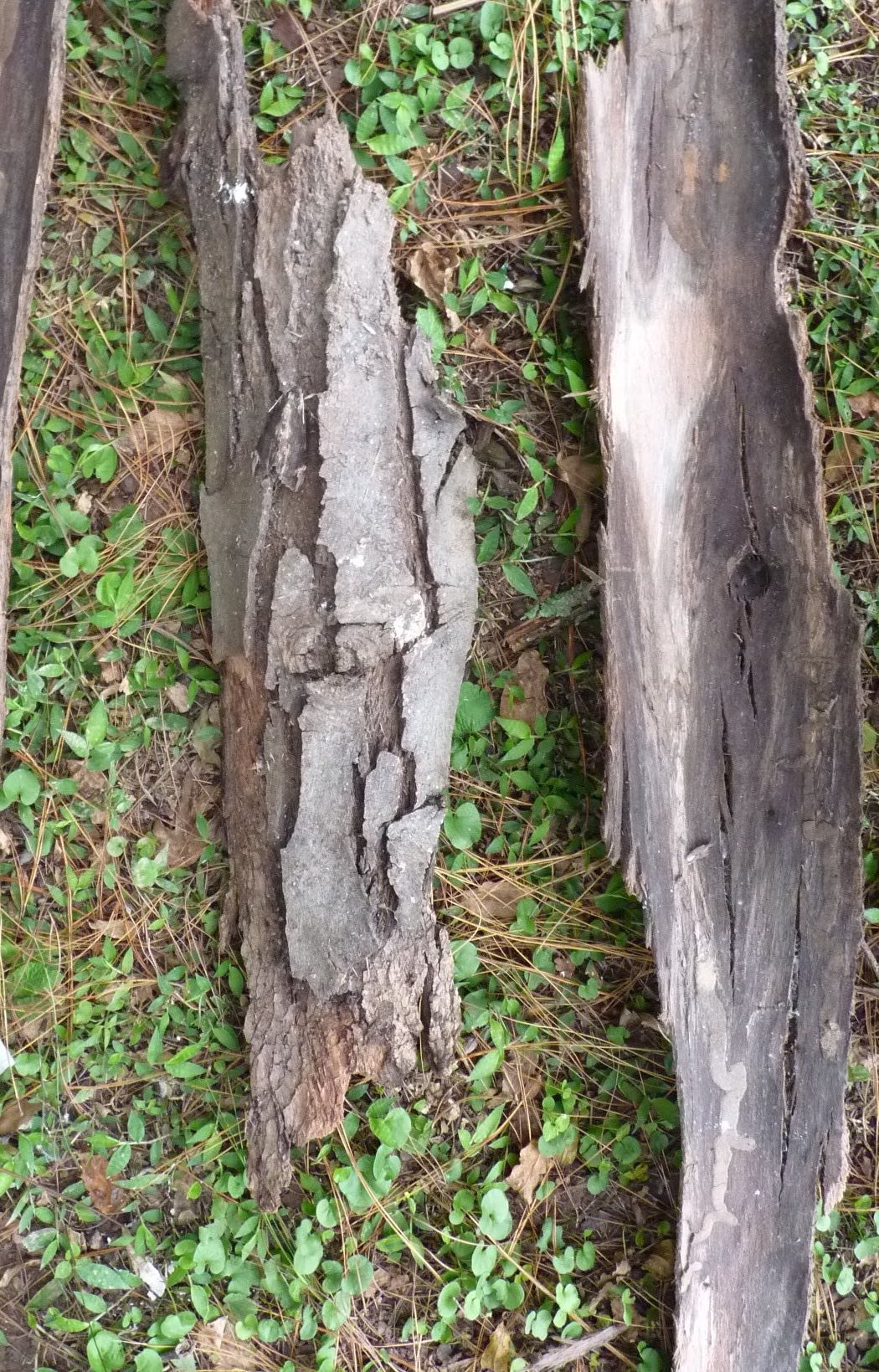
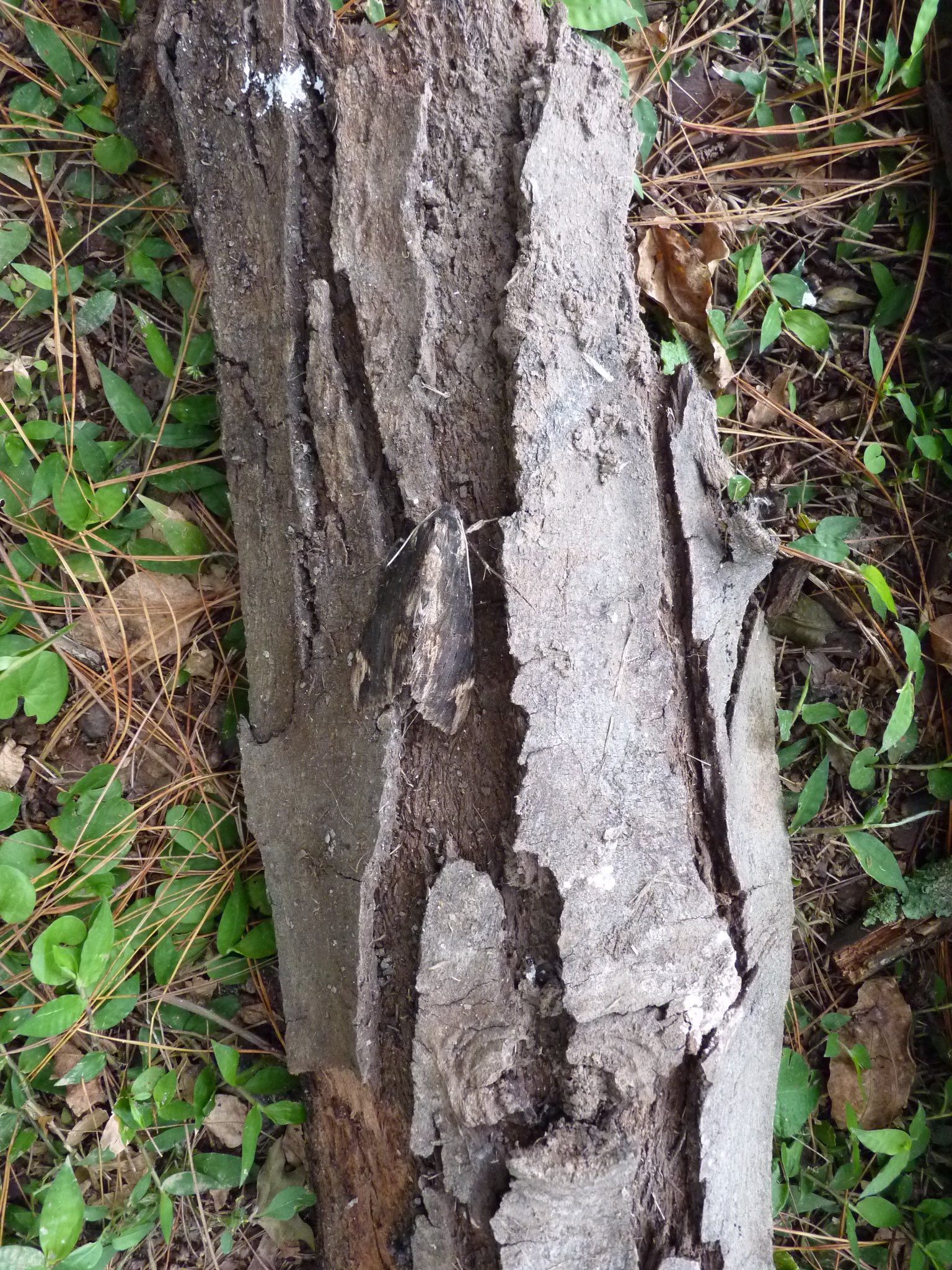
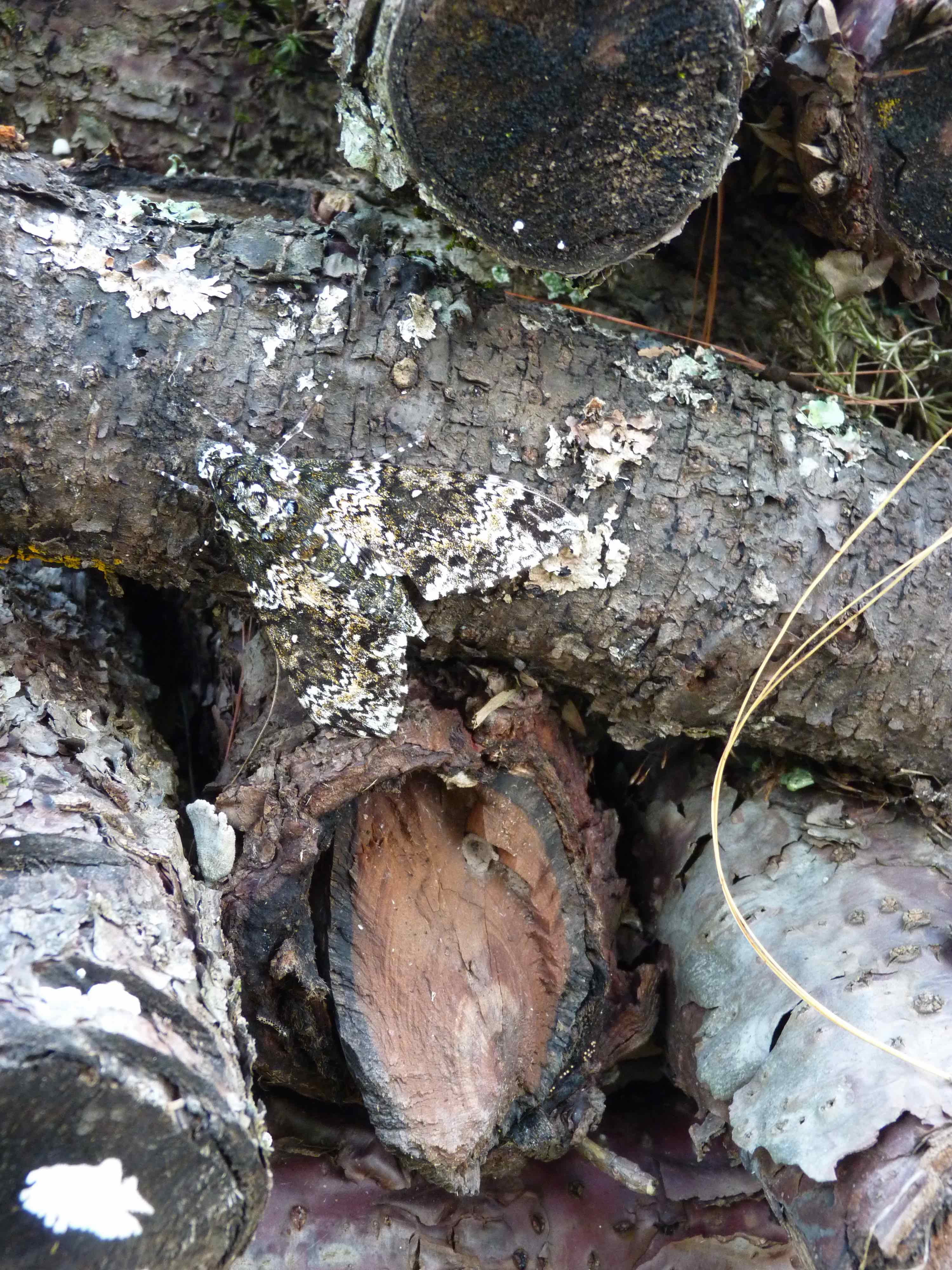
The final beast from Salta as we are now moving to Africa again. It was spotted on some tree bark that stayed on the ground after collecting some firewood. See if you can see it.
?
?
?
?
?
?
?
?
I do not think that it was too hard… I should do better next time.

 A Bushsnob out of Africa