Month: November 2014

Yet they were Royal*

They were forced to jump through rings of fire, to walk across thin wood bridges, to sit on two paws and to run in small circles. They didn’t want to, but they did. They had to survive. So they abode to the rules of their masters and ran in circles, sat on two paws and jumped when they were ordered to.

They lived in perfect misery. Their food was thrown on the floor, where it mixed with their faeces. Drinking water was very often filthy and their manes were knotted, for they were so dirty. A miserable life.

Yet, they were royals, enslaved yes, but still kings and queens.

They were lions kept in captivity in seven or eight circuses working in rural Bolivia, mainly in the tropical lowlands, where the climate is warm and humid. Some of them had been captured in Africa when they were still young, then sold to many owners and eventually found themselves in South America. Others were born in circuses and small zoos but were still of royal blood.

The circuses presented the lions in small towns where laws and regulations could be ignored easily.

In 2009 Animal Defenders International (ADI) surveyed the use of animals in the entertainment industry in Bolivia and found a surprisingly large number of circuses owning a great variety of animals. That finding led the Government to pass a law banning the use of live animals for human entertainment. In 2010, ADI decided to rescue the animals held by circuses. A “covert” operation was then developed with the ultimate aim of rescuing the animals. ADI staff, disguised as clowns, jugglers and cleaning workers infiltrated the circuses to glean the exact number and species of animals kept, and to get photographic evidence.

The ADI, supported by the Government body in charge of biodiversity conservation -the Dirección General de Biodiversidad (DGB)- seized animals from more than seven circuses; the lions were confined in cages. All were in bad condition; they were undernourished, weak, covered by wounds and scars and suffered various diseases. One of them even had deformed bones as a result of chronic malnutrition. Another one had become so aggressive that he lunged against the bars of the cage every time a person approached it. A female that gave birth to three cubs had barely enough milk for all. One was almost unable to endure the trip to Santa Cruz due to its condition. While some owners decided to accept the laws and cede the animals, others refused and resisted. One threatened to stab the ADI and DGB staff.

Following the request of the ADI and DGB, some local workshops built new cages to transport the animals to a temporary refuge. The Bolivian blacksmiths did well on this novel work.

Circus by circus the ADI and DGB seized the lions, sometimes confiscating the cages, others compensating the owners. The lions were transferred to the newly built cages. For some towns, the seizing operations were the most exciting event had happened in many years. In some towns, children gathered for an impromptu farewell. All in all, the ADI and DGB seized 25 lions.

A “lion den” to hold them was organized in Santa Cruz to keep them until their condition improved. The lions travelled more than 800 miles by land, on difficult and dangerous roads to get to their destination. Transportation was carried out with the utmost care, as having an accident with a cargo of lions on winding roads that brush the edge of deep cliffs would have been unwelcome. When the lions came under ADI’s protection, they were dewormed, and given proper food, vitamins, clean water and more space. They were also given good bedding and places to rest but, most important of all, the shows were over. No more jumping, crawling, running and sitting on two paws at their tamer’s orders.

While this was happening, a large, permanent refuge was being built in Denver, Colorado. The lions would go from summer in the tropics to winter in the North. Special lodges had to be built to help the animals grow accustomed to the hostile winter.

Finally, the lions were transferred to cages appropriate for plane travel. The ADI team ensured that while every animal was in one cage, families could be together, animals could see each other and mothers would travel with their cubs. An old DC-130, a veteran from the Viet-Nam war, took off from Santa Cruz and arrived twelve hours later in Denver. There, the ADI team and a number of supporters–including the renowned TV conductor Bob Barker and the CSI star, Jorja Fox, were awaiting their arrival.

The lions were set free in what is now their permanent refuge. They have formed families. Most have recovered from their injuries and illnesses. Far, very far from Africa, they are finally free from the circus and the tamers. They cannot be reintegrated into the wilderness, for they lack the hunting and surviving abilities a lion must have, nor they will be allowed to reproduce, since the population would increase, posing a further problem. However, they will live a much better life.

I wonder if those lions, when the sunset comes, remember their African savannas. Maybe they do, and in their dreams they see themselves hunting, fighting, killing and dying as the royals they once were. After all, they still have blue blood.

Gonzalo Flores (don.gonchi@gmail.com)


This story was told in a film titled “Lion Ark”, directed by Tim Phillips. It was awarded seven awards, including the Mississippi Film Festival’s Best Documentary and the San Diego Film Festival’s Audience Choice Best Documentary. 

Skin Disease

End of October is the height of the dry season in Mana Pools. The place really looks like a brown dust bowl the exception being those trees that, anticipating the arrival of the new rains, flower now to be ready to drop their seeds with the onset of the rains presenting the landscape with some colourful blotches.

Very few Apple Ring Acacia still had pods and the experienced elephants that knew the reward of a few strong shakes applied to the trunk, were using this technique and relishing the fruit of the “podfall” they produced!

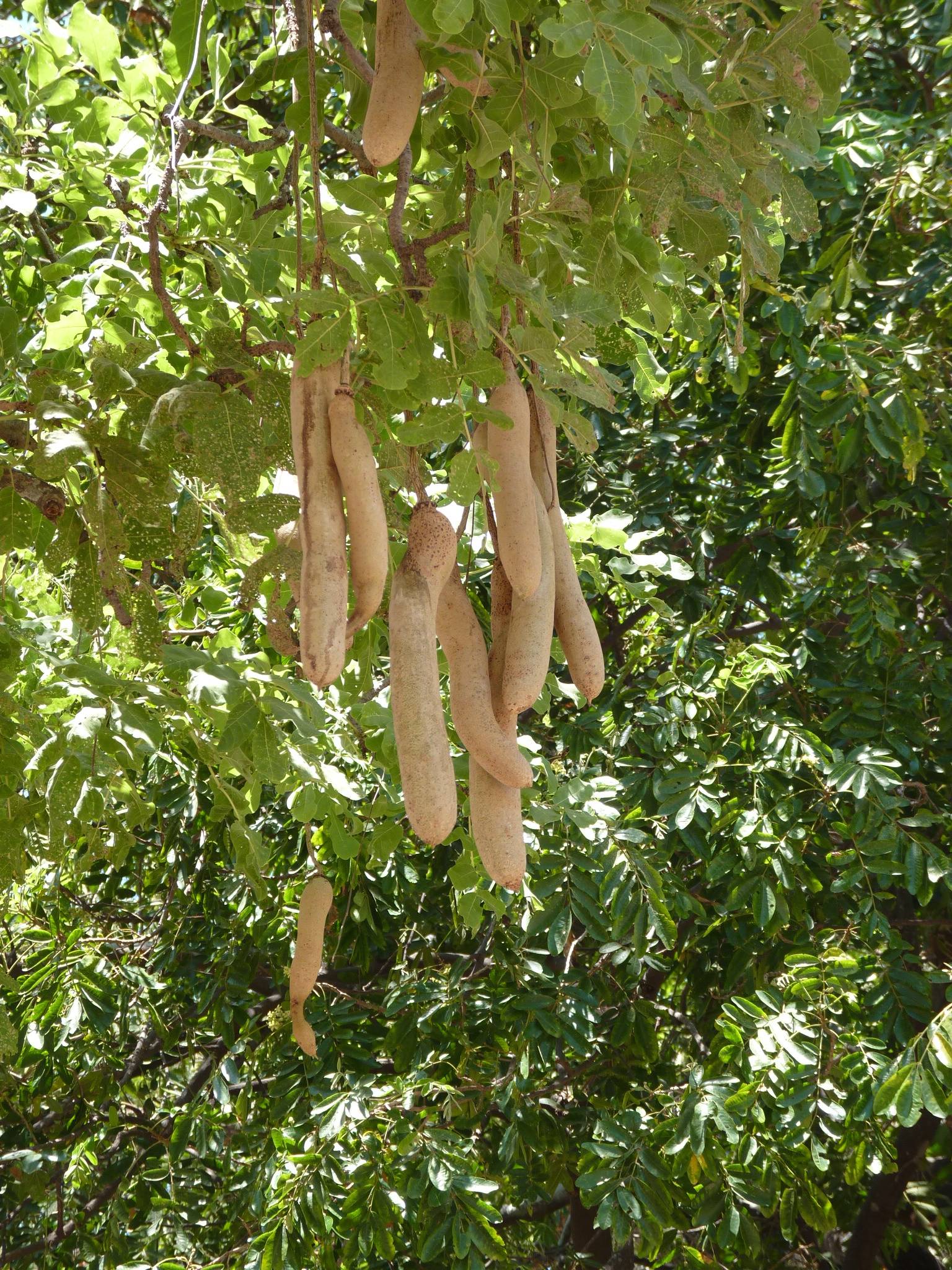
The scarcity of the Acacia pods is now compensated by the abundance of sausages of the Sausage Trees, now quite grown although probably not so palatable. As a consequence of the general absence of food on the plains, the animals in general and the elephants in particular were seen mainly on the margins of the Zambezi River, feeding on aquatic plants. The Zambezi banks were dotted with elephants and many were feeding and bathing below the banks of the campsite.

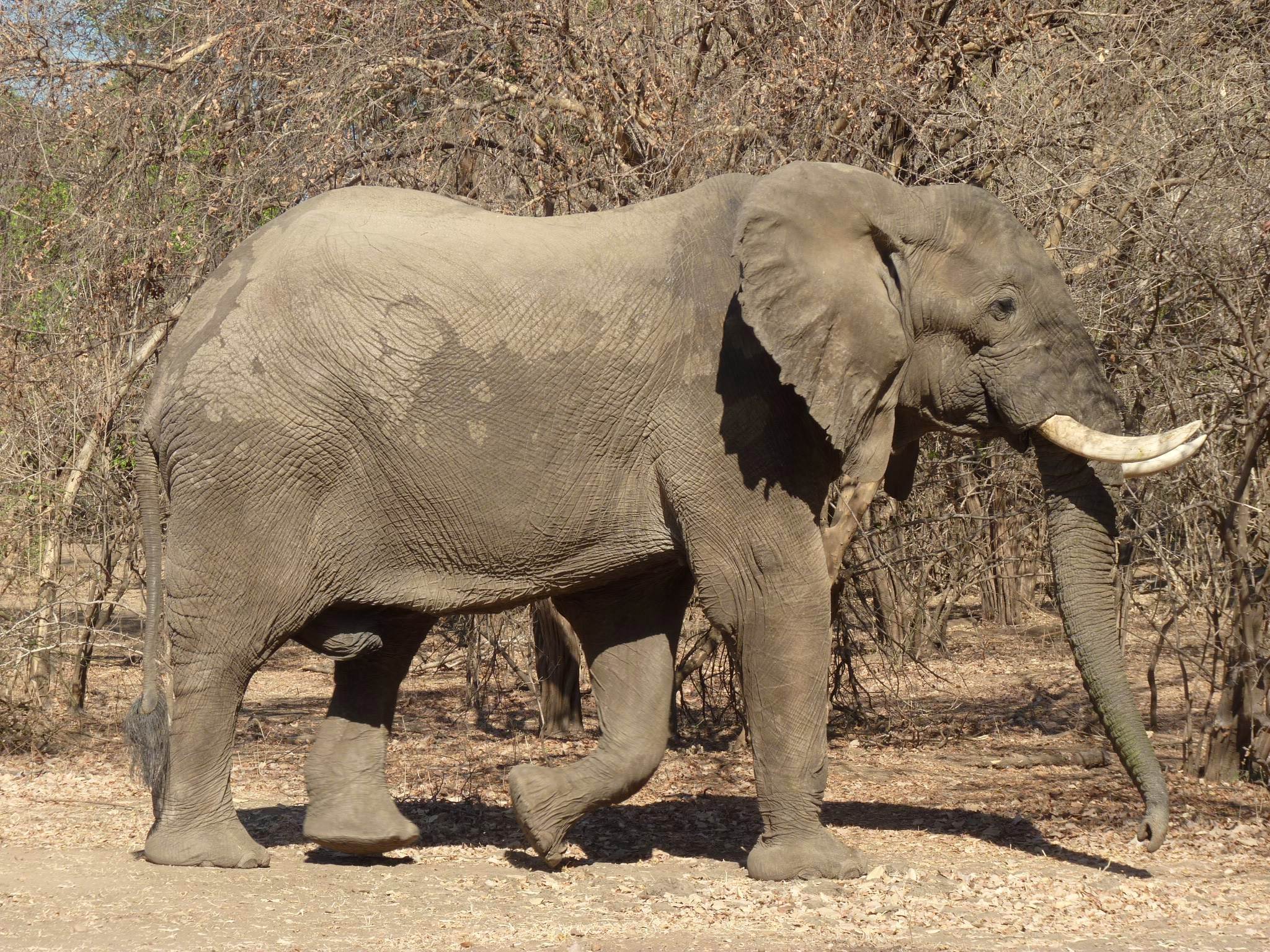
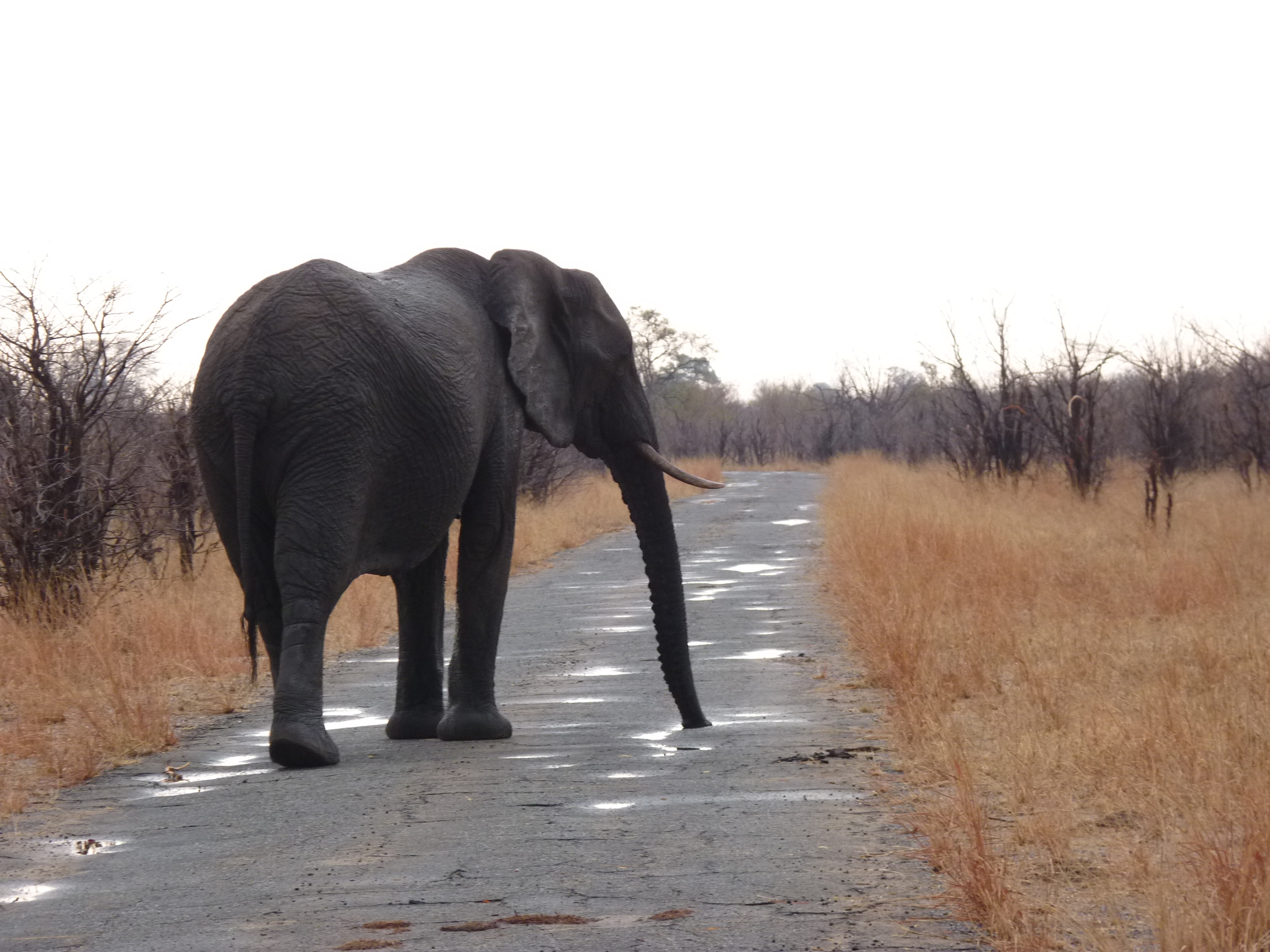
Despite this, although harder to find, some elephants were still inland. We met one of them, a rather large animal with good ivory for Mana Pools. It happened to be using the same road as us and coming in the opposite direction! As we all know, elephants have the right of way! It was a rather large and beautiful bull with good tuskers for Mana Pools.

Mana tusker small

The Tusker coming…

It had a relaxed but sure gait, I imagine that this is the attitude of someone with no threats. He clearly saw us before we did and did not define us as a worthwhile threat so it continued walking as if we did not exist.

We parked politely in the bush by the side of the narrow road, stopped the engine and watched this magnificent animal. It passed very close to us and in so doing we could appreciate its size as well as take some photographs of it.

While on our side we observed, with some preoccupation, that it had a rather large area of its skin at the back and flanks covered with skin blotches that look like some kind of fungal infection. Elephant skin is thick and tough, reaching almost 3 cm on it s back. Additionally, the elephant uses mud and dust to further protect its skin, as it is a very sensitive organ.

Mana tusker skin disease

The suspected skin problem is seen as paler areas on its ears, back, sides and upper hind leg.

Although we had observed this condition before, this is the most extended that we had seen so far. Hopefully the mud baths will help this animal to control it.

Dagga Boy*

buff and cigar 1

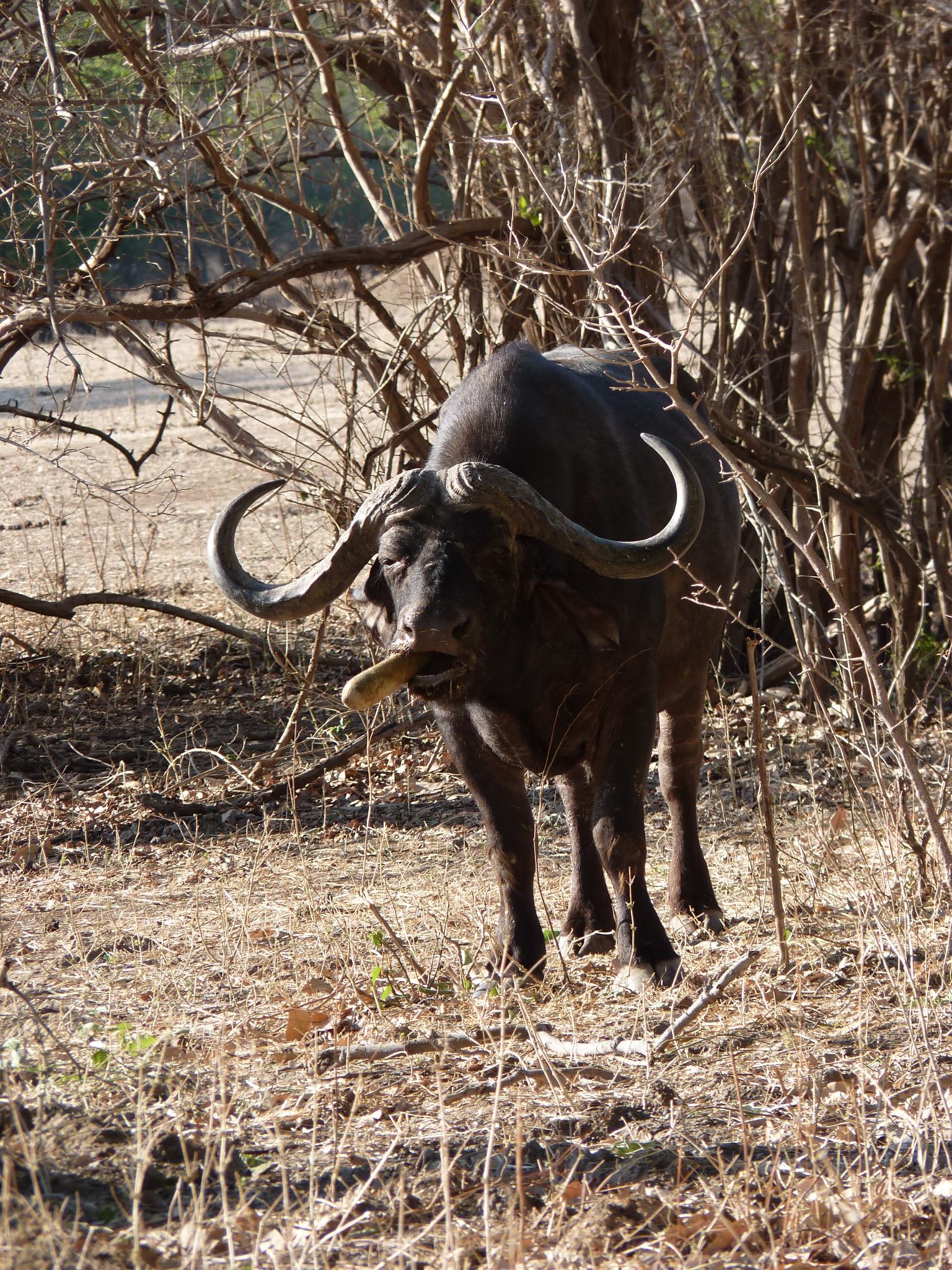
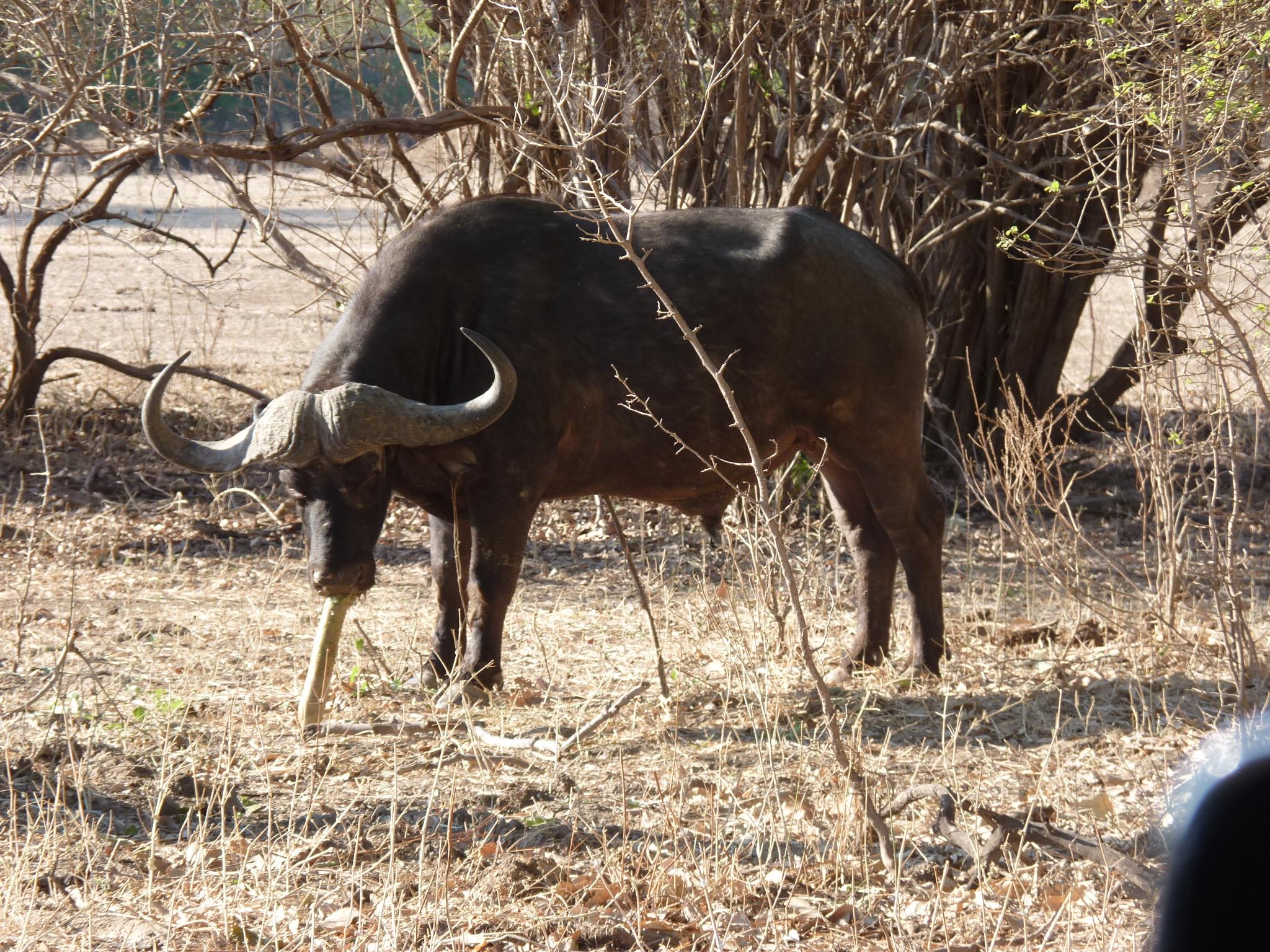
We came across this lone male Buffalo (Syncerus caffer) who seemed to be about to light a large cigar!

buff and sausage

It was in fact working its way through a sausage, the fruit of the aptly named Sausage tree (Kigelia africana). This tree provides game with food during the dry season at Mana Pools National Park.

sausages

The sausages.

buff and sausage 2

Almost done!

Our first encounter with buffalo while camping at Nyamepi Camp site was worrying: four large male buffalo were between the toilets and us! We held our needs in check for as long as we could but the buffalo would not budge so we braved the trip! We need not have worried as they ignored us completely as we walked past. They were totally focused on devouring the flowers of the Sausage tree that they also relish.


* I tried to be clever here! A “Dagga Boy” is an old Buffalo bull that have been kicked out of the herd and spends all day wallowing in mud. “Dagga” means mud in Zulu. In addition, “Dagga” also means Cannabis, hence the play with words.

Shy Beast shown

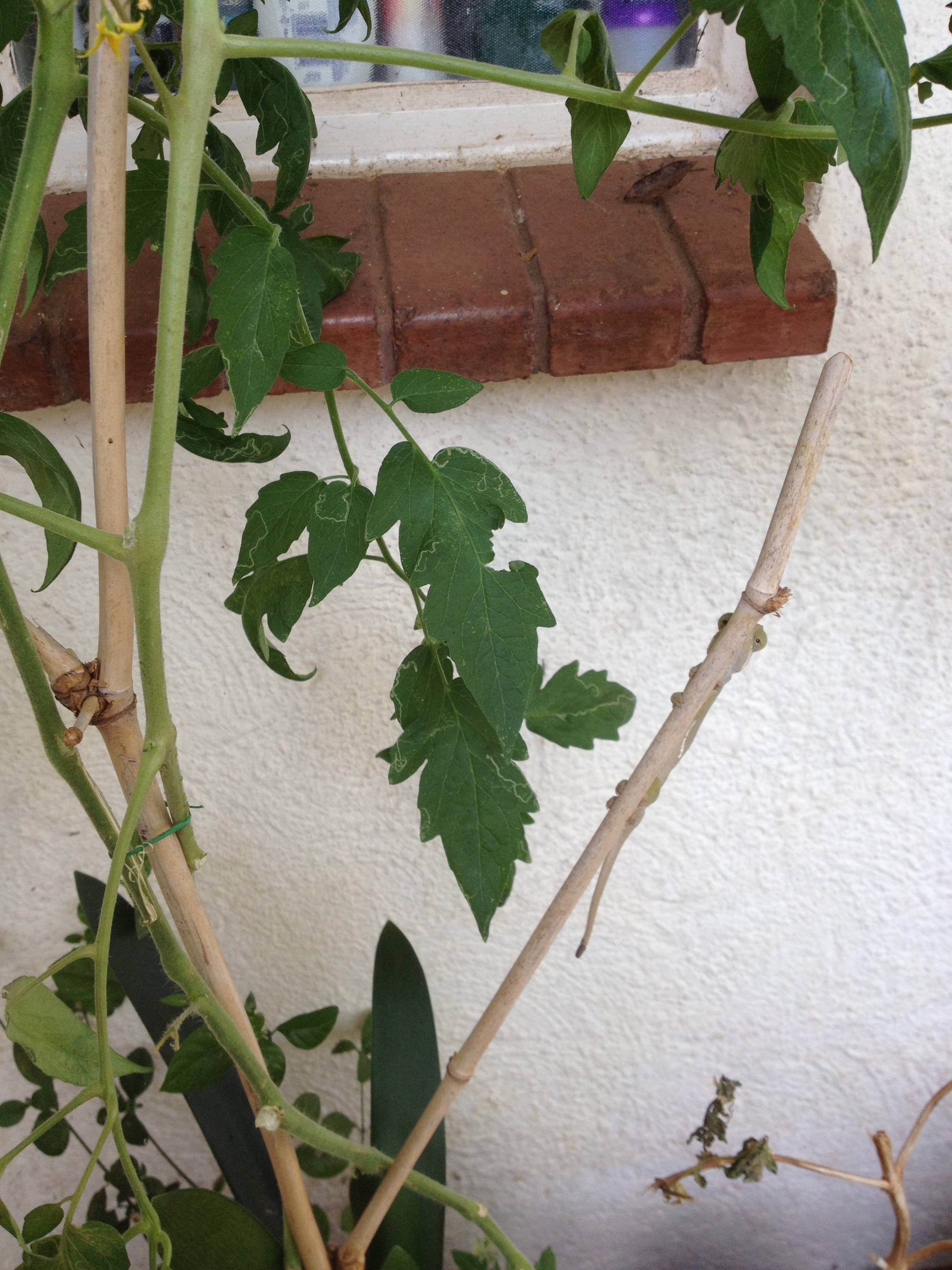
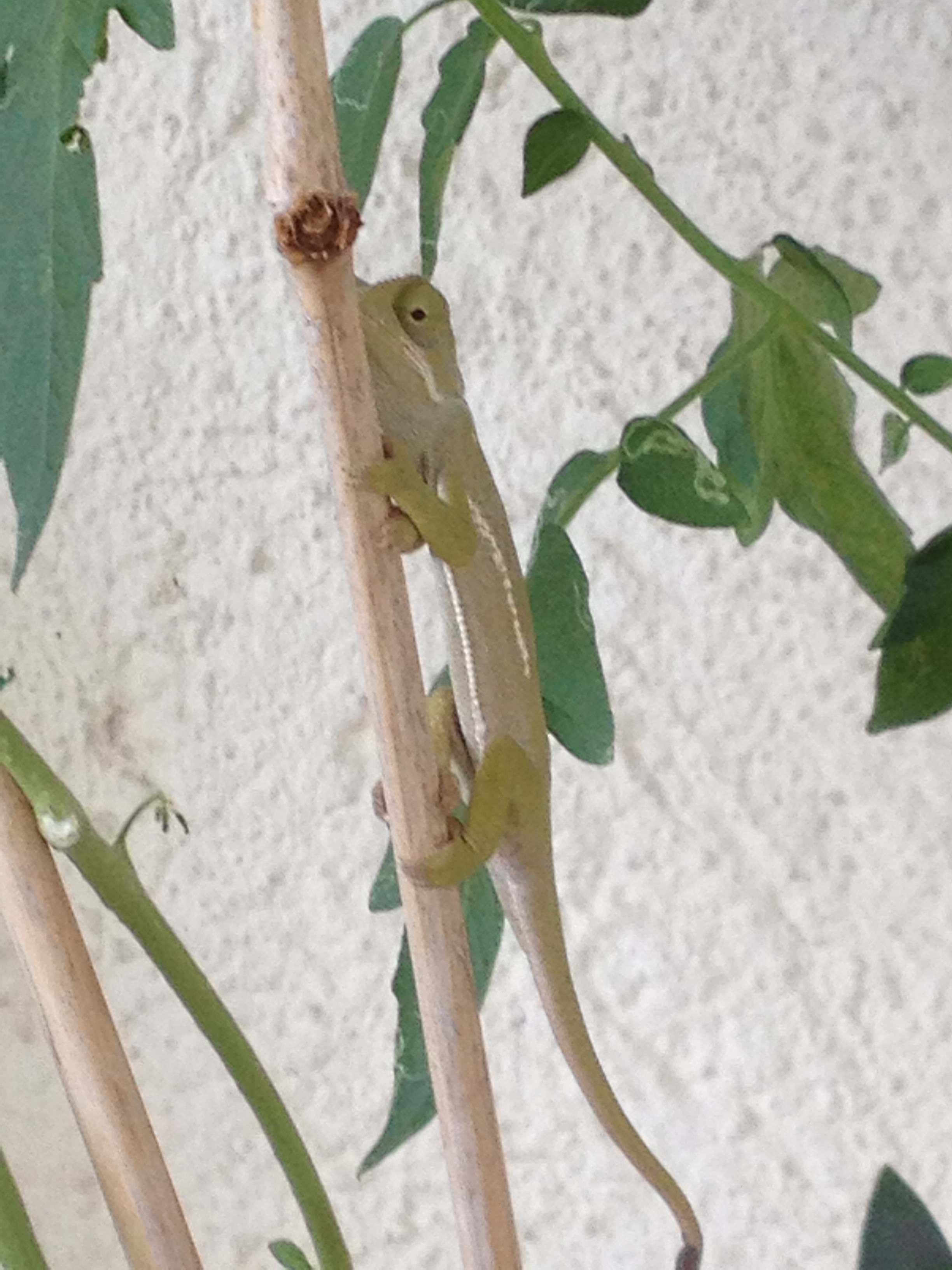
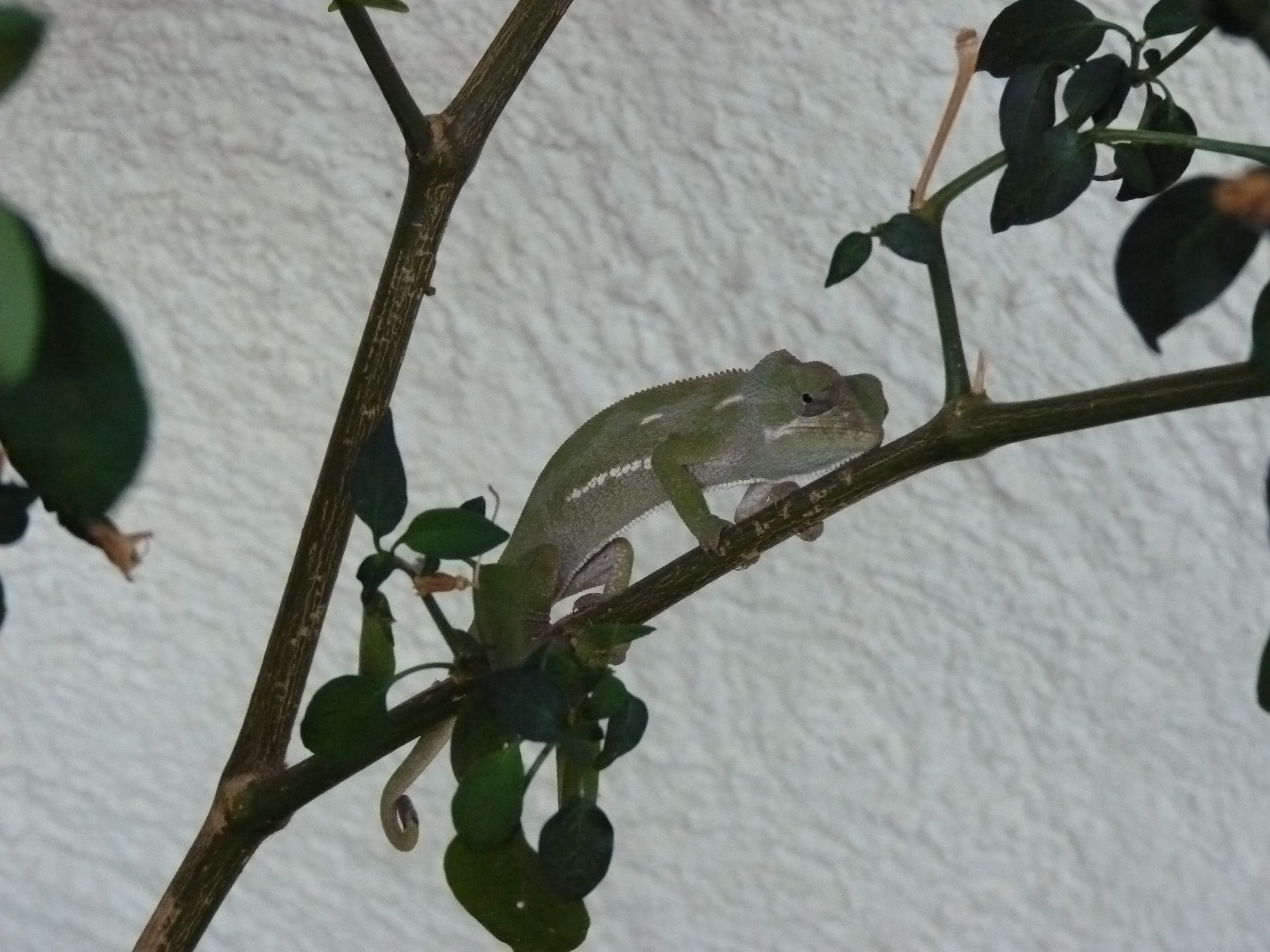
I interrupted -for one day- my flow of Posts on Hwange and Mana Pools National Parks as I found this chameleon in the garden. When I tried to photograph it, it would hide behind the stick. Finally I managed to get some takes that show that it was indeed a chameleon!

The pictures are not “brilliant” but I did not want to disturb it.

I resume the other Posts from tomorrow.

The Bushsnob

chamaleon 3

chameleon 2

chameleon 5

Not rain but hail!

Elephants at w:hole prior to rain

Elephants drinking before the storm.

It was mid afternoon on the second day and we decided to visit a nearby pan where we had seen elephants with rather large tusks on our way into Shumba camp in the hopes of finding them again. It was very windy and the sky looked grey but we attributed it to the bush fires that prevail at this time of the year. “Too early to rain” I said but my wife was not convinced. “To me that looks like rain”, she said as we made our way to the pan.

There were a few elephants drinking but no large tuskers to be seen . While watching the animals, the wind picked up and we heard thunder. Clearly, the grey sky was indeed a storm in the making and I was wrong again! Soon, heavy raindrops started to fall. The elephants’ response was to rapidly move off from the water into the nearby bush, with the exception of a couple of bulls that had just arrived for whom the need for water overrode the need to seek shelter from the storm.

low visibility

It was a storm!

Raindrops turned into hail that, after two to three minutes, changed again into water in the form of a heavy downpour which was also short-lived. The two elephants put up with the inclement weather and continued to drink while the chickpea-sized stones bounced off their backs! What a relief from the heat and dust! In addition it released a wonderful wet earth smell that prompted us to open our car windows and enjoy the wetness of what, a few minutes earlier, was scorched earth!

elephants start to hail

elephants under hail

The two bulls drank despite the inclement weather!

Once their thirst was quenched, the elephants moved off. We tailed them as they took to the road that headed for our camp. One went into the bush and started to feed, while the other continued to walk ahead of us, stopping every few metres to drink from the rain puddles that had formed on the tarmac. It was funny to see how it would effortlessly suck them dry! Clearly it could not resist fresh rainwater!

drinking from the puddles

Enjoying fresh rainwater.

We were still behind the elephant when we saw one rock on the road and farther on another one. The elephant carefully avoided them. The rocks turned out to be Leopard Tortoises coming out of their heatproof refuges to enjoy a dunk and a drink, probably their first since early last year! Watching these animals enjoy the rainwater served as a reminder that, in hostile environments, opportunism is the name of the game!

tortoise at puddle

Smiley…

I thought I saw them smiling but it may have been just the shape of their mouths… Well, at least we smiled and hope that the rains will be good this year!

Road Sign

Eye Clinic

This sign, seen in Bulawayo gave us some food for thought! It could be a good picture for a caption competition…

A friend volunteered: “I hope the Doctor is not long-sighted”.

I leave the rest to your imagination with restrain, please.

BS