Bush Pills

Very short comments and observations

What on earth!? (26)

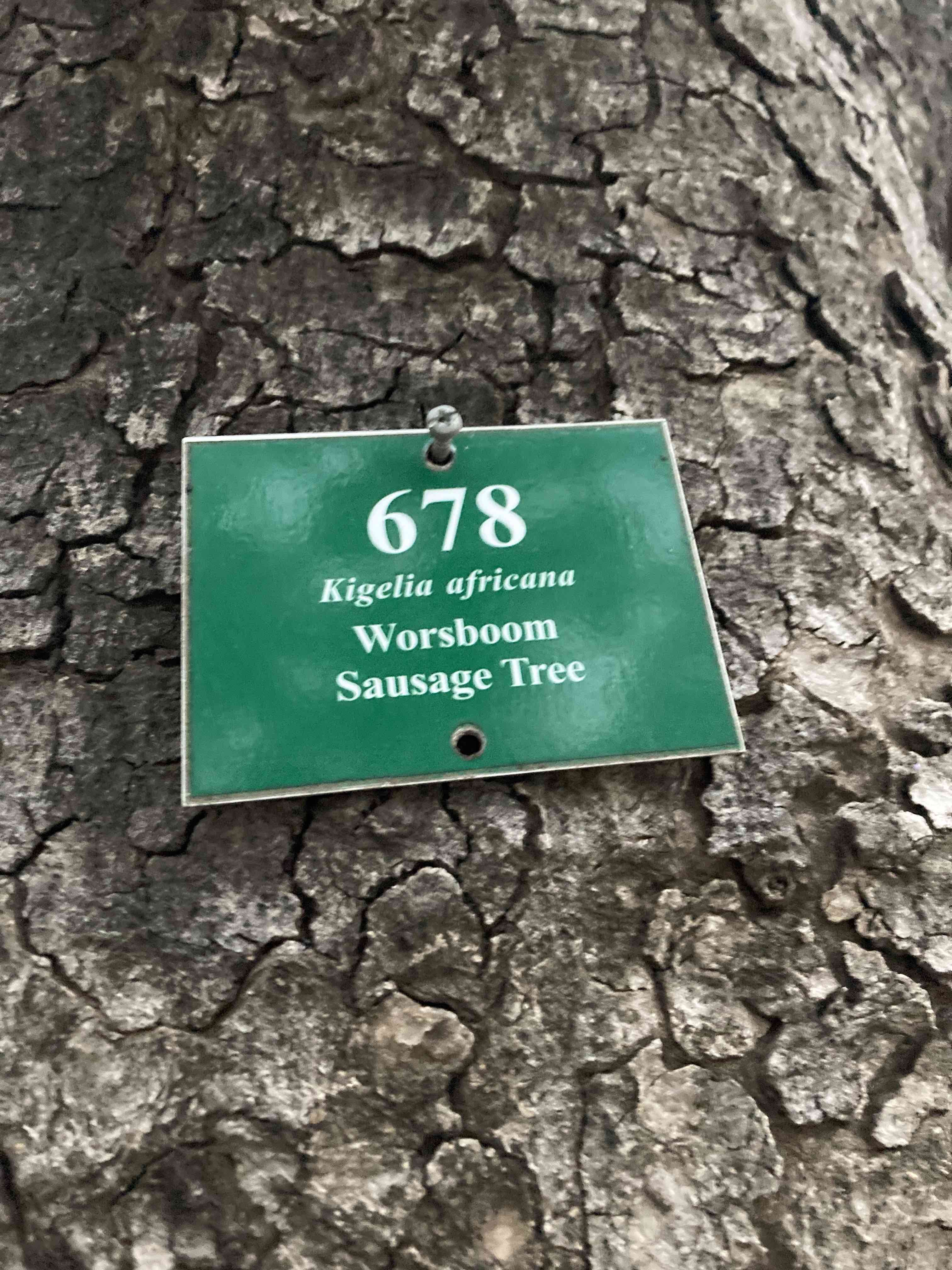
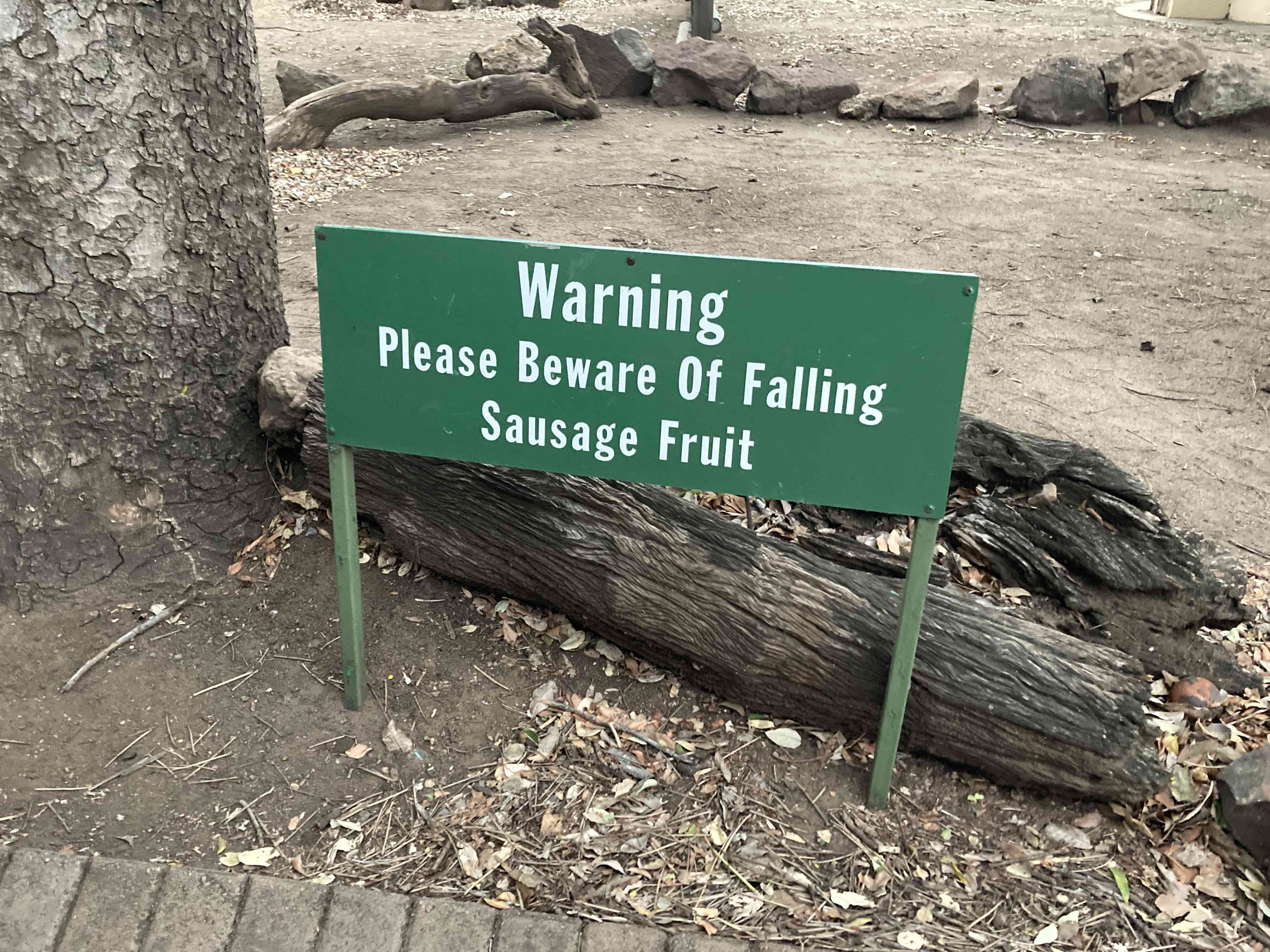
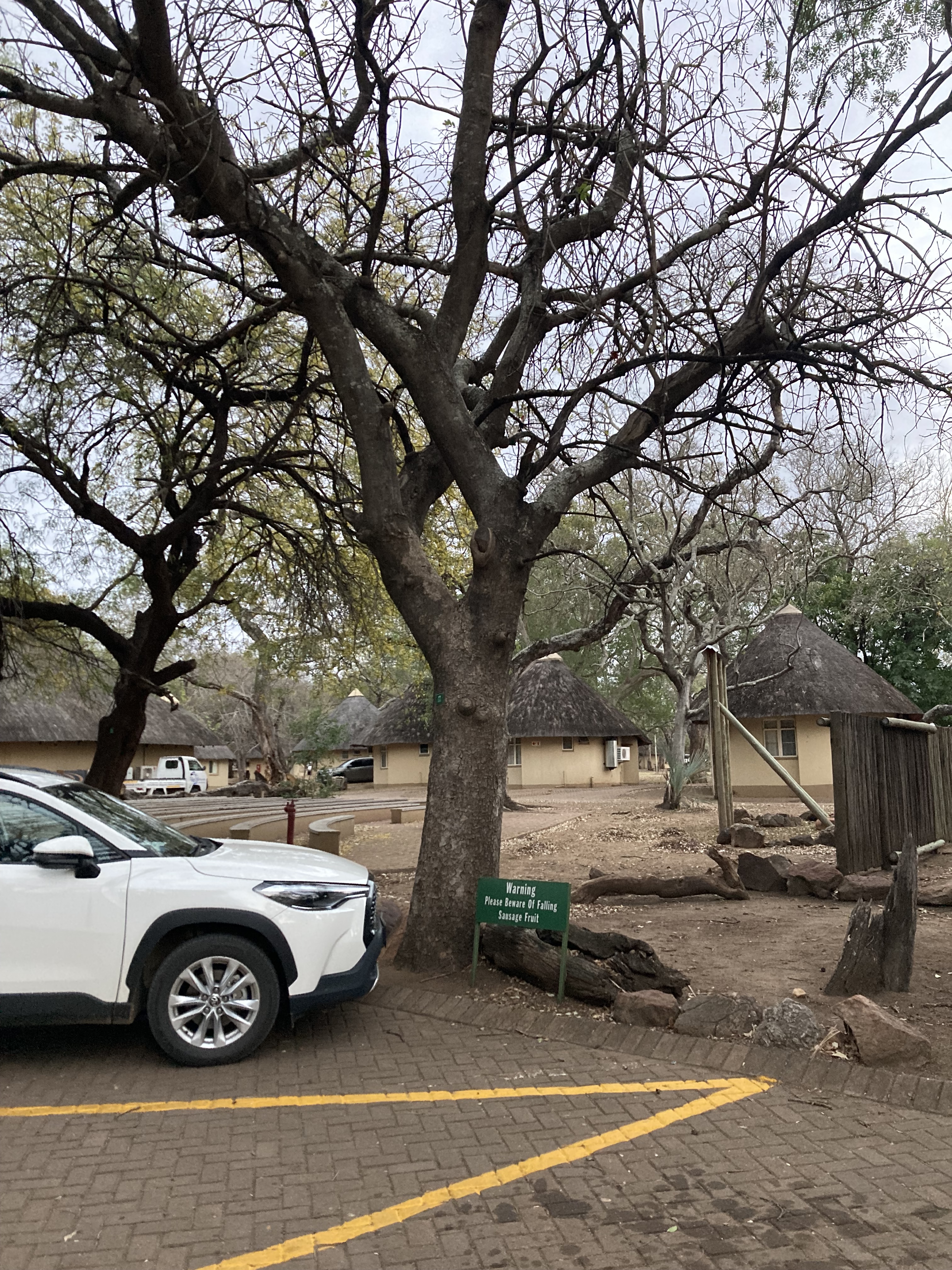
We spotted this sign at Skukuza Camp in the Kruger National Park. One would have thought that, if there was a tree that gives sausages, instead of such a sign there would be one promoting the sale of fried ones or at least a fridge to collect them for later!

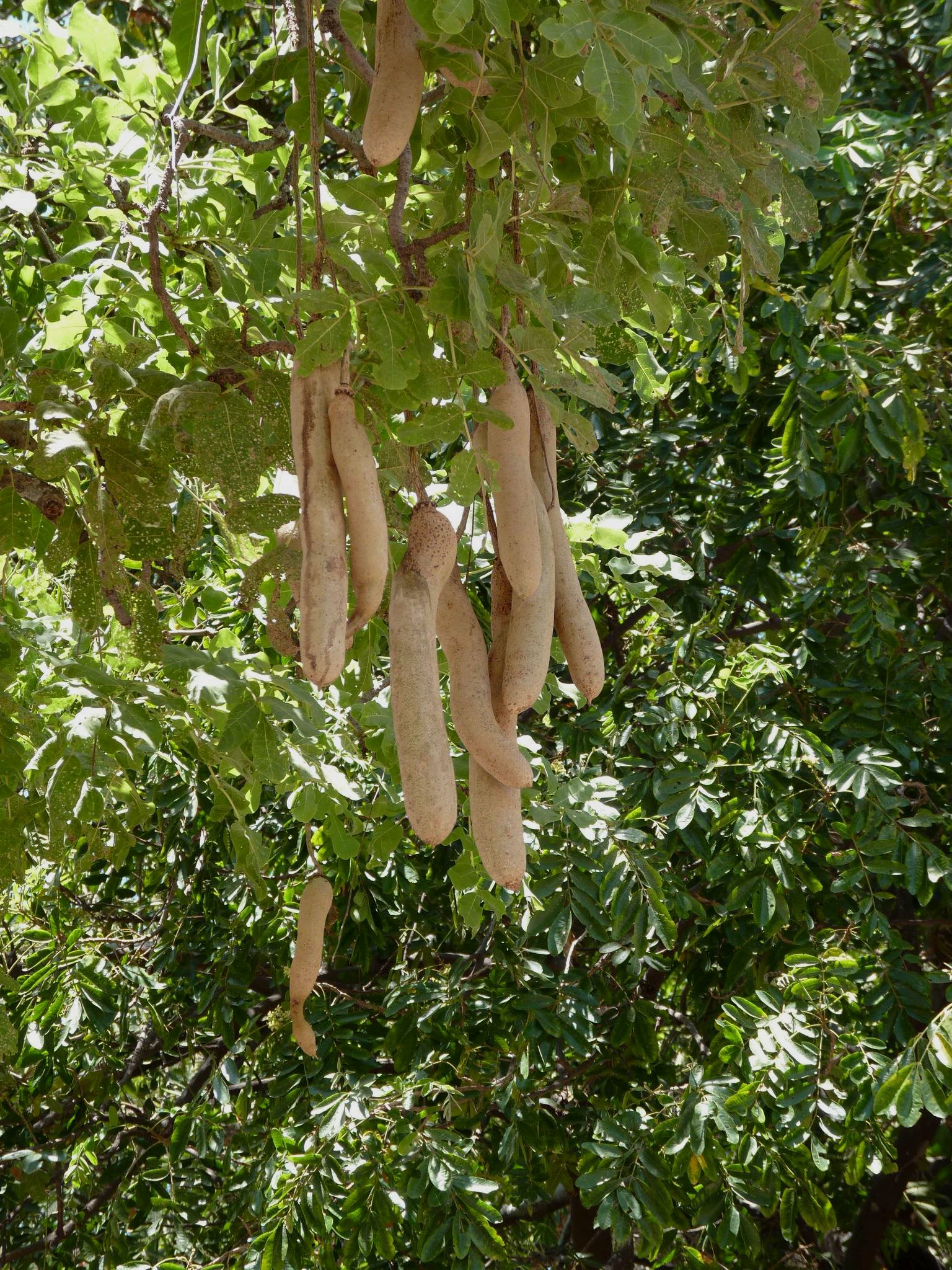
But these are the fruits of the aptly named sausage tree (Kigelia africana), solid fruits that could weigh over 10 kg although more often less than that but that, if they fall on your head, they could give you a headache, perhaps worse than if they fall on the bonnet of your car!
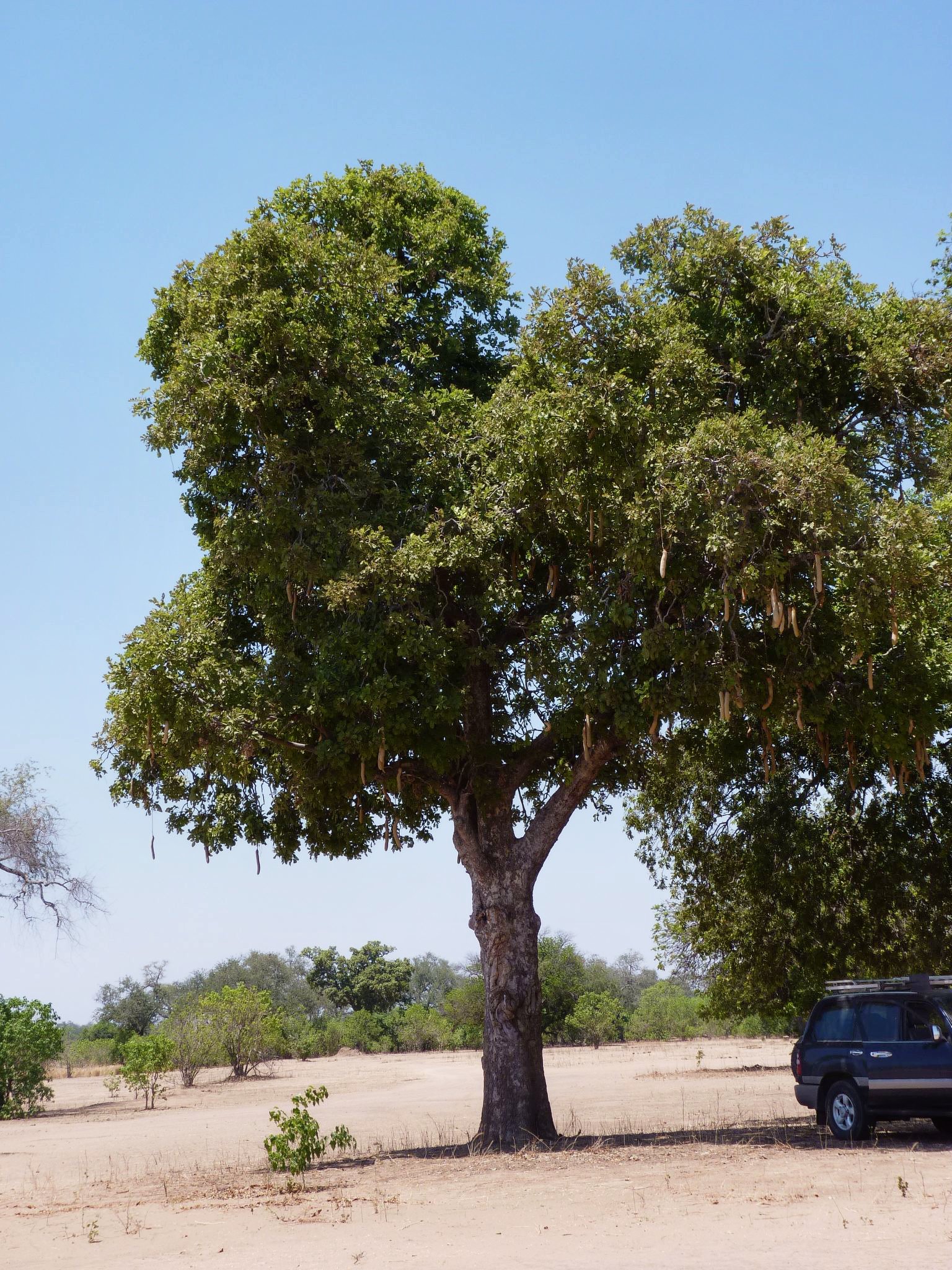
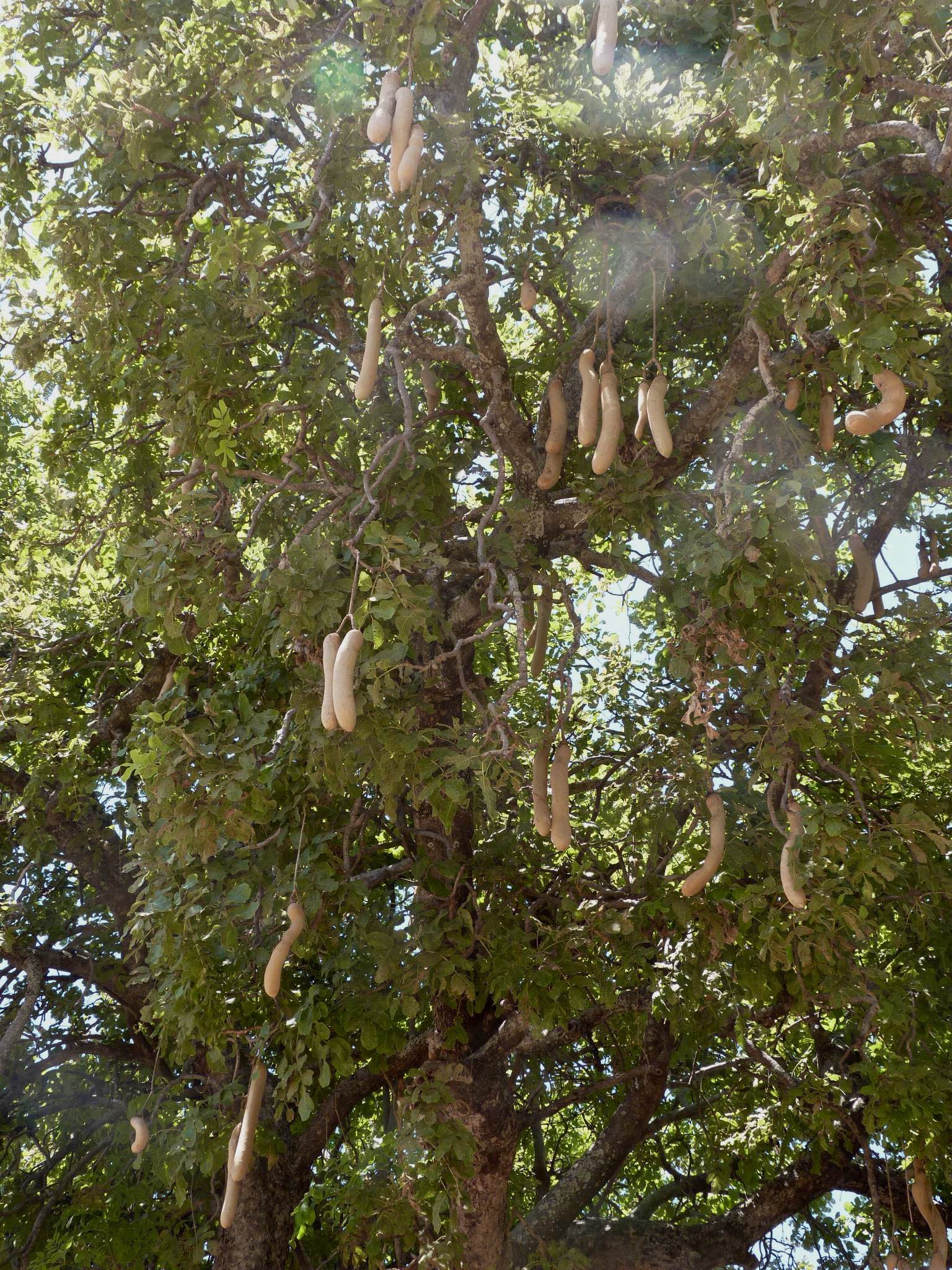
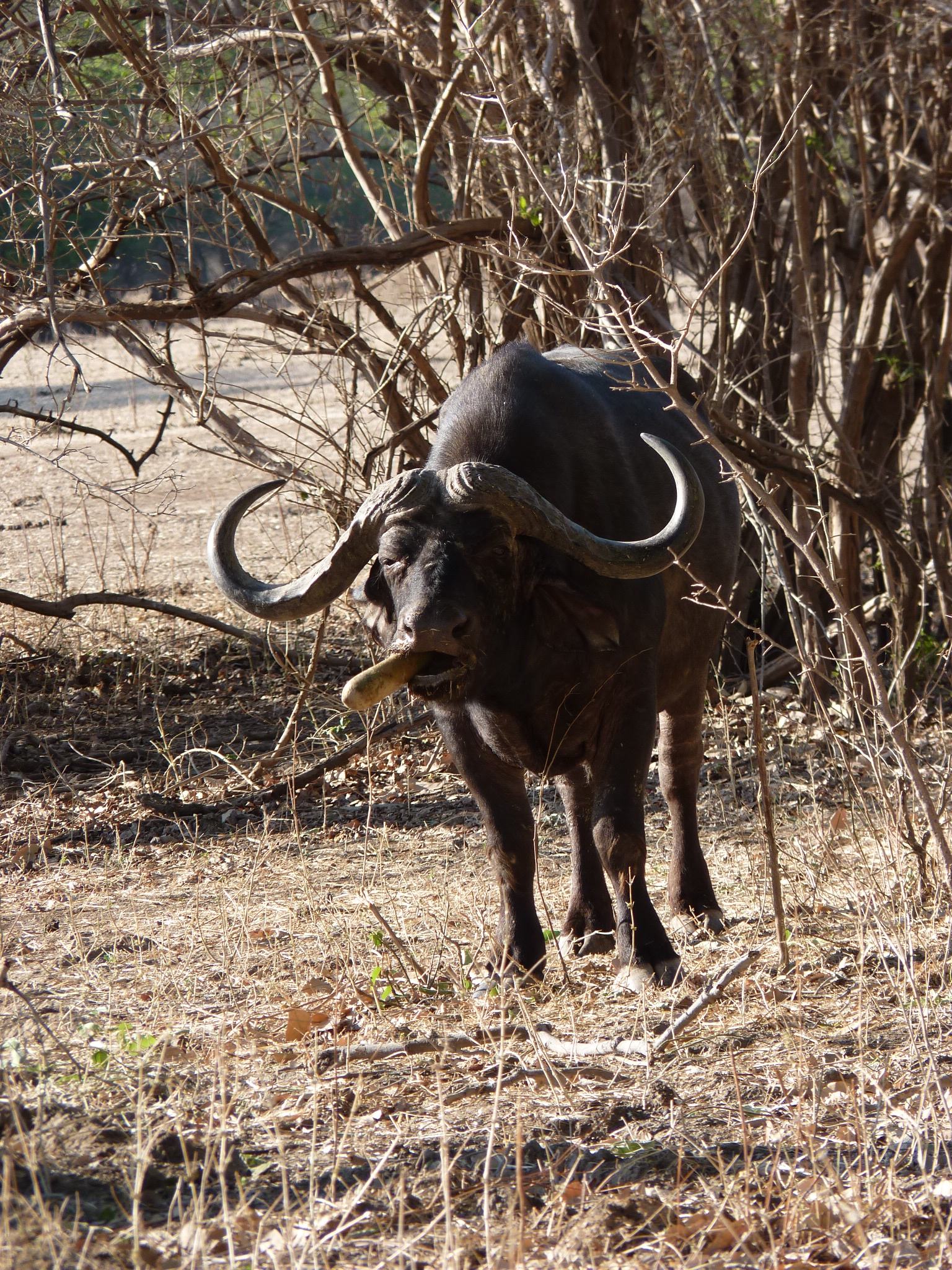
The sausages that fall are consumed by a variety of animals, including humans that use them for flavouring “pombe” the local beer in Kenya.
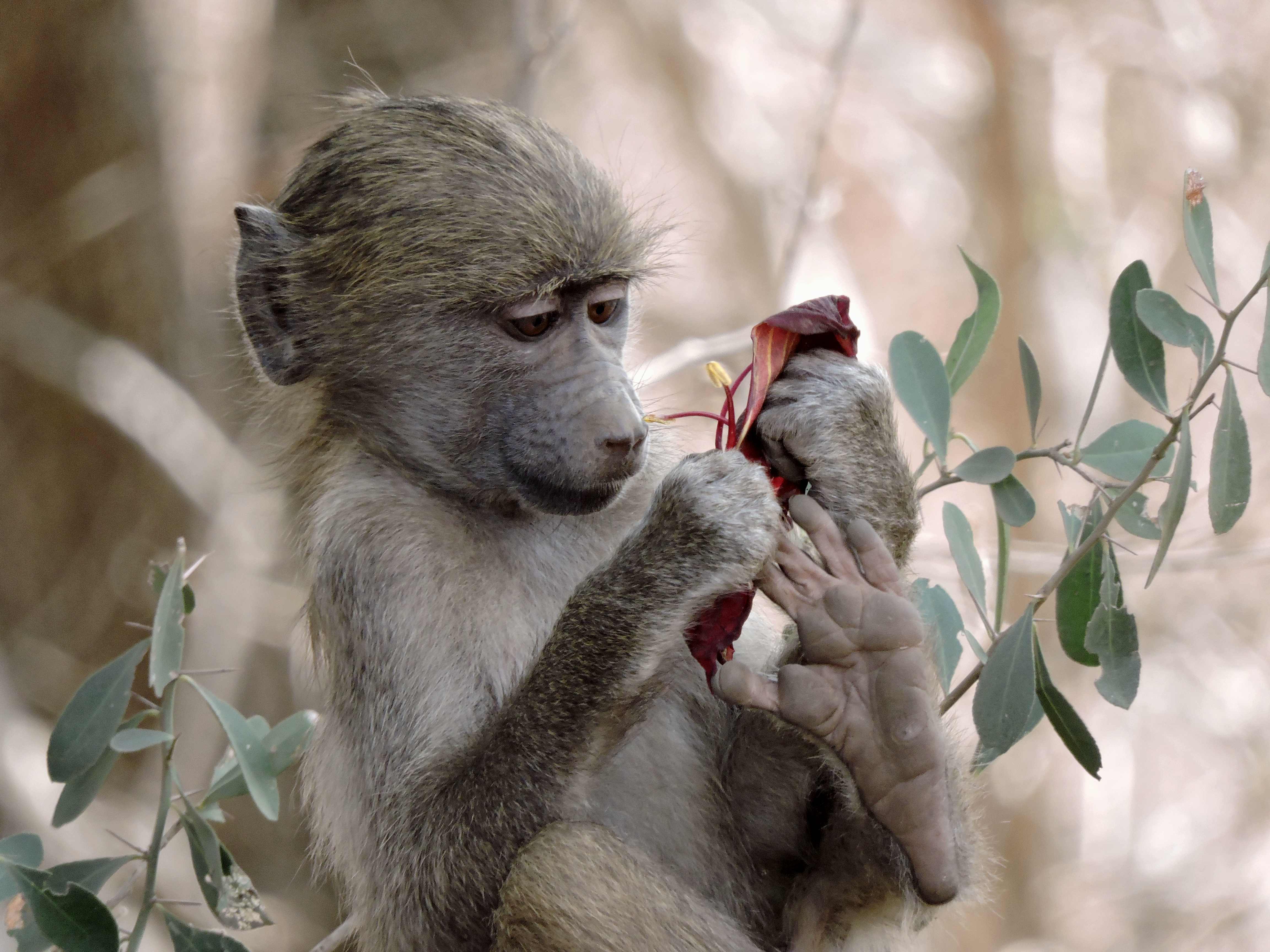
Before that, it produces beautiful scarlet flowers that are not only decorative but also animal food. This young baboon is picking the best sweet bits!
Giant leeches?

Gwango Heritage Resort, just outside Hwange National Park.

While walking around the place we came to this scene that reminded me of some very large leeches I saw in swampy areas of Western Ethiopia that attached inside the mouth of cattle.

Clearly the elephants were having a drink from the pool to dilute the muddy water they got from the waterhole!

Spot the beast 82

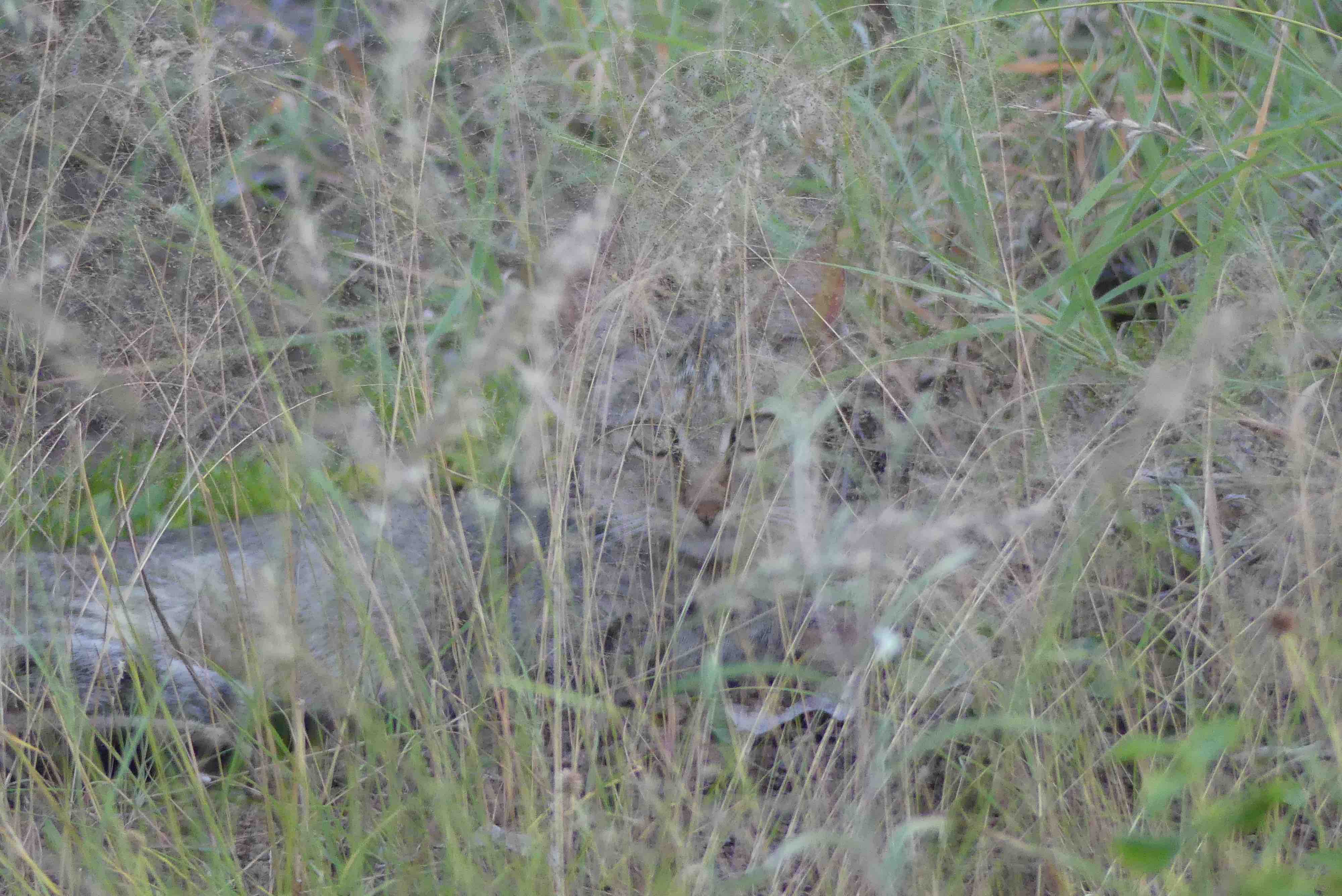
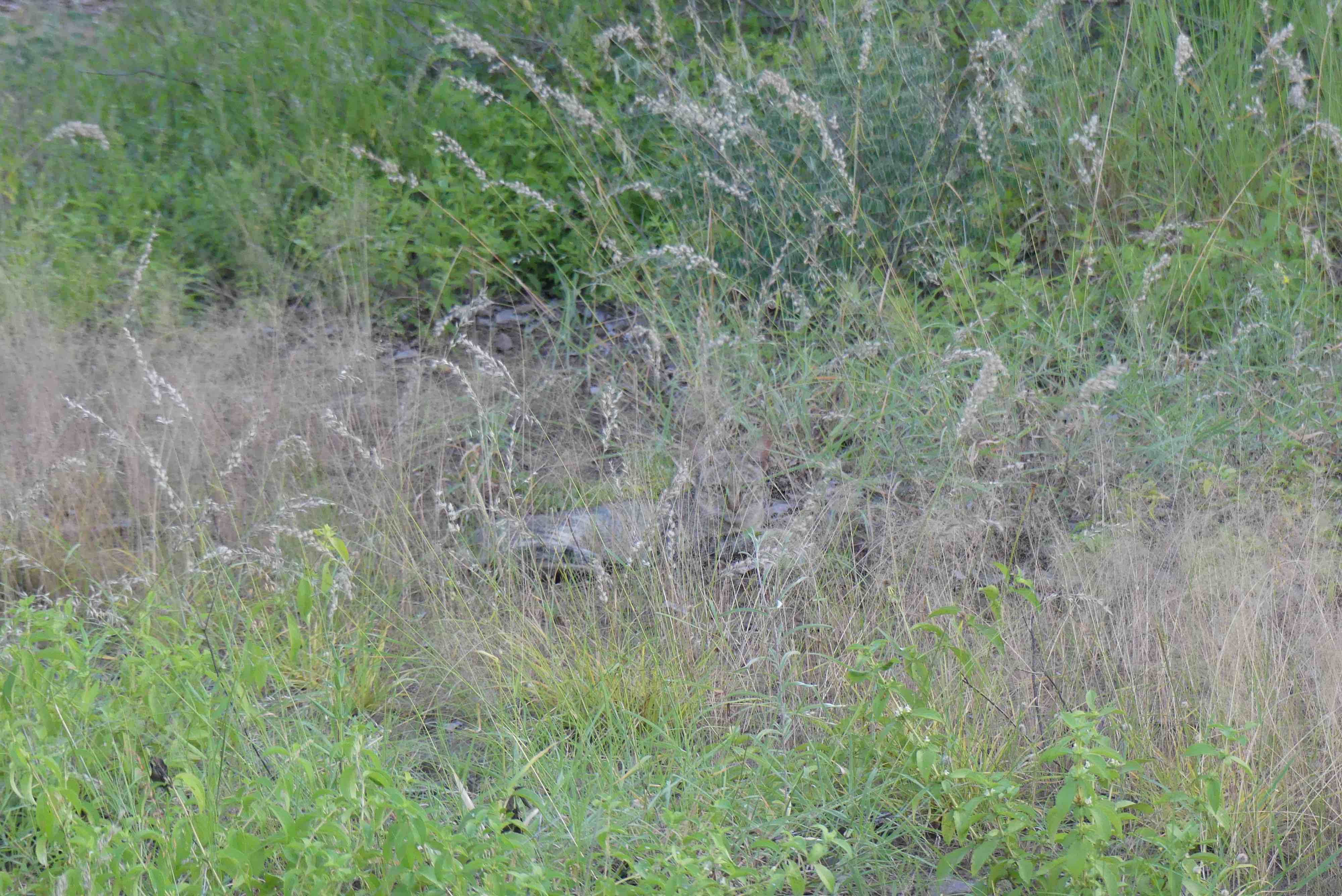
Driving around Robins camp in Hwange National Park we spotted this beast, the first one we have found in Zimbabwe. If you looked carefully you may have spotted somewhere in the picture. Below I present you with a close-up where you can see that it is an African Wild cat (Felis lybica).

The following (bad) picture shows some of the characteristic markings of this kind of cat.

I will further ellaborate on this finding in my next post on Hwange National Park.

Mantis laying

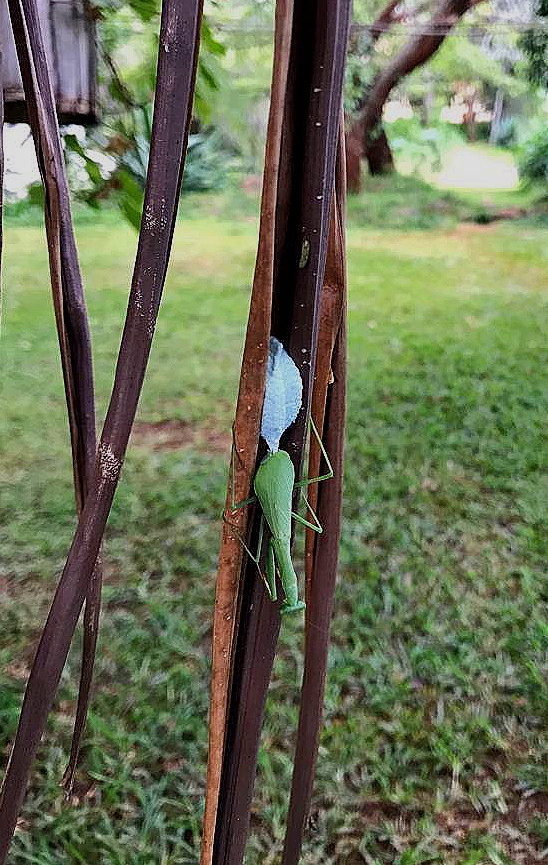
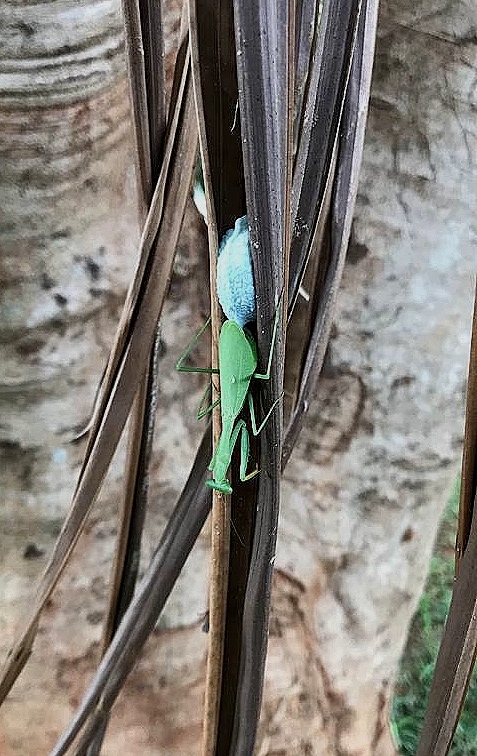
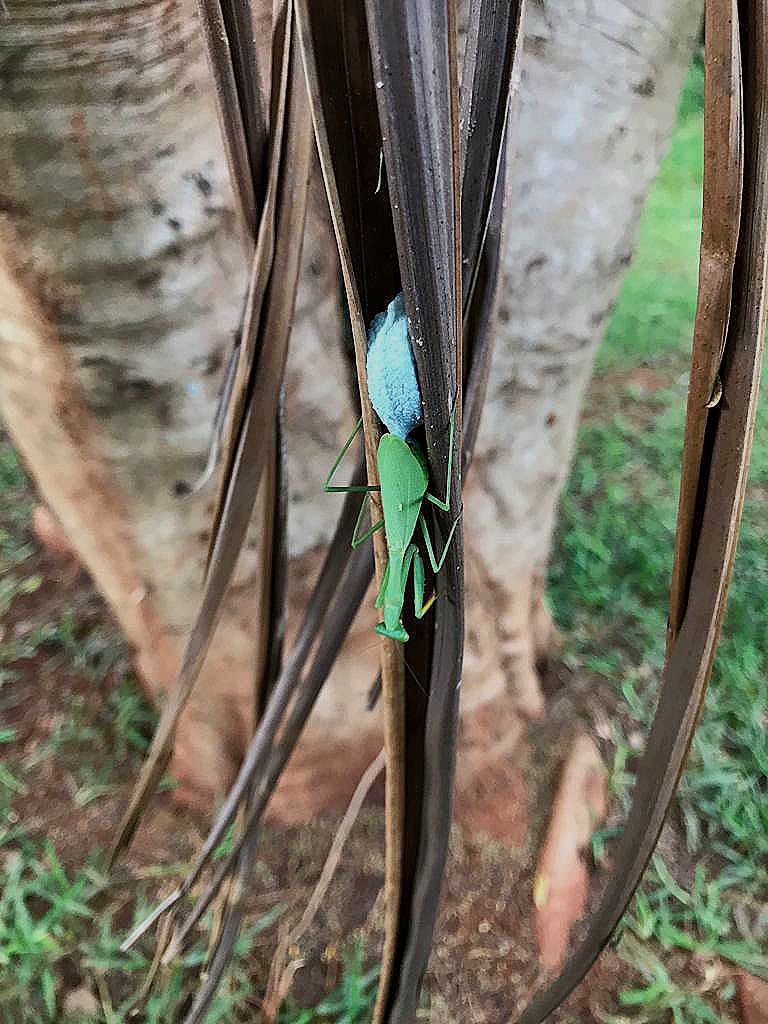
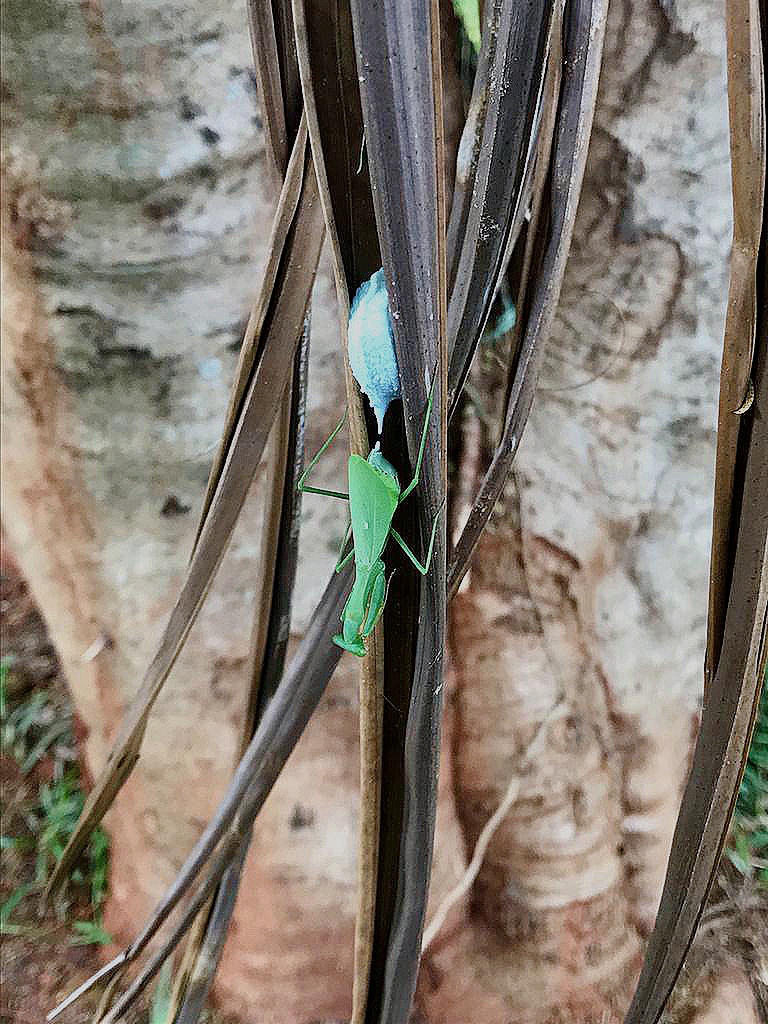
Although we have seen mantis´ egg sacs (ootheca), this is the first time that we see one actually laying. It was discovered in our garden by Mabel who is also responsible for the images.

A quick search suggests it to be Miomantis caffra, the springbok mantis and the egg sac would contain up to three hundred eggs.

This species, like other mantis, exhibit post-copulatory cannibalism. But it also can devour the male before mating and she is able to lay fertile eggs even when not mated! (1)

(1) I will not publish my wife´s comment in this regard!

The two videos below show the mantis in action.

Spot the beast 80

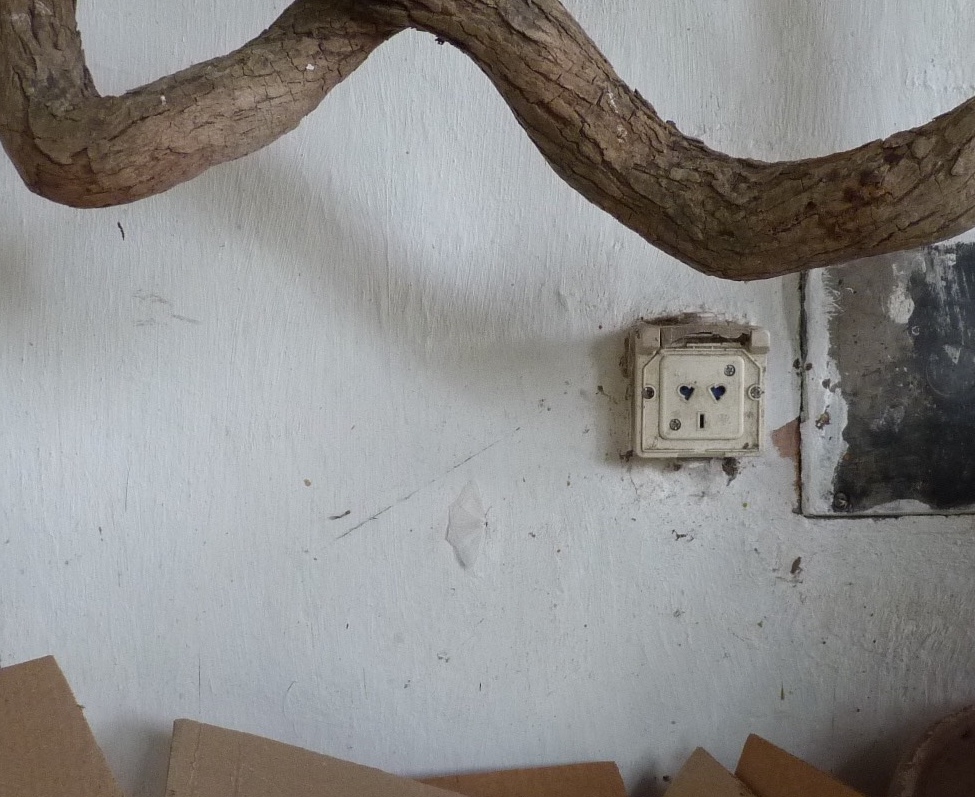
A rather special “beast” found in the morning. I am sure that you will see it rather easily.

?
?


?
?


?
?


?
?


?
?


?
?


?
?


?
?


?
?


?
?

A delicate white moth that I am sure was not designed by Nature to use its colour to appear invisible on a white wall!

Spot the beast 76

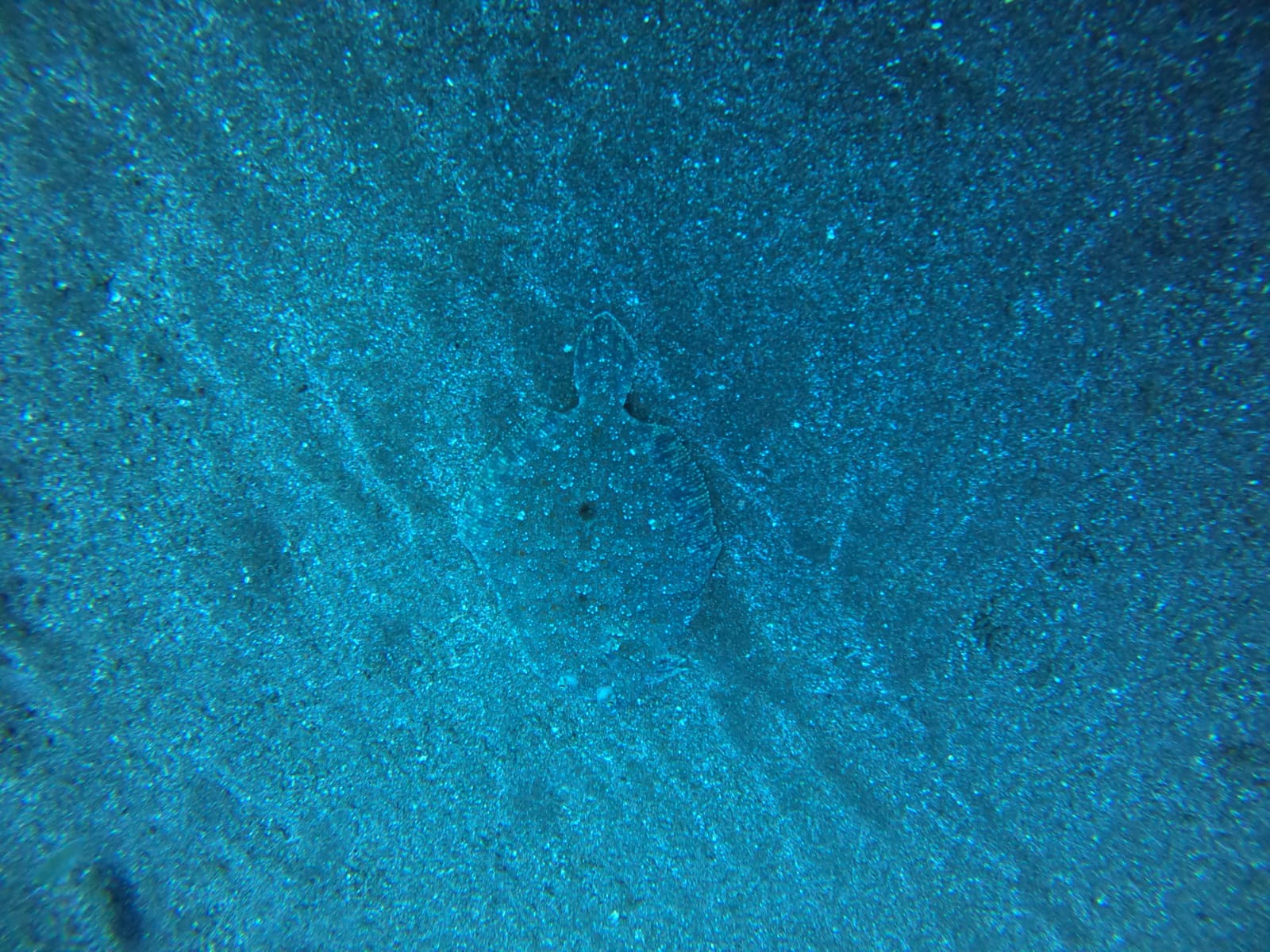
A different “Spot” provided by my son. The find took place while he was SCUBA diving in Tenerife. See if you can spot it.

?
?
?
?
?
?
?
?
?
?
?
?
?
?
?
?
?
?

The video clearly shows that it is a sole that lost its nerve and swam away rather fast. A nice sight.

Pirpintos

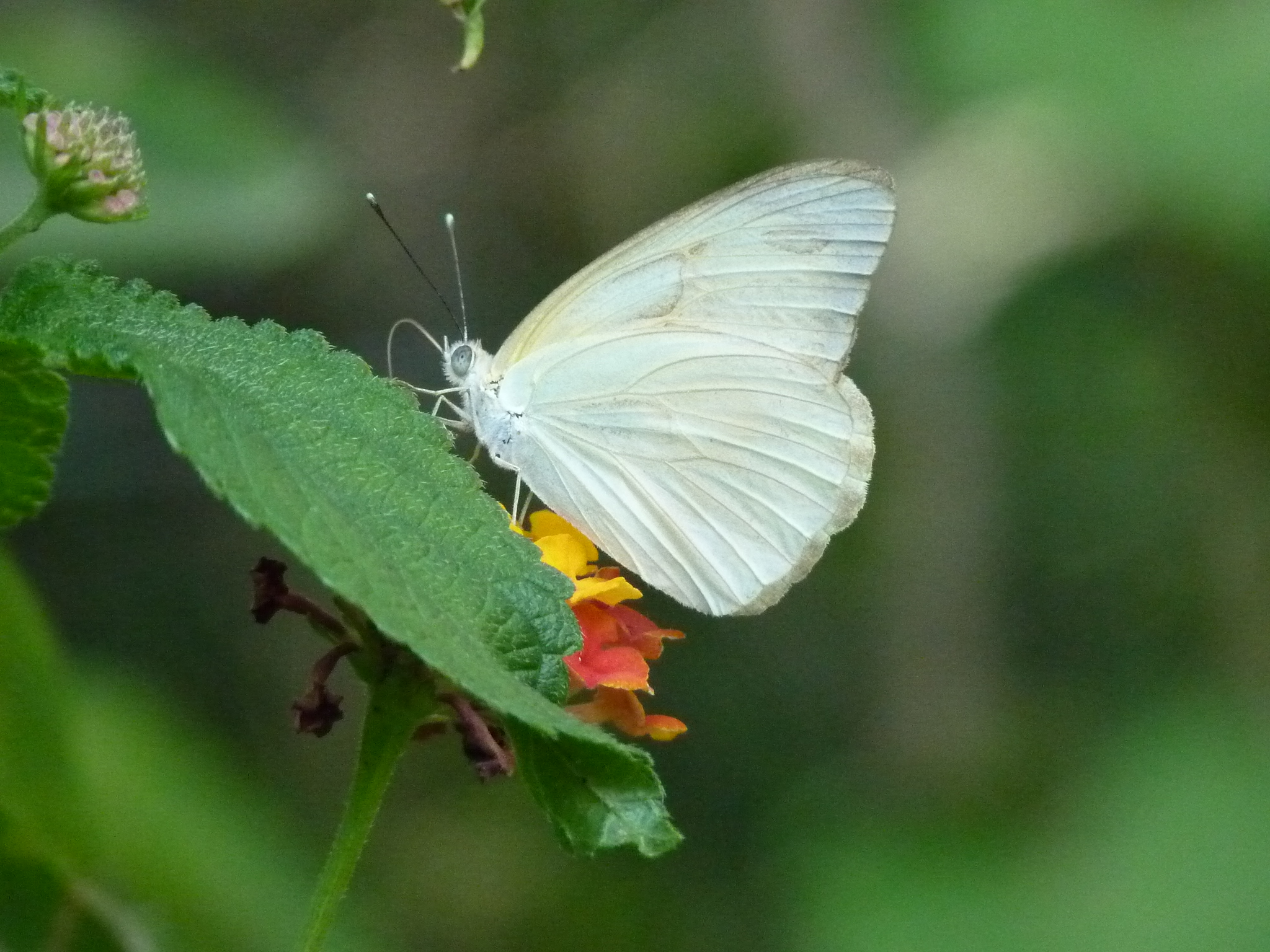
A short post to share with you a special situation that we have been going through at the farm for the last week or so. White butterflies that usually fly past on a migration somewhere they only know, have arrived. Unlike previous years, they have decided to stay.

Ascia monuste, the great southern white or pirpinto in Argentina is the only species in the genus Ascia. It is found from the United States to Argentina where they migrate yearly but only in one direction and without return. Despite their English name, they are rather small with a wingspan of 63 to 86 mm.

Pirpinto feeding on a Lantana flower.

Their main aim is to find plants of the Brassicaceae family (Cabbage, Kale, etc.) to lay their eggs for their larvae to feed on them. However, as there are several sub-species, they can also feed on other plants such as Lettuce, Alfalfa, Cotton, Rice, Potato, Chicory, Cassava, Passion Fruit, Corn, Mustard, Radish, Rocket and Soybeans to name a few.

The larvae will develop in 4 to 5 days and the adults will be appearing a fortnight later and they will feed on the nectar of plants such as saltwort, lantana and verbena while laying their eggs on some of the target species mentioned above.

We were enjoying their visit as they staged a great show that reminds us that Nature is able to create amazing sights.

Unfortunately, Mabel noted that the winged visitors had discovered her treasured rocket plants and they were busy laying their eggs on them so our focus has recently and urgently moved from contemplation to biological control to save our veggies!

Spot the beast 72

On the road and without time to write the few final posts on Ethiopia, I present you with my last contribution for 2020 (although for some of you may be already the first of 2021) with my best wishes for the New Year during which I expect we will all avoid Covid!

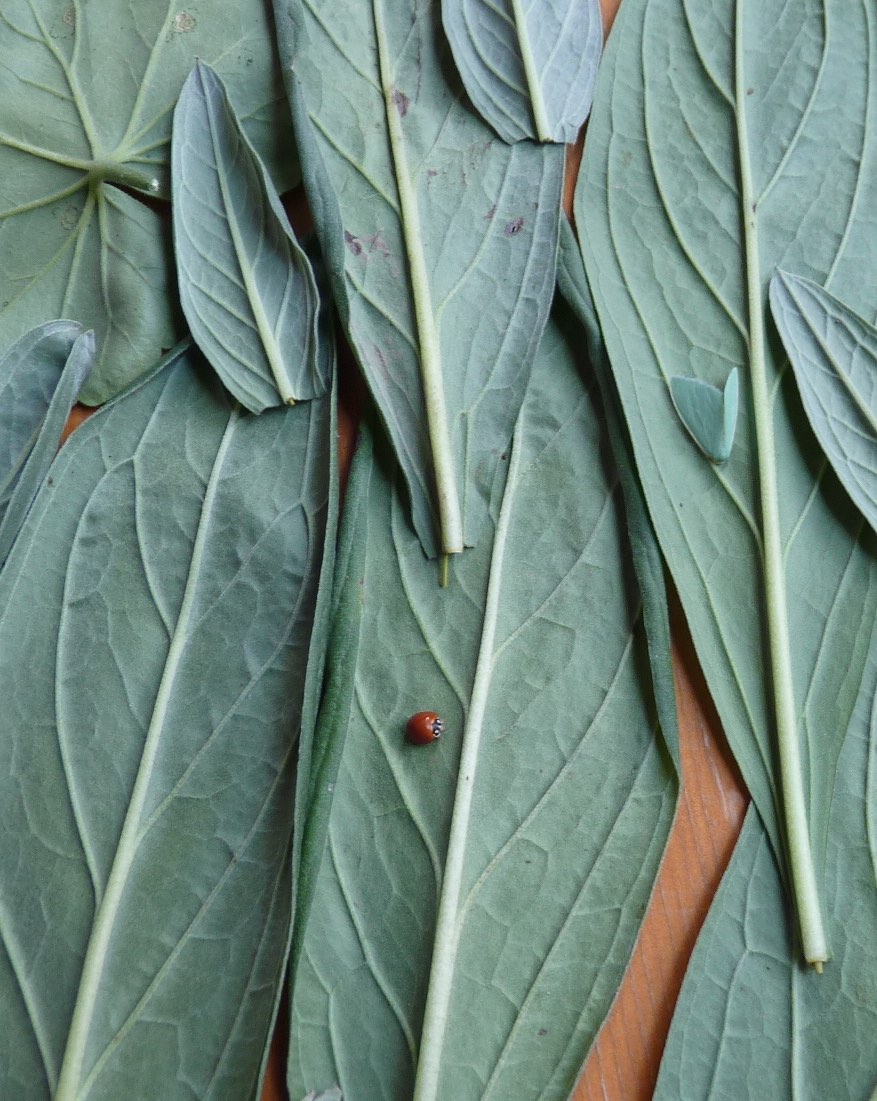
Anyway, I found this at the garden and here it is. It seems straight forward but…

?
?
?
?
?
?
?
?
?
?
?
?
?
?

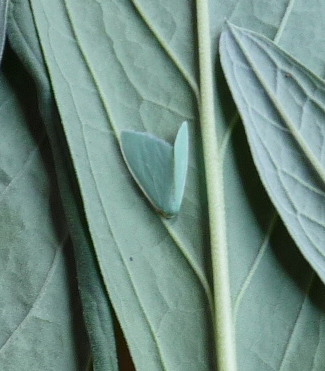
Clearly, the ladybird was too obvious and a distraction! The real hidden beast is this small bluish-gren moth, a real delicate creature, well camouflaged among the leaves.

Spot the beast 71

Finally, after nine months at the farm, Covid 19 cases have decreased in Salta Province (Argentina) and travel restrictions were lifted, although still maintaining the usual precautions.

For a change of scene, we headed for the “Valles Calchaquíes” a string of valleys that go through Catamarca, Tucumán, Jujuy and Salta Provinces. Although I will probably expand on this in future posts, we are now at a place called Payogasta and in the garden of the hotel Mabel found this beast while checking the identity of some of the plants there. So, if it is a tricky “spot”, it is not my fault this time as she found it and took the pictures!

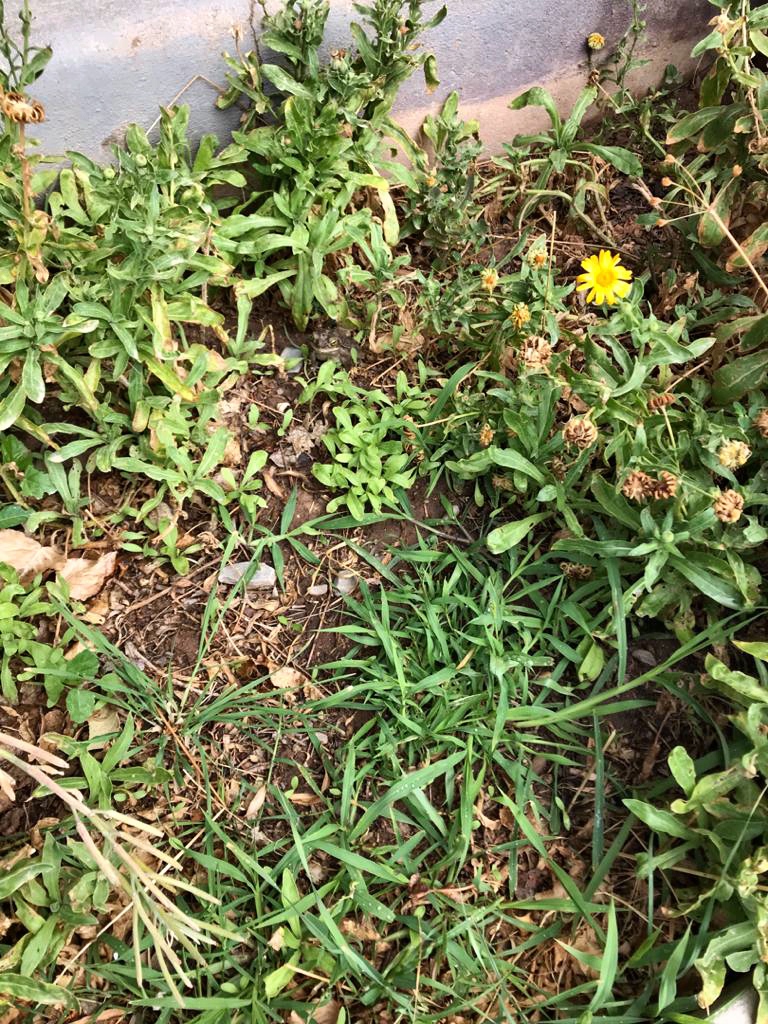
To the left of the yellow flower, there is a toad that was busy catching flies, its whitish mouth gives it away. It is raining in Payogasta, a very dry area. Because of this, a lot of animals usually not seen are now active, including the toads.

Spot the beast 66

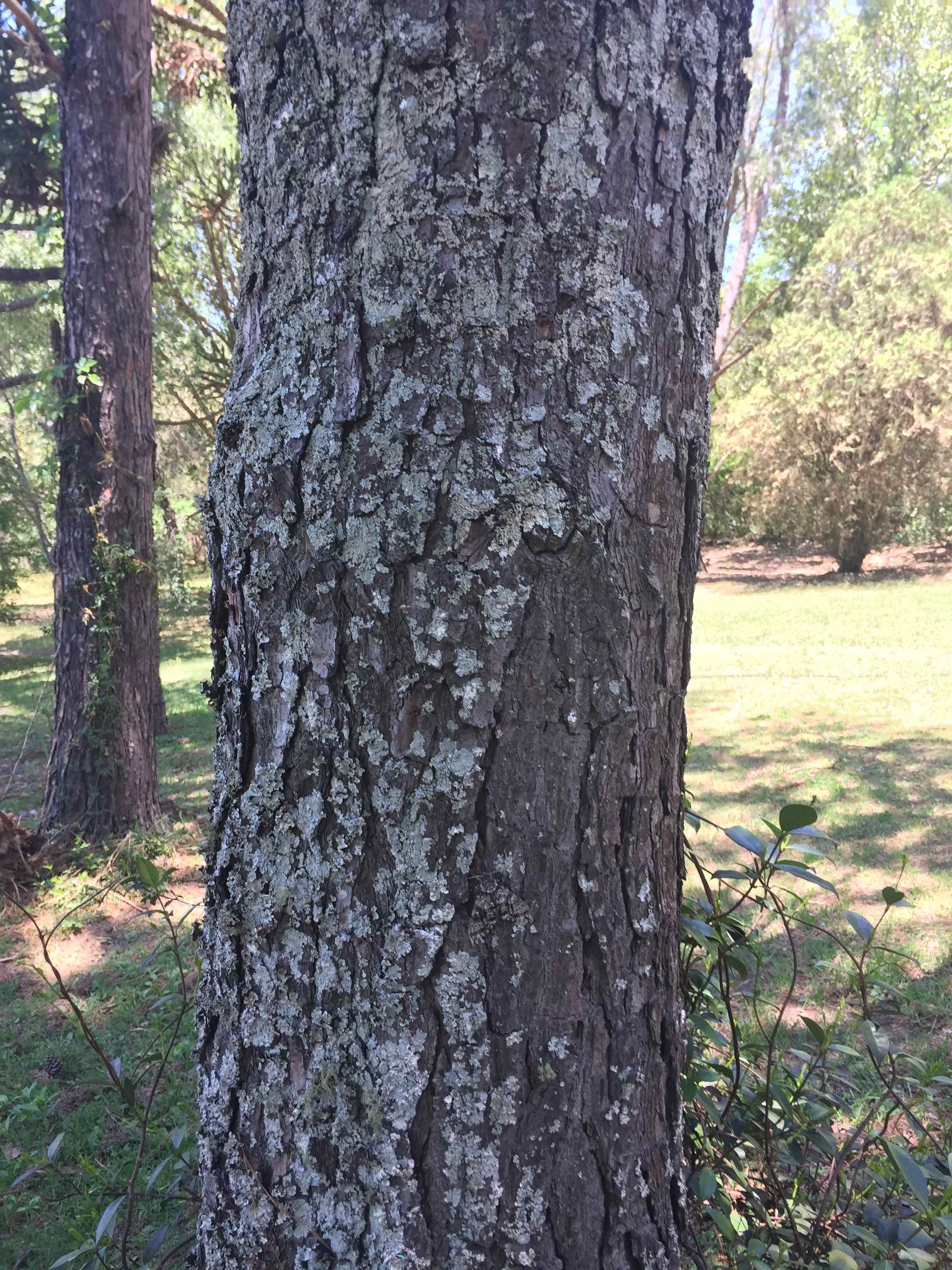
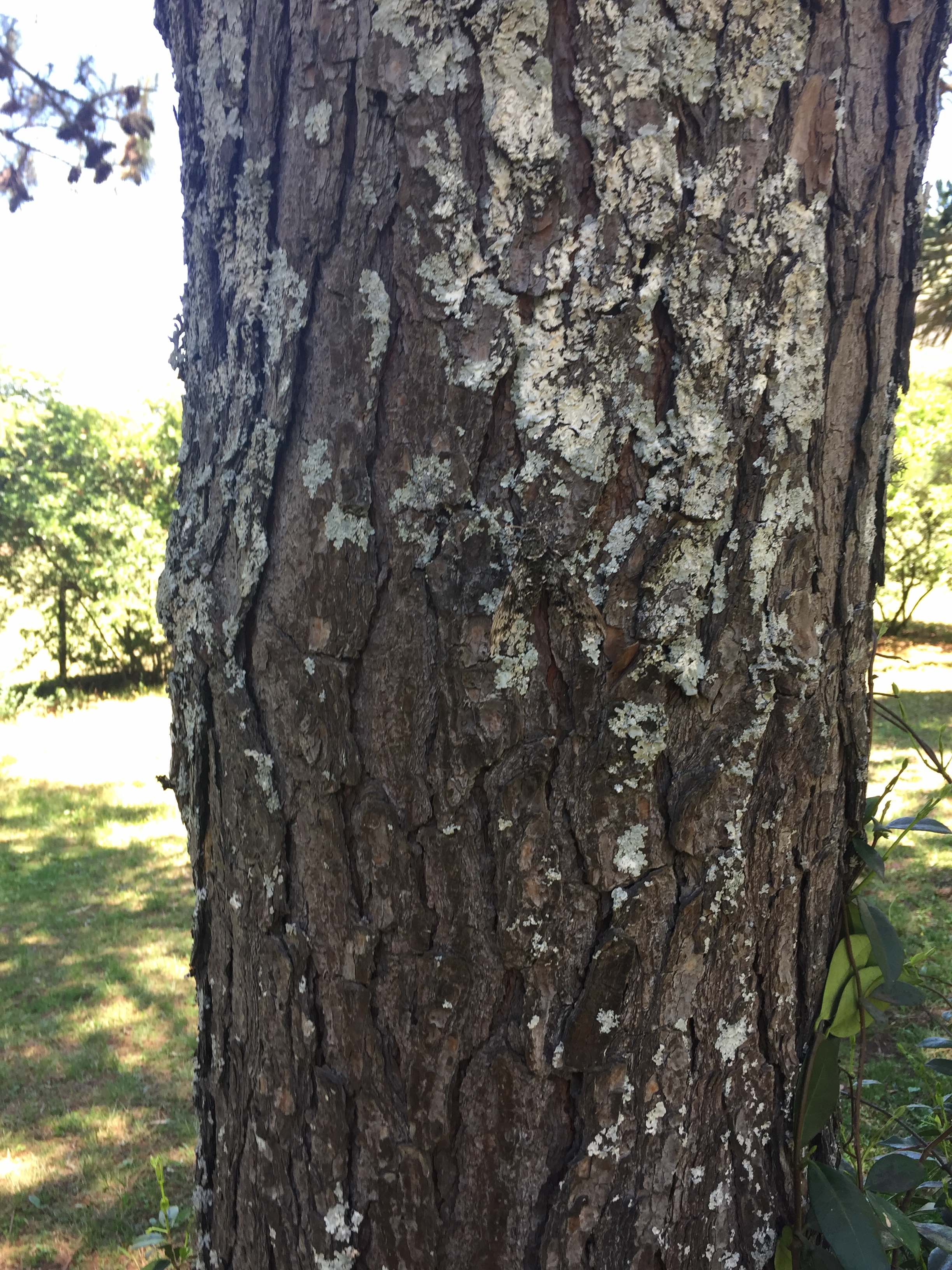
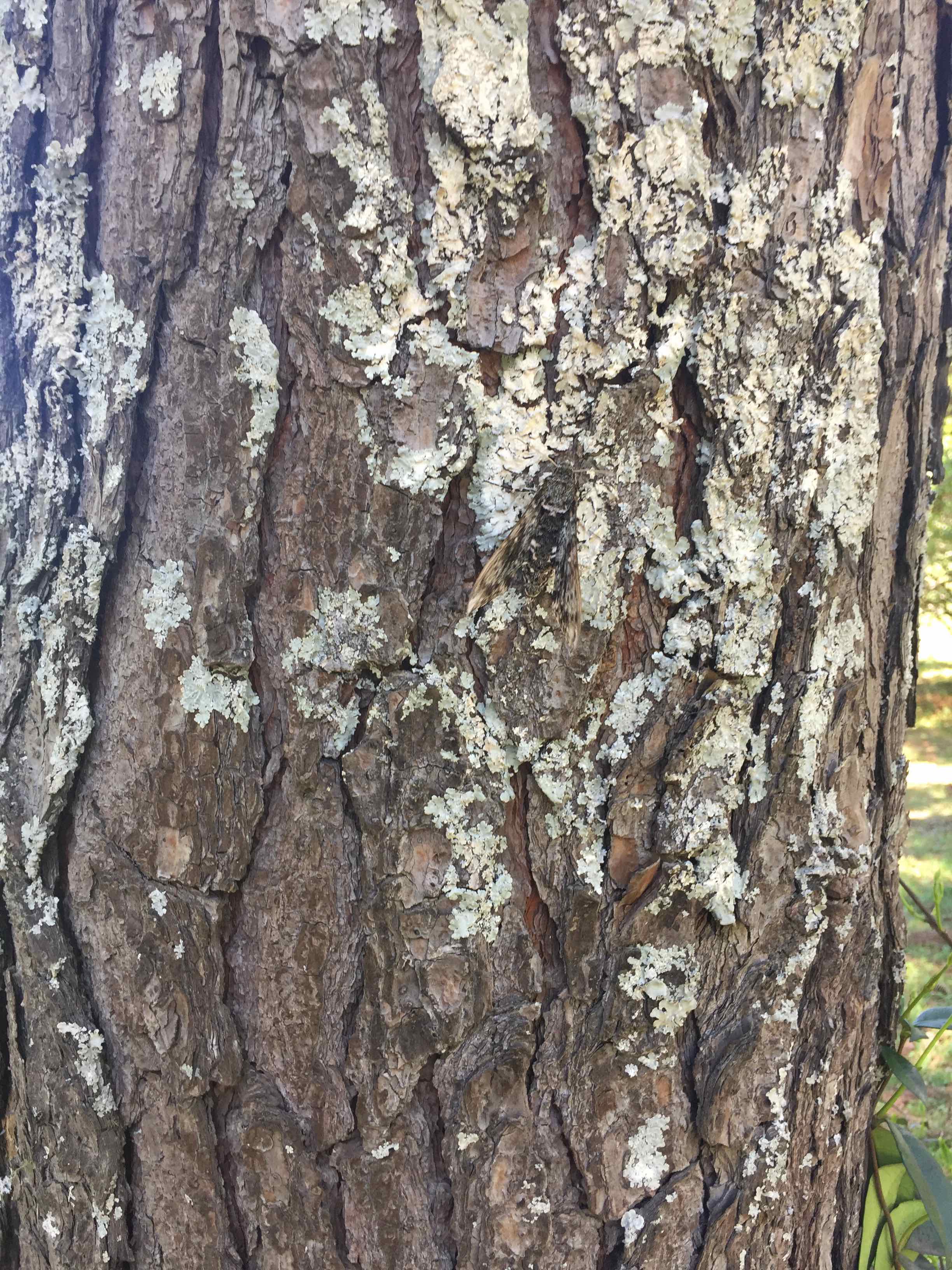
Aware that this can be difficult, I give you two different views of the beast in the first two pictures. Below you will find it enlarged in both.

Have a good look and you will find it.

View 1
View 2

?
?
?
?
?
?

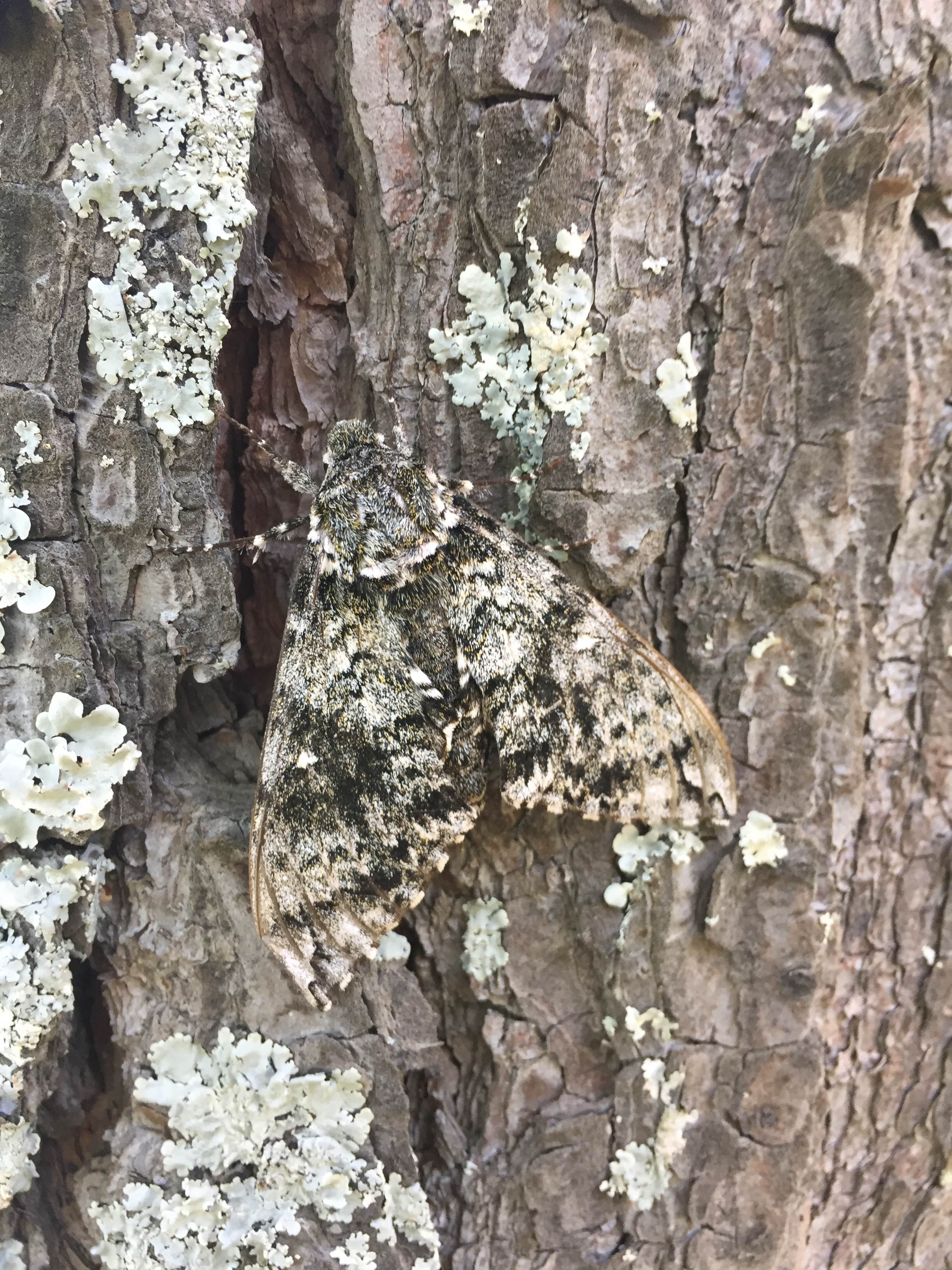
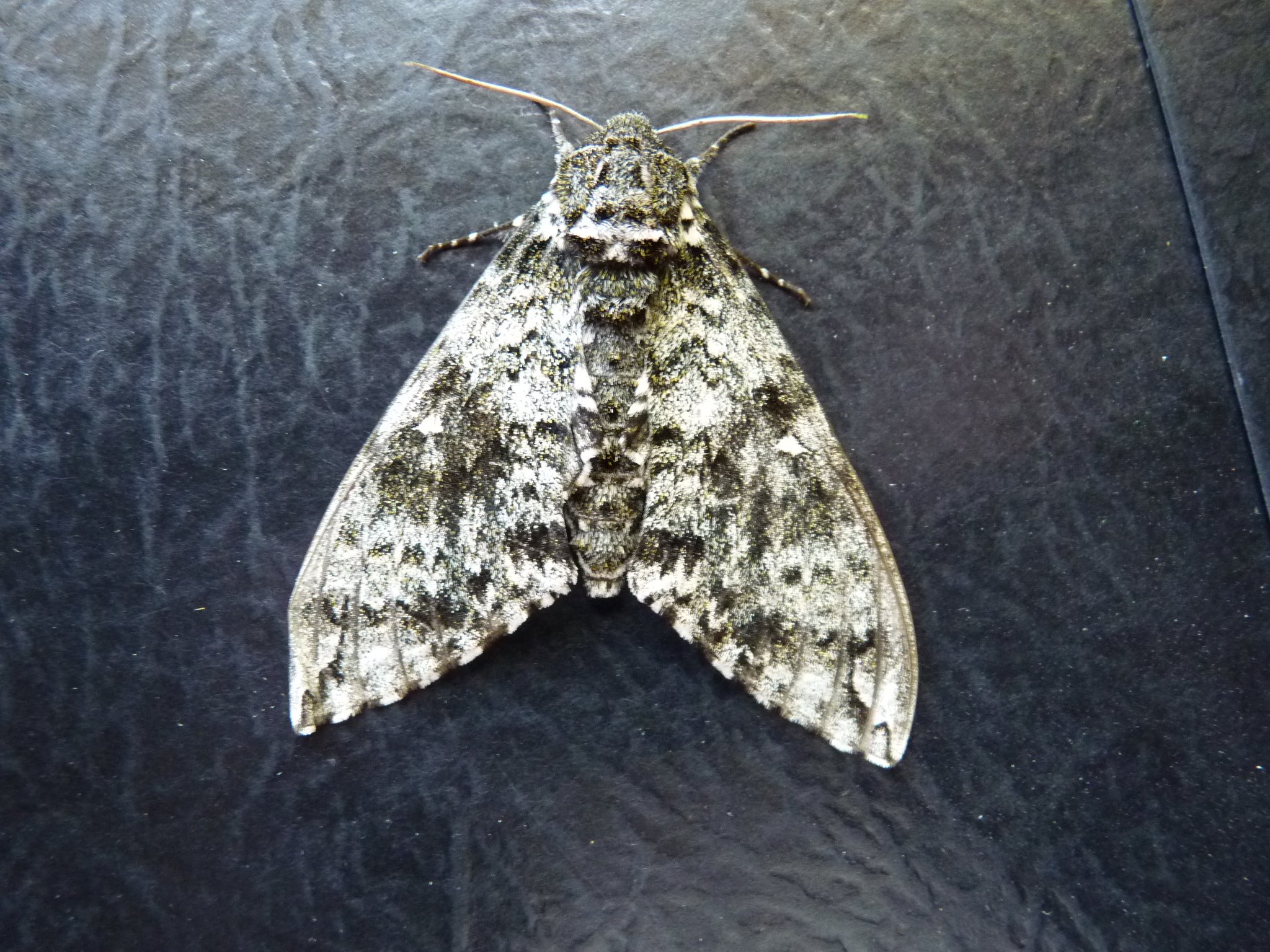
Here are the enlarged views:

View 1
View 2

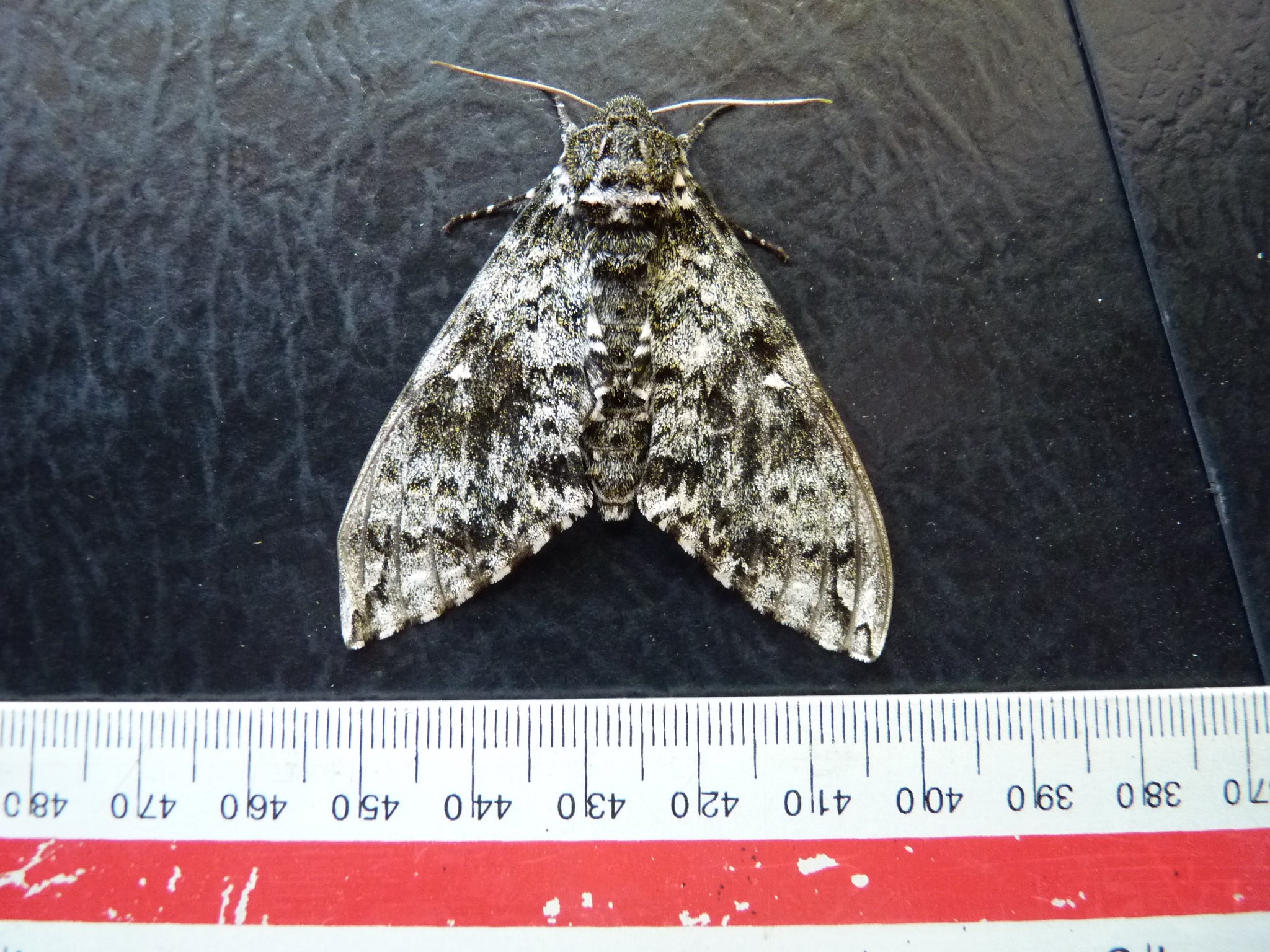
Two more pictures to show it over a black background and give you an idea of size.