Bush Pills

Very short comments and observations

Horses on pajamas

Yes, I know I have not written much of late. Several reasons explain this. We are busy moving from Argentina to Uruguay and viceversa, social life pressure and, most importantly, my Editor is very busy at the EXPO in Milan. Rumors that I had finally packed up brain-wise to a severe case of dandruff are totally an utterly false as this disease does not affect your brain! Besides, I became immune to it when I lost my hair!

So now to serious (or less silly) issues.

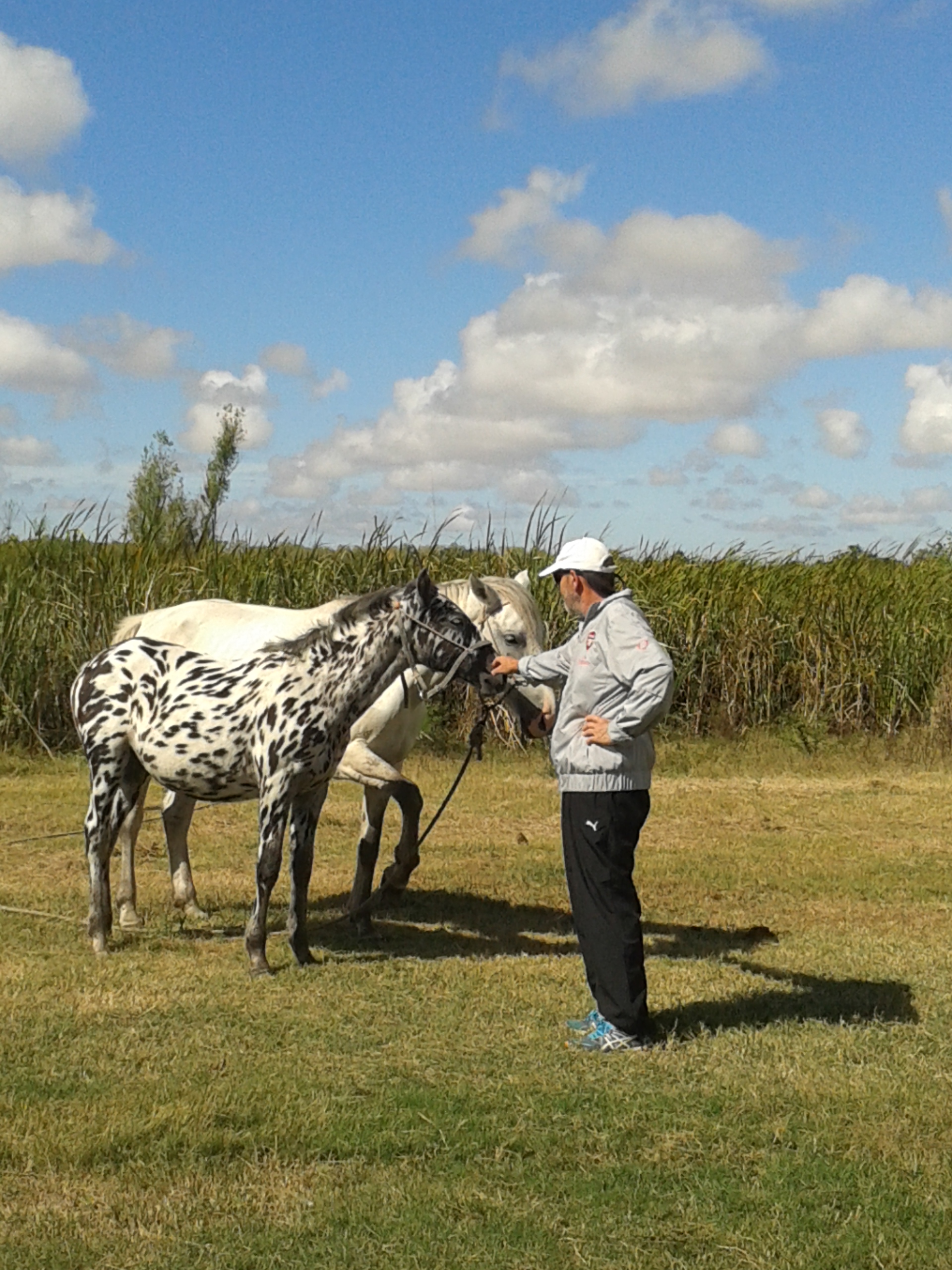
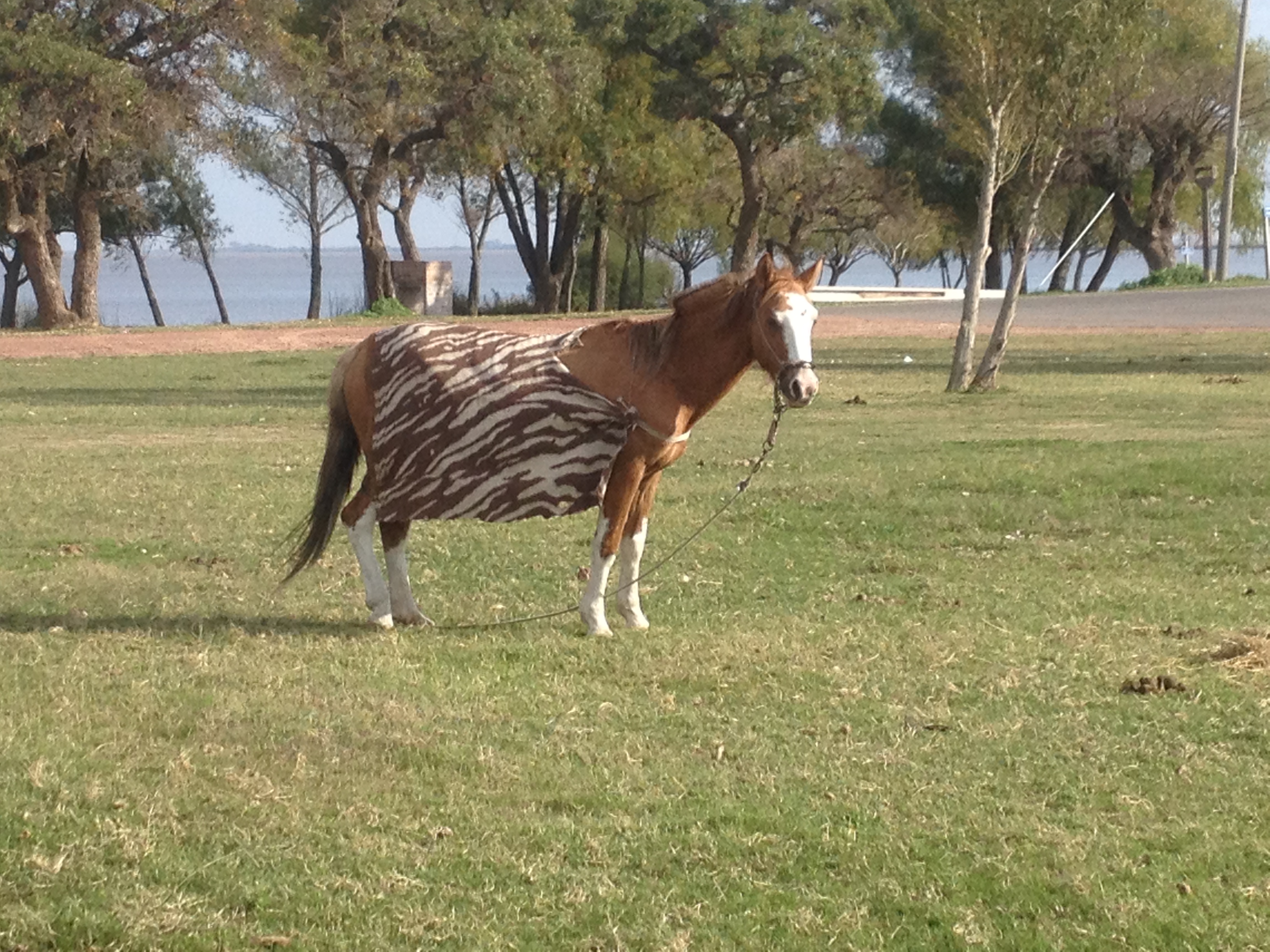
You will recall that a few months back I reported on a zebra-like filly I found while walking in Carmelo? I am pleased to report that it is growing well and our “relationship” continues improving (I managed to scratch her nose the other day!). She has grown a bit now and I am sure will do well.

An older version of the zebra-like horse.

A grown version of the zebra-like horse photographed a couple of weeks back.

The Bushsnob improving his relationship with the beast.

The Bushsnob improving his relationship with the beast.

I am sure that by now you are thinking about the deterioration of my mental condition as you cannot believe that I can be wasting time on this! Wrong again as I am sure that what follows will not fail to impress…

Walking this morning I came across a few horses in the distance. As usual I looked for our filly and identified it among others. I got closer to salute it and then, to my utter shock, I saw a real zebra among the horses! “This cannot be!” was my first thought while I kept walking towards the equines. It was and below is the proof!

Now, this was something!

Now, this was something!

Flying bill

I mentioned earlier that our farm was placed at the foot of the Andes. Being more specific, it is part of the Yungas, a name derived from yunka in Aymara. It is defined as a stretch of forest on the eastern slopes of the Andes that is a transition zone between the latter and the lowland eastern forests extending from Peru to northern Argentina. A warm, rainy and humid area the Yungas are also a corridor through which many animal species move from North to South and viceversa.

The first time I saw the bird on this occasion was during one of our daily morning walks, I tried to immediately alert my wife about it as she was busy on the cellular phone “whatsapping” the children, taking advantage of the existence of a phone signal. “Hornbill” was the first word that I uttered and almost before I said it I recognized that I was not in Africa and realized what it was. “Toucan” I managed after it had flown away so my wife looked up, searched the surrounding forest and the sky and then turned her looks on me to see if I had finally succumbed to some retirement-related terminal brain melting.

Honestly, its flying style really reminded me of a Silvery Cheeked Hornbill (Bycanistes brevis), that other magnificent African bird: a burst of wing flaps and then gliding.

It was indeed a Toco toucan (Ramphastos toco), also known as the Common toucan or Toucan, the largest and best known species in the Toucan family (yes, the one of the “ancient” beer commercials). We knew they occurred in the area as we had seen them once some years back, feeding on some bitter tangerines in our garden.

The Toco toucan feeding on the Hawthorn berries.

The Toco toucan feeding on the Hawthorn berries.

Swallowing a berry.

Swallowing a berry.

Further search indicated that it is a non-forest bird with a large distribution in the continent and that our farm is located in the southernmost limit of its present distribution. The latter is apparently expanding as forests decline! It is a fruit-eater and it uses its bill to pluck them from trees. It -surprisingly for me- also eats insects, frogs, small reptiles and even small birds, including nestlings and eggs!

Finally yesterday it landed on our garden as the red ripe Hawthorn berries were too much of a temptation for eat. It was then that, through the glass of our kitchen window, I managed to photograph it as best as I could and to take a video before it flew off, leaving us wanting!

For the next few days I will keep an eye for it and try to get better shots.

Smells of the wild

A picture of an “engorged” lion cub resting belly-up posted recently on Facebook by my son reminded me of an elephant kill we witnessed together in Mana Pools in October 2013 when that picture was taken.

Apart from being a wonderful wilderness place teeming with wild animals, Mana Pools offers a number of add-ons. Apart from being allowed to walk unaccompanied in a park where the “Big 5” are present, the presence of the mighty Zambezi river adds an unsurpassed touch of beauty to the area.

In addition, camping there is an experience on its own as -like in the good old days- there are no fences or trenches separating you from the wild inhabitants. Camping in these conditions increases solidarity among fellow colleagues and information on the “state of the wild” circulates freely. In Mana Pools it is usual to have- in addition to the harmless buck- hyenas, buffalos and elephants of all sizes walking about at all times.

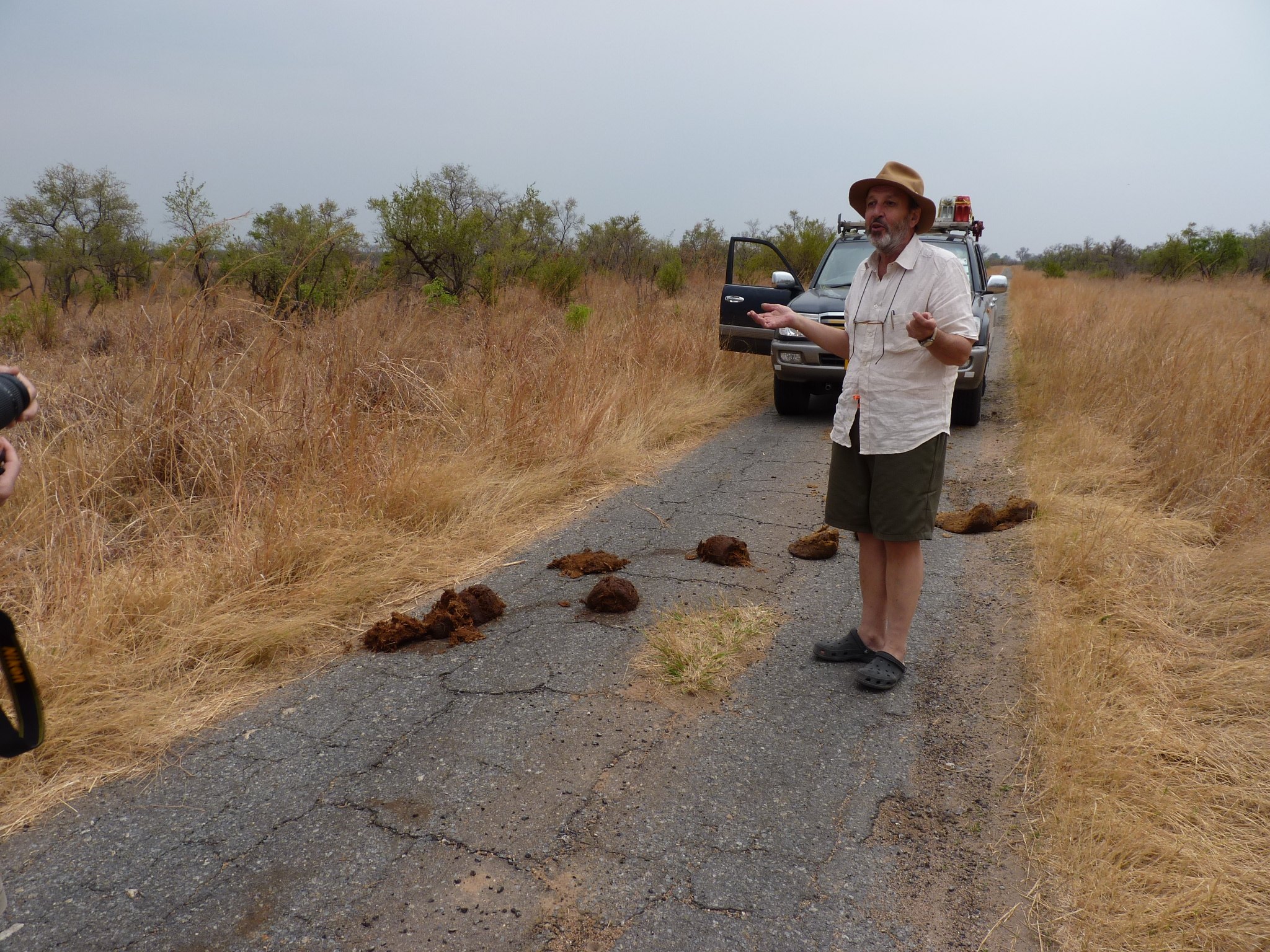
I vividly remember a nocturnal incident with an elephant. My wife and I shared a tent while our daughter had her own a few metres away. It was late at night and we could hear the breaking of branches around us as the elephants fed. Suddenly we heard loud elephantine intestinal rumblings followed by the unmistakable noise of heavy droppings being dropped! Judging by the direction of the noise we guessed that her tent could have been compromised by the event. Before I could ask her about the situation I heard her “Phew, that was close!” and went on to say, “It just missed my tent but I can smell it very well!” So could we although a few more metres separated us from the “object”.

Under these conditions of proximity with wild animals it is not surprising to have visitors at your camp bearing news such as “There are a few lions near the ablution block at the end, so refrain from using it tonight” or “we have just spotted a leopard walking near the entrance”.

Fellow campers also share their sightings and experiences in a friendly atmosphere.

The elephant incident I described above brings me to the issue of the wild life experience and the importance of the senses in it. Smells -together with the natural shine and subtle sounds of a live animal- are among the details wildlife documentaries are not able to transmit! It is common to drive or walk in the bush and be literally assaulted by different smells, both pleasant and otherwise.

October 2013 saw the whole family camping at Mana Pools and in the evening after our arrival we learnt that lions had killed a young elephant in the Mucheni area. This is apparently not surprising in Mana Pools where lions are skillful at killing elephants. Quite excited, the following morning we drove there as early as we could. The area of the kill was easy to find as, unusually for Mana Pools, there were a few vehicles watching the scene. A young elephant had indeed been killed the day before and it still had food to offer the lion pride that was resting next to it. We counted around 16 animals of all ages.

As it is common in these instances, satiated lions were lying all over the place, trying to take advantage of the little shade available. As the morning heat increased the vying for shade became more intense and, to add a touch of reality, the foul smell also gradually augmented. When a kill is available lions tend to gorge on meat to the point of becoming uncomfortable. It is therefore not difficult to understand that to have such a large number of individuals quite close to us multiplied the final outcome of their digestion and its vapours! I sharply recall our desperate spluttering every time the wind shifted and one of the lions rolled over as well as the family’s diving into the car through its roof hatch in an attempt to escape a particularly fetid eruption…

The situation was rather smelly, so much so that this was one of the few times when watching the scene through a documentary would have been preferred! So, being nice to you I present an odourless picture gallery as well as videos for you to enjoy. I am aware that seeing a kill is never pleasant but these are wild lives!

Water cows

After our trip to the Iberá wetlands reported earlier in this blog, my mind remained on the fishing, as I almost could not remember when the last time I caught a fish worth lying about was!

A very simple armchair exploration showed me that the above-mentioned wetlands drained into the Paraná River, via the Corriente River. Further investigation revealed that in this area there is a town called Esquina in the Corrientes Province where people go fishing! I had heard about this place before but never gave it sufficient attention as it is closer to Buenos Aires than other fishing spots in the region and my belief is that large cities and fishing do not go together.
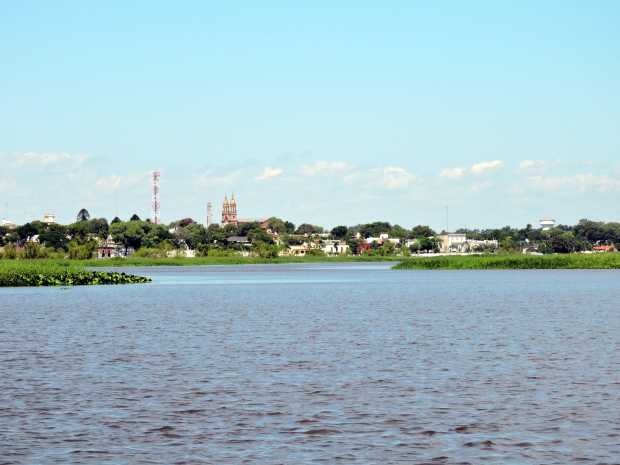
Arriving back to Esquina.

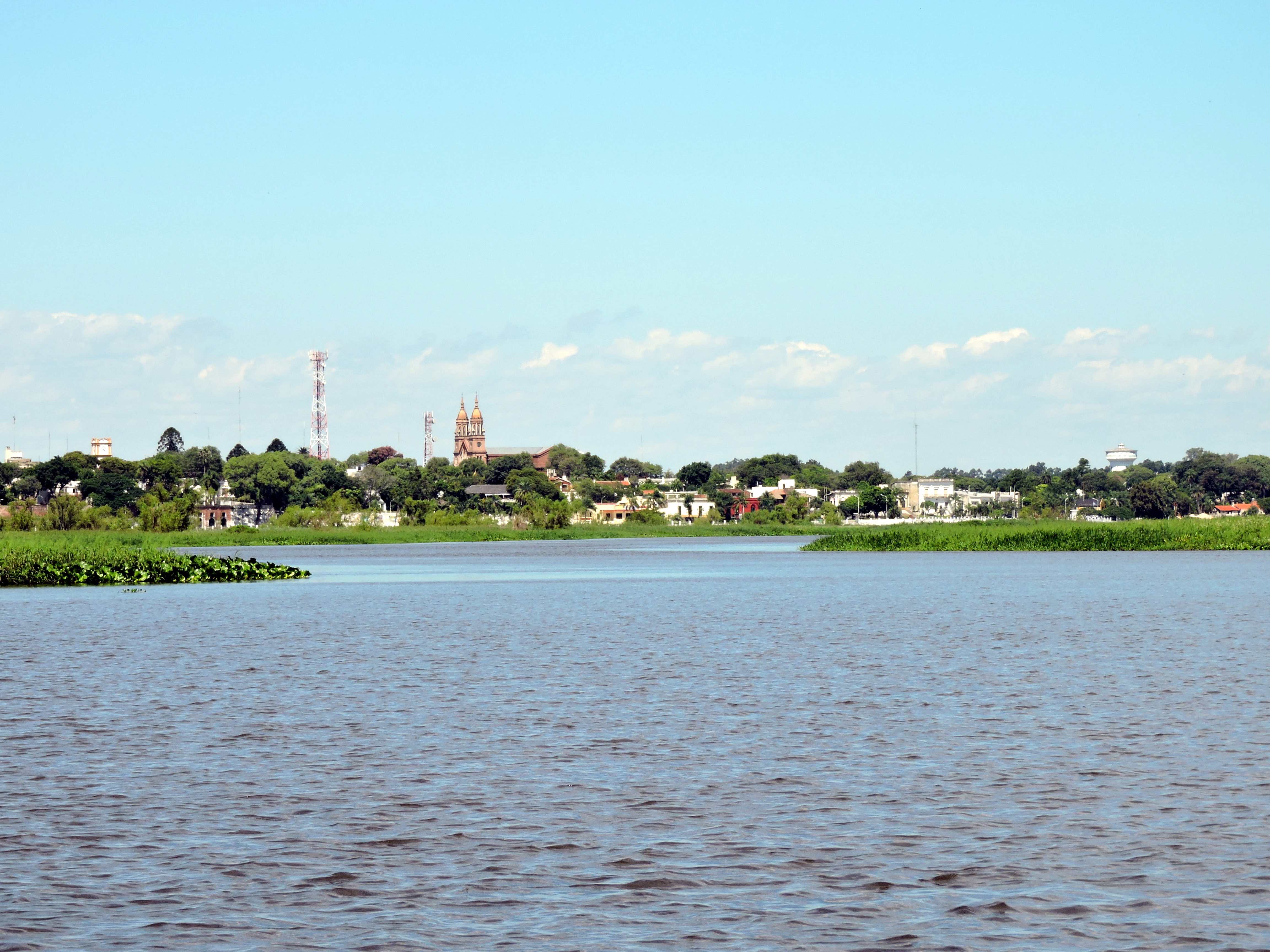
Esquina.

So, taking advantage of the need to travel from the Andes foothills to Carmelo, our town in Uruguay, I decided to explore the Esquina area with a view to go fishing there in the future.

Esquina, founded with the name of Santa Rita de la Esquina del río Corriente started its life in 1785 when fifteen families of which six were of Italian origin settled in the area. It is located on the left (eastern) margin of the Paraná River, about 670km North from Buenos Aires. Predominantly a cattle-rearing area it is also known for its watermelon production!

The city still maintains the air of a colonial town where its low houses -of Italian influence- are shaded by large trees. Esquina’s main attraction resides in its riverine location where it enjoys the calm waters of the Corriente River delta that connects to the Paraná -located further West- through a man-made channel.

Enough history and back to our trip!

The town can accommodate up to two thousand visitors. This large bed availability for a city of 26,000 people is explained by its hosting of street carnivals in January and February and the Fiesta Nacional del Pacú (National Pacú Festival), a fishing competition that attracts around 25,000 visitors, in May of each year. So, in view of this situation we did not book in advance and left the choice of accommodation to an in situ choice.

Casa del Puerto B&B.

Casa del Puerto B&B.

It did not take too much time to find a place to stay, the very nice “Casa del Puerto” that offers reasonable B&B and its lawns end at the river. Seeing the beauty of the riverfront, exploration turned into action and it was not long before a fishing trip was booked for the following day while we spent the rest of the afternoon walking about town and resting, after the rather long journey.

Fishing started at 07:00 hours when our guide José came to meet us at the hostel’s small jetty. All was taken care of and we agreed to fish in two stages, morning and afternoon with time in between to avoid the heat of lunchtime and have a siesta to recharge our batteries. We left with high hopes, as the setting was clearly fishing-friendly!
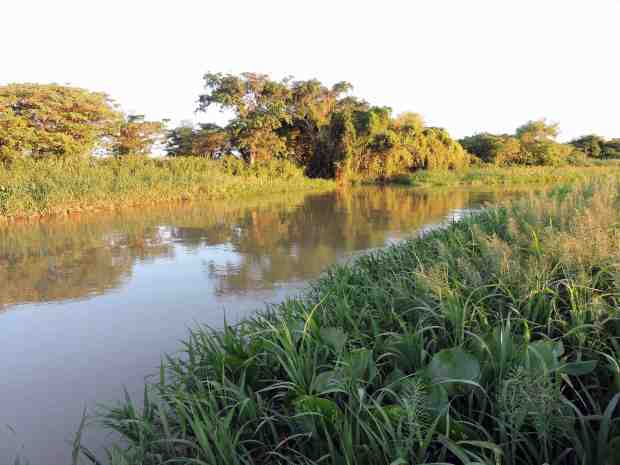
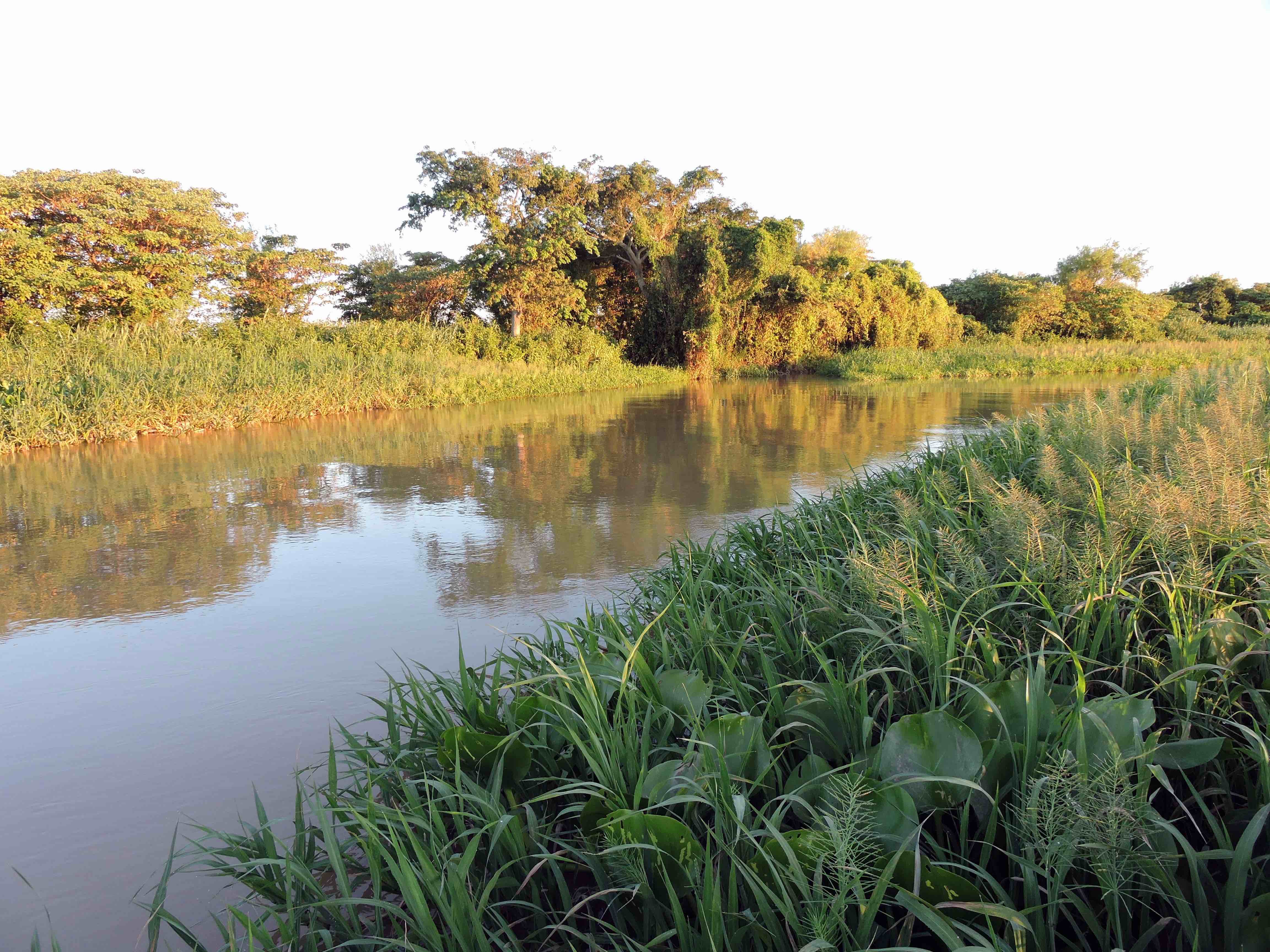
A channel in the delta of the Corriente River.

A channel in the delta of the Corriente River.

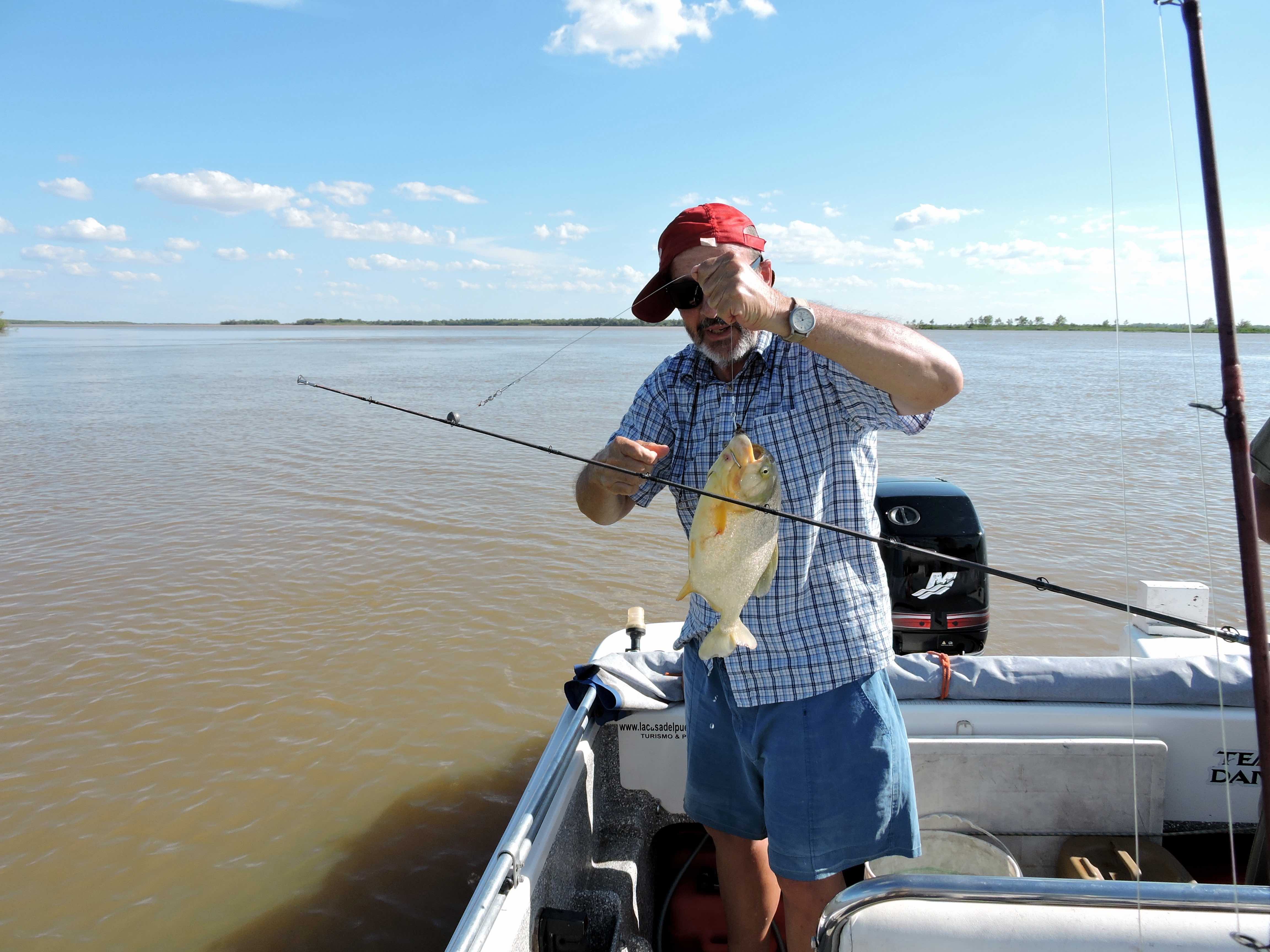
Despite the predictions by the hostel owner and our guide, fishing did not live up to our expectations and none of the “Big Three” Dorado, Surubí and Pacú were caught. To save you reading time, we did fish three “Palometas” (also called “Piranhas”) of the Serrasalmus genus (probably S. aureus) and one “Patí” (Luciopimelodus pati).

Our fishing efforts.
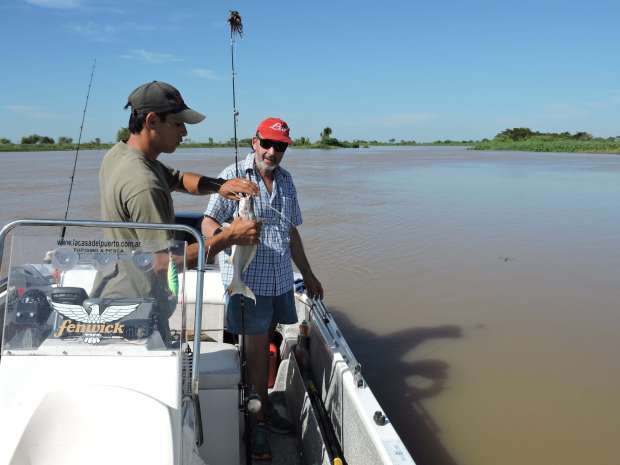
Our fishing efforts.

The bushsnob with a pati.

The bushsnob with a pati.

The bushsnob with a "palometa".

The bushsnob with a “palometa”.

The affair was rather disappointing and we remained with the doubt of whether it was a strike of bad luck or the area has too many fishing enthusiasts! Although we fear the latter, we will come back to find out and report accordingly.

Despite the poor fishing, boating through the various channels of the Corriente River delta was a beautiful experience. We saw many water birds and even managed to spot one capybara, a sign that they are either very shy or few as hunting goes on in the area.

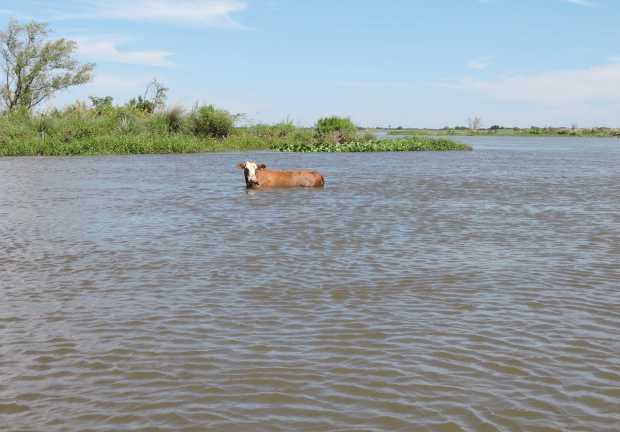
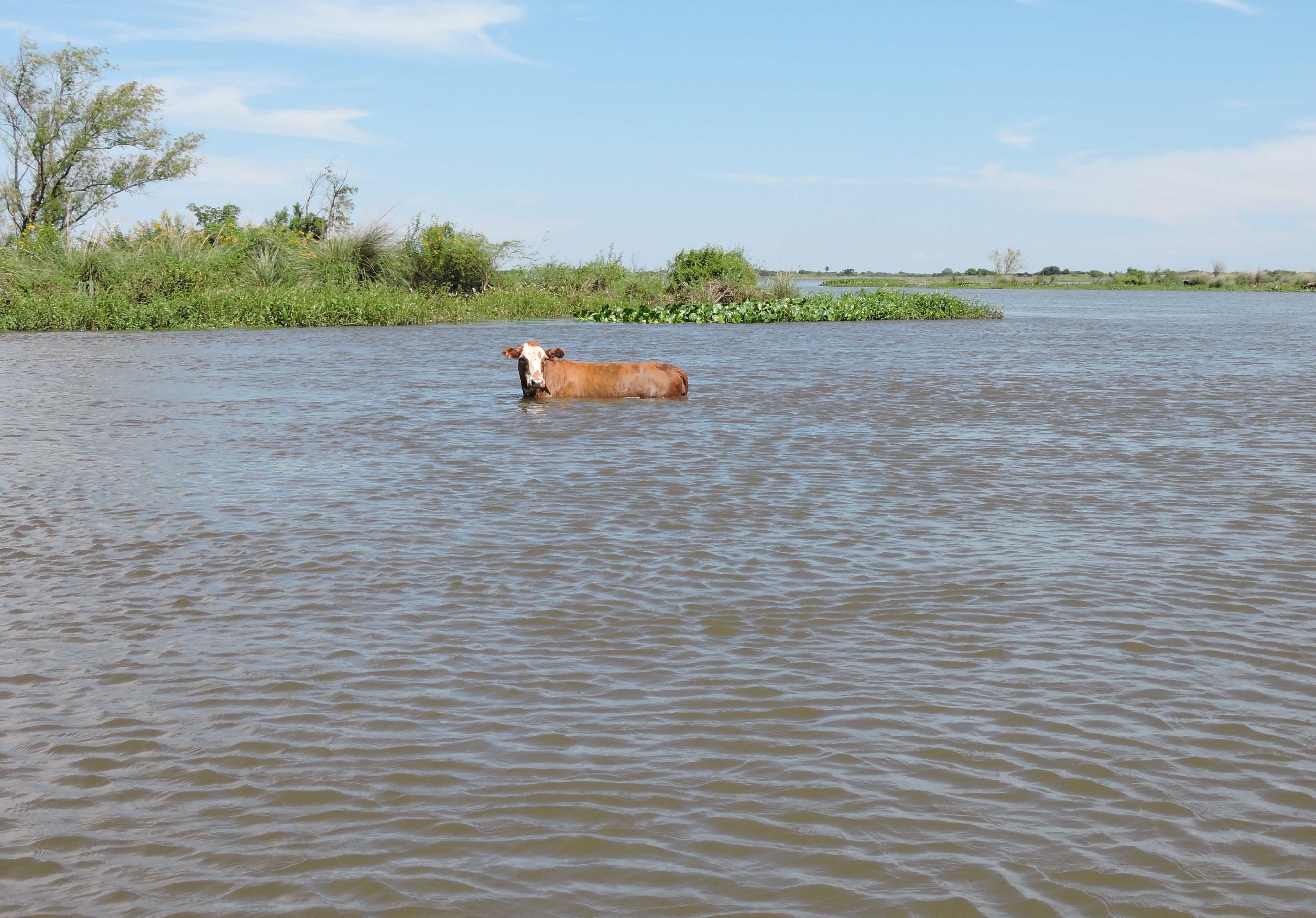
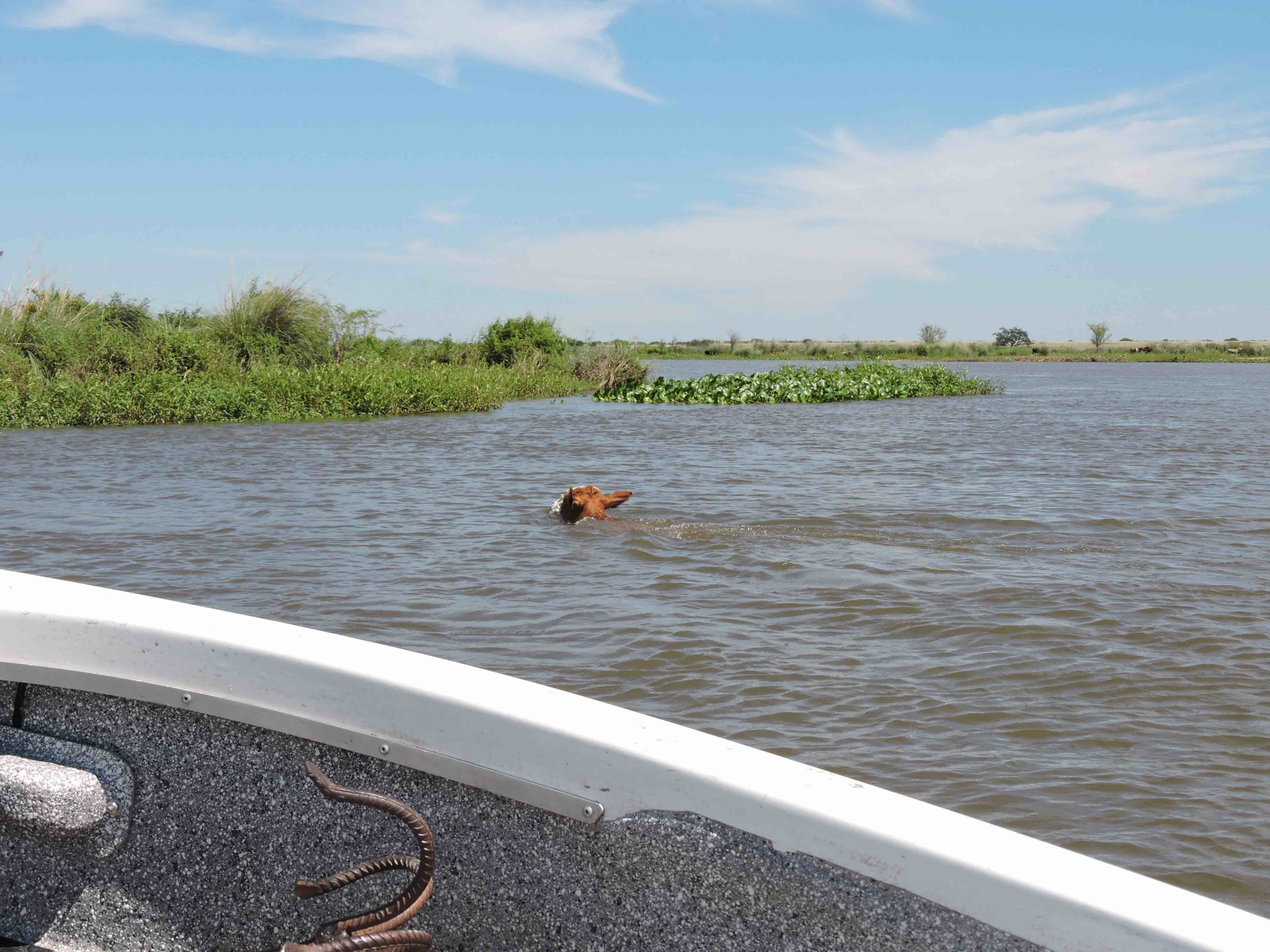
And then, while cruising through the channels, we saw it! A large head bobbing in a channel ahead of us that, for a few seconds, brought us back to an African river! We were aware that hippos in South America are still confined to Colombian rivers and it was not a semi-submerged capybara or tapir head either! It was a humble cow swimming to move from island to island in search of greener -or different- pastures. Clearly, to be a successful cow in the area you need to be a good swimmer!

The water cow...

The water cow…

The cow in shallow water.

The cow in shallow water.

We watched and followed the “water cow” for a while and learnt from José that, although the animals are used to water, when floods come cattle still need to be evacuated to dry land to save them from drowning. Further, I could also appreciate the difficulties of rearing cattle in such an amphibian environment and pondered the difficulties of mustering the cattle and the need for good (water) horses as well!
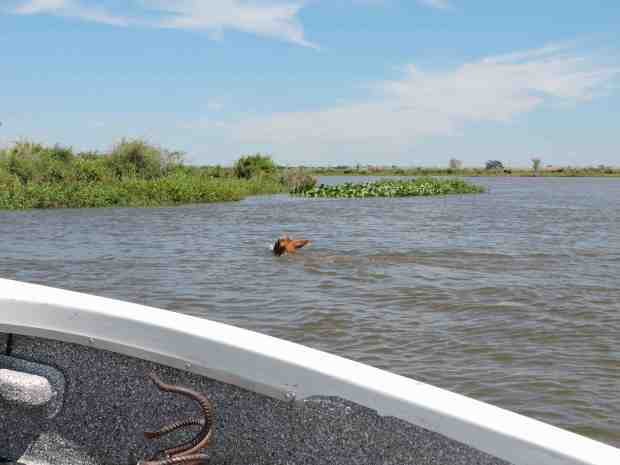
Swimming to safety.
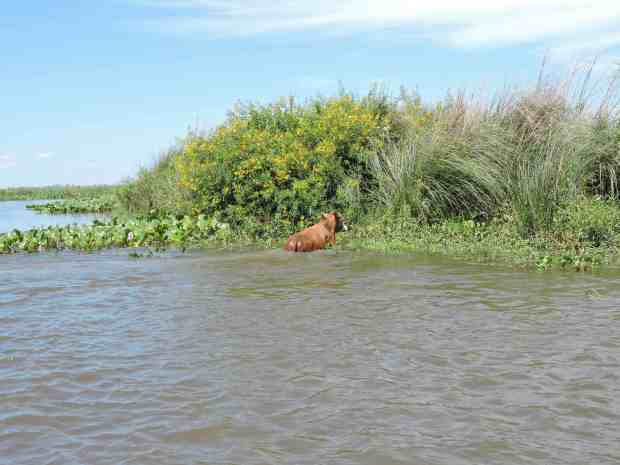
Swimming to safety.

ALmost on dry land.

Almost on dry land.
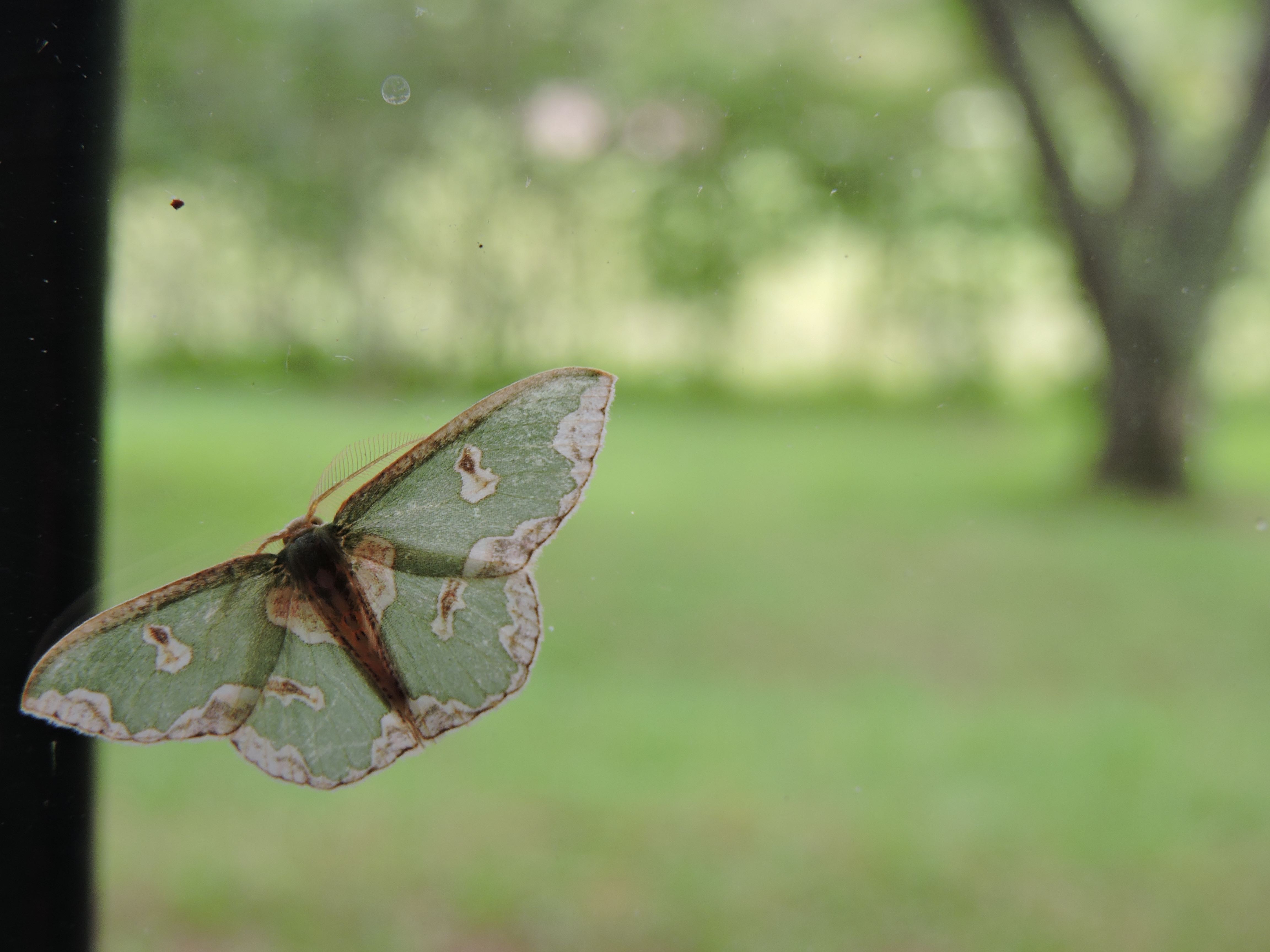
 

Wet butterflies?

Most of the time we have been “rained in” at our farm in Salta with only the occasional sunny spell, reminiscent of our time in Bedele, Ethiopia or worse, the UK! Well not as bad as the latter… The longest sunny spell lasted twelve hours but the normal sun appearances were a couple of hours long!

Butterflies were totally absent during the rainy spells and, as soon as the sunshine appeared, they were out in full force almost magically! Watching this event a few times the question of the title came: where are they when it rains? One theory was that they hatched with the sunshine but it was discarded, as they were too fast to respond! The idea of sheltering themselves against the rain gained strength but where?

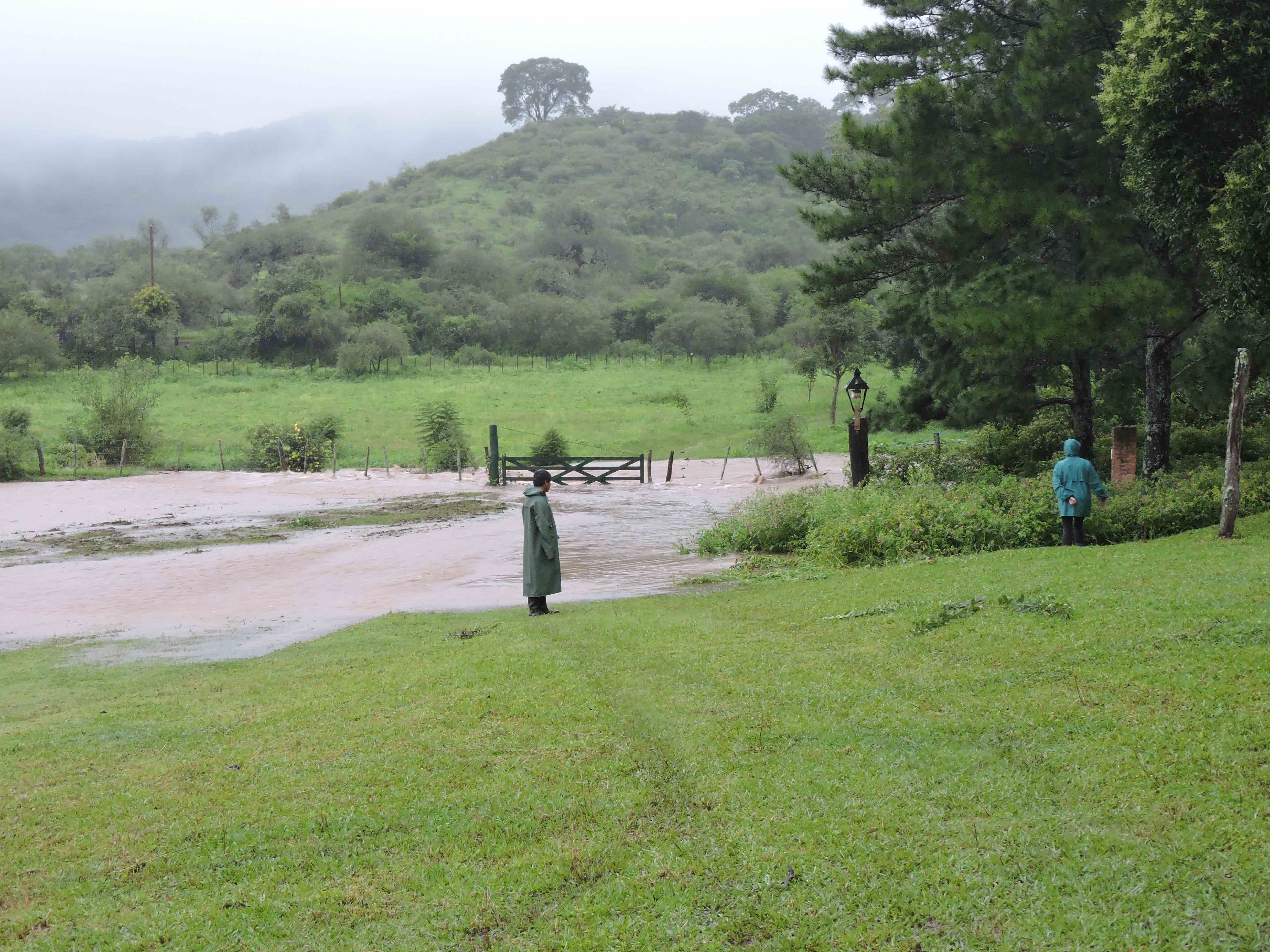
As often happens, an answer came out of a spin off from another observation. The rain was so much that our river flooded, stopping us from leaving the farm.

Inspecting the flooded farm.

Inspecting the flooded farm.

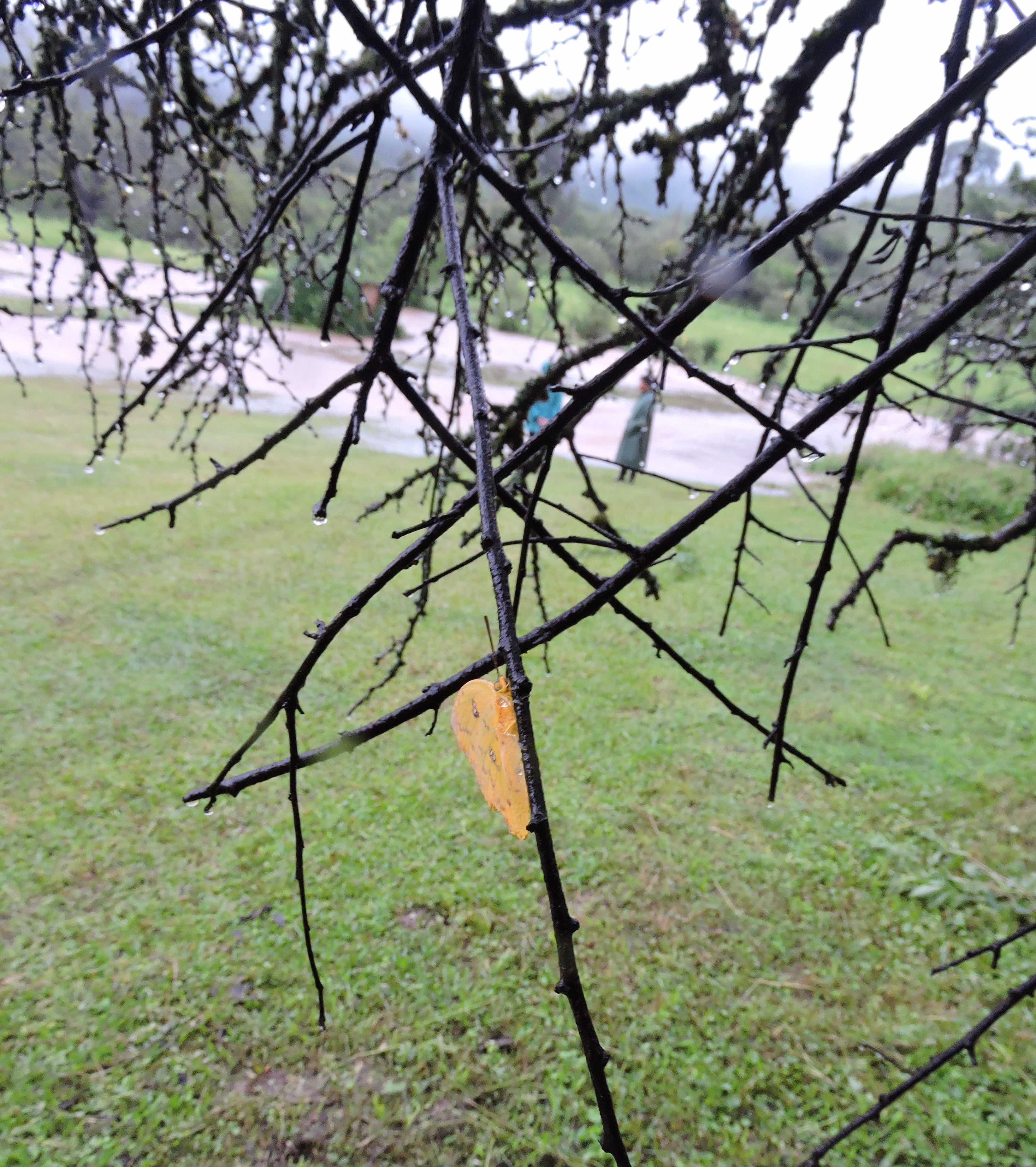
While taking stock of the situation under the rain, I could not fail to see a large orange spot in a tree. Closer inspection revealed a large butterfly hanging upside down. On closer inspection I noted that it had aligned its body to the branch above it and it was perfectly protected from the raindrops.

The butterfly perfectly aligned under the thin branch.

The butterfly perfectly aligned under the thin branch.

Unfortunately my camera would refuse to focus on the insect, as there were raindrops and small branches interfering with its electronic “brain”. Unfortunately it moved off before I could take a better shot.

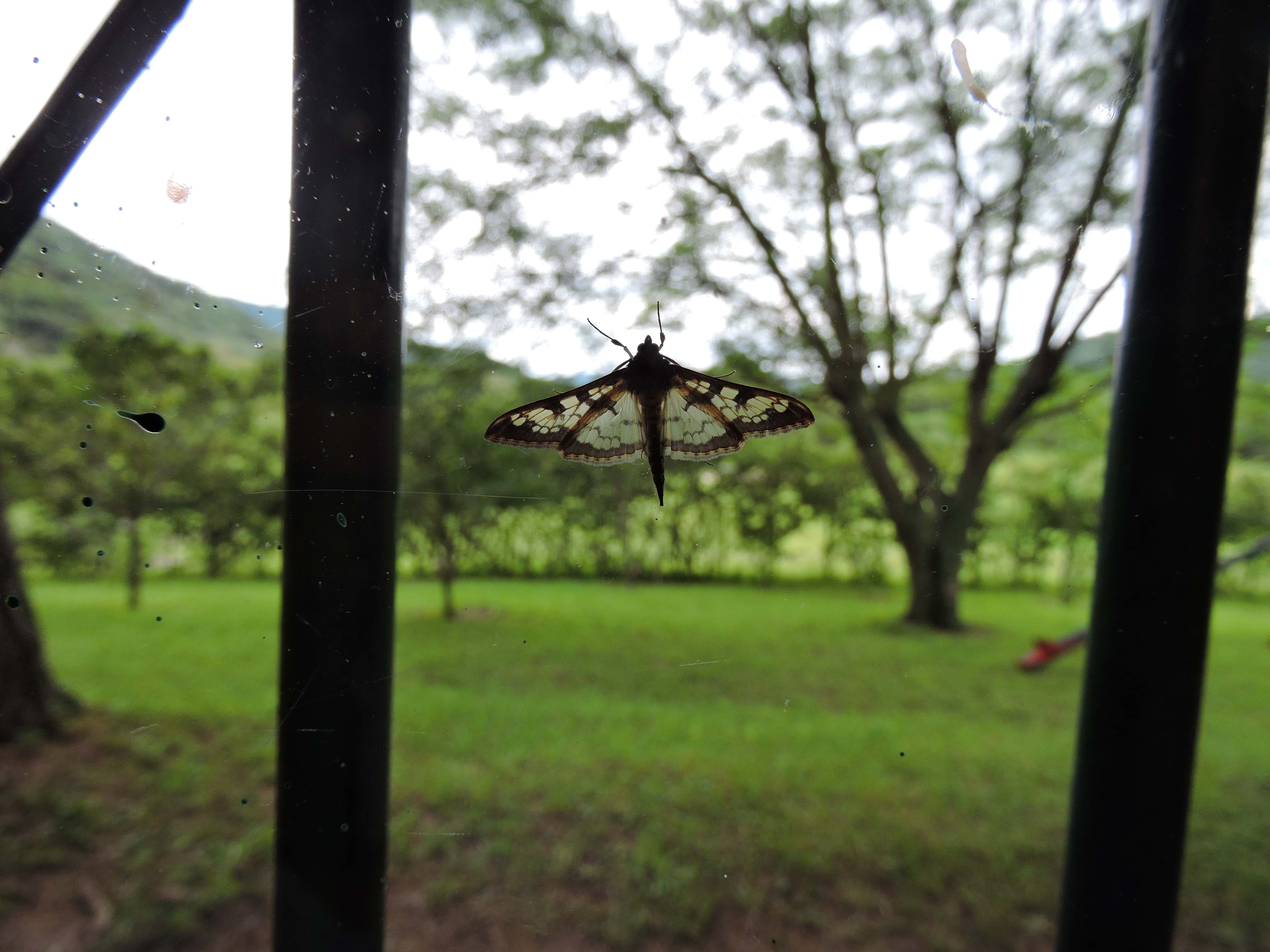
Although you may think that this was a clever ruse from the yellow butterfly, it was really nothing compared with the two shown below that found shelter inside our house!

Safer inside the house and looking out.

Safer inside the house and looking out.

Another clever moth!

Another clever moth!

Camouflage

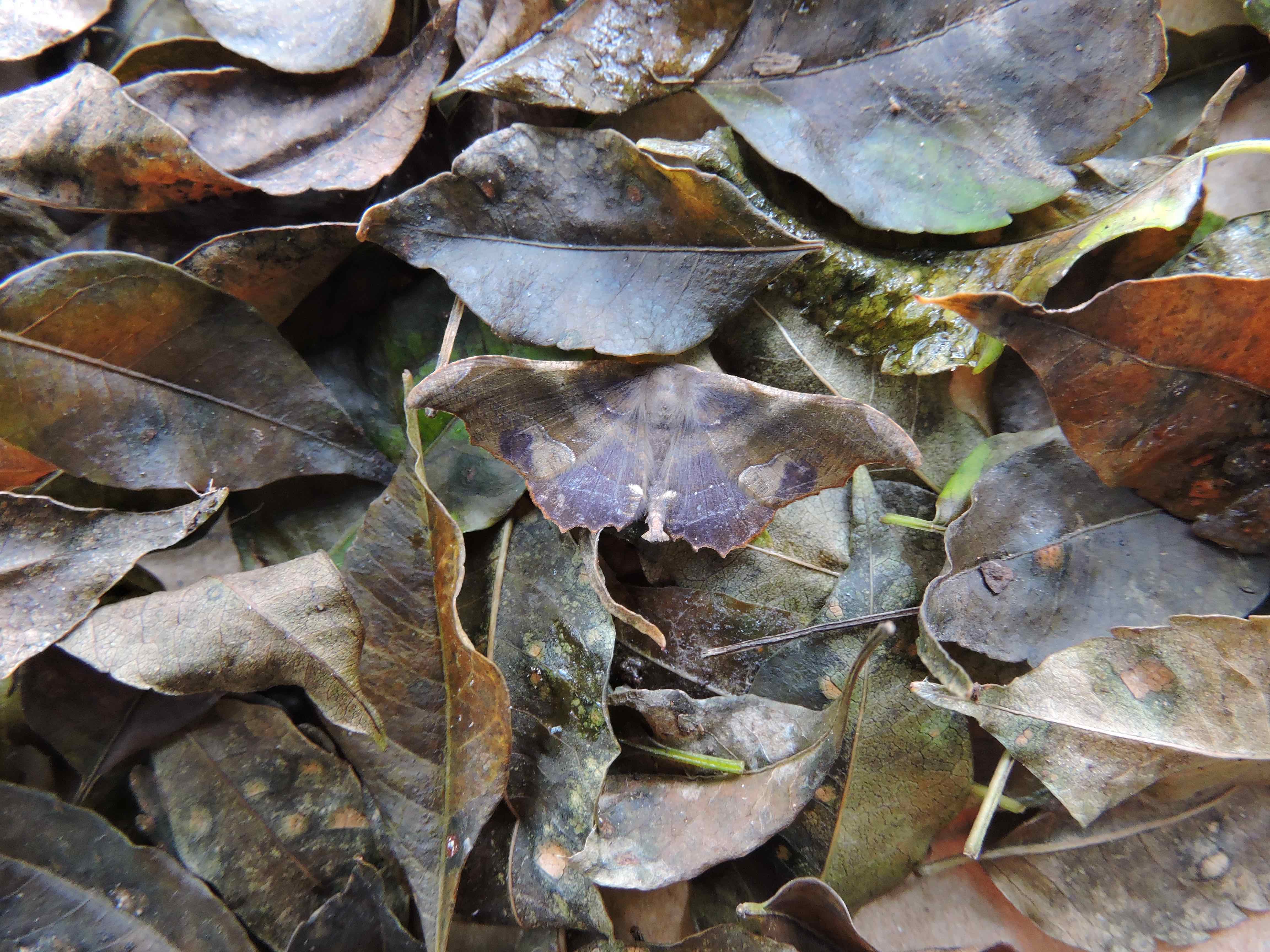
As I mentioned earlier butterflies and moths are a prominent feature at our farm in Salta. As we are going through a long wet spell, I have taken the time to take pictures of some of the examples of camouflage that I have observed.

Rather than extending this over a few posts as I had done in the past, I decided to collect a few pictures for you to see five real finds that illustrate how Nature designed some of its creations to aid them in their survival. Have a look!

slick moth on leaves cropped

Grasshopper from far

Moth on bark cropped and small

DSCN4289 copy

Moth on Paradise leaves

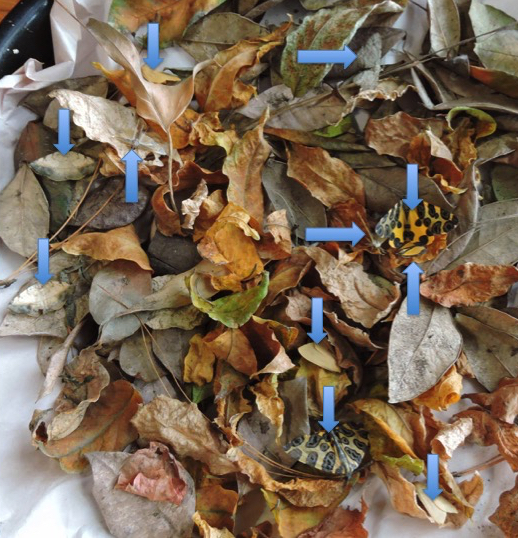
Several moths and butterflies come to our verandah light at night and I am taking pictures of them for a possible checklist. A number of them mimic leaves or tree bark. I then hatched the idea of collecting dry leaves from the garden and release a number of live moths on them hoping that they would stay on the leaves. Well, I can assure you that it was not easy!

However, after a few trials and frustrations I managed to get one shot for you to “admire” and spot the moths. To help you finding them I can tell you that there are more than one but less than fifteen![1]

Moths on leaves

I will reveal all creatures in the next post, hopefully this Saturday…

[1] I am learning to insert arrows to point them out.

Flying Gems

When I saw jewels flying I thought that hypoxia had accentuated my natural brain decay. Even under these circumstances I was quite surprised!

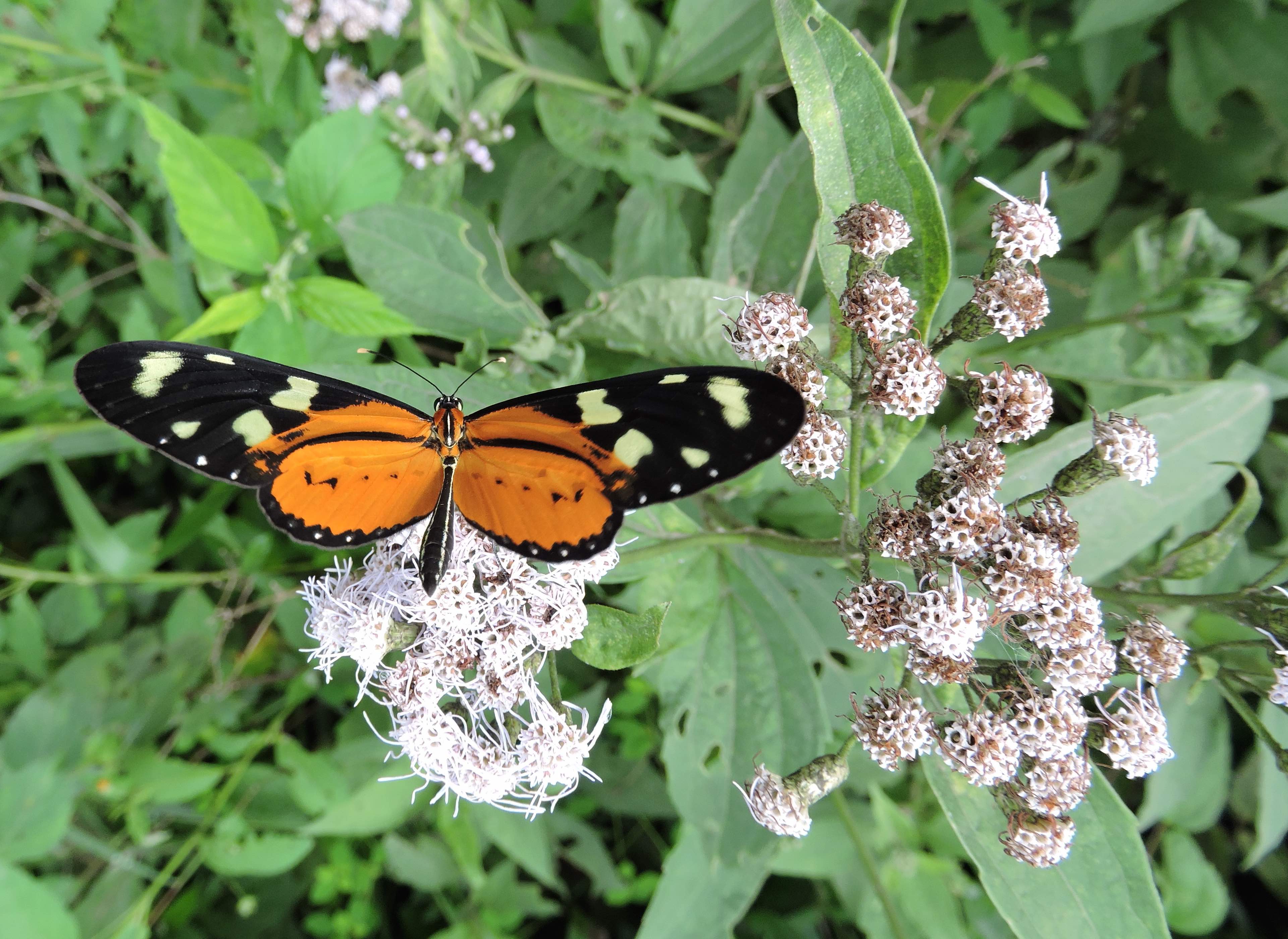
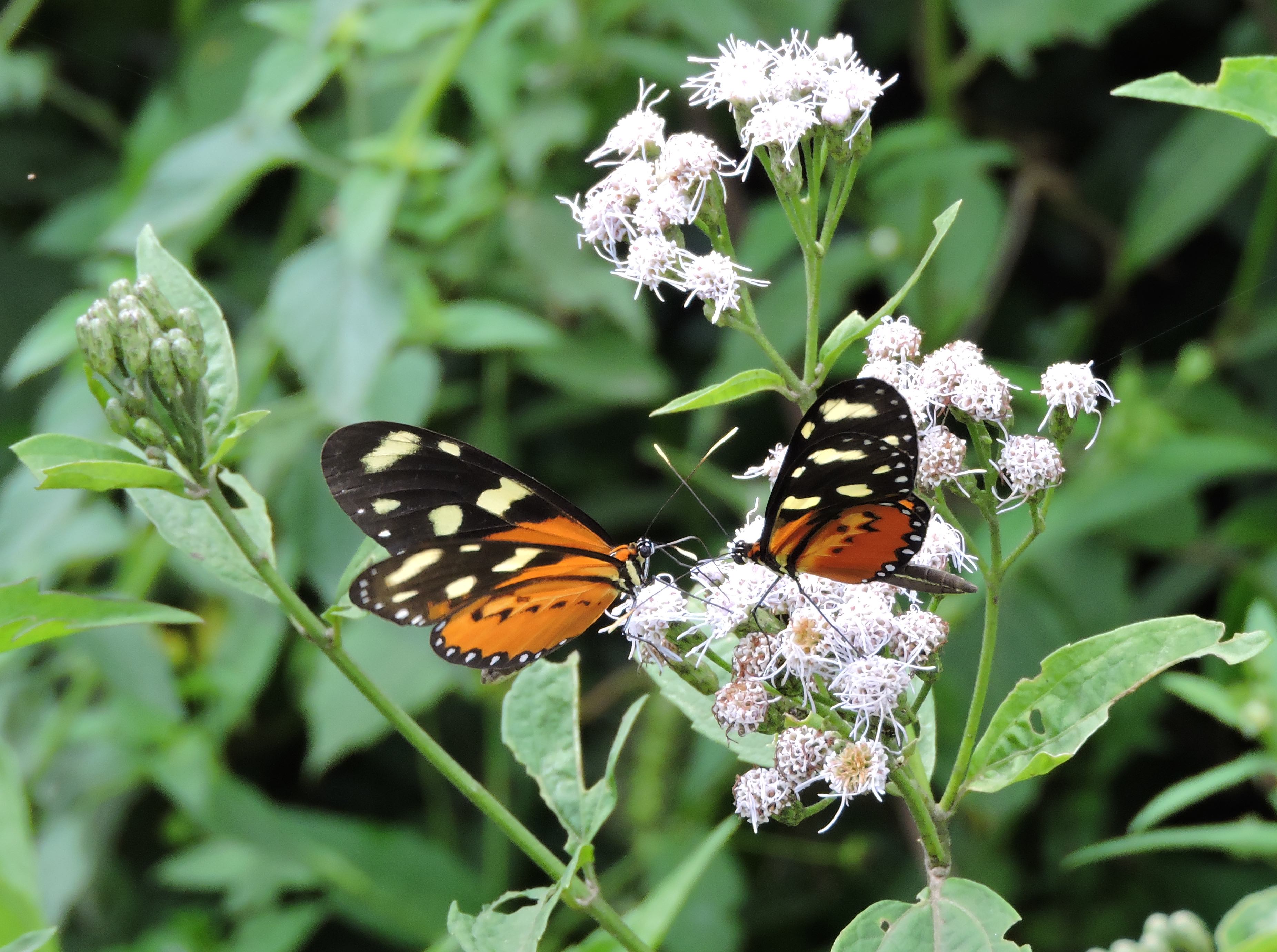
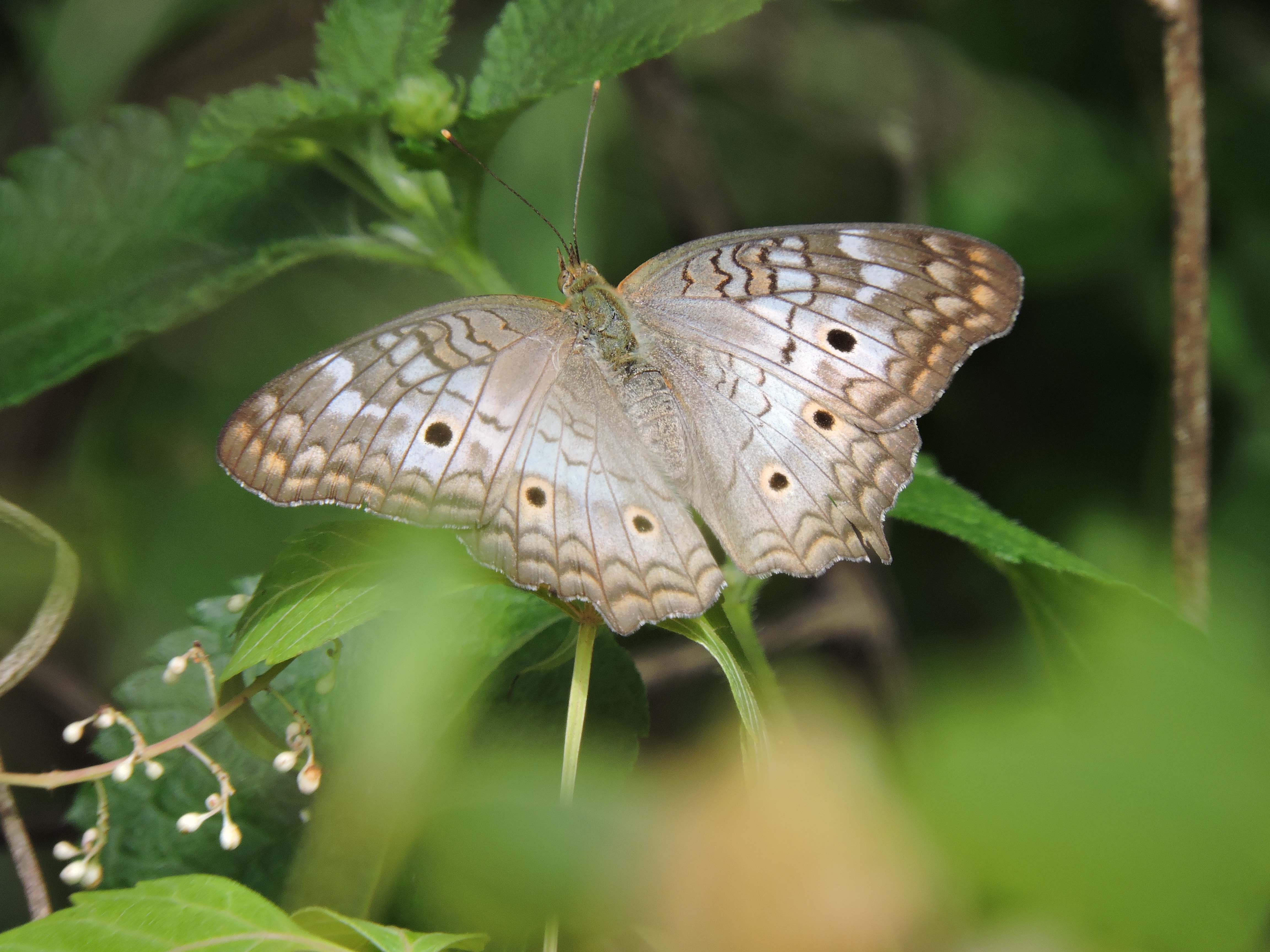
It all happened while practicing the “walking to keep fit” arrangement that my wife and I performed daily, weather permitting. Of course you have already guessed that they were butterflies and that unlike García Marquez in his masterpiece One Hundred Years of Solitude, I failed to convey the proper message. For this reason, this post is mainly about the photographs I took of what was flying around during a few days walking in and around our farm at the Andes foothills[1].

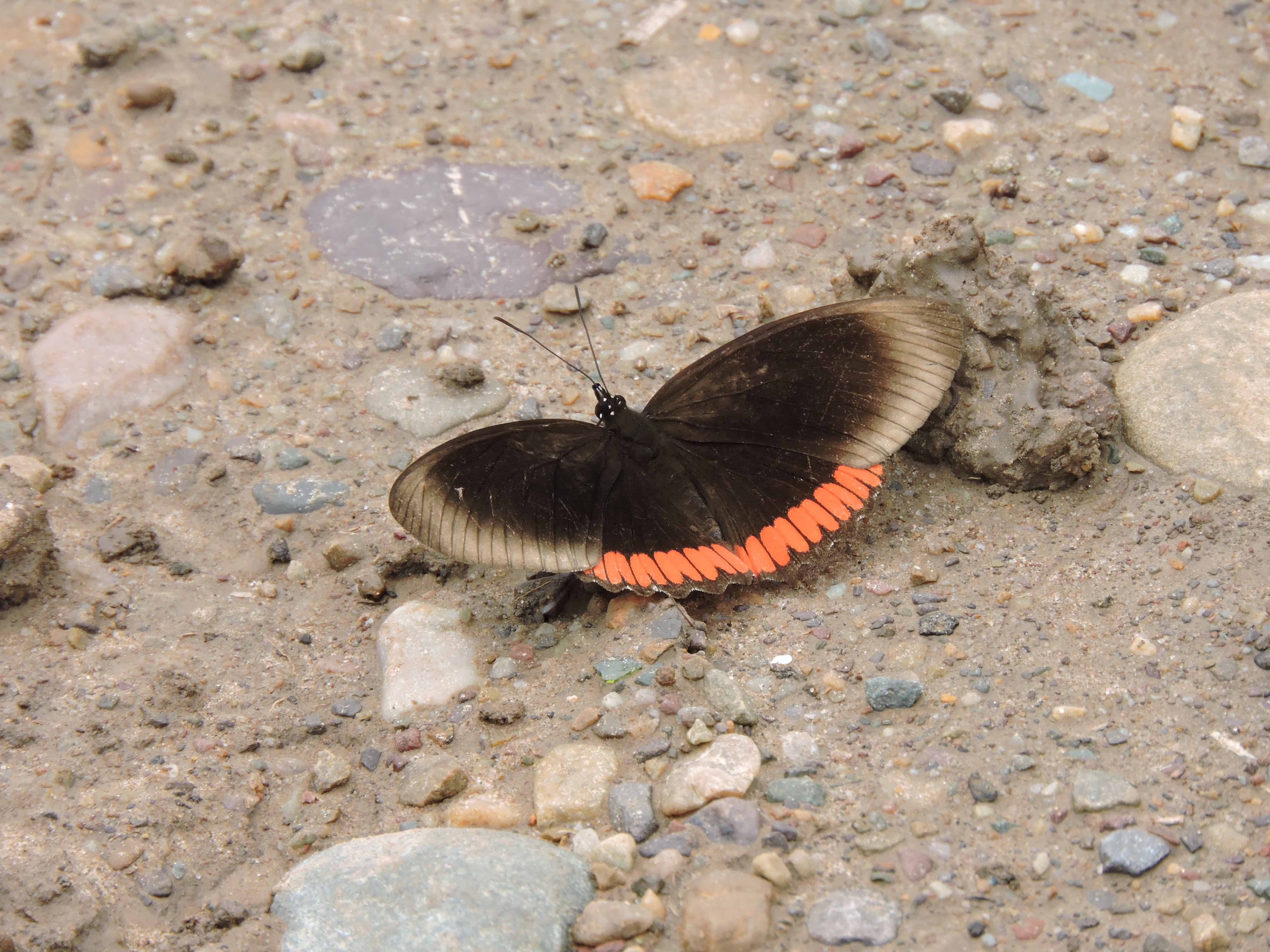
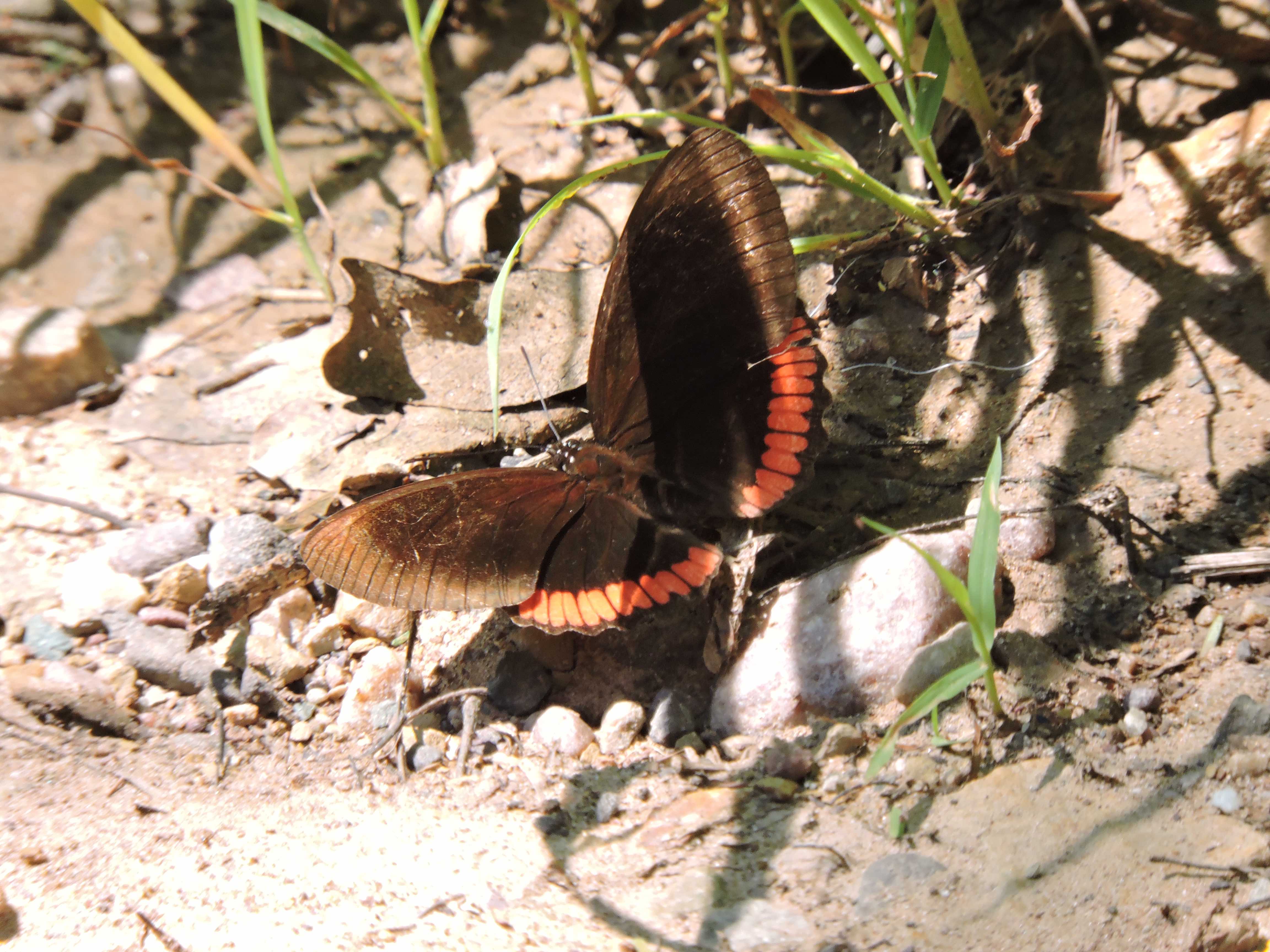
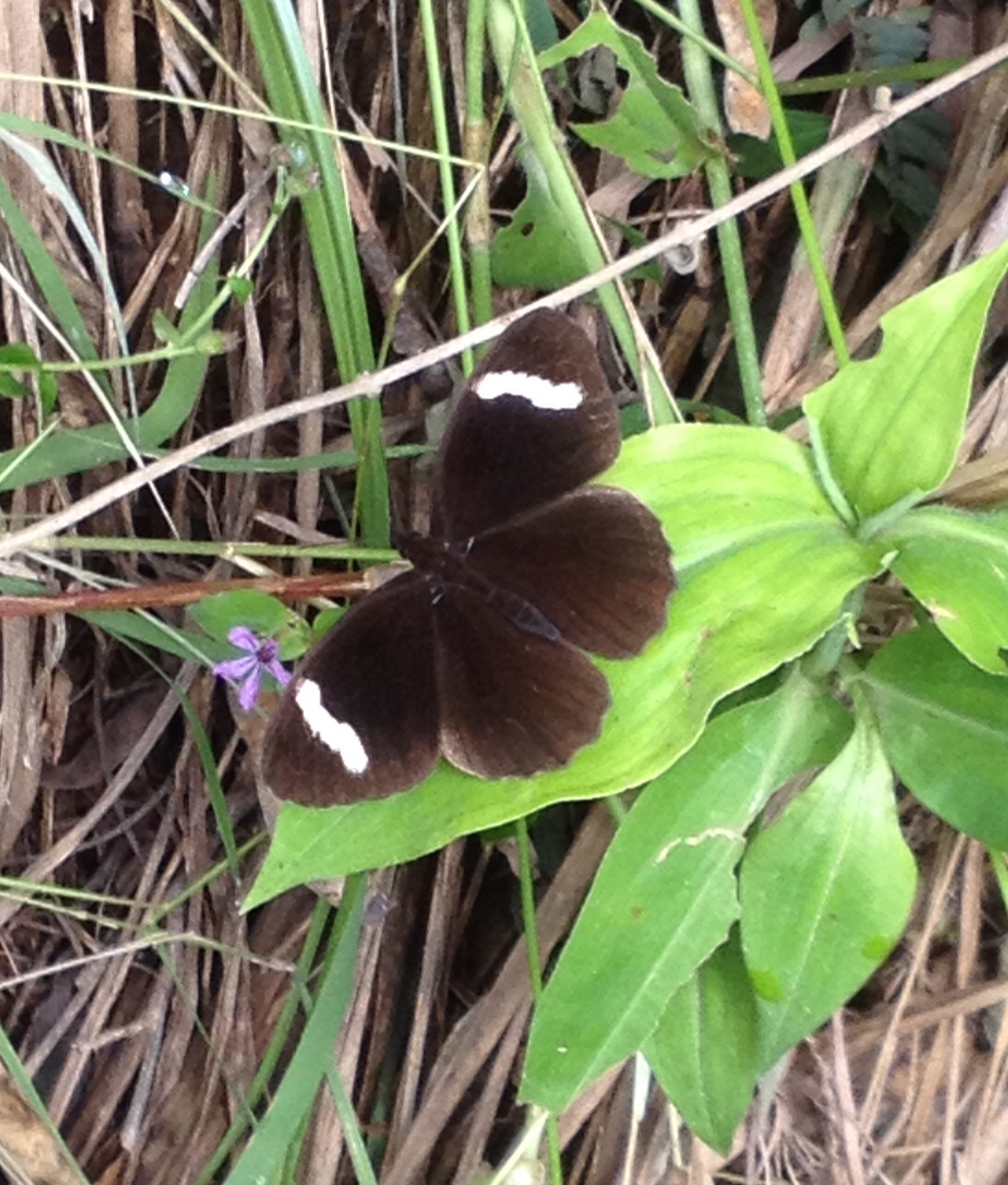
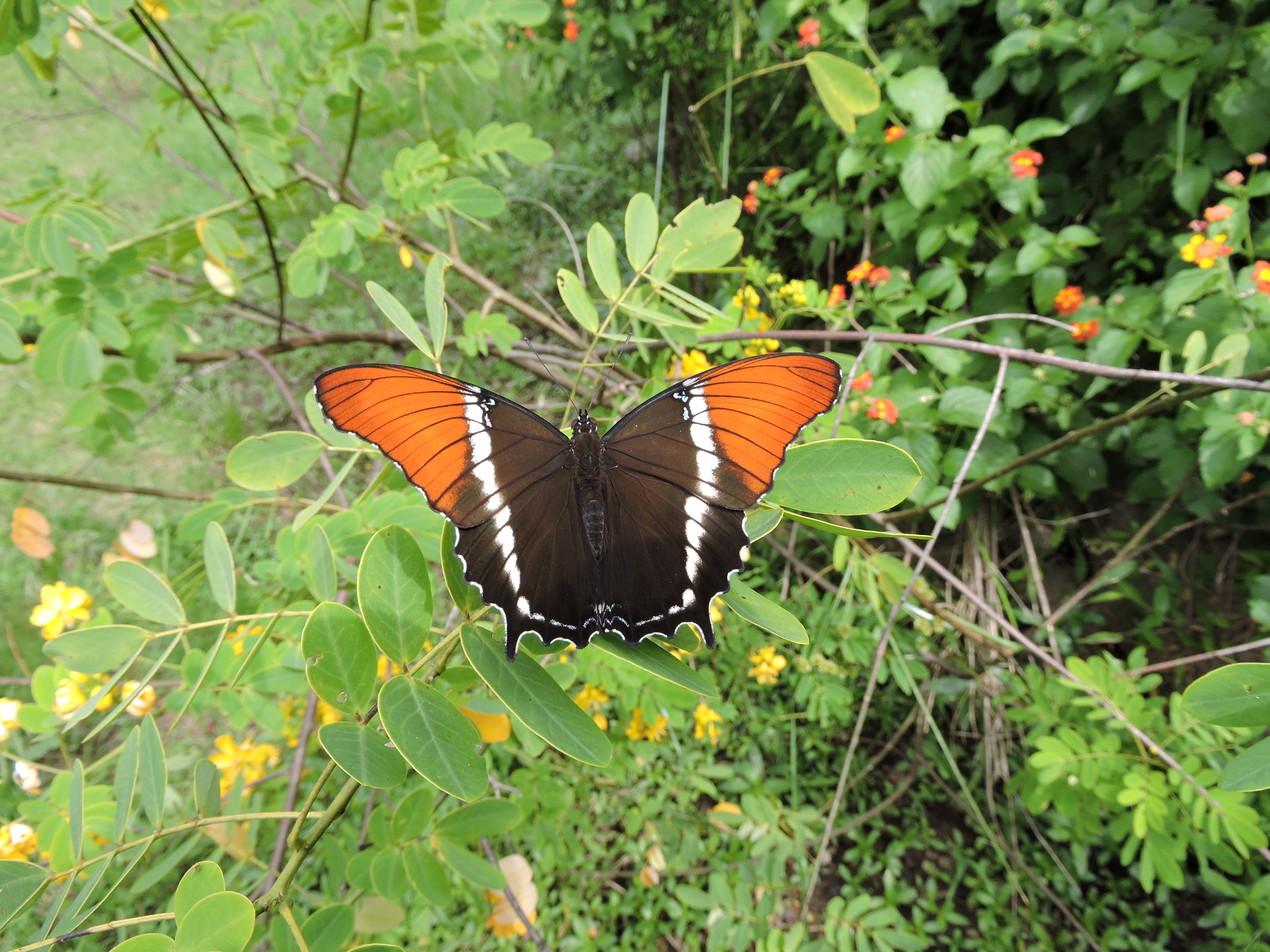
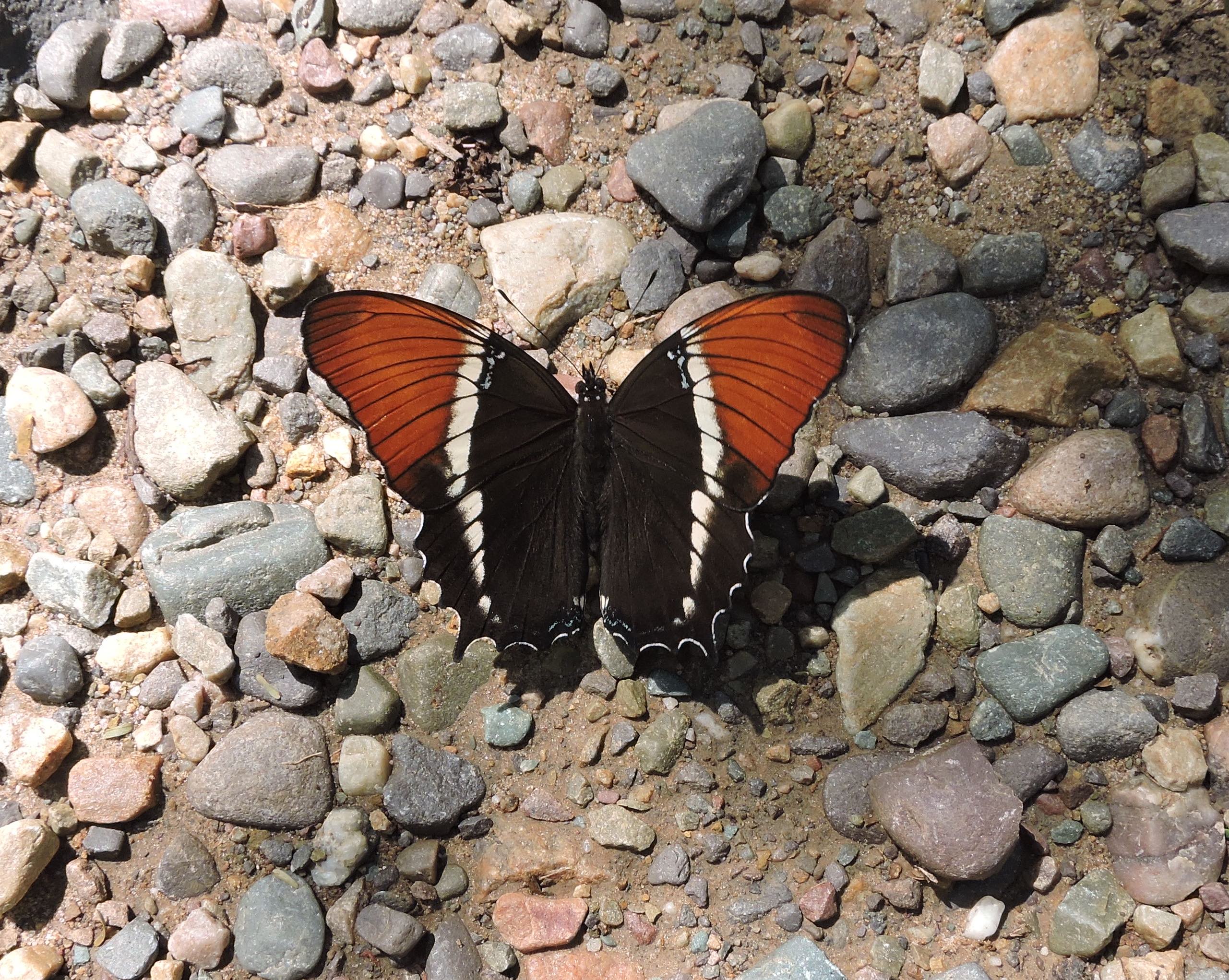
The first one that caught our attention was the Crimson-banded Black (Biblis hyperia nectanabis), very mobile and tricky to capture. These are the best I got:

Crimson black 2 small

Crimson black 1 small

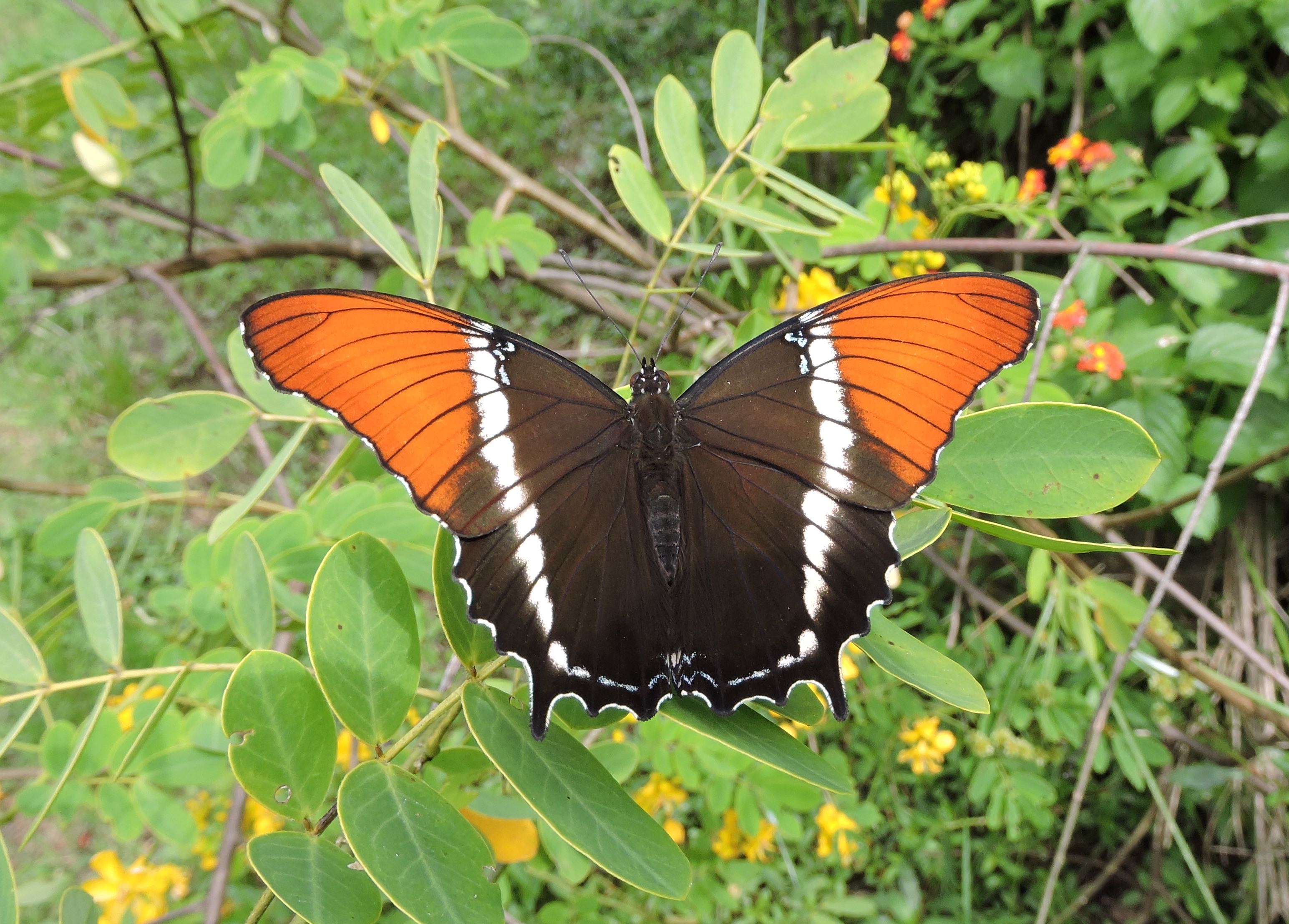
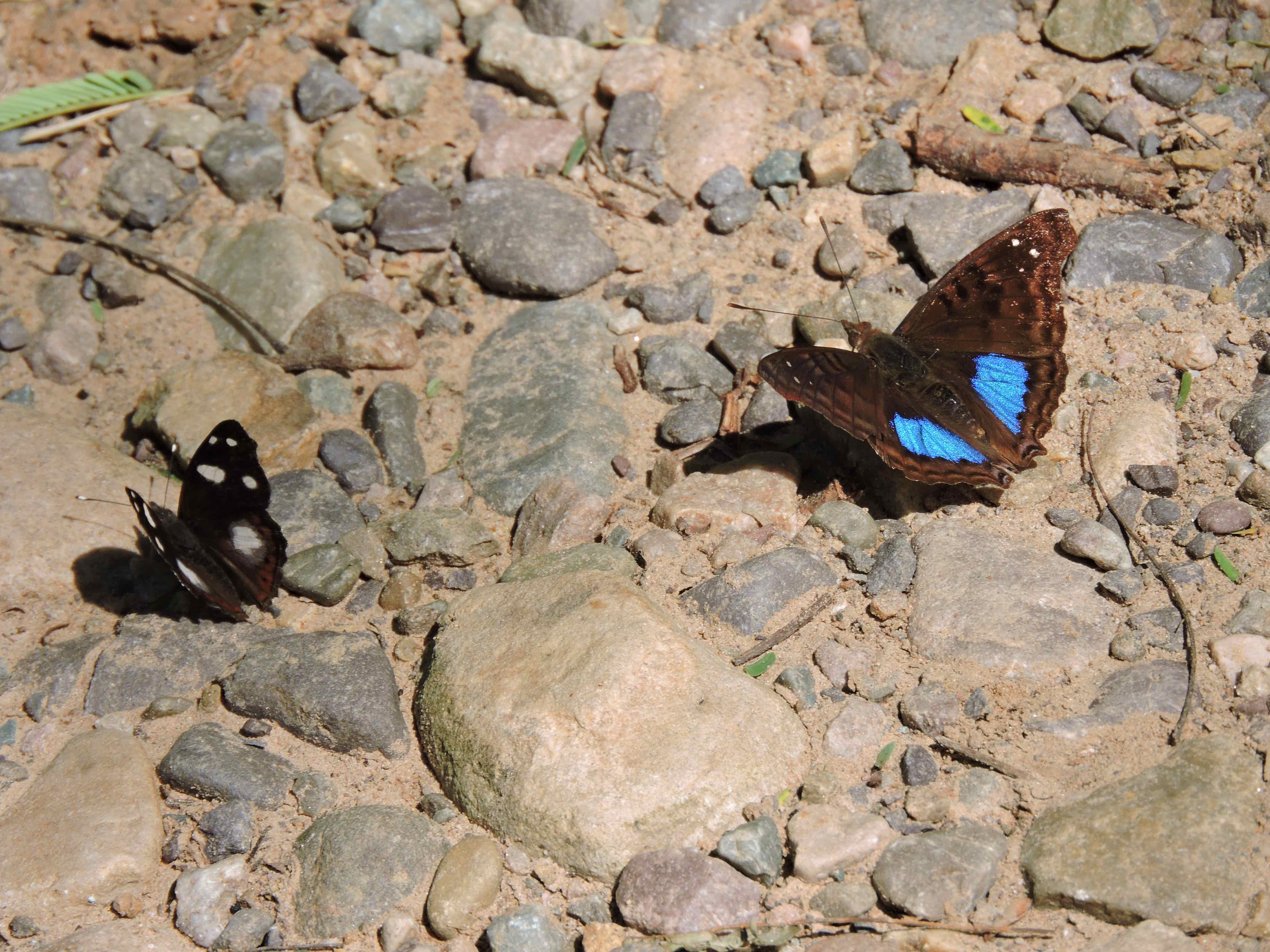
We could also not fail to notice a few others that, with their fair share of beauty, immediately attracted our attention. These are shown below:

Dark Malachite 3 Dark Malachite 3 crop Dark Malachite 2 Dark Malachite 2 crop Dark Malachite 1 crop

Five pictures of Dark Malachite (Siproeta epaphus epaphus)

Yunguena Sapphire and hooked small

Yungueña Sapphire (Doxocopa cyane burmeisteri) on the right and Hooked Small (no Latin name)

Fuegan Fuegan open Fuegan open crop Fuegan -2- crop

Fuegian (Mechanitis lysimnia elisa)

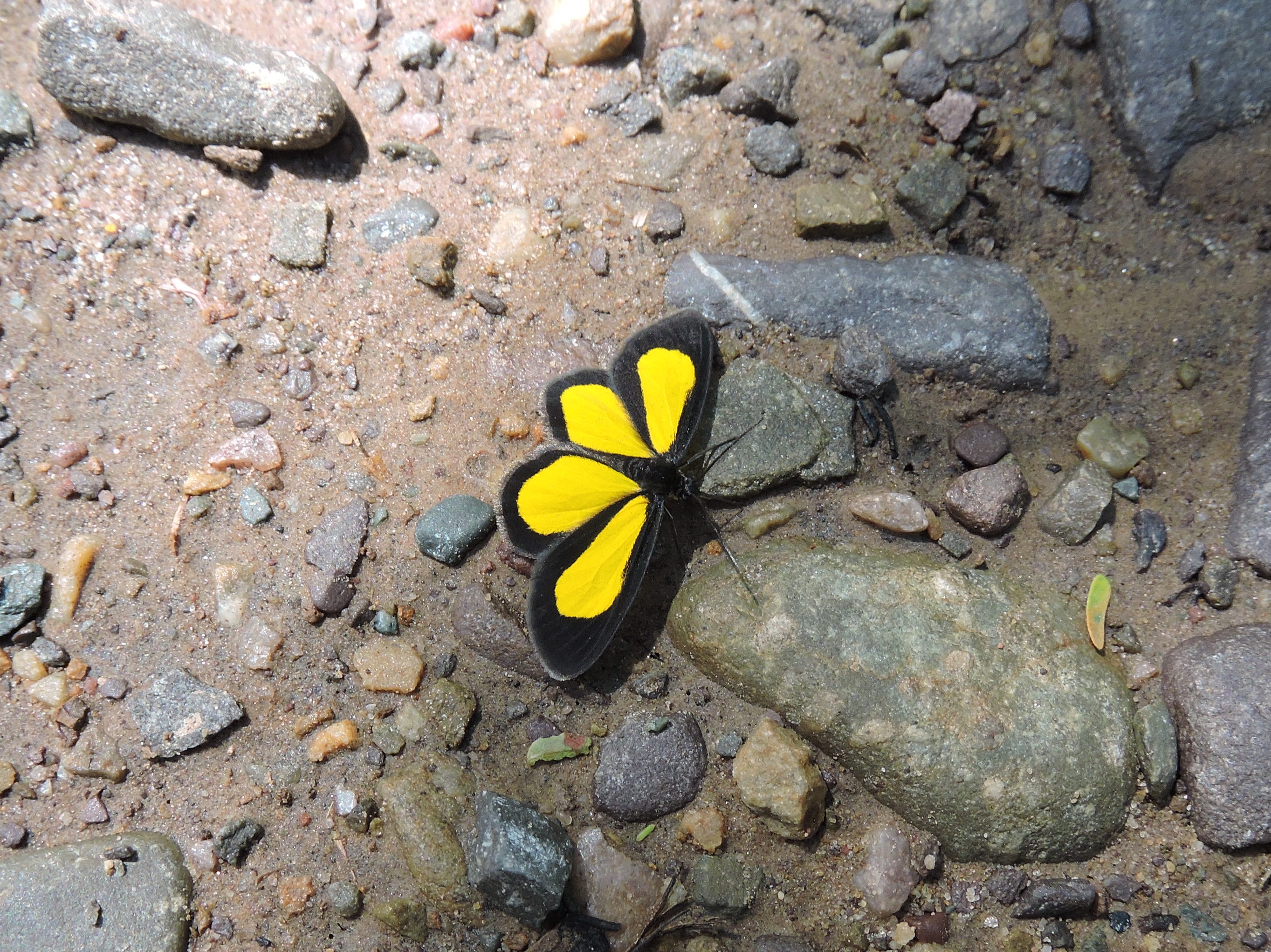
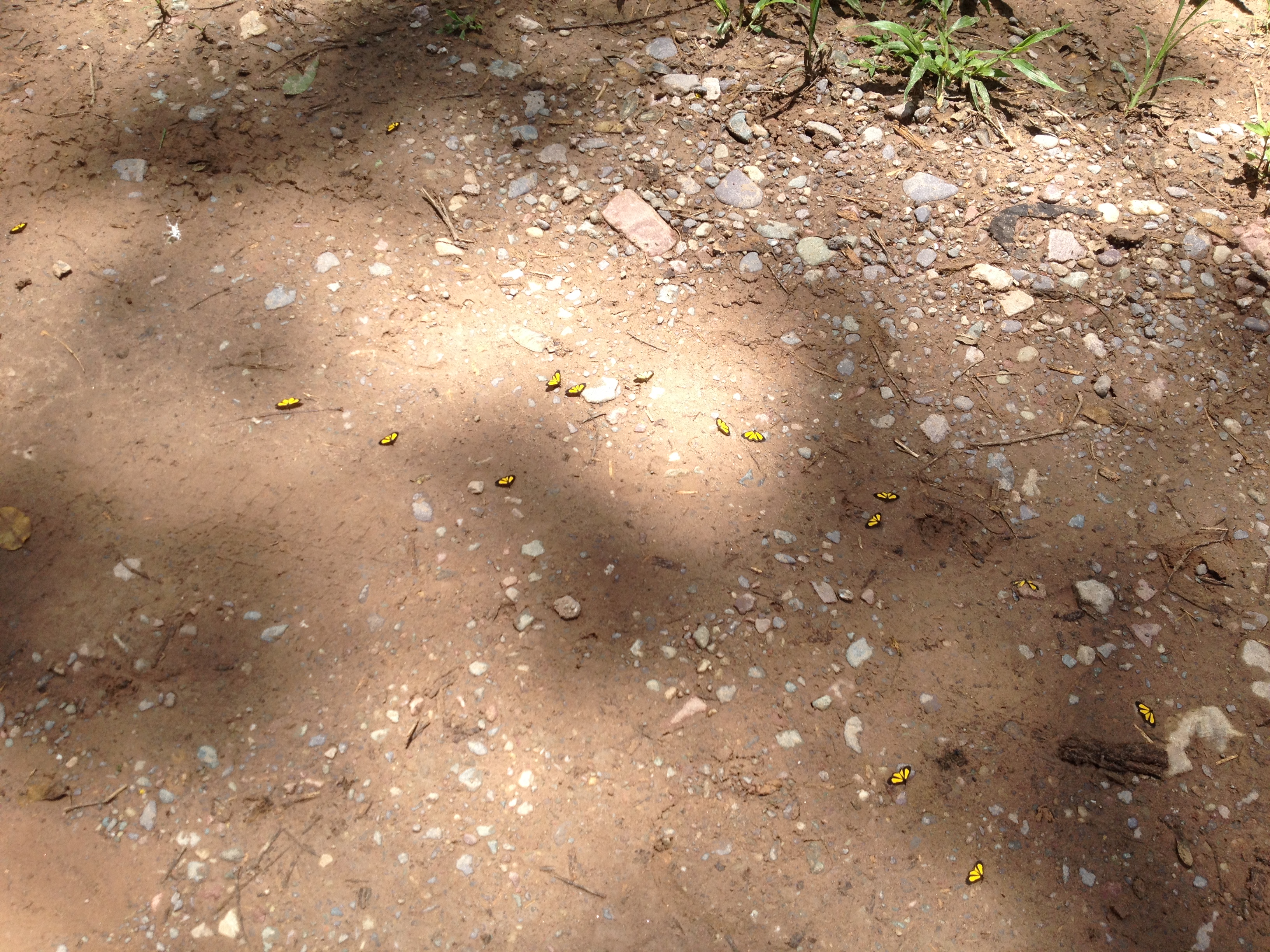
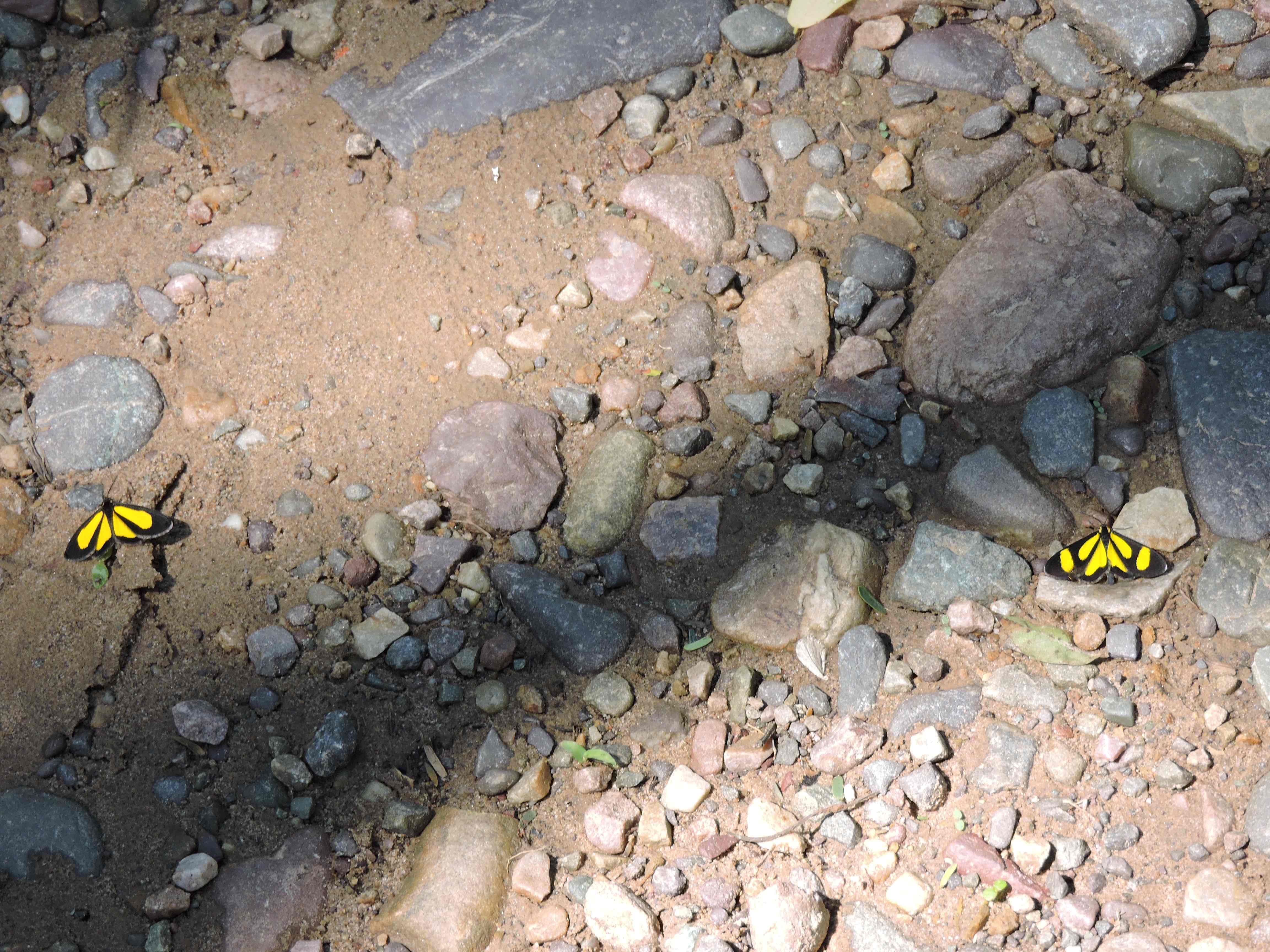
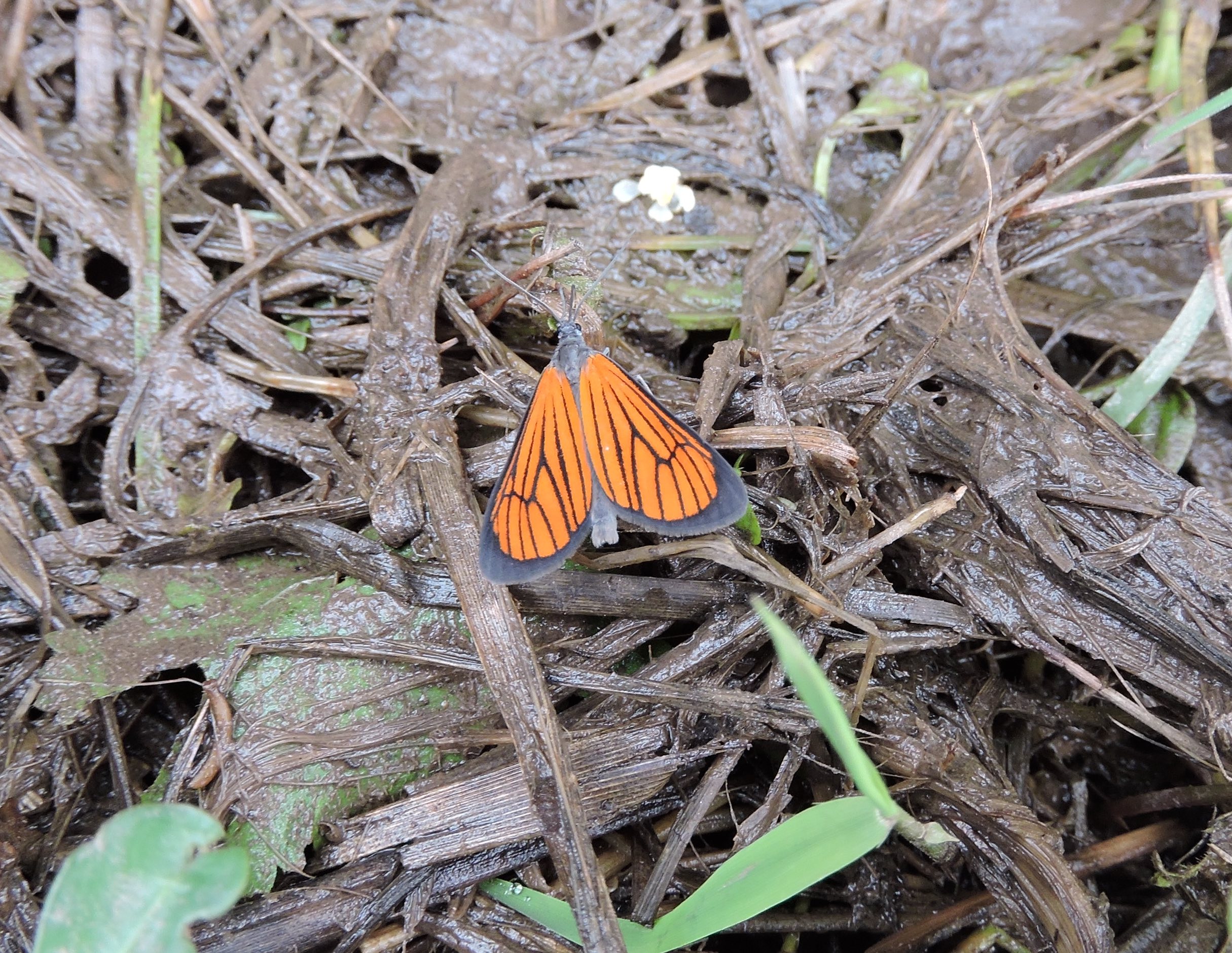
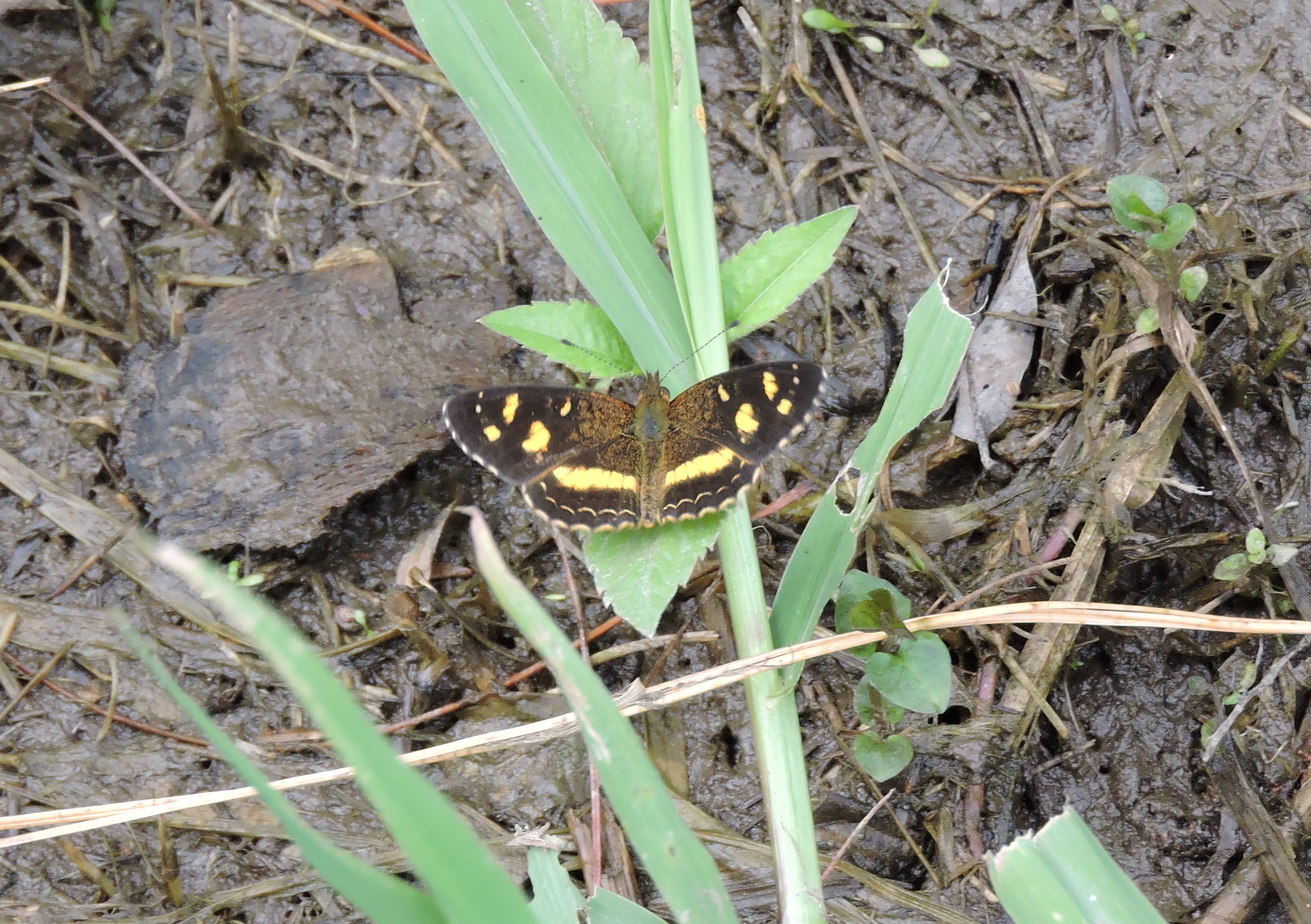
Once the most obvious (and larger) species were noticed, a number of others were noted such as a large number of very small black and yellow ones lying flat on wet areas. Closer inspection revealed two similar types occurring together as well as a rather delicately ornate orange one, also sharing the wetter and shady areas.

Black and yellow unknown cropped Black and yellow group Black and yellow different from each other small Orange small unknown crop

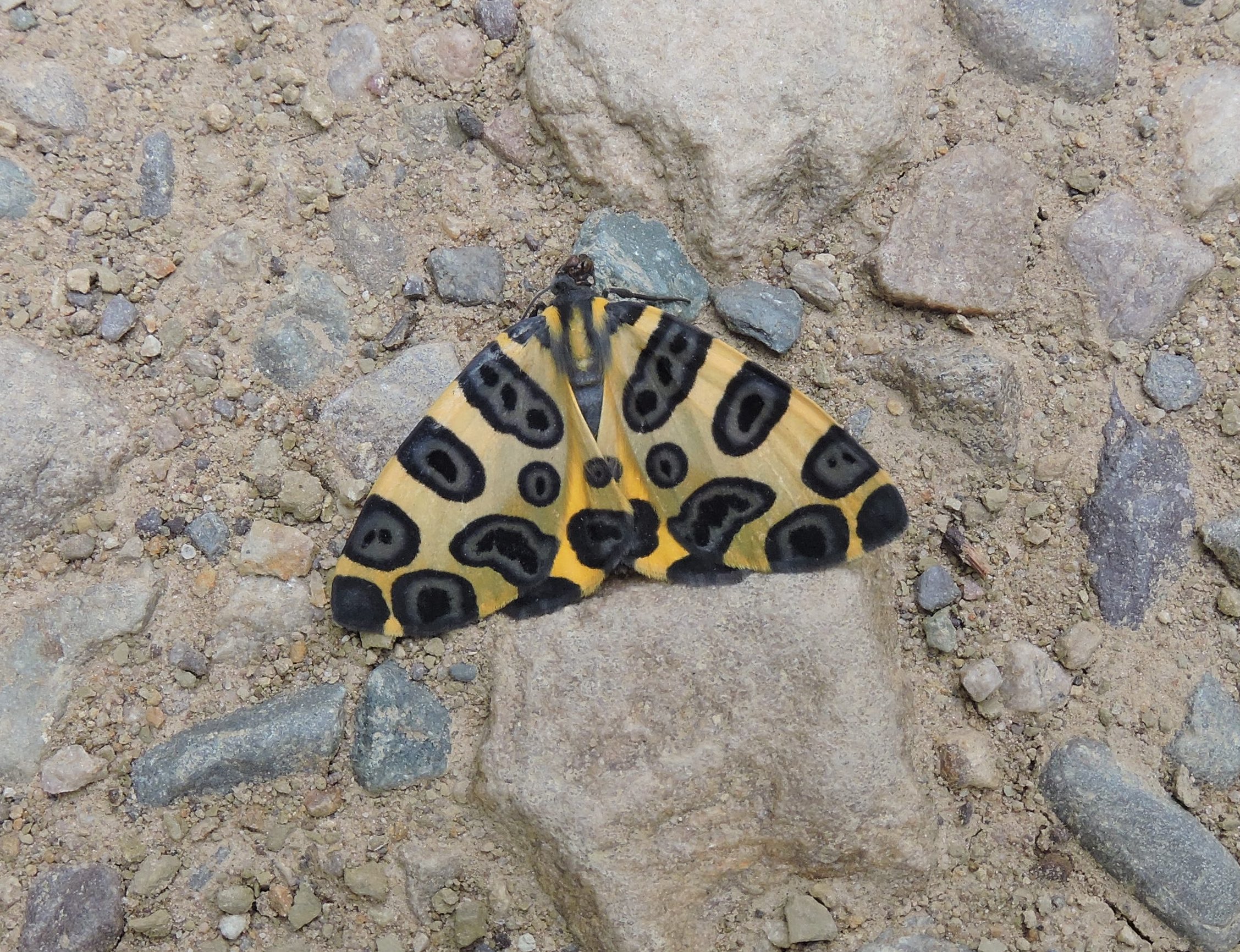
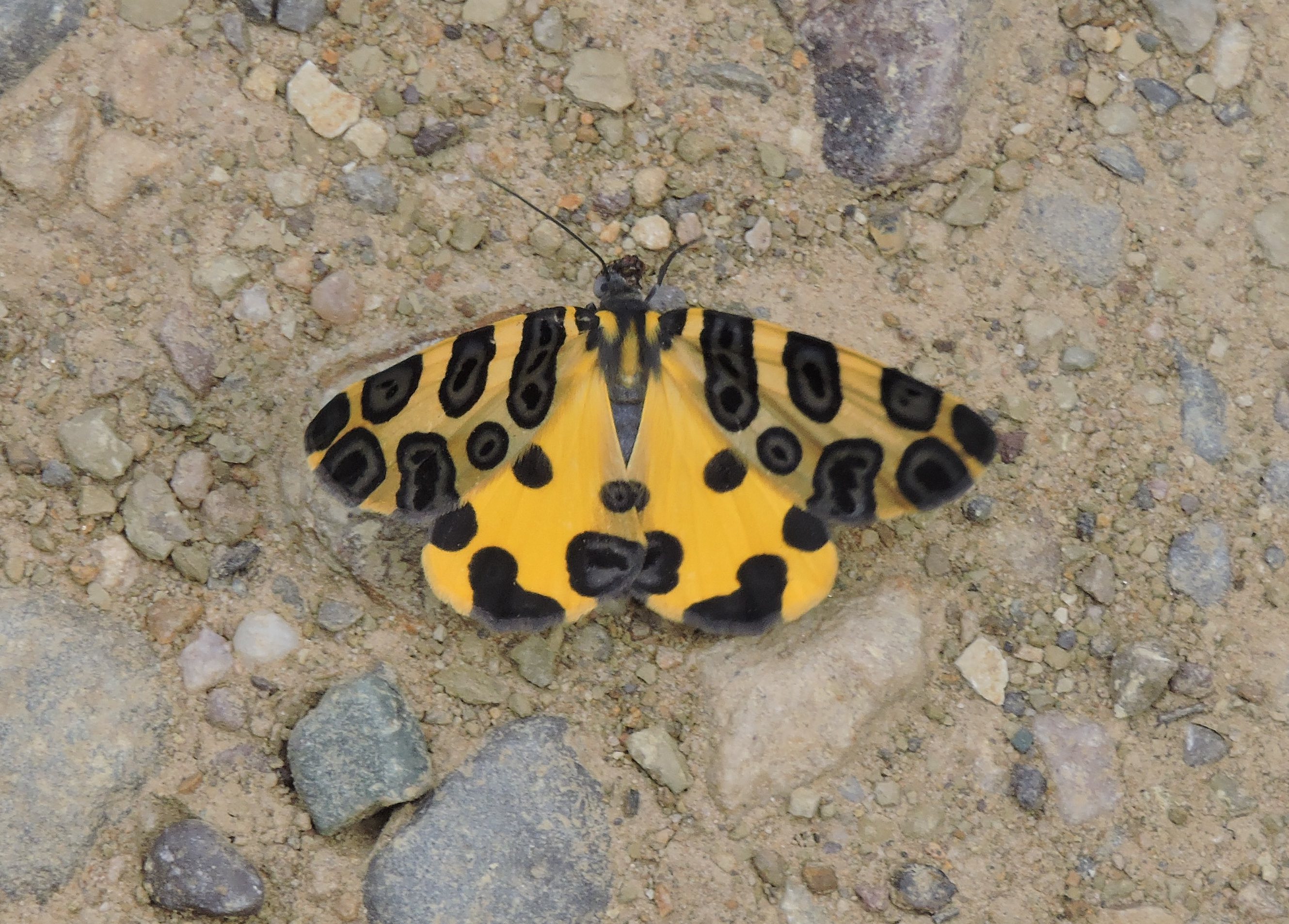
Several other species were noted. The following ones are the most colourful, although as the video below also shows, there are large number of others that we had not had time to photograph at this point. Regarding their identification, what I know about them is included in the caption of the pictures.

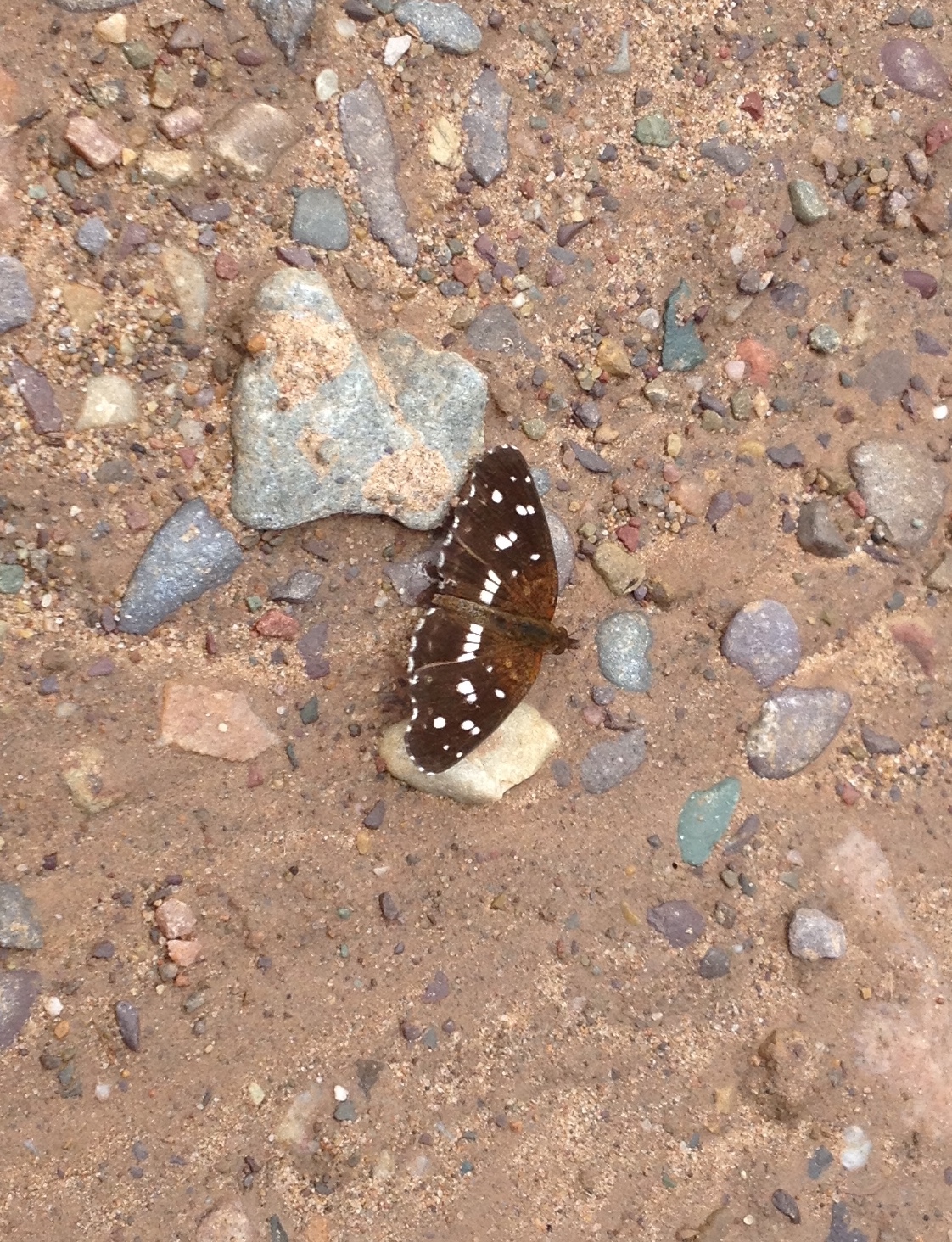
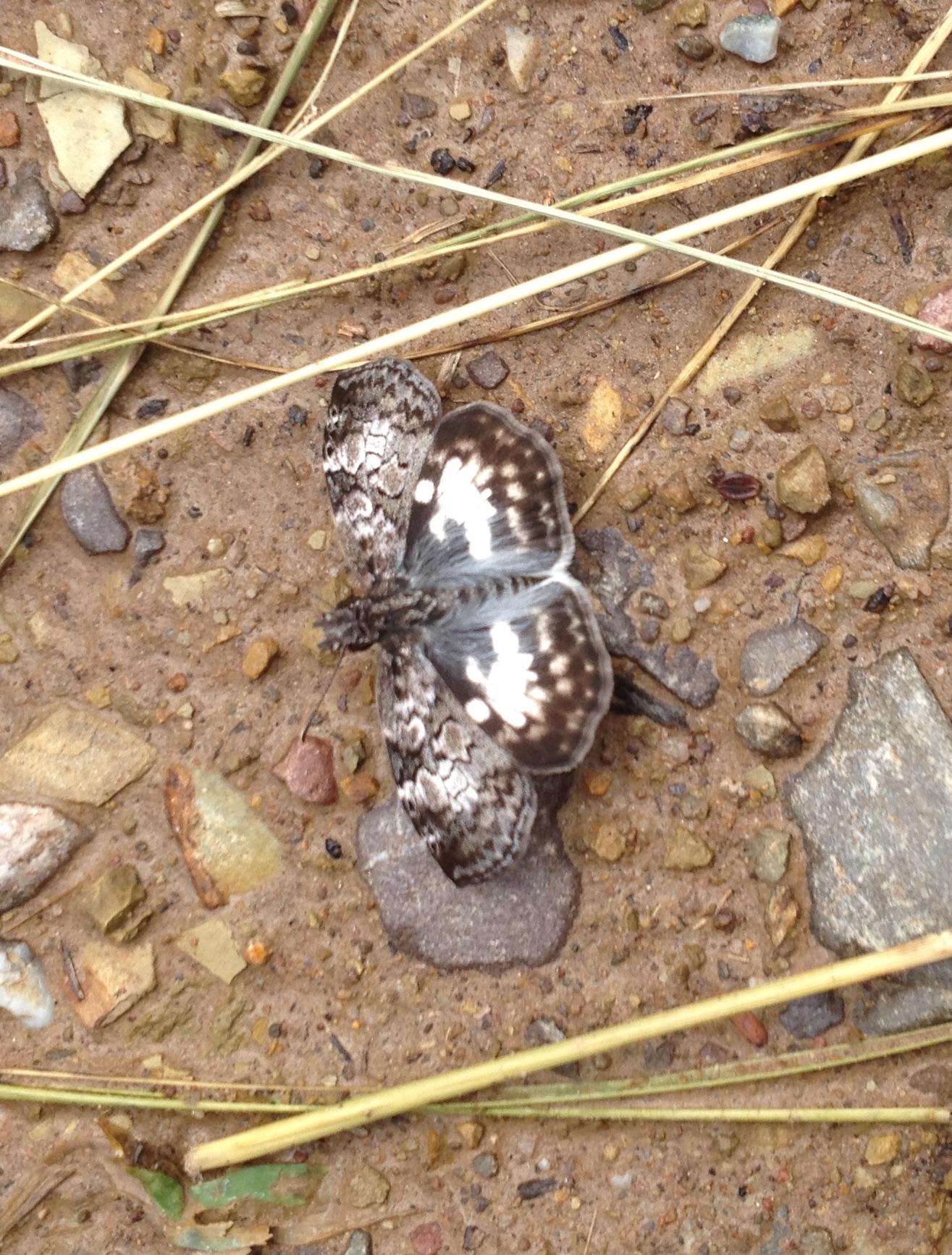
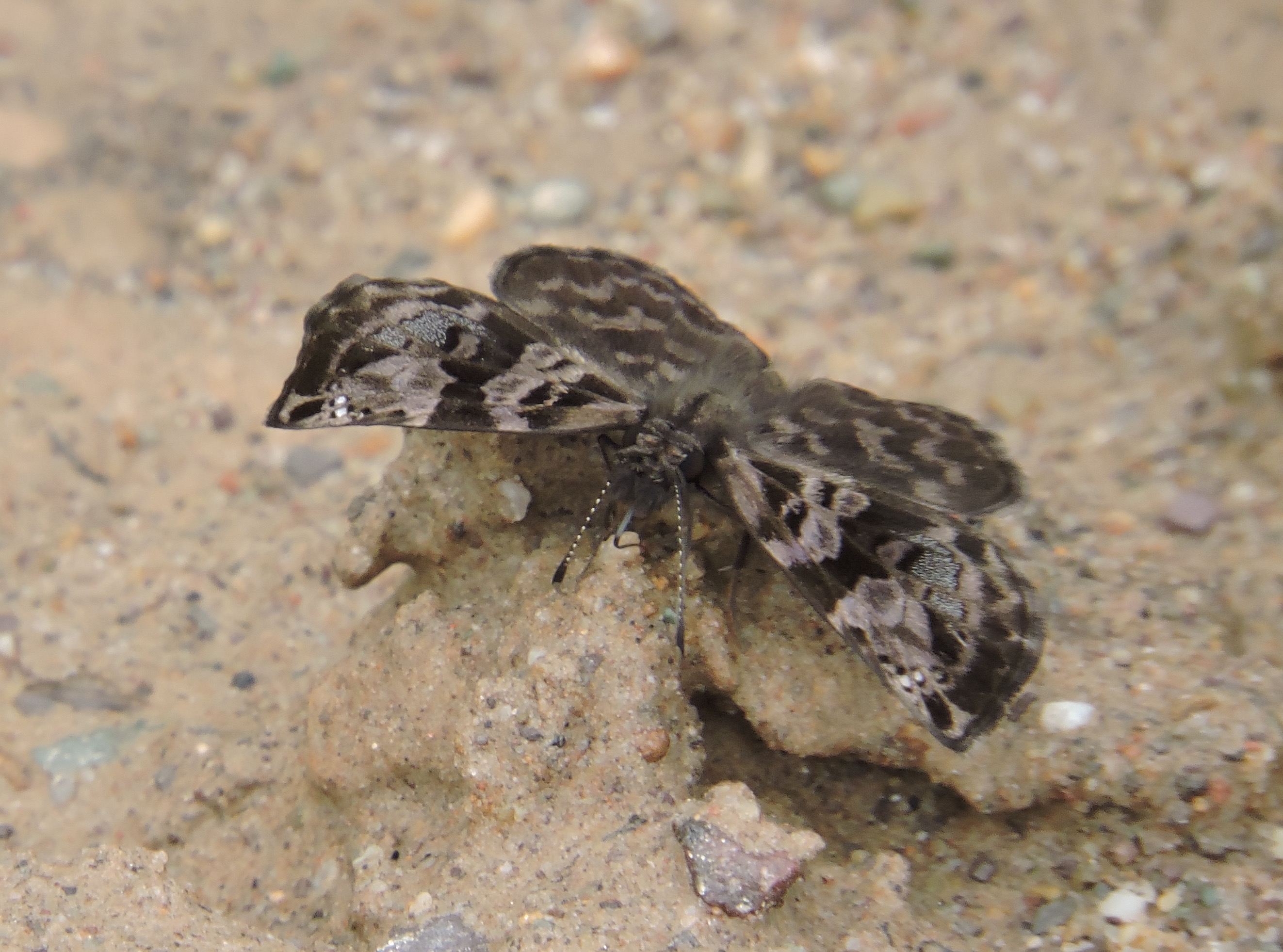
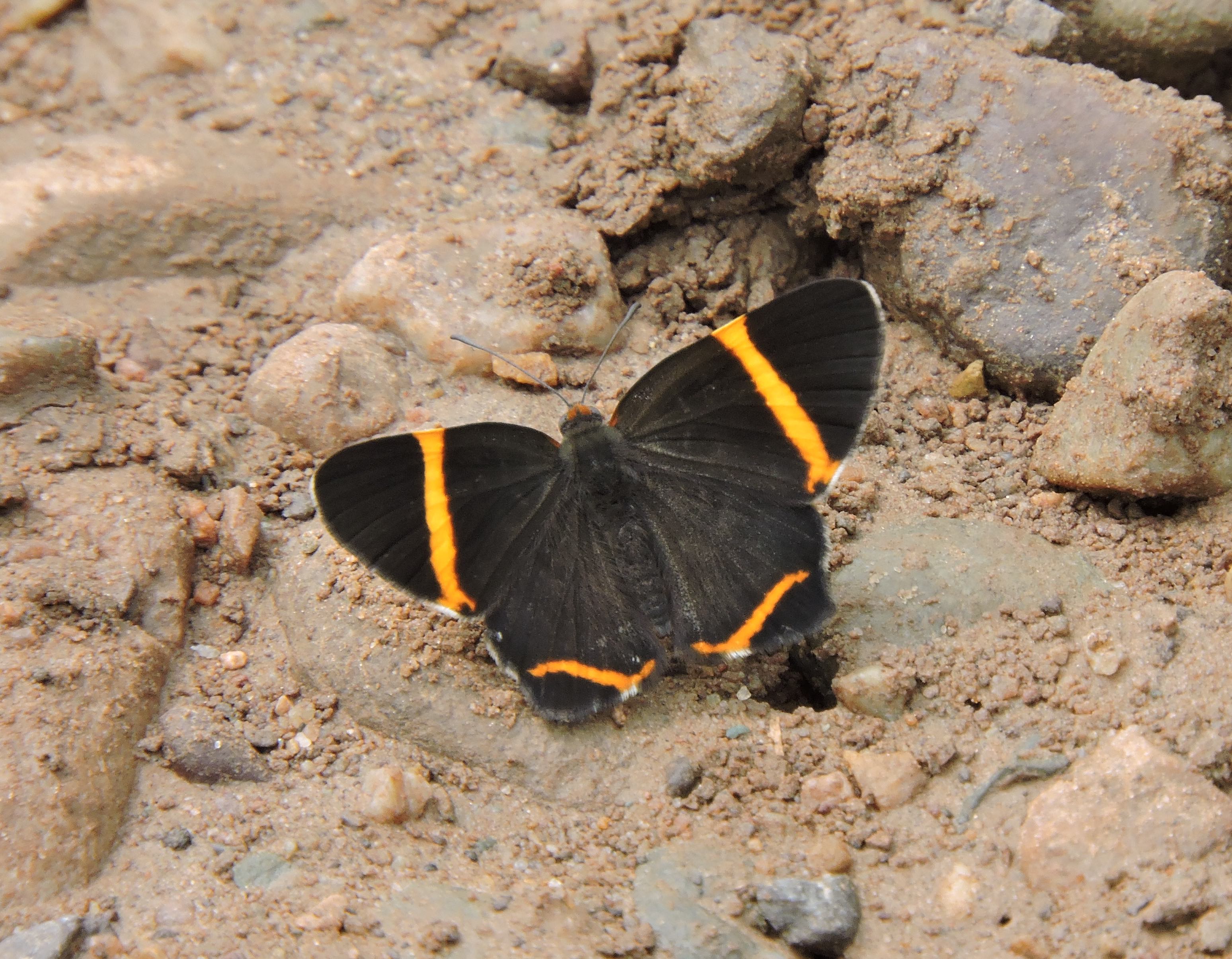
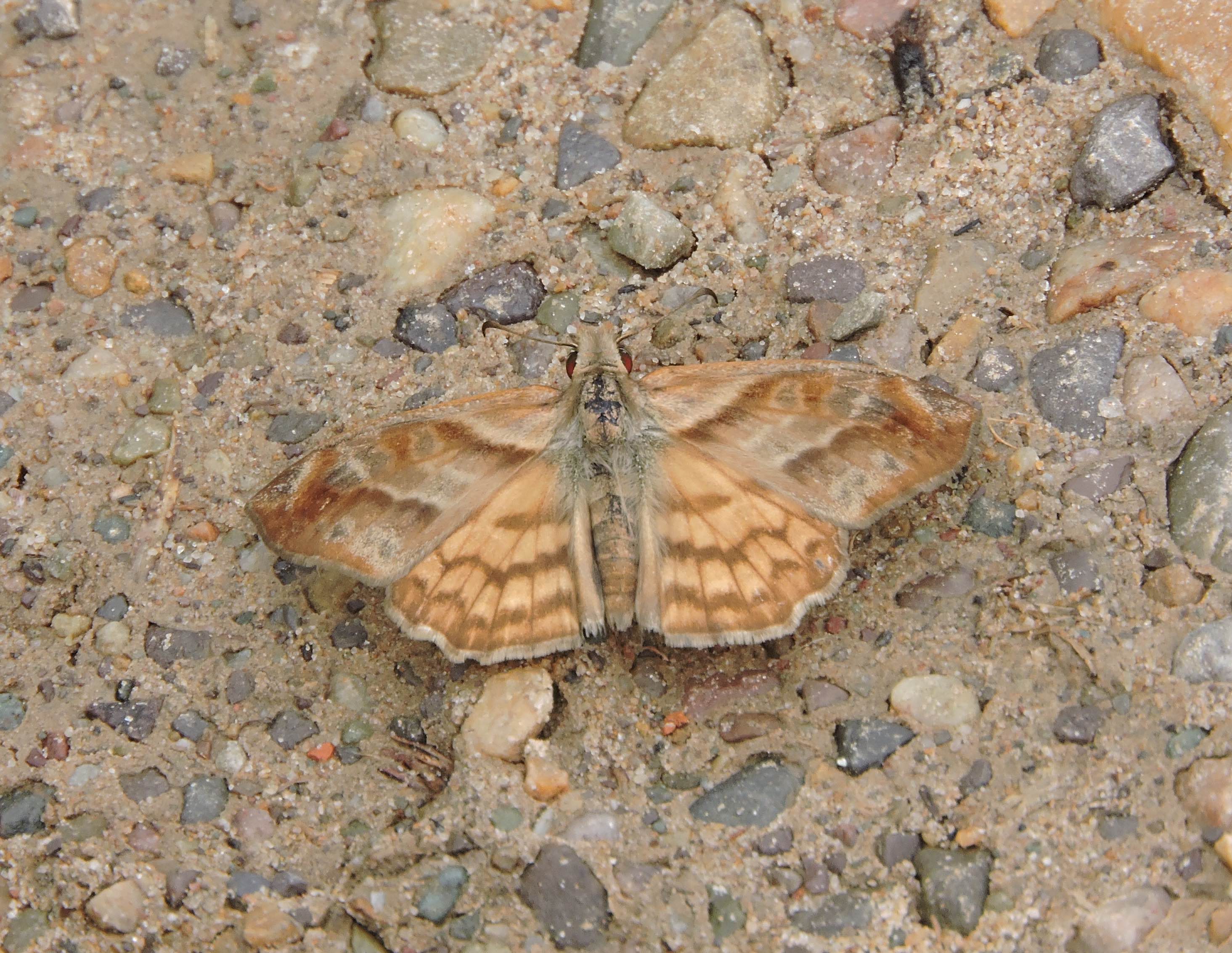
Leopard 1 crop Leopard 2 crop Dark brown and white small Catula other Catula brown crop Brown and white crop Black wing folder crop Black and orange cropped Beige cropped Ashgray

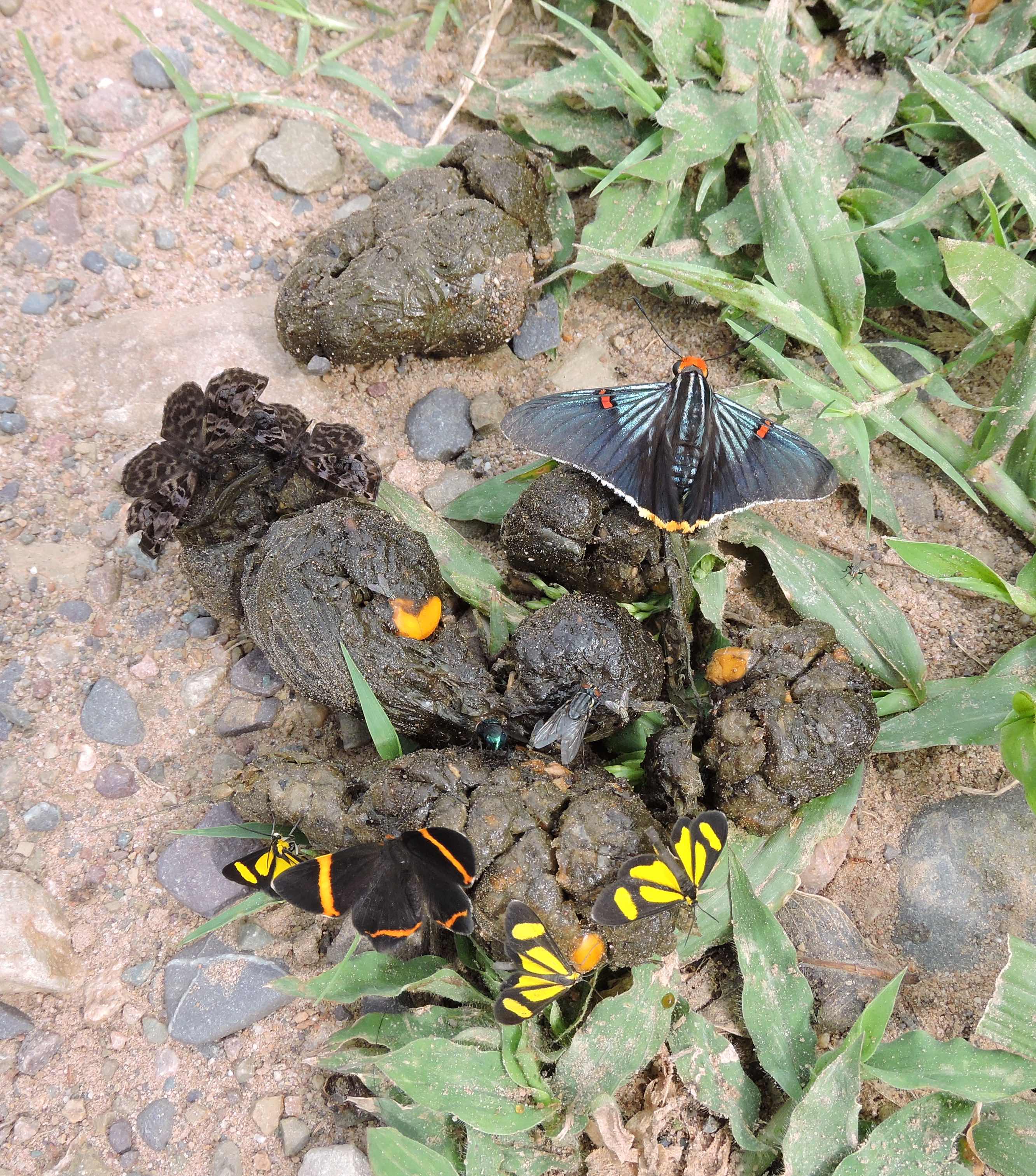
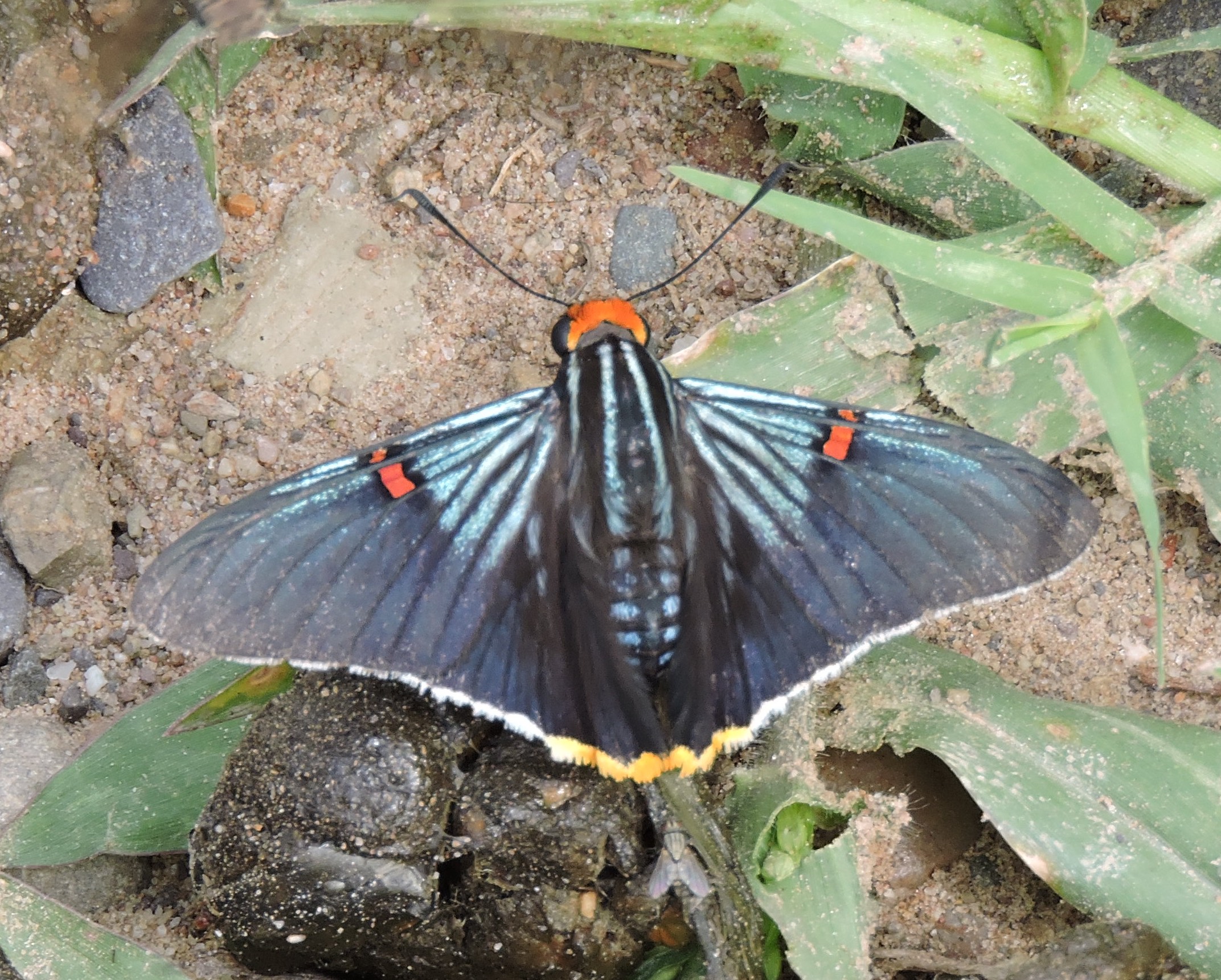
After a few days of rambling along our roads, we thought we had seen most of what was on offer and we were just checking for the odd one that had escaped our attention so far, mainly small ones. Wrong again! After a rainy night, sunshine greeted us the following morning. Clearly the conditions for butterfly (and other insect) activity were optimal and they were out in numbers. Close to the start of our walk we found fresh faeces, probably from a pig (regrets to the fainthearted but this is nature’s “reality show”) that had a mixed population feeding on them. But what really caught our attention was a rather large and hitherto new winged creature, with iridescent blue wings with red markings.

Various insects attracted by faeces. The obvious iridescent blue butterfly/fly called our attention.

Various insects attracted by faeces. The obvious iridescent blue butterfly/fly called our attention.

A close-up of the butterfly/fly.

A close-up of the butterfly/fly.

Although at first sight we mistook it for a butterfly, its direct flight and red bulgy eyes made us suspect that it is probably more related to flies than butterflies. Further investigation on this weird and beautiful creature is on its way and it will be reported.

In the meantime, in the rare moments of calm between more research, blog writing and farm chores, I am reading García Marquez to see if I can find the precise words for the next post as butterflies and moths are still being found!

[1] I regret to inform the readers that I am only able to identify a handful of them as there is no available guide and no Internet access. I will follow up when possible and complete the information later.

Landing Rights

An article by Kamal Paul in the Sunday Times of the 20th of November 2011 describes his experience on board a Comtel Air plane from Amritsar in India to Birmingham. The plane landed in Austria for a stopover. Once on the ground the passengers were informed that, in order to take off again, they needed to pay Euro 23,800 for the fuel and landing tax. He was then requested by a stewardess to collect the money from the fellow 179 passengers so that they could take off again and get to their destination. This account reinforces the authenticity of a story I heard in the early 90s about the fate of a Zambia Airways DC 10 on a flight from Lusaka to London.

Lusaka in the 90’s was a place of lots of socializing and we were frequently invited for lunch on Sundays. The weather was very suitable for outdoor activities so it was a highly enjoyable time.

During these gatherings I heard many stories. One, told by the pilot himself stuck in my mind until today. George, I believe his name was when we met him, was a retired commercial pilot. He started bush flying and gradually built a career until he became a pilot for Zambia Airways. At that time ZA was the flag airline of the country and, I believe, it was Government-owned.

To compete in the international routes with the likes of UTA and British Airways, ZA leased three McDonnell Douglas DC10’s that did the route to New York, London and other European and Asian destinations. George was one of the pilots that flew this aircraft. The flights were successful as they offered good prices, most likely subsidized by the Government. The situation was not sustainable and the inevitable happened: ZA ceased operating in 1995 and several of its planes were impounded at several airports where the company had debts.

George told us about an experience he had during one of the many times he flew to London in the early nineties, just before the company closed down. He was flying a DC10 with its full passenger capacity as was normal on these flights. As is routine, at some prudent distance he established contact with the control tower of the London airport (probably Gatwick at that time, I do not recall). He informed the airport of the coordinates of the flight and eventually requested permission to land.
To his shock, the control tower refused to let him land as the company had a large accumulated landing fees debt. Apparently the management of the company had been warned about the situation and the consequences that they would face if attempting to land there. Although very upset with ZA, there was no time for recrimination as a fast solution was necessary.

He pleaded with the tower and explained that he had a full plane and that, although the fuel would be sufficient to divert to another airport, he did not have the necessary authorization to do so. He waited for a reply with bated breath!

Eventually the control tower asked him if he had a credit card, as they could allow him to land by charging the landing fees to his card. Aware that it would take him months to recover the money, he realized that he had no option but to agree and eventually managed to land as planned.
Luckily for him, he was reimbursed before the company ceased to operate!