Bush stories and anecdotes

The heart of the blog, where I present observations, accounts, funny stories, etc.

What on earth!? (28)

I watched “Scarface”, a movie with Al Pacino and Michelle Pfeiffer (among others) about 40 years back while still in Kenya and, just to confirm that I am getting to the fossil state, we rented a video from a library somewhere in Nairobi.

As I have forgotten the plot I decided to have another go at it as I found it in Netflix. As often happens, after a while, I started remembering it and, somehow, after the first hour, I was loosing interest. I was about to stop it when I was surprised by what I heard! This was not another of the rarther abundant bad words in the movie but some other sound that I found, somehow out of place!

The scene in question takes place in Cochabamba (Bolivia) when Tony Montana (Pacino) is discussing a drug deal with Alejandro Sosa (Paul Shenar) the producer of the cocaine. While they are finalizing the deal, seated in Sosa´s mansion, between a few “f” words, I, somehow, heard the call of a bird with which I am very familiar with.

Nothing wrong with that you may think. However, the bird, as far as I know, only occurs in Africa!

Below I embedded the relevant part of the movie that, luckily, it was already selected by “Popcorn Picks”, a YouTube video channel to who I give credit (I would not know how to extract a piece of a movie).

I regret thatr this is a rather violent moment of the film and, to avoid you watching this, I recommend you to go almost to the end (5:54) in the clip below and then, again around 5:57 just when Sosa tells Tony “I only tell you one time, don´t f… with me Tony”.

Despite other background noises and the music, I believe that I hear the call of the red-chested cuckoo or rain bird (Cuculus solitarius), also known in South Africa as “”Piet-my-vrou”, an onomatopeic name that mimicks it call that you can hear below:

Embedded from YouTube (credit: Birding with Lynette Rudman).

In my surprise, trying to see where this part of the movie was filmed, I consulted https://www.imdb.com where abundant information on “Scarface” is found. I learnt there that the scene in question was filmed at 656 Park Lane, Santa Barbara, California, USA, not an area where you expect to find a rain bird. However, another cuckoo, the yellow-billed cuckoo (Coccyzus americanus), is present there but its call is totally different.

I admit that I can be mistaken but I find this an unusual and interesting find for being totaly unexpected. So, how could we explain it? I see a few options, including that what I heard was just a combination of other bird sounds that, somehow, mimicked the rain bird. Another, more likely, is that one of the aviaries (there are a few in Santa Barbara) or a private individual nearby was keeping a red-chested cuckoo. The final possibility is that the film makers used background sounds from their sound library, irrespective of its origin.

I just consider this as an unusual event that we would probably never unravel but I will appreciate any ideas or information you may have.

What on earth!? (27) – explained

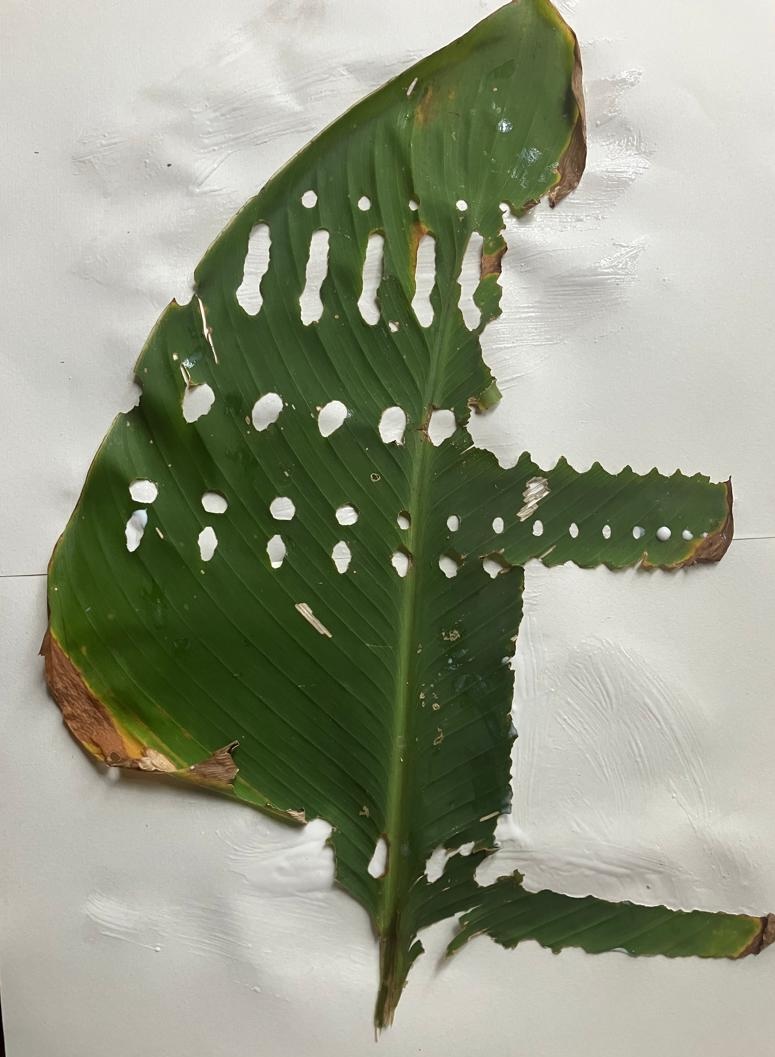
It took a few hours but then the answer for what appeared to be a botanical mistery was finally found. The leaf was chewed by some beast before it opened fully, while it was rolled up and tender!

I promise you that the revelation came to me after a short late summer siesta under the wisteria but I am still embarrassed that I did not think of the explanation earlier!

What on earth!? (27)

While walking through our garden around the house in the small farm we have in Salta, Argentina, avoiding spiderwebs, I entered an area of thicker vegetation that I usually avoid. There there are a number of wild and garden plants. Among these, the Indian shot (Canna indica) is a very common plant in this area and, as many others, its leaves are eaten by a number of insects such as caterpillars, leaf-cutting ants, grasshoppers and others that are rather abundant in this part of the world.

We are used to loose plants to insects and fruits to birds but we take it as “sharing” as we like the birds and we do not use pesticides, except to control mosquitoes.

We have seen many eaten leaves but nothing like what I found today:

As much as I thought how this leaf was eaten in such a pattern, I have failed and I am embarrassed to admit that a caterpillar with the hicups is the only one that makes sense to me at the moment!

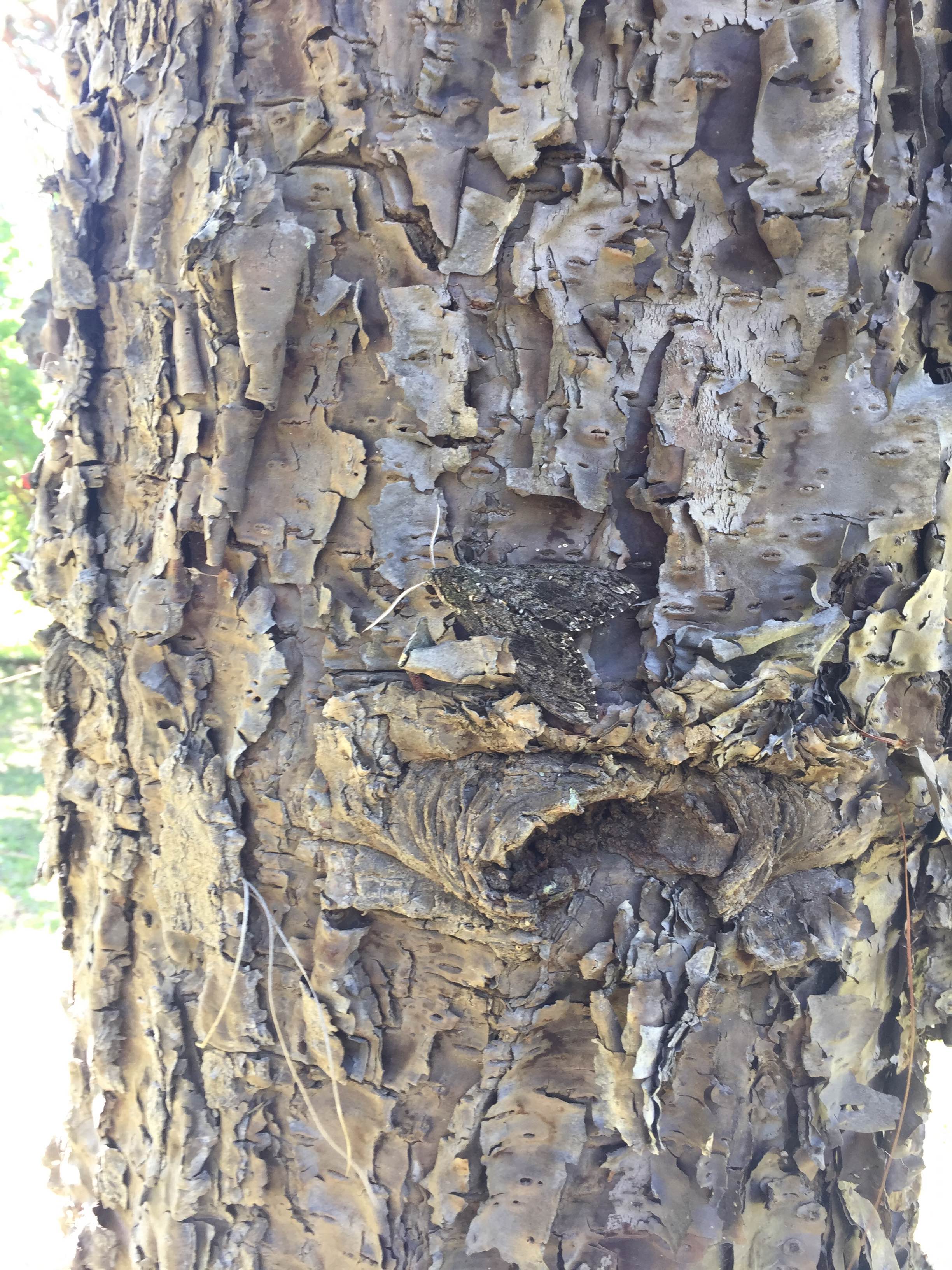
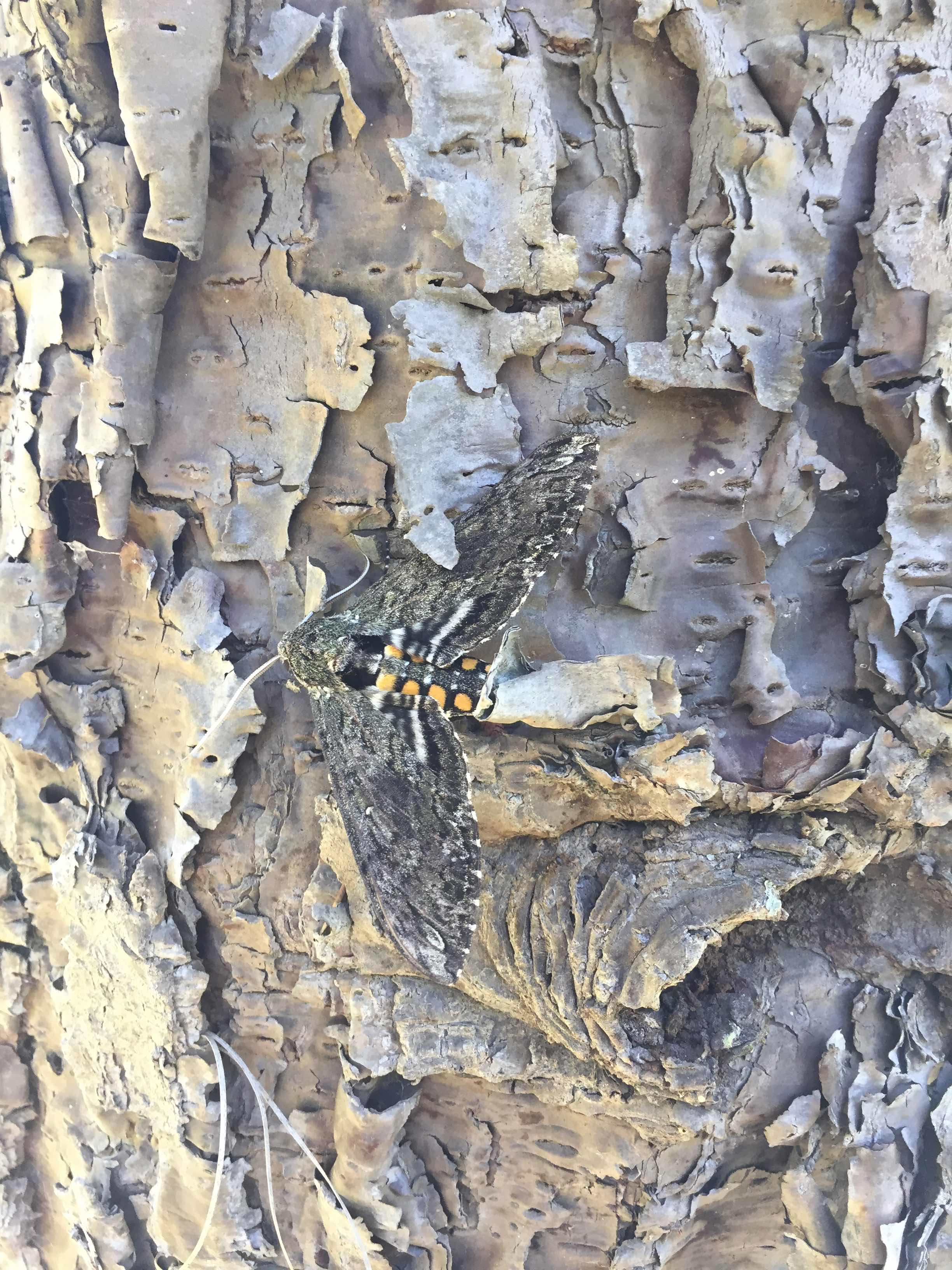
Spot the beast 84

I have not published a “Spot” for a while. I found this one that I found in our farm in Salta, Argentina a while ago and that went “unspotted” until today! Can you see it?

?
?
?
?
?
?
?
?
?
?
?
?
If its antennae did not give it away, the colour of the inner part of the wings will now!

What on earth!? (26)

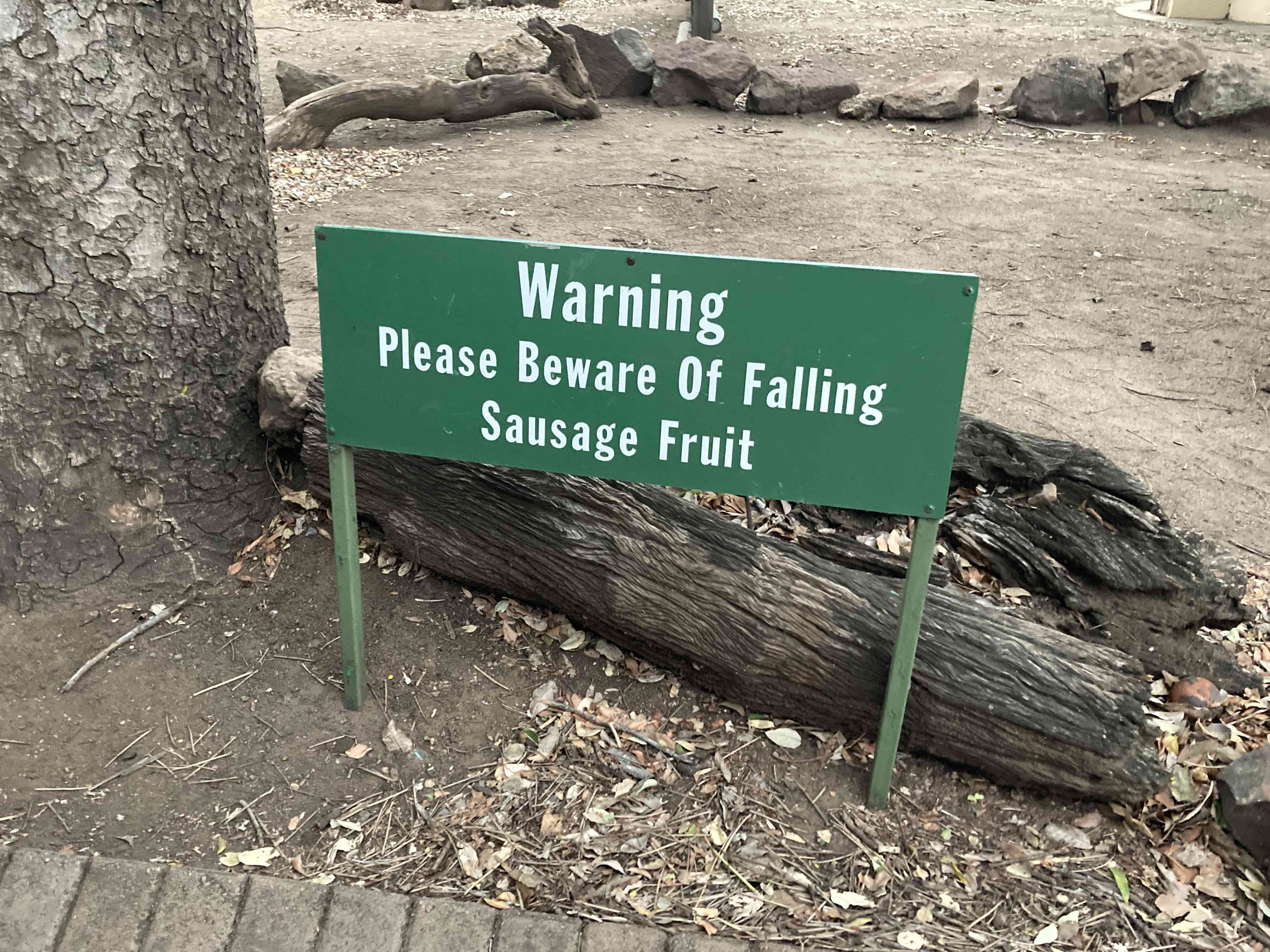
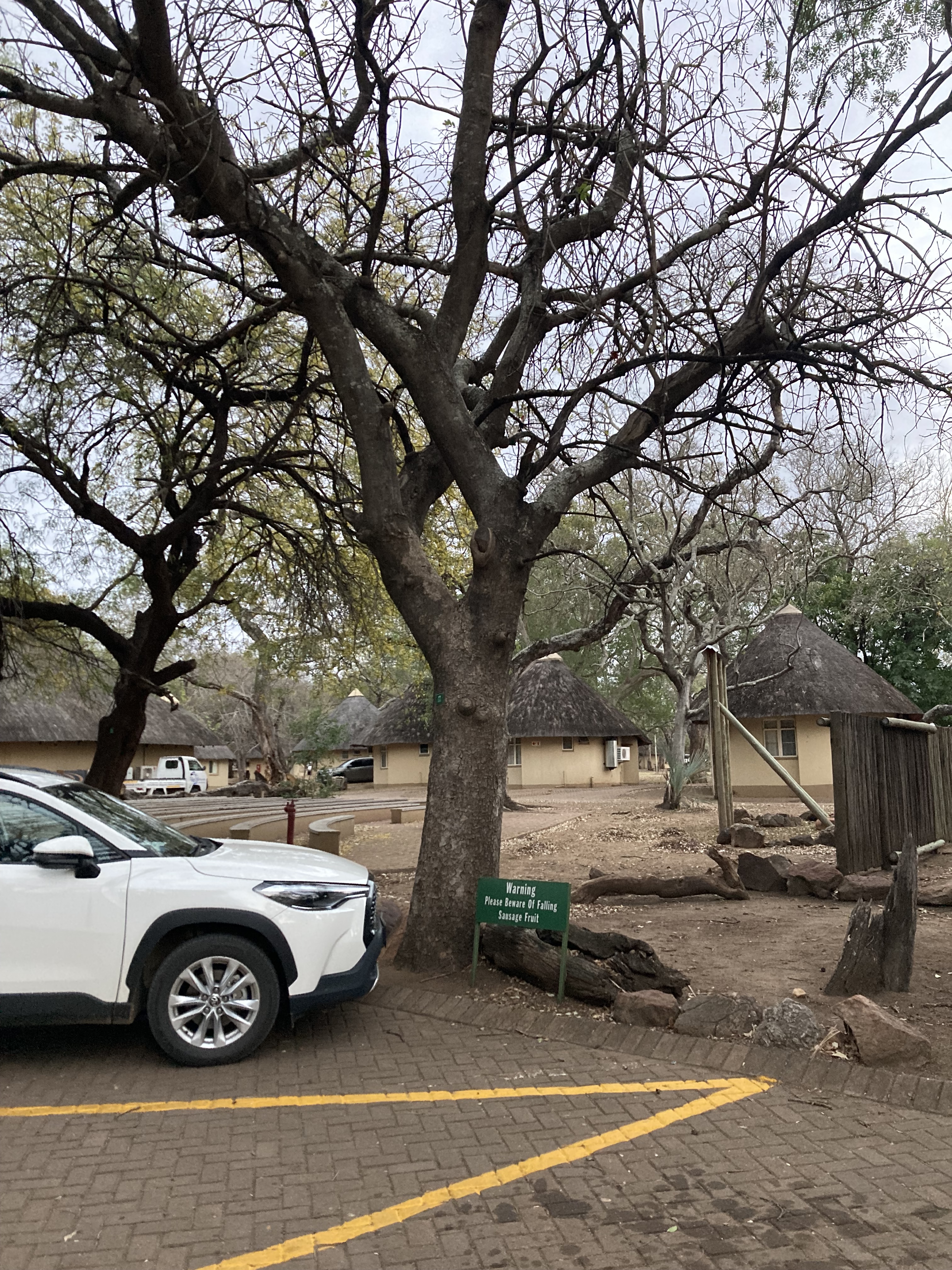
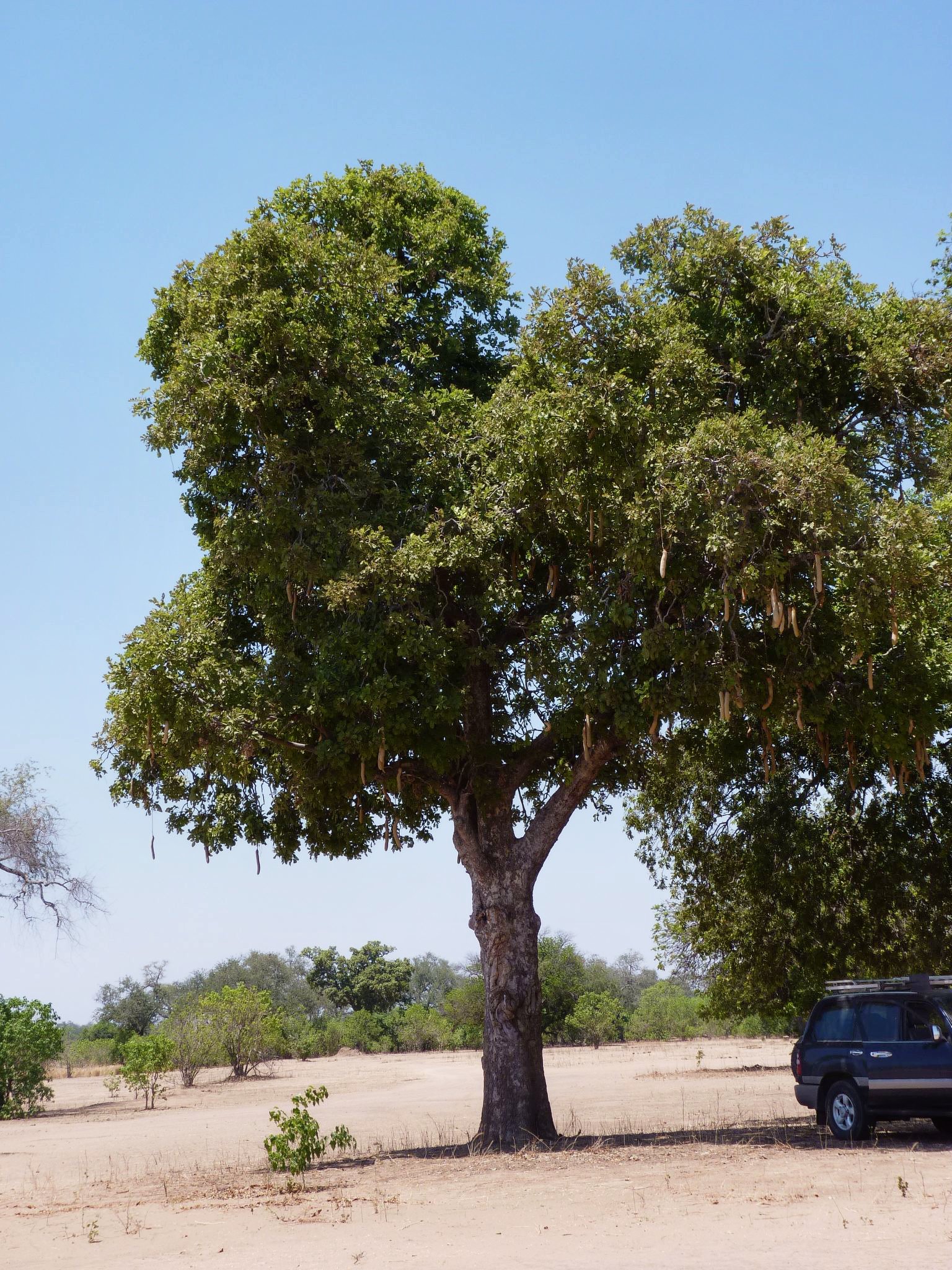
We spotted this sign at Skukuza Camp in the Kruger National Park. One would have thought that, if there was a tree that gives sausages, instead of such a sign there would be one promoting the sale of fried ones or at least a fridge to collect them for later!

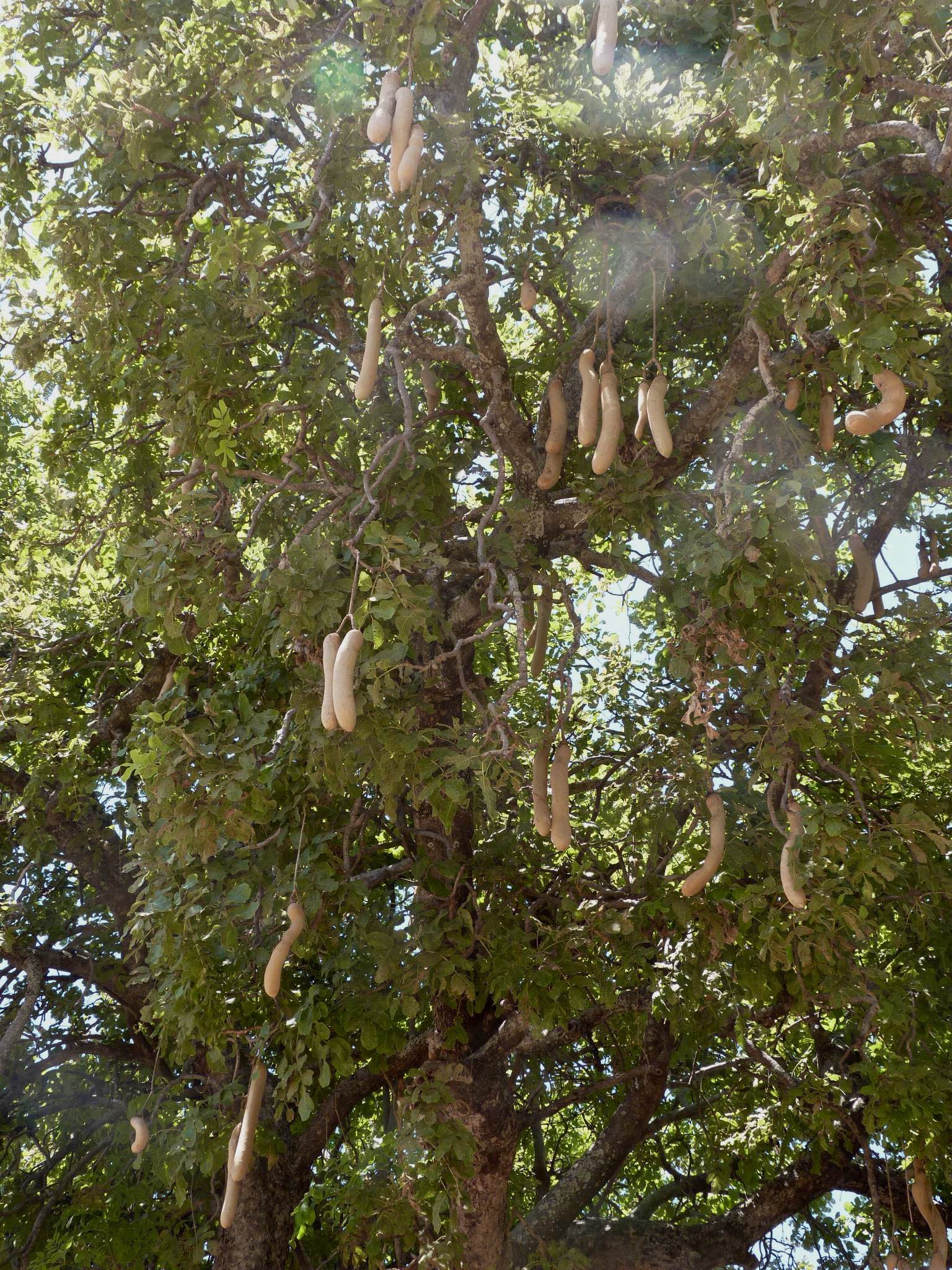
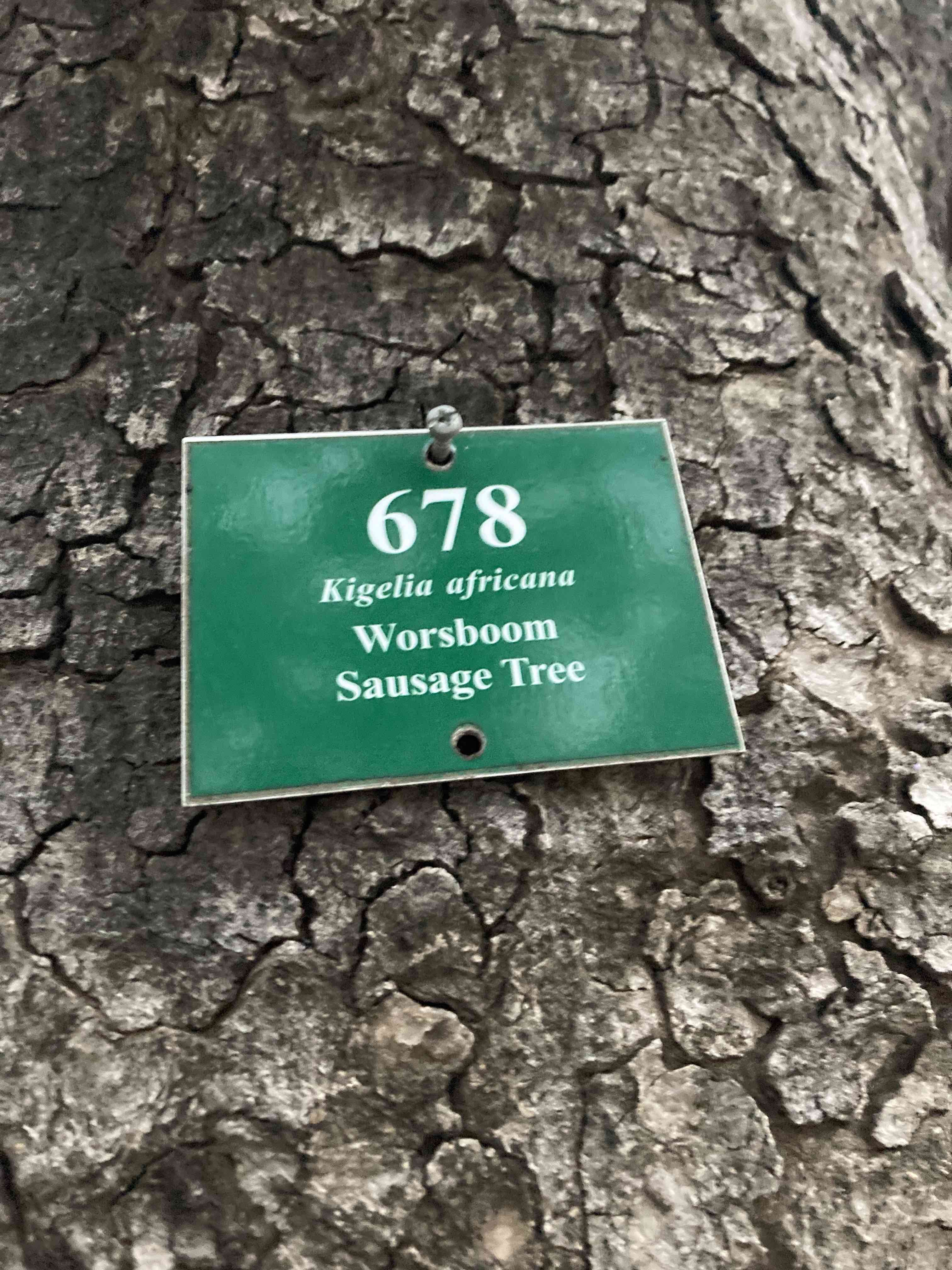
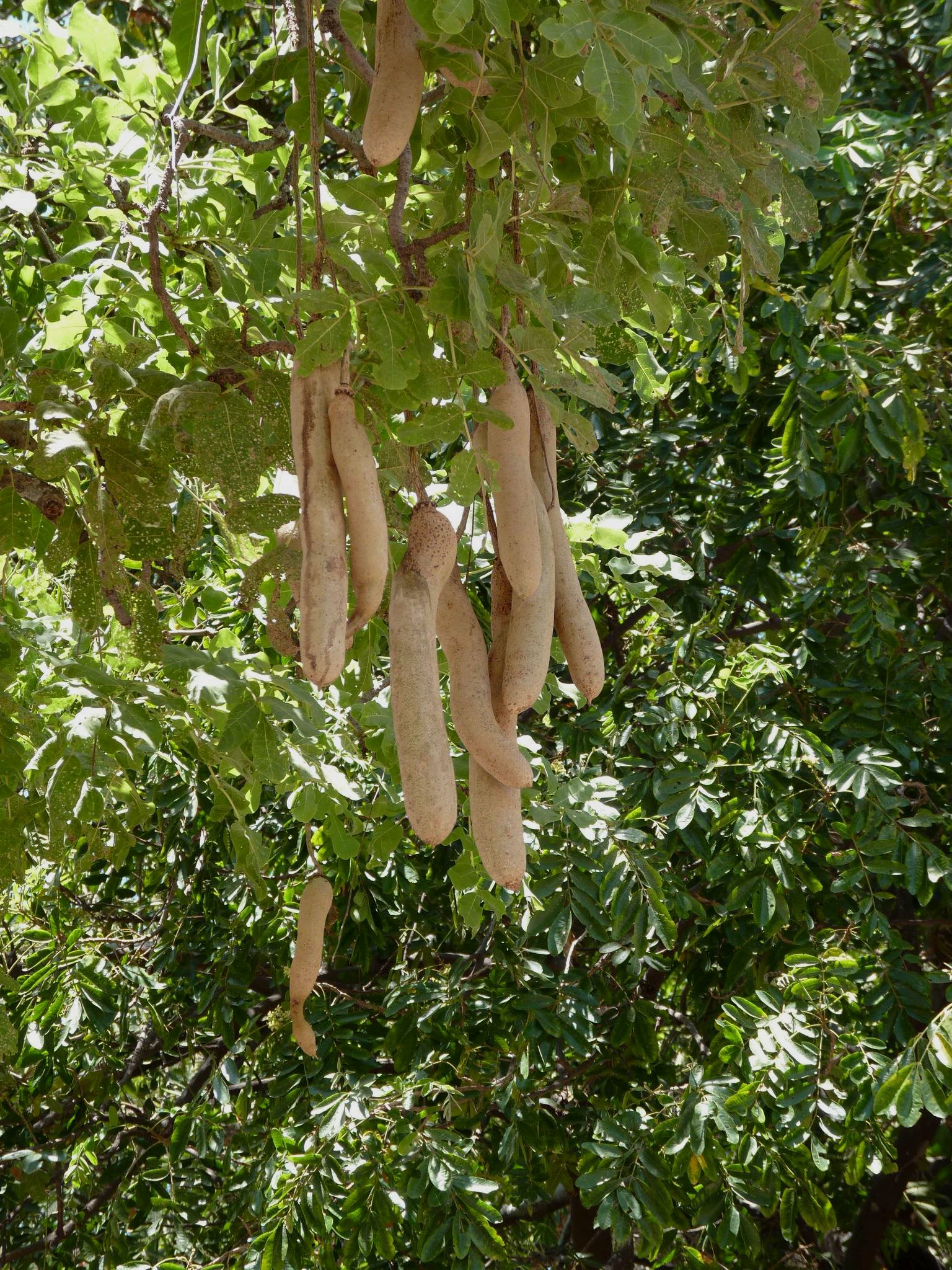
But these are the fruits of the aptly named sausage tree (Kigelia africana), solid fruits that could weigh over 10 kg although more often less than that but that, if they fall on your head, they could give you a headache, perhaps worse than if they fall on the bonnet of your car!

The sausages that fall are consumed by a variety of animals, including humans that use them for flavouring “pombe” the local beer in Kenya.

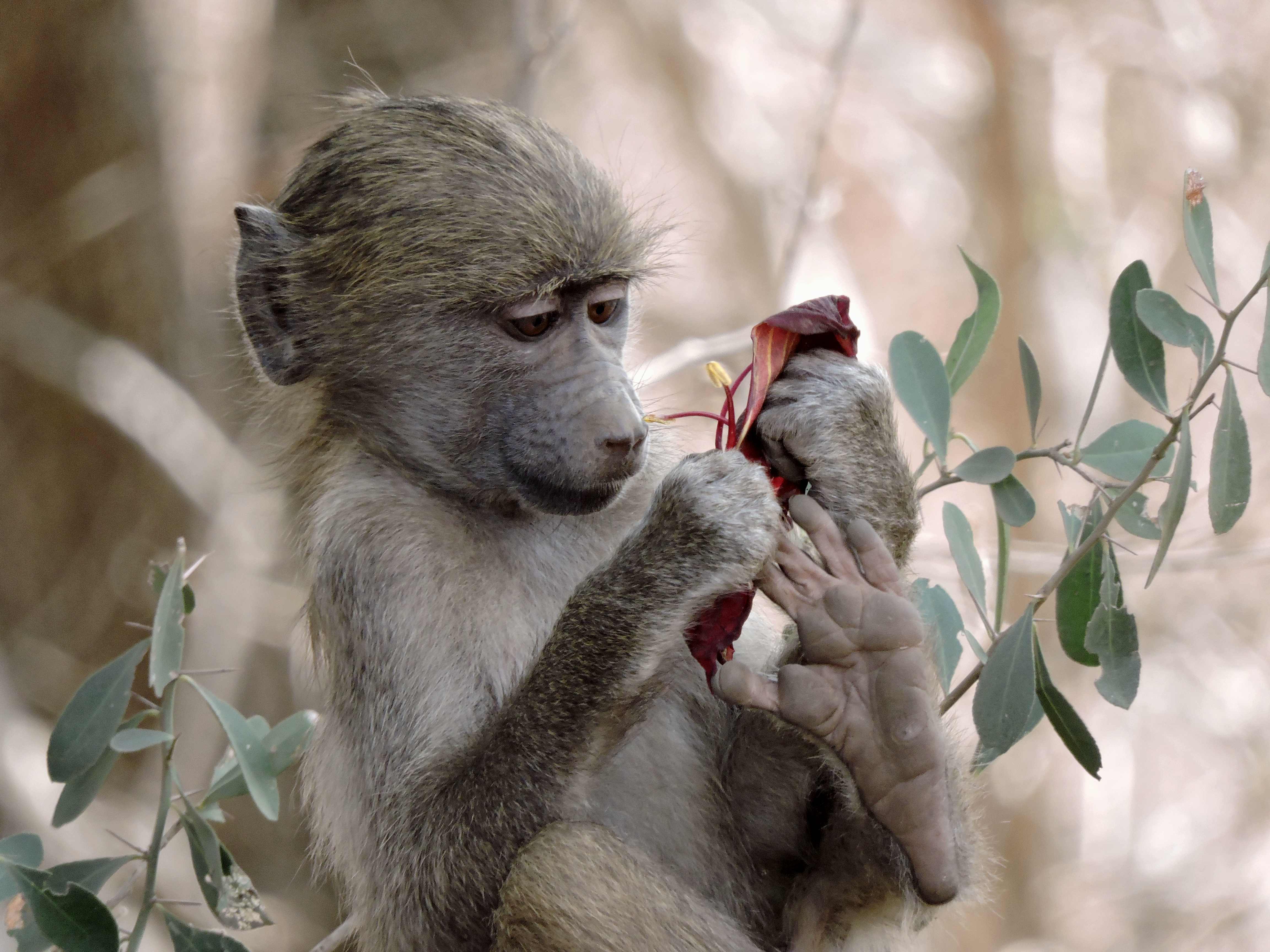
Before that, it produces beautiful scarlet flowers that are not only decorative but also animal food. This young baboon is picking the best sweet bits!

Leucistic dove?

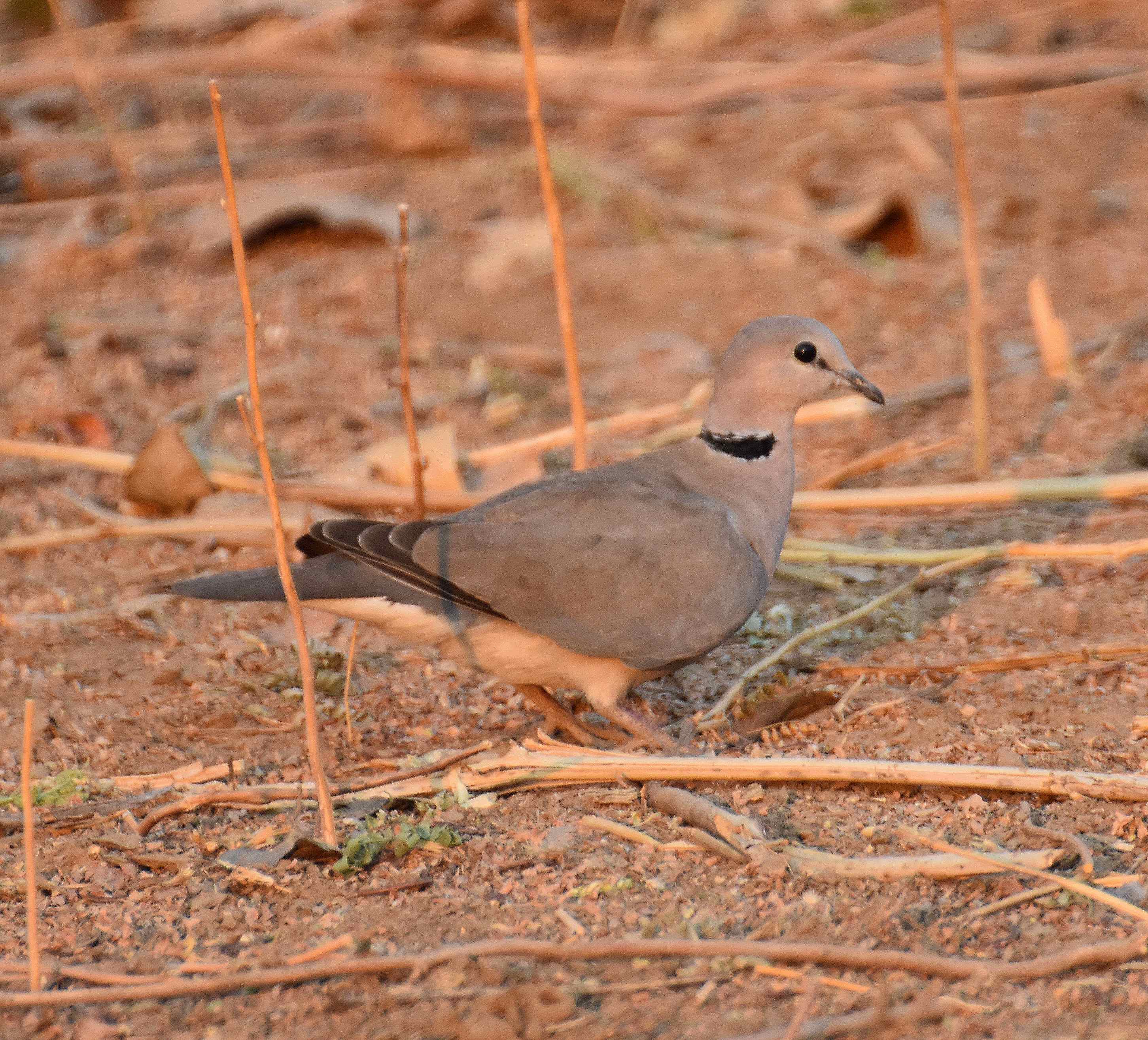
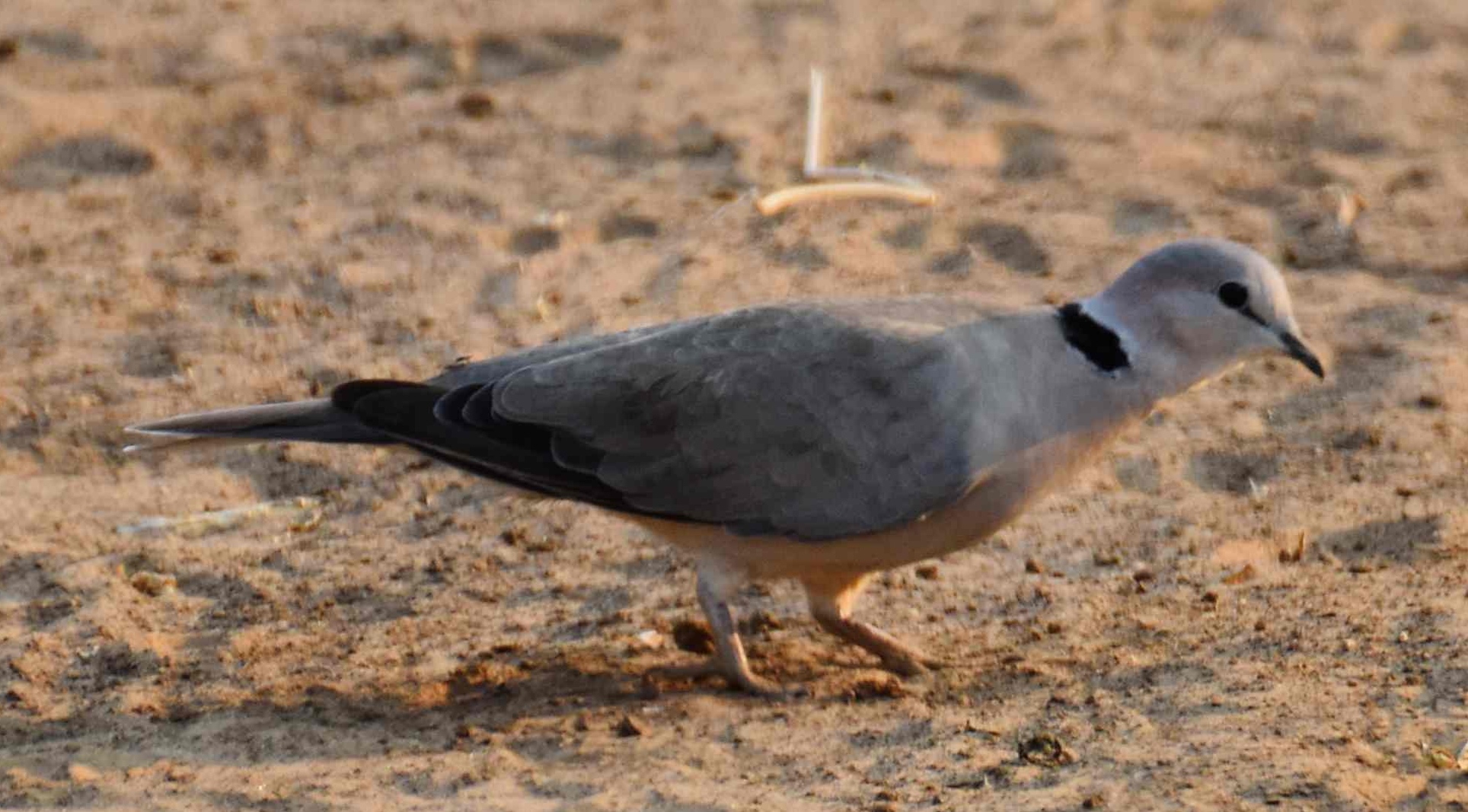
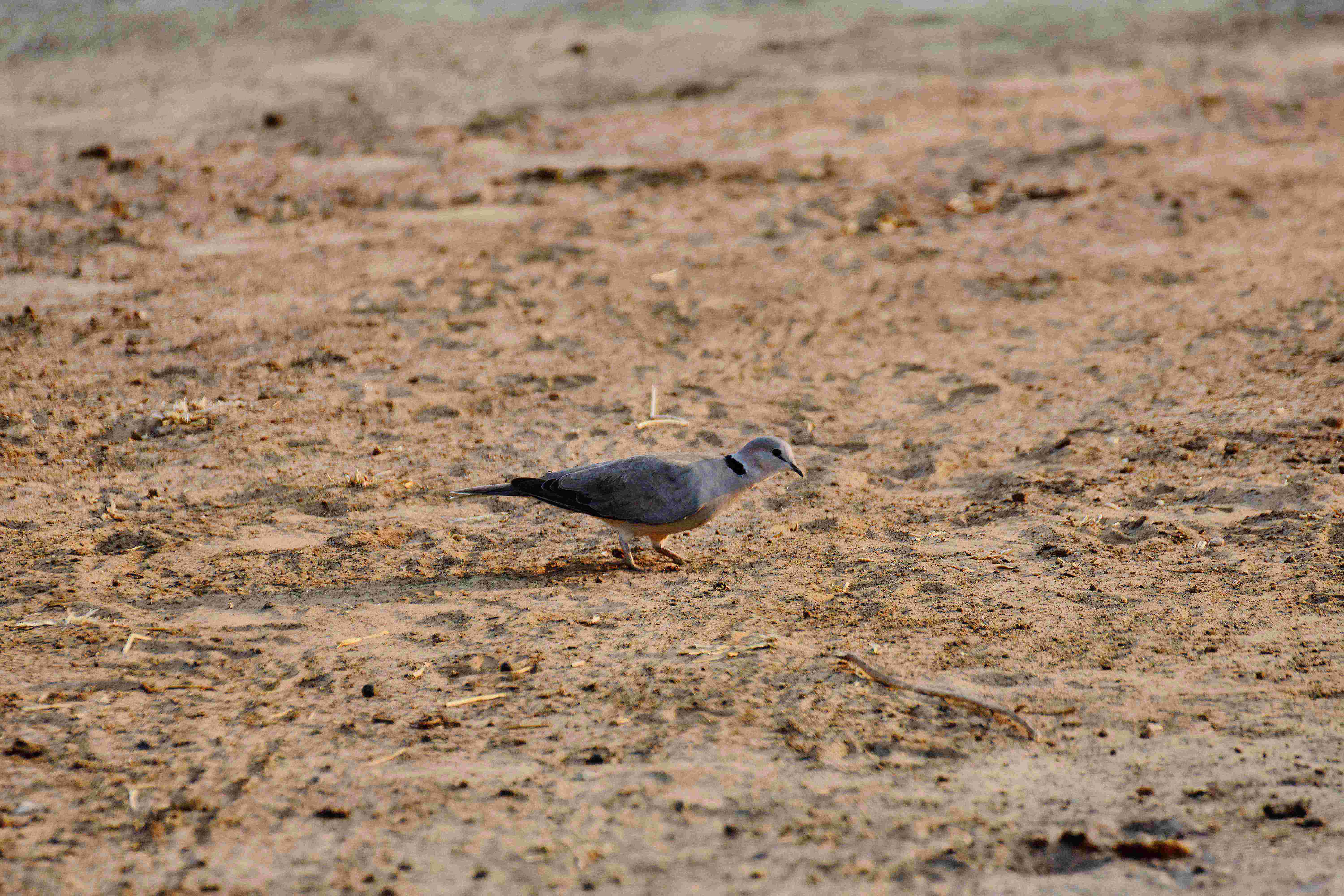
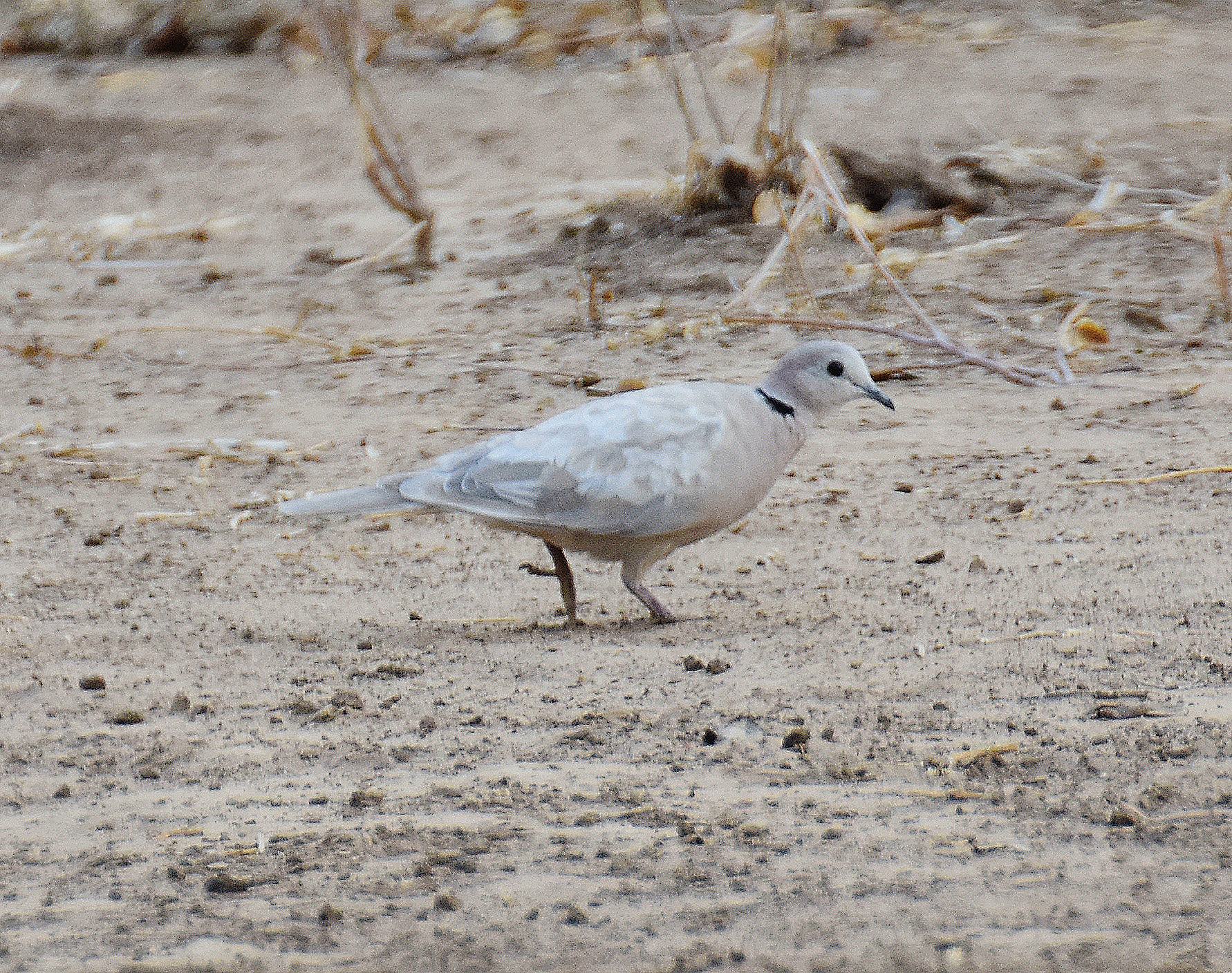
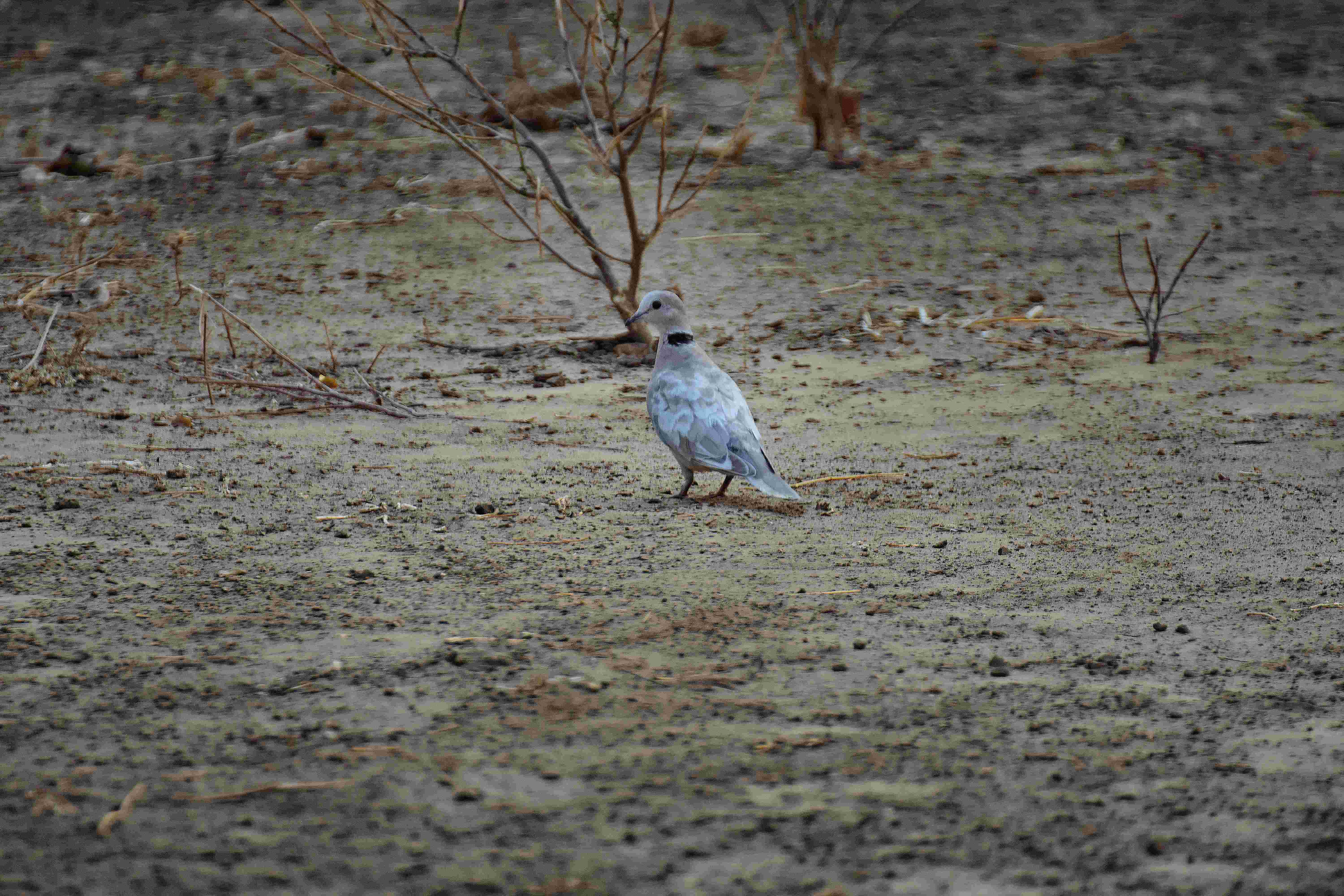
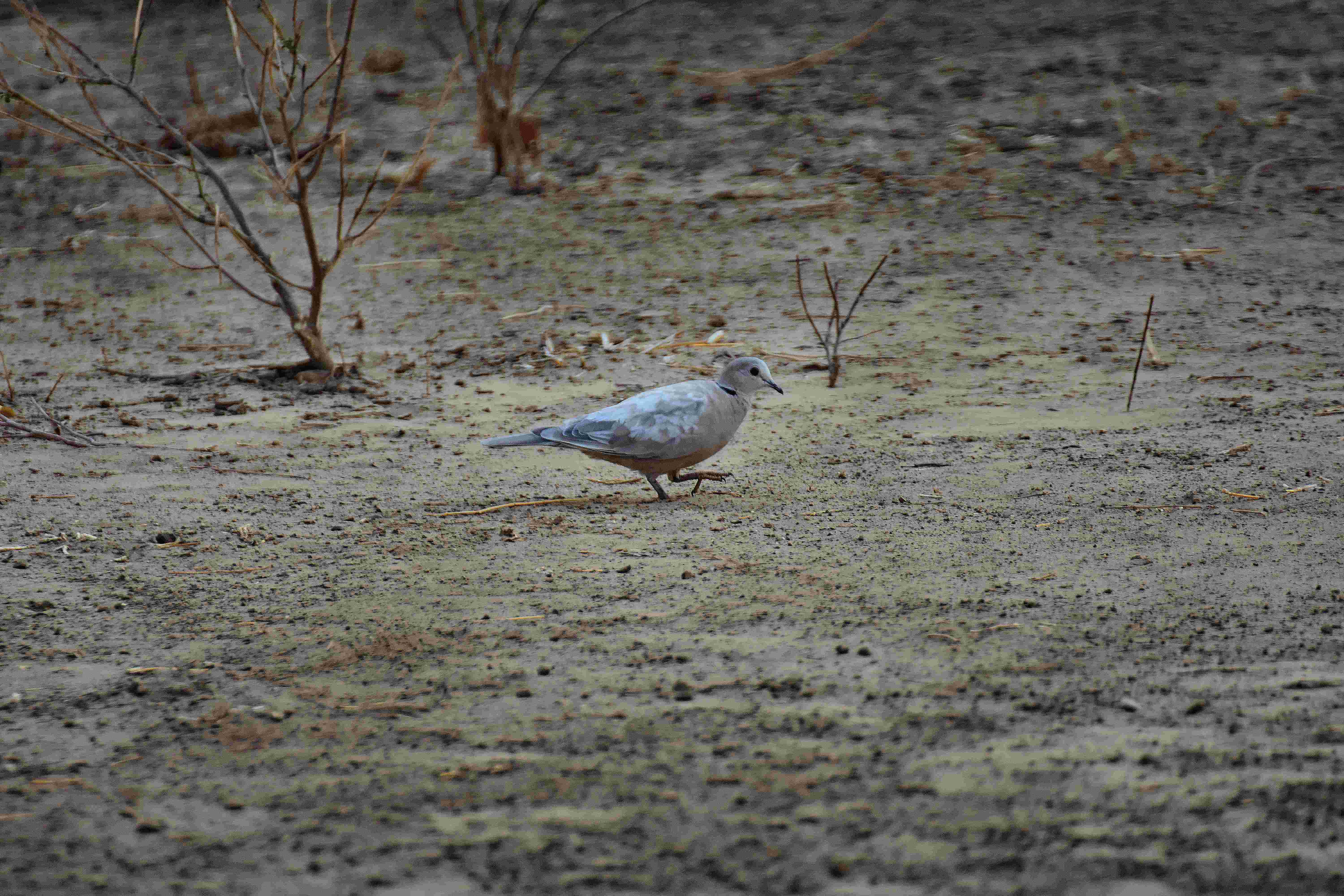
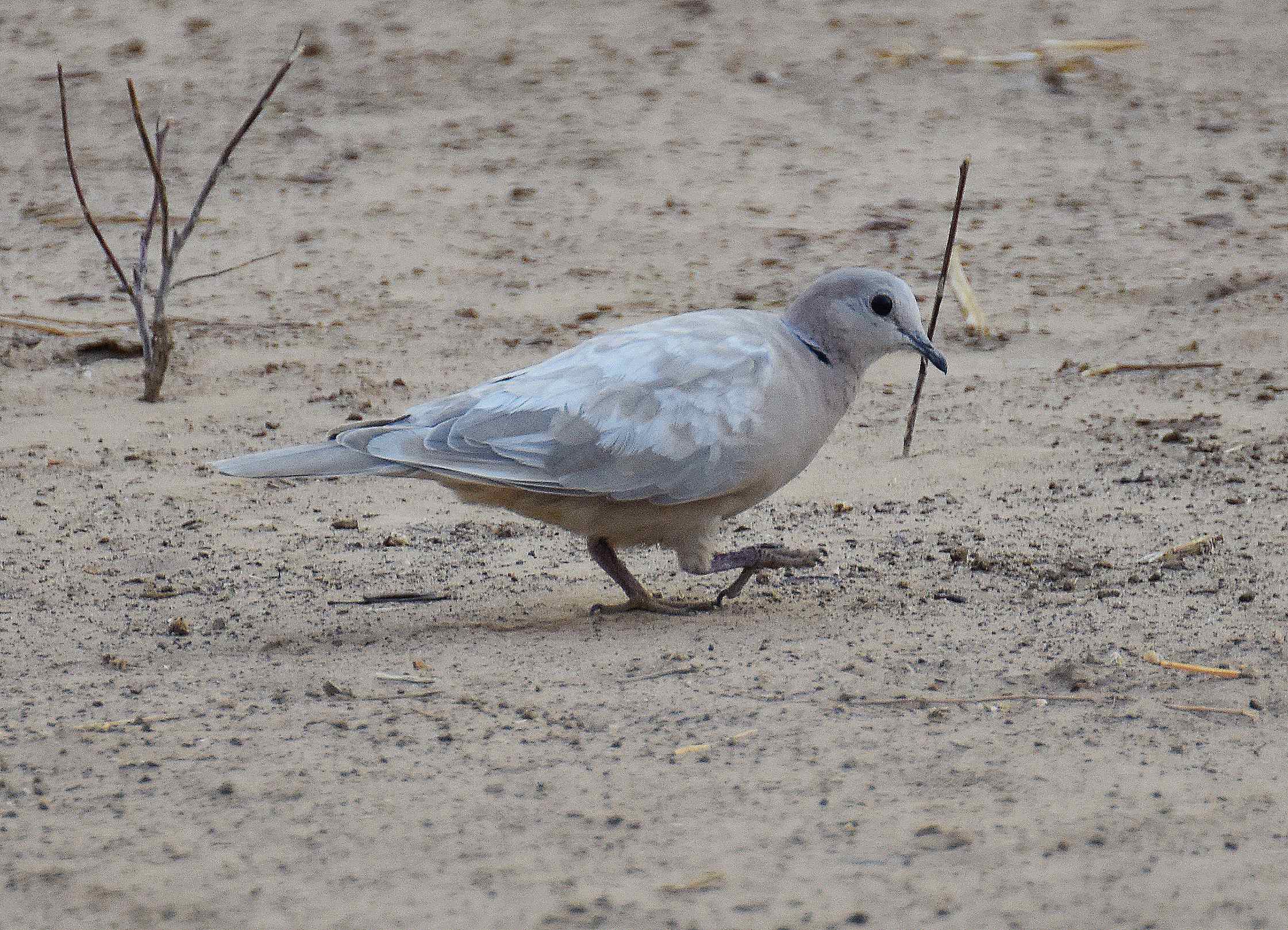
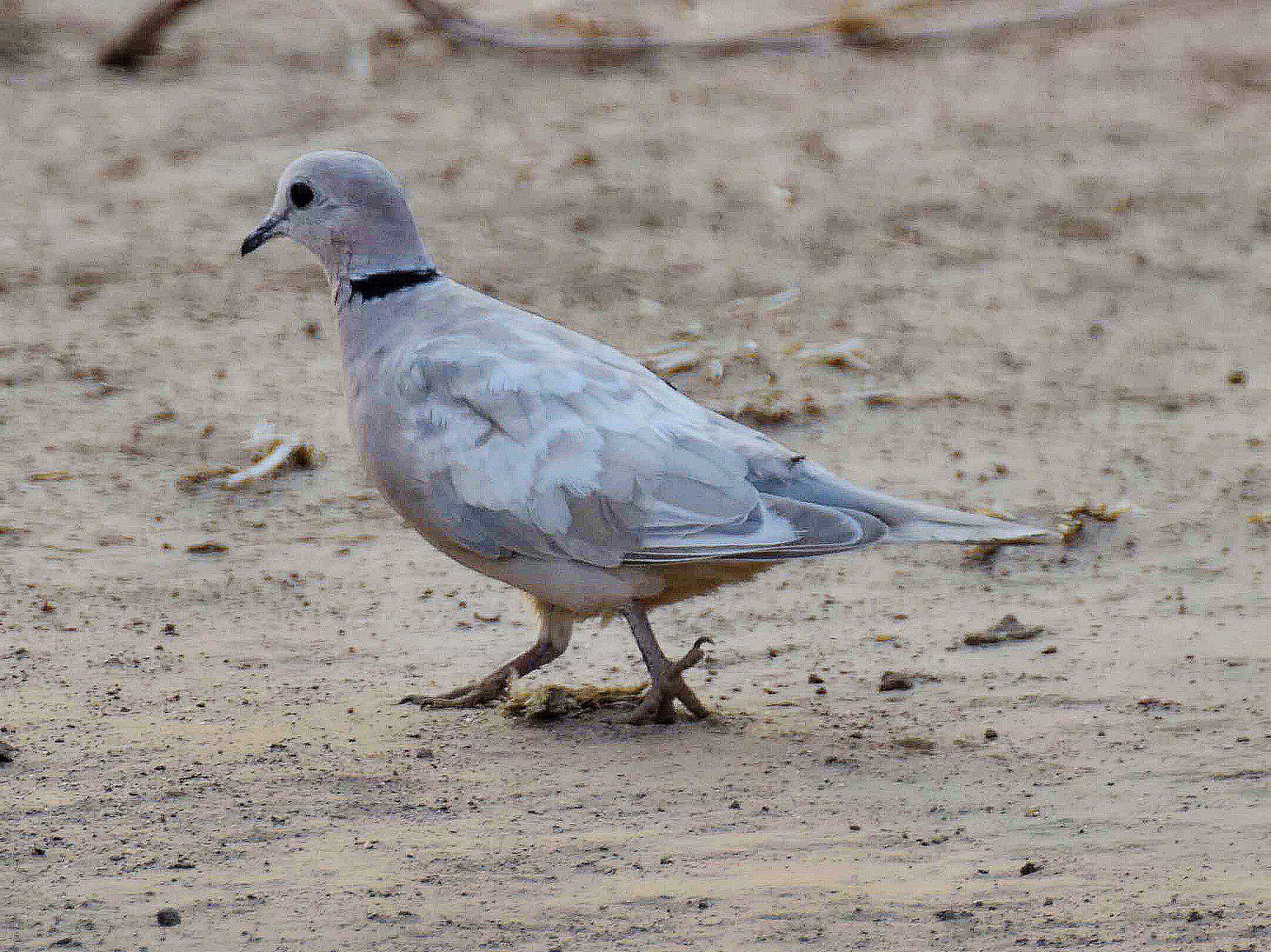
Several species of doves occur in Mana Pools National Park in Zimbabwe. Some of them such as the Ring-necked Dove (Streptopelia capicola) is frequently ignored because of its abundance.

During one of our visits to the park in September 2018, among a flock of these doves we spotted one that did not quite match the expected bird, so we looked at it more carefully.

From a distance, its plumage appeared paler that its companions and it looked “washed” in certain areas of its body.

We had seen leucism before (See: https://bushsnob.com/2017/01/05/odd-bird/) and I have described the phenomenon as follows: “Animal coloration can deviate from the standard, from complete melanism to albinism. Leucism (leukism) is one of the intermediate forms defined as a phenotype resulting from blemishes in pigment cell differentiation during development with the consequence that the entire animal or patches of its body being white as they lack the cells capable of making pigment”.

I believe that what we observed this time is a case of “dilution”, a condition where the plumage colour often appears ‘washed out’ (i.e. ‘diluted’). In dilution, melanin cells are present (unlike in leucistic birds) but produce less pigment than normal. Clearly, humans need to classify everything!

What on earth?! (25)

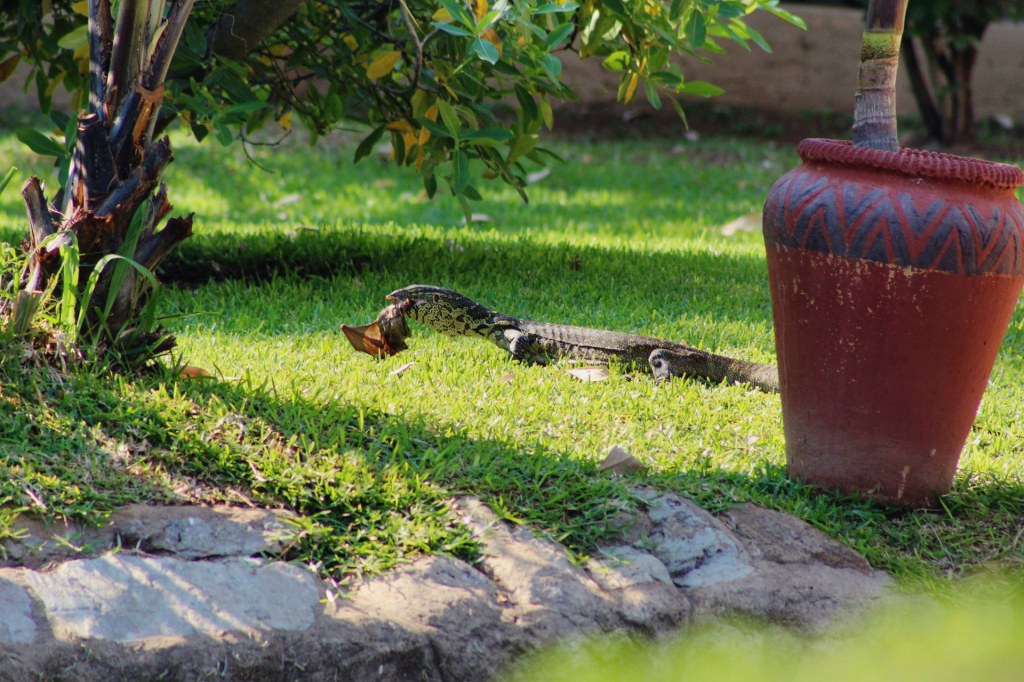
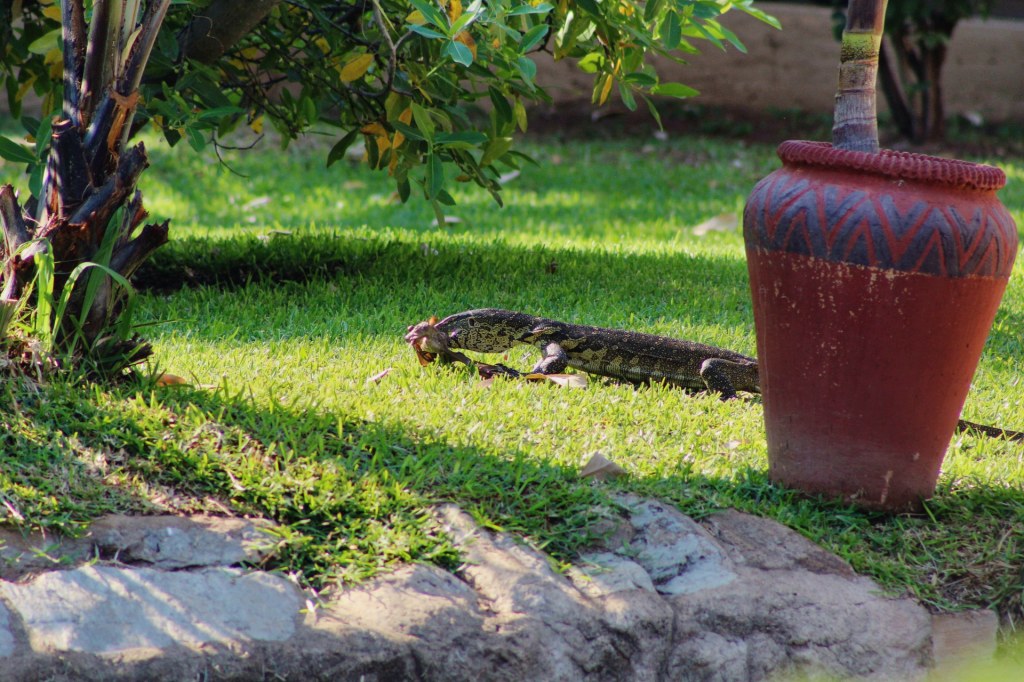
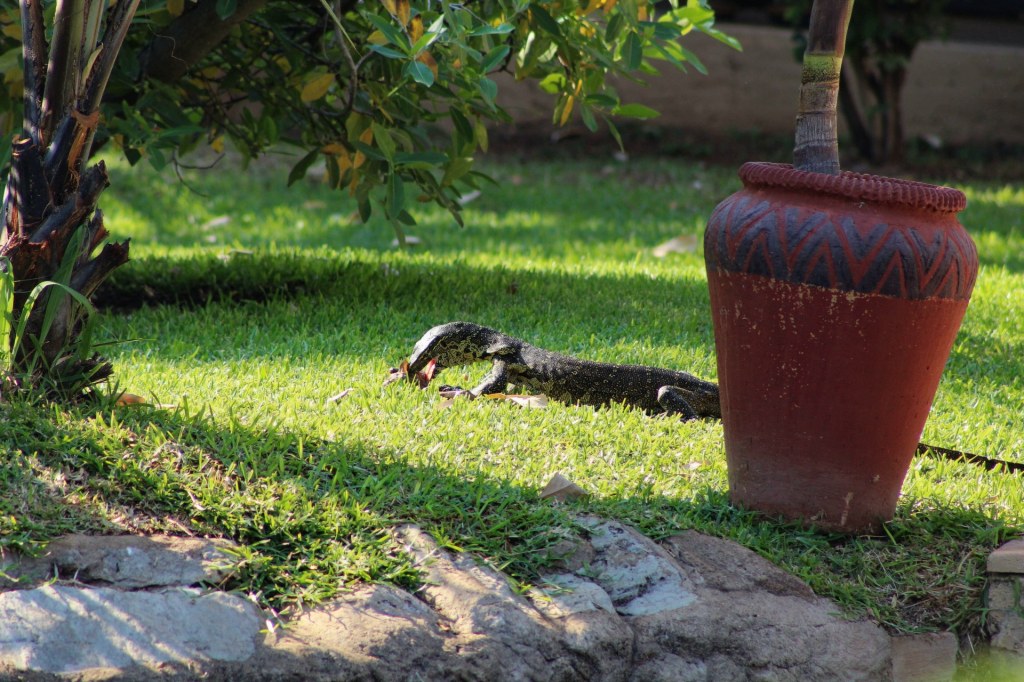
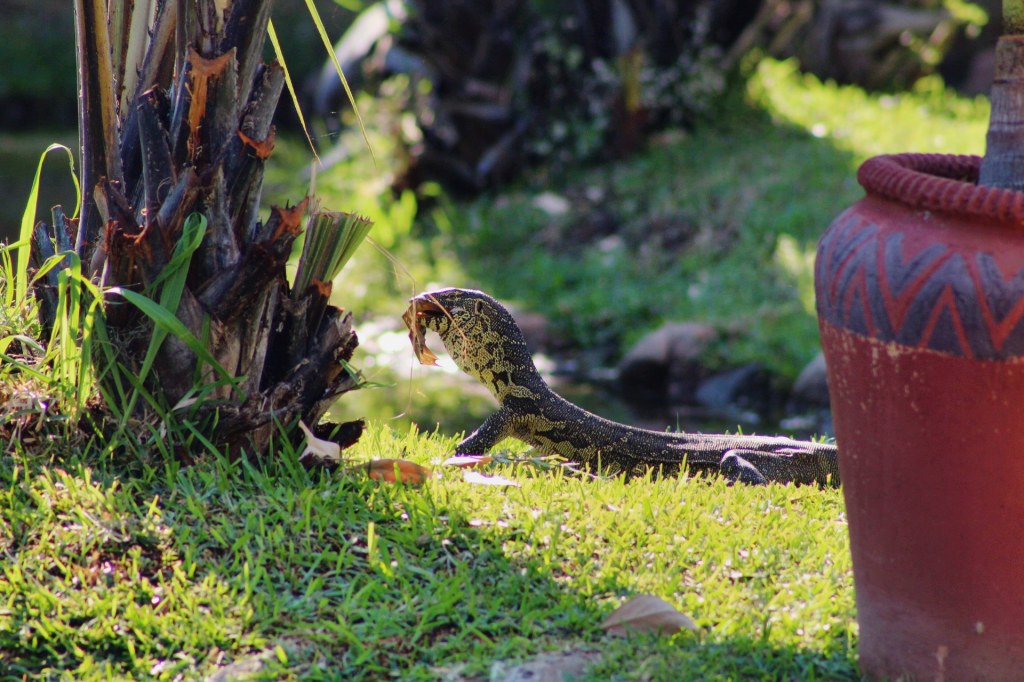
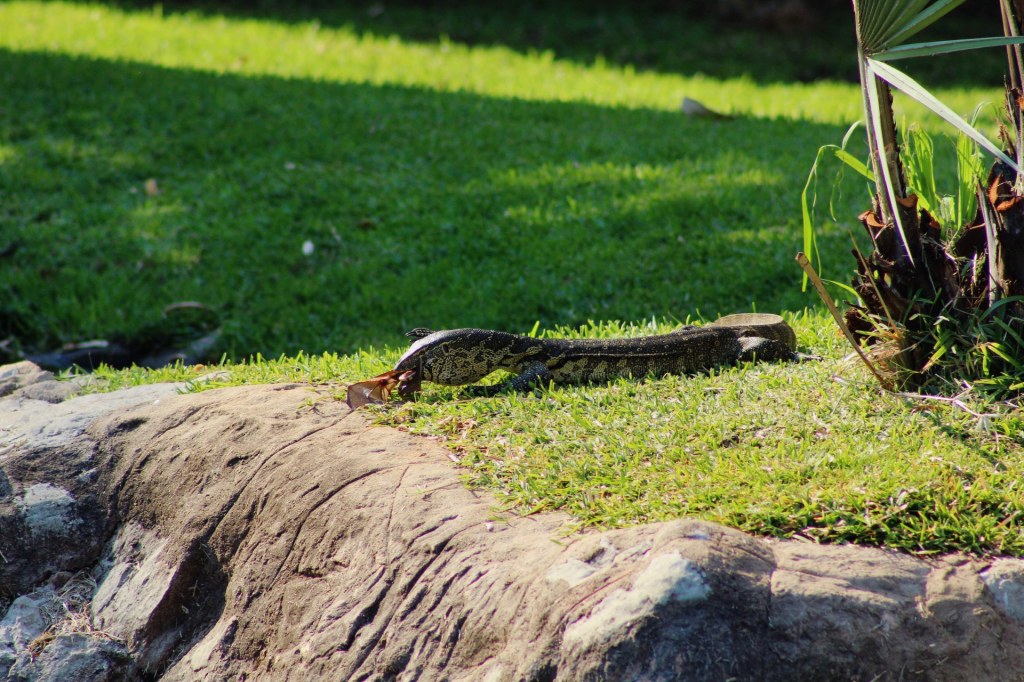
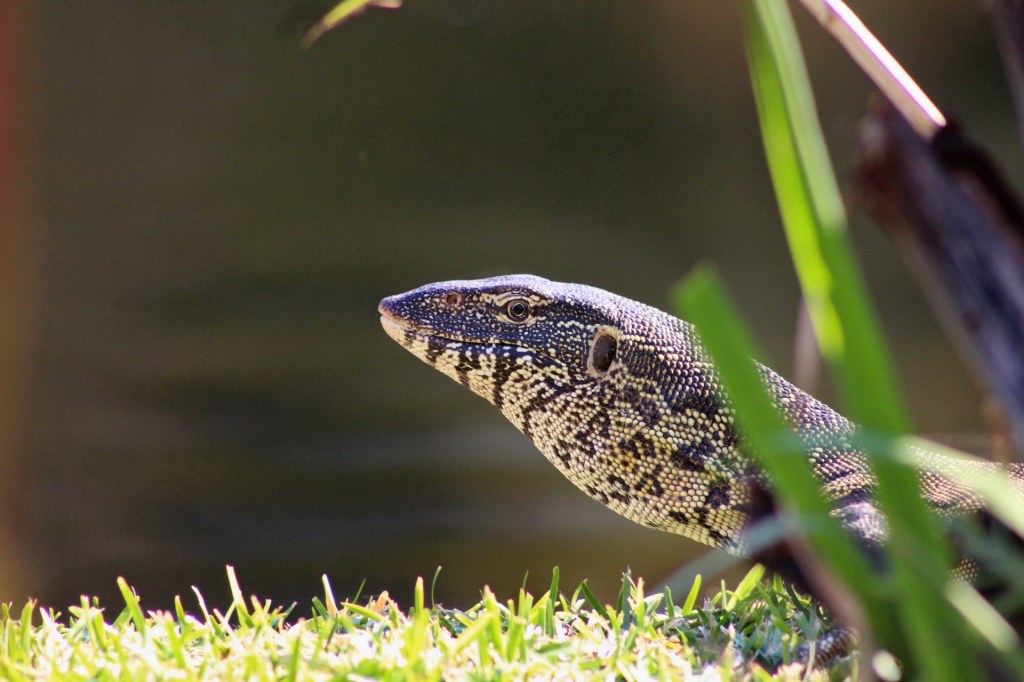
In September 2019, while walking through the grounds of the now defunct Kingdom hotel at Victoria Falls in Zimbabwe, we observed a monitor lizard eating what looked like a fruit-eating bat.

Unfortunately, we did not see if the bat was caught while alive or the monitor was feeding on a dead bat found on the ground of the hotel. The monitor consumed the entire bat.

A Google search indicated that this is not an unusual event and that both snakes and lizards are known to predate on bats all over the world.

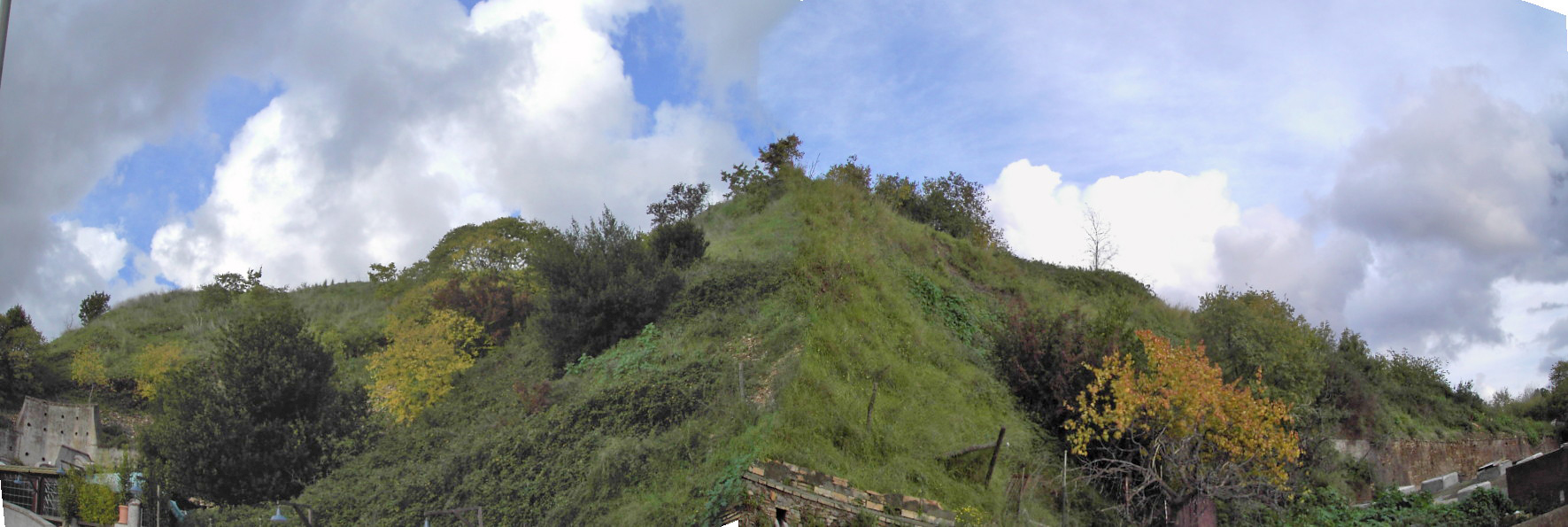
The Testaccio hill in Rome

Testaccio hill. Picture credit: Public Domain, File:Testaccio monte dei cocci 051204-12-13.JPG. Lalupa assumed (based on copyright claims).

Rome is known for countless features, both human made and natural. Among the latter there are the famous Seven Hills namely Aventine, Caelian, Capitoline, Esquiline, Palatine, Quirinal and Viminal, in alphabetical order.

Although there are others such as the Vatican, Pincian, Janiculan and the Sacred Mount, these are not counted among the traditional Seven Hills, being outside the boundaries of ancient Rome.

There is even a man-made hill, the object of this post: the Testaccio.

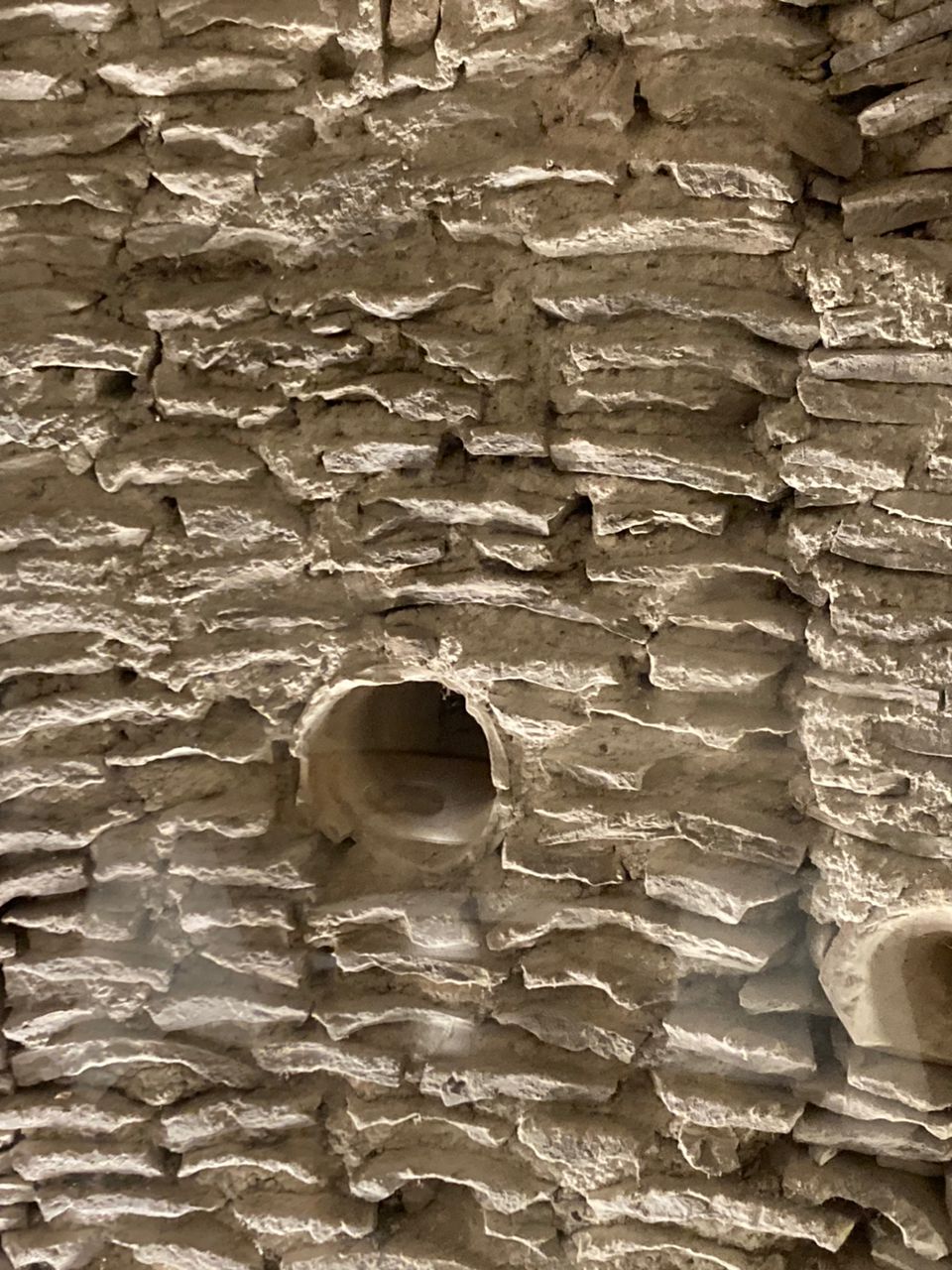
This peculiar hill is made almost totally of fragments of ancient Roman pottery, nearly all discarded amphorae dating from the time of the Roman Empire. It covers an area of two hectares at its base (one kilometre circumference and 35 metres high). It was built with an estimated 53 million amphorae, and it is located a short distance away from the east bank of the River Tiber.

The amphorae used were mainly of one kind that carried 70 litres of olive oil, and it is estimated that they had contained 6 billion litres! The olive oil that the amphorae carried came from several places, mainly the Guadalquivir region of modern Spain, Tripolitania (Libya) and Byzacena (Tunisia).

The hill is not the product of haphazardly discarding broken amphorae, but it was purposedly designed as a series of terraces supported by the less damaged amphorae and filled with sherds for stability. The amphorae were probably difficult to recycle or reuse after a while as the oil would have permeated them rendering them useless.

During the Roman Empire Testaccio was an important trade centre where workers building the slaughterhouses in the area settled. Today, the area is known for its good food, and it is one of the places we frequent when in Rome we feel like a good meal.

But it was not the food nor the hill´s architecture that roused our curiosity. Not even the fact that, in 1849, a gun battery was placed there by Garibaldi to defend Rome against the French! It was the surprise we got while walking towards a restaurant on a hot evening when a very cold air stream hit our legs.

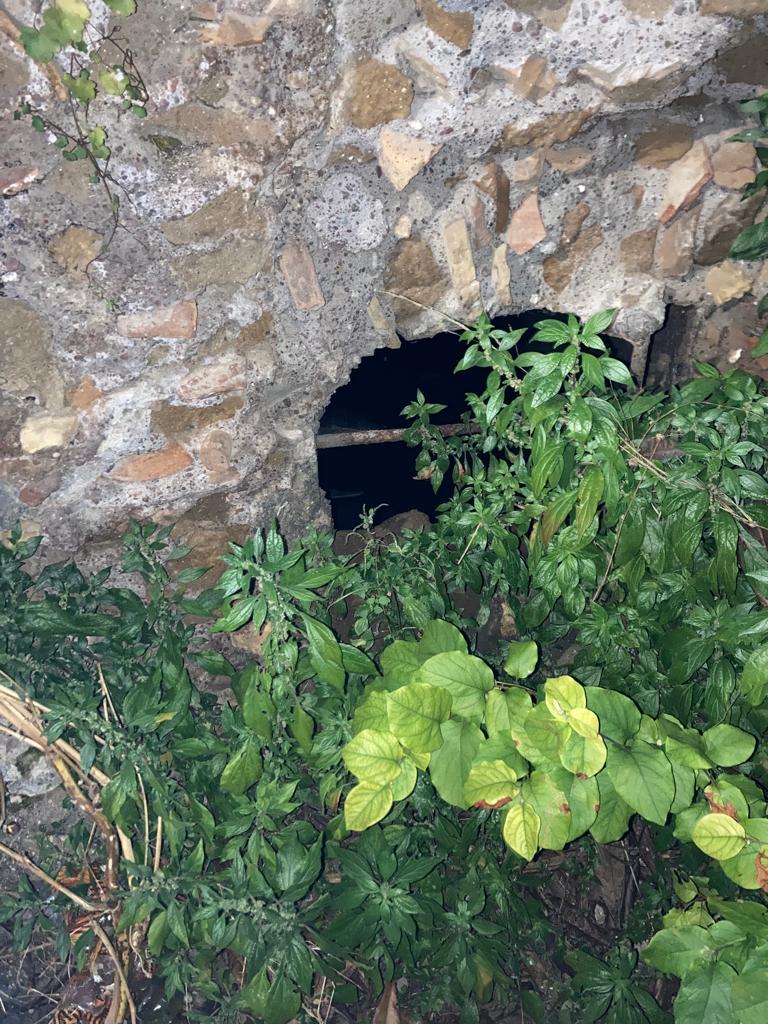
We stopped and looked around to identify the air conditioner, doubting that there would be one which there was not, of course. Instead, with the light of our cell phones we found a hole in the earth from where the cold stream of air came from.

We debated how that could be and thought that there may have been a cold underground water current such as the ones I described earlier that cooled the air (See: https://bushsnob.com/2017/07/16/the-nasoni-of-rome-1/).

The doubt persisted for a whole year until we returned to Testaccio for another meal, this time earlier. Showing the discovery to a friend, we met a kind gentleman staying at the bottom of the hill that offered us to climb it, an offer that we agreed to take up at another time. When we asked him about the cold air blowing from that hole, he invited us to enter a courtyard nearby and there was also a door through which more cold air was blowing and then a window and other places as well.

Then the truth of the situation was revealed and some of its use and probably economic relevance became clear. The hill´s innards were “discovered” to have strong cooling attributes that are believed to be caused by the ventilation produced by its porous structure. This made it ideal for storing wine during the heat of the Roman summer, and caves were excavated for that purpose.

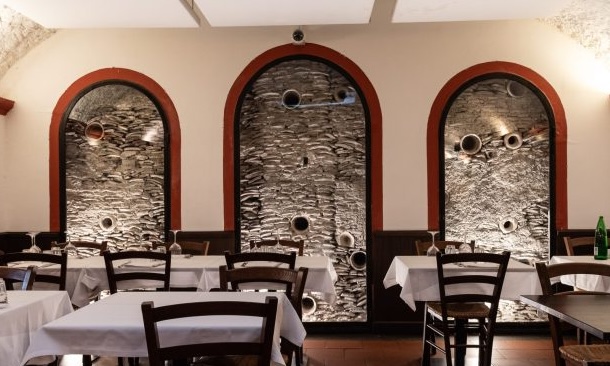
Some restaurants have windows that show the hill structure and probably also serve as coolers for both patrons and probably the wine stored there as well.

What on earth?! (24)

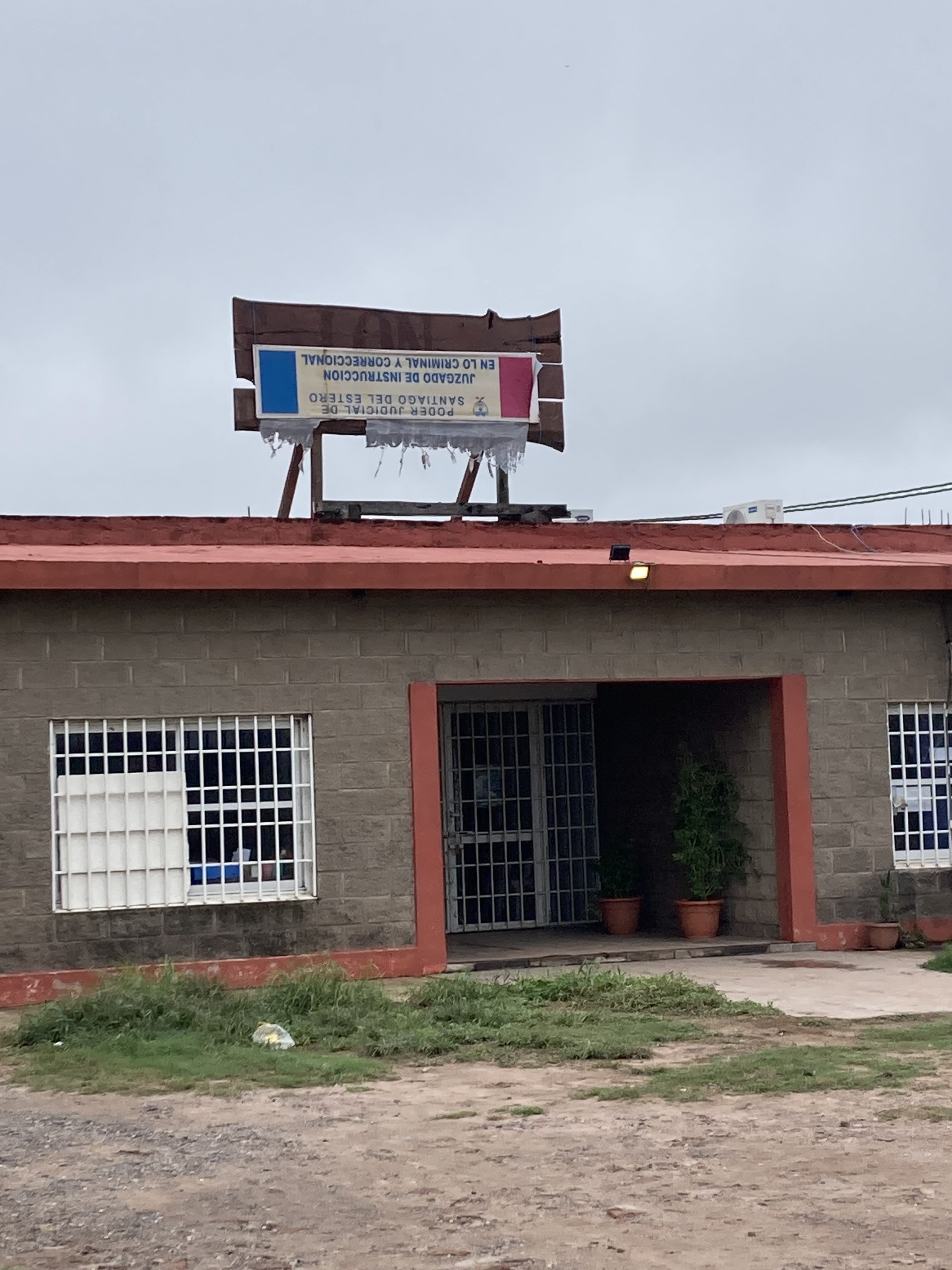
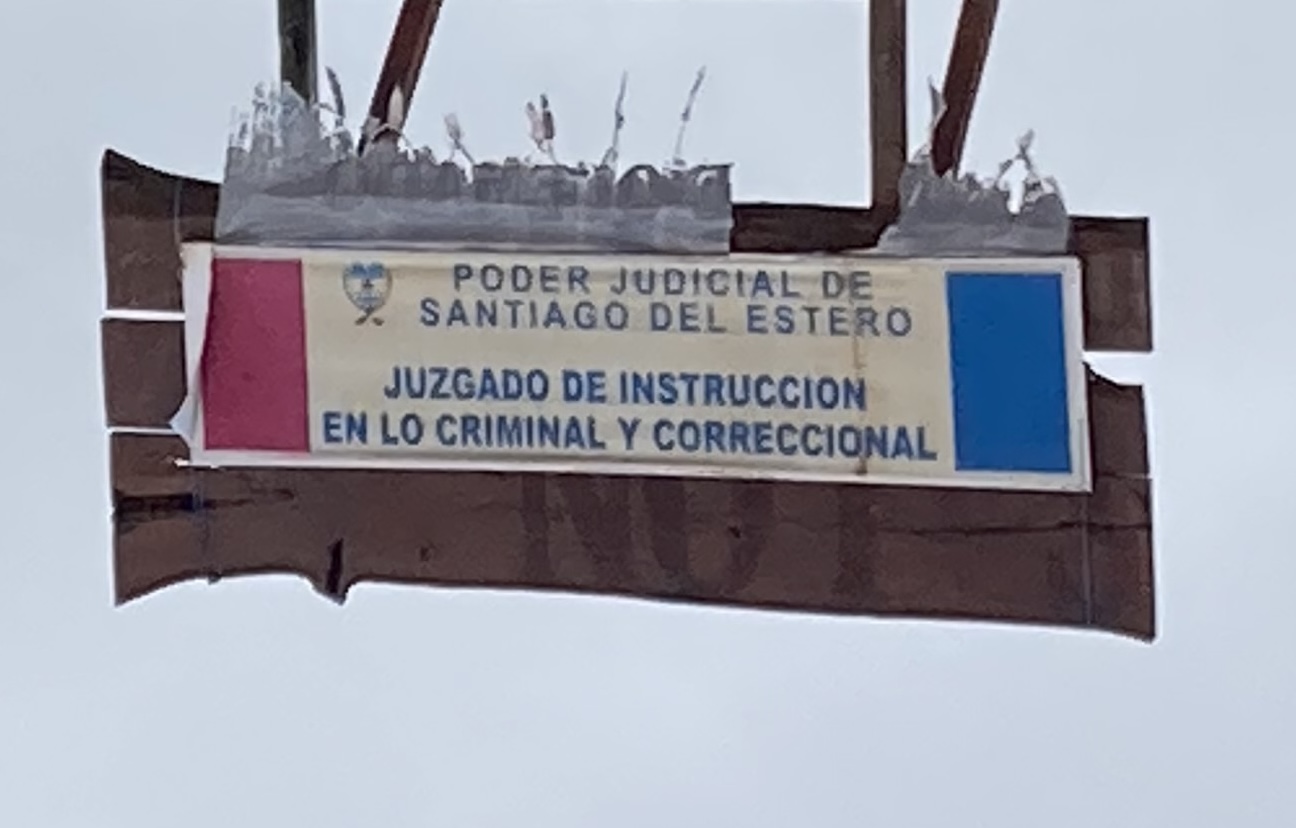
While travelling from Uruguay to Salta in northern Argentina, you cross several Argentinian provinces. We saw this sign and we could not read it. Thinking that the reason was its small letters or our old eyes, we got close to it and realized that the reason was different.

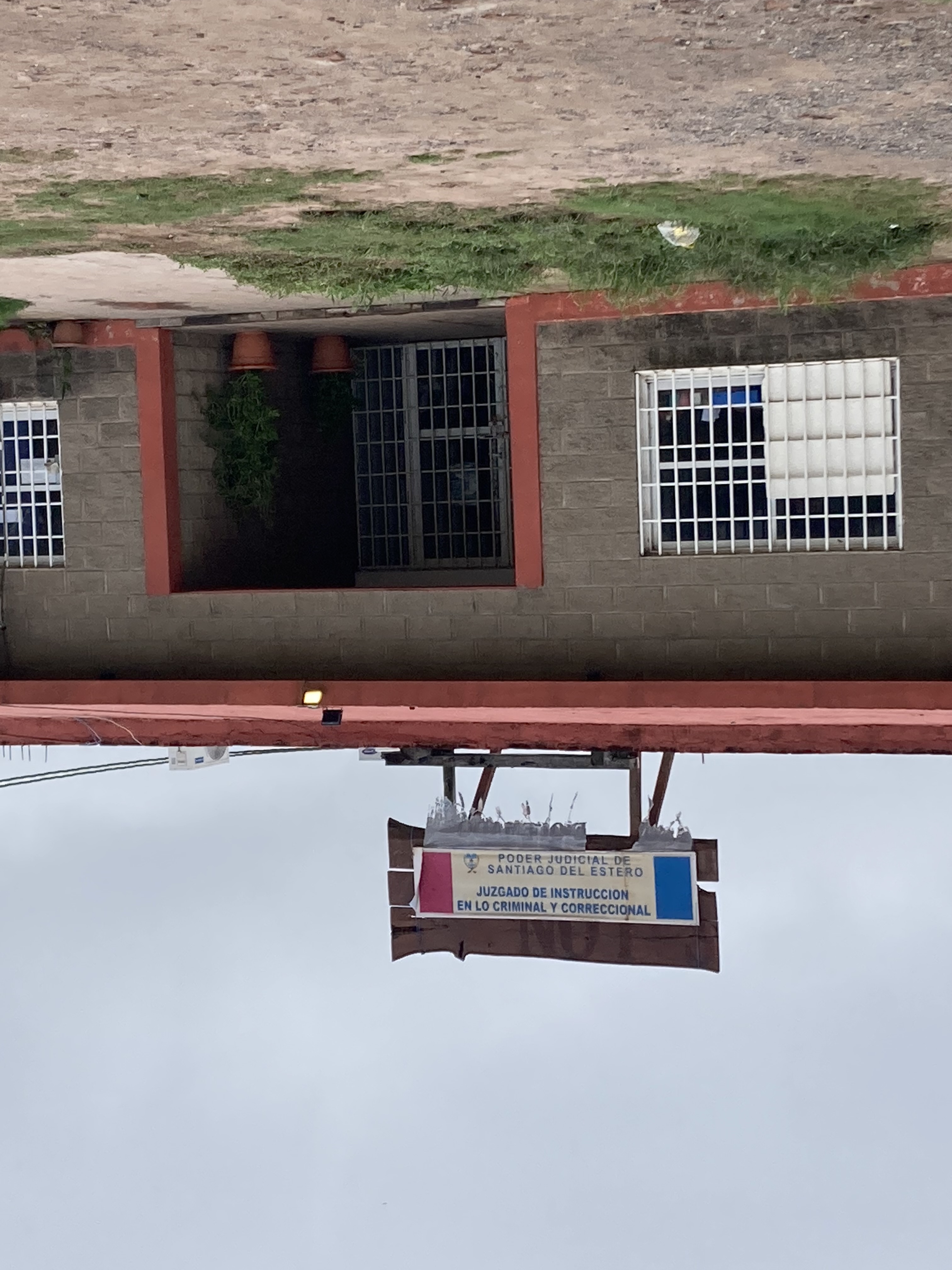
To avoid you the inconvenience of having to rotate your computer, I have turned the pictures!

I can more or less translate the sign: “Santiago del Estero Judiciary. Criminal and Correctional Magistrate’s Court”. The reasons for its special orientation are, however, the subject of debate!