What on earth?!

What on earth!? (26)

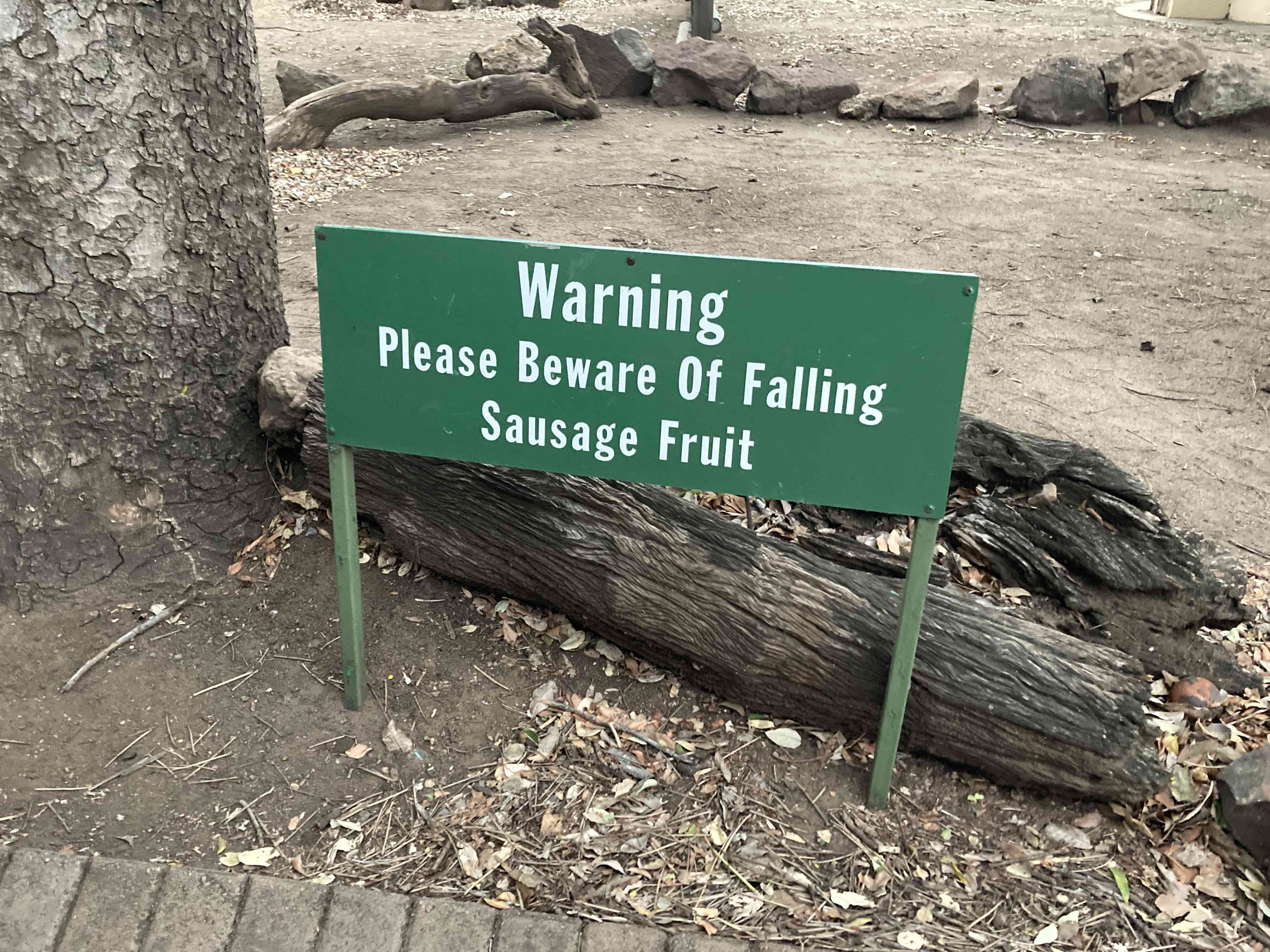
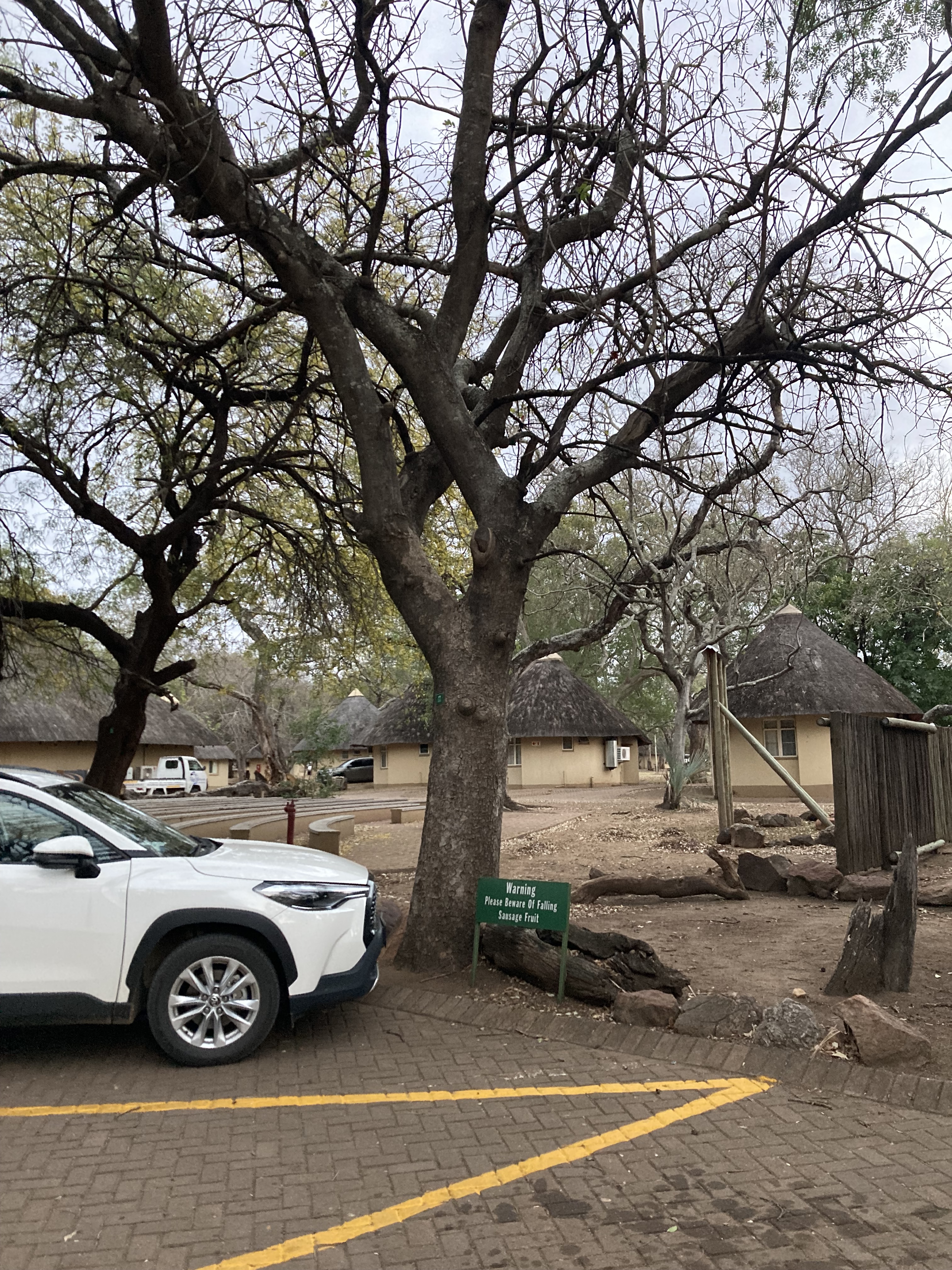
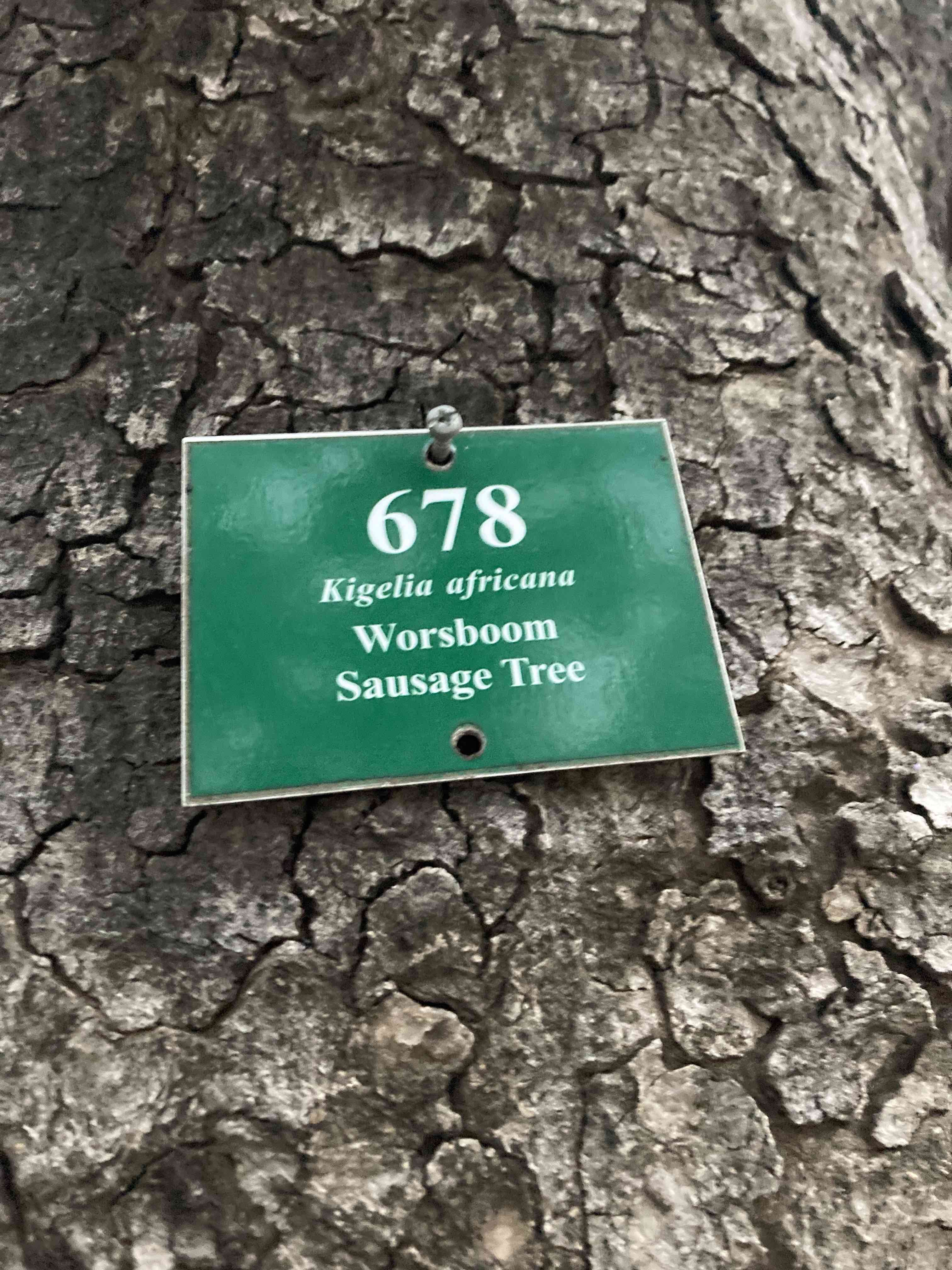
We spotted this sign at Skukuza Camp in the Kruger National Park. One would have thought that, if there was a tree that gives sausages, instead of such a sign there would be one promoting the sale of fried ones or at least a fridge to collect them for later!

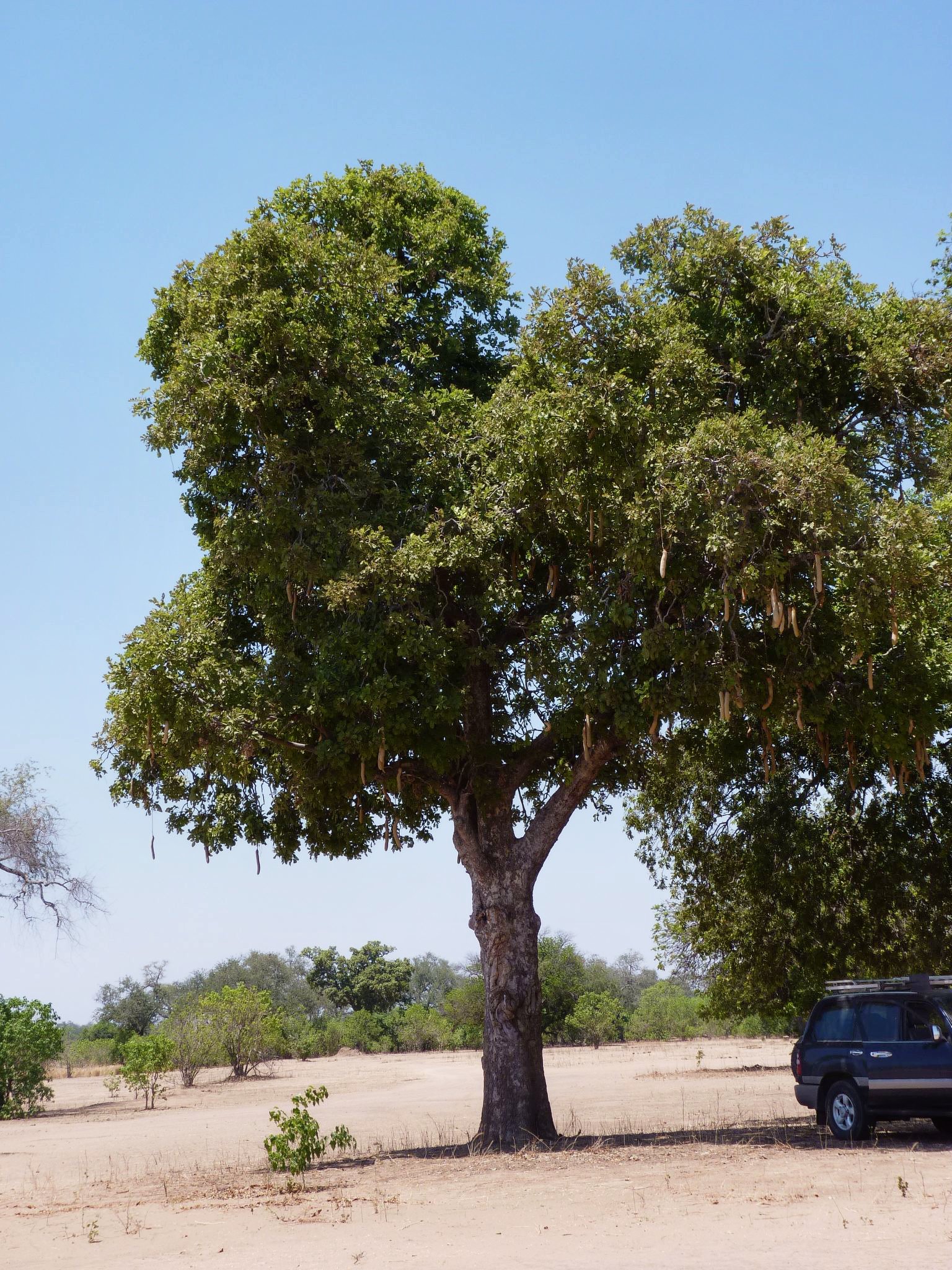
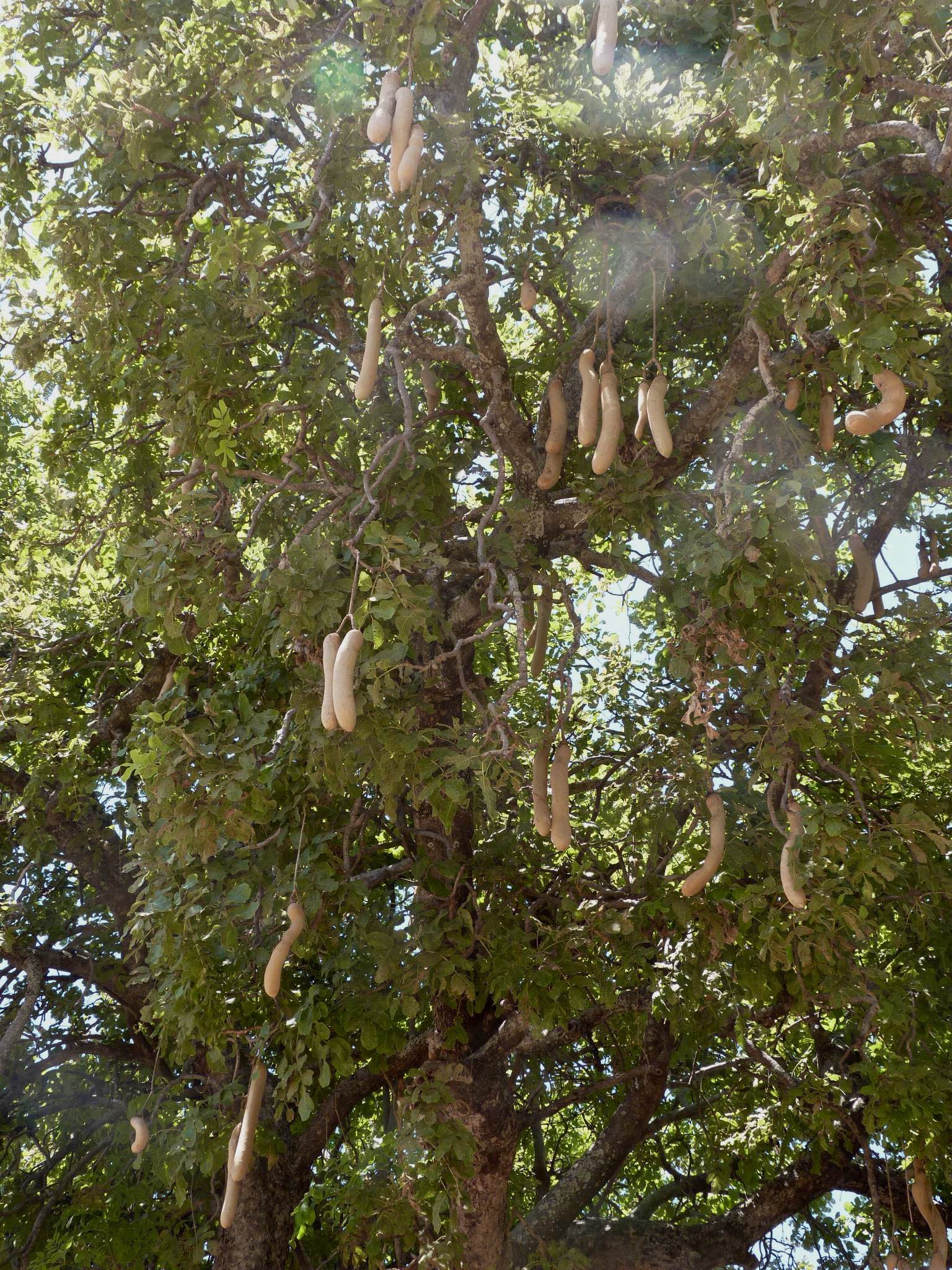
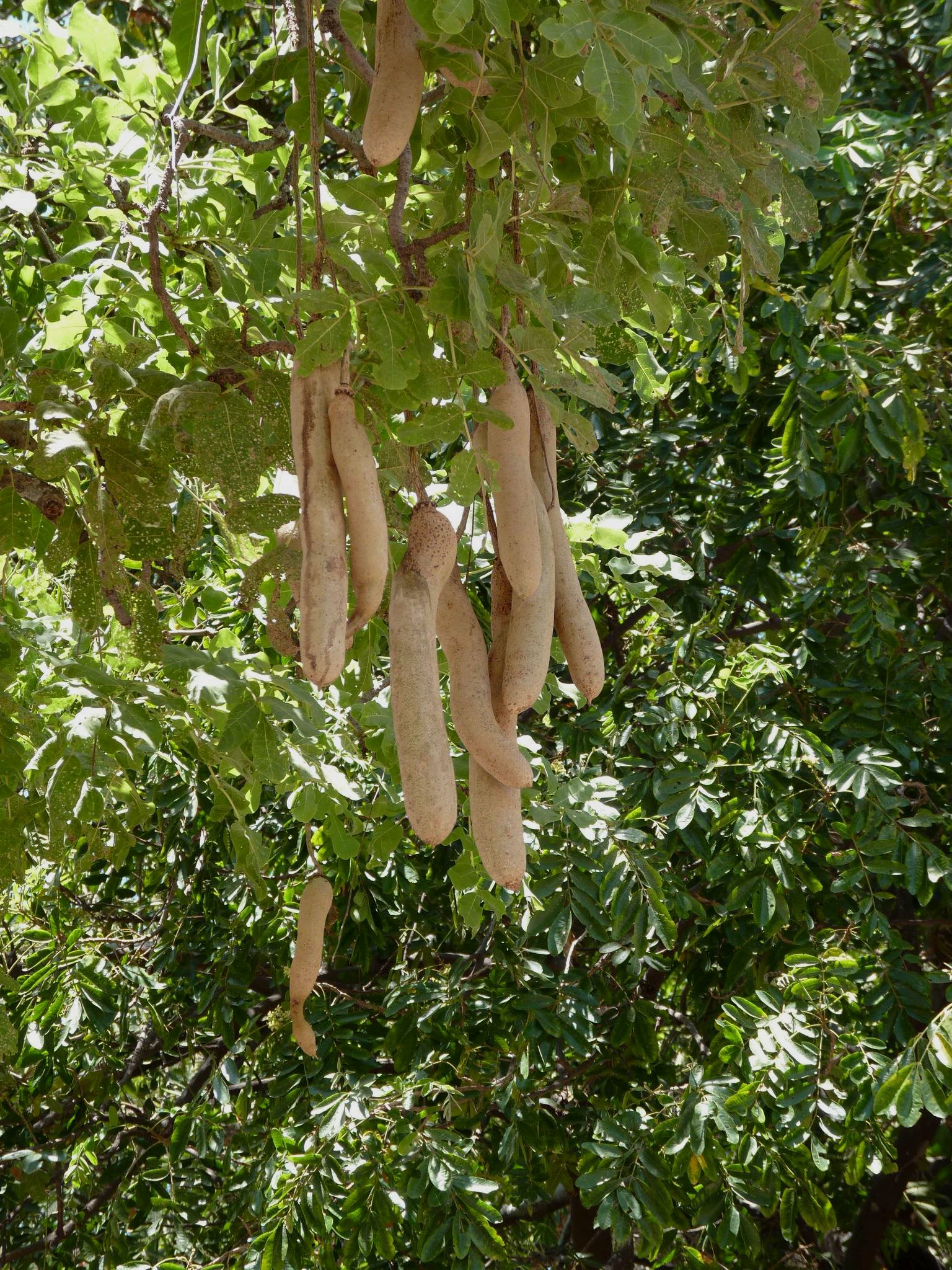
But these are the fruits of the aptly named sausage tree (Kigelia africana), solid fruits that could weigh over 10 kg although more often less than that but that, if they fall on your head, they could give you a headache, perhaps worse than if they fall on the bonnet of your car!

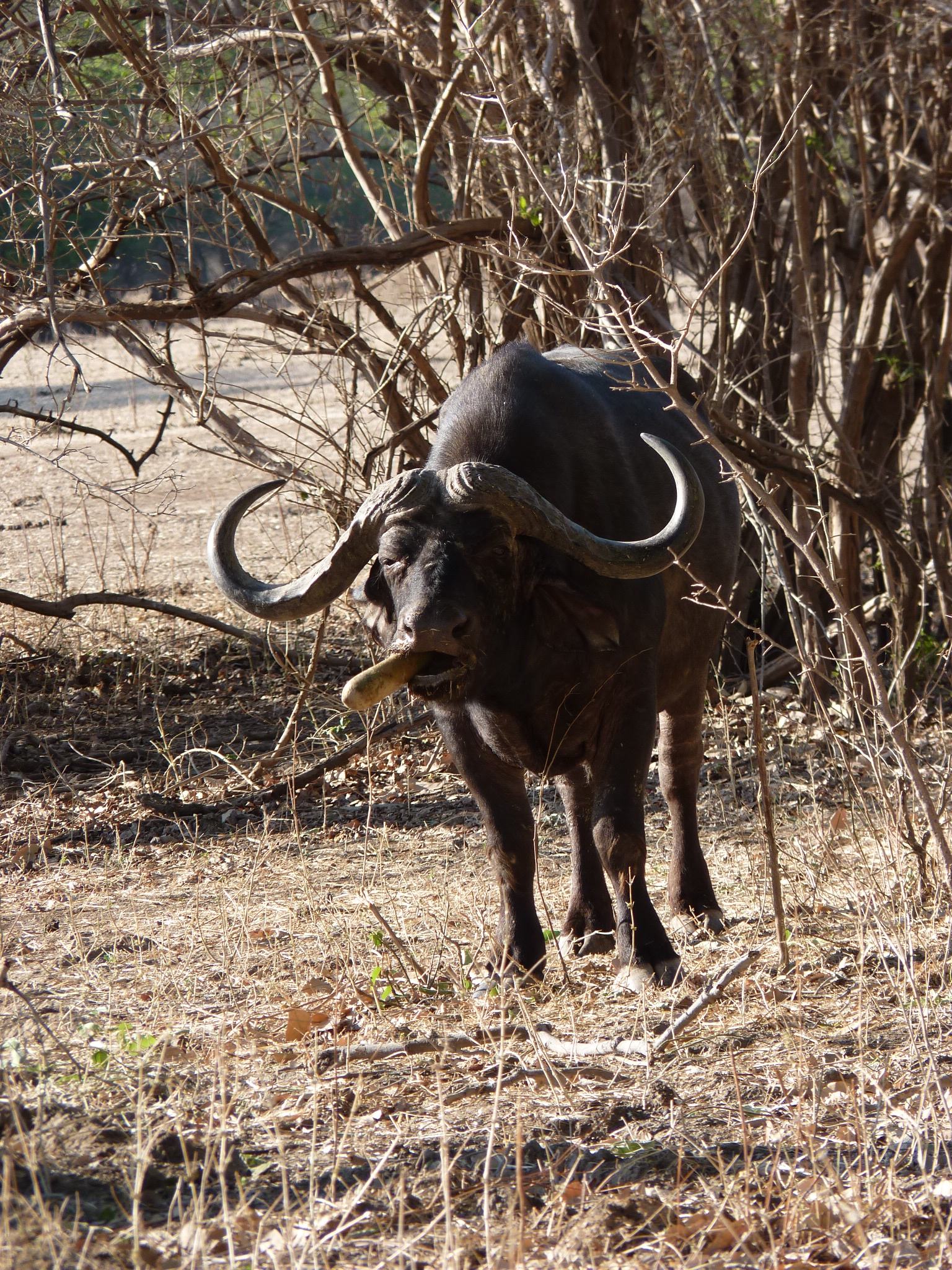
The sausages that fall are consumed by a variety of animals, including humans that use them for flavouring “pombe” the local beer in Kenya.

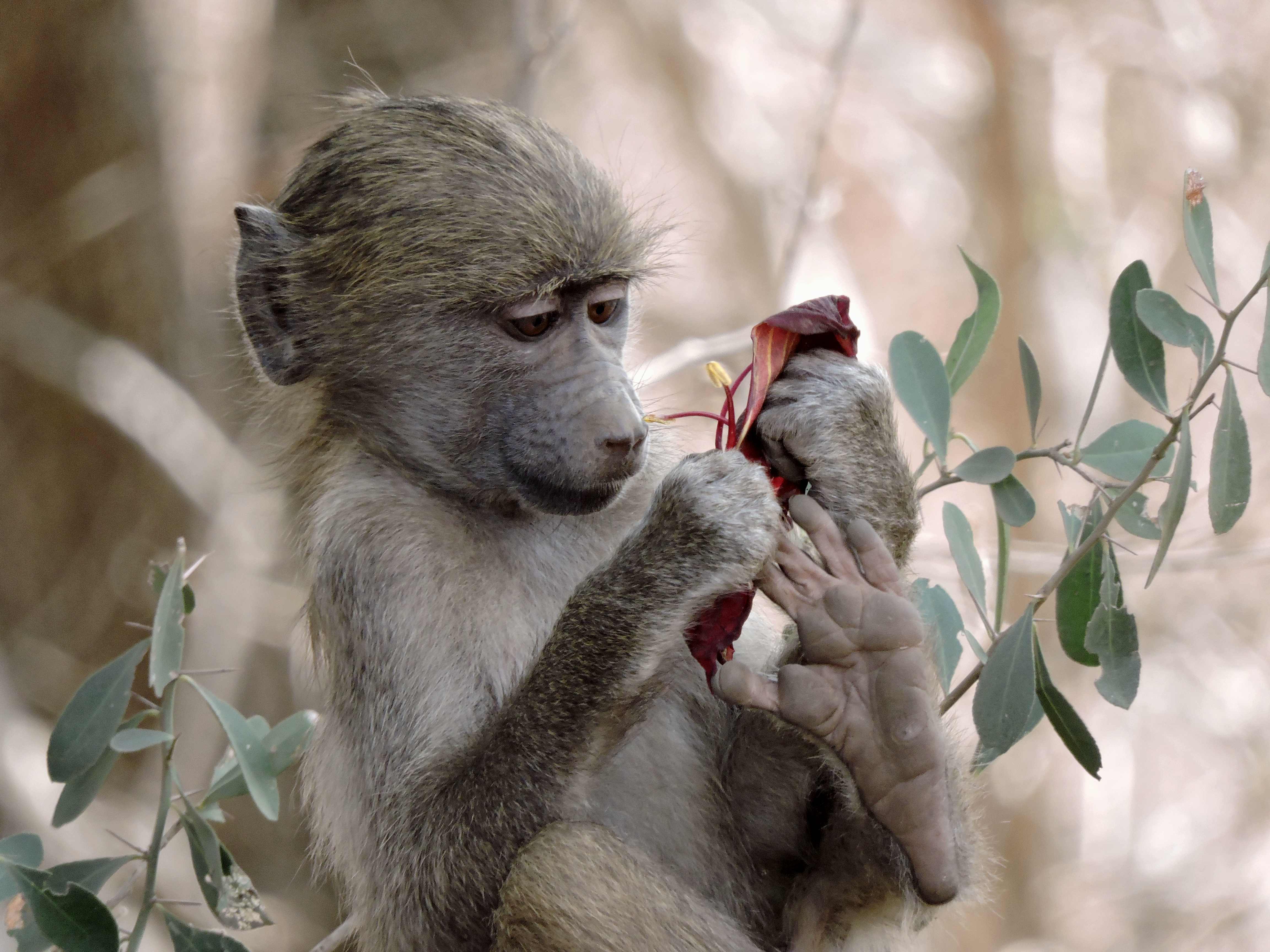
Before that, it produces beautiful scarlet flowers that are not only decorative but also animal food. This young baboon is picking the best sweet bits!

What on earth?! (18)

While working in Mozambique about 12 years ago, we frequently visited the Kruger National Park as it was quite easy to get from Maputo to its southern entrance through the Crocodile bridge. Although the favourite camp for the family was Lower Sabie, we also visited Biyamiti Bush Camp, a favourite of mine.

“Biyamiti” is a word in the Shangaan language, which means “a fence of sharp wooden spears”(1). Built in 1991, it is the most recent of the bushveld camps in the Kruger Park and I like it as it has only 15 cottages and it has a small but interesting area that only the camp residents can drive in.

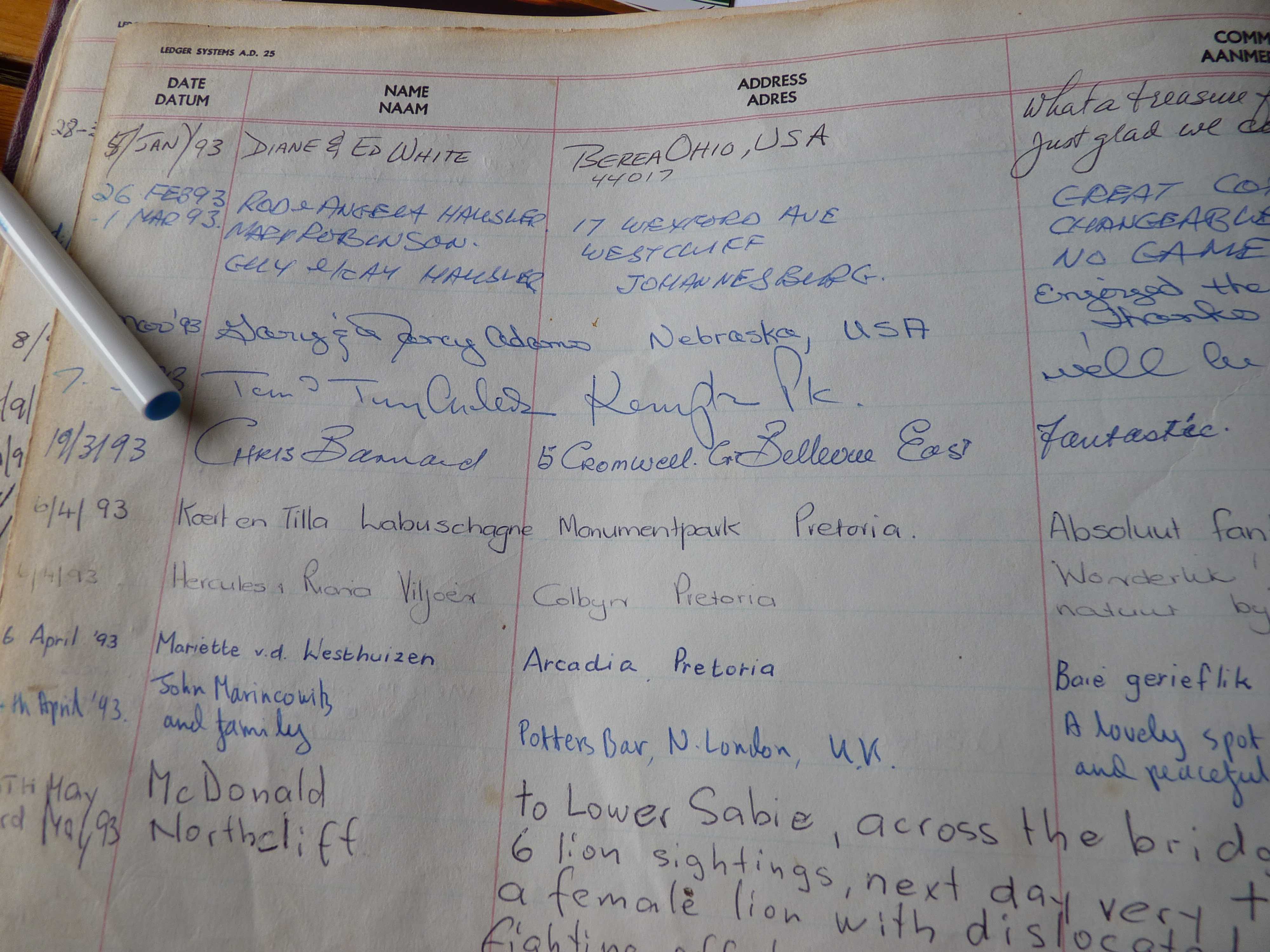
Some camps keep Visitors books that go back several years where people write their experiences while staying at that camp. I always read some of the more recent comments to get the latest information on animal sightings, just in case. At one of the bungalows a lady that clearly frequented the place talked about the “leopard tree” where, according to her, years back a leopard could frequently be seen with its kills (we looked for it but did not find it). There were also many references of finding leopards on the access road to the camp but we also missed them although we heard them close by at night!

At that bungalow I got my first surprise when I saw that someone that signed as Chris Barnard stayed there in 1993. I believe he was no other than Dr. Christiaan Barnard, the surgeon that performed the first heart transplant in 1967. (2)

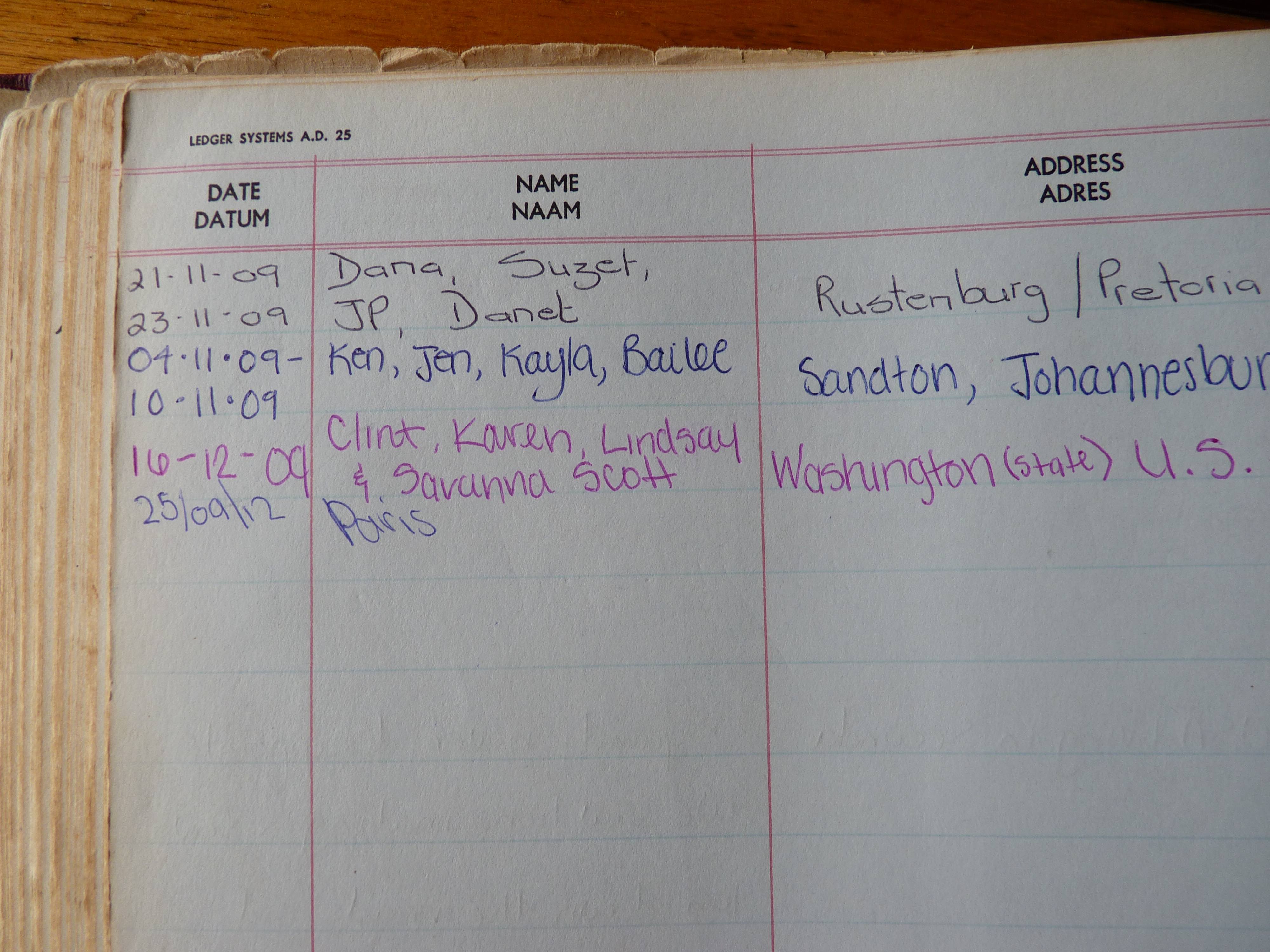
At another bungalow I found that Lindsay Scott (with her family) stayed there in 2009. I believe her to have been the well-known Zimbabwean wildlife artist (3). Luckily I have bought some of her prints and a great painting of a pair of crowned cranes that I cherish greatly today!

(1) I think this is an ambitious translation for one word, but I cannot find another.

(2) Much less known is that he also did the first kidney transplant later the same year! See: https://www.sahistory.org.za/people/christiaan-neethling-barnard for more information.

(3) See: https://www.lindsay-scott.com/about.html and https://www.artbarbarians.com/gallery2/main.asp?artist=205

What on earth?! (17)

I have used Dalsey, Hillblom and Lynn for many years now and they have been good with one exception that will be at the end of this post. You may be asking yourself what is that company, a question that will be settled when I informed you that it is DHL, the international courier founded in 1969 when these three people finally accepted that there was no hope for improvement in the existing postal services worldwide and, in 1969 started their own mail service!

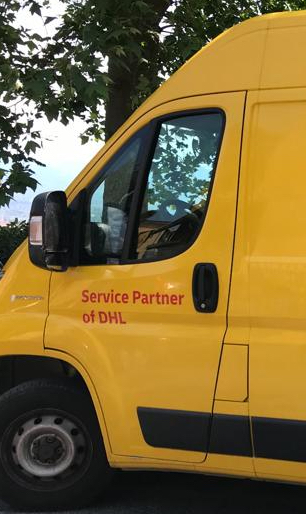
We are now on our usual italian break to see our daughter in Rome and, walking about I saw a van with this written on it:

This would not have been a surprise, except that, when I looked at the remaining of the van I saw that it was in fact a DHL van!

Either the sign on the door is a mistake or I stopped understanding how big companies work!

I was perhaps more perplexed a few years back when working in Rome.

Enjoying watching animals while working in Africa, I decided that it was time I got myself good binoculars. My friend Roger (that sadly passed away a few years back) recommended me a German make that, although very expensive, had, in his experience, an excellent customer support.

It was quite an investment but its optical quality was amazing and I was very pleased with them. However, from one day to the next I found that the vision was no longer crisp and, to my dismay, discovered that one of the eyepieces had an eyelash inside that had just moved to the center of the field! As the unit was sealed from the factory, I immediately phoned the manufacturer.

At first they were incredulous but when I insisted, they accepted to look at them and told me to send it to them immediately. I used DHL and they got to the manufacturers very fast. They gave my binoculars immediate attention and, very apologetically, confirmed the fault. Two days later I got a tracking code to collect then from a DHL office in Rome.

Anxious to get my binoculars back, I was there the following day, unprepared for the surprise waiting for me.

I was informed by the DHL attendant that their van had been robbed and that my parcel was among those that had gone!

I was devastated and immediately phoned the binoculars company that were also shocked. However, they said, there was an insurance and the product would be replaced. When I mentioned that I needed them for a trip abroad in a couple of days, they told me that they would send new binoculars to me immediately and claim the insurance later!

This second time DHL was not robbed and I got new binoculars to take with me during my travel. They have been with me ever since.
What on earth?! (16)

I must confess that I only give perfunctory attention to airline safety cards. I identify where the nearest exit to me is and do not check anything else, undoubtedly a bad practice!

My son´s previous job included hundreds of hours of flying and he did check the safety cards and found this one. At first, when he showed it to me I saw it as one more card.

Paying more attention I saw that, in case of an emergency landing, to get out through the emergency you were required to jump 1m 80 type of exit and 1m 35cm in the other!

I am sure that in a life-threatening emergency you would jump but you would probably meet some of your fellow retired passengers like us in the trauma section of the nearest hospital!

What on earth?! (15)

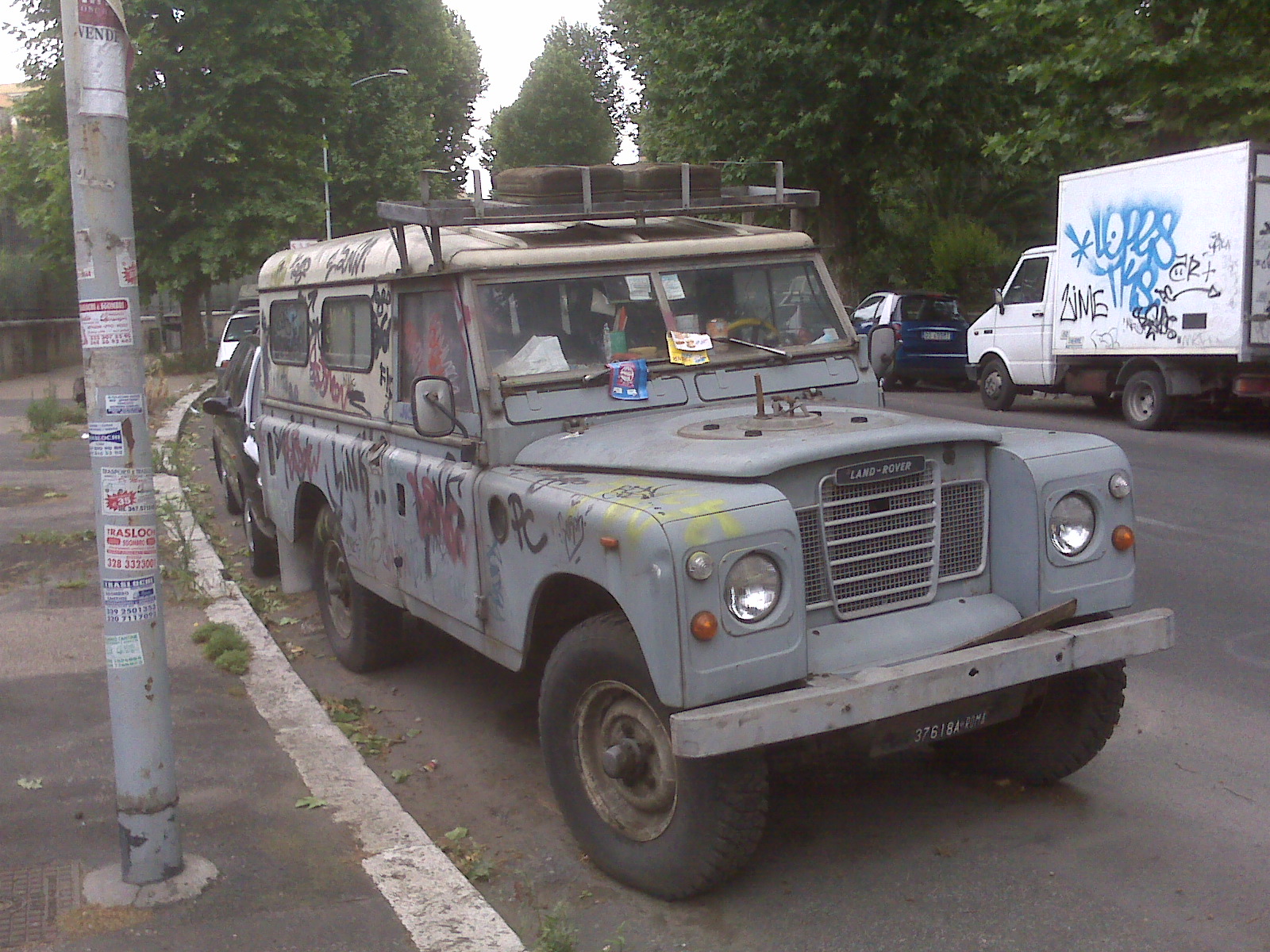
While working in Rome from 2006 to 2010 I walked from home to work and back. In that way, I managed to lose a good amount of weight. It was while walking through the Garbatella neighbourhood of Rome that I found this Land Rover, unfortunately abandoned.

It became a landmark during my walks and I could not help feeling pity for such a good machine to be left like that.

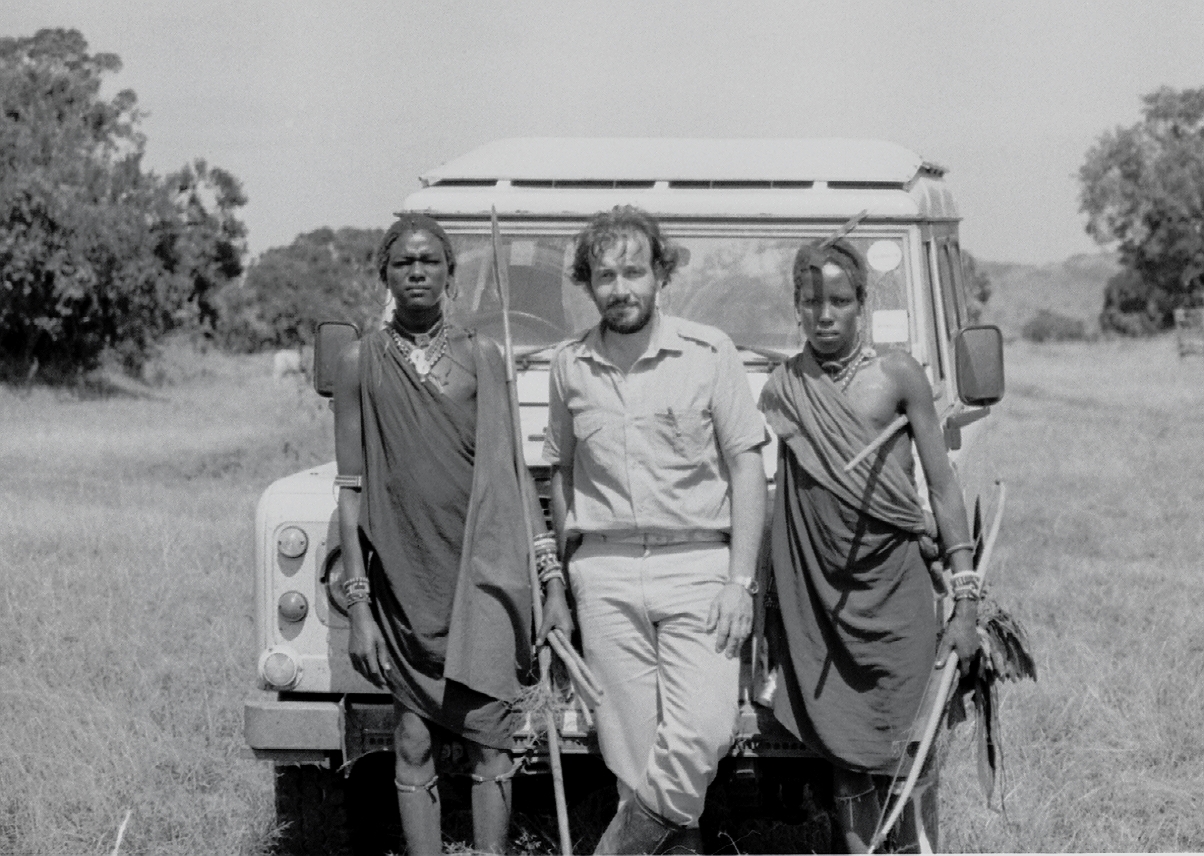
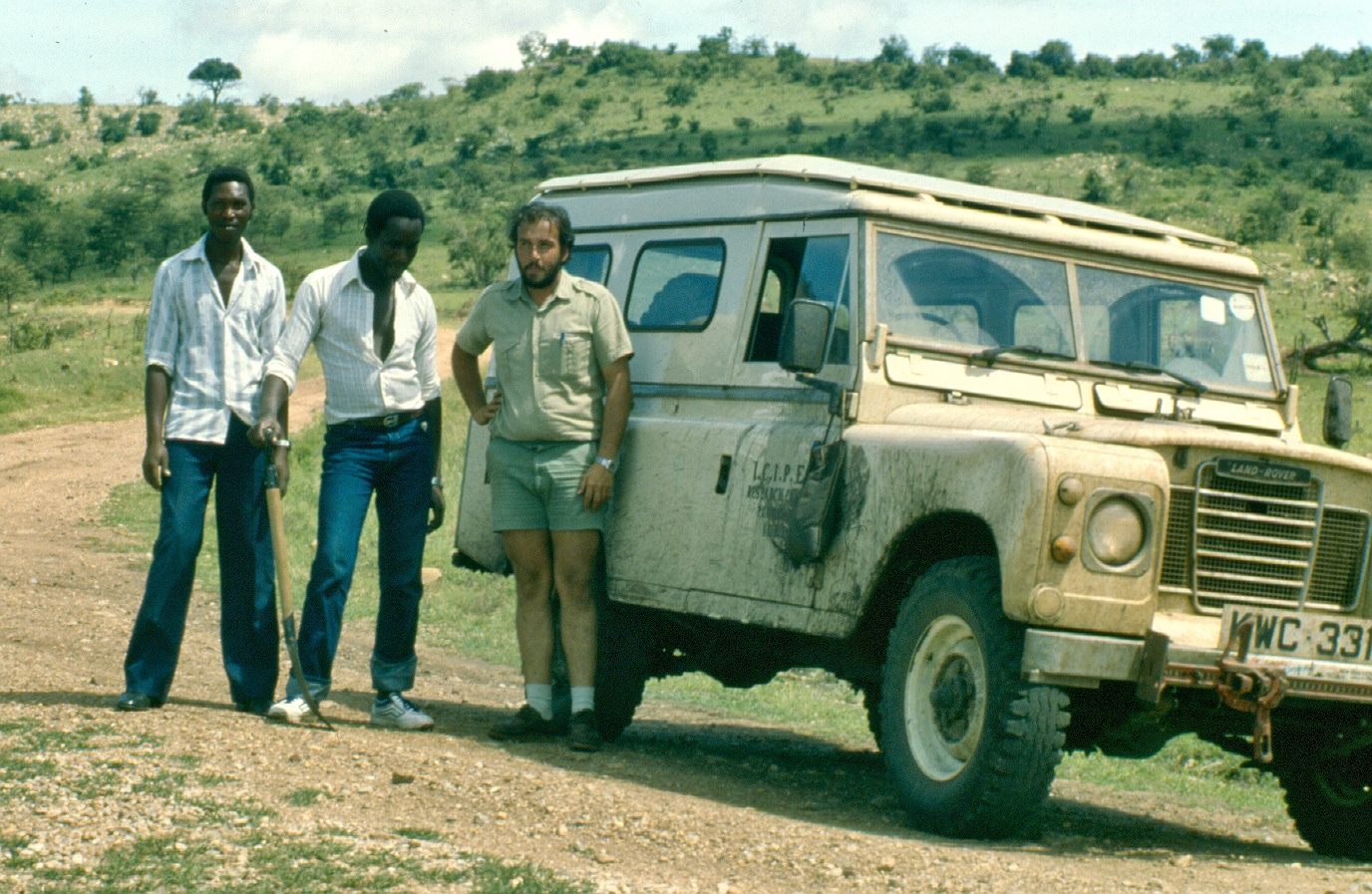
I drove a very similar one while working in Kenya in the 80´s and it never had a problem despite travelling about twenty 20 times a year for about five years to the Transmara area of Kenya.

The pictures show the bushsnob with Maasai moran visitors at Intona ranch in the Transmara of Kenya (left) and returning to Nairobi after a tricky drive through a muddy road up the Oloololo escarpment with Benson (left) and Joseph.

What on earth?! (14)

In southern South America, horses are found everywhere. In my birthplace, a city called Carmelo in the west of Uruguay, you not only find horses all over, but they are still used for transportation of goods such as firewood, rubble, garbage and other movable stuff.

This cart had just crossed the bridge over the arroyo de las Vacas (stream of the Cows) and it is moving into the city among the other vehicles!

I walk daily to keep fit and here I go to the beach and back, about 9km. Usually I find horses during my walk, sometimes tied, sometimes walking or galloping loose in the street.

A couple of days ago I was walking with Mabel and she noticed the interesting markings on this beast that I would, otherwise, have missed.

I can assure you that the arrow is not a photoshop trick. I do not know what genetic twist took place during the conception of this horse but there you are!

I would call it the “follow me horse”!

What on earth?! (13)

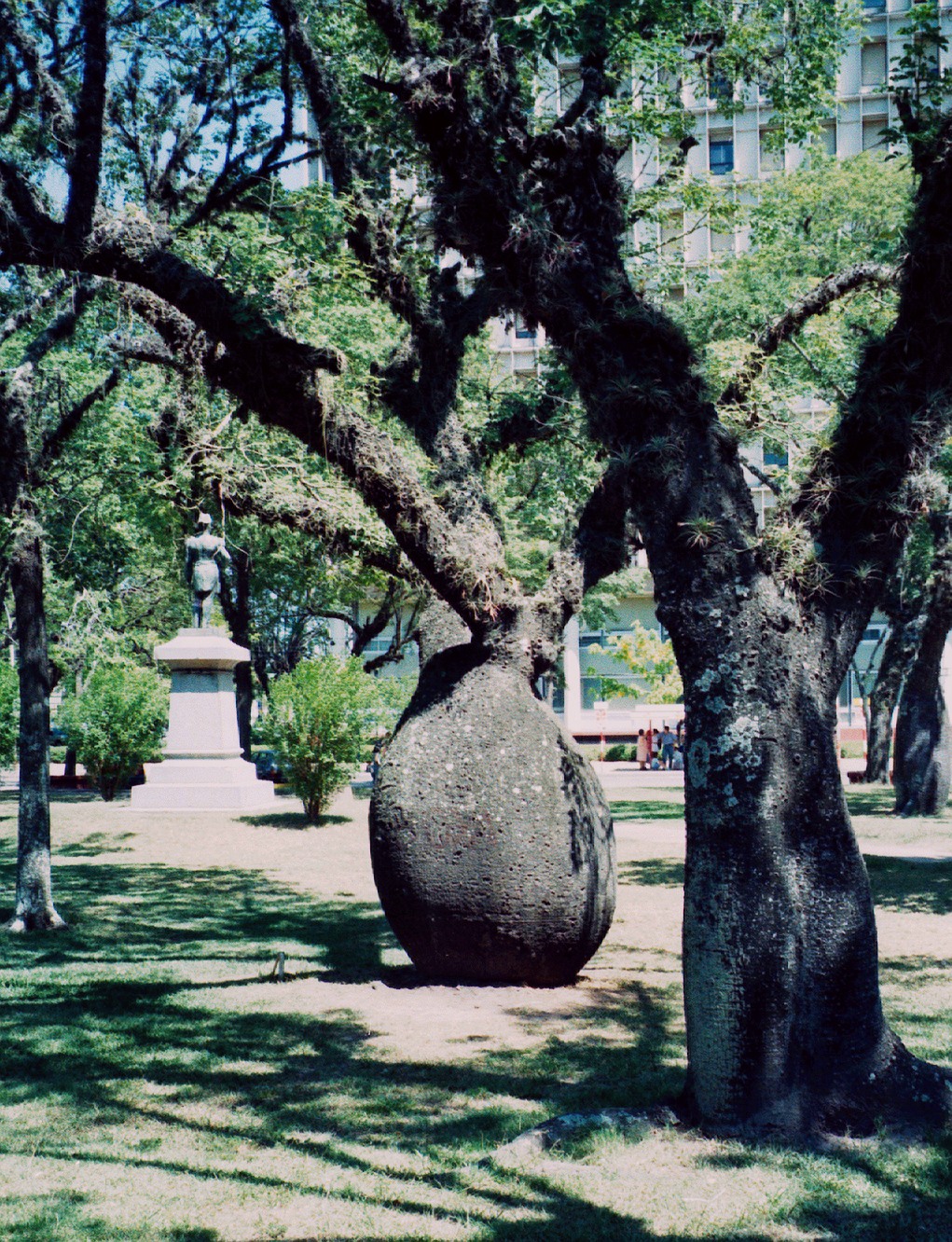
This tree in Corrientes prompted me to write this post. I knew it as a “Palo borracho” or drunken stick and I have seen them in Zimbabwe as well as in Latin America. I thought that all of them belonged to the same genus, Bombax. This is not so!

Bombax spp. are native of western Africa, the Indian subcontinent, Southeast Asia, and the subtropical regions of East Asia and northern Australia while the ones we get in South America belong to the Ceiba genus and they are native of the tropical and subtropical forsts of that continent..

Bombax ceiba, like other trees of the genus Bombax, is commonly known as cotton tree. More specifically, it is sometimes known as Malabar silk-cotton tree; red silk-cotton; red cotton tree; or ambiguously as silk-cotton or kapok. These trees have straight tall trunks and red  flowers with five petals that will produce a capsule which, when ripe, contains white fibres like cotton. Its trunk bears spikes to deter attacks by animals.

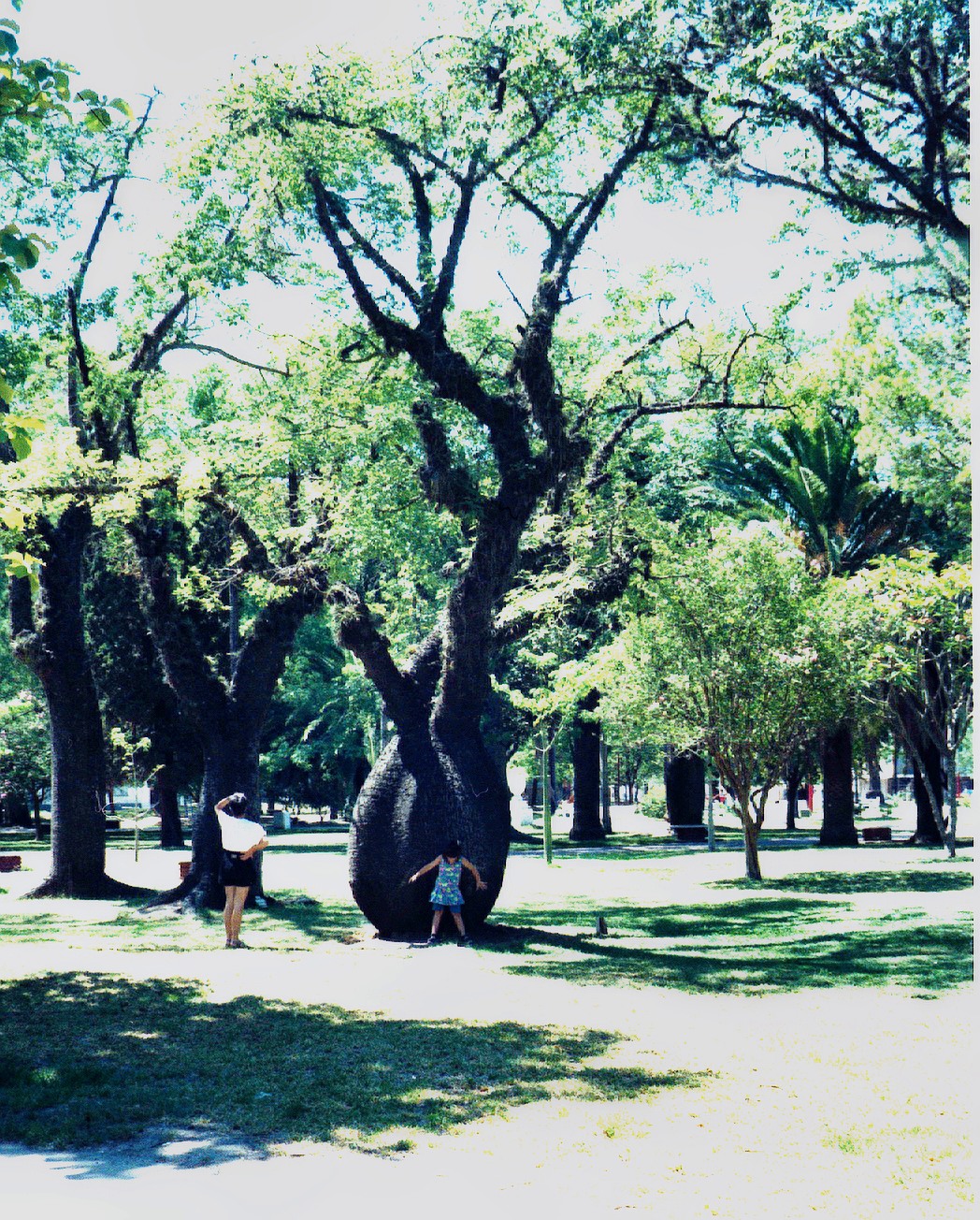
We have seen examples of what I now know are Ceiba spp. in Salta, Chaco, and Corrientes provinces of Argentina and they are rather special with their swollen trunks looking like bottles!

Above are pictures taken many years back of one of these trees that we found at the main square of Resistencia, the capital of Chaco Province.

Apart from “palo borracho”, the better known, Ceiba speciosa, is known as the floss silk tree in the USA is for “samu’ũ” (in Guarani), “paineira” (in Brazilian Portuguese), “toborochi” in Bolivia. It belongs to the same family as the baobab and the kapok.

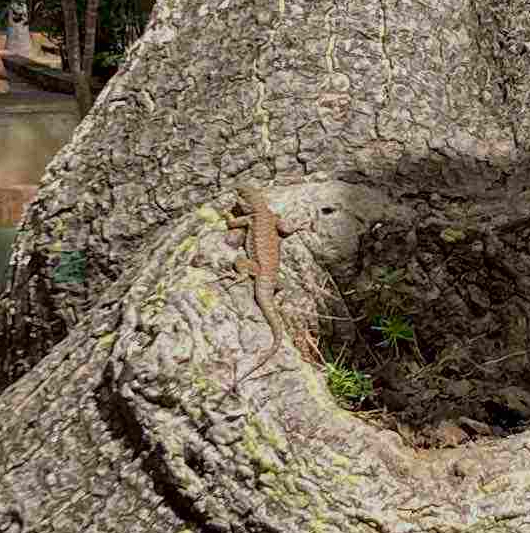
Spot the beast

Now that you are familiar with the “palo borracho”, perhaps it may be easy for you to spot the beast in the picture?

.

.

.

.

.

.

.

.

.

What on earth?! (12)

Observation of “mechanical miracles” are not very frequent. I have already presented you with the 3-wheeled tractor seen at the Chaco Province in Argentina (https://bushsnob.com/2022/10/07/what-on-earth-1/).

A few years back I travelled to Tajikistan a few times to supervise a project dealing with the veterinary services of that country. The work included travel to the countryside to see the veterinary outposts but also many meetings, most of which took place in the capital Dushanbe, a nice and safe city.

I used to walk a lot along the beautifully treed avenues of Dushanbe, trying to observe and understand the culture of the place as it was my first time in a country of Central Asia. While in one of my walks in the evening, I heard a loud noise coming from an engine being revved, showing some firing issues.

Through blue smoke I saw the culprit, a lorry clearly used for carrying garbage that was being started and moving down the street. Soon the smoke cleared and I could better observe the situation.

The vehicle had its bonnet open! I stopped to watch and saw someone (a mechanic I imagine) working on its engine while the lorry moved down the road somehow as I do not think its driver could see where he was going!

Luckily for the other motorists, the moving repair did not go on for a very long while and soon the lorry stopped and more conventional mechanical work took place!

What on earth?! (11)

A few years ago, I travelled to Zambia to backstop an emergency project that responded to one of the floods that hit part of that country. One of the consequences of this event was an expected increase in the prevalence of animal and plant diseases.

Evans Blue (EB) is one of the stains used to check the integrity of the cell membrane under the microscope. Normal cells keep the dye out, but it stains dead ones blue, indicating some pathology present and therefore a disease.

Fifty grammes of EB was about USD 250.00 (depending on the supplier). It is considered an expensive dye as blue is not an easy colour to find in nature.

So, when inspecting some of the purchases the project had done, I was rather surprised to find a bottle of 500g of the dye, produced in Zambia as, usually, EB is purchased from international chemical suppliers!

I believe that it was a rip-off from the local supplier that took advantage from the lack of knowledge of the client!

The rather large (and fake) Evans Blue bottle (left) and a true bottle on the right. The pen is for scale purposes.

What on earth?! (10)

This section of my blog deals with unusual finds, the majority concern with observations from the roads and streets we frequent that are mostly located in Zimbabwe, Argentina, and Italy.

I am well aware when, a long while ago, we were all politically incorrect for today standards. Driving was a man affair and, when there was a careless manoeuvre by a car, expressions like “woman driving!” or “what do you expect from a lady driver” to name two of the polite ones that were proffered!

Time passed and women had demonstrated that they are at least equal to men, and this includes driving a car (probably there are no F1 women champions because they cannot be bothered doing it!).

So, it was quite refreshing to see that nowadays women recognize themselves as drivers and even take advantage of their old “bad reputation” to advertise their presence and, probably, take advantage of it!

I spotted this car with the sign “ATTENTION! Lady driver” in Rome.

I keep thinking if the dent happened before or after the sign was placed!