The three bills

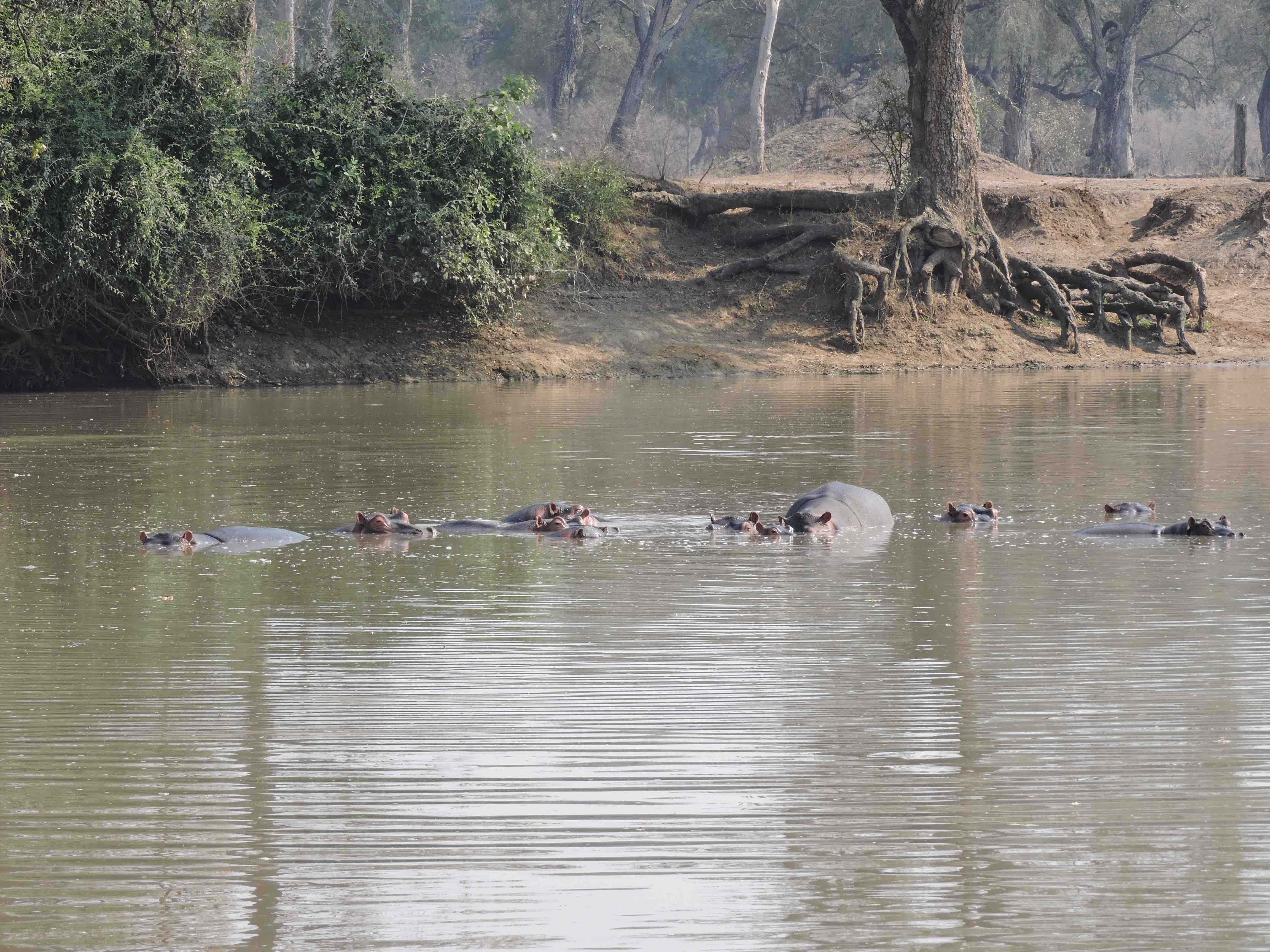
Mana Pools has several oxbow lagoons that occupy the old course the Zambezi carved in the valley a very long time ago. There are four larger pools that give the name Mana (four) in the Shona language. Of the four I can name only name two: Long and Chini. I am still trying to name the others!

Long pool and hippos.

Long pool and hippos.

Long Pool is perhaps the better known of the four. It is a sizeable body of water where several animals are resident, including a large number of hippos and crocodiles, some of the latter really humongous, often spotted basking on its edge. With the exception of a grey heron that enjoys “hippo surfing”, most water birds are found in the shallows. The species and numbers present clearly depend on the season but Goliath and Grey herons, Hammerkop, and Stilts are normally present.

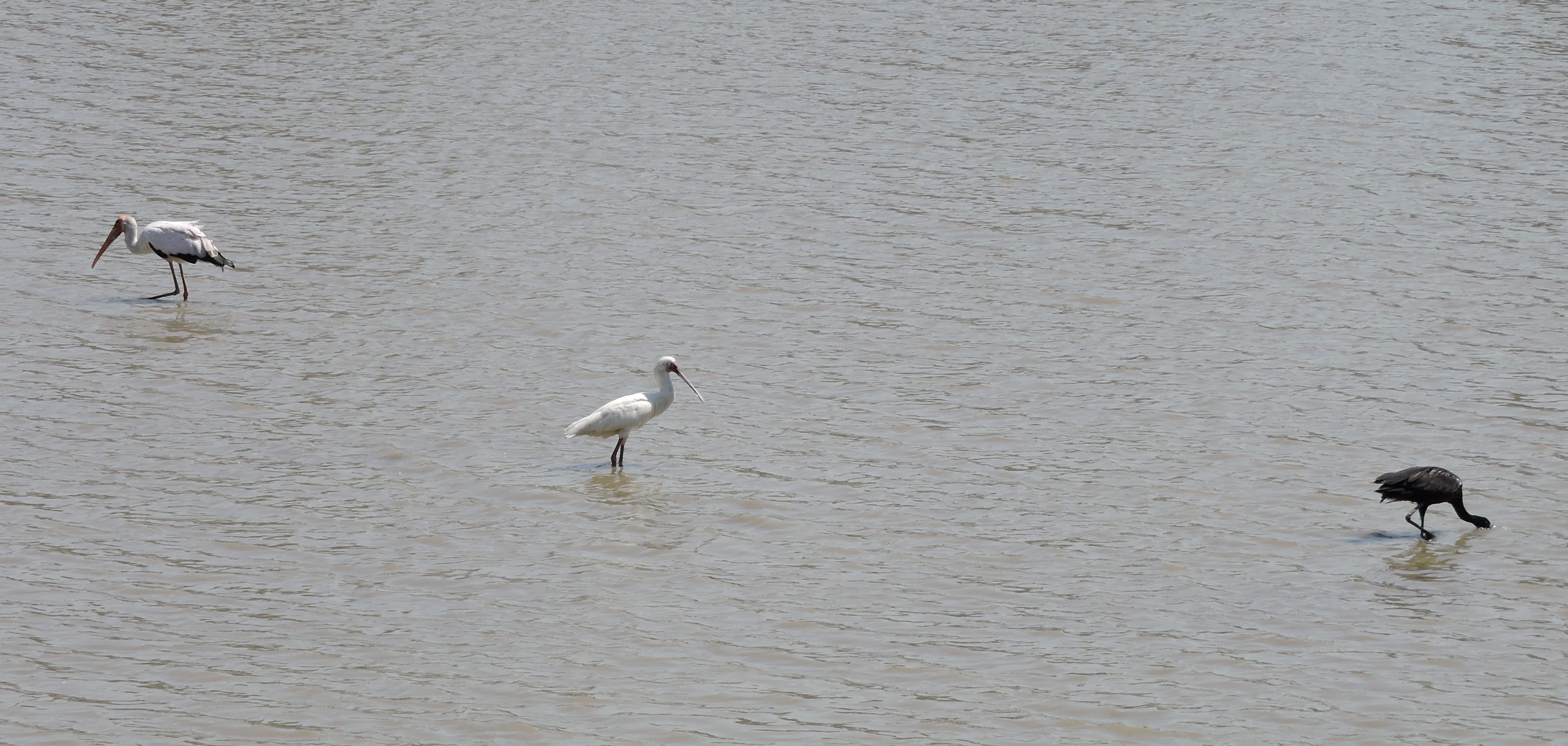
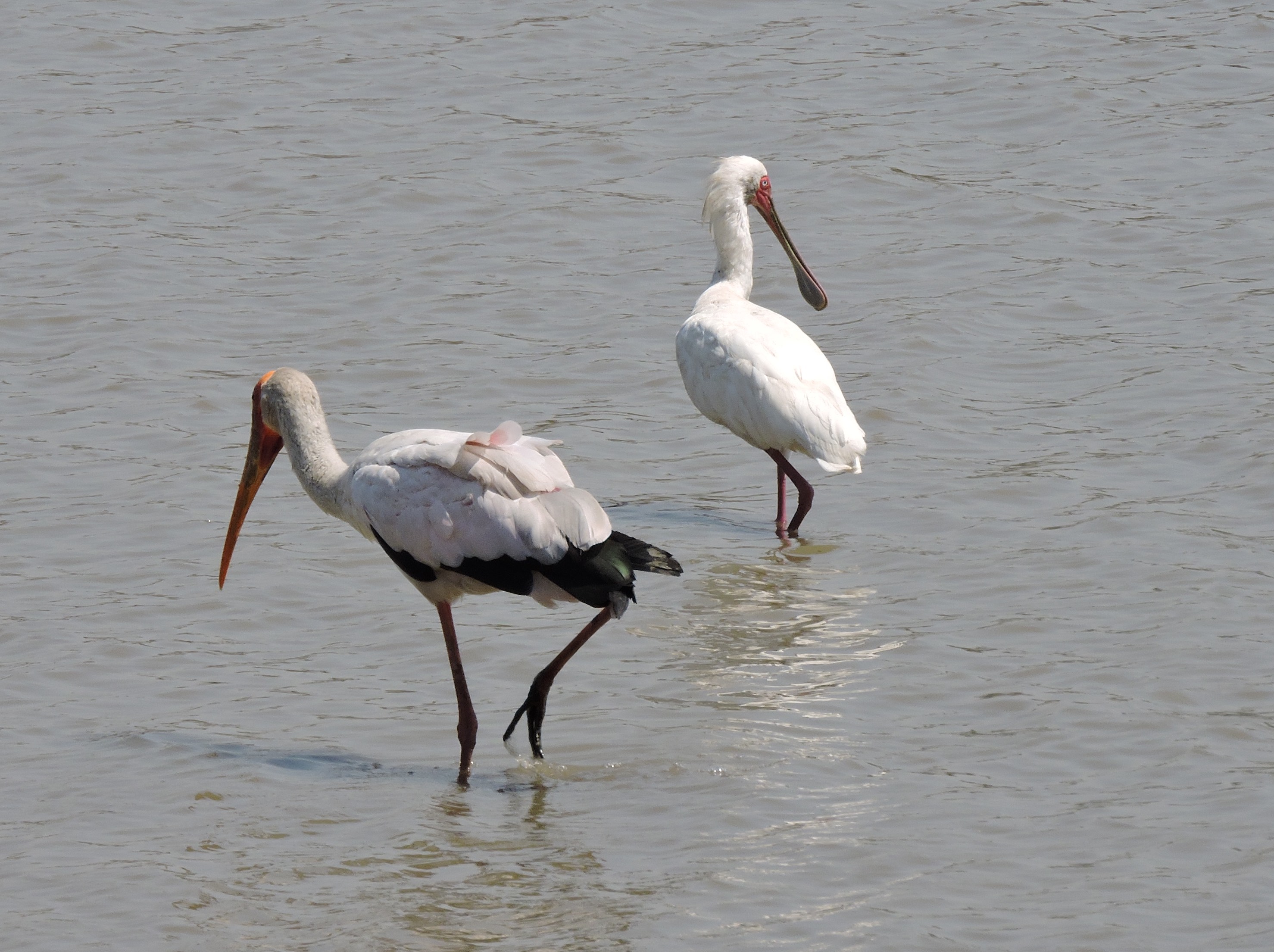
Obviously the bills of the birds are suited to different feeding strategies. On this occasion we found three different ones that actually give the names to the birds: the African Open-billed and Yellow-billed storks and the African spoonbill. They were sharing the same feeding ground at Long pool so we stopped and watched.

The three bills.

The three bills.

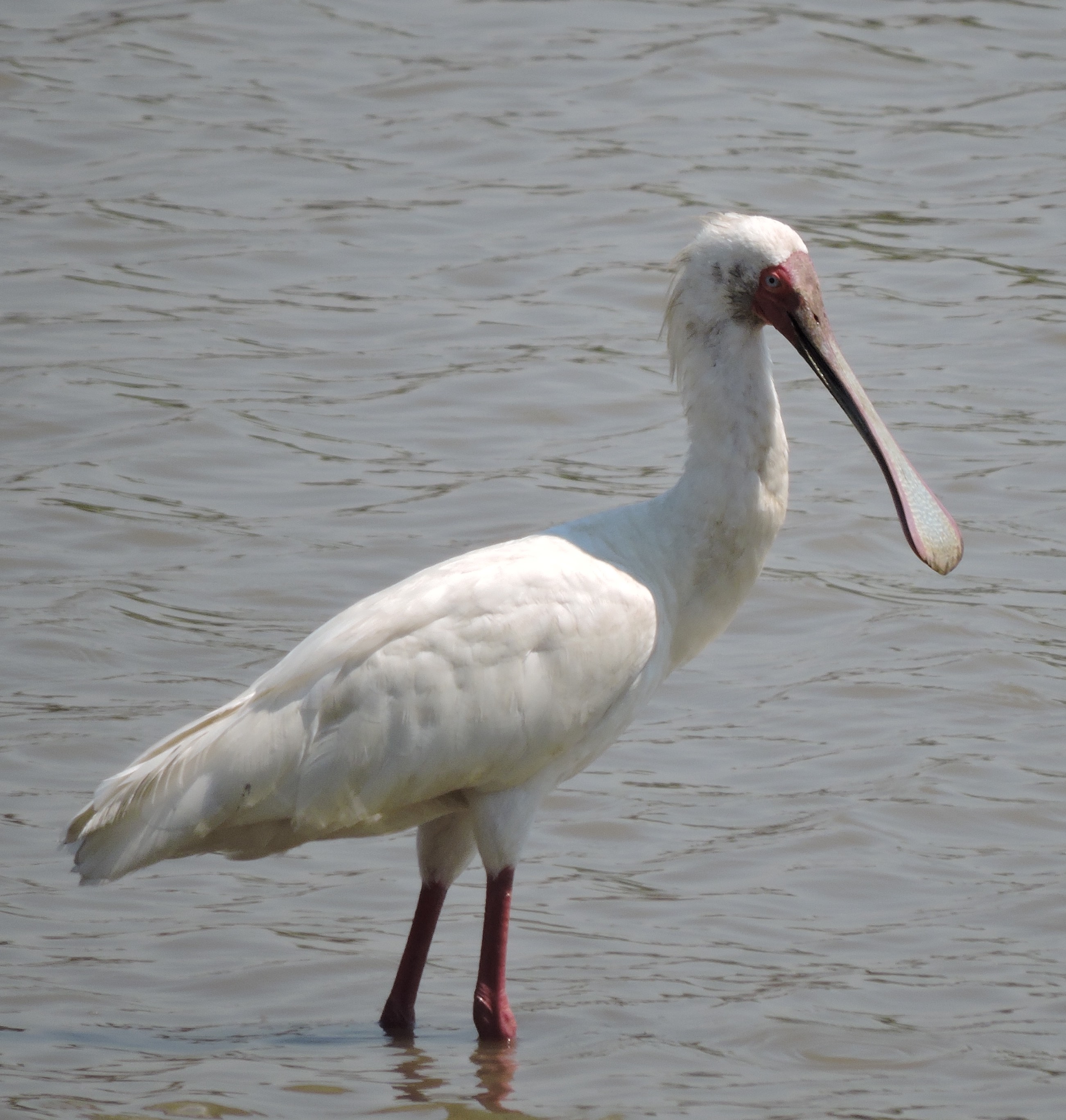
The Spoonbill, the less common of the three, waded through shallow water sweeping from side-to-side with bill open and inside the water. Occasionally it dashed around, chasing fish(?) like an egret does. When something edible was found, the bill snapped shut and the victim was swallowed.

A rare pause in the wadding.

A rare pause in the wadding.

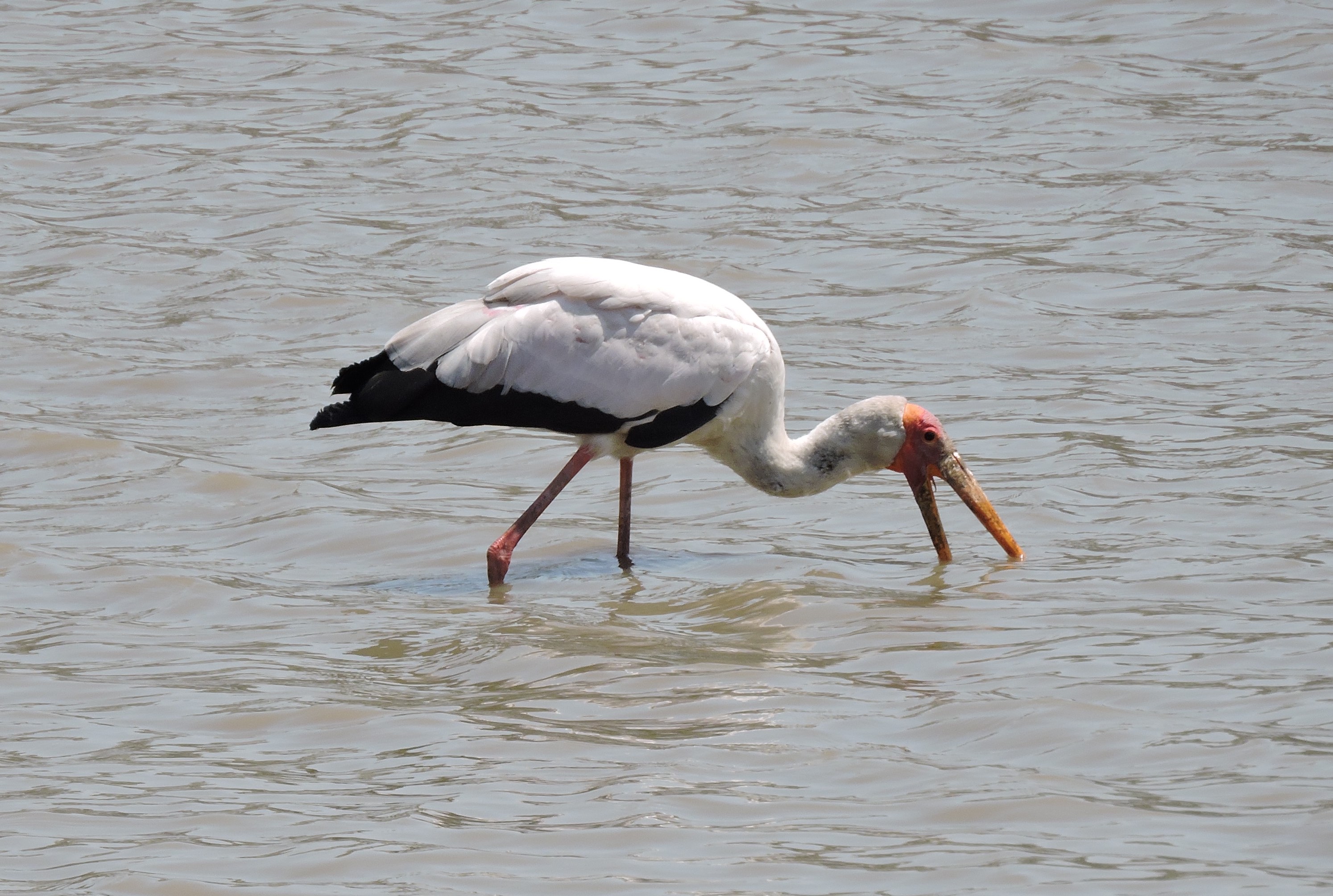
The Yellow-billed stork fed walking slowly with half-submerged and slightly open bill. As the later is very sensitive to contact with potential prey, it also snapped closed when that happened.

Typical African yellow billed stork feeding pose.

Typical African yellow billed stork feeding pose.

While the two bills from the birds above are odd, they make sense from the feeding technique point of view.

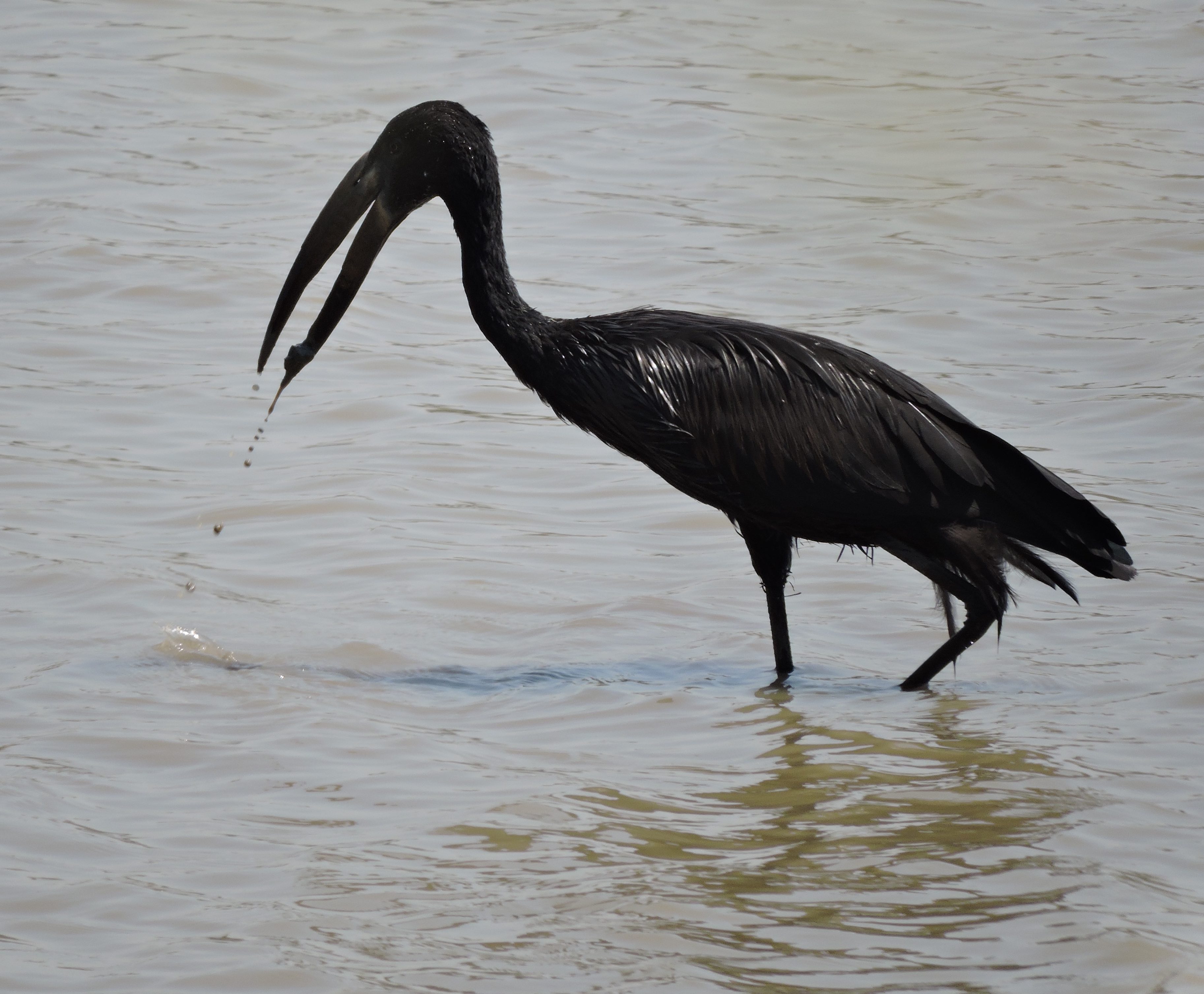
It caught something small and muddy!

It caught something small and muddy!

Feeding with your bill open and shut it when catching prey is one thing, feeding with your bill open and keep it open when shutting it is another! “A priori” it seems to be pushing nature’s ingenuity to extremes! However, the African open-bill stork was also wading and catching prey, though a bit muddy!

Further reading indicated that its bill is a highly specialized tool to perform an almost surgical intervention on its main prey: snails. It has several uses, depending on the size and type of snail: it either cracks it (large ones), removes its body by shaking its head or it cuts the snail’s columellar muscle[1] with its sharp tip.

Feeding together.

Feeding together.

Although the three birds feeding paths often crisscrossed, they were respectful of each other as if benefiting from each other’s presence. The say “when the river is dirty the fisherman benefits” is likely to apply here!

Mana Pools, Zimbabwe, September 2015.

[1] The columellar (shell) muscles of gastropods join the foot and other parts of the body with the shell. (Basically, keeping the animal together!)

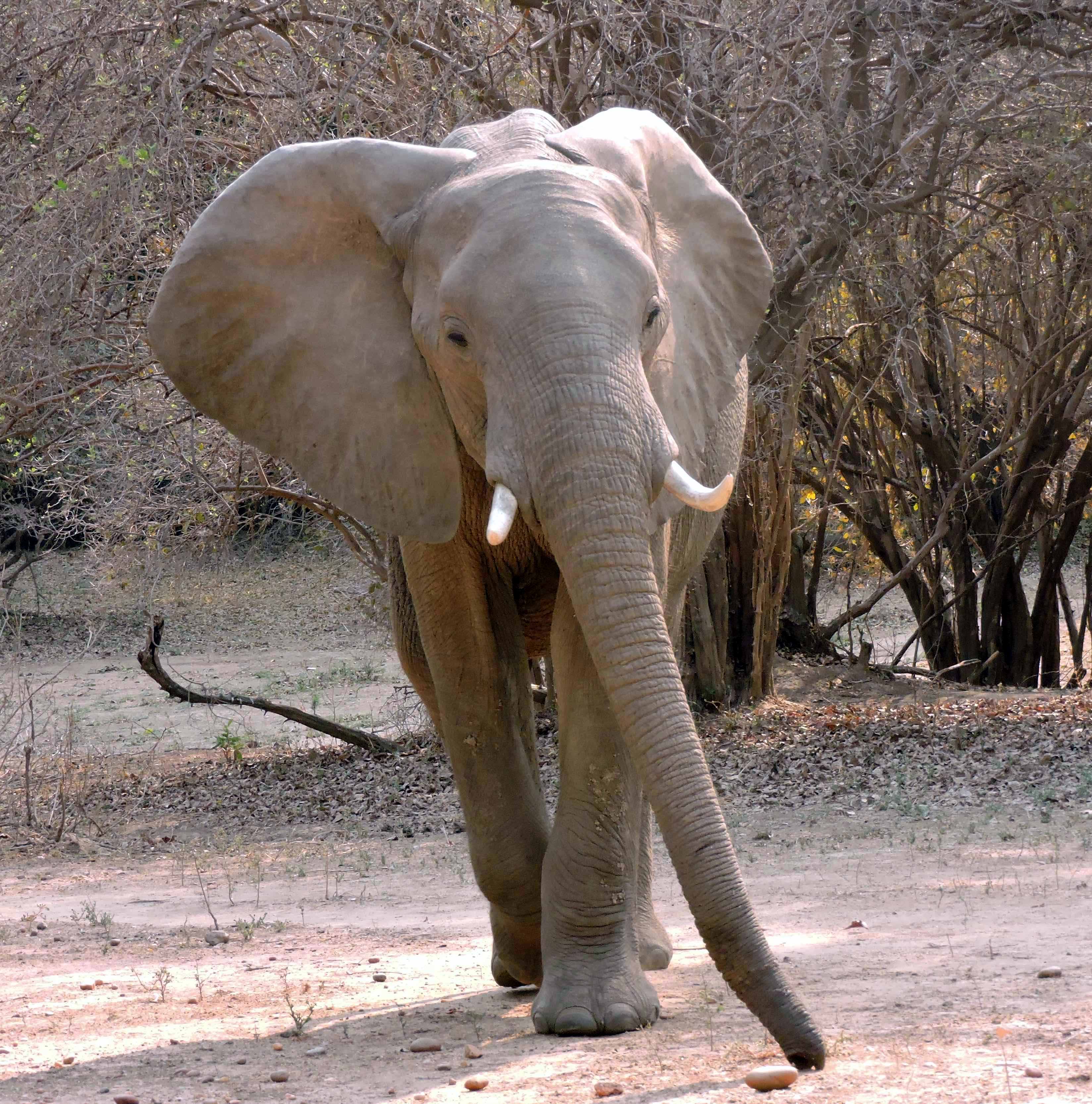
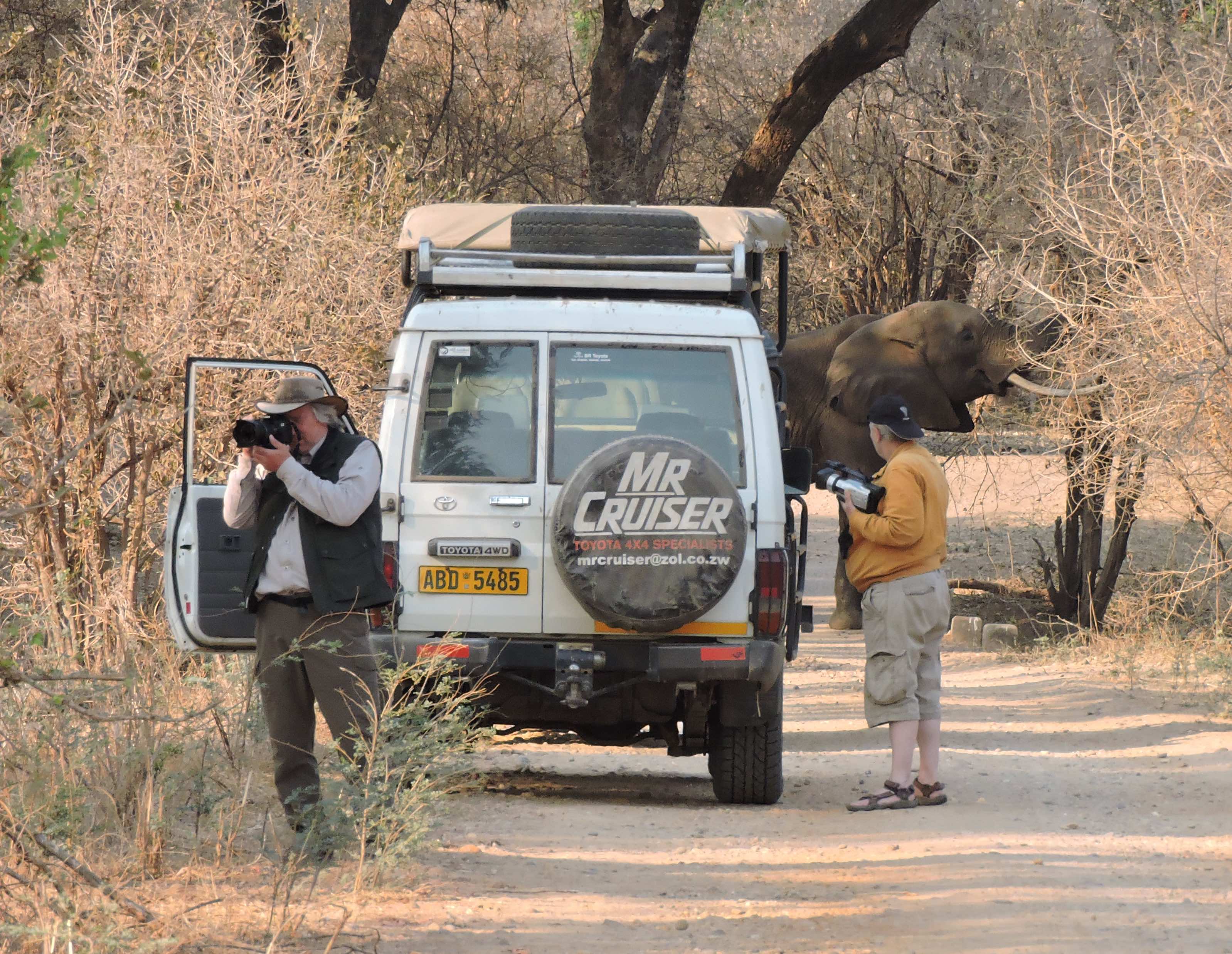
Upset jumbo

After finding buffalo and lions close to camp, that night we heard lots of loud nocturnal noises, including lions roaring but also other unidentified nocturnal sounds that we allocated to hippo and/or elephants. In the early hours of the morning hyenas also called so our hopes were up and an early morning exploration of the surrounds was in order.

We followed the Zambezi down river, past the buffalo that were now moving towards the river, but we found no trace of predators. After a while we decided to try to contact the world again and went for the cellphone signal spot following our GPS (we had entered the coordinates on a previous visit). We searched fruitlessly for a while until we decided that probably the hot wind was blowing it away! We decided to get back to camp before the heat became more intense.

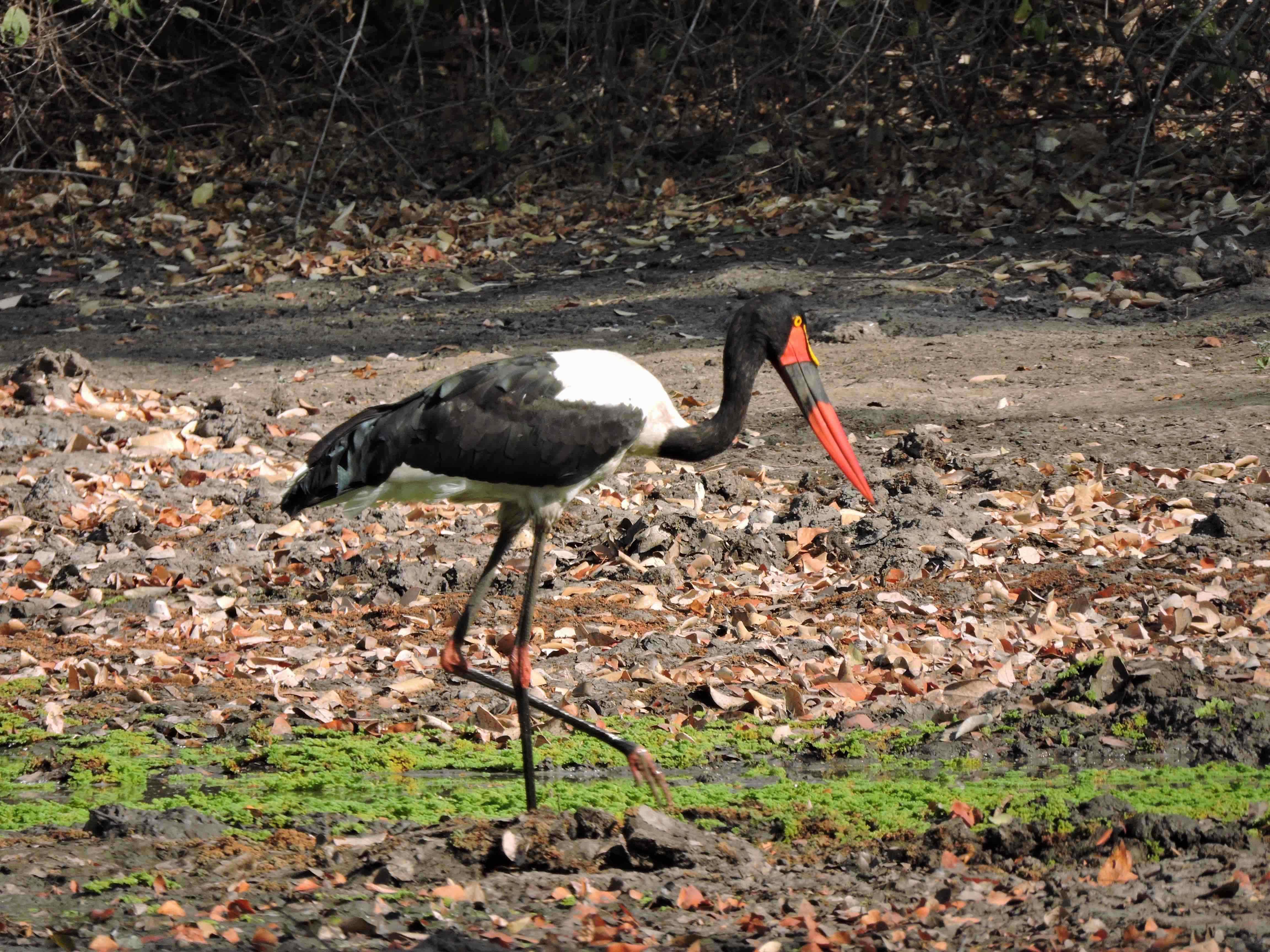
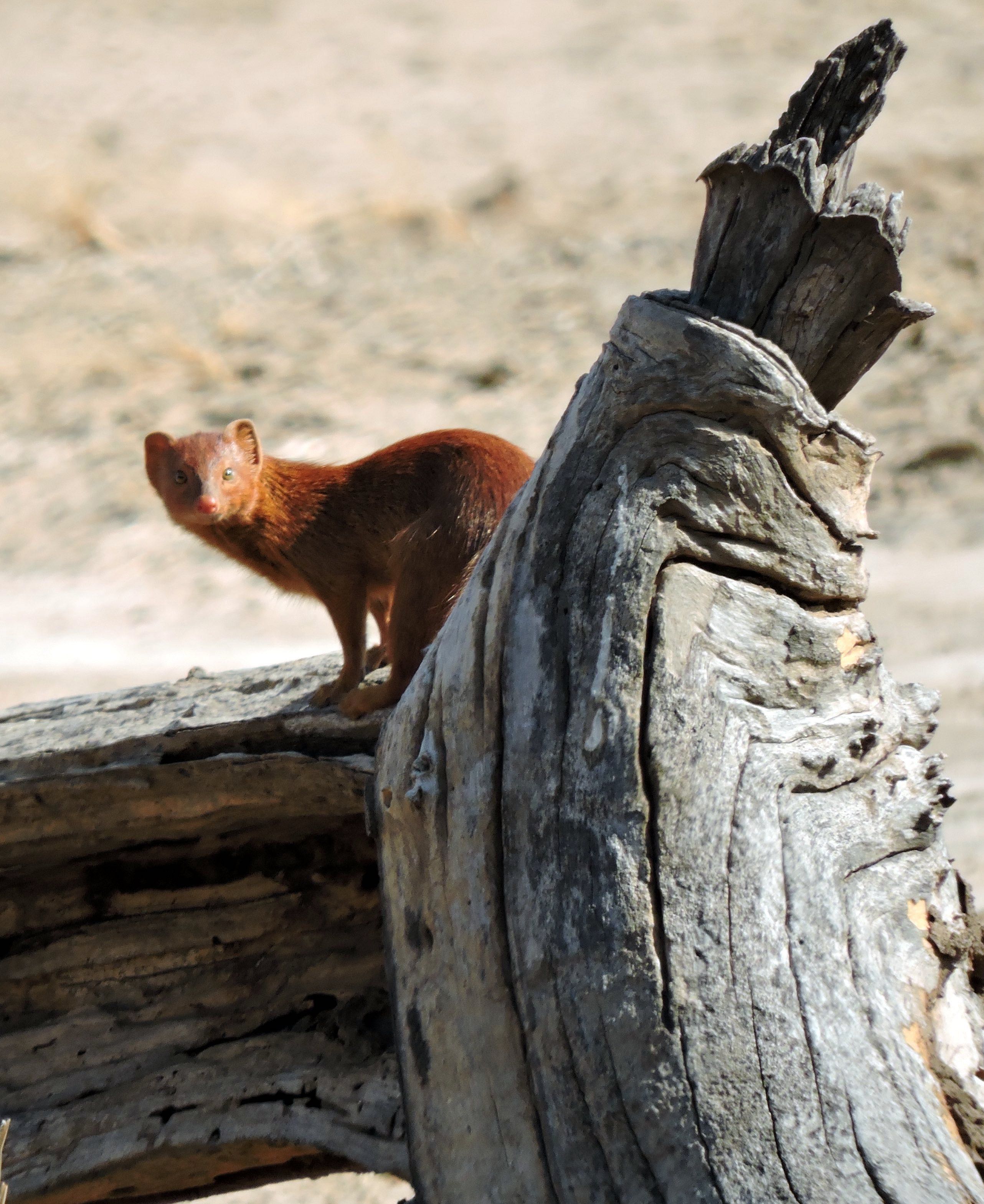
As usual we got delayed. First it was a pool where a very photogenic saddle-bill stork was wadding and then we watched the antics of a slender mongoose looking rather cunning!

DSCN9810 copy 2

DSCN9847 copy 2

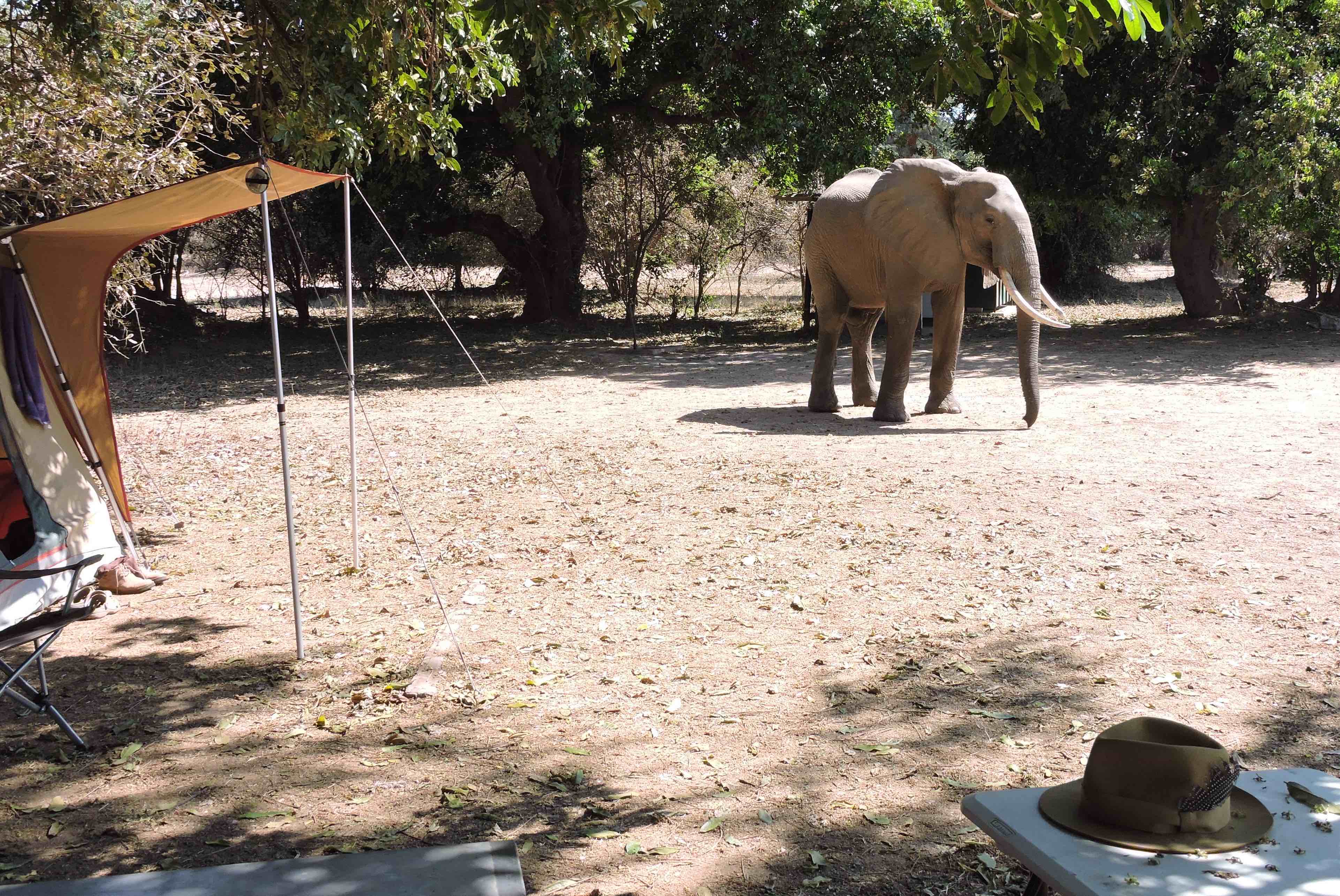
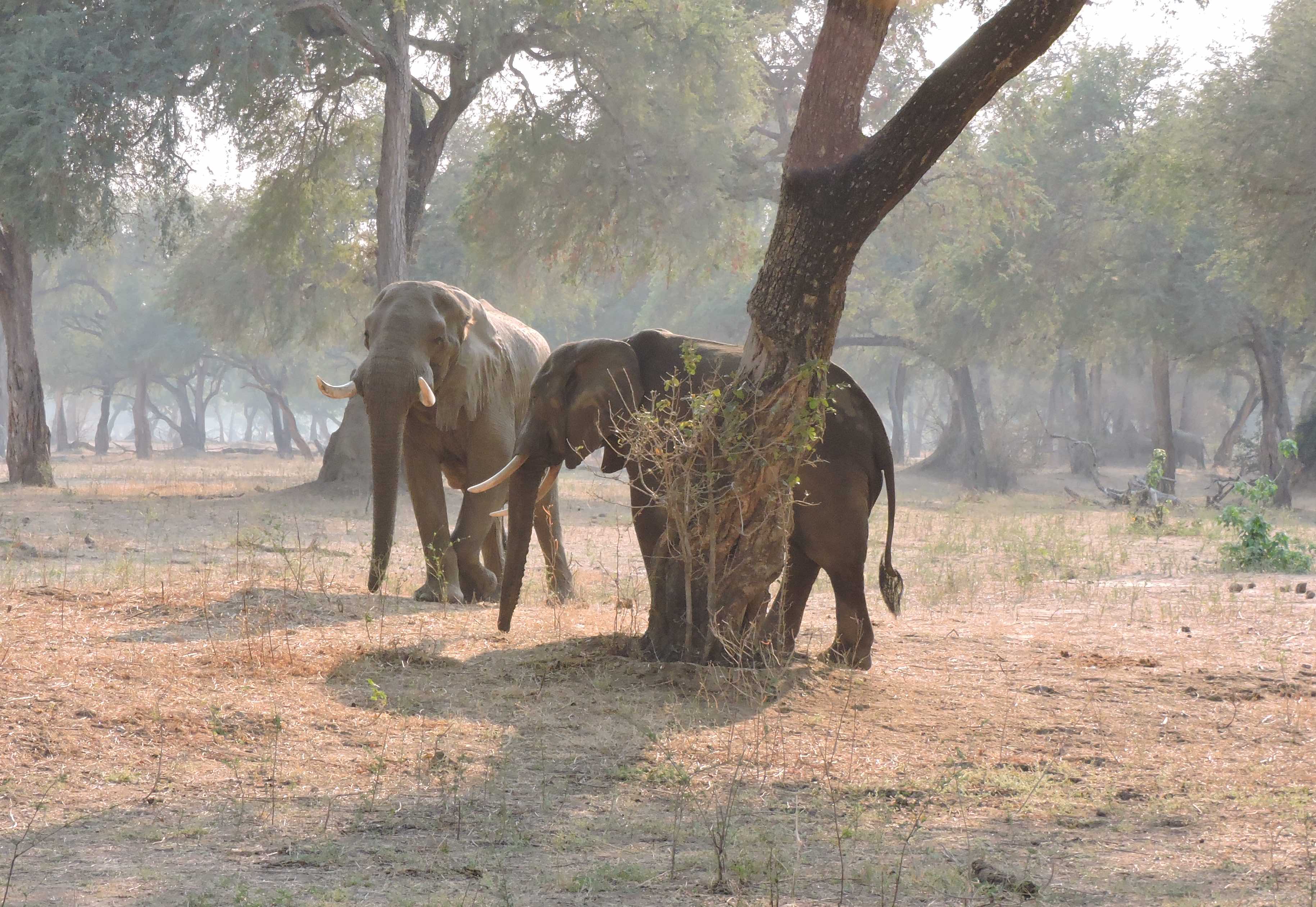
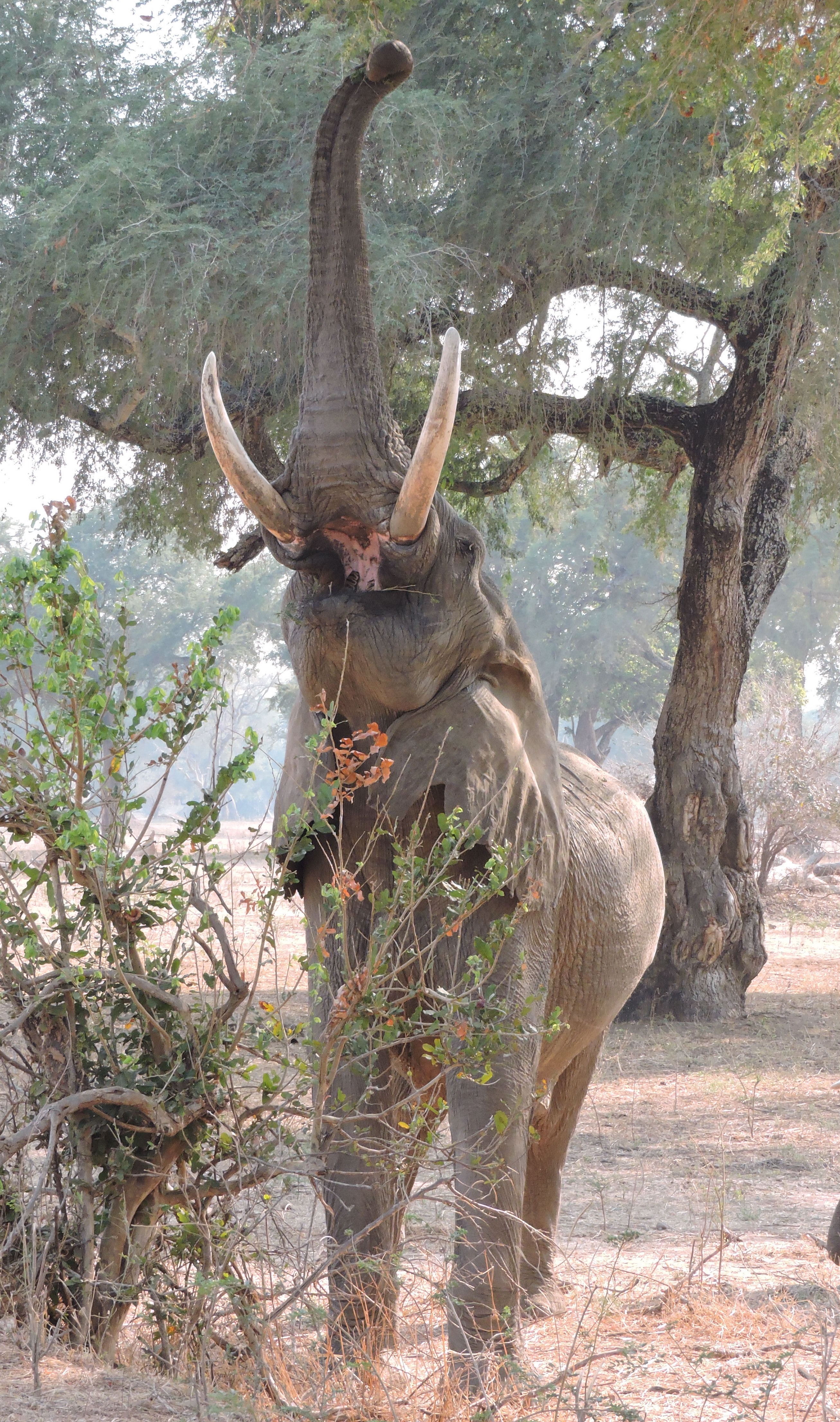
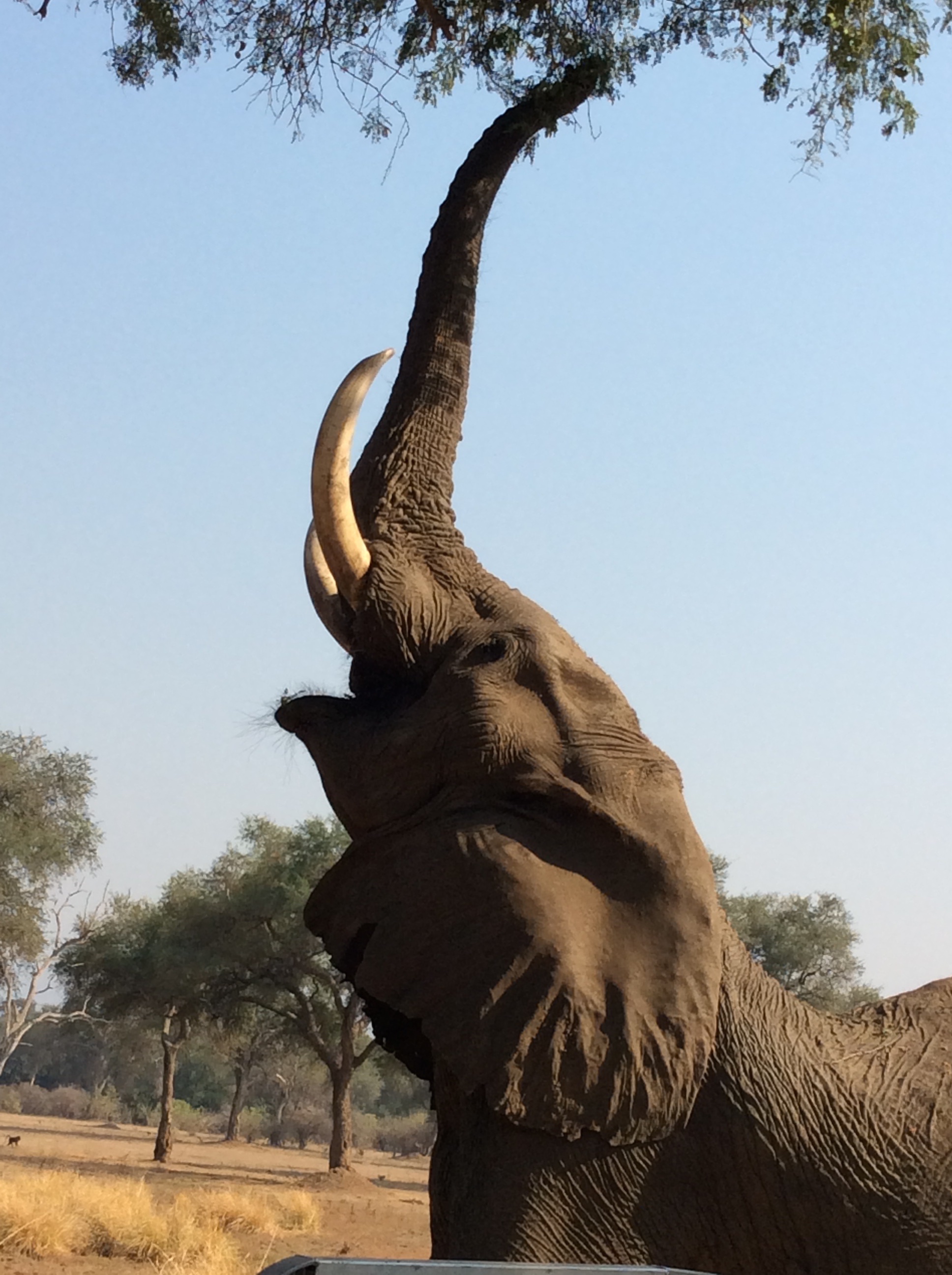
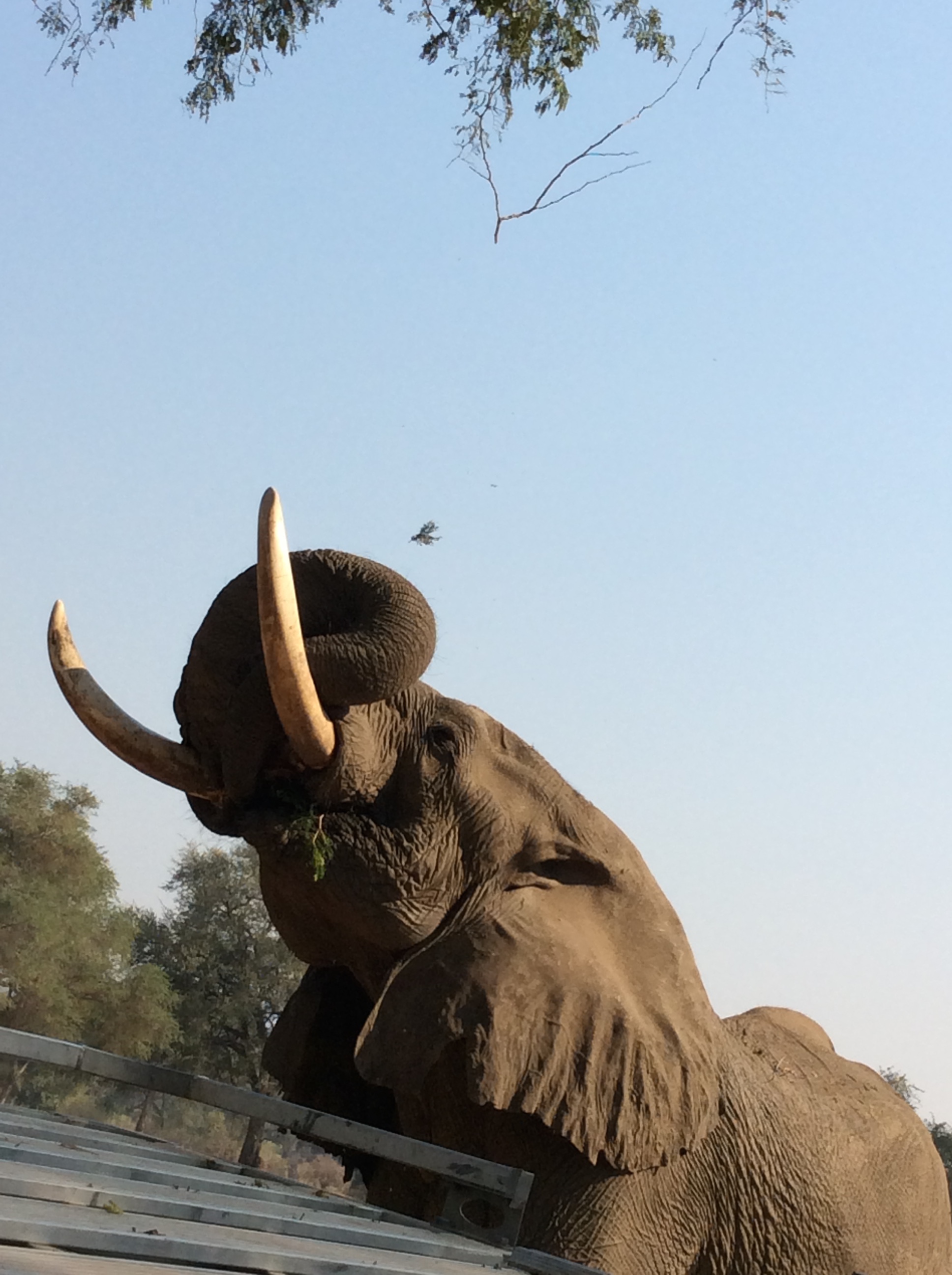
We got back to Gwaya camp by lunchtime and it was already quite hot. As usual our elephant bull askari[1] was in attendance, waiting for us while browsing and picking up elephantine delicacies: the acacia pods from the Apple-ring acacias![2] Aware of our noisy arrival it gently moved off while we spent time putting together the mess the baboons make when you leave your camp alone.

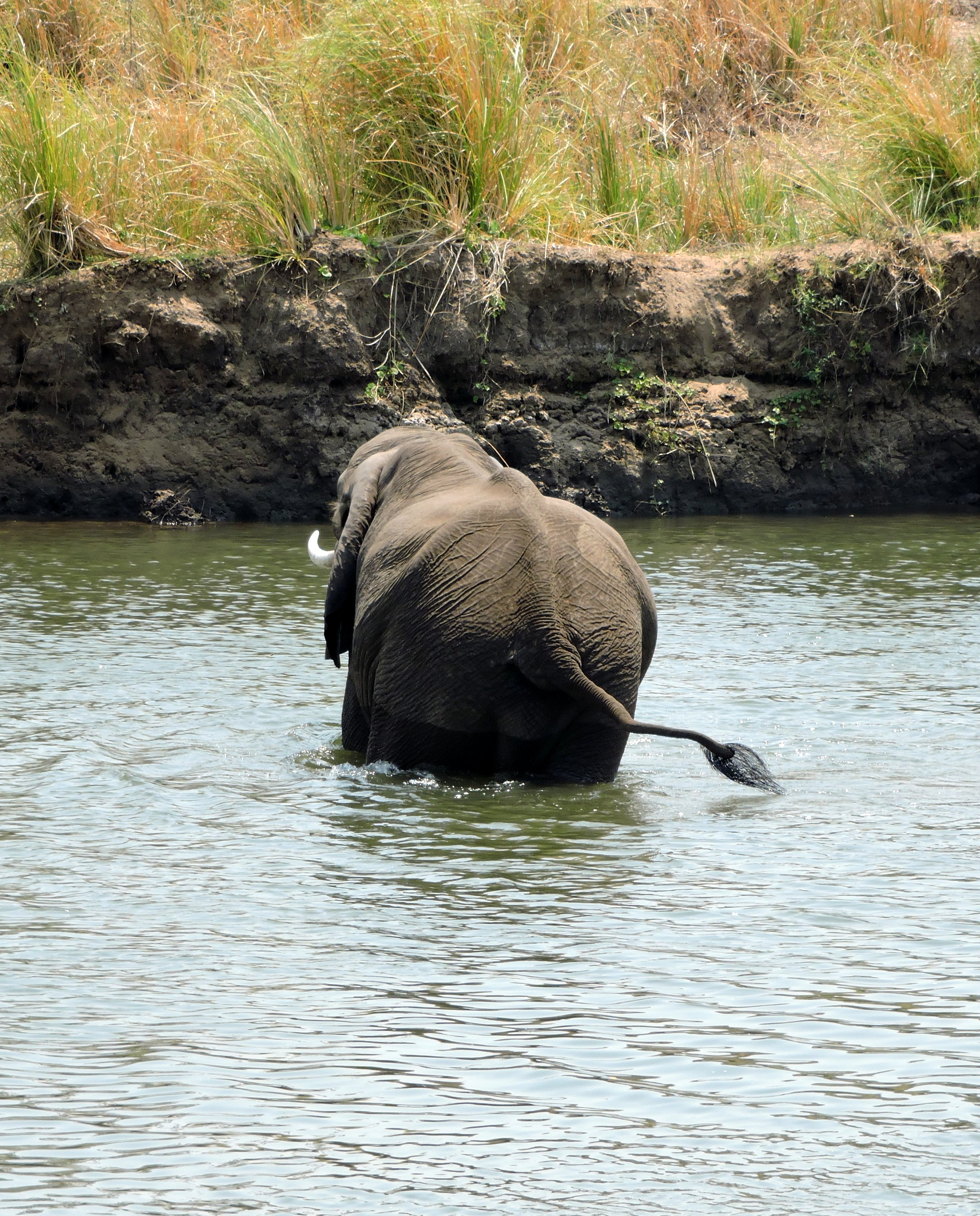
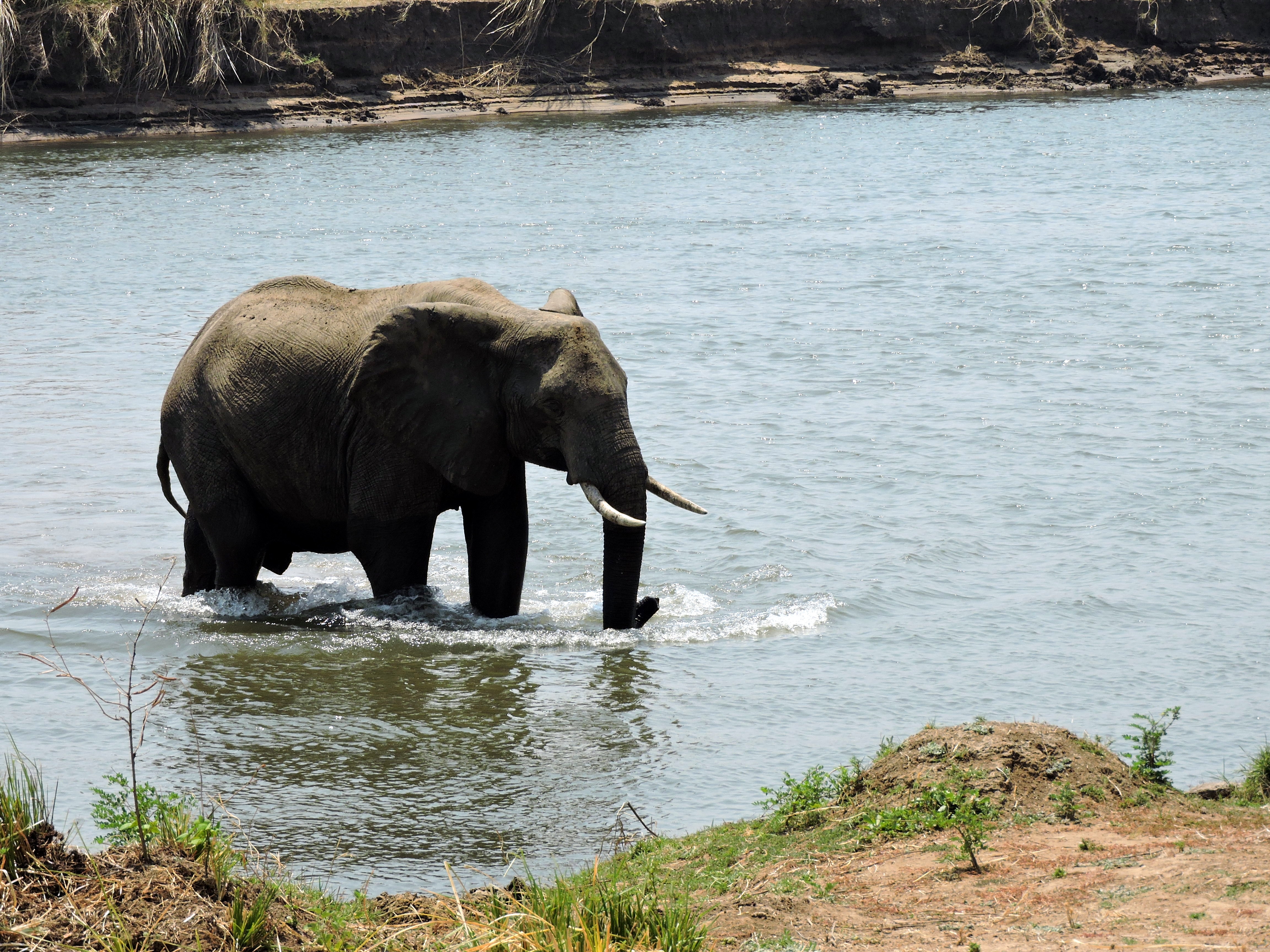
The elephant decided to cross the river in search of fresh grass, its usual move. It decided to cross from our camp so I left the baboon-recovery exercise for a while to take a few pictures of the jumbo crossing.

DSCN6566

Unfortunately the shots were not what I thought so I only took a couple and then filmed its arrival to the opposite bank. For some reason it chose the steepest place. It showered and beat the water to get some mud before it climbed on the bank with some degree of difficulty. I stopped filming and went back to set right the baboon damage.

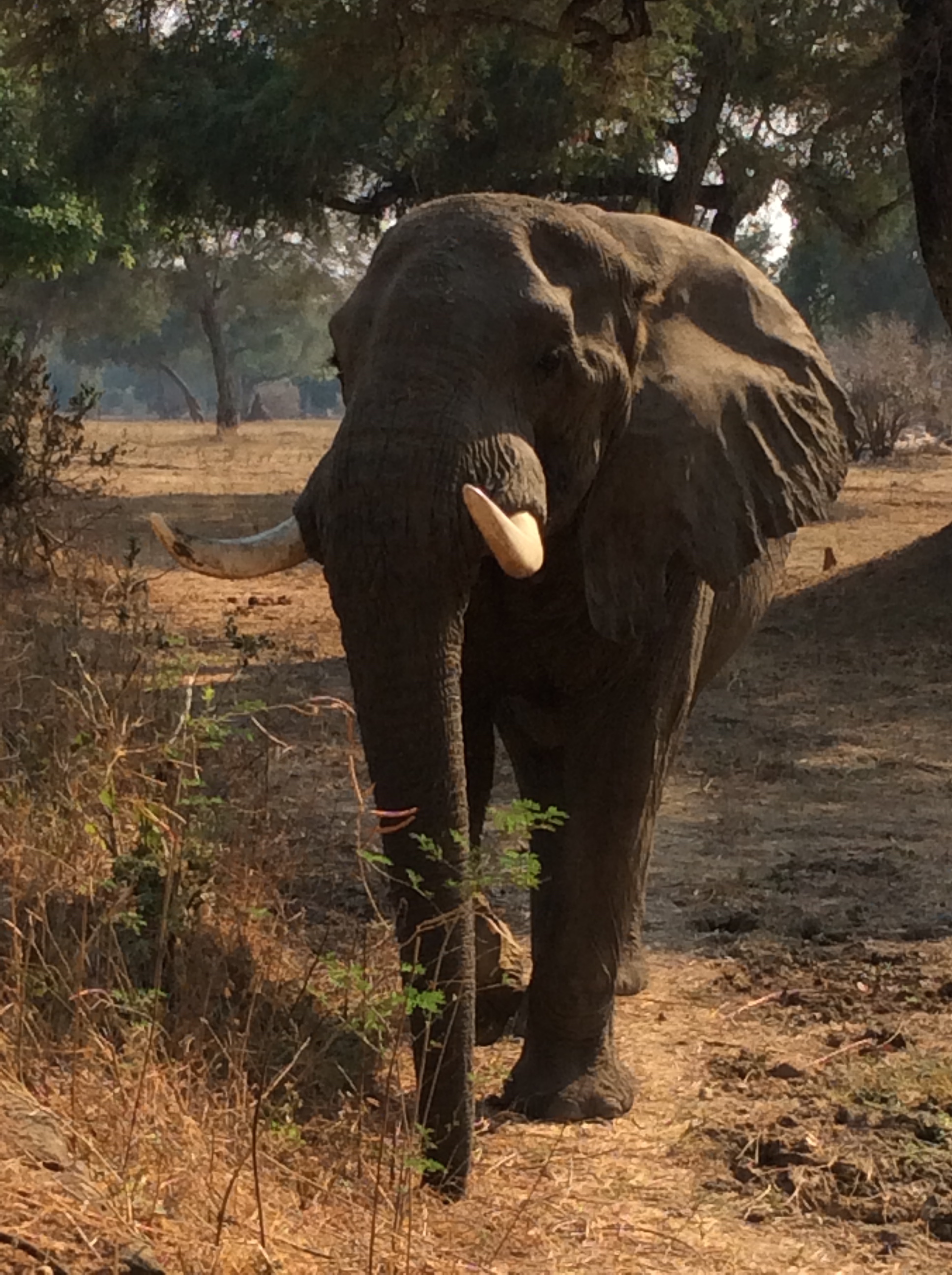
After crossing the narrow channel the elephants, usually, spend the afternoon on a wide grassy plain that exists between the canal and the main body of the river, perhaps 500 m away. I forgot about the elephant as it would only return later at night and be there tomorrow again. However, after about ten minutes from the crossing I herd it trumpeting and running back towards our camp, trunk up and shaking its head rather violently. It crushed back into the canal and started re-crossing it!

The jumbo returning.

The jumbo returning.

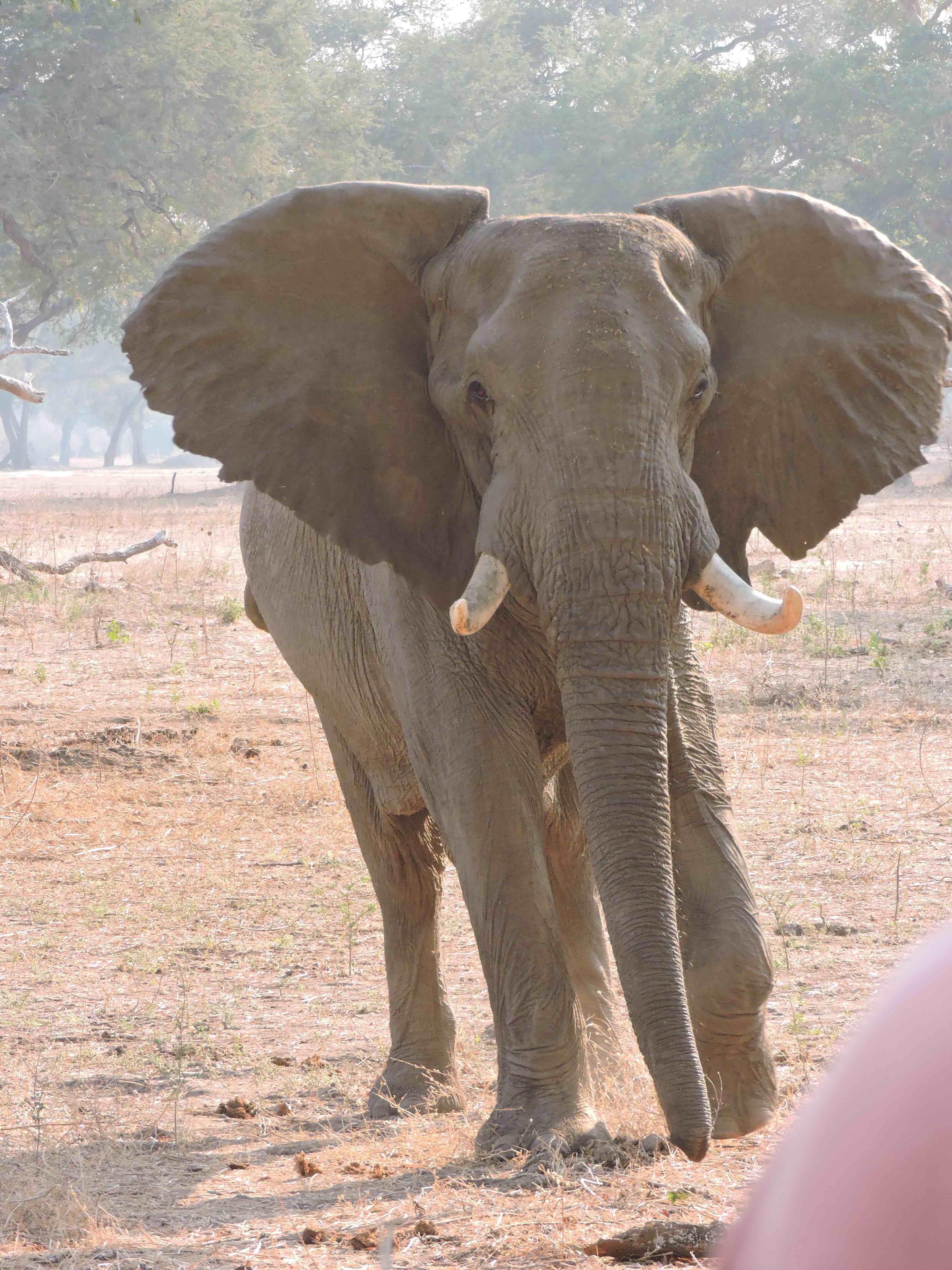
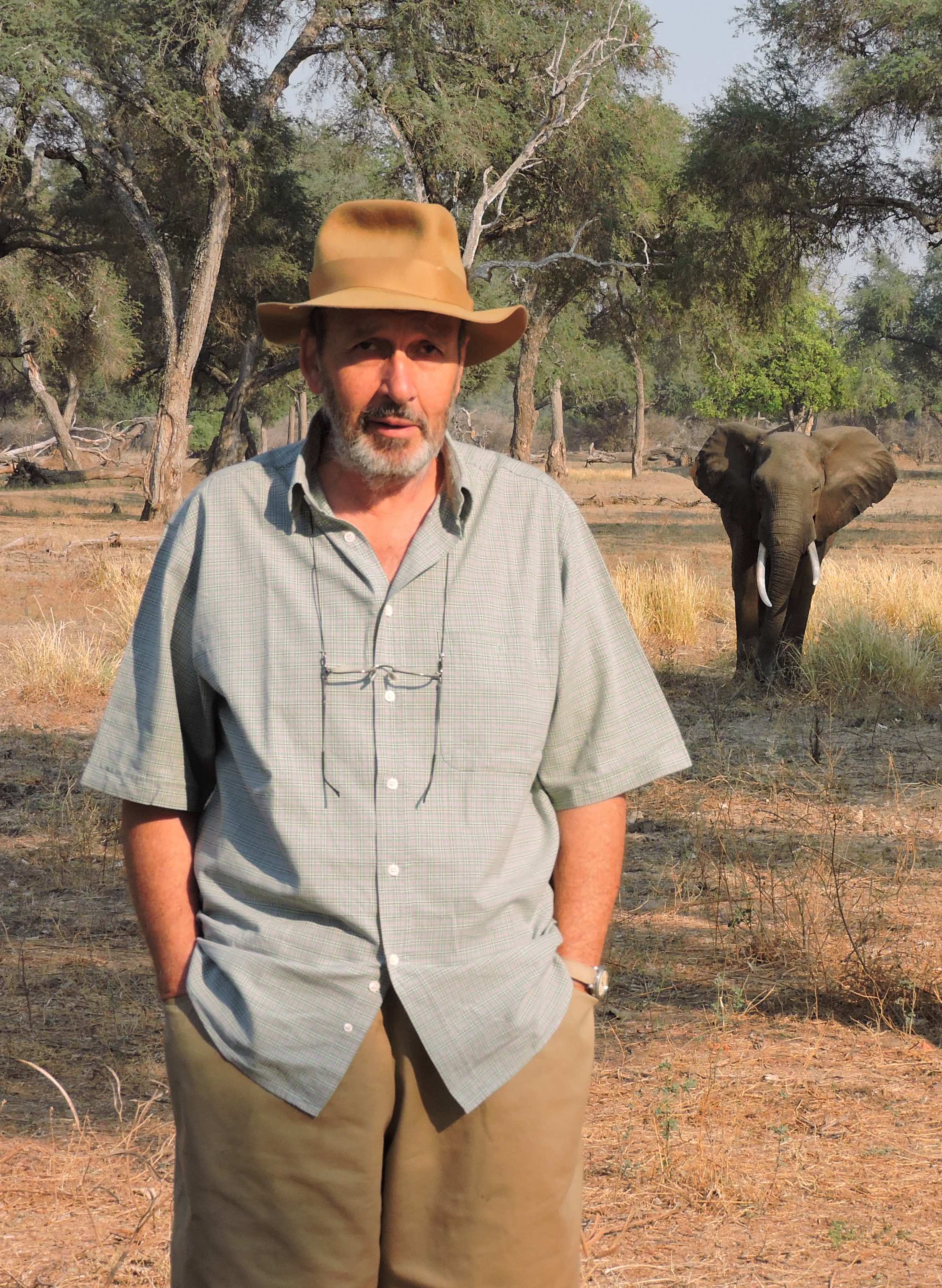
I saw it coming so grabbed the camera and placed myself at a good spot to film it coming back across the water. I videoed it while coming but, in my enthusiasm, I forgot that I was quite close from its exit and unexpectedly; he climbed the bank and charged me!

As you can imagine -at my age- I am not too keen to find out if an elephant is charging or mock-charging! Therefore my finger pressed the stop recording button and I withdrew.

The fact that I am writing these lines comfortably seated at home means that it was –luckily- a mock-charge and he stopped after a couple of more steps!

The reasons for its return and bad temper will remain a mystery and a matter of speculation. It could have been an encounter with a bee swarm, common at this time of the year, as elephants do not like them. There was also a bull buffalo nearby that could have irritated the pachyderm? We will never know but I did got my adrenalin rush!

After our interaction the cheeky elephant did not wander off but remain at camp, clearly as a demonstration of his unquestionable dominance over me! During that time we kept an eye on each other and I was careful to avoid having my siesta under his favored acacia, just in case!

A while later -after re-gaining its compusure- I saw it crossing back towards the Zambezi. This time he chose another spot about fifty metres up river and, this time, it did not come back until the following morning.

Gwaya camp, Mana Pools, Zimbabwe, September 2015.


[1] Guard in KiSwahili.

[2] Acacia albida

Camera recovered

As mentioned in the “Besieged” post of 5 October 2015, I had some difficulties retrieving the camera from its strategic location by the Zambezi as walking to do so offered some animal-related challenges!

Eventually, through a flash commando operation -with my wife watching my back!- I managed to get it and below are the results.

STC_0126 copy

STC_0142 copy

STC_0155 copy

STC_0182 copy


A hippo coming out of the river to feed at night.


Another one returning.


Leaving the river in early morning.


Waterbucks returning from drinking.


Besieged

While staying at Gwaya camp I explored its surroundings on foot to find a spot where I could place a camera to record what took place when we were not at camp and also to know which animals moved about at night. This camera is my latest gadget and an excellent source of entertainment!

I chose a spot, about two hundred metres upriver,  where two game paths led to the Zambezi.river. The path seemed well trodden and I believed that animals would come down to drink there as, after negotiating a couple of dried mud steps (carved by wild users!), the river could be accessed in relative safety for a drink.

The following morning I got a few videos that confirmed that animals did use the paths. However, I had placed the camera too close to the passers by and the results did not convince me. I decided to move the camera to another place from where a wider view of the spot could be obtained. I returned to camp very satisfied but cautious as I needed to walk round a group of elephants to get back! These elephants are always there so it was no great deal to avoid them as they are tolerant of humans.

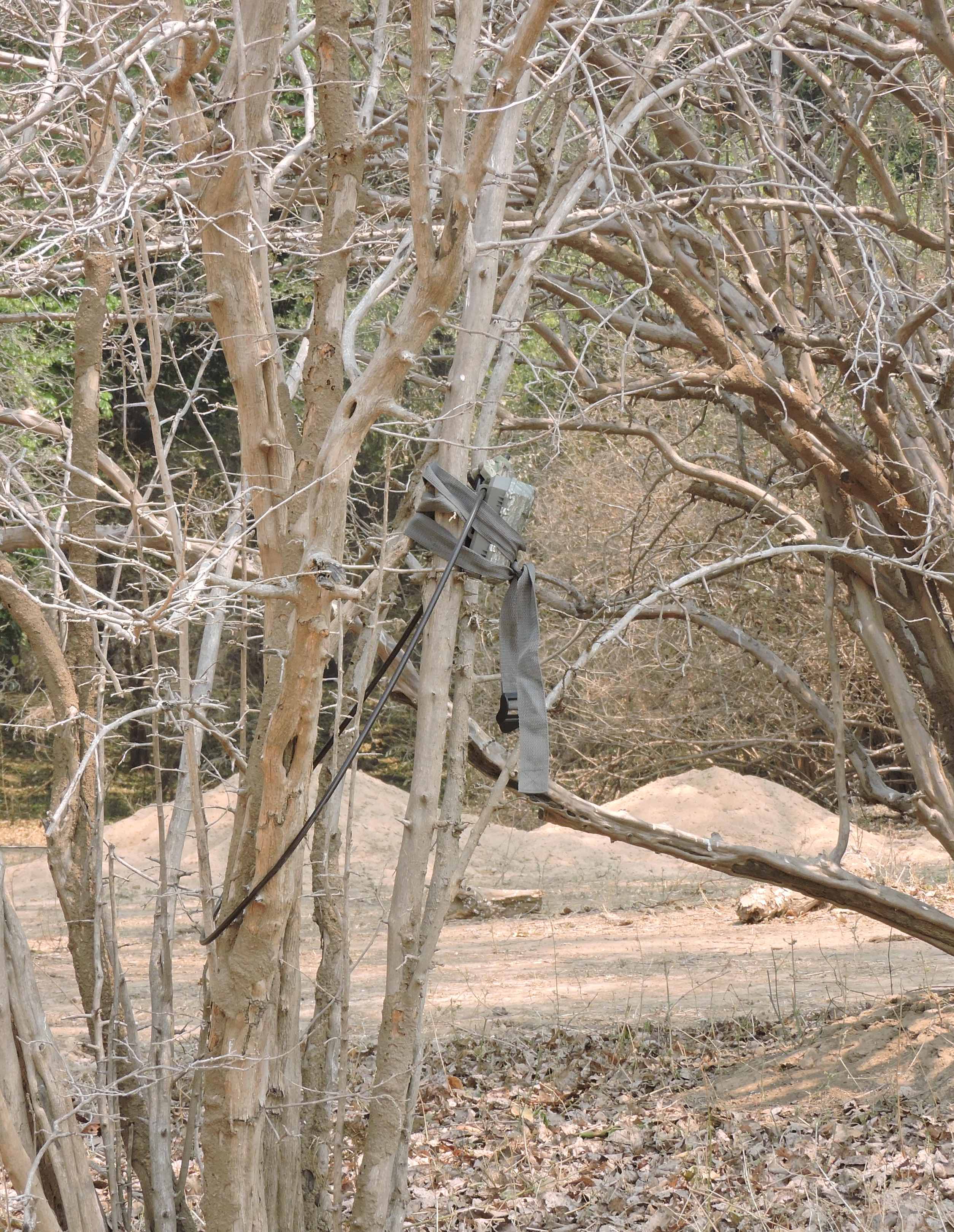
The camera in position.

The camera in position.

DSCN6778 copy

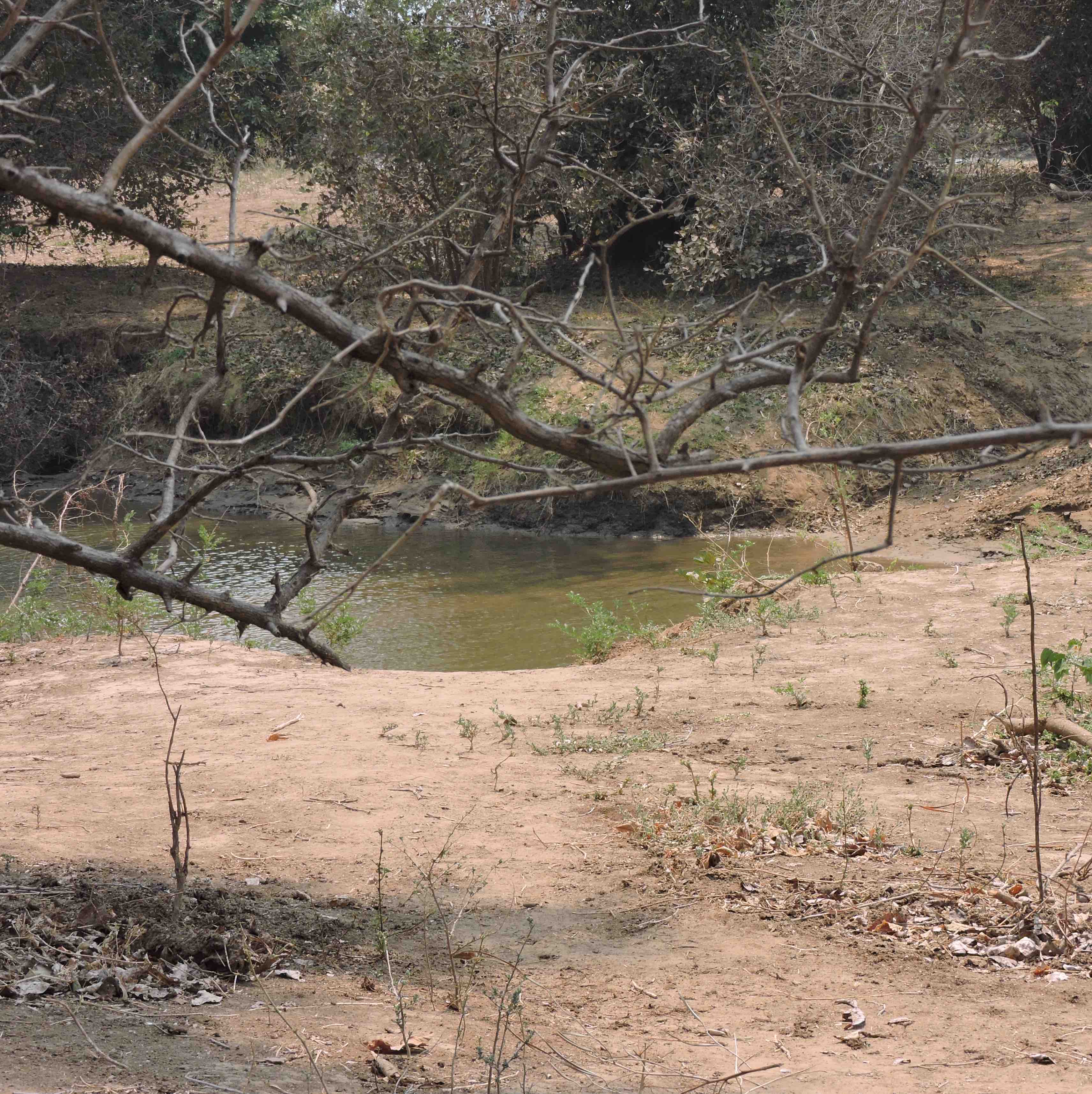
The view from the camera towards the Zambezi.

The plan was to return to the camera the following morning to download the information from the memory card and then decide what to do next.

Early next day we spotted a very large herd of buffalo  moving towards the Zambezi about one thousand metres from our camp (as the bird flies). “Mmmm,  retrieving the camera will be tricky!” I thought and it was not difficult to reach the decision of leaving it where it was for the time being!

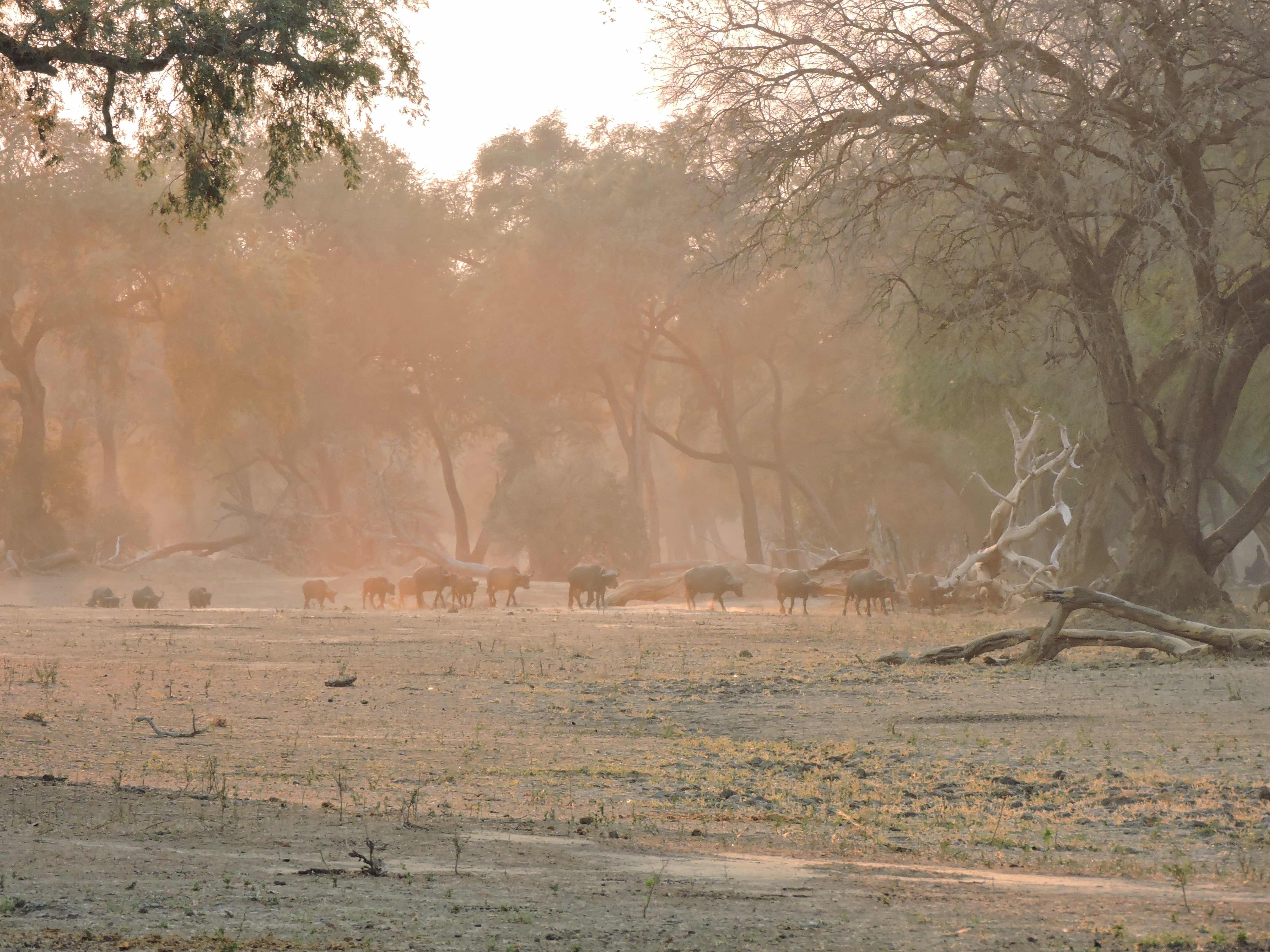
The buffalo marching towards the Zambezi, a few hundred metres from us.

The buffalo marching towards the Zambezi, a few hundred metres from us.

It was a hot day so, after lunch a siesta was a must! I am not sure if I slept or passed out because of the heat but the result was good as I felt rested and, when the temperature started to decrease, we moved off for a drive, towards the buffalo. We spotted them immediately as soon as we came close to the main road. They were spread out, still in the same area.

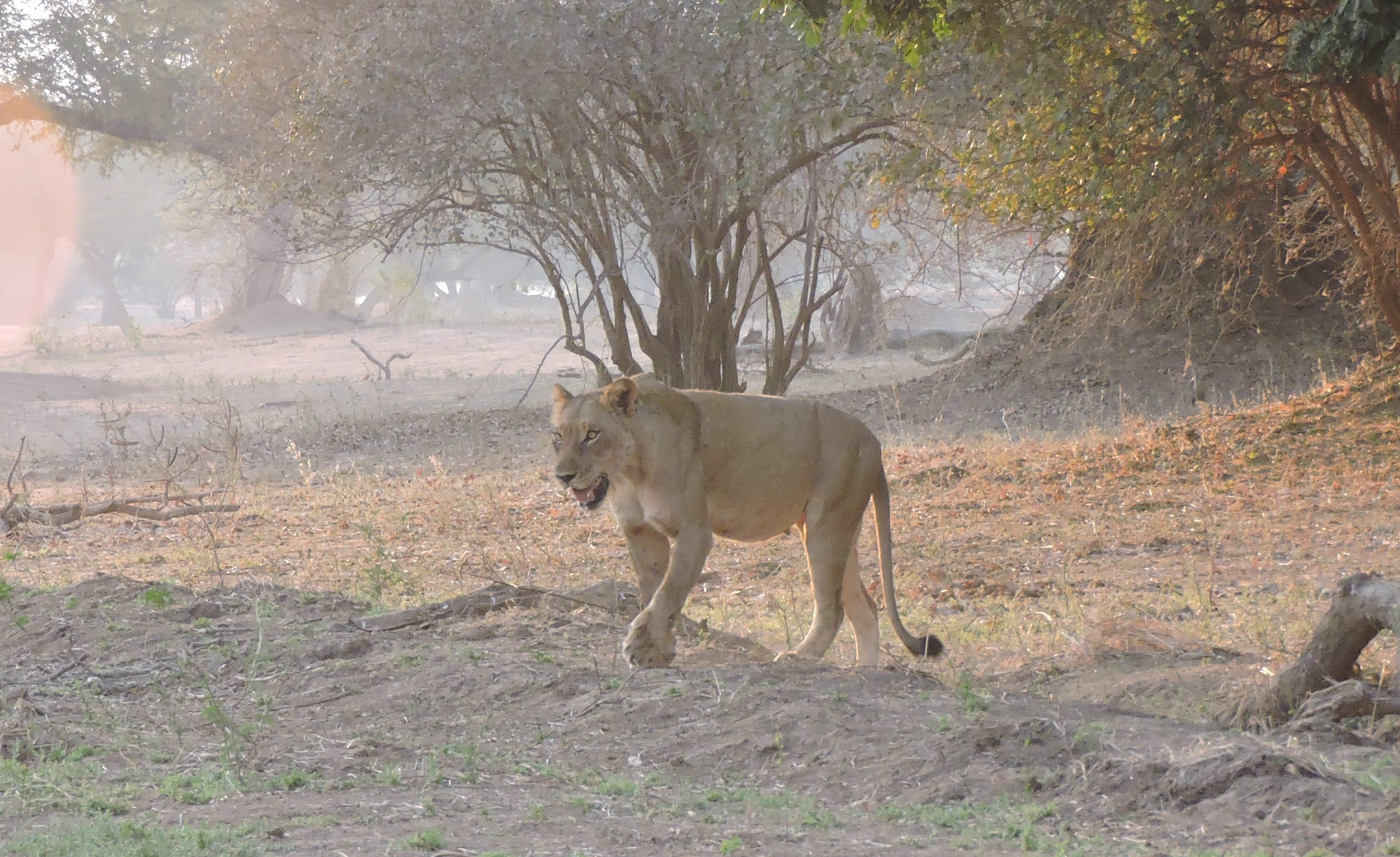
We watched them for a while while making comments like : “if it is true that lions prey on buffalo, now is the time to find large cats”. We then noted a car parked under a tree, watching the buffalo like us. Or so we thought… When, after a while, we overtook them they pointed out to the side of the road. We had just missed a lioness lying one metre from the track! It was an elderly animal -probably sick- and it was panting heavily. We came back to apologize for having driven between the lioness and the other car, and were told that there were more lionesses and cubs in the thicket, about two hundred metres from us! So much for our game spotting skills!!!

After looking intensively at all possible bushes from different angles we did spot the group. They were four lionesses and three cubs. They had clearly fed recently as, particularly the cubs, had greatly dilated bellies! So we now had elephants, buffalo and lions (three of the big five!) around our camp!

Lioness moving back to the thicket after drinking.

Lioness moving back to the thicket after drinking.

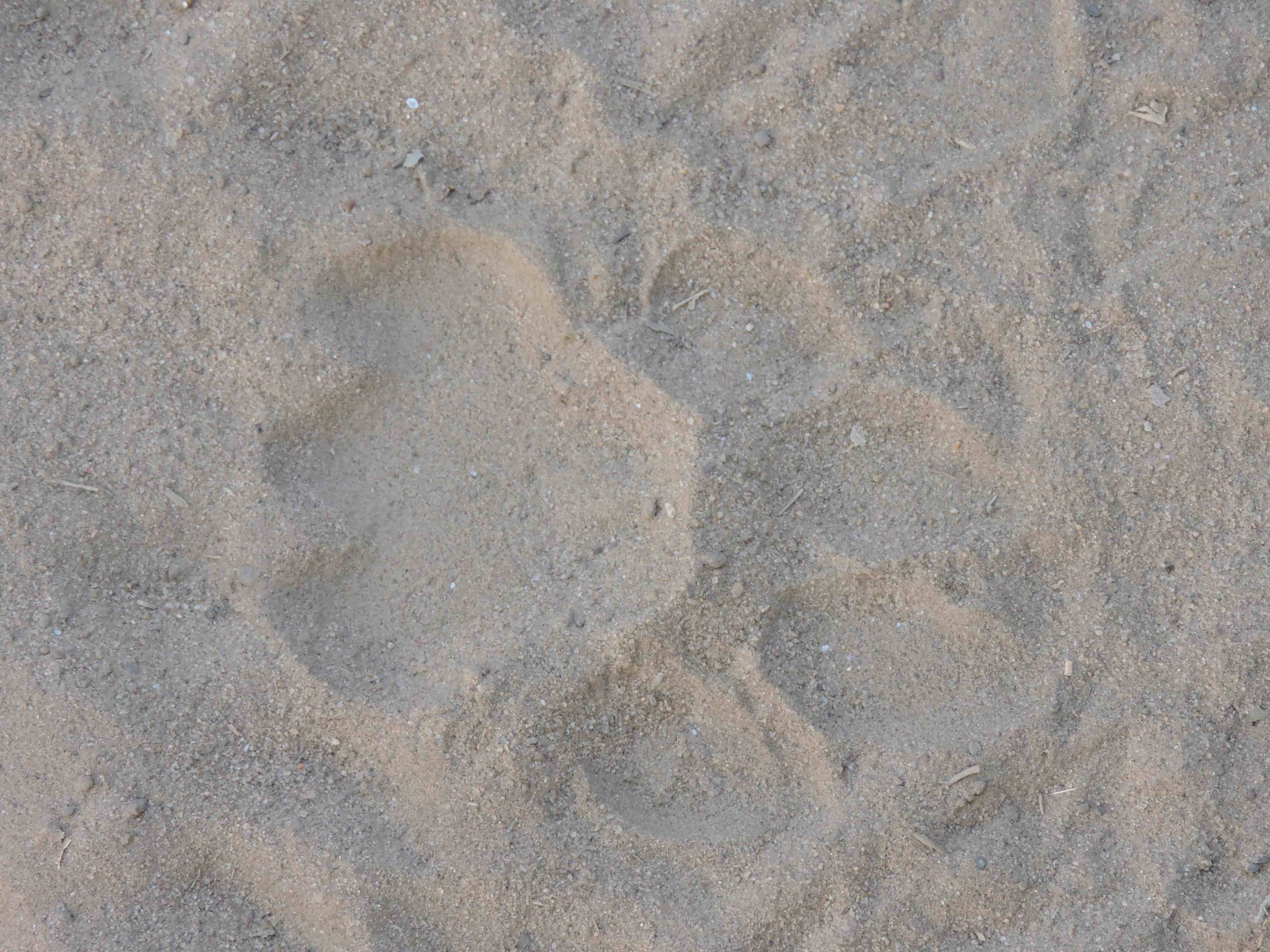
Lion spoor around our camp.

Lion spoor around our camp.

As elephants are very tolerant and the lions had fed, my main concern were the buffalo. The latter had now spread all over the surrounding bush. Clearly the camera would remain in its current location until the animal siege to our camp was finally lifted!

I did eventually managed to retrieve the camera and got some interesting takes that I will present to you in a separate post.

Gwaya Camp, Mana Pools, Zimbabwe. September 2015.

Talking ants

Our first stop during our afternoon game drive from Gwaya after setting up camp came quite soon. In fact, we stopped while we were still in the campsite grounds. I did a kind of emergency stop to the surprise of my companions that were still settling down for the drive. Startled, they looked around but could not see nothing so, I am sure, they waited for one of my jokes as I do have a reputation! After a while I heard “This is one of your jokes right?” coming from Tom, but I was (quite) serious.

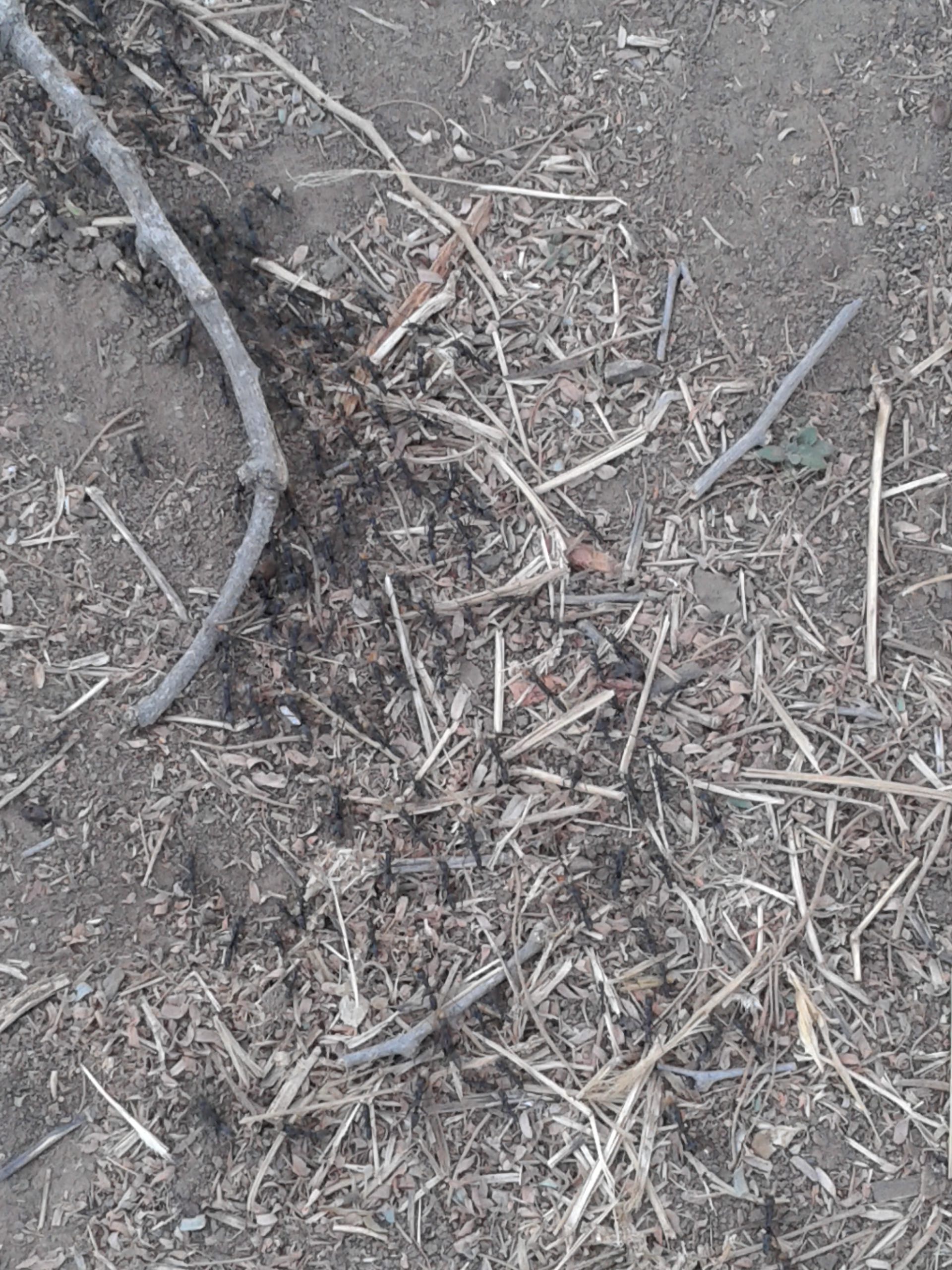
The only picture of the ants, taken by my wife.

The only picture of the ants, taken by my wife.

I had spotted a column of Matabele ants[1] crossing the track. We had seen these ants in action earlier in Zimbabwe while entering termite nests and, after a while, emerging with bundles of termites in their jaws, both workers and soldiers! These are specialized ants as they feed exclusively on termites, leaving their colony “en masse” to search for termite nests where they will all enter and attack the nest carrying their victims back to their colony. They normally raid at dawn and dusk so we were probably seeing an evening raid returning home empty-jawed.

When disturbed these ants emit a high pitch squeaking sound that we have not heard from others such as the safari ants or siafu (Dorylus sp.) of East Africa or the leaf cutting ants we have in South America. For this reason, when the ex President of Uruguay Pepe Mujica mentioned that ants whispered in his ear while spending two years at the bottom of a well during his prison sentence, I had no difficulty in believing his words!

The ones we found were carrying their eggs and young and there were not more than three hundred individuals, organized in a thick column. They were moving like an army and entering a hollow dead tree trunk, probably their nest. At the time of the observation I was reading Conn Iggulden’s Genghis Khan series and their behaviour reminded me to the Mongol raiding tactics!

When we were about to leave them to spend the night in their nest we noticed about twenty ants bringing the rear. At first we thought that these were the old and injured, struggling to keep up. But their behaviour seemed odd! They were not moving slowly or lacked any legs! They were performing an activity that was part of their moving strategy. They were clearly following the trail of the group but they were picking up sticks, leaves and other debris and moving them slightly as if trying to “restore” the path they group had trodden to its original condition!

As this seems far-fetched, perhaps they were just either erasing their earlier pheromone trail or releasing new ones to indicate their presence to other creatures?

Once these “strugglers” reached the hollow trunk, they also got inside to join the others. They were in for a hungry night.

September 2015, Mana Pools, Zimbabwe

[1] Megaponera analis, one of the world’s largest ants are named after the fierce Matabele warriors.

Sand lovers[1]

As Tom and Chizuki were departing in mid-morning we left for an early drive to be able to return to camp in time for them to pack up. Lions had roared from the direction of Mana mouth so that was our destination.

The tracks in the area are reasonable with the occasional dry river crossing that normally do not offer any real challenge to a 4WD vehicle. The exception being some that actually have water, sometimes quite a lot of it making for fun driving (for me and daughter) and unnecessary risk-taking for my wife and son! Yes, the family is clearly split between wise and unwise (according to the wise) or boring and fun, according to us!

Because of his work, my father travelled daily to the rural areas of the Colonia Department in Uruguay from the 1940’s until his retirement in the 80’s. He did ford many watercourses during his time and he stated that “where there is water there is no mud underneath” so he would venture into the water without hesitation. He will drive forwards in his Willys Jeep when the water was reasonably low or plunged backwards when it was very deep. In this way he would open the water with the back of the car and the engine (petrol at the time!) would not get wet!


A river crossing with water at Mana Pools in July 2015.

Going back to our game drive towards Mana mouth, after a km or so of the river crossing we found a Land Cruiser pickup, probably the best bush vehicle there is. So good that in Mozambique they call them AKM in reference to the indestructible AK47 assault rifle (in Mozambique they know about this!). The pickup was not moving and there was someone standing next to it. We soon realized that they had just got stuck in the sand.

There is nothing wrong with getting stuck in the bush. However, they somehow had managed to do so in a patch of sand about two metres long! We waited for a few minutes, convinced that the car would move as soon as 4WD was engaged. Despite this, nothing happened and it only got deeper into trouble. Aware of the worsening situation we got out of our car and introduced ourselves to the lady standing and watching. She looked cool -with a Coke in hand- and clearly quite amused with what was taking place!

The driver was somewhere under the car frantically digging sand from under the wheels. “If you have a rope handy, I can pull you out”, I offered getting a smile from the lady and a grunted “no thanks” from somewhere below the car while sand continued flying out from under the car. After a couple of minutes we spotted him and realized that he was wearing the uniform of a tourist guide. His face was red showing an “I am upset and worried but do not want to show it” expression!

In view of the negative, we stood and watched the driver excavate more until he was satisfied and jumped on the car, clearly not enjoying being observed by some amateur tourists! He managed to get some action. The car jerked forward giving us some hope but it got lower into the sand. When this happened, the driver -wearing a very red face by now- jumped out again, still ignoring us, and proceeded to get under the car again to move more sand and enlarge the hole that, by now, had acquired an unnecessary large size!

We looked at the lady and she shrugged her shoulders so we quietly got back in our car and, aware that our time was short, drove around the “obstacle” and continued on our way. While passing by the pickup we said adios to the lady who shouted, “look, they are leaving”, and quickly added, “they are really going!” in the direction of a bottom wearing kaki shorts! The latter remained indifferent while the digging continued, probably for quite a while.


[1] Zimbabwe 2015, Mana Pools.

Harvesting from the effort[1]

The following is a concise account of my working life. More details can be found in the “Pages” section of this blog. The intention of this short account is to set the seen for the next historical posts that will deal only with episodes that took place during these years and that I consider to offer some interesting aspect worth mentioning.

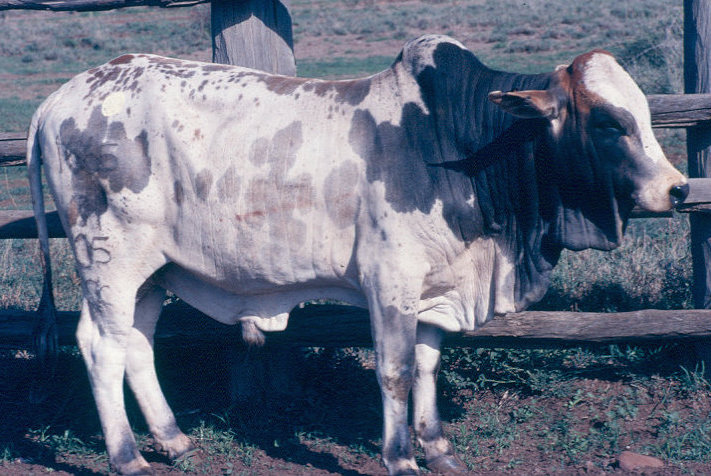
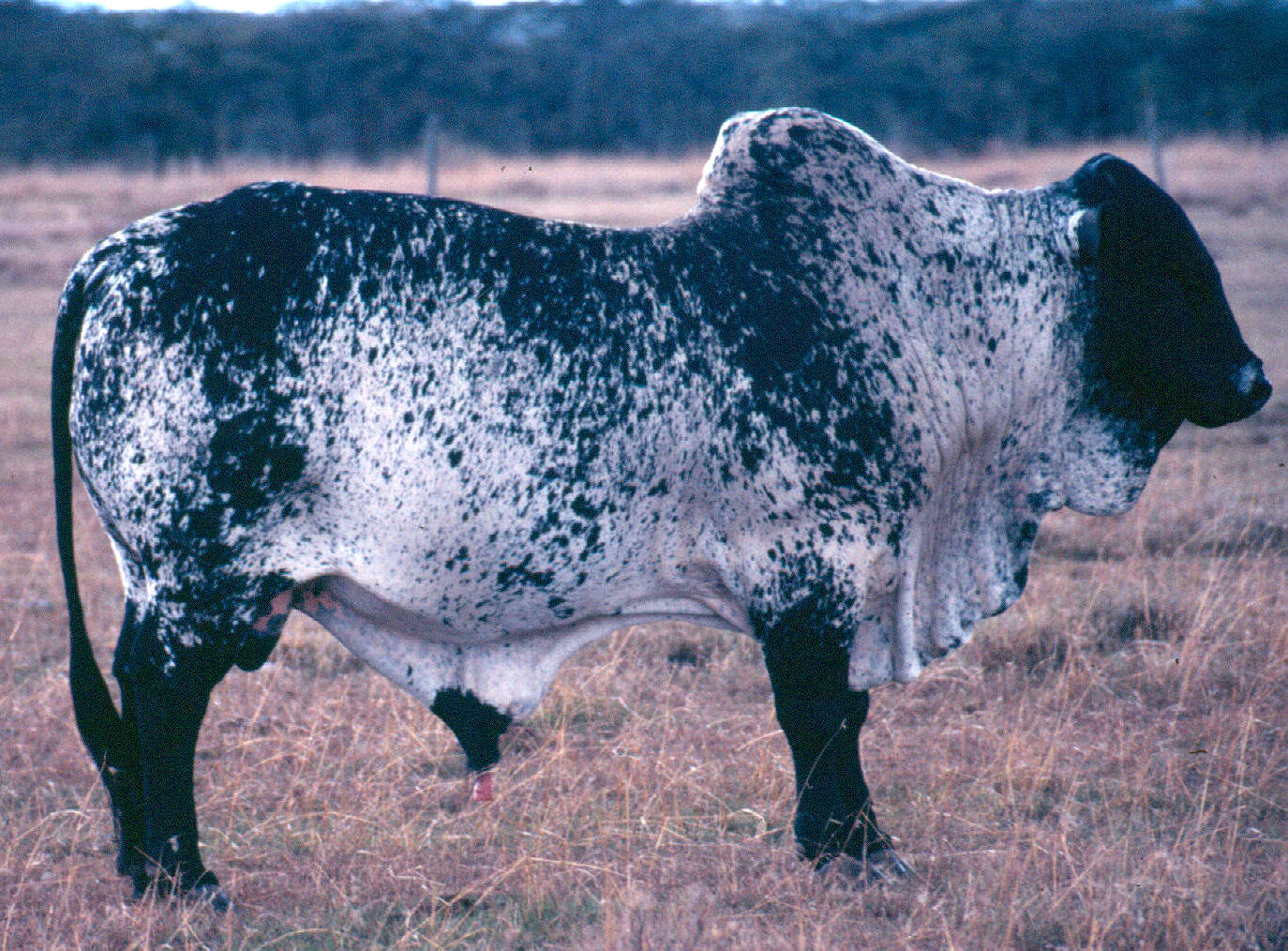
A Boran young bull at Mutara ranch, Kenya.

A Boran young bull at Mutara ranch, Kenya.

Boran young bulls at Mutara ranch, Kenya.

The work at Muguga and Intona described earlier (give link) yielded fruit and I was able to publish the results in good scientific journals, together with my co-workers, Matt, Alan and Robin included. My research added some knowledge to a large regional programme on ticks and tickborne diseases that FAO had initiated at the time of my arrival in Kenya and that covered several countries in East, Central and Southern Africa.

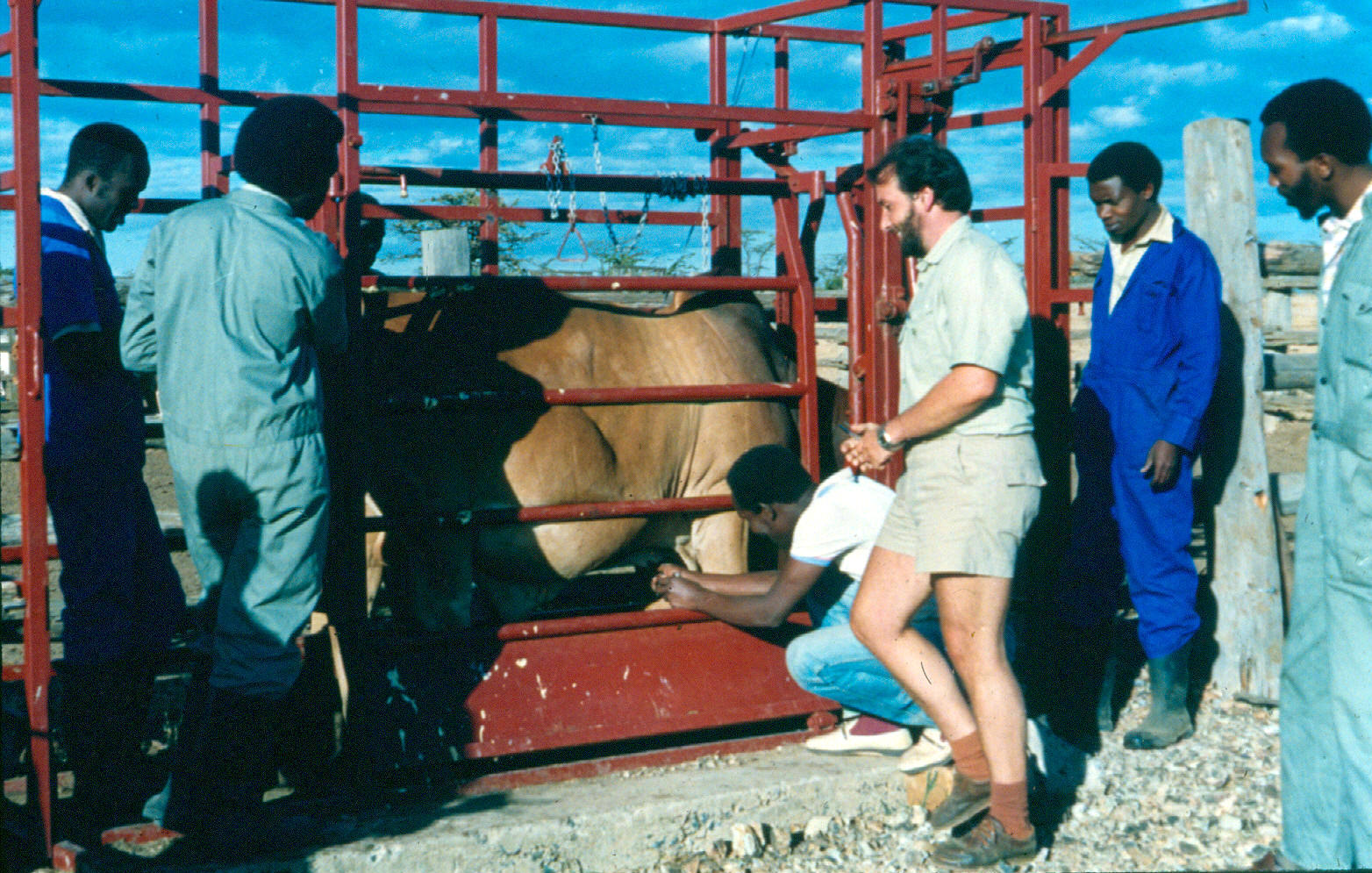
Mutara tick selection work.

Mutara tick selection work.

Once my fellowship ended, although I had a lot to learn yet, I had somehow found a niche for my work at ICIPE and, with Matt’s blessing, I joined the Tick Programme as a scientist. My work on tick impact had ended and now my work would have to fall within the Tick Programme’s goals and funding. The main target was to control ticks using the cattle resistance to them. I had come across this fact while doing my research as some animals showed resistance while others not.

At that time I also decided to start my PhD studies as an external student with my former Department of Applied Zoology at the University of Wales. Four years of hard work were in front of me, as I needed to work and study, not an easy feat! I was lucky to be surrounded by knowledgeable colleagues and to find a great supervisor, the late Ian Herbert from the Department.

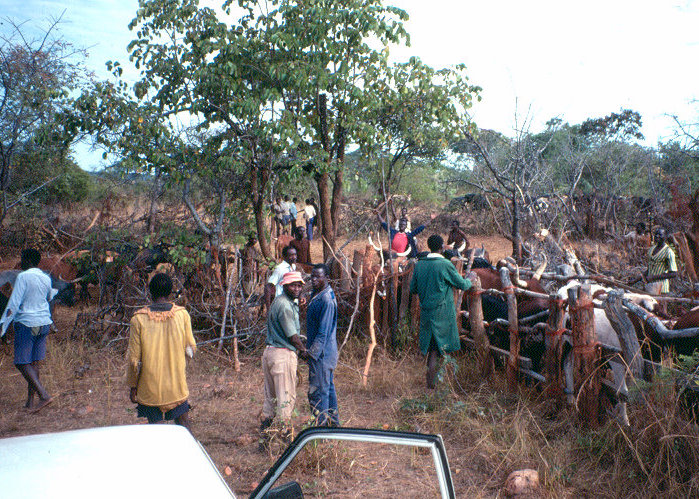
While working on my PhD I got involved with the work on ticks and tickborne diseases on-going at Muguga and I also continued with field work at Intona. Later on we started more work at Mutara Ranch, then the Boran cattle stud for Kenya, where we started work on selection of cattle for tick resistance that sadly needed to be abandoned for lack of resources. The initial study got published and this added to my growing reputation in the tick world. I completed the PhD in 1986 while still in Kenya.

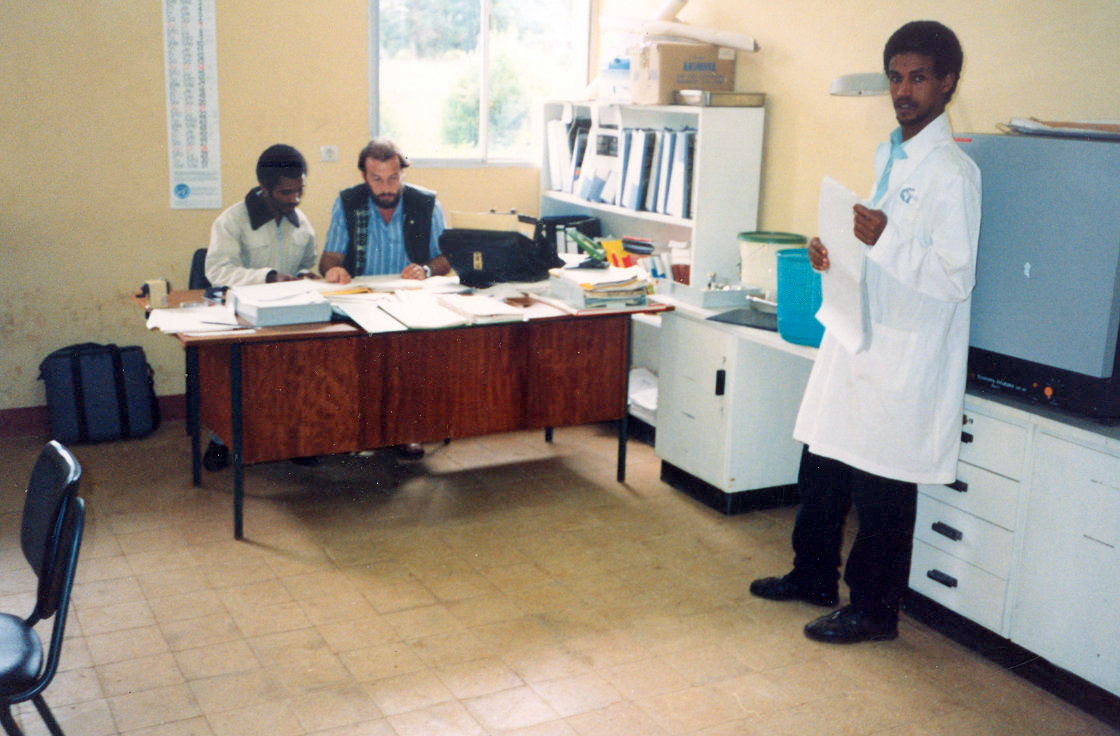
The laboratory at Bedele, Ethiopia.

The laboratory at Bedele, Ethiopia.

In 1988 FAO offered me a position as a Leader of the Ethiopian component of their regional tick and tickborne disease programme I mentioned above. I accepted the offer as it had very favourable conditions but left ICIPE and Kenya with a heavy heart after so many years of enjoying life and work there.

Villagers at Gambela, West Ethiopia.

Villagers at Gambela, West Ethiopia.

Ethiopia was a big change as we arrived in a country at war with Eritrea and under a comunist regime led by Mengistu Haile Mariam, a ruthless leader. My duty station was Bedele in West Ethiopia, still green and wooded with a rainfall of about two thousand mm per year! It was a remote place where FAO has assisted the Government in building a Veterinary Diagnostic Laboratory. Bedele’s main claim to worldwide fame is ob being the place where coffee originated from.

The work was more routine than challenging and it required the collection of ticks from cattle at different locations both to get to know the species and to understand their population dynamics. My assignment there lasted under two years as I was replacing another tick officer that needed to be evacuated with a severe heart condition. Despite the political and economical difficulties the country was going through, the work was completed and, as the possibilities of continuing the work were not there, it was tie to move on.

The project site at Lutale, Central Province of Zambia.

The project site at Lutale, Central Province of Zambia.

I was transferred to Zambia where I was to continue a long-term trial on the effects of ticks on traditional cattle productivity both of milk and beef under different tick control regimes: no control, intensive control and “strategic” control. The latter meant to treat only to prevent tick numbers from building up. The trial run for three years and it was completed successfully. It was during this time that our children were born and our lives changed!

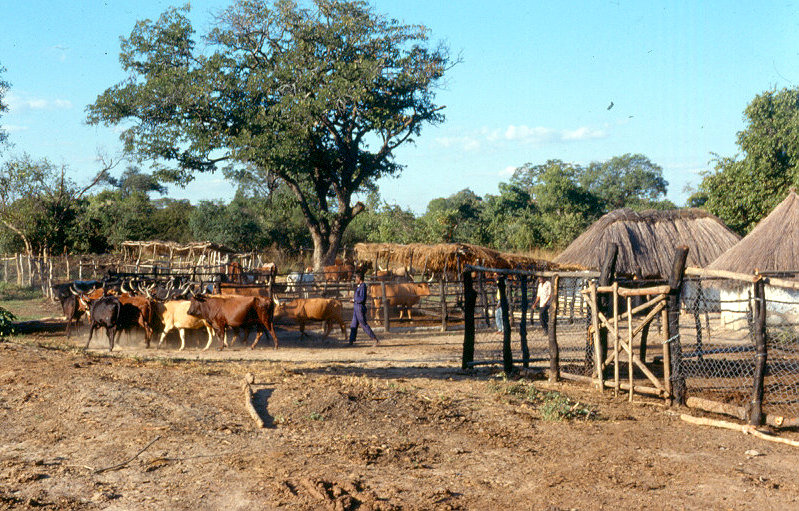
Cattle work in Southern Province, Zambia.

Cattle work in Southern Province, Zambia.

After three busy and productive years in Zambia the regional programme was going through important changes. Its coordinator based at FAO HQs in Rome was about to retire and more funding was coming in to continue the work for another phase of four years. Somehow I landed the coordinator’s job and moved to Rome in a move that removed me from scientific work and converted me into an international bureaucrat!

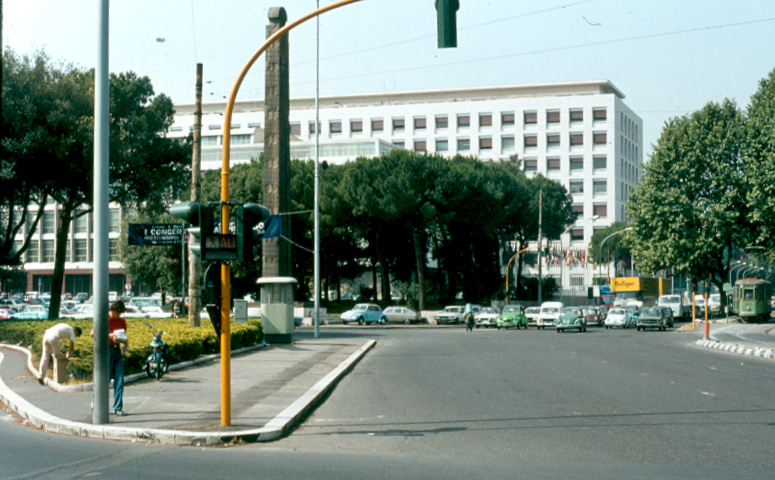
FAO in the 90s. Please note the Axum stele that was returned in 2005.

FAO in the 90s. Please note the Axum stele that was returned in 2005.

After a few months in Rome, once the “glamour” of the job waned, I realized that I needed to get back to the field as the work I was doing did not appeal to me.

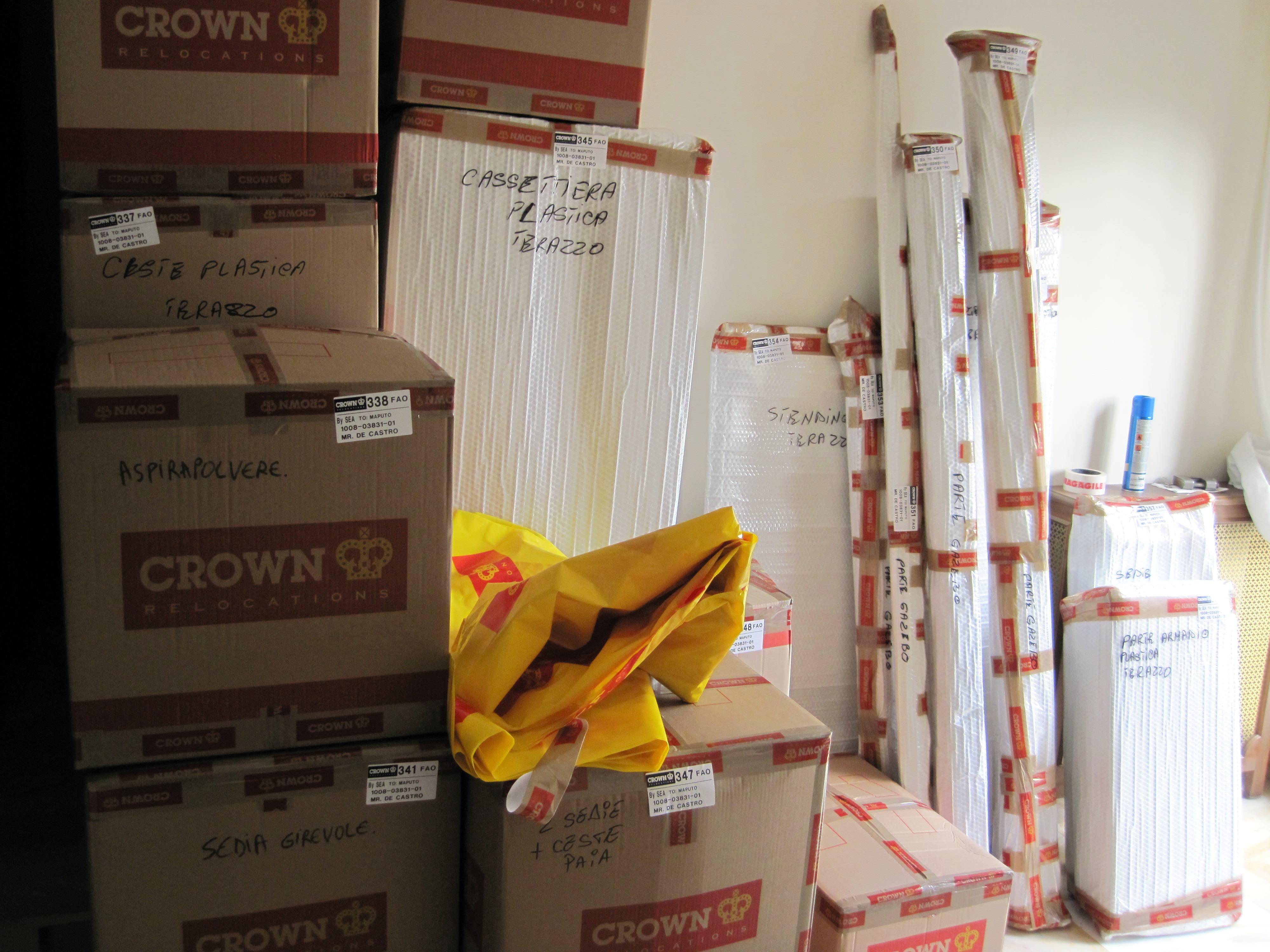
Mudanza a Hre copy 2

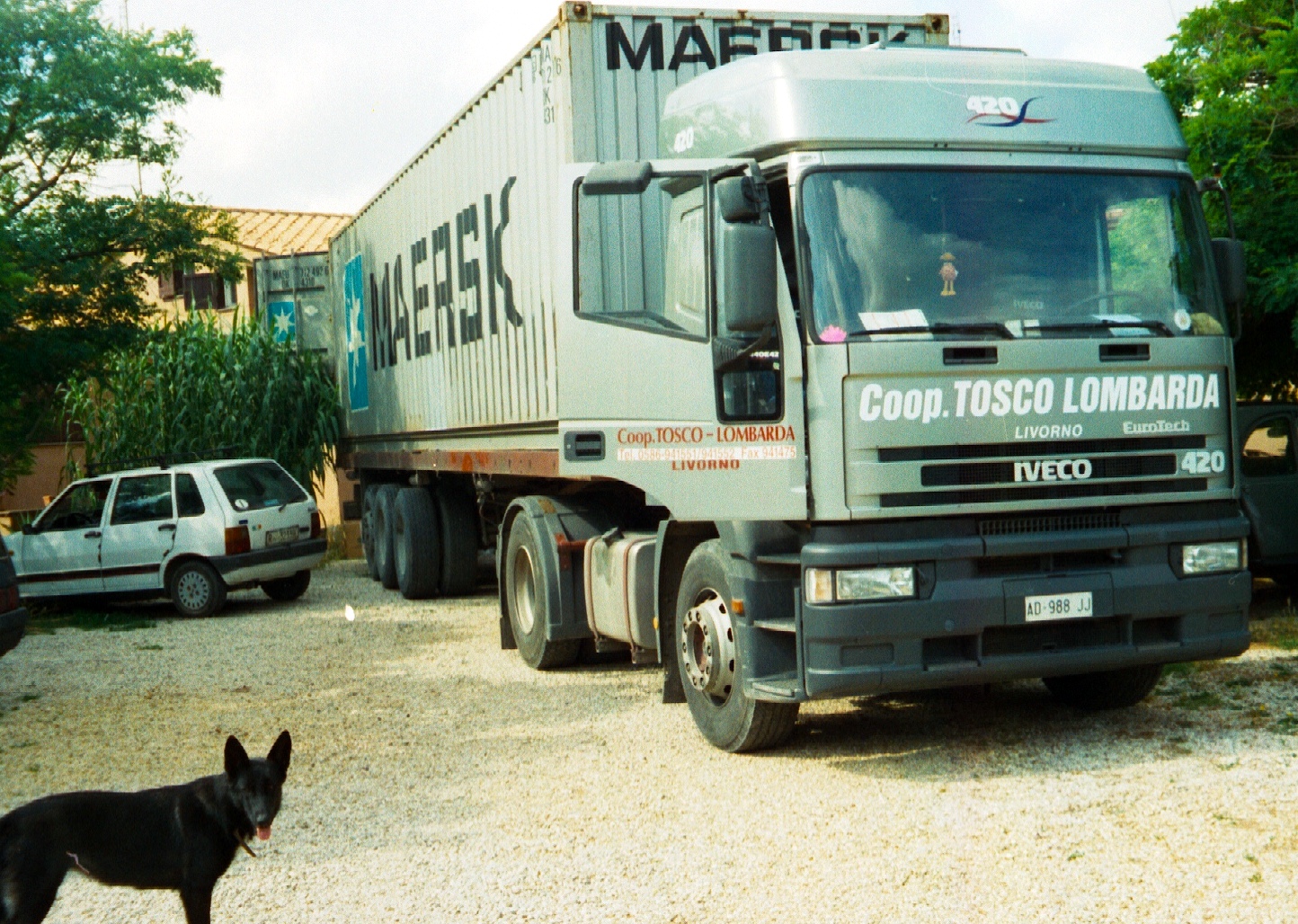
Moving again! This time to Zimbabwe.

The opportunity to move to the field -again to Africa- presented itself in 1997 and I did not hesitate! We moved to Harare, Zimbabwe where I took up the role of sub-regional animal production and health officer, an even broader professional role as it also involved animal production. As compensation, however, the job was restricted to Southern and Eastern Africa. Although it was not “hands on” scientific work, it was closer to the action than what I was doing from Rome!

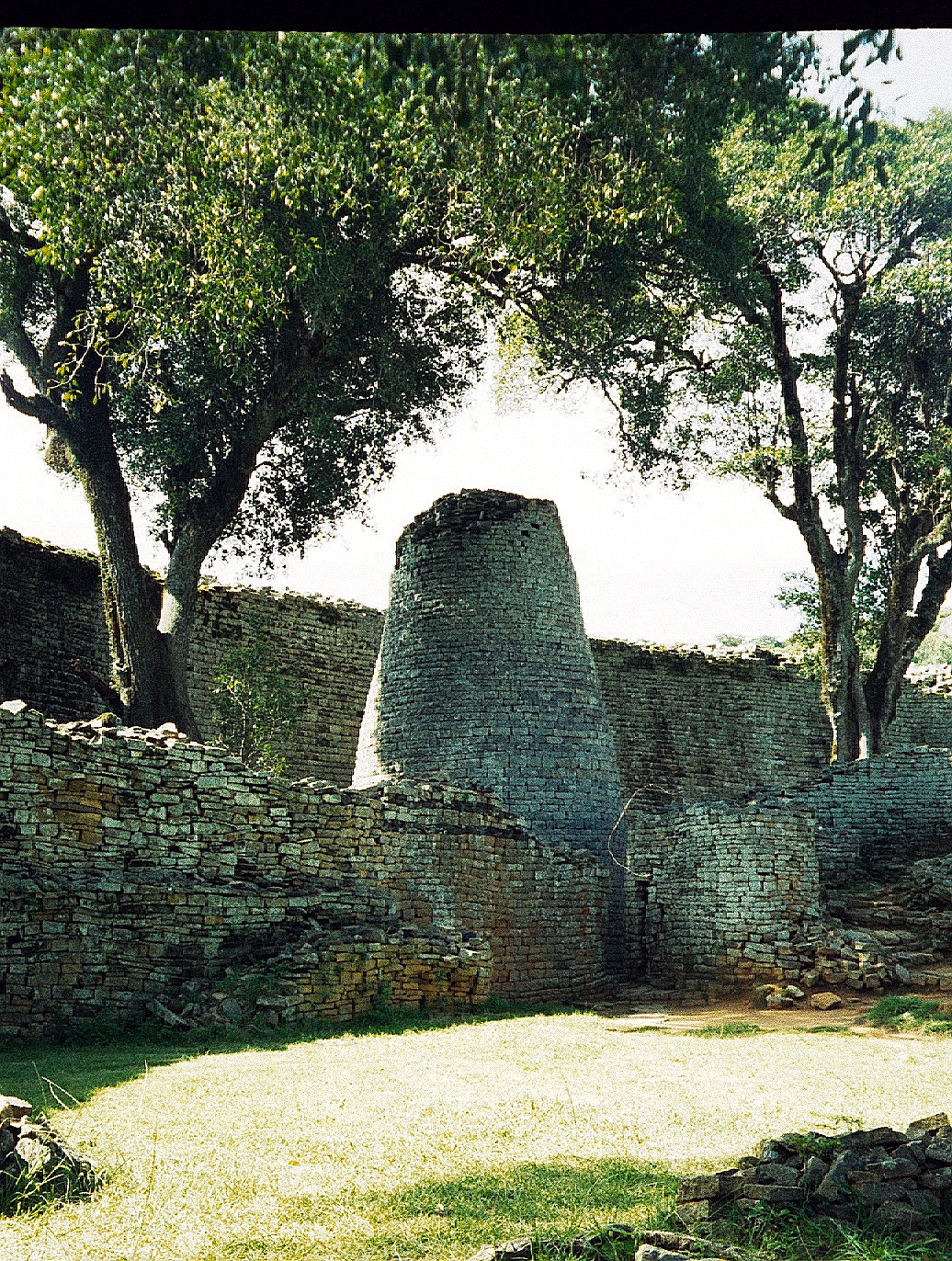
Great Zimbabwe ruins, Zimbabwe, 1998.

Great Zimbabwe ruins, Zimbabwe, 1998.

After four years in Harare I realized with regret that I needed to move to get a career improvement. At the end of 2000 I put my name for a FAO Representative job and succeeded getting designated FAOR in Bolivia so in mid 2001 we left for La Paz, Bolivia. This would be my first assignment in a Spanish-speaking country and it also meant becoming the head of an office with a large multi-sectorial programme and several employees both in the office and in the field. In addition, as the representative of the organization in the country I also carried a political role having to develop strong links with the host government.

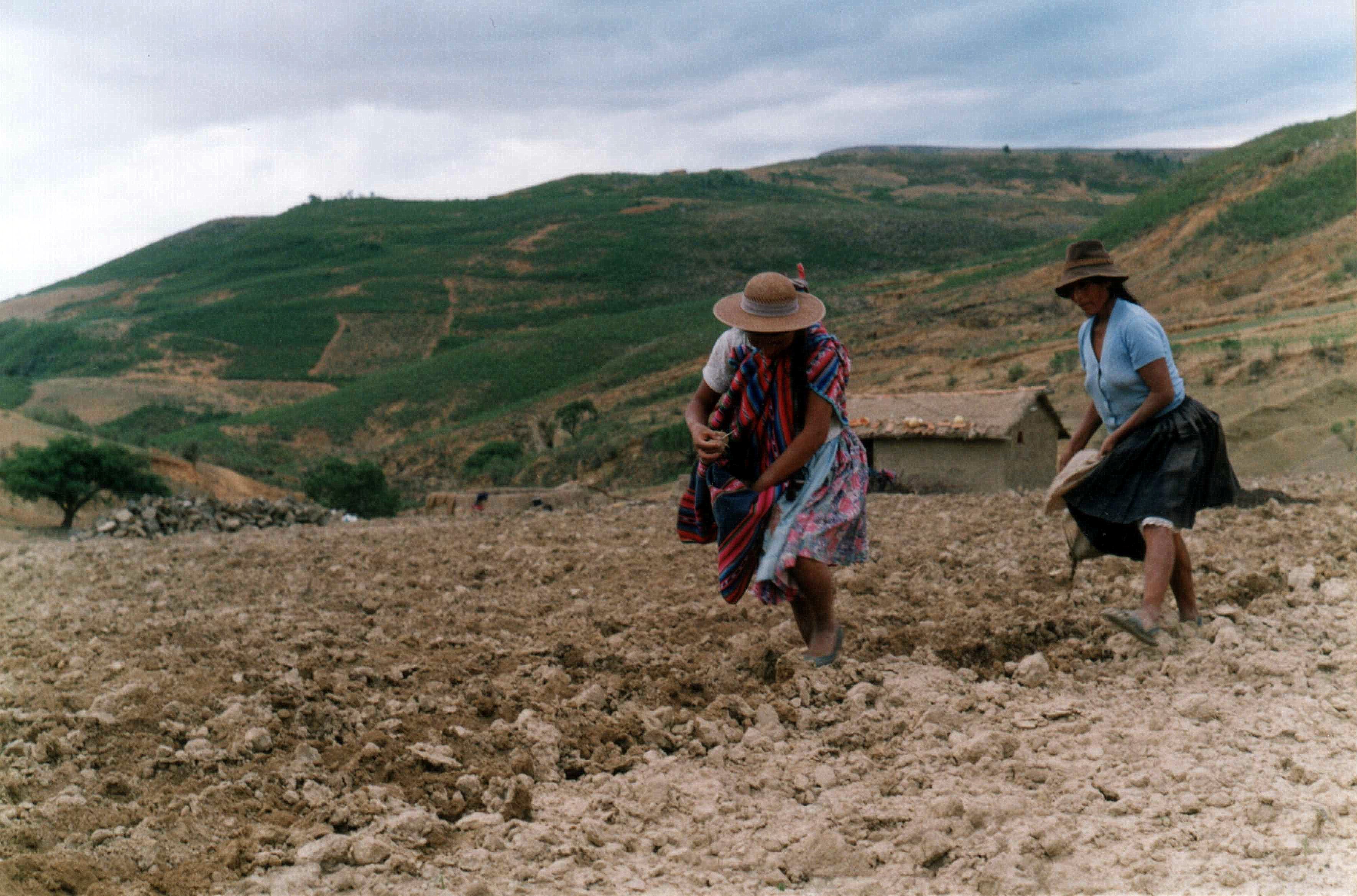
Sewing in Bolivia.

Sewing in Bolivia.

Market street of La Paz, Bolivia.

Market street of La Paz, Bolivia.

I worked in Bolivia for five incredible years and, in 2005 I returned to Rome, again as a technical expert to continue working on animal diseases, in particular I returned to ticks and TBD. Again I did not find this assignment enjoyable and, after four years I had had enough of desk work and it was either another field post or retirement!

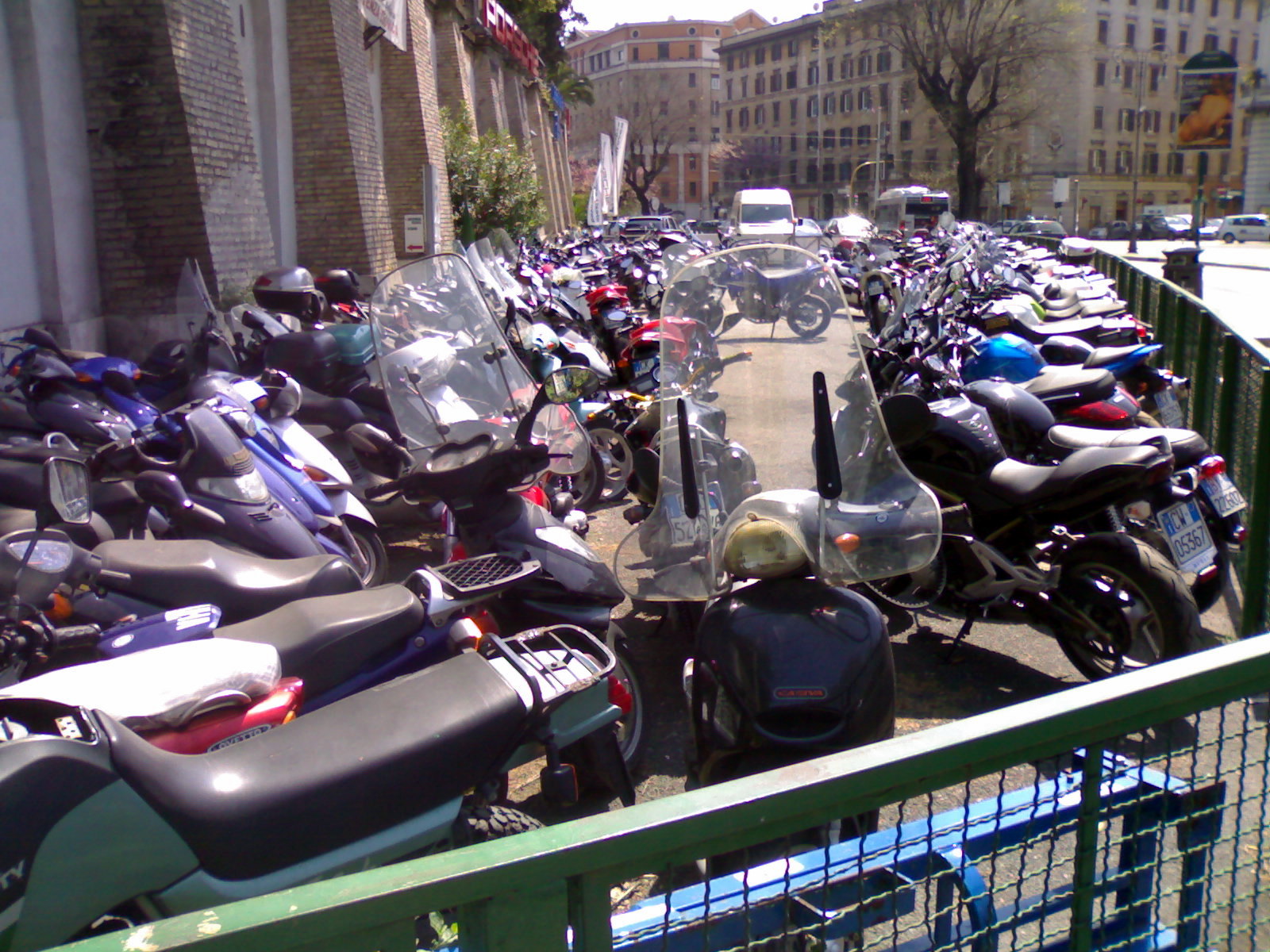
The Appia Antica road, Rome.

The Appia Antica road, Rome.

Rome, 2009!

Rome, 2009!

Fortunately I was selected for the position of FAO Representative in Mozambique where I worked until my retirement, from mid 2010 to the end of June 2013 when I reached 62 years, the mandatory retirement age of the United Nations.

Time to move to Mozambique.

Time to move to Mozambique.

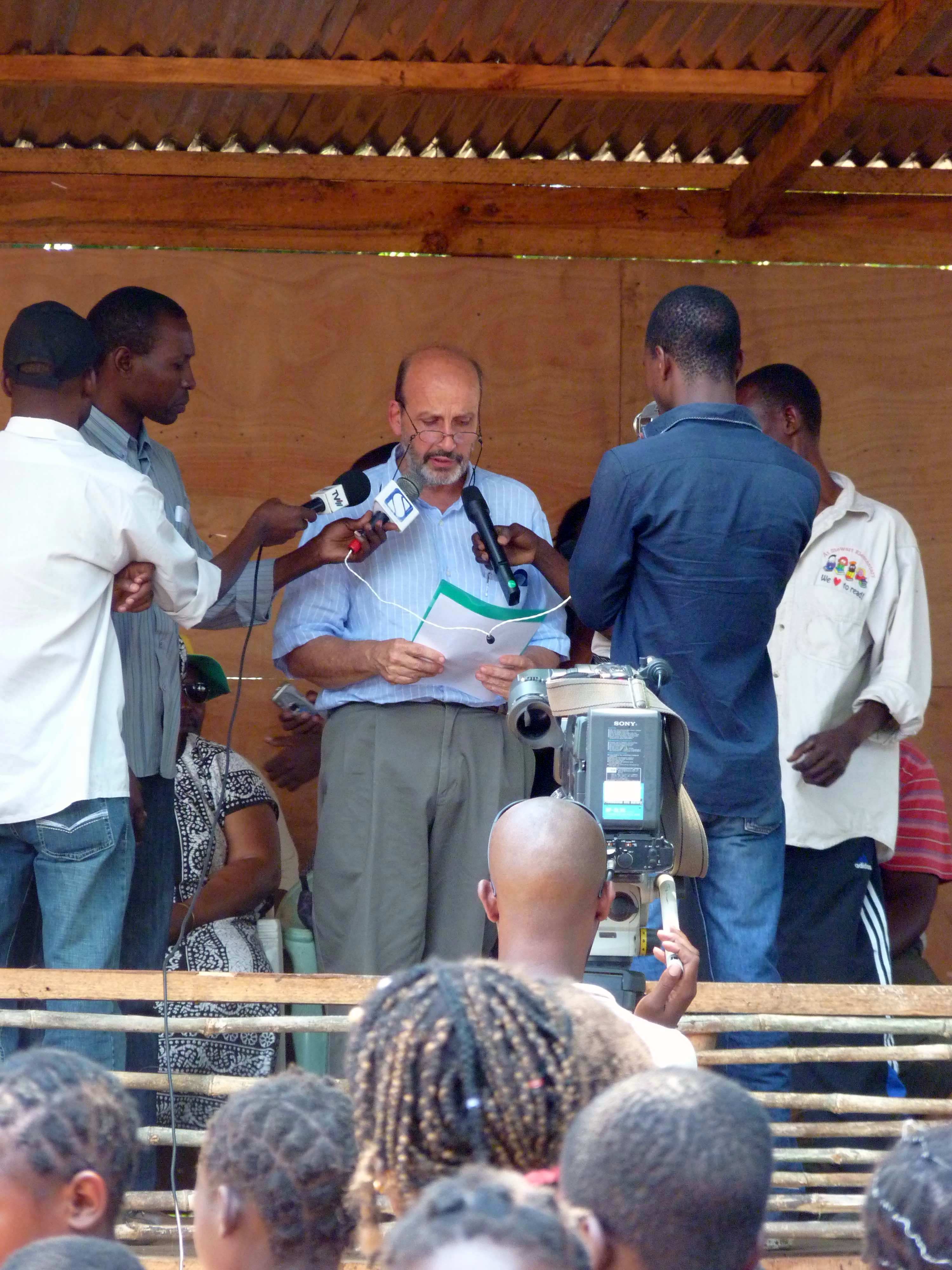
Speaking on World Food Day in Mozambique.

Speaking on World Food Day in Mozambique.

Interviewed by the press.

Being interviewed by the press.

Maputo's beach in Mozambique.

Maputo’s beach.

Needless to say that I write in first person but my life has been shared with my wife and later my children. She has been a main support throughout and the kids added their part!

I hope you enjoy reading what I have to say.


[1] This post follows “Life and work in Kenya: Intona”.

Zambezi sentinels

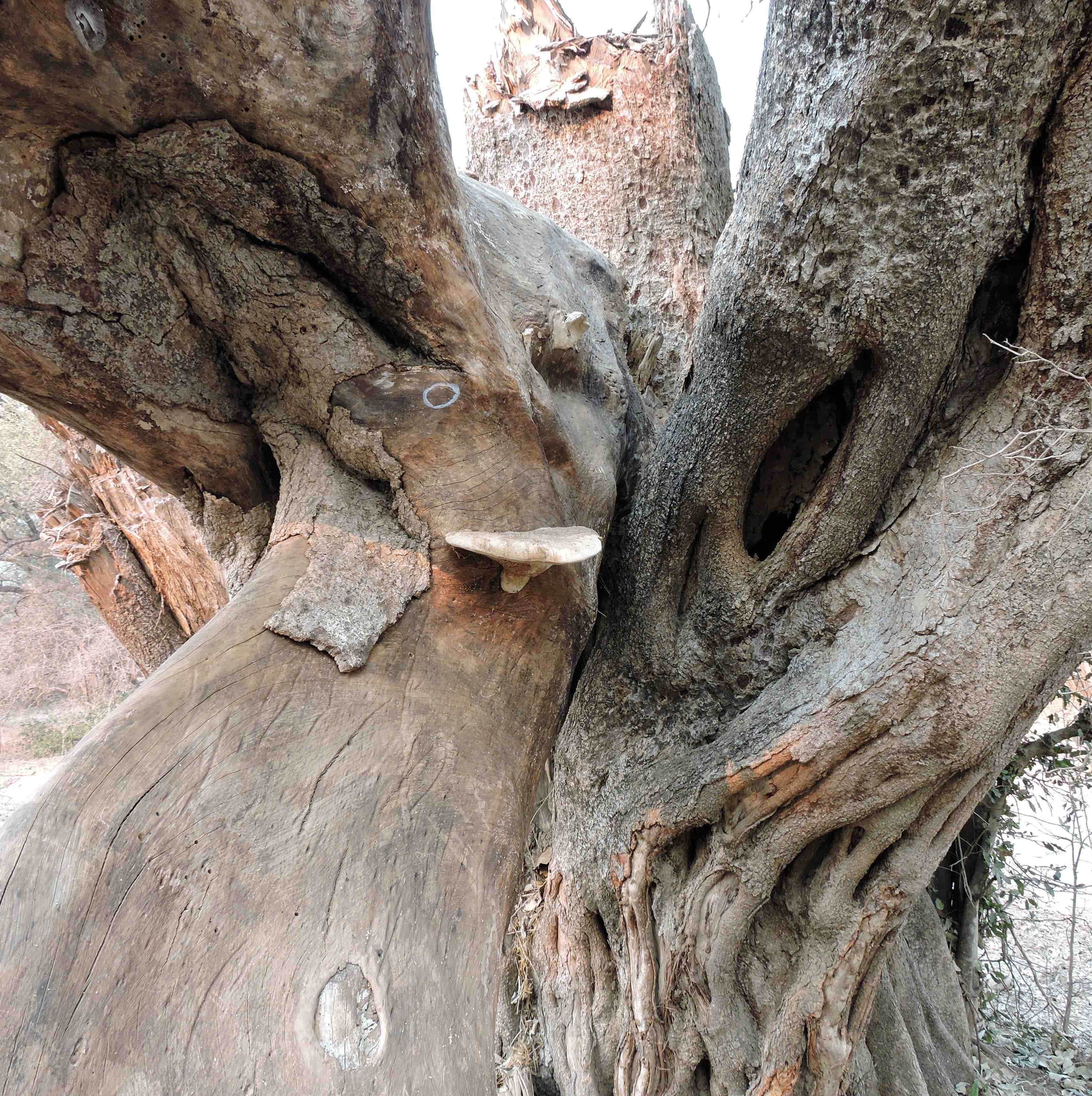
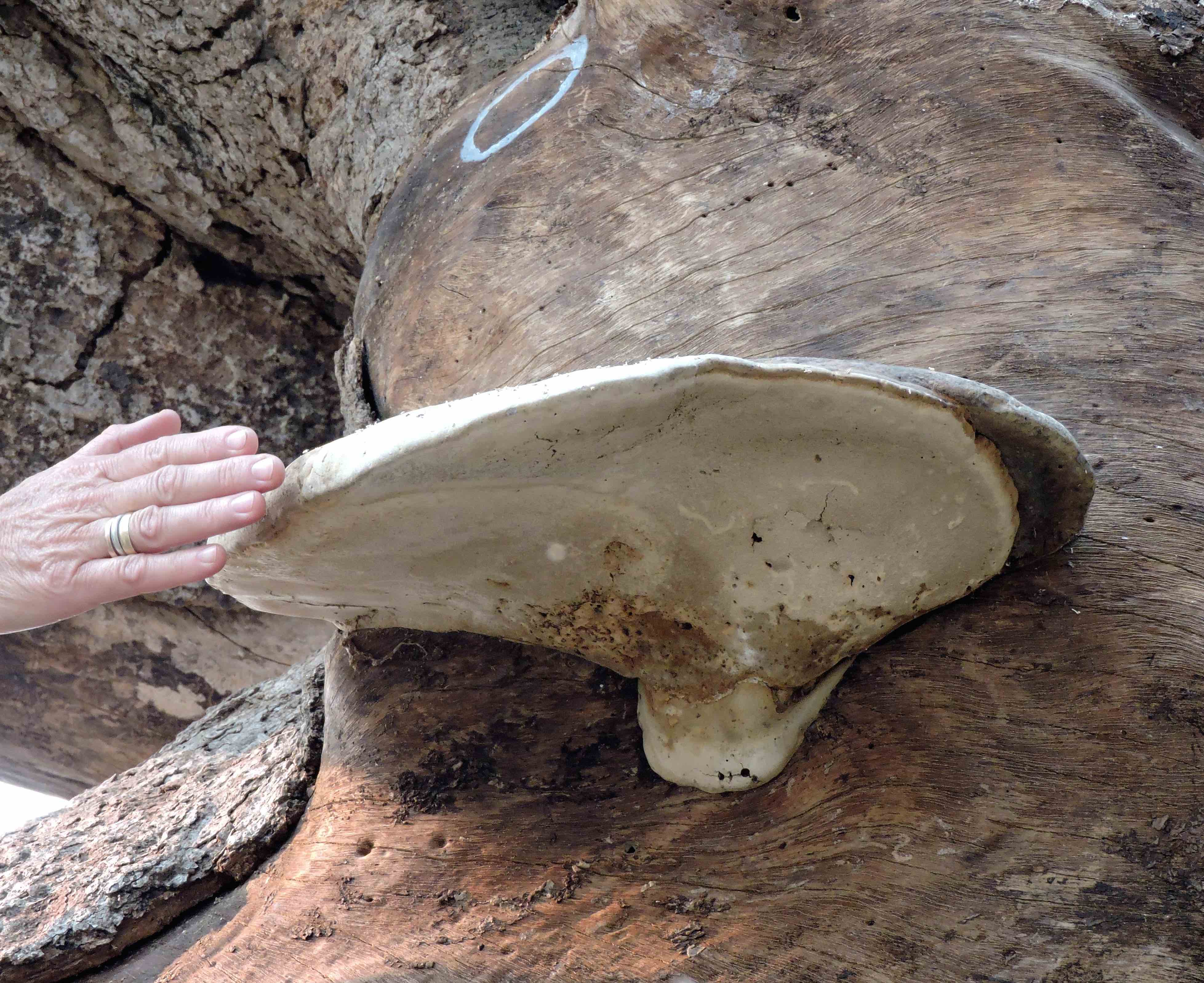
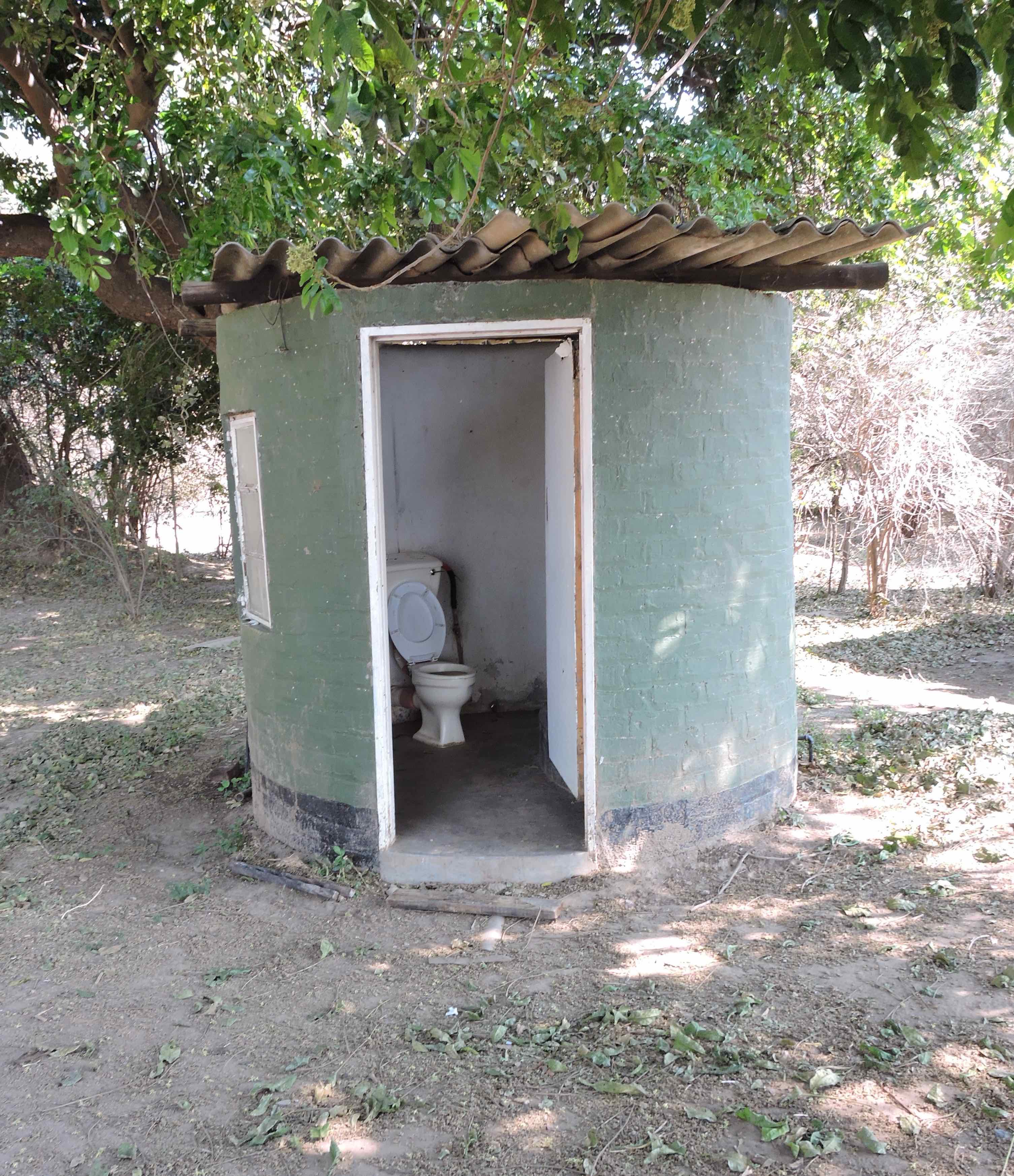
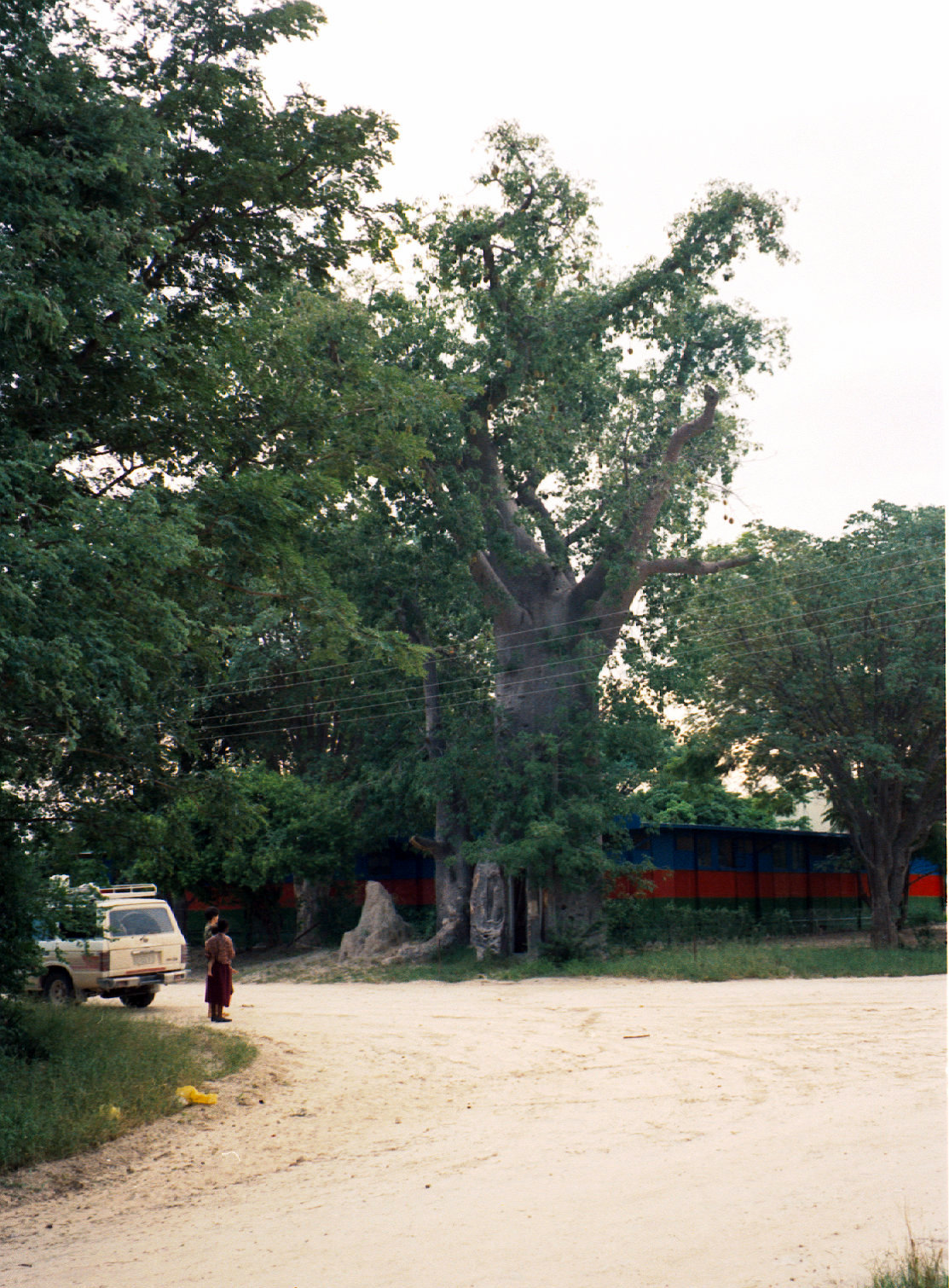
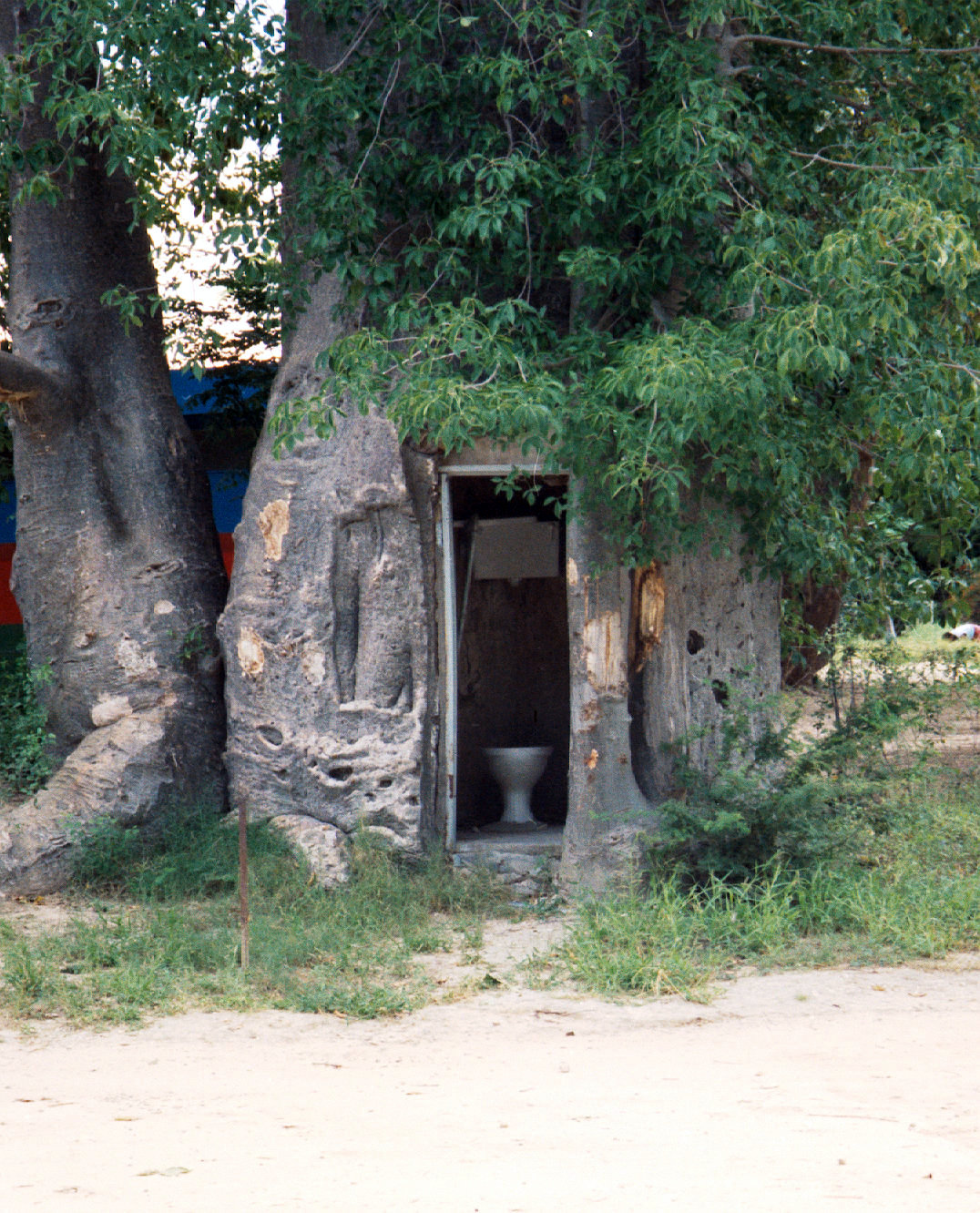
All baobabs are special but there are a number of “famous” ones. Clive Walker[1] highlights a number of them, some well known, some less but all interesting. I am sure most people keen in Africa and its nature have read or heard about Baines’, Green’s and Chapman’s baobabs in Botswana, the Pioneer’s baobab and the “Big tree” in Zimbabwe, the Sagole and Sunland giants in South Africa and the Toilet tree of Namibia to name some. We were lucky to visit Katima Mulilo in Namibia at a time that the toilet was still there and it was one of the unforgettable sights of our travelling life.

The "toilet baobab" at Katima Mulilo, Namibia.

The “toilet baobab” at Katima Mulilo, Namibia.

A close up of the "toilet baobab" at Katima Mulilo, Namibia.

A close up of the “toilet baobab” at Katima Mulilo, Namibia.

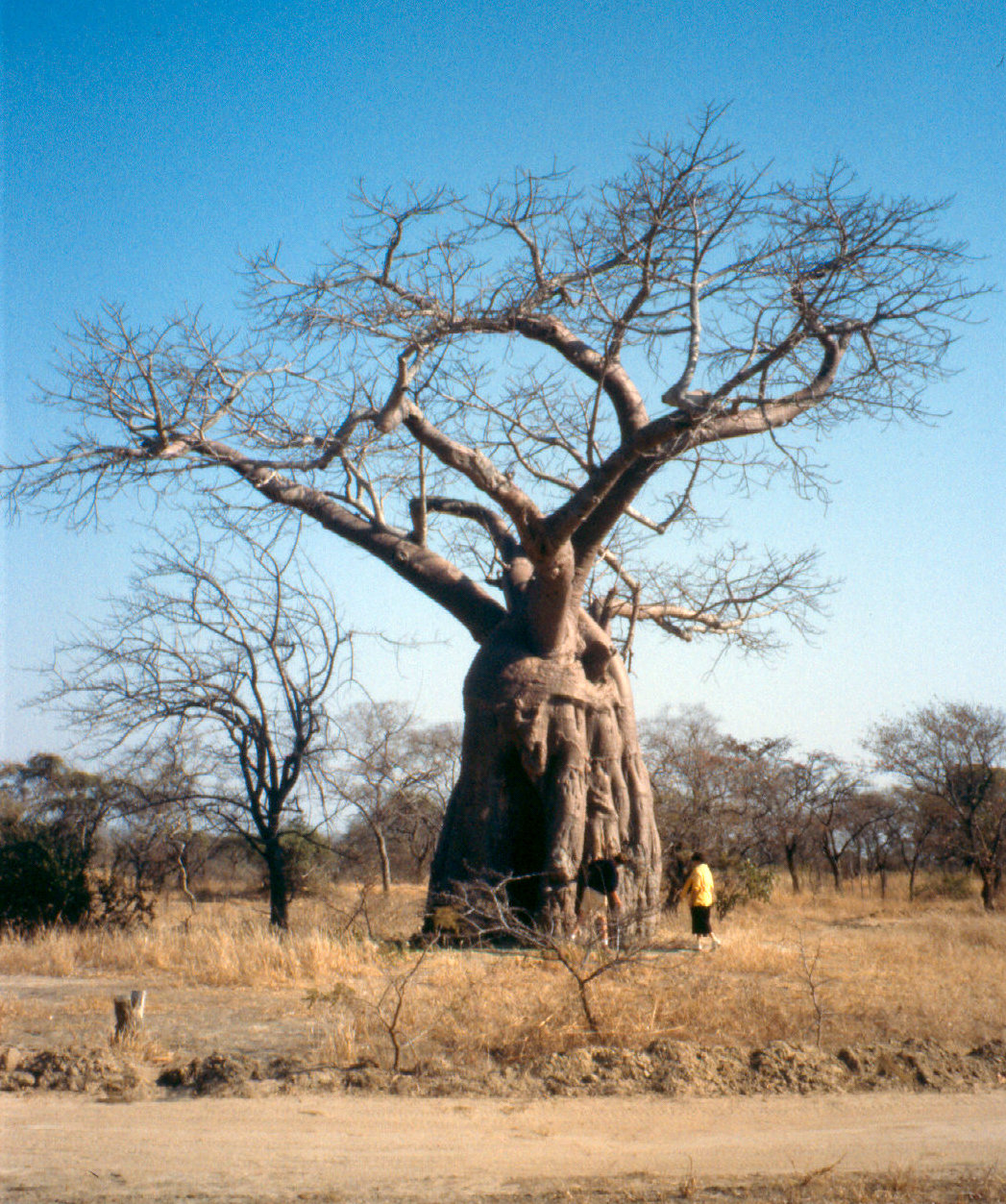
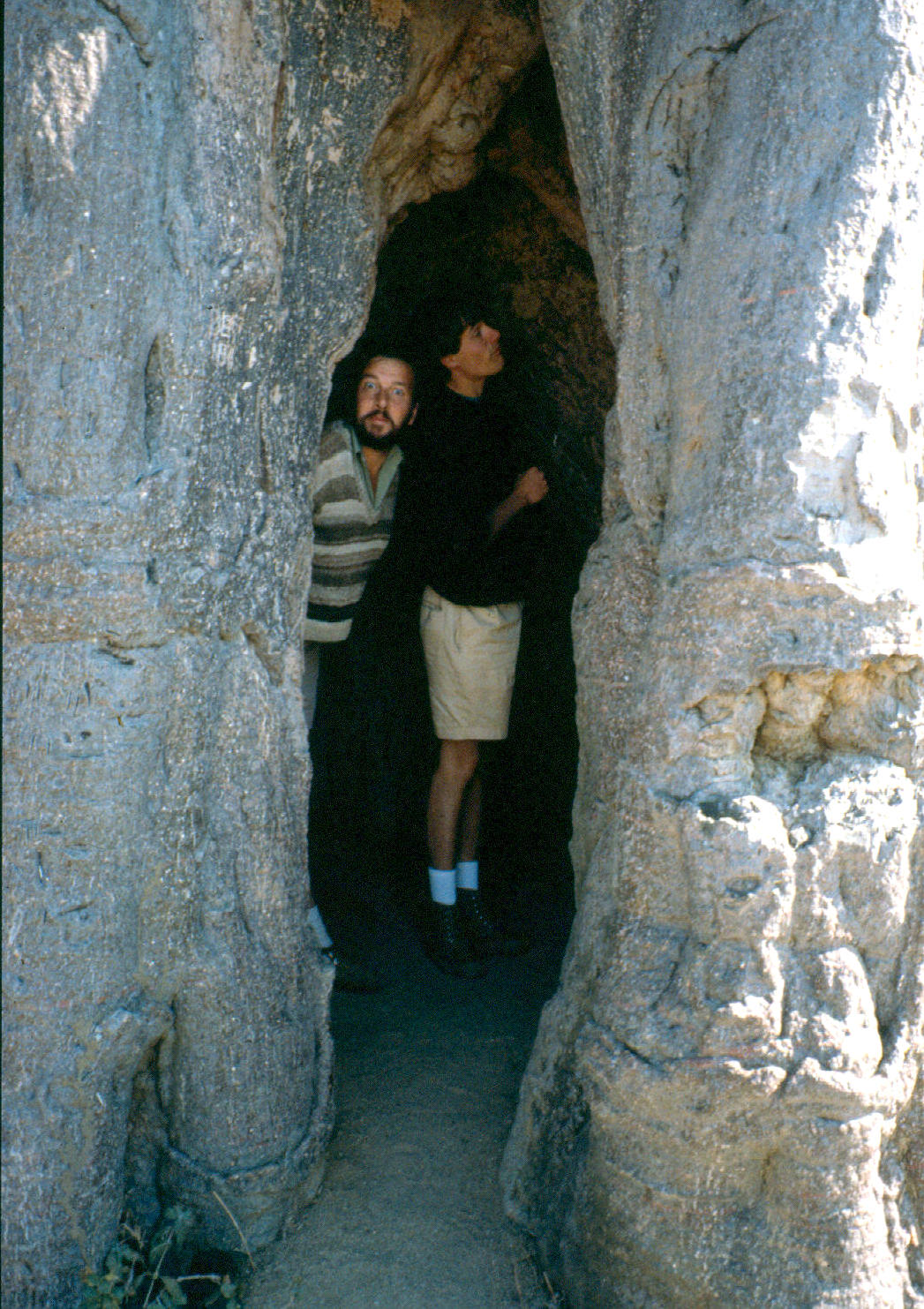
However, all baobabs that you see are special in their own way and have their own special features. I recall the sorrow felt by Carlo, an Italian friend that came for a safari to Gonarezhou, when he saw the damage elephants do to these wonderful trees. There was also a large baobab at Lochinvar National Park in Zambia that had its own cave!

The Lochinvar baobab and my daughter.

The Lochinvar baobab and my daughter.

The Lonchinvar baobab with a young bushsnob and Bruno in attendance.

The Lonchinvar baobab with a younger (and sillier) bushsnob and my friend Bruno.

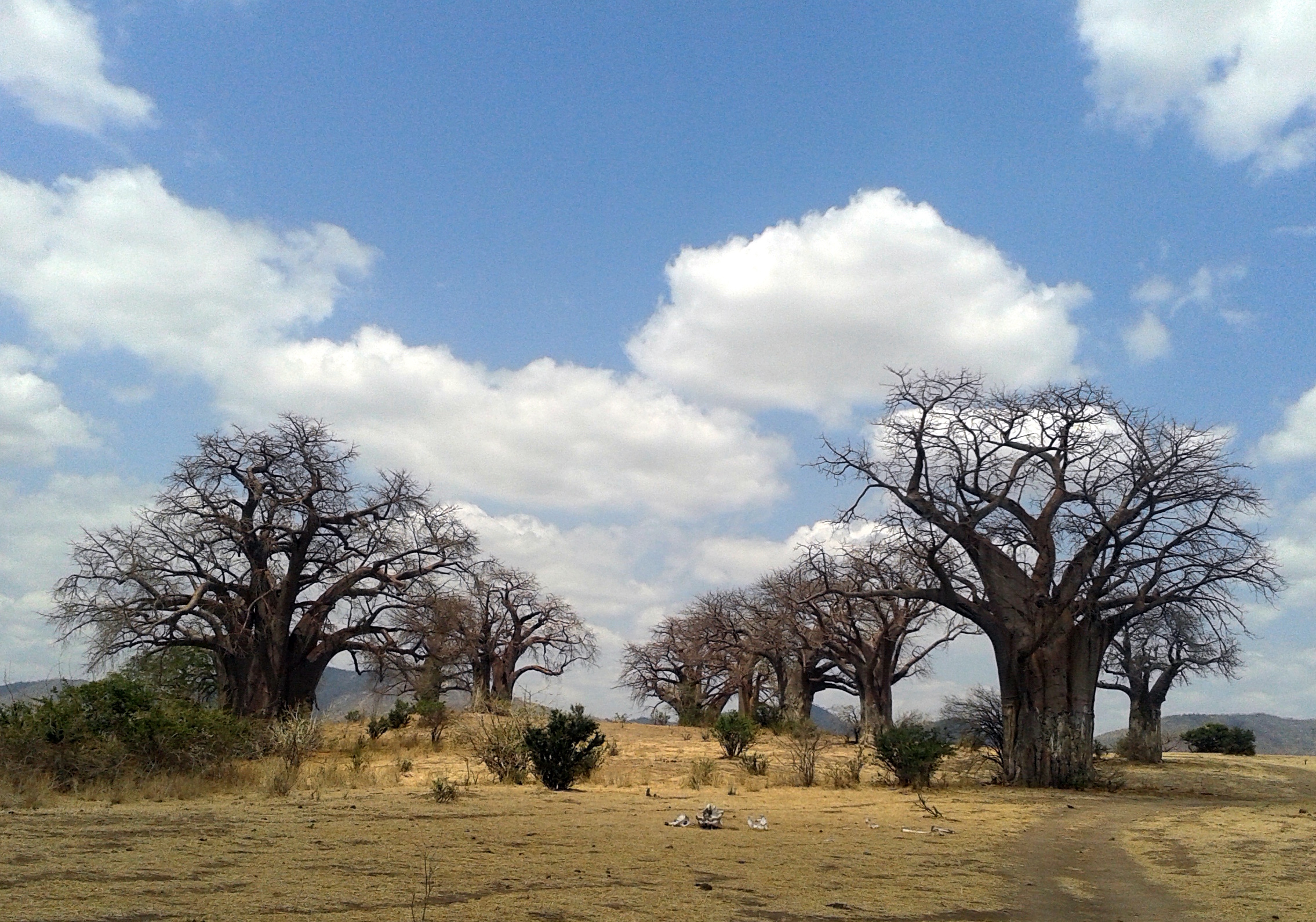
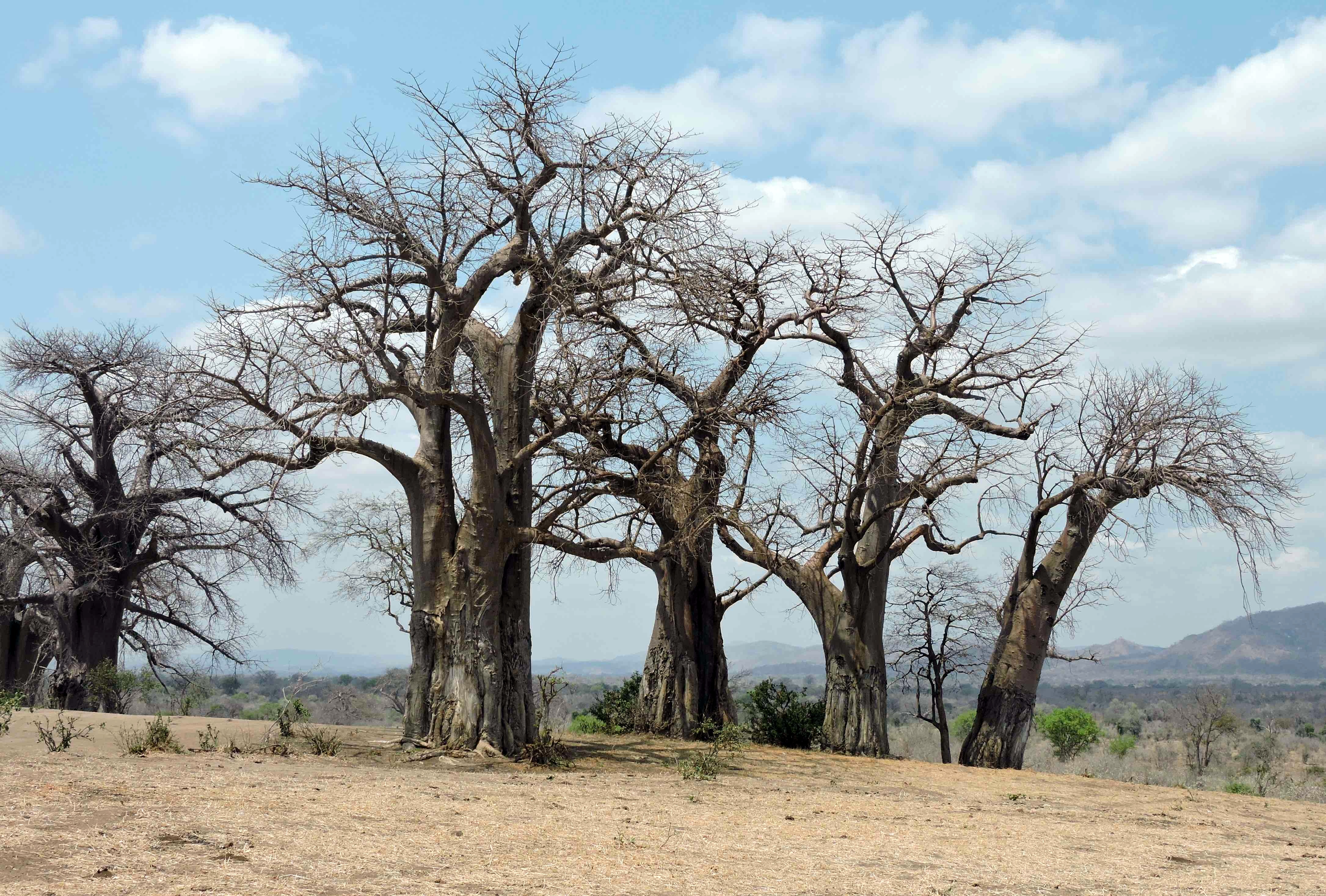
Apart from the group of baobabs named after Baines, probably the better known, there are other groups such as the Prison trees in Botswana and the Baobab hill in South Africa. We discovered another one. Well, perhaps we just found it after many before us…

20150914_113034 copy

DSCN9447 copy

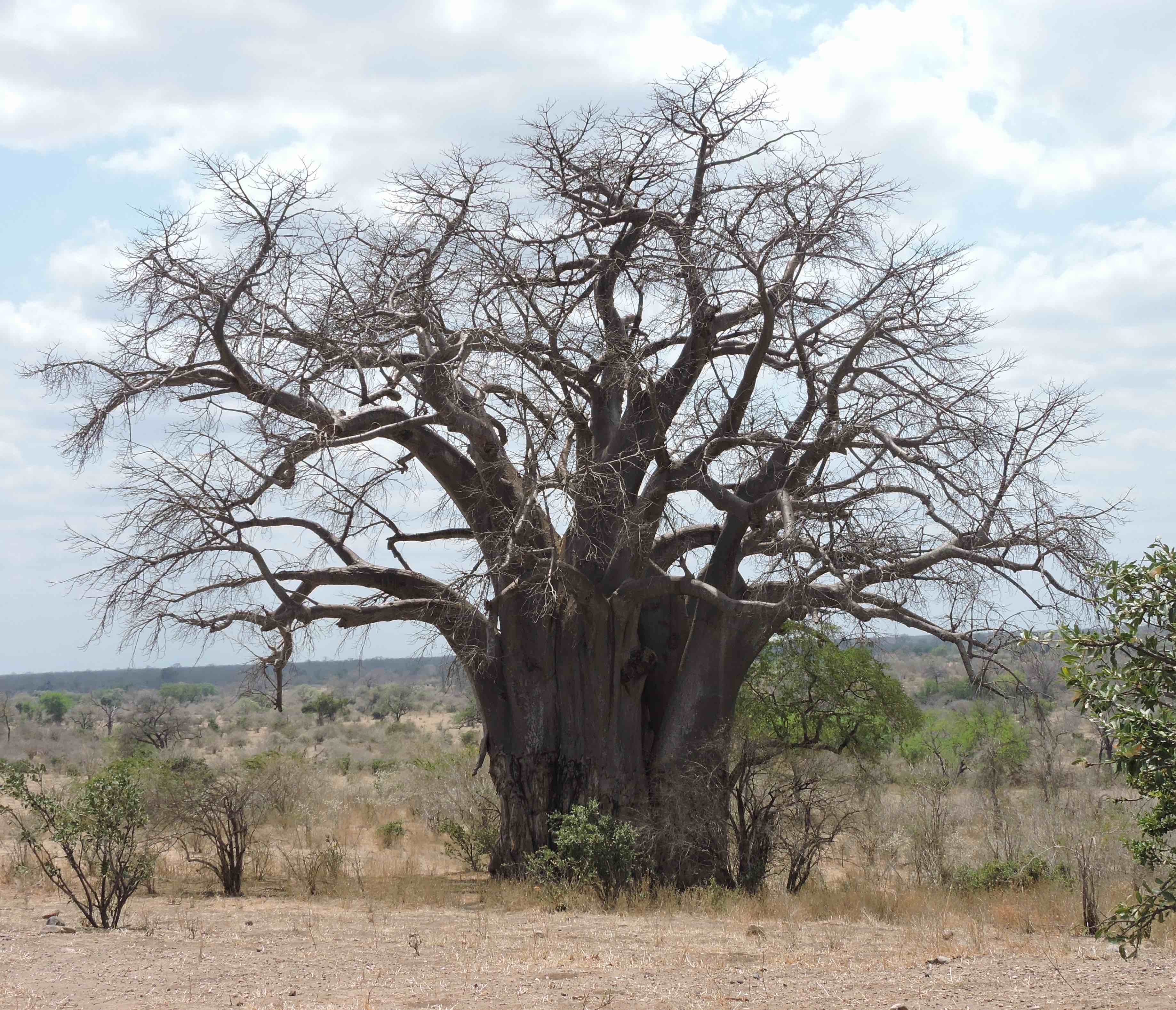
A fine baobab.

A fine baobab.

DSCN9441 copy

20150914_113212 copy

Signs of elephant damage are clear at the base of the trunk.

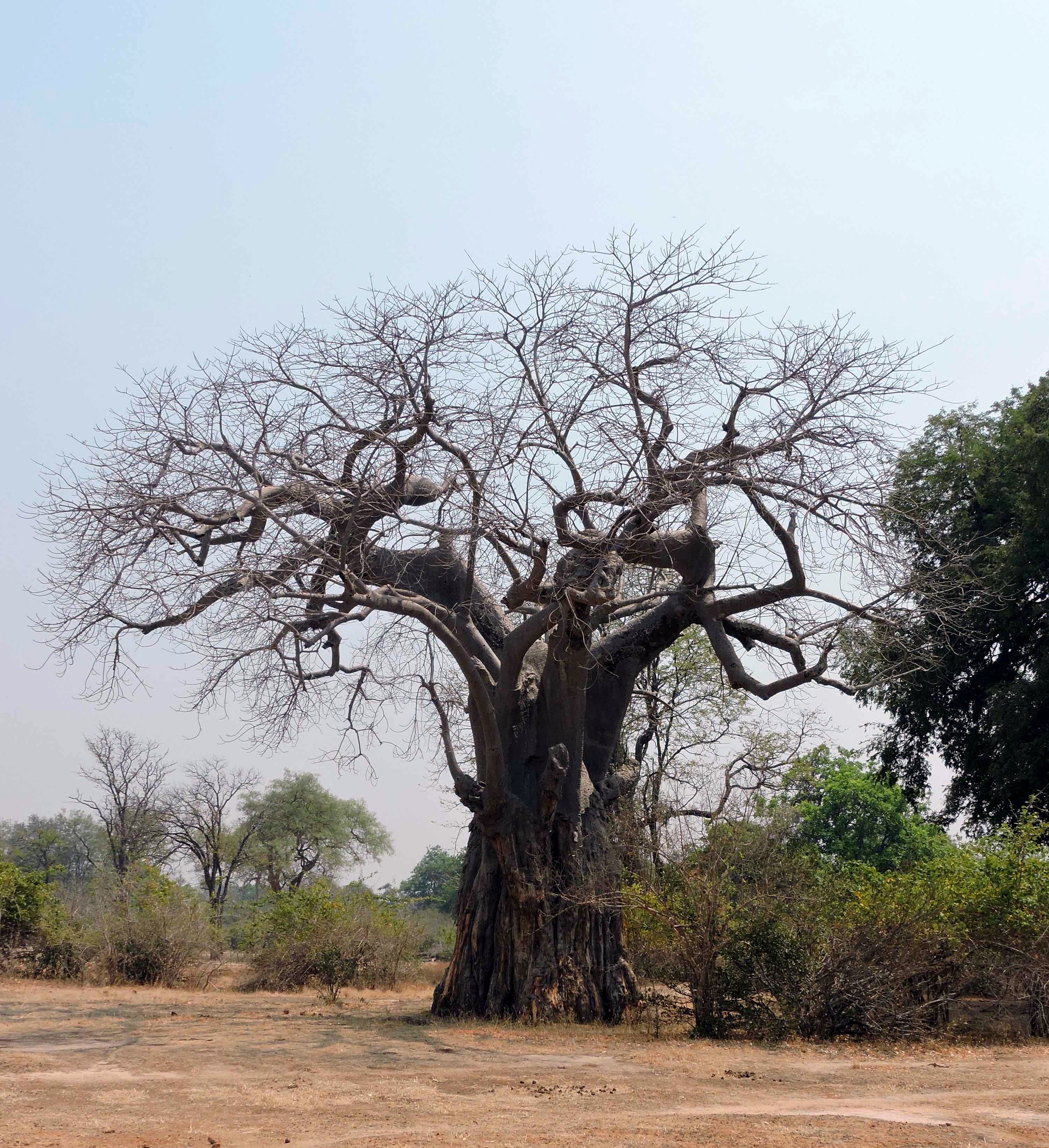
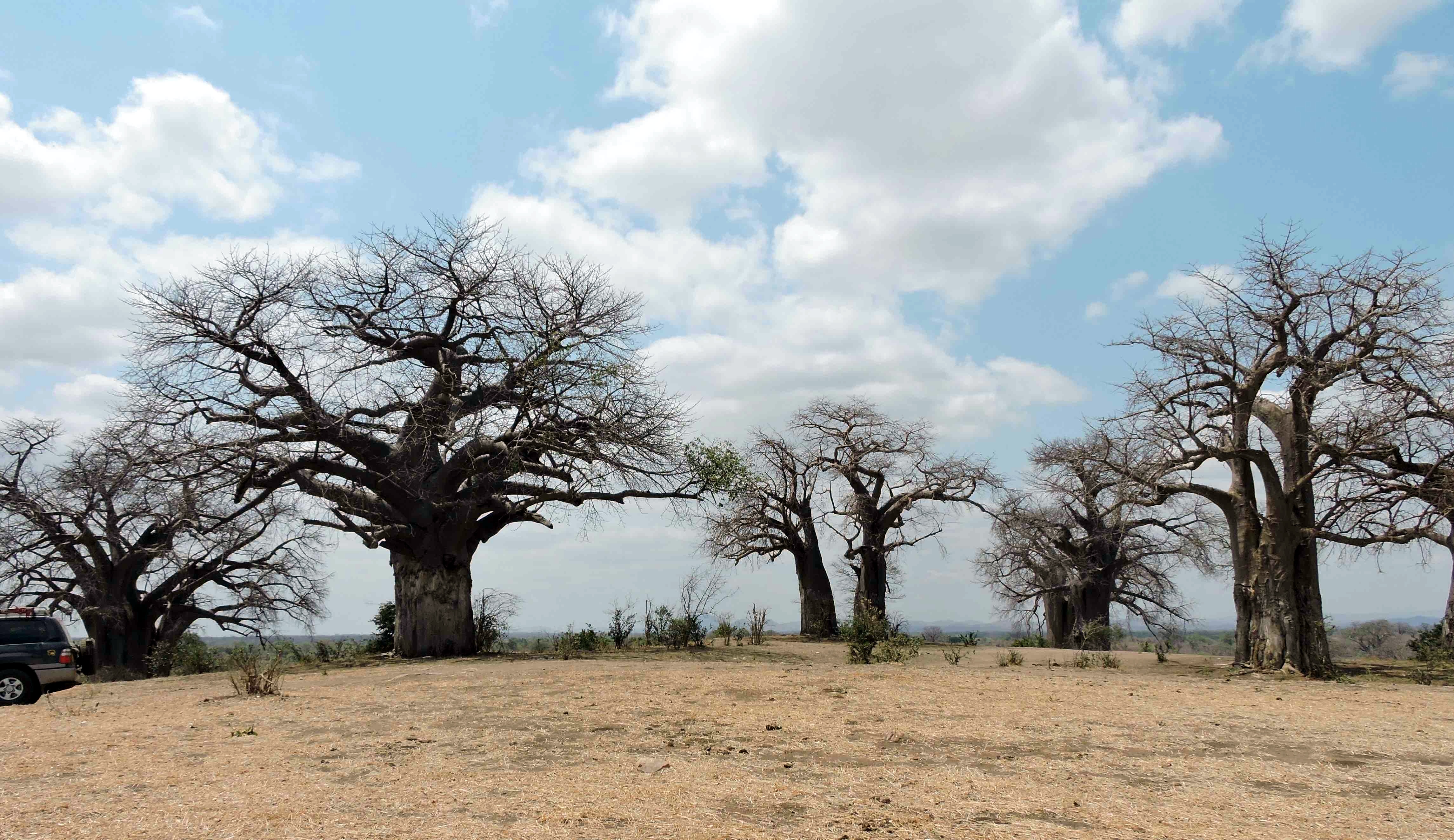
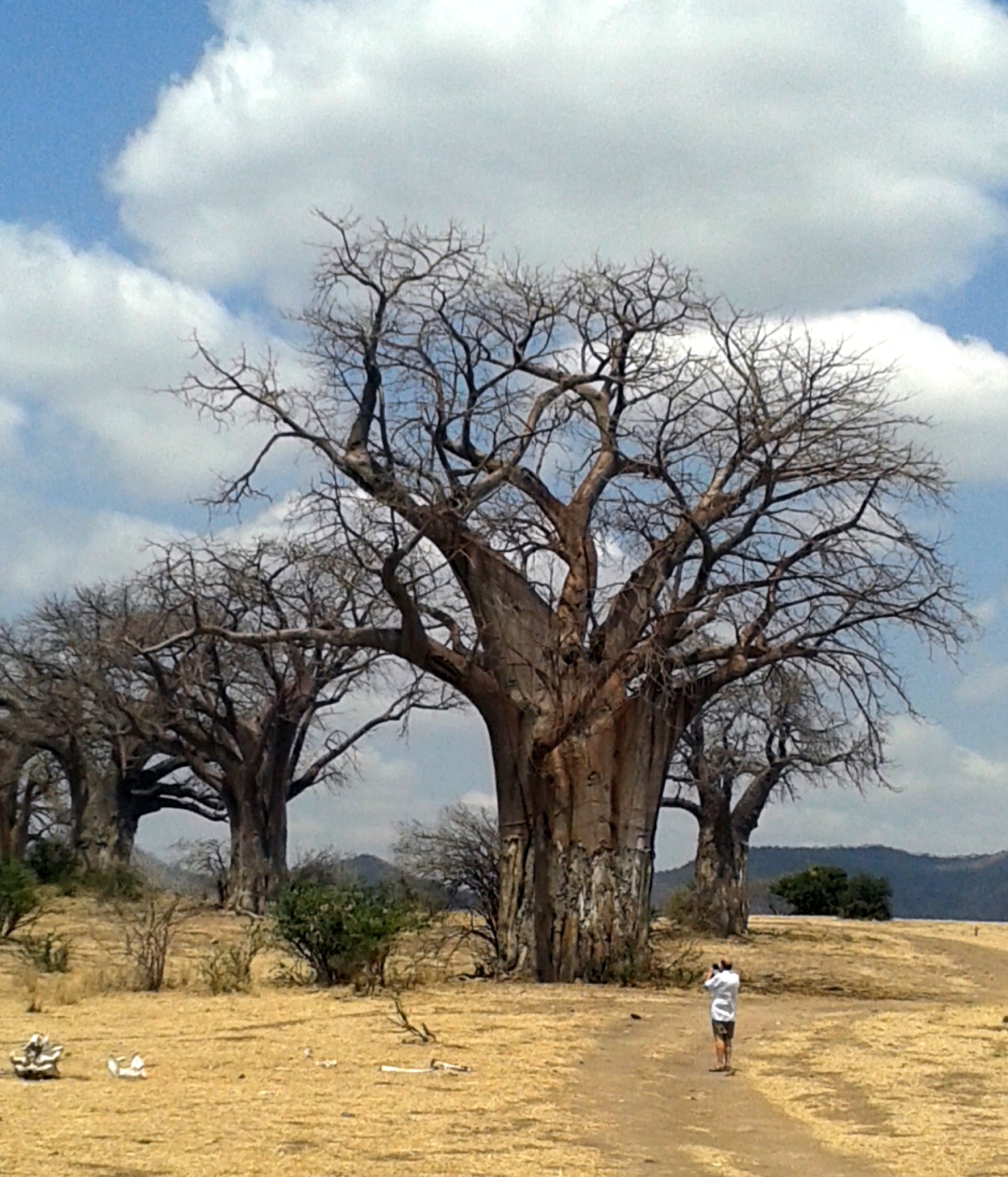
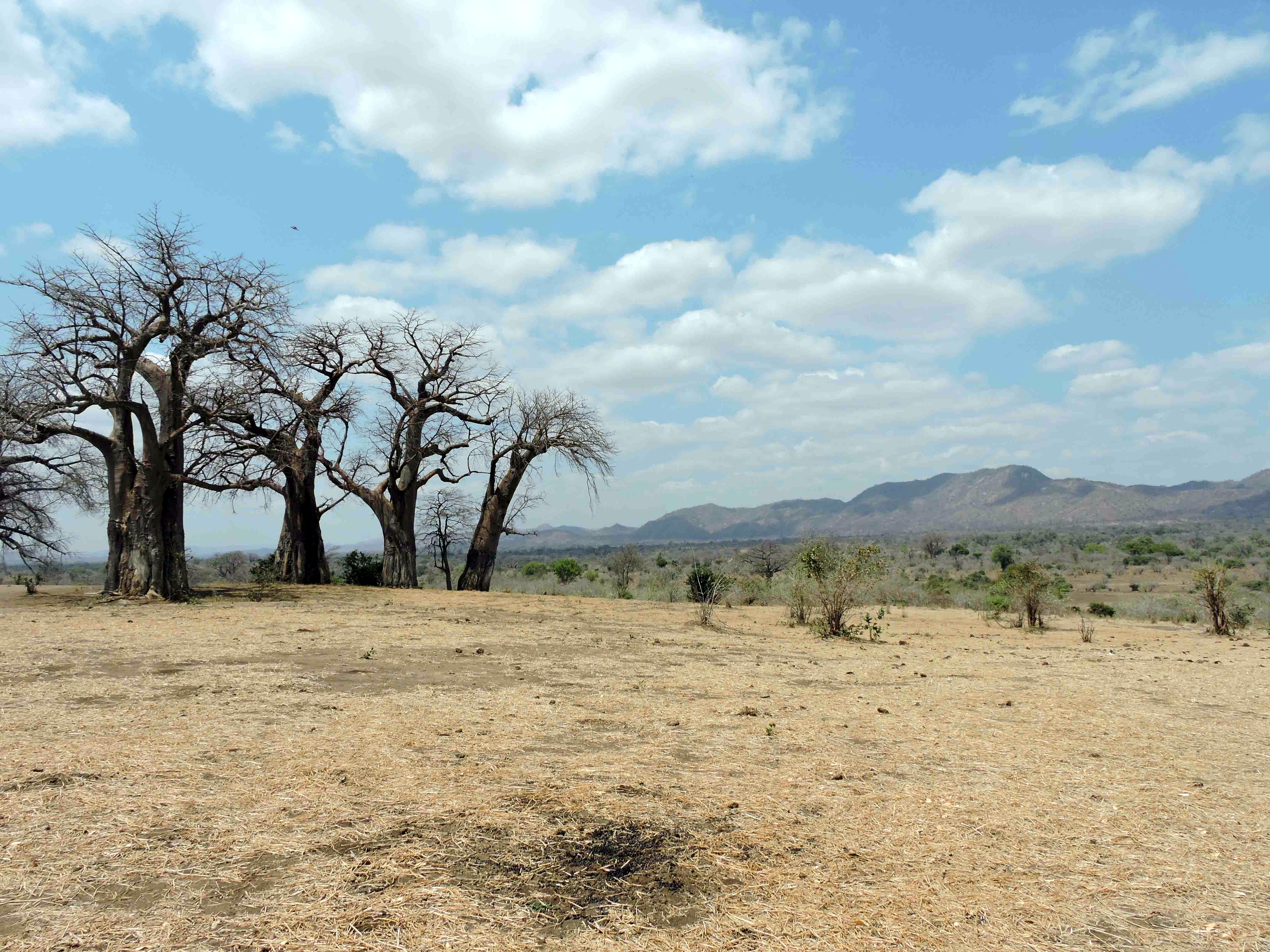
In my post “Chitake” I mentioned that on the morning of the second day we went for a drive and found a hill with baobabs. This was the location of Chitake 2 campsite[2] and -I believe- the place where Mr. Evergreen was killed by the lions. This windswept hill, apart from the trees, offers stunning views of the middle Zambezi valley, all the way to the escarpment.

DSCN9440 copy

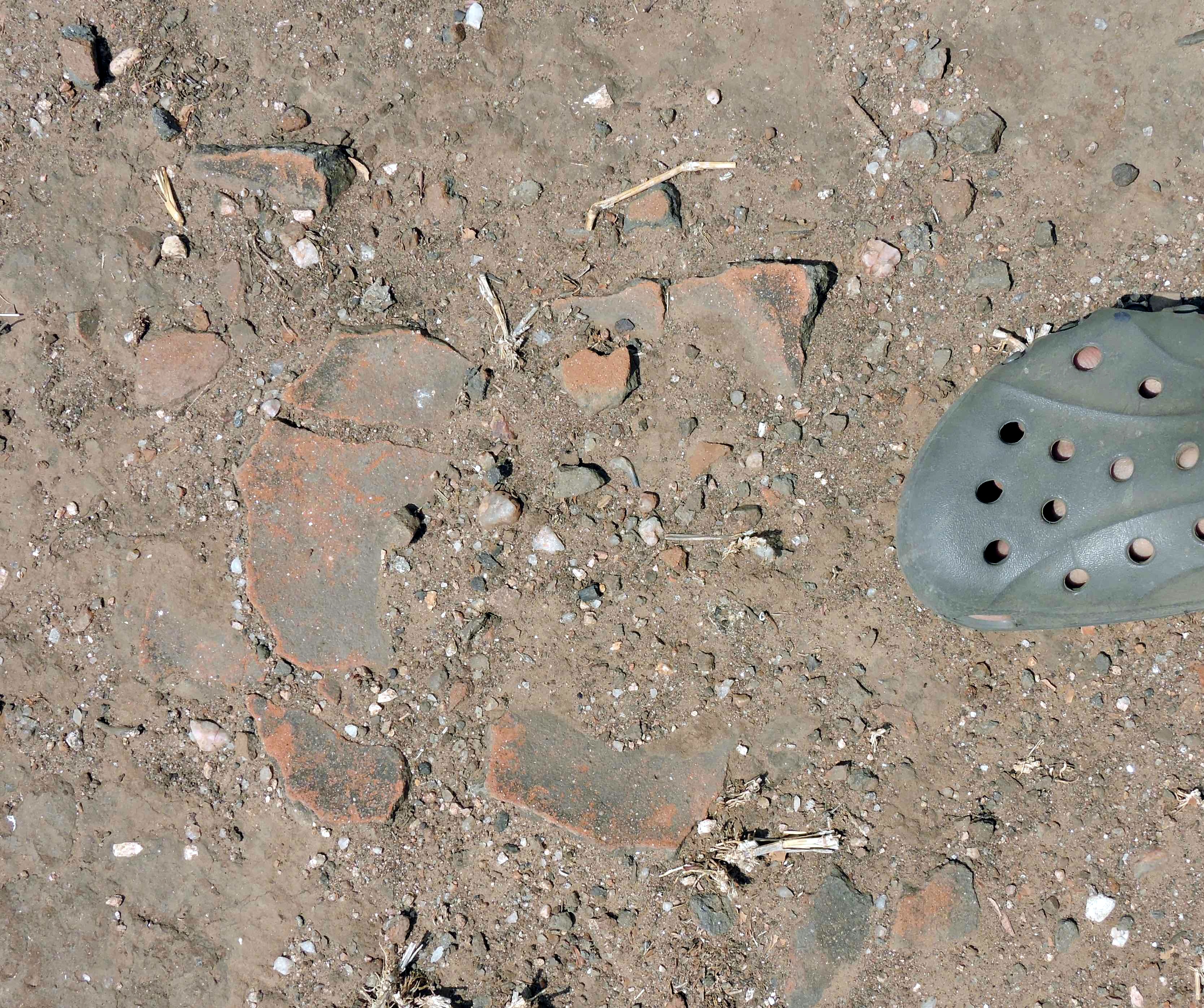
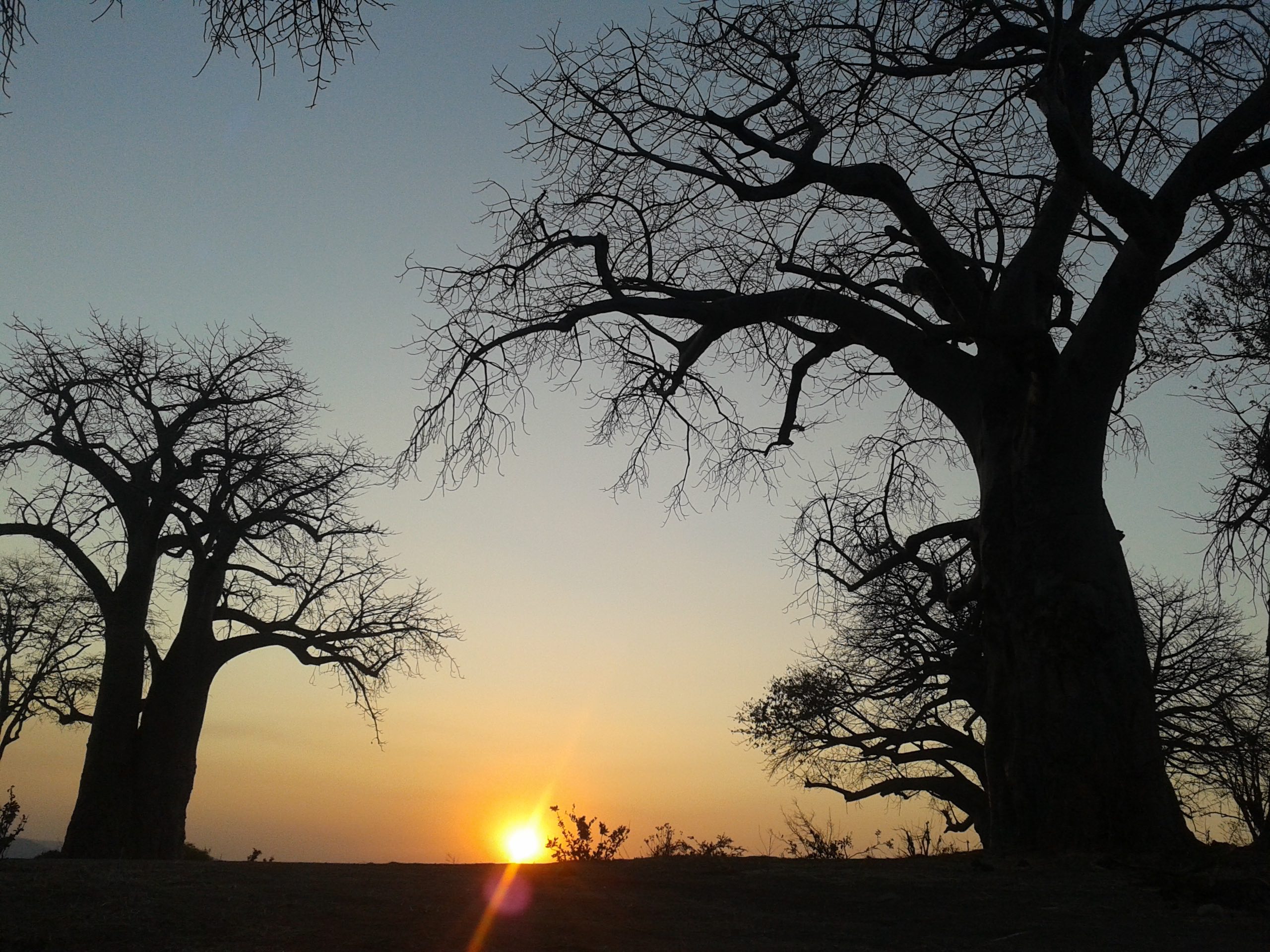
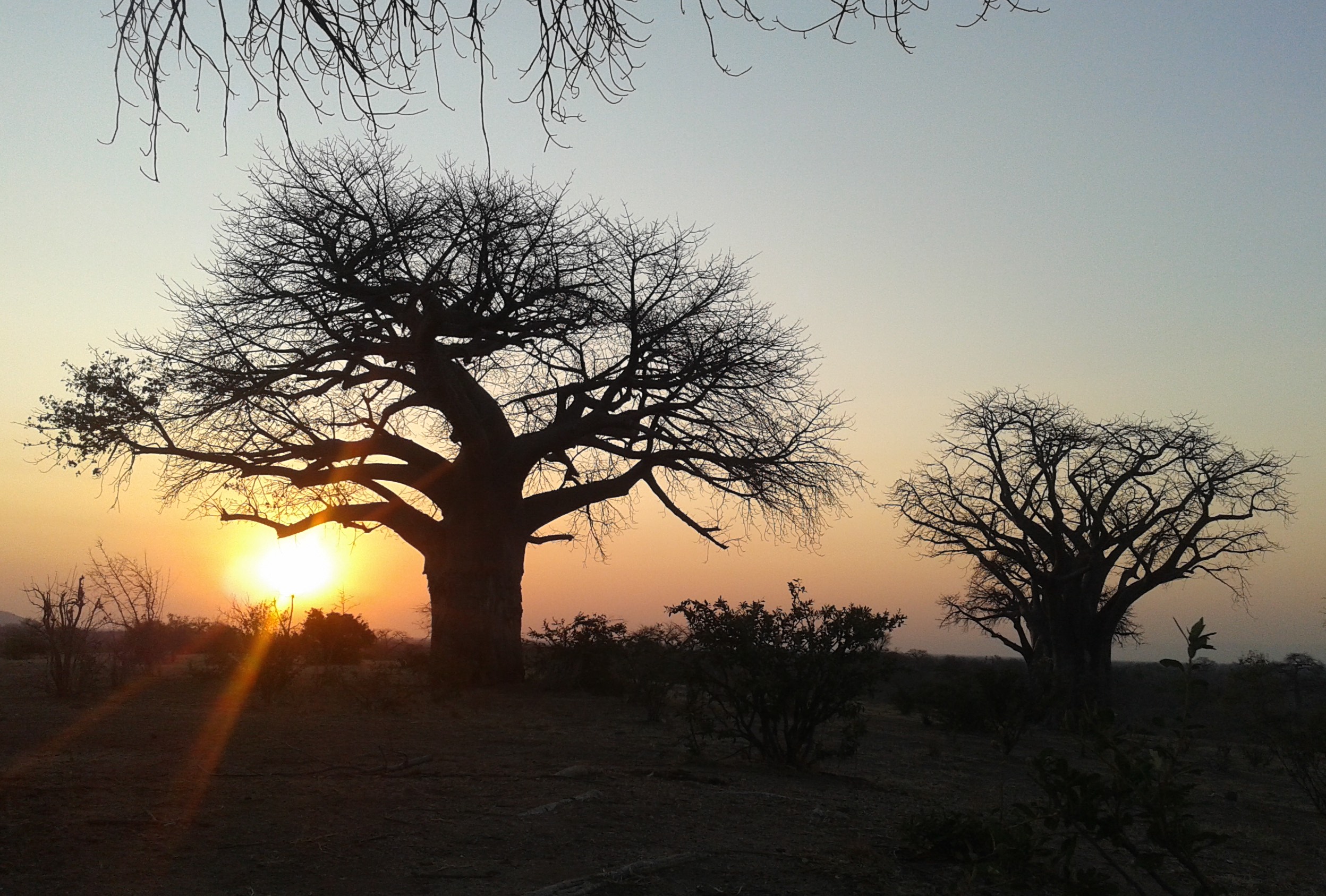
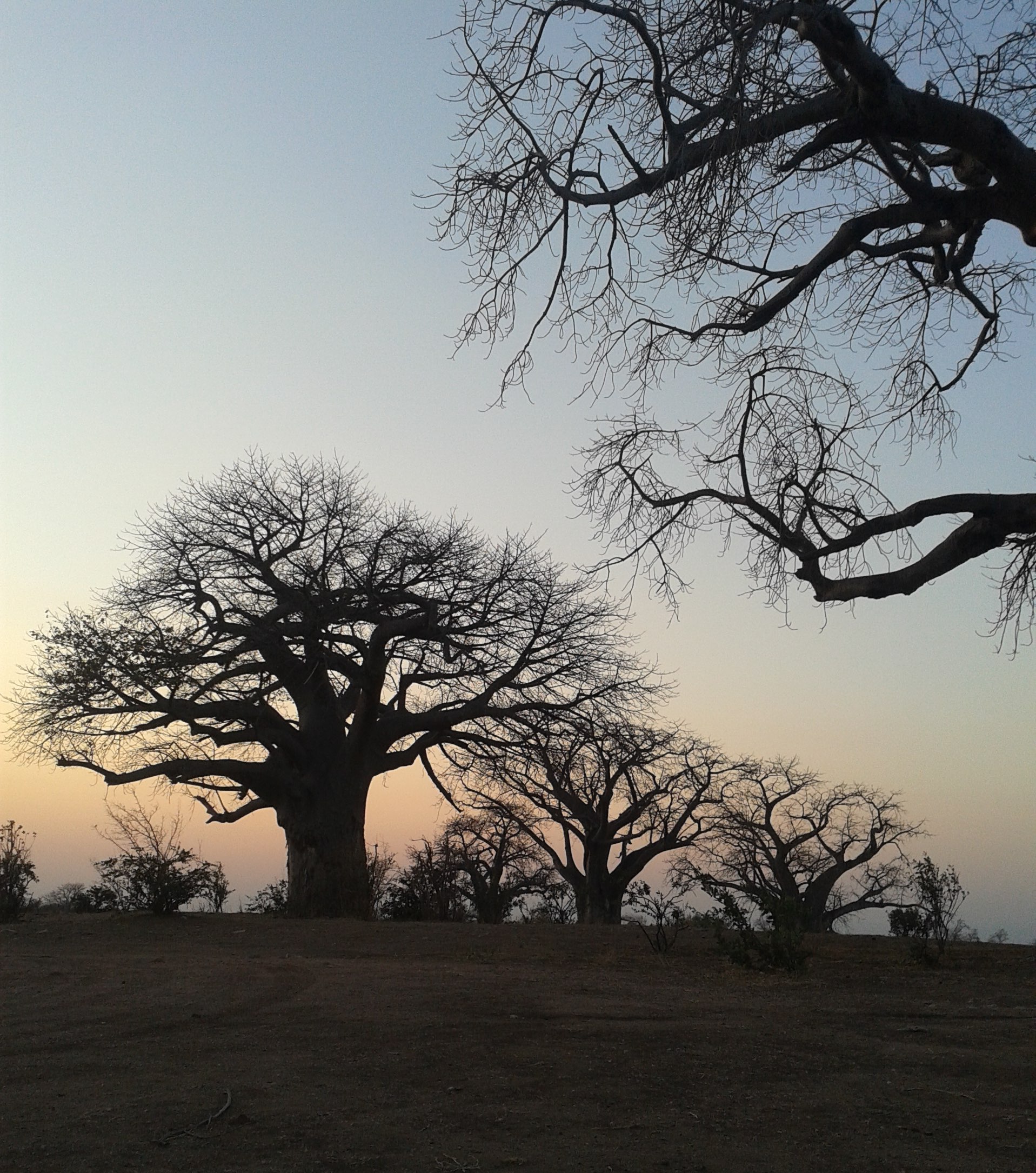
The trees stand like sentries to the valley below and I would be surprised if it did not have some religious connotation to the early inhabitants of the area. It may be that the pottery fragments we found among them may have something to do with this but it is difficult to say, as we were not able to estimate their age or origin. A least to be there at sunset was a wonderful moment.

Some of the broken pottery found.

Some of the broken pottery found.

20150914_174617 copy

20150914_174449 copy

20150914_174853 copy

Searching the Internet I learnt that these baobabs, that are not in Walker’s book, are known as the “Twelve Apostles” but I was not able to find out more information about them. What I can say, though, it is that we counted thirteen! Was Mary Magdalene not counted?

Clearly this gives us an excellent excuse to revisit the place to do a proper baobab census!


[1] Walker, C. (2013). Baobab Trails. An artist’s journey of wilderness and wanderings. Jacana Media (Pty) Ltd. South Africa. 287p.

[2] The campsite is now at another place with more protection from the wind.

Chitake

Chitake Springs are located in the southern part of Mana Pools National Park, about 50 km from the Zambezi river. During the rain the Chitake river flows into the Rukomechi river and the latter feeds the Zambezi. From the end of the rains in April these rivers dry up leaving only the springs as the sole source of water for a large area around them. The springs flow intermittently and at least once every 24 hours for some geological reason deep inside the earth. This natural wonder, therefore, attracts many animals both, prey and predators, from many kilometres around.

As if this would not be a sufficient attraction, this general area has important deposits of dinosaur bones. In particular, fossils of Coelophysis rhodesiensis are present as well as mega-prints (90 cm in diametre!) of the herbivore Brachiosaurus aswell as Allosaurus‘s footprints. This is apparently important as it shows that the Chitake area was also an area of prey-predator interactions during the Jurassic period! As interesting as this may sound, we did not search for these but it may be the subject of another trip!

We first learnt of Chitake through sad news. In late 2010 Pete Evershead was killed by lions while having a shower in the evening. Other friends that visited a couple of ears ago talked of animals walking very close from their roof tent. This left a very strong impression in them and they were very excited when they told us that they survived Chitake!

We were fortunate to get a booking in Chitake 1 campsite, by the actual springs. As this is a wilderness area (not even the entry road to the springs is signposted!) to camp there means to be on your own as there are only two campsites for private users in addition to one for tour operators. You also need to be self-sufficient in all needs, including water.

There is only one track -the entry road- that extends to the baobab hill (where Chitake 2 campsite was before it was moved to a nearby place) so this is not a place for game drives but a true wild bush experience where you sit and wait for the animals to come to the water when it flows or you walk if you know what you do!

The place sounded In addition, being older has made us more cautious so, not having a roof tent, we decided that we could sleep inside the car. We rehersed the flattening of the seats to convert it, if not in a double bed, into a reasonable place for a couple to sleep. We organized our belongings so that they could be placed in a small tent, on the front seats and on the roofrack. We were satisfied with the arrangements and ready to go…

Almost at the last minute we invited another couple to join us. Tom and Chizuki had never visited Chitake despite having lived in Zimbabwe from the late 90s so they seized the opportunity. They agreed with our idea of sleeping inside their car and we arranged to meet a couple of days before our departure to finalize the details. At that meeting it transpired that they could not convert their car into a bed so we all agreed to camp in the normal way. I was relieved as we have always slept in tents, even in places where animals were in large numbers in Kenya, reserving the car for “in extremis” situations… I will cover these in future posts.

Our camp and occupants.

Our camp and occupants.

We arrived to Chitake in mid afternoon and set up camp early so we would be well prepared for the night, having the lions always in the back or our minds! After we were satisfied we explored our surroundings on foot and saw that the springs were about 100 metres from us and they were flowing.We sat in the dry river bed and waited. In one moment there was nothing at the water and then as if by a miracle, a group of elephants, buffalo or impala would be drinking! As night fell, the water was still flowing and the animals still coming down to drink.

The elephants suddenly appeared (and disappeared!).

The elephants suddenly appeared (and disappeared!).

After an early dinner we retired to our tents for a well deserved rest. Lions did roar as expected. They were far from us, probably following the buffalo some place else. We slept well, being careful when getting up for pit stops during the night. The morning after saw us all happy to see that the four of us survived our first night at Chitake and decided to celebrate this with a good -and healthy- breakfast!

The water had stopped flowing during the night so only baboons were walking in the dry river bed.

Sand and baboons.

Sand and baboons.

We decided that we would do a bit of exploring so we went to the actual springs where we could see a number of different footprints and a couple of carcasses (one buffalo and one elephant) that were responsible for the rotten smell that we could sometimes feel, depending on the wind direction. We then crossed the river and drove for a few km until reaching the baobab hill.

After spending some time with the baobabs we returned, crossed the river again and drove on towards the exit as we had seen an open area where we thought cheetah may be found. We saw the usual warthogs and the ubiquitous impala. Then our friend Tom amazed us by spotting a painted/wild dog lying down at about 100 metres from the car! An amazing sighting. In fact there were three of them.

Then he spotted a few more heads under another bush nearby! When the heads became full dogs, we realized that there were pups, six of them and half grown. At some point they all trotted towards the adults and the latter stood up for the usual greetings. We counted five adults and six pups. After their profuse greeting they all dashed off as if starting a hunt although we did not see any possible prey. We tried to follow them but lost them almost immediately. Giving up on the painted dogs we drove on to the junction with the main road and started going back to camp.

The dogs were again at the same spot! Surprised we stopped to watch and confirmed that there were the same! While watching, again, all pups dashed off as if on a hunt, followed by one or two adults and, after a while, got back to the starting point. This exercise was repeated three times. The observation was a topic of discussion for a while as some thought it was a kind of hunting rehearsal while others -including myself- thought that the pups were just being either hungry or hyperactive!

After that interesting encounter we got back to camp to face another night at Chitake, now more relaxed as we had survived the first!

A "Chitake special"! An Eastern Nicator looking for insects in the undergrowth.

A “Chitake special”! An Eastern Nicator looking for insects in the undergrowth.

A carmine bee-eater.

A carmine bee-eater.

Mana[1] Pools safari

Mana Pools National Park is found in the middle Zambezi valley. It extends from the Zambezi river in the North (Zimbabwe-Zambia border) to the summit of the Zambezi escarpment 50 km to the South. The park includes the river itself, a broad area of acacia and mahogany woodland on a belt of alluvial terraces. Although this is the area where most of the animals congregate during the dry season and therefore the most visited, the Park also includes large areas of mopane and jesse-bush (Combretum celastroides) and the rocky hills that flank the Zambezi valley. The Park and adjacent areas are regarded by many as the finest wilderness area in Zimbabwe.

Sunset at Mana Pools.

Sunset at Mana Pools.

This was our second visit this year as we had been in Mana. At that time it was cold and the animals, particularly the elephants, were still spread around in the park and therefore less abundant by the river. The absence of elephants then was largely compensated by sightings of wild dogs, lions and a leopard near our camp site.

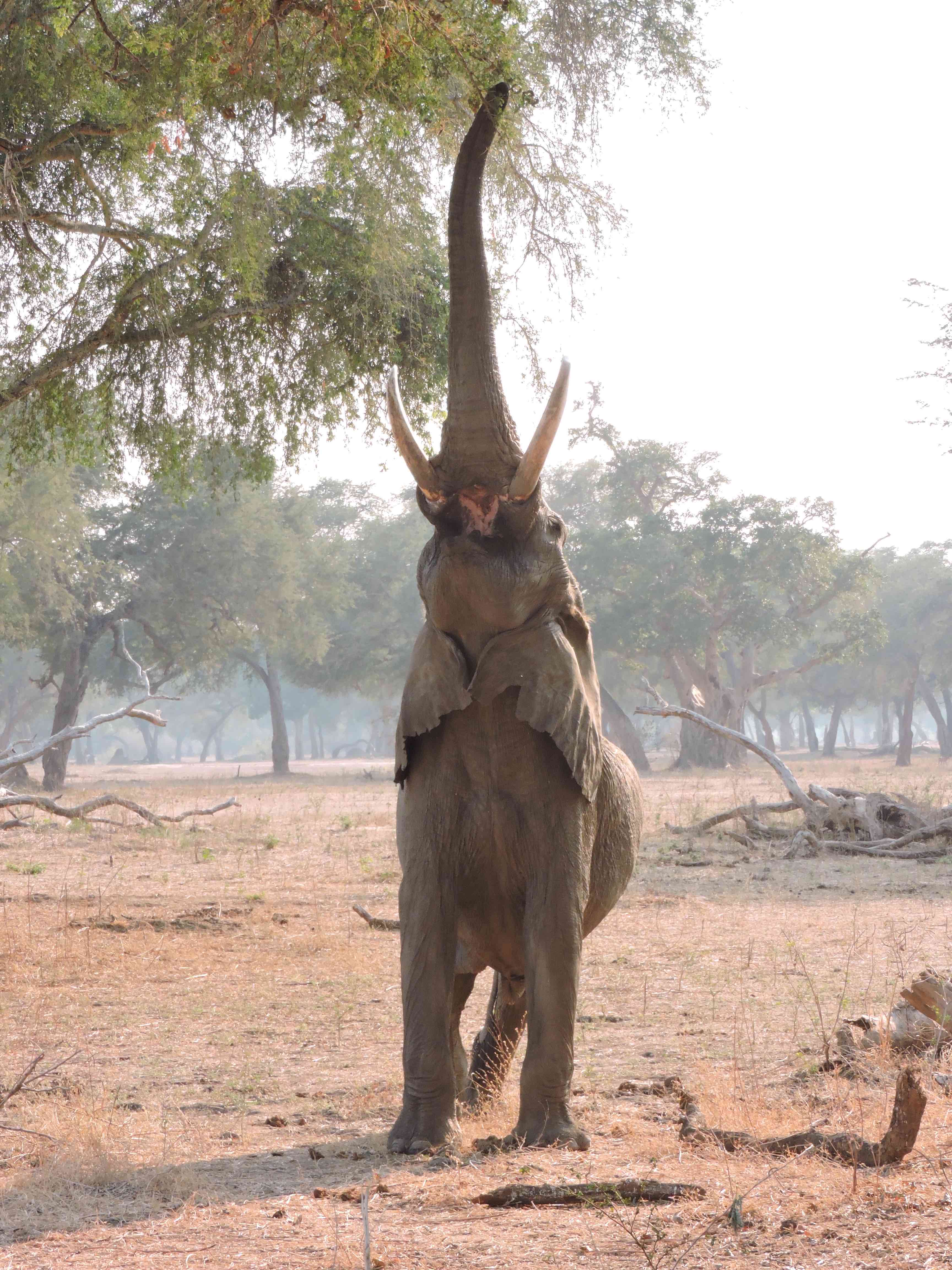
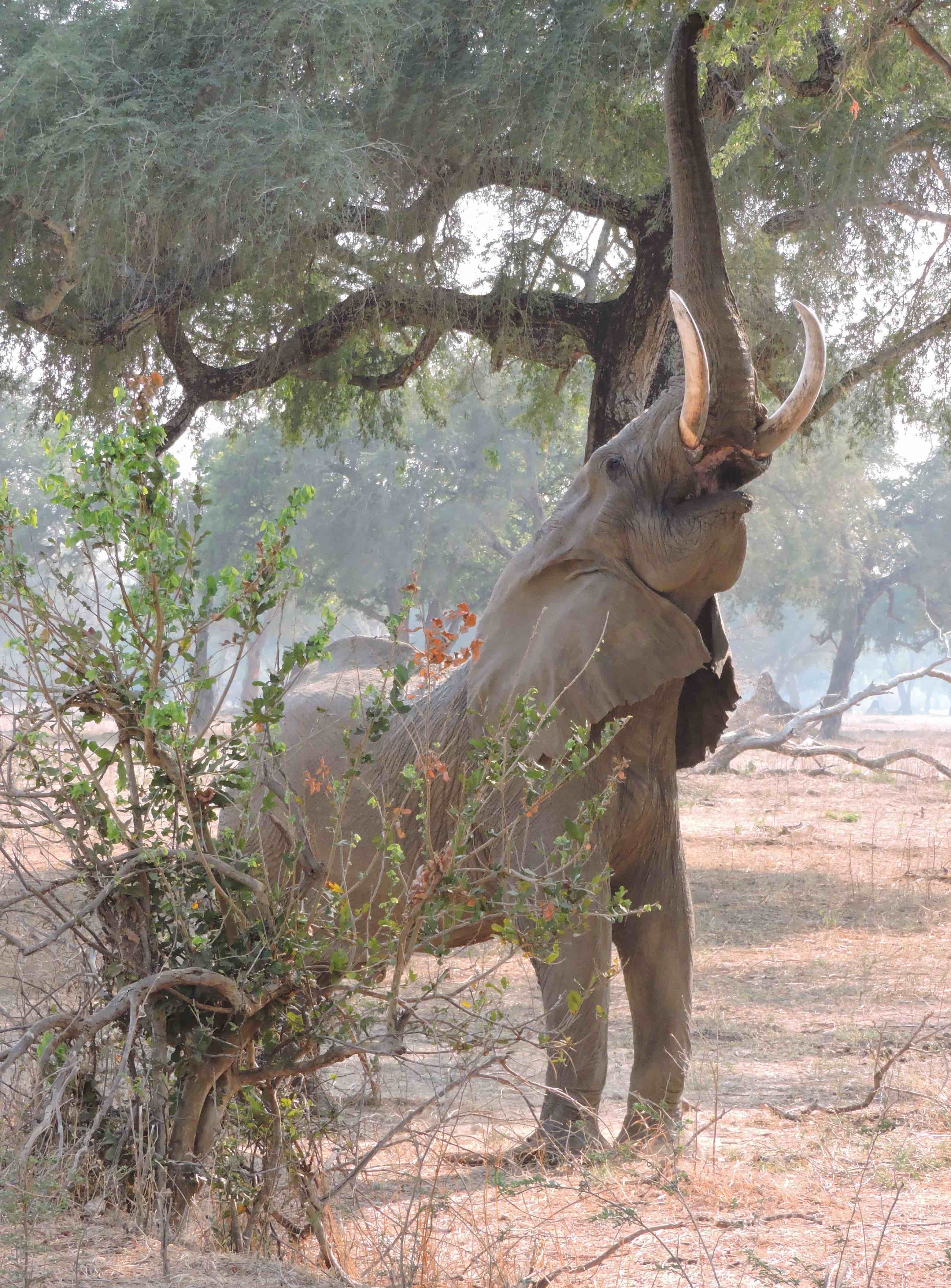
This visit was different. It was much warmer and, as the dry season had advanced, the animals were indeed massing in the northern part of the park where water and grazing are still available. We stayed at Chitake One and at Gwaya private camp sites so we enjoyed a true wilderness feeling by being alone. Without doubt the elephants were the main actors during our visit and I hope to be able to describe the various events in an amenable way for you to enjoy.

[1] “Mana” in Shona means Four, describing the four pools that the Zambezi river left behind in its meandering.