Before I describe the events of the title, I wish to explain why I have been absent from the blog. Luckily, it was not a health issue but a literary one.
A few years back, I hatched the idea of writing a historical fiction novel, without realizing what kind of work this implied. In short, the result was that all my spare time was taken by the writing as I needed to get fully immersed in the work to be able to make sense of it! Fortunately, although is not yet completed, the novel is suffciently advanced by now and, while the editor works on the final touches, I have some spare time to get back to my neglected blog. (If I manage to publish the novel I will let you know!)
So, here we go.
As every year at this time, we are spending time in Salta at our small “wildlife” farm. We have had sustained rain for the last week and yesterday there was a break and we went out to explore the surroundings and to assess any damage the rain may have caused to our entrance road,. We also needed to see if the small stream that usually looks harmless but gets quite lively with the rains, had damaged our fording place.
The water was still running quite fast but our road had suffered no damage. While checking it, we came across a sight we do not see very often.
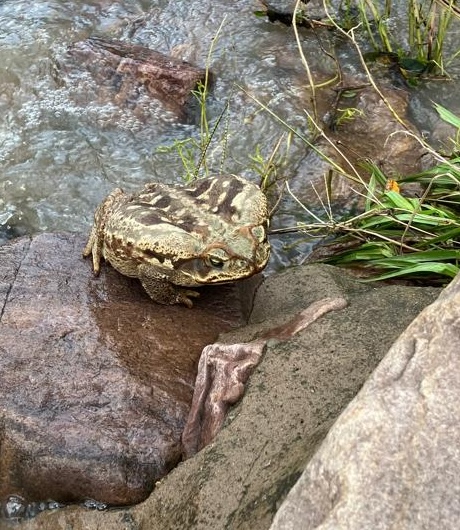
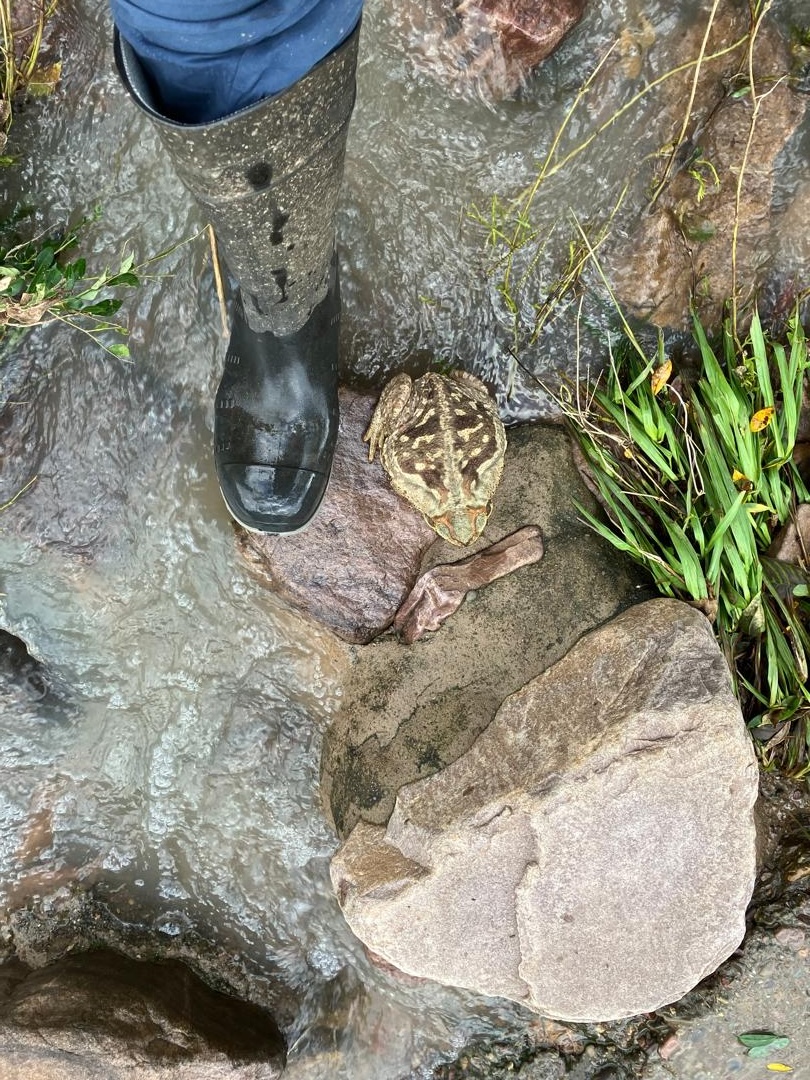
The toad was there for a purpose, probably to get some insects. As soon as we looked another way, it quickly disappeared.
After this distraction, we decided to check our water well as, when there is a lot of rain, the water surges up submerging the pump and ruining it.
Luckily, the pump was still way above the water but, we found another unexpected event. A small snake, probably a brown “culebra” (Paraphimophis rustica) had fallen in the water and it was swimming around without much chance of claimbing the vertical and smooth wall.
A rescue operation was organized.
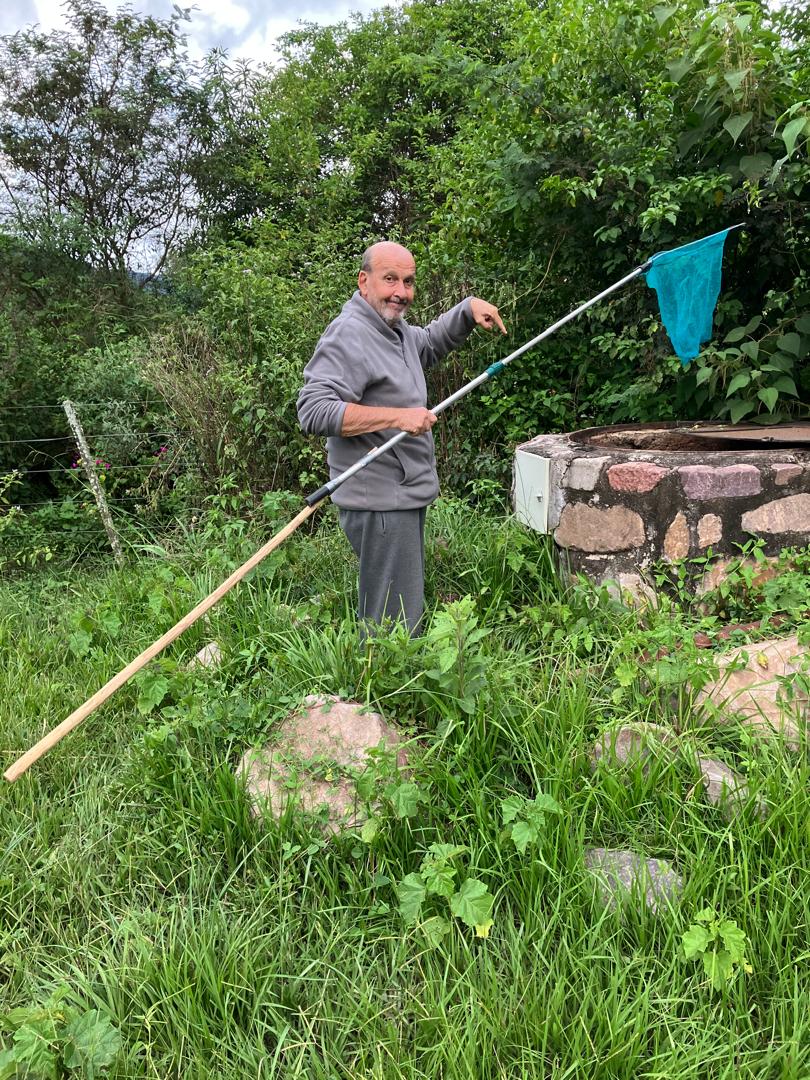
After a tricky “fishing” exercise, the snake was finally retrieved and released.

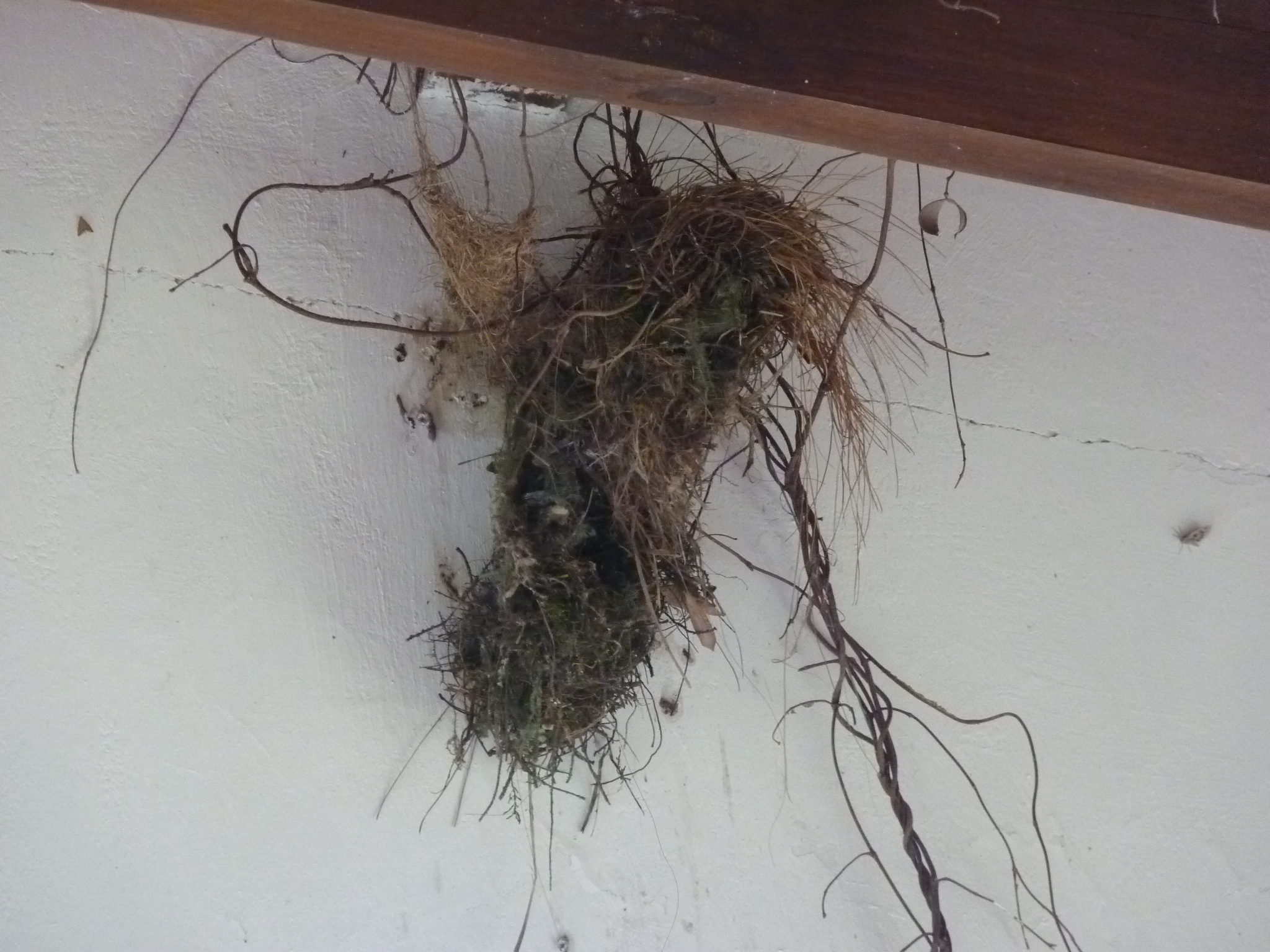
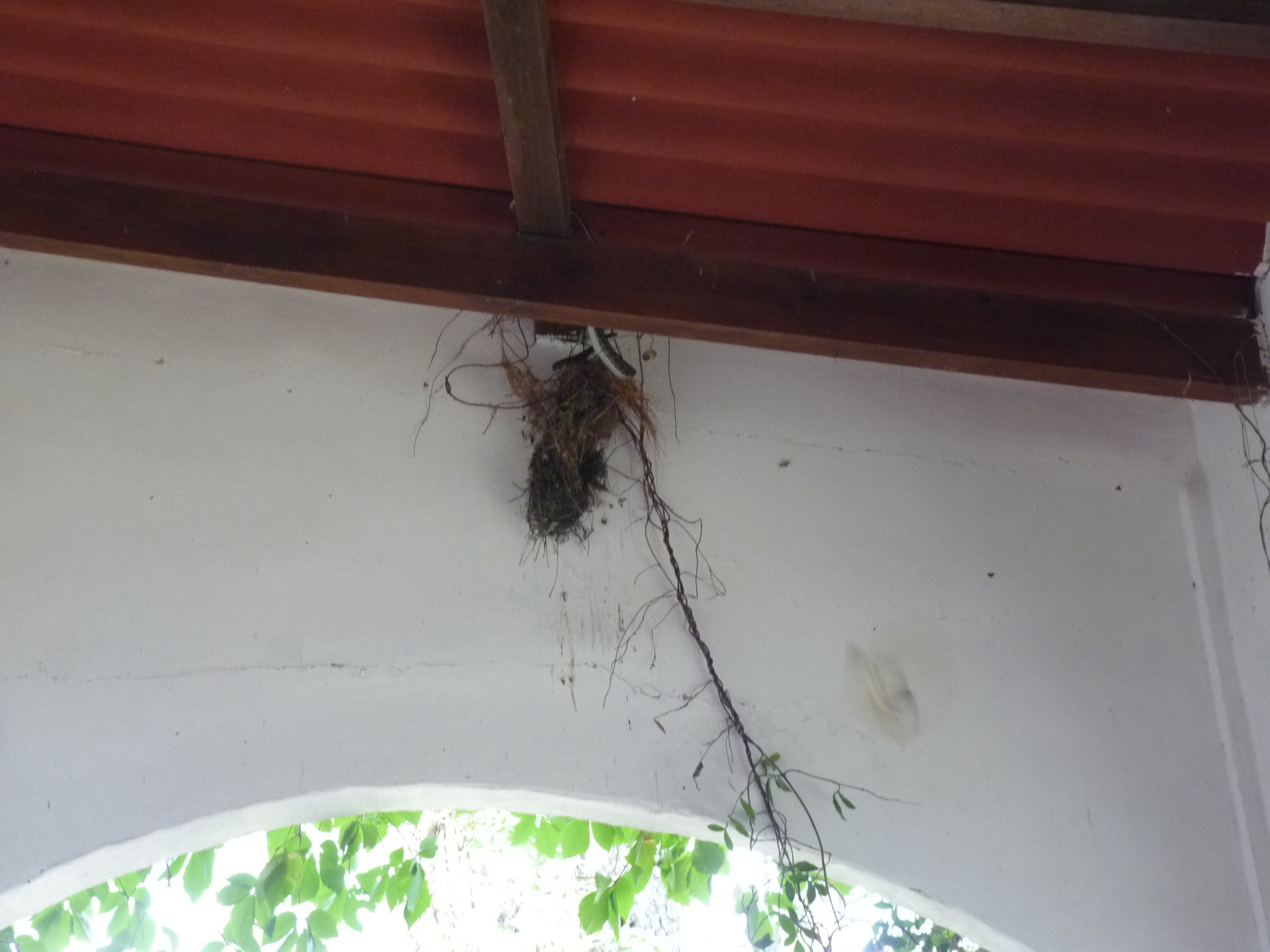
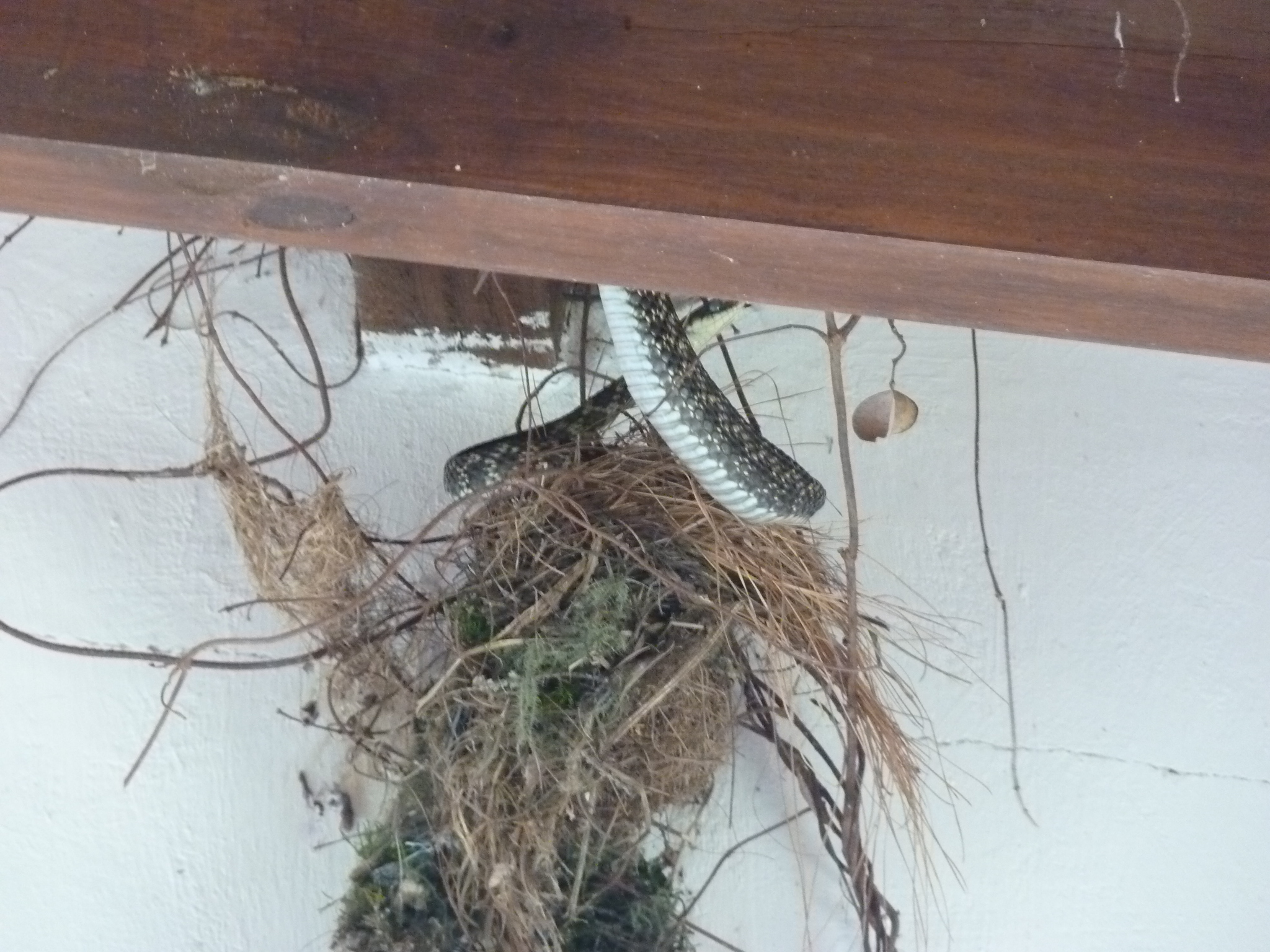
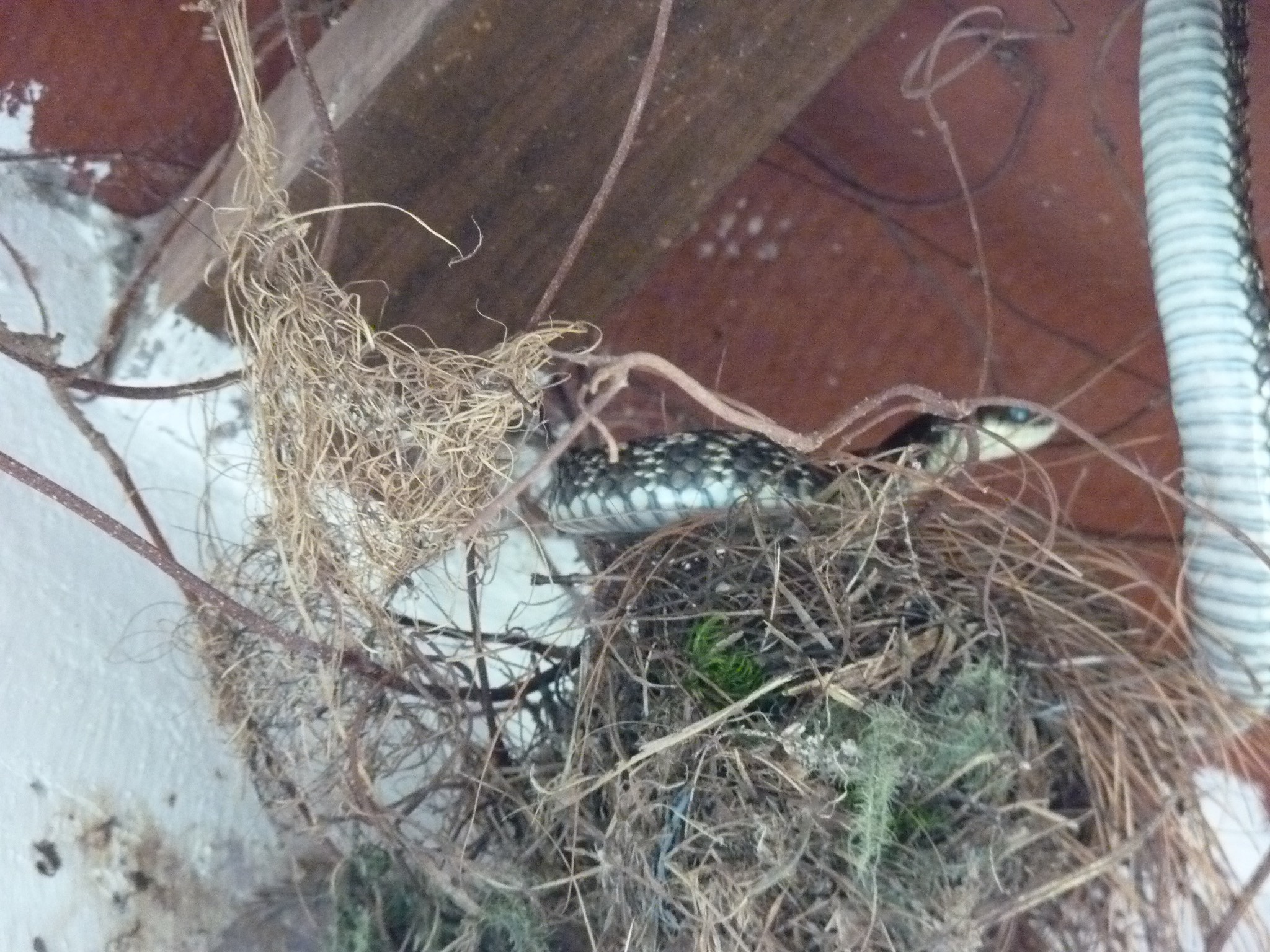
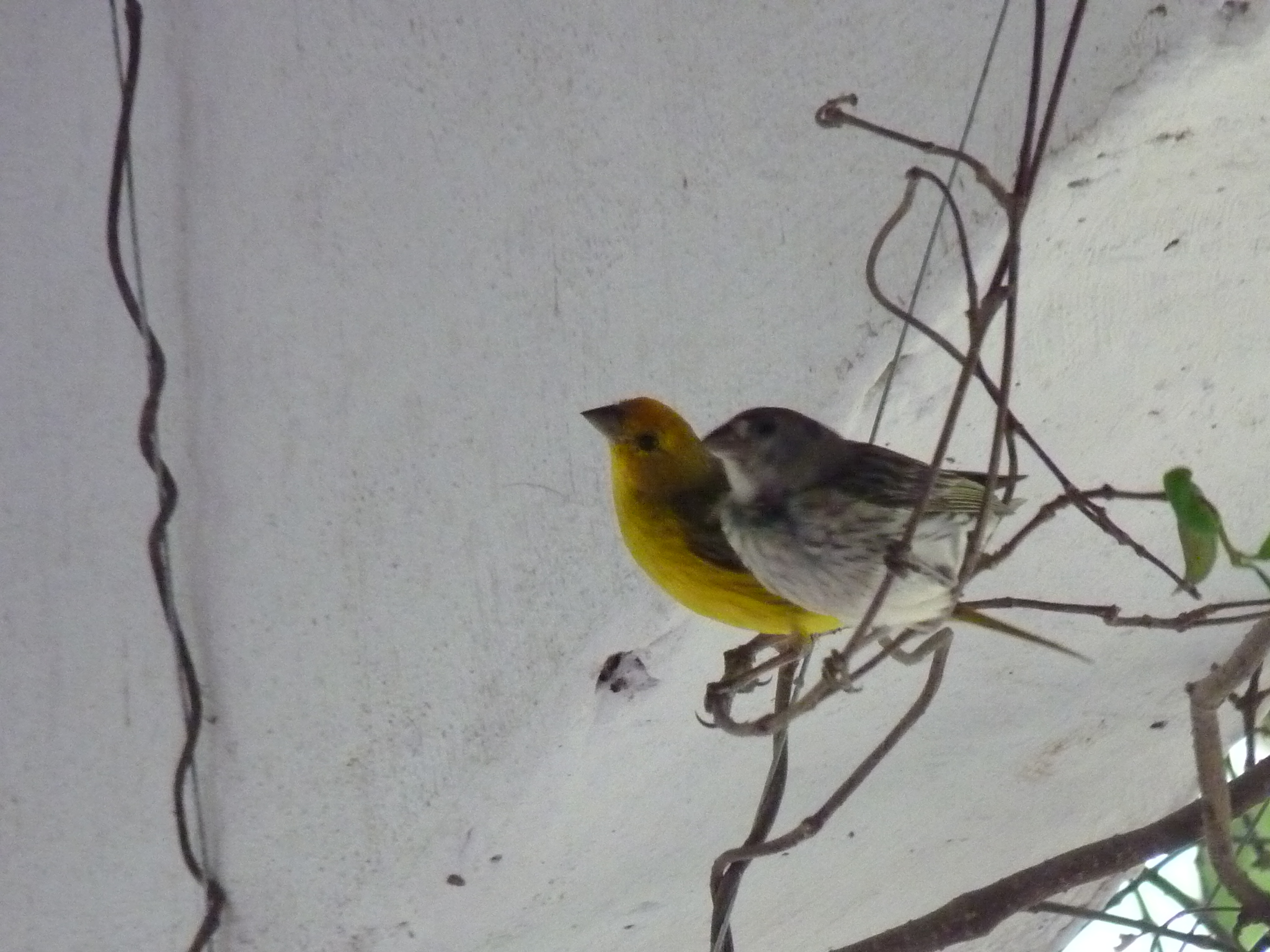
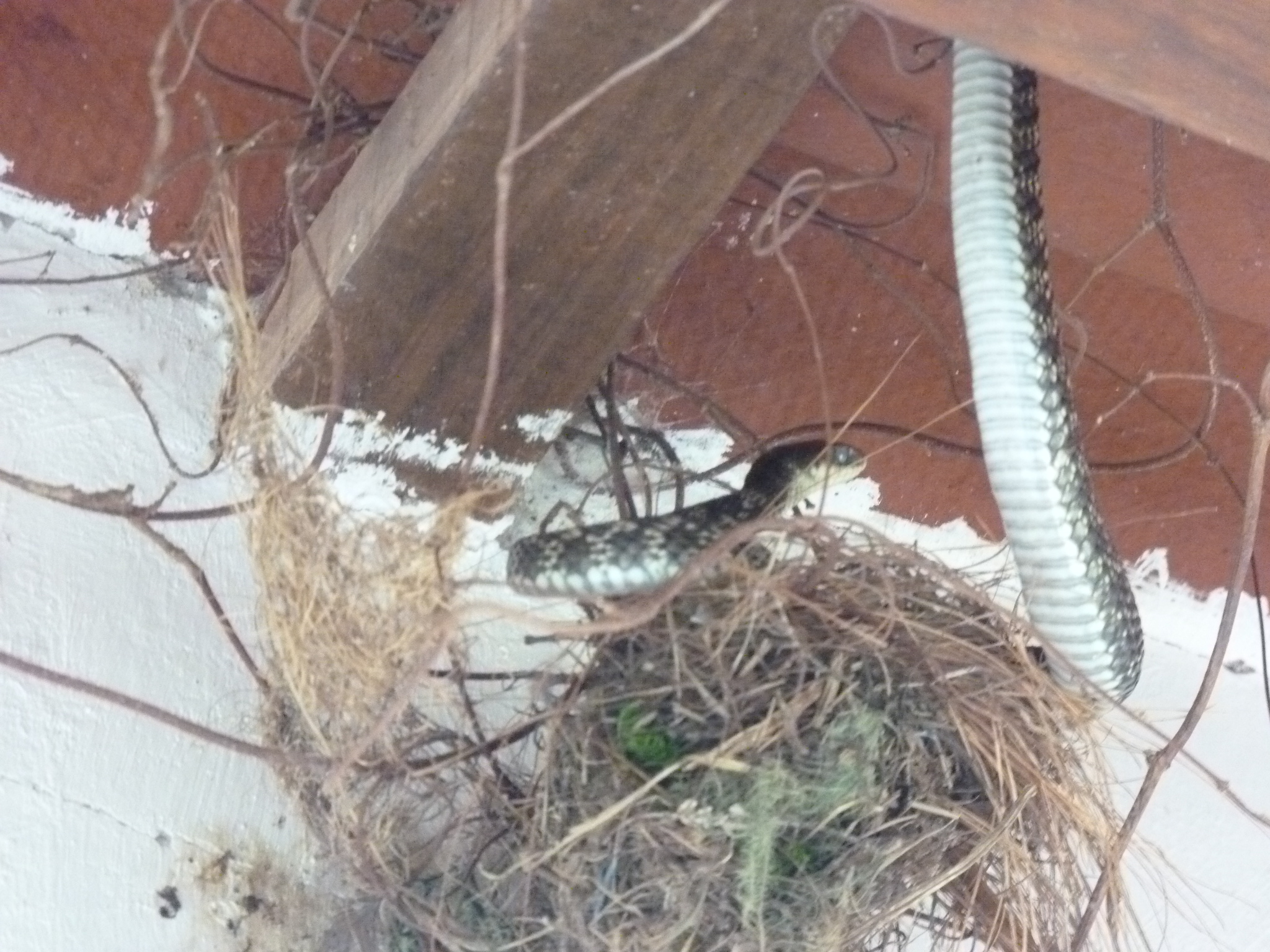 The birds were mobbing the snake while chirping loudly and flying very close to the intruder but not actually pecking it (see videos below). However, they were clearly too small to have an impact on the aggressor and eventually they just perched nearby to watch the tragedy!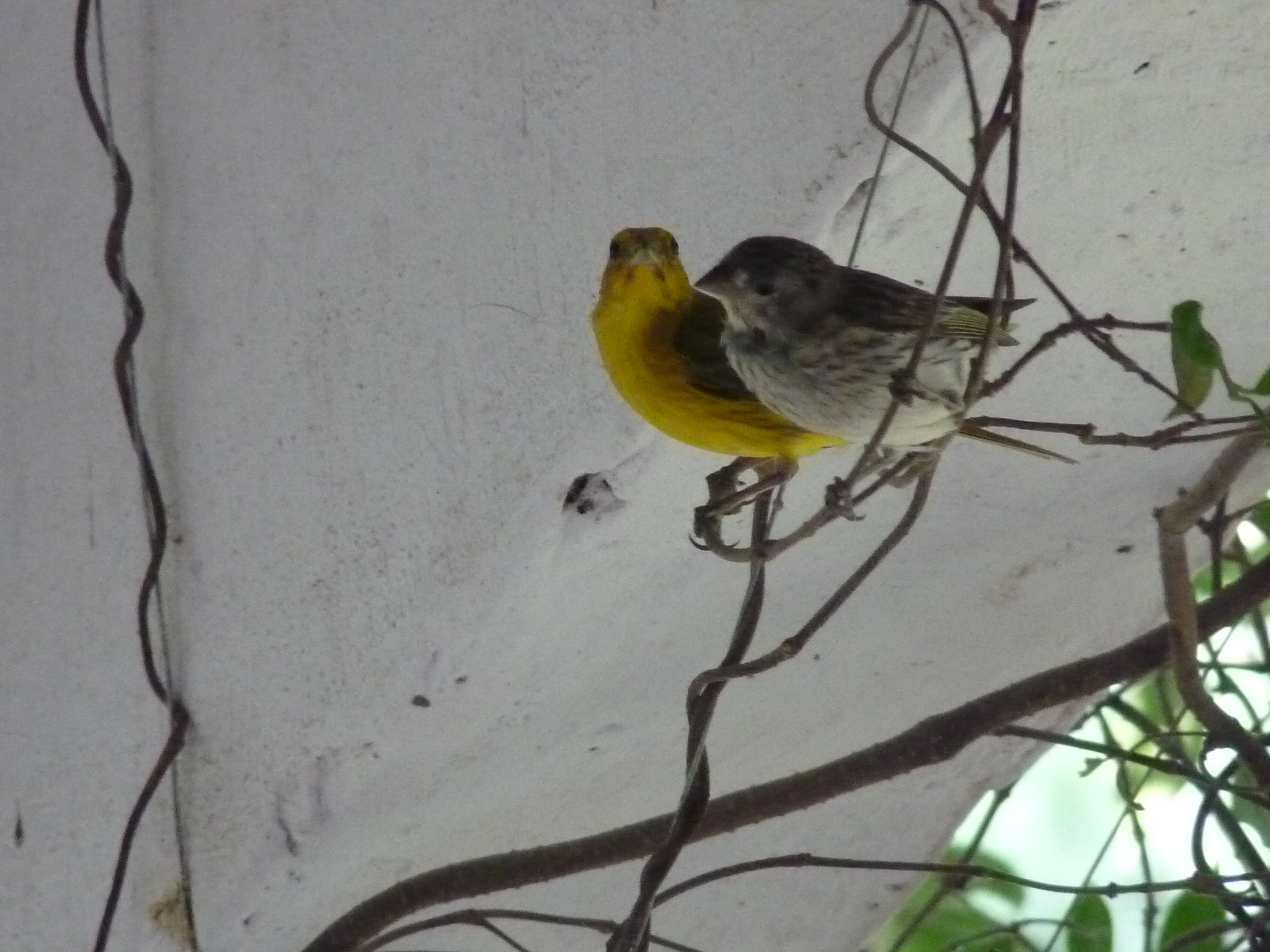


 Our arrival and photographic efforts disturbed the action taking place and the snake started to abandon the nest and eventually slipped down the stem of a climbing plant and, once it got into the thick of the plant, it immediately change direction and climbed back towards the roof of the house where we lost sight of it. I am not yet sure of its identity.
 A Bushsnob out of Africa