Zimbabwe

Hwange National Park

Last year I reported on our stay at Shumba Picnic site in Hwange National Park in Zimbabwe (see: https://bushsnobinafrica.wordpress.com/2014/10/31/watched-at-shumba/) as well as the observations we made on the struggle we witnessed between crocodiles and hippos for the impala carcasses at Masuma dam (see: https://bushsnobinafrica.wordpress.com/2015/02/22/hippos-from-hell/ and https://bushsnobinafrica.wordpress.com/2015/03/23/hippos-from-hell-the-videos/).

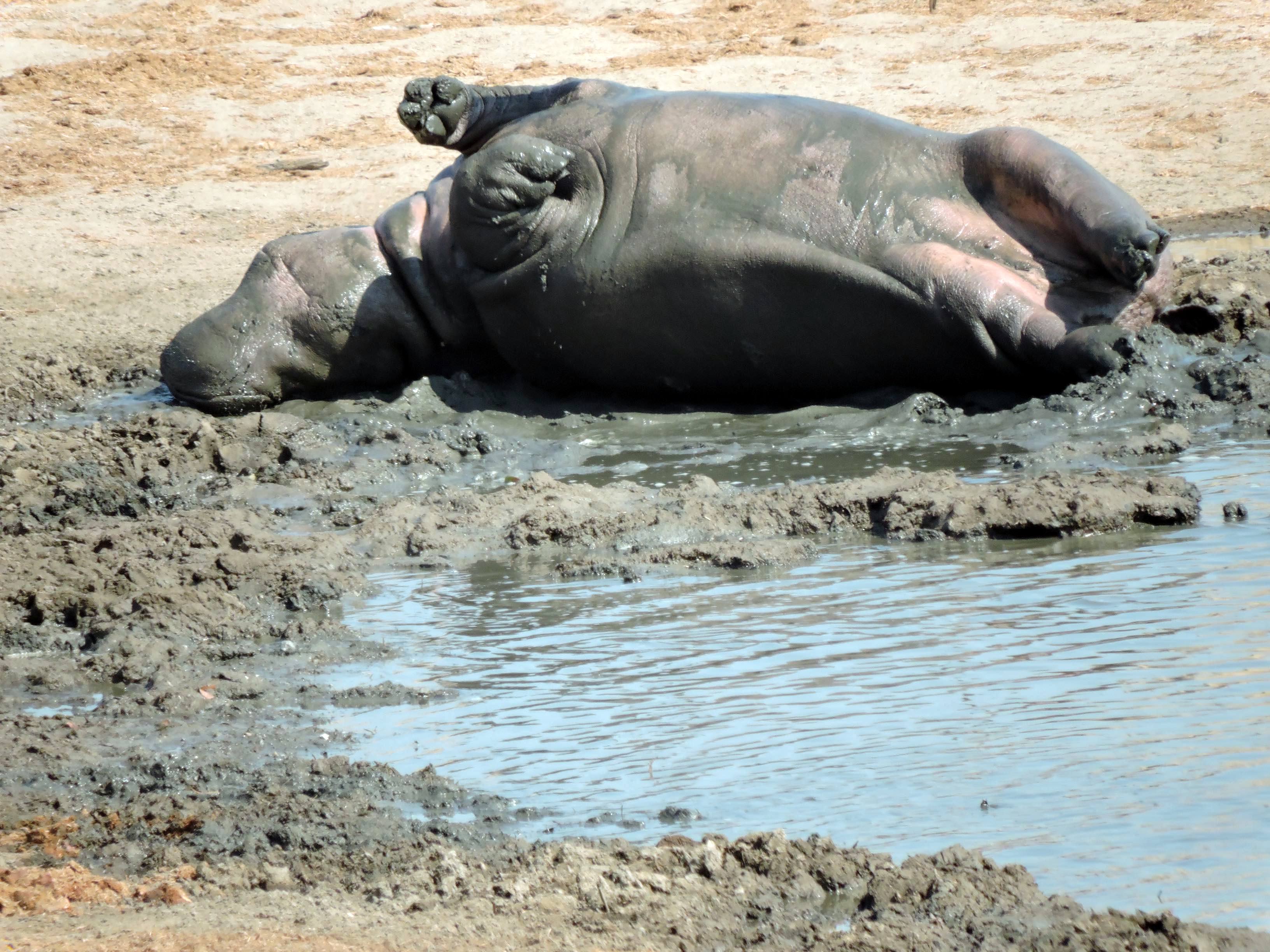
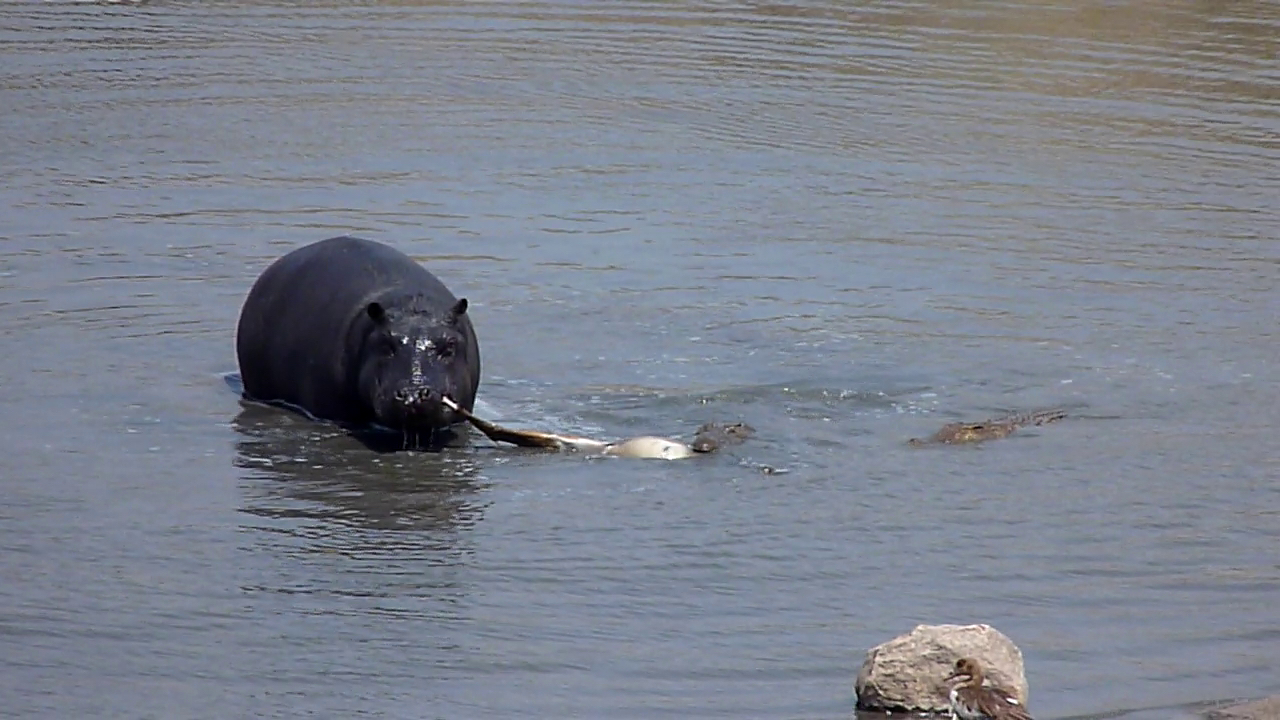
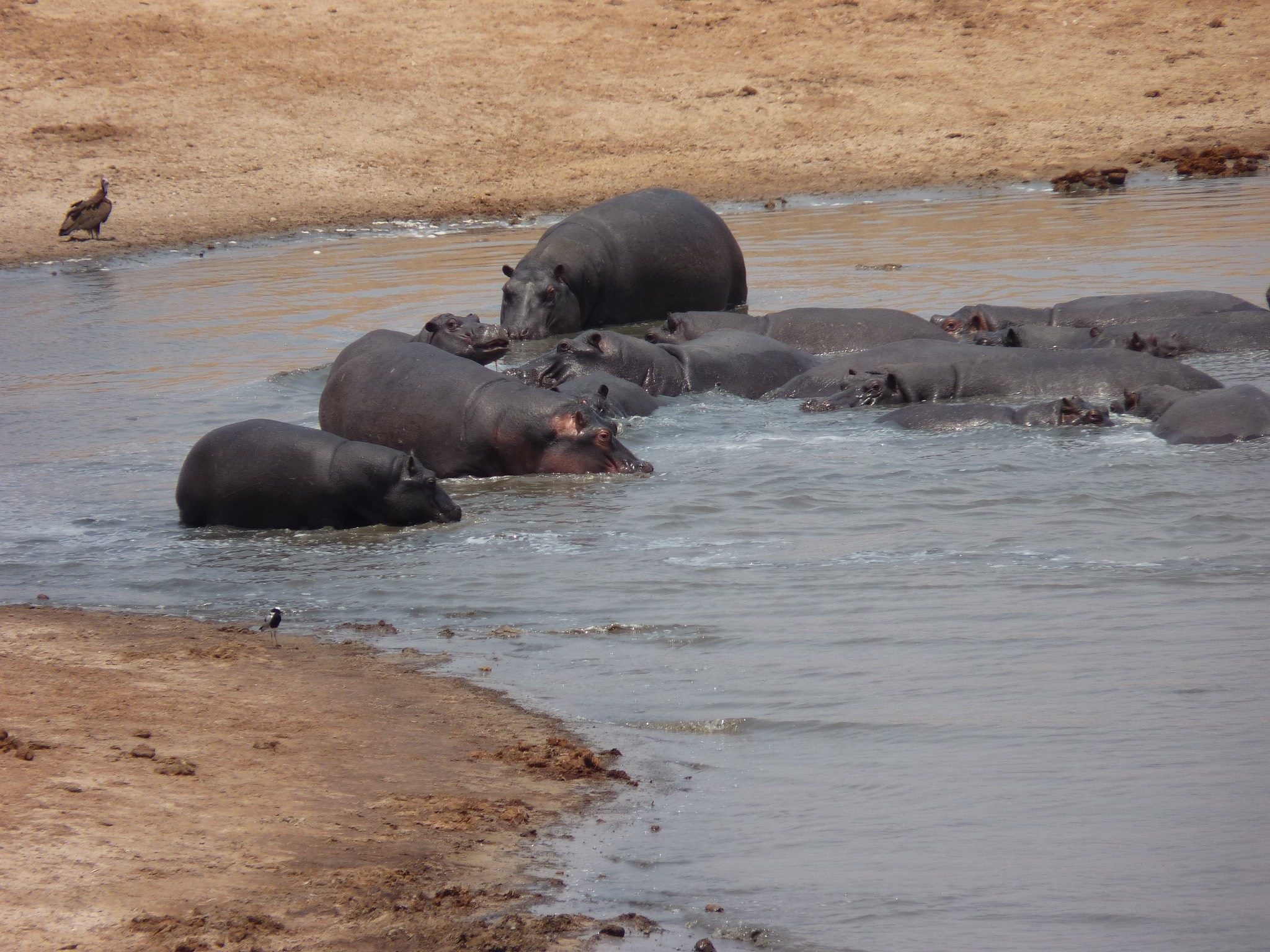
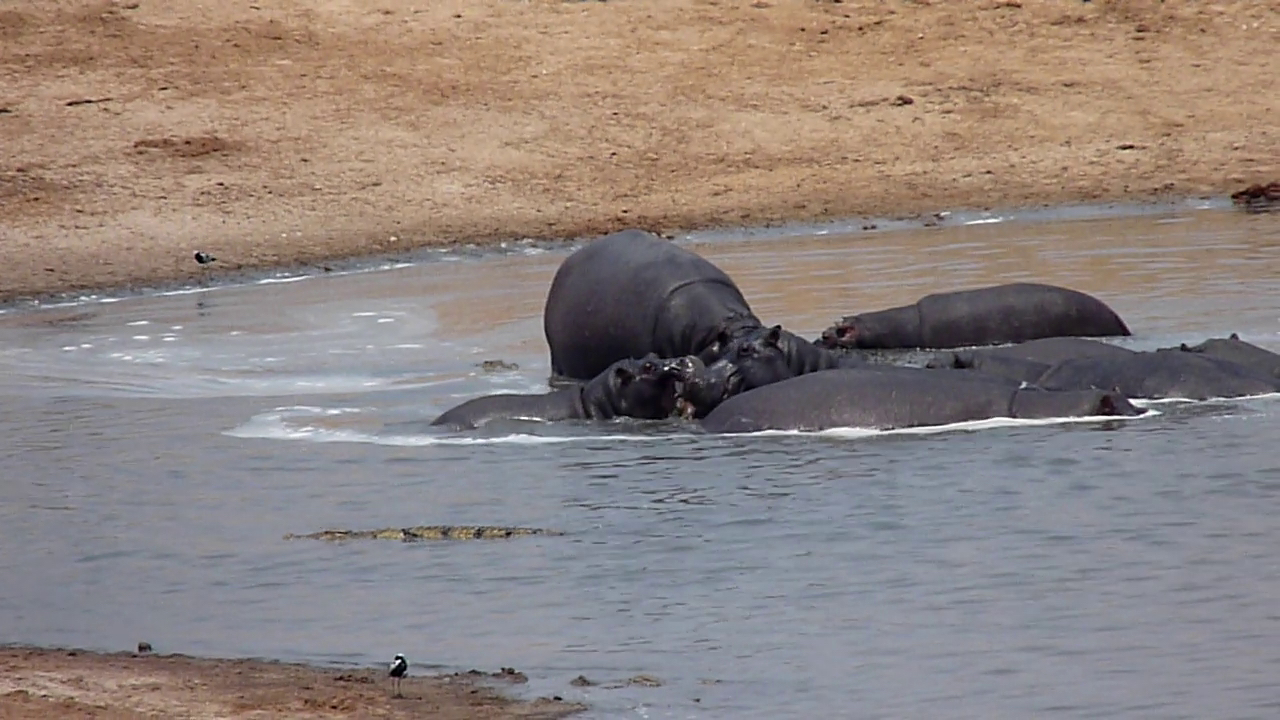
Hippos were not interested in Impala meat this time!

Hippos were not interested in Impala meat this time! (Photo by Julio A. de Castro & Mariana Terra)

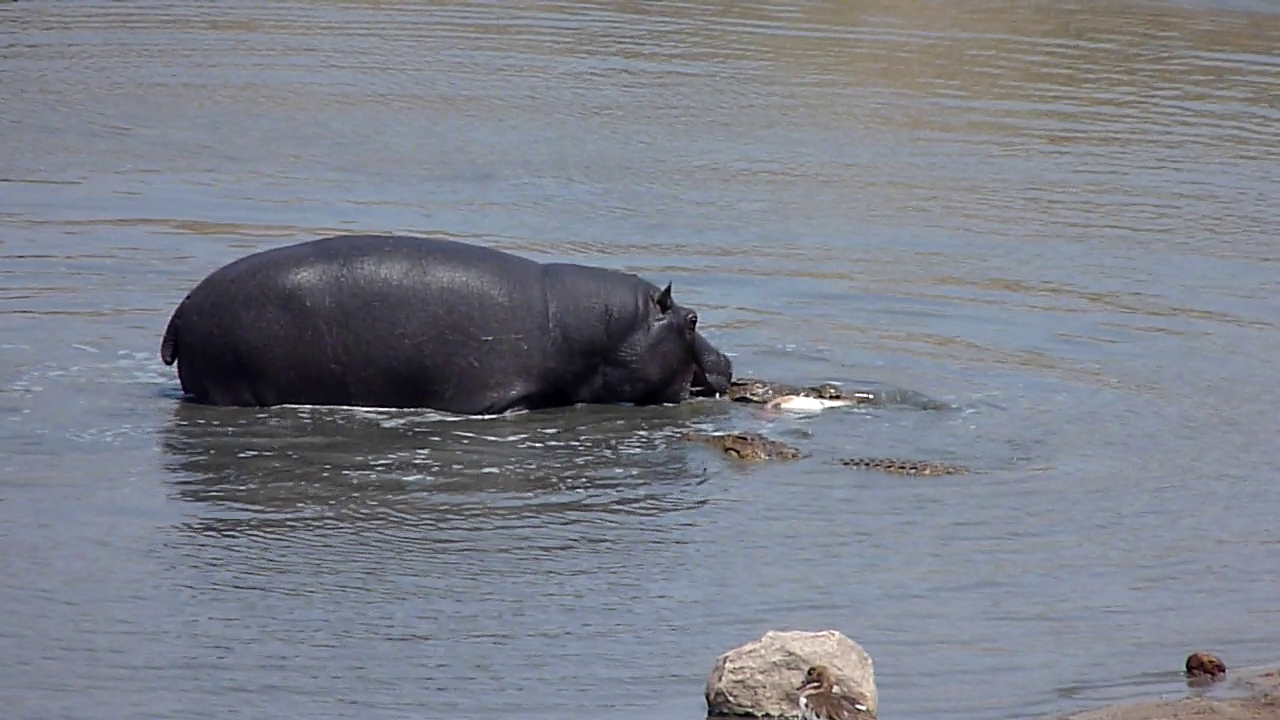
(Photo by Julio A. de Castro & Mariana Terra)

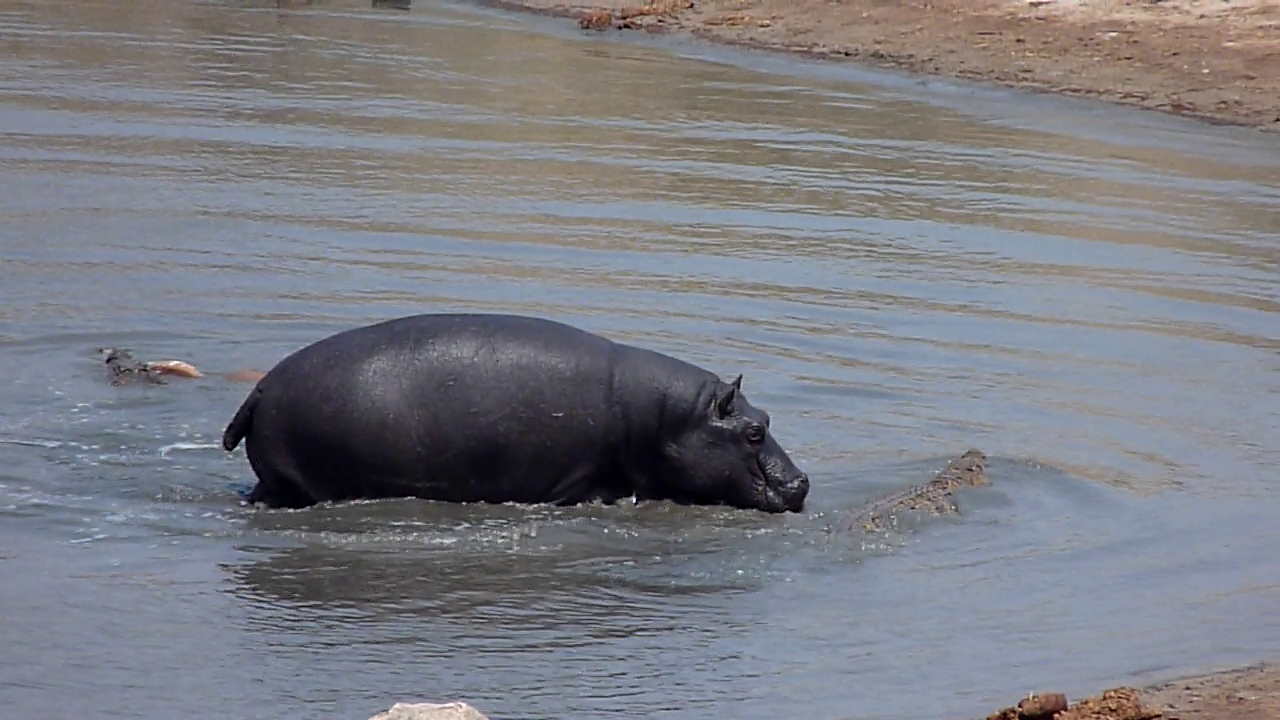
(Photo by Julio A. de Castro & Mariana Terra)

After our return from that safari we immediately booked the Masuma dam campsite so that we could stay closer to the action and see if we could observe something additional in the crocodile-hippo saga that caught our interest earlier. We also booked a place in Main Camp as we were sure we would have fun with elephants at Nyamandlovu pan. We knew that the elephants were plentiful there and we could watch them and enjoy their antics!

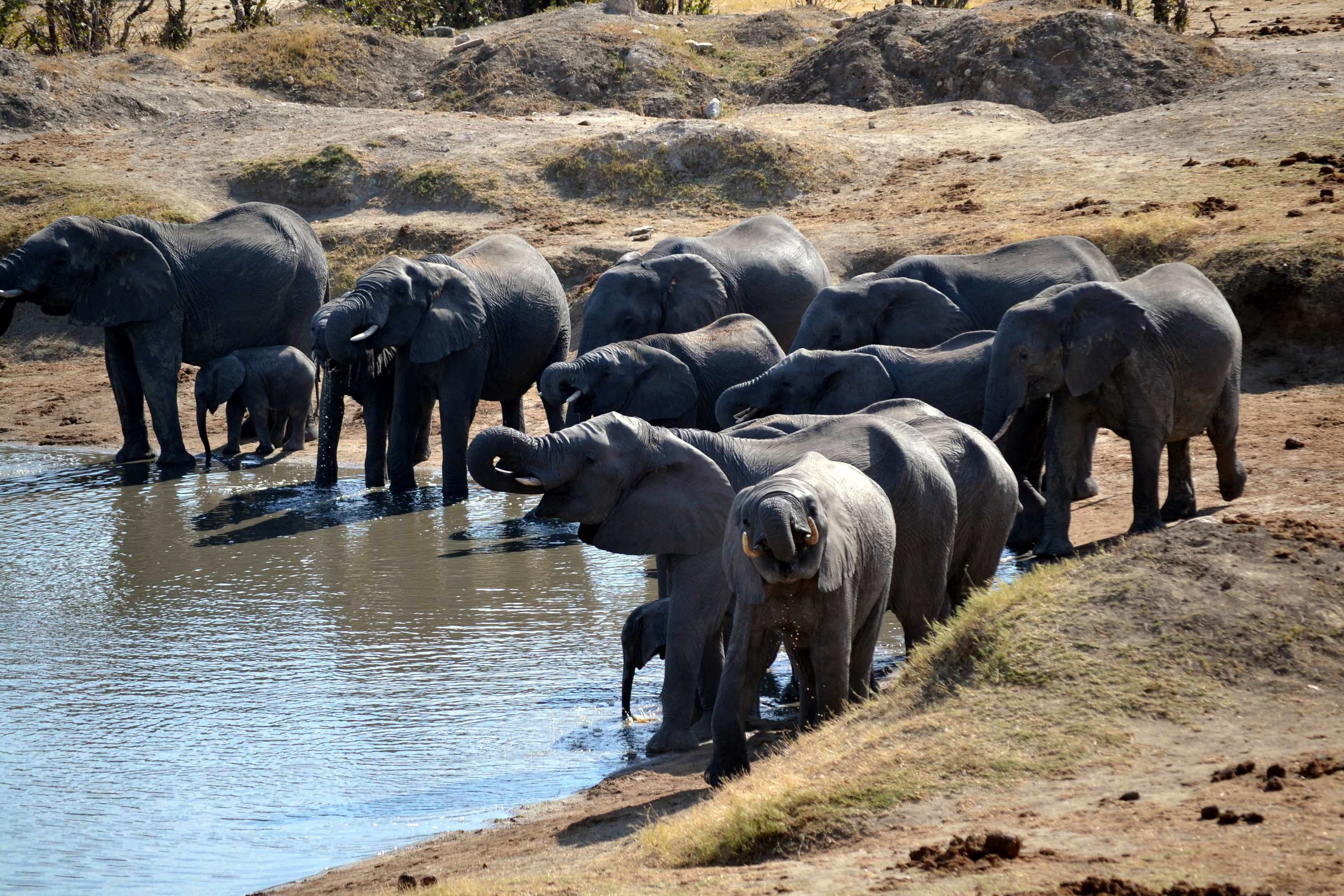
THis time there were lots of elephants at Masuma dam. (Photo by Julio A. de Castro & Mariana Terra)

This time there were lots of elephants at Masuma dam. (Photo by Julio A. de Castro & Mariana Terra)

We even saw pink elephants... (Photo by Julio A. de Castro & Mariana Terra)

We even saw pink elephants… (Photo by Julio A. de Castro & Mariana Terra)

As part of our “discovery drive” we also camped in the Ngweshla pan campsite as it has a reputation as the best place to camp in Hwange and is a place where predators are often seen because the area surrounding the various pans and water holes found there is quite open, a change from the thick bush of other areas in the park.

The safari took place between 22 and 29 July 2015 and I describe its highlights in four posts:

Fearless bee-eater

Moonlit elephants

Encounter with lions, and

Ngweshla cold.


I hope you will enjoy them.

Drones in the bush

It was a simultaneous thought shared with my son to the point that our respective e-mails must have crossed somewhere over Africa: “Dad, I think a drone would be great for your blogging activities ” and “Jul, have u heard of photography drones? I think one would be good for safaris”. We were very pleased with ourselves as, at the time, drones were only starting to be used in the bush for animal photography and filming.

A couple of months later when he came to Zimbabwe he brought an economical camera drone with him “Dad, this one is for testing purposes” he said. We immediately got to using it; well he used it and I interfered! Following its fast assembly my son started flying it and mastered it quite quickly (no doubt as a result of having spent long hours playing PlayStation and Xbox instead of doing his homework!). I conveniently refrained from voicing my praise with respect to his mastery, as I had been stern in establishing time limits on computer games, and instead proceeded to watch.

Eventually my turn with the drone came and I received the necessary instructions and began my attempts. At first my flying consisted of starting the rotors and hopping about trying to get the machine to go where I wanted. A couple of batteries later (they last a very short time!) I was awarded my beginner’s brevet. My take off was perfect and I started flying it; which also went well. During one such flight, I was so fascinated with watching the machine that the “Dad, watch where you are flying!” shout from my son took me by surprise, causing me to lose concentration and to remove the crucial finger from the joystick. Needless to say things started to go awry very quickly…

First, the drone turned violently to the right causing me to over-correct in the other direction. Luckily, after the maneuver, the drone still had sufficient altitude but, to my dismay, was hovering directly over a water hazard (read old swimming pool). In the same way that looking down from a balcony causes you to feel a fear-induced (and often paralytic) rush of adrenaline, my fingers stopped obeying my commands and: splash!

The positive outcome from this experience is that I can now confirm that drones float (or at least this plastic one did)! After its recovery my programme for the day was secured: drone disassembly, drying, reassembly and testing. Fortunately it flew again, although with my son once again reinstated as pilot and myself as manager!

Following this experience I have decided to wait for the prices to go down so that I can acquire a more sophisticated one that I can navigate from my phone. It is also my desire for such a drone to possess a “Boomerang/Home” button to bring it back to me (safely) after taking pictures of game. Unfortunately, however, drones are becoming increasingly common now so our “surprise factor” has vanished but, who knows, maybe something interesting can still take place, just be patient…

Smells of the wild

A picture of an “engorged” lion cub resting belly-up posted recently on Facebook by my son reminded me of an elephant kill we witnessed together in Mana Pools in October 2013 when that picture was taken.

Apart from being a wonderful wilderness place teeming with wild animals, Mana Pools offers a number of add-ons. Apart from being allowed to walk unaccompanied in a park where the “Big 5” are present, the presence of the mighty Zambezi river adds an unsurpassed touch of beauty to the area.

In addition, camping there is an experience on its own as -like in the good old days- there are no fences or trenches separating you from the wild inhabitants. Camping in these conditions increases solidarity among fellow colleagues and information on the “state of the wild” circulates freely. In Mana Pools it is usual to have- in addition to the harmless buck- hyenas, buffalos and elephants of all sizes walking about at all times.

I vividly remember a nocturnal incident with an elephant. My wife and I shared a tent while our daughter had her own a few metres away. It was late at night and we could hear the breaking of branches around us as the elephants fed. Suddenly we heard loud elephantine intestinal rumblings followed by the unmistakable noise of heavy droppings being dropped! Judging by the direction of the noise we guessed that her tent could have been compromised by the event. Before I could ask her about the situation I heard her “Phew, that was close!” and went on to say, “It just missed my tent but I can smell it very well!” So could we although a few more metres separated us from the “object”.

Under these conditions of proximity with wild animals it is not surprising to have visitors at your camp bearing news such as “There are a few lions near the ablution block at the end, so refrain from using it tonight” or “we have just spotted a leopard walking near the entrance”.

Fellow campers also share their sightings and experiences in a friendly atmosphere.

The elephant incident I described above brings me to the issue of the wild life experience and the importance of the senses in it. Smells -together with the natural shine and subtle sounds of a live animal- are among the details wildlife documentaries are not able to transmit! It is common to drive or walk in the bush and be literally assaulted by different smells, both pleasant and otherwise.

October 2013 saw the whole family camping at Mana Pools and in the evening after our arrival we learnt that lions had killed a young elephant in the Mucheni area. This is apparently not surprising in Mana Pools where lions are skillful at killing elephants. Quite excited, the following morning we drove there as early as we could. The area of the kill was easy to find as, unusually for Mana Pools, there were a few vehicles watching the scene. A young elephant had indeed been killed the day before and it still had food to offer the lion pride that was resting next to it. We counted around 16 animals of all ages.

As it is common in these instances, satiated lions were lying all over the place, trying to take advantage of the little shade available. As the morning heat increased the vying for shade became more intense and, to add a touch of reality, the foul smell also gradually augmented. When a kill is available lions tend to gorge on meat to the point of becoming uncomfortable. It is therefore not difficult to understand that to have such a large number of individuals quite close to us multiplied the final outcome of their digestion and its vapours! I sharply recall our desperate spluttering every time the wind shifted and one of the lions rolled over as well as the family’s diving into the car through its roof hatch in an attempt to escape a particularly fetid eruption…

The situation was rather smelly, so much so that this was one of the few times when watching the scene through a documentary would have been preferred! So, being nice to you I present an odourless picture gallery as well as videos for you to enjoy. I am aware that seeing a kill is never pleasant but these are wild lives!

Hippos from Hell

In an earlier post I described how Crocodiles[1] were stalking and catching Impala at Masuma dam[2]. What I did not mention yet was what happened next. You will not regret reading on!

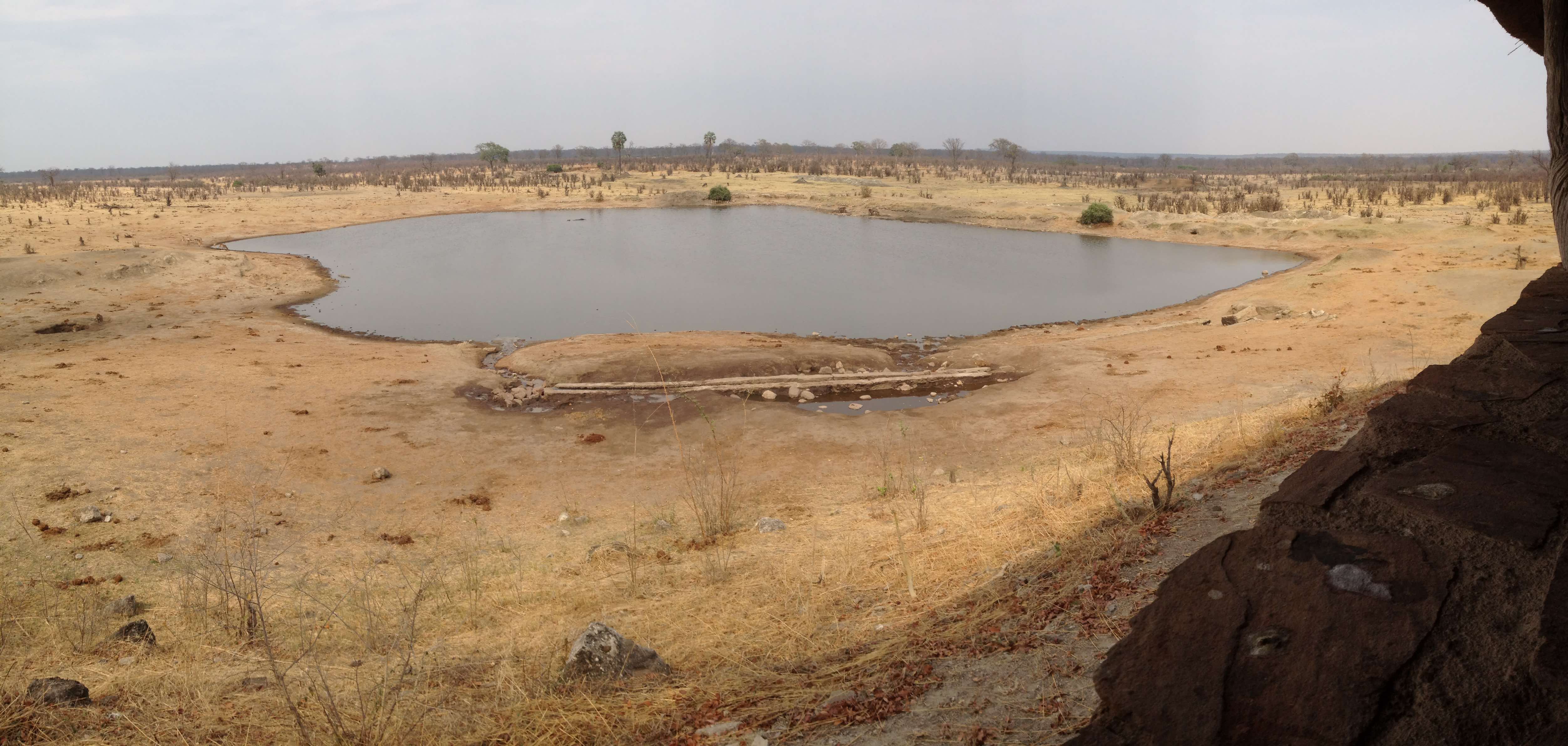
Masuma Dam is located in the Hwange National Park (18°43’52.20″S 26°16’47.82″E). The observations described here took place on 13/10/14 from 10.00 to 12.00 hours and on the 15/10/14 from 09.00 to 12.00 hours. The dam is about 120 by 100 metres and it has a roughly oval shape with the viewing platform located on one of the longer parts of the oval.

A "panorama" view of Masuma Dam.

A “panorama” view of Masuma Dam.

The time of the observations correspond to the end of the dry season. At this time of year many animals come regularly to drink at the dam. Apart from elephants, Greater Kudu, Waterbuck, Impala, Zebra and Warthogs were seen everyday. We also saw large flocks of guinea fowl, various doves, vultures, kites, buntings, starlings, among others. At the time there were sixteen resident Hippos, both adults and young animals as well as at least six mature Crocodiles.

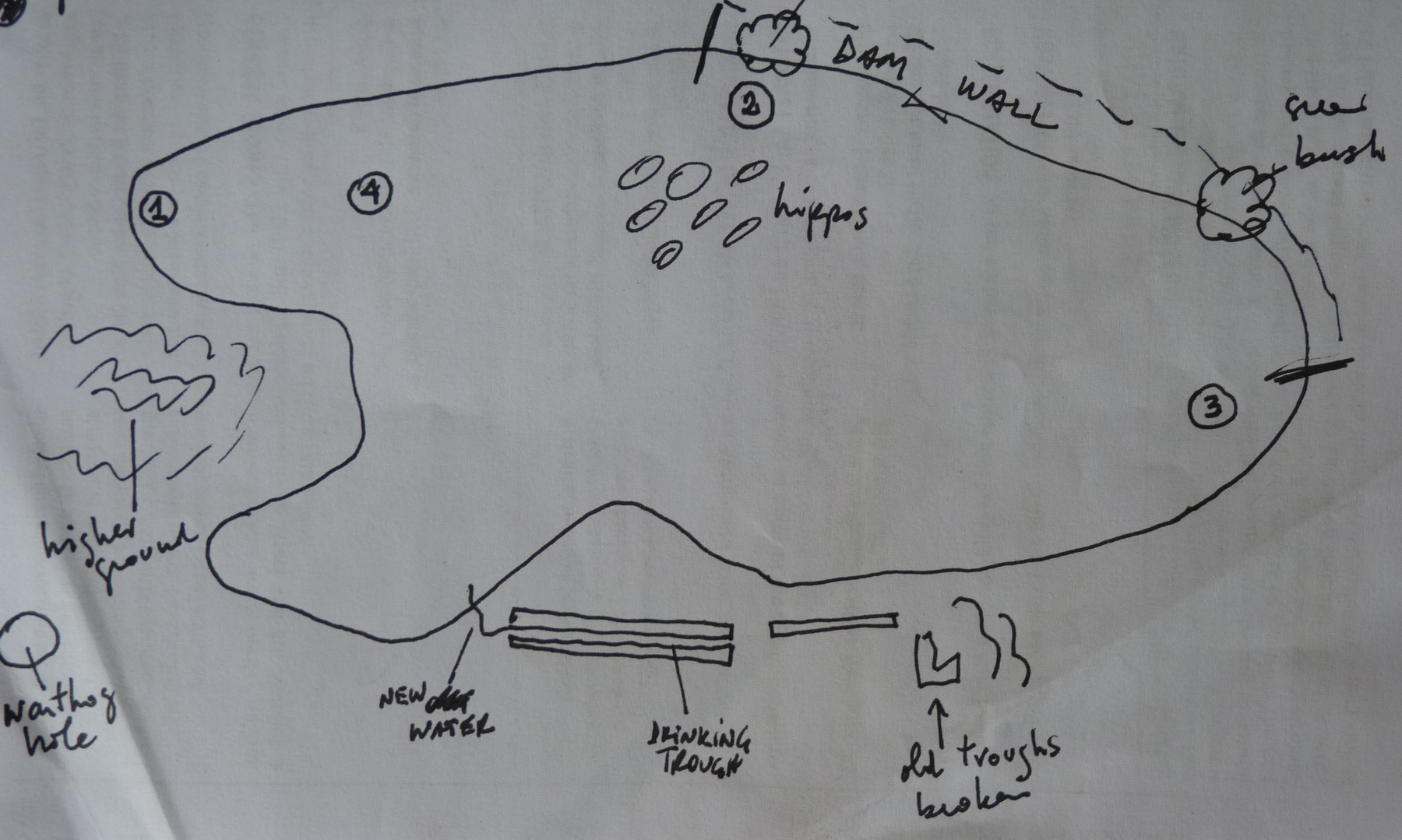
Map of Masuma Dam showing the various places mentioned in the text.

Map of Masuma Dam showing the various places mentioned in the text.

Impala herds drank mainly in the morning, mostly at Point 1 in the drawing. Aware of this daily event, Crocodiles were observed to ambush the Impala by positioning themselves across the small bay where the antelopes drank. Usually one of the Crocodiles would approach the Impalas in full view up to 1 to 1.5 metres from them. This created noticeable nervousness on the part of the Impala but they would gradually calm down and drink. The Crocodiles would remain immobile for a few minutes and then slowly sink and completely disappear. Most of the time, the Impala continued to drink and moved off and the reptiles remained quietly submerged.

A Crocodile attack at the Impala drinking area.

A Crocodile attack at the Impala drinking area.

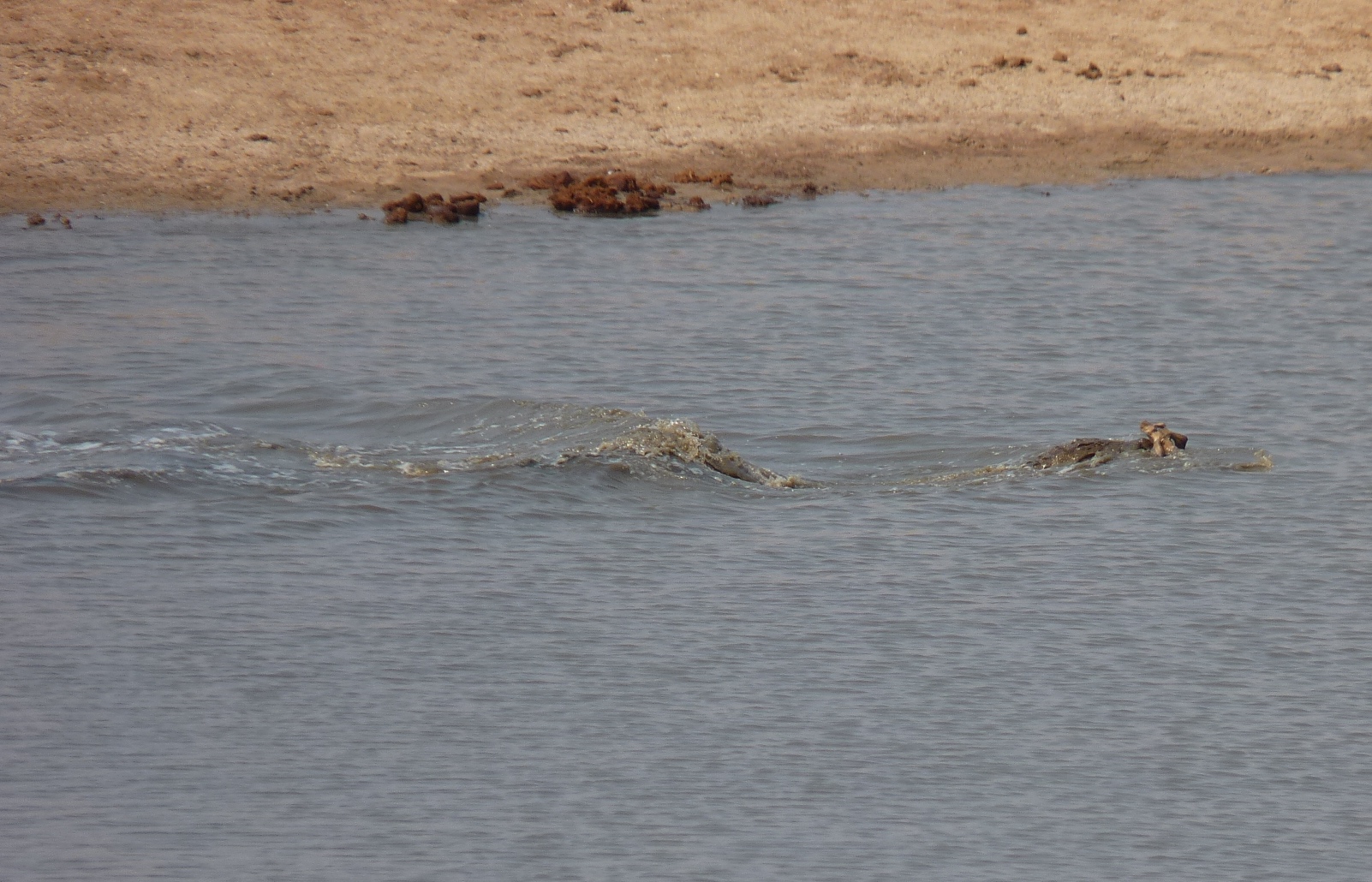
About two or three times in a morning, the hidden Crocodiles lunged towards the Impala. As soon as the swirl that precedes the attack was noted, the Impala scattered in all directions (including into the water!). The most common outcome was that the Crocodiles failed and went back to the water empty-jawed. On one occasion a young animal was caught from its leg and, after a short struggle, it was drowned. This happened only once out of 8-9 attacks we witnessed.

The Crocodile swims away with the freshly caught Impala just before it was chased by the Hippos for the first time.

The Crocodile swims away with the freshly caught Impala just before it was chased by the Hippos for the first time.

While the struggle between the Crocodile and the Impala was taking place, two Hippos approached the area and were seen chasing the Crocodile. The latter submerged and took off while the Hippos lost interest and we speculated on their noble “rescue” attempt.

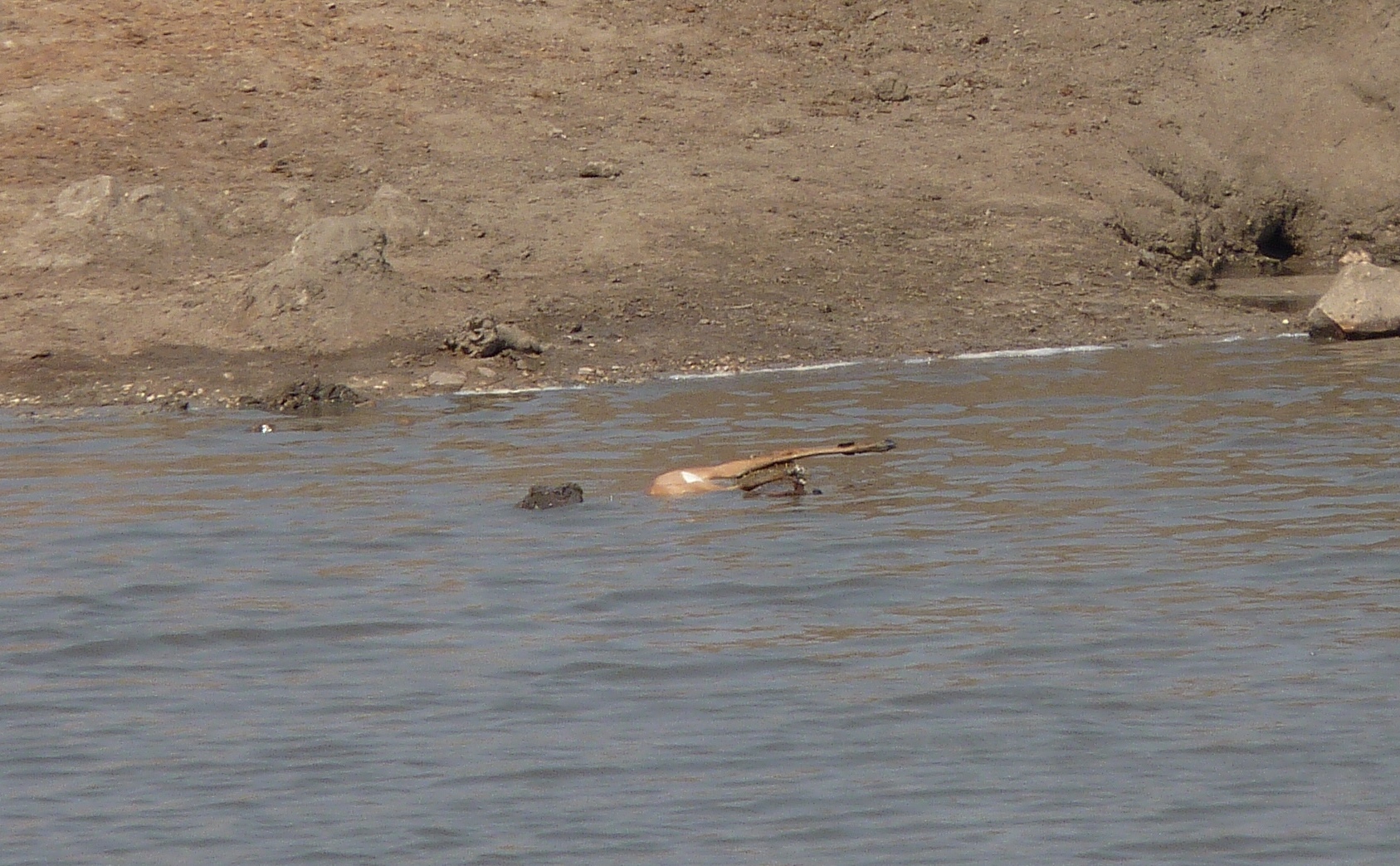
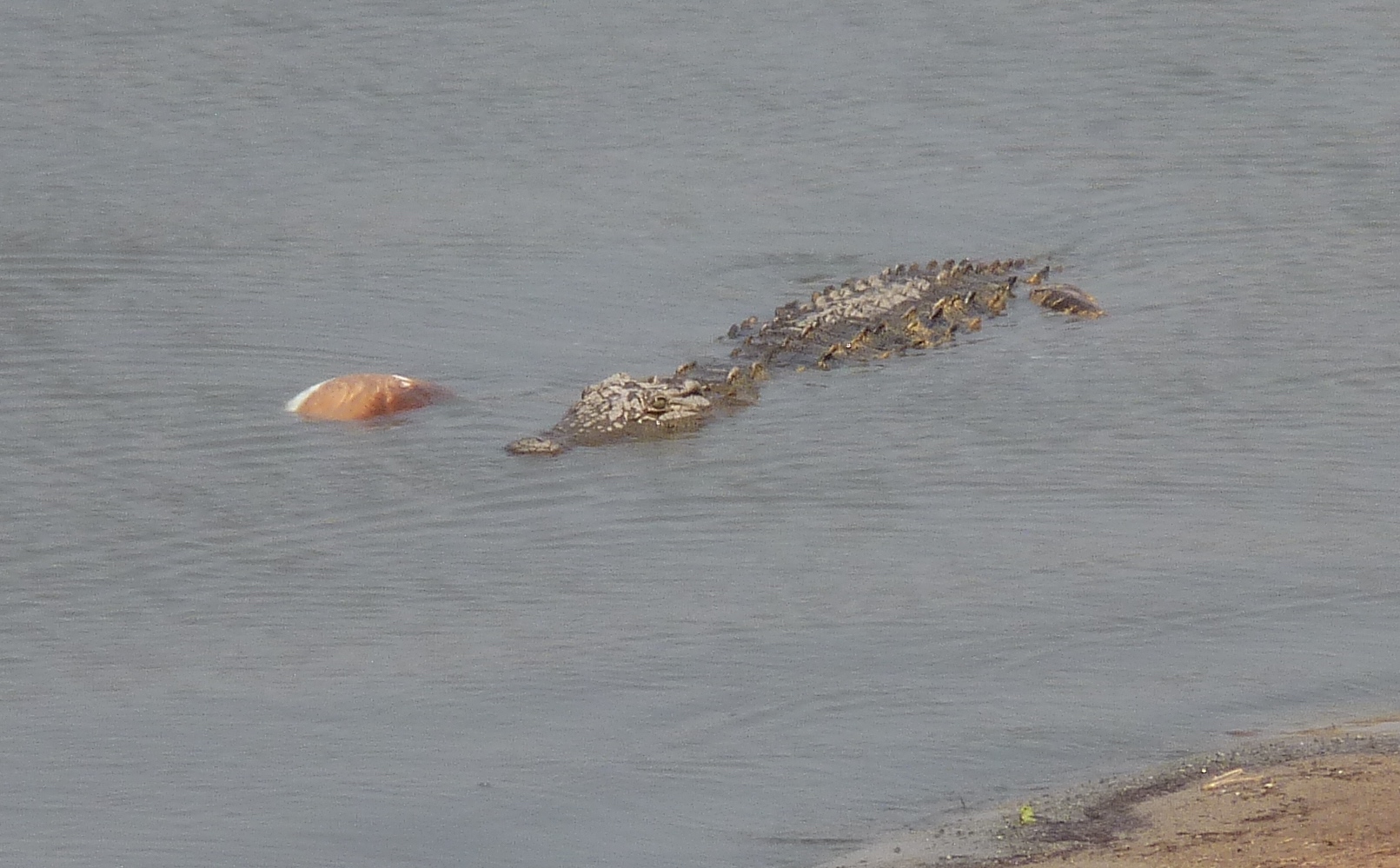
The Crocodile with the Impala at Point 2.

The Crocodile with the Impala at Point 2.

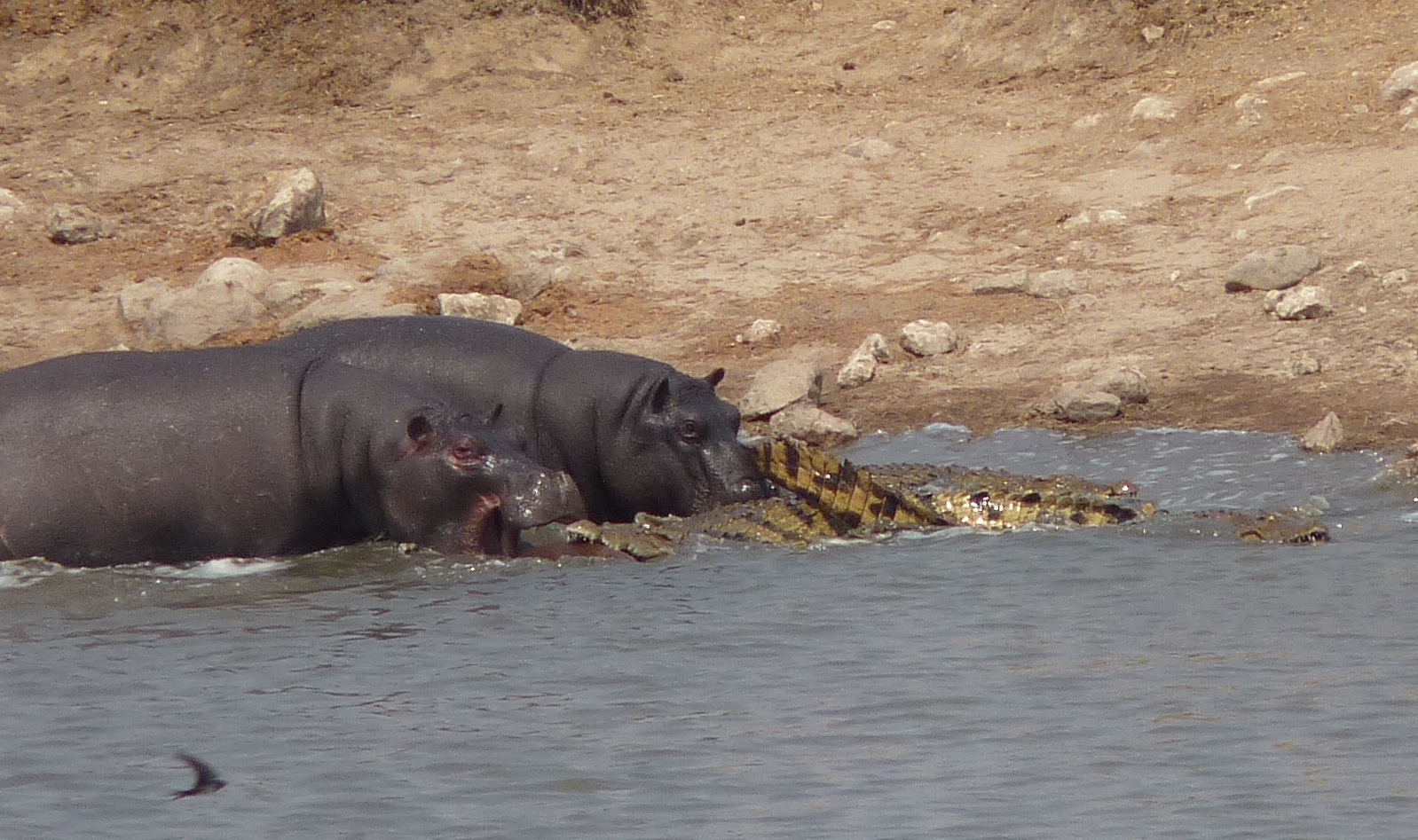
Ten minutes later the white belly and legs of the Impala came to the surface at Point 2 and caught our attention. A Crocodile held the dead antelope and others came to feed on it. This, again, prompted a swift response from the Hippos, who came back and confronted them quite aggressively.

Insert pics 5 and 6
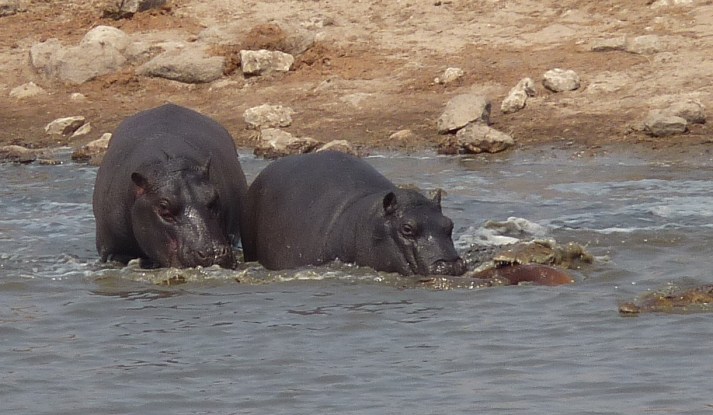
The Hippos "rescue" attempt at Point 2.

The Hippos “rescue” attempt at Point 2.
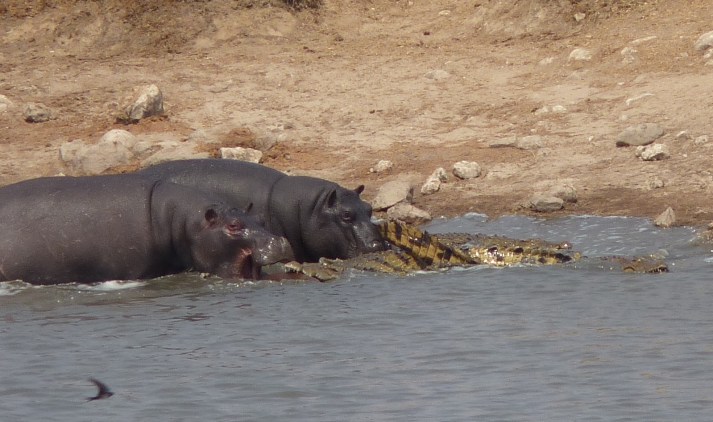
Another view of the Hippos' "rescue" attempt at Point 2.

Another view of the Hippos’ “rescue” attempt at Point 2.

The subsequent struggle involved a Hippo pulling from a leg while the Crocodile pulled from another part of the animal. As the Hippo did not have a good grip on the leg (its teeth and mouth do not facilitate tug of wars), the Crocodile retained the Impala and, again, swam off with the carcass (or part of it as we could not see if it was split or broken up) towards Point 3 in the drawing.

The Crocodile avoided the Hippos at Point 2 and moves to Point 3.

The Crocodile avoided the Hippos at Point 2 and moves to Point 3.

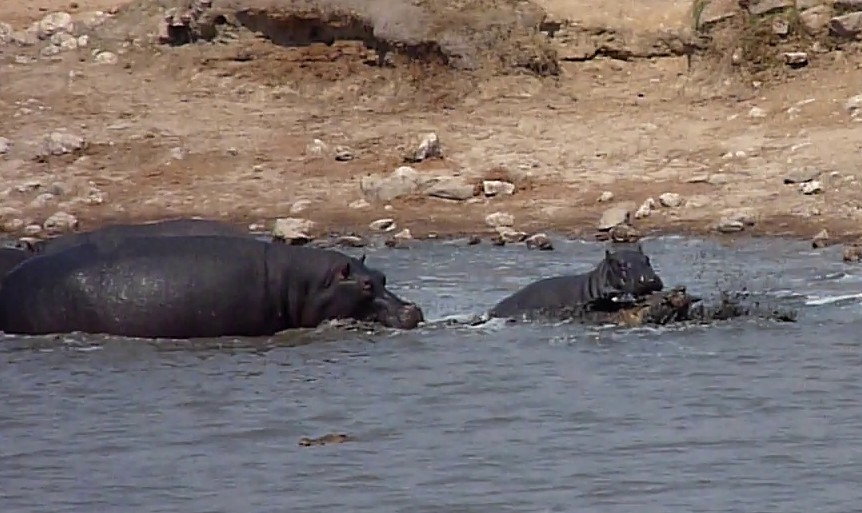
The crocodile stayed at Point 3 for about 30 minutes with the Impala (or a large part of it) in its mouth until another Crocodile came and started to pull and tear at the carcass. In about a minute, a hitherto unseen/submerged Hippo[3] burst into the middle of the tug forcing the Crocodiles to scamper again.
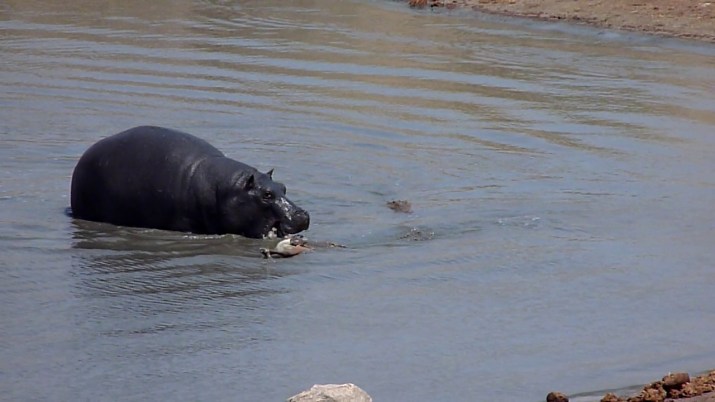
A Hippo moves towards the Crocodile at Point 3.
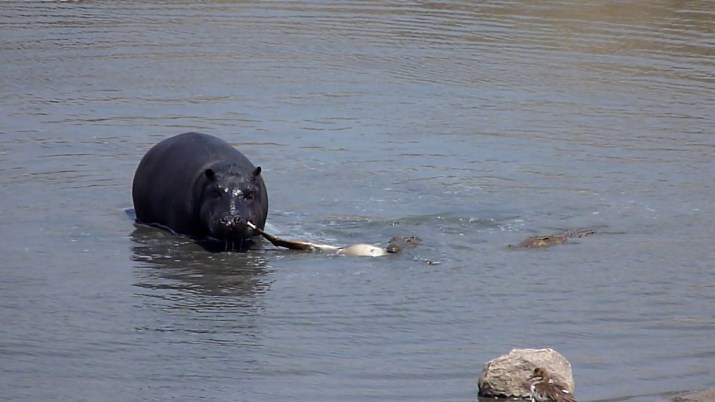
A Hippo moves towards the Crocodile at Point 3.

The Hippo tug of war with the Crocodile!
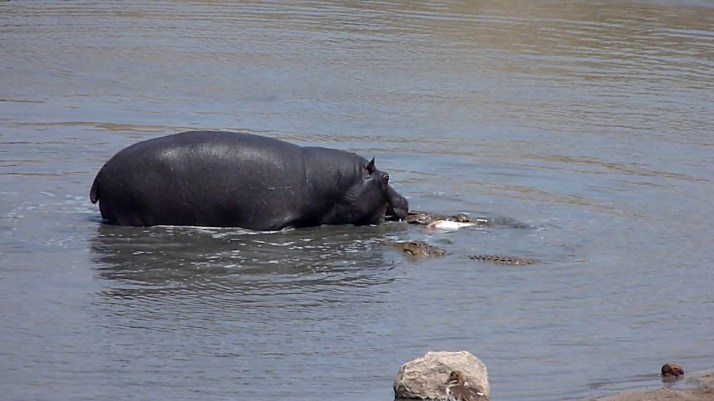
The Hippo tug of war with the Crocodile!

The Hippo tries to bite the Crocodile.
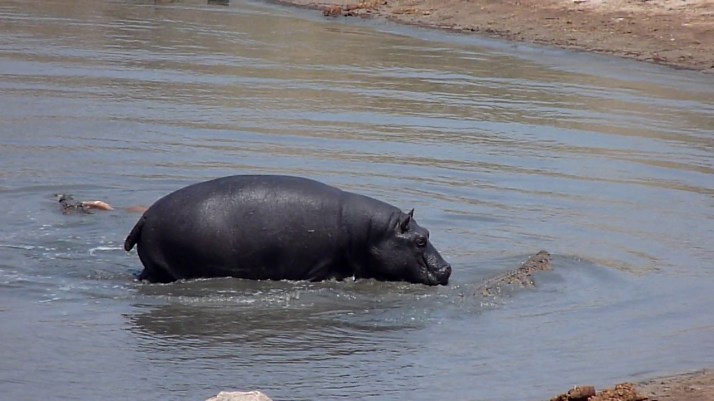
The Hippo tries to bite the Crocodile.

The Hippo chases a Crocodile while the other one escapes with the Impala towards Point 2.

The Hippo chases a Crocodile while the other one escapes with the Impala towards Point 2.

The Hippo keeps chasing the Crocodile while the other one swims away.

The Hippo keeps chasing the Crocodile while the other one swims away.

While the Hippo chased one Crocodile the other one, still holding the carcass, swam back to Point 2 where it remained for another 10-15 minutes when, once more, its companions arrived and started to tear at the carcass.

The Crocodile are attacked again after arriving at Point 2.
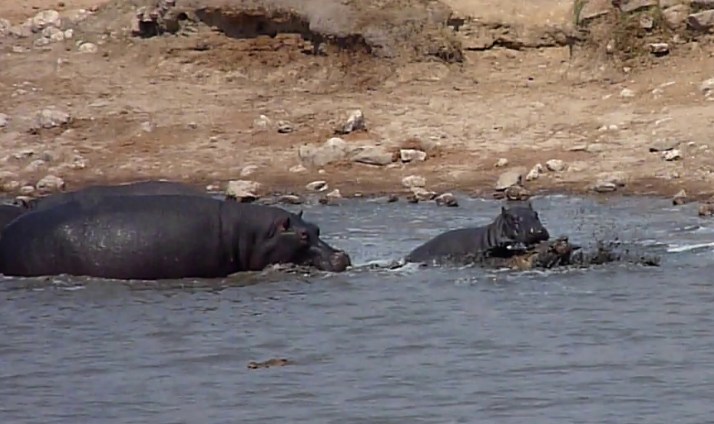
The Crocodile are attacked again after arriving at Point 2.

Another view of the struggle for the Impala at Point 2.

Another view of the struggle for the Impala at Point 2.

Another view of the Hippo vs. Crocodile struggle for the Impala at Point 2.

Another view of the Hippo vs. Crocodile struggle for the Impala at Point 2.

The Hippos came again and were seen clearly attacking the Crocodiles and even biting them.

One large Hippo bit the head of a Crocodile, who swiftly moved away to avoid severe consequences while other Hippos were also seen biting crocodiles on different parts of their bodies. In the commotion we lost sight of the

Calm was reinstated at the dam for about 20 minutes. The next thing we noticed was a great commotion at Point 4 where the Hippos began to congregate. They were clearly competing for something and eventually several were seen apparently “mouthing” the Impala. On closer observation they were actually chewing and apparently swallowing while bone-cracking noises were heard.

After snatching the Impala from the Crocodiles at Point 2, they congregate to feed on the Impala carcass.
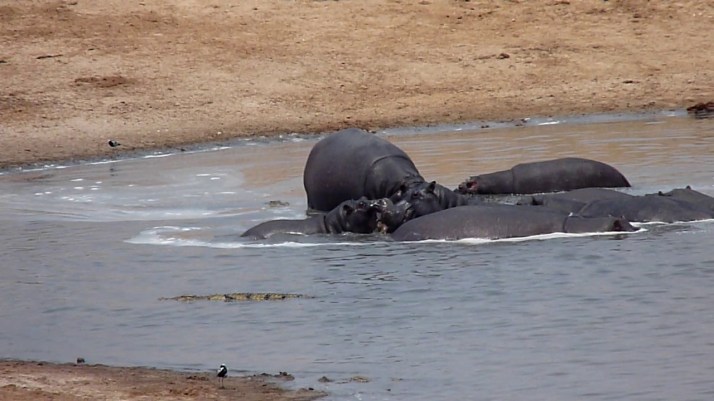
After snatching the Impala from the Crocodiles at Point 2, they congregate to feed on the Impala carcass.

Another view of the final stages of the Hippo feeding frenzy.

Another view of the final stages of the Hippo feeding frenzy.

Unbelievably to us, at the time of these observations, the Hippos were eating the Impala! After it was consumed the Hippos went back to their normal place and peace returned. The moment they lost the carcass, the Crocodiles did not try to recover it.

Confinement in the dam was the best possible explanation I could think at the time for such aberrant behaviour. The event appeared so unusual that, on arrival in Harare, I went straight to the computer to check the Internet. Not surprisingly, I found earlier references of similar incidents and the first report of carnivore behaviour in Hippos came from Masuma Dam![1]

As, very recently the BBC and National Geographic have both published articles on hippo cannibalism[2] I put together these observations to contribute to our general knowledge. I have also contacted Mr. Dudley and we are collaborating on the subject that may result in further work being published in the scientific literature.

[1] It was not easy to see the number of Crocodiles or Hippos involved in the various incidents described.

[2] https://bushsnobinafrica.wordpress.com/2014/10/27/crocodiles-and-impalas/

[3] I was excitedly filming the scene!

[4] Dudley, J.P. 1996. Record of carnivory, scavenging and predation for Hippopotamus amphibius in Hwange National Park, Zimbabwe. Mammalia 60 (3): 486-490.

[5] http://news.nationalgeographic.com/news/2015/01/150123-hippos-cannibalism-animals-food-science/?utm_source=Facebook&utm_medium=Social&utm_content=link_fb20150125news-hippos&utm_campaign=Content&sf7093531=1

and

http://www.bbc.com/earth/story/20150116-the-diet-secrets-of-hippos-herbivore-or-cannibal