Month: June 2015

Life and work in Kenya: Muguga[1]

The next time I met Matt, after my return from Intona Ranch, he was very positive about my collaboration with Alan at Intona ranch. That was good news as I did not need to present to him all the arguments I had prepared. However he tersely informed me that there was still one more hurdle: a final meeting with all institutions to settle the issue. Apparently, a new idea had come to the fore that needed discussion. The Director of KEVRI from Western Kenya had proposed an alternative area of work in Busia, his home area, of course. “You would live at a former leprosy hospice there”, said Matt just managing to suppress a chuckle! I was not amused at his Scottish sense of humour.

The meeting was large and long and then it was closed. I was dismayed as for me, nothing was decided and I felt like holding the participants in place until they reached a decision. As clearly this was not possible, I also left rather crestfallen at the apparent lack of agreement. Matt came to me and said “We are fine, it will be Muguga and Intona!” I looked at him totally perplexed. He saw my expression and said “Julio, you should be happy as things went your way!” I accepted his words in amazement and learnt that meetings in the Kenya environment did not involve heated discussions as they did in Latin America, but rather polite exchanges where things are often left unsaid but at the end decisions are taken. I learnt another valuable lesson!
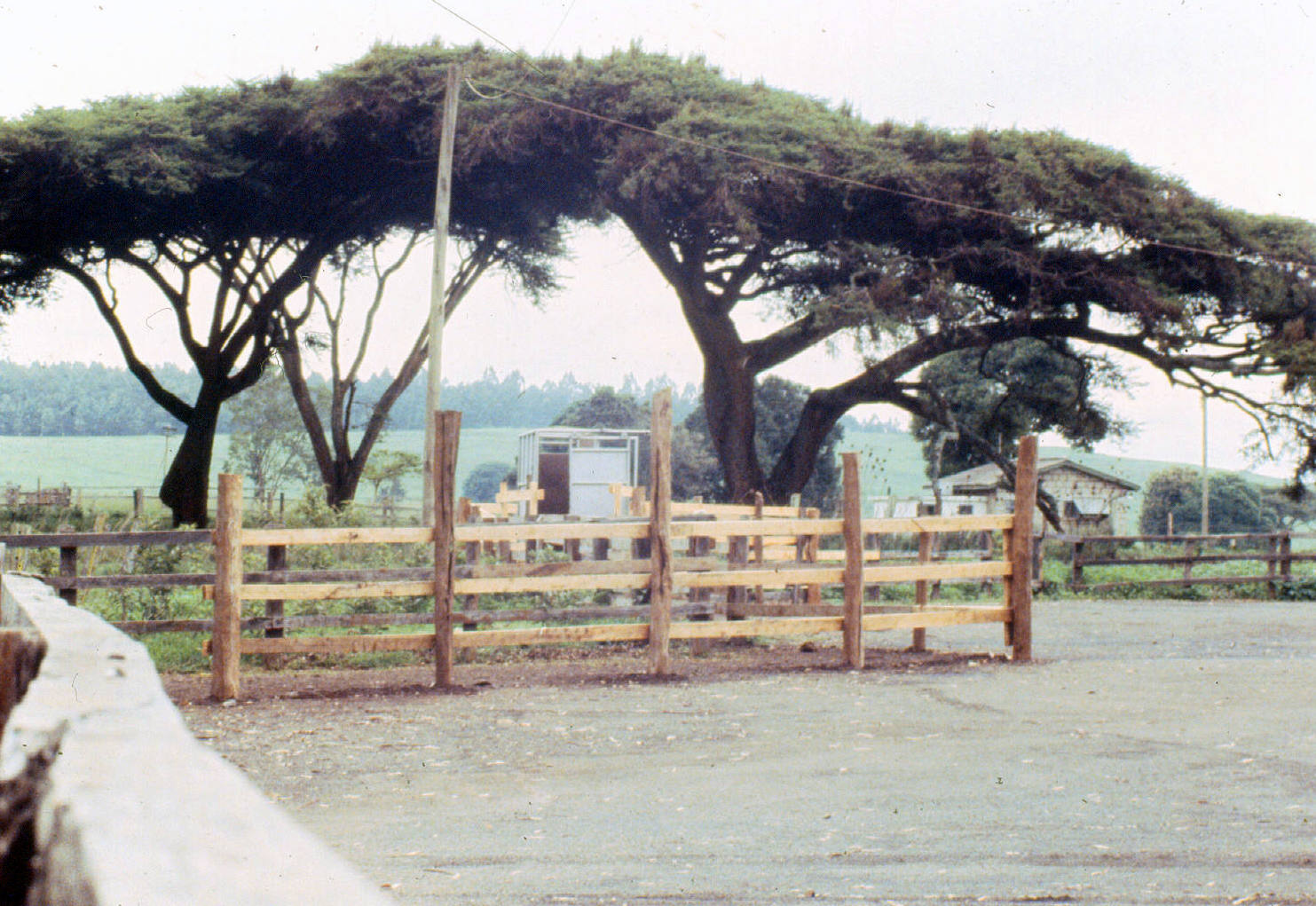
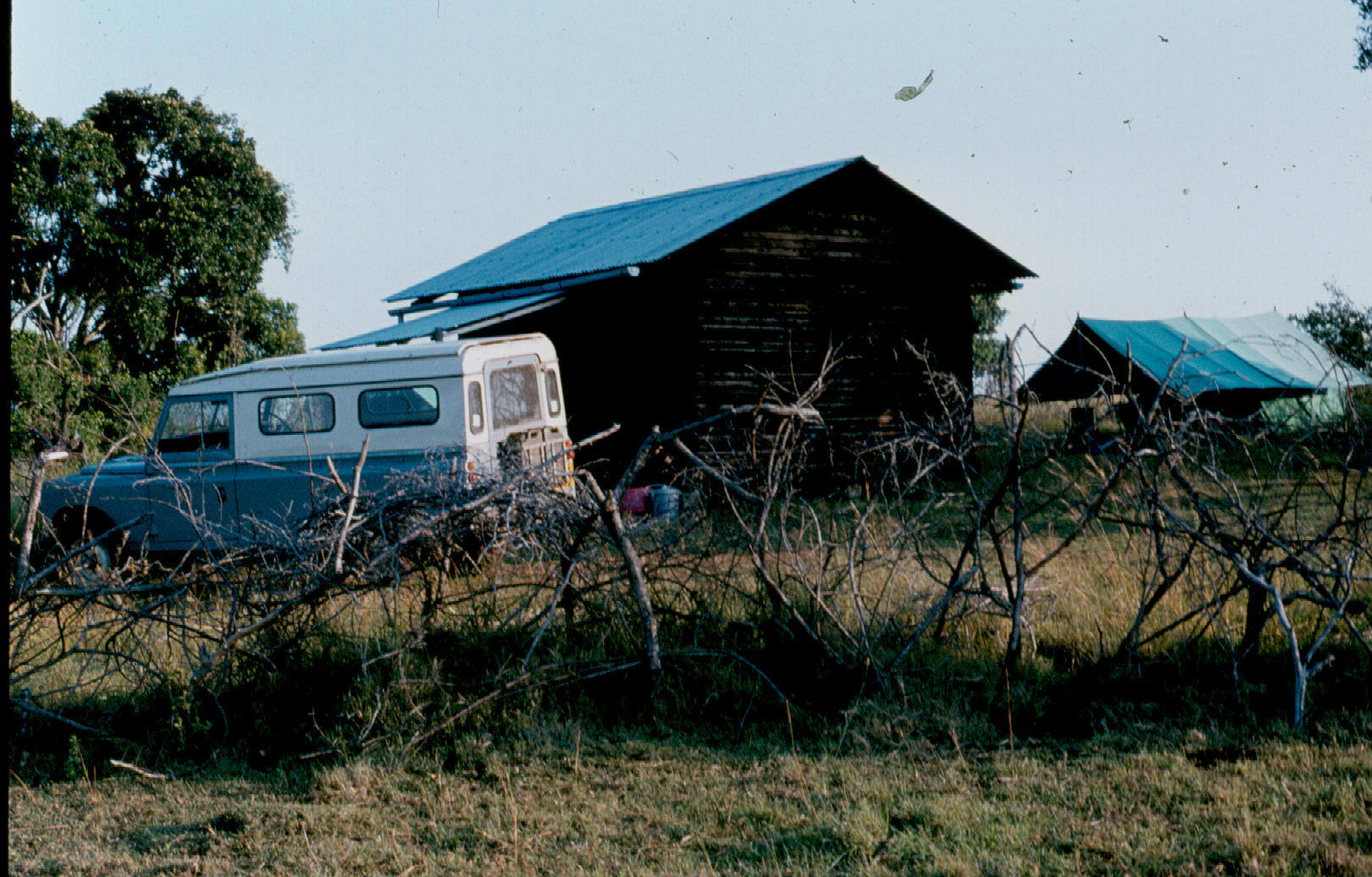
A view of the Isolation Unit showing the flat top acacias under which I spent long hours writing.

A view of the Isolation Unit showing the flat top acacias under which I spent long hours writing.

Believing Matt and having confirmation from Alan, the agreement was that I would use a two-pronged approach to tackle my goal of evaluating the impact of ticks on cattle live weight gain: a controlled trial where I would infest three groups of young cattle with a known number of adult ticks and therefore attempt a finer quantification of their impact under controlled conditions and a field trial where I would compare cattle with and without tick control. This was possible as Alan had a reliable method to engender immunity against Theileriosis, enabling us to stop chemically treating the cattle against ticks[2].

The controlled experiment would take place at the then empty Isolation Unit in KEVRI (Muguga) itself while the field trial would take place at Intona ranch. I set to work immediately as time was short and there were many issues to settle before the work would start. I needed herdsmen, ticks, cattle, housing, feed, drugs and transport to name only the basic needs. The FAO funding was a modest USD 20,000 so I needed to collaborate with others to achieve my goal in the two years I had left!
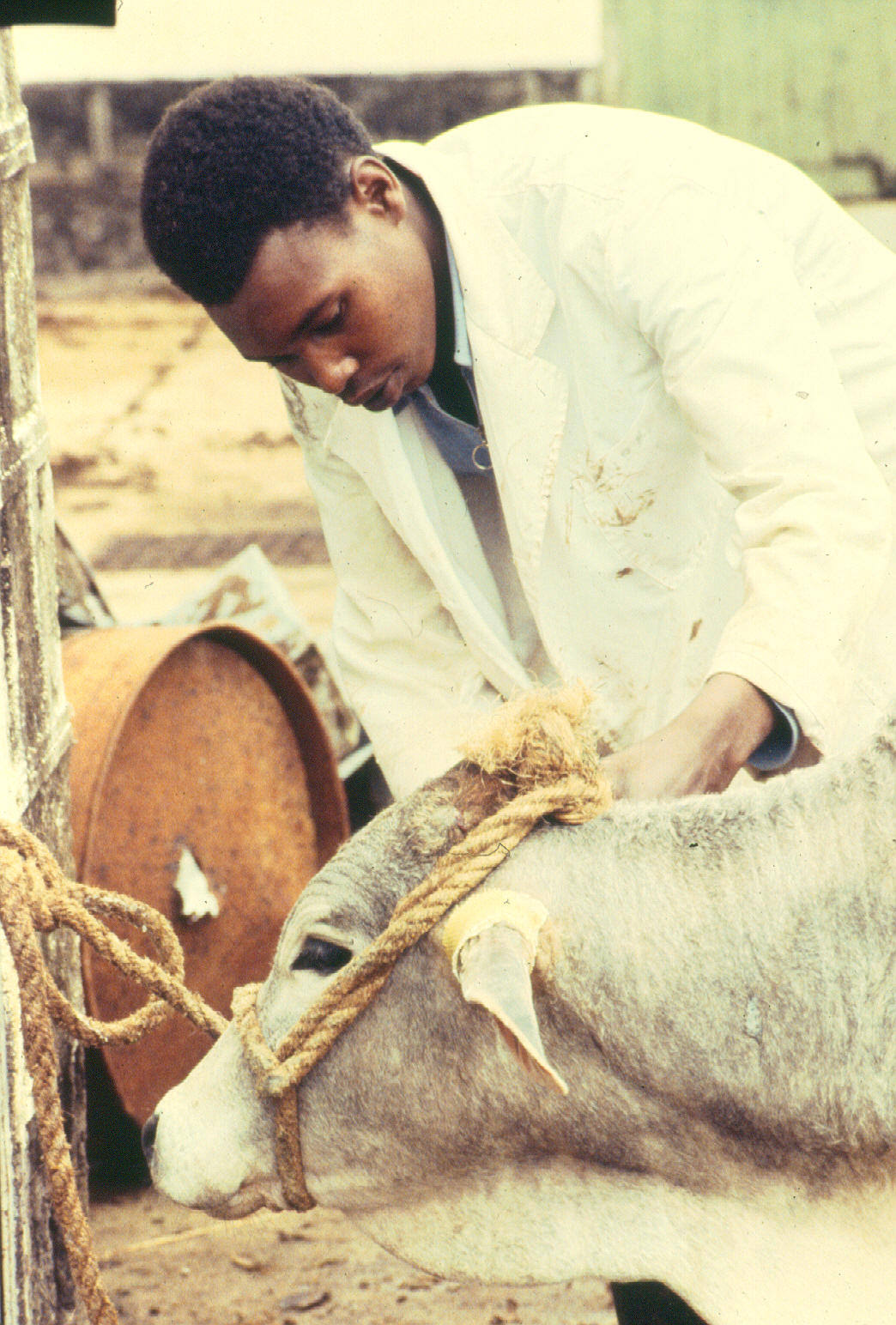
Tommi preparing an animal for tick infestation.

Tommi preparing an animal for tick infestation.

With my colleagues’ assistance I recruited two herdsmen for the Muguga trial (Chegue and Karanja) and two for the Intona ranch work, Kimondo and Tommi. The latter was a Maasai and this would prove to be an immense advantage working in Maasailand! The others were of Kikuyu origin, very hard working although rather fixated with money!
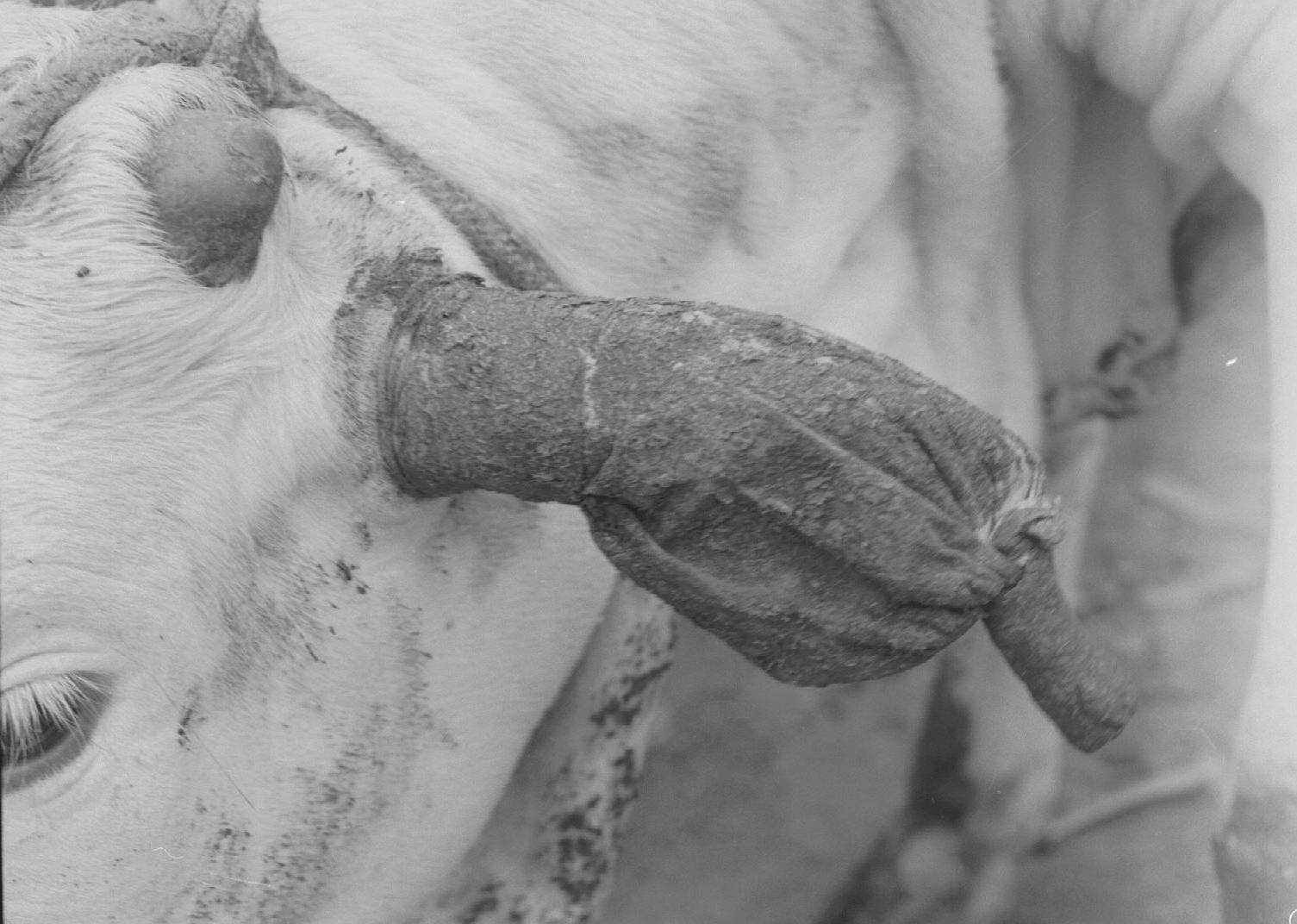
An animal with an artificial tick infestation applied by means of an ear bag.

An animal with an artificial tick infestation applied by means of an ear bag.

For the Muguga experiment I needed to purchase cattle and feed as well as secure a weekly supply of adult Brown Ear ticks to infest the cattle. A constant supply of ticks needs a “tick breeding colony” where you could breed them and, after planning ahead, you “harvest” them weekly to infest your animals. As the trial would last for six months, this meant 24 tick installments to be applied weekly on the animals. One of the reasons ICIPE had accepted my fellowship was that they maintained such a colony, managed by Fred, a very smart guy that became an essential clog in my machinery! Together with Robin we planned our needs and, luckily, it worked very well.

I bought the calves for the Muguga trial locally and randomly placed them into two groups with different levels of tick challenge and a control tick-free group. I needed to measure the feed given to them and I would weigh them weekly and take blood samples and other measurements to check them for other possible clinical signs associated with tick infestations.

The Isolation Unit accommodation was suitable and I had a storeroom where all consumables such as cattle feed and drugs were kept as well as a scale to weigh the cattle. Although I spent long spells at the Isolation Unit, I did not have an office apart from a table and chair under a beautiful flat top acacia that was only good for the dry season! I did have a place at the ICIPE laboratory. The latter was a Spartan contraption built of cement blocks and surrounded by a water moat (to avoid ticks walking away) where a large number of guppies (Poecilia reticulata) introduced to control mosquito larvae, also lived.

The “laboratory” consisted of a front area with a long bench under a window of the same length. There were also two windowless rooms where the tick colony was housed. The back of the building had cattle pens used for tick feeding as well as other experiments being carried out, mainly looking at cattle resistance to ticks. In addition to Matt and Robin there were a number of Kenyan scientists and PhD students working there as well as about ten technicians and herdsmen.

I occupied a slot on the bench between Matt on my right and near the entrance door and Robin, near the other end of the bench. Matt (a Scottish Vet from Glasgow) and Robin (an English PhD from Oxford) could not be more different but somehow they endured each other. In between these opposite characters I sat and worked. In retrospect I had a privileged location, as from my left came thorough knowledge of tick ecology and from my right a veterinary insight including vast experience as well as all sort of ideas for future projects! Work would start at 08:00hs, break for lunch at 13:00hs and resume at 14:00hs until 17:00hs where it was back to Muguga House. This timetable had been established years back during the FAO project and it was maintained until that time.

Matt was very punctual when he was at Muguga. At 13:00hs sharp he would announce that it was lunchtime, leave the building to go to his car to fetch a litre of milk and a book. He would come back, drink the milk, place his feet up (on my part of the bench!) and start reading his book (a Western paperback novel from the back pocket of his trousers!). Soon his by now familiar snoring invaded the laboratory! I was surprised the first time it happened and was going to object when I saw Robin’s resigned look, which led me to understand that any effort in that direction would be futile so I learnt to live with Matt’s antics as I did earlier at Mbita Point!

Luckily for my work Matt was not always at Muguga as he was the Tick Programme Leader and needed to be at several places such as the central ICIPE HQs at Chiromo and another place being built at the moment known as “Duduville”. For this reason his car was his office and he kept all documents on the back seat. In fact Matt was a shrewd operator that was difficult to find as he “rotated” between offices (no cell phones then).

I suspect that he spent some time fishing for trout as well! I often found him parked on the road from his house at Tigoni to Muguga reading “The Standard” newspaper and enjoying his Sportsman cigarettes.

While working at Muguga I learnt that Joseph was in charge of all workers at the laboratory and instructions should be passed on through him only. His authority did not include my newly recruited workers with whom I had a “direct” working relationship. The staff feared both Matt and Robin. As I was a temporary addition to the group, somehow I kept a closer relationship with them, despite Matt’s advice to the contrary!
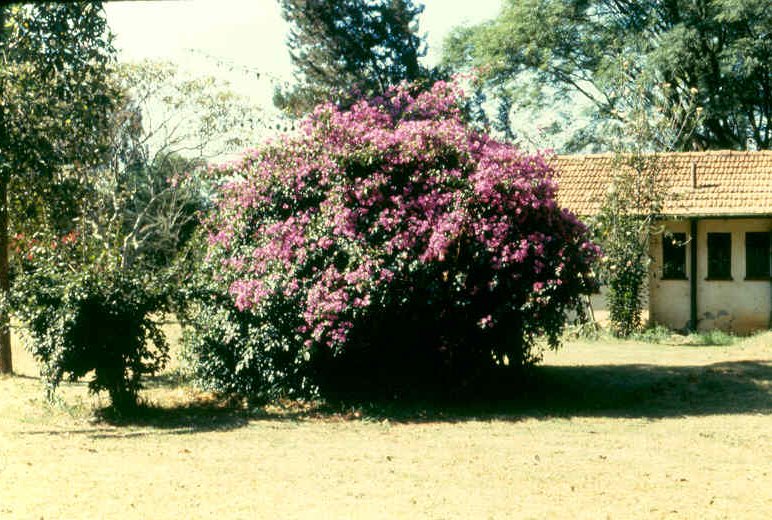
The Muguga House garden.

The Muguga House garden.

Time after work during the first few months was mostly spent at Muguga House, a place we shared with other lodgers of several nationalities: Kenyans, Tanzanians and Ugandans were the majority but there were also a few British and now two Uruguayans, probably the first and possibly the last! It was clear that the place had seen better days during the colonial time and when the East Africa Community was functional. It had a large area where the bungalows were scattered and it offered its lodgers a couple of tennis courts and bowling greens. It also had a bar where darts were a popular pastime, only second to talking about Kenyan politics!
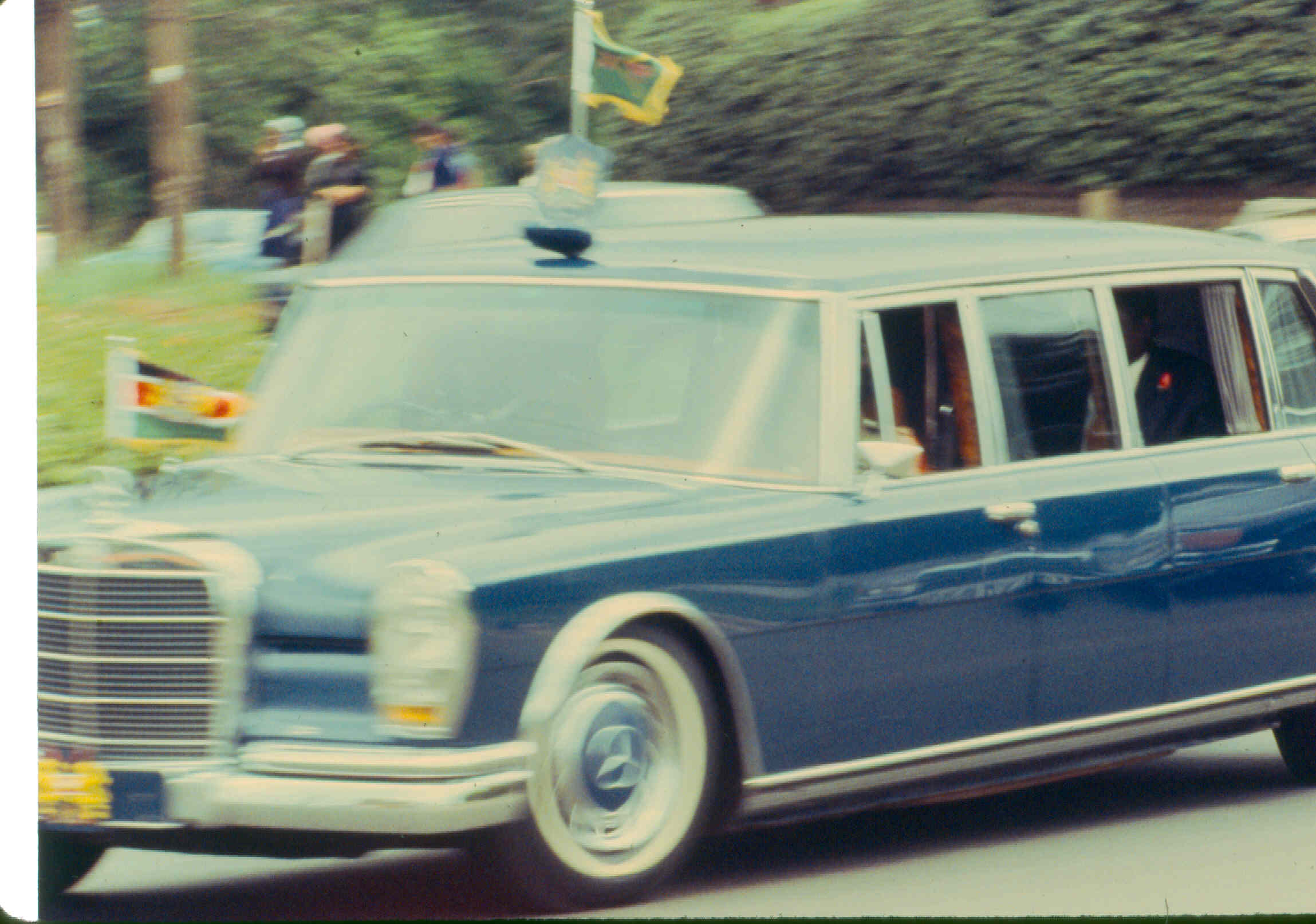
I took this picture of President's Moi motorcade. Later I learnt that this was not allowed!

I took this picture of President’s Moi motorcade. Later I learnt that this was not allowed!

Joyce did not or could not manage Muguga House very well. Despite this the place was still reasonable and although the bungalows were basic, they were kept clean. Food, however, was another story and the daily topic of conversation. The British-style breakfast was good and I skipped lunch as I remained at work. Dinner was another matter. It consisted of dishes such as egg curries (with no yolks!) twice a week, very tough and overcooked meat with ugali and sukuma wiki[3] (twice a week) and other bland dishes during the remaining three days.

Desert did not shine either and we were given artificial egg custard and rice pudding (both made with water), jelly (orange and red) and bread pudding with “flies” (tiny raisins). Cape gooseberries either boiled or as part of a crumble were there permanently and you could -if you dared- consumed them “ad lib“. We did get five o’clock Kenya tea and biscuits. Food would greatly improve whenever important visitors came for lunch or dinner!
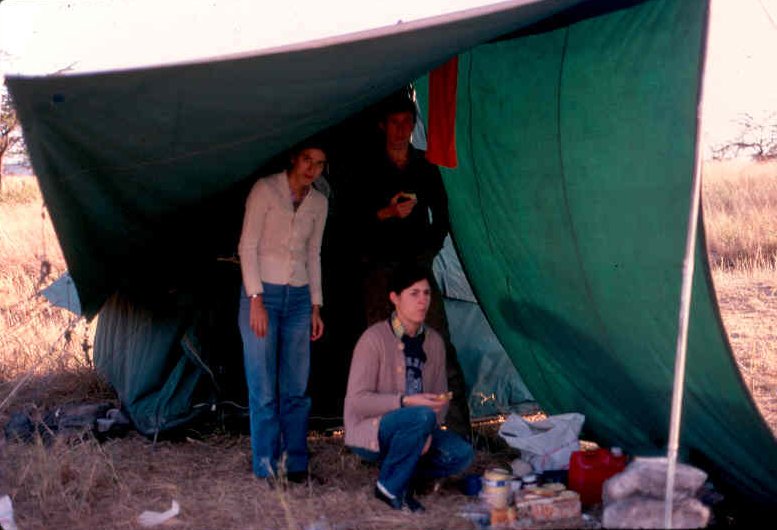
Our first camping experience at the Maasai Mara. From left to right: Ranjini, Kevin and my wife.
Our first camping experience at the Maasai Mara. From left to right: Ranjini, Kevin and my wife.

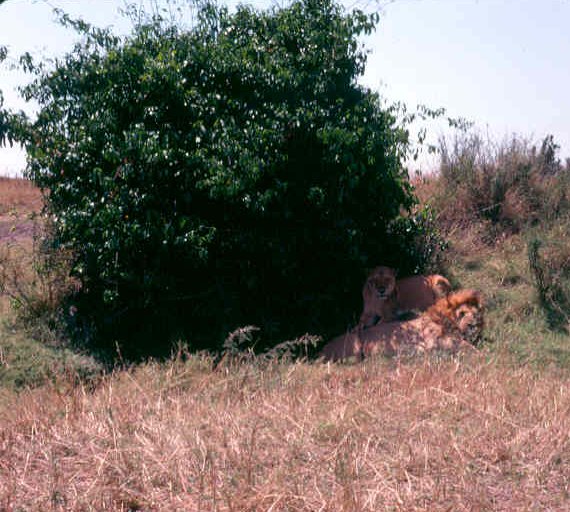
Our first lions. Exciting despite doing what they do most of the time: rest and sleep!

Our first lions. Exciting despite doing what they do most of the time: rest and sleep!

After dinner conversations were well attended and, again, Kenyan politics was the main topic. I participated with stories of South America that generally horrified our British colleagues. I do recall my stories of pest control in Uruguay, in particular the elimination of the enormous numbers of damaging parrots that left one of them, a Cambridge graduate called Richard, speechless. Only much later was I to discover that he owned an African Grey parrot and suffered for the cruel fate undergone by its relatives!
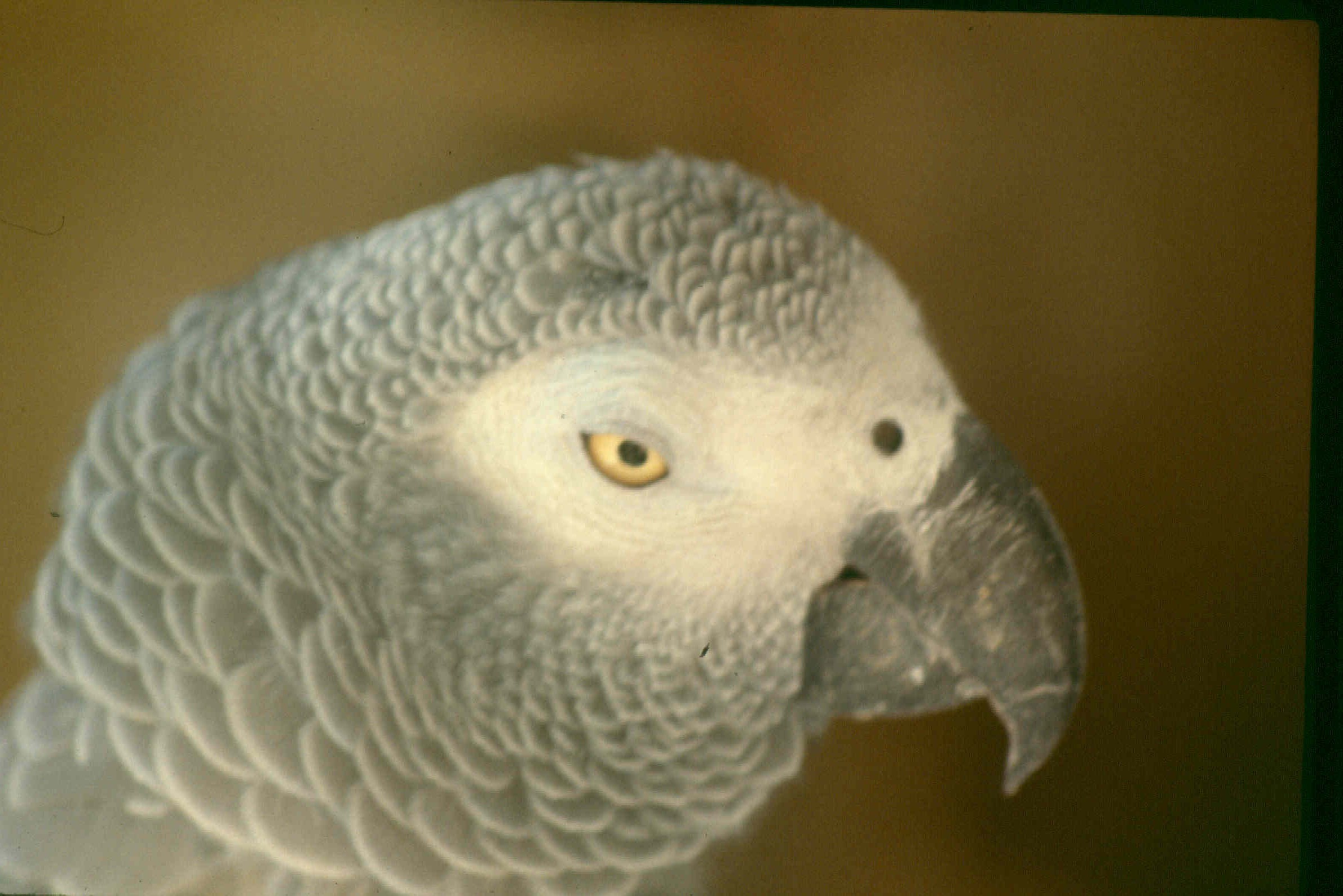
Richard's parrot.

Richard’s parrot.

Through Richard we learnt of the existence of a house for rent at Tigoni in the outskirts of Nairobi, where many British lived, including Matt, Paul and Alan. We rented a house next to Richard’s, from a former Game Warden of the Serengeti National Park called Gordon. It was a superb location with tea plantations and remaining patches of virgin forest where many animals lived such as bushbabies and our favourite, the Colobus monkeys, surrounded us!
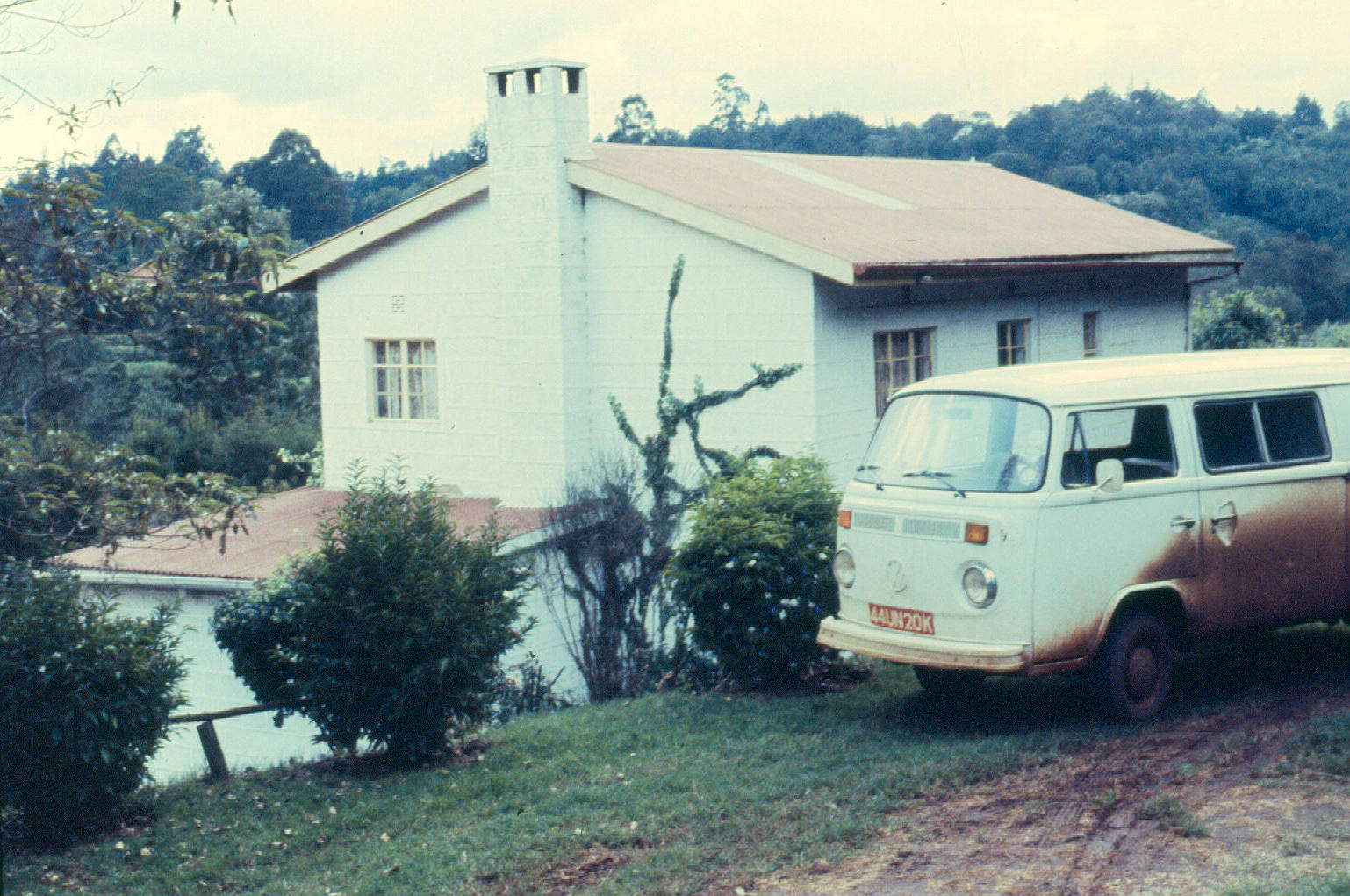
Our house at Tigoni.

Our house at Tigoni.

[1] Follows “Back to Nairobi”

[2] Ticks are killed by means of a toxic chemical known as an acaricide. The animals are normally “washed” with it but the chemical can also be applied by injection or poured on the back of the animal.

[3] In Swahili: maize meal and kale. The term “Sukuma wiki” means “push the week” in the sense that being a cheap dish, it helps to keep going.
Back to Nairobi[1]

The return trip from Intona ranch took us through the attractive Transmara parkland where its green natural grasslands were splattered with islands of forest, usually associated with large termite mounds. These forest patches coalesced at times to form larger wooded areas, particularly when linked with a river. Talking about rivers, we crossed the Migori where Alan said a group of Giant Forest Hogs (Hylochoerus meinertzhageni) -a Transmara “special”- could be seen grazing in a forest clearing next to the road[2]. Other common game was plentiful, crisscrossing the road almost continuously. Alan informed me that the wildebeest had crossed the Mara River and were grazing in the area of the Mara triangle and some would climb the escarpment towards the Transmara. I was happy to know that we were heading in that direction!
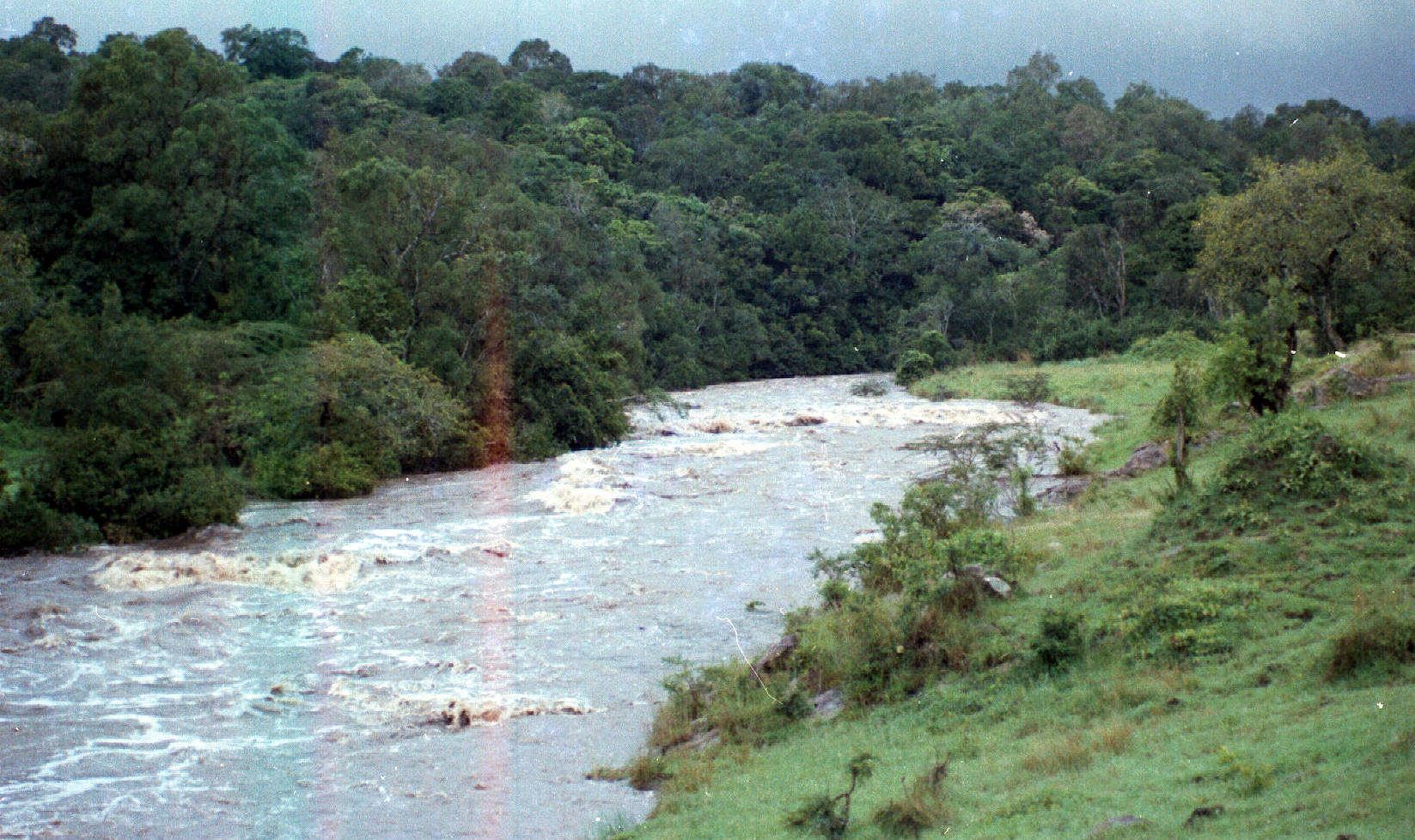
Migori river in flood.

Migori river in flood.

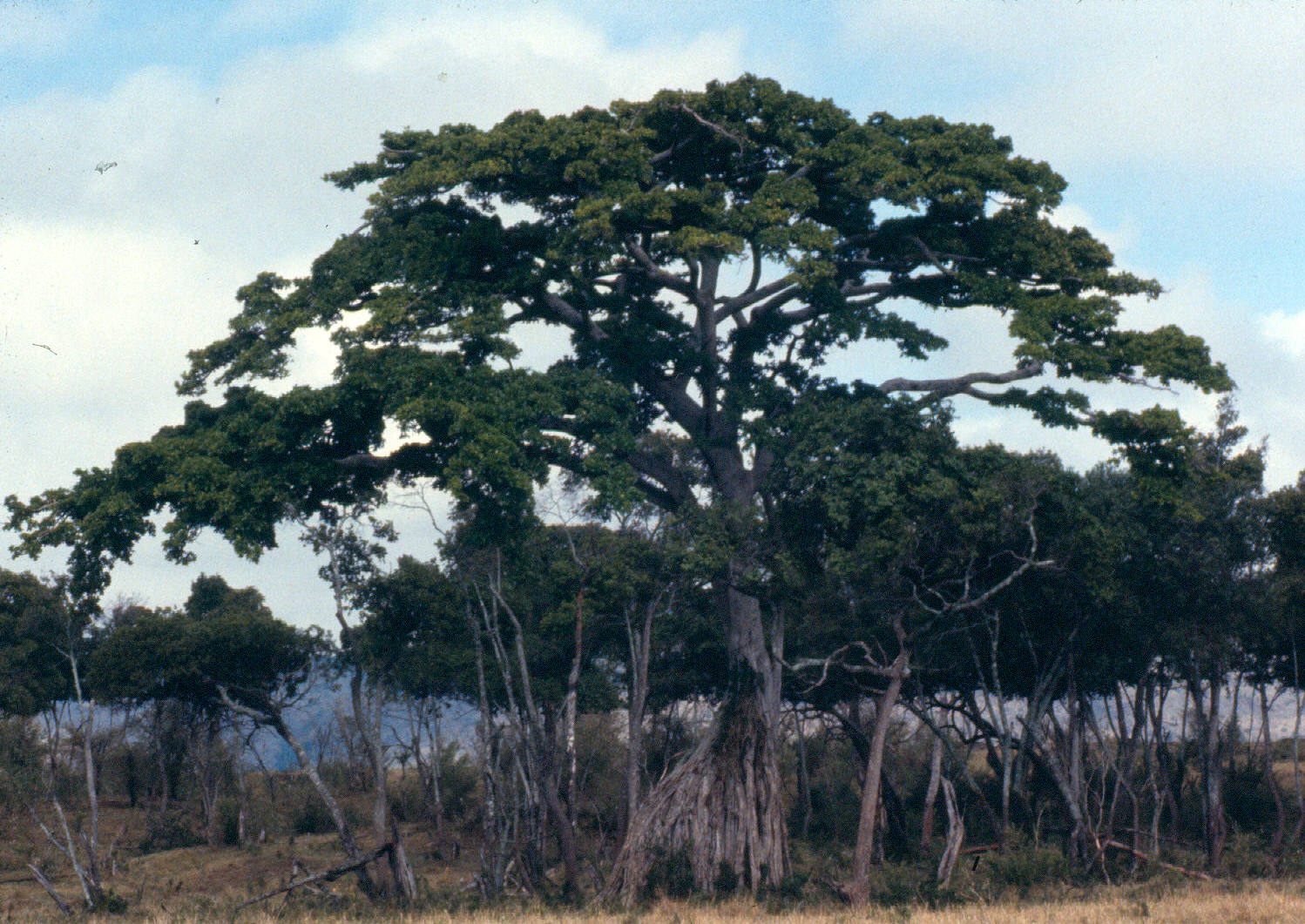
A large tree near the Migori river.

A large tree near the Migori river.

The dirt road took us through Lolgorian where two GTZ German animal health specialists were supporting the Government of Kenya by giving veterinary assistance to the Maasai. We stopped to greet them as Alan had some ground-breaking collaboration going on with them, as mentioned in the earlier post. It was the first time I saw a small field laboratory that could deal with most relevant diseases while keeping work simple and straightforward. It was known as “ILRAD II”[3], an irony that Alan found very funny although it took me longer to understand the humour behind it!

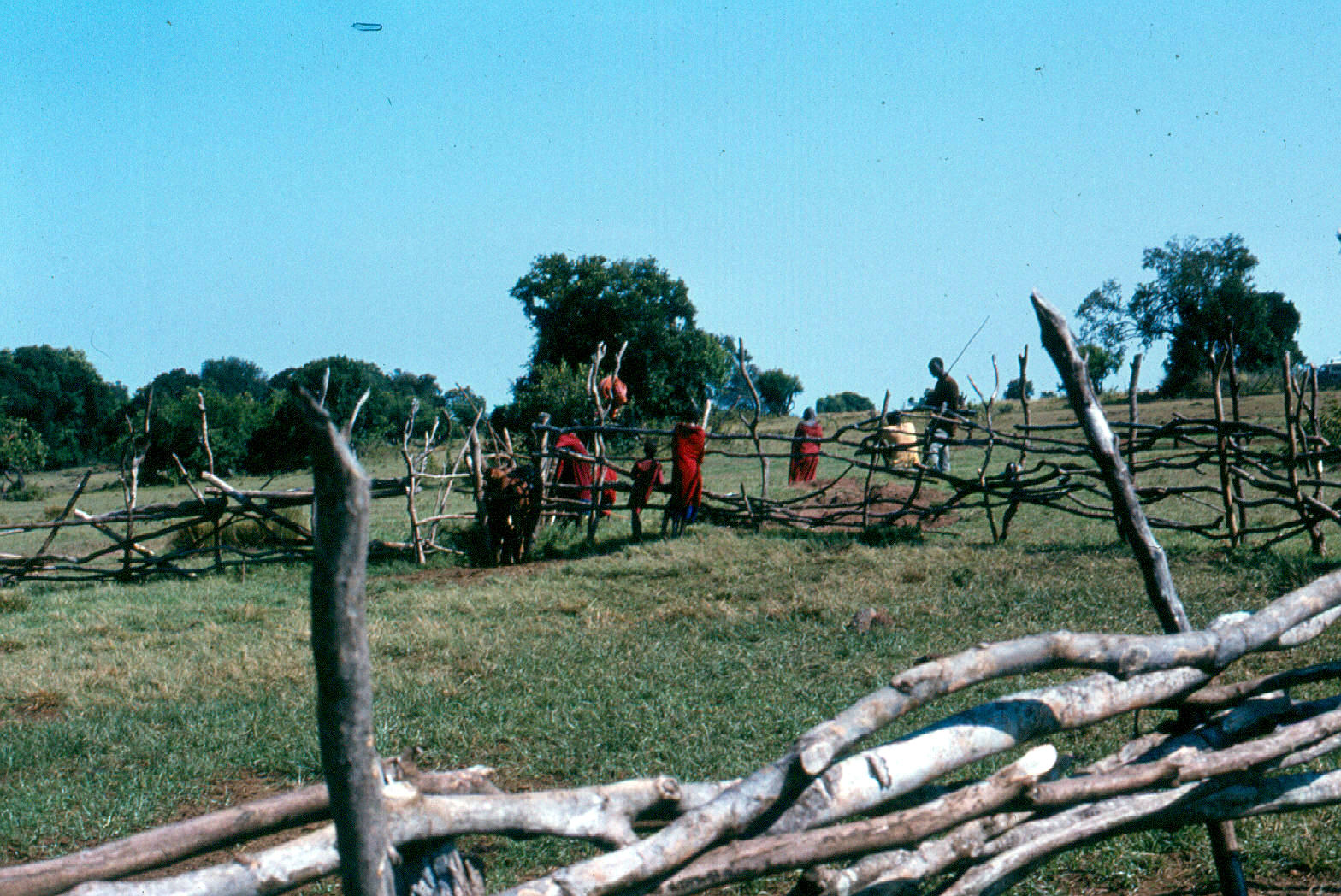
Maasai working with their animals at Kilae, near Lolgorien.

Maasai working with their animals at Kilae, near Lolgorien.

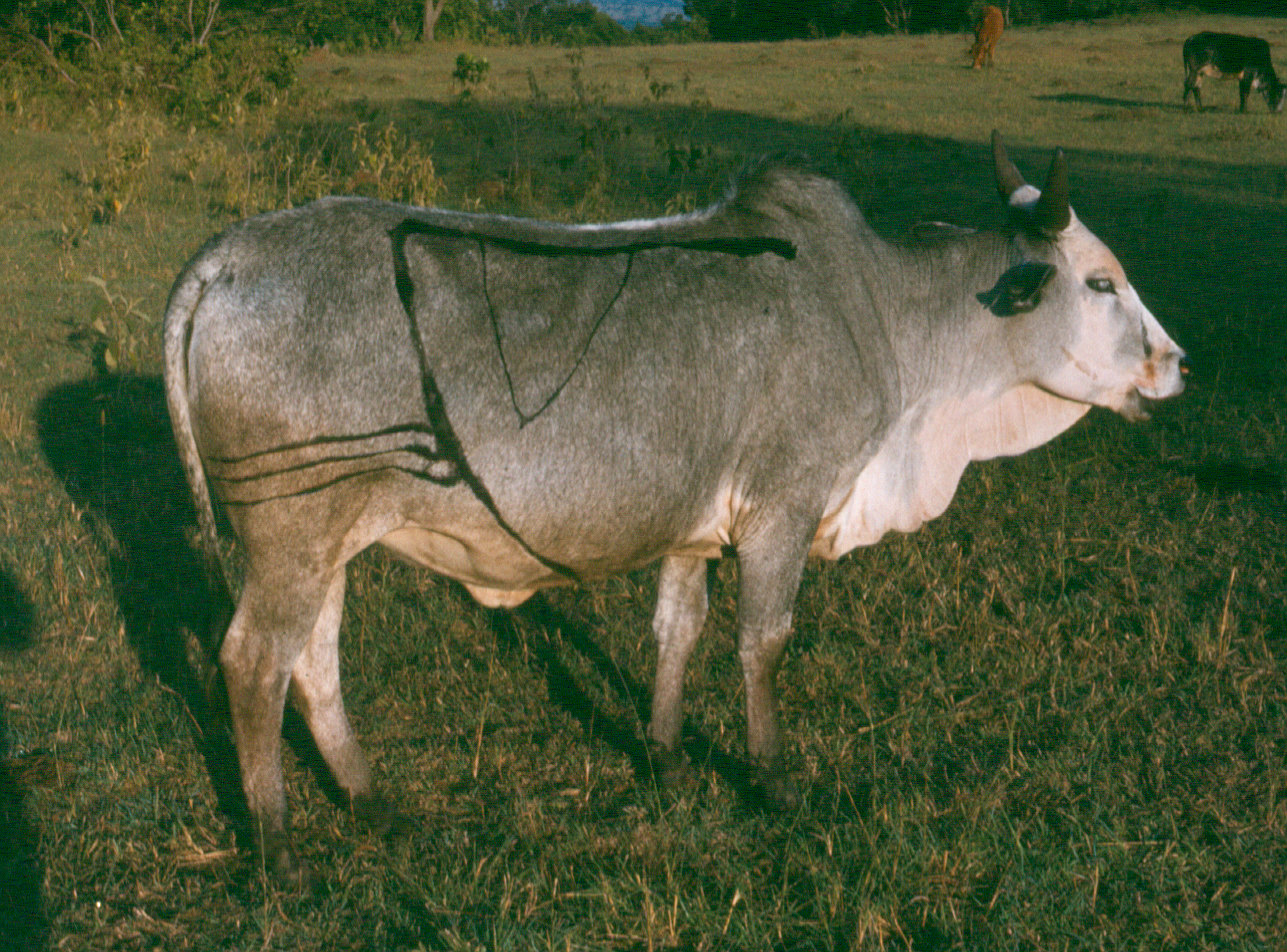
A Maasai heifer. Note the heavy branding.

A Maasai heifer. Note the heavy branding.

ILRAD II (outside).

ILRAD II (outside).

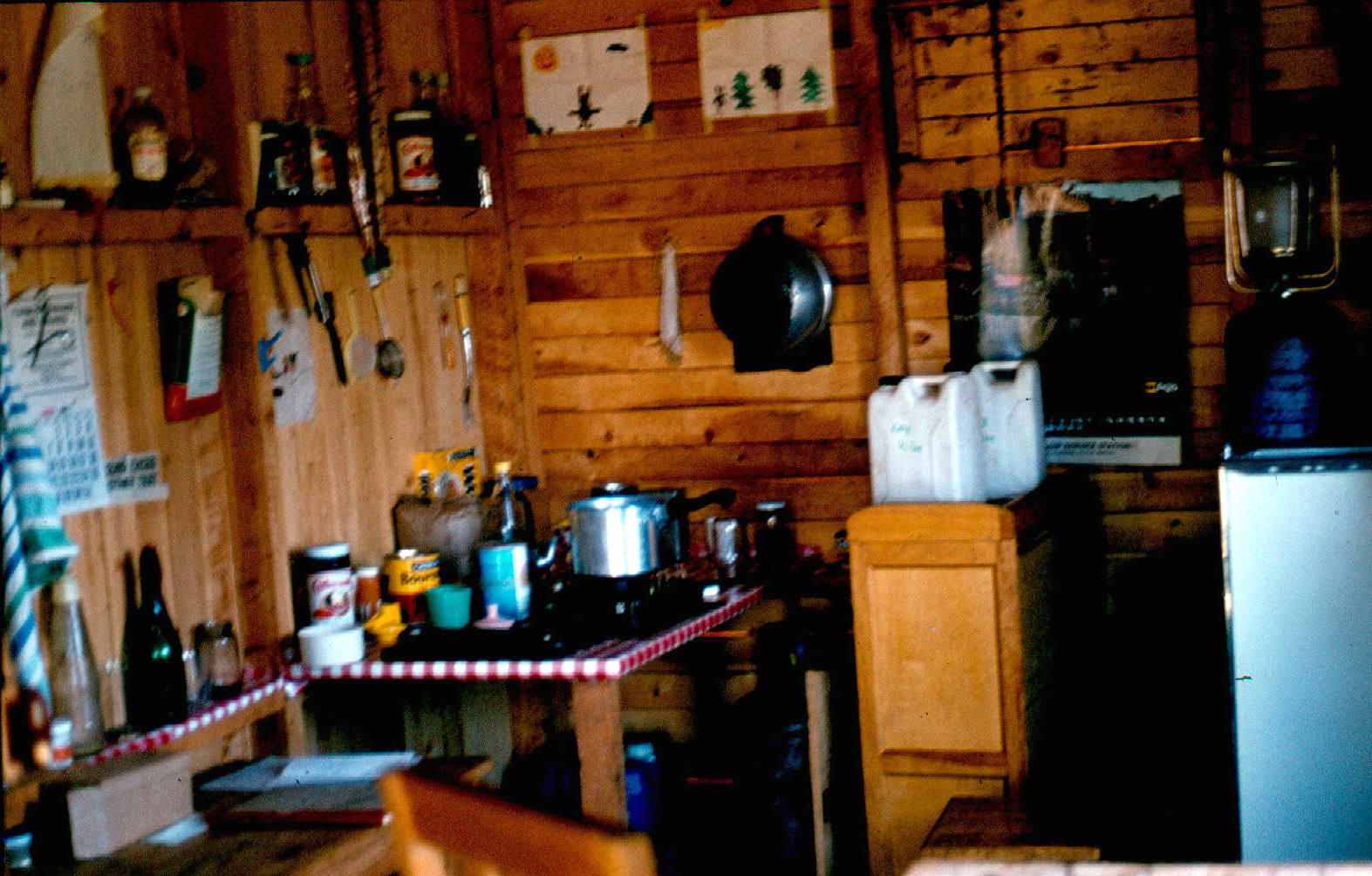
ILRAD II (inside).

ILRAD II (inside).

After that enlightening visit we continued and passed a religious mission where Father Frans Mol lived and worked. Although we did not stop, I met him on other occasions and learnt of his erudition when it came to the Maasai people.[4]

Moving on and still in the Transmara we came to the “red hill” an infamous stretch of road. “When it rains, it is like driving on a bar of soap” said Alan and added, “I hope it is dry today”. He went on: “Because of the proximity with Lake Victoria, it rains almost everyday here so it is tricky at the best of times!” “That is why you should leave in the morning as to avoid the afternoon rain”. Alan continued: “You should engage 4WD and advance slowly in second gear. If the car starts sliding off the road all you can do is to stop and hope that the car stops and that you can straighten it again”. And then laughing: “I know people that have spent the night here!”

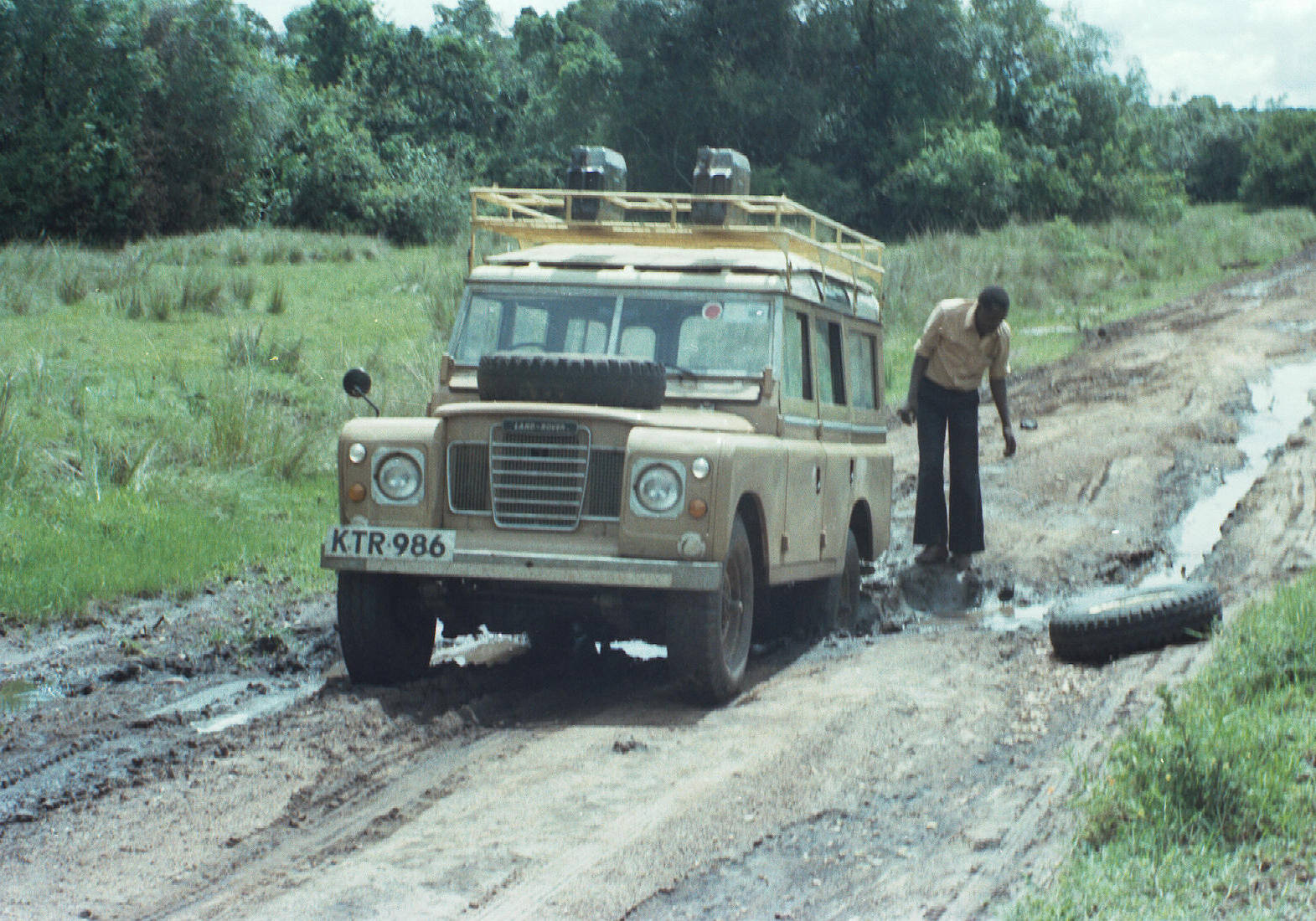
A common occurrence at the Transmara!

A common occurrence at the Transmara!

Luckily we managed it without problems and then we came to a stretch of black cotton soil that looked menacing to me as it was fairly water-logged. However, we slowly moved forward and even gathered some speed, as the wheel ruts were deep enough to prevent us from going off the road and our only option was to go straight. The road became better and then we found large wheat and barley plantations where the Maasai had leased their land to commercial farmers.

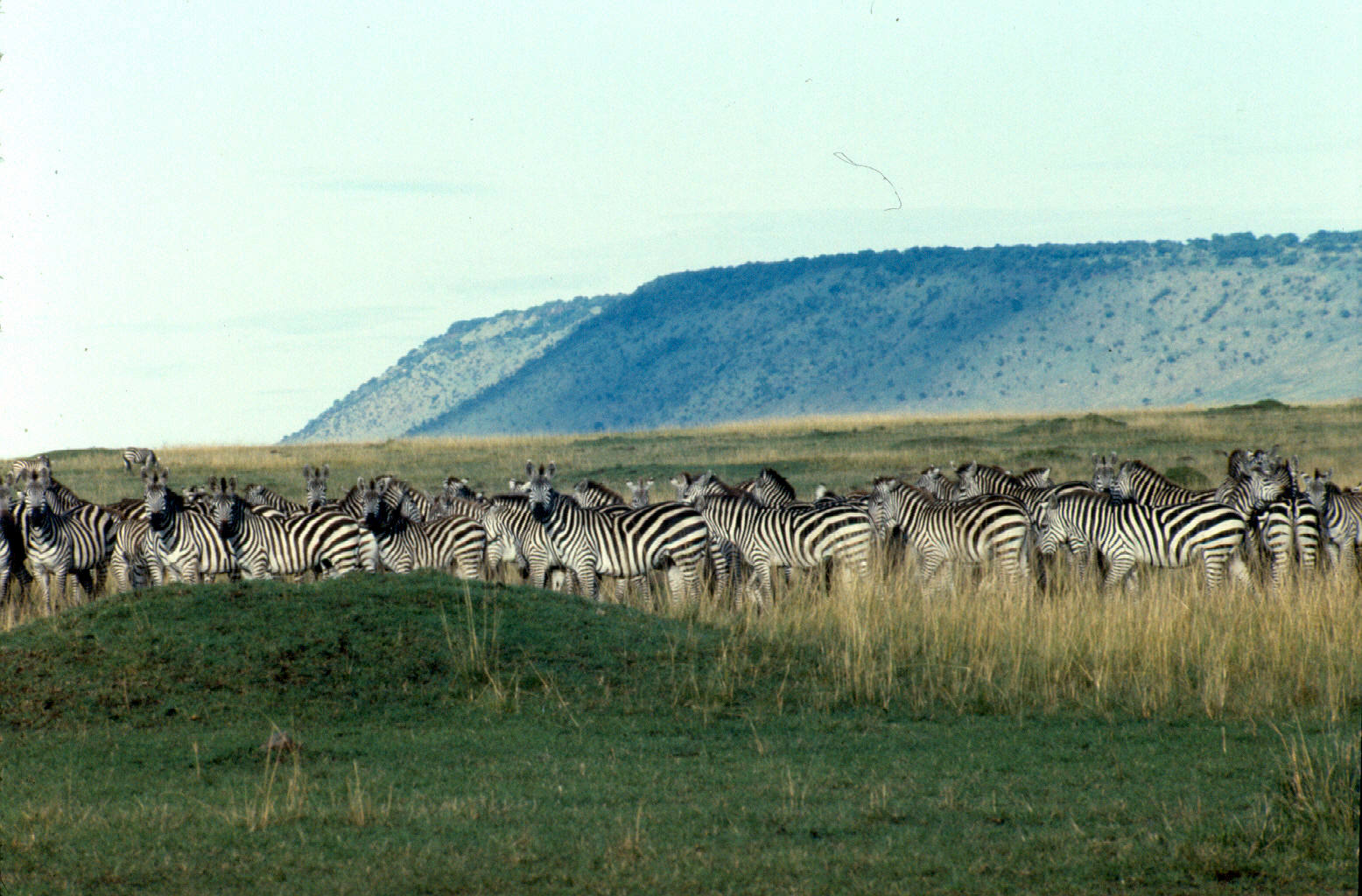
Soon we got to the edge of the Oloololo Escarpment. I can claim to be many things but a poet is not one of them, so I am not able to describe the view that unfolded below us. It was a green sea that extended as far as you could see. In it you could just make out vast numbers of animals; those forming long lines were wildebeest and zebra while the small specks were Thomson’s gazelles. A few elephants could also be seen together with an almost black and compact herd of buffalo. This sight will be with me until I die![5] I asked Alan to stop for a while so that I could take in the view a bit longer while stretching our legs. While watching the green marvel, Alan explained that we were looking at the “Mara Triangle”. He pointed out the Mara River to me as well as where Tanzania and the mythic Serengeti were.

We started our descent and eventually crossed the Mara River at the bottom of the Escarpment. We passed Kichwa Tembo Camp and then deviated into the Maasai Mara Game Reserve to have a look at the animals before continuing on the way to Aitong, Narok and Nairobi. The place was magnificent and we saw vast numbers of wildebeest and zebra grazing as well as other animals roaming around. A special mention to the Thomson’s Gazelles that are ubiquitous in the Maasai Mara; they are an integral part of the ecosystem. The best description I have heard about these gazelles came from Paul, my Mentor in FAO, who visiting the place for the first time, told me that they look like shoals of tropical fish!

Zebra with the Oloololo Escarpment in the background (I will remove the dirt from the ski when I learn to do it!)

Zebra with the Oloololo Escarpment in the background (I will remove the dirt from the sky when I learn to do it!)

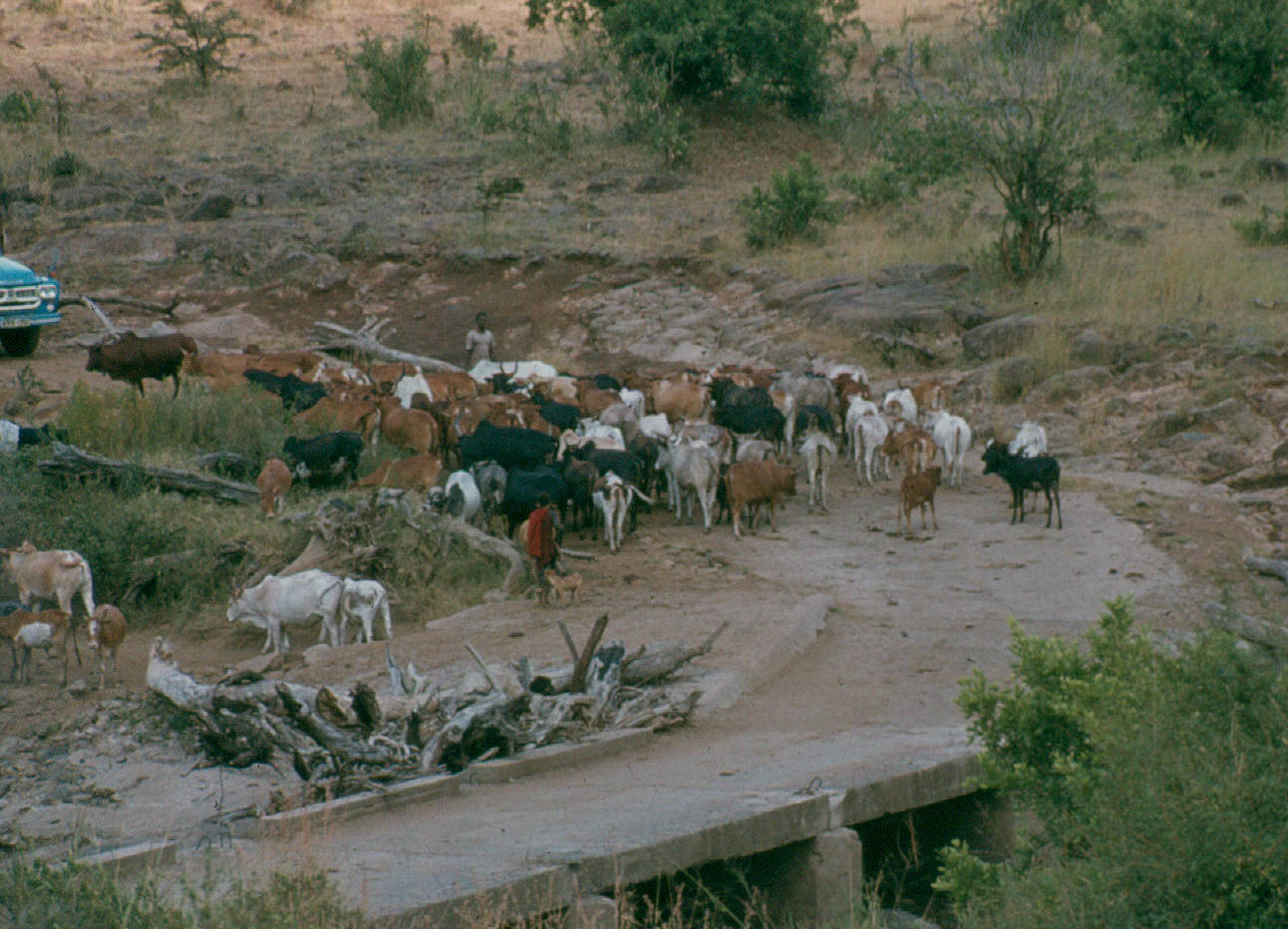
Maasai cattle at the Mara river bridge.

Maasai cattle at the Mara river bridge.

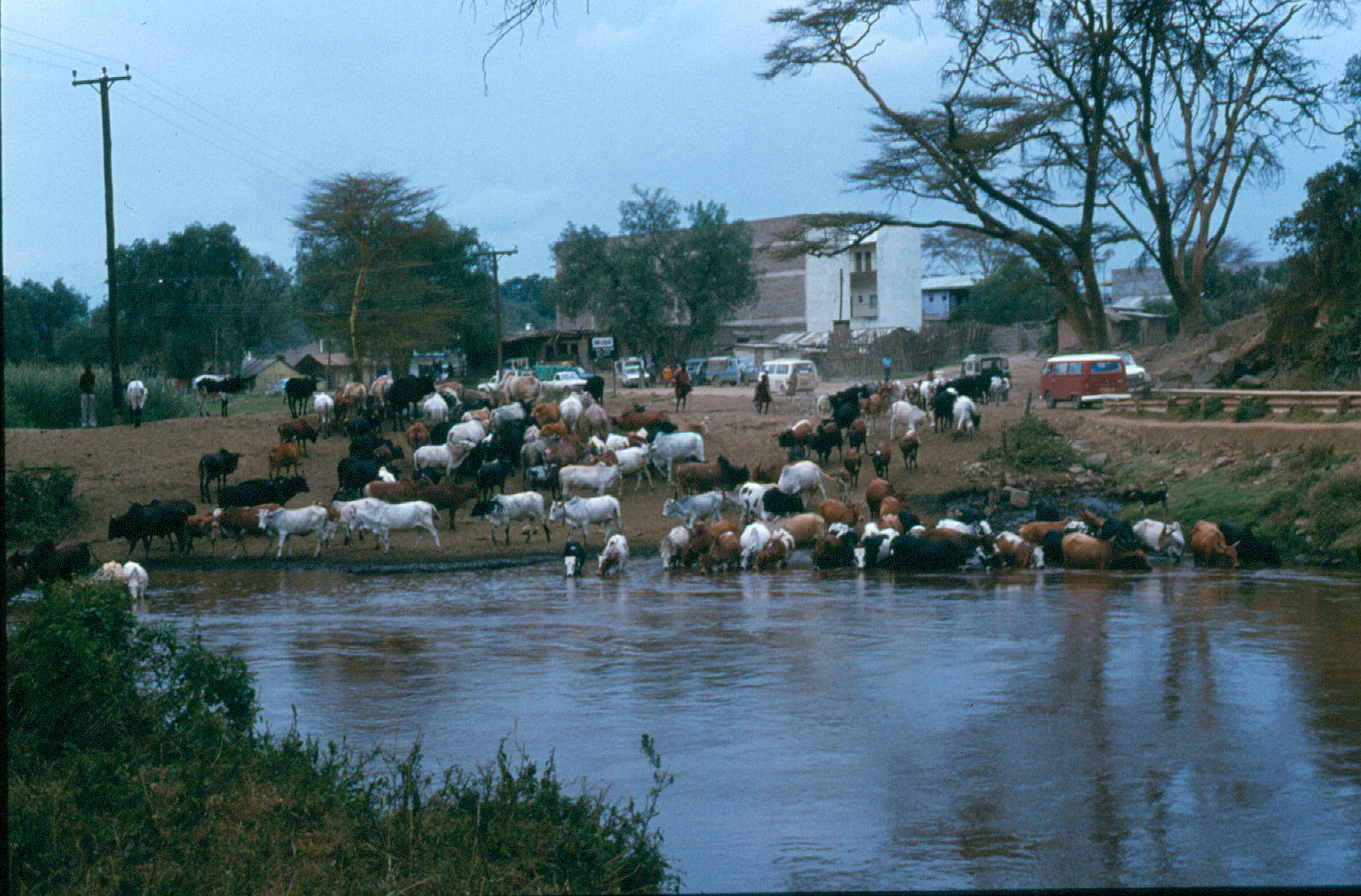
Cattle drinking at Narok dam. Note cars used at the time: VW Kombi, Land Rover Series III and Land Cruiser 50 series!

Cattle drinking at Narok dam. Note cars used at the time: VW Kombi, Land Rover Series III and Land Cruiser 50 Series!

As detailed at the Intona ranch post the return journey only served to strengthen my conviction that I should work at Intona ranch, something that with the help of Alan, Matt could be persuaded to accept, thus allowing me the privilege of driving through the Maasai Mara Game Reserve on the way!


[1] Follows “Joe”.

[2] I did see them very often in this spot where they were quite tolerant of my presence and could watch them during long spells.

[3] The International Laboratory for Research in Animal Diseases was a state of the art large facility located at Kabete, near Nairobi. Today is known as the International Livestock Research Institute (ILRI).

[4] Fr. Frans Mol MHM, affectionately known as the ‘Apostle to the Maasai’ worked at the Ngong Diocese covering most of Maasailand. He authored several books such as: Lessons in Maa: a grammar of Maasai language (1995) and Maasai Dictionary: Language & Culture (1996).

[5] We were at the very spot where Out of Africa’s famous final scene was filmed! Watch the movie and you will get the idea of what I saw in 1981!

Joe [1]

The trip to Intona ranch with Alan described in the post “Intona Ranch” put me in contact for the first time with Joseph (Joe) Murumbi and his wife Sheila. After this first encounter I shared many evenings with them at their beautiful if rather outlandish house. They had built it after retirement following the style of the houses found at the Kenya coast. It was a large house with many bedrooms, a large and complete kitchen and a sitting room bigger than a basketball field!

Although I stayed at the house several times, because of the work I was doing I normally camped at the ranch, as I preferred to keep my independence. Work started early and my timetable was rather different to their retired pace.

When we met, Joe had already suffered a stroke. He was recovering but still maintained the fire in his eyes and remembered a lot of stories of his life that he shared with Alan and me. They were very fond of Alan and they also got to like me. It helped that I was a veterinarian. They had a few dogs (5 or 6) that always had something wrong with them, despite the efforts of Kiza, their Ugandan resident veterinarian. Joe was always very supportive of our research and took a keen interest in our trials and their results! He could not wait to apply them on his cattle and those of his Maasai neighbours.

Although I will tell you more of my relationship with Joe and Sheila in future posts, I have a few reminiscences of our relationship that I will mention here.

Joe loved his cattle and he experienced great joy in going to the kraal in the evening to see them coming in. He was fair but tough with his employees and, as expected, he was feared by them on account of being a mzee[2] who had held power but also because of his short temper! I am sure his eyes had something to do with it as well, as he had a powerful look when fired up by anger or enthusiasm.

Sheila, conversely, did not care about cattle much. She loved plants and was a keen gardener. She kept a lovely greenhouse, which housed a collection of the orchids found at Intona and served as a nursery for the already beautiful garden and internal patios of the house.

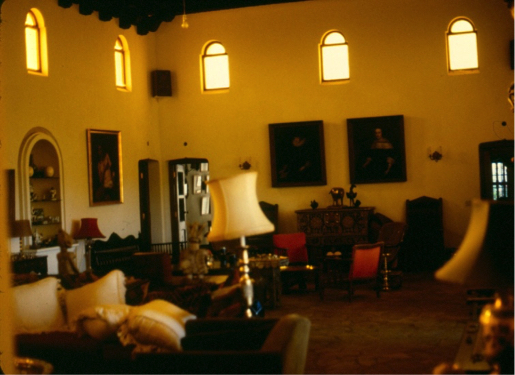
The "Dutch Masters" paintings in the background, the picture was taken from the place Joe used to sit.

The “Dutch Masters” paintings in the background, the picture was taken from the place Joe used to sit.

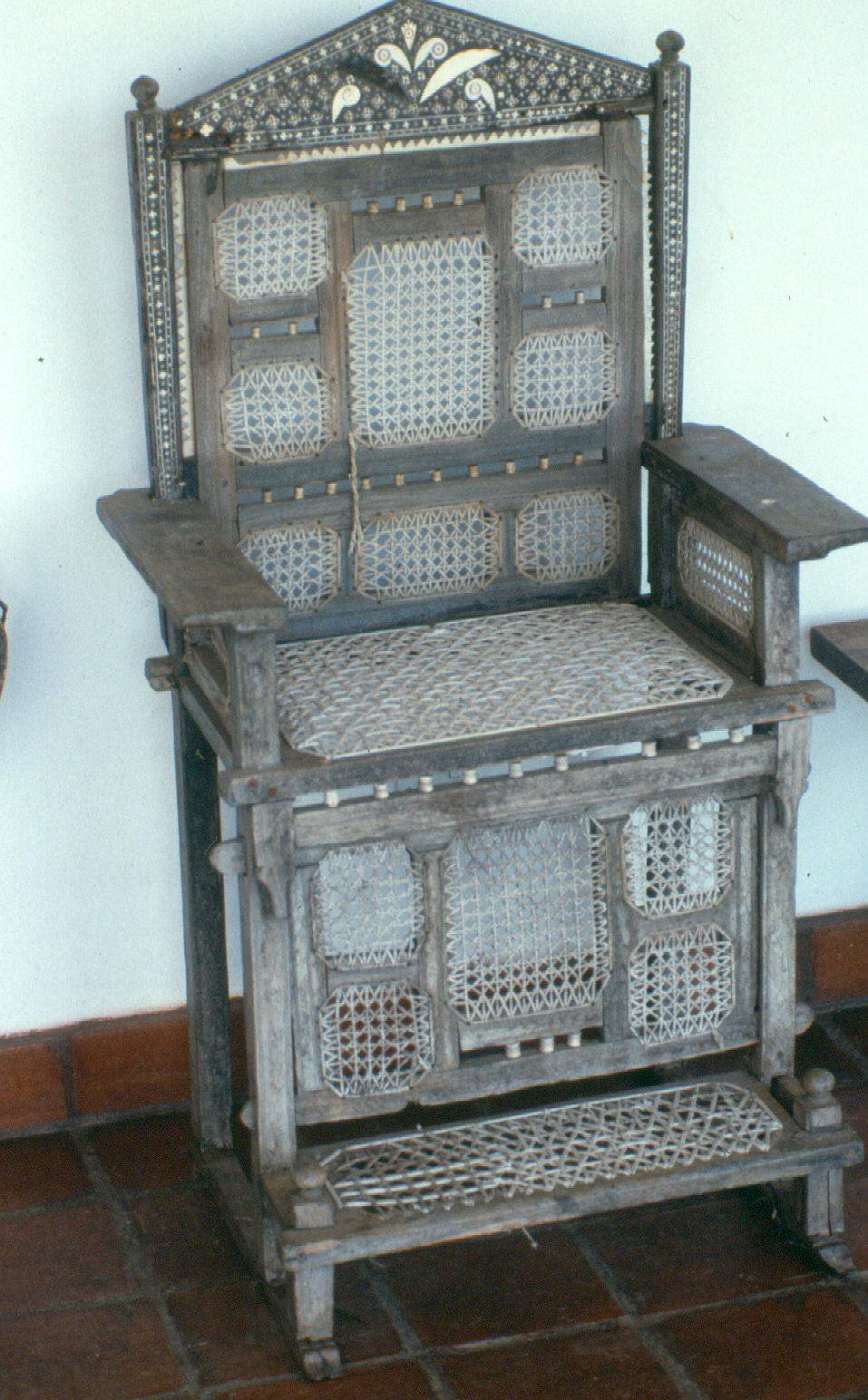
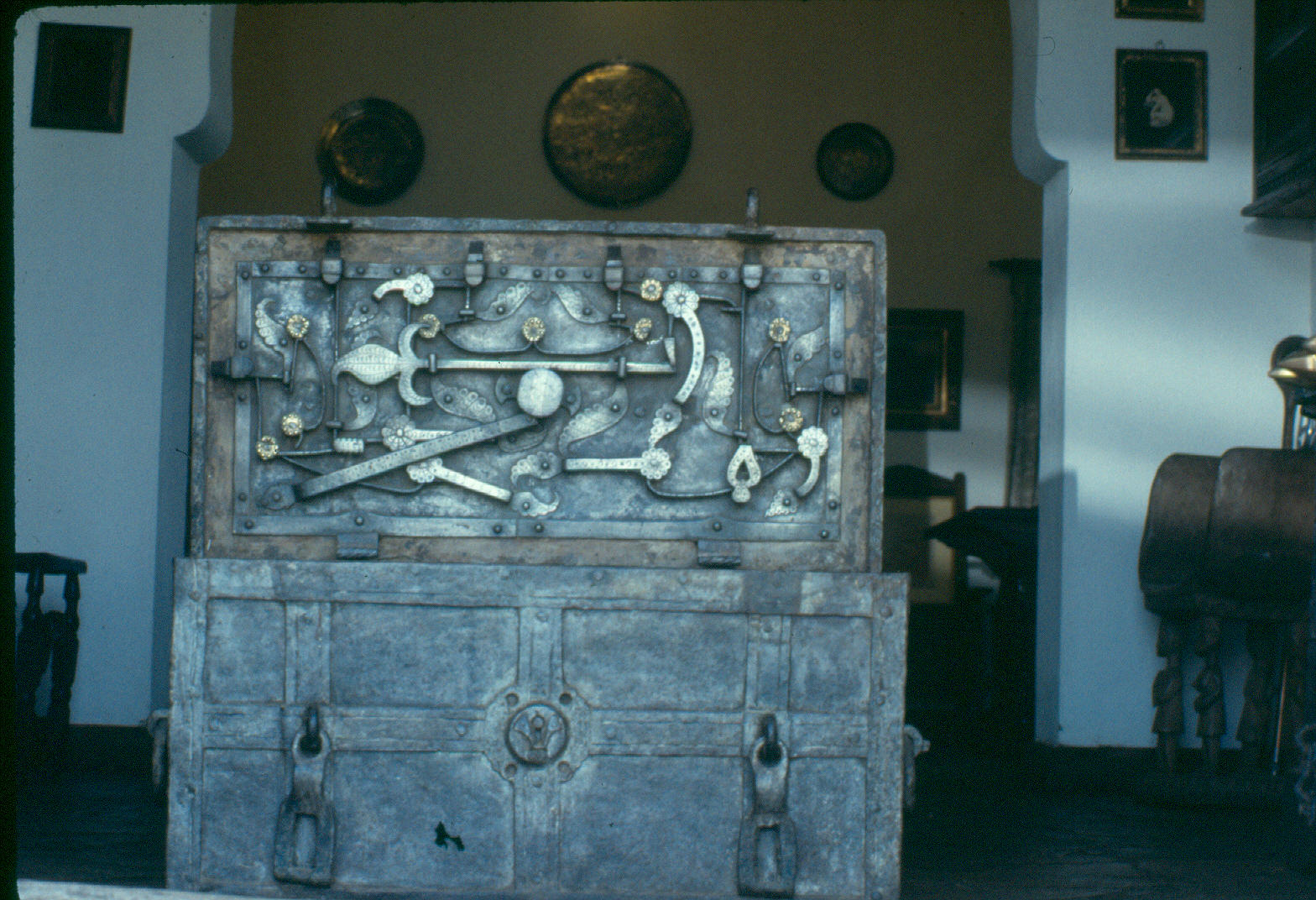
They both shared an incredible passion for culture and art and the house was a true museum of African art although there were several large paintings that I attributed to “Dutch Classic painters”. The sitting room I mentioned above was literally filled with art. Wood and metal carvings, masks, ancient trunks, antique chairs, oriental rugs, and large paintings decorated the place.

murumbi mask 1

murumbi mask 2

murumbi lamu chair

murumbi mask

murumbi chest

And then there was his library! A large room with bookshelves all round and where all his diplomas, decorations and memorable photographs were kept. A young Joe could be seen in the company of Kenyatta, Nkurumah, Kaunda and Nyerere to name but a few. There was a large one of Joe with Haile Selassie and several more with other European leaders that he rubbed shoulders with during his political life. Clearly he had kept selected items after all his donations of books and documents to the Kenya Government.[3]

Although Joe was very enthusiastic about showing some of his unique books (he had all the first editions of the works by most African explorers, to name what I recall today!) his real joy was to open the many drawers that hosted his immense, comprehensive and very valuable stamp collection. He was very proud to show me some of the “specials” he possessed, including most of the first African stamps and even some of the earliest British ones that -apparently- were extremely rare and dear! Not being a collector myself, I listened and enjoyed his keenness more than anything else.

As if being shown the library by Joe himself would not have been enough, I was given the green light to roam free through his still vast book collection. This I did and spent long hours browsing through the many special books and documents that it housed. Among several, I particularly recall opening a proofreading specimen of Peter Beard’s “The End of the Game”[4] and finding inside it an exchange of letters between Joe and Peter about the book and its presentation! This was one surprise I remember but I have forgotten many, I am afraid!

Intona hosted a number of wild animals that intermingled with the cattle. Impala, Zebra and Topi were very common and herds of buffalo resided in the ranch. Lion were often heard but rarely seen (probably scared of the Maasai around us!) but a family of Cheetah resided at the ranch and were often seen. Spotted Hyenas were heard every evening and I was surprised if they did not visit my camp at night!

Buffalo herds often grazed in the meadows and frequently mixed with the cattle. Surprisingly they did not trouble the herdsmen, behaving like cattle but keeping their distance. The solitary males were a different issue and walking about Intona required great care as these rogues would seek shelter inside the clumps of forest that dotted the green grasslands at the ranch and come at you with anything but good intentions!

Buffalo were the main danger to watch out for while orchid collecting, an event that Robin -my good colleague from ICIPE- used to perform. As this involved entering the clumps of forest, it was a rather dangerous hobby. Luckily Joe had a hand-operated fire siren that a helper carried and used to scare the buffalo by sounding it before we entered the thicket. We were lucky not to encounter any buffalo, as I was doubtful of the effectiveness of the siren! Or maybe they ran away in the opposite direction? We did have a few scares when warthogs would crash out of their previously quiet resting areas because of our racket. We got a few adrenaline highs but fortunately they never came straight at us!

Alan’s closeness to Joe and Sheila meant that they relied on him for help at all times. I believe they saw Alan as the son they did not have! Their friendship was so close that once when Joe needed to go for an operation in the UK, Alan travelled with him! Alan did not travel alone, he had a most unusual companion: a nail-studded power figure[5] which was apparently rather expensive and Joe needed to sell it in the UK to cover the expenses of his medical intervention. So Alan was entrusted to fly with the sculpture for which I believe they booked a seat next to Alan! I do not know more details other than that Joe came back in better shape!

Joe greatly enjoyed having us for a drink in the evenings to talk about our work and tell us some of his stories. So we were often invited. Sheila was a great hostess and looked after us as if we would have been her newly discovered relatives! One of those occasions coincided with a rare and probably one of the last trips to Intona by road in his Range Rover. He mostly travelled by plane with the dogs!

On that occasion Joe was really upset about the condition of the road. The latter was really bad during normal times but at that particular occasion was impossible and -almost- impassable! Joe had a temper and that was the first time I saw him losing it! He was so upset that, after telling us about it, he picked the phone and started to call. At the time, Telephone calls from Intona were “difficult” to put it mildly so he insisted a few times until he managed to get through.

Despite his speech difficulties he managed to gather sufficient strength to speak in clearly strong terms and in Swahili. After a while his tone changed and, before he hung up, he burst into a hearty laugh. Still laughing and while shaking his head he said “That was Daniel[6] on the phone” and added “I was complaining to him on the conditions of the road and do you know what he replied?” he said looking amused “Joe, you know that I travel by helicopter!” I will keep Joe’s comments to myself!


[1] Follows Intona Ranch

[2] An elder in Swahili

[3] Ref. to details of his donation to the GoK

[4] Full title of the book

[5] See: http://www.sciencemuseum.org.uk/online_science/explore_our_collections/objects/index/smxg-105001

[6] Daniel arap Moi was President of Kenya from 1978 to 2002. He succeeded Joe as Vice-President after Joe’s resignation in 1967.

Drones in the bush

It was a simultaneous thought shared with my son to the point that our respective e-mails must have crossed somewhere over Africa: “Dad, I think a drone would be great for your blogging activities ” and “Jul, have u heard of photography drones? I think one would be good for safaris”. We were very pleased with ourselves as, at the time, drones were only starting to be used in the bush for animal photography and filming.

A couple of months later when he came to Zimbabwe he brought an economical camera drone with him “Dad, this one is for testing purposes” he said. We immediately got to using it; well he used it and I interfered! Following its fast assembly my son started flying it and mastered it quite quickly (no doubt as a result of having spent long hours playing PlayStation and Xbox instead of doing his homework!). I conveniently refrained from voicing my praise with respect to his mastery, as I had been stern in establishing time limits on computer games, and instead proceeded to watch.

Eventually my turn with the drone came and I received the necessary instructions and began my attempts. At first my flying consisted of starting the rotors and hopping about trying to get the machine to go where I wanted. A couple of batteries later (they last a very short time!) I was awarded my beginner’s brevet. My take off was perfect and I started flying it; which also went well. During one such flight, I was so fascinated with watching the machine that the “Dad, watch where you are flying!” shout from my son took me by surprise, causing me to lose concentration and to remove the crucial finger from the joystick. Needless to say things started to go awry very quickly…

First, the drone turned violently to the right causing me to over-correct in the other direction. Luckily, after the maneuver, the drone still had sufficient altitude but, to my dismay, was hovering directly over a water hazard (read old swimming pool). In the same way that looking down from a balcony causes you to feel a fear-induced (and often paralytic) rush of adrenaline, my fingers stopped obeying my commands and: splash!

The positive outcome from this experience is that I can now confirm that drones float (or at least this plastic one did)! After its recovery my programme for the day was secured: drone disassembly, drying, reassembly and testing. Fortunately it flew again, although with my son once again reinstated as pilot and myself as manager!

Following this experience I have decided to wait for the prices to go down so that I can acquire a more sophisticated one that I can navigate from my phone. It is also my desire for such a drone to possess a “Boomerang/Home” button to bring it back to me (safely) after taking pictures of game. Unfortunately, however, drones are becoming increasingly common now so our “surprise factor” has vanished but, who knows, maybe something interesting can still take place, just be patient…

Kings, Martyrs and Selfies

I begin with an important reflection: Milan is not Rome! I am aware that you may find this statement as a confirmation of my insanity. However, I said this from the point of view of a walking tourist. While Caput Mundi offers a secret at every step, Milan is mainly shopping and fashion, not really my thing.

As a result of a previous walk through Milan[1], my wife and I followed the advice of our host (our daughter the Editor) and proceeded to the Navigli District in search of new challenges. The reasoning behind this decision being that the presence of water carried with it the possibility of spotting water birds and/or fish?

These water canals, originally built for irrigation, were soon repurposed for the transportation of goods to and from Milan, Lake Maggiore and Switzerland. The canals were essential for the transportation of marble during the building of the Duomo. Leonardo da Vinci was involved in the design of the water level system management.

Two canals (Naviglio Grande and Naviglio Pavese) have been reopened recently. During this “passegiata”[2] I learnt that the Navigli area today attracts people more for its restaurants, bars and fashion shops than for the canals themselves. Interestingly, the majority of those present were contemplating their right hands (a small minority their left) frantically tapping one-handedly while holding their drinks or food with the other.

Although people were in groups they did not seem to notice the presence of their companions! Quite a few also sported misleading telescopic rods, which caused me to briefly think there might be fish in the Navigli, before I realized that I was seeing for the first time the infamous selfie sticks. I spent a few minutes considering how to transform my walking stick into a “bushsnob-selfie rod” so as to be able to share with you some of the special views from future walks.

Our Navigli stroll concluded, I soon became (unwittingly) part of some undercover “cupule spotting”. I was not aware that the maneuver was underway until I found myself in the middle of an ambush: the Basilica of Saint Eustorgio. “What a funny name” was my only thought as I obediently entered, ruminating on the fact that I had never heard of this particular church and had not wished to stumble upon it; yet here I was! Fortunately it was empty and rather cool, providing a nice respite from the heat and crowds.

The Basilica of St. Eustorgio.

The Basilica of St. Eustorgio.

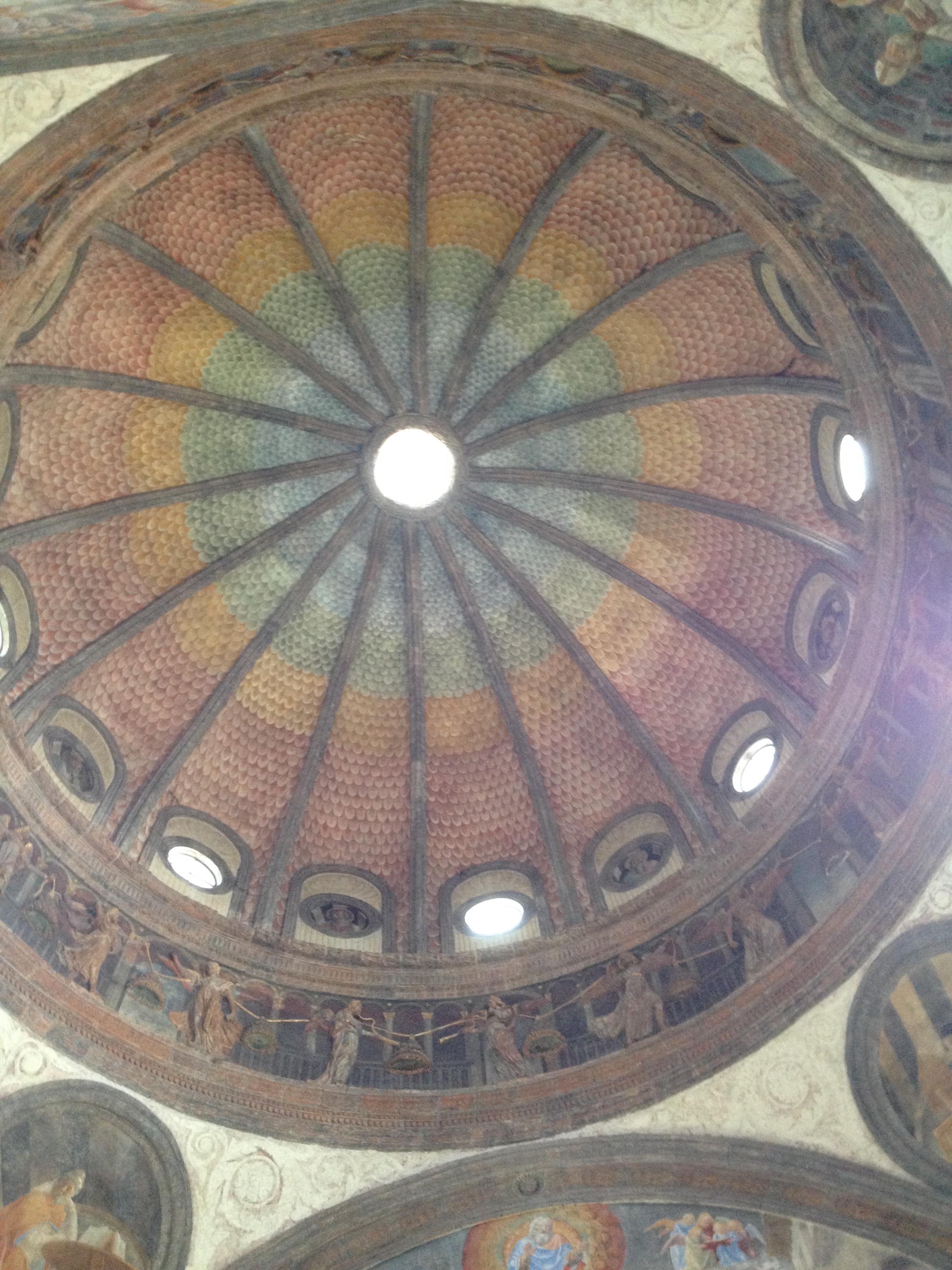
The Basilica, rebuilt in the 16th Century in the Romanesque style[3], hosts the tombs of the Three Magi or Three Kings (yes, the same ones that went with presents of gold, frankincense, and myrrh for baby Christ twelve days after his birth). It also hosts the Portinari Chapel that has exquisitely painted frescoes and a cupule with a remarkable chromatic gradient painted in pastel tones that, according to information received “in situ“, represent the radiation of the divine light. The latter bathed the Bushsnob while deep in serene contemplation…[4]

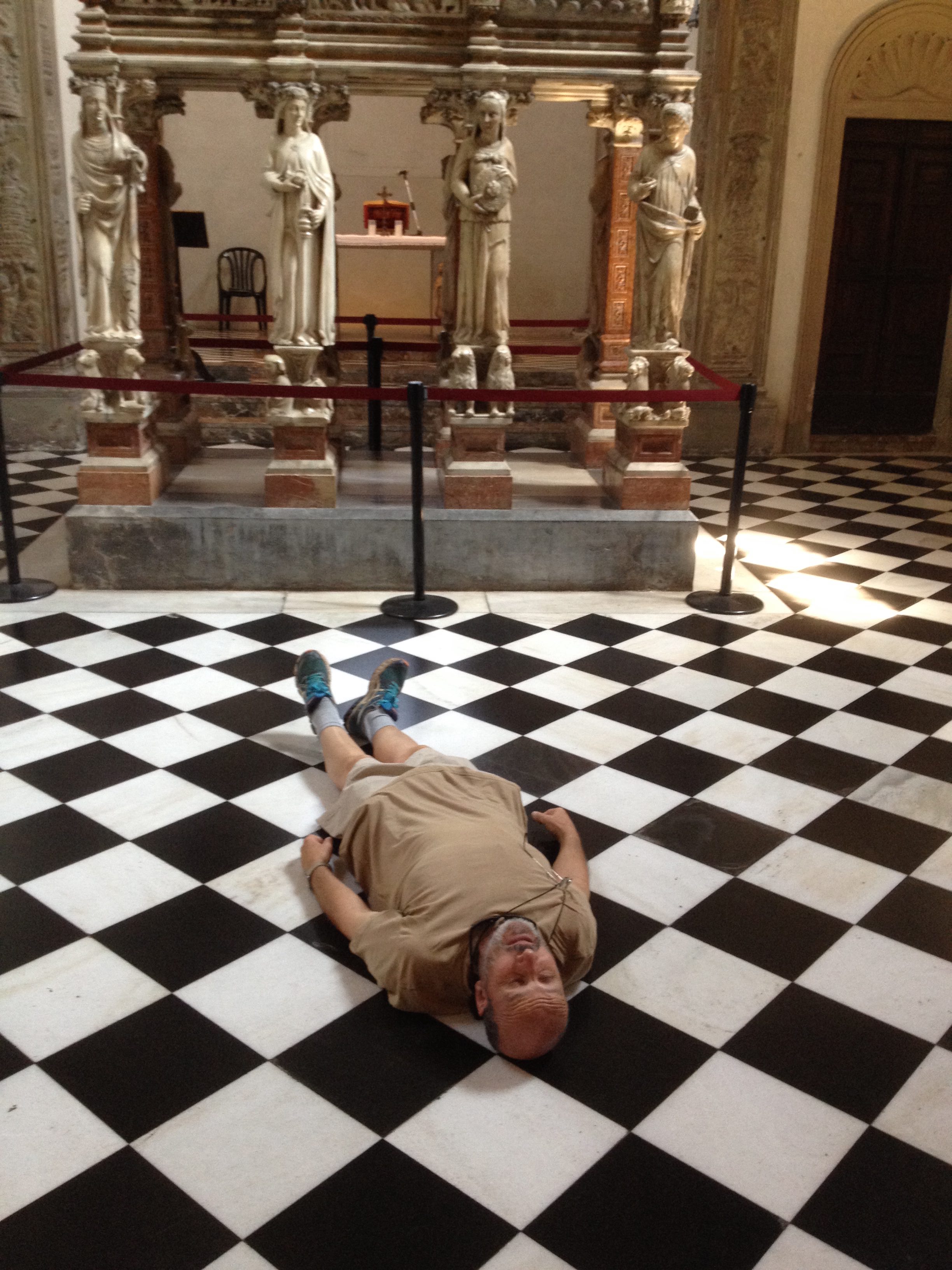
It is not the Bushsnob relic, only deep in contemplation and showing how you could do it at the Sistine Chapel 35 years ago!

It is not the Bushsnob relic, only deep in contemplation of the magnificent cupula and frescoes!

The spectacular cupule seen from the Bushsnob perspective.

The spectacular cupule seen from the Bushsnob perspective.

Another detail of the roof.

Another detail of the roof.

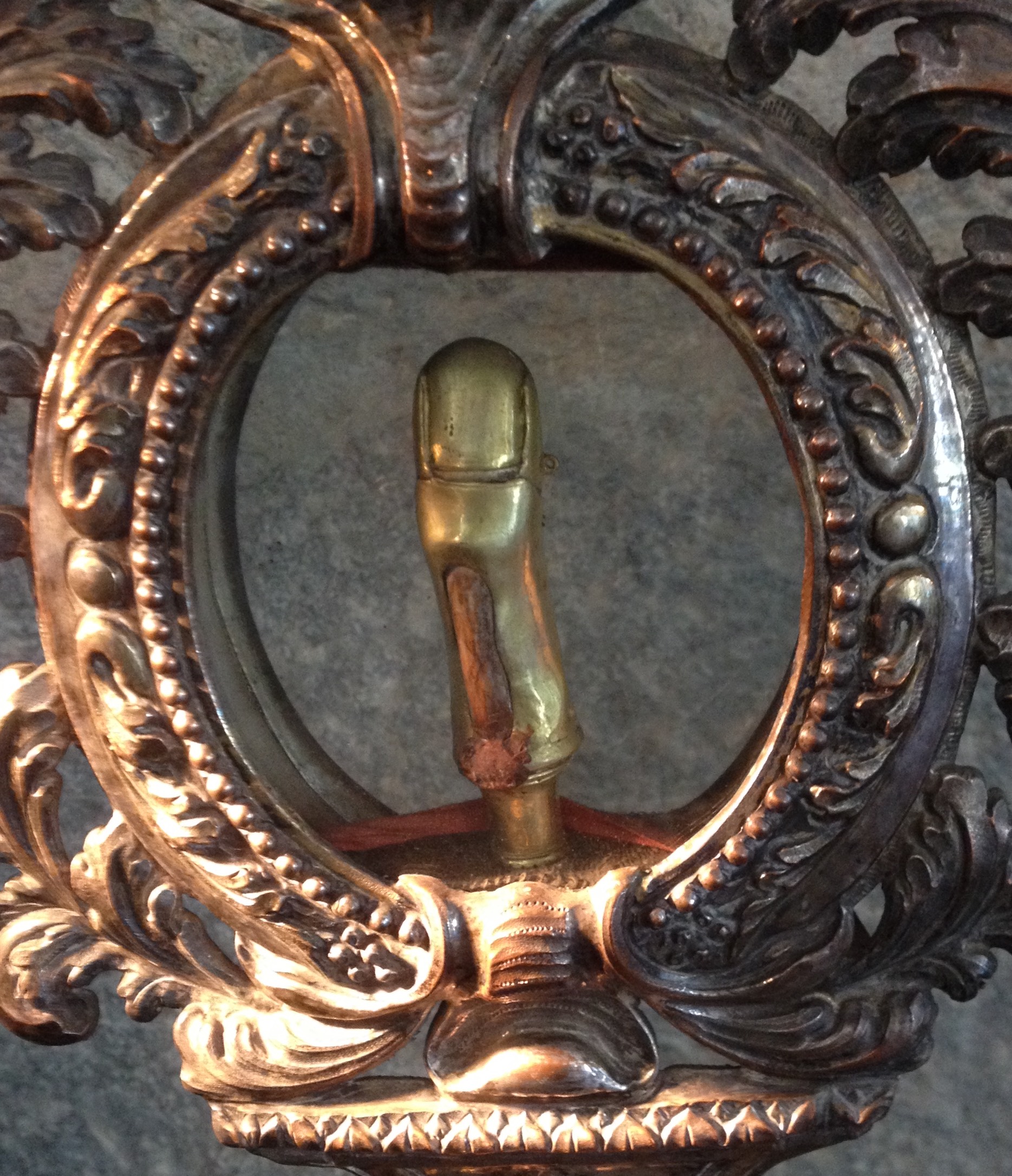
The Chapel also hosts the intricately carved marble sepulcher of Peter of Verona as a number of other relics including a phalanx plated in gold with the shape of a finger that was, perhaps, the most striking of them all.

A close up of the golden finger.

A close up of the golden finger.

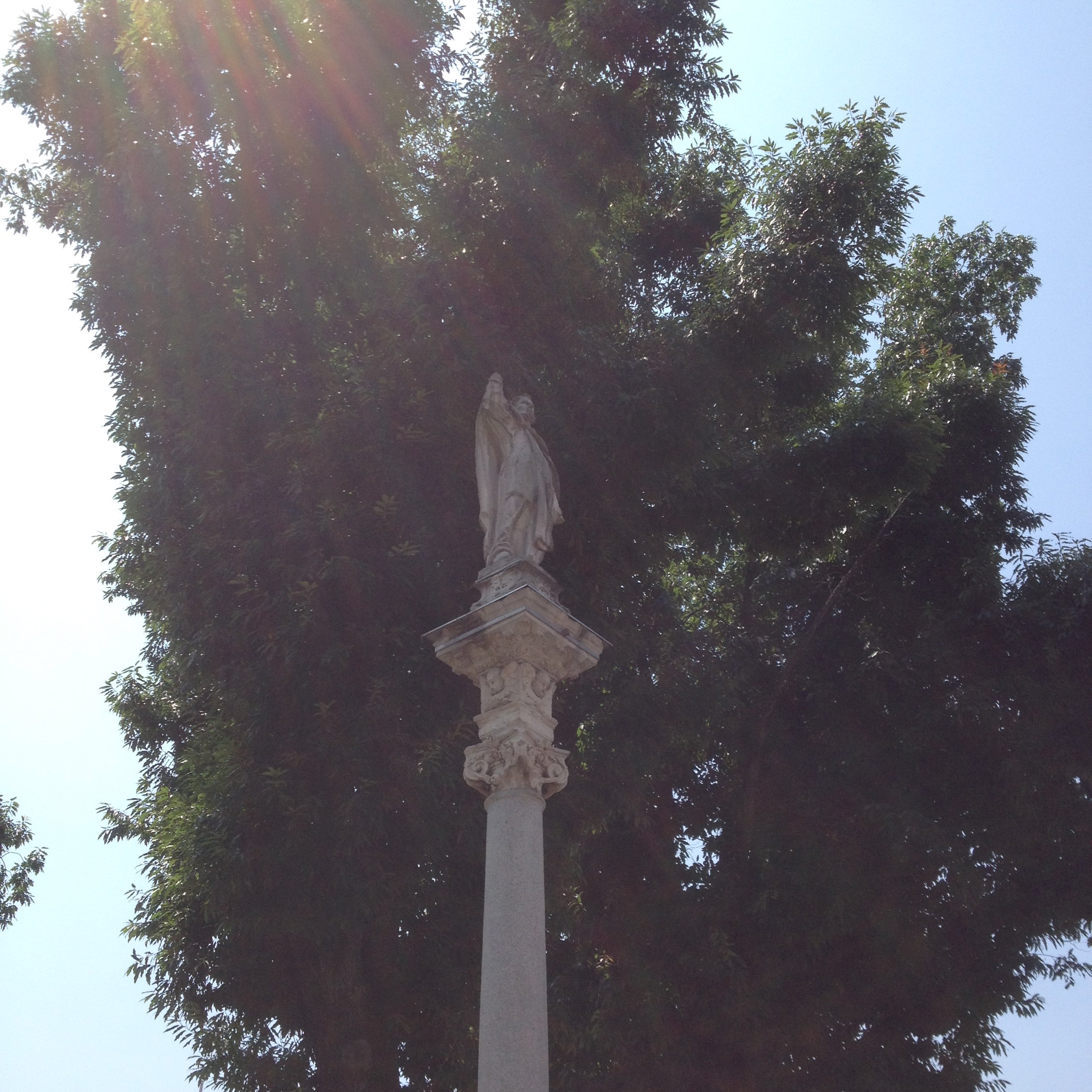
Our visit over, while leaving the Basilica I spotted a tall column with a statue placed quite high with some oddity about its head.

Just another statue...

Just another statue…

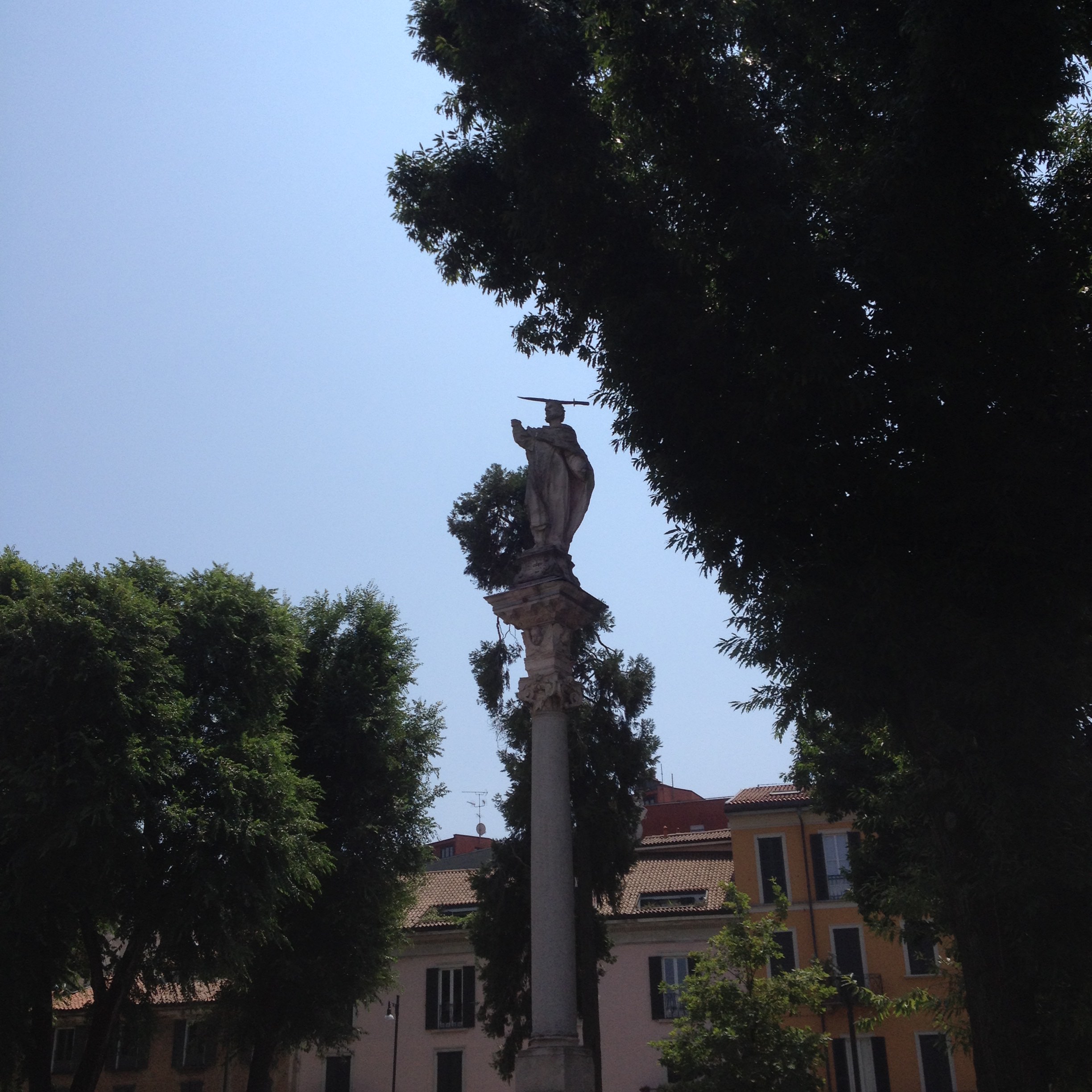
A more attentive look revealed that it had a sword stuck in it! A students’ prank was my first thought but the height and smoothness of the pedestal would have made it extremely difficult for even the most determined trickster to climb. In addition, the priest that carried the sword appeared accustomed to it!

Wait a minute, let's have another look. Oh, oh... this is really odd!

Wait a minute, let’s have another look. Oh, oh… this is really odd!

Clearly this finding required further investigation. I went back to the Basilica and asked for clarification at the Museum’s entrance. “It is the statue is of St. Peter Martyr”[5] I was informed, which in all fairness should have been obvious as, a few seconds before I had seen his sepulcher within the Portinari Chapel! The provided explanation however did not shed any light onto the Saint’s unusual choice of headwear, which meant that further -independent- investigation, was required.

In brief, Peter was a General Inquisitor that amassed some enemies. In 1252 he was struck on the head with a sharp weapon with such violence, as to leave it wedged in his skull. Incredibly, the blow did not kill him, as he was able to rise to his knees and begin reciting the first article of the Symbol of the Apostles. In answer to this display of resilience, his assailant proceeded to stab Peter in his chest with a dagger.

Although some paintings present a dramatic but credible depiction of the assassination (like the one by Bernardino da Asola) most -like the statue in question and Vittore Carpaccio’s portrait- show a rather healthy looking St. Peter equipped with his unusual choice of headwear in the form of a variety of sharp objects: axes, swords, meat cleavers and even scimitars at various angles and depths together with a dagger stuck in his chest.

Picture of Peter being killed attributed to Bernardino da Asola [Public domain], via Wikimedia Commons.

Picture of Peter being killed attributed to Bernardino da Asola [Public domain], via Wikimedia Commons.

Most incredibly however in the majority of these depictions he appears unaware of his terminal condition and proceeds to ask for silence, walk about, write with his blood on the ground, preach or even look far away, vaguely interested in his predicament![6] It is clear that St. Peter was made of tough martyr material!

Picture of Peter by Vittore Carpaccio [Public domain], via Wikimedia Commons.

Picture of Peter by Vittore Carpaccio [Public domain], via Wikimedia Commons.

Fortuitously for Peter, a number of miracles were attributed to him before and after his demise, which resulted in his fast canonization[7] in 1253.


[1] See Milanese bones.

[2] Italian equivalent of a leisurely stroll.

[3] There is a kind of “church taxonomical system” but I do not think that experts have yet adopted the Linnaeus binomial nomenclature. We will wait and see…

[4] I learnt this observation technique from fellow tourists during my first visit to the Sistine Chapel in the eighties. (It is also useful in the identification of birds, particularly swifts).

[5] Also known as St. Peter of Verona.

[6] A search for “Paintings of St Peter of Verona” should produce a few interesting examples.

[7] Could this have been the first example of a “canonization express”?

Milanese bones

Rome is no longer! Well, in fact it is still there but much less important due to the temporary absence of the Bushsnob… But there is no need to worry, as we will be back on Friday. Now it is Milan’s turn to receive my ponderings.

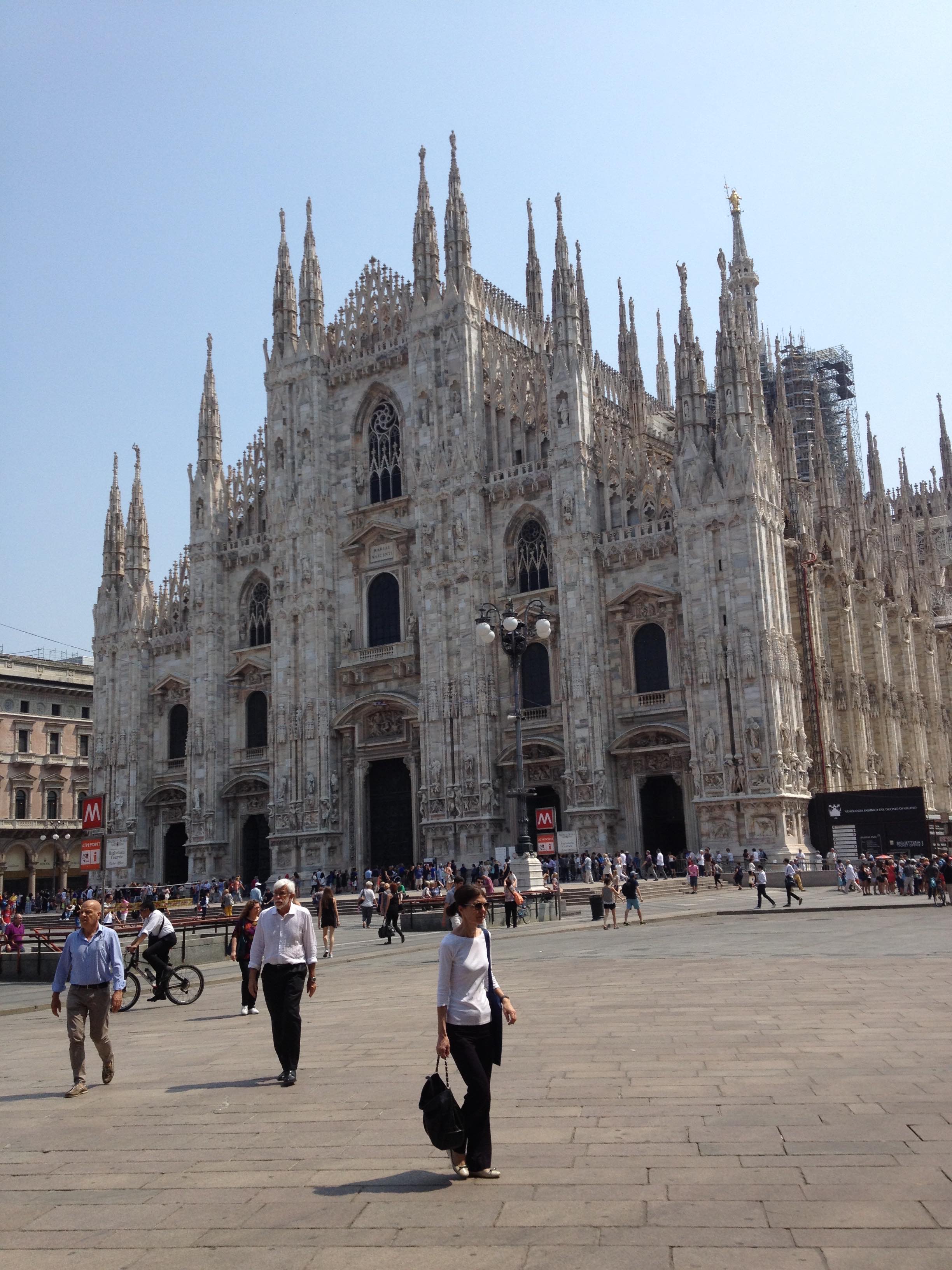
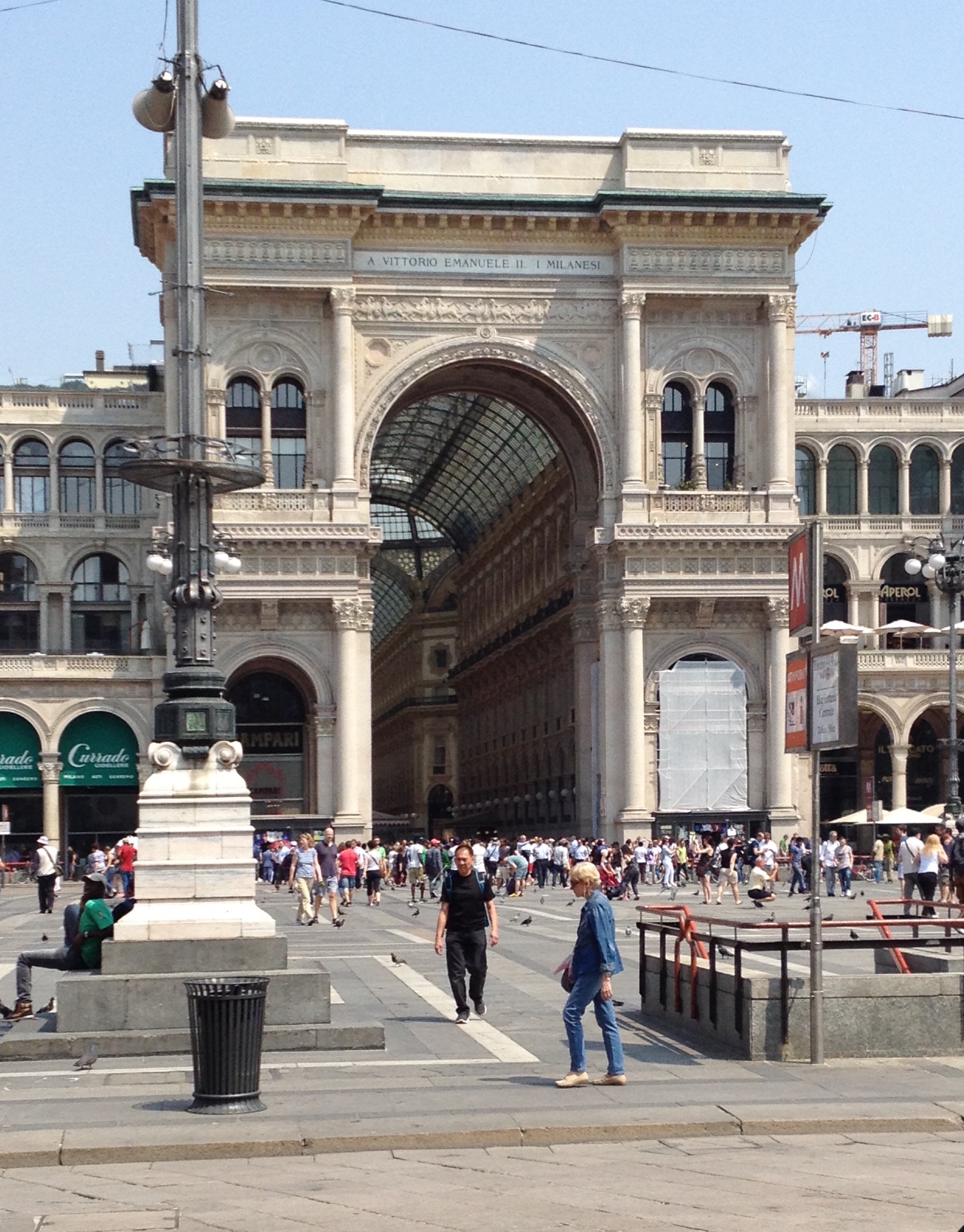
Of course we went to the Duomo first and dove into the sea of tourists. I lasted about five minutes before I needed to resurface and gasp. Seeing the queues to enter the edifice I despaired and moved off through the Vittorio Emmanuele II gallery where people pay about three times the price for food and/or drinks to do what? To watch people walk past!

The Duomo.

The Duomo.

The Vittorio Emmanuelle II Gallery.

The Vittorio Emmanuelle II Gallery.

Inside the Vittorio Emmanuelle II Gallery.

Inside the Vittorio Emmanuelle II Gallery.

Luckily on our way there a large brick building that eventually became the University of Milan (founded in 1924, 65,000 students) located in Via Festa del Perdono caught my wife’s attention. I have already praised her eyes when it comes to game spotting so I do not need to repeat myself but I will anyway! Unluckily, she can spot churches as well! I can handle about one church visit per week but she can visit numerous in a single day, driving me to despair.

Now she did a “double whammy” spotting two sets of cupules in the distance! When she announced this I almost went back to the Duomo and the crowds! The cupules in question belonged to the Parish of Santo Stefano Maggiore and San Bernardino alle Ossa that are found side by side at the Santo Stefano Square. Seeing my wife zeroing in on them, as usual, I followed, resigned to my fate.

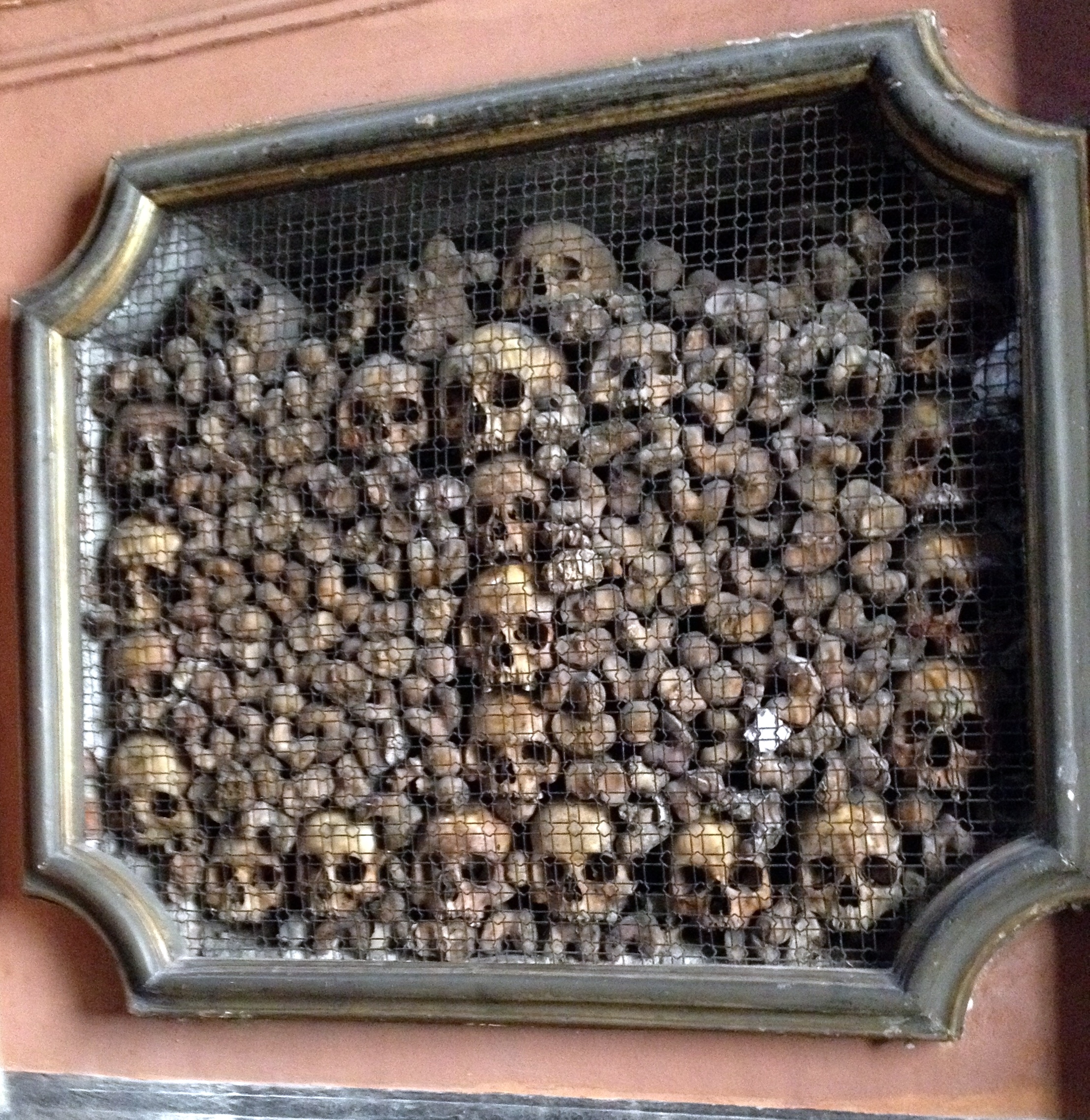
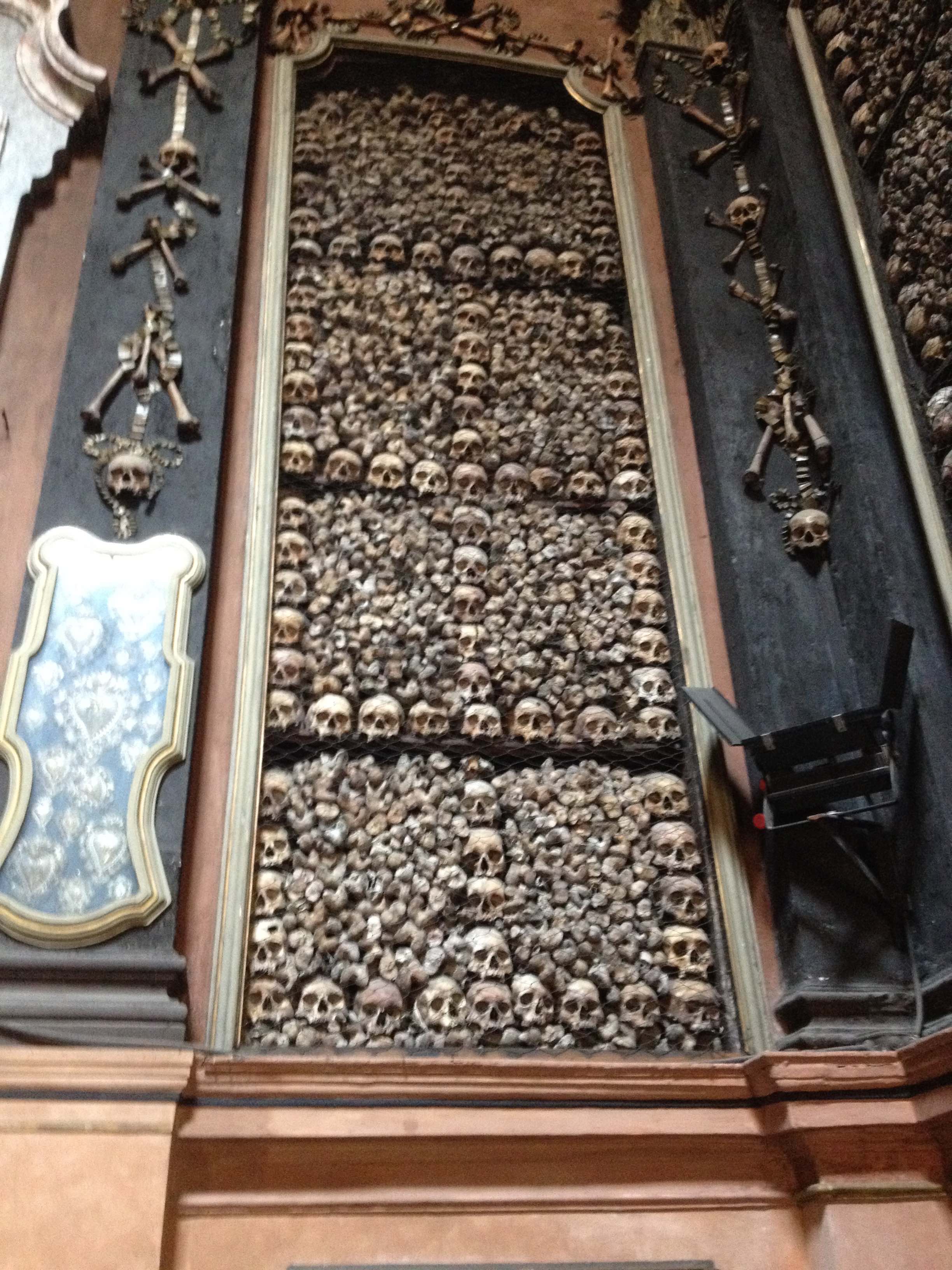
Entry into the Parish confirmed my worst fears of another church full of frescoes and images that I am sure are very beautiful, valuable and important for many people, except myself so I departed quickly and, as usual, proceeded to wait outside. Eventually a satisfied wife appeared and without much ado made a beeline for the other church. I followed again, my complaints ignored as usual. This time I was wrong, the place offered an unexpected corner: the ossuary.

IMG_1026 cropped copy

IMG_1027 cropped IMG_1047 copy

As its name indicates this is a small side chapel decorated with numerous human skulls and bones. I learnt that it was built in 1210 to house the bones of a full next-door cemetery and those who were enterred there. In addition, there is a special place located over the back door where the skulls of criminals who were beheaded for their crimes are kept.

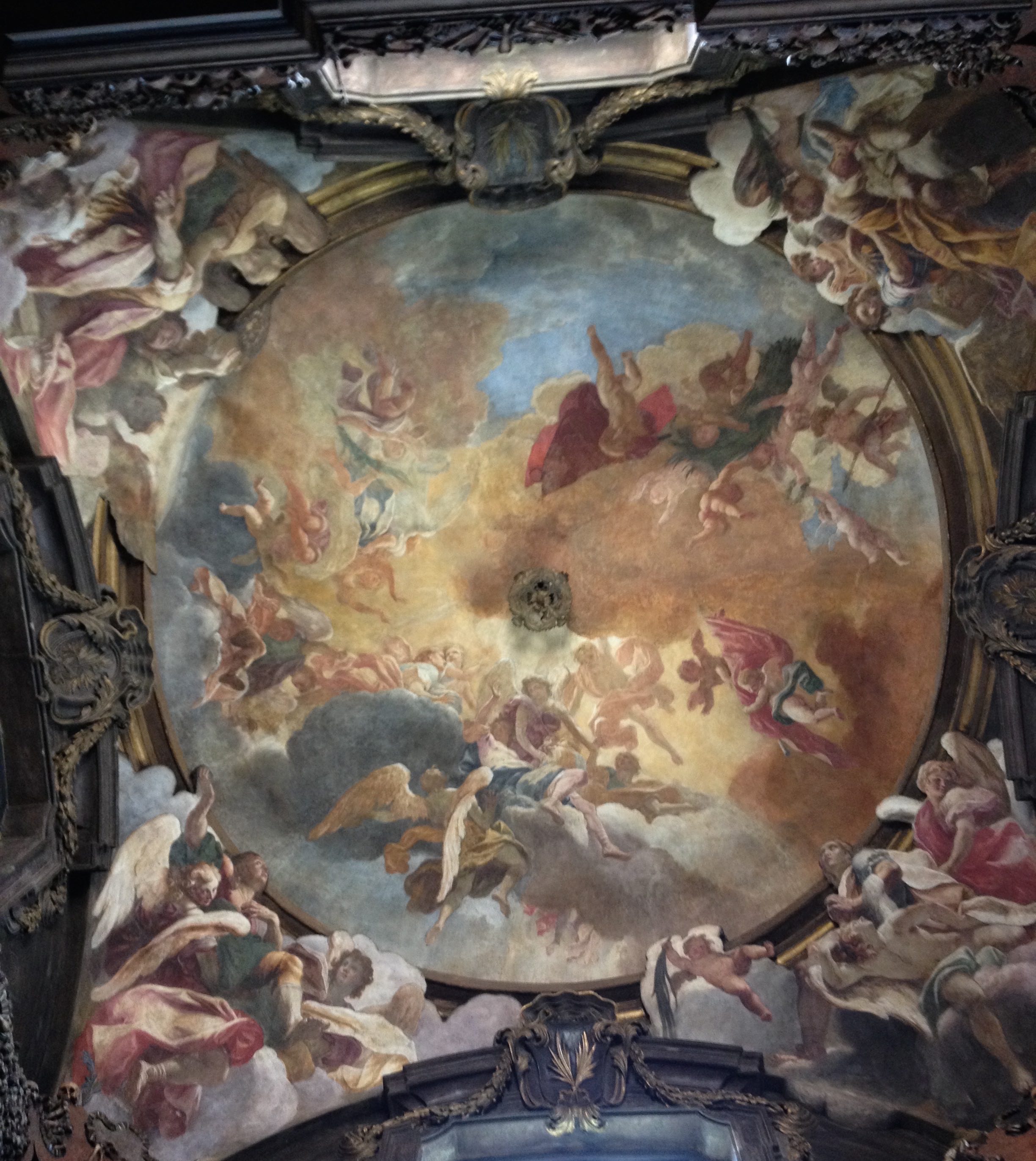
The rather macabre sight of the bone niches and bone-based ornamentation on the walls offers a great contrast with the beautiful and colourful frescoed vault painted in 1695 by Sebastiano Ricci known as the Triumph of Souls and Flying Angels.

The roof of the Ossarium.

The roof of the Ossarium.

We visited the crypt under Santa Maria della Concezione dei Cappuccini in Rome in 2008. There the remains of thousands of Capuchin monks are arranged along the walls in a more elaborate, if the word is appropriate, bone arrangement. However, the most striking find at that church for me was the final sign that reads: “What you are now, we once were; what we are now, you shall be” This had a profound impact on me and it became engraved in my mind as it brought home the inevitability of death! Writing this post I learnt that these bone-related structures are known as “Memento mori[1].

The Capuccino crypt, Rome.

The Capuccino crypt, Rome.


[1] Latin: “Remember (that you have) to die” highlighting the transient nature of all earthly goods and pursuits, a lesson that should be understood by all today!

Caput Mundi – A Waterless Coral Reef

While walking along the Appian Way I described in Caput Mundi Revisited that we passed by the Istituto Salesiano San Callisto[1] on our way to Church of St Mary in Palmis and then to the city centre.

Istituto Salesiano San Callisto.

Istituto Salesiano San Callisto.

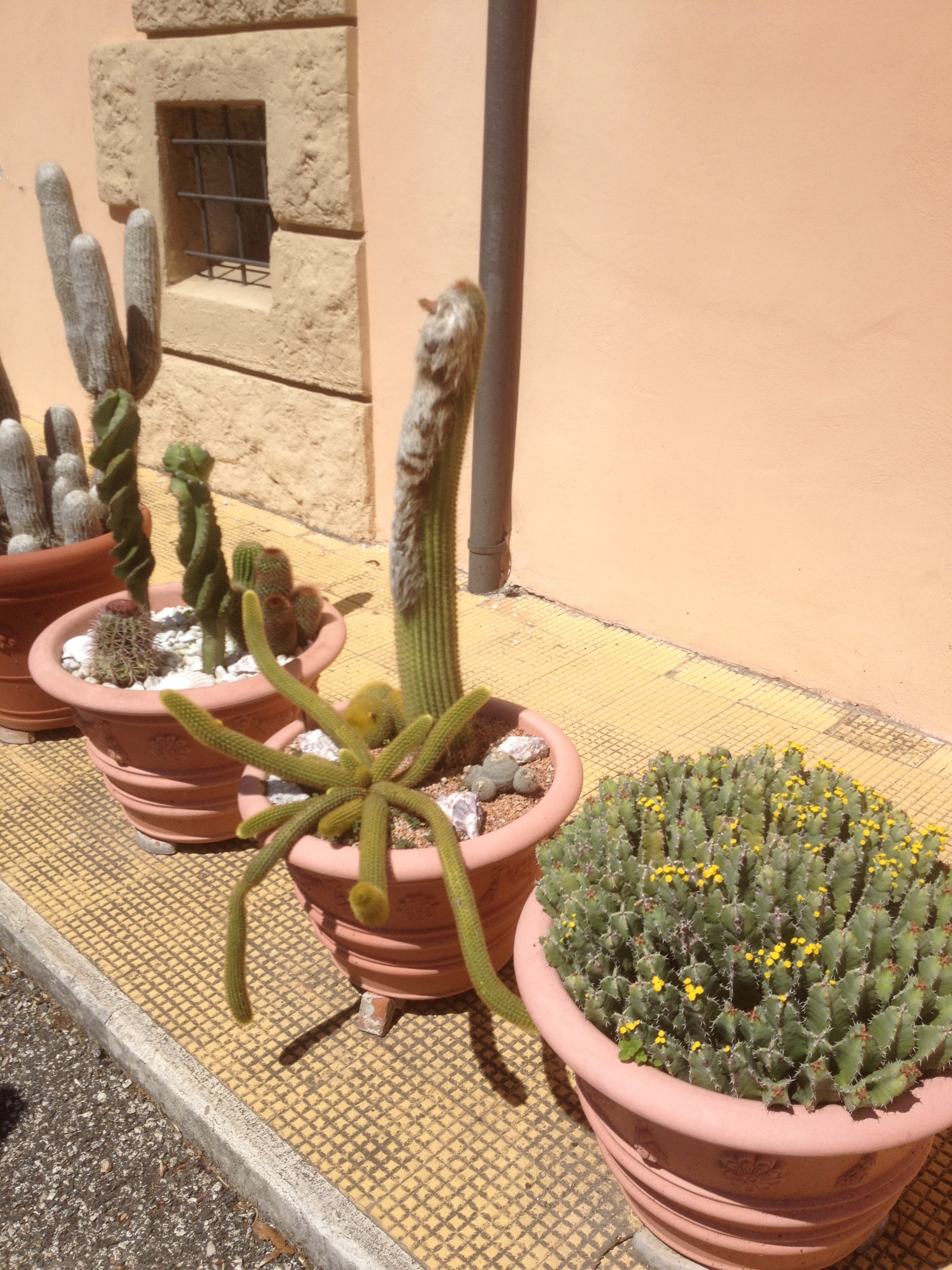
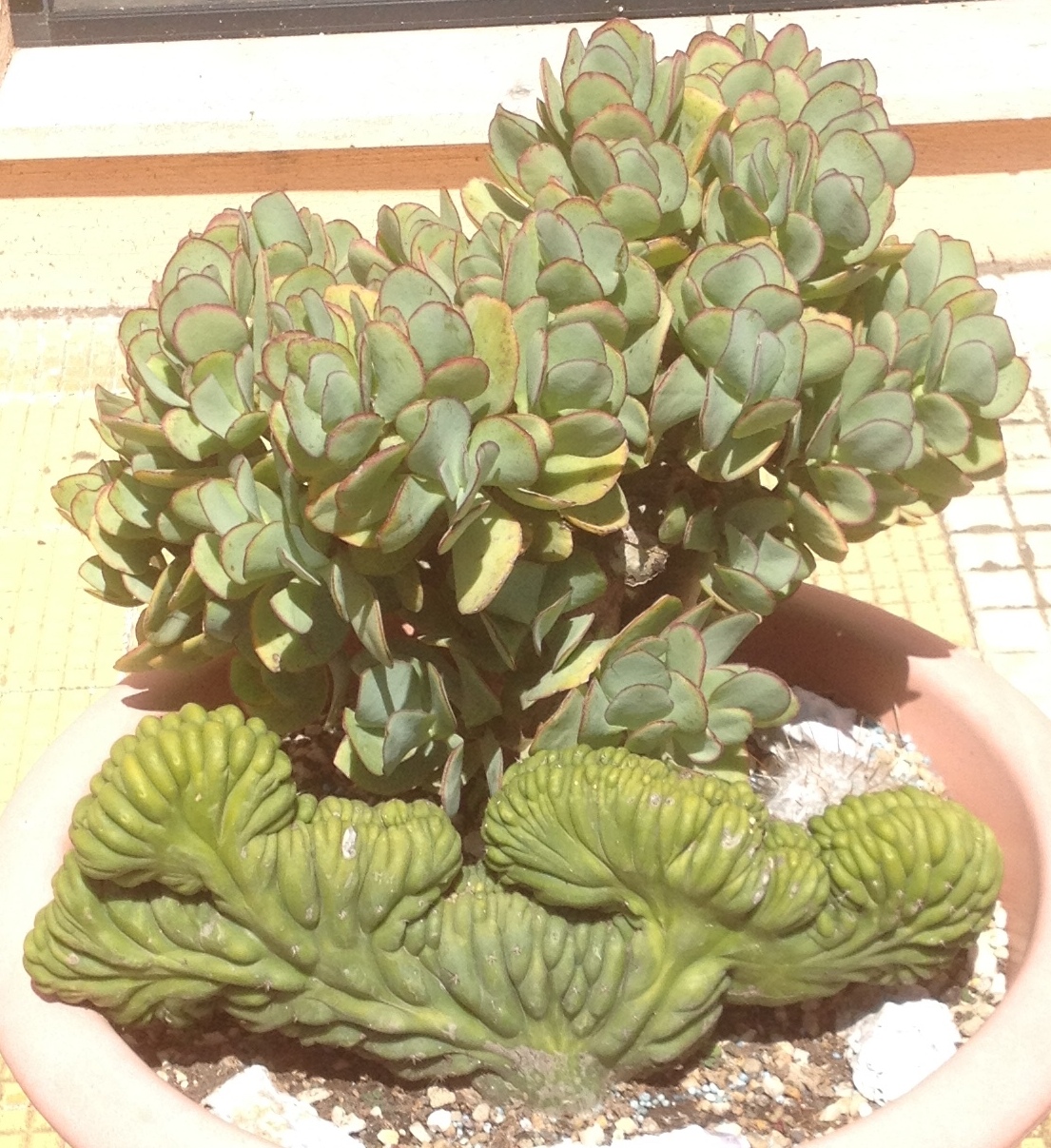
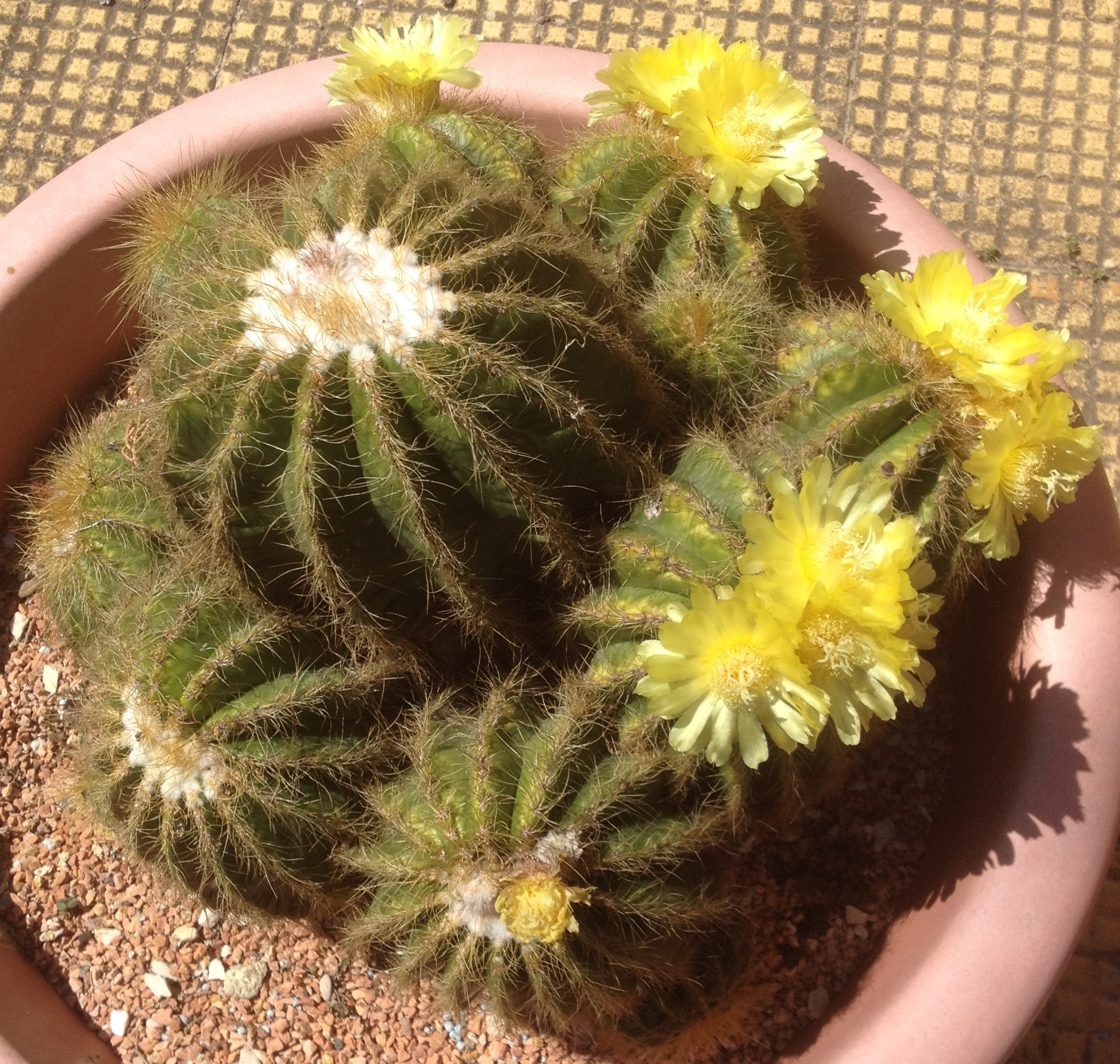
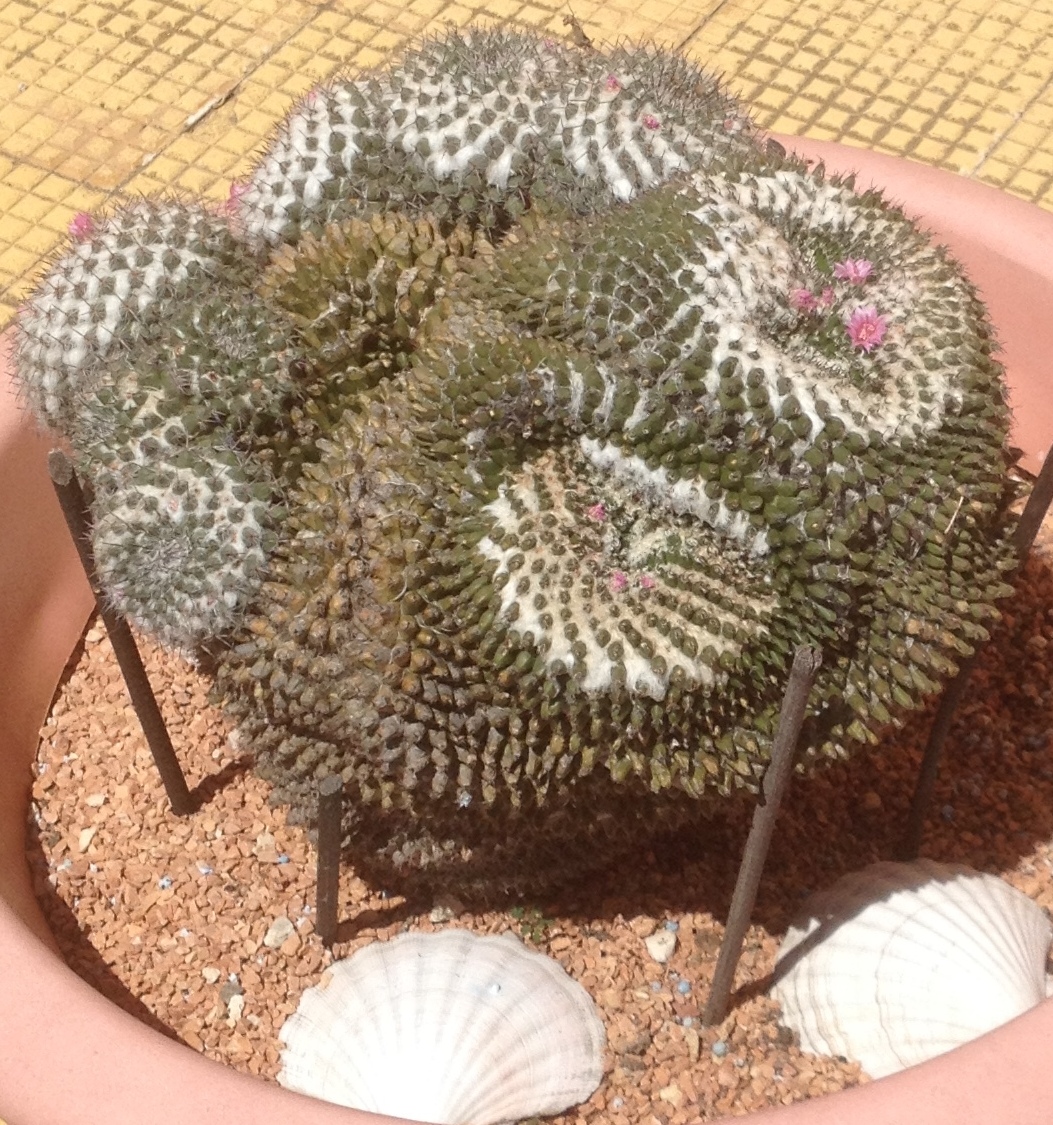
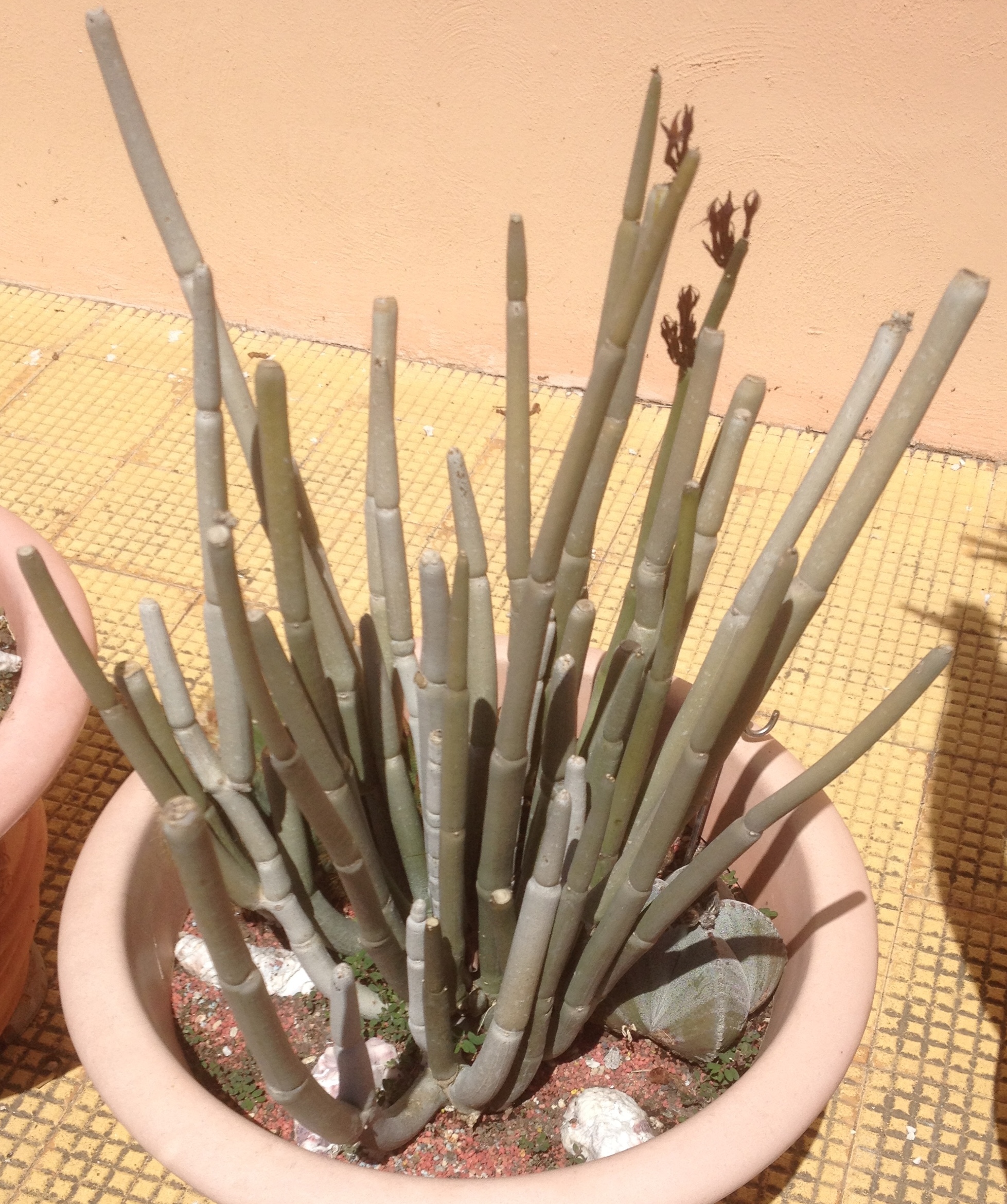
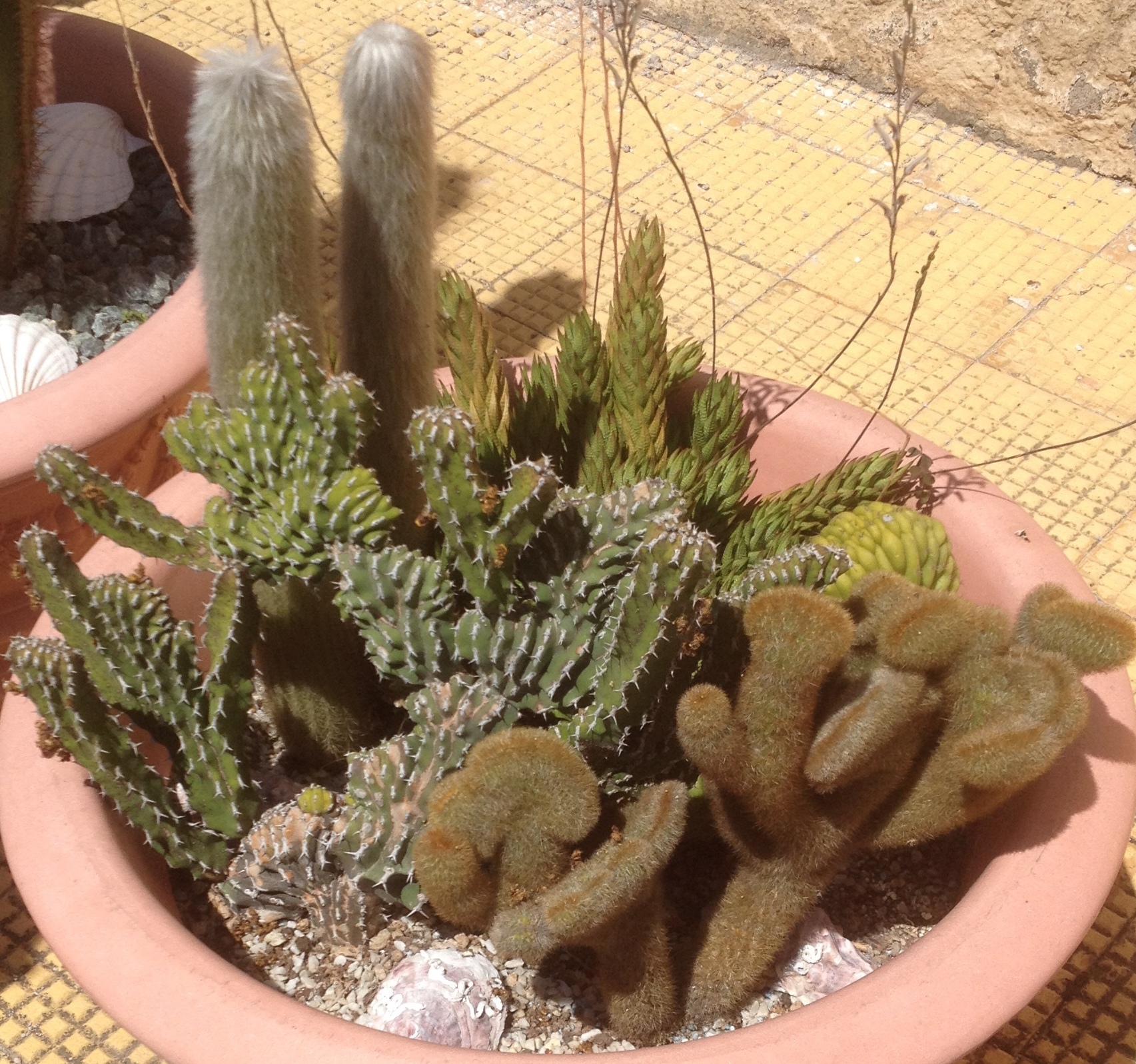
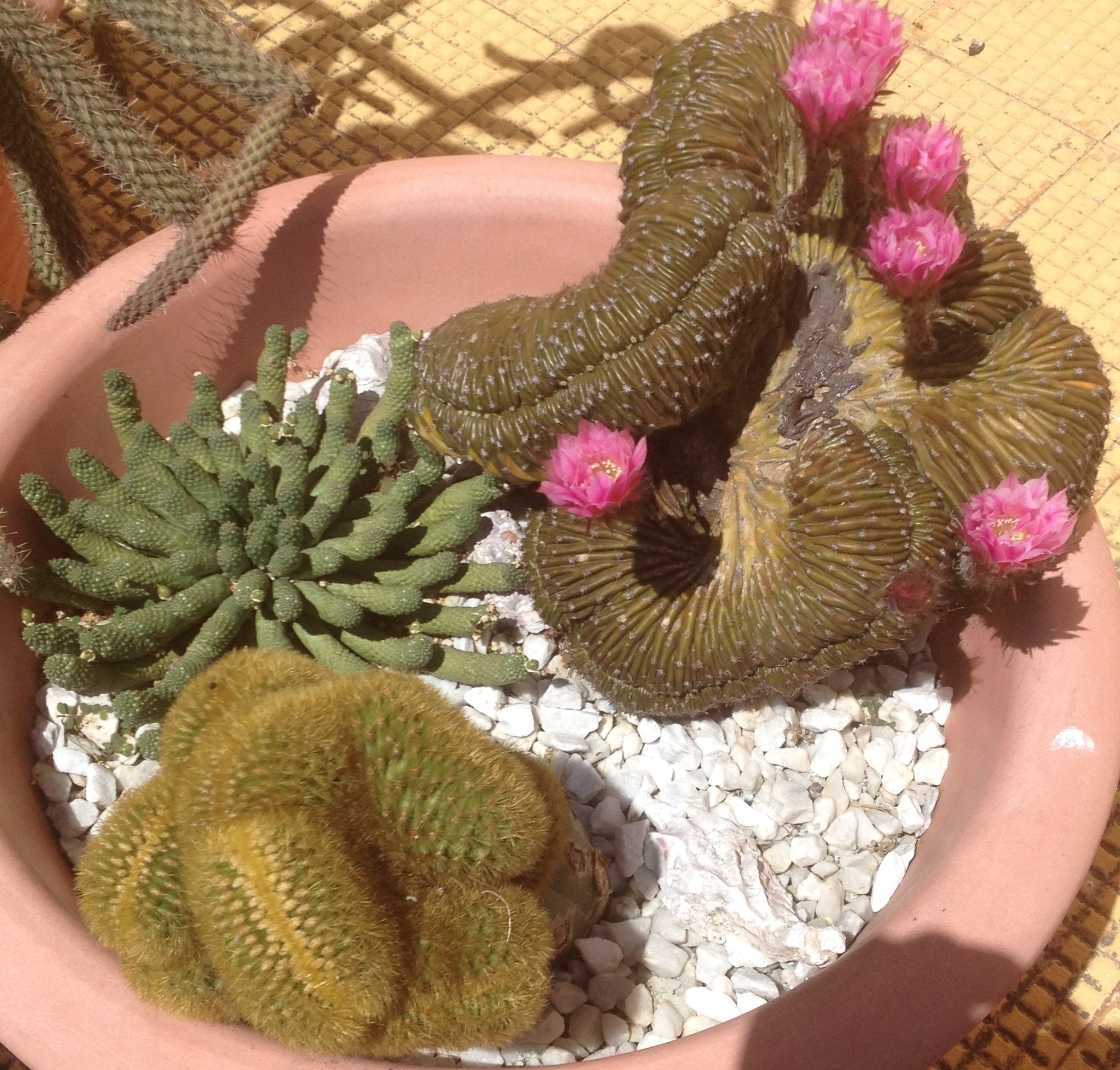
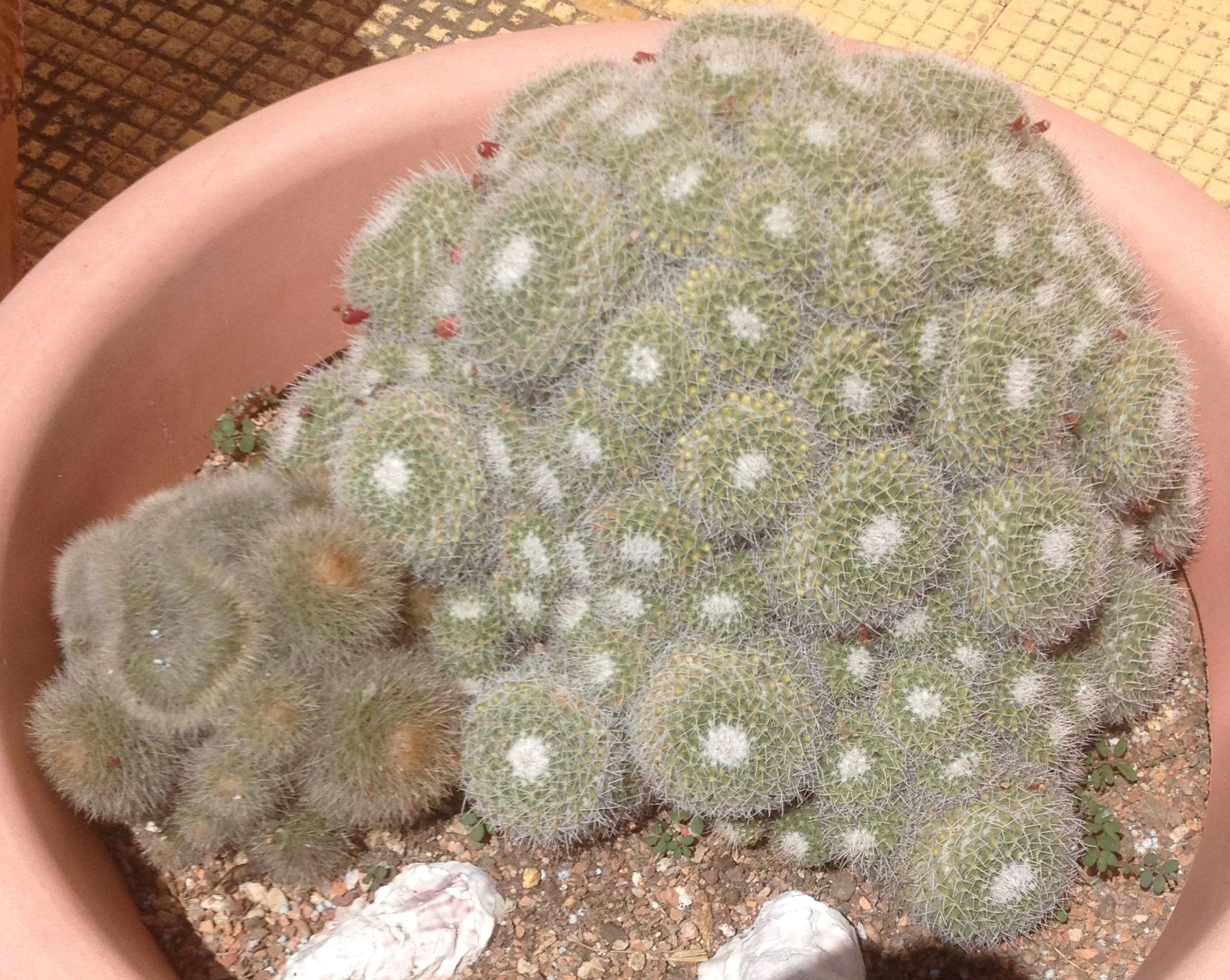
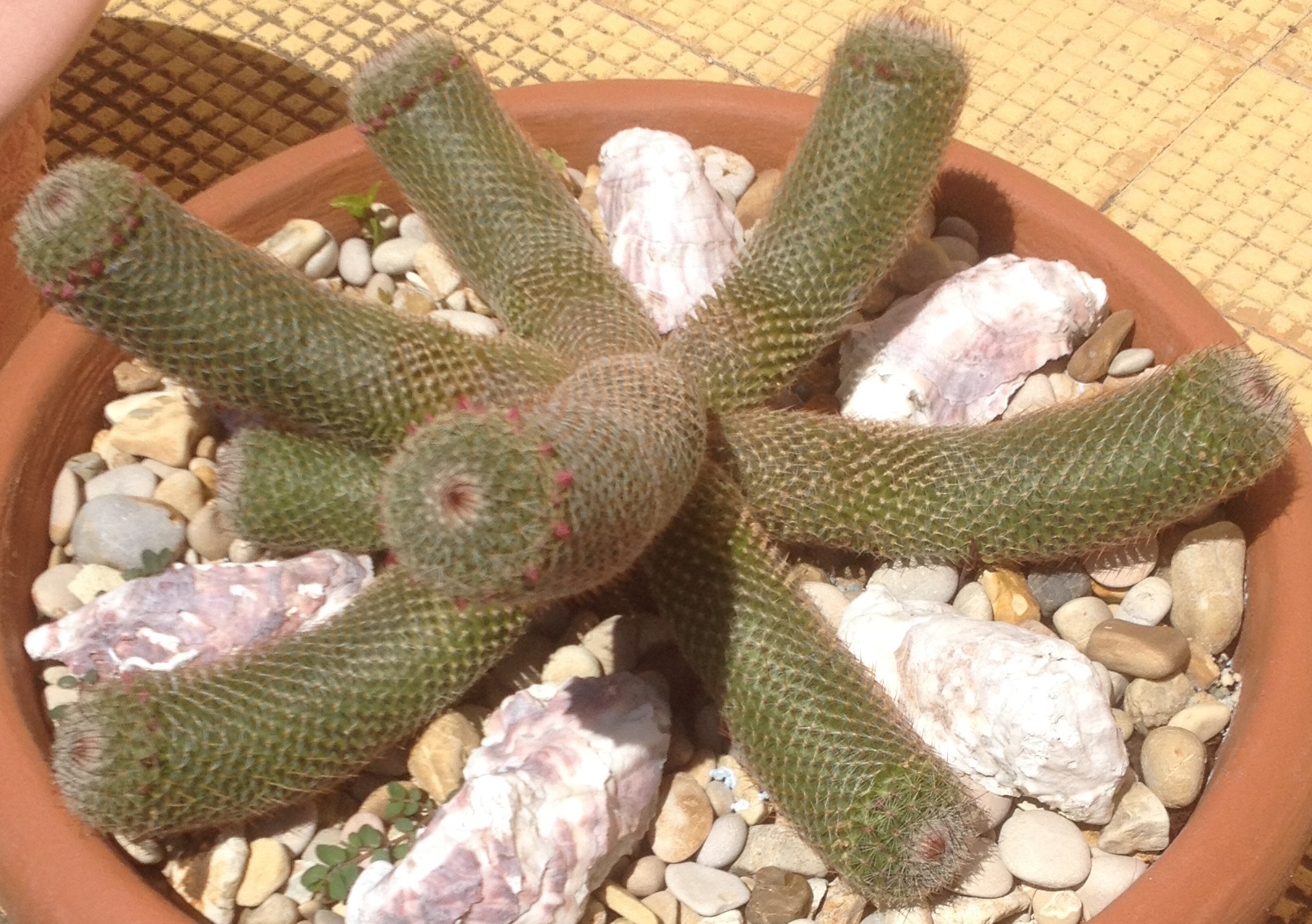
We noted that the front of the Istituto had acquired a new feature: a marvelous collection of succulents. The comparison with coral formations as seen in the Indian Ocean was immediate so we decided that a closer examination was required. What we found is presented here as a pictorial account. No attempt at identifying the plants was made and I leave that to the readers interested in cacti!

IMG_0919

While carefully looking at the plants we noted that seashells had been placed surrounding the plants, a clear reminder to us that whoever did this wonderful work had also thought of the sea!

It is clearly difficult to be original in this world!

IMG_0926 cropped IMG_0930 croppedIMG_0923 cropped IMG_0922 cropped IMG_0910 cropped IMG_0916 cropped IMG_0917 cropped IMG_0911 cropped IMG_0912 cropped IMG_0913 cropped IMG_0914 cropped IMG_0928 cropped

[1] I wrongly referred to it as Dio Silvano college in my Caput Mundi Revisited post, apologies.

Caput Mundi – Romeing

Although we have visited Rome several times and lived there during 1993-1997 and 2006-2010 we are never bored when we are here as it is the city of exploration and discovery as well as surprise! The advantage of both having time and knowing the city quite well enable us to get lost in it with pleasure.

This visit was no exception and we walked in the general direction of the historical centre, with a quick detour at FAO to address pending minor administrative issues. As usual a number of monuments were being restored and were therefore totally or partially covered and invisible to the normal visitor. Seeing them reminded me of the difficulties the Roman authorities must face in order to preserve the city as well as the costs this incurs!

This time a section of the Colosseum was being repaired but we could still enjoy part of it.

The Colosseum never fails to amaze.

The Colosseum never fails to amaze.

What about a

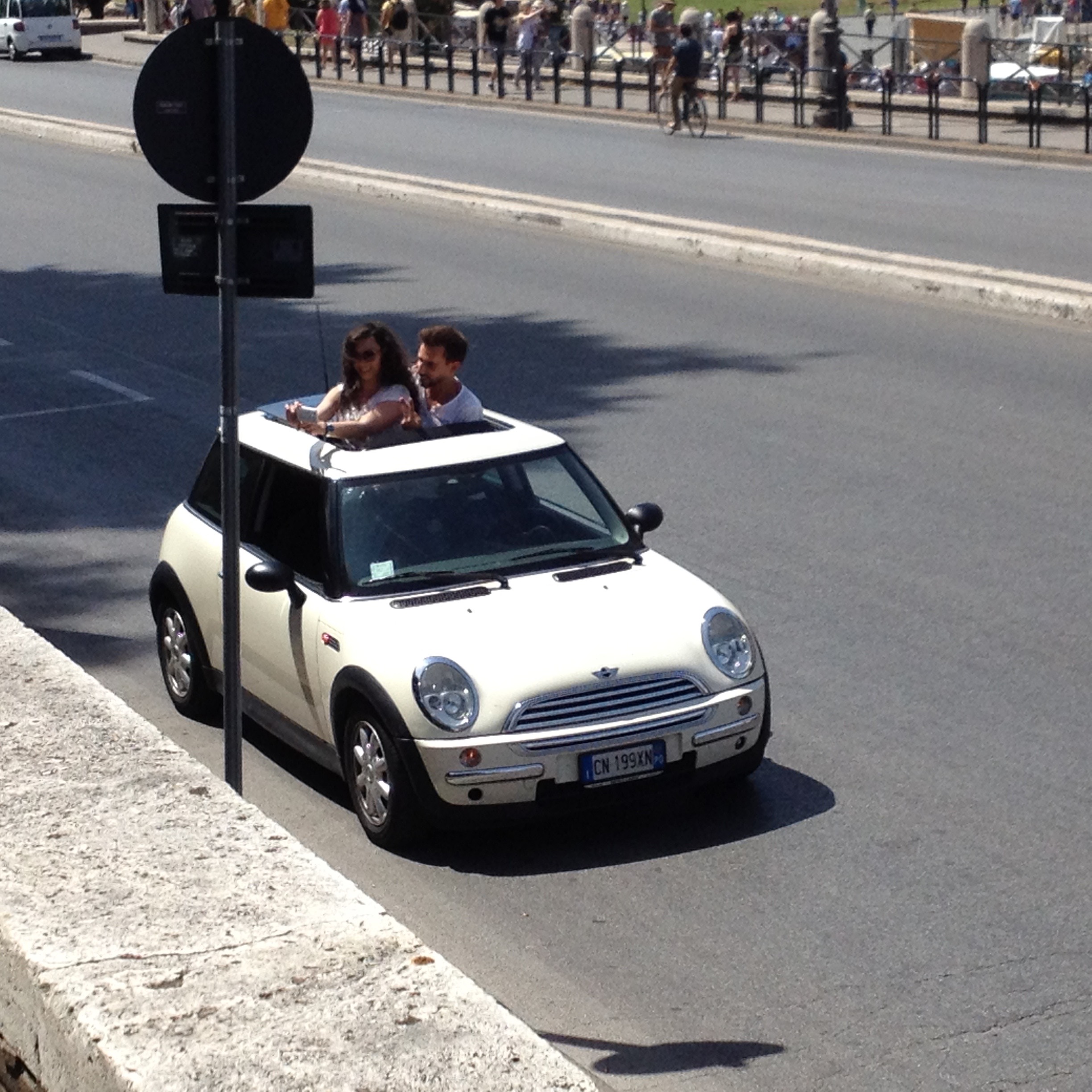
What about a “selfie” with a “Colosseum background”? Even if it means stopping on the busy road…

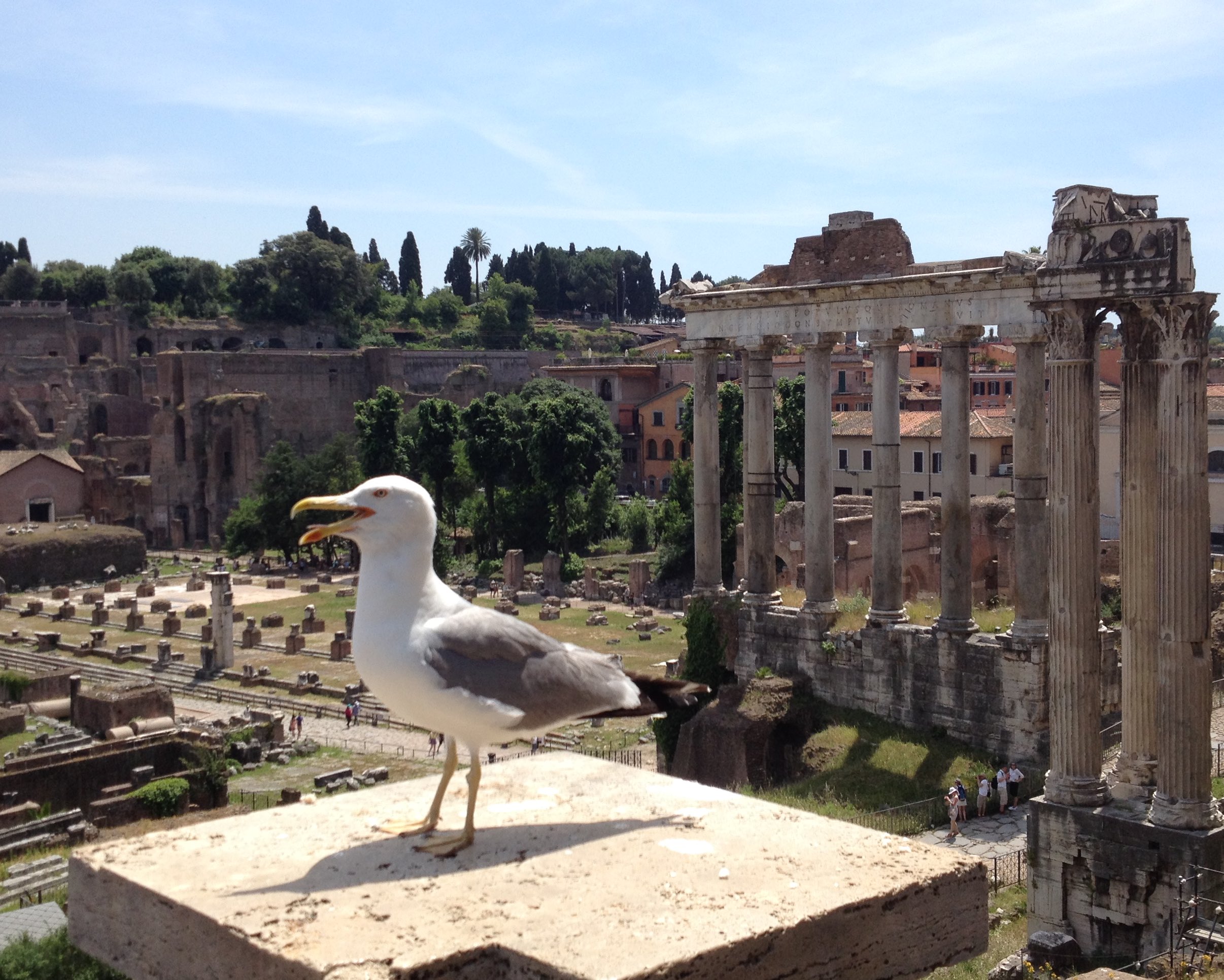
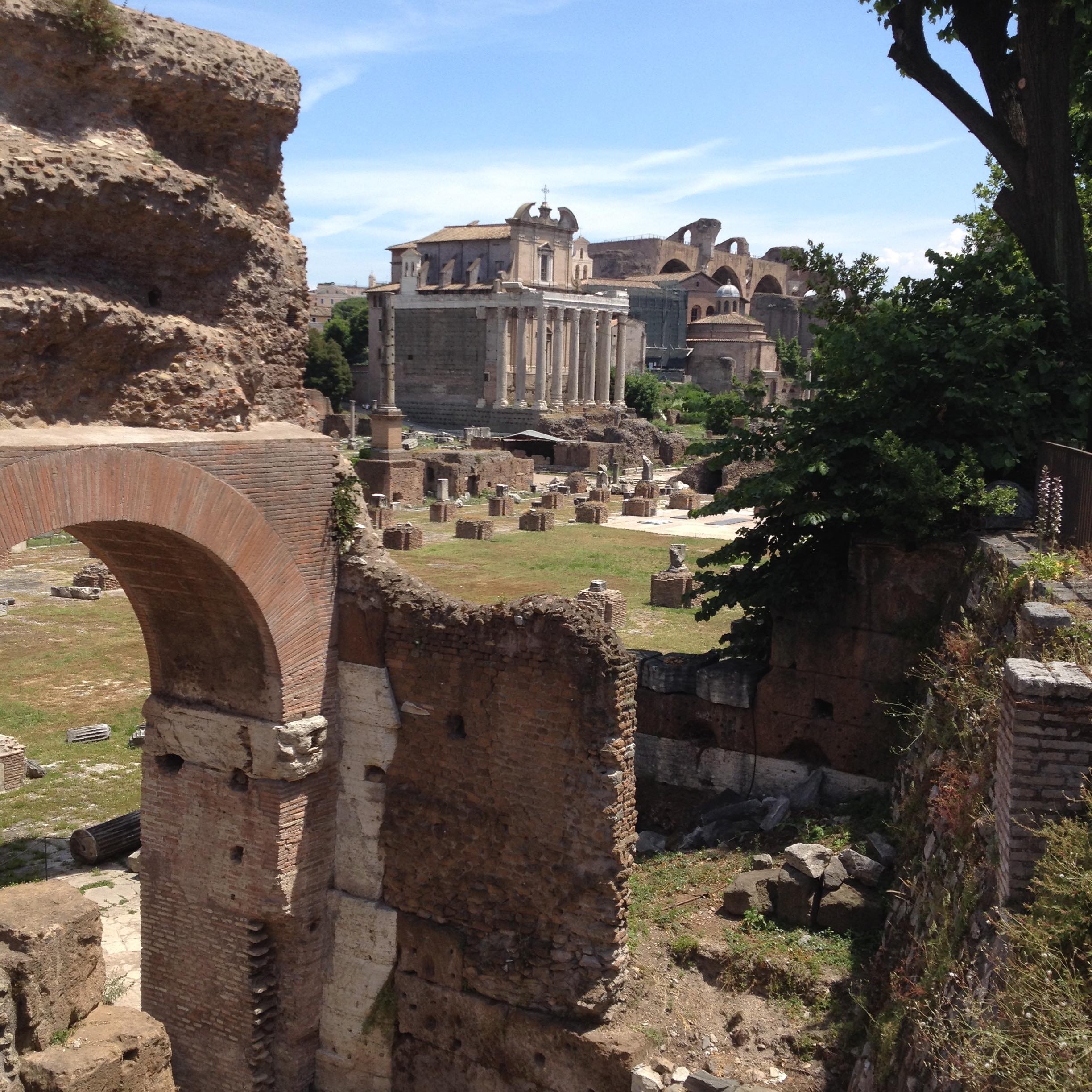
As the weather was very pleasant, our walk continued and took us to the great views of the Roman Forum. Although we have entered it before, we realized that in order to appreciate it as a whole, the best place to see it is from above. Not being archeologists, our interest in ruins goes as far as admiring their present beauty while trying to imagine what the place must have looked like a couple of thousand years before (an impossible task unless they are whole!).

IMG_0974 copy

IMG_0984 cropped

Anyway, in front of our eyes were the Temples of Saturn, Vespasian and Titus, Cesar, Castor and Pollux as well as the Temple of Vesta; the Arch of Septimius Severus and other remarkable surviving ruins of what once was the centre of Roman public life.

IMG_0972 copy

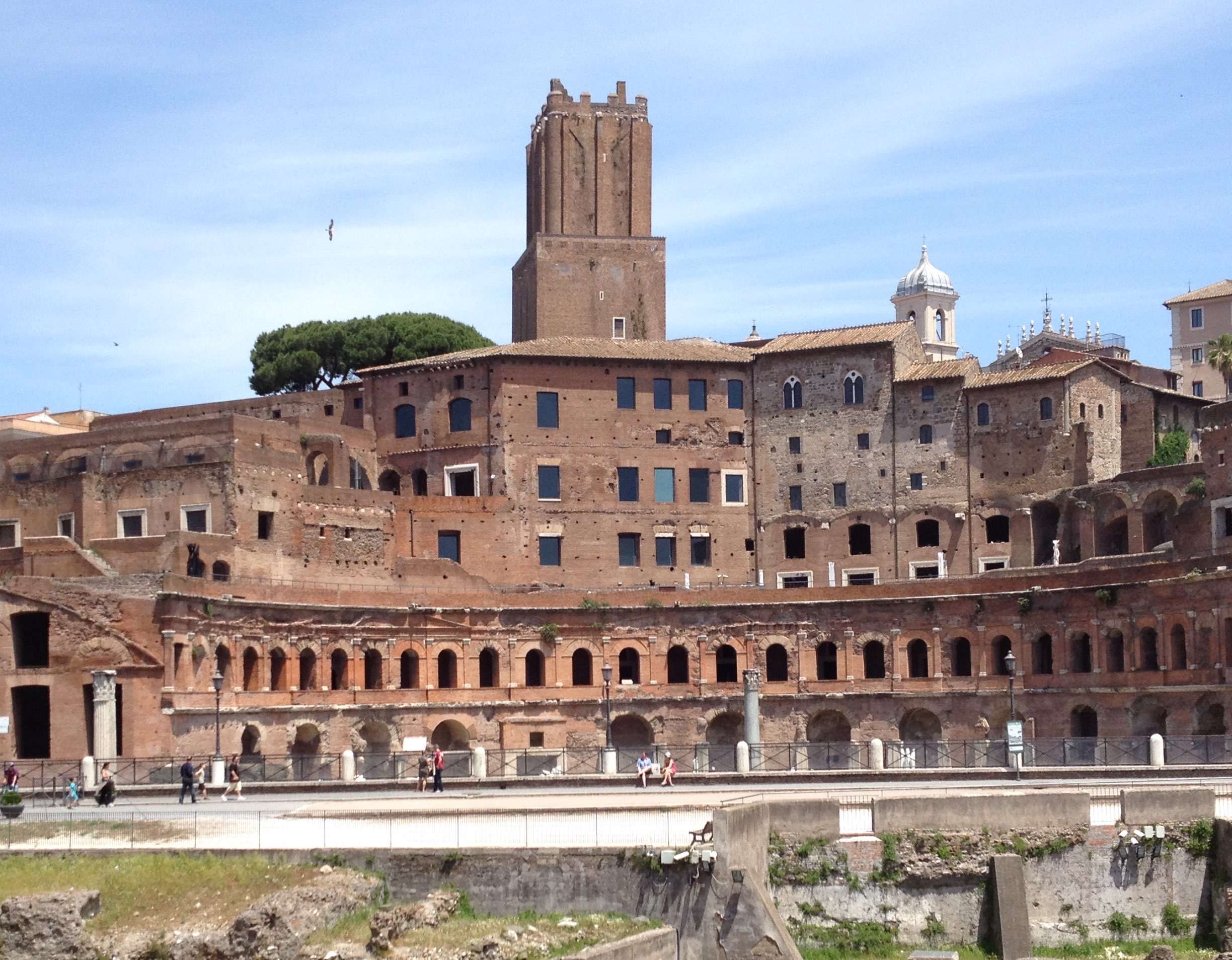
Our contemplation over, our walk continued downwards until we reached the Trajan forum, built in 106 by, not surprisingly, Trajan! The spoils of the conquest of Dacia, with which the forum was built in 106 must have been lean as it is built in bricks (maybe the marble had run out…). Trajan’s Column is next but it was built later (113), quite new for Roman standards!

IMG_0989 cropped

The flag of the Order of Malta adds a touch of colour.

The flag of the Order of Malta adds a touch of colour.

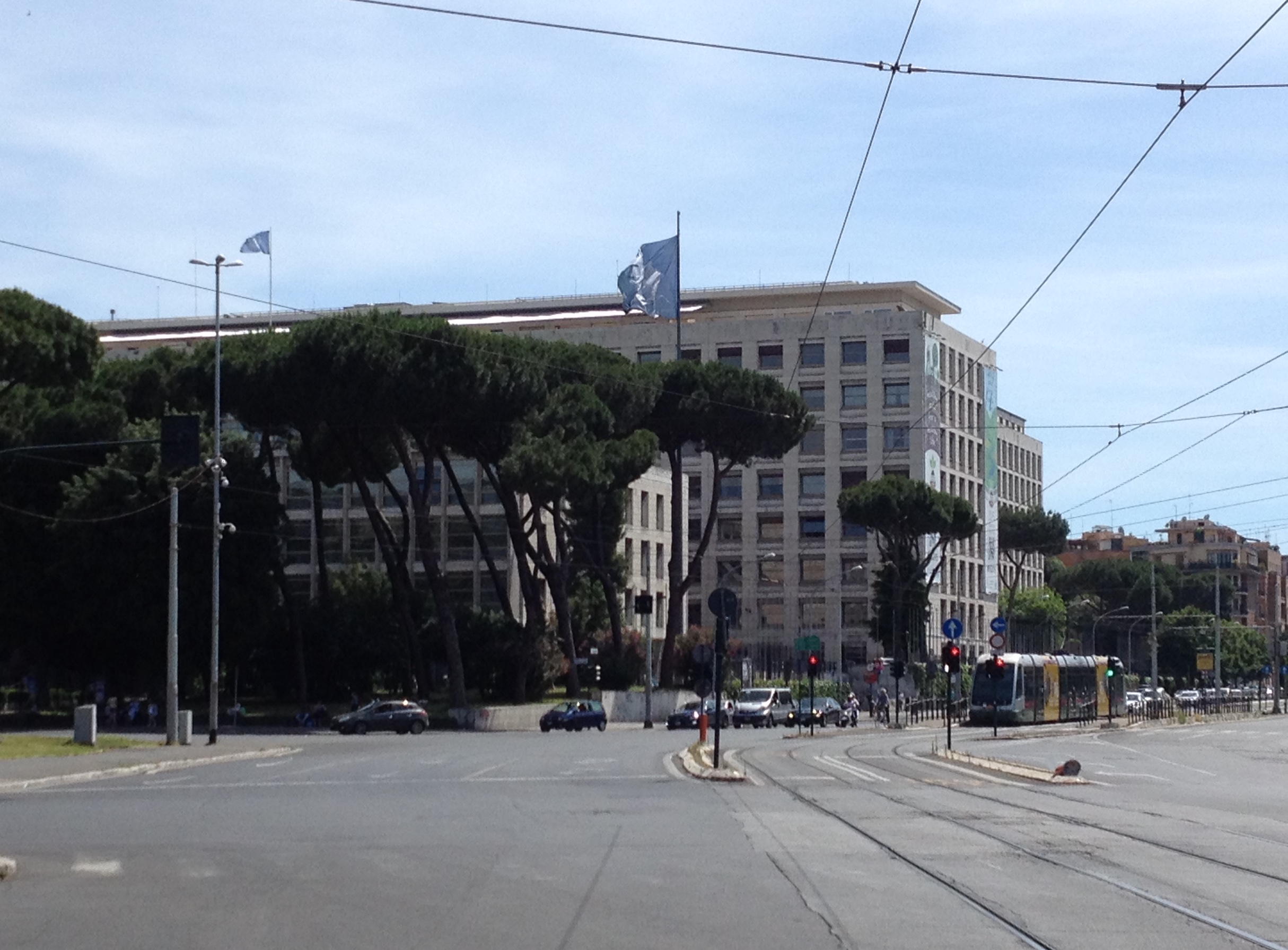
Once we reached the end of our legs’ strength (there was still an infinite Rome waiting!) we decided to return to base for a well earned shower and rest. We chose a short walk down “memory lane” that followed my first-ever walk in Rome: from Via Capo D’Africa, 47[1] to FAO via the church San Gregorio Magno al Celio. Little did we know that a final Roman act waited us!

The FAO Headquarters.

The FAO Headquarters.

The smell of acrid smoke hit us near the church and we saw a small leaf mound on fire, probably the result of the work of a Roma City Council gardener. We did not think much of it and walked past noting a flock of police (women and men) nearby chatting animatedly. Nothing wrong there either. Suddenly though, we heard a siren and, lo and behold, a fire engine came rushing in to control the on-going conflagration!

Italy is the cradle of Opera and clearly Rome’s inhabitants have a flair for drama, even when dealing with really mundane occurences!

[1] The Hotel Penzione Lancelot (now Hotel Lancelot, still under Mrs. Khan’s management) is located there.

Caput Mundi -Truffling

When our good friend Carlo invited us to go looking for truffles[1] near Rome we accepted gladly. We knew that he had started this activity a few years back and we had followed his progress. We also had tasted these sought after delicacies earlier and we were looking forward to a possible repeat of some of his specialties such as Uova di quaglia al tartufi (quail eggs with truffles) or pasta with truffles. He had also assured us that barbequed meat and truffles was great so we (meat-eaters, sorry) could not wait to go out! We were also assured of good company and some exercise anyway!

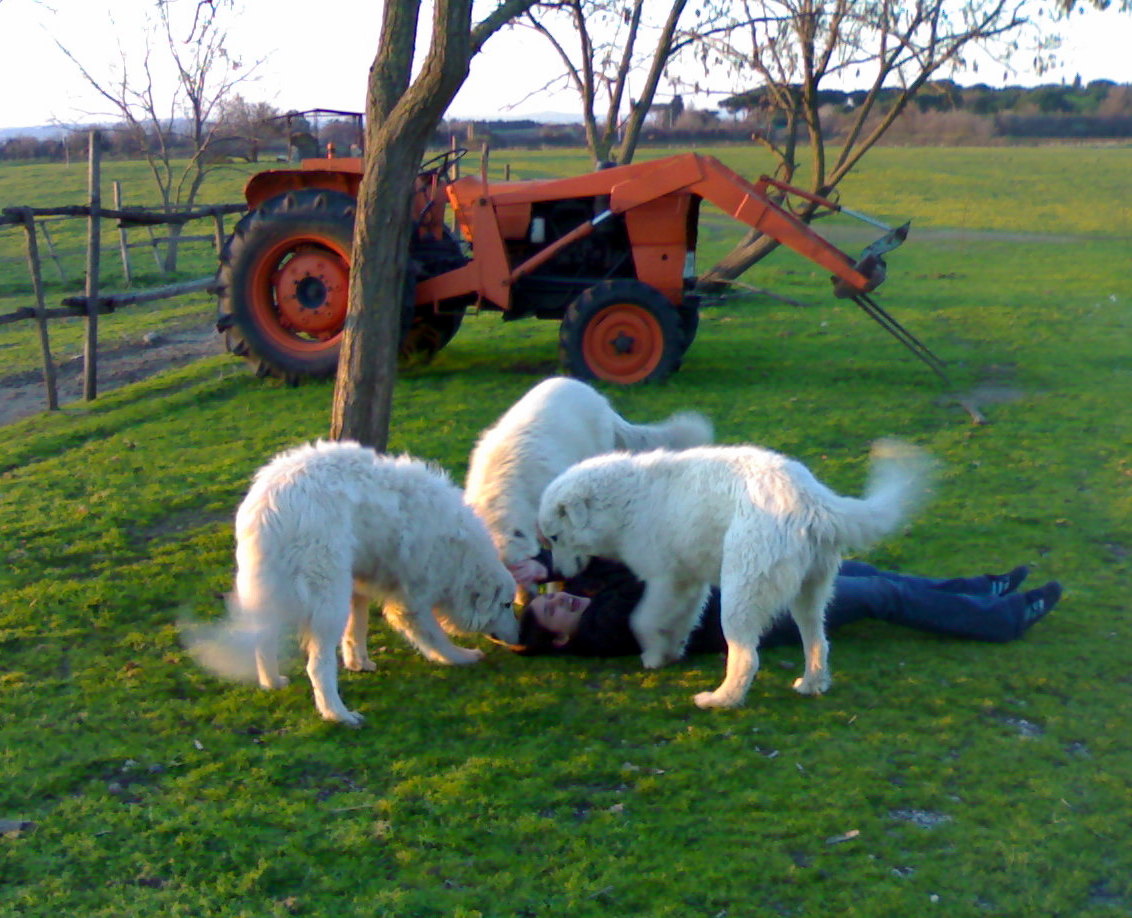
Carlo loves dogs probably more than cooking! Apart from having had a wolf-dog cross for several years he breeds Maremmano-Abruzzese[2] and is among the top breeders in Italy. Suffice to say that they are large and that there are never less than ten of them at the house. Luckily their garden is rather large as they are massive!

Grown Maremmano puppies play with my daughter (2008).

Grown Maremmano puppies play with my daughter (2008).

Although the Maremmano are his favourite, they are not good in finding trufflles so he keeps an additional four “truffle dogs”and one young apprentice. All females, they are two Cocker Spaniels and three Poodles (including the puppy). Carlo had painstakingly trained them all for months and a couple had a few years of experience. We took the five of them and I am glad that he knows how to handle them as he managed three while my wife and I had one each, admittedly with some difficulty.

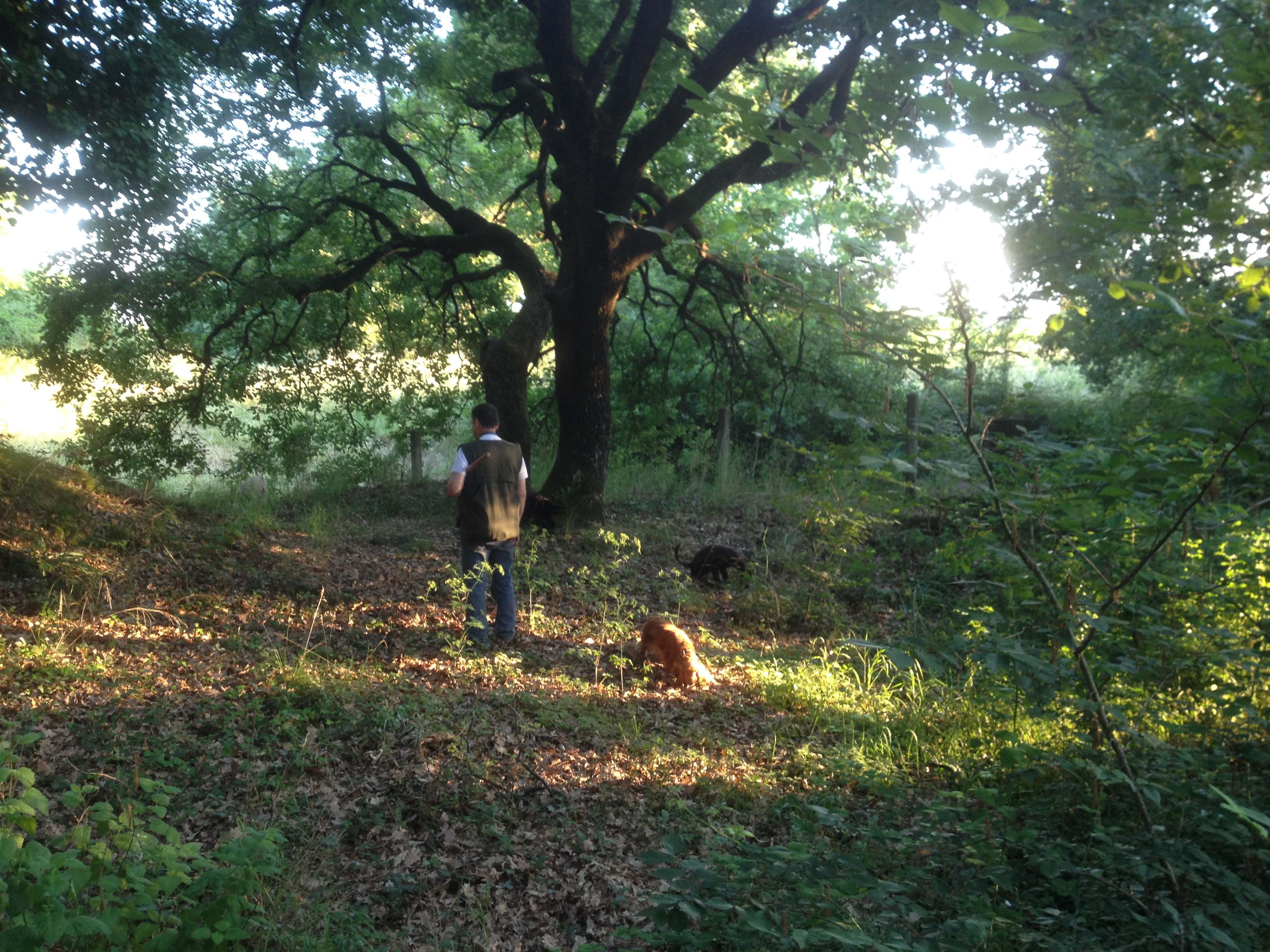
Once we arrived at the right location they were released and we walked until we found the first suitable place, an oak woodland where Carlo thought truffles should be. He then started to use special vocalizations to entice the dogs to search for their targets. The dogs went “bananas” and started sniffing the ground all over the place. Within a couple of minutes Miele (Honey), a Poodle, started digging frantically.

Waiting for results...

Waiting for results…

We carried the necessary and legal[3] digging equipment (a kind of small spade known as vanghella) and, seeing the dog’s high level of activity I prepared to literally go to great depths to get the truffles! My efforts were not needed as the dog, almost immediately, brought out a dark brown tuber the size of a golf ball that Carlo took from her mouth giving her a piece of sausage as a reward for her efforts.

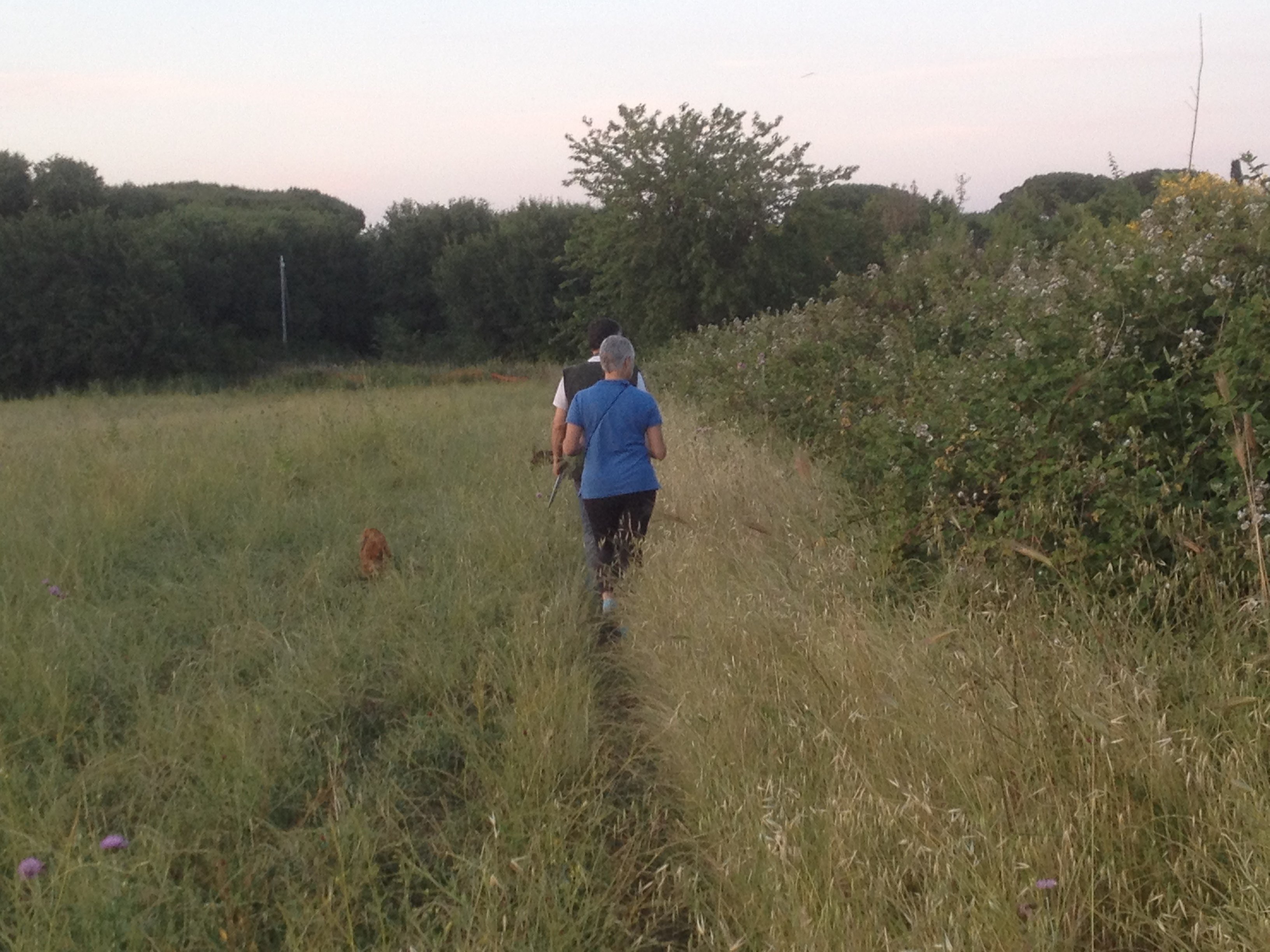
Following the dogs'.

Following my wife, Carlo and the dogs.

A possible

A possible “truffling” area is inspected.

Our walk following the dogs continued and the operation repeated several times until it was decided that we had collected enough and, as it was getting too hot for the dogs’ efforts, it was time to go home.

I believe that the truffles collected belong to the Tuber aestivum species. Common sizes go from 2 to 10 cm but larger ones are also found. These truffles have a rough brown or black outer skin known as “peridium”.

Our collection for the day!

Our collection for the day!

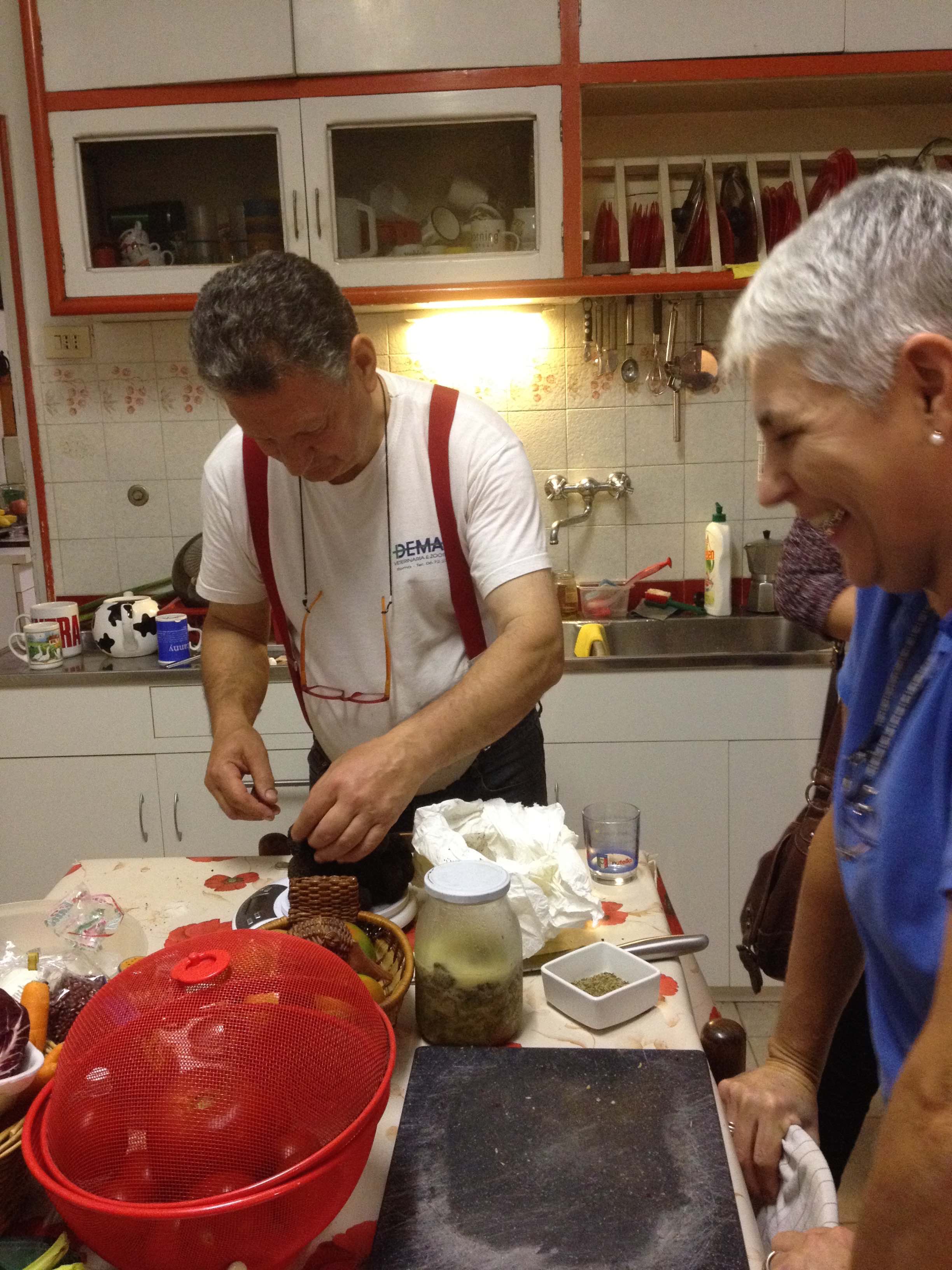
When back home, at my request, the brown treasure was weighed. It reached a rather staggering 750g. Considering that a kilogramme of summer truffles sell for Euro 300, it was a good result for a couple of hours effort!

Placing the truffles on the scale.

Carlo placing the truffles on the scale while my wife praises our find (and the Bushsnob takes the picture…)

We are now sure that we have enough raw material to enjoy a few of Carlo’s specialties and, as we are still in Italy and have the suitable equipment (read truffle dogs!) we can always join Carlo on another of his quests for more!

Look at that!

Look at that!

[1] See: http://www.cercotartufo.it/j/i-vari-tipi-di-tartufo.html. It is in Italian but it has good pictures!

[2] See: http://en.wikipedia.org/wiki/Maremma_Sheepdog for more information.

[3] According to the Law, “for the collection of truffles in Lazio spade or vanghella can be used exclusively, with the aid, for the excavation between the stones, small hoes”.

Caput Mundi revisited

It is back to Rome in 2015, after a few years’ absence. We are on our way to our son’s graduation in Scotland and we will visit our daughter (the Editor of the blog!) in Milano before that. After this is completed, it will be back to Africa.

After a 13 hour of a rather sleepless flight we arrived at our friends house in the Via Appia, yes, we are very fortunate to stay at that magnificent place where once upon a time the Roman legions moved in and out of Rome on their way to Africa and other conquests!

The weather as it is normal here is great, sunny and warm without being too hot yet. On arrival and unable to sleep due to jet lag we decided to walk to town following the Appian way to stretch our legs, get tired and sleep well.

A view of the Appian Way.

A view of the Appian Way.

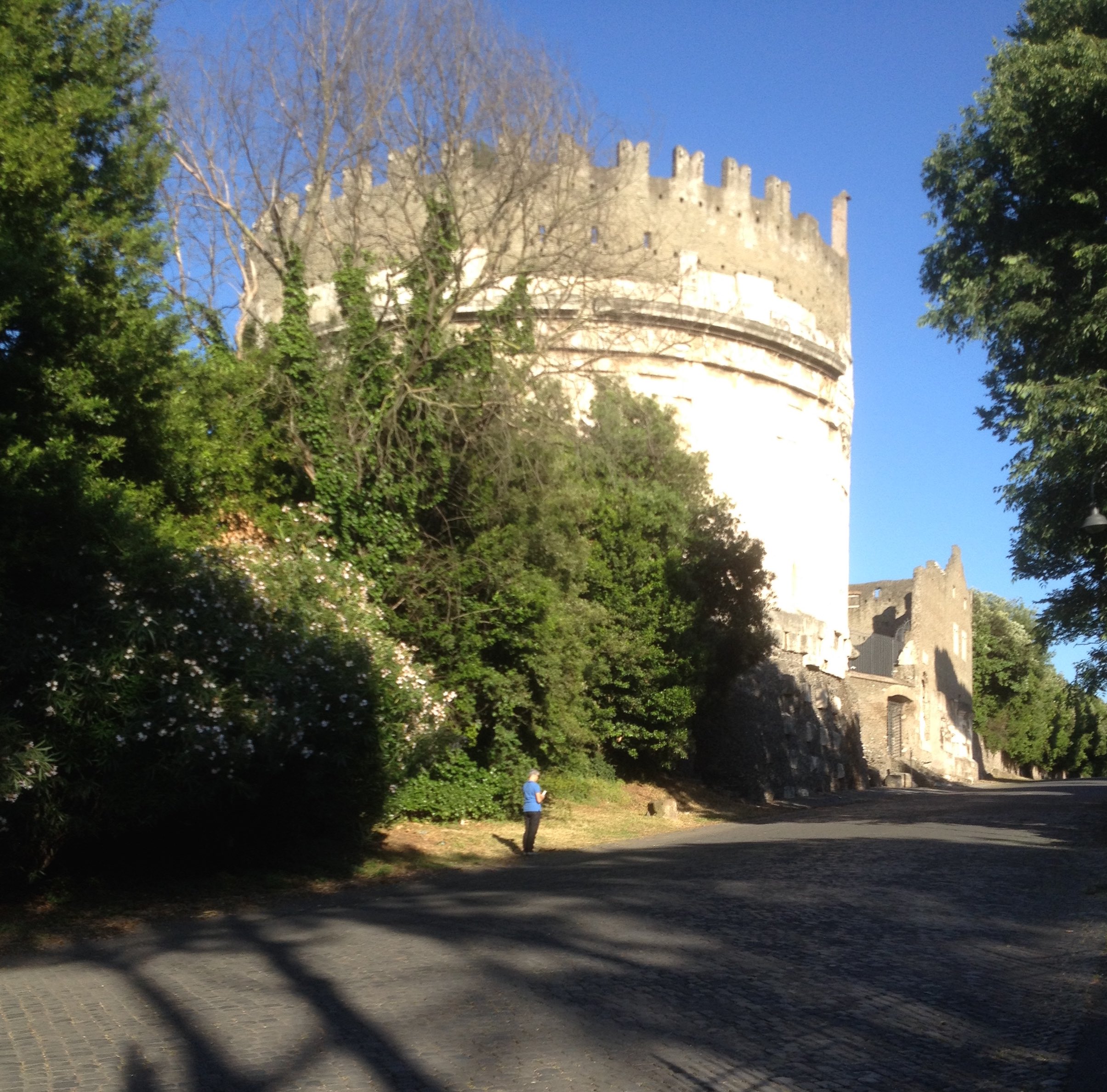
From our friends’ house we passed the Capo di Bove with its thermal baths dating back to the middle of the 2nd century. These baths were used privately until at least the 4th century and its name derived from the cattle head sculptures on the nearby tomb of Caecilia Metella. We also passed the latter, the best preserved mausoleum that signaled that we were three miles from Rome. Caecilia Metella was the granddaughter of Marcus Crassus who served under Julius Caesar.

The Caecilia Metella Mausoleum.

The Caecilia Metella Mausoleum.

After a short while we passed the Basilica of St. Sebastian that is also the entry of the homonymous catacombs and built originally in the first half of the 4th century. St. Sebastian was a popular Roman martyr of the 3rd century and the church was built over a small catacomb. Continuing on our way we crossed the Via Ardeatina and, before the tomb of L. Volumnius and I. Tyrannis we turn left to enter into a favourite area of ours where the Catacombs of Callixtus are located.

The church of St. Sebastian is seen in the background.

At our favourite walk. The church of St. Sebastian is seen in the background.

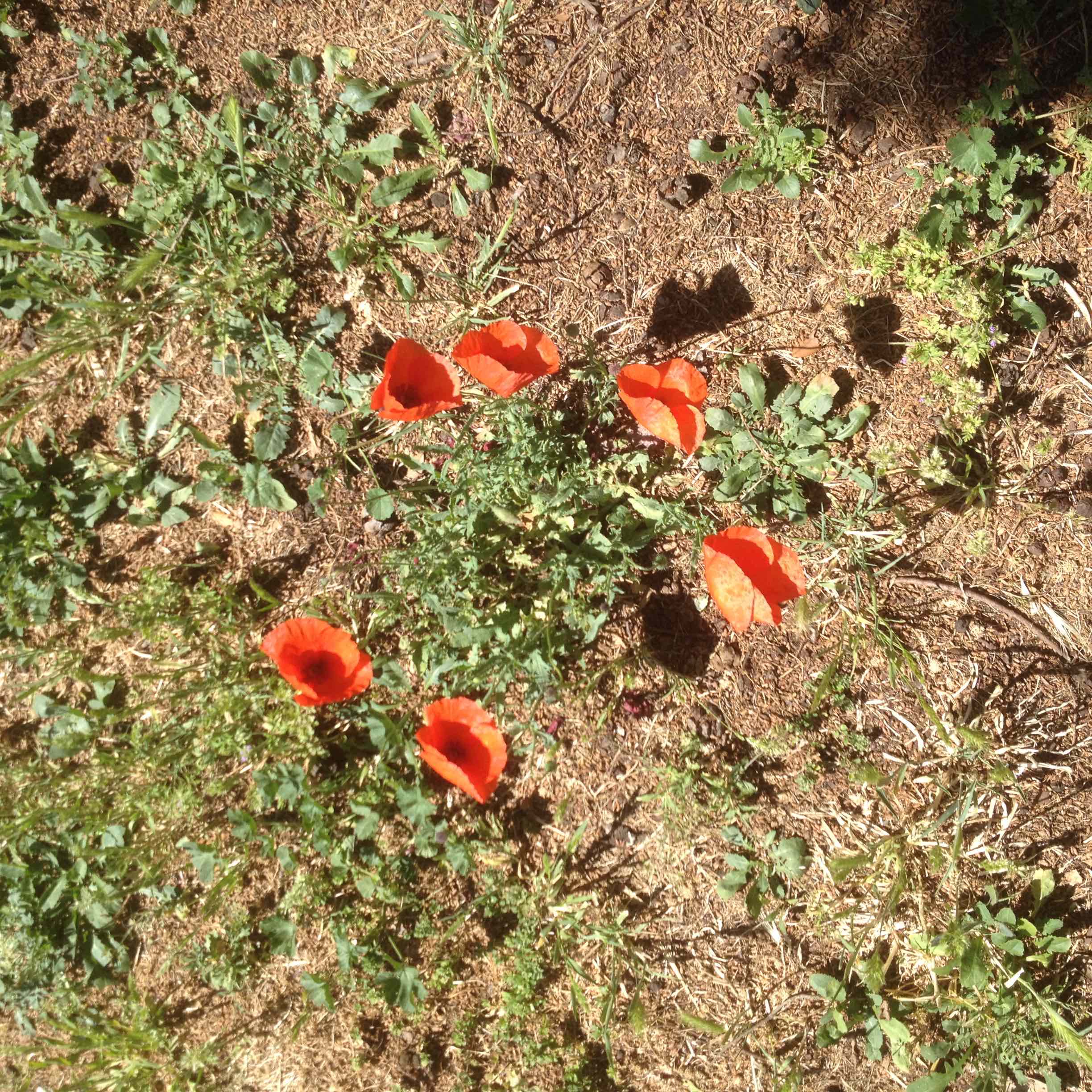
Poppies...

Poppies…

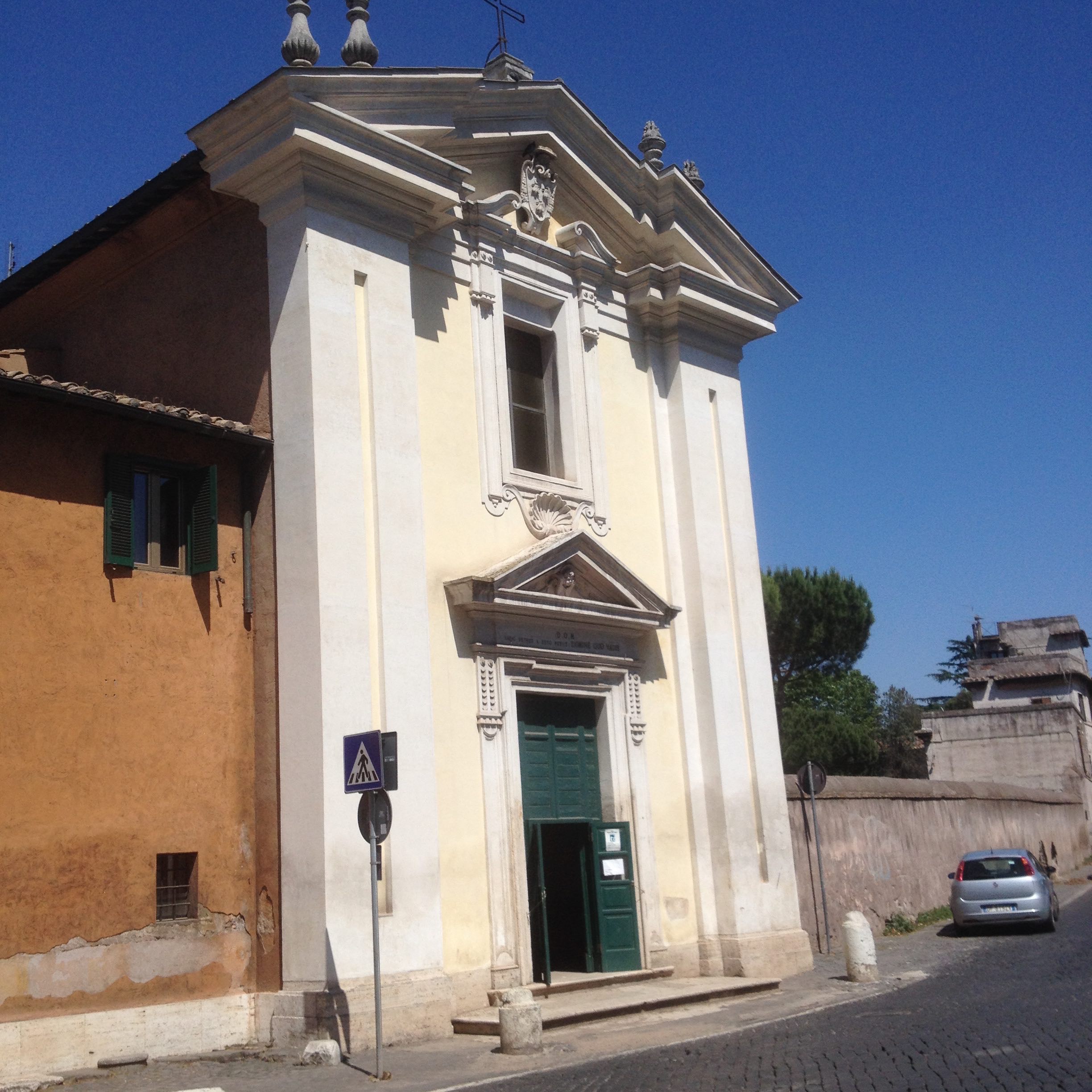
This is an approximately 2 km walk over beautiful fields at the moment sprinkled with red poppies, where the Dio Silvano college and the Ipogeo de Vibia are also found that ends back in the Appian Way, just across the Church of St Mary in Palmis, better known as the church of Domine Quo Vadis. It was here that, according to the legend, St. Peter had a vision of Jesus and asked him: “Lord, where are you going?” (In Latin: Domine, quo vadis?) to what Jesus answered, “I am going to Rome to be crucified again” (In Latin: Romam vado iterum crucifigi). After this encounter St. Peter returned to his own crucifixion!

Church of St Mary in Palmis.

Church of St Mary in Palmis.

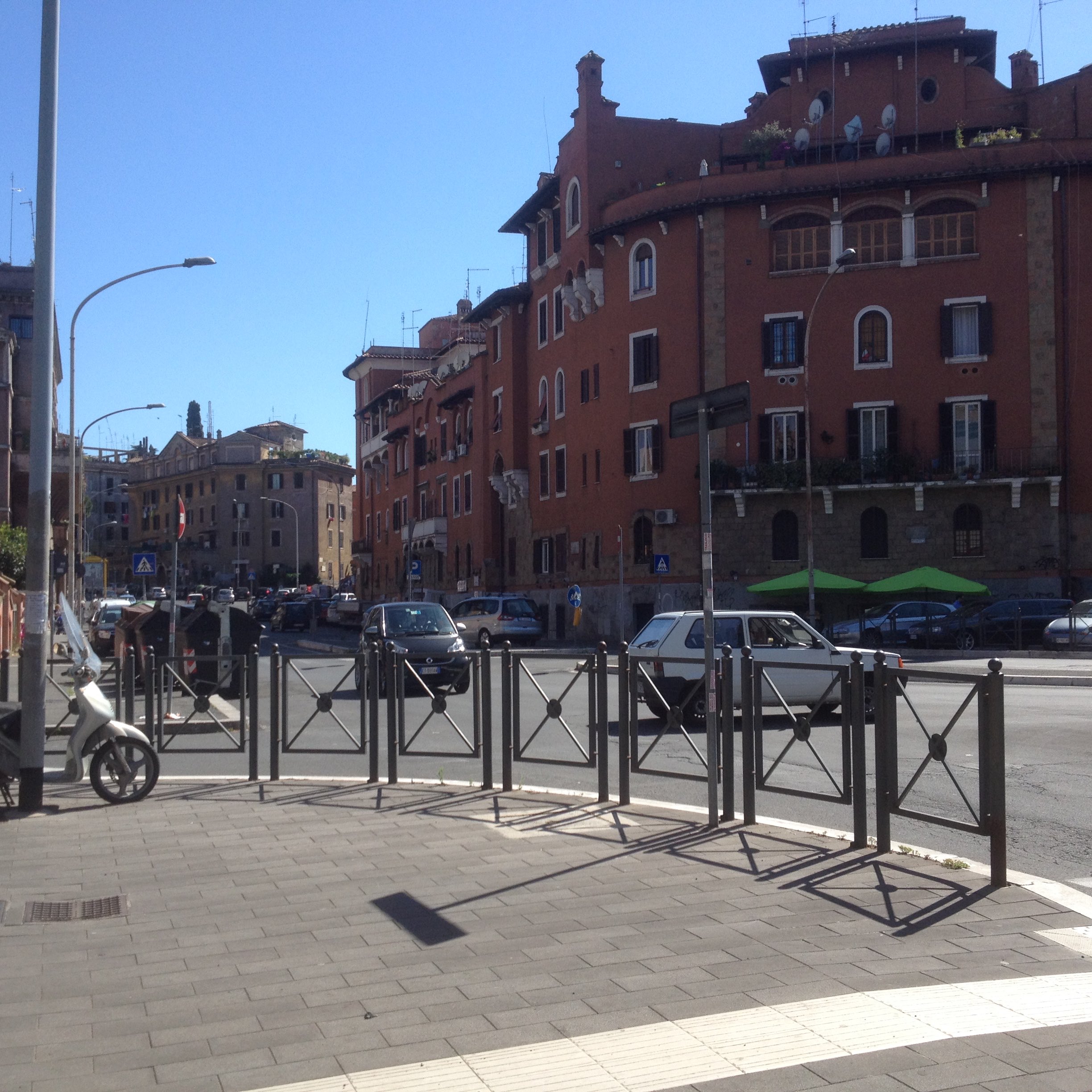
After this rather historical walk we moved to the actual modern city where we did some shopping, ate some pizza on the street and ended up with ice cream from our favourite shop at Garbatella quarter, The latter was founded in the late 1920s with its typical project units (In Italian: “lottos”), Rococo-style buildings grouped together around a common yard. This gives this quarter a friendly and rather familiar atmosphere.

Garbatella's typical architecture.

Garbatella’s typical architecture.

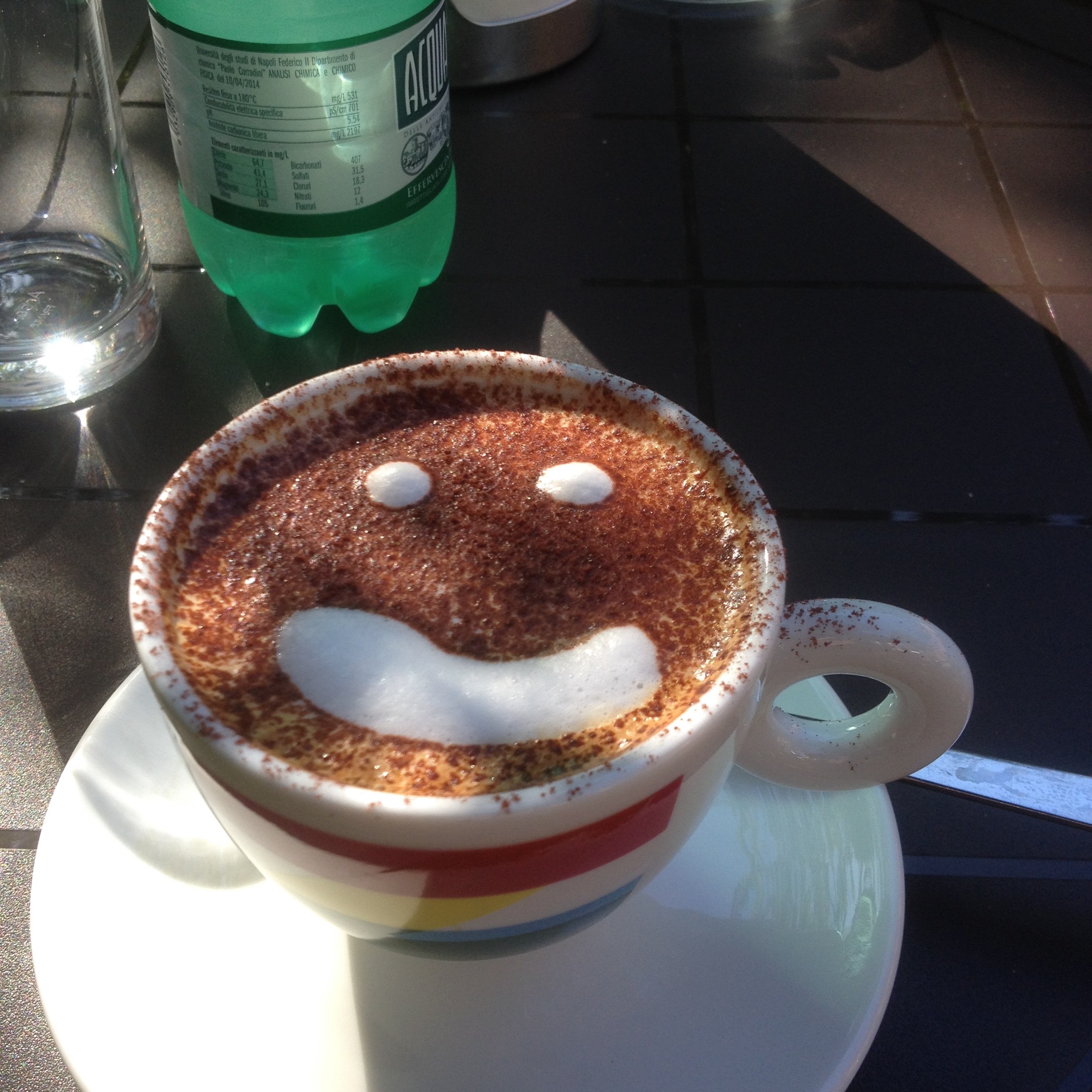
When I looked at the pedometer it showed 9 km! It was time for a “cappuccino stop”. After the tasty pause we recovered our forces and got back home trying to find a shorter way!

A "smiley" cappuccino...

Our “smiley” cappuccino…

Errata: What I referred to as Dio Silvano College was in fact the Istituto Salesiano San Callisto.