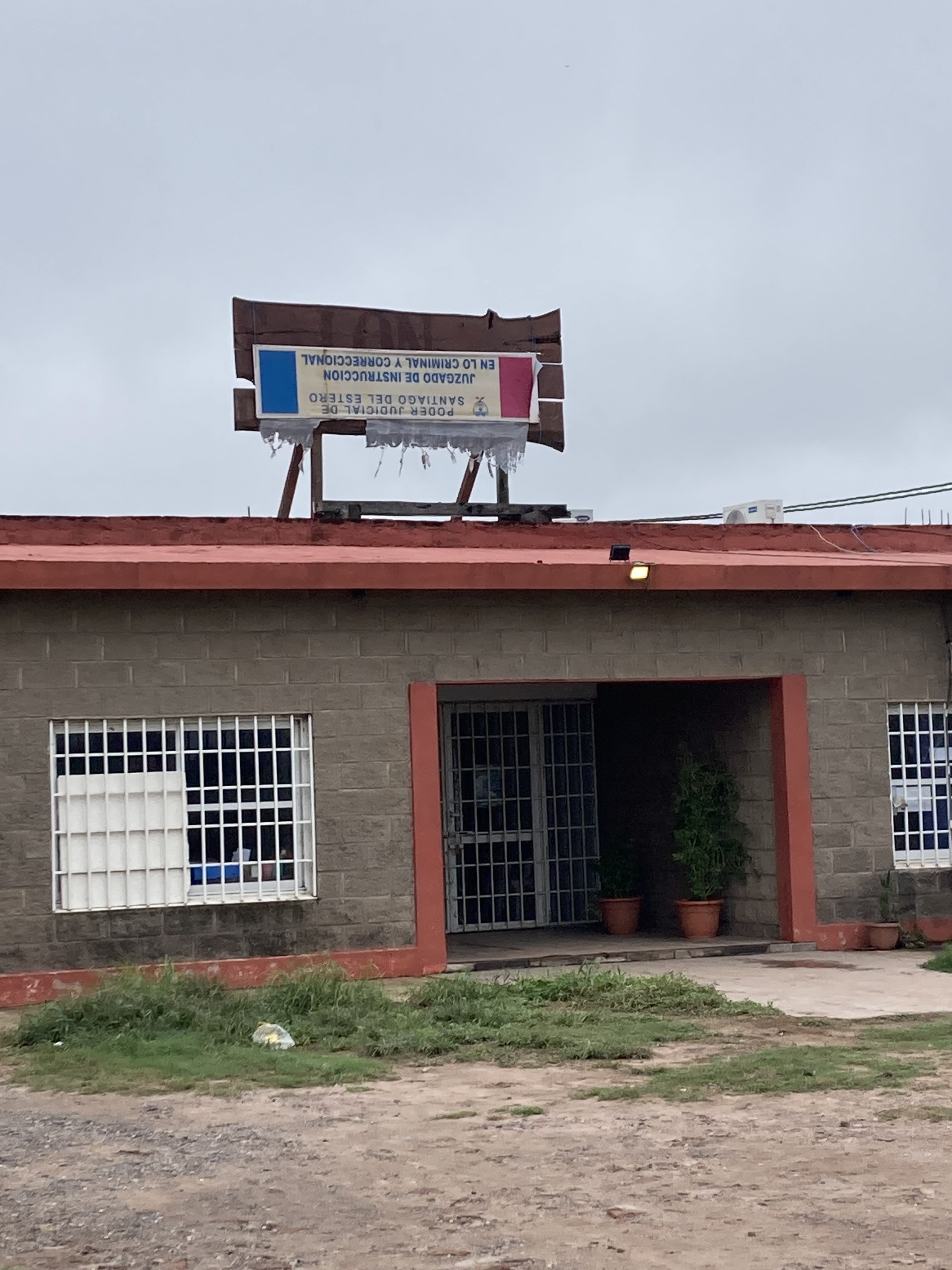
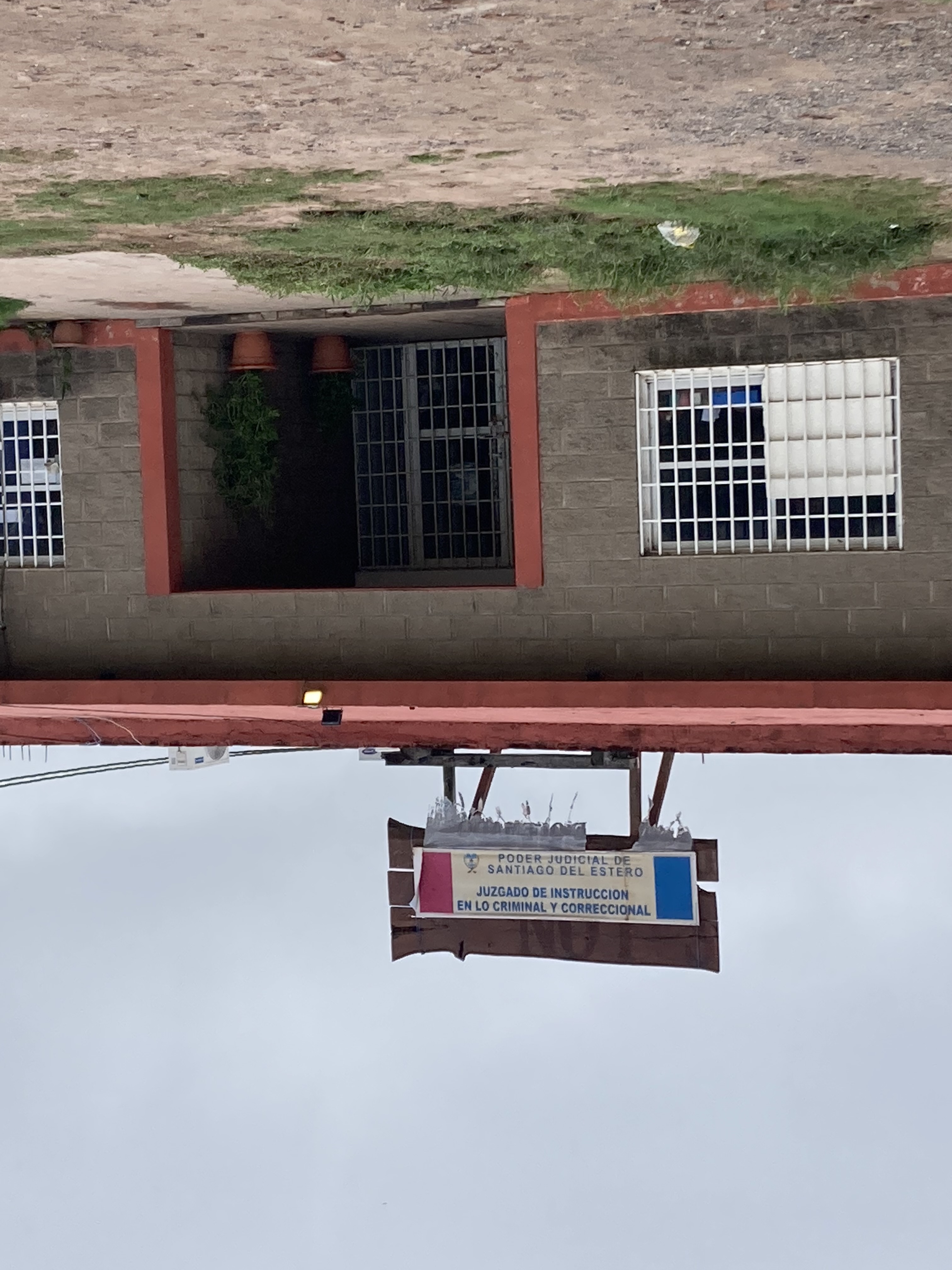
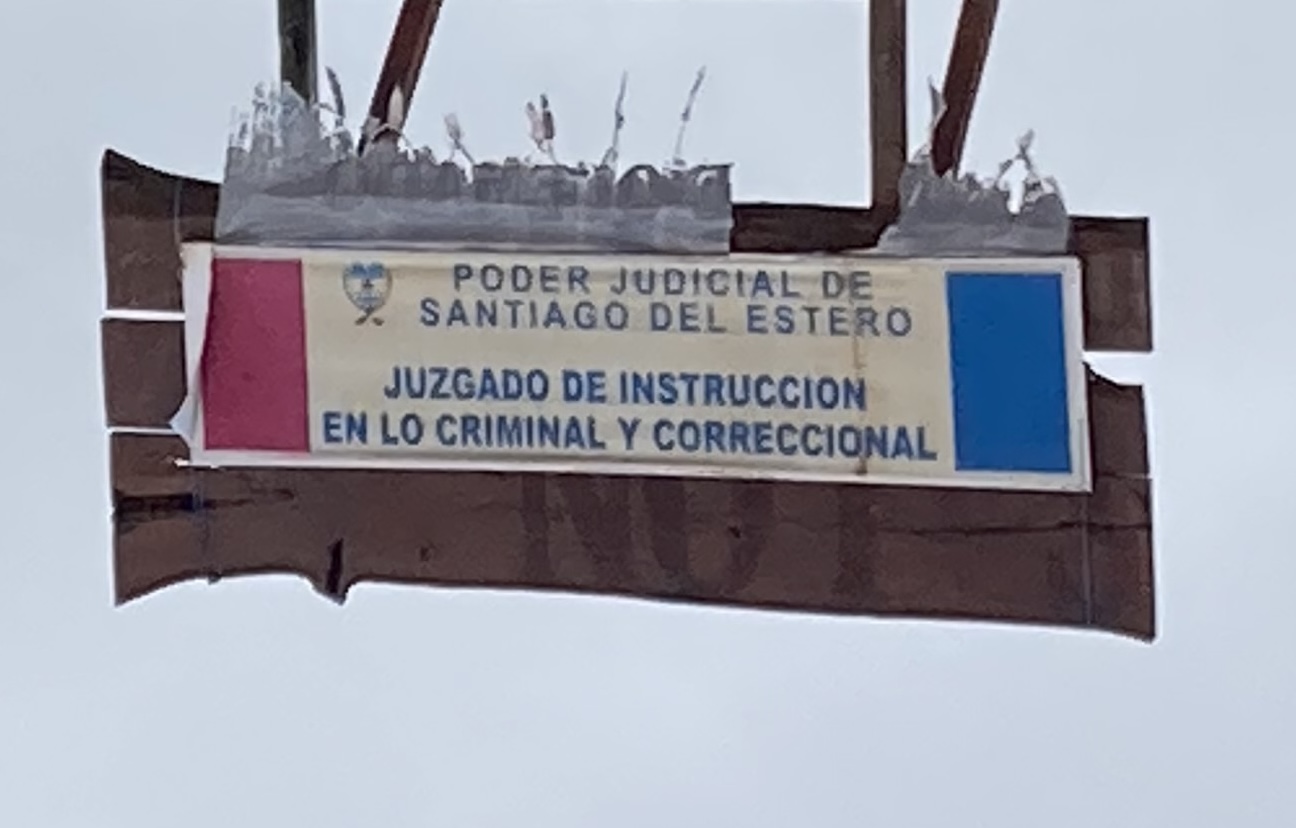
While travelling from Uruguay to Salta in northern Argentina, you cross several Argentinian provinces. We saw this sign and we could not read it. Thinking that the reason was its small letters or our old eyes, we got close to it and realized that the reason was different.
To avoid you the inconvenience of having to rotate your computer, I have turned the pictures!
I can more or less translate the sign: “Santiago del Estero Judiciary. Criminal and Correctional Magistrate’s Court”. The reasons for its special orientation are, however, the subject of debate!
Gwango Heritage Resort, just outside Hwange National Park.
While walking around the place we came to this scene that reminded me of some very large leeches I saw in swampy areas of Western Ethiopia that attached inside the mouth of cattle.
Clearly the elephants were having a drink from the pool to dilute the muddy water they got from the waterhole!
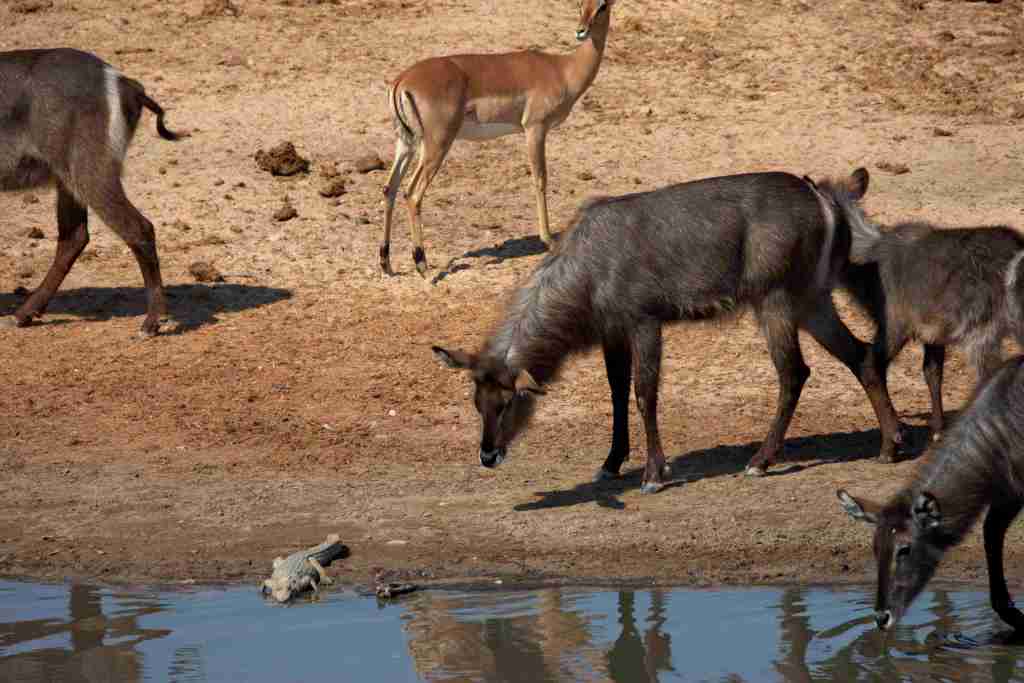
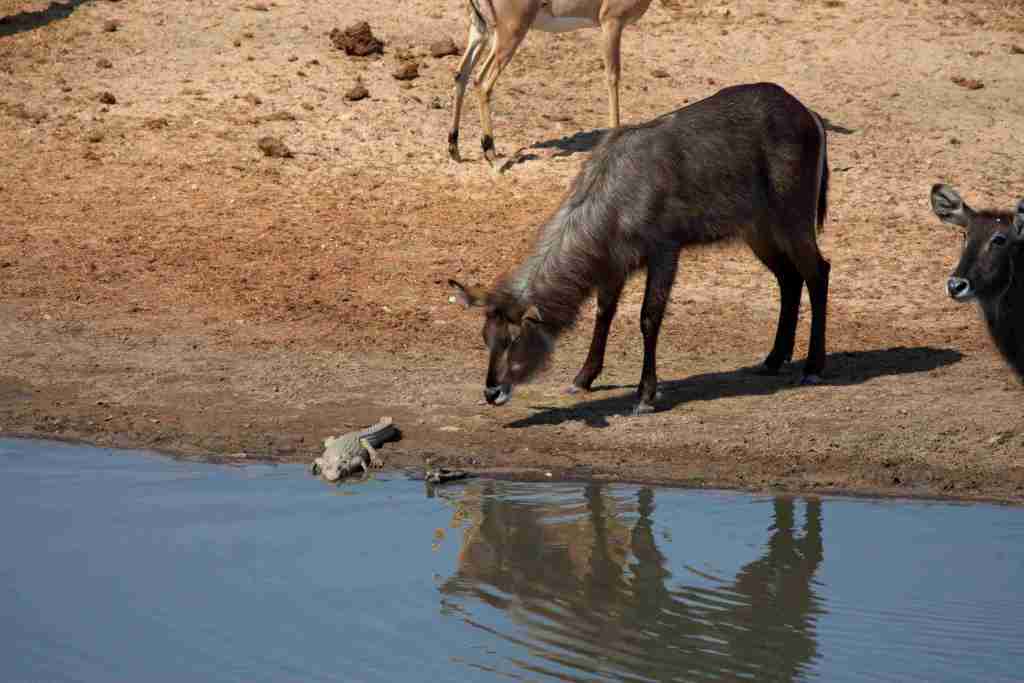
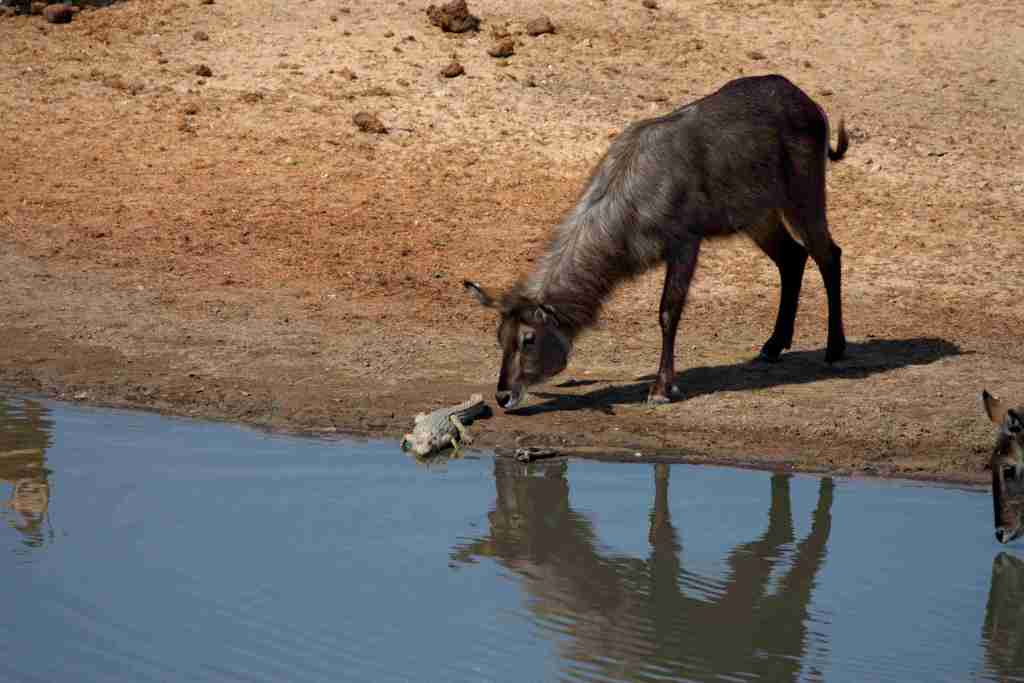
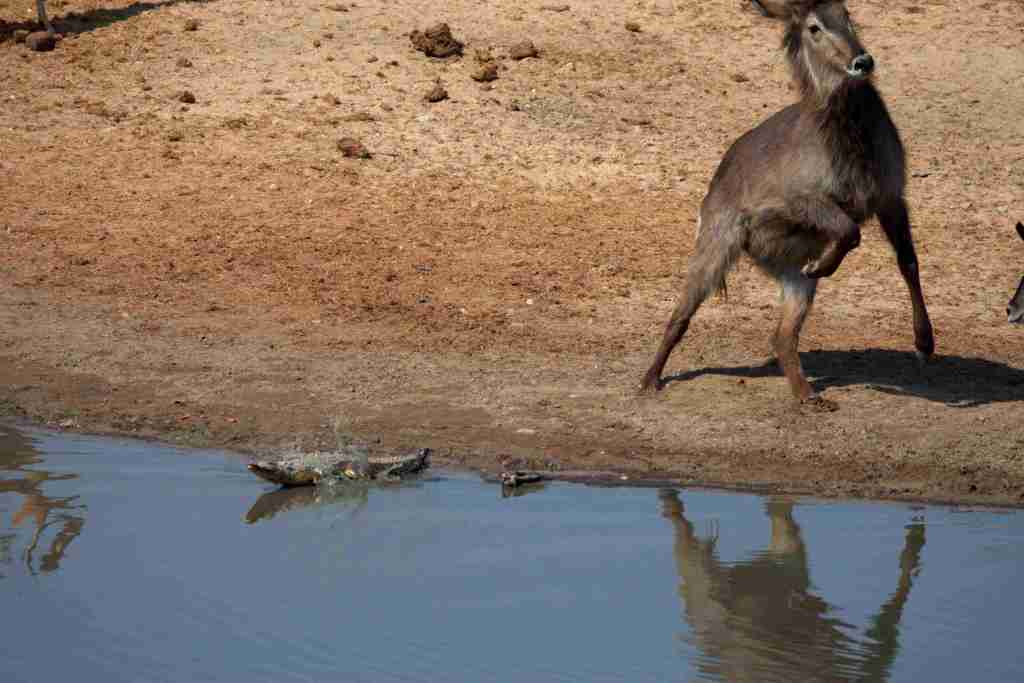
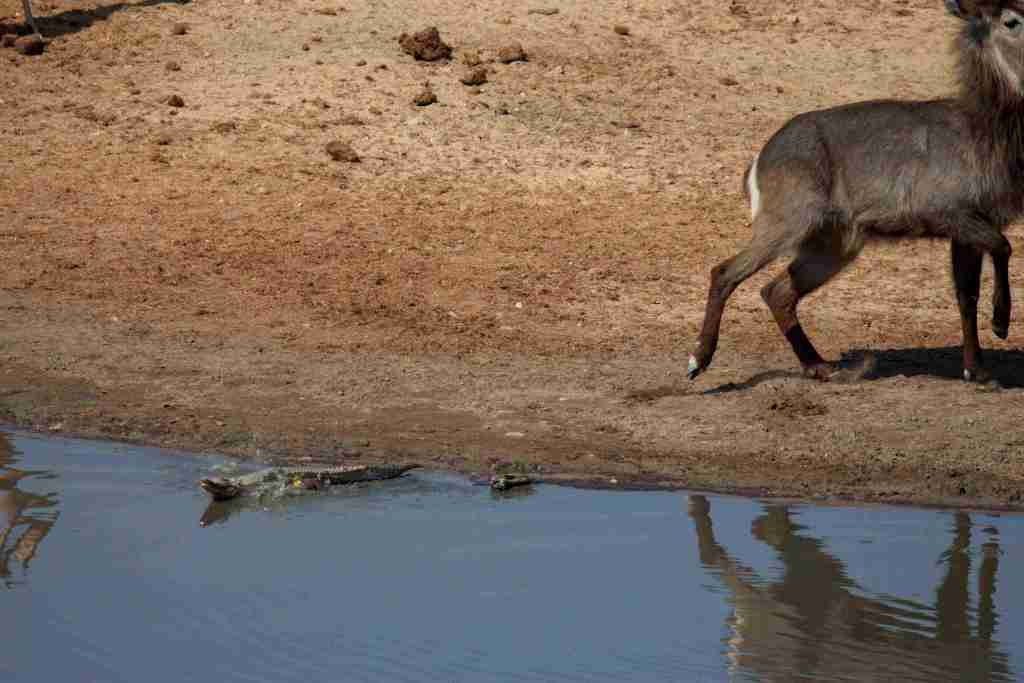
The following sequence of the encounter of two youngsters, a crocodile and a waterbuck, was captured by Julio A. de Castro and I believe that it does not need any explanation to see the funny side!
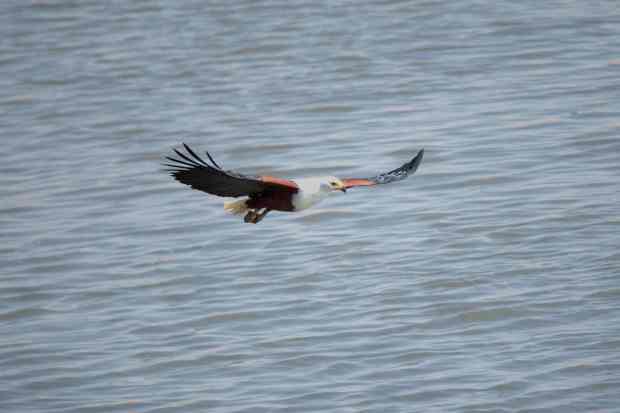
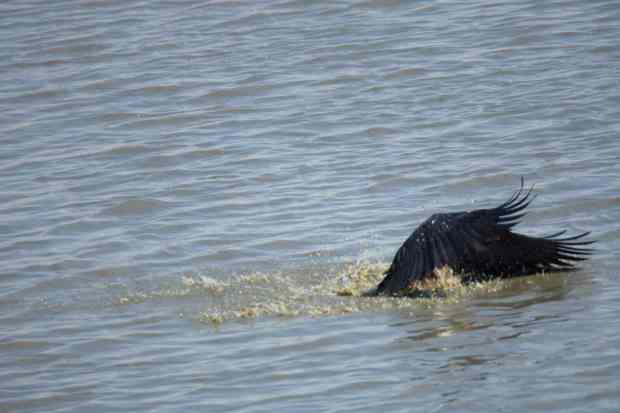
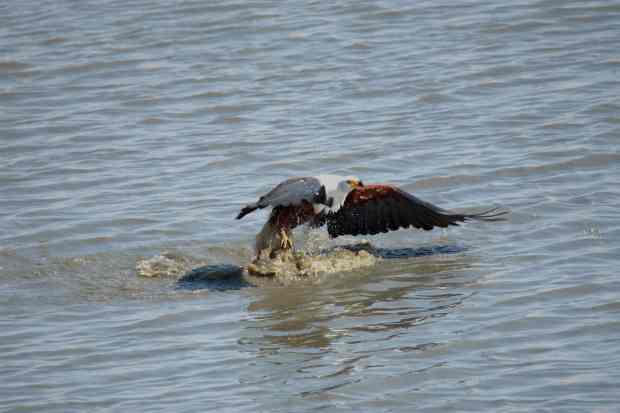
Again, timing is critical and both a fast photographer and a good camera can produce great sequences like this one!
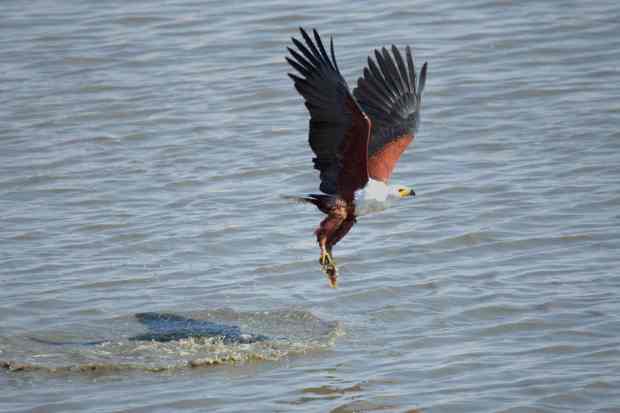
I remember from our time in Kenya, our many hours spent fishing for bass in Lake Naivasha. At that time we were always accompanied by the fish eagle calls, what I considered one of the great sounds of Africa. Several times we tried to cheat the eagles to come and take one of our dead fishes that we offered to them aiming at catching on film the action of the eagle the moment it took the fish.
We did this, after seeing great pictures in international wildlife magazines, thinking that the pictures were within our reach. We attempted it a few times with our cameras that were not electronic like today and that required that we took our film cartridges for developing after the event. What we found was not impressive! We either had a dead fish floating on the water or a splash, the anterior or posterior half of an eagle but we could never capture the actual sequence.
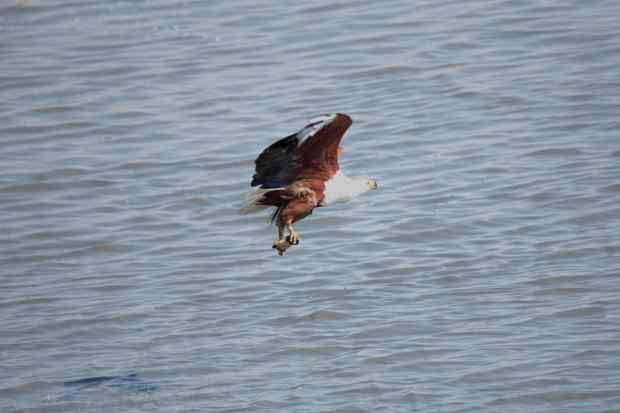
That is why I am writing this post as, during our visit to Masuma in Hwange National Park, there was a resident fish eagle that attempted to pick pieces of the dead impala as well as remains of dead fish that were floating about in the dam. Remembering my earlier Kenya experience, I decided not to attempt to take pictures to the eagle so, the following sequence was captured by my son that did not have a bad past experience on his shoulders that would impair his ability to press the shutter in a timely fashion
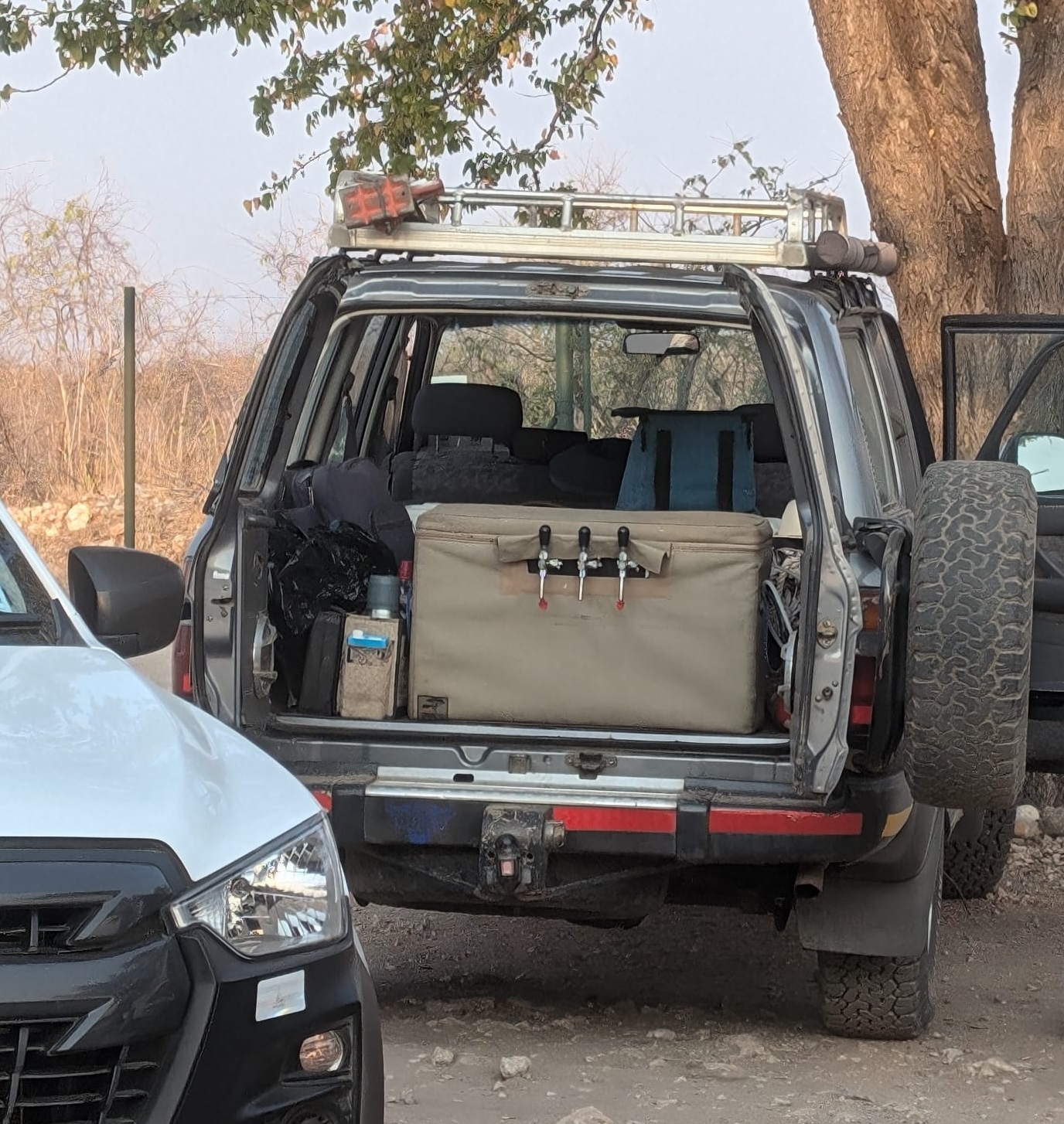
Although I prefer red wine, I must recognize that beer is the most popular drink around here.
Wherever I have fished or gone on safari, beer drinking accompanies these activities. So I have seen a few different scenarios of it happening on boats and cars to the point that someone once told me while fishing in the Zambezi that in fact they were “beer drinkers with a fishing problem”!
Despite the above, what we saw during our recent visit to Masuma still surprised us as we consider it the most advanced system so far.
Picture by J.A. de Castro
Clearly, these visitors had their priorities right and used the available space appropriately!
We learnt later that the beer was home made and, according to our specialists, of very good quality.
Zimbabwe´s ingenuity is well known and surprising!
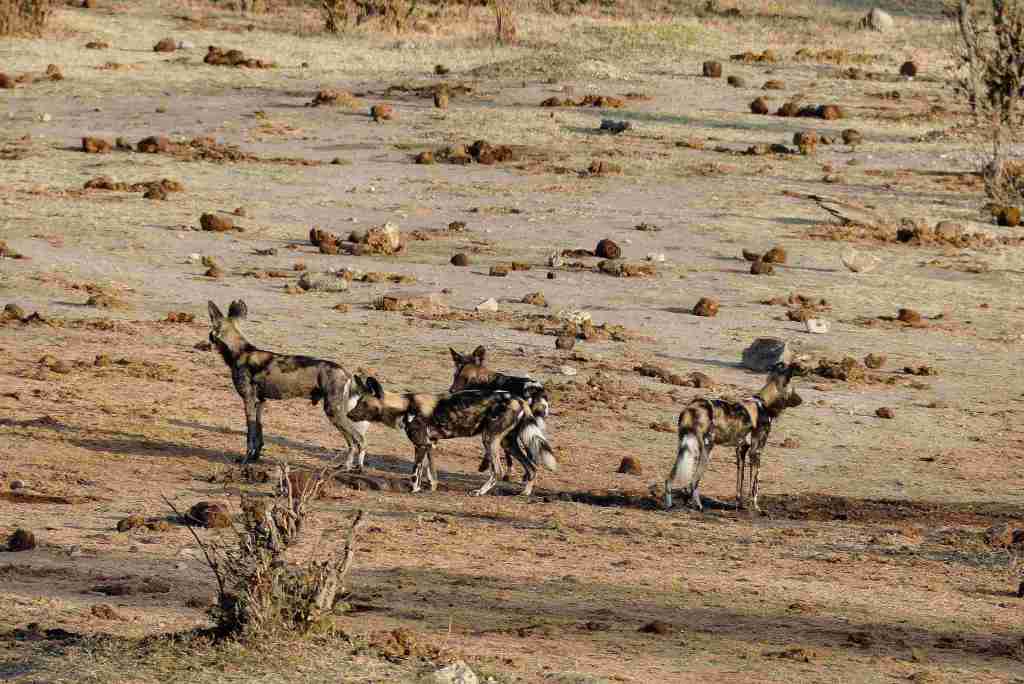
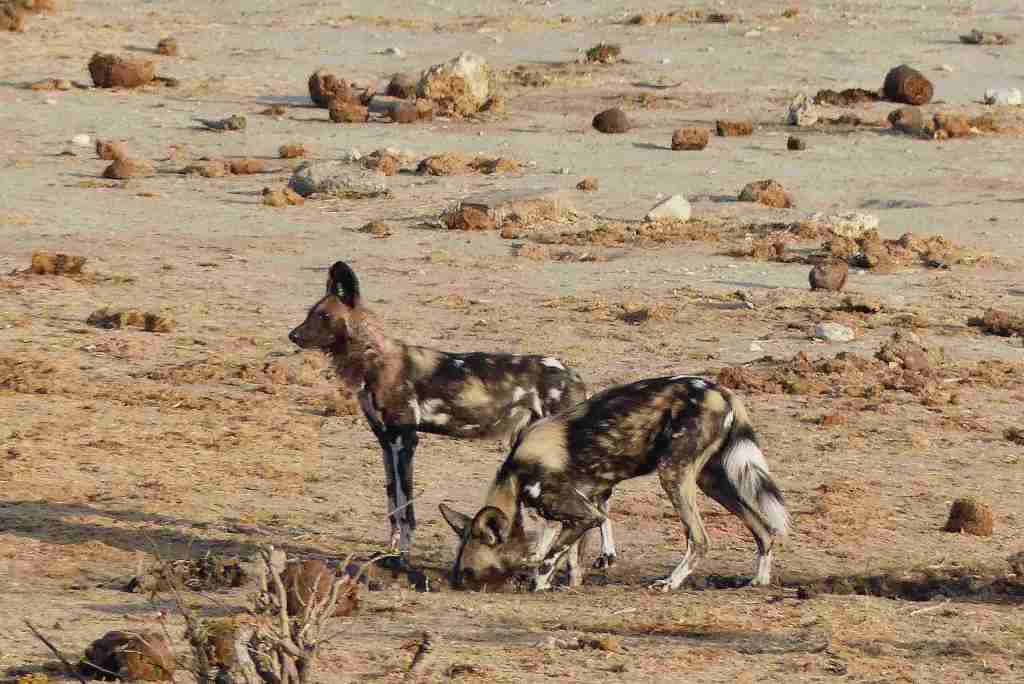
Following the episode I narrated in the earlier post, after losing the second impala to the crocodiles, the painted dogs went back to the hill behind our camp and we did not see them again. This did not really matter to us as the action, as we expected, had now moved to the dam!
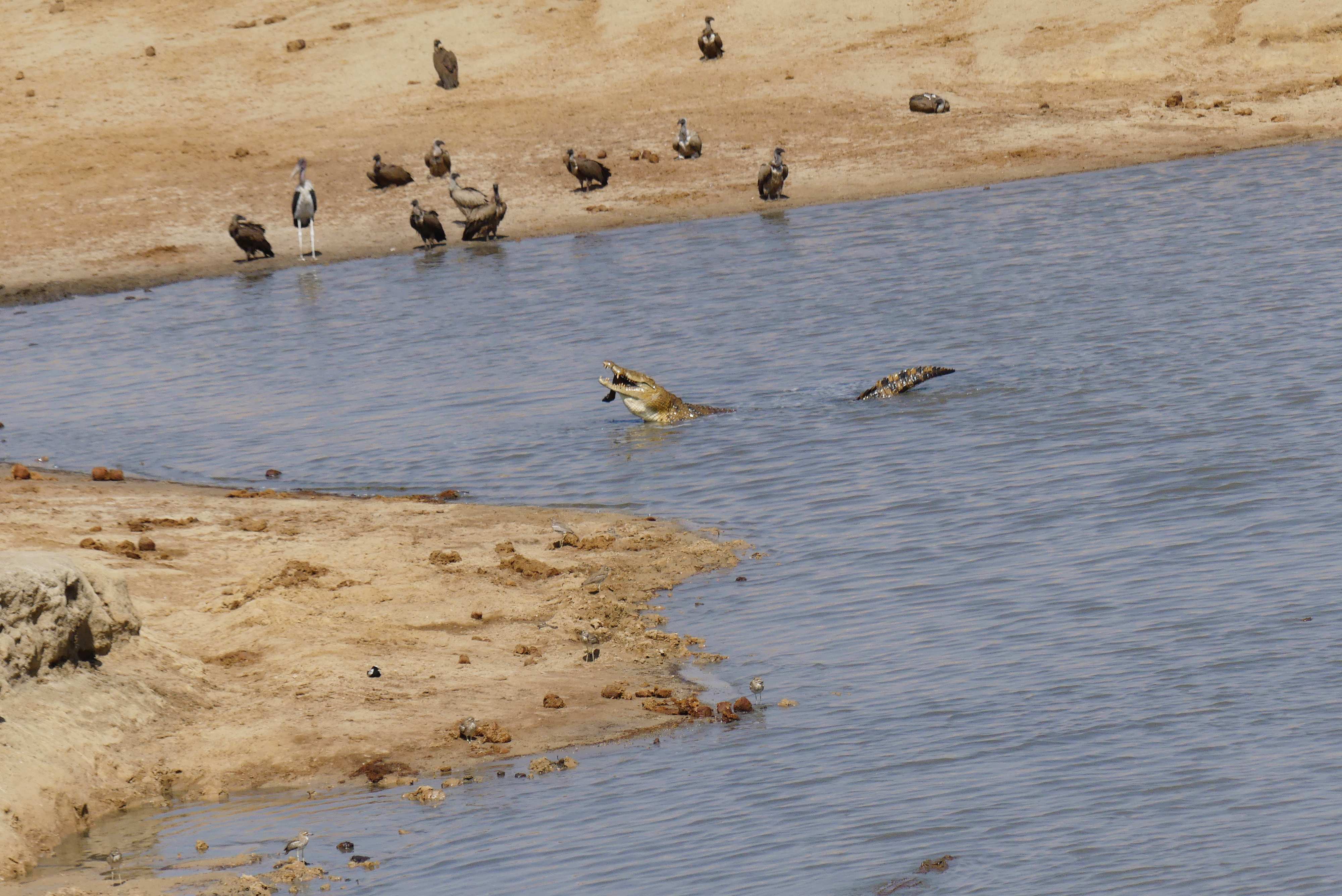
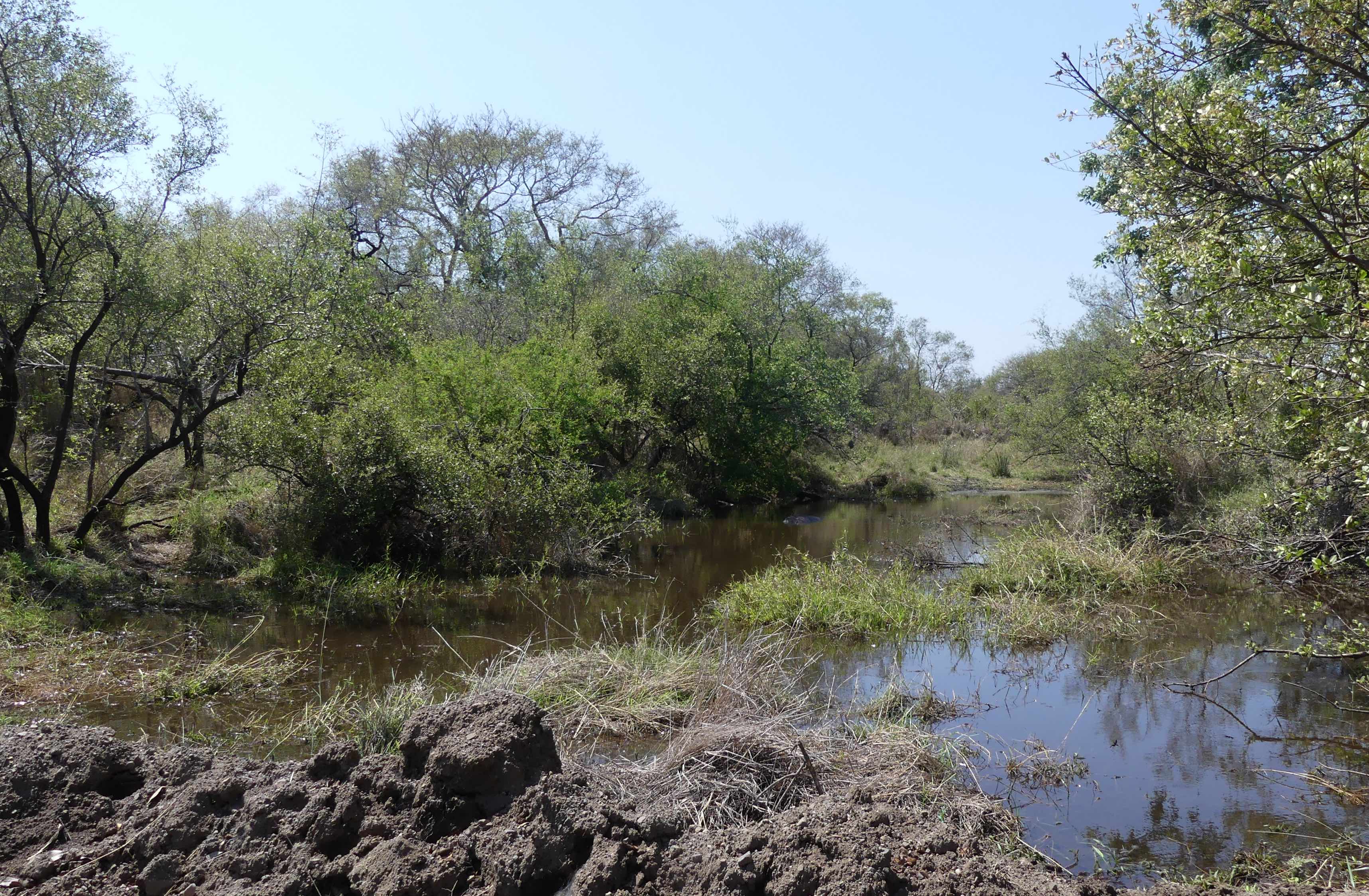
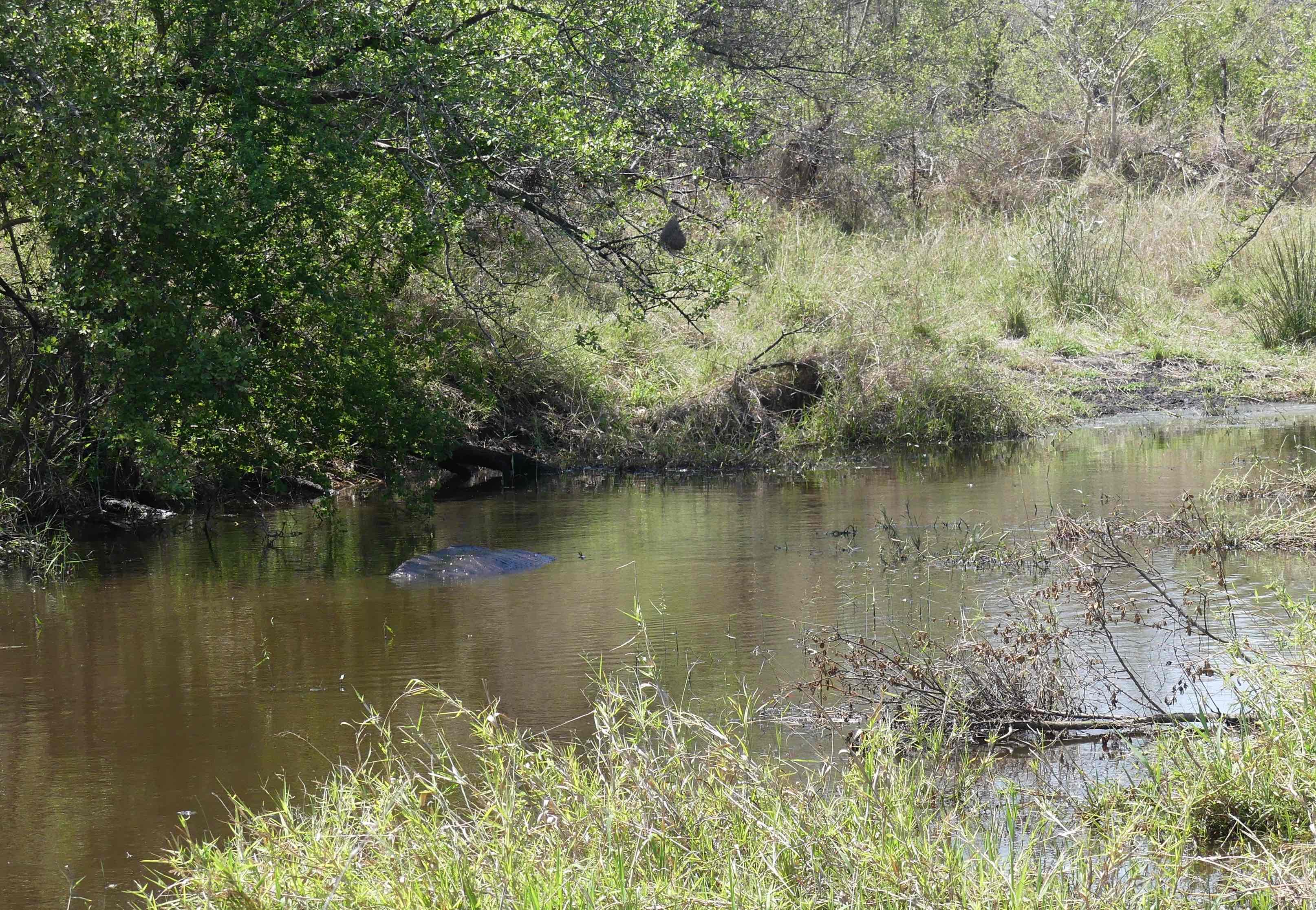
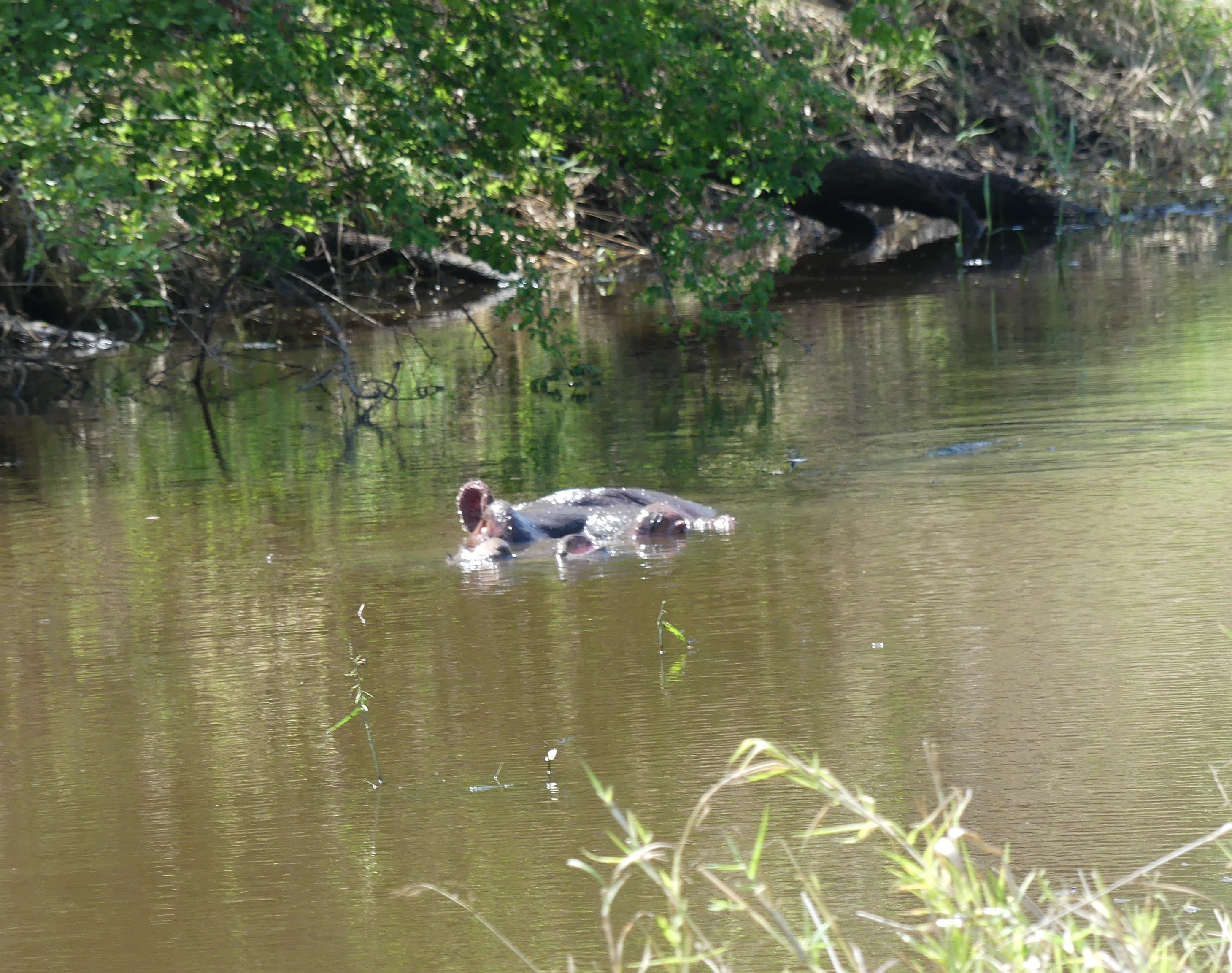
I had described earlier in a series of posts what happened at Masuma when the crocodiles catch one of the animals that come here to drink [1]. We did not need to wait for too long for the battle between crocs and hippos to begin.
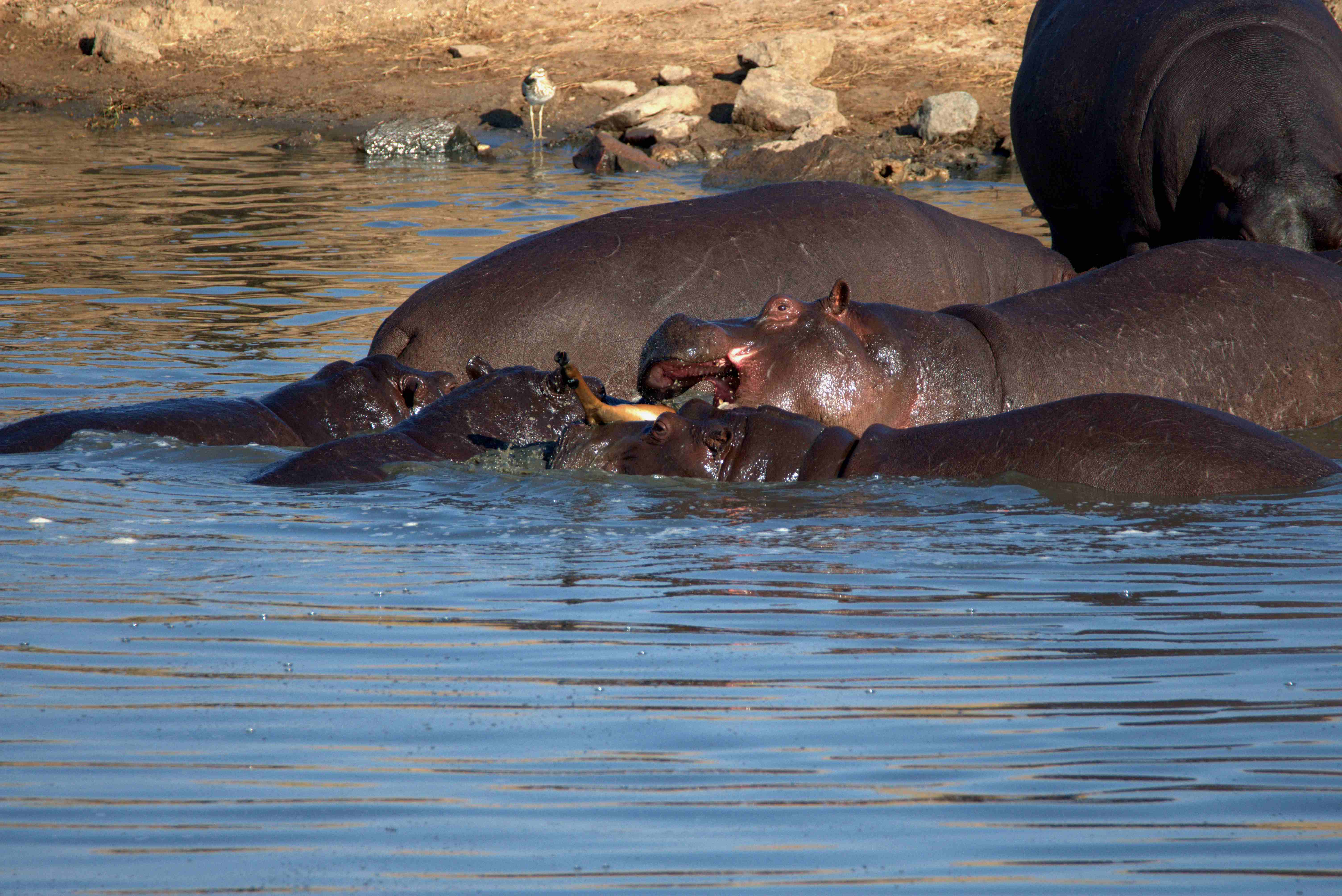
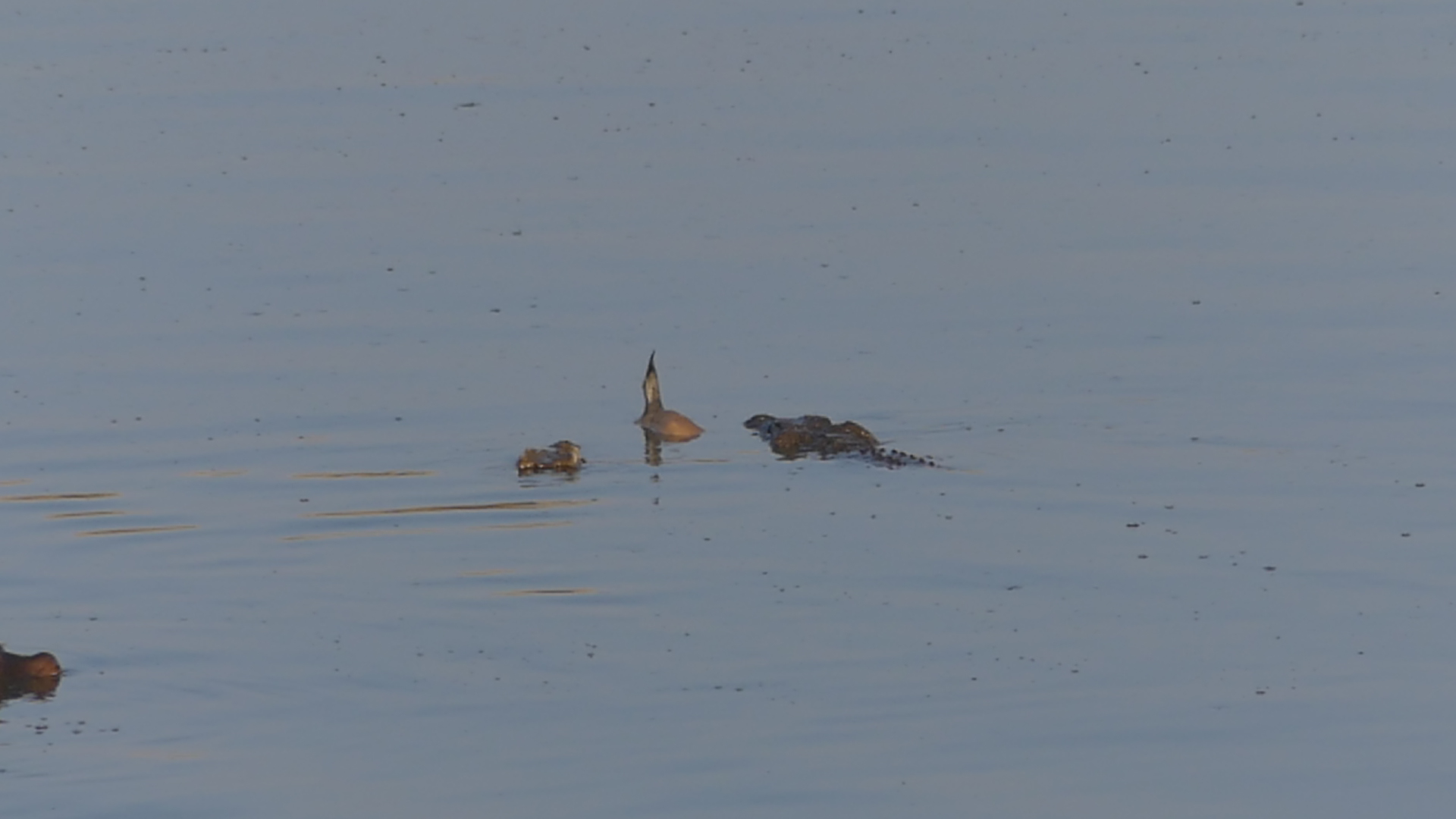
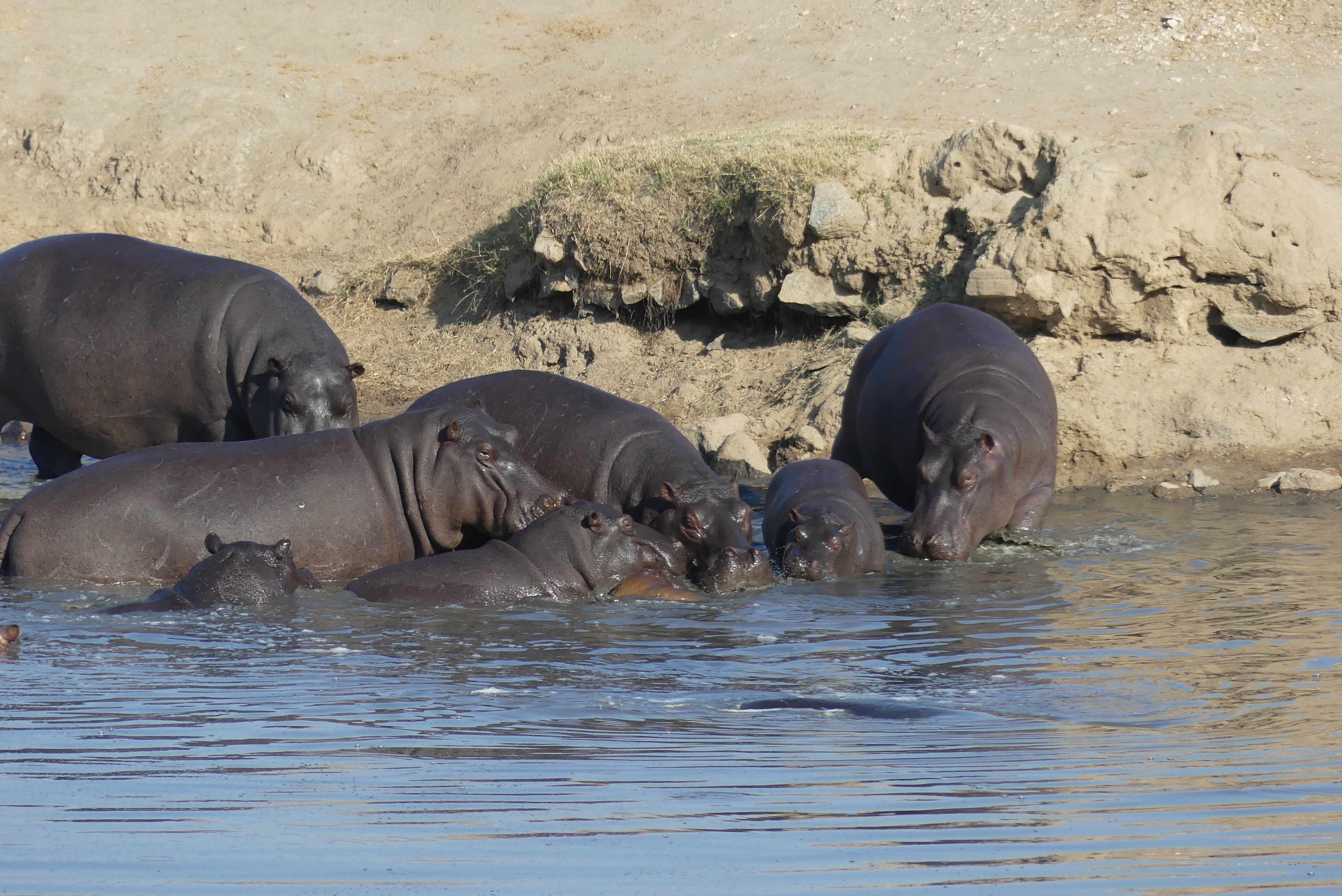
As soon as the roughly twenty hippos at the dam detected the crocs with their prey, two groups were formed by those interested in fresh meat. They seemed to have decided to tackle a dead impala each. The crocs that held them had been seen earlier doing the classical spinning maneuver, which is known as the “death roll’ a violent rotation on the longitudinal axis of the body to break their prey into pieces that they can then swallow.
The crocodiles faced a massive challenge when the hippos got into contact with them and tugs of war followed that were partly responsible for tearing the impala carcasses to be shared between reptiles and mammals.
Lot of agitation took place while hippos and crocs tugged at the impala carcasses. Joseph Dudley (pers. comm.) had told me that he believed that, although hippos would eat meat, they were probably unable to open the carcass themselves as their mouths are not good for this task (they do not seem to be too suited to grazing either!).
Hippos of different ages were observed eating various soft tissues and also attempting to eat the impala legs, I believe, without luck.
I end with three videos showing some of the action we witnessed.
I have somehow neglected writing posts as I have resumed writing a novel I had shelved years back. This activity has taken more time than I thought and I am now determined to finish it to resume other writing projects, including the blog.
Despite the above, we still travel to the bush and, a few days back we had the visit of friends and relatives with whom we travelled to our favourite spot in Zimbabwe, Masuma dam in Hwange National Park, where what we saw brought me back to the blog.
It is rather amazing how cold it can get at night in Hwange. We had already experienced this earlier and came prepared. However, I still needed to put on my polar jacket to be able to gain some warmth. In any case, we survived.
The night before our visitors had agreed on an early game drive and I heard them departing the camp at about 06:00hs. I like to get up early so by 06:30hs I was at the viewing platform where I met the two ladies in charge of the camp, doing the daily cleaning before other toursits arrive. The dam was quiet and the sun was starting to warm things up so, seeing the prevailing peace, I decided to go back to the camp (about 50 metres towards the back) to make myself a cup of coffee.
I had just put the water to boil when one of the ladies came running to tell me that “the painted dogs have chased an impala into the dam and a crocodile ate it!”. Cursing my coffee idea and after shouting “wild dogs” to my frozen wife (she came in a flash, happy to leave the cold tent!), I run back to the dam. As expected, I could not see anything apart from the usual pod of about twenty hippos that were still where I had seen them earlier.
It was an upset Bushsnob that my wife found when she appeared. “I cannot believe what I missed” I said, “for a cup of coffee!”. Sensing the mood, she went out of the viewing platform to have a better look as we could still hear the dog calls coming from the nearby hill at the back of the camp!
Then, the amazing thing happened. As if a second take was needed by some nature director, galloping sounds came from the hill behind the camp and another female impala jumped into the dam again and started to swim away from the dogs. I managed to get the camera in video mode and register the last seconds of the impala’s life as well as the amazing sight that it was calm again a few seconds after the event! (please note that it shows a scene that some may find too strong!).
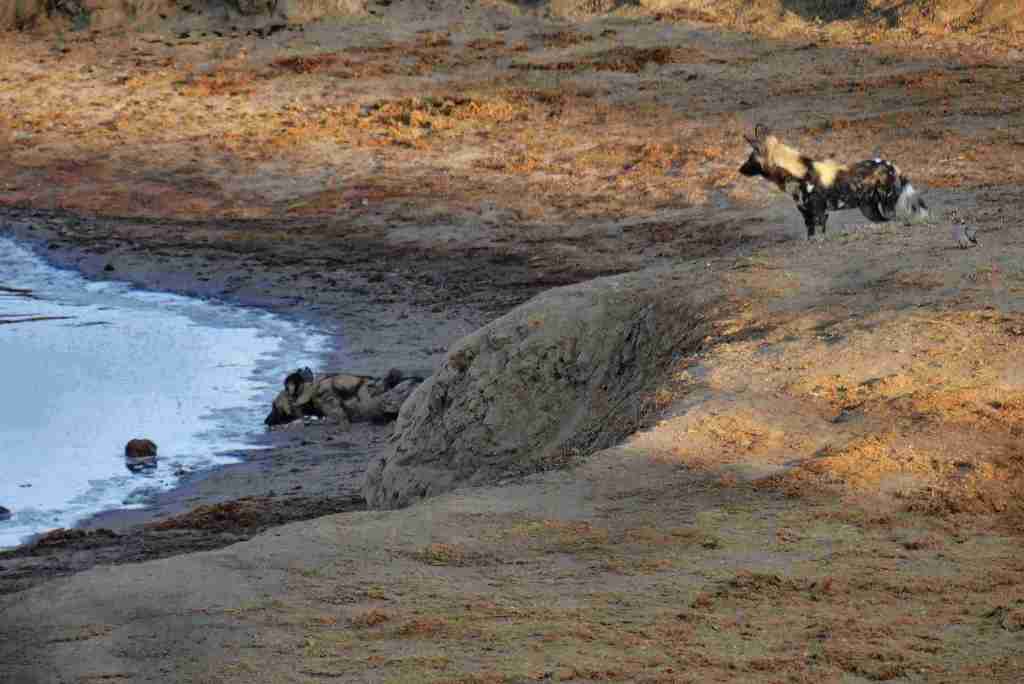
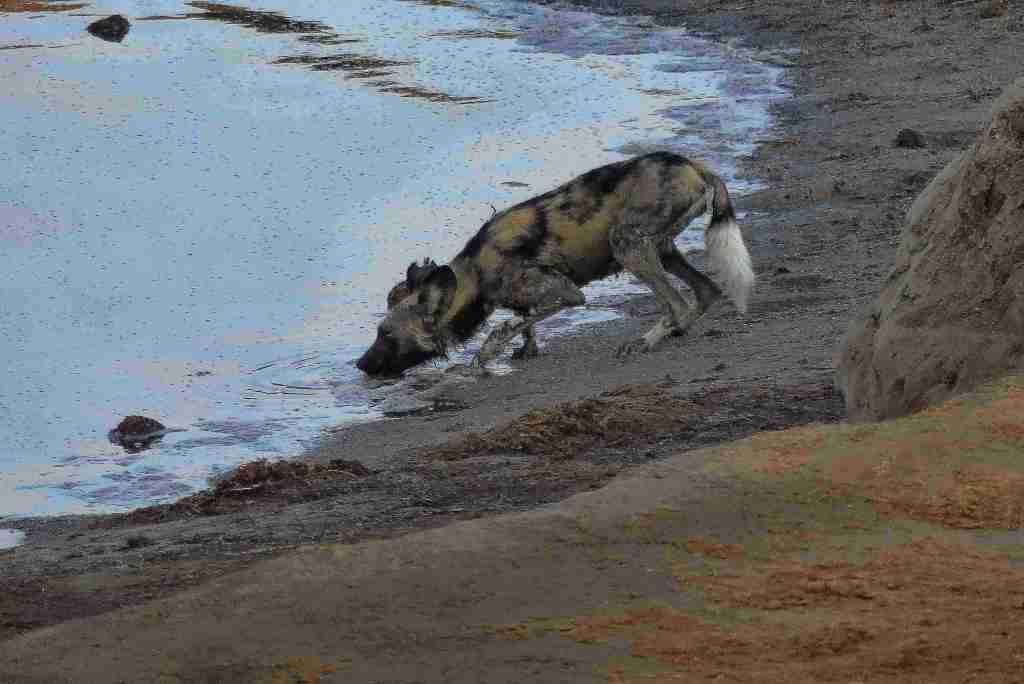
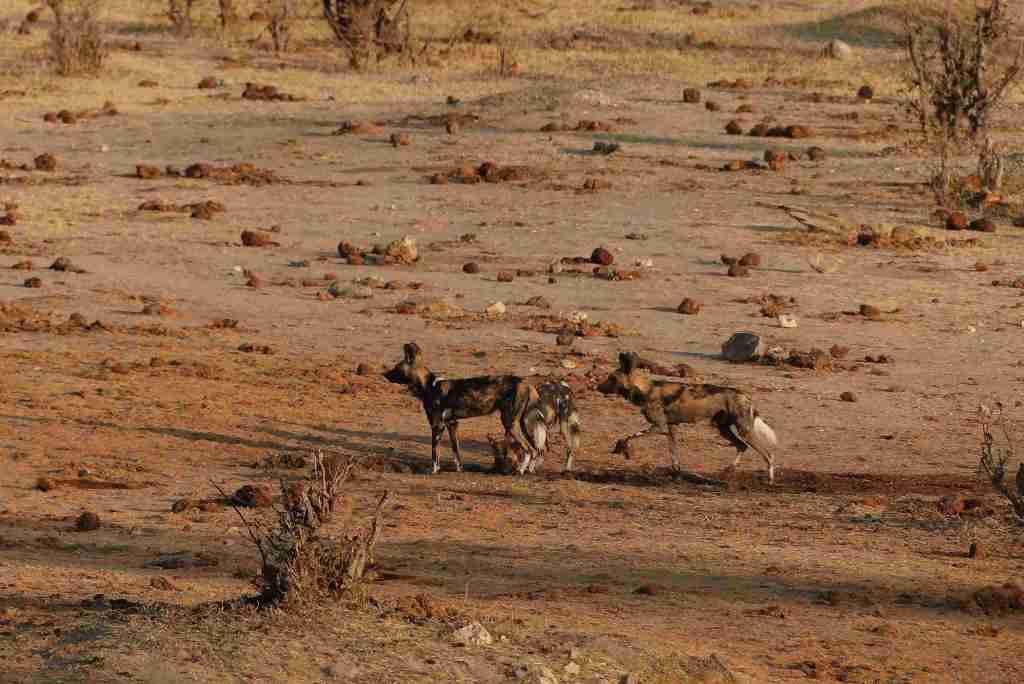
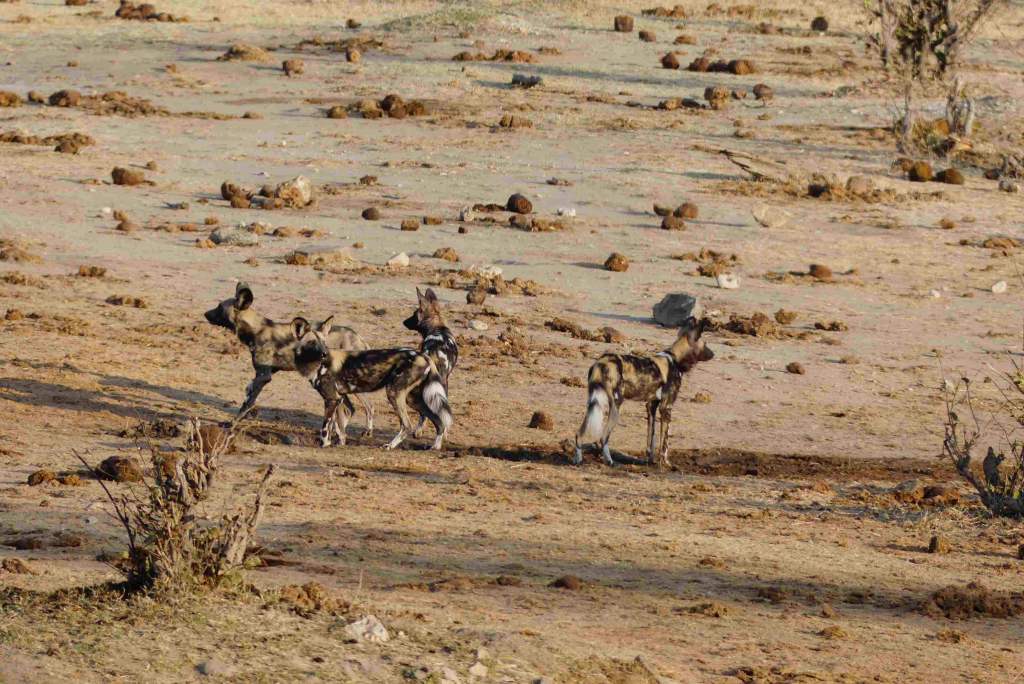
After recording the impala´s demise, I focussed on the disappointed wild dogs (about eight of them) that had worked hard for a meal and twice lost it to crocodiles. They were watching the water and, after some of them drinking, they departed again to find another prey and we did not see them again.
The above sequence shows the dogs after arriving to the dam, contemplating their prey disappearing!
Do I need to add that the early birds that had gone for the game drive and seen the usual herbivores were rather surprised and disappointed when they hear our news on return?
I have already mentioned the existence of large toads known as “rococos” or “cururús” (Rhinella schneideri) that frequent our farmhouse in Salta, Argentina, feeding from the great number of insects attracted by the light [1]
They look impregnable but that is misleading as they do have enemies and one that is a specialist: the toad-eating snake (Xenodon merremii) known locally as “sapera” (“sapo” is toad in Spanish so the name indicates that it feeds on them). Harmless to humans, we see these snakes rarely but we had one residing on the roof of the house for many years.
The snake captures the toad that defends itself by puffing itself up to no avail as the snake is able to puncture and deflate them to be able to swallow them.
This morning, while walking around the neighbourhood we found a toad-eating snake that had caught a large toad. Unfortunately, it was killed by a car while crossing the road.
Although the images can be found disturbing, I decided that it was an interesting find, worth writing about.








 A Bushsnob out of Africa