Secret plans in Scotland

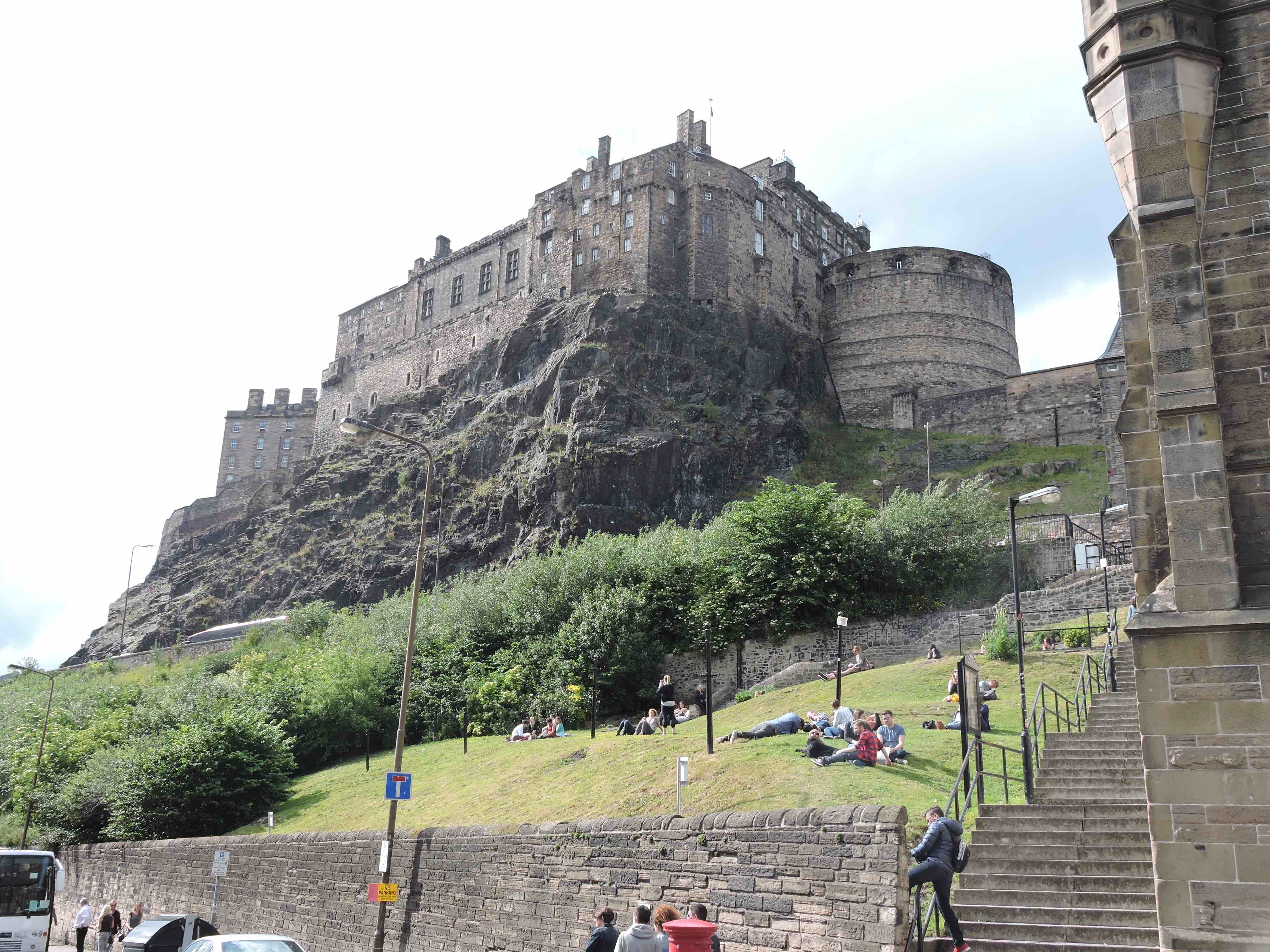
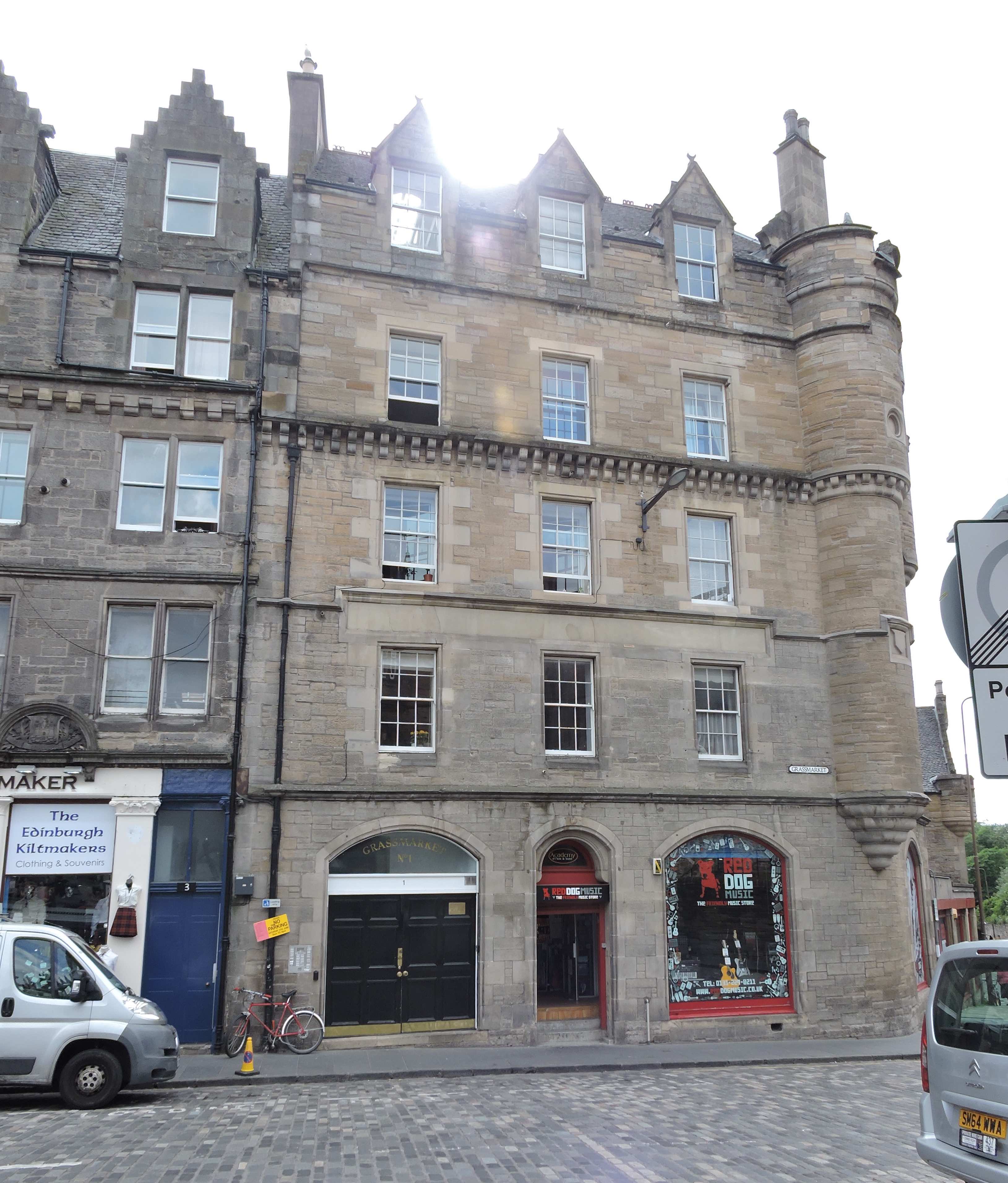
It was a rather short visit to attend our son’s graduation with a MEng in Chemical Engineering with Environmental Engineering at the University of Edinburgh as mentioned in the earlier post. Despite my severe reservations on the weather, Edinburgh is actually a nice city, dominated by its central feature: the Edinburgh Castle. We were fortunate to rent a flat very close to it that offered great diurnal and nocturnal views of the impressive building.

Edinburgh's castle, unmissable!

Edinburgh’s castle, unmissable!

Our flat building at Grassmarket.

Our flat building at Grassmarket.

The main event of the visit (for the rest of the family anyway), the graduation, was enjoyable for proud parents and attending friends. Once the celebrations and all university-related matters (packing personal effects, returning accommodation to University and tying of other lose ends) were concluded, it was time for the family to do some sightseeing and shopping in Edinburgh itself.

The Bushsnob however had different plans. The main reason for my visit to Scotland was not actually my son’s graduation but rather the prospect of searching for two of the world’s most famous mythical creatures: the haggis and Nessie. Unfortunately, due to a combination of economic constraints and a lack of kilts in the Bushsnob’s size, it was not possible to mount a proper expedition to search for both these creatures. As a result some compromises had to be made…

For the haggis, against my will, I had to settle for tasting it rather than finding it. This took place in a local pub and, frankly, it failed to impress!

For Nessie, a trip to Loch Ness in a rented car appeared to be our best option as at the time we began organizing the expedition the only day available for the activity was in fact the next day! Predictably, we failed to rent a car because although both proposed drivers, my son and I, had valid driving licenses, the latter was considered too old and the former too young! This issue with age resulted in substantially higher rental costs that we (read my family) could not justify.

This was a severe blow to the expedition’s hopes and it seemed that our only -very slim- chance was to try and find an organized tour to the Loch at the last minute. Despite our skepticism –which was shared by the agent attempting to find us a tour- we found four places in one leaving early the following morning! We booked our places and the expedition was back on! I was very excited as I thought I was sure to catch a glimpse of Nessie, given my usual luck with rare animals…

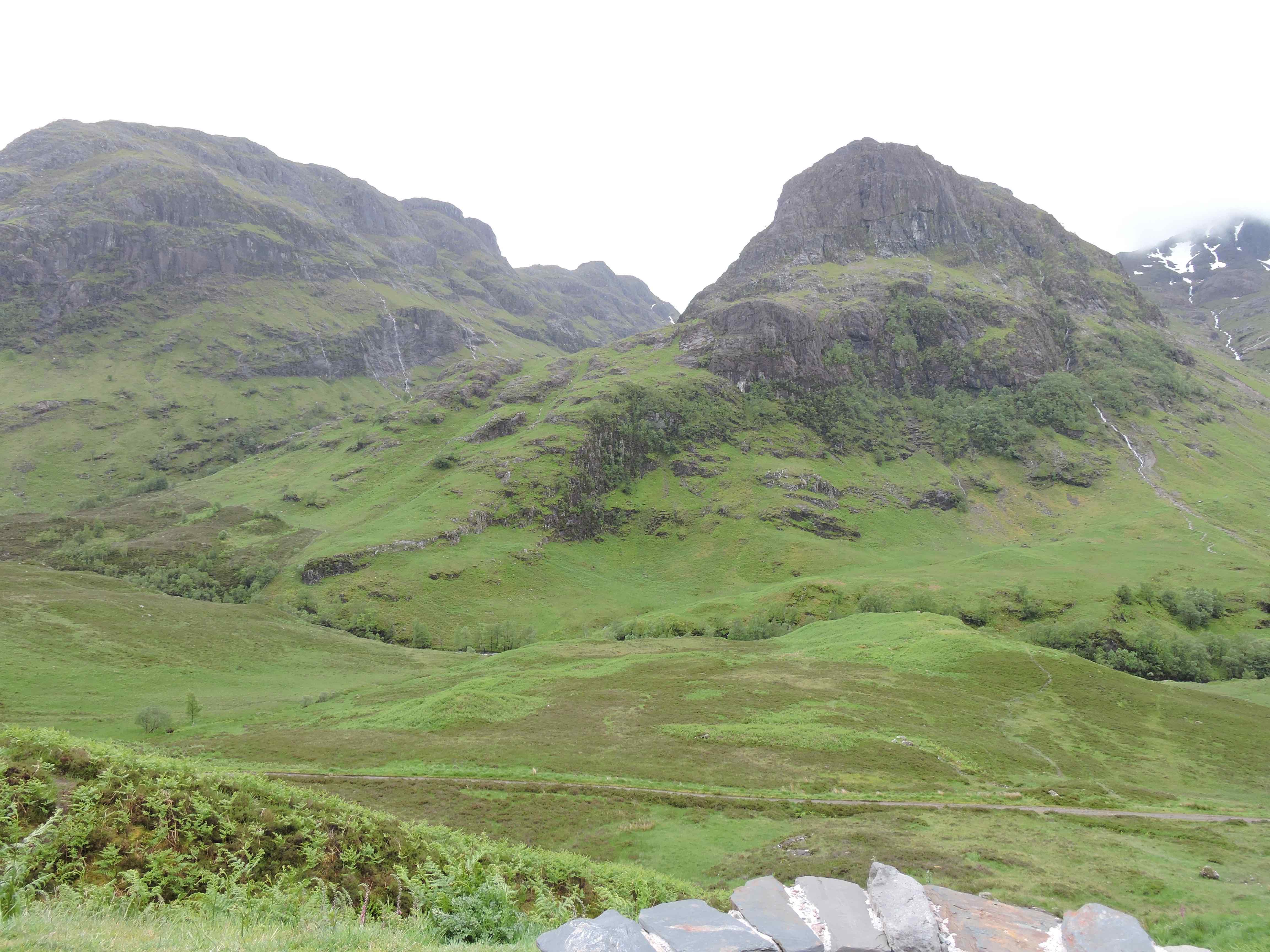
The trip took us through the evergreen and rather wet Scottish highlands although we were lucky that it only rained while in the bus! “A good omen”, I thought hoping that the good luck would last until the end of the tour.

The Highlands on the way to Loch Ness.

The Highlands on the way to Loch Ness.

After about six hours of travelling which included stopping at various landmarks (i.e. distractions) we arrived at our destination: Loch Ness. Lunch was waiting for us there in the shape of various types of sandwiches and pies ordered in advance by our entertaining and knowledgeable driver.

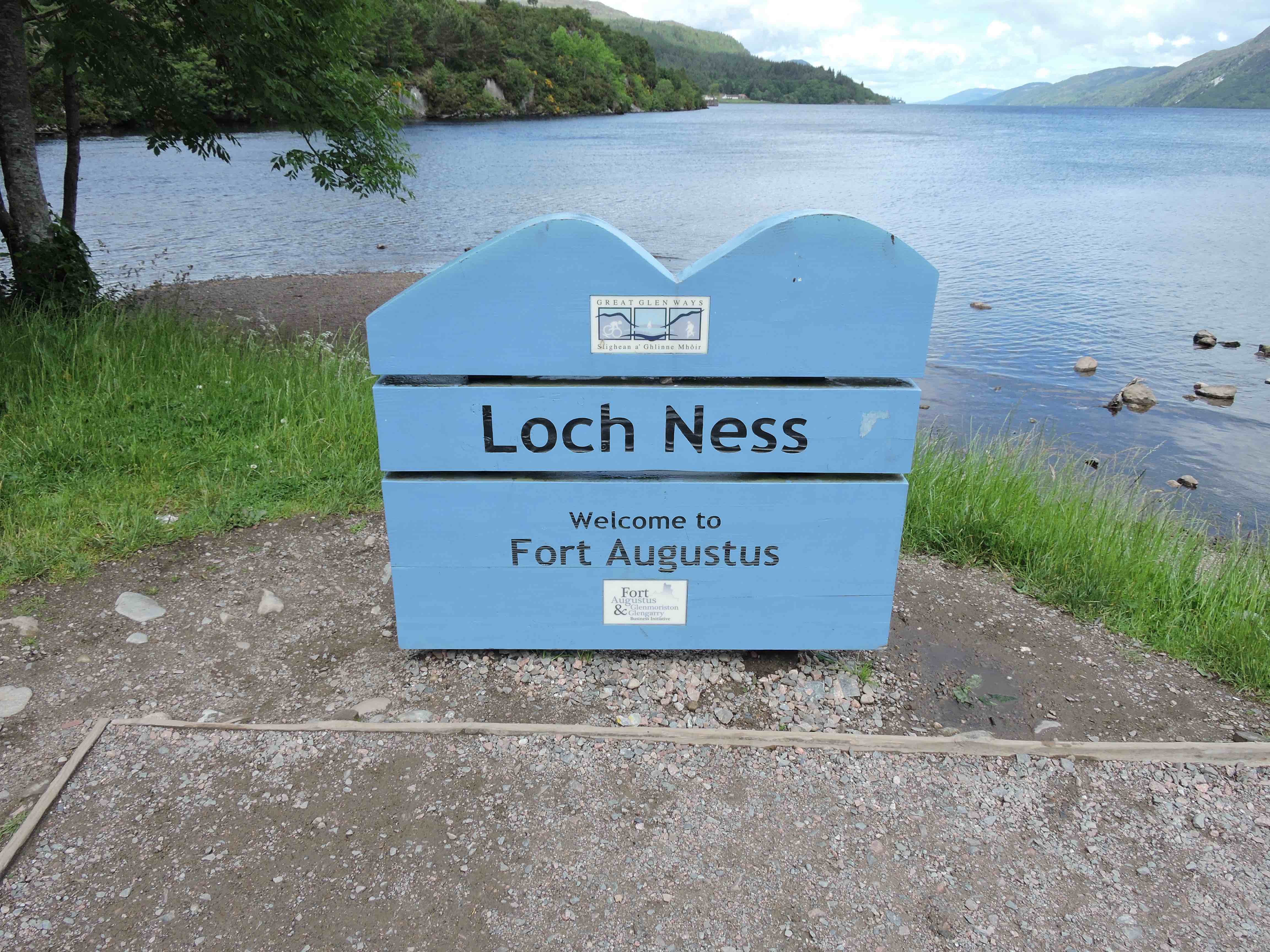
Openly displaying my anxiety I was on my feet before the bus had even stopped and even forgot my lunch as I hurriedly walked towards the lakeshore. I expected a cold and uninhabited place where, with enough attention, Nessie could be spotted hiding in plain sight. What I was met with however was totally unexpected: there was a town with several petrol stations and souvenir shops and the lake was nowhere to be seen! That is unless it was the pathetic narrow cove with several yachts and sailing boats moored in it that we had driven over with the bus? It was. I decided that lunch was a good idea after all, my deep disappointment clear for all to see.

First view of Loch Ness. Not what I expected!

First view of Loch Ness. Not what I expected!

Loch Ness. People oblivious to the monster lurking in its depths!

Loch Ness. People oblivious to the monster lurking in its depths!

Luckily over lunch my thoughts readjusted to reality and gradually my enthusiasm grew again. I fantasized that Nessie might enjoy a visit to the cove to have a look at human development. Surely I would be able to catch of glimpse of it then? I decided to give it a go despite the odds and walked a couple of hundred meters deeper into the cove carefully watching the water’s surface. I saw nothing apart from a few American ladies taking a dip in the loch that not even I could pretend looked like “Nessies”…

False alarm...

False alarm…

Just as I was about to give up on Nessie for a second time, I turned a corner and I saw her! She showed briefly above the waves created by one of the sightseeing launches that were ferrying tourists around the loch. The tourists on board were of course too busy having lunch and completely missed the mythical beast in the wake of their boat. Luckily, however, the Bushsnob had his camera handy and was able to take-two rather poor quality-pictures that will no doubt be enough for all of you, given my general trustworthiness and reputability.

The confirmation that Nessie exists.

The sharp confirmation that Nessie exists.

In addition, I also present to you Nessie’s passport photograph as a reference for you if you ever visit Loch Ness and do not have the Bushsnob’s luck!

Nessie.

Nessie.

EXPO Milano 2015

During our Milan visit, apart from churches, we did visit the EXPO Milano 2015 (the EXPO) where my daughter (yes, the Ed.) works. This was our first world event of this kind so I went to the official webpage to get the basics.

The EXPO’s core theme is (it runs until October 2015) “Feeding the Planet, Energy for Life” reflecting upon and seeking solutions to our present world contradictions: 870 million people undernourished in the period 2010-2012, approximately 2.8 million deaths from diseases related to obesity or to being overweight in the same period and 1.3 billion tons of foods wasted every year. “A rather difficult theme to dealt with” was my first thought.

In the EXPO website[1] the organizers say: “For these reasons, we need to make conscious political choices, develop sustainable lifestyles, and use the best technology to create a balance between the availability and the consumption of resources”… “Oh, I have heard this before” was my second contemplation but I continued getting information on the event despite the “deja-vu” sensation.

A view of the Decumano.

A view of the Decumano.

I learnt that the EXPO occupies 1.1 million square meters and that its design follows the ancient Romans’ urban planning of two intersecting wide avenues named Cardo and Decumano that cross in Piazza Italia. Along these two avenues you find the pavilions of the participating countries as well as public areas dedicated to squares, events and catering. Countries with no individual pavilions are grouped in nine clusters around the production of certain food: Islands, Sea and Food; Rice; Cocoa and Chocolate; Coffee; Fruits and Legumes; Spices; Cereals and Tubers; Bio-Mediterraneum (Sic) and Arid Zones.

There are also four thematic areas: the Pavilion Zero that presents the history of humankind through its links with food; the Future Food District, that describes how technology will change food storage, distribution, purchase, and consumption; the Biodiversity Park , a large garden that reproduces several ecosystems and the Children’s Park a fun area where youngsters learn about the EXPO.

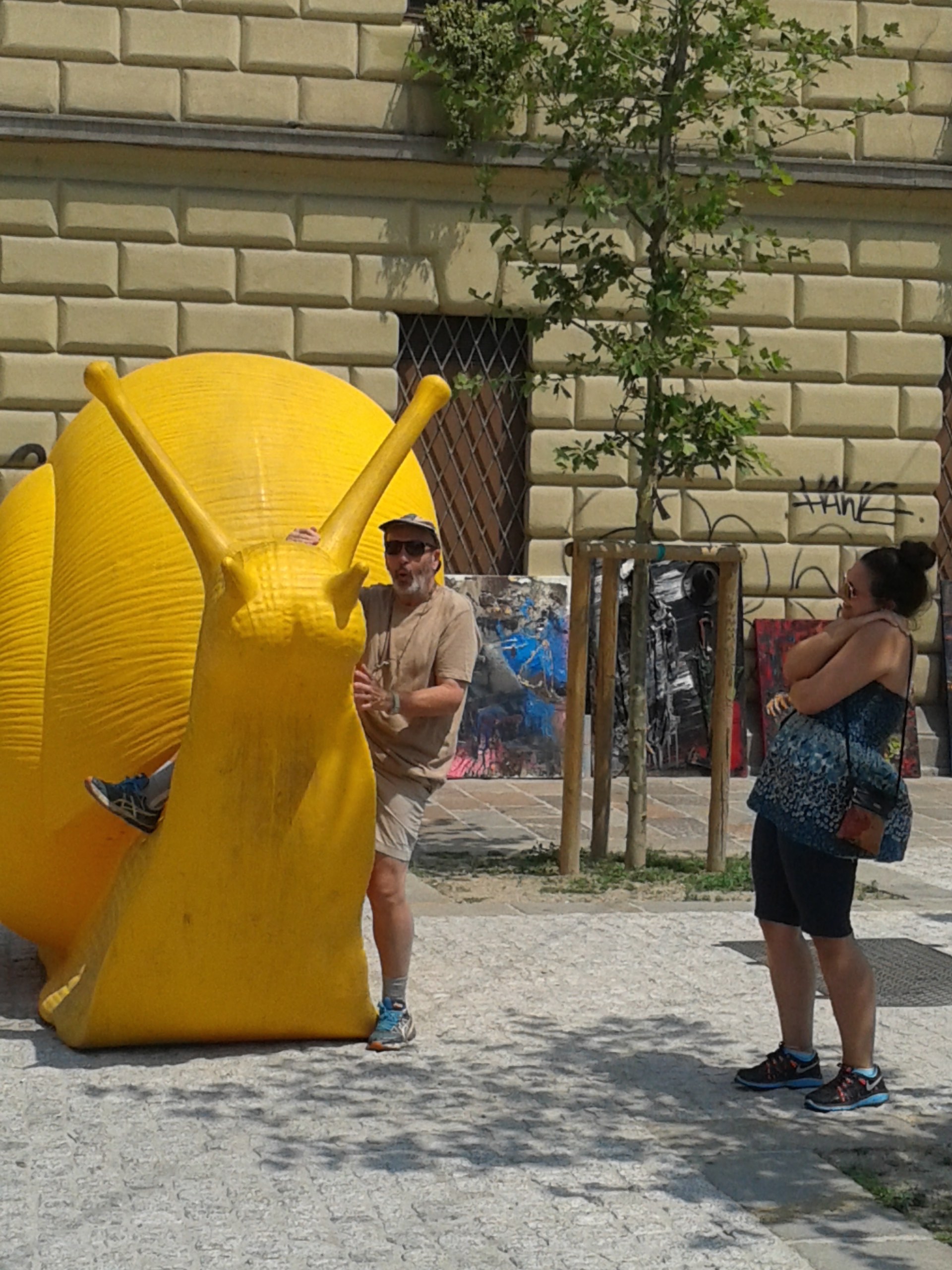
I felt dwarfed by such large event so I gave serious consideration to a suitable vehicle to move around its large area. During an earlier walk to the Navigli district I came across an option that looked appropriate: a giant snail. Clearly the complexity of the event justified slow movement in order to absorb its concepts and proposals so trials were done on its suitability. It was soon abandoned as the creature, despite being immobile, was quite aggressive against its mature rider and it refused to move despite my original verbal and subsequently physical encouragement!

The bushsnob attempting to board the snail under the amused watch of the Ed.

The Bushsnob attempting to board the snail under the amused watch of the Ed.

The bushsnob wedged on the snail, his discomfort apparent!

Wedged on the snail, his discomfort apparent!

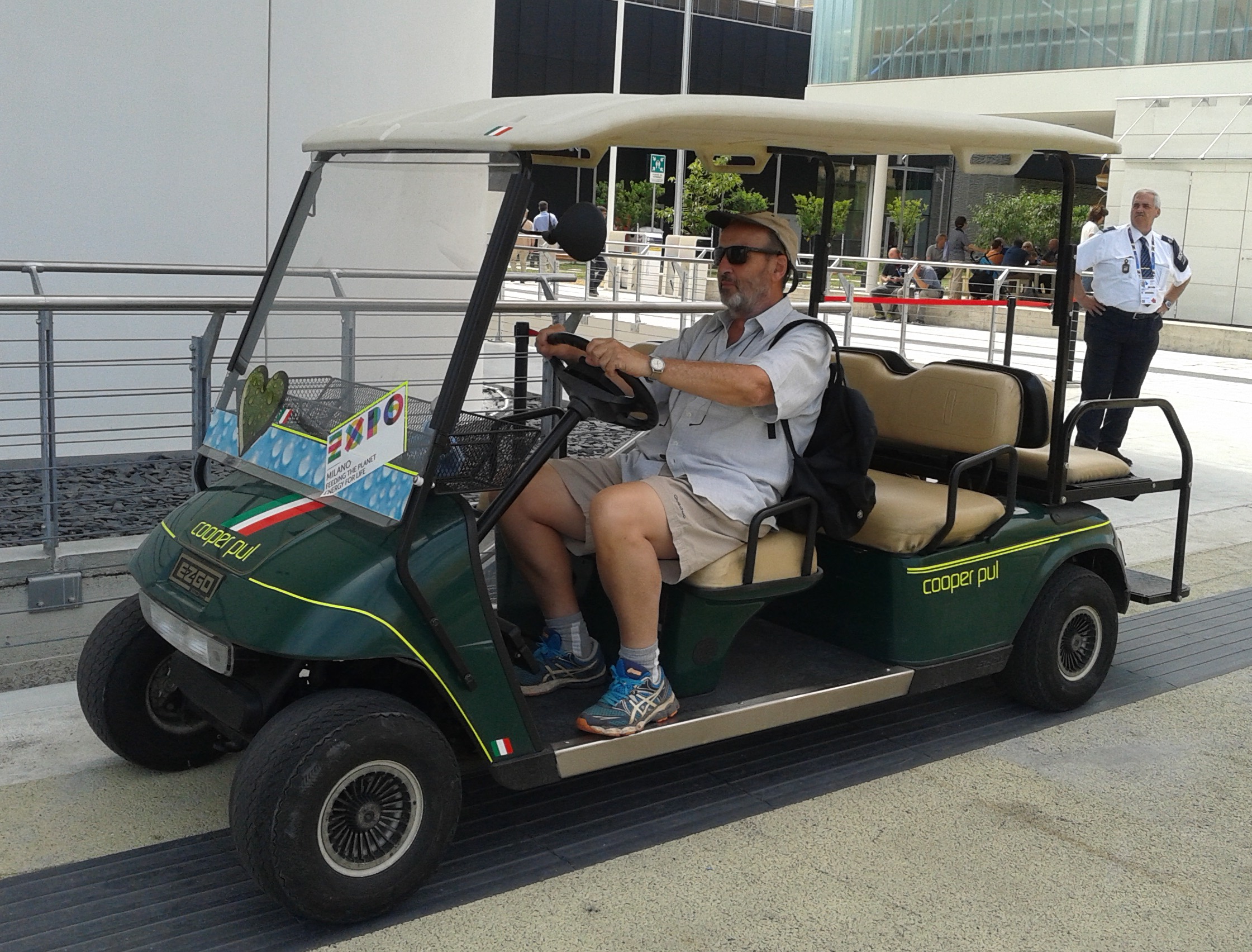
Being lazy by birth, the first priority on arrival at the EXPO was to find a means of transportation. Bicycles were out as these are restricted to EXPO staff. I saw a couple of other possibilities that were tried, again, unsuccessfully because of other technical reasons: either too expensive to rent or too large and limited to VIPs.

The bushsnob about to try one of the transport options...

About to try one of the transport options…

The VIP "EXPOmovil" was also tried.

The VIP “EXPOmovil” was also tried.

Our failure meant that walking was the only option and by the end of the day we completed -according to my pedometer- a staggering 26 km!

Our early morning arrival (to comply with our daughter’s office hours) meant that there were still very few visitors and, in my naive mind, I prepared to visit a few stands before it got too crowded. My enthusiasm was premature as stands only opened an hour later and, of course; by that time queues had already developed! As the Pavilion Zero was apparently the more emblematic, we joined its short queue.

It was impressively large and visually grand. From a spot with its creators at the EXPO web page[2] I quote the words of Davide Rampello: “We wanted to tell a story which begins from the earliest period of human history, through symbols and myths, the different stages of evolution and man’s relationship with Nature – the domestication of animals and plants, and the introduction of tools to work the land and conserve food. The story ends with the current paradox regarding nutrition…”

The display aims at creating the need to move towards something new, something different in the future. Although this is not clearly spelled out, the synergies between the “UN Zero Hunger Challenge. United for a Sustainable World” and the EXPO’s theme are highlighted through a number of UN panels. Although the display was visually stimulating, somehow the message did not get home to me. I attributed this to my “food security burnout” while thinking that it may be a statement suited to the new generation. However, a spark of worry appeared in my mind.

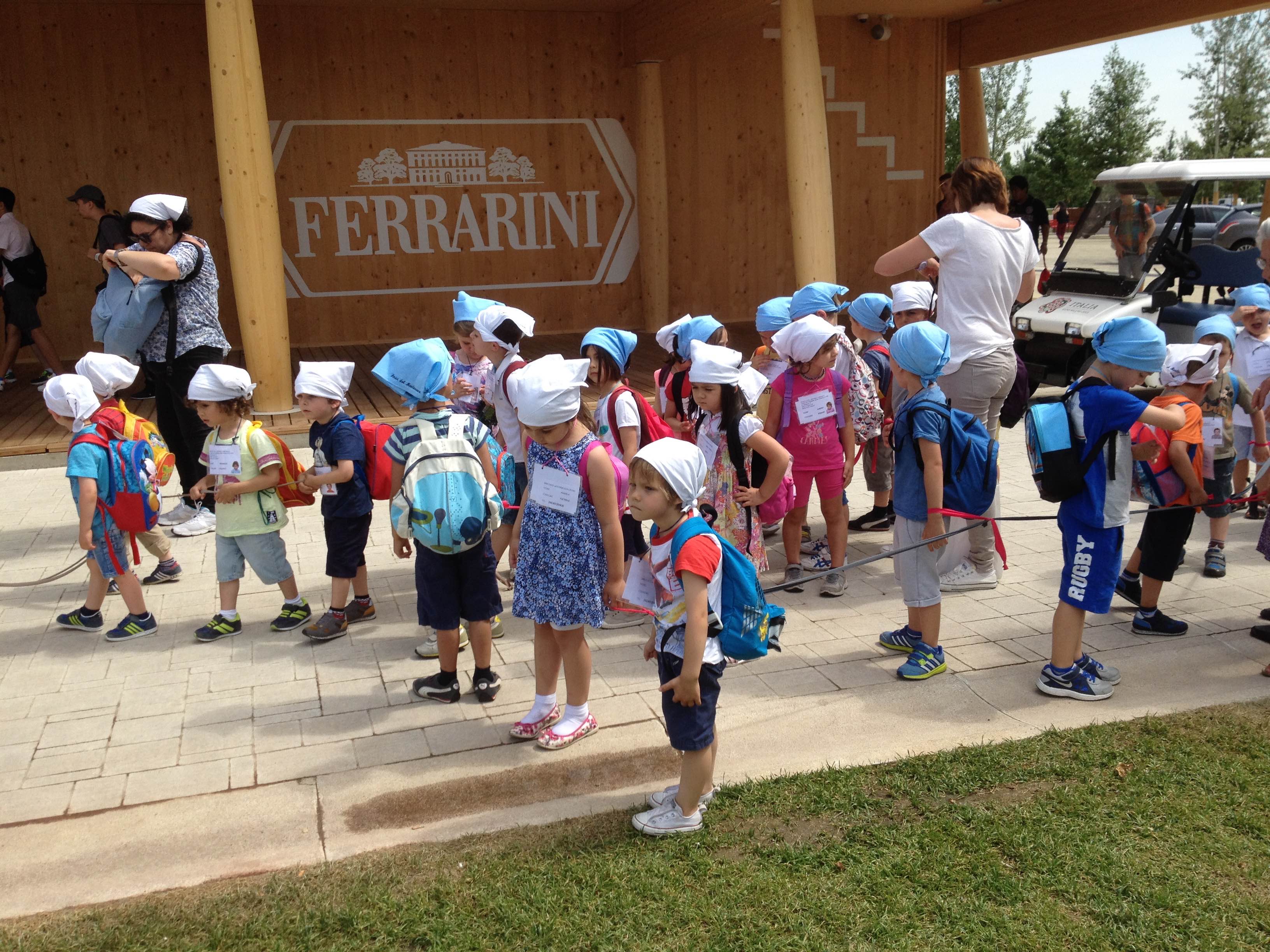
From the Pavilion Zero we walked through the Decumano where most other pavilions are. The popular ones, Brazil, Japan, UK and Israel to name a few that come to mind, were already showing long lines of visitors so we walked on and reached the Piazza Italia where the crowds really gathered. I noted that most of them were Italians, clearly keen to see what their country offered. Many companies and institutions were present, particularly from the food and drink sectors. There were also a myriad of school children at the Piazza. Realizing that some school-visiting day coincided with our visit, we moved on.

A group of school children. The well behaved held the rope while the naughty ones were tied to it!

A group of school children. The well behaved held the rope while the naughty ones were tied to it!

We did manage to visit some individual country pavilions such as the justifiably modest one from Uruguay and some -not so modest- from Arab countries. An extreme queuing effort eventually took us inside the UK pavilion as we had been tipped that it was very nice. In it you follow the journey of the honeybee while exploring some of the contributions that the UK brings to the global food challenge. The “cross-pollination” metaphor is used to describe the exchange of ideas, skills and knowledge and the theme also stresses that Britain is a “hive” of activity. Its highlight is a 17-metre high metal structure, a stylized beehive. While inside it somehow you experience sounds and lights that reflect the activity in a beehive. I found the concept very original and even more so when I understood that the beehive is an actual living one located in the UK!

Unfortunately, through a combination of deafness and placing myself in the wrong spots of the structure I failed to hear the bees! The failure was entirely mine as other people surrounding me were clearly enjoying what they heard! What I did not fail to see was the offer of British food (by famous chefs) and drink at rather high prices! A common motif throughout most exhibits!

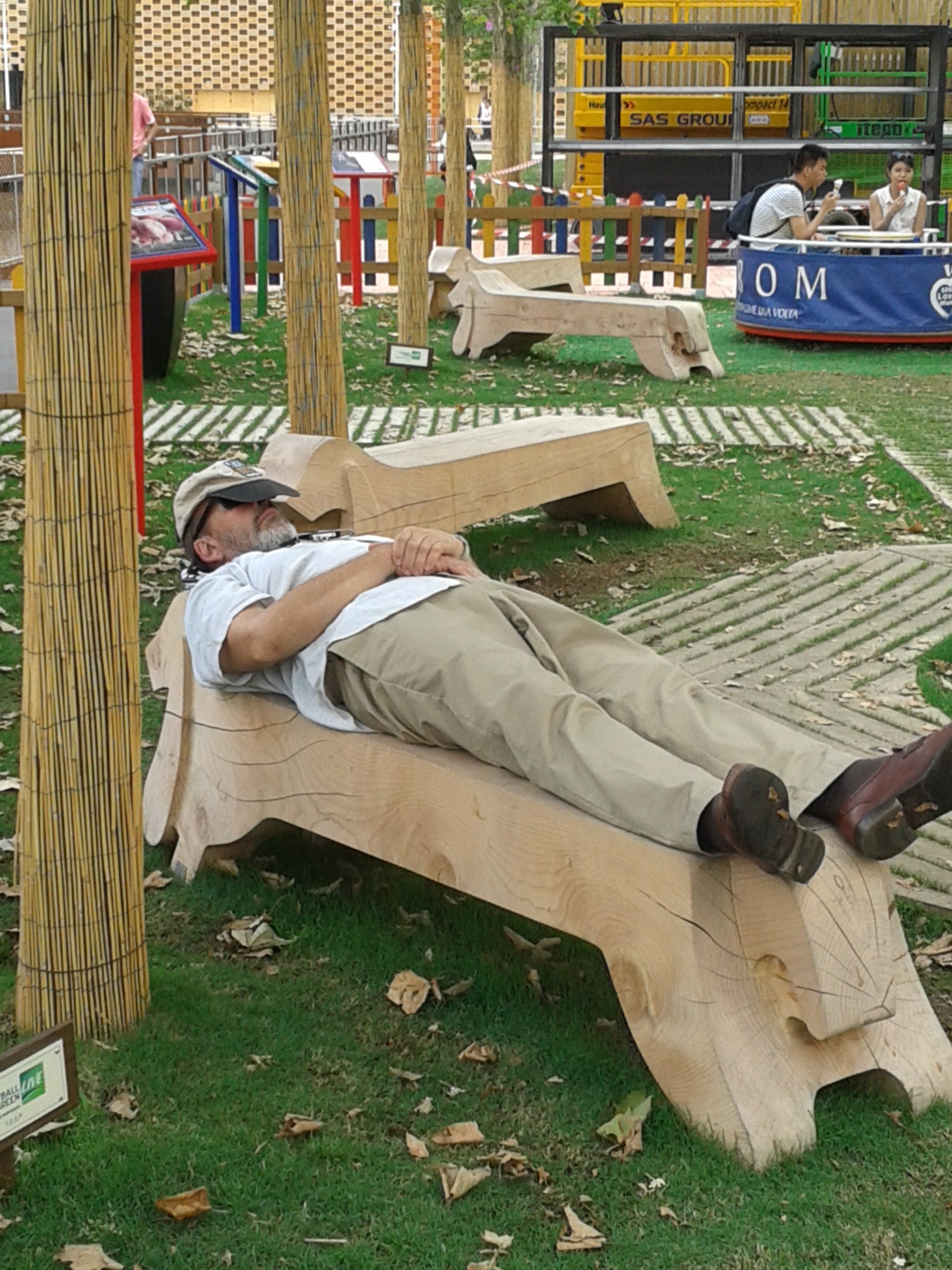
Crowds continued to grow and, as lunchtime arrived, we decided to have a break and join thousand others for lunch in one of the many venues available. While my wife and daughter caught up with their news after lunch, I sought a quiet place to hide from the masses. Unfortunately many other visitors had the same thought and all possible snug places were taken! As the need for the daily siesta intensified my standards lowered and I finally settled for what looked like a peaceful enough -though hard place- and moved in without hesitation.

Aided by listening to my favourite Argentinian radio over the Internet (a wonderful creation!) sleep did not take long to come. About half an hour later I woke up with the clear feeling of being watched.

The bushsnob "hard" dog siesta.

The “hard” dog siesta.

Once I located my brain and relocated myself in time and space I peered through my eyelids to explore my surroundings. I saw watching the old man were kids, probably attracted by my snoring? A quick check showed that I was free to move so I was not Gulliver! Luckily the little people became children and, smiling kindly, I stood up slowly, a bit sore but “recharged” and walked away. My siesta had clearly taken place at one of the Children’s Parks “…where the young folk can learn about the themes of Expo Milano 2015 while having fun.” I had clearly provided part of the amusement…

The queues were still there in the afternoon so we decided to spend the rest of the day visiting the much less crowded food clusters. It was very pleasing to see the various representations from countries we had lived in or visited. In particular time was spent at the Kenya and Zimbabwe stands where we immediately connected with the people there and spent a while talking and walking with them to see other stands in the neighborhood. I immediately understood what the Italians were doing!

THe bushsnob with Zimbabean acquaintances.

Walking with Zimbabean acquaintances.

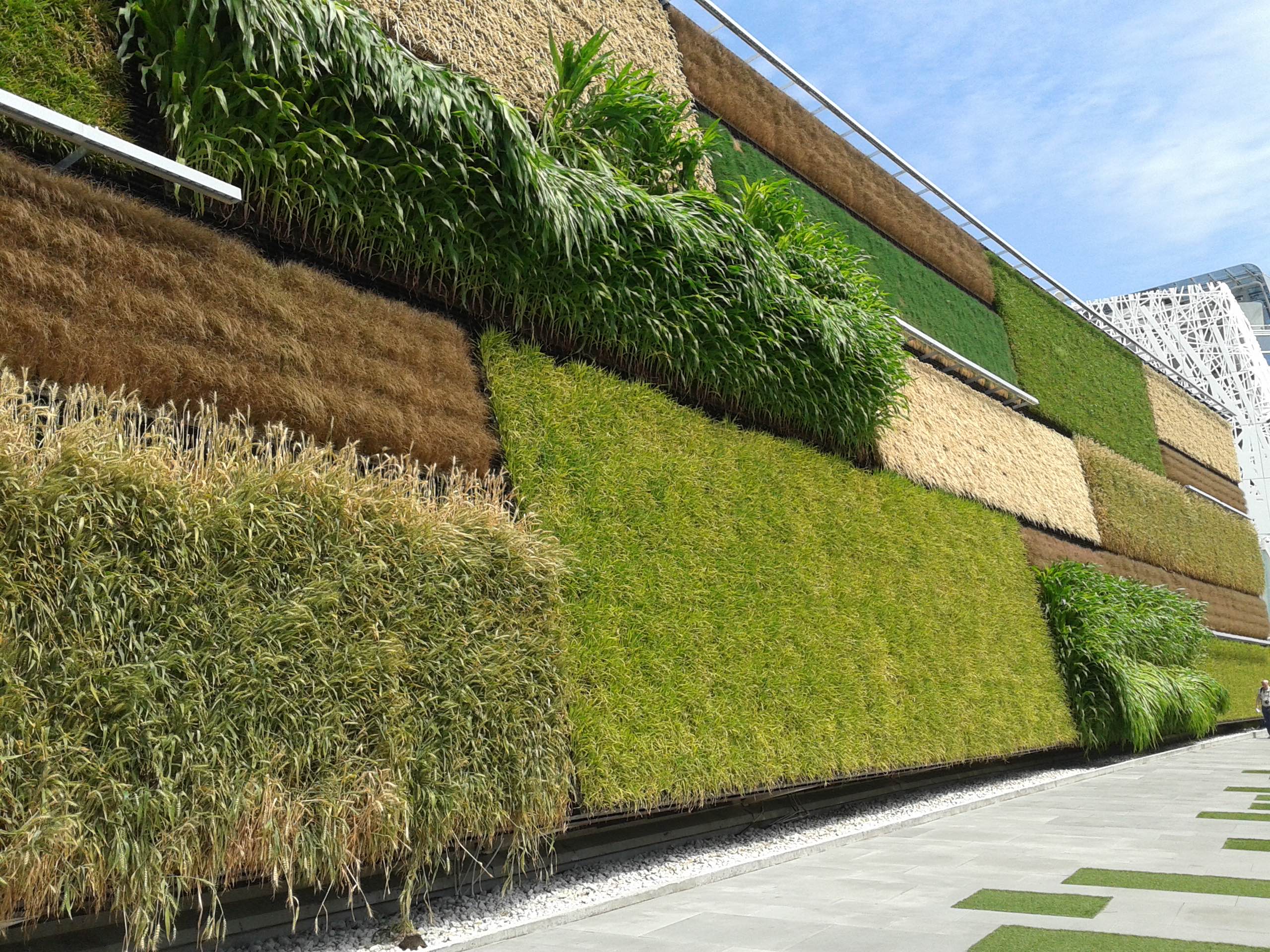
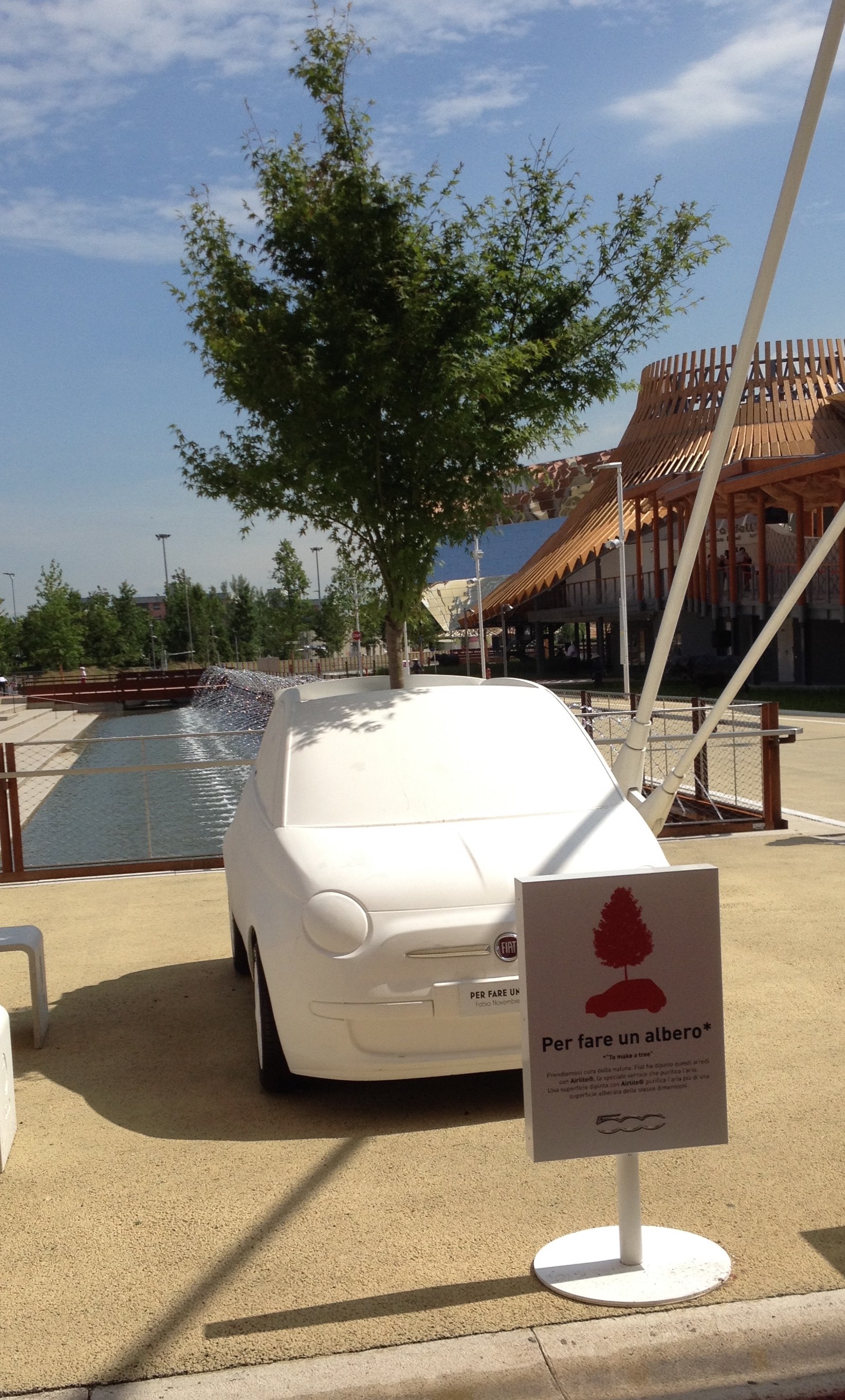
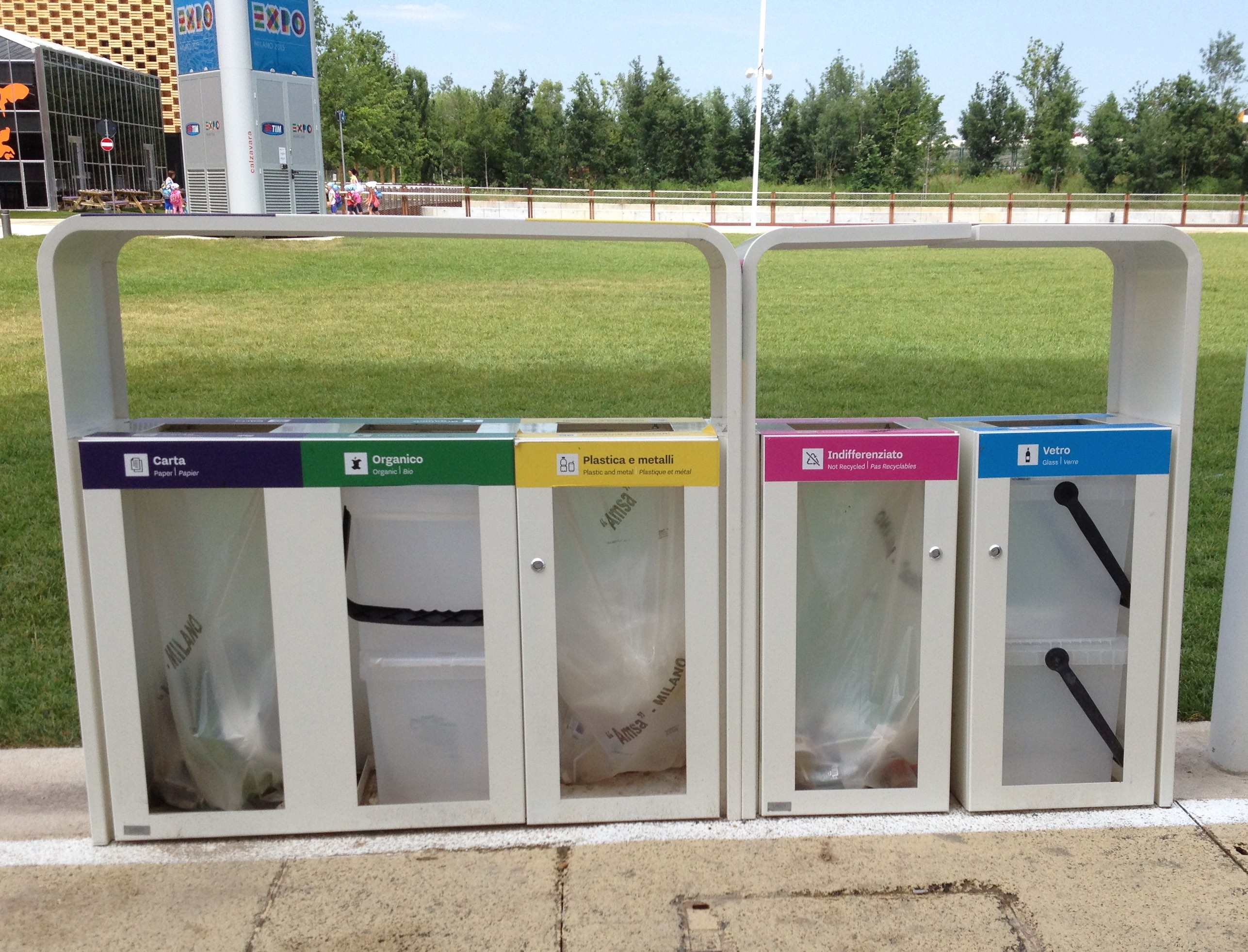
At sunset it was time to go. It was a tired group that walked back to the EXPO train station. I had flashes of vertical agriculture and hydroponics, proposed as useful technologies, air-purifying paint and scores of visiting VIPs and politicians (Mr. Putin was there visiting the Russian pavilion!), the final mountain of discarded food and garbage from the Pavilion Zero and the units used at the EXPO to collect five different litter types! However, solutions to food waste were not many or perhaps not clearly addressed and I missed them.

The "Vertical Field" approach to agriculture, one of the options on offer.

The “Vertical Field” approach to agriculture, one of the options on offer.

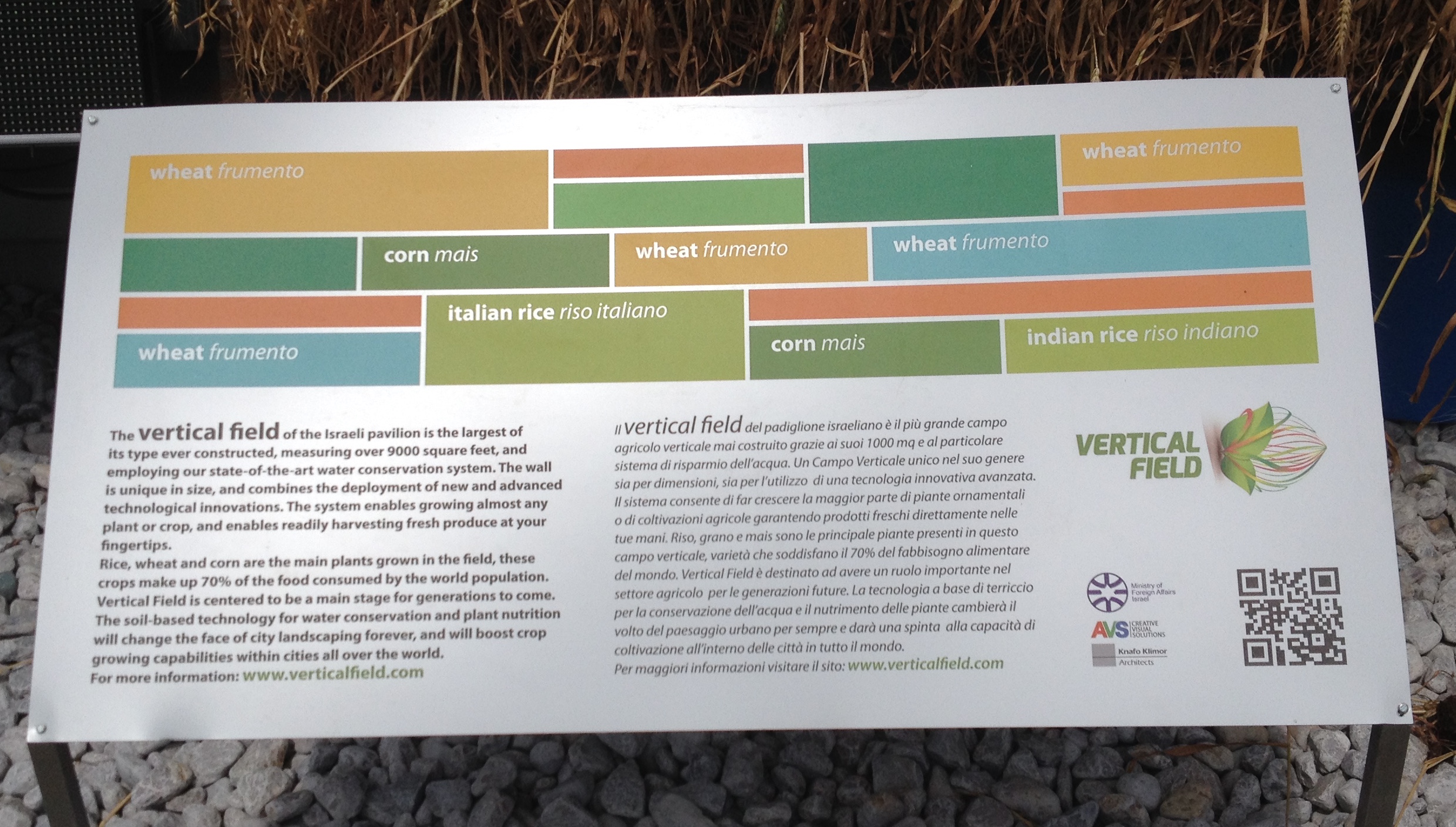
The "Vertical Field" explanatory sign.

The “Vertical Field” explanatory sign.

Cars painted with air purifying paint. At first hand a great idea!

Cars painted with air purifying paint. At first hand a great idea!

Litter management options open to the visitors.

Litter management options open to the visitors.

My lasting impression confirms my foreboding that the core theme of “Feeding the Planet, Energy for Life” was a hard one to tackle. Although a gallant effort is made to present it, my impression was that food was plentiful and available at the restaurants of the EXPO! Not much was presented on “energy for life” and how we would feed the ever-increasing world population. Has humanity run out of solid ideas on how to feed its ever growing self!


[1] See: http://www.expo2015.org

[2] The full text is in http://www.expo2015.org/en/pavillion-zero

Noah’s Ark

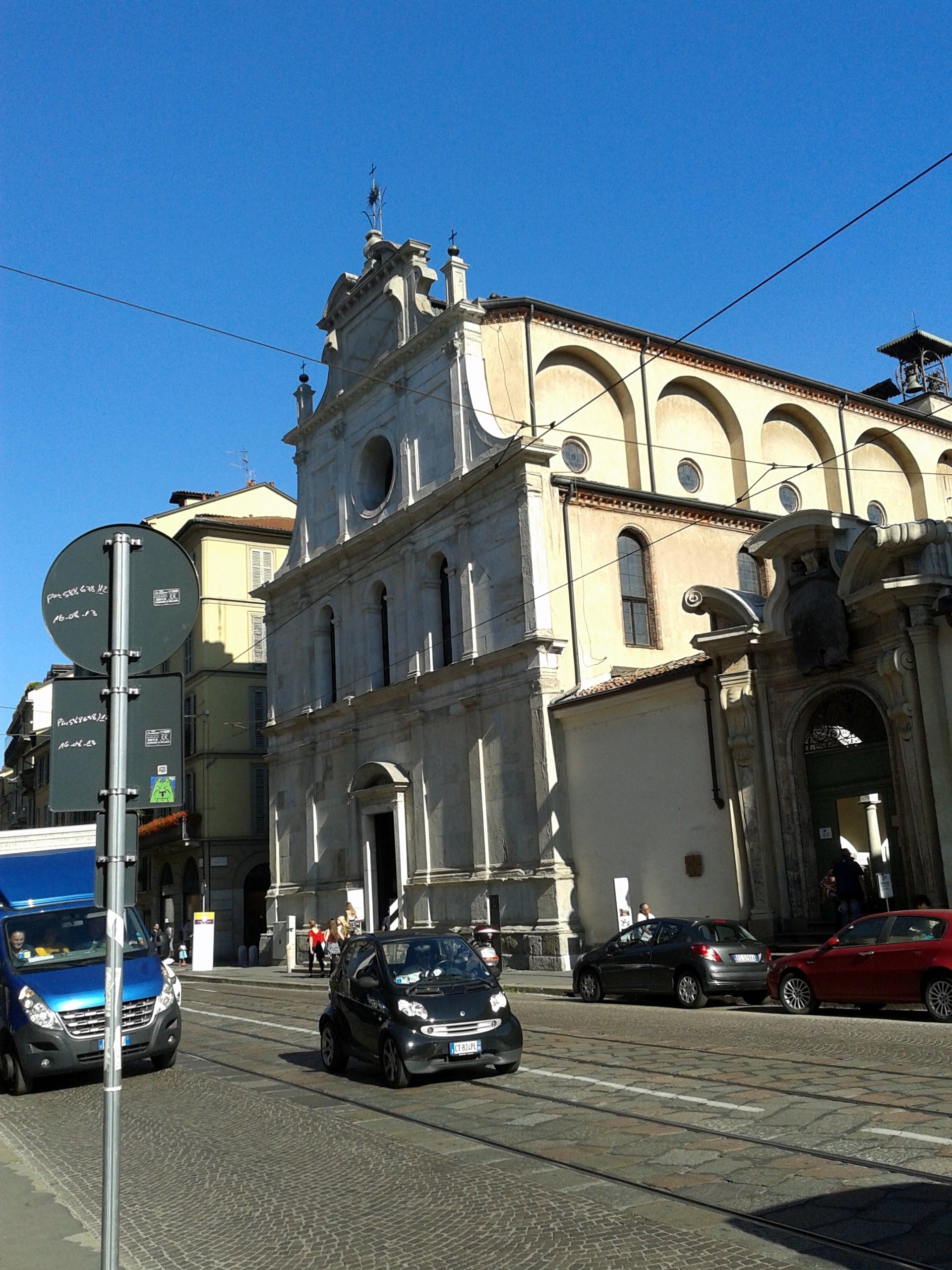
I discovered too late that my wife could also spot “cupule-less” churches! Such is the case of San Maurizio al Monastero Maggiore Church located in via Corso Magenta, 15, again, quite close to the famous Duomo and its crowds in Milan, of course.

From the outside the Church is rather anonymous and I could have easily walked past it. In fact it was originally a female Benedictine Convent and is mostly ignored by tourists. Of course my wife zeroed in on it and quickly went up the entrance steps. Luckily she did not see me rolling my eyes! As I was about to adopt my usual waiting stance at the outside steps (yes, where the beggars are normally begging!) I caught a glimpse of its interior and did not hesitate to follow her! I was truly rewarded.

The church of San Maurizio, Milan.

The church of San Maurizio, Milan.

The church is literally amazing in its inner beauty as, with the exception of its roof, it is completely covered in frescoes. If we forget the roof, I dare to compare the ambiance to the world famous Sistine Chapel and I mean it! The Church, built in the beginning of the XVI century, has another unique feature: it is divided into three separated parts -a crypt, an ample cloistral area and a front part open to the public. The nuns could only follow the mass offered to the public in the front of the church from the confines of the cloister through discreet windows!

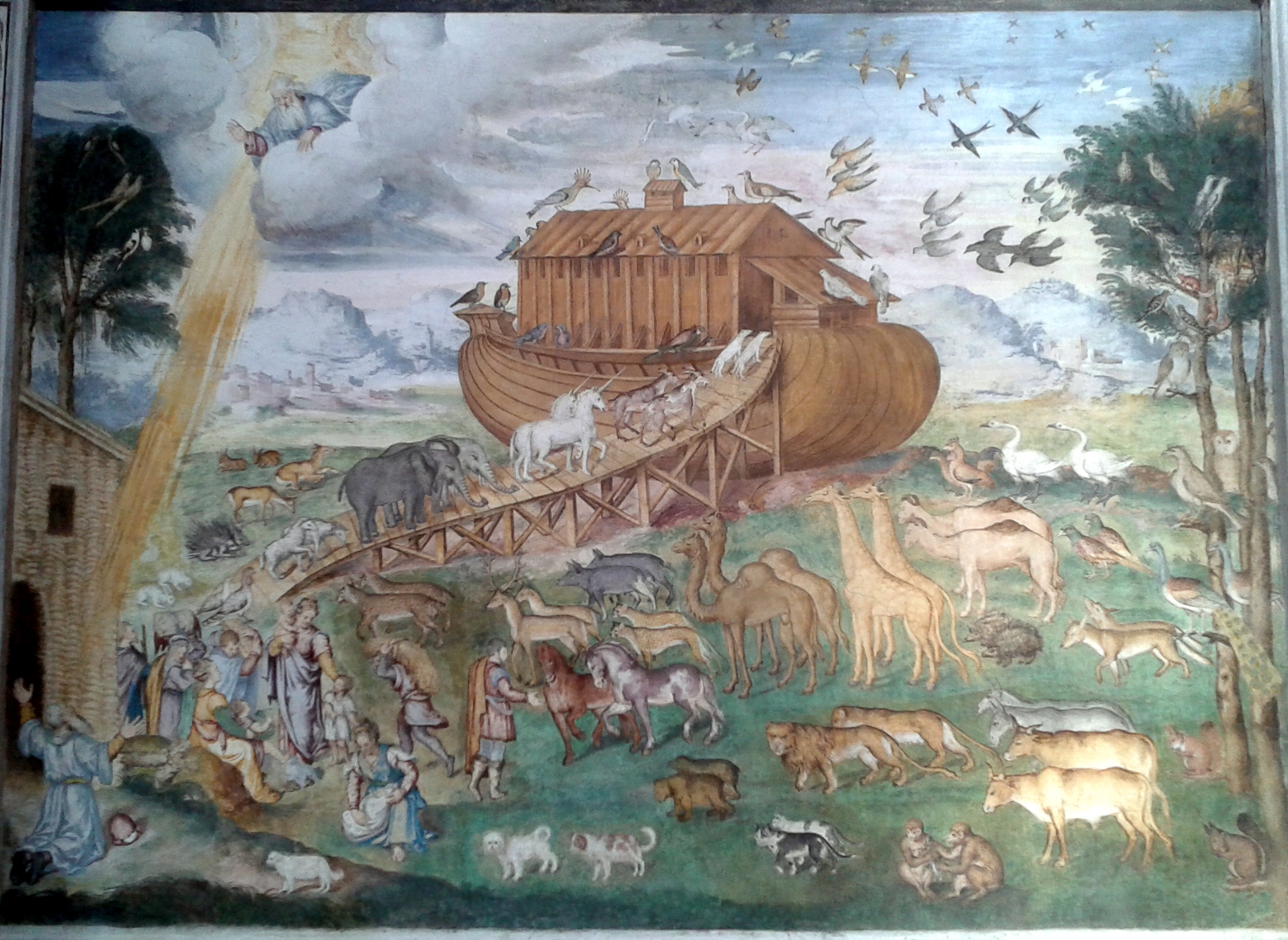
To me, a retiree, naturalist and bush snob, the church offered a much more interesting feature that I almost missed! This is the Chapel of Noah’s Ark with its frescoes by Aurelio Luini. The Chapel is the last of ten chapels in the Church so I was a bit “Chapel-bored” by the time I got to it but all was forgotten!

There are three paintings on the theme of Noah’s Ark: before, during and after the deluge. My attention was drawn to the second as the others -secondary- show the vivid drama the Ark must have gone through in rather crude terms. The main painting shows the usual scene of the animal pairs queuing in amazing interspecific harmony to get on public transport (hello nowadays commuters…) while Noah is linked to God, surely getting further instructions.

Noah's Ark by Aurelio Luini.

Noah’s Ark by Aurelio Luini.

Spending a few minutes looking at the fresco, several interesting details slowly appear. There are pairs of all animals, with the exception of a trio of dogs and I enjoyed seeing African hoopoes perched on the roof as well as both porcupines and hedgehogs. Luckily they were saved!

However, the most interesting feature is the pair of white unicorns joining the queue, just in front of the elephants. Why are they there if they did not exist? We will probably never know the reasons. But what if they existed and became extinct after checking in? There is a rumour that they got chewed up en route by the lions.

The sight brought me to wander about its possible (non-existing) scientific name! Regarding its Genus I have no hesitation in placing them with the Equus as they are very horse-like and I do not like to complicate scientific nomenclature as I am not after glory these days. The specific denomination was a challenge. Names such rectocornis, monocornatus, virgo or vestalatractatus and others were left out as they could be misinterpreted or too risqué. The most appropriate seemed to be the rather boring monocornis, following the example of the Black Rhino that having two horns is a bicornis!

The final product would look like:

Kingdom:   Animalia

Phylum:     Chordata

Class:         Mammalia

Order:        Perissodactyla

Family:      Equidae Gray, 1821

Genus:      Equus Linnaeus, 1758

Species:   monocornis Bushsnob, 2015[1]

Whatever happened to the unicorns, the visit was both enjoyable as well as thought provoking. What more can you expect from just “another Church”?


[1] Pliny the Elder around AD 60 in Rome is believed to be the first Naturalist colleague to mention it. He called it a monocerotem. Unfortunately he got it wrong…

Fish and chips[1] 

After seen so many people with fake fishing rods in Milan (read selfie rods) my hunger for fish increased so, apart from eating mussels at a nearby restaurant, my search was again aided by my daughter who informed me that there was an Art Aquarium exhibition that promised to leave you with an open mouth! The information we found told us that the “Art Aquarium” had been in many cities in Japan and this was the first time that it has been staged outside the land of the rising sun. Its creator is Hidetomo Kimura, who has collaborated with Venini, the glass makers of Venice, since 2012 and the latter has been involved with the glass work of the show. “He (Kimura) is the first and only person to combine art, design, and interior with his life work aquarium” said the information available.

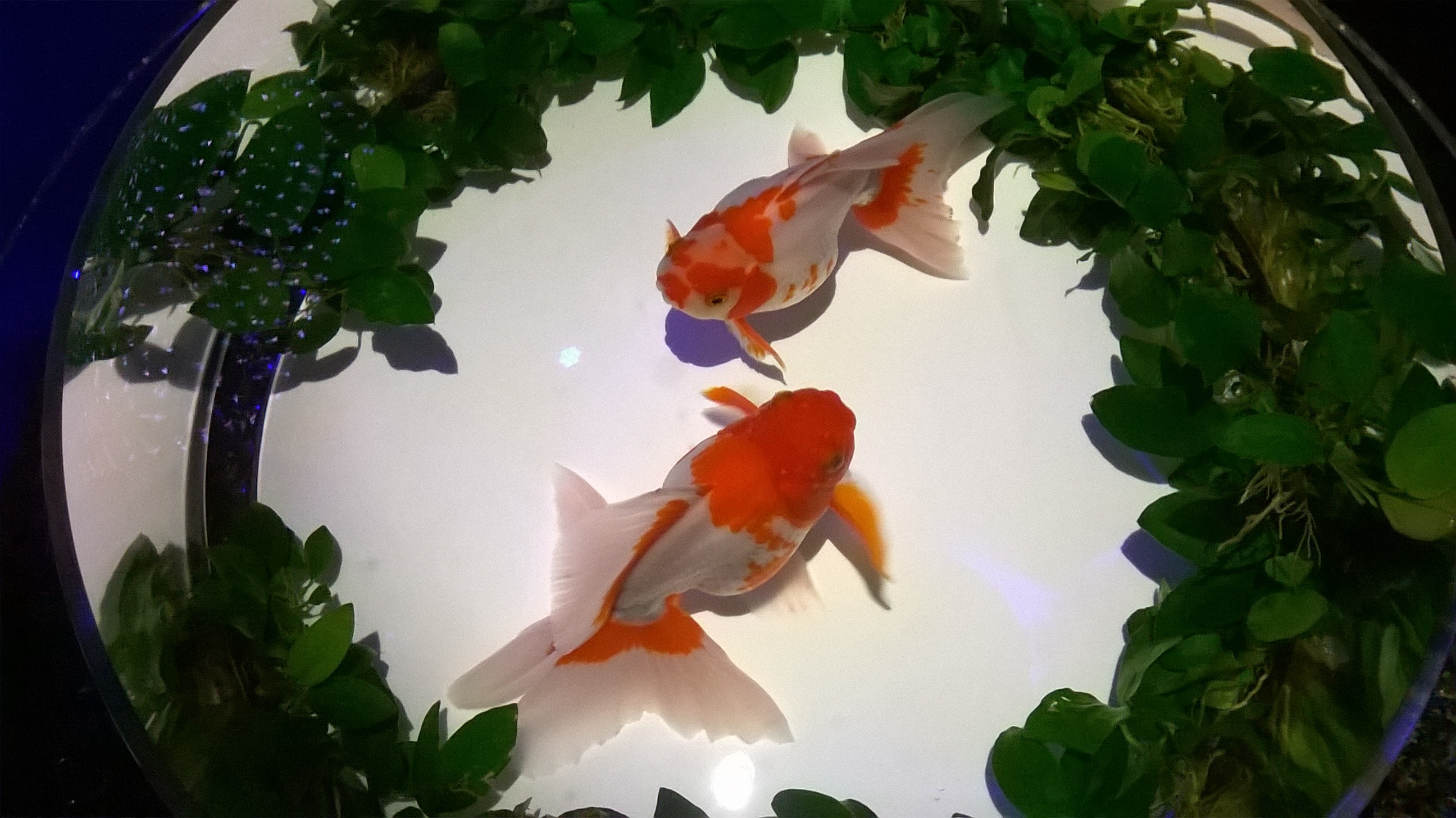
However, we learnt that the goldfish (Kingyo in Japanese) we saw descended from the carps kept for eating that showed some colour mutations (red and yellow) over two thousand years ago in China. These were bred until they became common. The latter in turn also mutated and the fancy Kigyo that exist today were developed, mainly in Japan. Most of them can only survive at aquaria or in fish tanks.

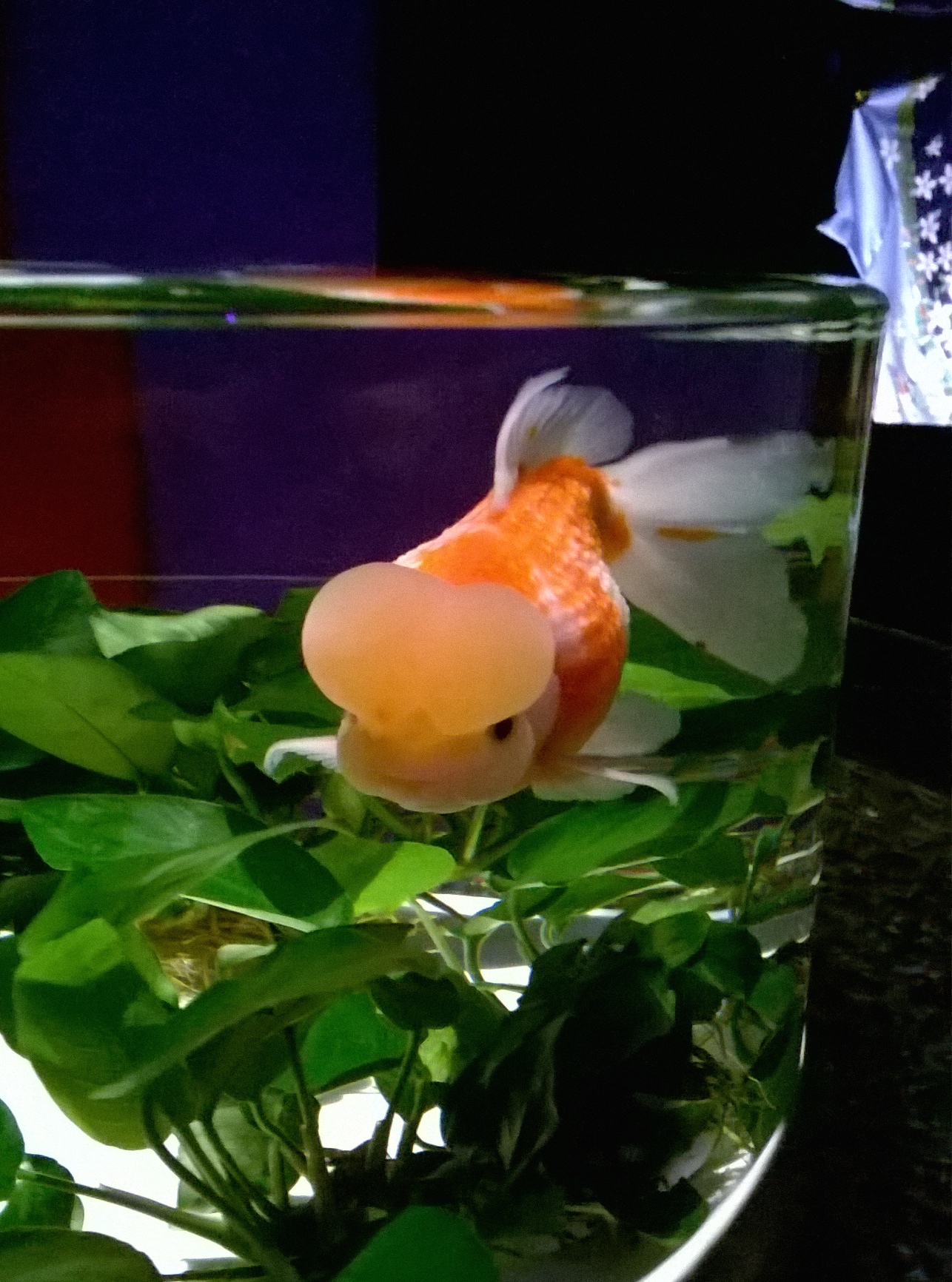
Our favourite Kingyo.

Our favourite Kingyo.

Another type of Kingyo of the many shown.

Another type of Kingyo of the many shown.

Clearly the exhibition needs to be seen to be really appreciated, as it is basically a combination of hundreds of goldfish with glass, lighting and music. As our cameras were only those from our phones and light was not abundant, I am afraid that our pictures do not do justice to what we saw.

As a naturalist I believe that, apart from the artistic beauty of what is shown, the secret of including fish into such a show is to keep the biological balance at all times. It must be a very delicate equilibrium that enables the water to be kept crystal clear when large numbers of fish are confined in reduced spaces. Of course this aspect of the show is behind the scenes but it must involve the work of powerful pumps and filters as well as special feeding strategies (the music and prevailing darkness are probably there also to conceal the needed machines!) It is one thing to stage such a show for a weekend and another very different kettle of fish to maintain it for a few months! The thought of the effect of the light on the fish also came to mind!

The

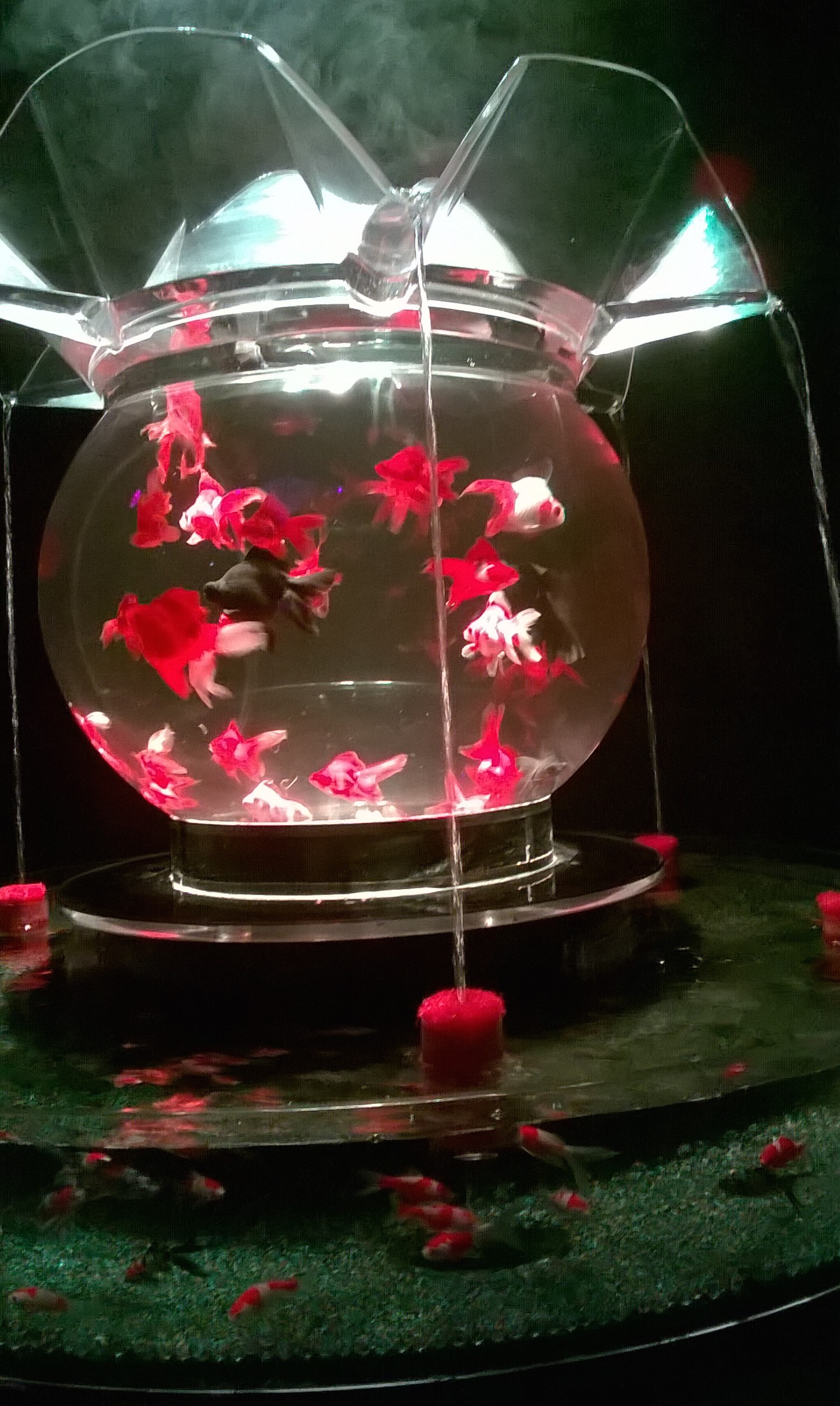
The “Oiran” .

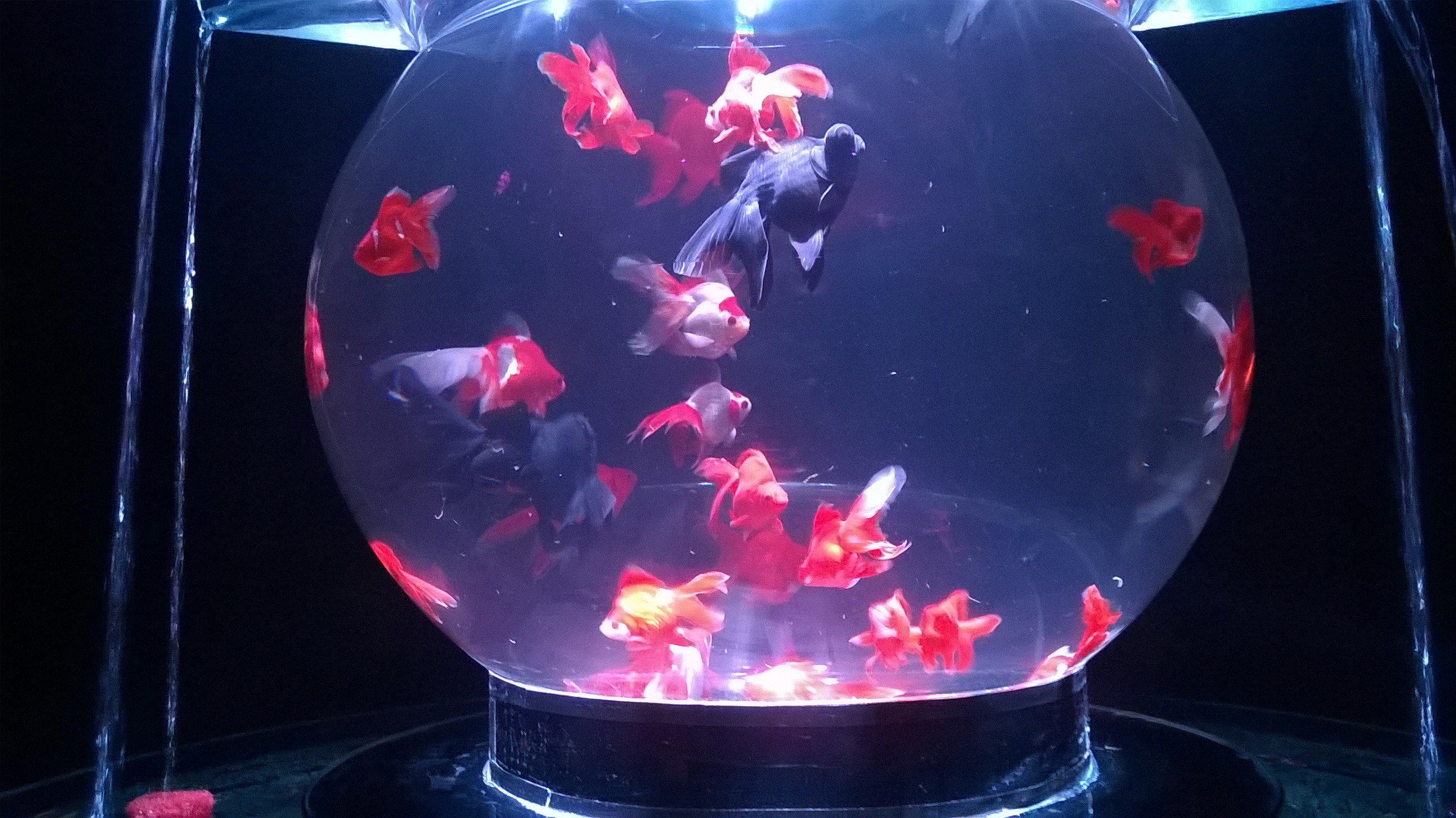
The centre of the exhibition contains several Kingyo, some of which were rather large, of various colours (red, red and white and black) in a large glass water tank. This is displayed using a changing light routine that has an amazing effect. I learnt that it is called “Oiran” that in Japanese means courtesan. It mimics places in Japan where educated and artistic women used to meet during peaceful and politically stable periods that showcased the nation’s good economic growth, known as the Tokugawa period (Edo period) that spanned from the 16th to late 18th centuries.

Another view of the

Another view of the “Oiran”.

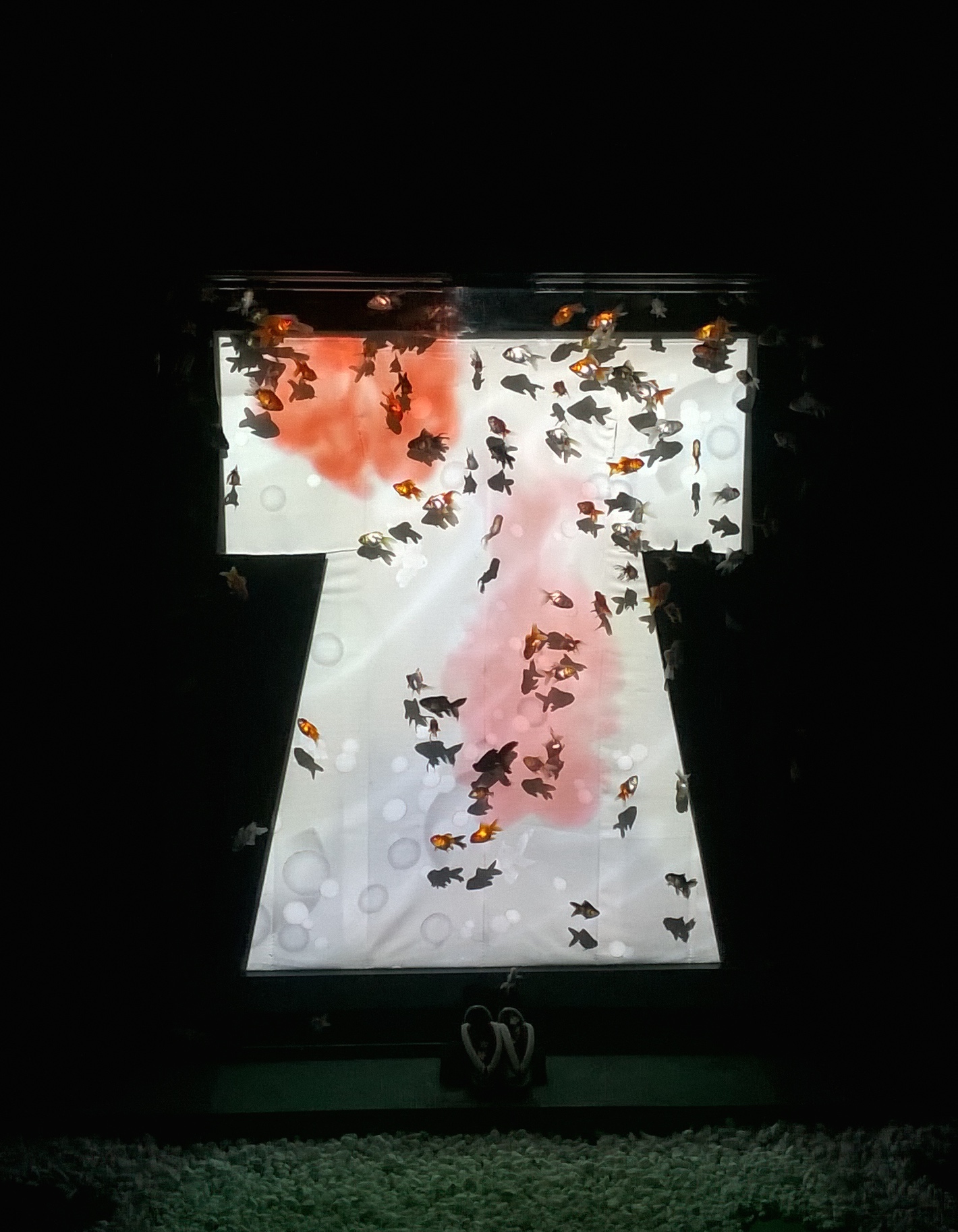
Other displays go from illuminated rounded fish tanks that resemble miniature infinity pools with the water maintaining surface tension at the edge of the glass, the “Kimonorium” that, as the name indicates, is presented as an ever-changing kimono design as the fish move and various background shapes projected onto the white outfit.

The

The “Kimonorium”.

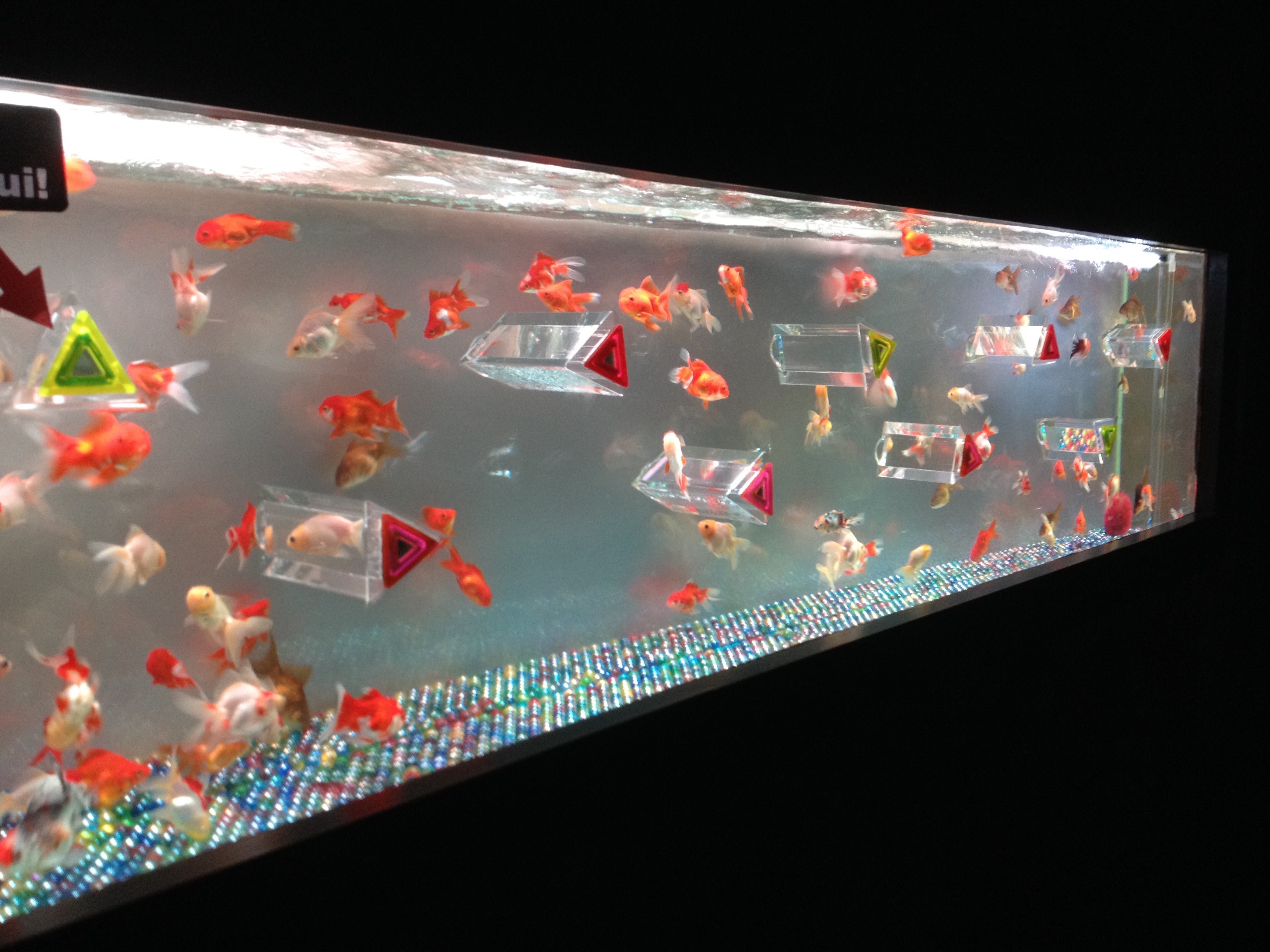
The “Byoburium” follows a similar approach to show Japanese screens that depict the seasons although, because of the fish movements, they are always different! There are other displays including our favourite: a large fish tank where kaleidoscopic viewers have been placed to show the changing images as different fish swim past!

The

The “Byoburium”.

The

The “kaleidoscopic” tank. The idea is to look through the triangles.

A very beautiful display, but I value the very fine ecological balance behind it even more!

[1] Of the electronic type…

Life and work in Kenya: Intona

The work at Intona Ranch involved the organization of a six-month field trial, a first for me. Luckily Alan had a system in place for his own trials and I just “piggybacked” on what he had created. As he was the Head of the project he kindly supported my work very generously and enthusiastically. He lent me his work Land Rover, herdsmen and the routine disease monitoring system. I needed to add the tick burden evaluation part by bringing in my own people to carry it out. Visits were required for monitoring purposes and to replace personnel every two weeks. As mentioned earlier, I had employed two people: Kimondo and Tommi. The latter was a Maasai who was no stranger to the Transmara and although he was not as hardworking as Kimondo his local knowledge would prove of immense usefulness. We were a good team!

Routine monitoring of experimental cattle is key.

The team. At the time doing routine monitoring of experimental cattle. From left to right: Chege, Kimondo, Tommi and Benson.

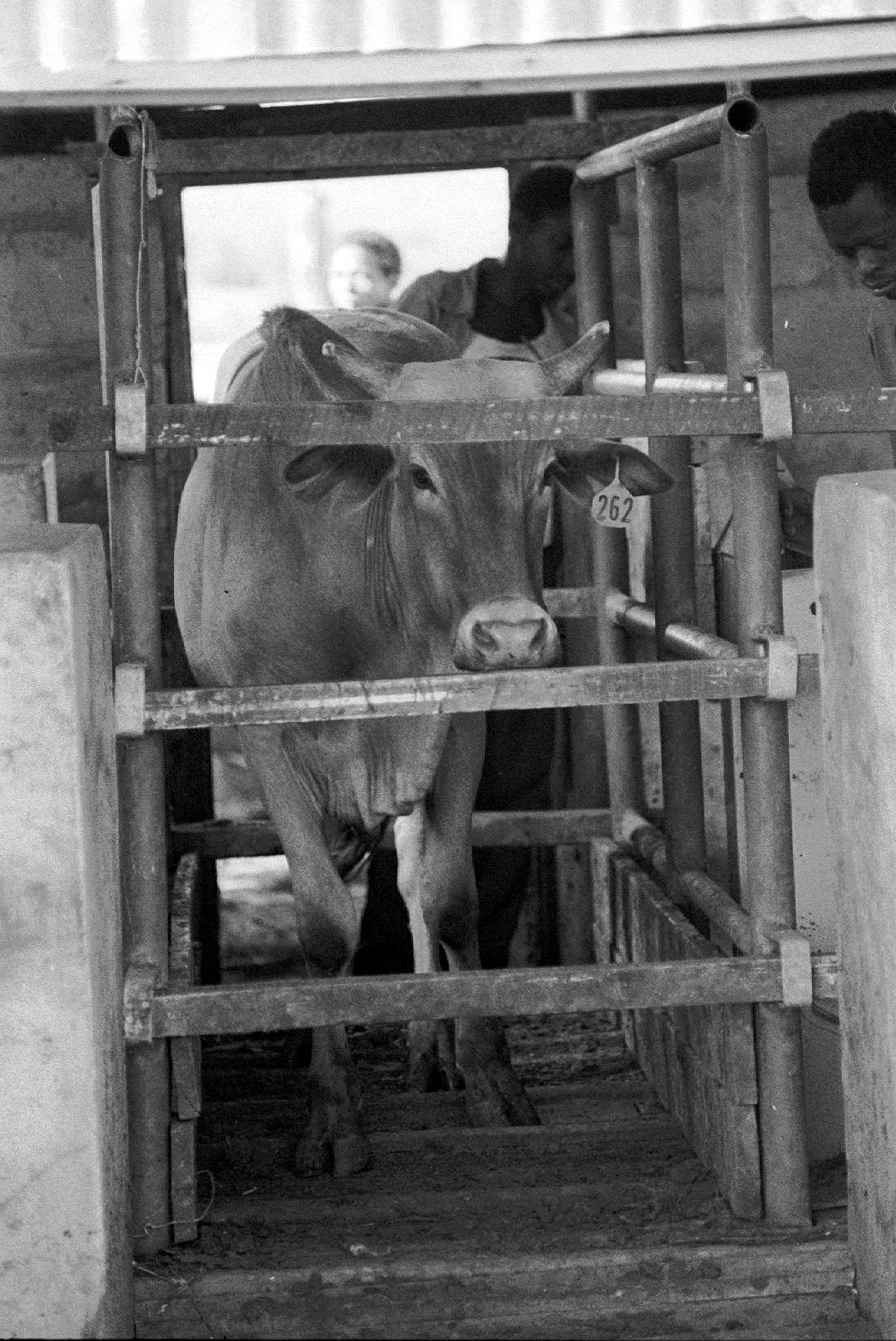
The work would consist in the creation of two groups of cattle immunized against Theileriosis by Alan and his group. This would enable me to stop applying tick-killing chemicals (acaricides) to one group while the other would be maintained with strict tick control. The comparison on their live weight gain and the tick species and burdens observed would enable me to estimate the expected losses that the ticks themselves would cause to the cattle. Clearly it was only a start but something that had not been possible to assess before.

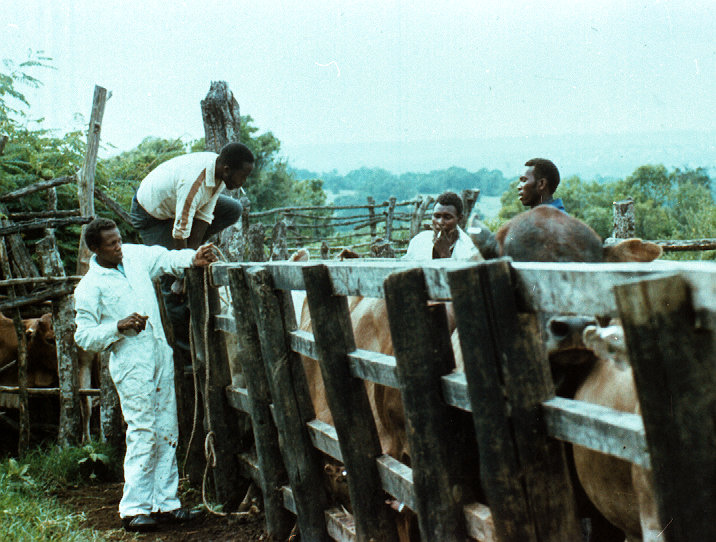
Cattle being dipped.

Cattle being dipped.

Liveweight gains were an important parameter in the trials.

Live weight gains were an important parameter in the trials.

Now I needed to find the right cattle for the trial and get them to Intona. This required some planning and involved travelling to Laikipia in Northern Kenya. I was searching for Boran, a Bos indicus breed as these would remain at Intona ranch once the trial ended and we knew that Joe would be very keen on them.

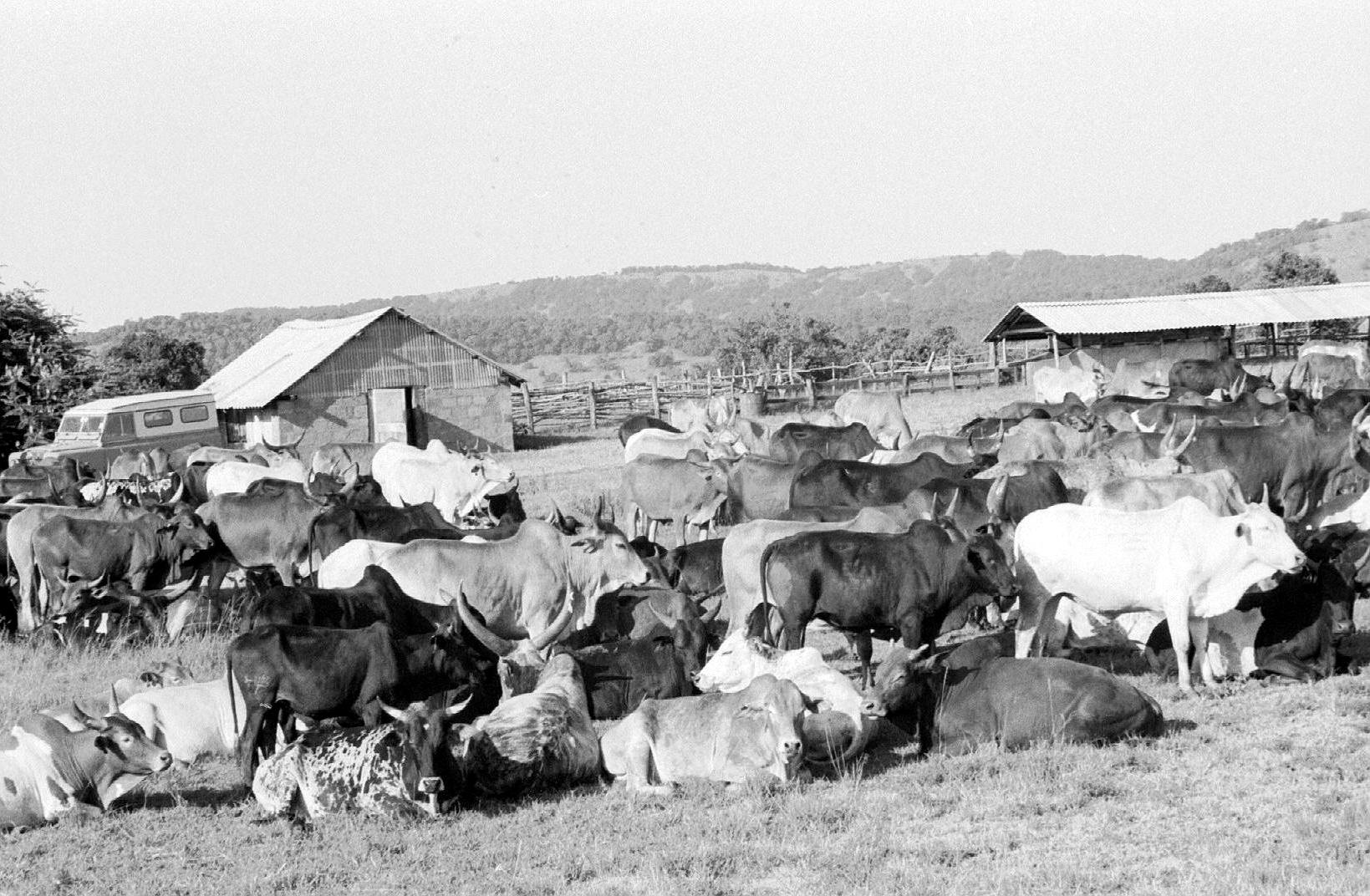
The cattle of Intona Ranch.

The cattle of Intona Ranch.

We did not take any chances...

We did not take any chances…

Gilfrid[1] had his ranch beyond the slopes of Mt. Kenya in Laikipia and he had the cattle we needed. I organized a “cattle-buying” trip. Luckily in Alan’s Land Rover, I departed for Laikipia with Kimondo and Tommi to assist me on the journey. A large lorry followed us to carry the animals. We drove past Murang’a with its amazing vegetable offer, Nyeri and Nanyuki on the slopes of Mt. Kenya. The views beyond Mt. Kenya into the very dry Northern Frontier District were worth stopping to take in. At Nanyuki we went West towards Rumuruti, gradually descending from the mountain into nomadic grazing land to finally arrive at the ranch. Gilfrid was waiting with the cattle on display for us to choose what we needed. The selection done, over a cup of tea we agreed on the final price and payment and then loaded the animals on the lorry. As the latter was slower than us, we agreed on the route to follow and told them to depart before us, as we were hoping to arrive at Nakuru to spend the night there.

We lingered a bit longer talking to Gilfrid while he showed me his ranch. He was clearly an interesting “character” and drove a “Hang over”, due to a modification he made to the back badge of the Range Rover! Returning to the house I saw three or four skulls on the roof of the verandah. I realized that they were lions’. Gilfrid explained that they had been “cattle-eaters” that needed to be shot, as they killed far more animals than they needed to eat. “I tolerate losing a few cattle but not that one lion needlessly kills ten cattle in one night!” he asserted. However, he reassured me that lions were still plentiful in the area and that he loved to hear them roaring in the evening, provided that they kept away from his cattle! I could not help asking for one and he promised to remember me the next time a lion overstepped the mark[2]. He agreed and after a while we said our farewells, as I needed to catch up with the lorry. I liked Gilfrid and would return to him for more cattle in the future.

After about an hour, the cloud of volcanic dust in front of us indicated that we were approaching our truck. As I positioned the car to overtake it and its dust plume, I saw a grid on the road that I just managed to avoid by braking and swerving to one side. Recovered from the sudden jolt we came close to the lorry again. “What on earth is going on!” I muttered while I tried to make sense of what I saw. The back door of the lorry was missing and a line of cattle were looking at me! The sudden appearance of the grid on the road suddenly became clear, it was in fact its back gate! I started hooting and flashing my lights hoping that the driver would stop. He ignored us or did no hear us so I took the risky decision of overtaking it to stop it from the front. The maneuver was not easy as it was a narrow dirt road but somehow I managed, probably helped by my stress!

We agreed that as soon as the lorry stopped we would jump out to stop the animals from jumping off and scampering into the endless savannah, as there are no fences in that part of Kenya! Luckily we managed to stop the lorry before any of the animals jumped and, while the herdsmen held the animals in check, I rushed back to collect the back gate that, luckily, somehow fit inside the Land Rover! I mentally thanked the cattle for being wise and verbally the herdsmen for keeping them at bay. The gate fixed, we resumed our journey with our car in the lead.

We managed to get as far as Kericho where we watered the animals and made sure that all was tightly secured before we retired for a fully deserved rest. As the lorry was much slower than us, we also agreed that it would depart at dawn towards Kisii and onwards until Kilgoris and eventually to Intona Ranch. I was really exhausted both physically and mentally and managed to count about three cattle jumping before I crashed into sound sleep!

When we were ready to go the next day, the lorry had already left as arranged. We headed for Kisii following the tarmac, expecting to find our lorry on the way. We got there and didn’t find it so I assumed that they must have continued towards Sotik, the next town so I proceeded to that destination. Still no lorry! I could not believe that they had already passed Sotik so I retraced my steps looking for it, as it was likely that they had stopped on the way and I had missed them. This proved to be a mistake as we still found nothing on the way back and by this stage I had lost too much time to catch up to it on the road!

My first and rather distressing thought was that my cattle had been stolen! There were lots of stories of cattle rustling taking place in that region of Kenya at the time and I had been warned about them prior to our departure. Not sure about which Police station to report the theft to, I decided to leave that as a last resort and instead pushed on to get to Kilgoris as this was our final meeting point before we took the rougher road to Intona Ranch.

We drove silently all the way and arrived at Kilgoris in the late afternoon, rather crestfallen and upset with myself for having been so careless. As Kilgoris is a small place, if the truck was there we would be able to see it, so we entered the town with a glimmer of hope. “There it is” exclaimed Kimondo and there it was, our lorry was almost the first vehicle we saw, parked at the prearranged meeting point in the town square. As expected, the lorry was totally surrounded by Maasai that were keenly watching our cattle. Through Tommi I learnt that they were really excited and very complimentary about our rather lovely and fat Boran yearlings! My worries increased again with the knowledge that Maasai believe that all cattle belong to them!

We finally found the driver at a nearby shop and told him of our adventure. Happy to see us again, he laughed at our obvious travel miscalculation. He had left Kericho earlier than we thought, as he was not sure of the condition of the road and got to Kisii and then Sotik with ease. Seeing this, he decided to push on to Kilgoris to save time and to arrive there before nightfall as I had recommended to him. He got to Kilgoris early, parked the lorry and waited! He shared my wariness about the curiosity shown by the Maasai crowd and we agreed that his “tout” would sleep on the lorry to avoid any nocturnal mishaps!

I was relieved to see that things were back to normal and I treated everyone to some “Nyama choma[3] and “ugali[4] and then went to the hotel to sleep. The place was rather basic, prepared for a Maasai clientele but I did not mind and slept soundly as we were reunited with our “lost” cattle!

The following morning we drove in front and, luckily, the road was dry. We reached Intona ranch without further disasters. The field trial could now start!

[1] See: http://suyiantrust.wildlifedirect.org/author/gilfrid-powys/

[2] See “Lion Skull” later in this blog.

[3] Barbequed beef.

[4] Maize meal.

Life and work in Kenya: Muguga[1]

The next time I met Matt, after my return from Intona Ranch, he was very positive about my collaboration with Alan at Intona ranch. That was good news as I did not need to present to him all the arguments I had prepared. However he tersely informed me that there was still one more hurdle: a final meeting with all institutions to settle the issue. Apparently, a new idea had come to the fore that needed discussion. The Director of KEVRI from Western Kenya had proposed an alternative area of work in Busia, his home area, of course. “You would live at a former leprosy hospice there”, said Matt just managing to suppress a chuckle! I was not amused at his Scottish sense of humour.

The meeting was large and long and then it was closed. I was dismayed as for me, nothing was decided and I felt like holding the participants in place until they reached a decision. As clearly this was not possible, I also left rather crestfallen at the apparent lack of agreement. Matt came to me and said “We are fine, it will be Muguga and Intona!” I looked at him totally perplexed. He saw my expression and said “Julio, you should be happy as things went your way!” I accepted his words in amazement and learnt that meetings in the Kenya environment did not involve heated discussions as they did in Latin America, but rather polite exchanges where things are often left unsaid but at the end decisions are taken. I learnt another valuable lesson!
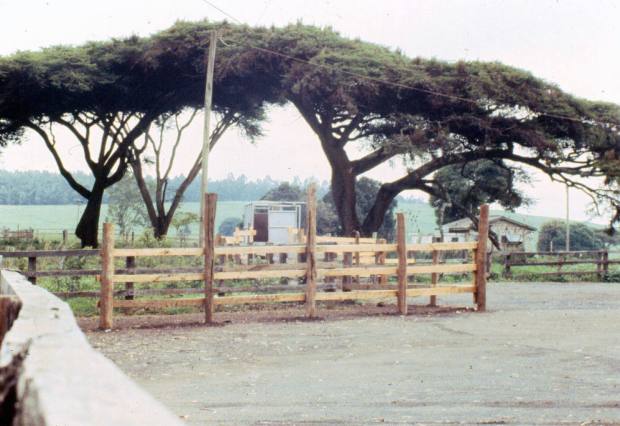
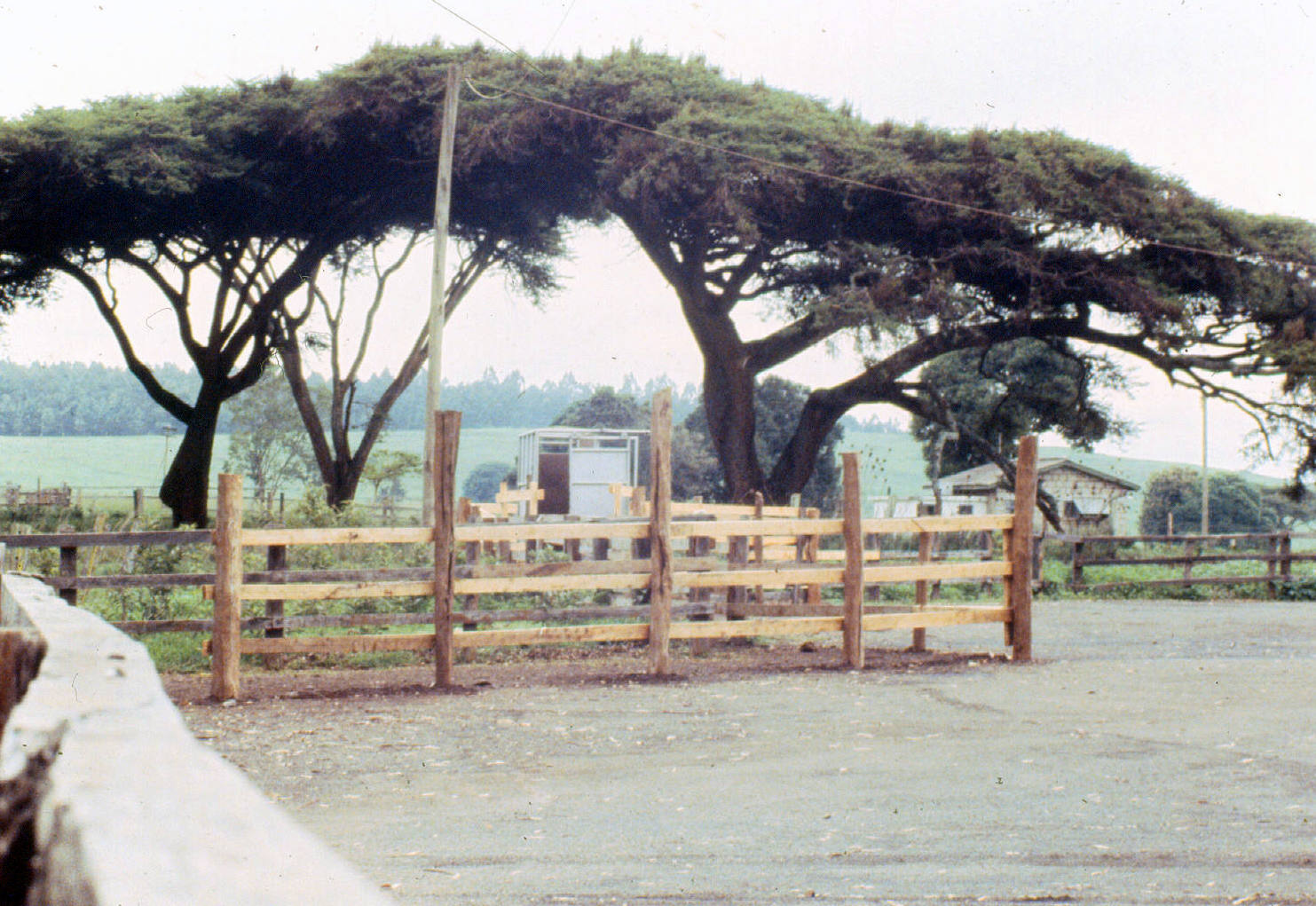
A view of the Isolation Unit showing the flat top acacias under which I spent long hours writing.

A view of the Isolation Unit showing the flat top acacias under which I spent long hours writing.

Believing Matt and having confirmation from Alan, the agreement was that I would use a two-pronged approach to tackle my goal of evaluating the impact of ticks on cattle live weight gain: a controlled trial where I would infest three groups of young cattle with a known number of adult ticks and therefore attempt a finer quantification of their impact under controlled conditions and a field trial where I would compare cattle with and without tick control. This was possible as Alan had a reliable method to engender immunity against Theileriosis, enabling us to stop chemically treating the cattle against ticks[2].

The controlled experiment would take place at the then empty Isolation Unit in KEVRI (Muguga) itself while the field trial would take place at Intona ranch. I set to work immediately as time was short and there were many issues to settle before the work would start. I needed herdsmen, ticks, cattle, housing, feed, drugs and transport to name only the basic needs. The FAO funding was a modest USD 20,000 so I needed to collaborate with others to achieve my goal in the two years I had left!
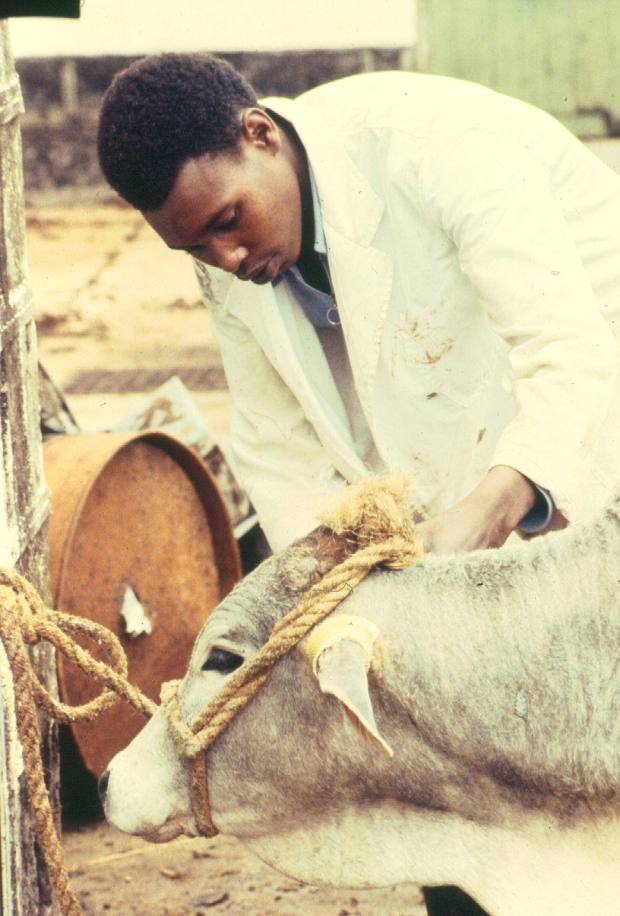
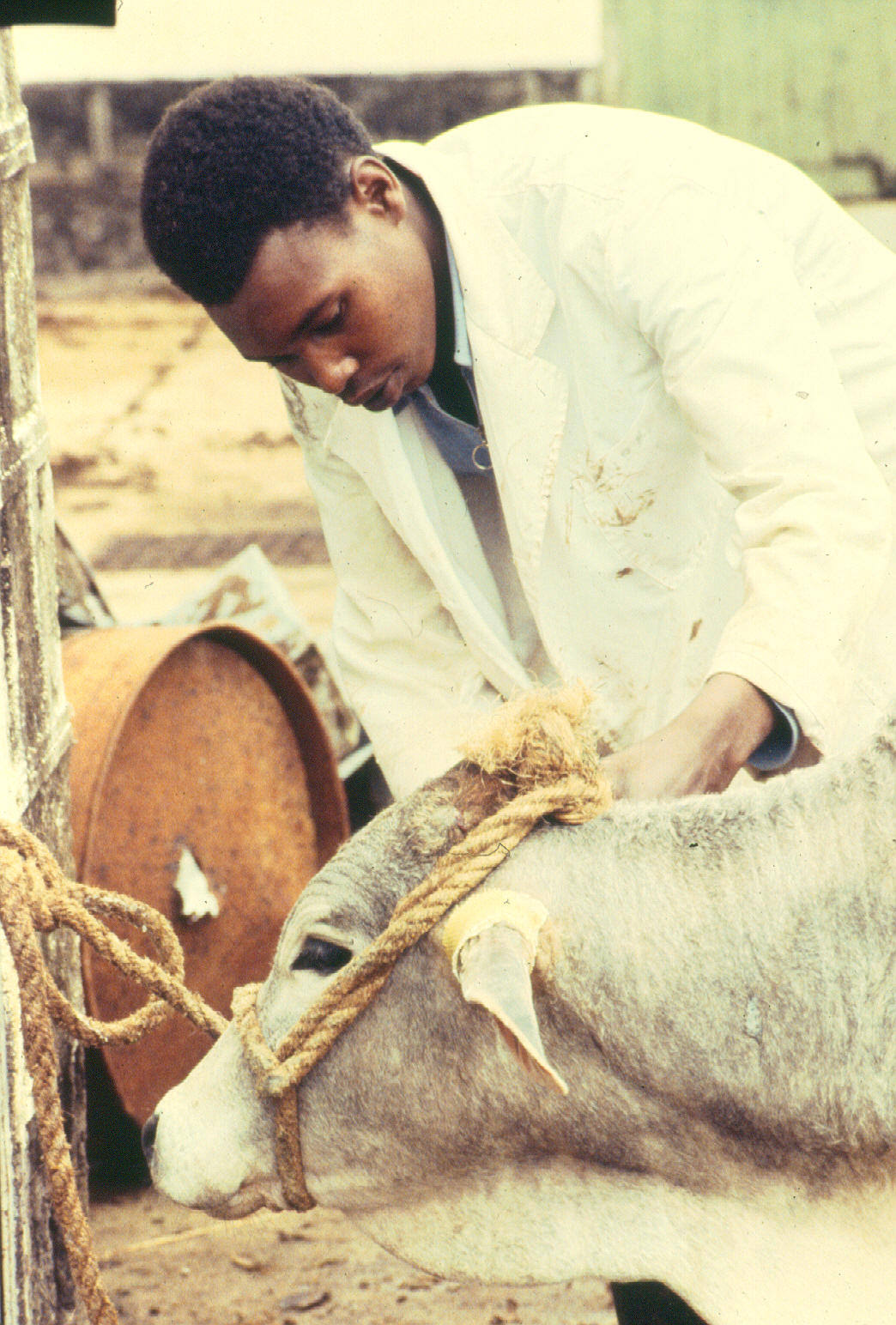
Tommi preparing an animal for tick infestation.

Tommi preparing an animal for tick infestation.

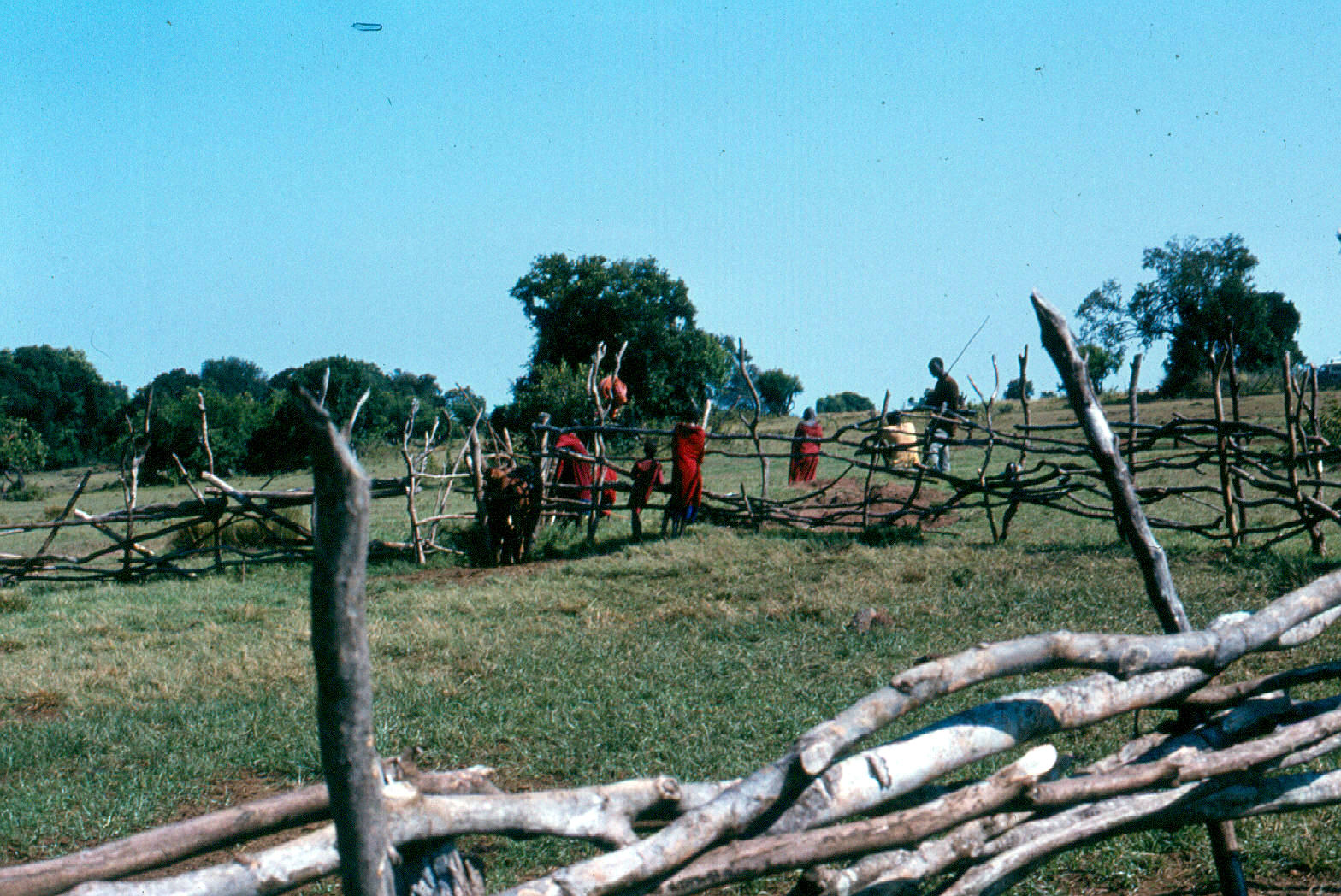
With my colleagues’ assistance I recruited two herdsmen for the Muguga trial (Chegue and Karanja) and two for the Intona ranch work, Kimondo and Tommi. The latter was a Maasai and this would prove to be an immense advantage working in Maasailand! The others were of Kikuyu origin, very hard working although rather fixated with money!

An animal with an artificial tick infestation applied by means of an ear bag.

An animal with an artificial tick infestation applied by means of an ear bag.

For the Muguga experiment I needed to purchase cattle and feed as well as secure a weekly supply of adult Brown Ear ticks to infest the cattle. A constant supply of ticks needs a “tick breeding colony” where you could breed them and, after planning ahead, you “harvest” them weekly to infest your animals. As the trial would last for six months, this meant 24 tick installments to be applied weekly on the animals. One of the reasons ICIPE had accepted my fellowship was that they maintained such a colony, managed by Fred, a very smart guy that became an essential clog in my machinery! Together with Robin we planned our needs and, luckily, it worked very well.

I bought the calves for the Muguga trial locally and randomly placed them into two groups with different levels of tick challenge and a control tick-free group. I needed to measure the feed given to them and I would weigh them weekly and take blood samples and other measurements to check them for other possible clinical signs associated with tick infestations.

The Isolation Unit accommodation was suitable and I had a storeroom where all consumables such as cattle feed and drugs were kept as well as a scale to weigh the cattle. Although I spent long spells at the Isolation Unit, I did not have an office apart from a table and chair under a beautiful flat top acacia that was only good for the dry season! I did have a place at the ICIPE laboratory. The latter was a Spartan contraption built of cement blocks and surrounded by a water moat (to avoid ticks walking away) where a large number of guppies (Poecilia reticulata) introduced to control mosquito larvae, also lived.

The “laboratory” consisted of a front area with a long bench under a window of the same length. There were also two windowless rooms where the tick colony was housed. The back of the building had cattle pens used for tick feeding as well as other experiments being carried out, mainly looking at cattle resistance to ticks. In addition to Matt and Robin there were a number of Kenyan scientists and PhD students working there as well as about ten technicians and herdsmen.

I occupied a slot on the bench between Matt on my right and near the entrance door and Robin, near the other end of the bench. Matt (a Scottish Vet from Glasgow) and Robin (an English PhD from Oxford) could not be more different but somehow they endured each other. In between these opposite characters I sat and worked. In retrospect I had a privileged location, as from my left came thorough knowledge of tick ecology and from my right a veterinary insight including vast experience as well as all sort of ideas for future projects! Work would start at 08:00hs, break for lunch at 13:00hs and resume at 14:00hs until 17:00hs where it was back to Muguga House. This timetable had been established years back during the FAO project and it was maintained until that time.

Matt was very punctual when he was at Muguga. At 13:00hs sharp he would announce that it was lunchtime, leave the building to go to his car to fetch a litre of milk and a book. He would come back, drink the milk, place his feet up (on my part of the bench!) and start reading his book (a Western paperback novel from the back pocket of his trousers!). Soon his by now familiar snoring invaded the laboratory! I was surprised the first time it happened and was going to object when I saw Robin’s resigned look, which led me to understand that any effort in that direction would be futile so I learnt to live with Matt’s antics as I did earlier at Mbita Point!

Luckily for my work Matt was not always at Muguga as he was the Tick Programme Leader and needed to be at several places such as the central ICIPE HQs at Chiromo and another place being built at the moment known as “Duduville”. For this reason his car was his office and he kept all documents on the back seat. In fact Matt was a shrewd operator that was difficult to find as he “rotated” between offices (no cell phones then).

I suspect that he spent some time fishing for trout as well! I often found him parked on the road from his house at Tigoni to Muguga reading “The Standard” newspaper and enjoying his Sportsman cigarettes.

While working at Muguga I learnt that Joseph was in charge of all workers at the laboratory and instructions should be passed on through him only. His authority did not include my newly recruited workers with whom I had a “direct” working relationship. The staff feared both Matt and Robin. As I was a temporary addition to the group, somehow I kept a closer relationship with them, despite Matt’s advice to the contrary!
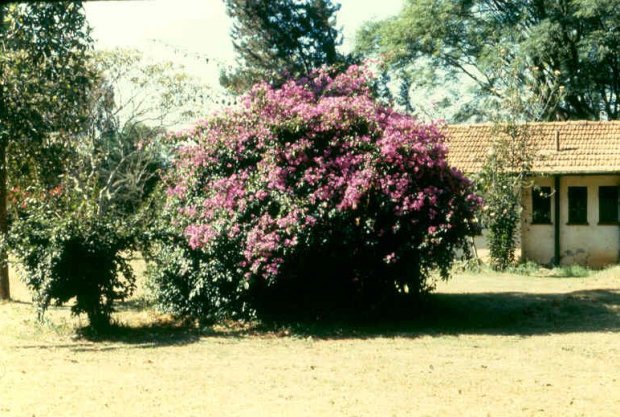
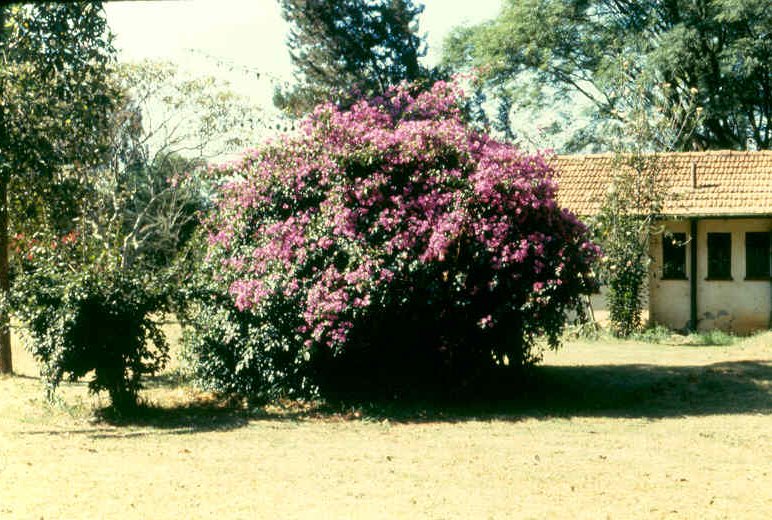
The Muguga House garden.

The Muguga House garden.

Time after work during the first few months was mostly spent at Muguga House, a place we shared with other lodgers of several nationalities: Kenyans, Tanzanians and Ugandans were the majority but there were also a few British and now two Uruguayans, probably the first and possibly the last! It was clear that the place had seen better days during the colonial time and when the East Africa Community was functional. It had a large area where the bungalows were scattered and it offered its lodgers a couple of tennis courts and bowling greens. It also had a bar where darts were a popular pastime, only second to talking about Kenyan politics!
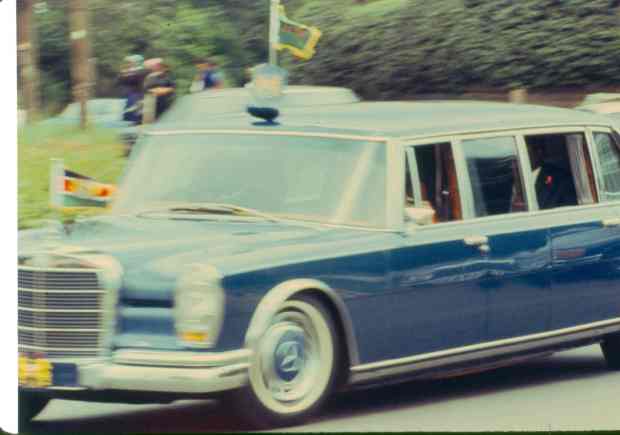
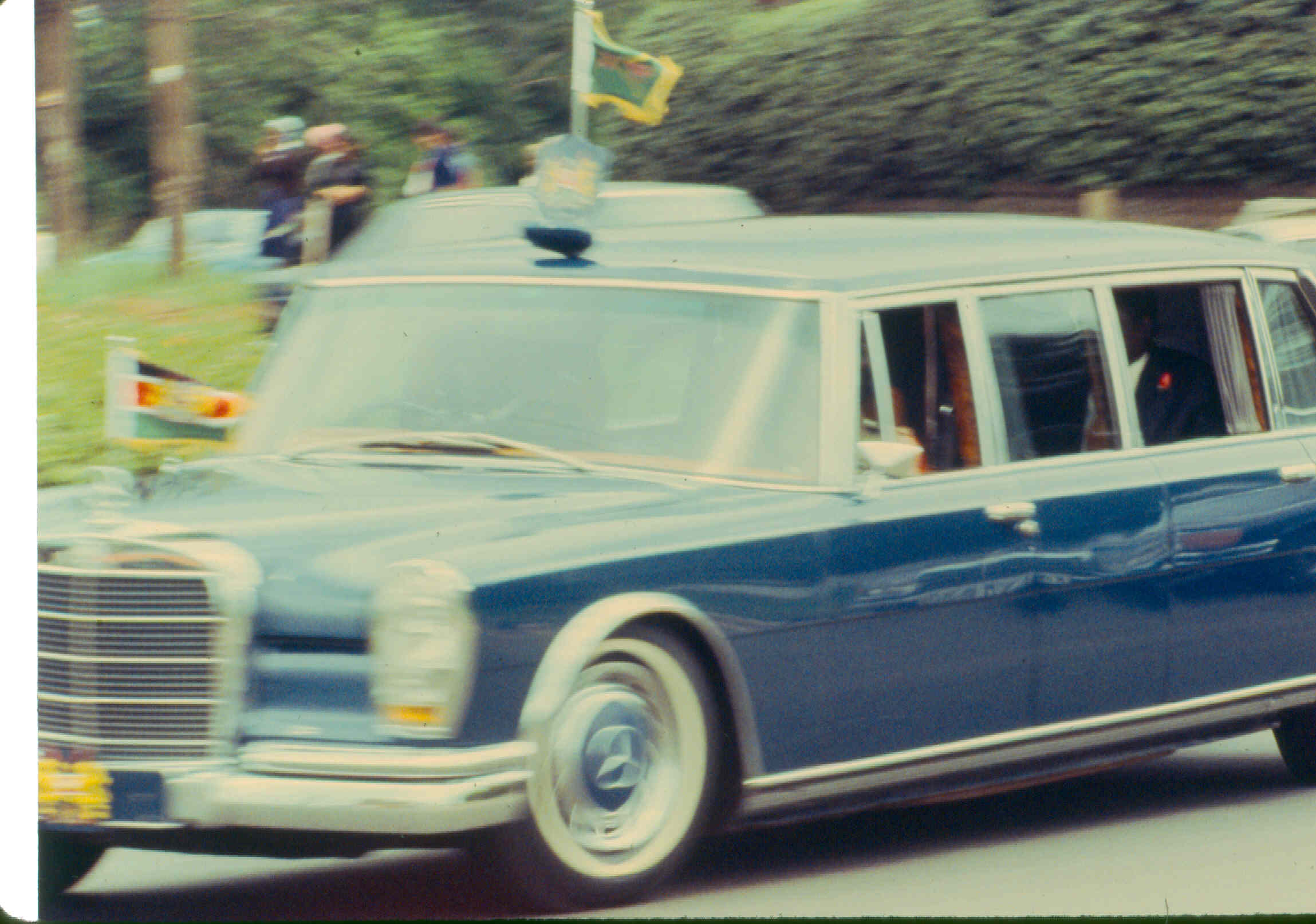
I took this picture of President's Moi motorcade. Later I learnt that this was not allowed!

I took this picture of President’s Moi motorcade. Later I learnt that this was not allowed!

Joyce did not or could not manage Muguga House very well. Despite this the place was still reasonable and although the bungalows were basic, they were kept clean. Food, however, was another story and the daily topic of conversation. The British-style breakfast was good and I skipped lunch as I remained at work. Dinner was another matter. It consisted of dishes such as egg curries (with no yolks!) twice a week, very tough and overcooked meat with ugali and sukuma wiki[3] (twice a week) and other bland dishes during the remaining three days.

Desert did not shine either and we were given artificial egg custard and rice pudding (both made with water), jelly (orange and red) and bread pudding with “flies” (tiny raisins). Cape gooseberries either boiled or as part of a crumble were there permanently and you could -if you dared- consumed them “ad lib“. We did get five o’clock Kenya tea and biscuits. Food would greatly improve whenever important visitors came for lunch or dinner!
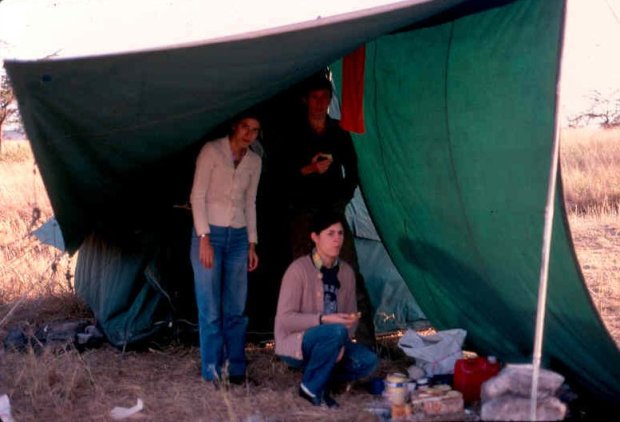
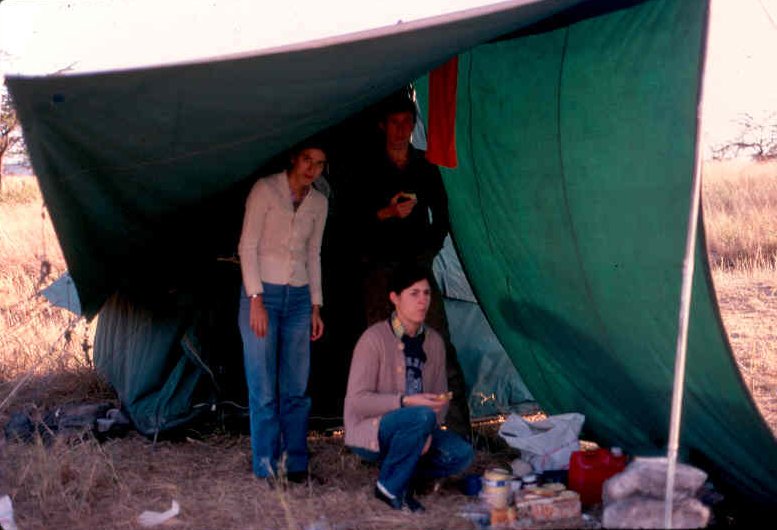
Our first camping experience at the Maasai Mara. From left to right: Ranjini, Kevin and my wife.
Our first camping experience at the Maasai Mara. From left to right: Ranjini, Kevin and my wife.

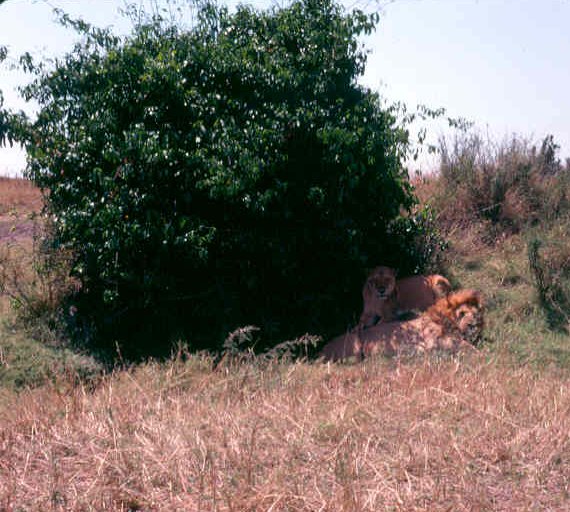
Our first lions. Exciting despite doing what they do most of the time: rest and sleep!

Our first lions. Exciting despite doing what they do most of the time: rest and sleep!

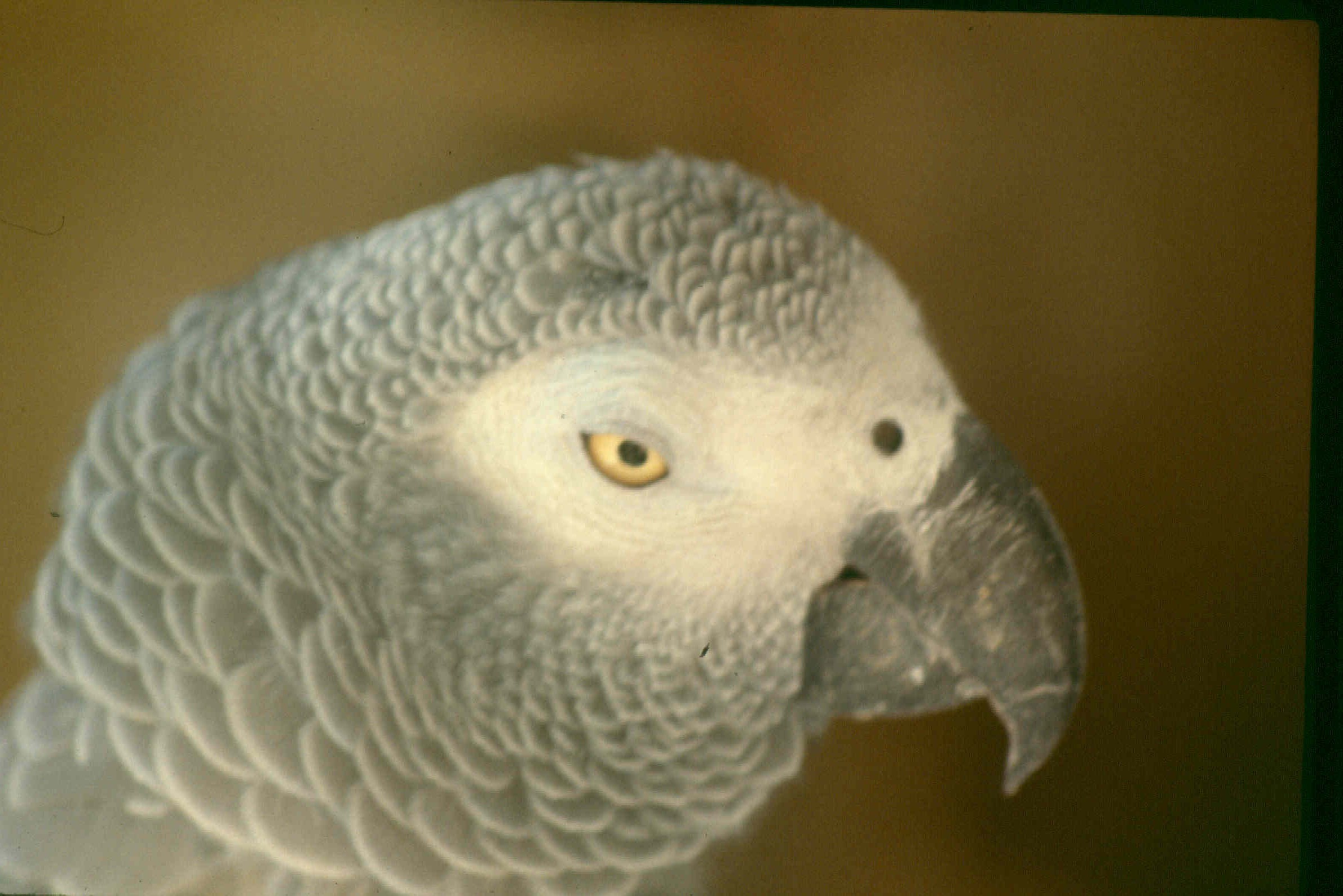
After dinner conversations were well attended and, again, Kenyan politics was the main topic. I participated with stories of South America that generally horrified our British colleagues. I do recall my stories of pest control in Uruguay, in particular the elimination of the enormous numbers of damaging parrots that left one of them, a Cambridge graduate called Richard, speechless. Only much later was I to discover that he owned an African Grey parrot and suffered for the cruel fate undergone by its relatives!
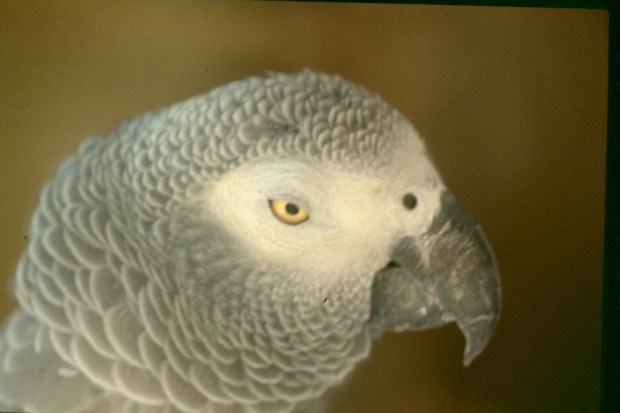
Richard's parrot.

Richard’s parrot.

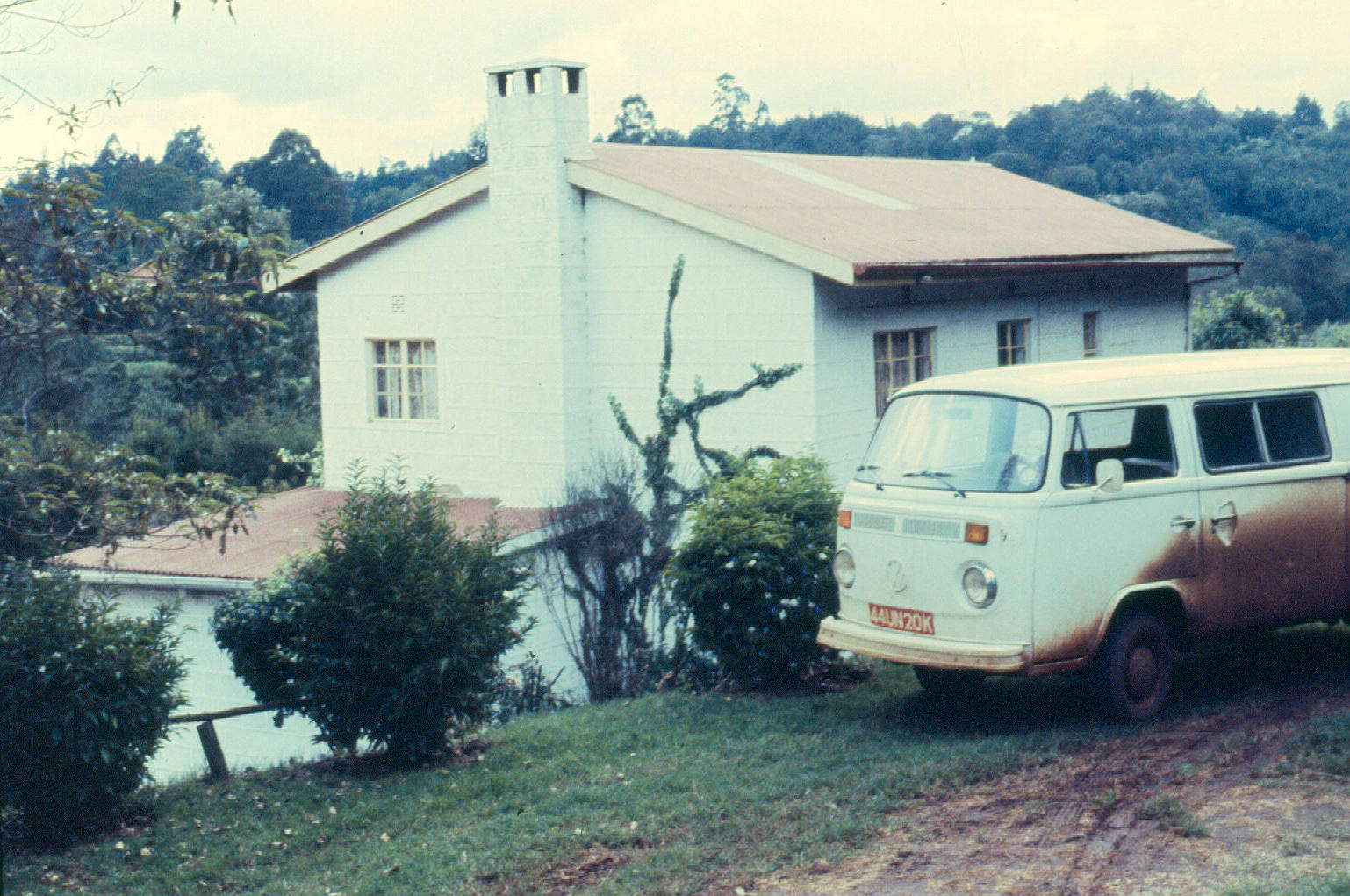
Through Richard we learnt of the existence of a house for rent at Tigoni in the outskirts of Nairobi, where many British lived, including Matt, Paul and Alan. We rented a house next to Richard’s, from a former Game Warden of the Serengeti National Park called Gordon. It was a superb location with tea plantations and remaining patches of virgin forest where many animals lived such as bushbabies and our favourite, the Colobus monkeys, surrounded us!
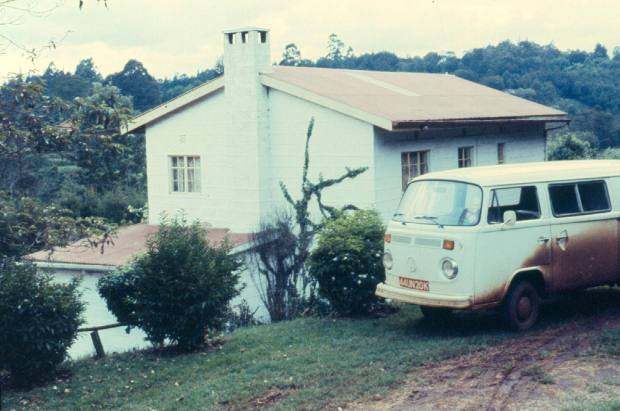
Our house at Tigoni.

Our house at Tigoni.

[1] Follows “Back to Nairobi”

[2] Ticks are killed by means of a toxic chemical known as an acaricide. The animals are normally “washed” with it but the chemical can also be applied by injection or poured on the back of the animal.

[3] In Swahili: maize meal and kale. The term “Sukuma wiki” means “push the week” in the sense that being a cheap dish, it helps to keep going.

Back to Nairobi[1]

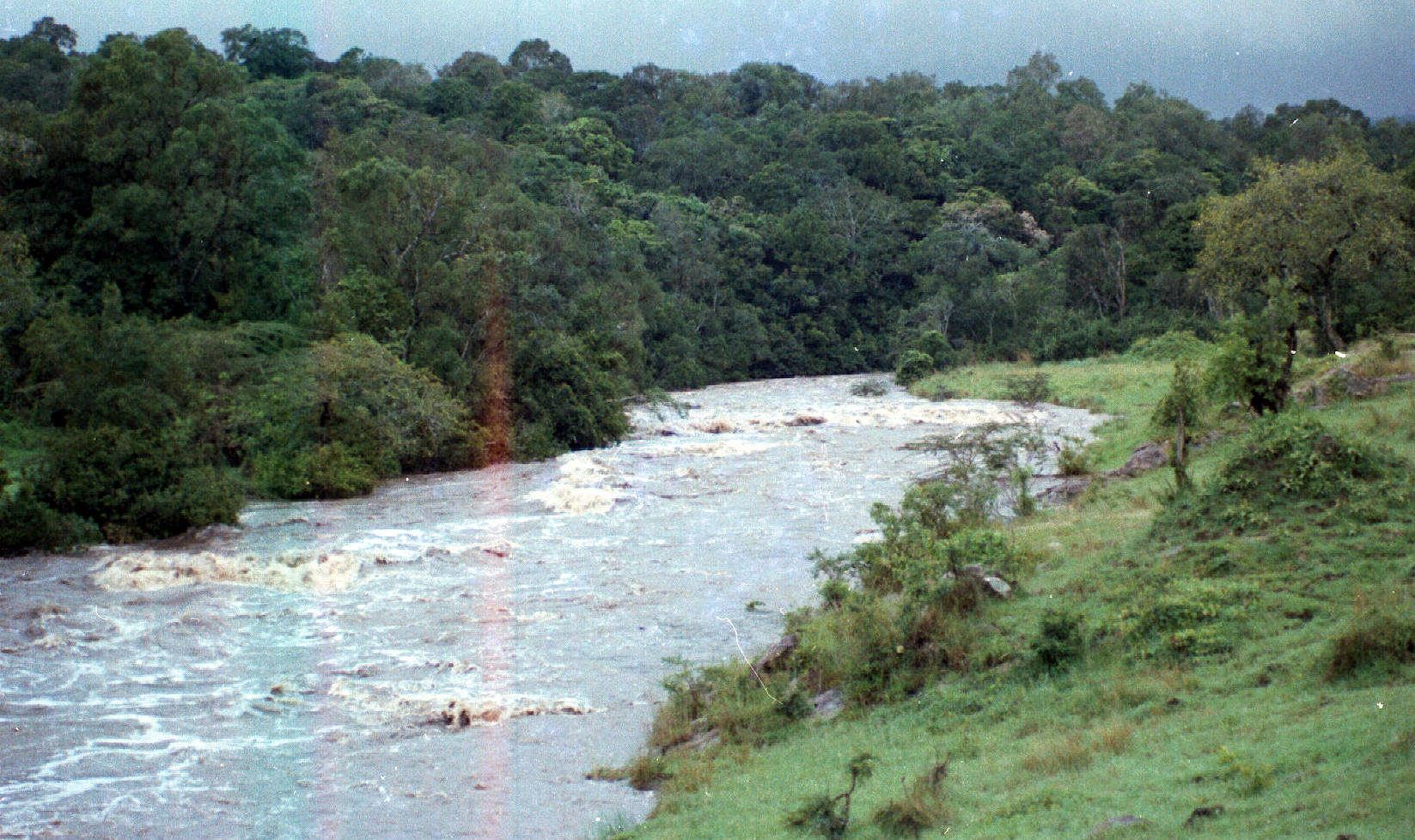
The return trip from Intona ranch took us through the attractive Transmara parkland where its green natural grasslands were splattered with islands of forest, usually associated with large termite mounds. These forest patches coalesced at times to form larger wooded areas, particularly when linked with a river. Talking about rivers, we crossed the Migori where Alan said a group of Giant Forest Hogs (Hylochoerus meinertzhageni) -a Transmara “special”- could be seen grazing in a forest clearing next to the road[2]. Other common game was plentiful, crisscrossing the road almost continuously. Alan informed me that the wildebeest had crossed the Mara River and were grazing in the area of the Mara triangle and some would climb the escarpment towards the Transmara. I was happy to know that we were heading in that direction!

Migori river in flood.

Migori river in flood.

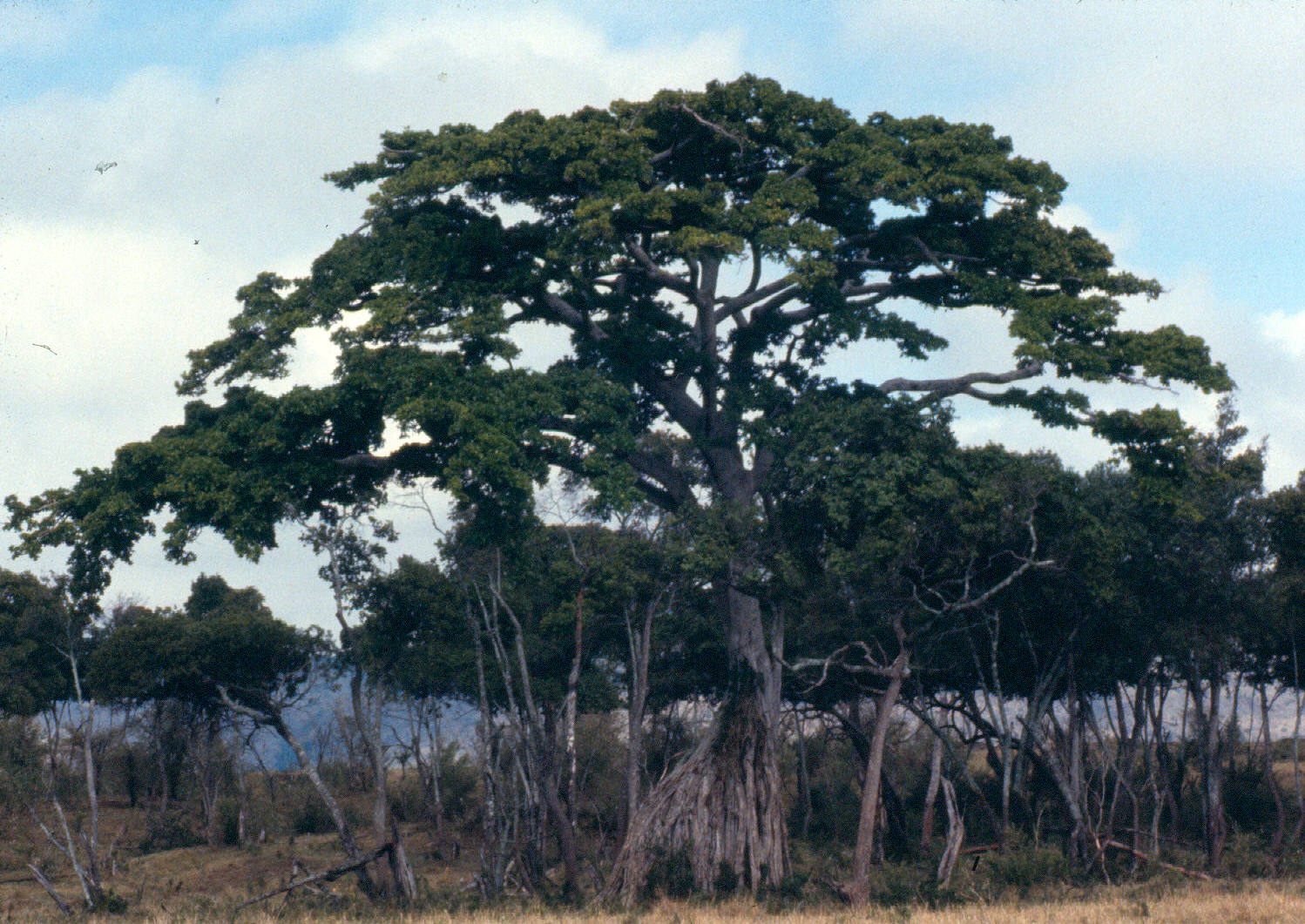
A large tree near the Migori river.

A large tree near the Migori river.

The dirt road took us through Lolgorian where two GTZ German animal health specialists were supporting the Government of Kenya by giving veterinary assistance to the Maasai. We stopped to greet them as Alan had some ground-breaking collaboration going on with them, as mentioned in the earlier post. It was the first time I saw a small field laboratory that could deal with most relevant diseases while keeping work simple and straightforward. It was known as “ILRAD II”[3], an irony that Alan found very funny although it took me longer to understand the humour behind it!

Maasai working with their animals at Kilae, near Lolgorien.

Maasai working with their animals at Kilae, near Lolgorien.

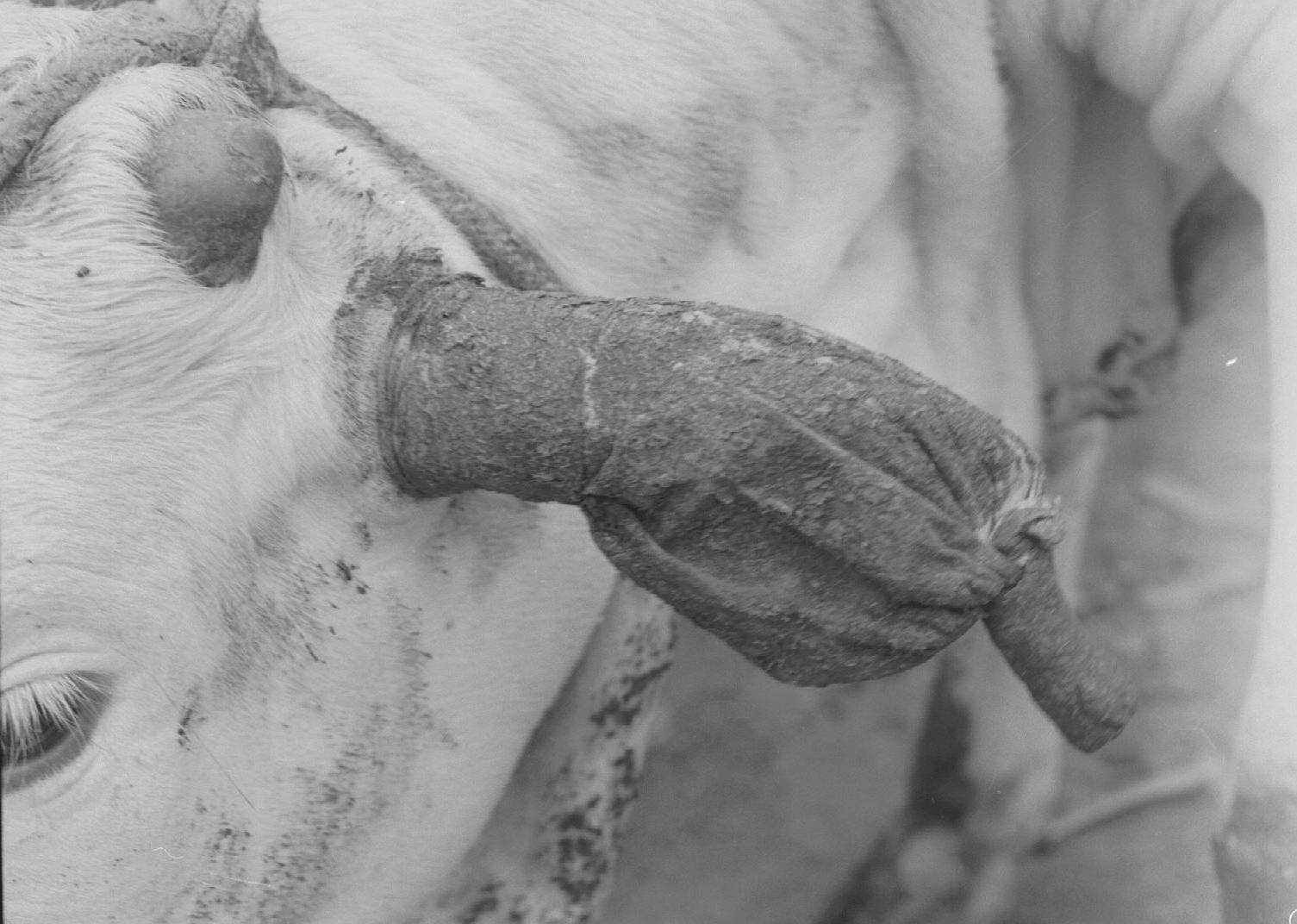
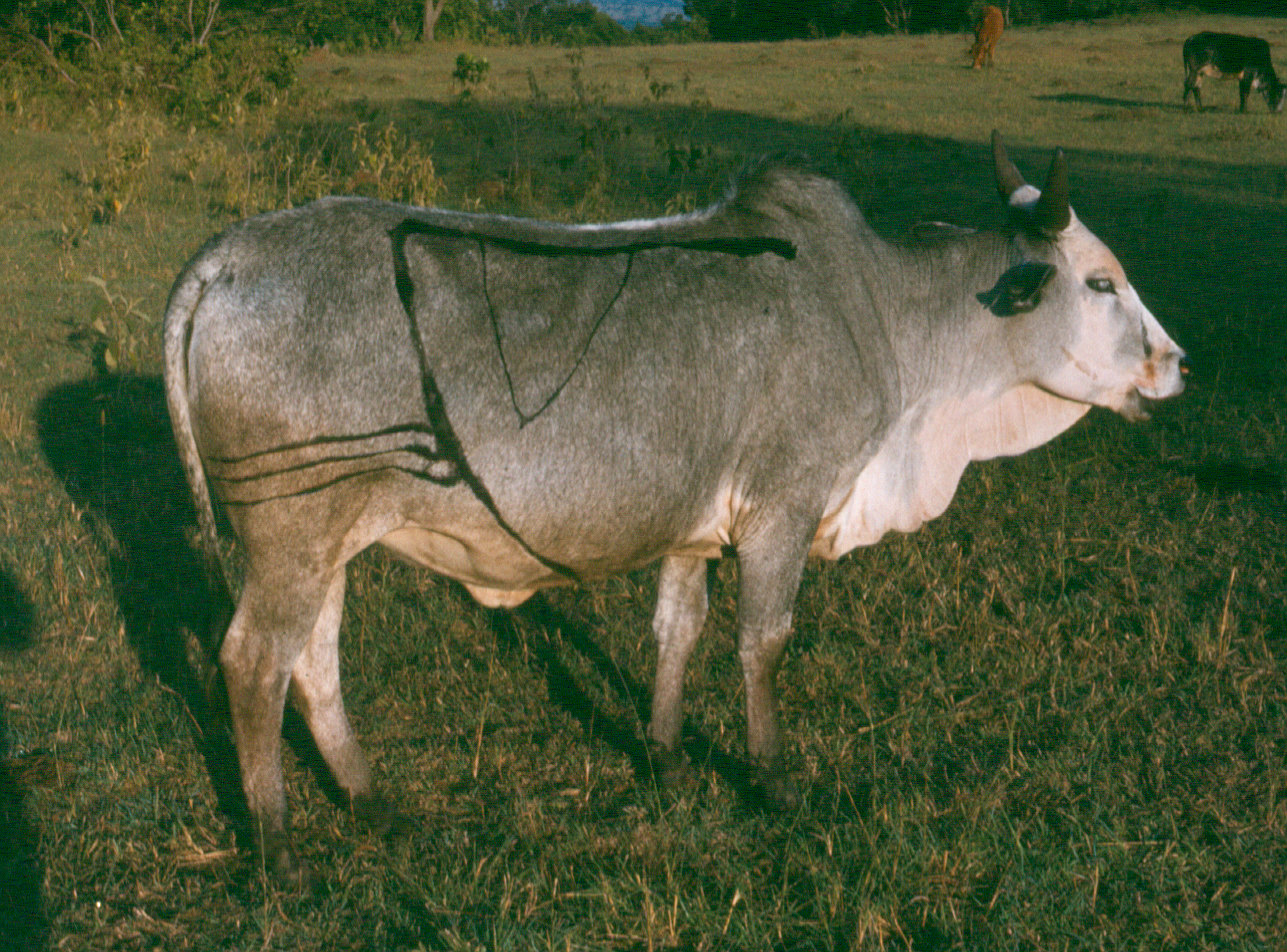
A Maasai heifer. Note the heavy branding.
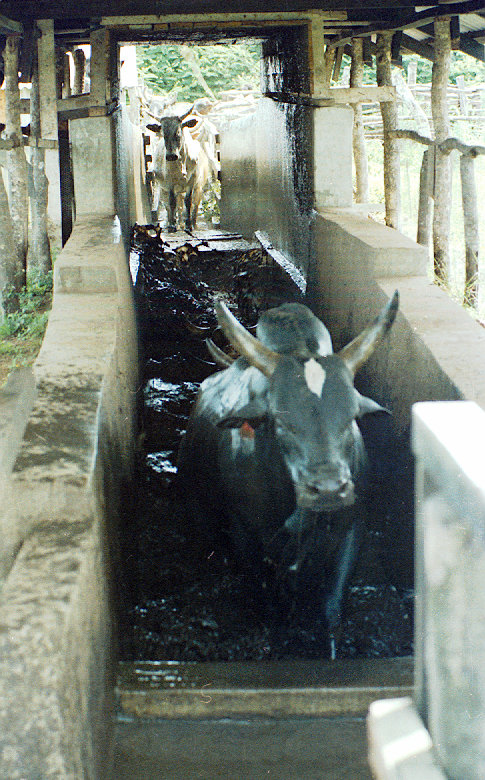
A Maasai heifer. Note the heavy branding.
ILRAD II (outside).

ILRAD II (outside).

ILRAD II (inside).

ILRAD II (inside).

After that enlightening visit we continued and passed a religious mission where Father Frans Mol lived and worked. Although we did not stop, I met him on other occasions and learnt of his erudition when it came to the Maasai people.[4]

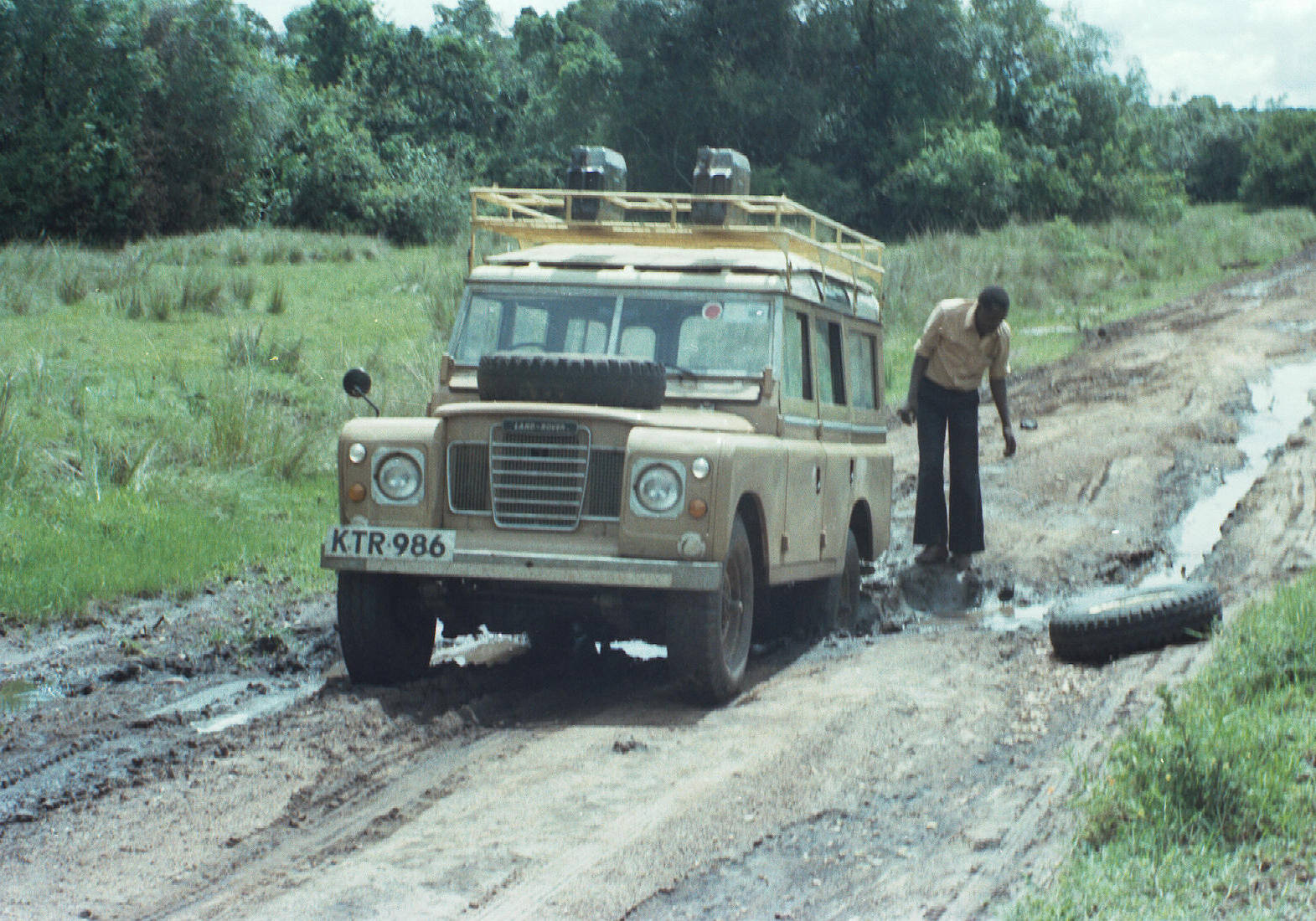
Moving on and still in the Transmara we came to the “red hill” an infamous stretch of road. “When it rains, it is like driving on a bar of soap” said Alan and added, “I hope it is dry today”. He went on: “Because of the proximity with Lake Victoria, it rains almost everyday here so it is tricky at the best of times!” “That is why you should leave in the morning as to avoid the afternoon rain”. Alan continued: “You should engage 4WD and advance slowly in second gear. If the car starts sliding off the road all you can do is to stop and hope that the car stops and that you can straighten it again”. And then laughing: “I know people that have spent the night here!”

A common occurrence at the Transmara!

A common occurrence at the Transmara!

Luckily we managed it without problems and then we came to a stretch of black cotton soil that looked menacing to me as it was fairly water-logged. However, we slowly moved forward and even gathered some speed, as the wheel ruts were deep enough to prevent us from going off the road and our only option was to go straight. The road became better and then we found large wheat and barley plantations where the Maasai had leased their land to commercial farmers.

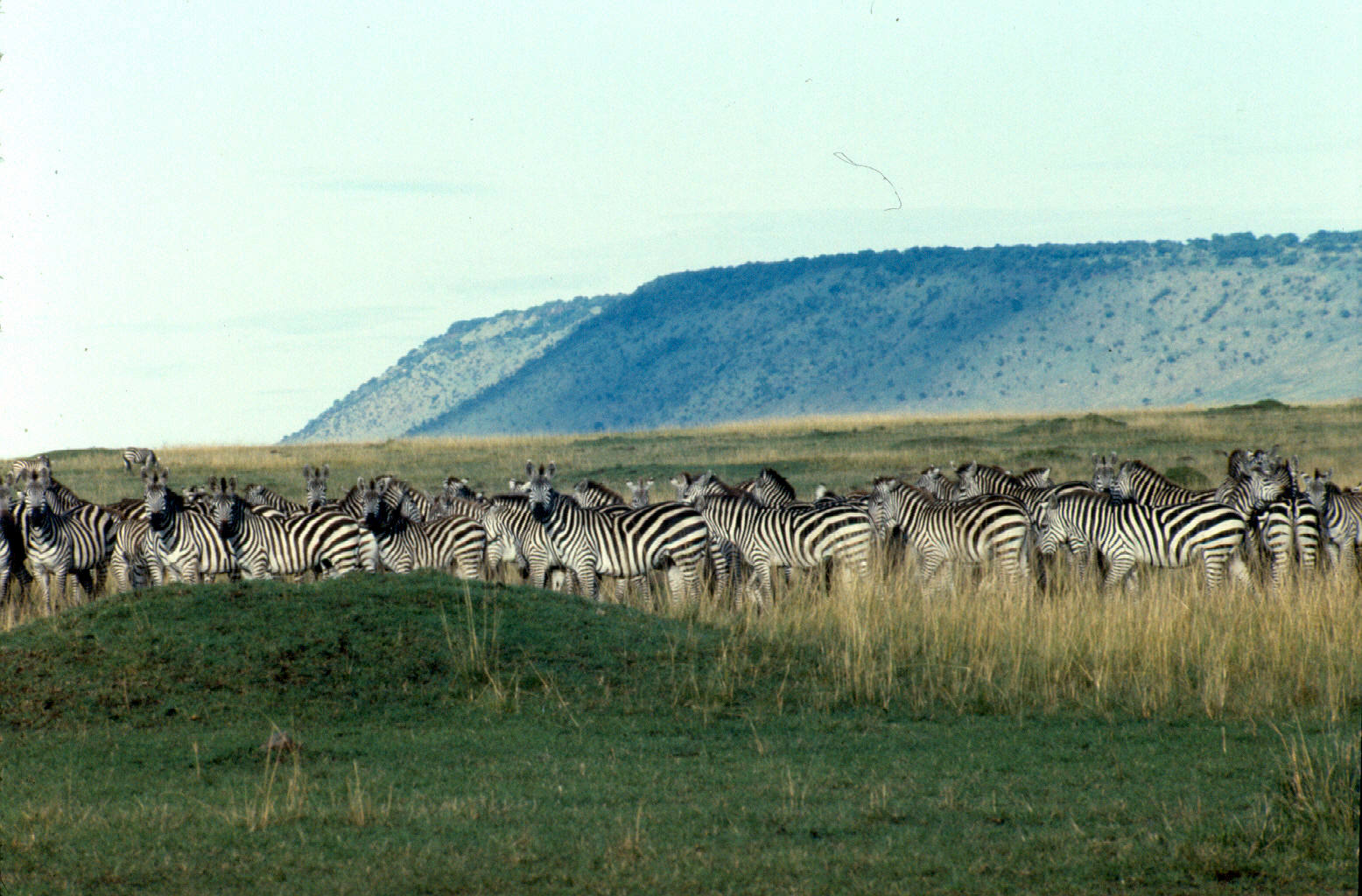
Soon we got to the edge of the Oloololo Escarpment. I can claim to be many things but a poet is not one of them, so I am not able to describe the view that unfolded below us. It was a green sea that extended as far as you could see. In it you could just make out vast numbers of animals; those forming long lines were wildebeest and zebra while the small specks were Thomson’s gazelles. A few elephants could also be seen together with an almost black and compact herd of buffalo. This sight will be with me until I die![5] I asked Alan to stop for a while so that I could take in the view a bit longer while stretching our legs. While watching the green marvel, Alan explained that we were looking at the “Mara Triangle”. He pointed out the Mara River to me as well as where Tanzania and the mythic Serengeti were.

We started our descent and eventually crossed the Mara River at the bottom of the Escarpment. We passed Kichwa Tembo Camp and then deviated into the Maasai Mara Game Reserve to have a look at the animals before continuing on the way to Aitong, Narok and Nairobi. The place was magnificent and we saw vast numbers of wildebeest and zebra grazing as well as other animals roaming around. A special mention to the Thomson’s Gazelles that are ubiquitous in the Maasai Mara; they are an integral part of the ecosystem. The best description I have heard about these gazelles came from Paul, my Mentor in FAO, who visiting the place for the first time, told me that they look like shoals of tropical fish!

Zebra with the Oloololo Escarpment in the background (I will remove the dirt from the ski when I learn to do it!)

Zebra with the Oloololo Escarpment in the background (I will remove the dirt from the sky when I learn to do it!)

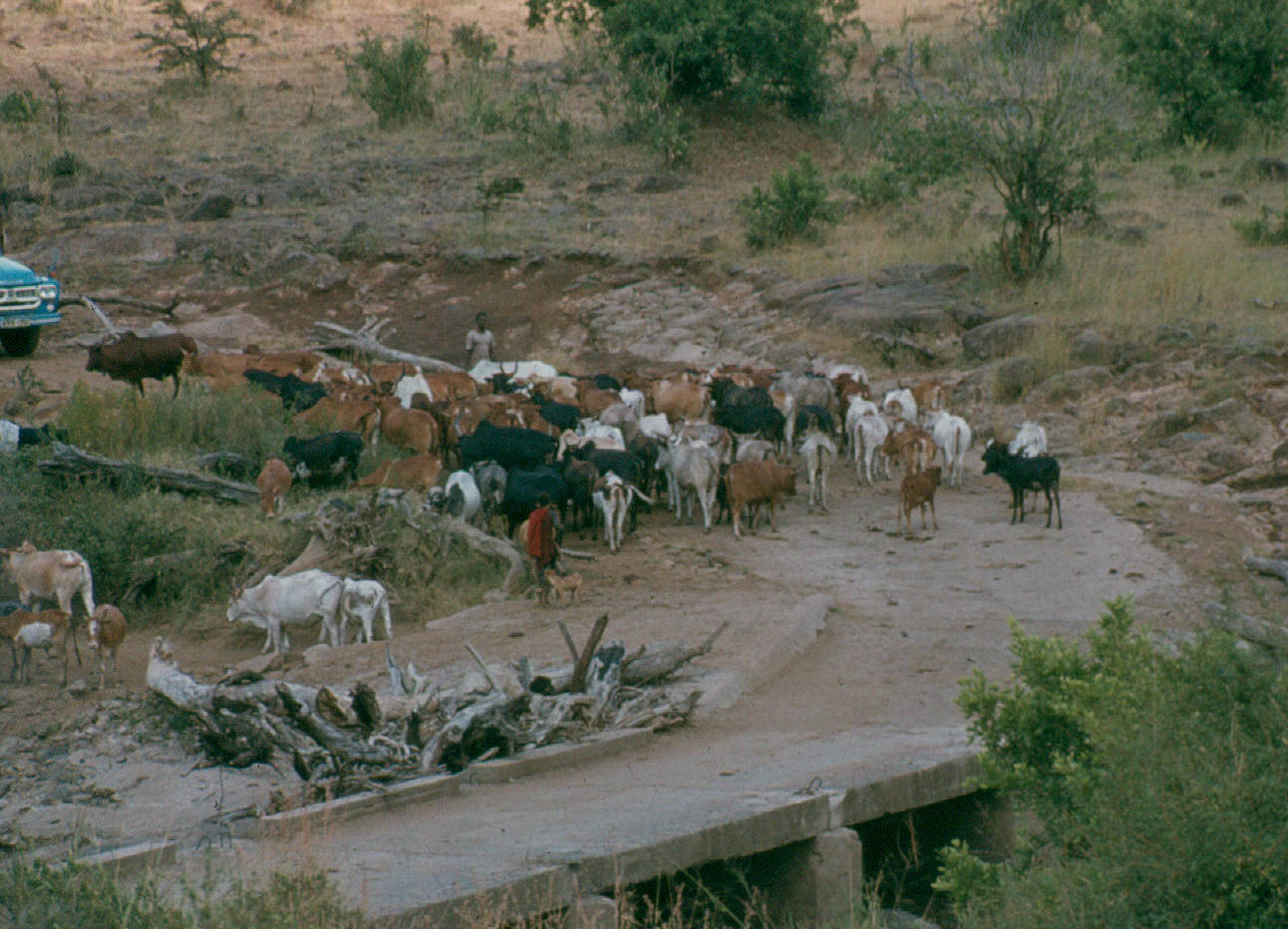
Maasai cattle at the Mara river bridge.

Maasai cattle at the Mara river bridge.

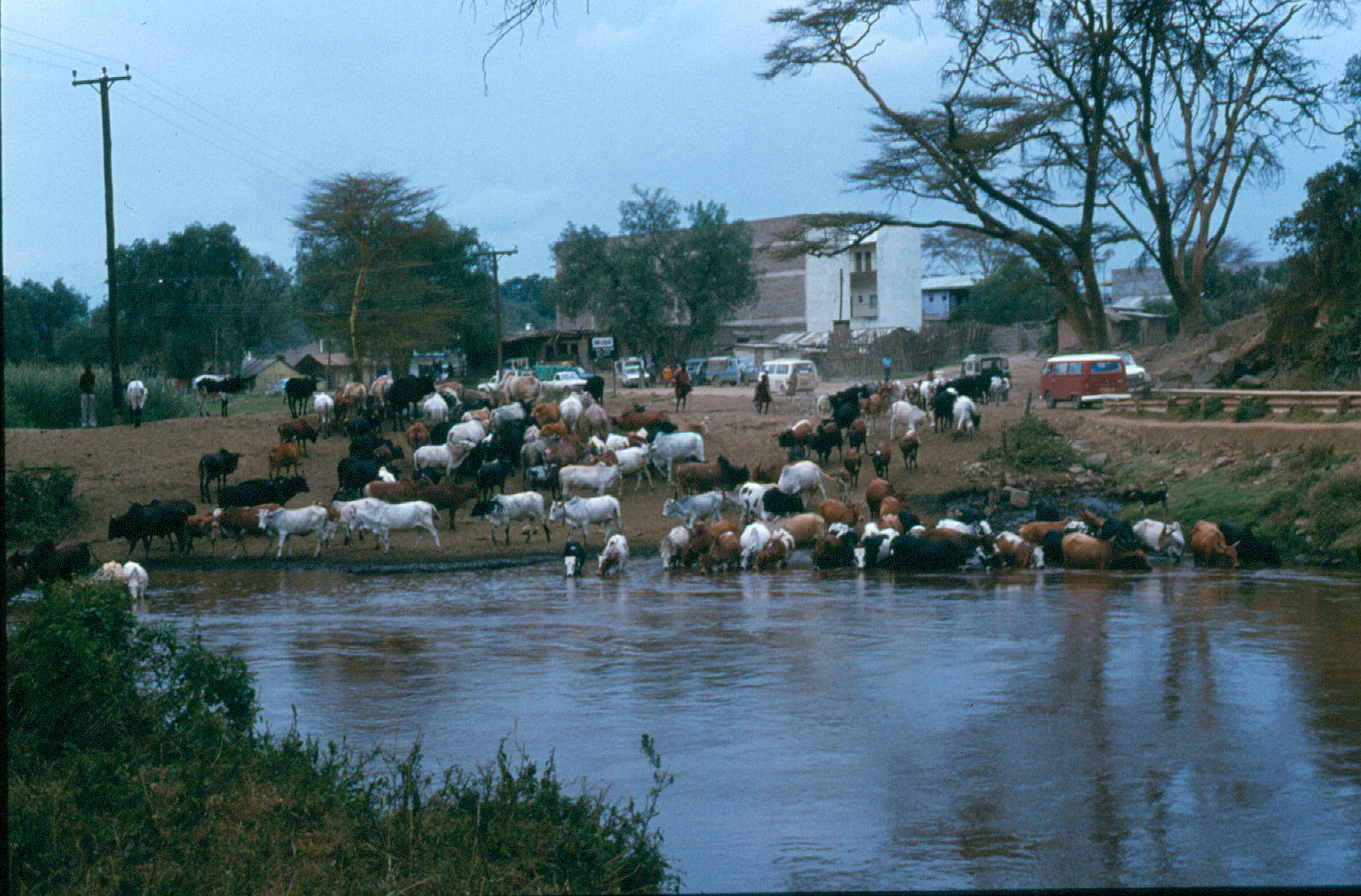
Cattle drinking at Narok dam. Note cars used at the time: VW Kombi, Land Rover Series III and Land Cruiser 50 series!

Cattle drinking at Narok dam. Note cars used at the time: VW Kombi, Land Rover Series III and Land Cruiser 50 Series!

As detailed at the Intona ranch post the return journey only served to strengthen my conviction that I should work at Intona ranch, something that with the help of Alan, Matt could be persuaded to accept, thus allowing me the privilege of driving through the Maasai Mara Game Reserve on the way!


[1] Follows “Joe”.

[2] I did see them very often in this spot where they were quite tolerant of my presence and could watch them during long spells.

[3] The International Laboratory for Research in Animal Diseases was a state of the art large facility located at Kabete, near Nairobi. Today is known as the International Livestock Research Institute (ILRI).

[4] Fr. Frans Mol MHM, affectionately known as the ‘Apostle to the Maasai’ worked at the Ngong Diocese covering most of Maasailand. He authored several books such as: Lessons in Maa: a grammar of Maasai language (1995) and Maasai Dictionary: Language & Culture (1996).

[5] We were at the very spot where Out of Africa’s famous final scene was filmed! Watch the movie and you will get the idea of what I saw in 1981!

Joe [1]

The trip to Intona ranch with Alan described in the post “Intona Ranch” put me in contact for the first time with Joseph (Joe) Murumbi and his wife Sheila. After this first encounter I shared many evenings with them at their beautiful if rather outlandish house. They had built it after retirement following the style of the houses found at the Kenya coast. It was a large house with many bedrooms, a large and complete kitchen and a sitting room bigger than a basketball field!

Although I stayed at the house several times, because of the work I was doing I normally camped at the ranch, as I preferred to keep my independence. Work started early and my timetable was rather different to their retired pace.

When we met, Joe had already suffered a stroke. He was recovering but still maintained the fire in his eyes and remembered a lot of stories of his life that he shared with Alan and me. They were very fond of Alan and they also got to like me. It helped that I was a veterinarian. They had a few dogs (5 or 6) that always had something wrong with them, despite the efforts of Kiza, their Ugandan resident veterinarian. Joe was always very supportive of our research and took a keen interest in our trials and their results! He could not wait to apply them on his cattle and those of his Maasai neighbours.

Although I will tell you more of my relationship with Joe and Sheila in future posts, I have a few reminiscences of our relationship that I will mention here.

Joe loved his cattle and he experienced great joy in going to the kraal in the evening to see them coming in. He was fair but tough with his employees and, as expected, he was feared by them on account of being a mzee[2] who had held power but also because of his short temper! I am sure his eyes had something to do with it as well, as he had a powerful look when fired up by anger or enthusiasm.

Sheila, conversely, did not care about cattle much. She loved plants and was a keen gardener. She kept a lovely greenhouse, which housed a collection of the orchids found at Intona and served as a nursery for the already beautiful garden and internal patios of the house.

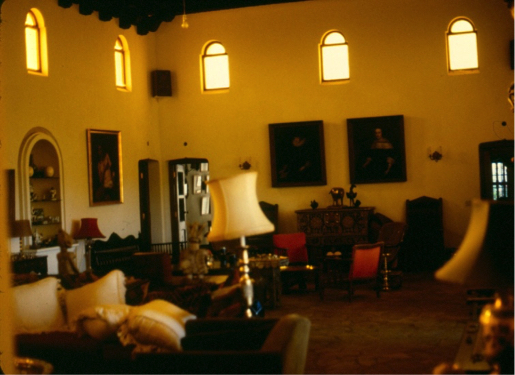
The "Dutch Masters" paintings in the background, the picture was taken from the place Joe used to sit.

The “Dutch Masters” paintings in the background, the picture was taken from the place Joe used to sit.

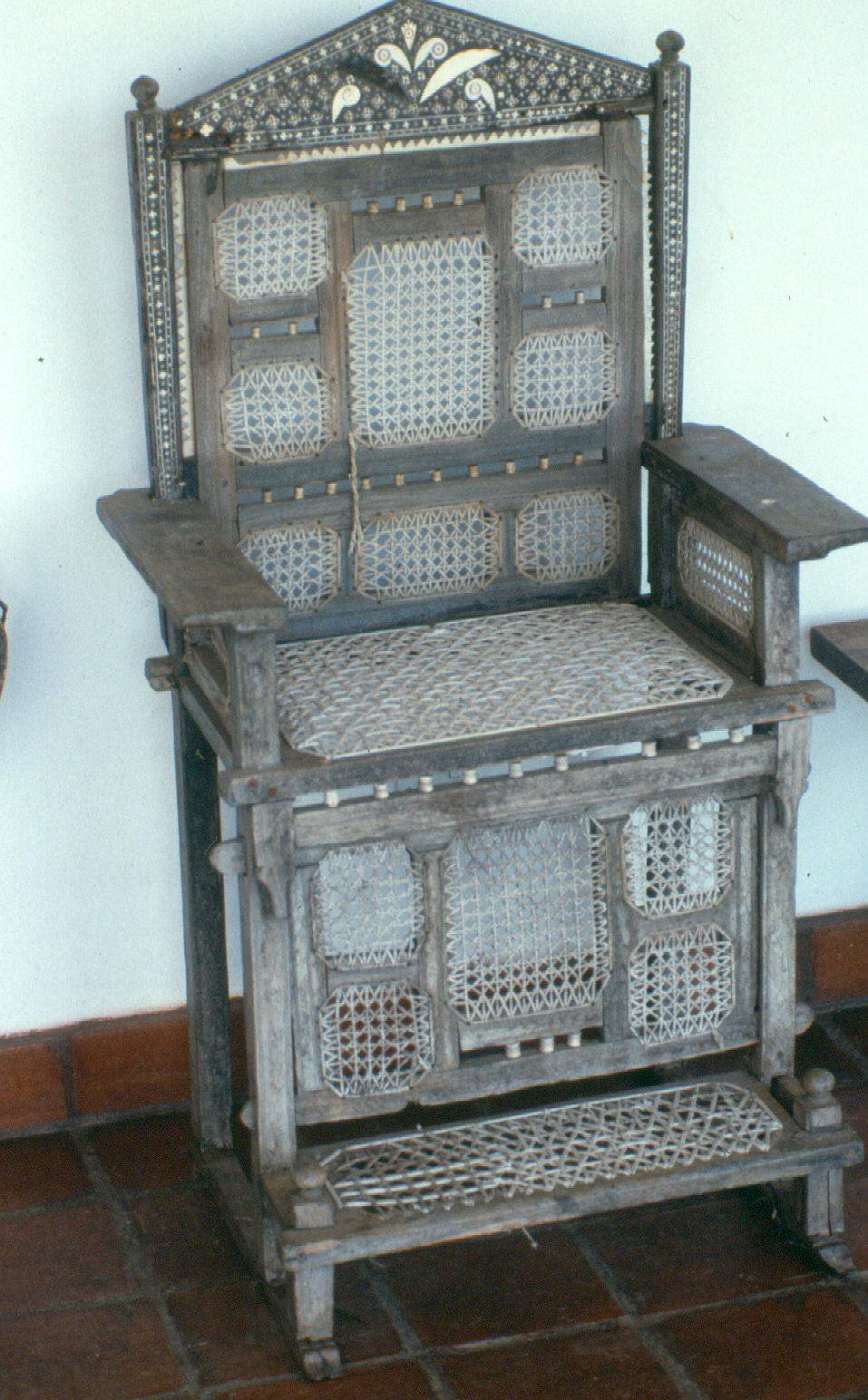
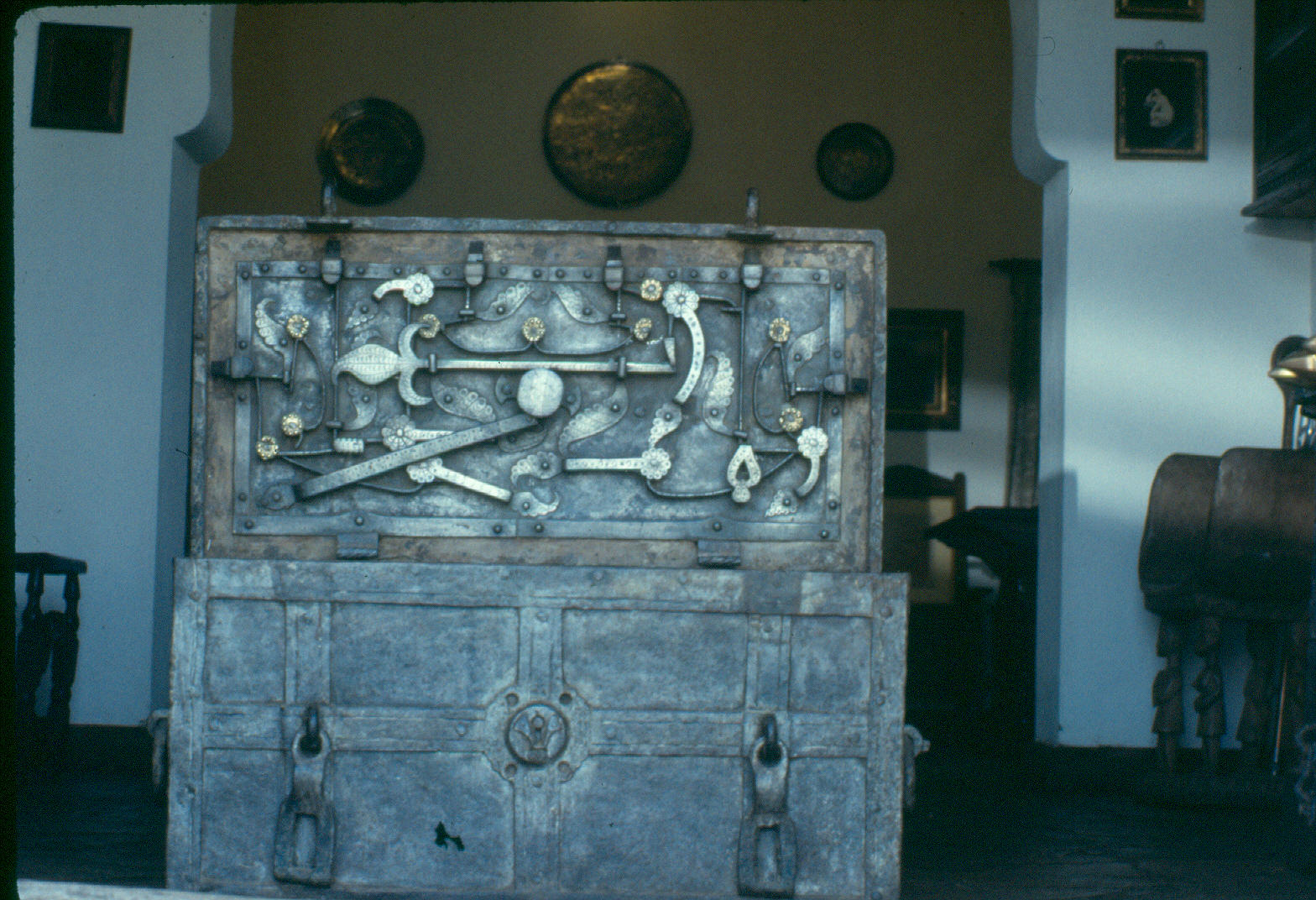
They both shared an incredible passion for culture and art and the house was a true museum of African art although there were several large paintings that I attributed to “Dutch Classic painters”. The sitting room I mentioned above was literally filled with art. Wood and metal carvings, masks, ancient trunks, antique chairs, oriental rugs, and large paintings decorated the place.

murumbi mask 1

murumbi mask 2

murumbi lamu chair

murumbi mask

murumbi chest

And then there was his library! A large room with bookshelves all round and where all his diplomas, decorations and memorable photographs were kept. A young Joe could be seen in the company of Kenyatta, Nkurumah, Kaunda and Nyerere to name but a few. There was a large one of Joe with Haile Selassie and several more with other European leaders that he rubbed shoulders with during his political life. Clearly he had kept selected items after all his donations of books and documents to the Kenya Government.[3]

Although Joe was very enthusiastic about showing some of his unique books (he had all the first editions of the works by most African explorers, to name what I recall today!) his real joy was to open the many drawers that hosted his immense, comprehensive and very valuable stamp collection. He was very proud to show me some of the “specials” he possessed, including most of the first African stamps and even some of the earliest British ones that -apparently- were extremely rare and dear! Not being a collector myself, I listened and enjoyed his keenness more than anything else.

As if being shown the library by Joe himself would not have been enough, I was given the green light to roam free through his still vast book collection. This I did and spent long hours browsing through the many special books and documents that it housed. Among several, I particularly recall opening a proofreading specimen of Peter Beard’s “The End of the Game”[4] and finding inside it an exchange of letters between Joe and Peter about the book and its presentation! This was one surprise I remember but I have forgotten many, I am afraid!

Intona hosted a number of wild animals that intermingled with the cattle. Impala, Zebra and Topi were very common and herds of buffalo resided in the ranch. Lion were often heard but rarely seen (probably scared of the Maasai around us!) but a family of Cheetah resided at the ranch and were often seen. Spotted Hyenas were heard every evening and I was surprised if they did not visit my camp at night!

Buffalo herds often grazed in the meadows and frequently mixed with the cattle. Surprisingly they did not trouble the herdsmen, behaving like cattle but keeping their distance. The solitary males were a different issue and walking about Intona required great care as these rogues would seek shelter inside the clumps of forest that dotted the green grasslands at the ranch and come at you with anything but good intentions!

Buffalo were the main danger to watch out for while orchid collecting, an event that Robin -my good colleague from ICIPE- used to perform. As this involved entering the clumps of forest, it was a rather dangerous hobby. Luckily Joe had a hand-operated fire siren that a helper carried and used to scare the buffalo by sounding it before we entered the thicket. We were lucky not to encounter any buffalo, as I was doubtful of the effectiveness of the siren! Or maybe they ran away in the opposite direction? We did have a few scares when warthogs would crash out of their previously quiet resting areas because of our racket. We got a few adrenaline highs but fortunately they never came straight at us!

Alan’s closeness to Joe and Sheila meant that they relied on him for help at all times. I believe they saw Alan as the son they did not have! Their friendship was so close that once when Joe needed to go for an operation in the UK, Alan travelled with him! Alan did not travel alone, he had a most unusual companion: a nail-studded power figure[5] which was apparently rather expensive and Joe needed to sell it in the UK to cover the expenses of his medical intervention. So Alan was entrusted to fly with the sculpture for which I believe they booked a seat next to Alan! I do not know more details other than that Joe came back in better shape!

Joe greatly enjoyed having us for a drink in the evenings to talk about our work and tell us some of his stories. So we were often invited. Sheila was a great hostess and looked after us as if we would have been her newly discovered relatives! One of those occasions coincided with a rare and probably one of the last trips to Intona by road in his Range Rover. He mostly travelled by plane with the dogs!

On that occasion Joe was really upset about the condition of the road. The latter was really bad during normal times but at that particular occasion was impossible and -almost- impassable! Joe had a temper and that was the first time I saw him losing it! He was so upset that, after telling us about it, he picked the phone and started to call. At the time, Telephone calls from Intona were “difficult” to put it mildly so he insisted a few times until he managed to get through.

Despite his speech difficulties he managed to gather sufficient strength to speak in clearly strong terms and in Swahili. After a while his tone changed and, before he hung up, he burst into a hearty laugh. Still laughing and while shaking his head he said “That was Daniel[6] on the phone” and added “I was complaining to him on the conditions of the road and do you know what he replied?” he said looking amused “Joe, you know that I travel by helicopter!” I will keep Joe’s comments to myself!


[1] Follows Intona Ranch

[2] An elder in Swahili

[3] Ref. to details of his donation to the GoK

[4] Full title of the book

[5] See: http://www.sciencemuseum.org.uk/online_science/explore_our_collections/objects/index/smxg-105001

[6] Daniel arap Moi was President of Kenya from 1978 to 2002. He succeeded Joe as Vice-President after Joe’s resignation in 1967.

Drones in the bush

It was a simultaneous thought shared with my son to the point that our respective e-mails must have crossed somewhere over Africa: “Dad, I think a drone would be great for your blogging activities ” and “Jul, have u heard of photography drones? I think one would be good for safaris”. We were very pleased with ourselves as, at the time, drones were only starting to be used in the bush for animal photography and filming.
A couple of months later when he came to Zimbabwe he brought an economical camera drone with him “Dad, this one is for testing purposes” he said. We immediately got to using it; well he used it and I interfered! Following its fast assembly my son started flying it and mastered it quite quickly (no doubt as a result of having spent long hours playing PlayStation and Xbox instead of doing his homework!). I conveniently refrained from voicing my praise with respect to his mastery, as I had been stern in establishing time limits on computer games, and instead proceeded to watch.

Eventually my turn with the drone came and I received the necessary instructions and began my attempts. At first my flying consisted of starting the rotors and hopping about trying to get the machine to go where I wanted. A couple of batteries later (they last a very short time!) I was awarded my beginner’s brevet. My take off was perfect and I started flying it; which also went well. During one such flight, I was so fascinated with watching the machine that the “Dad, watch where you are flying!” shout from my son took me by surprise, causing me to lose concentration and to remove the crucial finger from the joystick. Needless to say things started to go awry very quickly…

First, the drone turned violently to the right causing me to over-correct in the other direction. Luckily, after the maneuver, the drone still had sufficient altitude but, to my dismay, was hovering directly over a water hazard (read old swimming pool). In the same way that looking down from a balcony causes you to feel a fear-induced (and often paralytic) rush of adrenaline, my fingers stopped obeying my commands and: splash!

The positive outcome from this experience is that I can now confirm that drones float (or at least this plastic one did)! After its recovery my programme for the day was secured: drone disassembly, drying, reassembly and testing. Fortunately it flew again, although with my son once again reinstated as pilot and myself as manager!

Following this experience I have decided to wait for the prices to go down so that I can acquire a more sophisticated one that I can navigate from my phone. It is also my desire for such a drone to possess a “Boomerang/Home” button to bring it back to me (safely) after taking pictures of game. Unfortunately, however, drones are becoming increasingly common now so our “surprise factor” has vanished but, who knows, maybe something interesting can still take place, just be patient…

Kings, Martyrs and Selfies

I begin with an important reflection: Milan is not Rome! I am aware that you may find this statement as a confirmation of my insanity. However, I said this from the point of view of a walking tourist. While Caput Mundi offers a secret at every step, Milan is mainly shopping and fashion, not really my thing.

As a result of a previous walk through Milan[1], my wife and I followed the advice of our host (our daughter the Editor) and proceeded to the Navigli District in search of new challenges. The reasoning behind this decision being that the presence of water carried with it the possibility of spotting water birds and/or fish?

These water canals, originally built for irrigation, were soon repurposed for the transportation of goods to and from Milan, Lake Maggiore and Switzerland. The canals were essential for the transportation of marble during the building of the Duomo. Leonardo da Vinci was involved in the design of the water level system management.

Two canals (Naviglio Grande and Naviglio Pavese) have been reopened recently. During this “passegiata”[2] I learnt that the Navigli area today attracts people more for its restaurants, bars and fashion shops than for the canals themselves. Interestingly, the majority of those present were contemplating their right hands (a small minority their left) frantically tapping one-handedly while holding their drinks or food with the other.

Although people were in groups they did not seem to notice the presence of their companions! Quite a few also sported misleading telescopic rods, which caused me to briefly think there might be fish in the Navigli, before I realized that I was seeing for the first time the infamous selfie sticks. I spent a few minutes considering how to transform my walking stick into a “bushsnob-selfie rod” so as to be able to share with you some of the special views from future walks.

Our Navigli stroll concluded, I soon became (unwittingly) part of some undercover “cupule spotting”. I was not aware that the maneuver was underway until I found myself in the middle of an ambush: the Basilica of Saint Eustorgio. “What a funny name” was my only thought as I obediently entered, ruminating on the fact that I had never heard of this particular church and had not wished to stumble upon it; yet here I was! Fortunately it was empty and rather cool, providing a nice respite from the heat and crowds.

The Basilica of St. Eustorgio.

The Basilica of St. Eustorgio.

The Basilica, rebuilt in the 16th Century in the Romanesque style[3], hosts the tombs of the Three Magi or Three Kings (yes, the same ones that went with presents of gold, frankincense, and myrrh for baby Christ twelve days after his birth). It also hosts the Portinari Chapel that has exquisitely painted frescoes and a cupule with a remarkable chromatic gradient painted in pastel tones that, according to information received “in situ“, represent the radiation of the divine light. The latter bathed the Bushsnob while deep in serene contemplation…[4]

It is not the Bushsnob relic, only deep in contemplation and showing how you could do it at the Sistine Chapel 35 years ago!

It is not the Bushsnob relic, only deep in contemplation of the magnificent cupula and frescoes!

The spectacular cupule seen from the Bushsnob perspective.

The spectacular cupule seen from the Bushsnob perspective.

Another detail of the roof.

Another detail of the roof.

The Chapel also hosts the intricately carved marble sepulcher of Peter of Verona as a number of other relics including a phalanx plated in gold with the shape of a finger that was, perhaps, the most striking of them all.

A close up of the golden finger.

A close up of the golden finger.

Our visit over, while leaving the Basilica I spotted a tall column with a statue placed quite high with some oddity about its head.

Just another statue...

Just another statue…

A more attentive look revealed that it had a sword stuck in it! A students’ prank was my first thought but the height and smoothness of the pedestal would have made it extremely difficult for even the most determined trickster to climb. In addition, the priest that carried the sword appeared accustomed to it!

Wait a minute, let's have another look. Oh, oh... this is really odd!

Wait a minute, let’s have another look. Oh, oh… this is really odd!

Clearly this finding required further investigation. I went back to the Basilica and asked for clarification at the Museum’s entrance. “It is the statue is of St. Peter Martyr”[5] I was informed, which in all fairness should have been obvious as, a few seconds before I had seen his sepulcher within the Portinari Chapel! The provided explanation however did not shed any light onto the Saint’s unusual choice of headwear, which meant that further -independent- investigation, was required.

In brief, Peter was a General Inquisitor that amassed some enemies. In 1252 he was struck on the head with a sharp weapon with such violence, as to leave it wedged in his skull. Incredibly, the blow did not kill him, as he was able to rise to his knees and begin reciting the first article of the Symbol of the Apostles. In answer to this display of resilience, his assailant proceeded to stab Peter in his chest with a dagger.

Although some paintings present a dramatic but credible depiction of the assassination (like the one by Bernardino da Asola) most -like the statue in question and Vittore Carpaccio’s portrait- show a rather healthy looking St. Peter equipped with his unusual choice of headwear in the form of a variety of sharp objects: axes, swords, meat cleavers and even scimitars at various angles and depths together with a dagger stuck in his chest.

Picture of Peter being killed attributed to Bernardino da Asola [Public domain], via Wikimedia Commons.

Picture of Peter being killed attributed to Bernardino da Asola [Public domain], via Wikimedia Commons.

Most incredibly however in the majority of these depictions he appears unaware of his terminal condition and proceeds to ask for silence, walk about, write with his blood on the ground, preach or even look far away, vaguely interested in his predicament![6] It is clear that St. Peter was made of tough martyr material!

Picture of Peter by Vittore Carpaccio [Public domain], via Wikimedia Commons.

Picture of Peter by Vittore Carpaccio [Public domain], via Wikimedia Commons.

Fortuitously for Peter, a number of miracles were attributed to him before and after his demise, which resulted in his fast canonization[7] in 1253.


[1] See Milanese bones.

[2] Italian equivalent of a leisurely stroll.

[3] There is a kind of “church taxonomical system” but I do not think that experts have yet adopted the Linnaeus binomial nomenclature. We will wait and see…

[4] I learnt this observation technique from fellow tourists during my first visit to the Sistine Chapel in the eighties. (It is also useful in the identification of birds, particularly swifts).

[5] Also known as St. Peter of Verona.

[6] A search for “Paintings of St Peter of Verona” should produce a few interesting examples.

[7] Could this have been the first example of a “canonization express”?