Milanese bones

Rome is no longer! Well, in fact it is still there but much less important due to the temporary absence of the Bushsnob… But there is no need to worry, as we will be back on Friday. Now it is Milan’s turn to receive my ponderings.

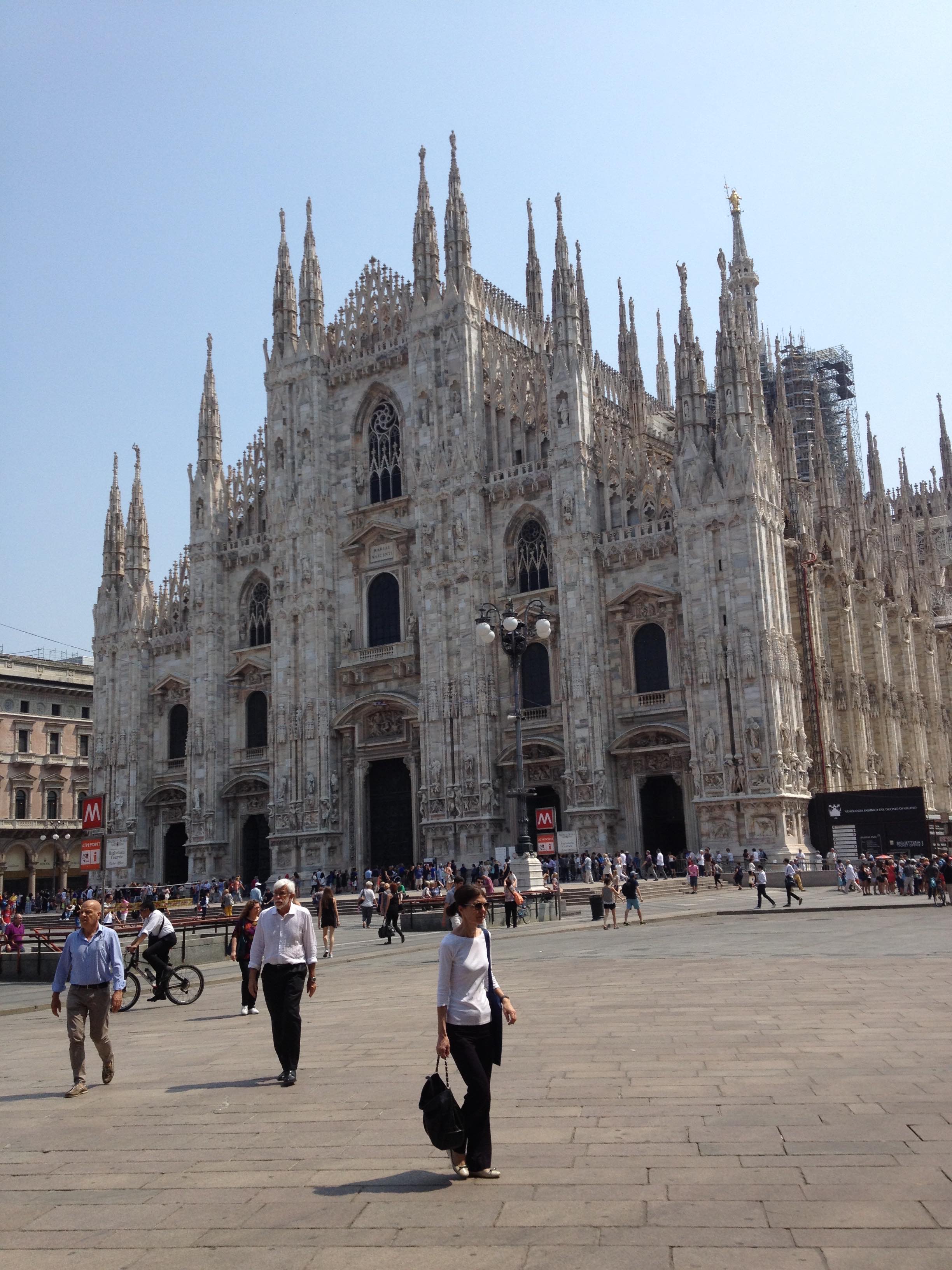
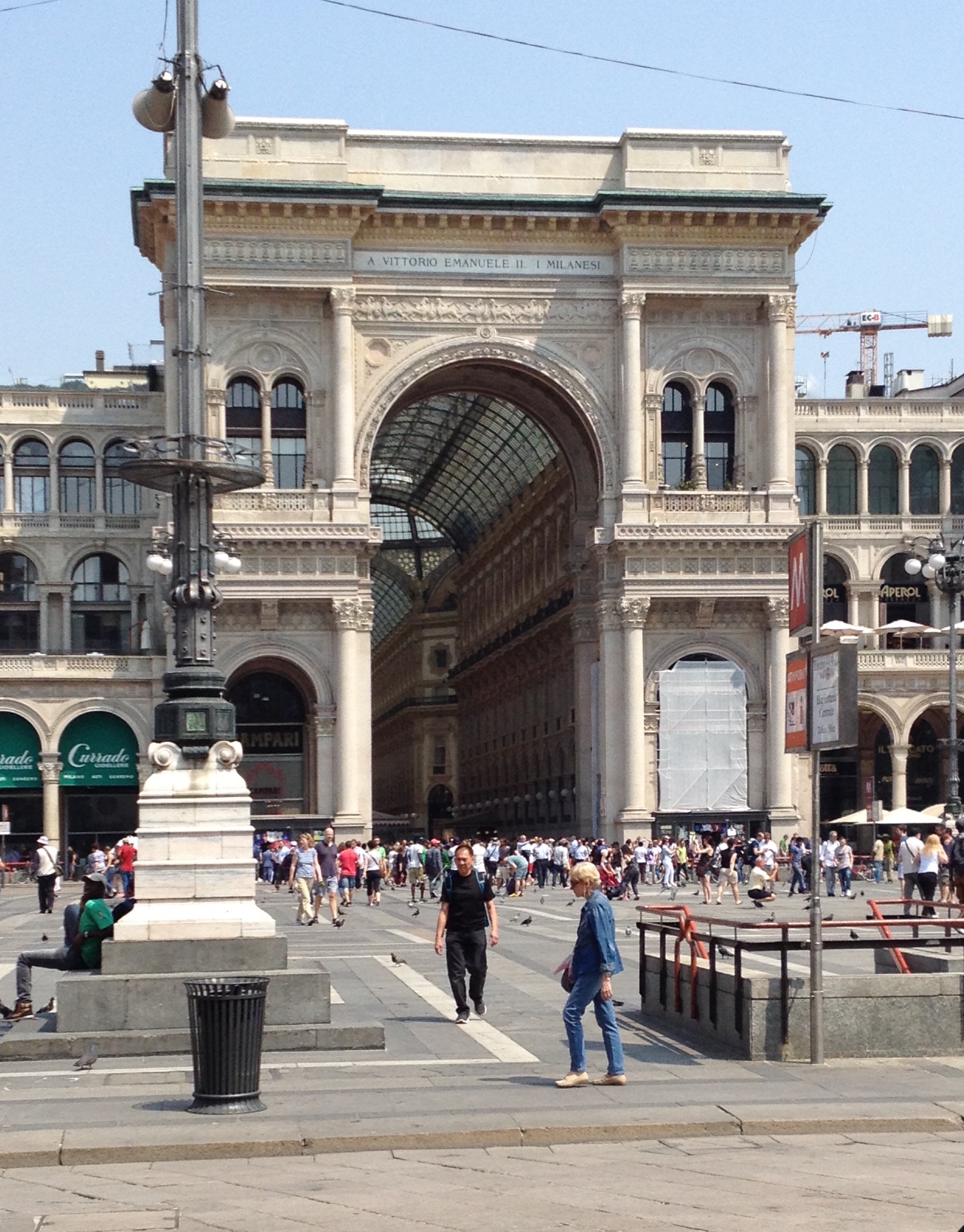
Of course we went to the Duomo first and dove into the sea of tourists. I lasted about five minutes before I needed to resurface and gasp. Seeing the queues to enter the edifice I despaired and moved off through the Vittorio Emmanuele II gallery where people pay about three times the price for food and/or drinks to do what? To watch people walk past!

The Duomo.

The Duomo.

The Vittorio Emmanuelle II Gallery.

The Vittorio Emmanuelle II Gallery.

Inside the Vittorio Emmanuelle II Gallery.

Inside the Vittorio Emmanuelle II Gallery.

Luckily on our way there a large brick building that eventually became the University of Milan (founded in 1924, 65,000 students) located in Via Festa del Perdono caught my wife’s attention. I have already praised her eyes when it comes to game spotting so I do not need to repeat myself but I will anyway! Unluckily, she can spot churches as well! I can handle about one church visit per week but she can visit numerous in a single day, driving me to despair.

Now she did a “double whammy” spotting two sets of cupules in the distance! When she announced this I almost went back to the Duomo and the crowds! The cupules in question belonged to the Parish of Santo Stefano Maggiore and San Bernardino alle Ossa that are found side by side at the Santo Stefano Square. Seeing my wife zeroing in on them, as usual, I followed, resigned to my fate.

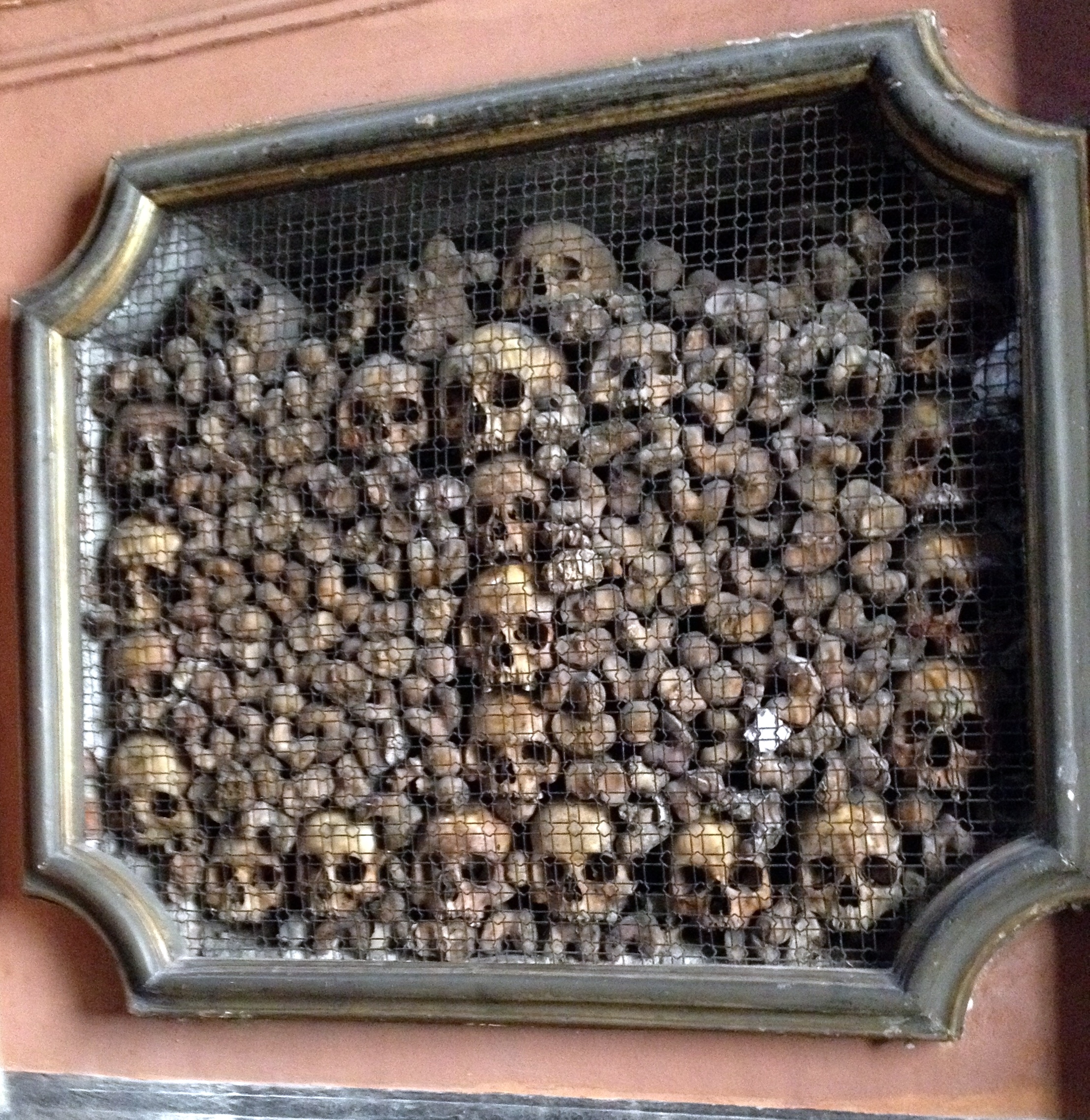
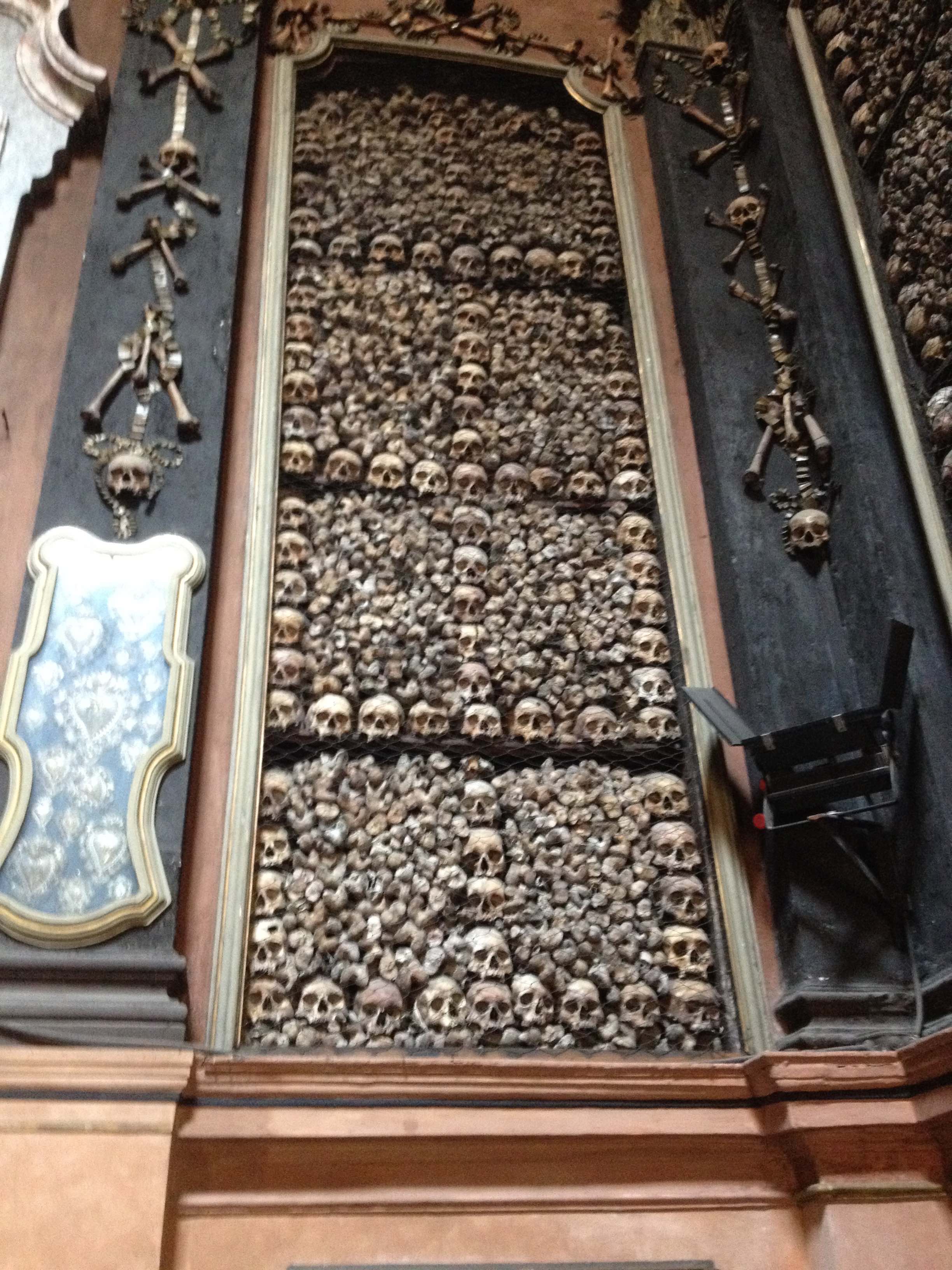
Entry into the Parish confirmed my worst fears of another church full of frescoes and images that I am sure are very beautiful, valuable and important for many people, except myself so I departed quickly and, as usual, proceeded to wait outside. Eventually a satisfied wife appeared and without much ado made a beeline for the other church. I followed again, my complaints ignored as usual. This time I was wrong, the place offered an unexpected corner: the ossuary.

IMG_1026 cropped copy

IMG_1027 cropped IMG_1047 copy

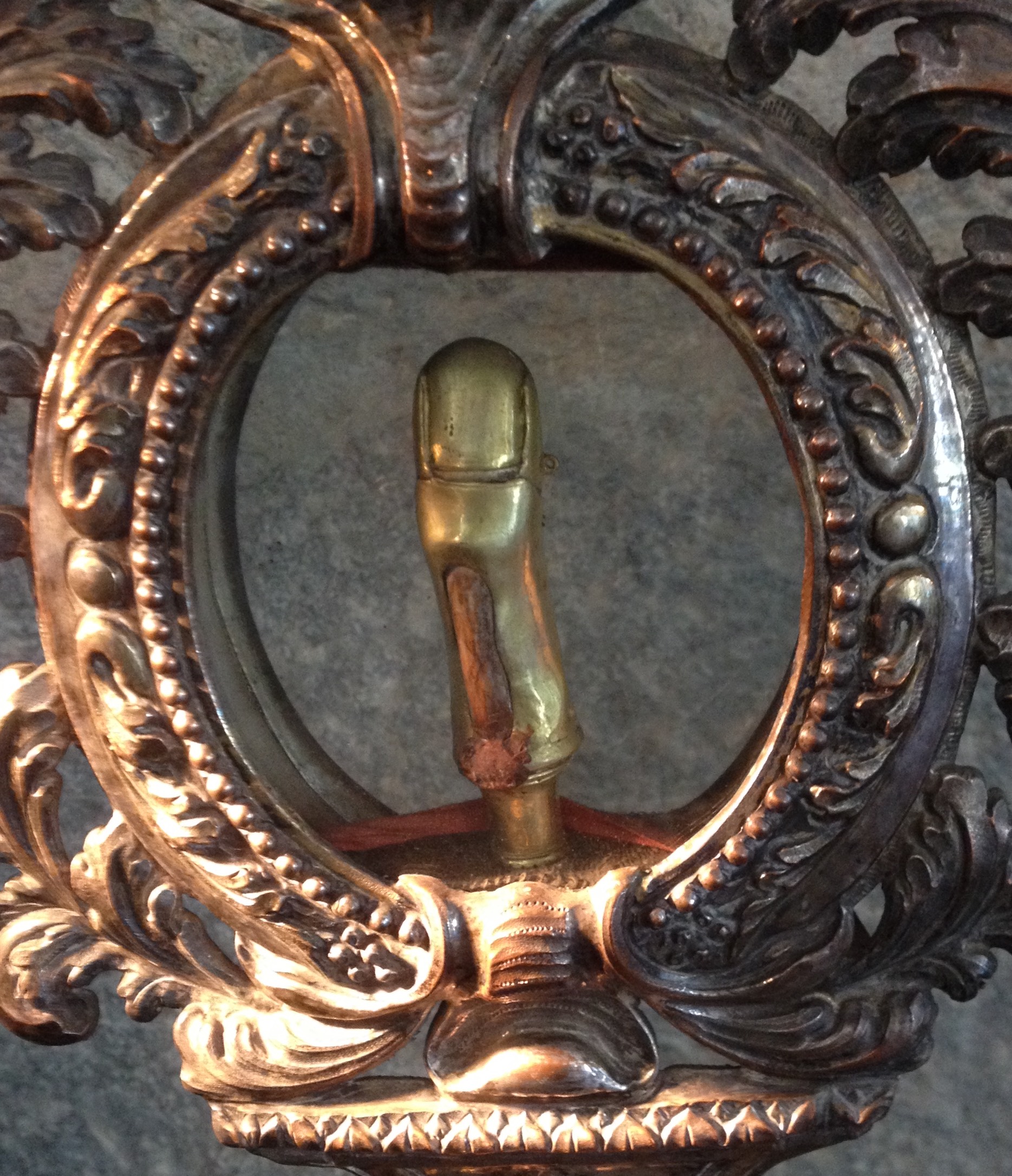
As its name indicates this is a small side chapel decorated with numerous human skulls and bones. I learnt that it was built in 1210 to house the bones of a full next-door cemetery and those who were enterred there. In addition, there is a special place located over the back door where the skulls of criminals who were beheaded for their crimes are kept.

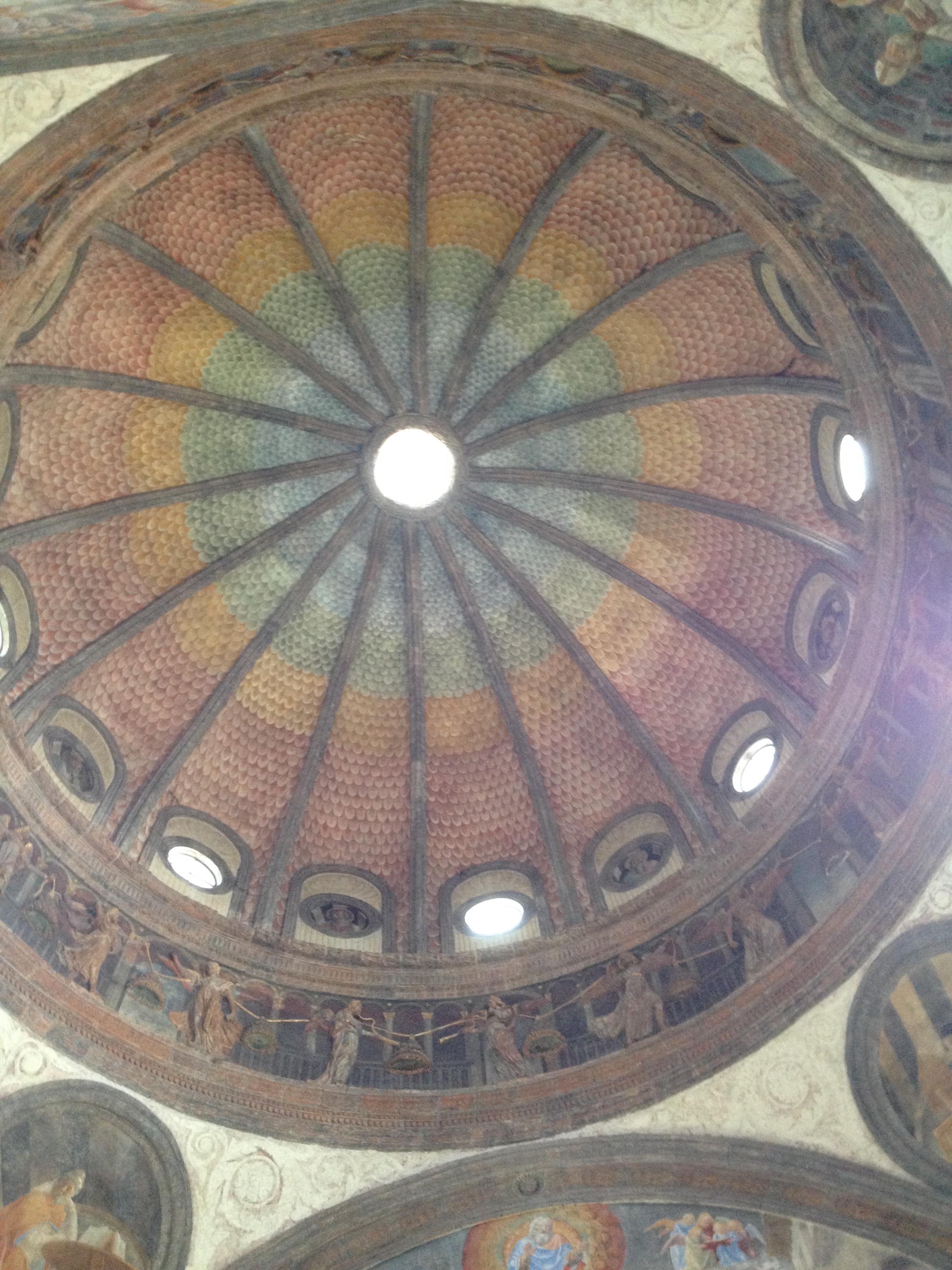
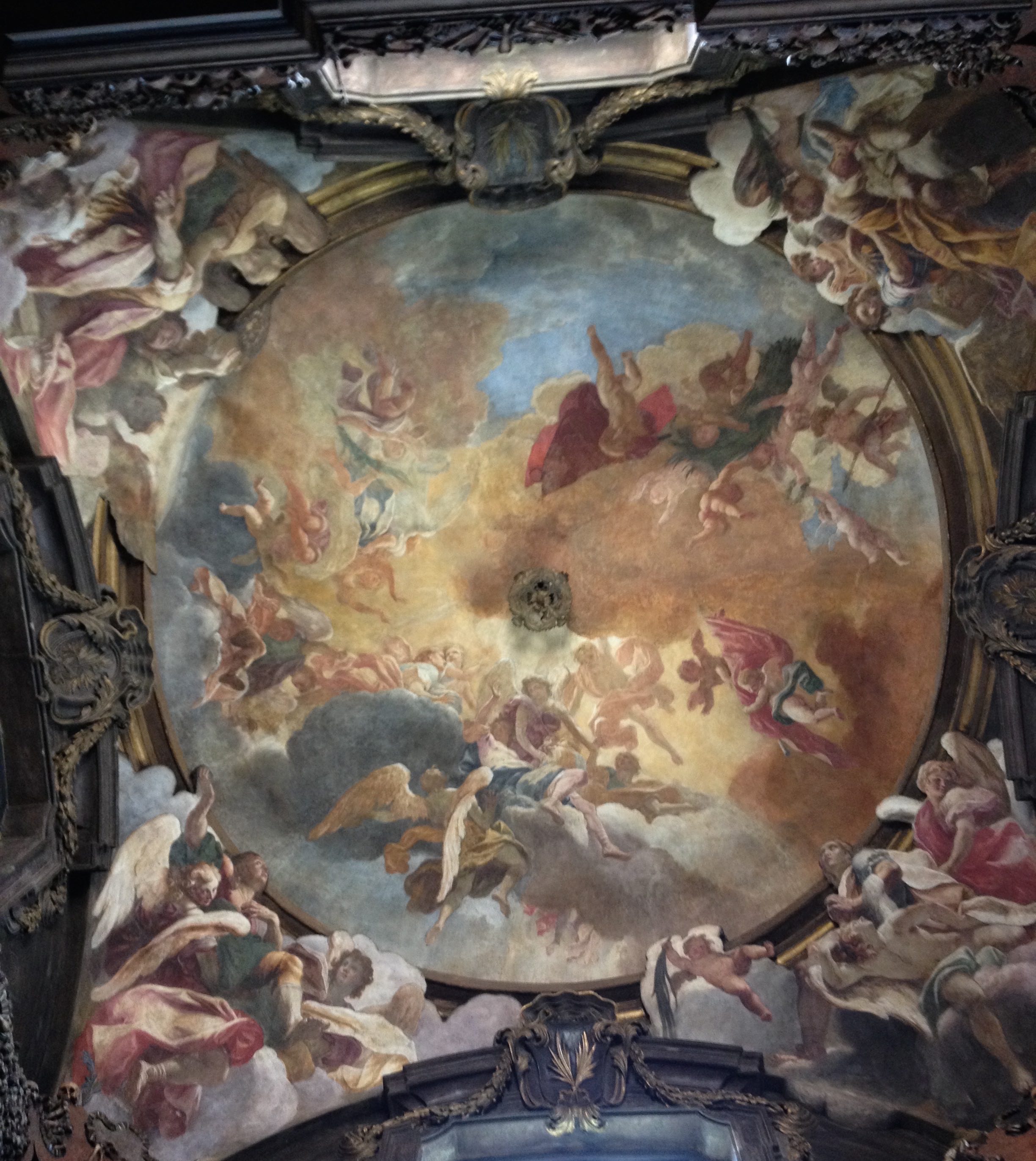
The rather macabre sight of the bone niches and bone-based ornamentation on the walls offers a great contrast with the beautiful and colourful frescoed vault painted in 1695 by Sebastiano Ricci known as the Triumph of Souls and Flying Angels.

The roof of the Ossarium.

The roof of the Ossarium.

We visited the crypt under Santa Maria della Concezione dei Cappuccini in Rome in 2008. There the remains of thousands of Capuchin monks are arranged along the walls in a more elaborate, if the word is appropriate, bone arrangement. However, the most striking find at that church for me was the final sign that reads: “What you are now, we once were; what we are now, you shall be” This had a profound impact on me and it became engraved in my mind as it brought home the inevitability of death! Writing this post I learnt that these bone-related structures are known as “Memento mori[1].

The Capuccino crypt, Rome.

The Capuccino crypt, Rome.


[1] Latin: “Remember (that you have) to die” highlighting the transient nature of all earthly goods and pursuits, a lesson that should be understood by all today!

Caput Mundi – A Waterless Coral Reef

While walking along the Appian Way I described in Caput Mundi Revisited that we passed by the Istituto Salesiano San Callisto[1] on our way to Church of St Mary in Palmis and then to the city centre.

Istituto Salesiano San Callisto.

Istituto Salesiano San Callisto.

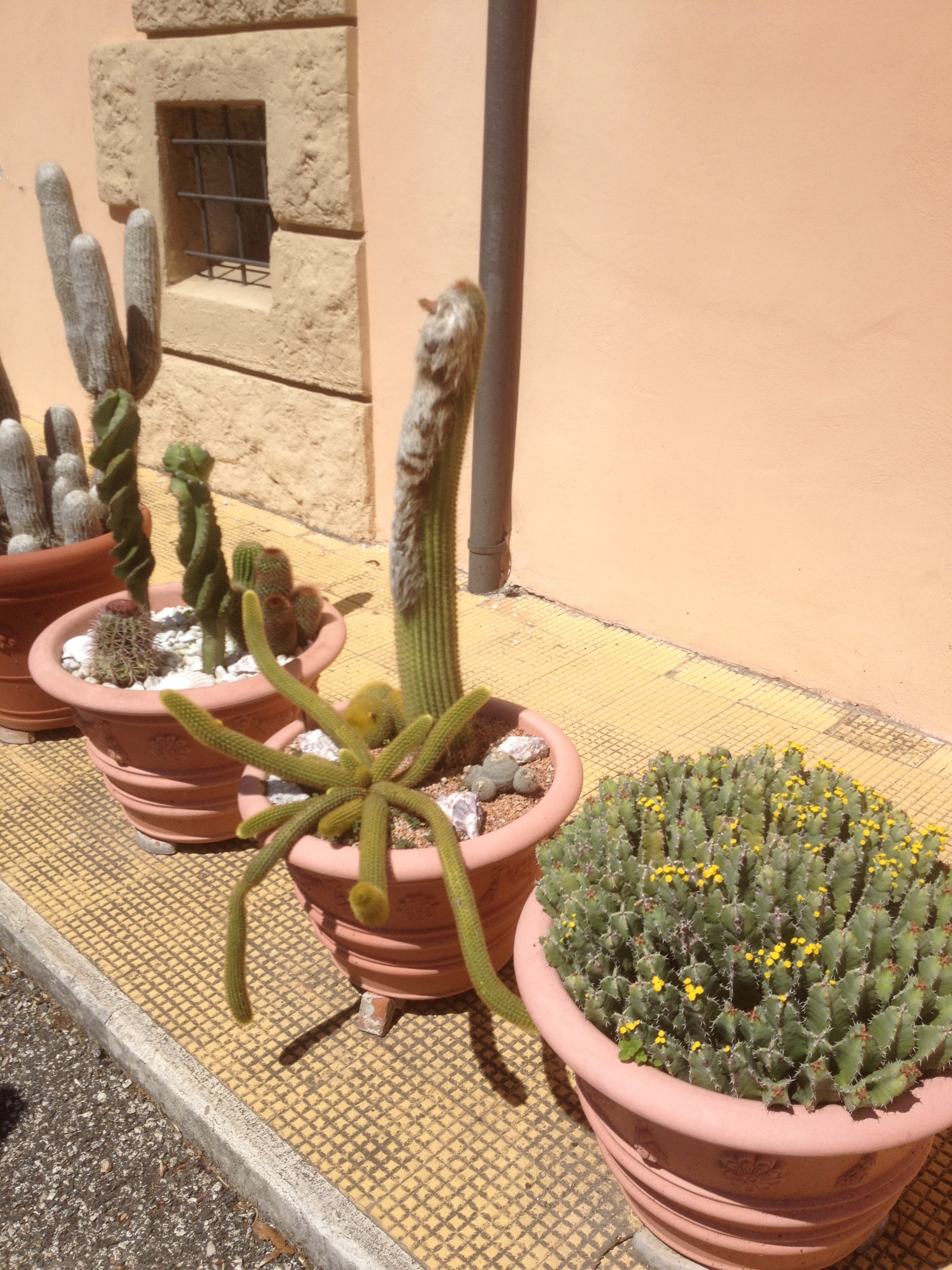
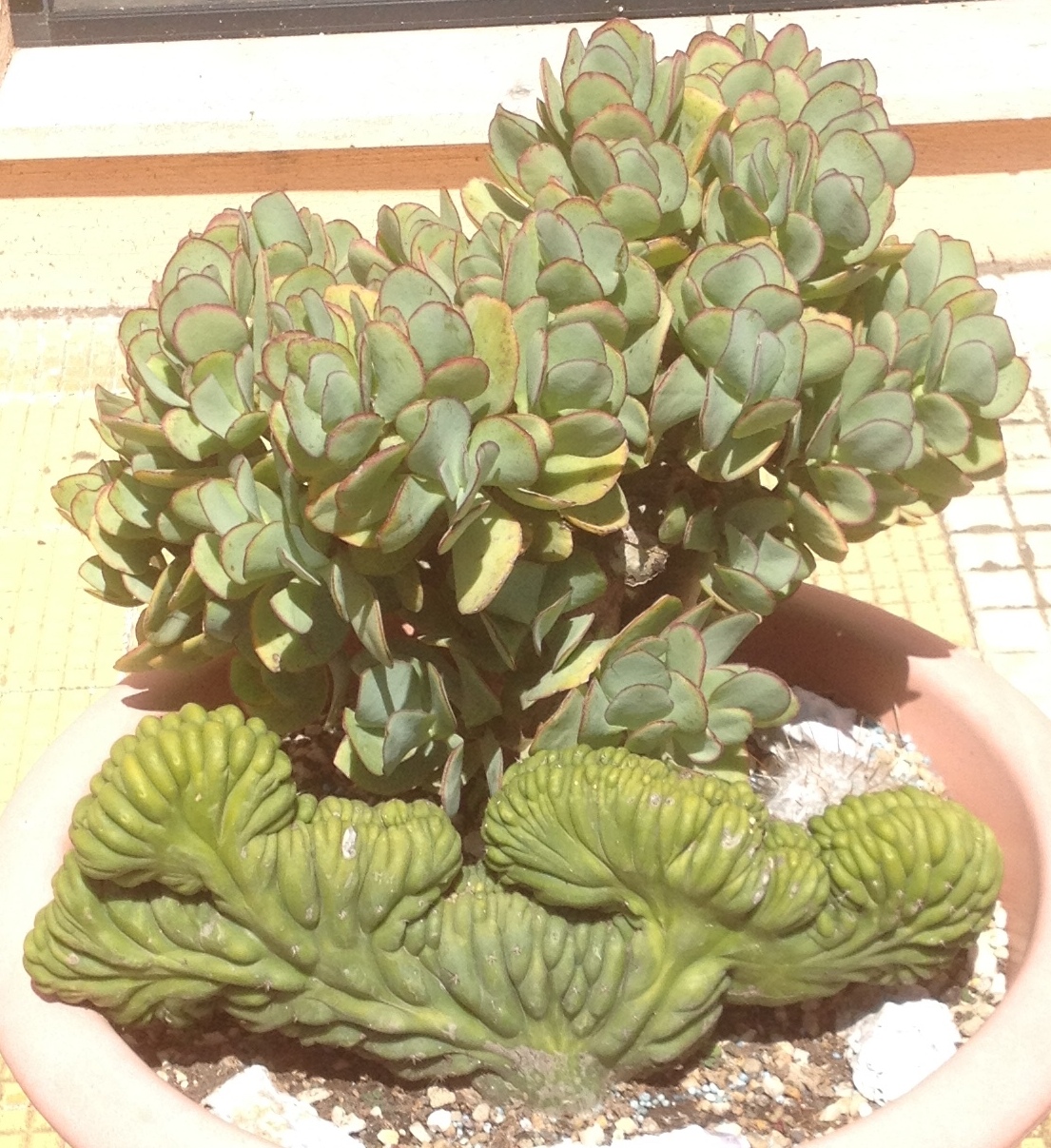
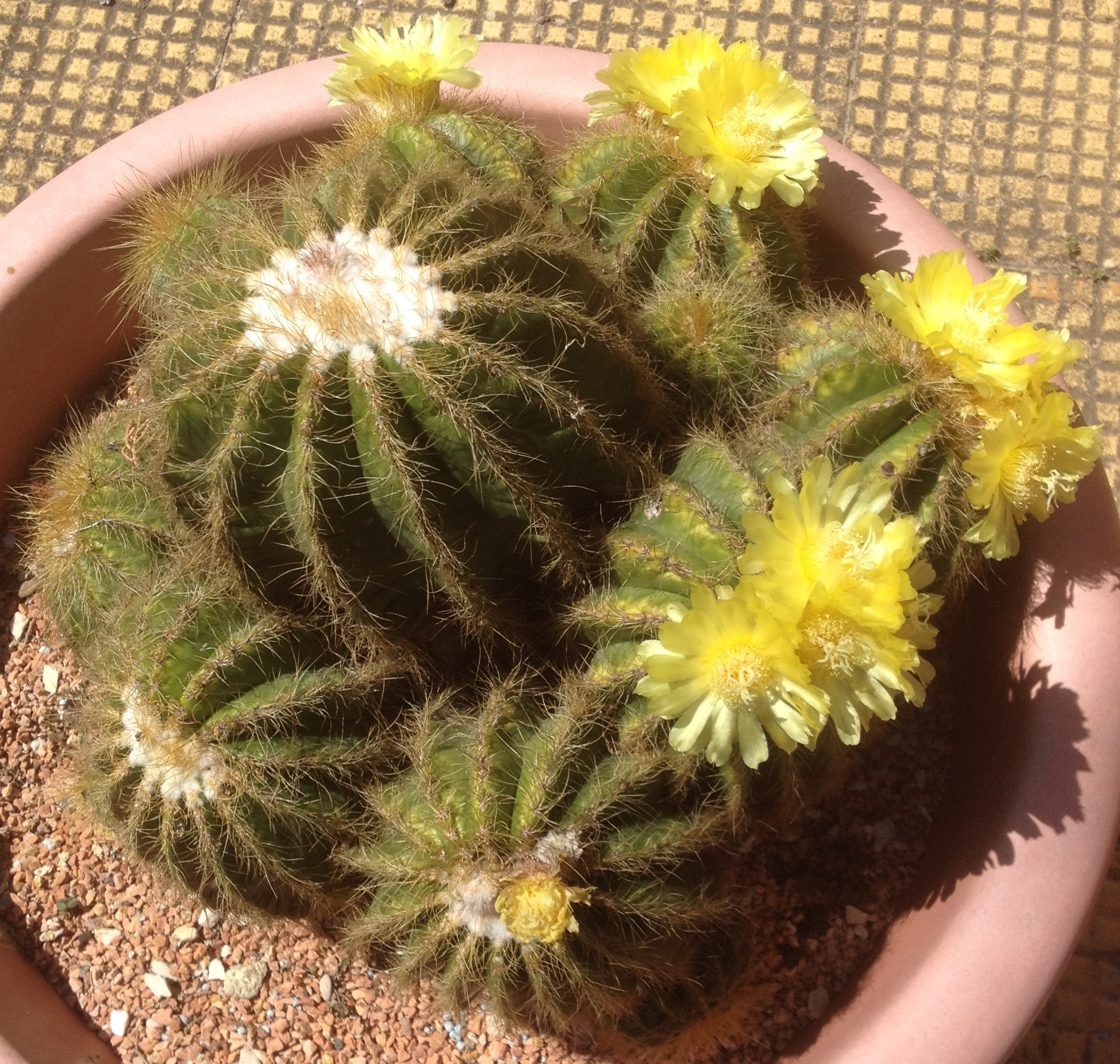
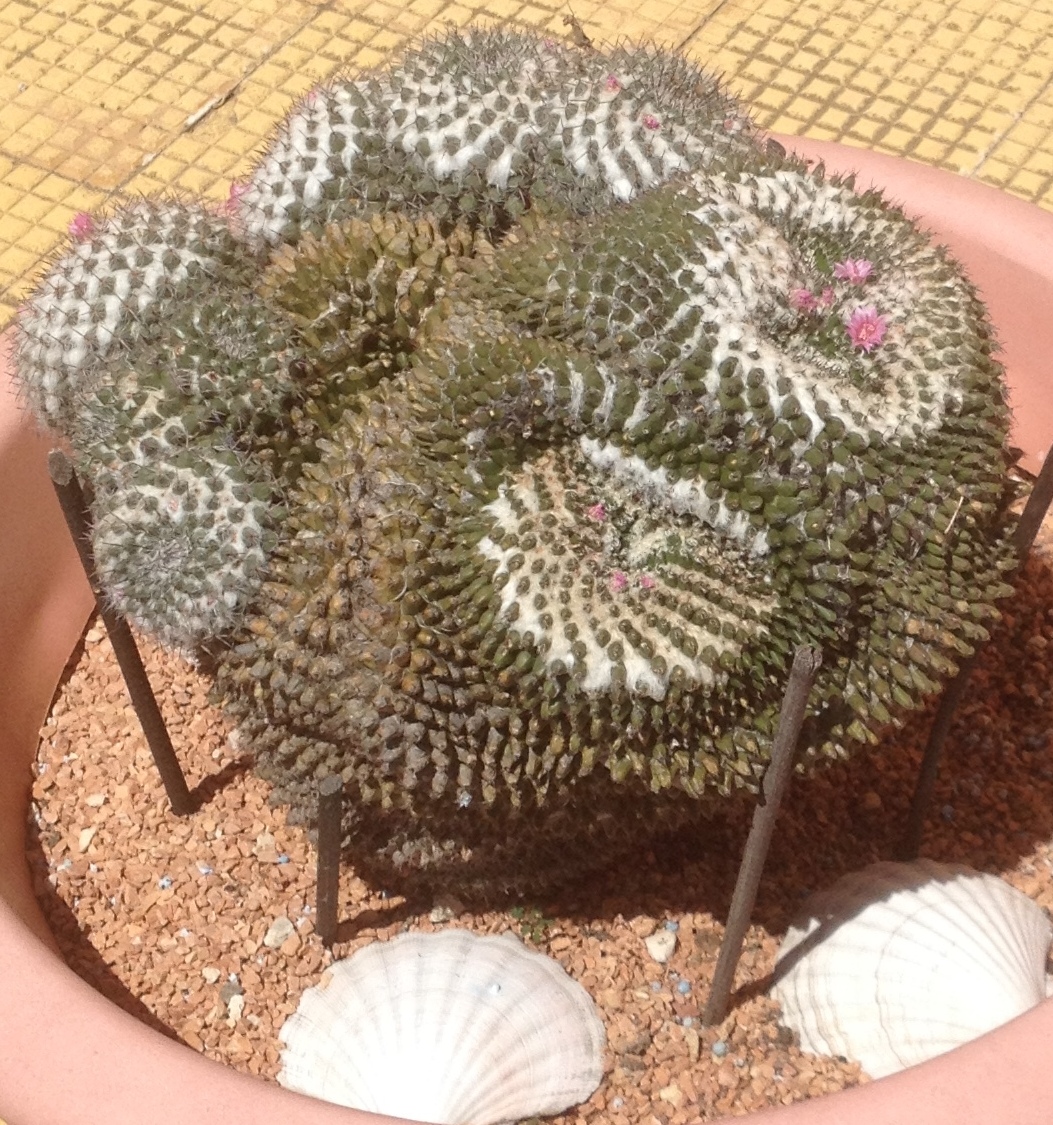
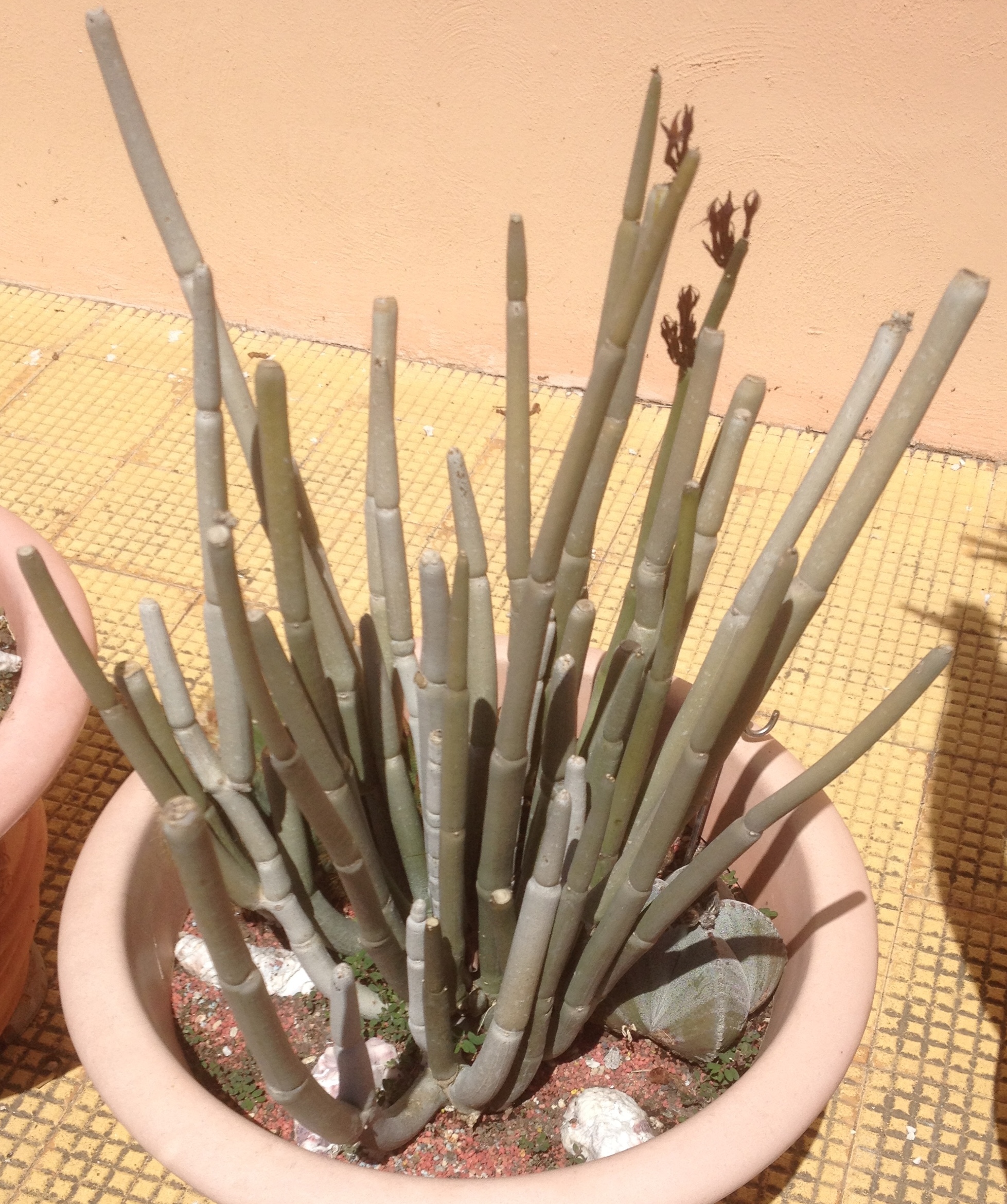
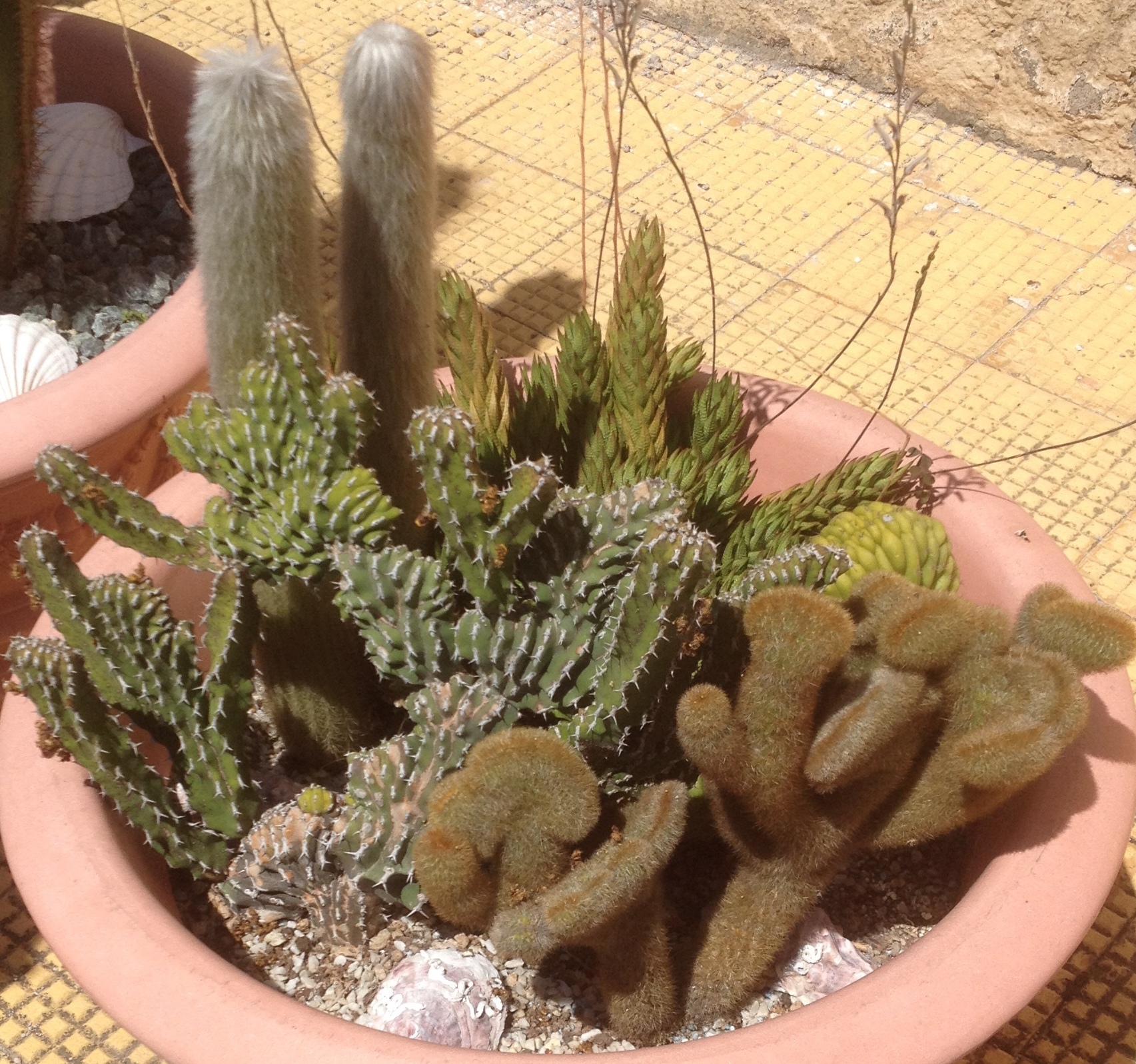
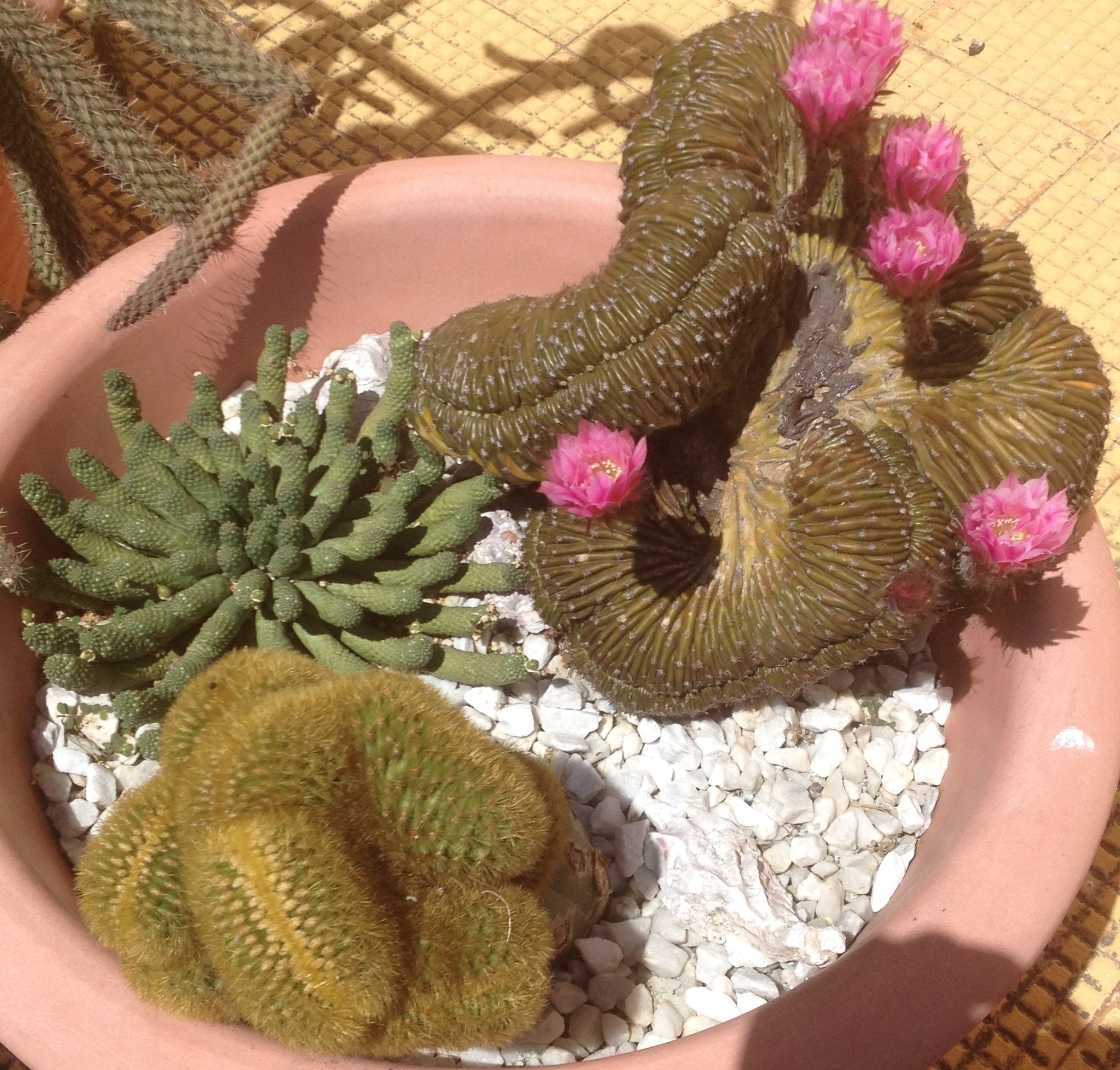
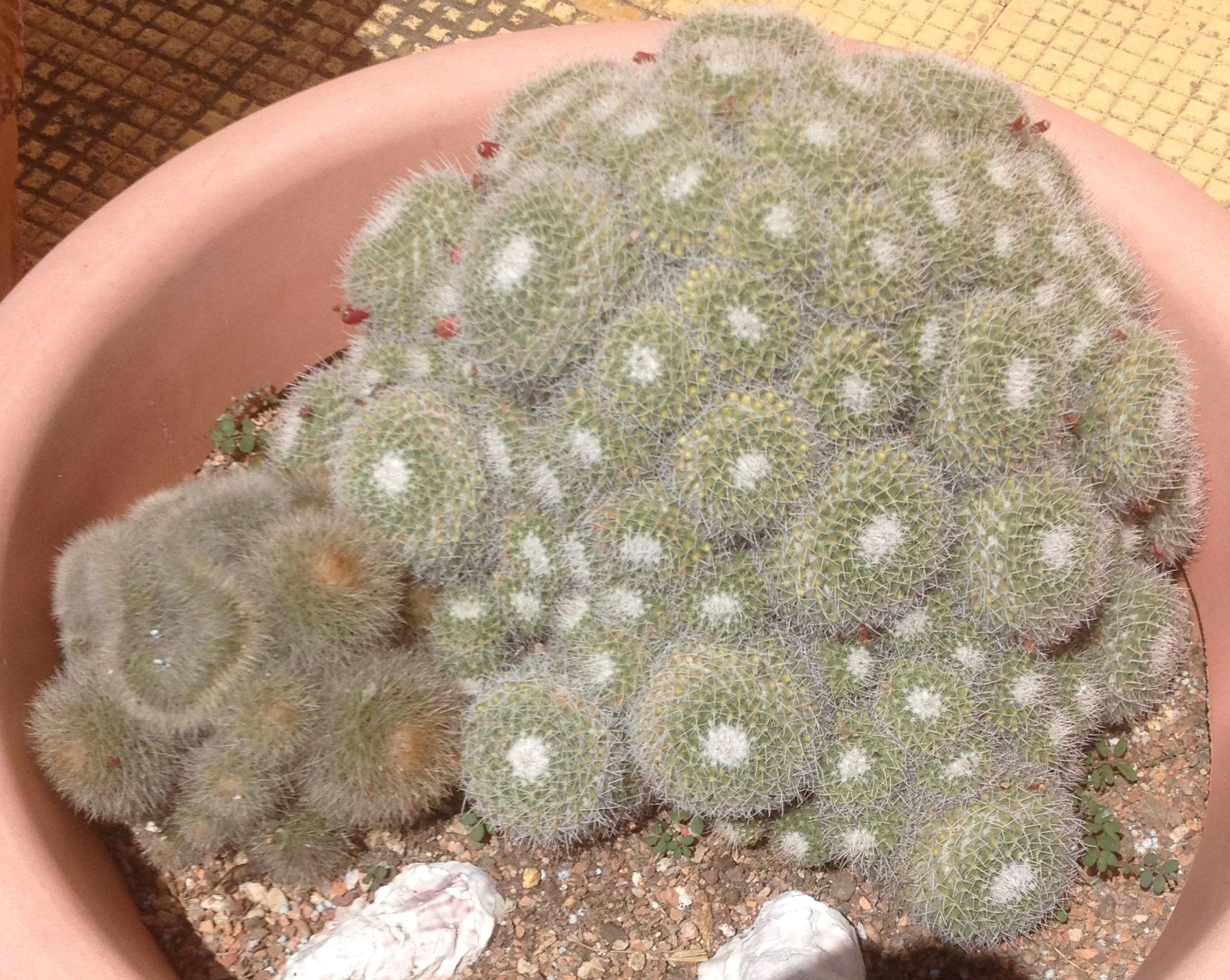
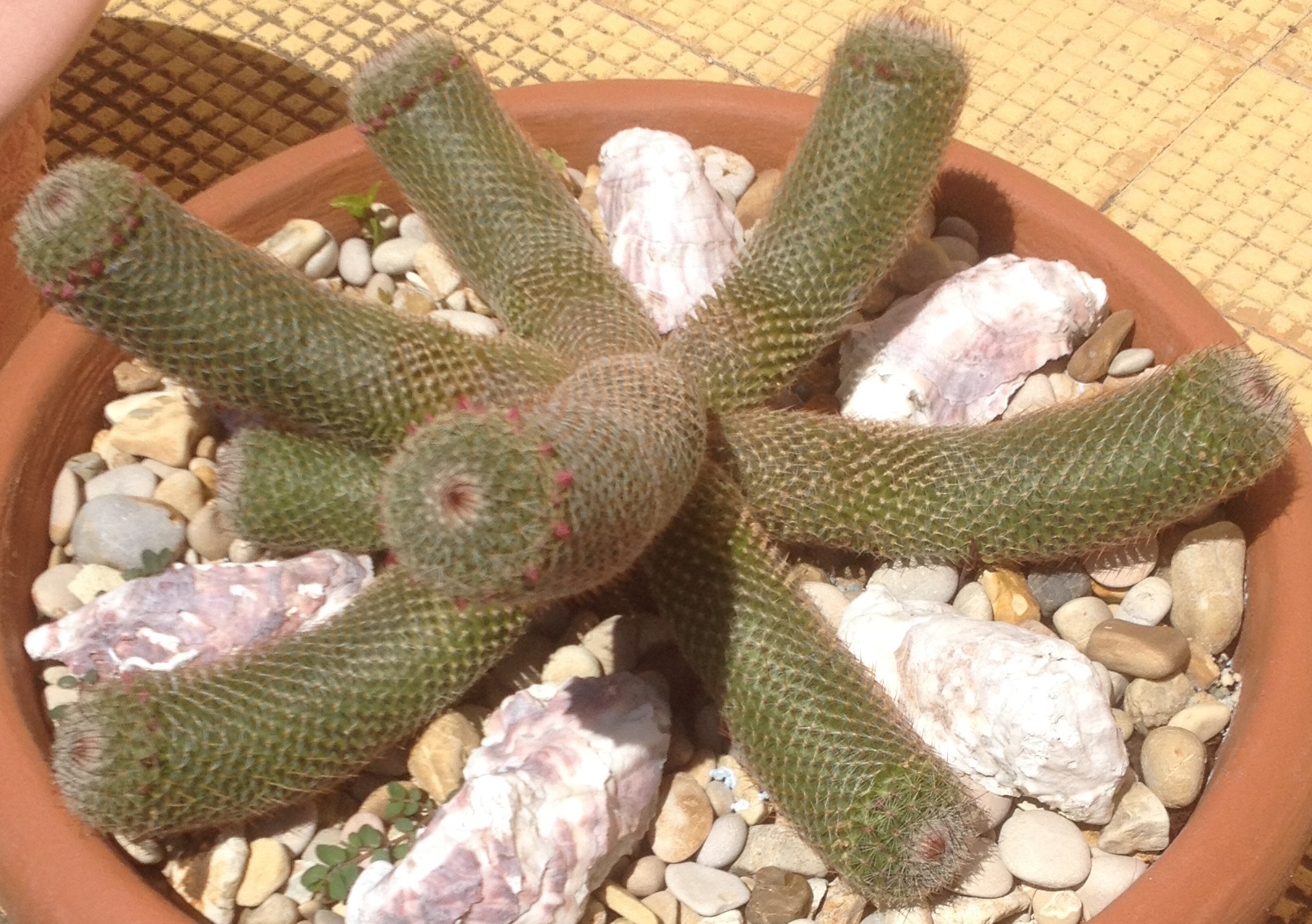
We noted that the front of the Istituto had acquired a new feature: a marvelous collection of succulents. The comparison with coral formations as seen in the Indian Ocean was immediate so we decided that a closer examination was required. What we found is presented here as a pictorial account. No attempt at identifying the plants was made and I leave that to the readers interested in cacti!

IMG_0919

While carefully looking at the plants we noted that seashells had been placed surrounding the plants, a clear reminder to us that whoever did this wonderful work had also thought of the sea!

It is clearly difficult to be original in this world!

IMG_0926 cropped IMG_0930 croppedIMG_0923 cropped IMG_0922 cropped IMG_0910 cropped IMG_0916 cropped IMG_0917 cropped IMG_0911 cropped IMG_0912 cropped IMG_0913 cropped IMG_0914 cropped IMG_0928 cropped

[1] I wrongly referred to it as Dio Silvano college in my Caput Mundi Revisited post, apologies.

Caput Mundi – Romeing

Although we have visited Rome several times and lived there during 1993-1997 and 2006-2010 we are never bored when we are here as it is the city of exploration and discovery as well as surprise! The advantage of both having time and knowing the city quite well enable us to get lost in it with pleasure.

This visit was no exception and we walked in the general direction of the historical centre, with a quick detour at FAO to address pending minor administrative issues. As usual a number of monuments were being restored and were therefore totally or partially covered and invisible to the normal visitor. Seeing them reminded me of the difficulties the Roman authorities must face in order to preserve the city as well as the costs this incurs!

This time a section of the Colosseum was being repaired but we could still enjoy part of it.

The Colosseum never fails to amaze.

The Colosseum never fails to amaze.

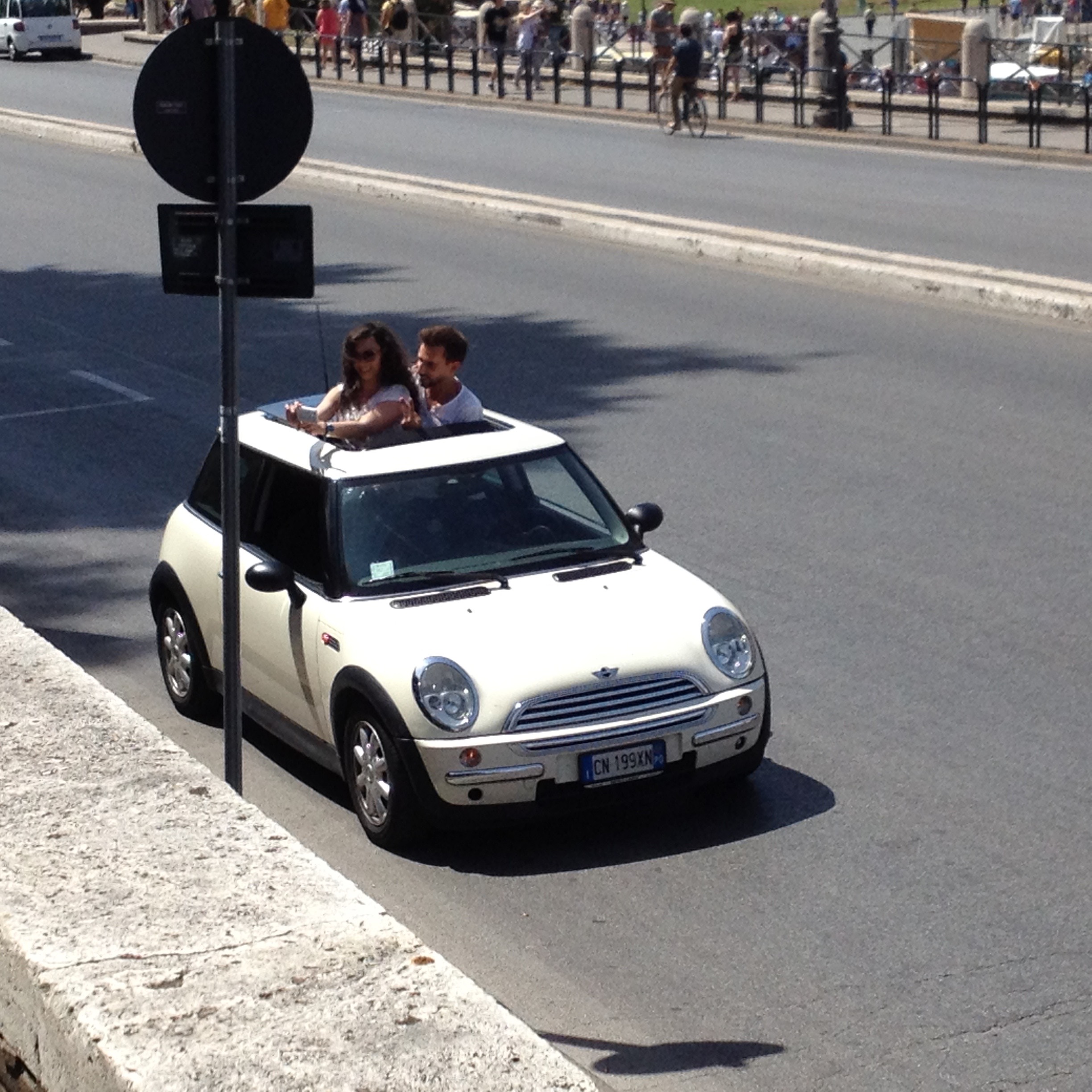
What about a

What about a “selfie” with a “Colosseum background”? Even if it means stopping on the busy road…

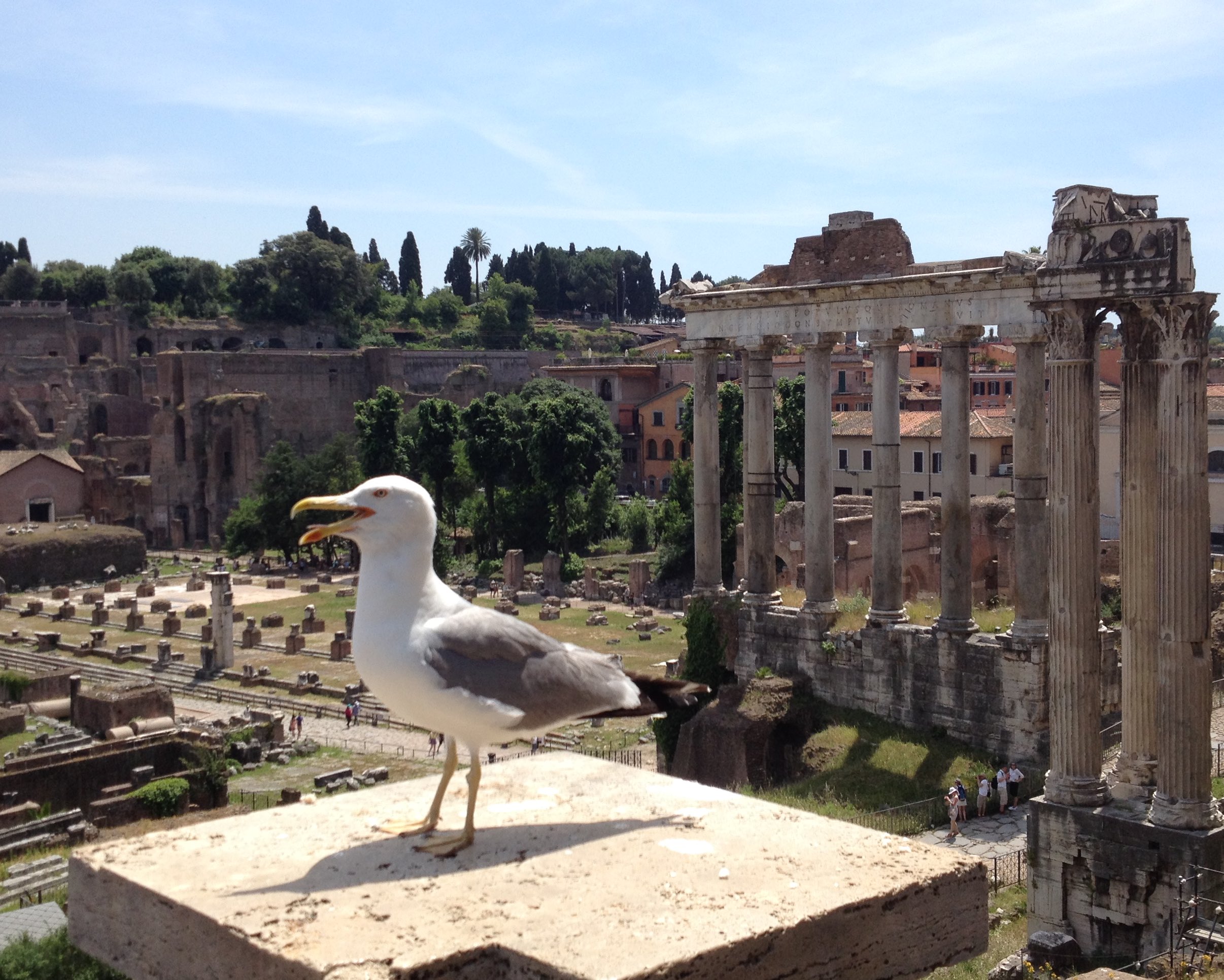
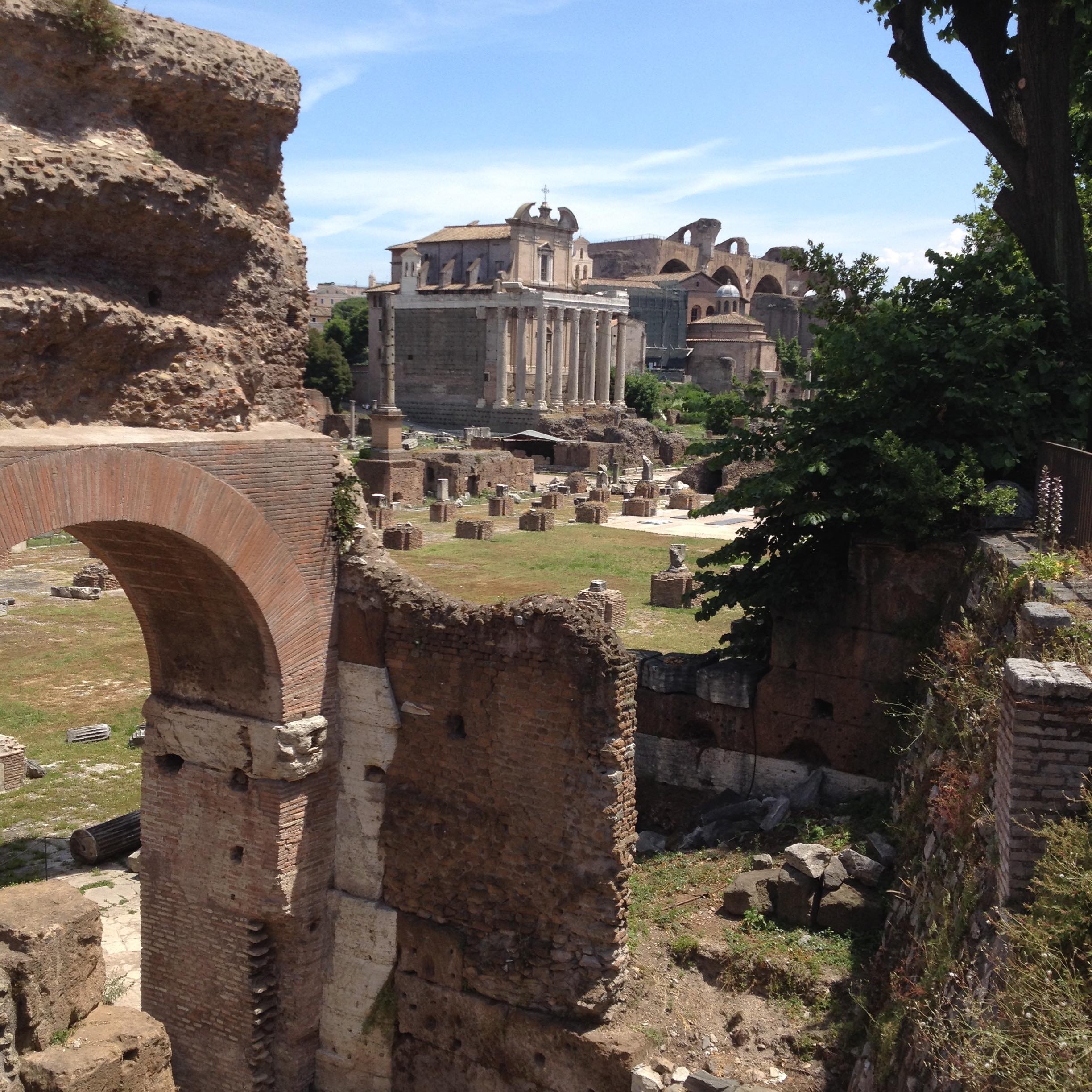
As the weather was very pleasant, our walk continued and took us to the great views of the Roman Forum. Although we have entered it before, we realized that in order to appreciate it as a whole, the best place to see it is from above. Not being archeologists, our interest in ruins goes as far as admiring their present beauty while trying to imagine what the place must have looked like a couple of thousand years before (an impossible task unless they are whole!).

IMG_0974 copy

IMG_0984 cropped

Anyway, in front of our eyes were the Temples of Saturn, Vespasian and Titus, Cesar, Castor and Pollux as well as the Temple of Vesta; the Arch of Septimius Severus and other remarkable surviving ruins of what once was the centre of Roman public life.

IMG_0972 copy

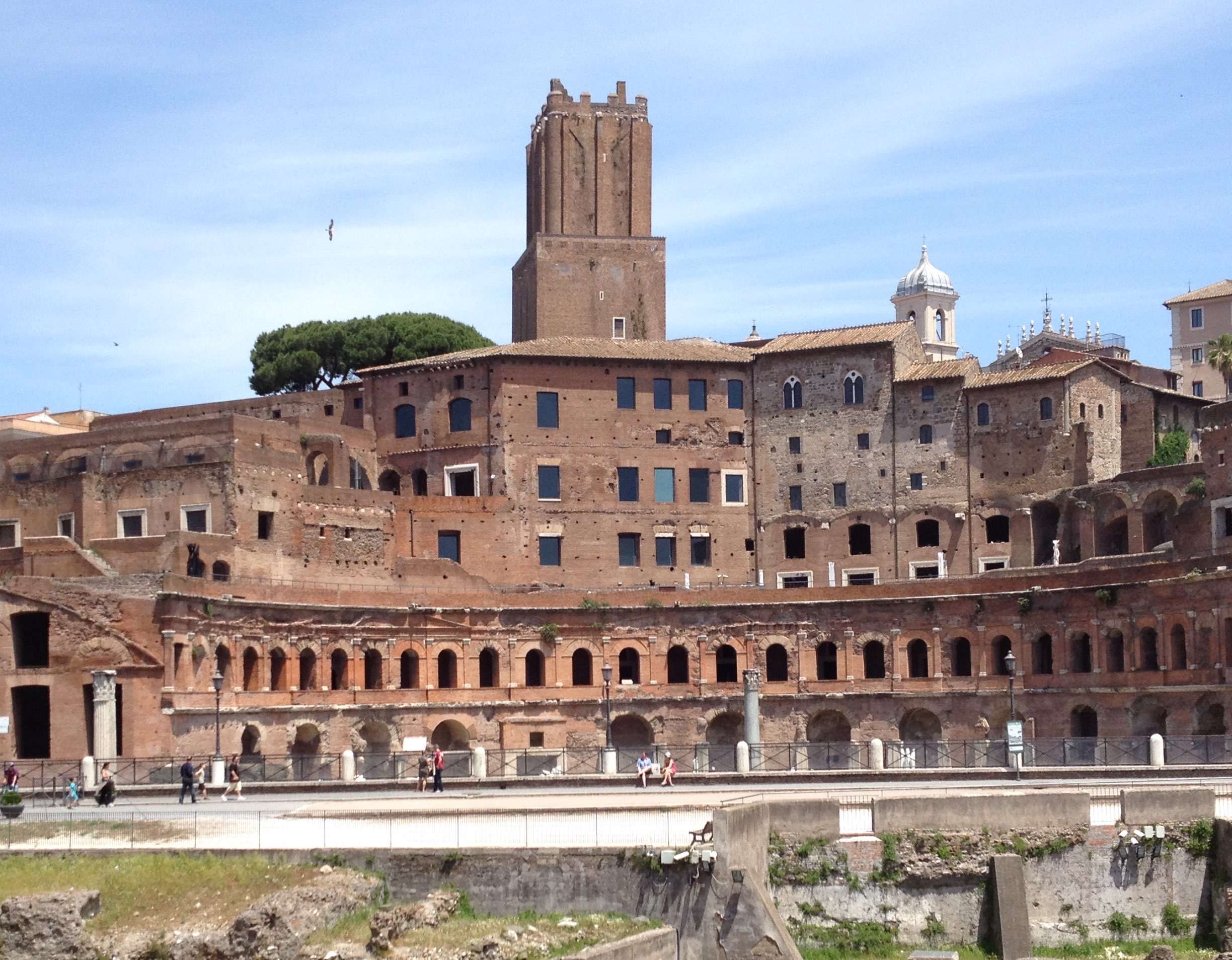
Our contemplation over, our walk continued downwards until we reached the Trajan forum, built in 106 by, not surprisingly, Trajan! The spoils of the conquest of Dacia, with which the forum was built in 106 must have been lean as it is built in bricks (maybe the marble had run out…). Trajan’s Column is next but it was built later (113), quite new for Roman standards!

IMG_0989 cropped

The flag of the Order of Malta adds a touch of colour.

The flag of the Order of Malta adds a touch of colour.

Once we reached the end of our legs’ strength (there was still an infinite Rome waiting!) we decided to return to base for a well earned shower and rest. We chose a short walk down “memory lane” that followed my first-ever walk in Rome: from Via Capo D’Africa, 47[1] to FAO via the church San Gregorio Magno al Celio. Little did we know that a final Roman act waited us!

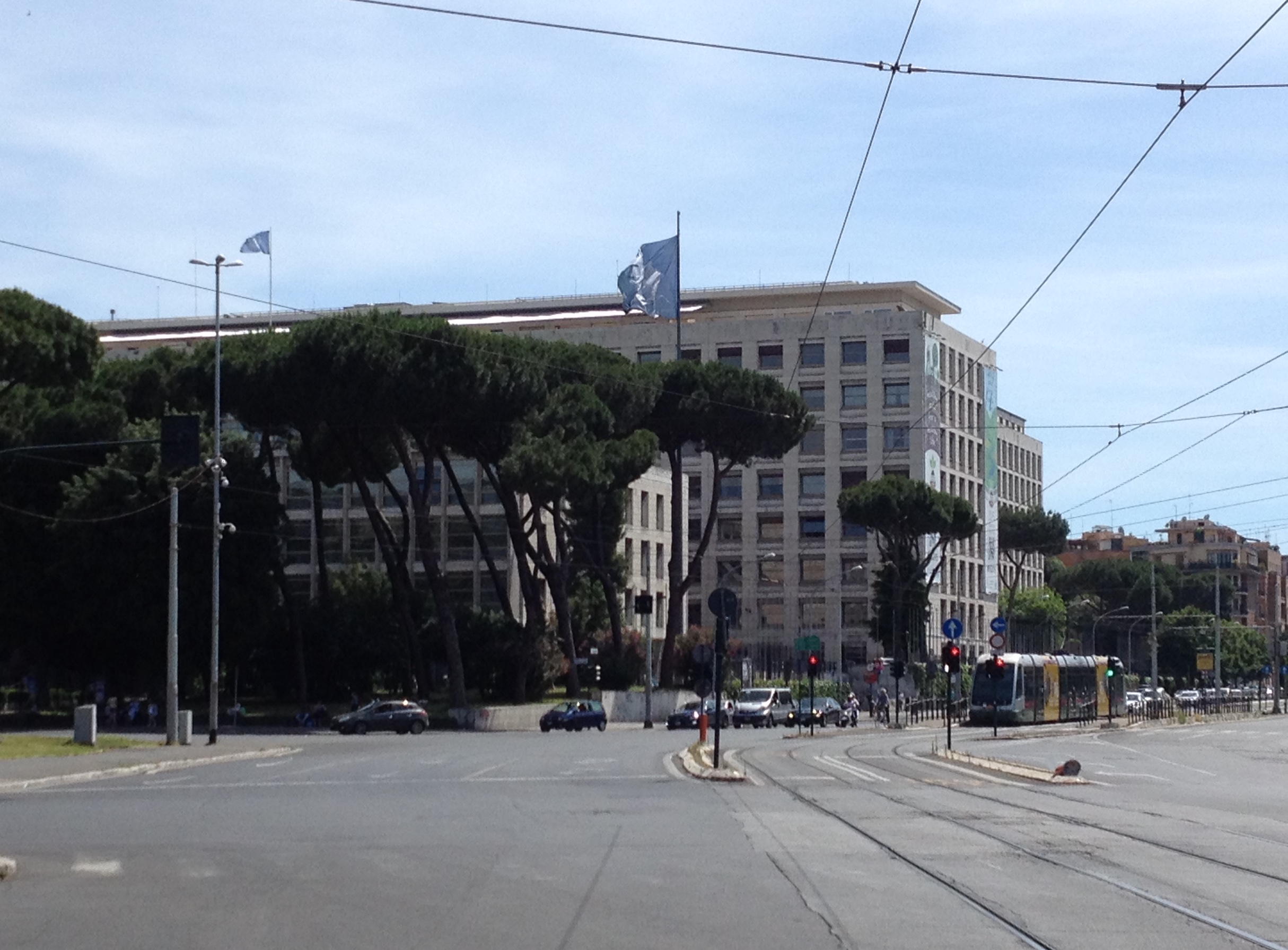
The FAO Headquarters.

The FAO Headquarters.

The smell of acrid smoke hit us near the church and we saw a small leaf mound on fire, probably the result of the work of a Roma City Council gardener. We did not think much of it and walked past noting a flock of police (women and men) nearby chatting animatedly. Nothing wrong there either. Suddenly though, we heard a siren and, lo and behold, a fire engine came rushing in to control the on-going conflagration!

Italy is the cradle of Opera and clearly Rome’s inhabitants have a flair for drama, even when dealing with really mundane occurences!

[1] The Hotel Penzione Lancelot (now Hotel Lancelot, still under Mrs. Khan’s management) is located there.

Caput Mundi -Truffling

When our good friend Carlo invited us to go looking for truffles[1] near Rome we accepted gladly. We knew that he had started this activity a few years back and we had followed his progress. We also had tasted these sought after delicacies earlier and we were looking forward to a possible repeat of some of his specialties such as Uova di quaglia al tartufi (quail eggs with truffles) or pasta with truffles. He had also assured us that barbequed meat and truffles was great so we (meat-eaters, sorry) could not wait to go out! We were also assured of good company and some exercise anyway!

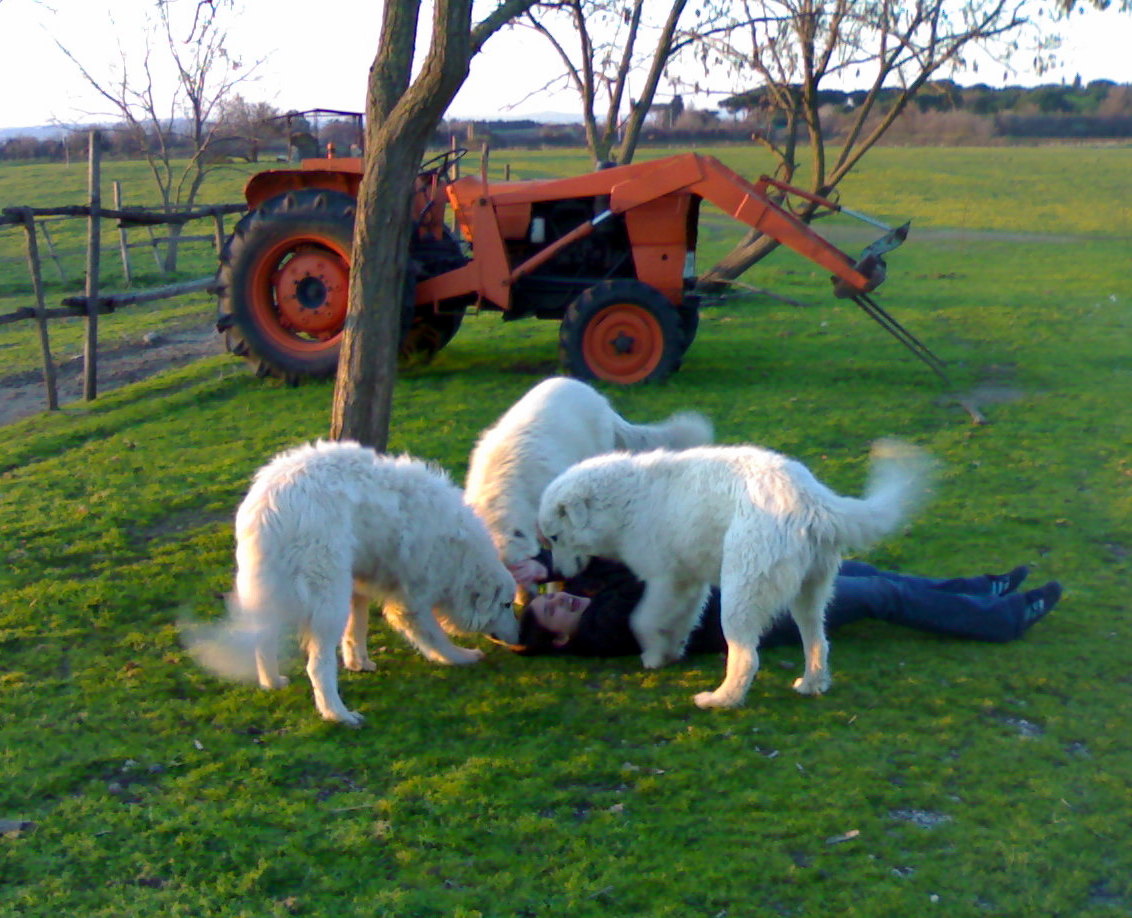
Carlo loves dogs probably more than cooking! Apart from having had a wolf-dog cross for several years he breeds Maremmano-Abruzzese[2] and is among the top breeders in Italy. Suffice to say that they are large and that there are never less than ten of them at the house. Luckily their garden is rather large as they are massive!

Grown Maremmano puppies play with my daughter (2008).

Grown Maremmano puppies play with my daughter (2008).

Although the Maremmano are his favourite, they are not good in finding trufflles so he keeps an additional four “truffle dogs”and one young apprentice. All females, they are two Cocker Spaniels and three Poodles (including the puppy). Carlo had painstakingly trained them all for months and a couple had a few years of experience. We took the five of them and I am glad that he knows how to handle them as he managed three while my wife and I had one each, admittedly with some difficulty.

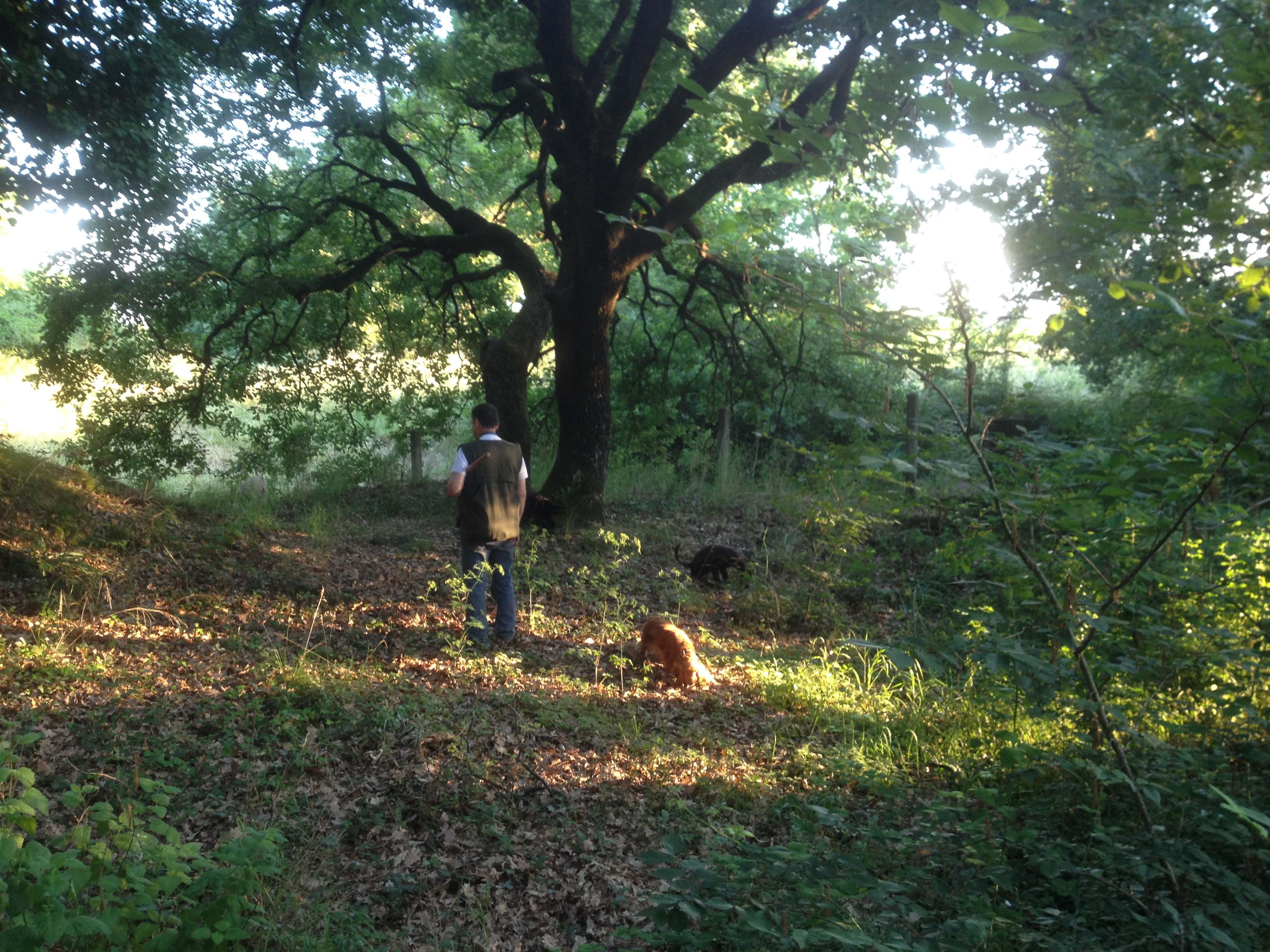
Once we arrived at the right location they were released and we walked until we found the first suitable place, an oak woodland where Carlo thought truffles should be. He then started to use special vocalizations to entice the dogs to search for their targets. The dogs went “bananas” and started sniffing the ground all over the place. Within a couple of minutes Miele (Honey), a Poodle, started digging frantically.

Waiting for results...

Waiting for results…

We carried the necessary and legal[3] digging equipment (a kind of small spade known as vanghella) and, seeing the dog’s high level of activity I prepared to literally go to great depths to get the truffles! My efforts were not needed as the dog, almost immediately, brought out a dark brown tuber the size of a golf ball that Carlo took from her mouth giving her a piece of sausage as a reward for her efforts.

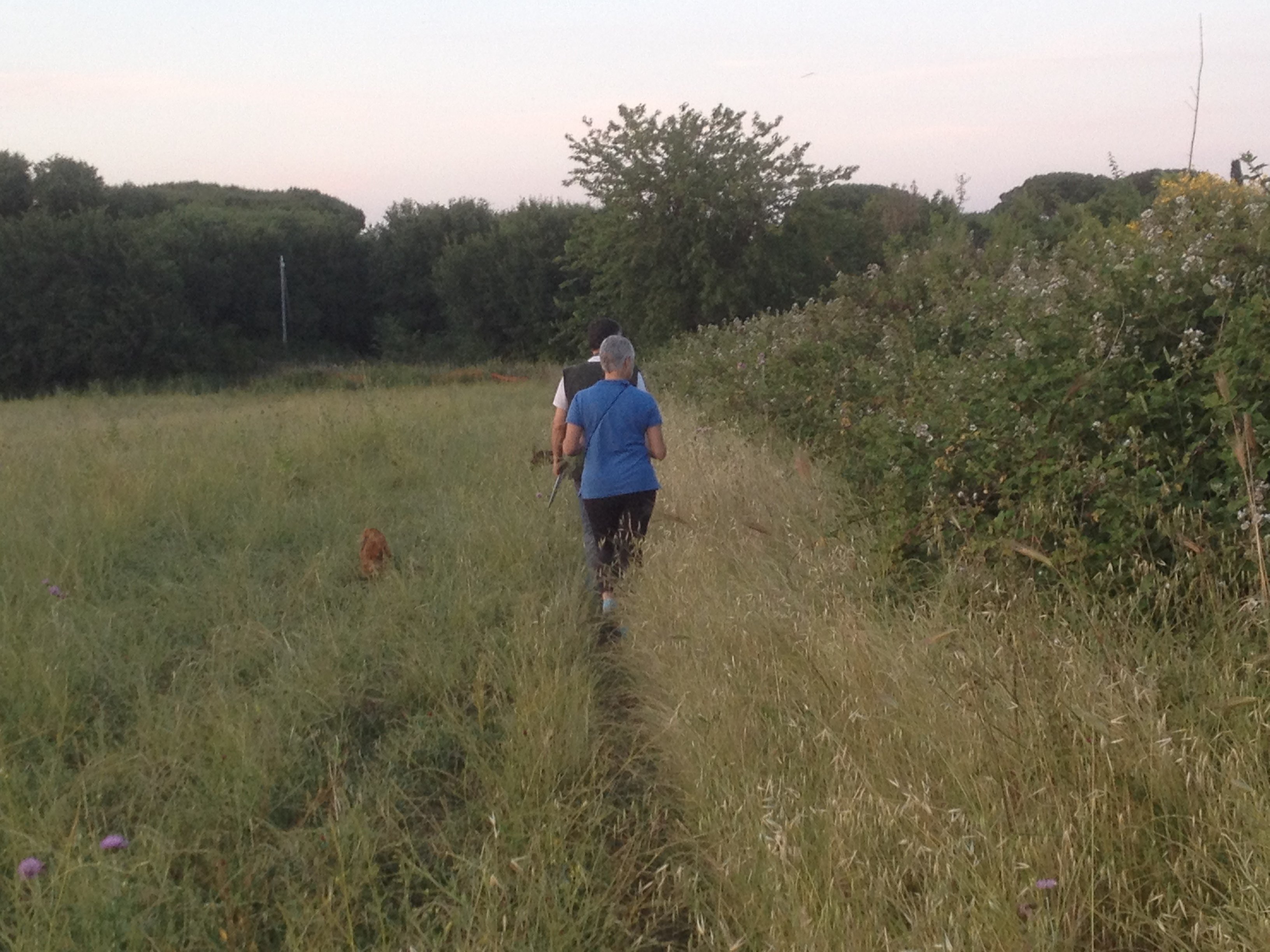
Following the dogs'.

Following my wife, Carlo and the dogs.

A possible

A possible “truffling” area is inspected.

Our walk following the dogs continued and the operation repeated several times until it was decided that we had collected enough and, as it was getting too hot for the dogs’ efforts, it was time to go home.

I believe that the truffles collected belong to the Tuber aestivum species. Common sizes go from 2 to 10 cm but larger ones are also found. These truffles have a rough brown or black outer skin known as “peridium”.

Our collection for the day!

Our collection for the day!

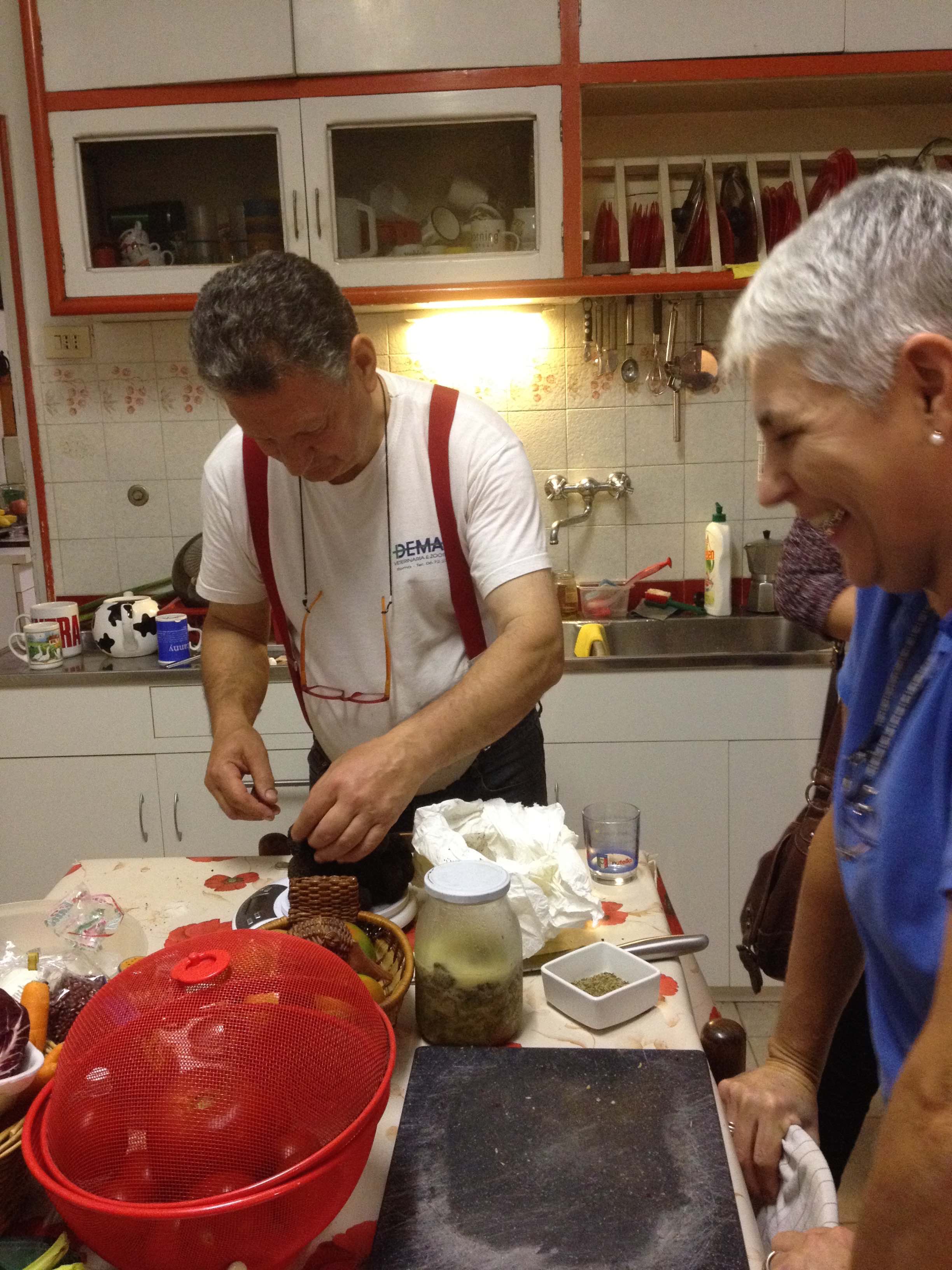
When back home, at my request, the brown treasure was weighed. It reached a rather staggering 750g. Considering that a kilogramme of summer truffles sell for Euro 300, it was a good result for a couple of hours effort!

Placing the truffles on the scale.

Carlo placing the truffles on the scale while my wife praises our find (and the Bushsnob takes the picture…)

We are now sure that we have enough raw material to enjoy a few of Carlo’s specialties and, as we are still in Italy and have the suitable equipment (read truffle dogs!) we can always join Carlo on another of his quests for more!

Look at that!

Look at that!

[1] See: http://www.cercotartufo.it/j/i-vari-tipi-di-tartufo.html. It is in Italian but it has good pictures!

[2] See: http://en.wikipedia.org/wiki/Maremma_Sheepdog for more information.

[3] According to the Law, “for the collection of truffles in Lazio spade or vanghella can be used exclusively, with the aid, for the excavation between the stones, small hoes”.

Caput Mundi revisited

It is back to Rome in 2015, after a few years’ absence. We are on our way to our son’s graduation in Scotland and we will visit our daughter (the Editor of the blog!) in Milano before that. After this is completed, it will be back to Africa.

After a 13 hour of a rather sleepless flight we arrived at our friends house in the Via Appia, yes, we are very fortunate to stay at that magnificent place where once upon a time the Roman legions moved in and out of Rome on their way to Africa and other conquests!

The weather as it is normal here is great, sunny and warm without being too hot yet. On arrival and unable to sleep due to jet lag we decided to walk to town following the Appian way to stretch our legs, get tired and sleep well.

A view of the Appian Way.

A view of the Appian Way.

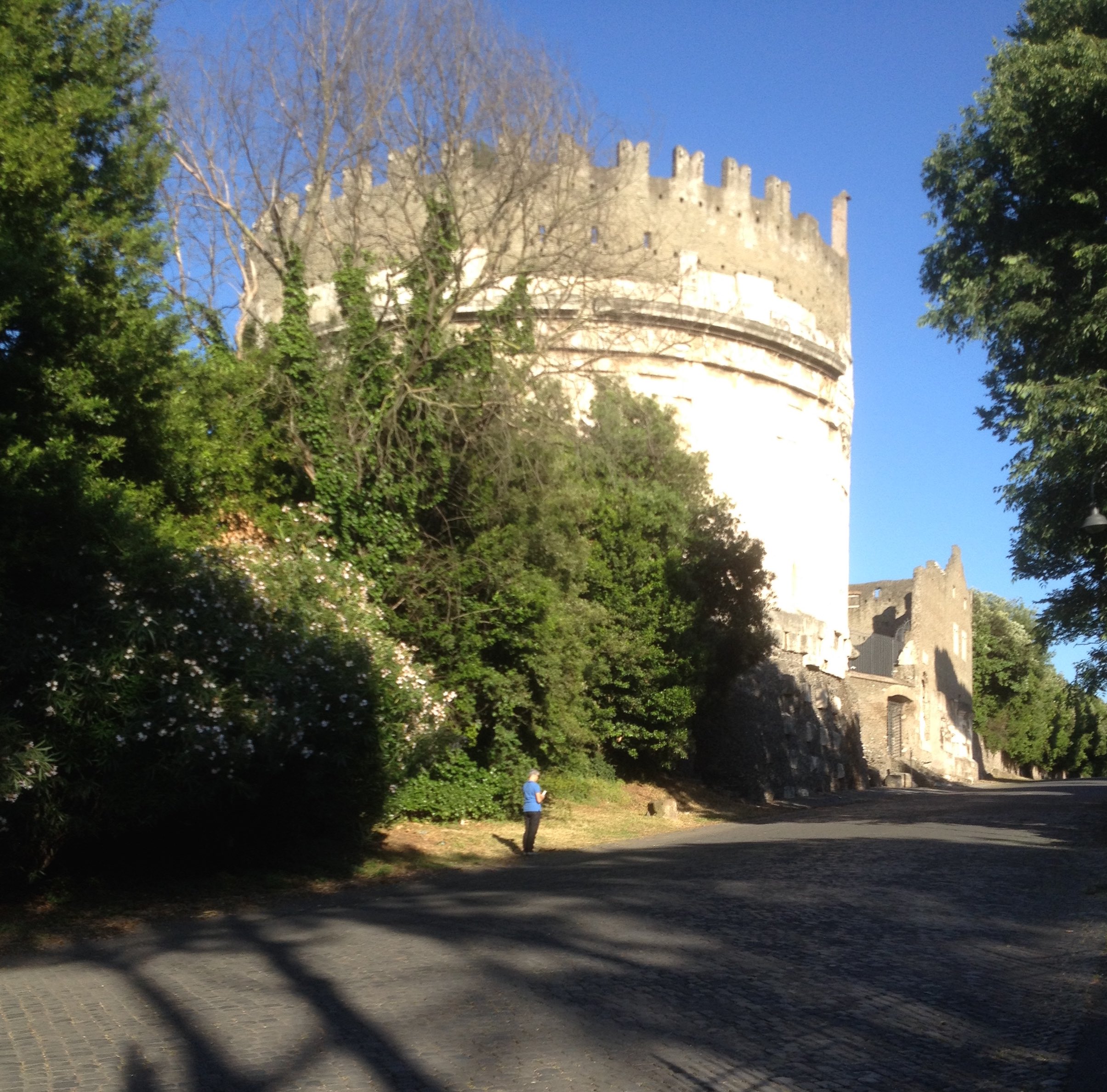
From our friends’ house we passed the Capo di Bove with its thermal baths dating back to the middle of the 2nd century. These baths were used privately until at least the 4th century and its name derived from the cattle head sculptures on the nearby tomb of Caecilia Metella. We also passed the latter, the best preserved mausoleum that signaled that we were three miles from Rome. Caecilia Metella was the granddaughter of Marcus Crassus who served under Julius Caesar.

The Caecilia Metella Mausoleum.

The Caecilia Metella Mausoleum.

After a short while we passed the Basilica of St. Sebastian that is also the entry of the homonymous catacombs and built originally in the first half of the 4th century. St. Sebastian was a popular Roman martyr of the 3rd century and the church was built over a small catacomb. Continuing on our way we crossed the Via Ardeatina and, before the tomb of L. Volumnius and I. Tyrannis we turn left to enter into a favourite area of ours where the Catacombs of Callixtus are located.

The church of St. Sebastian is seen in the background.

At our favourite walk. The church of St. Sebastian is seen in the background.

Poppies...

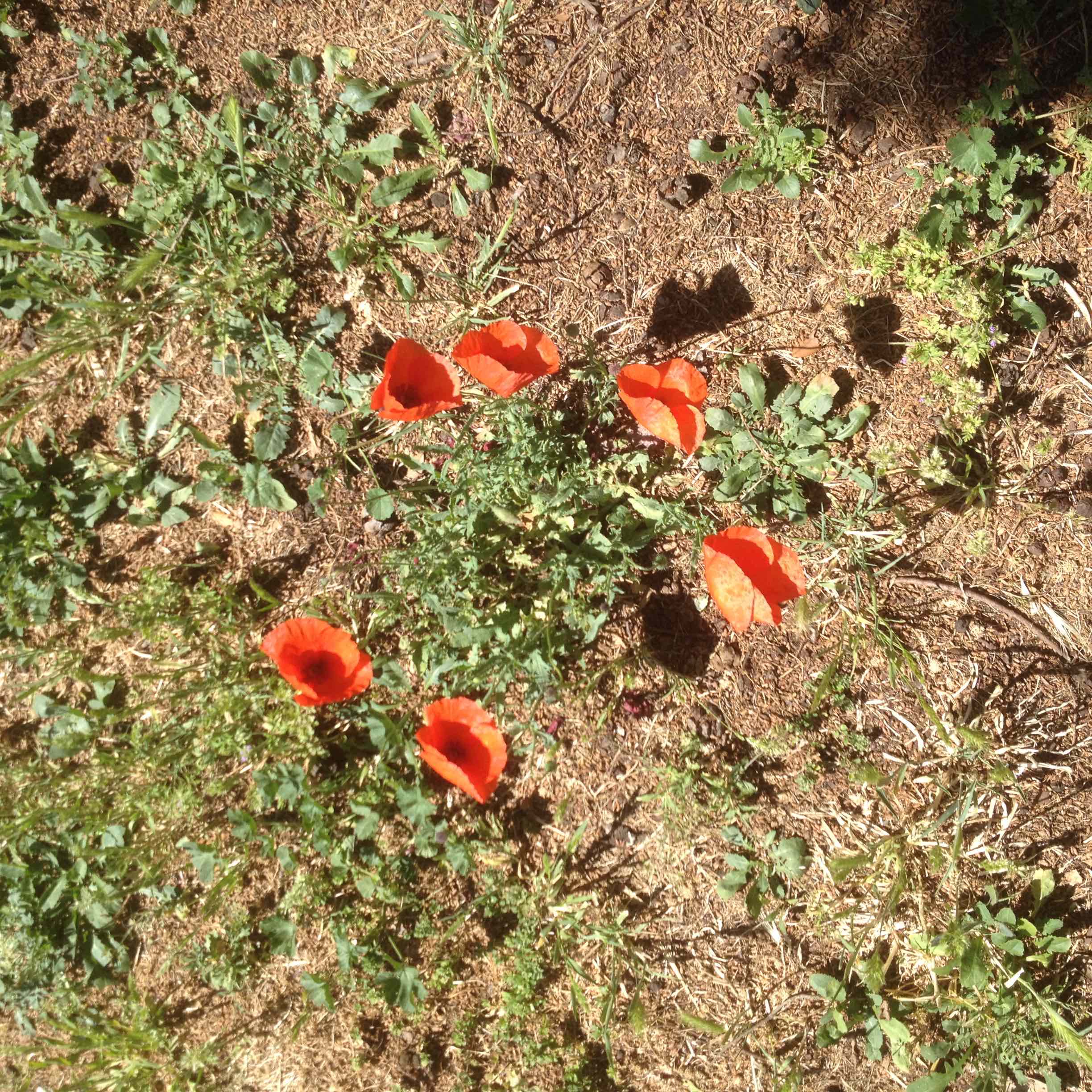
Poppies…

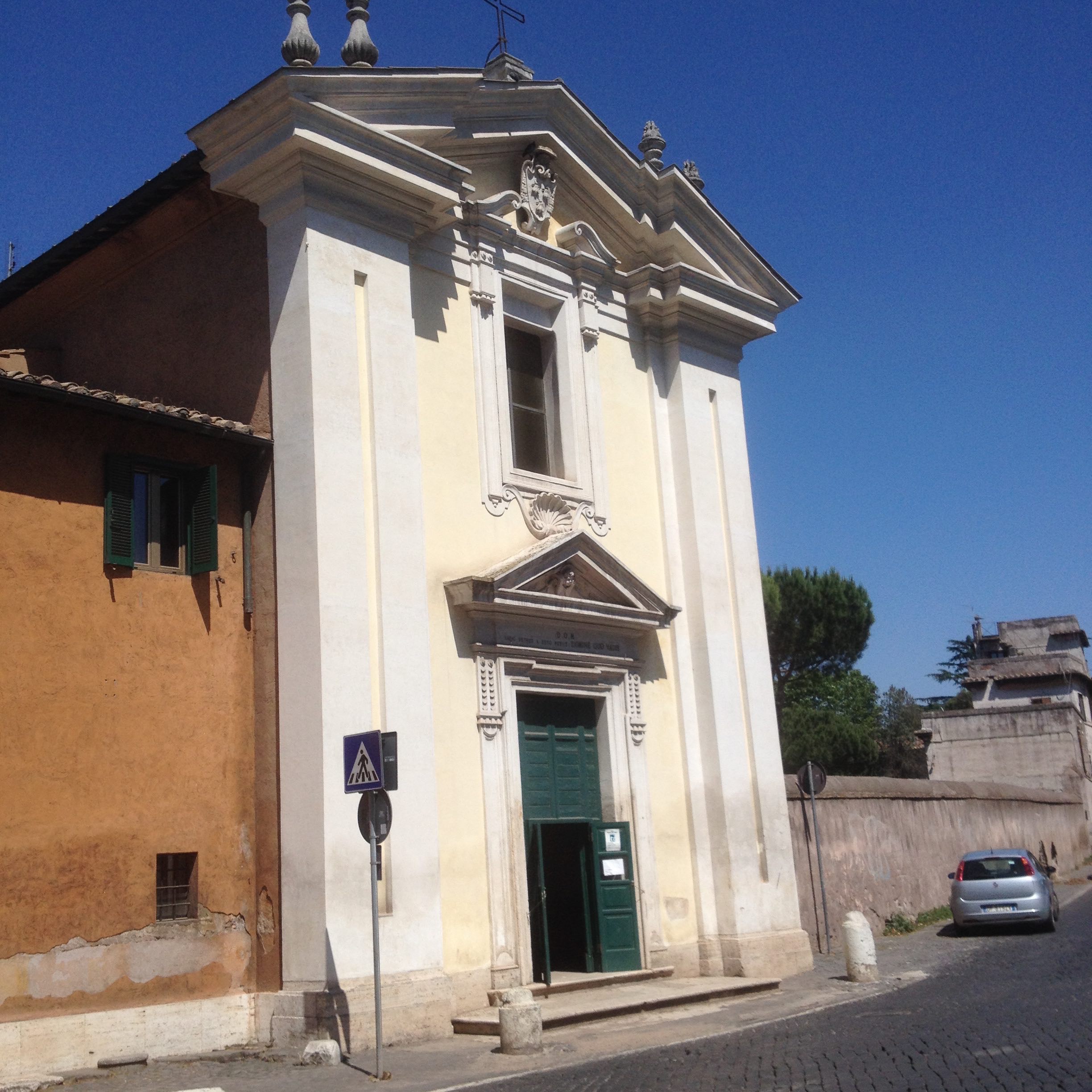
This is an approximately 2 km walk over beautiful fields at the moment sprinkled with red poppies, where the Dio Silvano college and the Ipogeo de Vibia are also found that ends back in the Appian Way, just across the Church of St Mary in Palmis, better known as the church of Domine Quo Vadis. It was here that, according to the legend, St. Peter had a vision of Jesus and asked him: “Lord, where are you going?” (In Latin: Domine, quo vadis?) to what Jesus answered, “I am going to Rome to be crucified again” (In Latin: Romam vado iterum crucifigi). After this encounter St. Peter returned to his own crucifixion!

Church of St Mary in Palmis.

Church of St Mary in Palmis.

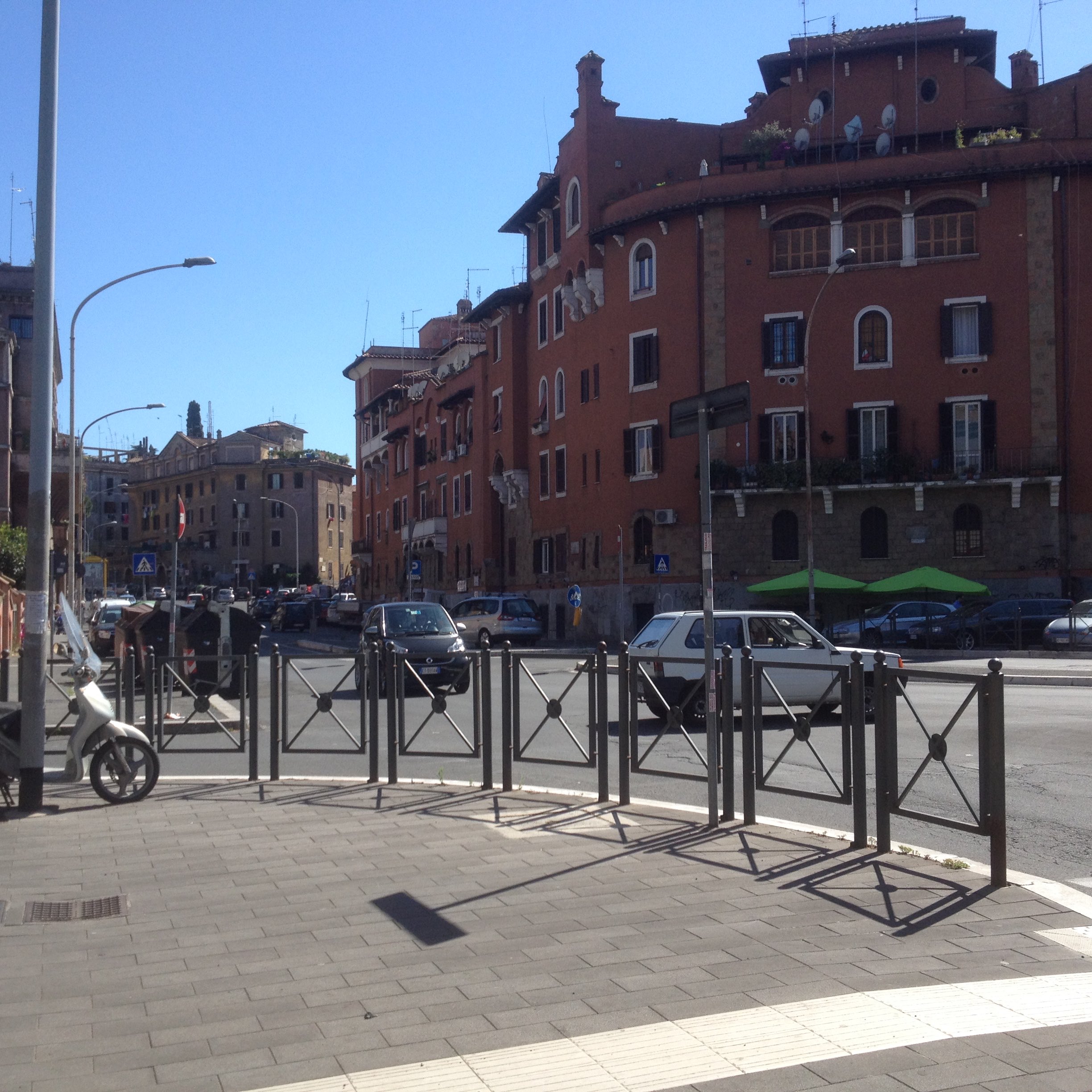
After this rather historical walk we moved to the actual modern city where we did some shopping, ate some pizza on the street and ended up with ice cream from our favourite shop at Garbatella quarter, The latter was founded in the late 1920s with its typical project units (In Italian: “lottos”), Rococo-style buildings grouped together around a common yard. This gives this quarter a friendly and rather familiar atmosphere.

Garbatella's typical architecture.

Garbatella’s typical architecture.

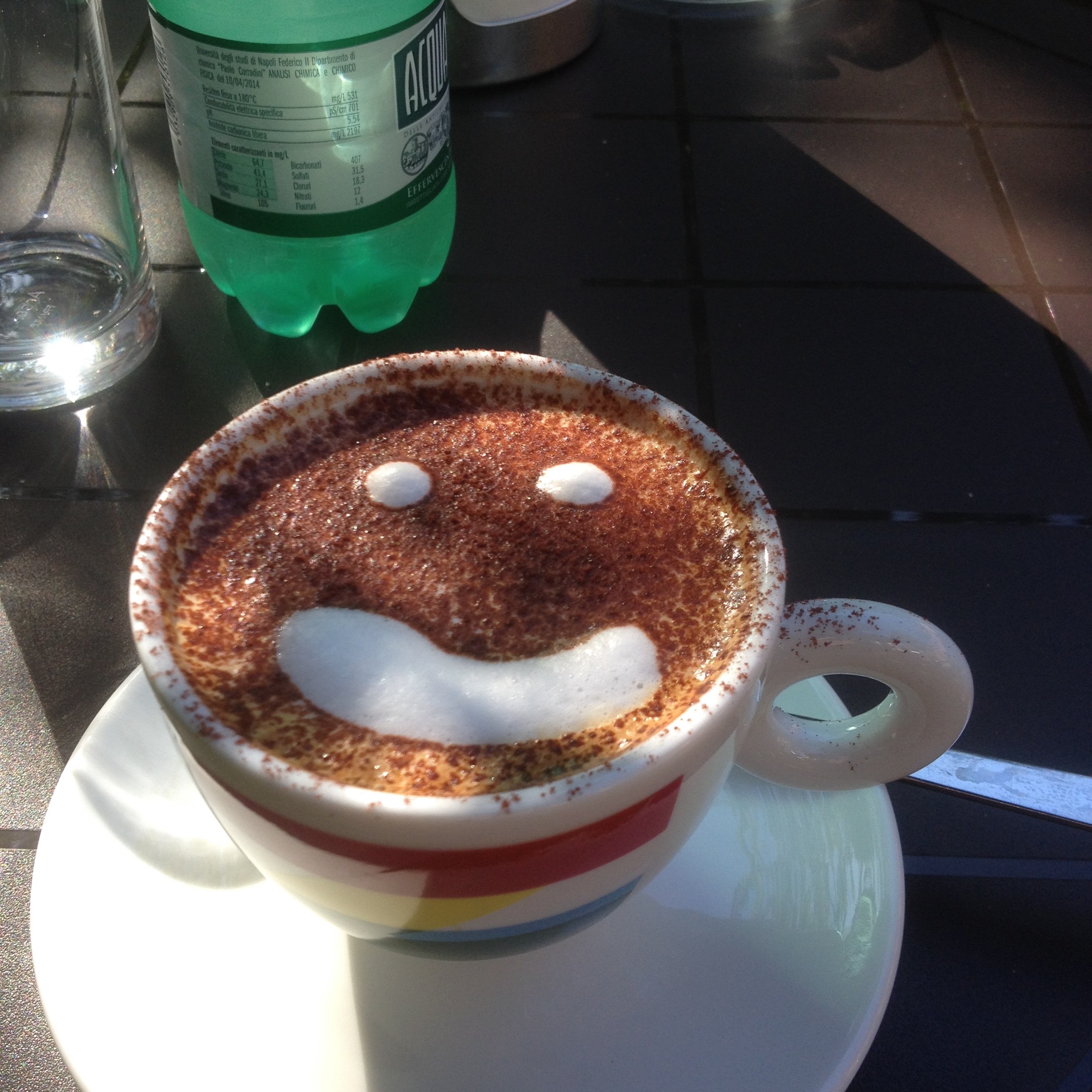
When I looked at the pedometer it showed 9 km! It was time for a “cappuccino stop”. After the tasty pause we recovered our forces and got back home trying to find a shorter way!

A "smiley" cappuccino...

Our “smiley” cappuccino…

Errata: What I referred to as Dio Silvano College was in fact the Istituto Salesiano San Callisto.

Intona ranch[1]

It took a while to disassemble the tent and to collect our scattered belongings; including the unwashed suferiers where the soon to be legendary and much talked about Chicken a la Rusinga had been created, surely for one and only time in the universe! We were late, packed the car in a rush and, rather casually, left Mbita Point for our rendezvous with Alan in Kilgoris. I would remain with Alan to visit his field trials and collaborators while Matt returned to Nairobi, probably to attend some important meeting (read trout fishing) over the weekend.

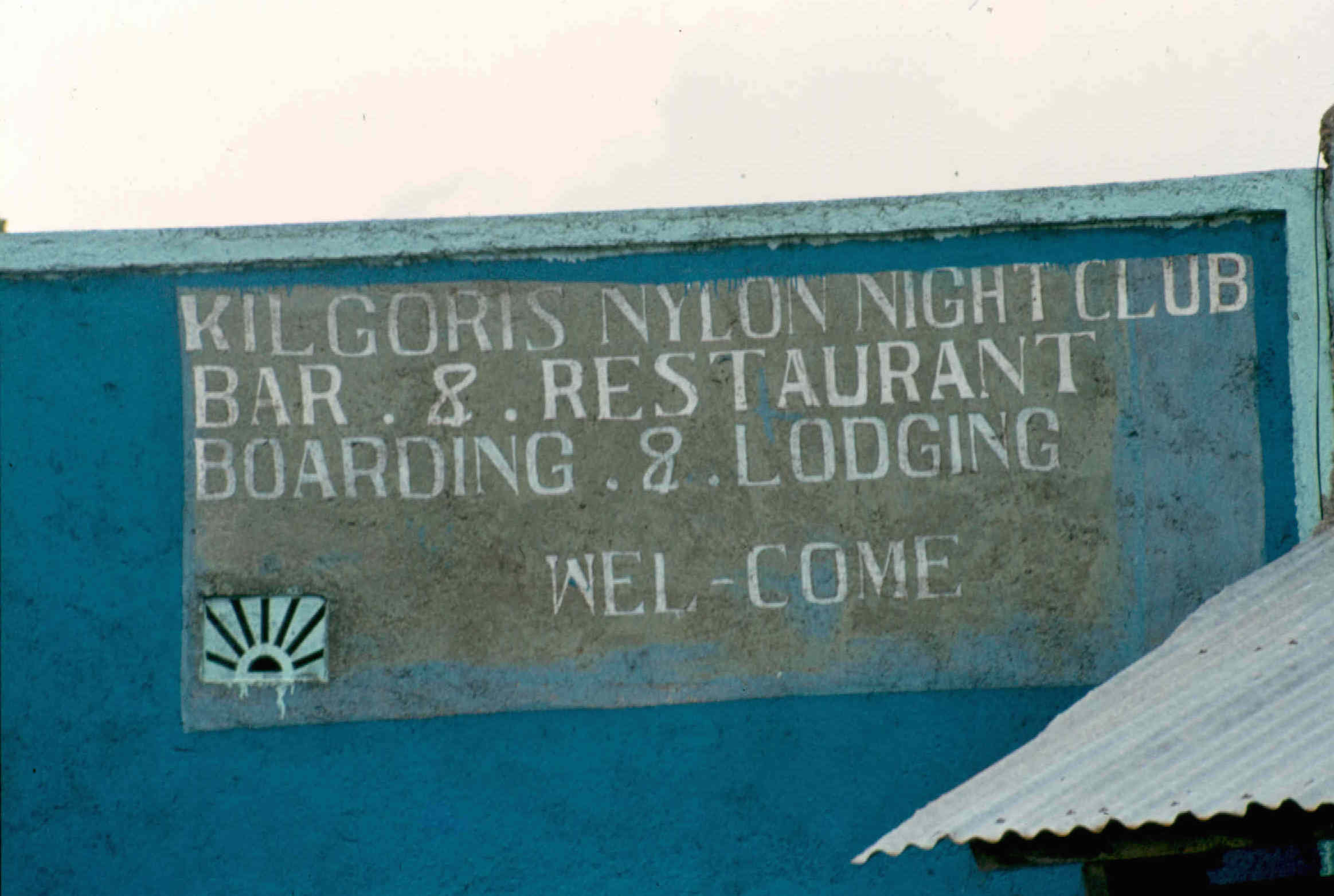
We got to our meeting point, an open field in Kilgoris, meant –at some point in future- to be the village’s main square but currently occupied by grazing Maasai cattle and found Alan waiting for us. A few dukas[2] were found around the field that were clearly taking care of Maasai needs: lots of red cloth[3] and assorted veterinary drugs among other essentials such as Tusker beer. Just across the road was the “Kilgoris Nylon Day and Night Club”, a name that took me a while to digest! Despite its interesting name, we refrained from exploring it and preferred to miss lunch. What we would have found in it will remain shrouded in mystery. Alan welcomed me and, after a quick exchange of news and greetings Matt went his way and we headed for Intona ranch.
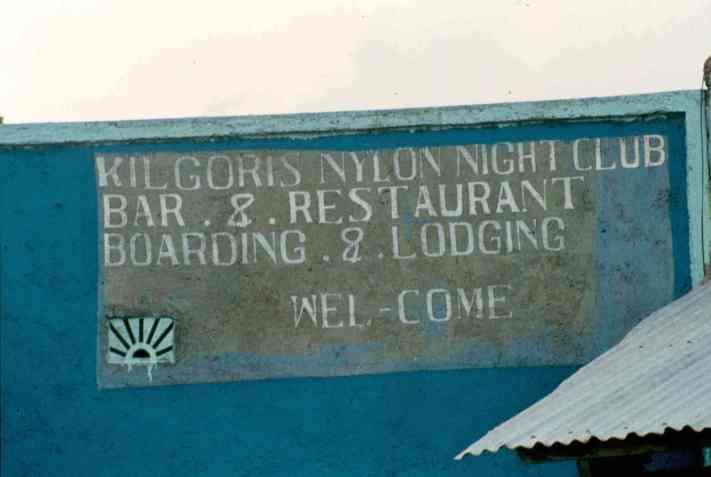
The meeting point with Alan.

The meeting point with Alan.

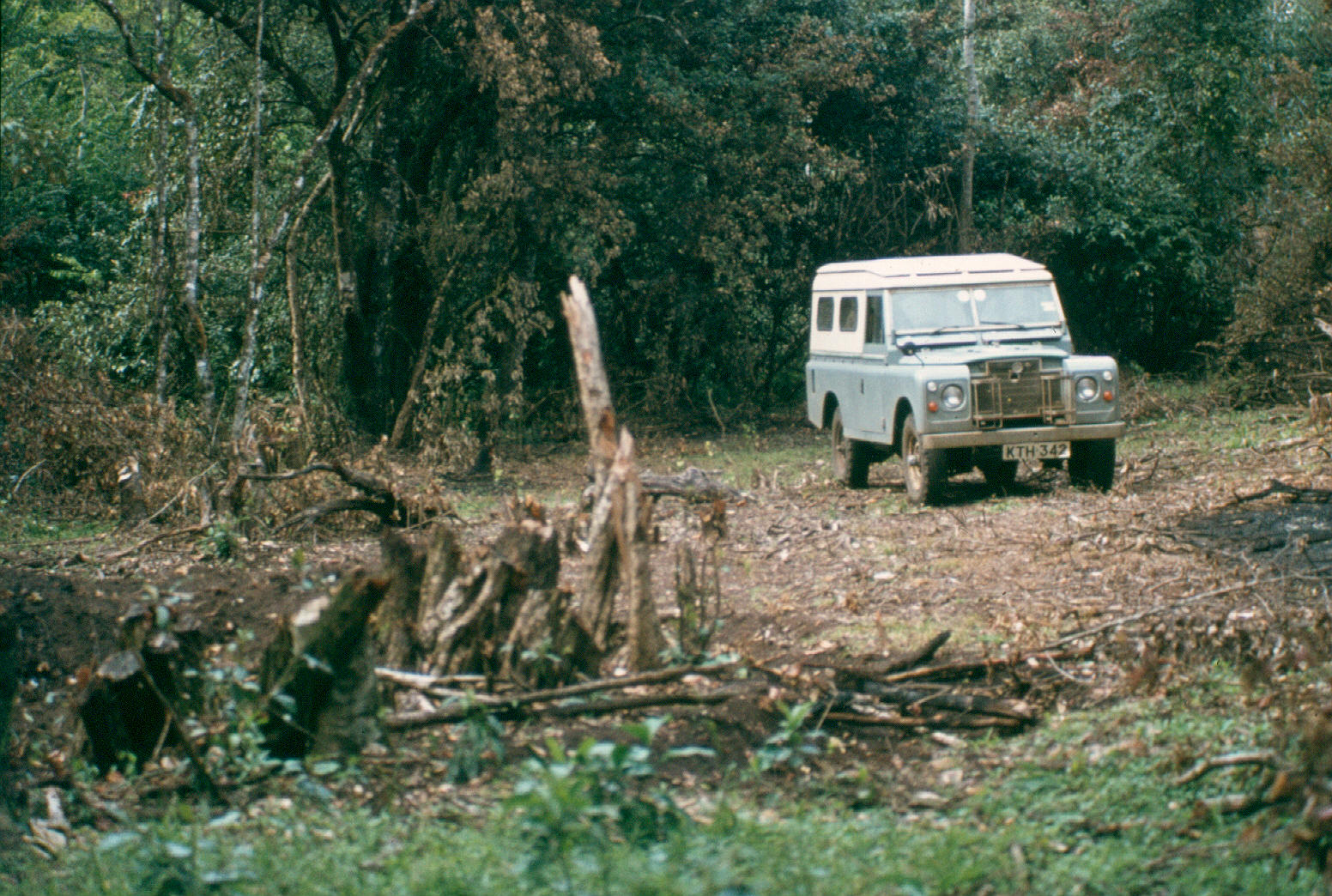
Alan was a chain smoker of menthol cigarettes[4], he stammered in an Irish accent, had an easy laugh that he combined with rubbing his gold and gray goatee. As we moved on, it became evident that Alan was not concerned about potholes and I was treated to the unique experience of listening to his mostly one-way conversation while bumping around on a rough road. Luckily we were in a Land Rover Series III, an almost unbreakable vehicle.

Although I focused fully on Alan’s conversation I still needed to guess a lot of what he said. I learnt that he was born in Northern Ireland and studied parasitology in London. He had come to Kenya in 1968 where he remained since, with a few short spells back home. He was a great supporter of the infection and treatment method to protect cattle against this scourge and he had helped Matt to develop it. I also learnt that collaboration was everything for him and that he was already talking to me as if we were already working together. This was excellent after my earlier experience in Mbita Point. Things were looking good but I still needed more details. “That is the purpose of this trip”, I thought, and continued listening. Our budding friendship was further boosted when we discovered our shared passion for soccer and the fact that Alan knew and liked some of the Uruguayan soccer players of the day, particularly Rubén Sosa.

He explained that he first came to the Transmara to collaborate with a veterinary GTZ project near Lolgorian –another small Maasai town- where they had done some pioneer epidemiological studies on theileriosis. The fact that this information was available enabled him to select the prevalent Theileria parasites to be used for the immunization of cattle in the area, including Intona ranch. This breakthrough meant that tick control could now be relaxed and even stopped altogether. This, Alan said, would enable me to compare dipped and not dipped cattle subject to natural field tick challenge and, in this way, ascertain their impact to achieve my goal.

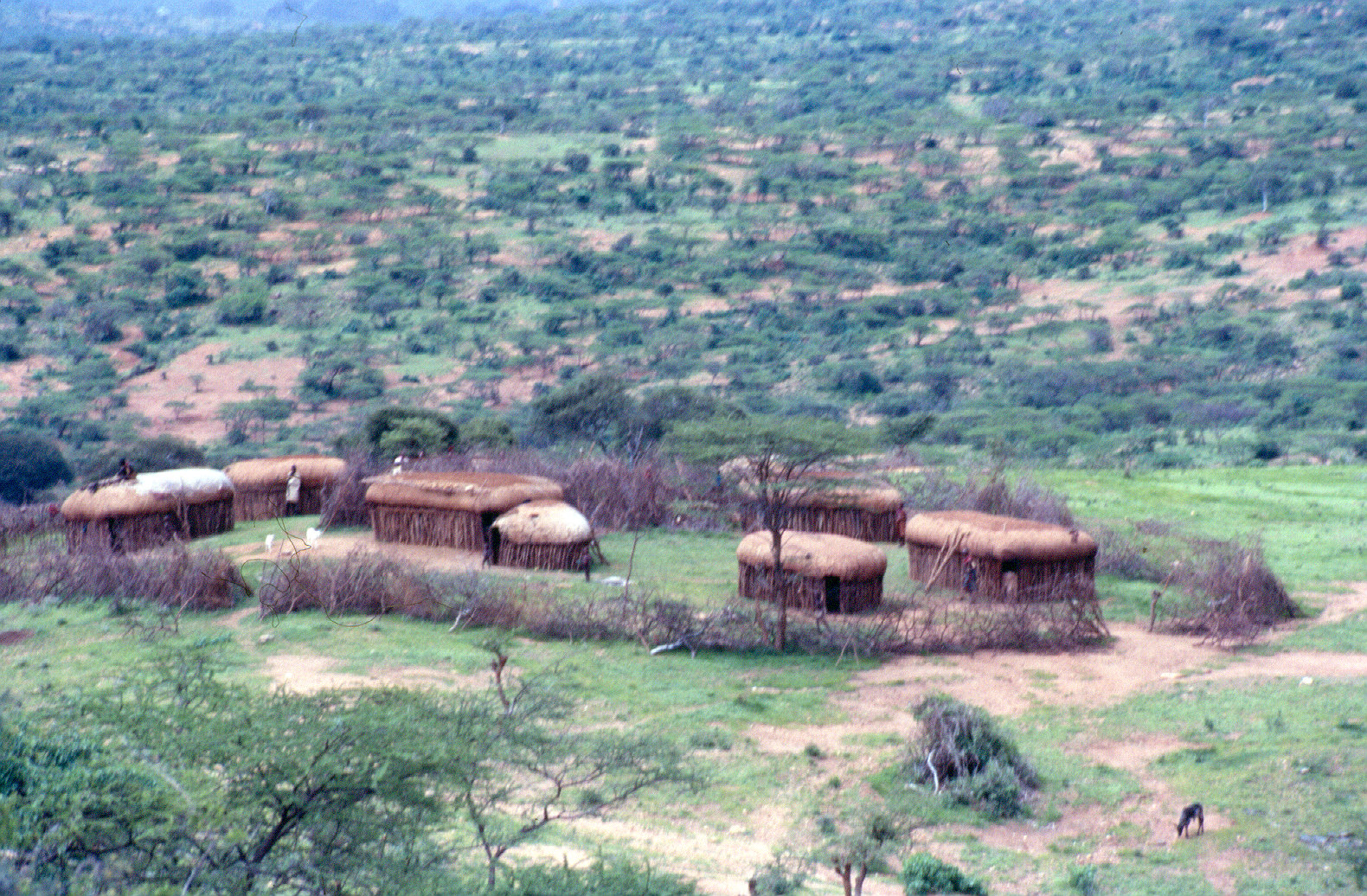
Kilgoris was a Maasai town, Alan explained, the shambas[5] we could see in the outskirts belonged to the Kisii people. The latter became less frequent as we moved out of the populated area and the landscape started to open up to a savannah ecosystem where Maasai cattle grazed, looked after by the usual herd boys or elders. The countryside was punctuated by brown manyattas[6], giant brown mushrooms scattered at regular intervals.
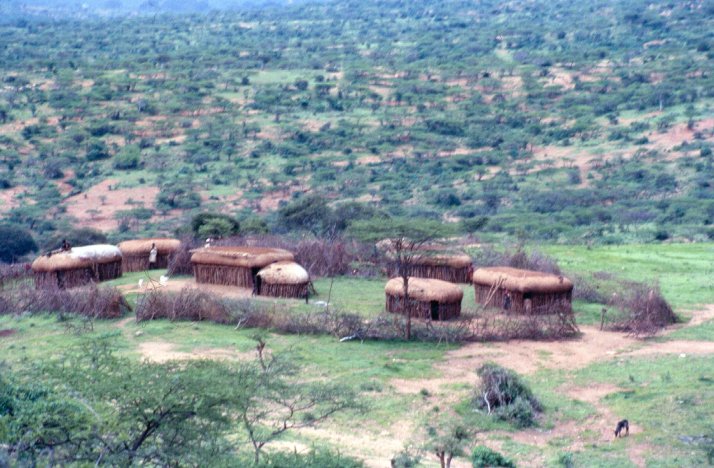
A Manyatta.

A Manyatta.

A manyatta is where the Maasai live. A strong thorn bush fenced area designed to keep all predators out and themselves and their livestock protected within, mainly during the night. Inside the enclosure there are any number of huts made of a rounded frame of branches and built with a mixture of mud and cattle dung. Most cattle are kept in the enclosure but there are smaller sub-enclosures for sheep and goats or animals belonging to the different dwellers of the manyatta. Cattle are heavily branded and their ancestry thoroughly known by their owners.

“I know you will not believe this”, said Alan, “but there is a war going on here. The Kisii are moving in to occupy the Maasai grazing land”. He went on: “the Kisii will eventually win and this beautiful place will get all planted with maize!” Looking around, I found this really unbelievable but I trusted Alan.

The mention of a war made me wary and I started to look for warring parties lurking behind the bushes. After a while of not seeing anything unusual I said with hope in my voice: “Luckily, I see nothing so there must be a truce at the moment.” Alan laughed heartily with profuse goatee rubbing and, after hitting a few more potholes, he explained that the fighting was in the bush and normally not obvious. He added: “the Kisii cultivate the soil and gradually they are being given land. The Maasai resist and there are frequent skirmishes and then the Government intervenes to bring back some degree of calm”.
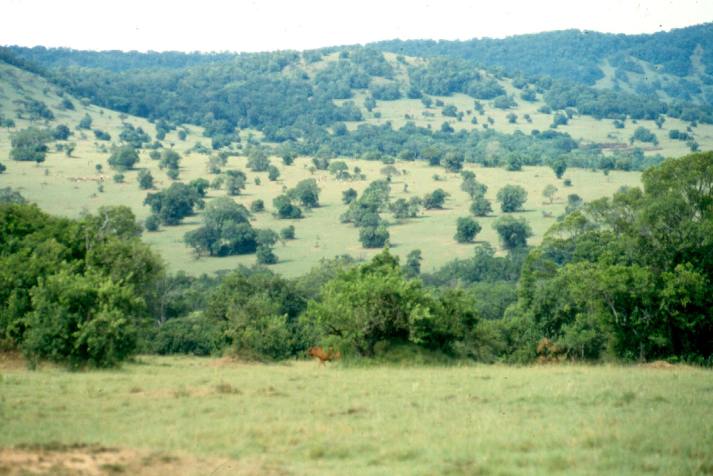
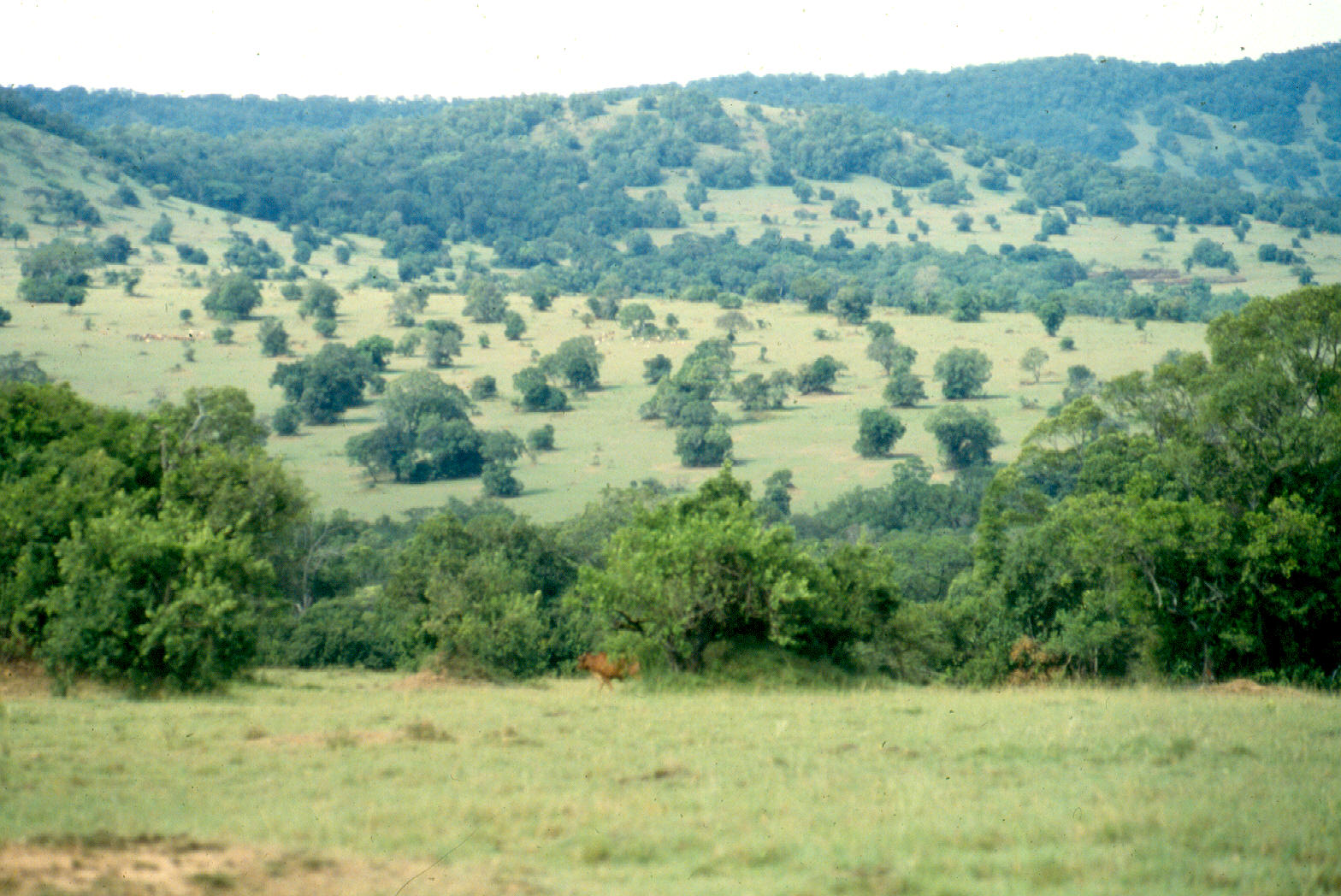
A view of Intona ranch in  the Transmara parkland.

A view of Intona ranch in the Transmara parkland.

Nearer to Intona ranch there was only lush green savannah with large tree islands. I noticed that these islands were always associated with bulky termite nests and I started wondering which appeared first, the trees of the termite mounds? I decided in favour of the trees. And then I saw the first game: a herd of Impala, shiny and healthy. Later, Topi and Zebras appeared to add a wild touch to the ever-present Maasai cattle. There were also Baboons and Vervet monkeys and a large number of Warthogs.

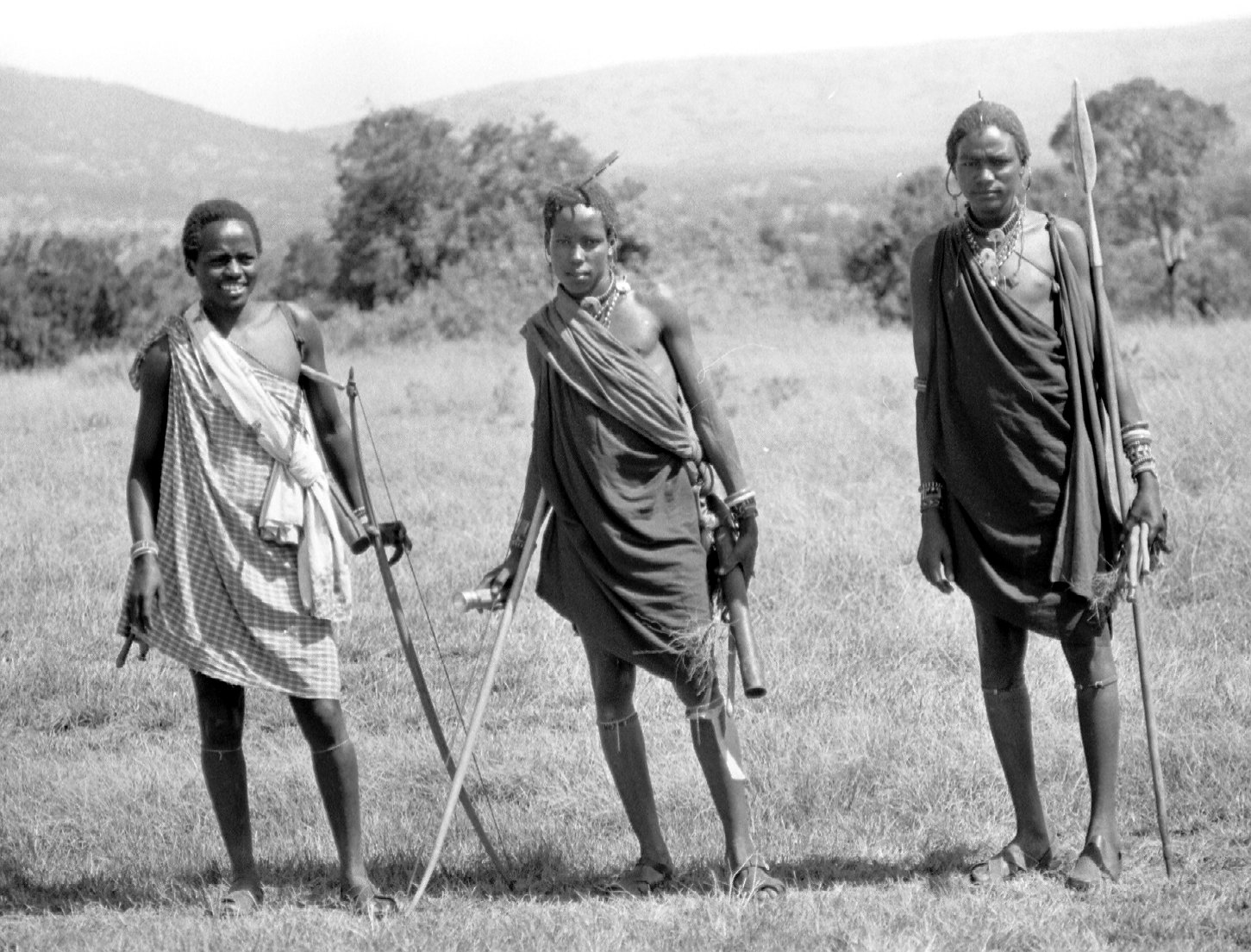
The manyattas in this area had significantly more dramatic thorn enclosures and the presence of large predators such as Lion, Leopard and hyena came to mind as the reason behind the need for greater protection, but I learnt from Alan that cattle rustling was rampant and probably more of a concern than predators. Clearly the Maasai were not taking any chances with their beloved livestock. This was in sharp contrast with their seemingly casual bearing when walking in the bush only carrying a spear and a simmi[7] with a few throwing sticks, their feet clad in recycled car tire sandals. They appeared to be carrying very light luggage considering all predators that were around, not to mention the on-going war!
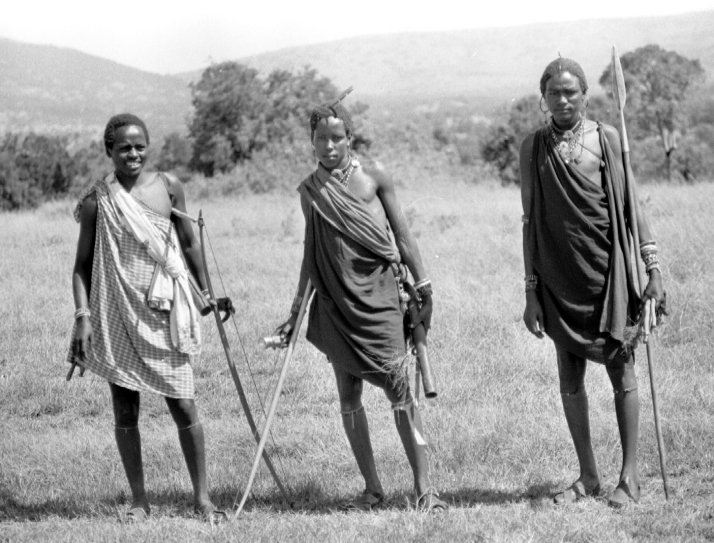
Maasai visitors with spears, bow and arrows and throwing sticks.

Maasai visitors with spears, bow and arrows and throwing sticks.

The Transmara District that we were traversing is close to the Maasai Mara Game Reserve and the latter is the northern extension of the Serengeti National Park in Tanzania. The Transmara is split into two by the Migori River with its riverine forest. It is here that, with luck, the Giant Forest hog (Hylochoerus meinertzhageni) can be spotted. A native of forest habitats in Africa, it is considered the largest wild pig, at over two metres in length and one in height, reaching more than 200kg of weight. Discovered by Richard Meinertzhagen in 1904, who shot the type specimen in Kenya. Another special of the area is the Blue Flycatcher (Elminia longicauda), a lovely cerulean blue bird with a beautiful tail-fanning display.

“Julio, remember that Maasai do not like to be photographed and they can get very agitated and even aggressive”, said Alan. “Why is that?” I asked with surprise. “I do not know for sure” came the reply. I started learning that he was not too interested in any issues apart from theileriosis!

During the trip I decided that I would work with Alan and started developing a plan to convince Matt that this was the best idea. Rather sleep-deprived by Matt’s snores, and despite the jerks and bumps, I dozed off. I woke up startled by the sudden stop. I prepared for a surprise attack by the warring parties! However, the herd of Wildebeest and Zebra in front of us did not look dangerous. They were frolicking about as only wildebeest can as they moved back into the parkland.

Alan decided to follow them so that I could observe them better and take a few pictures as he liked photography. We drove off-road following them and got some good shots. When we decided that we had enough good pictures and turned back we realized that we were lost in the green labyrinth. The workers travelling with us were of the Kikuyu ethnic group. They were foreigners like us and therefore as lost as we were! We drove rather aimlessly for a while following a few cues we thought correct but the road was nowhere to be seen.
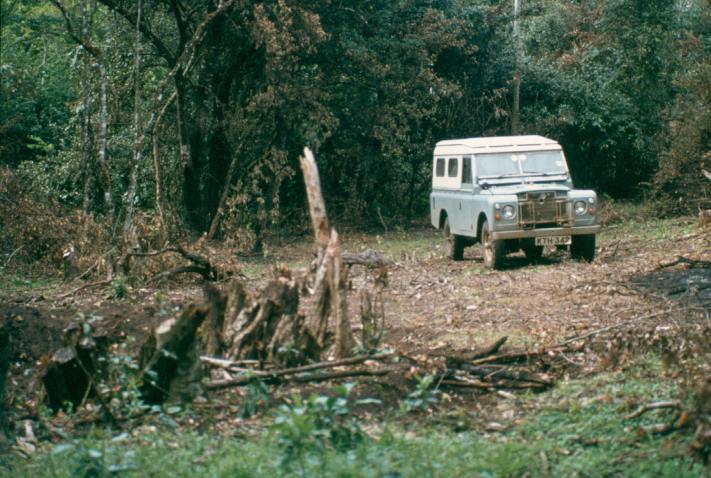
Lost in the bush with Alan, prior to finding our Maasai

Lost in the bush with Alan, prior to finding our Maasai “saviour”.

In one of our turns we found a Maasai elder who asked us for a lift! We gladly obliged and he jumped in. In a mix of English and Swahili we asked him to take us to the road. He sat next to me, half on my lap, as we were already three in the front seat of the Land Rover. We were ridiculously close to the road and were brought back to it immediately. Our saviour stayed with us as, apparently, we were going in the same direction!
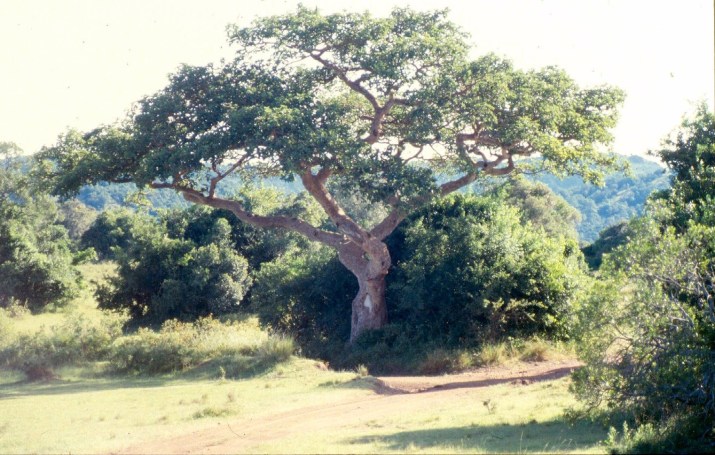
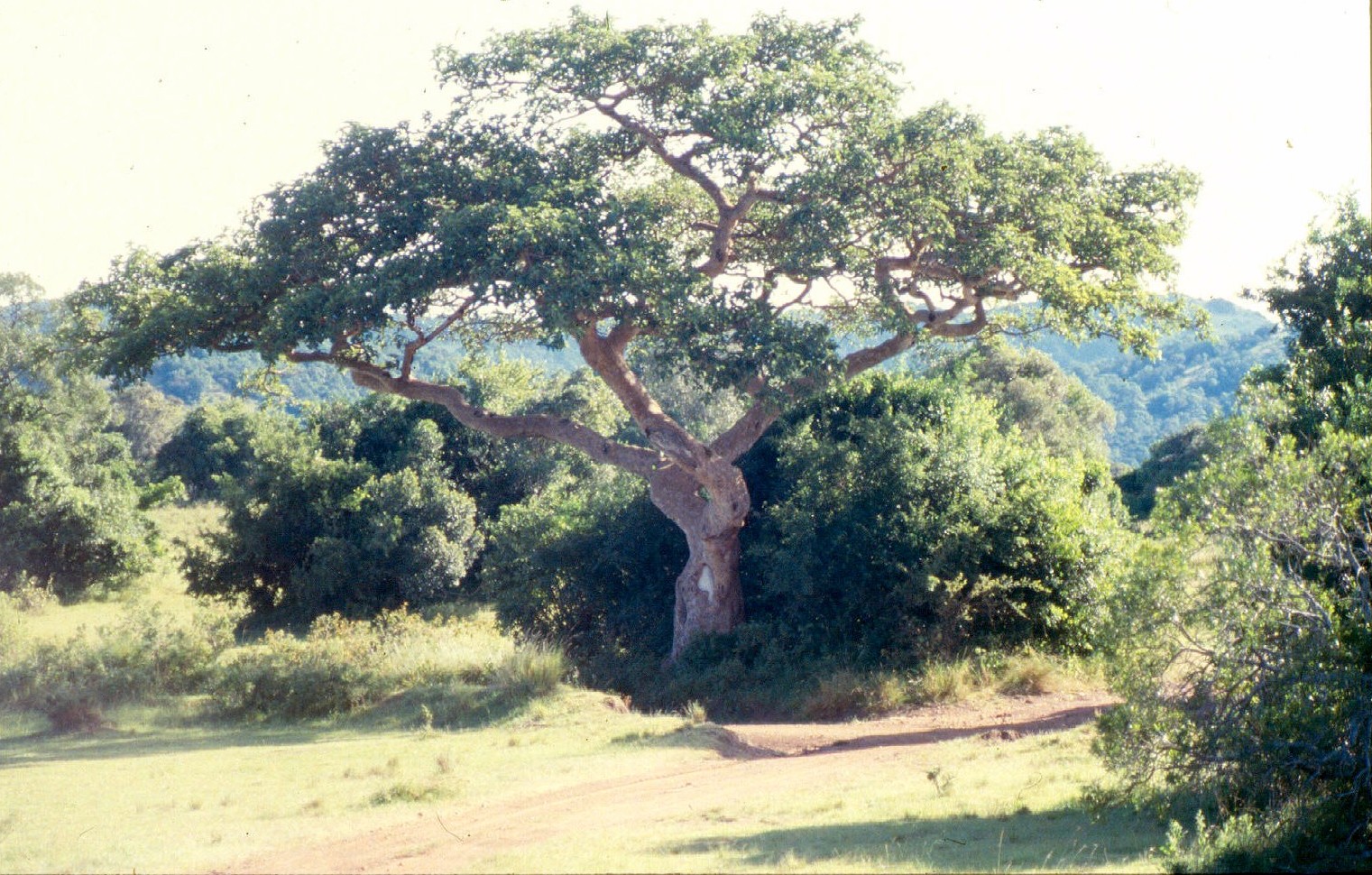
The fig tree,

The fig tree, “signpost” to Intona ranch.

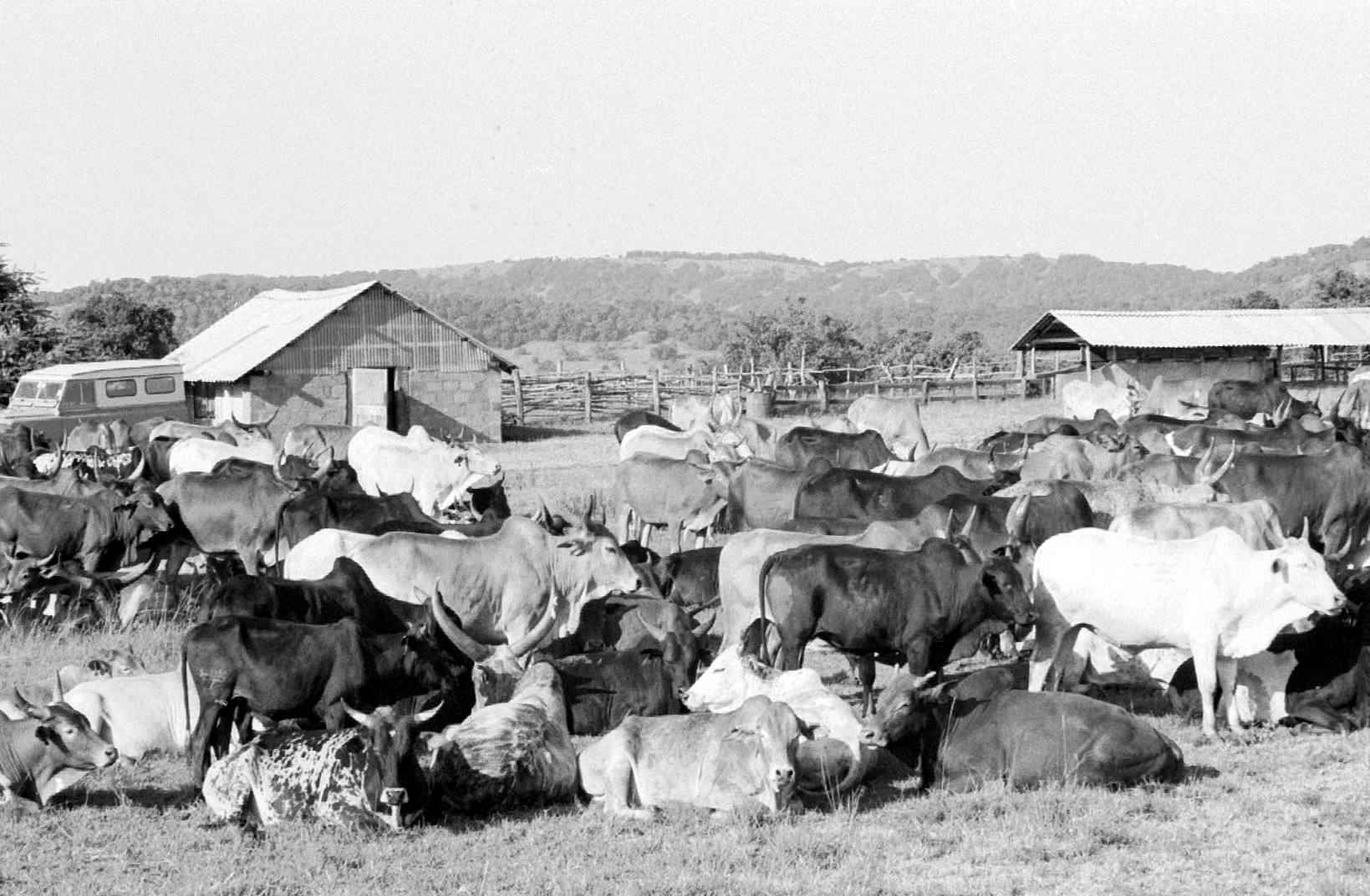
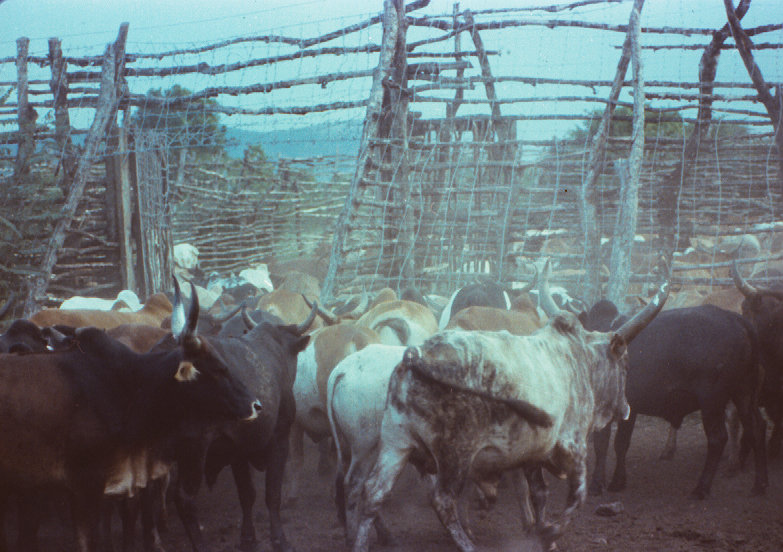
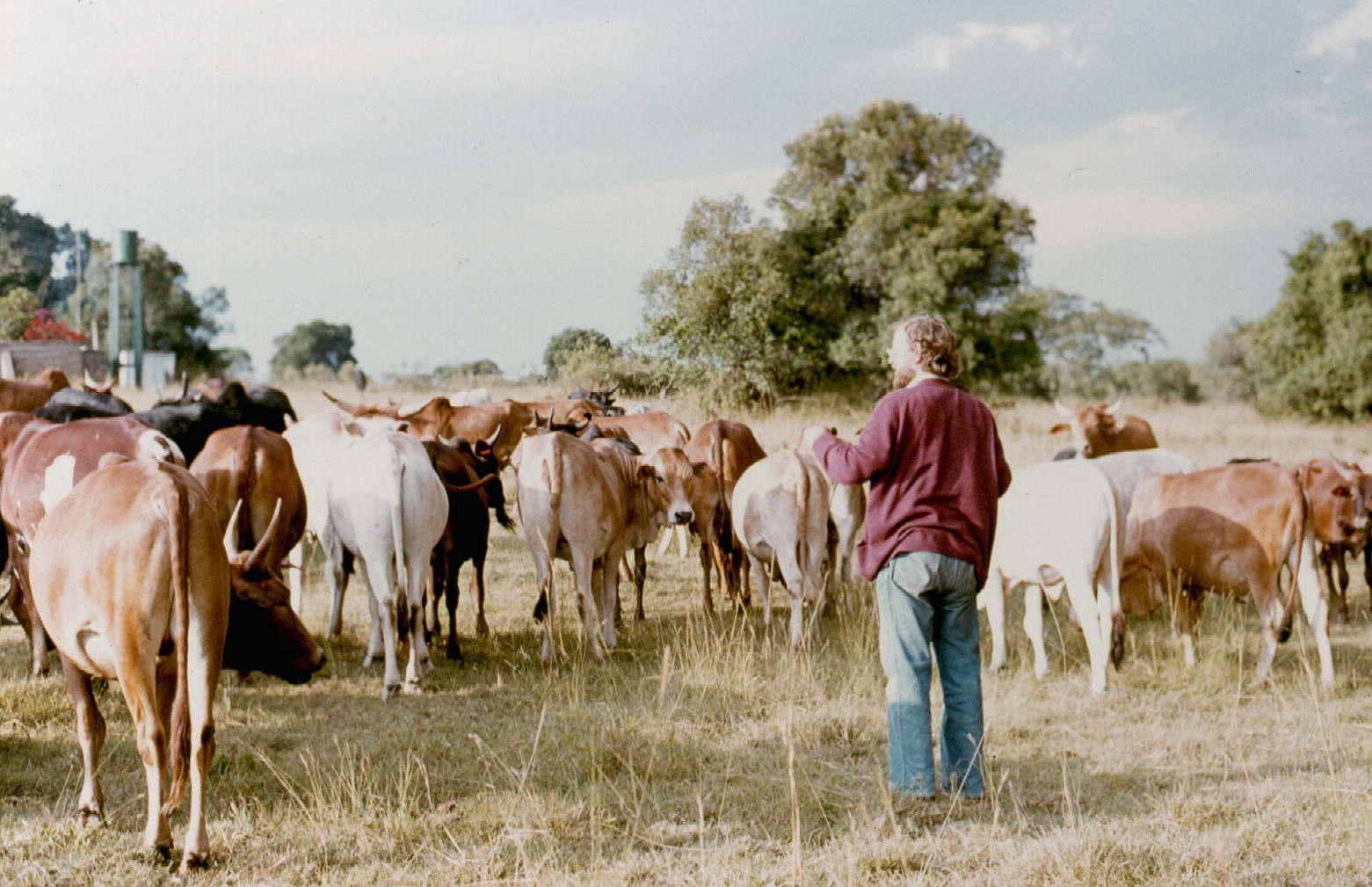
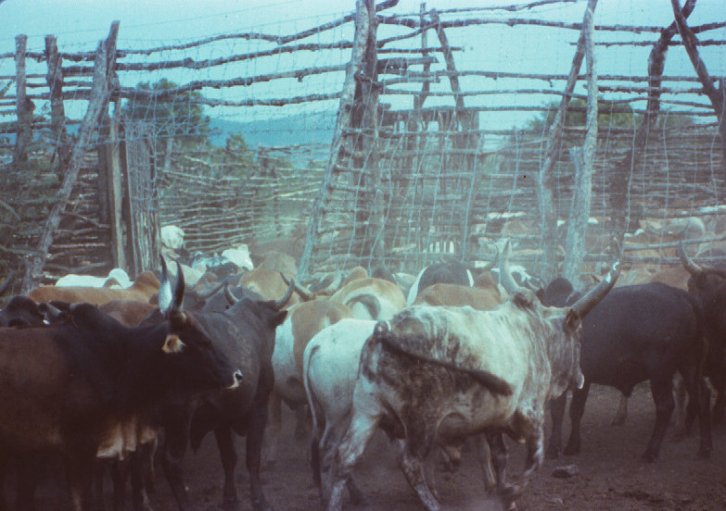
Finally we got to a large fig tree on our right, the entrance to Intona Ranch and there the Maasai left us with our thanks. The ranch was still unfenced and largely undeveloped at the time. Its border was marked by a plough furrow! Alan drove through the ranch and showed me the crush pen, weighbridge and cattle boma[8]. The latter was a large wood and barbed wire fortress. He also showed me the ranch personnel quarters and other back up installations such as the generator house and store. “The cattle are out grazing”, said Alan, “they will not come back until dusk so let´s take the personnel to their camp and then go to meet Joe and Sheila” he added. During the journey I had learnt that Joe was in fact Joseph Murumbi, an important retired politician[9]. His mother was Maasai and he was given the land by them.
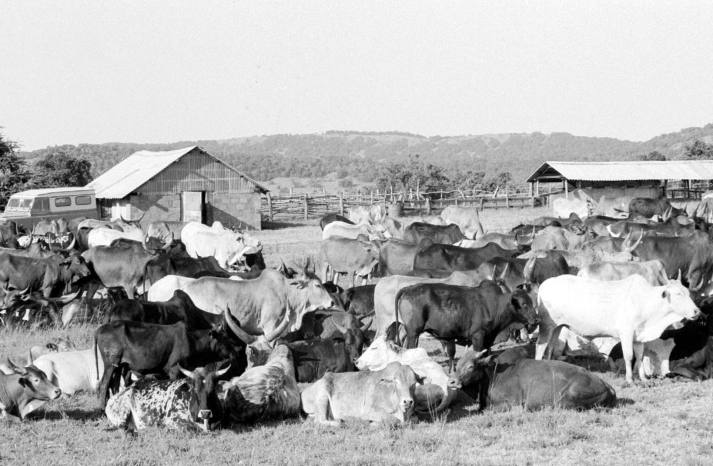
Cattle and facilities at Intona ranch.
Cattle and facilities at Intona ranch.

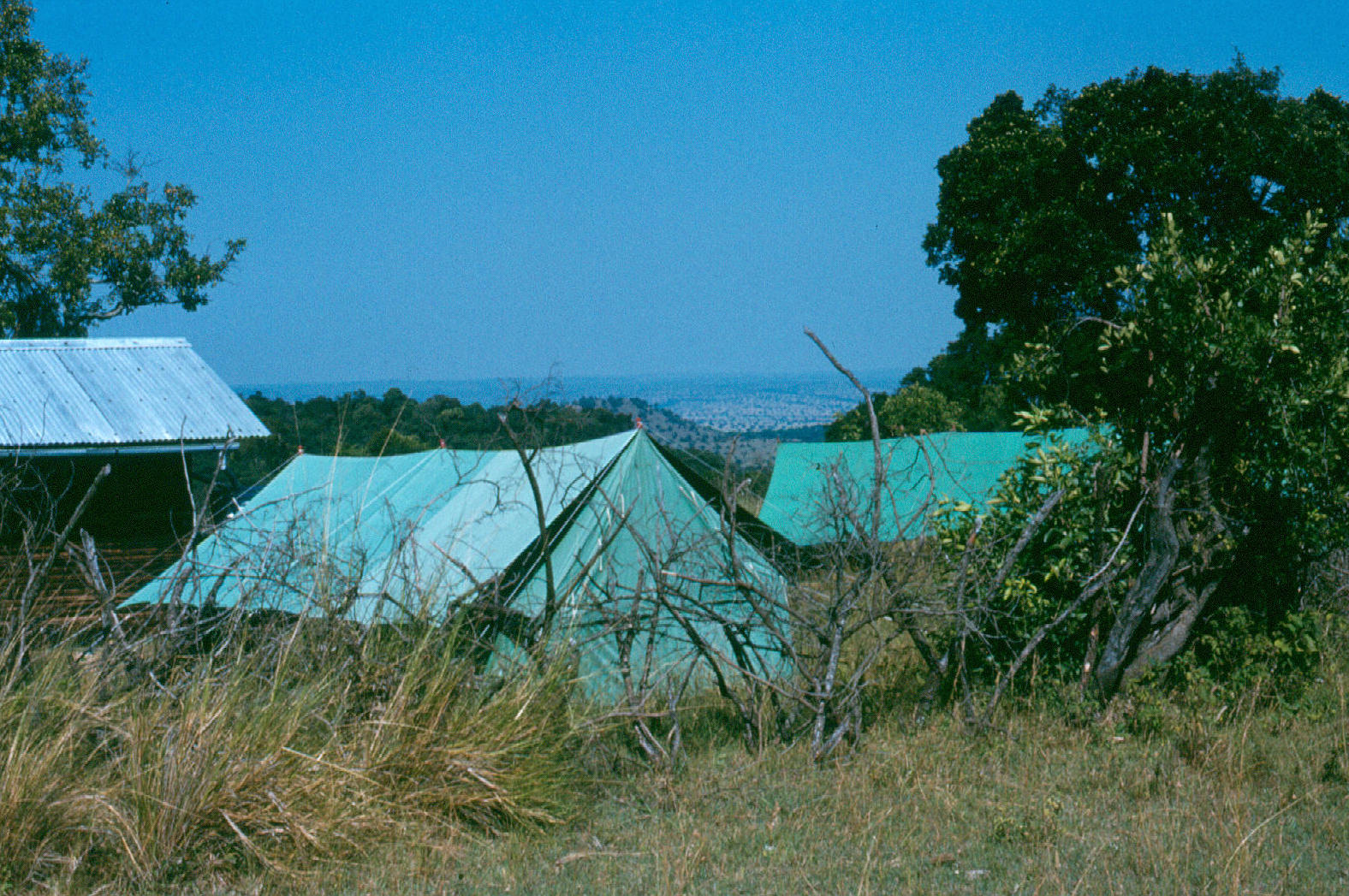
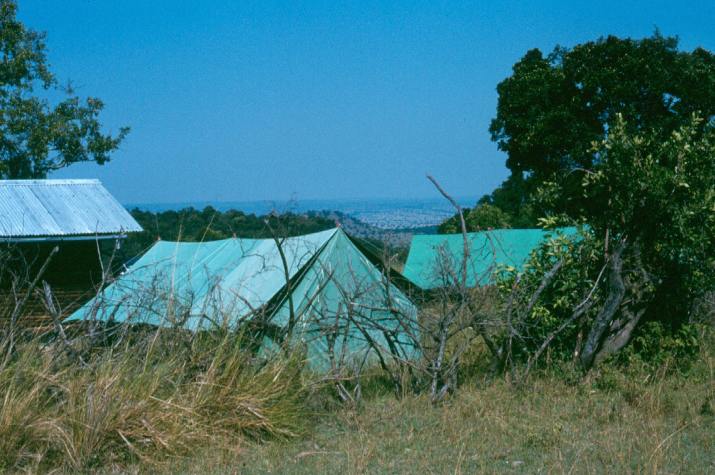
The herdsmen camp at Intona ranch.
The herdsmen camp at Intona ranch.

Intona cattle kraal cropped

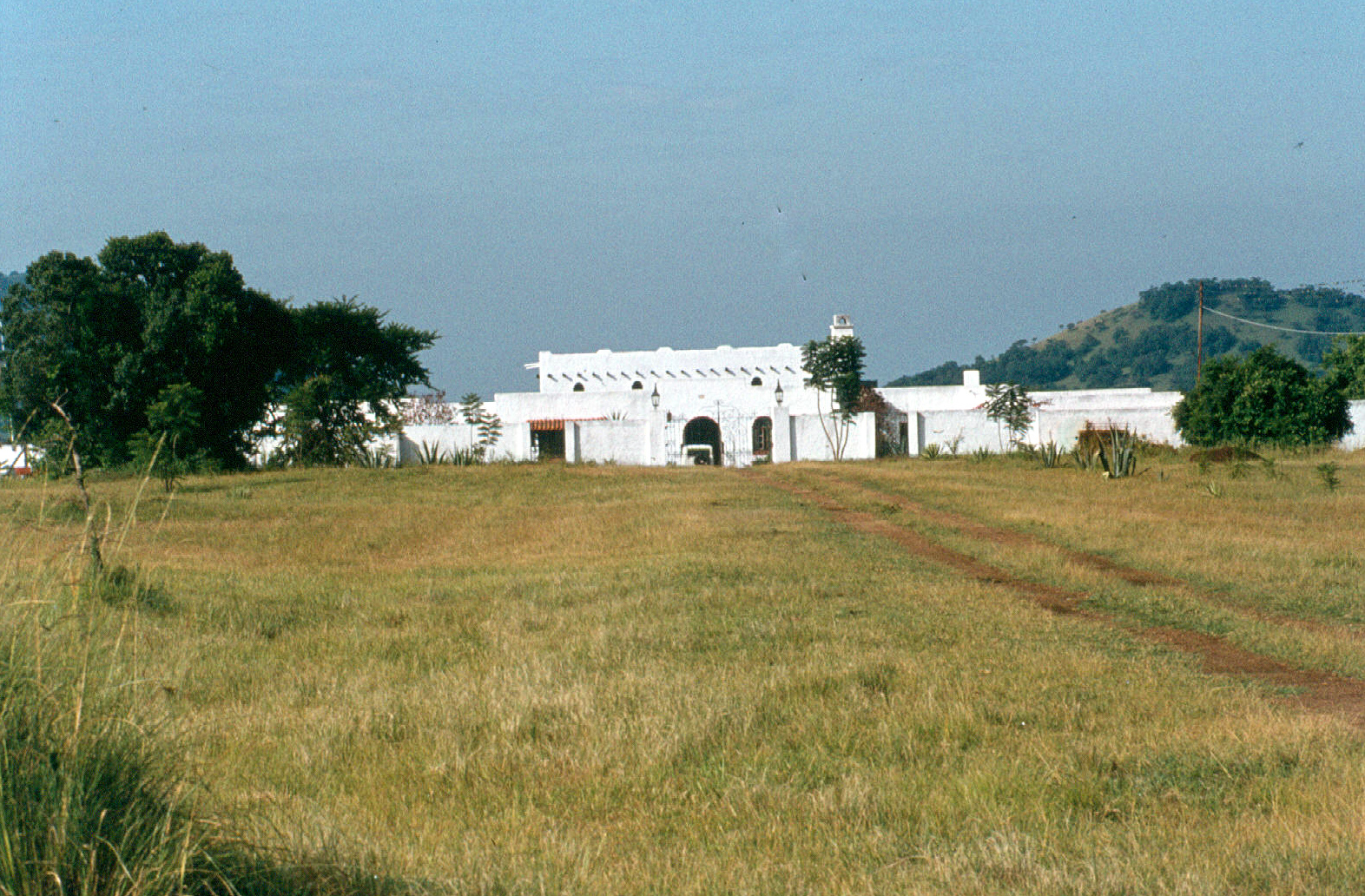
After about a kilometre a very large white house appeared, looking like a palace to me at that point. It looked newly built and was as beautiful as it was out of place. Its construction –I learnt from Alan- followed the Swahili style found at the Kenyan coast, complete with carved wooden doors brought all the way from Lamu and surrounded by a high white wall. We parked in one of the lateral entrances, announced our arrival and were shown in.
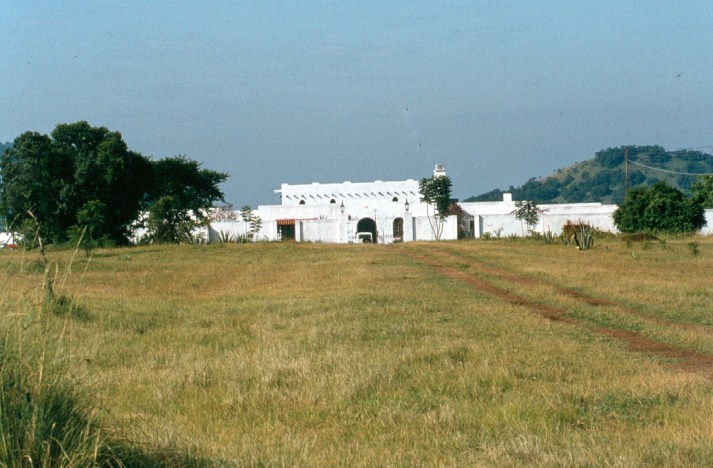
A large white house appeared in the distance!

A large white house appeared in the distance!

We walked into a very large rectangular living room, its walls covered with art objects. The chairs were large and made of forged iron, including the one where a coloured person with Indian features sat, atop lots of cushions and surrounded by small dogs. I guessed him to be in his late seventies. He stood up with some difficulty and came to greet us with a warm look on his face.

He was Joe. “How was the safari?” he asked and added: “they tell me the road is rough but I do not drive any more so I do not know”. Alan made a comment about the road and introduced me, explaining who I was and the reasons for my visit. Joe welcomed me and invited us to sit, while ringing a bell. Soon a white middle-aged woman in crutches came in. Joe introduced her to me as Sheila, his wife. As it was late afternoon some Tuskers were produced for us. “You must be tired Julio”, she said, “coming all the way from Mbita Point”. “We will have dinner very soon as Joe goes to bed early” she added.

Over the beer I gathered that Joe had a special interest in books, largely fired by his Goan father. “I have many books” Joe said “and art” he added. I also learnt that Joe was recovering from a stroke and that Sheila’s hips were in a bad state and that she needed an operation soon.

Dinner was a simple affair and we soon retired to our bedrooms. Alan´s had a microscope and piles of stained slides that he needed to examine, so he proceeded to check the health of his experimental cattle. I unpacked my belongings and feeling very tired I went to bed, leaving Alan with the microscope and the ubiquitous Tusker at hand.

The following morning Alan woke me up before sunrise as we needed to check the cattle before they went out for grazing. We did not see our hosts as they were resting when we left. Daily body temperature, blood and lymph node smears are routine monitoring activities when working with theileriosis. That day we also had to tag a few animals. We needed to write on the tags with a special pen known as the “magic marker”. Alan asked one of the herdsmen -Ephraim- to fetch it. He went to look for it while we went to look at the cattle boma. This was an enormous 3-metre tall barbed wire enclosure where Joe´s cattle were kept, together with the experimental cattle. After inspecting it we went back to the crush pen to continue with the work but Ephraim was not back yet! Alan asked what was happening and was told that “he is coming”, the usual reply in these situations. Finally, after Alan’s patience was almost gone Ephraim appeared carrying a basin with hot water! When Alan saw this, he became quite angry. “What is this?” he asked. “What you asked for” replied Ephraim “maji moto“. The incredulous look on Alan’s face was very funny to see, and suddenly he laughed at the confusion and all the tension disappeared everyone joined in! Magic marker was mistakenly taken for magi moto, Swahili for hot water!
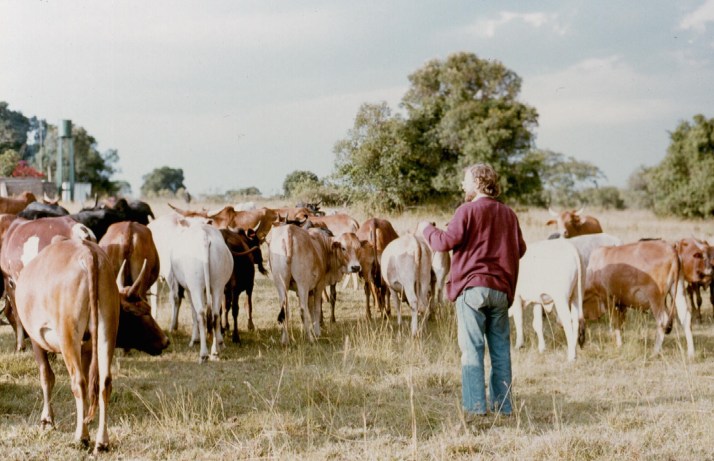
Alan watching the cattle leaving the boma.

Alan watching the cattle leaving the boma.

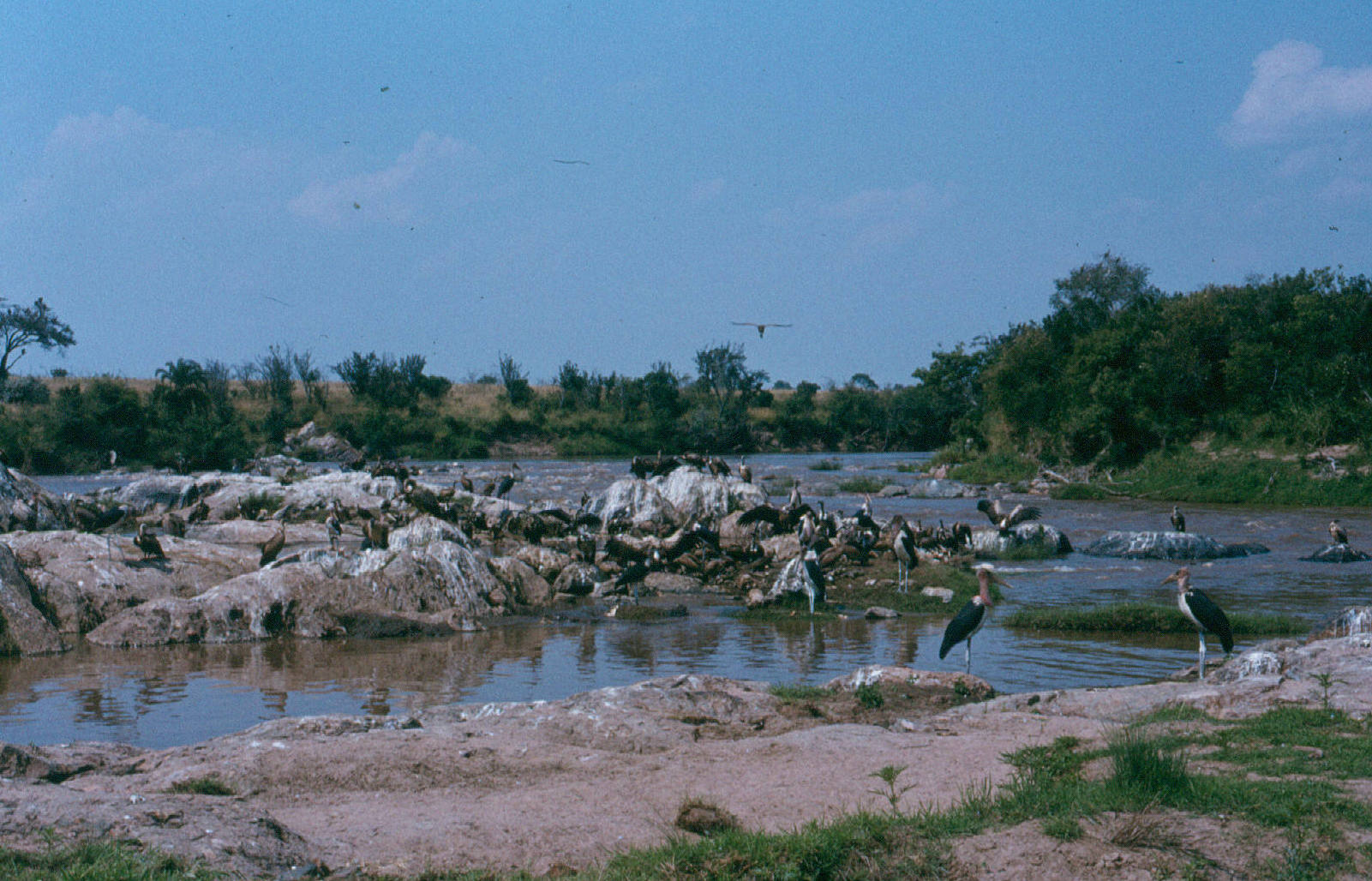
Our work completed, we left the following morning, driving through the Maasai Mara Game Reserve. I loved the place! We crossed the Mara River on our way and had the chance to see the aftermath of the Wildebeest river crossings: a solid mass of dead animals being feasted upon by crocodiles and vultures, after the remaining beasts successfully continued on their migratory route.
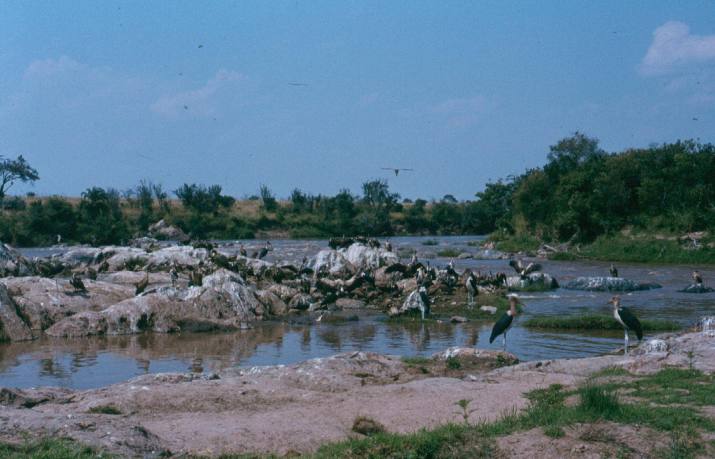
The aftermath of a wildebeest crossing of the Mara river.

The aftermath of a wildebeest crossing of the Mara river.

Seeing that natural marvel for the first time created a very strong impression on me. I believe that it was then that my life took a turn that would make me stay in Kenya and Africa. I decided that I would do all I could to persuade Matt that I should work at Intona ranch and, on my way to it, have the privilege of driving through the Maasai Mara Game Reserve!
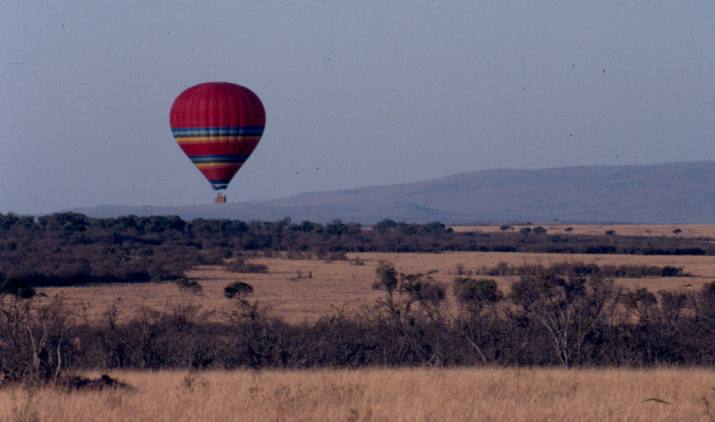
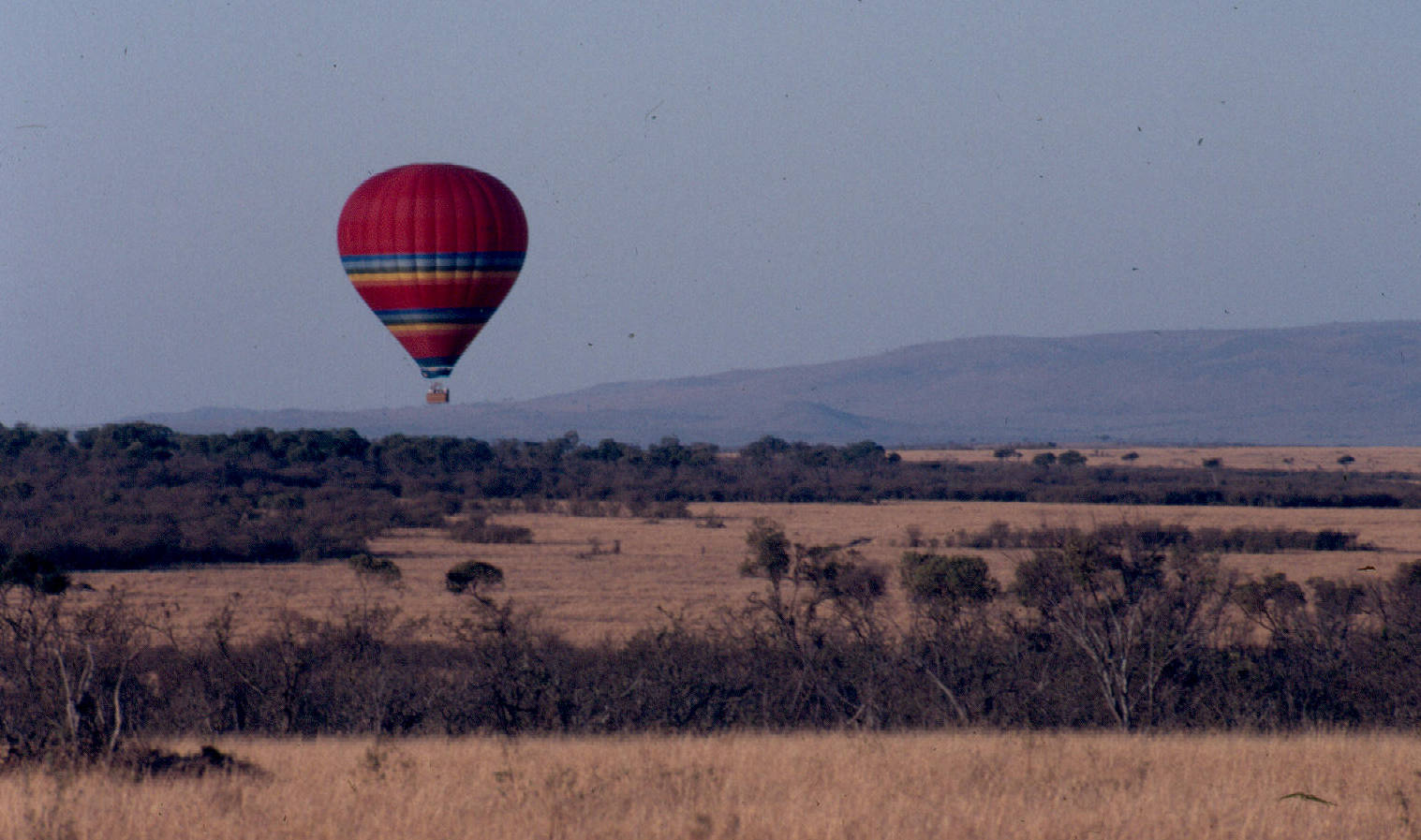
A hot air baloon flies over a rather dry Maasai Mara.

A hot air baloon flies over a rather dry Maasai Mara.

[1] Follows “Chicken a la Rusinga”.

[2] Swahili for a general store shop.

[3] Red was the dominant colour for the Maasai “tunics” at the time.

[4] Sadly he died on 15 March 1995. I placed his Obituary in the Pages section.

[5] Swahili for cultivated land or vegetable garden.

[6] Maasai for house.

[7] Short, double edged Maasai sword.

[8] Kraal in Swahili.

[9] See Pages for more info. The next post describes more of my relationship with Sheila and Joe.

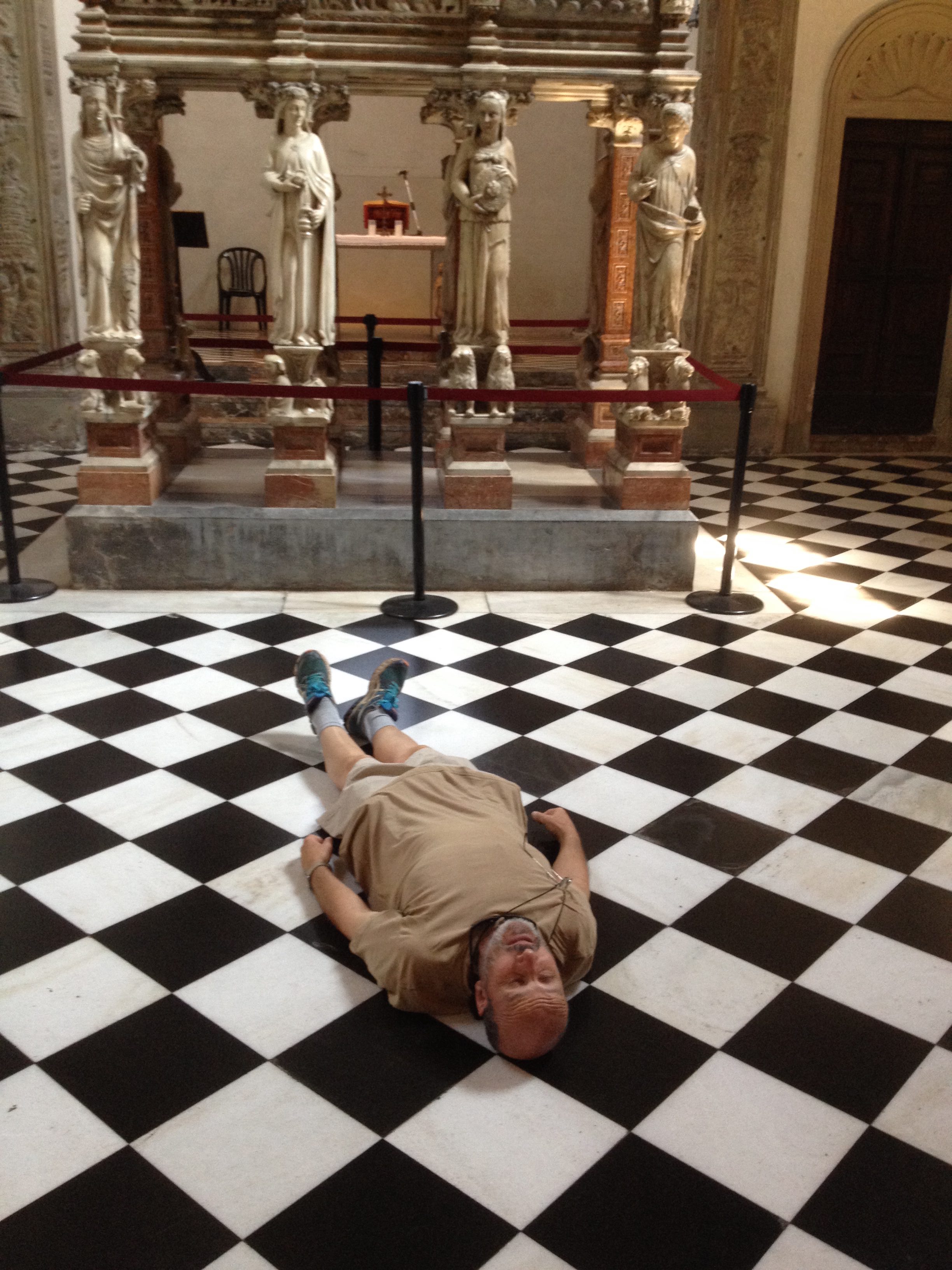
Horses on pajamas

Yes, I know I have not written much of late. Several reasons explain this. We are busy moving from Argentina to Uruguay and viceversa, social life pressure and, most importantly, my Editor is very busy at the EXPO in Milan. Rumors that I had finally packed up brain-wise to a severe case of dandruff are totally an utterly false as this disease does not affect your brain! Besides, I became immune to it when I lost my hair!

So now to serious (or less silly) issues.
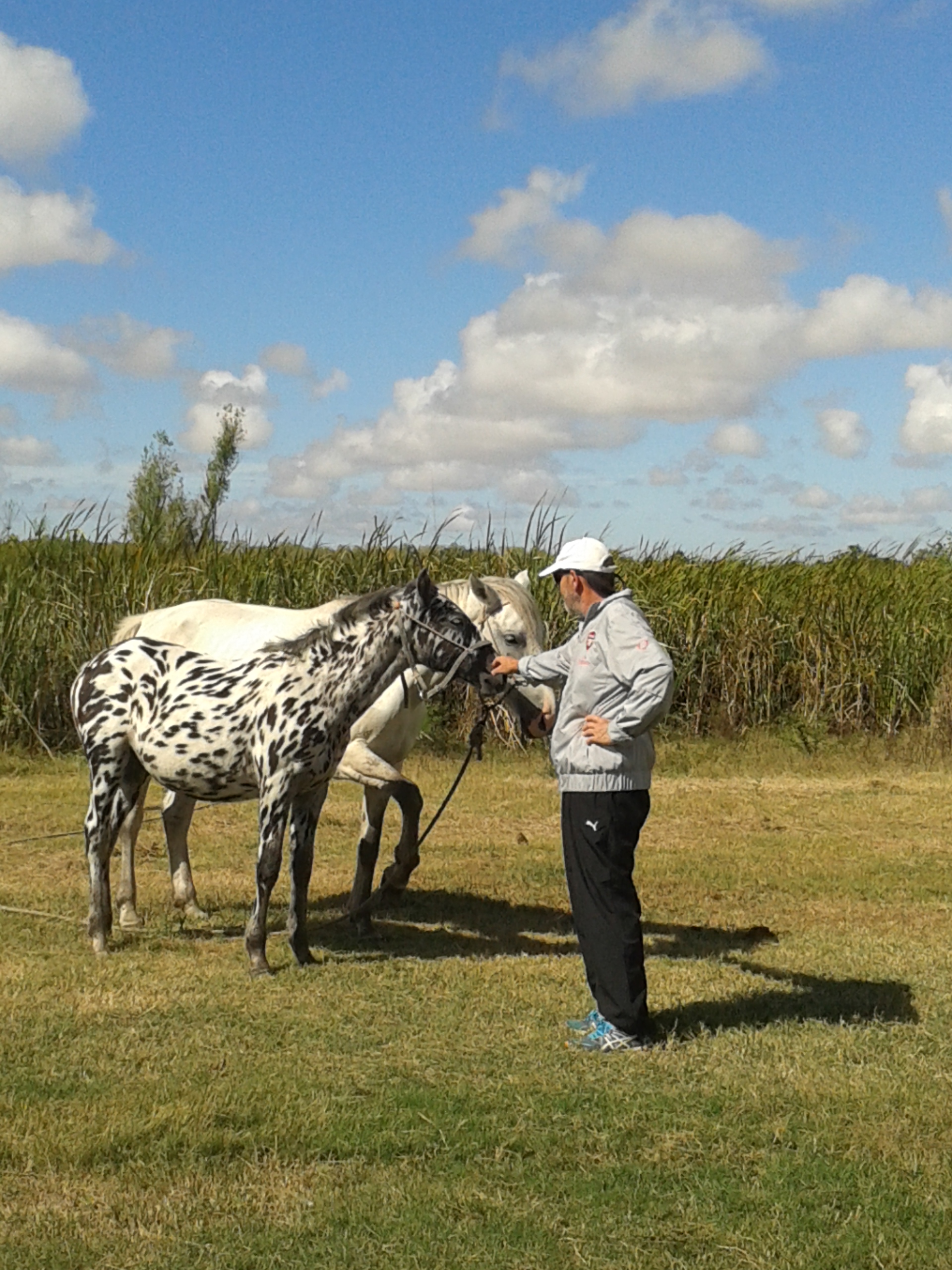
You will recall that a few months back I reported on a zebra-like filly I found while walking in Carmelo? I am pleased to report that it is growing well and our “relationship” continues improving (I managed to scratch her nose the other day!). She has grown a bit now and I am sure will do well.

An older version of the zebra-like horse.

A grown version of the zebra-like horse photographed a couple of weeks back.

The Bushsnob improving his relationship with the beast.

The Bushsnob improving his relationship with the beast.

I am sure that by now you are thinking about the deterioration of my mental condition as you cannot believe that I can be wasting time on this! Wrong again as I am sure that what follows will not fail to impress…

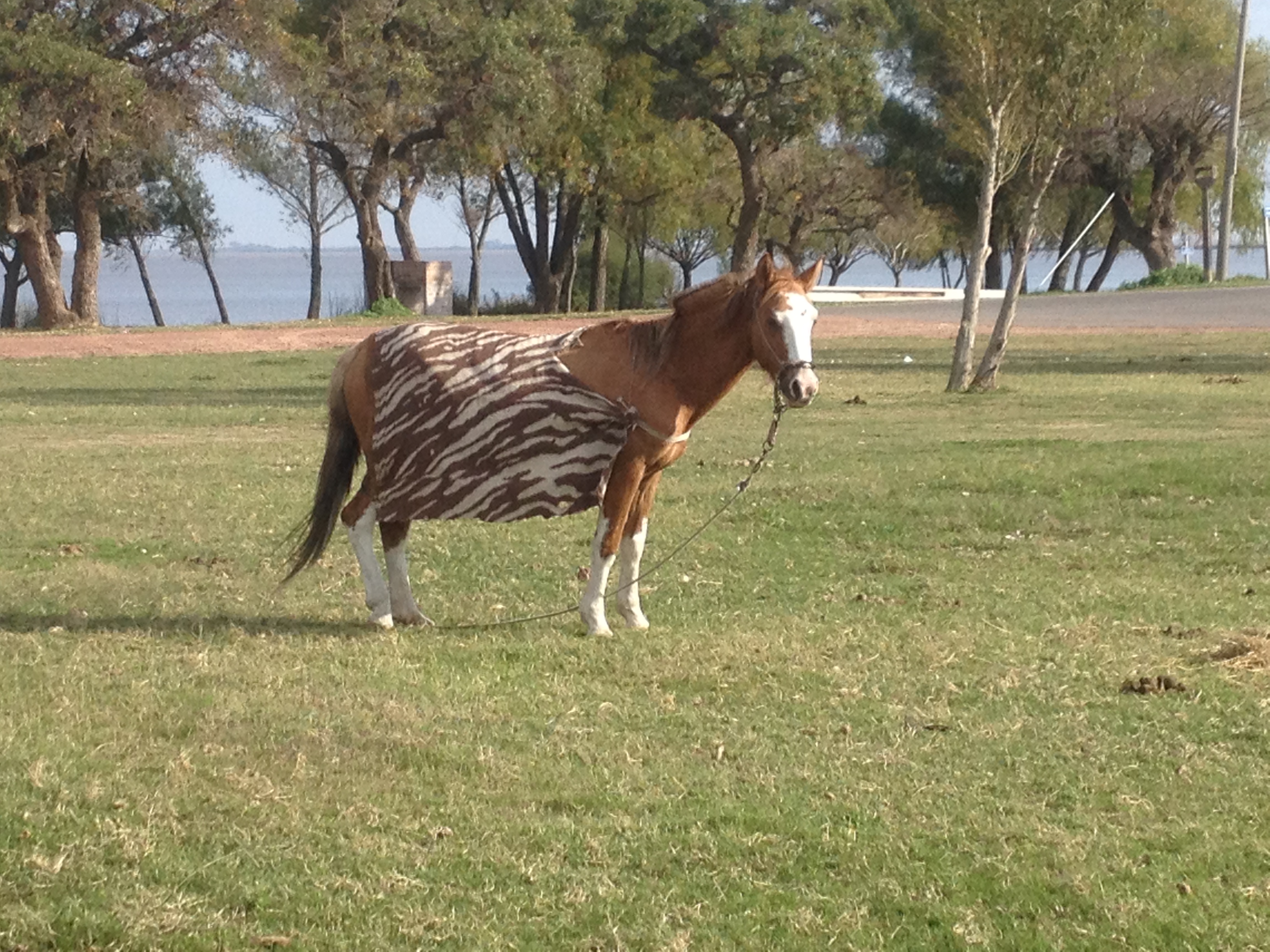
Walking this morning I came across a few horses in the distance. As usual I looked for our filly and identified it among others. I got closer to salute it and then, to my utter shock, I saw a real zebra among the horses! “This cannot be!” was my first thought while I kept walking towards the equines. It was and below is the proof!

Now, this was something!

Now, this was something!

Flying bill

I mentioned earlier that our farm was placed at the foot of the Andes. Being more specific, it is part of the Yungas, a name derived from yunka in Aymara. It is defined as a stretch of forest on the eastern slopes of the Andes that is a transition zone between the latter and the lowland eastern forests extending from Peru to northern Argentina. A warm, rainy and humid area the Yungas are also a corridor through which many animal species move from North to South and viceversa.

The first time I saw the bird on this occasion was during one of our daily morning walks, I tried to immediately alert my wife about it as she was busy on the cellular phone “whatsapping” the children, taking advantage of the existence of a phone signal. “Hornbill” was the first word that I uttered and almost before I said it I recognized that I was not in Africa and realized what it was. “Toucan” I managed after it had flown away so my wife looked up, searched the surrounding forest and the sky and then turned her looks on me to see if I had finally succumbed to some retirement-related terminal brain melting.

Honestly, its flying style really reminded me of a Silvery Cheeked Hornbill (Bycanistes brevis), that other magnificent African bird: a burst of wing flaps and then gliding.

It was indeed a Toco toucan (Ramphastos toco), also known as the Common toucan or Toucan, the largest and best known species in the Toucan family (yes, the one of the “ancient” beer commercials). We knew they occurred in the area as we had seen them once some years back, feeding on some bitter tangerines in our garden.

The Toco toucan feeding on the Hawthorn berries.

The Toco toucan feeding on the Hawthorn berries.

Swallowing a berry.

Swallowing a berry.

Further search indicated that it is a non-forest bird with a large distribution in the continent and that our farm is located in the southernmost limit of its present distribution. The latter is apparently expanding as forests decline! It is a fruit-eater and it uses its bill to pluck them from trees. It -surprisingly for me- also eats insects, frogs, small reptiles and even small birds, including nestlings and eggs!

Finally yesterday it landed on our garden as the red ripe Hawthorn berries were too much of a temptation for eat. It was then that, through the glass of our kitchen window, I managed to photograph it as best as I could and to take a video before it flew off, leaving us wanting!

For the next few days I will keep an eye for it and try to get better shots.

Hairy!

Finding a tarantula road kill was interesting. A car had squashed the poor thing and carnivorous wasps were feeding on its juices. We commented about the similarities of this “micro” kill with a carcass being cleaned by vultures in Africa but we were in Salta, Argentina.

Carnivorous wasps feeding on a tarantula road kill.

Carnivorous wasps feeding on a tarantula road kill.

The find reminded us that these arachnids existed, as we had not seen them for a few years. Two days later our farmhand Juliano -aware of our interest in wild things- appeared at about 22.00hs carrying an empty bottle of a soda drink cut in half and said “Sir, I think that this may interest you”. Inside the bottle was a large, dark and hairy tarantula! I thanked him profusely for bringing it and kept it in a terrarium hatching photographic ideas for the following day.

Very early the following day I could not wait anymore and went to have a closer look. I am fairly relaxed when it comes to getting close to any animal except hairy spiders! It is not the blind terror some people feel about these creatures but a kind of dislike and perhaps mistrust, probably aided by my ignorance towards them[1] . However, after seeing this one in daylight I found it truly beautiful and, at the same time, rather large, compared with others I had seen earlier. It was very hairy as well! Its sex remains a mystery as I am not good at spider sexing techniques…

Tarantula on grass

Tarant with ruler on grass

Seeing what I was facing I put on heavy leather gloves and took it out to the grass to watch its behaviour, just in case. It seemed very relaxed so I felt comfortable enough to handle it gently and take some pictures (some of the ones shown here) and a couple of videos that I will upload later. After this, in order to get clearer shots I placed it on our concrete table in the garden where I managed to have a rather close “tête a tête” with it.

The ruler is in centimetres.

The ruler is in centimetres.

Pictures from the side should be the safest!

Pictures from the side should be the safest!

While I was doing this, Juliano came to have a look and warned me about these spiders. Apparently someone he knew in Beni, Bolivia, had one jumping and biting his nose, which resulted in him walking around with an enlarged and inflamed nose for a few days! This was not what I wanted to hear in that situation but I thanked him for his advice. However, I could not help laughing loud at the thought of the spider jumping at my nose and my possible response of running about trying to dislodge it in a full-fledged spider-induced terror fit!

Was it considering jumping at me?

Was it considering jumping at me?

Nothing like that took place and I took all the pictures and videos I wished with the creature showing a remarkable indifference towards my presence, even when handled! After I completed my picture session I found it a good place and released it in the back garden where I hope it will live its long life.[2]

A couple of days later I mentioned this encounter to my daughter (the Ed.) and she was duly impressed, particularly when she saw the pictures. She shares my negative feeling about hairy spiders and showed some concern for my welfare, thinking that I had kept it as a pet! Her apprehension related to the risk of it “shooting” urticanting bristles from its hairy abdomen at me! This they do by strongly rubbing their back legs and literally shooting their hairs at their perceived enemies!

A real close "close up" of her bottom before I learnt of the throwing bristles ability. Look at the picture well because I will not repeat it!

A real close “close up” of her bottom before I learnt of the throwing bristles ability. Look at the picture well because I will not repeat it!

Although I took close-up pictures of its backside, I was pleased to announce to her that the spider did not shoot at me, despite my having been very close to is very hairy derriere!

Considering its possible long lifespan I hope I will find it again in the future.


[1] I believe it belonged to the Grammostola genus. This genus is very dynamic as new species are still being discovered.

[2] I learnt later that females live for over twenty years while males live a shorter life.

Stoned hummingbird

I was a young boy when this event took place. My father’s work as a Government’s Agronomist constantly demanded his presence in the rural areas. His responsibilities, among others, included pest control, crop storage monitoring and the development of farmers associations and cooperatives.

He used to tell us stories of his jeep Willys getting stuck while driving over swarms of locusts and I used to accompany him while inspecting wheat plantations for True armyworm (Pseudaletia adultera), locally known as “lagarta”.

It was autumn and the harvest of winter crops had been completed and the depots were full to the brim with wheat. His main job was to monitor the humidity of the grain to prevent post-harvest losses due to the normally high humidity levels prevalent in southwest Uruguay.

That day he needed to visit the large depot of a Farmers’ Cooperative in Tarariras, a small agricultural town in the Department of Colonia. Being a young boy, I usually played around while my father did his duty. I was a rather active youngster so the workers tried to keep me entertained while my father was busy. Not an easy task…

On that day, one of the workers who knew me gave me a bottle of a known local methylated spirit made of dark green glass with a stopper made of a maize cob, and announced that it contained a surprise. I did not see anything and was consequently unimpressed, as an empty bottle did not mean much to me. Before I could ask, the Manager of the cooperative who, together with my father were watching said, “Have a good look as there is something inside that I am sure you will like”. I strained my eyes and made out a tiny object rolling inside.

I removed the cob and gently shook the bottle until I managed to get the object out and on my hand. It was a wet and shiny green feather ball that on closer inspection became a dead hummingbird that still felt warm to the touch. It was a sad sight and I was not too impressed with the “present”. Before I could react though, the bird moved slightly and I realized that it was breathing and apparently asleep!

A Glittering-bellied Emerald hummingbird pictured at an artificial feeder in Colonia Carlos Pellegrini, Corrientes, Argentina.

A Glittering-bellied Emerald hummingbird pictured at an artificial feeder in Colonia Carlos Pellegrini, Corrientes, Argentina.

It was the common Glittering-bellied Emerald hummingbird (Chlorostilbon lucidus). Its slumber was explained by the alcohol vapours still present inside the bottle. So, suddenly, I was the new “owner” of a drunken miniature bird and became responsible for its welfare.

Close-up of the Glittering-Bellied Hummingbird.

Close-up of the Glittering-Bellied Hummingbird.

A second one lands on the feeder.

A second one lands on the feeder.

Another view of the bird with an unidentified one with its back to the camera..

Another view of the bird with an unidentified one with its back to the camera..

I held the bird on the palm of my hand where it rolled backwards and forwards until I was able to accommodate it better with a piece of cloth to stop its rolling. Once settled I spent the rest of the day holding it on my open palm being careful not to drop it as it was a very small bird.[1]

When my father’s work was done, it was time to get back home and I was still holding the bird. So I travelled the hour that it took to get home holding the bird and watching it as its efforts to regain normality became more and more frequent. By the time we arrived it was already over its alcoholic haze and it was ready to go.

So, as soon as I left it alone outside and it got familiar with its surroundings it hopped to a small branch to preen itself (and recover from the hangover?) and soon flew away.

[1] An adult bird of this species weighs between 3.5 and 4.5 g while a normal Bic biro weighs 9.0 g !!!

Picture credits: Mariana Cardoso.