Rome

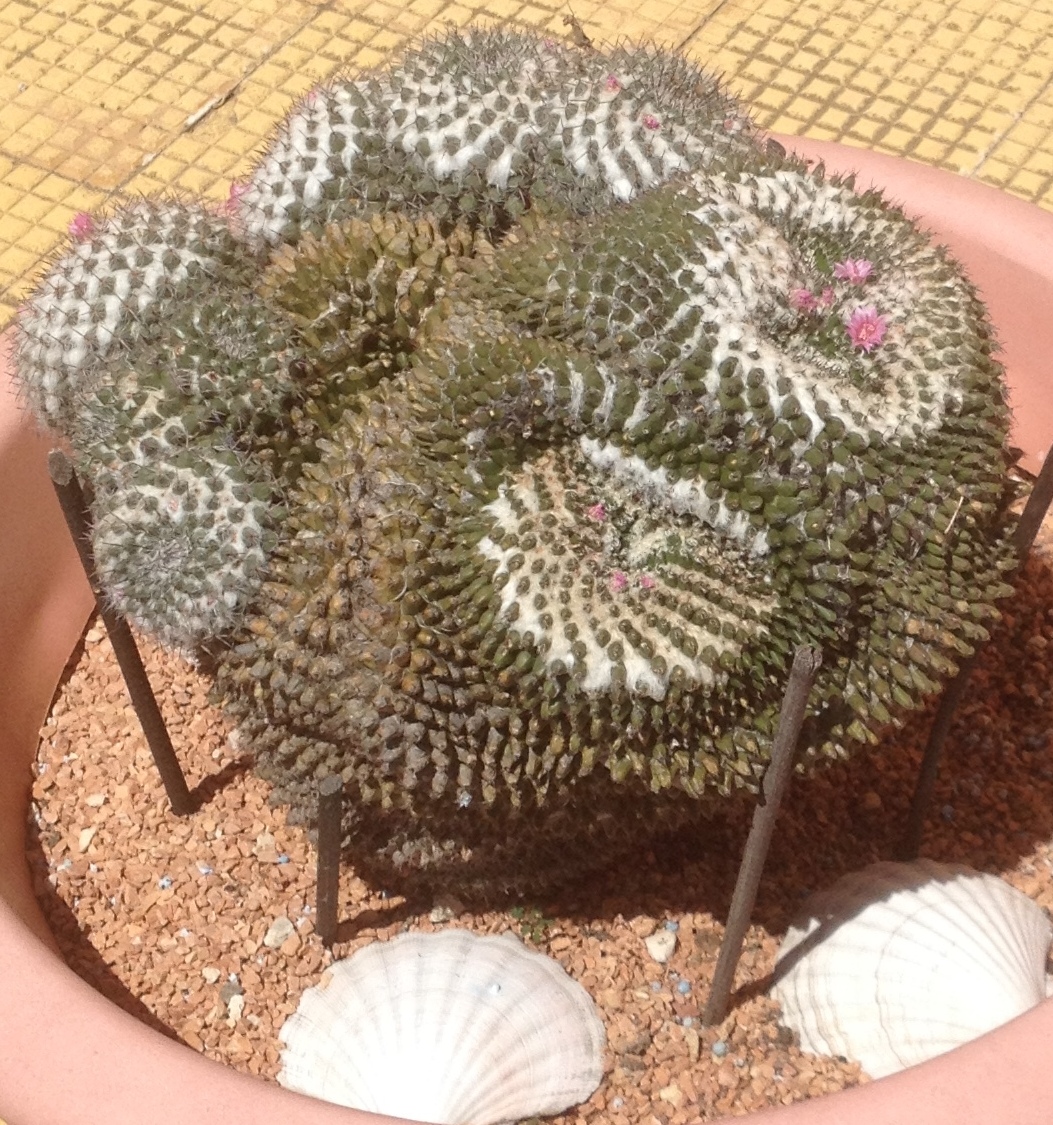
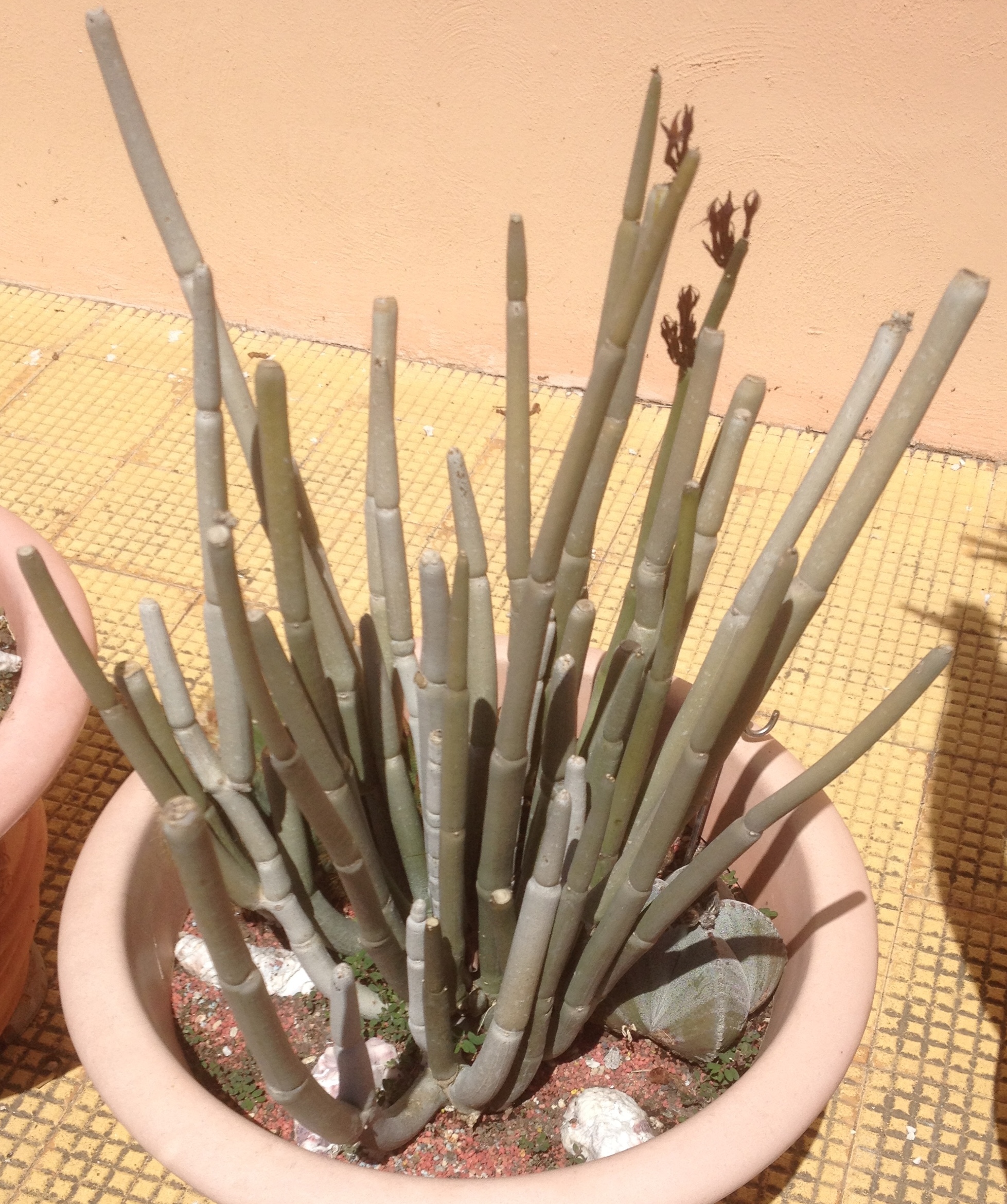
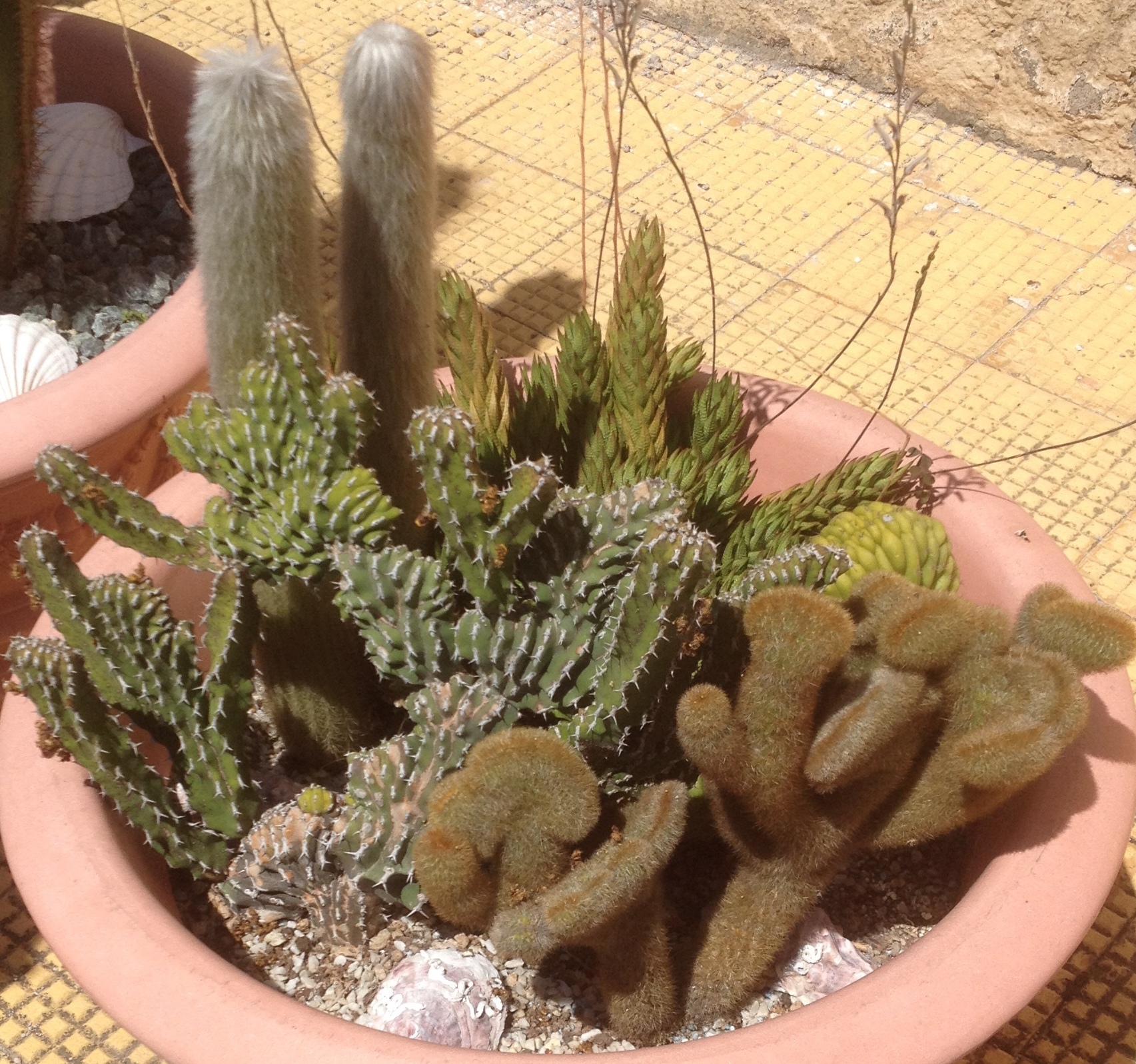
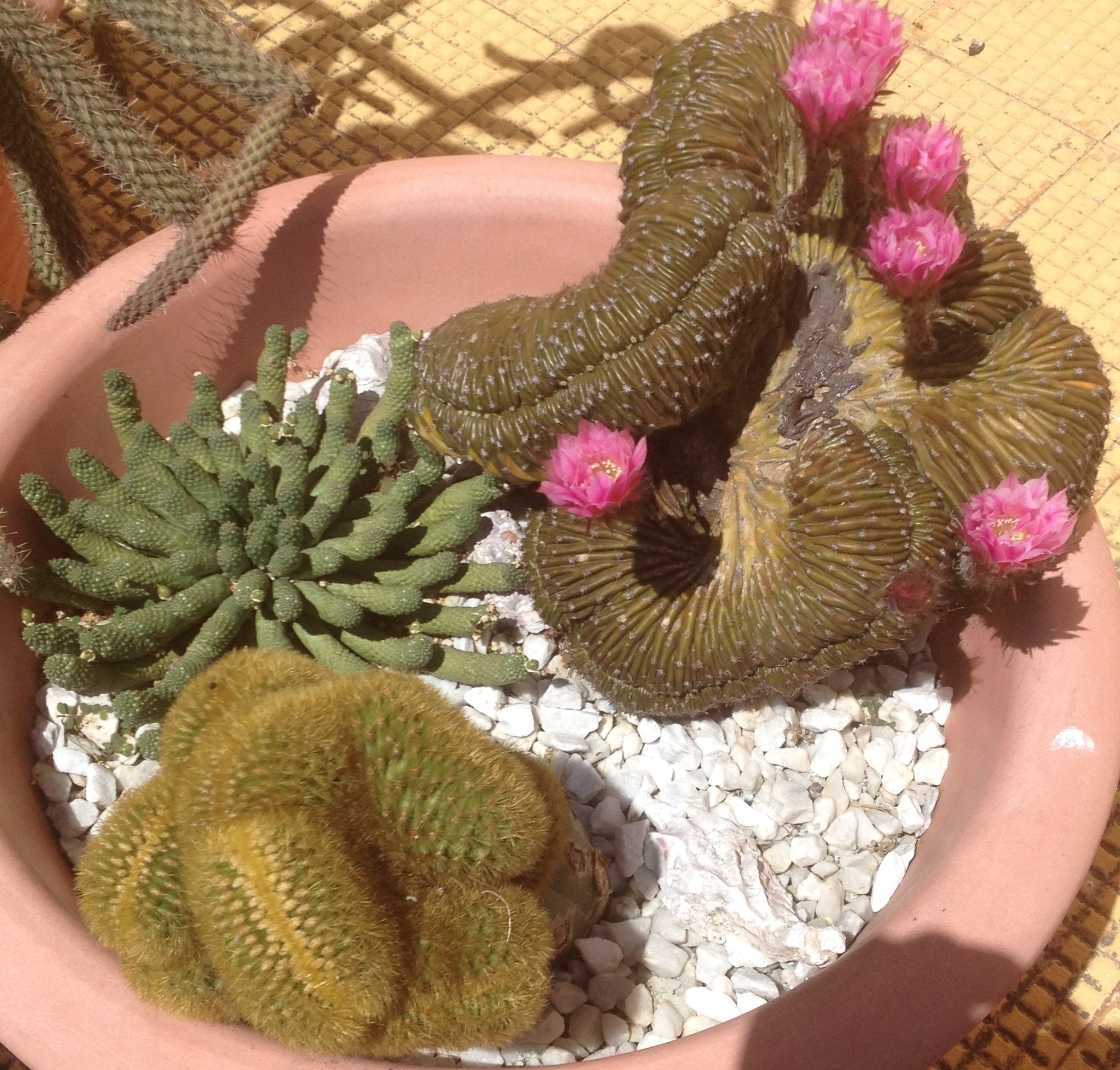
Dry coral revisited

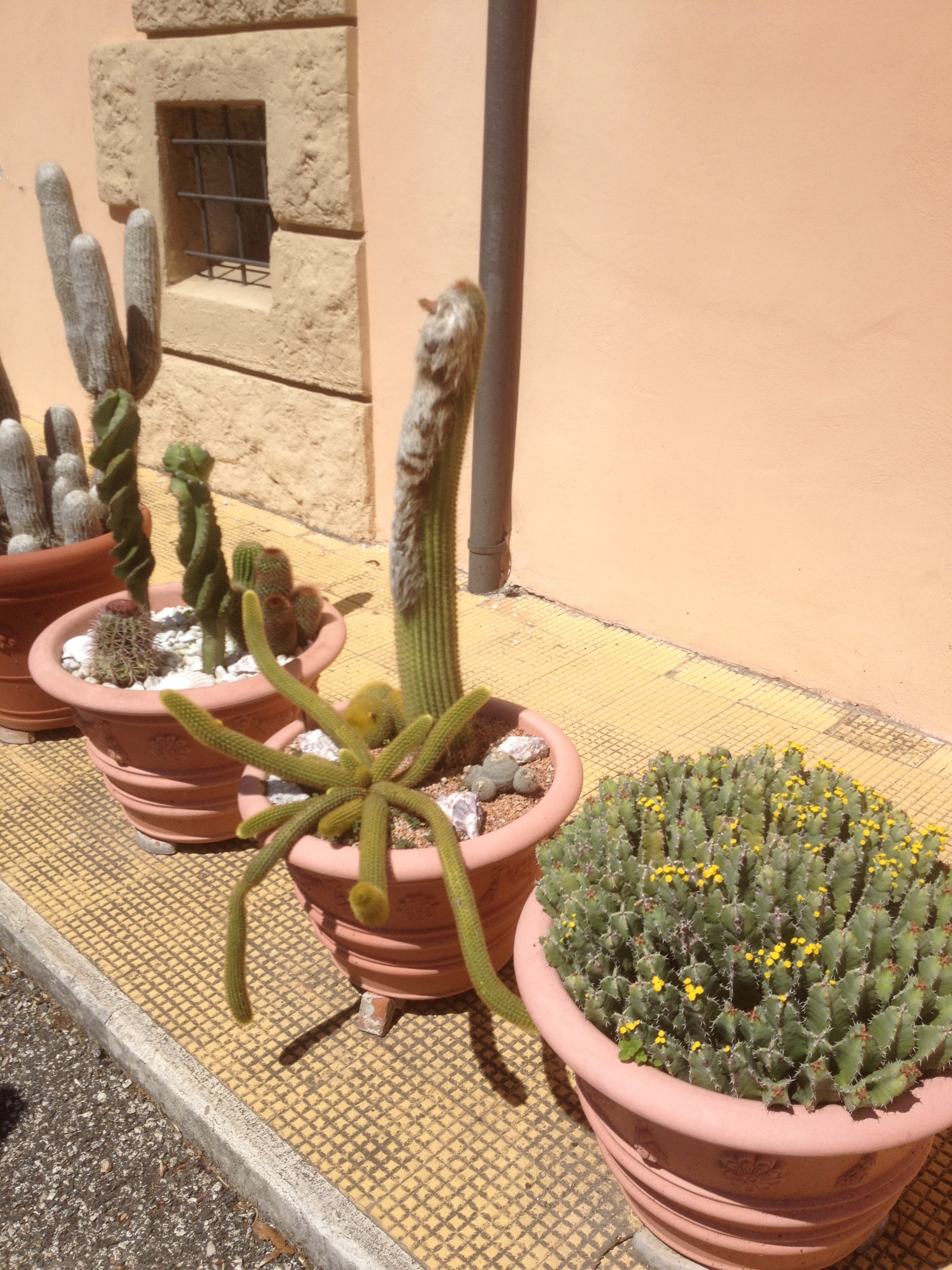
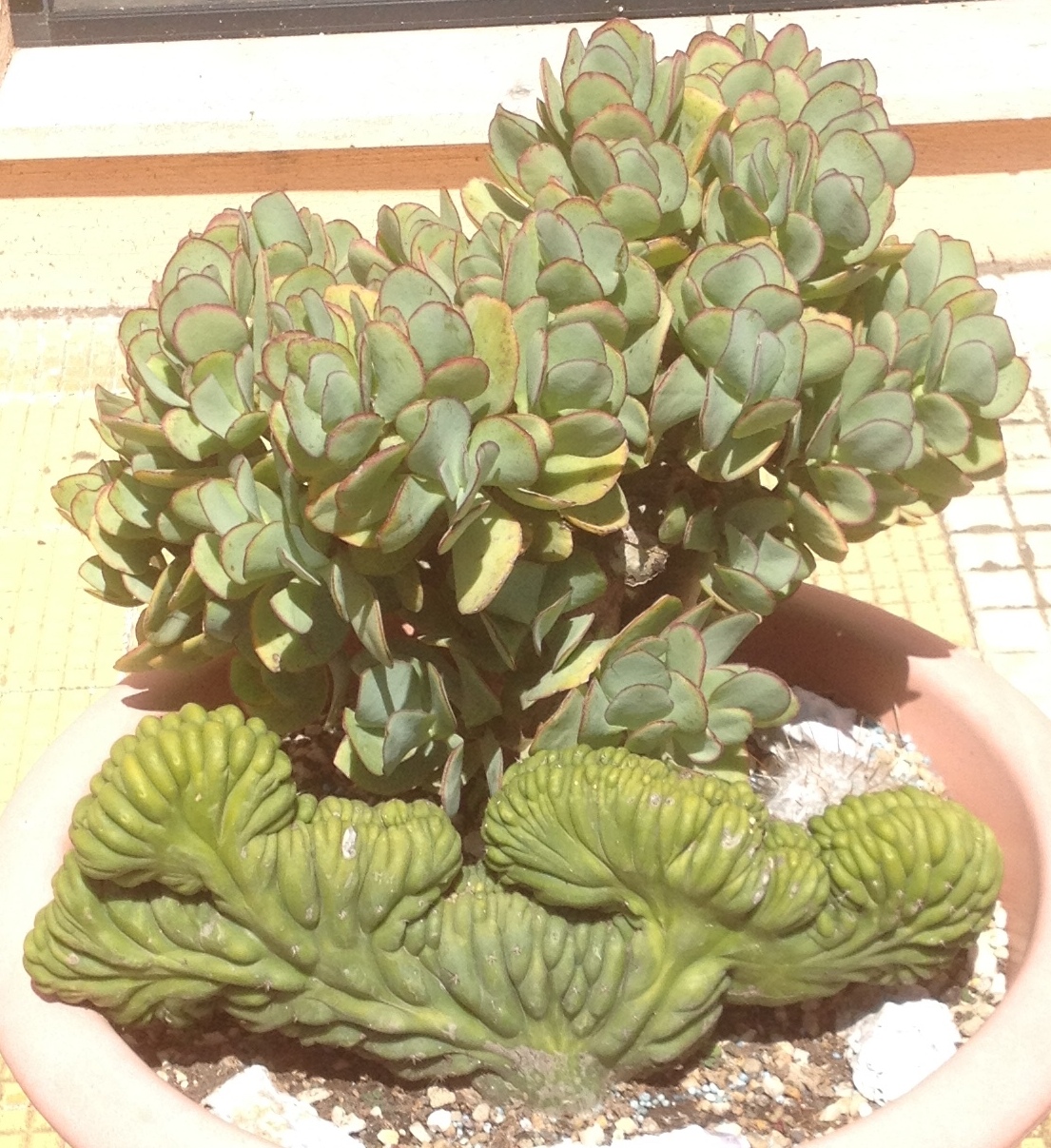
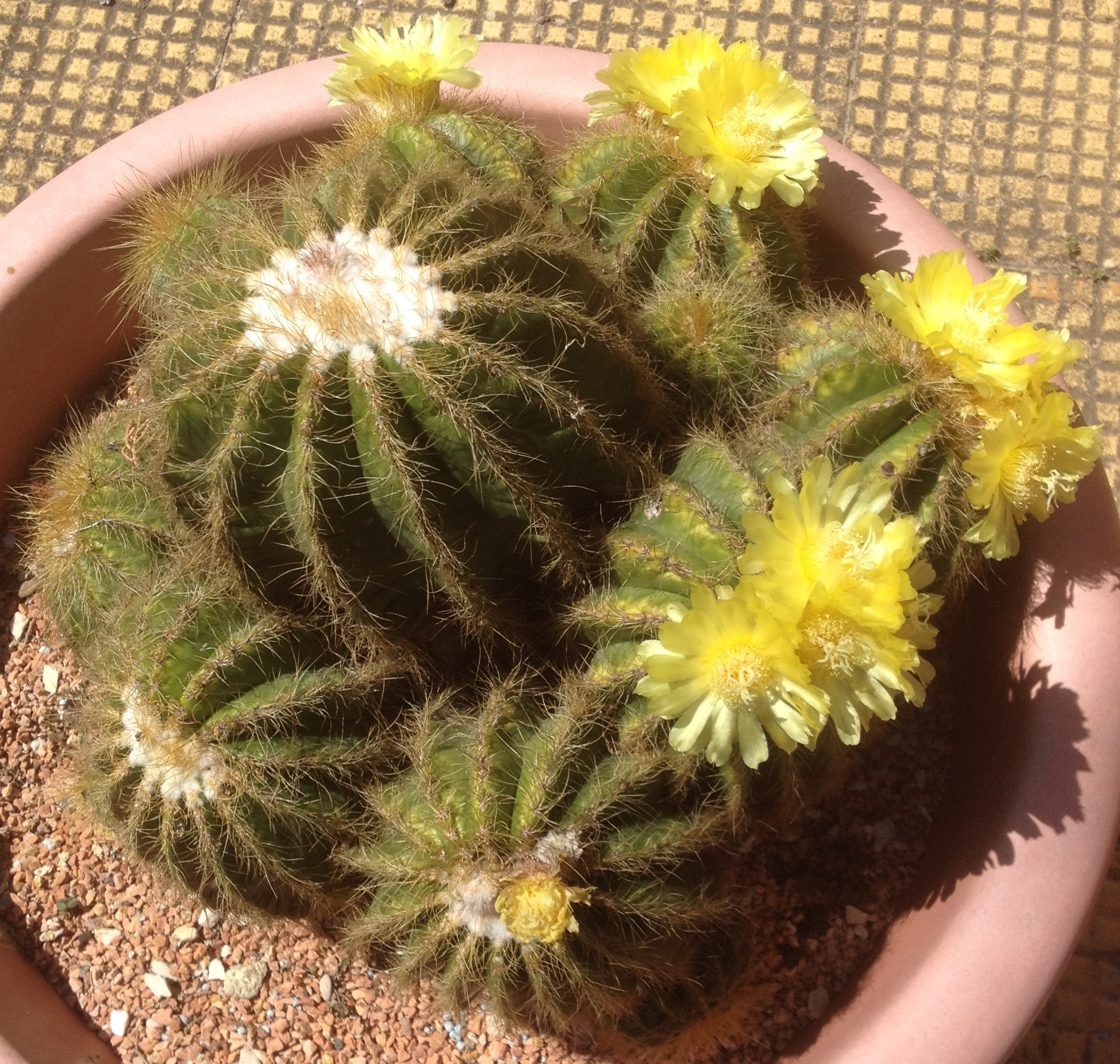
In June 2015 I presented you with a post on some amazing collection of succulents we found in Rome, more precisely at the Istituto Salesiano San Callisto. (1)

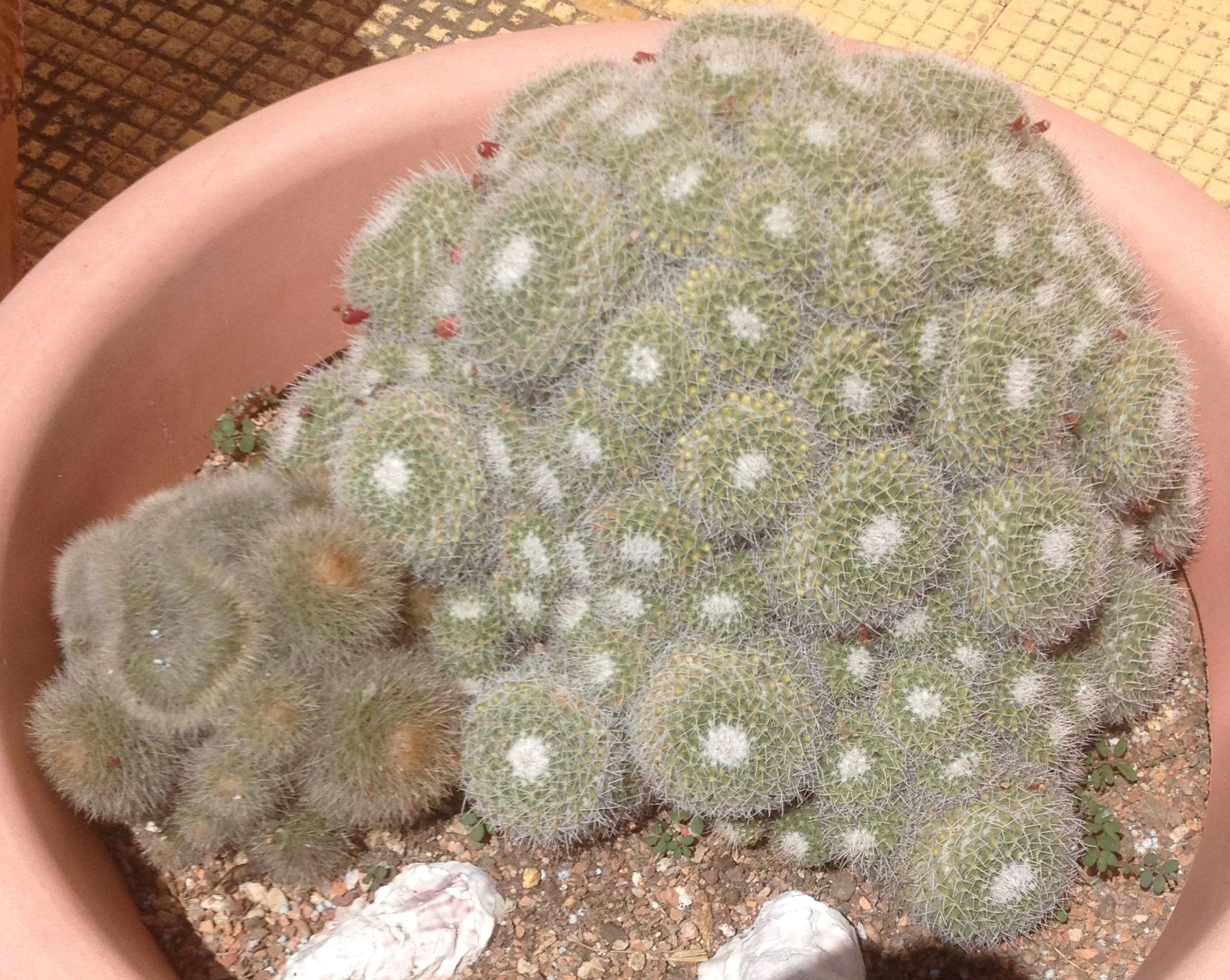
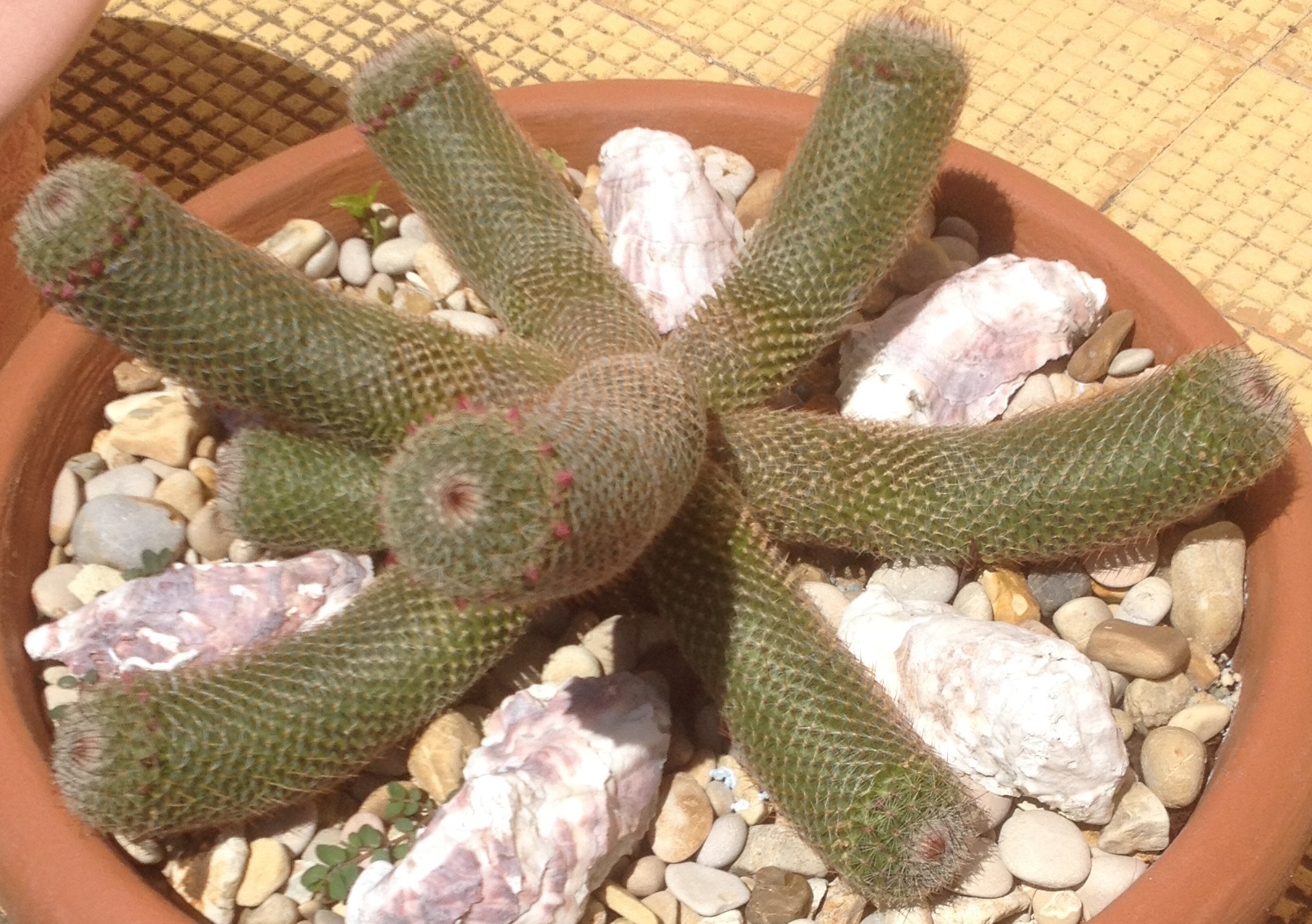
Over the years, while staying in Rome, we have been lucky to stay with friends that live at the Appia Antica so, a walk through the Saint Callistus catacombs was an almost daily affair getting to the centre of the city. While so doing, this veritable dry coral garden was there to be admired so I thought I would share a few pictures with you.

Although I noted the absence of a few of the plants I pictured two years back and flowers were not as abundant -probably because of the dry conditions that prevail in Rome- a few others have taken their place and the collection is still beautiful.

This slideshow requires JavaScript.


(1) https://bushsnobinafrica.wordpress.com/2015/06/08/caput-mundi-a-waterless-coral-reef/

Harvesting from the effort[1]

The following is a concise account of my working life. More details can be found in the “Pages” section of this blog. The intention of this short account is to set the seen for the next historical posts that will deal only with episodes that took place during these years and that I consider to offer some interesting aspect worth mentioning.
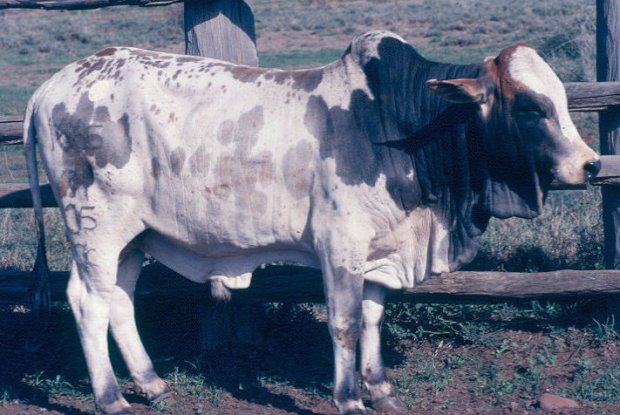
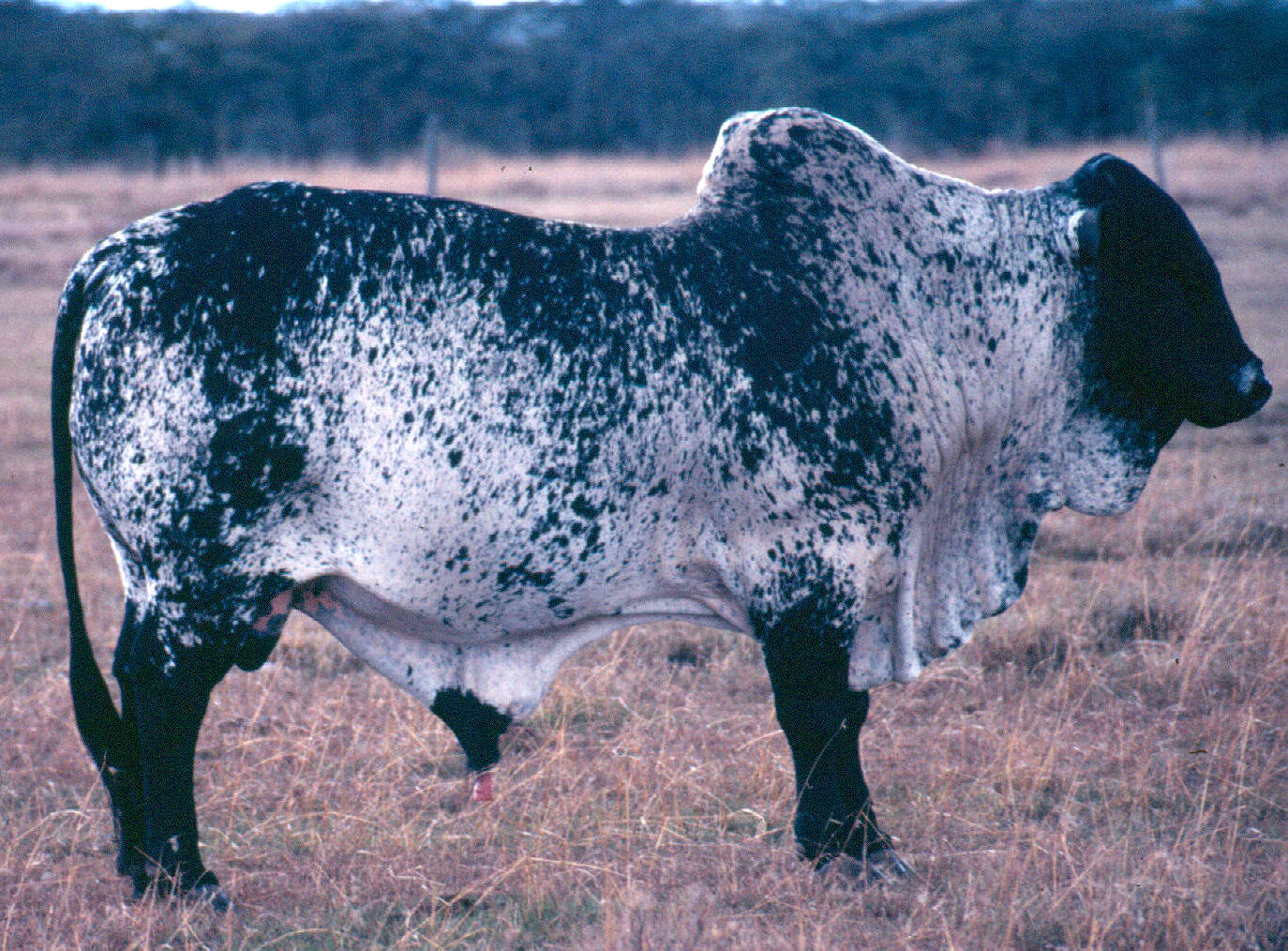
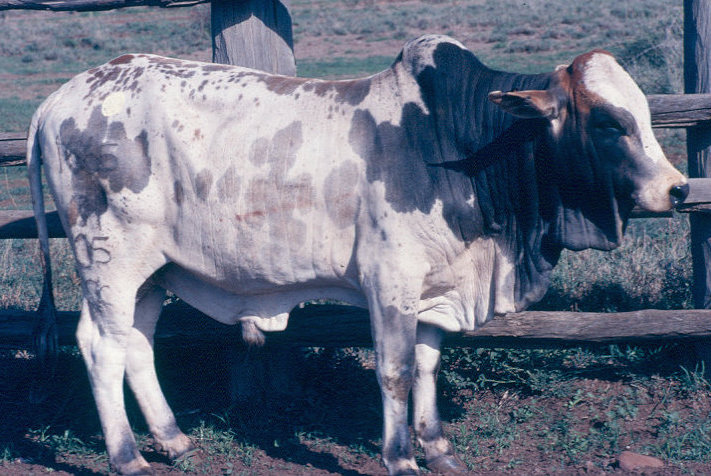
A Boran young bull at Mutara ranch, Kenya.

A Boran young bull at Mutara ranch, Kenya.

Boran young bulls at Mutara ranch, Kenya.

The work at Muguga and Intona described earlier (give link) yielded fruit and I was able to publish the results in good scientific journals, together with my co-workers, Matt, Alan and Robin included. My research added some knowledge to a large regional programme on ticks and tickborne diseases that FAO had initiated at the time of my arrival in Kenya and that covered several countries in East, Central and Southern Africa.
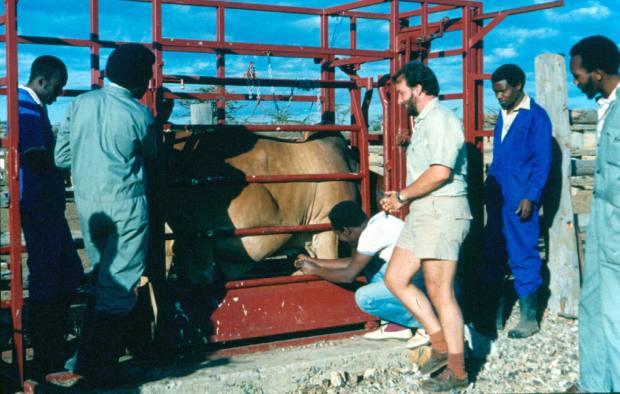
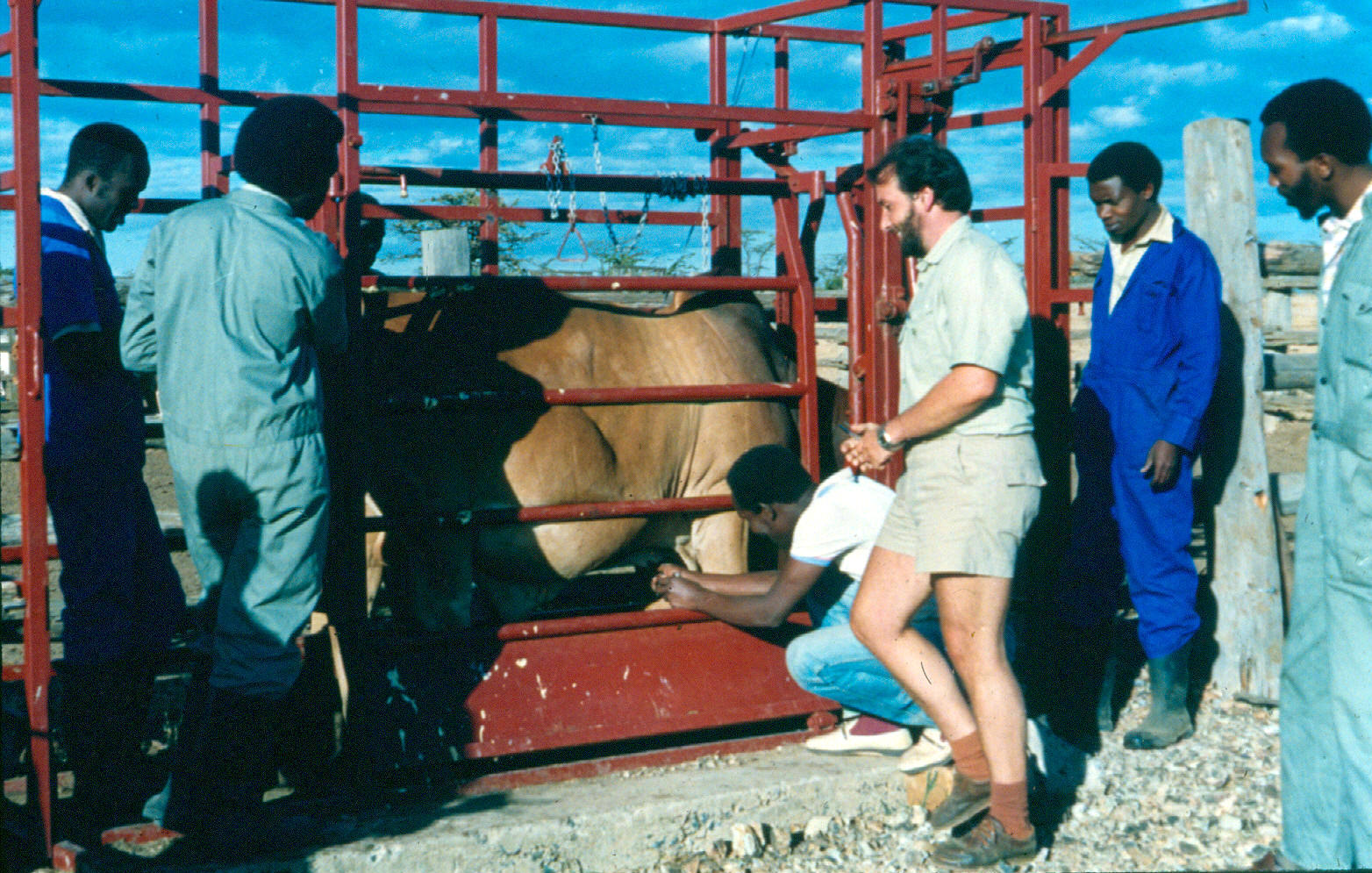
Mutara tick selection work.

Mutara tick selection work.

Once my fellowship ended, although I had a lot to learn yet, I had somehow found a niche for my work at ICIPE and, with Matt’s blessing, I joined the Tick Programme as a scientist. My work on tick impact had ended and now my work would have to fall within the Tick Programme’s goals and funding. The main target was to control ticks using the cattle resistance to them. I had come across this fact while doing my research as some animals showed resistance while others not.

At that time I also decided to start my PhD studies as an external student with my former Department of Applied Zoology at the University of Wales. Four years of hard work were in front of me, as I needed to work and study, not an easy feat! I was lucky to be surrounded by knowledgeable colleagues and to find a great supervisor, the late Ian Herbert from the Department.

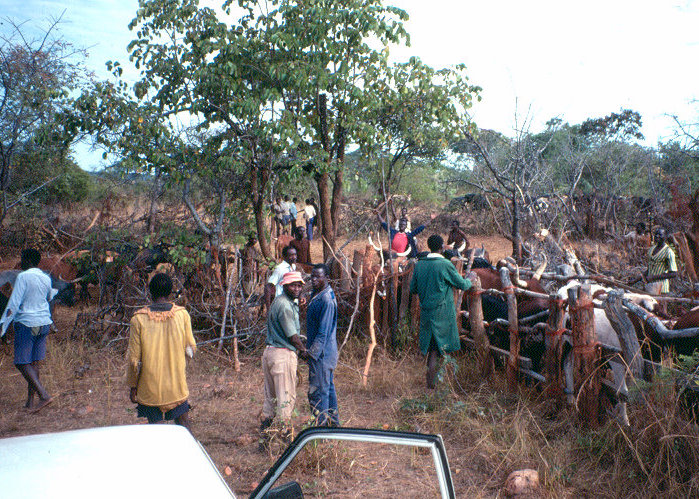
While working on my PhD I got involved with the work on ticks and tickborne diseases on-going at Muguga and I also continued with field work at Intona. Later on we started more work at Mutara Ranch, then the Boran cattle stud for Kenya, where we started work on selection of cattle for tick resistance that sadly needed to be abandoned for lack of resources. The initial study got published and this added to my growing reputation in the tick world. I completed the PhD in 1986 while still in Kenya.
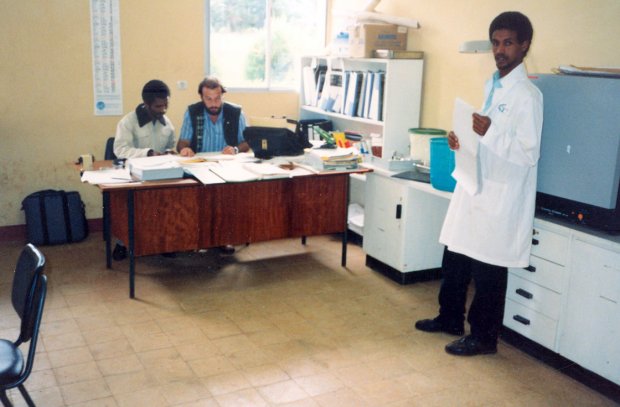
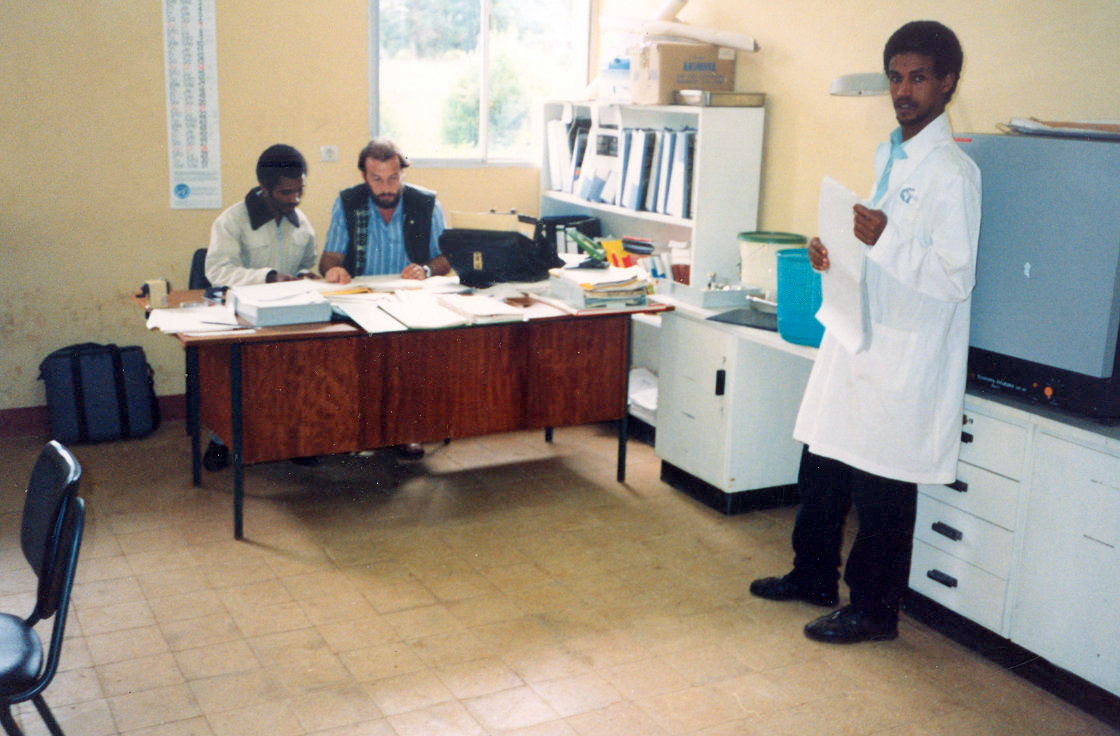
The laboratory at Bedele, Ethiopia.

The laboratory at Bedele, Ethiopia.

In 1988 FAO offered me a position as a Leader of the Ethiopian component of their regional tick and tickborne disease programme I mentioned above. I accepted the offer as it had very favourable conditions but left ICIPE and Kenya with a heavy heart after so many years of enjoying life and work there.
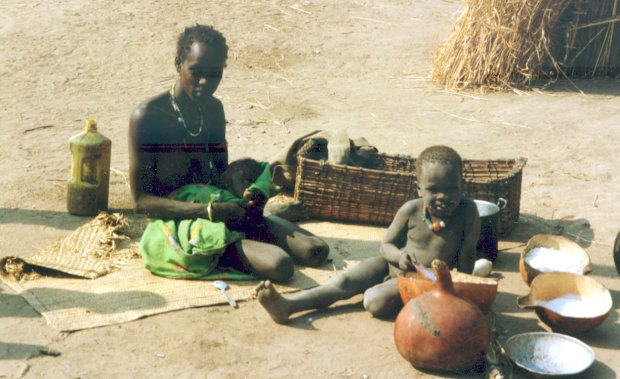
Villagers at Gambela, West Ethiopia.

Villagers at Gambela, West Ethiopia.

Ethiopia was a big change as we arrived in a country at war with Eritrea and under a comunist regime led by Mengistu Haile Mariam, a ruthless leader. My duty station was Bedele in West Ethiopia, still green and wooded with a rainfall of about two thousand mm per year! It was a remote place where FAO has assisted the Government in building a Veterinary Diagnostic Laboratory. Bedele’s main claim to worldwide fame is ob being the place where coffee originated from.

The work was more routine than challenging and it required the collection of ticks from cattle at different locations both to get to know the species and to understand their population dynamics. My assignment there lasted under two years as I was replacing another tick officer that needed to be evacuated with a severe heart condition. Despite the political and economical difficulties the country was going through, the work was completed and, as the possibilities of continuing the work were not there, it was tie to move on.
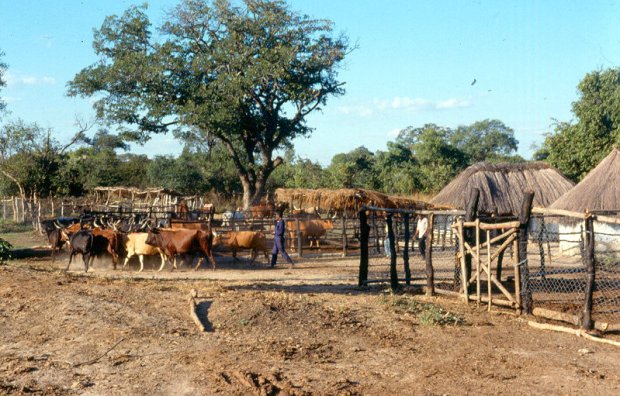
The project site at Lutale, Central Province of Zambia.

The project site at Lutale, Central Province of Zambia.

I was transferred to Zambia where I was to continue a long-term trial on the effects of ticks on traditional cattle productivity both of milk and beef under different tick control regimes: no control, intensive control and “strategic” control. The latter meant to treat only to prevent tick numbers from building up. The trial run for three years and it was completed successfully. It was during this time that our children were born and our lives changed!
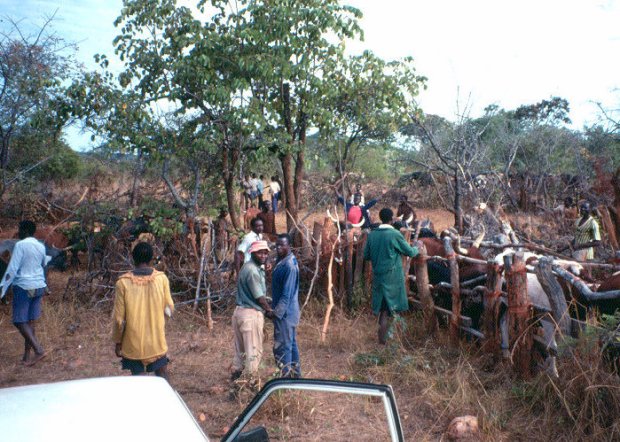
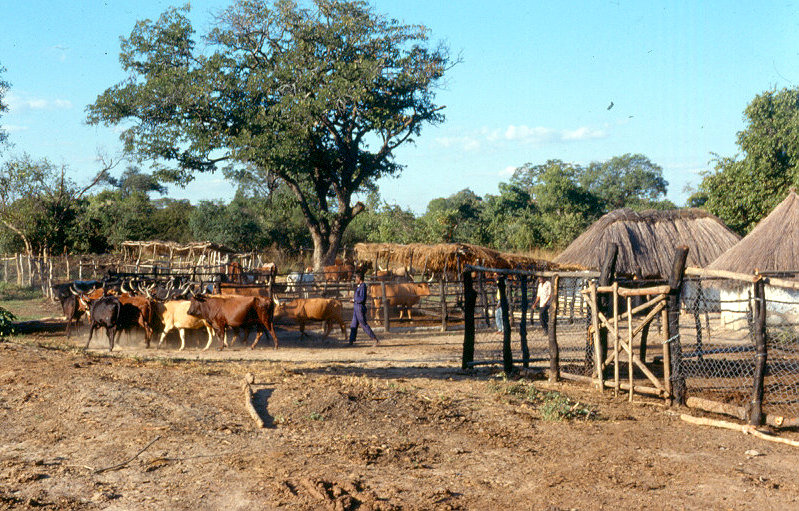
Cattle work in Southern Province, Zambia.

Cattle work in Southern Province, Zambia.

After three busy and productive years in Zambia the regional programme was going through important changes. Its coordinator based at FAO HQs in Rome was about to retire and more funding was coming in to continue the work for another phase of four years. Somehow I landed the coordinator’s job and moved to Rome in a move that removed me from scientific work and converted me into an international bureaucrat!
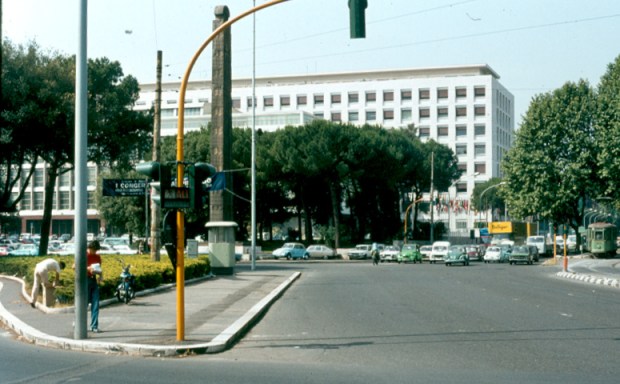
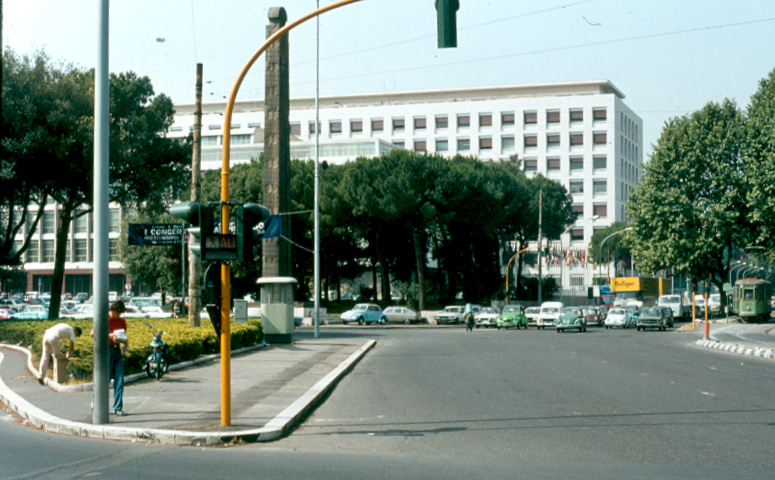
FAO in the 90s. Please note the Axum stele that was returned in 2005.

FAO in the 90s. Please note the Axum stele that was returned in 2005.

After a few months in Rome, once the “glamour” of the job waned, I realized that I needed to get back to the field as the work I was doing did not appeal to me.

Mudanza a Hre copy 2

Moving again! This time to Zimbabwe.

The opportunity to move to the field -again to Africa- presented itself in 1997 and I did not hesitate! We moved to Harare, Zimbabwe where I took up the role of sub-regional animal production and health officer, an even broader professional role as it also involved animal production. As compensation, however, the job was restricted to Southern and Eastern Africa. Although it was not “hands on” scientific work, it was closer to the action than what I was doing from Rome!
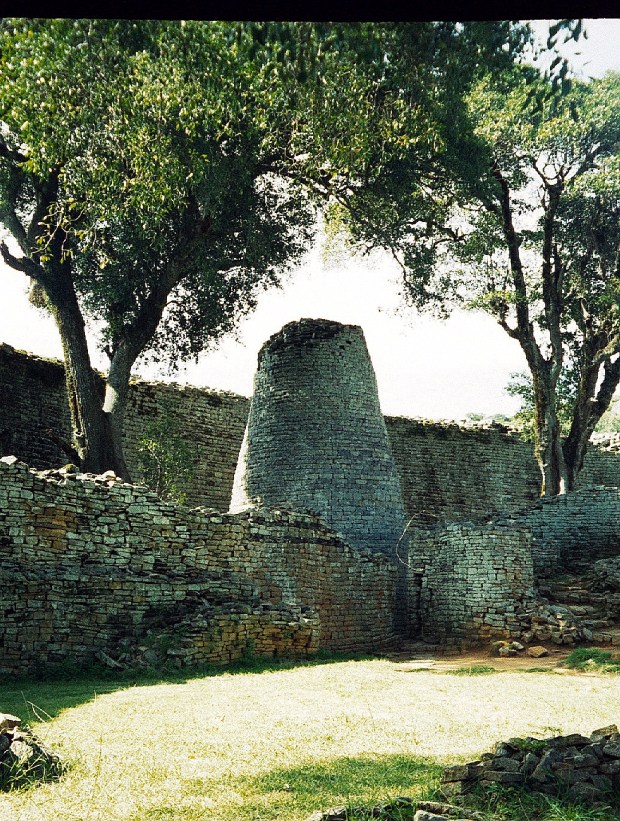
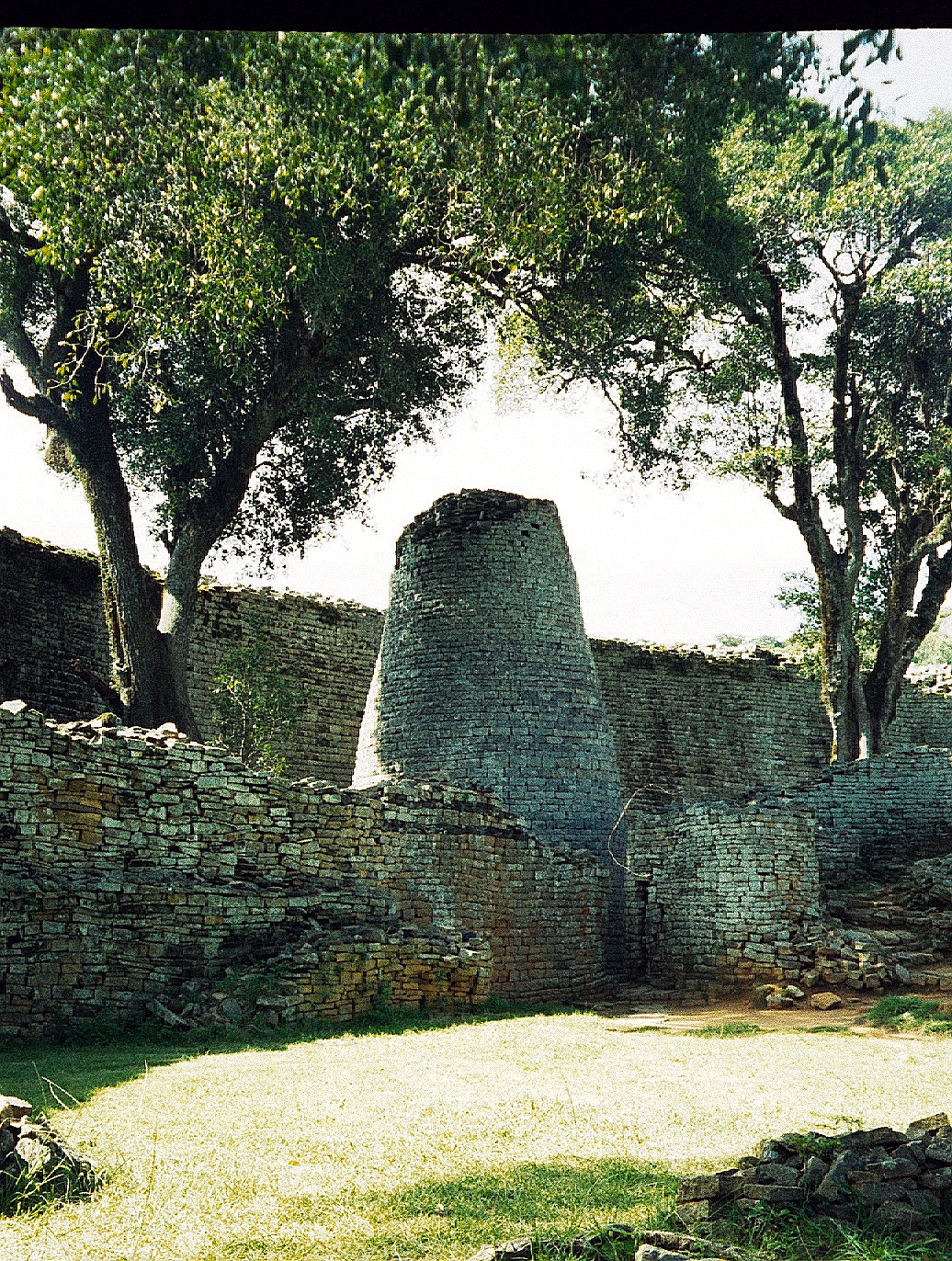
Great Zimbabwe ruins, Zimbabwe, 1998.

Great Zimbabwe ruins, Zimbabwe, 1998.

After four years in Harare I realized with regret that I needed to move to get a career improvement. At the end of 2000 I put my name for a FAO Representative job and succeeded getting designated FAOR in Bolivia so in mid 2001 we left for La Paz, Bolivia. This would be my first assignment in a Spanish-speaking country and it also meant becoming the head of an office with a large multi-sectorial programme and several employees both in the office and in the field. In addition, as the representative of the organization in the country I also carried a political role having to develop strong links with the host government.
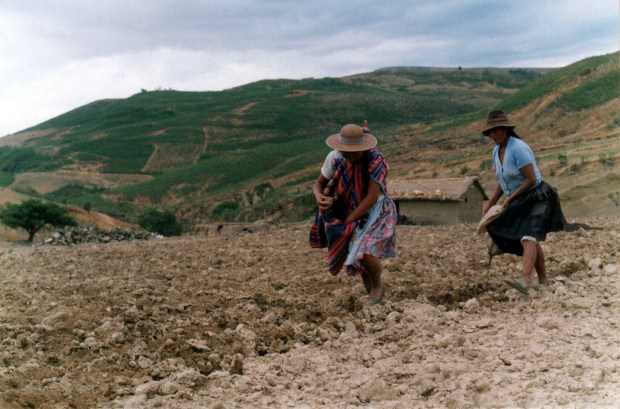
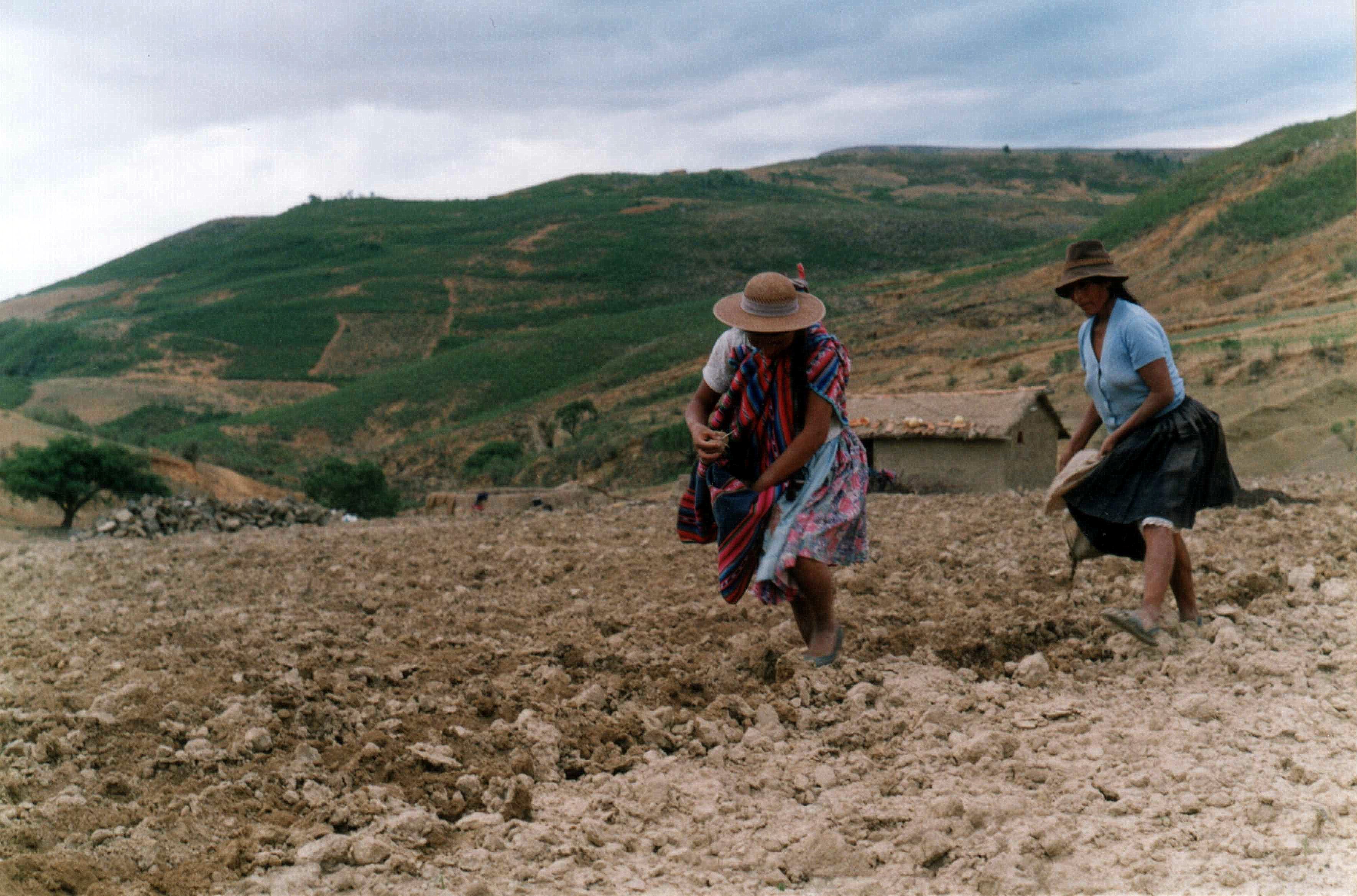
Sewing in Bolivia.

Sewing in Bolivia.

Market street of La Paz, Bolivia.

Market street of La Paz, Bolivia.

I worked in Bolivia for five incredible years and, in 2005 I returned to Rome, again as a technical expert to continue working on animal diseases, in particular I returned to ticks and TBD. Again I did not find this assignment enjoyable and, after four years I had had enough of desk work and it was either another field post or retirement!
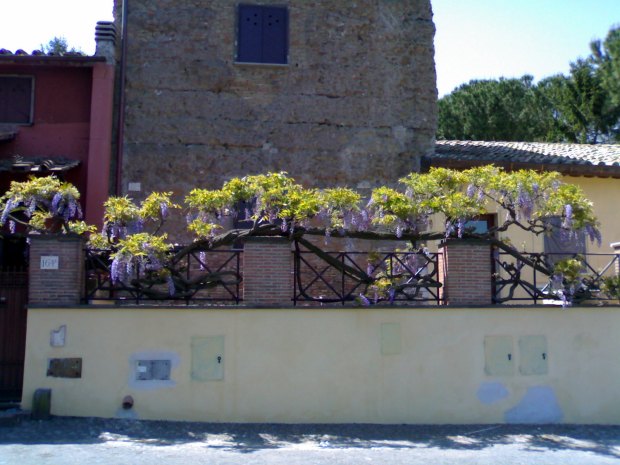
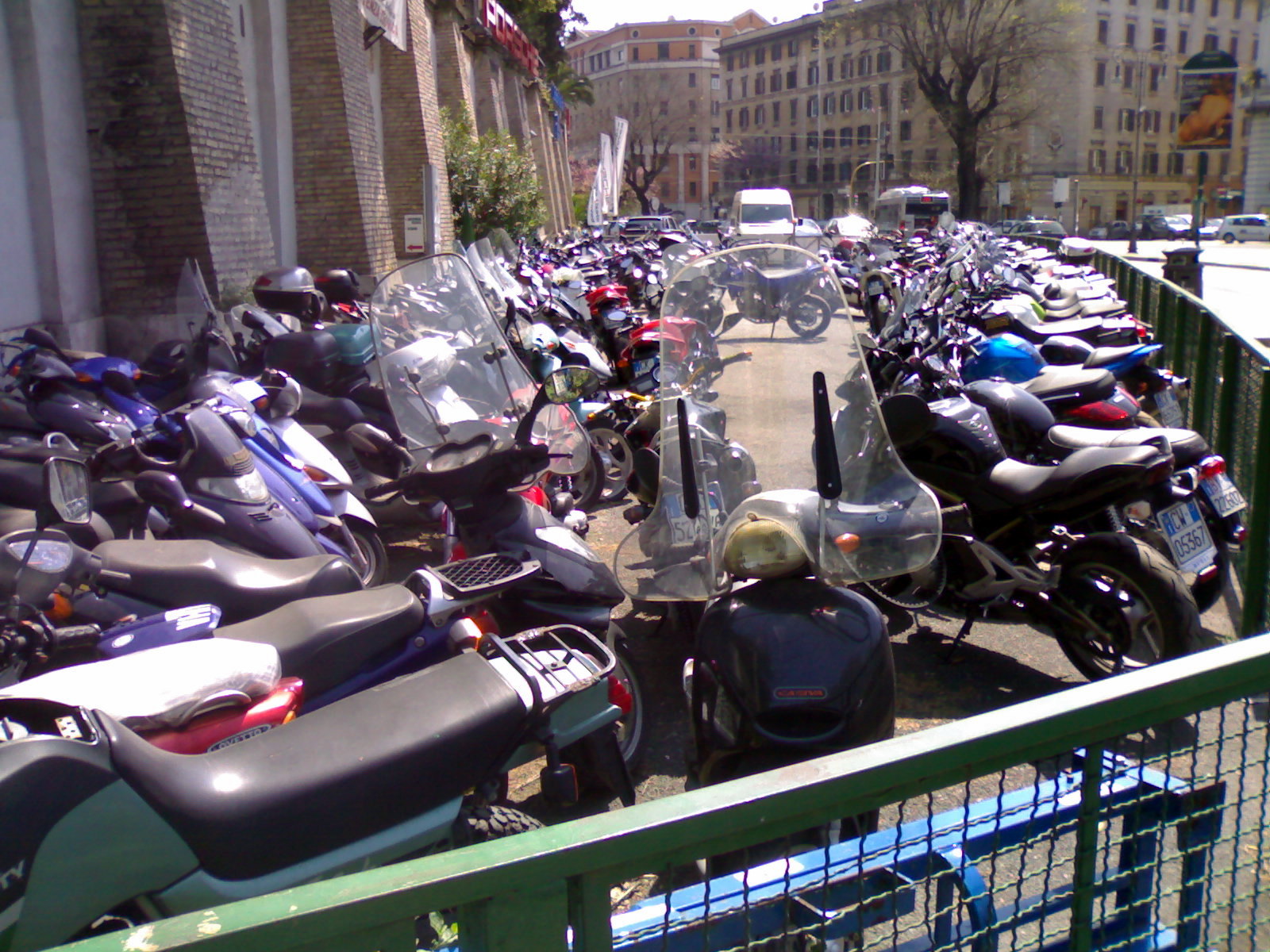
The Appia Antica road, Rome.
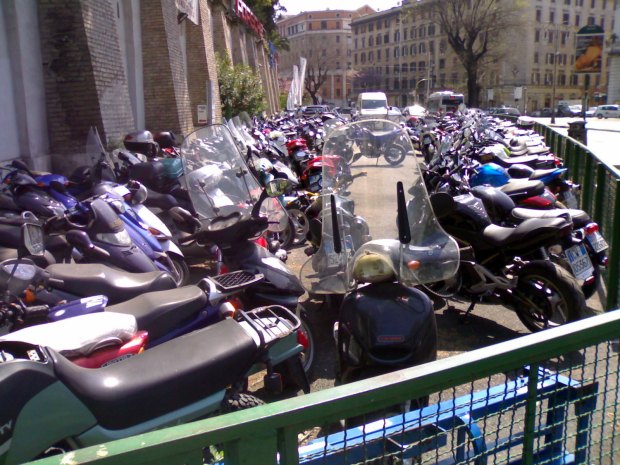
The Appia Antica road, Rome.

Rome, 2009!

Rome, 2009!

Fortunately I was selected for the position of FAO Representative in Mozambique where I worked until my retirement, from mid 2010 to the end of June 2013 when I reached 62 years, the mandatory retirement age of the United Nations.

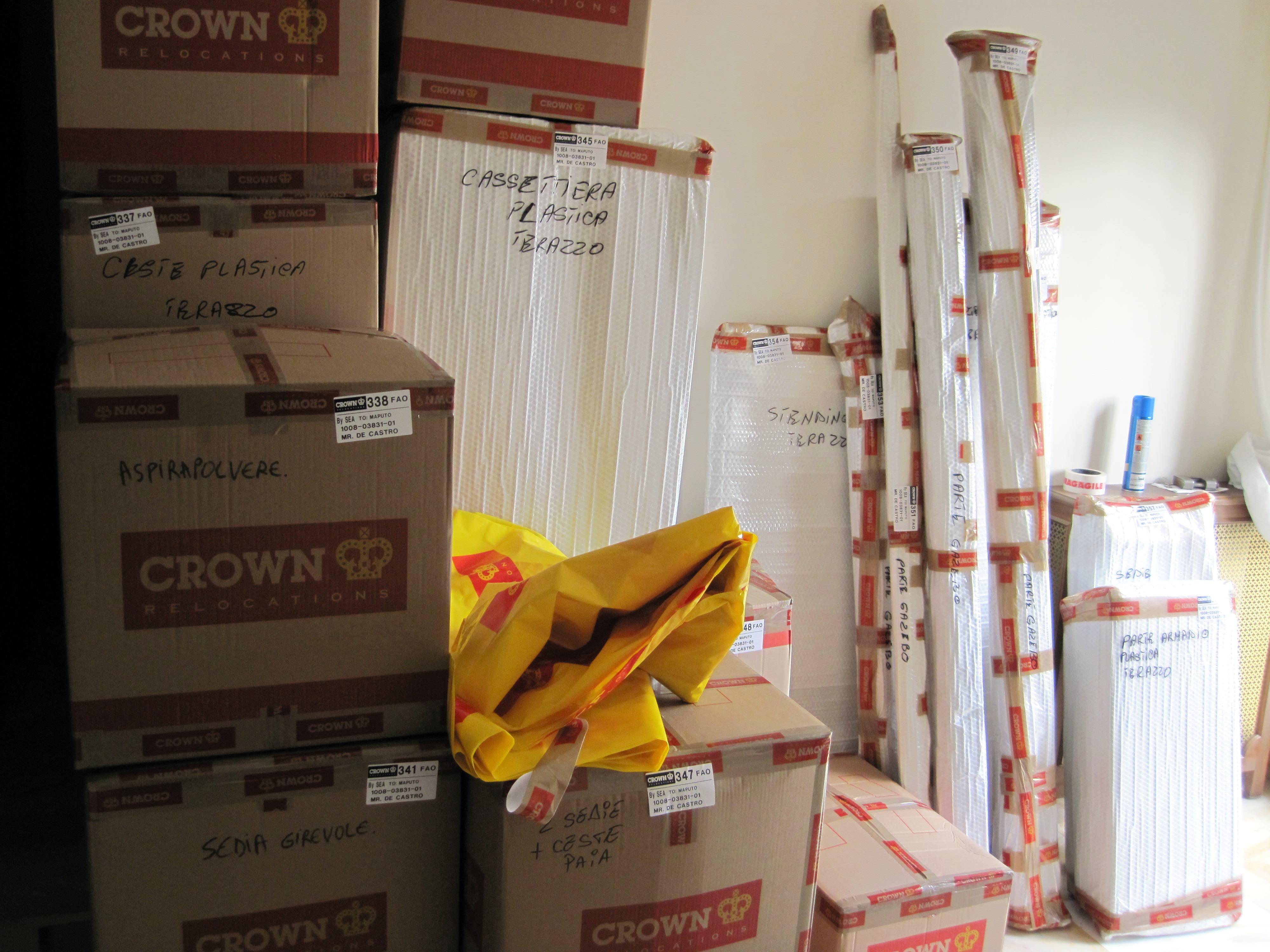
Time to move to Mozambique.
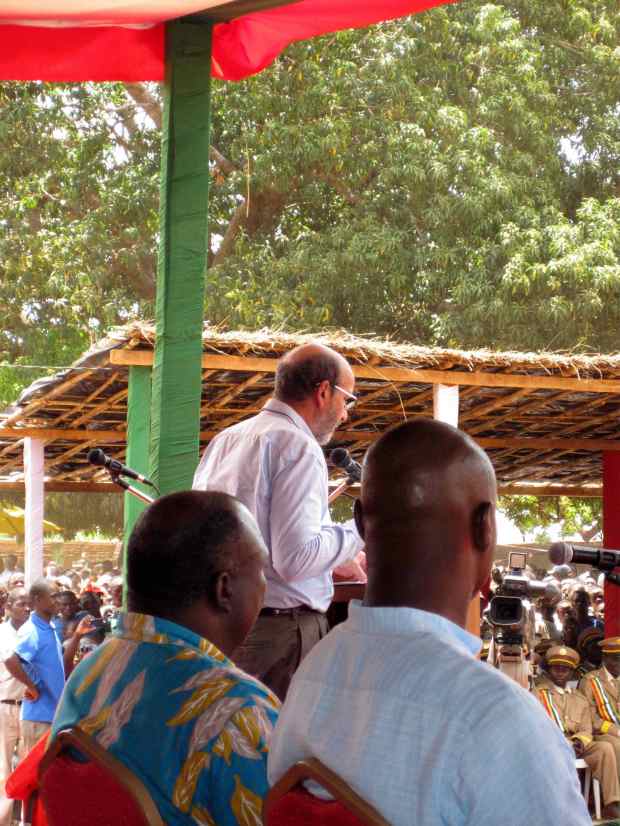
Time to move to Mozambique.

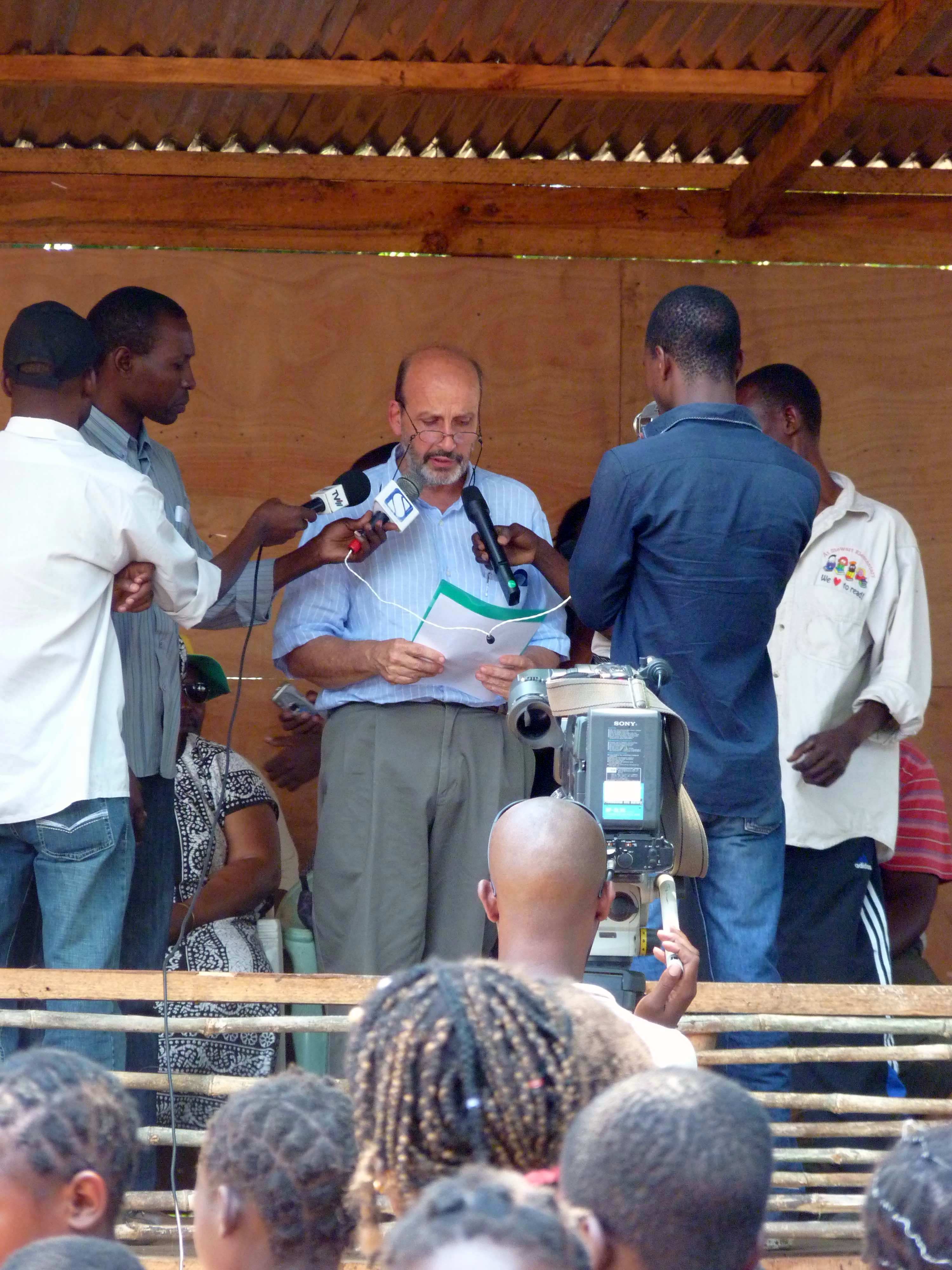
Speaking on World Food Day in Mozambique.
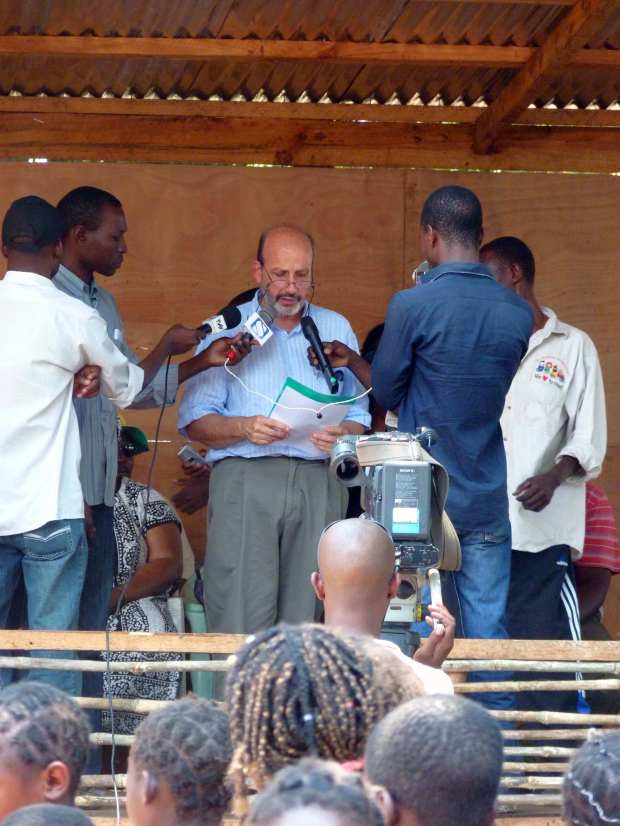
Speaking on World Food Day in Mozambique.

Interviewed by the press.

Being interviewed by the press.

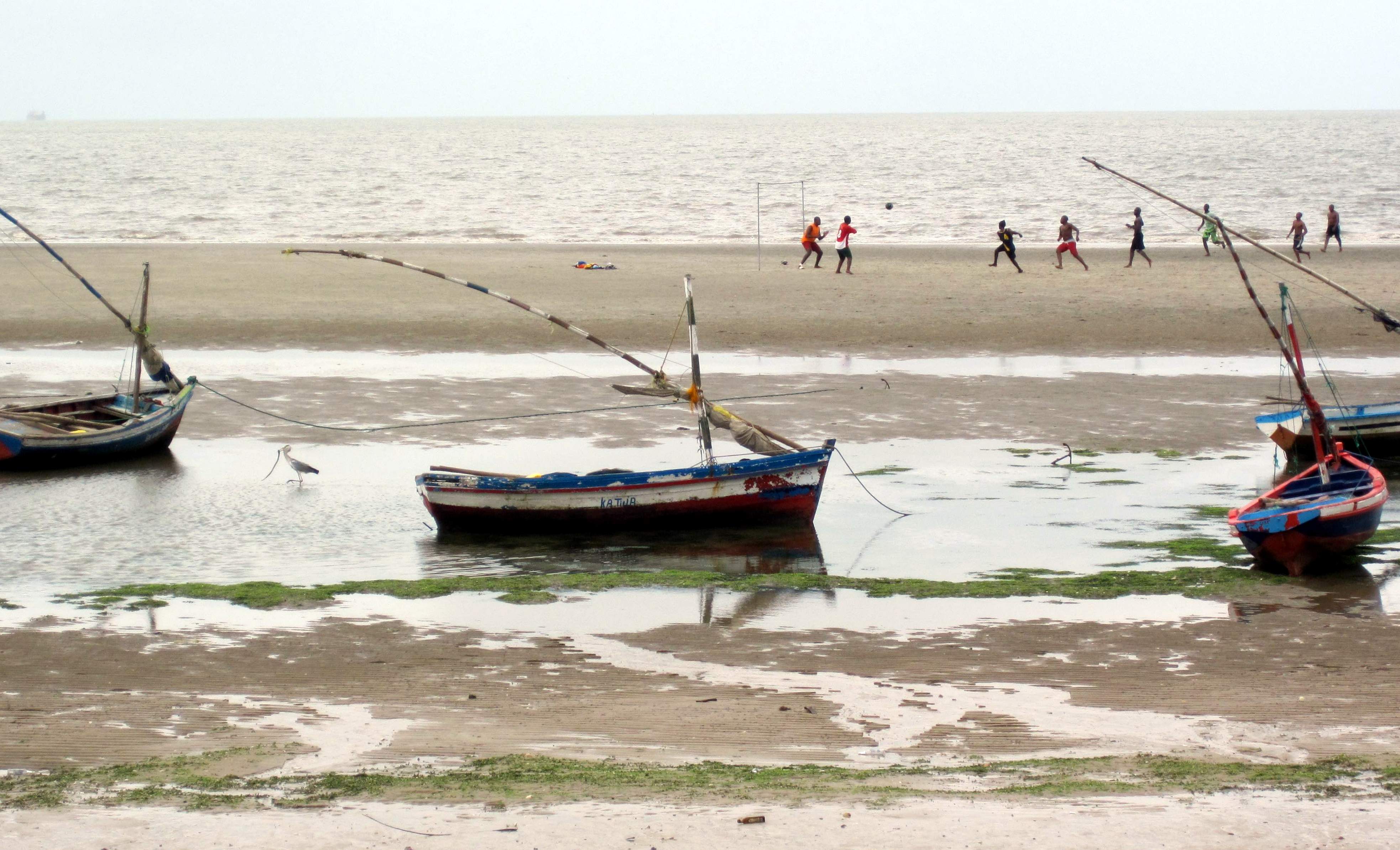
Maputo's beach in Mozambique.

Maputo’s beach.

Needless to say that I write in first person but my life has been shared with my wife and later my children. She has been a main support throughout and the kids added their part!

I hope you enjoy reading what I have to say.


[1] This post follows “Life and work in Kenya: Intona”.
Caput Mundi – A Waterless Coral Reef

While walking along the Appian Way I described in Caput Mundi Revisited that we passed by the Istituto Salesiano San Callisto[1] on our way to Church of St Mary in Palmis and then to the city centre.

Istituto Salesiano San Callisto.

Istituto Salesiano San Callisto.

We noted that the front of the Istituto had acquired a new feature: a marvelous collection of succulents. The comparison with coral formations as seen in the Indian Ocean was immediate so we decided that a closer examination was required. What we found is presented here as a pictorial account. No attempt at identifying the plants was made and I leave that to the readers interested in cacti!

IMG_0919

While carefully looking at the plants we noted that seashells had been placed surrounding the plants, a clear reminder to us that whoever did this wonderful work had also thought of the sea!

It is clearly difficult to be original in this world!

IMG_0926 cropped IMG_0930 croppedIMG_0923 cropped IMG_0922 cropped IMG_0910 cropped IMG_0916 cropped IMG_0917 cropped IMG_0911 cropped IMG_0912 cropped IMG_0913 cropped IMG_0914 cropped IMG_0928 cropped

[1] I wrongly referred to it as Dio Silvano college in my Caput Mundi Revisited post, apologies.

Caput Mundi – Romeing

Although we have visited Rome several times and lived there during 1993-1997 and 2006-2010 we are never bored when we are here as it is the city of exploration and discovery as well as surprise! The advantage of both having time and knowing the city quite well enable us to get lost in it with pleasure.

This visit was no exception and we walked in the general direction of the historical centre, with a quick detour at FAO to address pending minor administrative issues. As usual a number of monuments were being restored and were therefore totally or partially covered and invisible to the normal visitor. Seeing them reminded me of the difficulties the Roman authorities must face in order to preserve the city as well as the costs this incurs!

This time a section of the Colosseum was being repaired but we could still enjoy part of it.

The Colosseum never fails to amaze.

The Colosseum never fails to amaze.

What about a

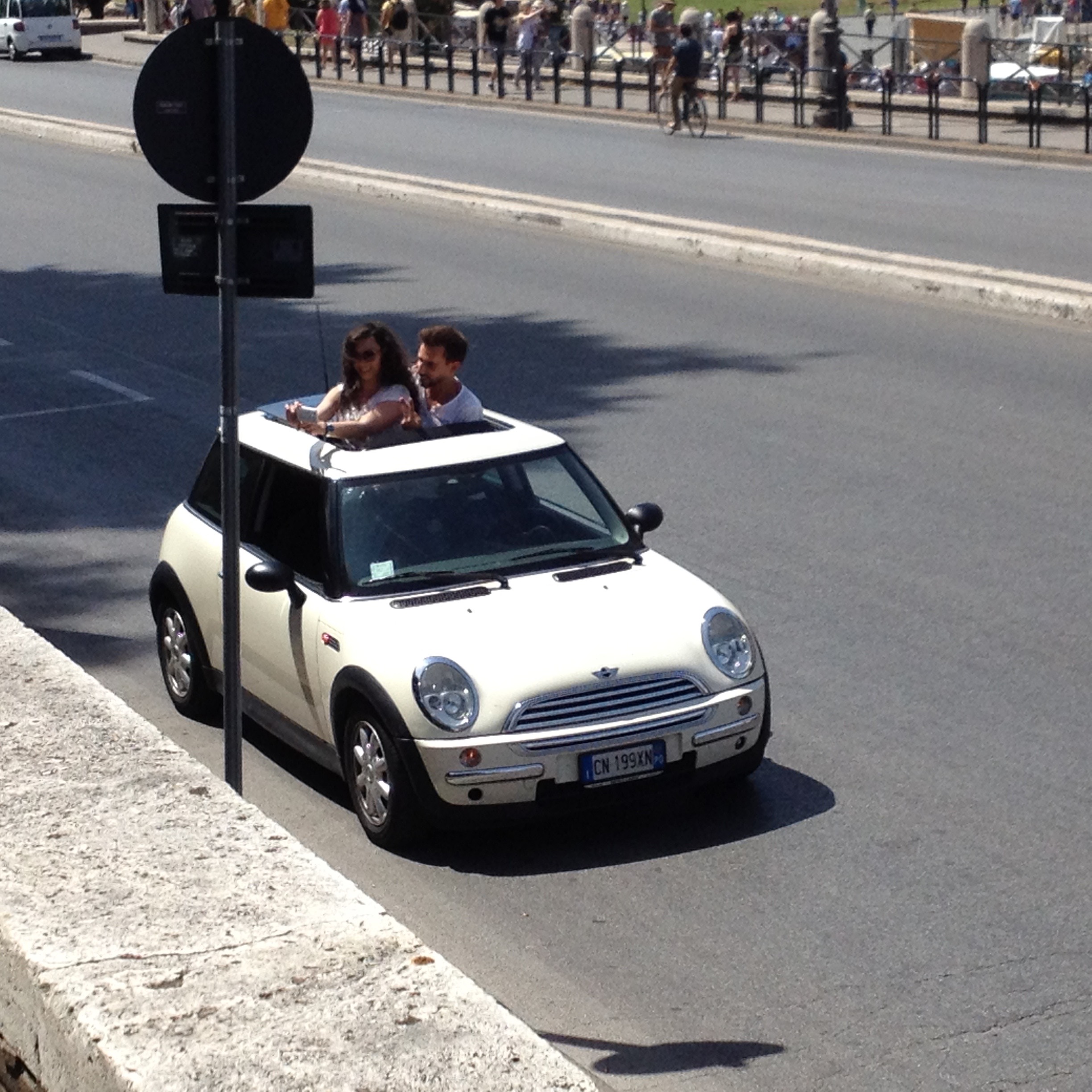
What about a “selfie” with a “Colosseum background”? Even if it means stopping on the busy road…

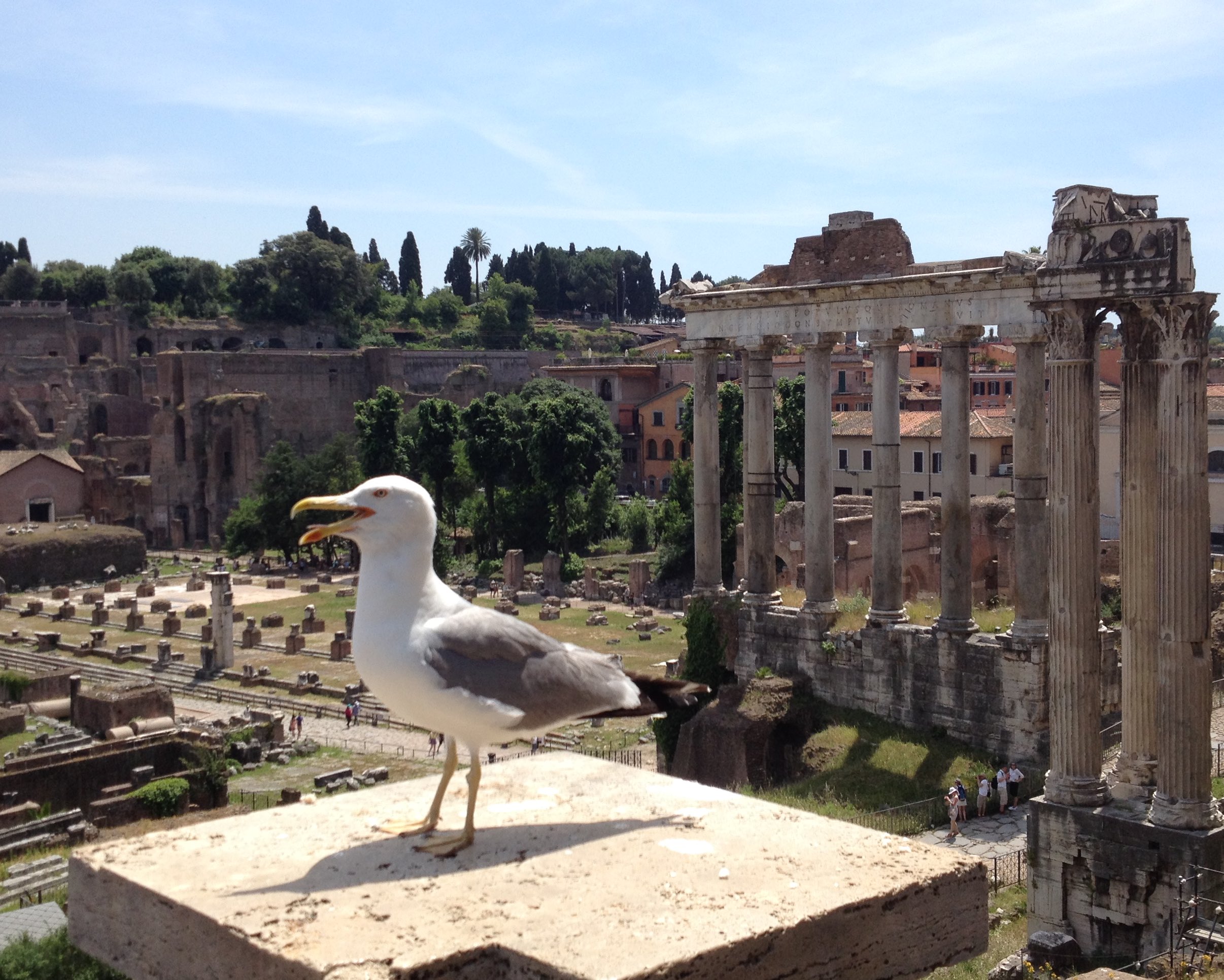
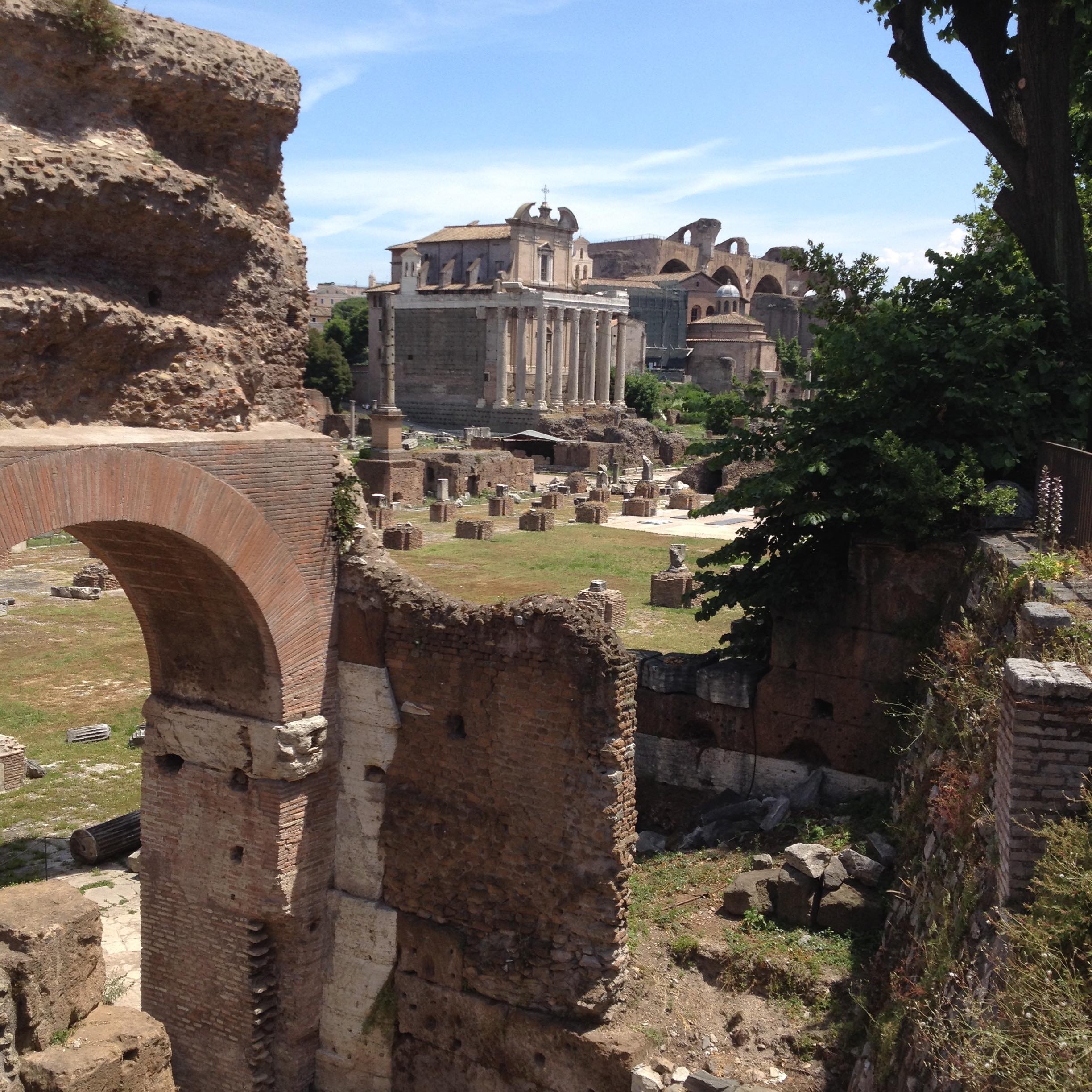
As the weather was very pleasant, our walk continued and took us to the great views of the Roman Forum. Although we have entered it before, we realized that in order to appreciate it as a whole, the best place to see it is from above. Not being archeologists, our interest in ruins goes as far as admiring their present beauty while trying to imagine what the place must have looked like a couple of thousand years before (an impossible task unless they are whole!).

IMG_0974 copy

IMG_0984 cropped

Anyway, in front of our eyes were the Temples of Saturn, Vespasian and Titus, Cesar, Castor and Pollux as well as the Temple of Vesta; the Arch of Septimius Severus and other remarkable surviving ruins of what once was the centre of Roman public life.

IMG_0972 copy

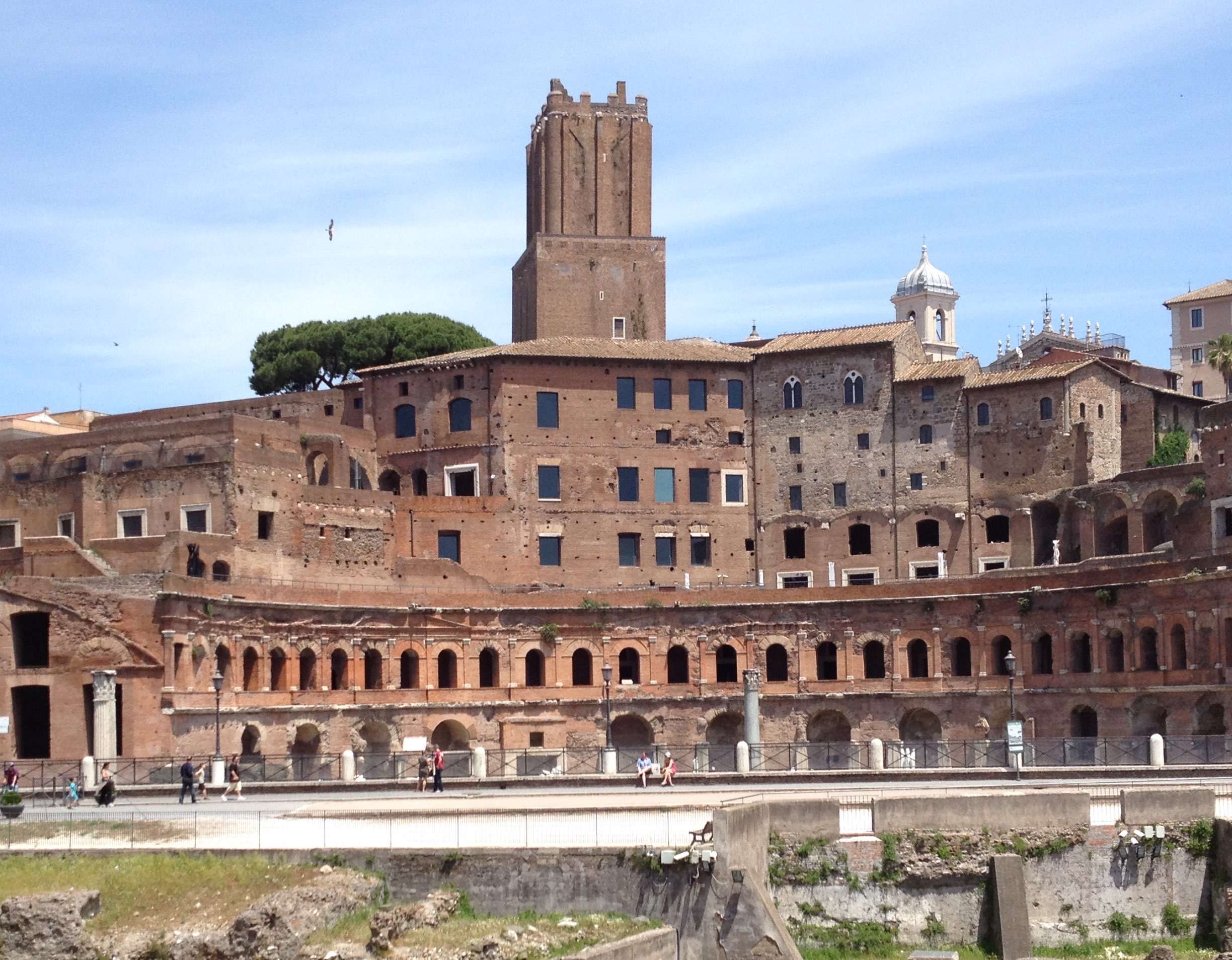
Our contemplation over, our walk continued downwards until we reached the Trajan forum, built in 106 by, not surprisingly, Trajan! The spoils of the conquest of Dacia, with which the forum was built in 106 must have been lean as it is built in bricks (maybe the marble had run out…). Trajan’s Column is next but it was built later (113), quite new for Roman standards!

IMG_0989 cropped

The flag of the Order of Malta adds a touch of colour.

The flag of the Order of Malta adds a touch of colour.

Once we reached the end of our legs’ strength (there was still an infinite Rome waiting!) we decided to return to base for a well earned shower and rest. We chose a short walk down “memory lane” that followed my first-ever walk in Rome: from Via Capo D’Africa, 47[1] to FAO via the church San Gregorio Magno al Celio. Little did we know that a final Roman act waited us!

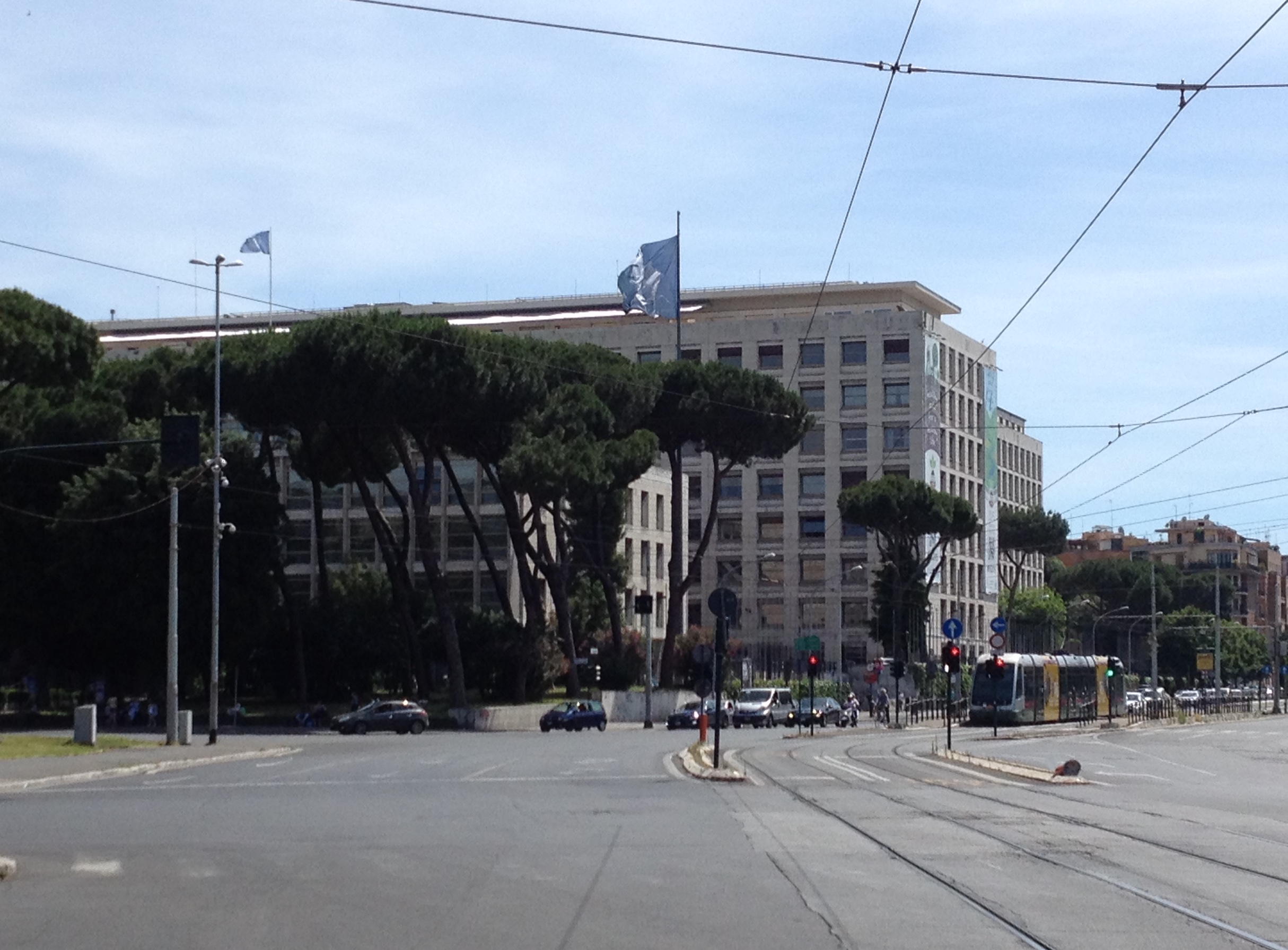
The FAO Headquarters.

The FAO Headquarters.

The smell of acrid smoke hit us near the church and we saw a small leaf mound on fire, probably the result of the work of a Roma City Council gardener. We did not think much of it and walked past noting a flock of police (women and men) nearby chatting animatedly. Nothing wrong there either. Suddenly though, we heard a siren and, lo and behold, a fire engine came rushing in to control the on-going conflagration!

Italy is the cradle of Opera and clearly Rome’s inhabitants have a flair for drama, even when dealing with really mundane occurences!

[1] The Hotel Penzione Lancelot (now Hotel Lancelot, still under Mrs. Khan’s management) is located there.

Caput Mundi -Truffling

When our good friend Carlo invited us to go looking for truffles[1] near Rome we accepted gladly. We knew that he had started this activity a few years back and we had followed his progress. We also had tasted these sought after delicacies earlier and we were looking forward to a possible repeat of some of his specialties such as Uova di quaglia al tartufi (quail eggs with truffles) or pasta with truffles. He had also assured us that barbequed meat and truffles was great so we (meat-eaters, sorry) could not wait to go out! We were also assured of good company and some exercise anyway!

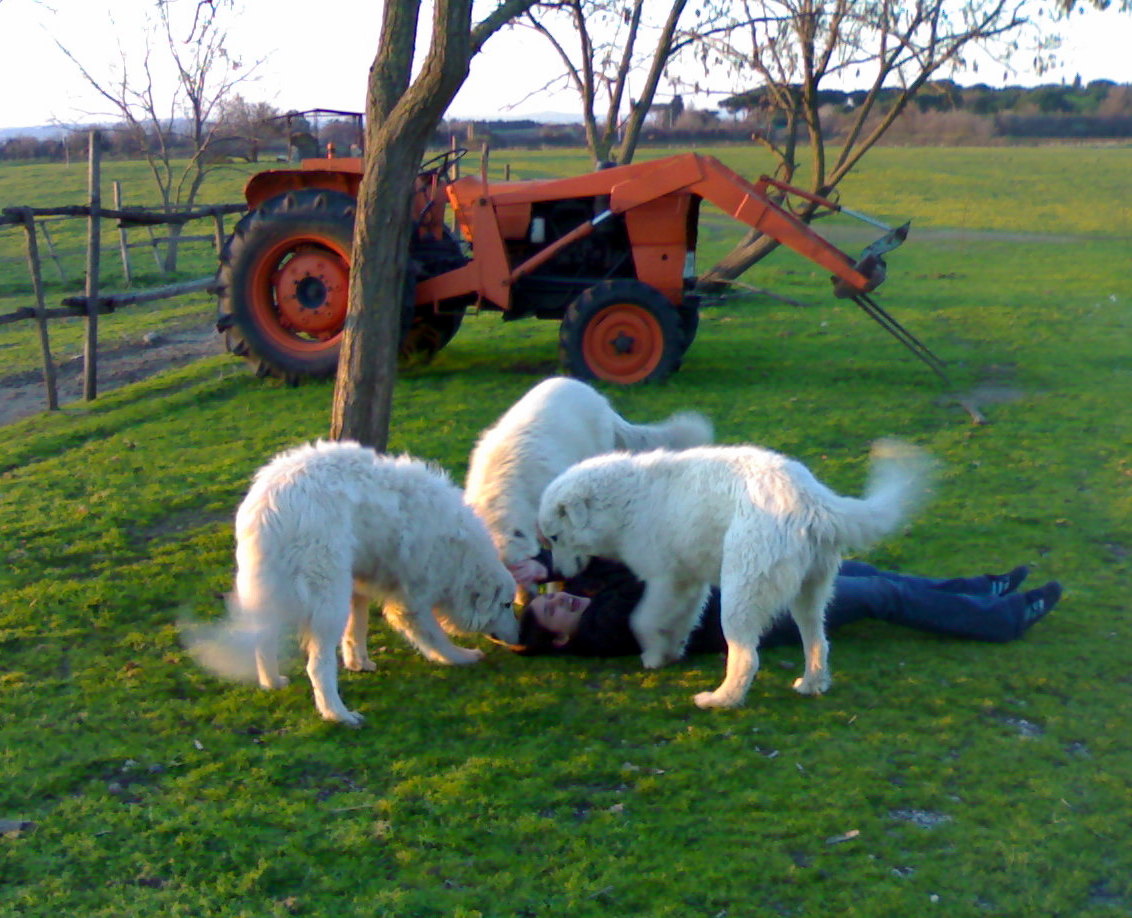
Carlo loves dogs probably more than cooking! Apart from having had a wolf-dog cross for several years he breeds Maremmano-Abruzzese[2] and is among the top breeders in Italy. Suffice to say that they are large and that there are never less than ten of them at the house. Luckily their garden is rather large as they are massive!

Grown Maremmano puppies play with my daughter (2008).

Grown Maremmano puppies play with my daughter (2008).

Although the Maremmano are his favourite, they are not good in finding trufflles so he keeps an additional four “truffle dogs”and one young apprentice. All females, they are two Cocker Spaniels and three Poodles (including the puppy). Carlo had painstakingly trained them all for months and a couple had a few years of experience. We took the five of them and I am glad that he knows how to handle them as he managed three while my wife and I had one each, admittedly with some difficulty.

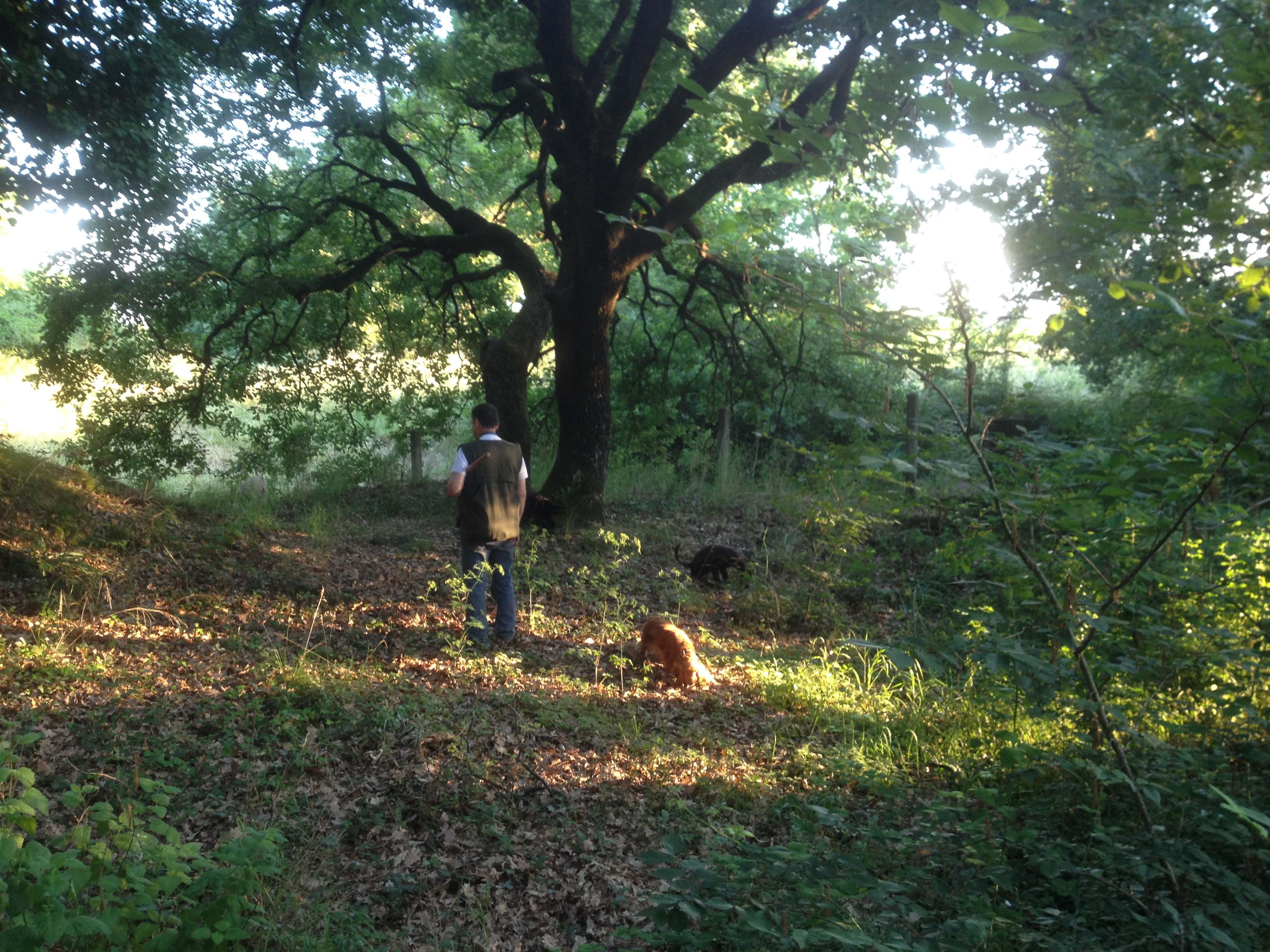
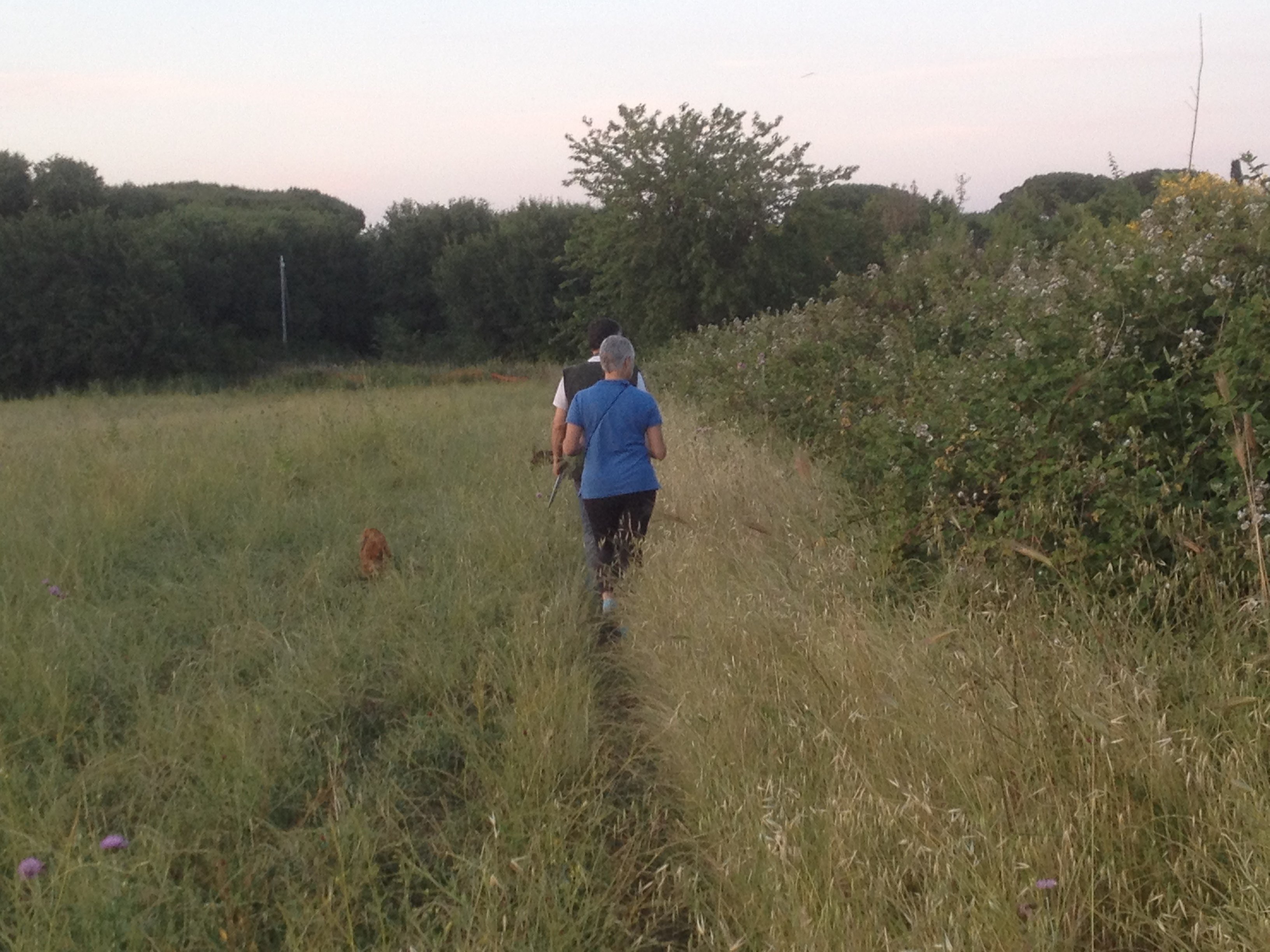
Once we arrived at the right location they were released and we walked until we found the first suitable place, an oak woodland where Carlo thought truffles should be. He then started to use special vocalizations to entice the dogs to search for their targets. The dogs went “bananas” and started sniffing the ground all over the place. Within a couple of minutes Miele (Honey), a Poodle, started digging frantically.

Waiting for results...

Waiting for results…

We carried the necessary and legal[3] digging equipment (a kind of small spade known as vanghella) and, seeing the dog’s high level of activity I prepared to literally go to great depths to get the truffles! My efforts were not needed as the dog, almost immediately, brought out a dark brown tuber the size of a golf ball that Carlo took from her mouth giving her a piece of sausage as a reward for her efforts.

Following the dogs'.

Following my wife, Carlo and the dogs.

A possible

A possible “truffling” area is inspected.

Our walk following the dogs continued and the operation repeated several times until it was decided that we had collected enough and, as it was getting too hot for the dogs’ efforts, it was time to go home.

I believe that the truffles collected belong to the Tuber aestivum species. Common sizes go from 2 to 10 cm but larger ones are also found. These truffles have a rough brown or black outer skin known as “peridium”.
Our collection for the day!

Our collection for the day!

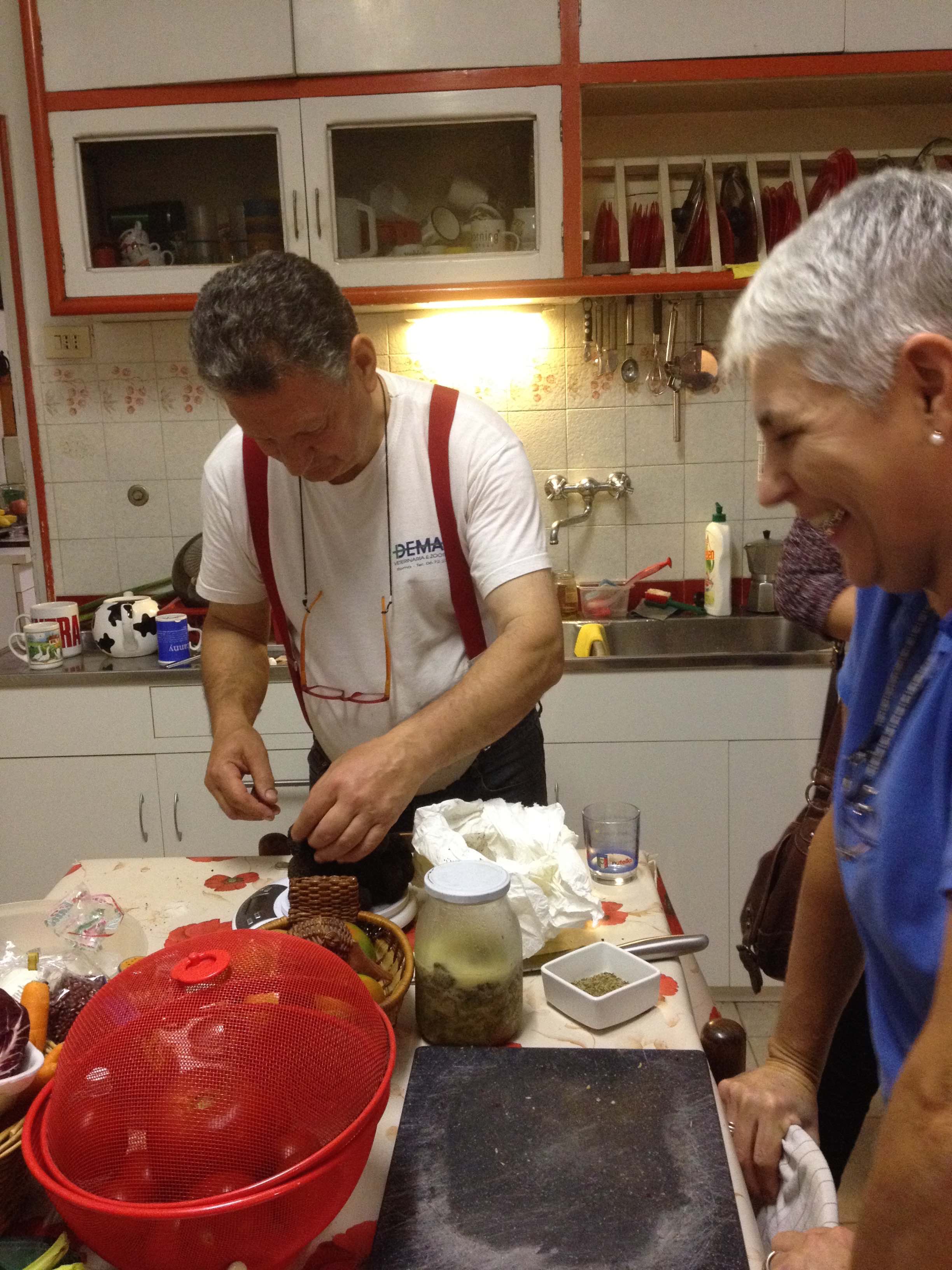
When back home, at my request, the brown treasure was weighed. It reached a rather staggering 750g. Considering that a kilogramme of summer truffles sell for Euro 300, it was a good result for a couple of hours effort!

Placing the truffles on the scale.

Carlo placing the truffles on the scale while my wife praises our find (and the Bushsnob takes the picture…)

We are now sure that we have enough raw material to enjoy a few of Carlo’s specialties and, as we are still in Italy and have the suitable equipment (read truffle dogs!) we can always join Carlo on another of his quests for more!

Look at that!

Look at that!

[1] See: http://www.cercotartufo.it/j/i-vari-tipi-di-tartufo.html. It is in Italian but it has good pictures!

[2] See: http://en.wikipedia.org/wiki/Maremma_Sheepdog for more information.

[3] According to the Law, “for the collection of truffles in Lazio spade or vanghella can be used exclusively, with the aid, for the excavation between the stones, small hoes”.

Caput Mundi revisited

It is back to Rome in 2015, after a few years’ absence. We are on our way to our son’s graduation in Scotland and we will visit our daughter (the Editor of the blog!) in Milano before that. After this is completed, it will be back to Africa.

After a 13 hour of a rather sleepless flight we arrived at our friends house in the Via Appia, yes, we are very fortunate to stay at that magnificent place where once upon a time the Roman legions moved in and out of Rome on their way to Africa and other conquests!

The weather as it is normal here is great, sunny and warm without being too hot yet. On arrival and unable to sleep due to jet lag we decided to walk to town following the Appian way to stretch our legs, get tired and sleep well.

A view of the Appian Way.

A view of the Appian Way.

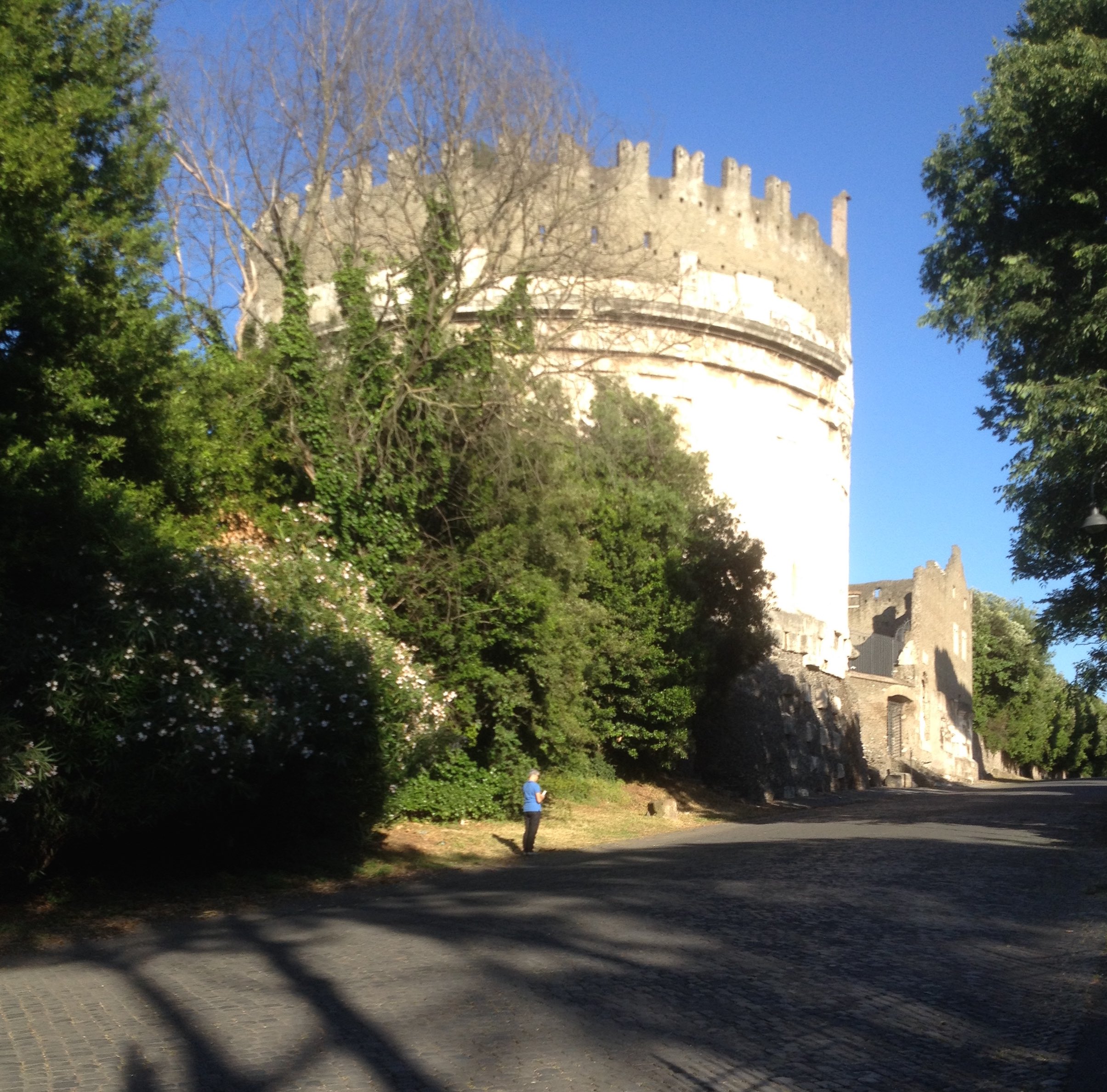
From our friends’ house we passed the Capo di Bove with its thermal baths dating back to the middle of the 2nd century. These baths were used privately until at least the 4th century and its name derived from the cattle head sculptures on the nearby tomb of Caecilia Metella. We also passed the latter, the best preserved mausoleum that signaled that we were three miles from Rome. Caecilia Metella was the granddaughter of Marcus Crassus who served under Julius Caesar.

The Caecilia Metella Mausoleum.

The Caecilia Metella Mausoleum.

After a short while we passed the Basilica of St. Sebastian that is also the entry of the homonymous catacombs and built originally in the first half of the 4th century. St. Sebastian was a popular Roman martyr of the 3rd century and the church was built over a small catacomb. Continuing on our way we crossed the Via Ardeatina and, before the tomb of L. Volumnius and I. Tyrannis we turn left to enter into a favourite area of ours where the Catacombs of Callixtus are located.

The church of St. Sebastian is seen in the background.

At our favourite walk. The church of St. Sebastian is seen in the background.

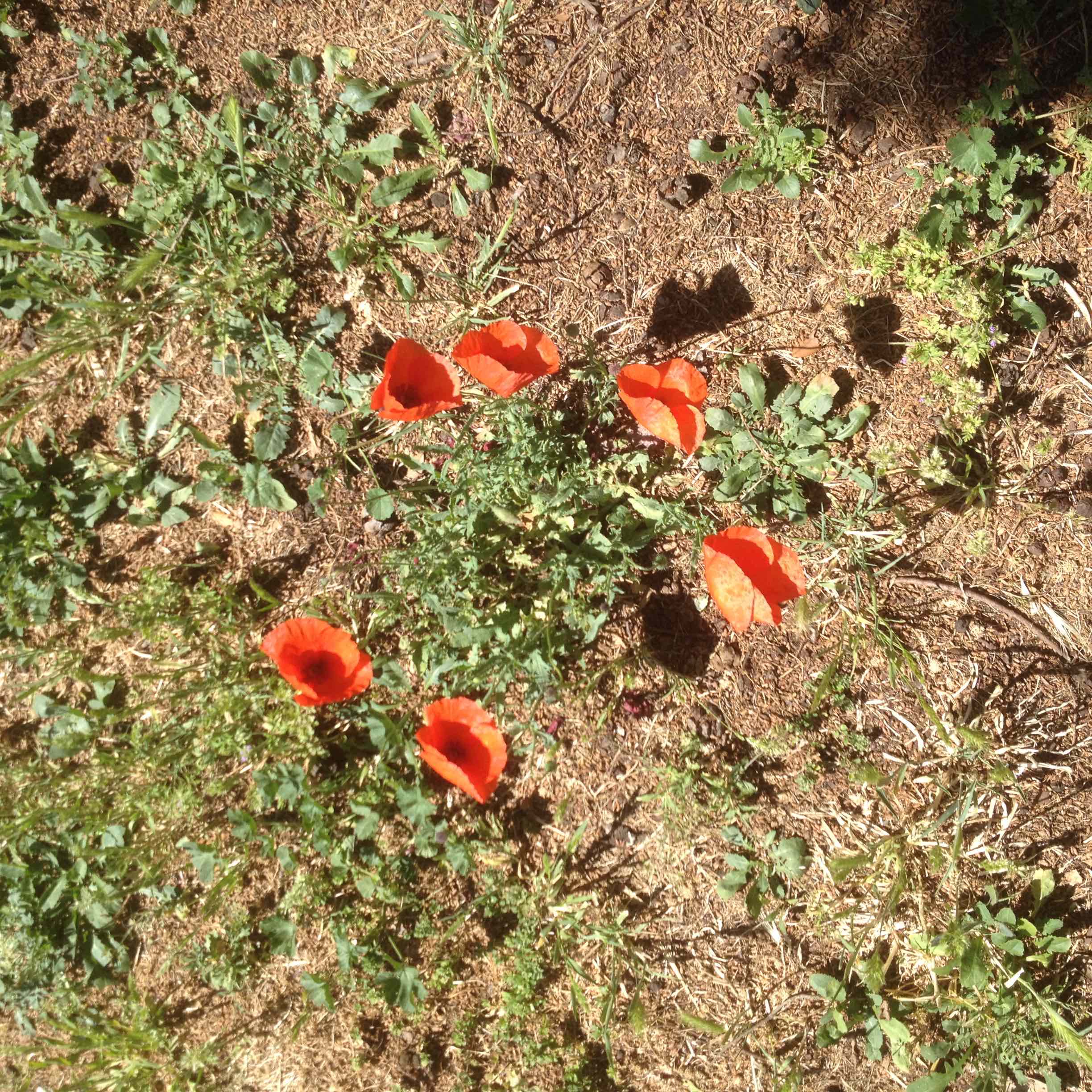
Poppies...

Poppies…

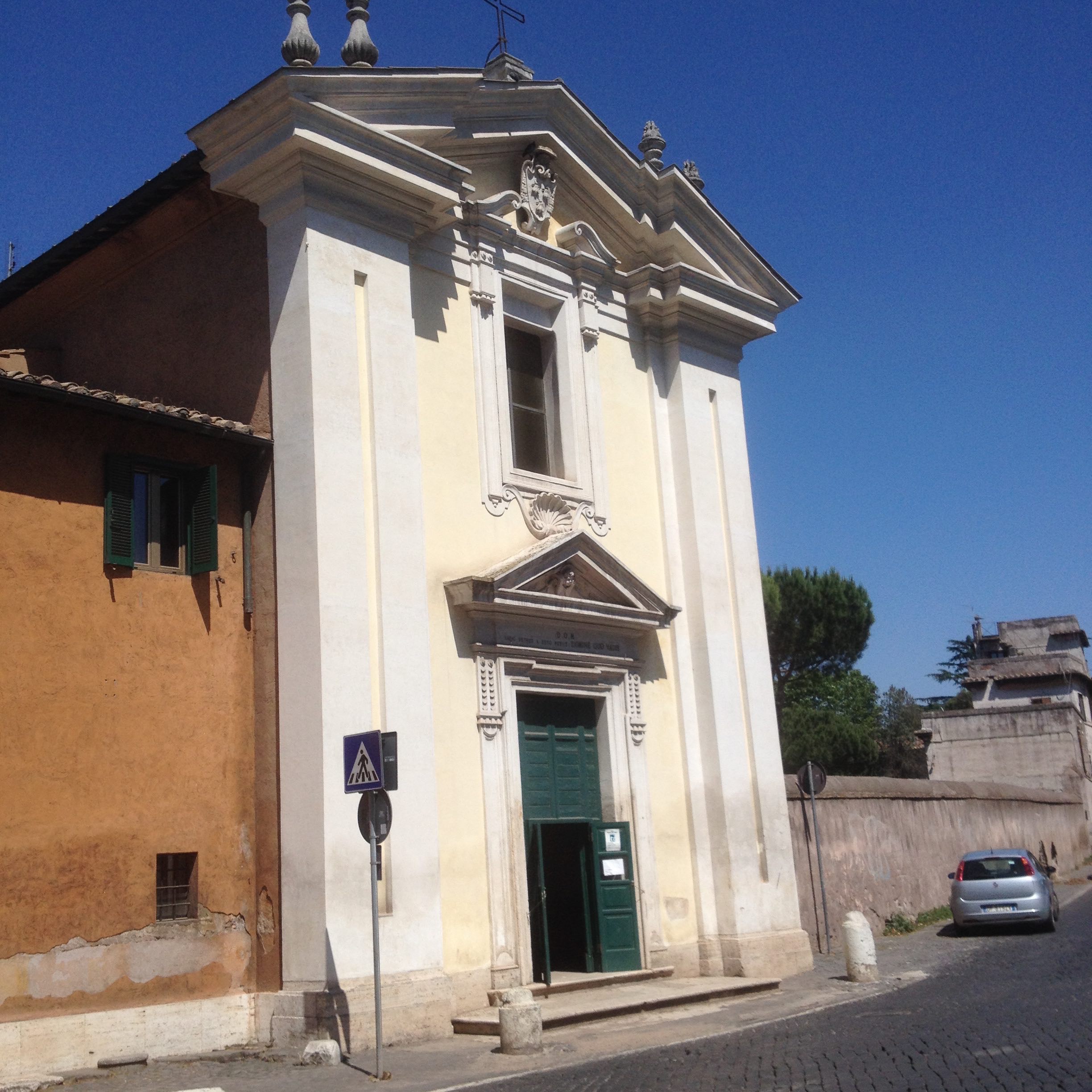
This is an approximately 2 km walk over beautiful fields at the moment sprinkled with red poppies, where the Dio Silvano college and the Ipogeo de Vibia are also found that ends back in the Appian Way, just across the Church of St Mary in Palmis, better known as the church of Domine Quo Vadis. It was here that, according to the legend, St. Peter had a vision of Jesus and asked him: “Lord, where are you going?” (In Latin: Domine, quo vadis?) to what Jesus answered, “I am going to Rome to be crucified again” (In Latin: Romam vado iterum crucifigi). After this encounter St. Peter returned to his own crucifixion!

Church of St Mary in Palmis.

Church of St Mary in Palmis.

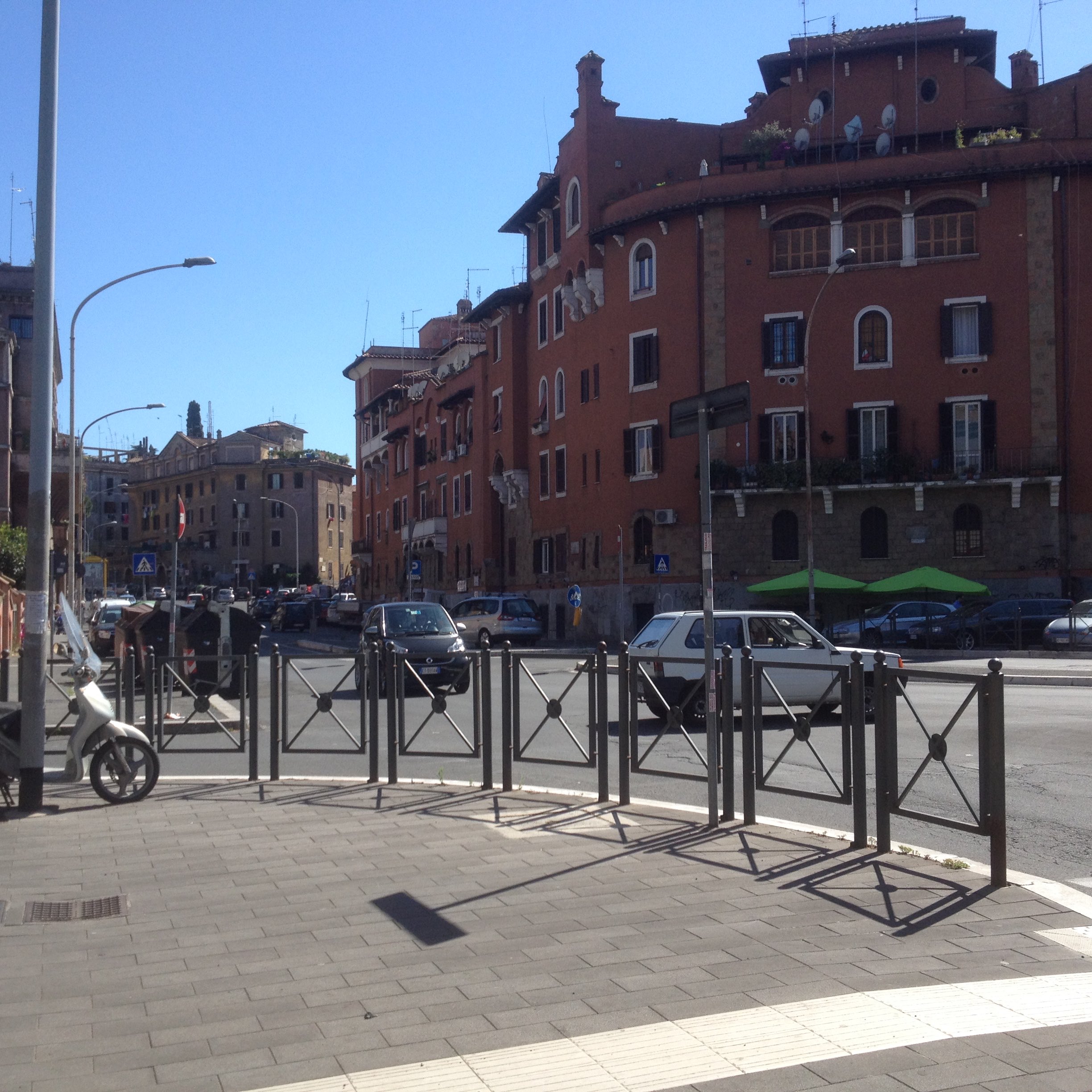
After this rather historical walk we moved to the actual modern city where we did some shopping, ate some pizza on the street and ended up with ice cream from our favourite shop at Garbatella quarter, The latter was founded in the late 1920s with its typical project units (In Italian: “lottos”), Rococo-style buildings grouped together around a common yard. This gives this quarter a friendly and rather familiar atmosphere.

Garbatella's typical architecture.

Garbatella’s typical architecture.

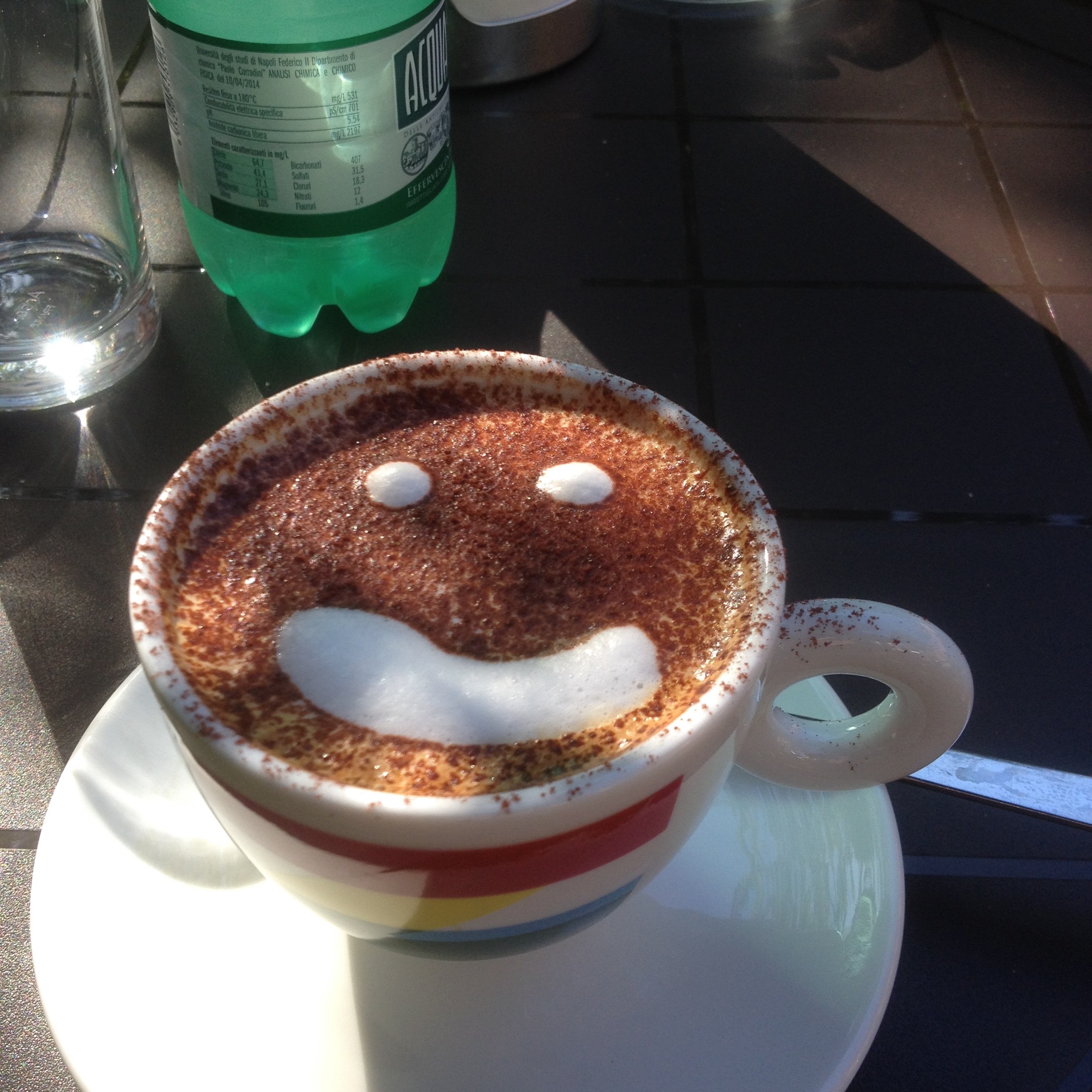
When I looked at the pedometer it showed 9 km! It was time for a “cappuccino stop”. After the tasty pause we recovered our forces and got back home trying to find a shorter way!

A "smiley" cappuccino...

Our “smiley” cappuccino…

Errata: What I referred to as Dio Silvano College was in fact the Istituto Salesiano San Callisto.

Caput Mundi

Foro Romano cropped

Roman Forum.

It was July 1979. I was getting ready to travel to Armidale in Australia to join a team of scientists working on internal parasites of sheep to study for a PhD. My medical clearance, visa application and travel bookings for September were all advanced. I had been in Uruguay for a few months after getting an MSc in animal parasitology at the University of North Wales, UK and the PhD opportunity was the logical next step in my mind. I was very excited and looking forward to the challenge.

That is why the message from the Food and Agriculture Organization of the United Nations (FAO) in Montevideo informing me of the arrival of an urgent Foodagram (FAO telegrams then) addressed to me was a jolt. It was not unexpected, as months back while ending my studies -and still in the UK- I had applied to an FAO Andre Mayer Fellowship to study ticks in Africa. However, it was inopportune!

I returned the call as soon as I could and they confirmed that they were trying to contact me urgently. As there were no faxes or e-mail attachments in those days, we agreed that they could send the -still unopened- telegramme to me by the local bus. I arrived the following day and I read it with some trepidation. It said:

URGENT STOP TO MR. J. DE CASTRO, TEL CARMELO 567, C/O FAO URUGUAY STOP PLEASED TO OFFER AN ANDRE MAYER RESEARCH FELLOWSHIP STOP YOU WILL TRAVEL TO KENYA AND JOIN THE INTERNATIONAL CENTRE FOR INSECT PHYSIOLOGY AND ECOLOGY TO STUDY THE ECONOMIC IMPACT OF TICKS ON CATTLE STOP MORE INFORMATION FOLLOWS BY POUCH STOP URGENTLY REPLY TO MS. IRENE FIELD, FELLOWSHIPS DIVISION STOP KIND REGARDS STOP EDOUARD SAOUMA, FAO DG

After digesting the contents of the telegram and its potential implications, I contacted FAO in Montevideo again and we agreed that we would wait for the information that would come by pouch. It was easier said than done and I immediately started to think on the decision I needed to take as, although Australia was attractive, Africa -being totally exotic- possessed a strong allure.

Some days passed and, in view of the absence of news, I continued with the Australia arrangements, just in case.

A couple of weeks later, however, I got an envelope with the promised information and the written offer that awaited an urgent response. Through the enclosed documents I learnt that Professor Andre Mayer had been Chairman of the FAO Executive Committee in the early days of the organization and left a donation to FAO for young scientists to conduct research projects in relevant development issues. I also learnt that I was going to be based at Rusinga island and joining a team of tick and tick-borne disease experts in Kenya. Images of an Indian Ocean island with palm trees came to mind!

My interest in animals led to me becoming a veterinarian and what little information about the African continent that was available did nothing to discourage my interest. During my childhood my mother -a devout catholic- subscribed to “El Africanito”, a monthly publication from the work of the Catholic Church in Africa. I used to read this every month. Later on, the series “Daktari” with Clarence the cross-eyed lion and the movie “Hatari” with John Wayne were fascinating to me.

Later in life and while already working as a veterinarian, I read a publication on African cattle in the Hoechst Veterinary Blue Book which highlighted the enormous numbers of cattle per veterinarian in Africa as compared with Latin America and other continents. More recently, my appetite had been further wetted by hearing my lecturers in the UK talk of tsetse flies and ticks and related travel tales.

This was my opportunity! However, I was committed to Australia. After a lot of thought and not much sleep I took the bus to Montevideo to find out more from FAO Representative in person. By the time I left his office I had made up my mind and chosen Kenya and, although unaware of it then, our lives would change in a way we could not imagine.

Luckily, the Australians were very pragmatic and they gracefully allowed me to unravel my Australian attachment so that I could accept FAO´s offer. The greatest opposition to the decision came -probably justifiably- from family and friends as it was going against “the norm”. I still remember the reply from an old friend when I told him that I was going to Kenya. “Julio, you are crazy” and then added “You will leave your carcass in Africa!” What reply could I give to what seemed like common sense?

The identity of Rusinga island remained a mystery. The available atlas we checked failed to locate it and it was finally a geography professor who informed me of its location in Lake Victoria, a rather large body of water I had not taken into account until then.

Part of Rusinga Island seen from Mbita Point.

Part of Rusinga Island seen from Mbita Point.

I sent my acceptance and it was agreed that I would travel alone as I needed to pass through Rome for briefing on my way to Nairobi to join the work team. The plan was for my wife to join me later in Nairobi when I already had a clear idea of ​​what it all meant and had gotten my bearings!

I do not remember my departure from Uruguay to Rome, perhaps I was too worried and nervous, or may be my memory fails me now! I do not remember what airline I traveled with or how the trip was. I do recall arriving in Rome and getting to the Lancelot hotel where, by virtue of sharing the dinner table, met other FAO and World Food Programme colleagues that spoke about the wonders of Kenya.

The Trevi Fountain in the 80s. I did throw a coin then and returned!

The Trevi Fountain in the 80s. I did throw a coin then and returned!

I also remember being stunned by Rome’s beauty and being paralyzed in fear of its traffic. The walk to FAO from the Lancelot was memorable as there are a number of monuments nearby such as the Coliseum, the Arch of Titus but also some potentially lethal traffic traps in at least three places. The experience of witnessing a visitor trying to cross the street remains vivid in my mind. Stopping at a red light I noticed a tourist by my side talking to his wife in German. He was obviously agitated seeing that the Italian pedestrians continued to cross the street despite the red light. He waited patiently for the light to change to green and then he stepped onto the pavement. The moment he did so, a car running a red light zoomed past him at very close quarters and he lunged backwards, totally dumbfounded. He was still there, totally lost when I moved on. Welcome to Rome, I thought!

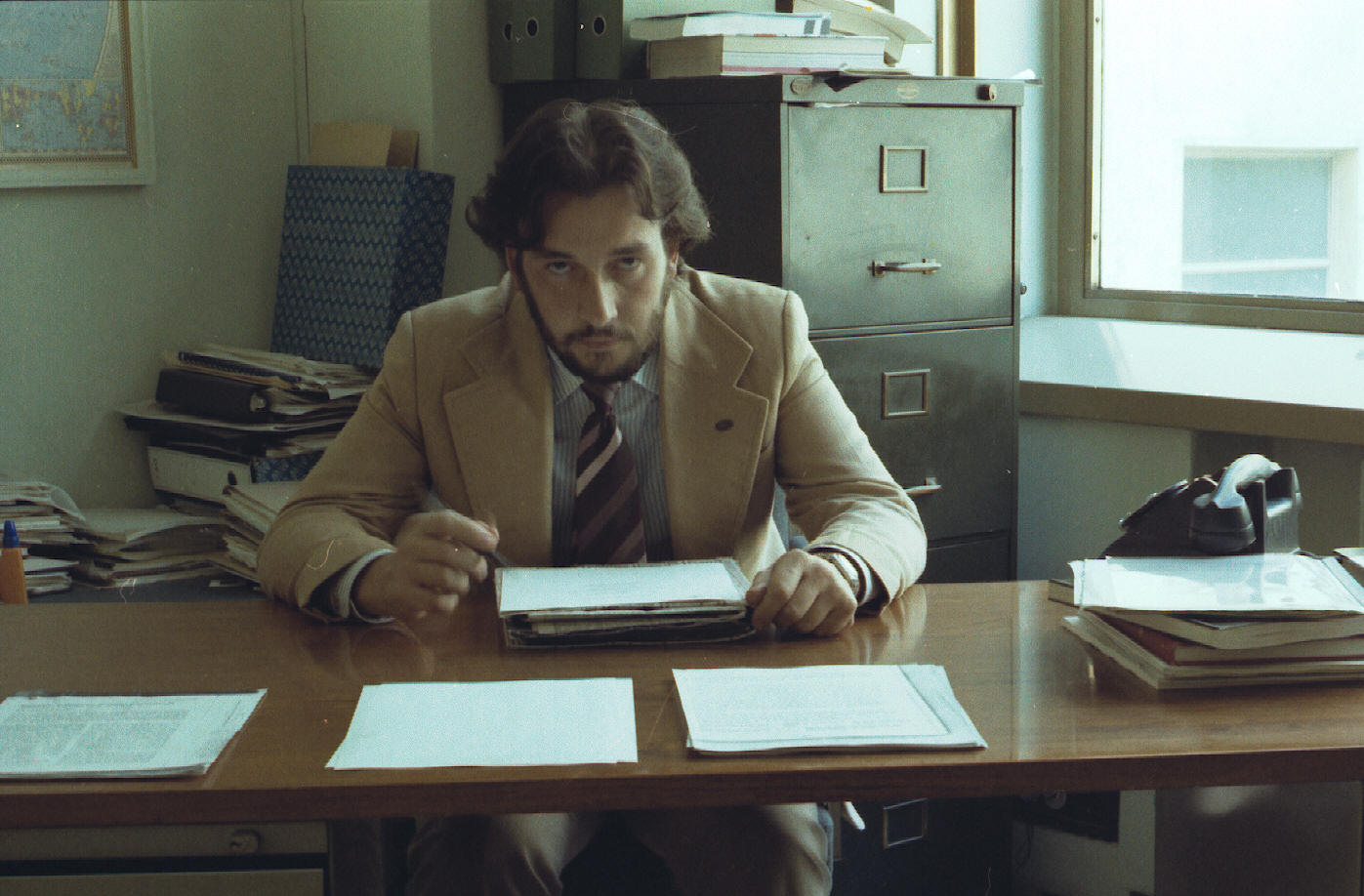
Once inside FAO I had a triumphant feeling and I thought “I am in the world’s cathedral of agricultural knowledge and it is offering me something, well done!” At that time, young and ambitious, I thought I touched the sky with my hands and I even took my picture behind a desk to show my “importance” to family and friends. The people I met and their quality, both human and technical, immediately brought me back to my humble situation of a young person at the very beginning of his career and I focused on my work as it was obvious that I had lots to learn!

jj en FAO cropped and small

At FAO, thinking that I had made it… I was to return to work to this office in the 90s! The telephone had changed by then!

My FAO colleagues prepared me technically but they also gave me lots of well-meaning advice: do not try to do too much, at ICIPE you will have a good boss, everything on ticks and tick-borne diseases is happening in Nairobi now, it is an expensive place but there is an airport bus to town and cheap hotels, be careful with malaria on the coast. These are some of the ones I still remember. After one week, I was ready to travel.

FAO Headquarters from the Palatine Forum.

FAO Headquarters from the Palatine Hill.

Next: AFRICA! – Arrival