Out of Africa

EXPO Milano 2015

During our Milan visit, apart from churches, we did visit the EXPO Milano 2015 (the EXPO) where my daughter (yes, the Ed.) works. This was our first world event of this kind so I went to the official webpage to get the basics.

The EXPO’s core theme is (it runs until October 2015) “Feeding the Planet, Energy for Life” reflecting upon and seeking solutions to our present world contradictions: 870 million people undernourished in the period 2010-2012, approximately 2.8 million deaths from diseases related to obesity or to being overweight in the same period and 1.3 billion tons of foods wasted every year. “A rather difficult theme to dealt with” was my first thought.

In the EXPO website[1] the organizers say: “For these reasons, we need to make conscious political choices, develop sustainable lifestyles, and use the best technology to create a balance between the availability and the consumption of resources”… “Oh, I have heard this before” was my second contemplation but I continued getting information on the event despite the “deja-vu” sensation.

A view of the Decumano.

A view of the Decumano.

I learnt that the EXPO occupies 1.1 million square meters and that its design follows the ancient Romans’ urban planning of two intersecting wide avenues named Cardo and Decumano that cross in Piazza Italia. Along these two avenues you find the pavilions of the participating countries as well as public areas dedicated to squares, events and catering. Countries with no individual pavilions are grouped in nine clusters around the production of certain food: Islands, Sea and Food; Rice; Cocoa and Chocolate; Coffee; Fruits and Legumes; Spices; Cereals and Tubers; Bio-Mediterraneum (Sic) and Arid Zones.

There are also four thematic areas: the Pavilion Zero that presents the history of humankind through its links with food; the Future Food District, that describes how technology will change food storage, distribution, purchase, and consumption; the Biodiversity Park , a large garden that reproduces several ecosystems and the Children’s Park a fun area where youngsters learn about the EXPO.

I felt dwarfed by such large event so I gave serious consideration to a suitable vehicle to move around its large area. During an earlier walk to the Navigli district I came across an option that looked appropriate: a giant snail. Clearly the complexity of the event justified slow movement in order to absorb its concepts and proposals so trials were done on its suitability. It was soon abandoned as the creature, despite being immobile, was quite aggressive against its mature rider and it refused to move despite my original verbal and subsequently physical encouragement!
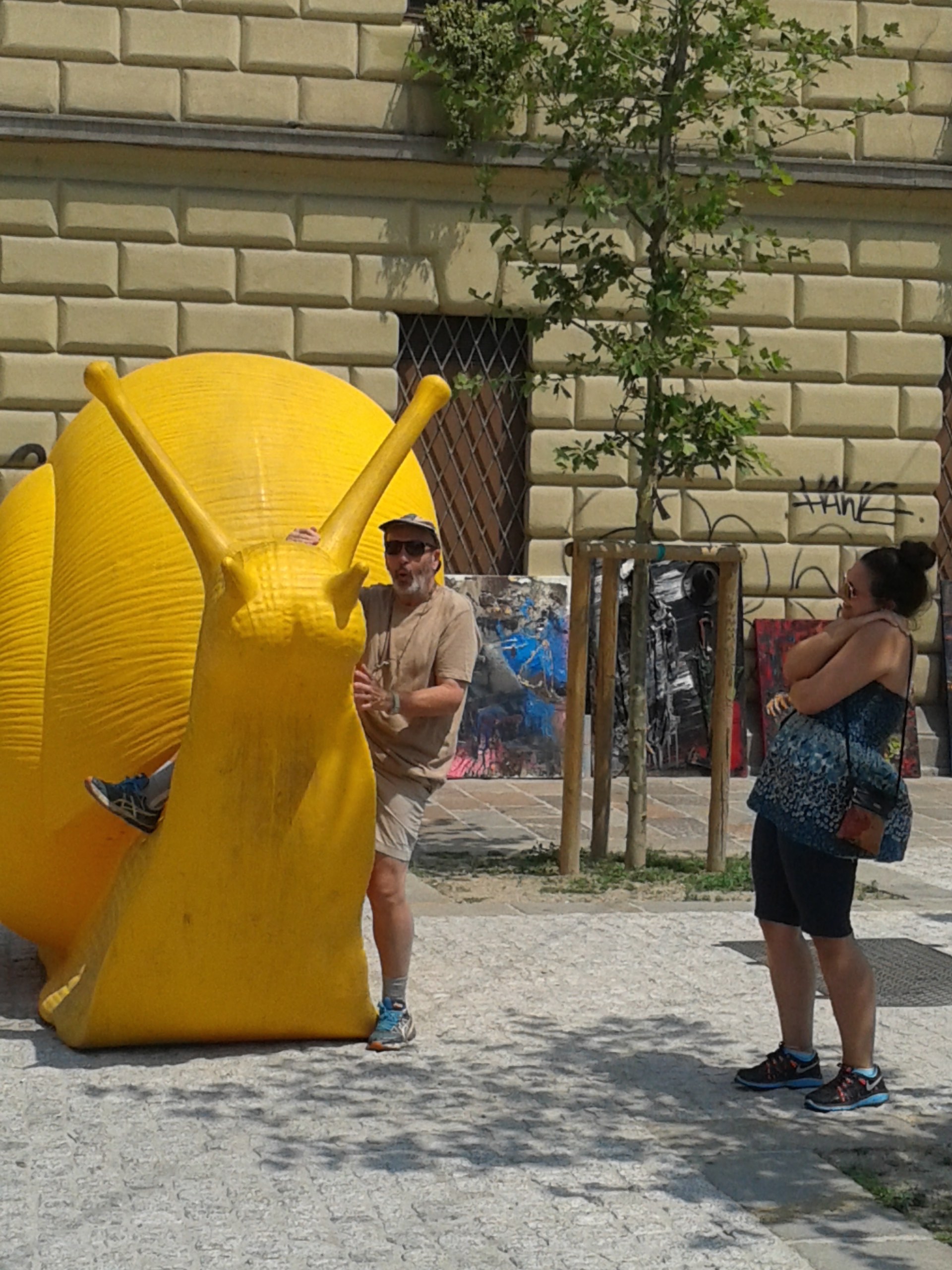
The bushsnob attempting to board the snail under the amused watch of the Ed.

The Bushsnob attempting to board the snail under the amused watch of the Ed.

The bushsnob wedged on the snail, his discomfort apparent!

Wedged on the snail, his discomfort apparent!

Being lazy by birth, the first priority on arrival at the EXPO was to find a means of transportation. Bicycles were out as these are restricted to EXPO staff. I saw a couple of other possibilities that were tried, again, unsuccessfully because of other technical reasons: either too expensive to rent or too large and limited to VIPs.

The bushsnob about to try one of the transport options...

About to try one of the transport options…
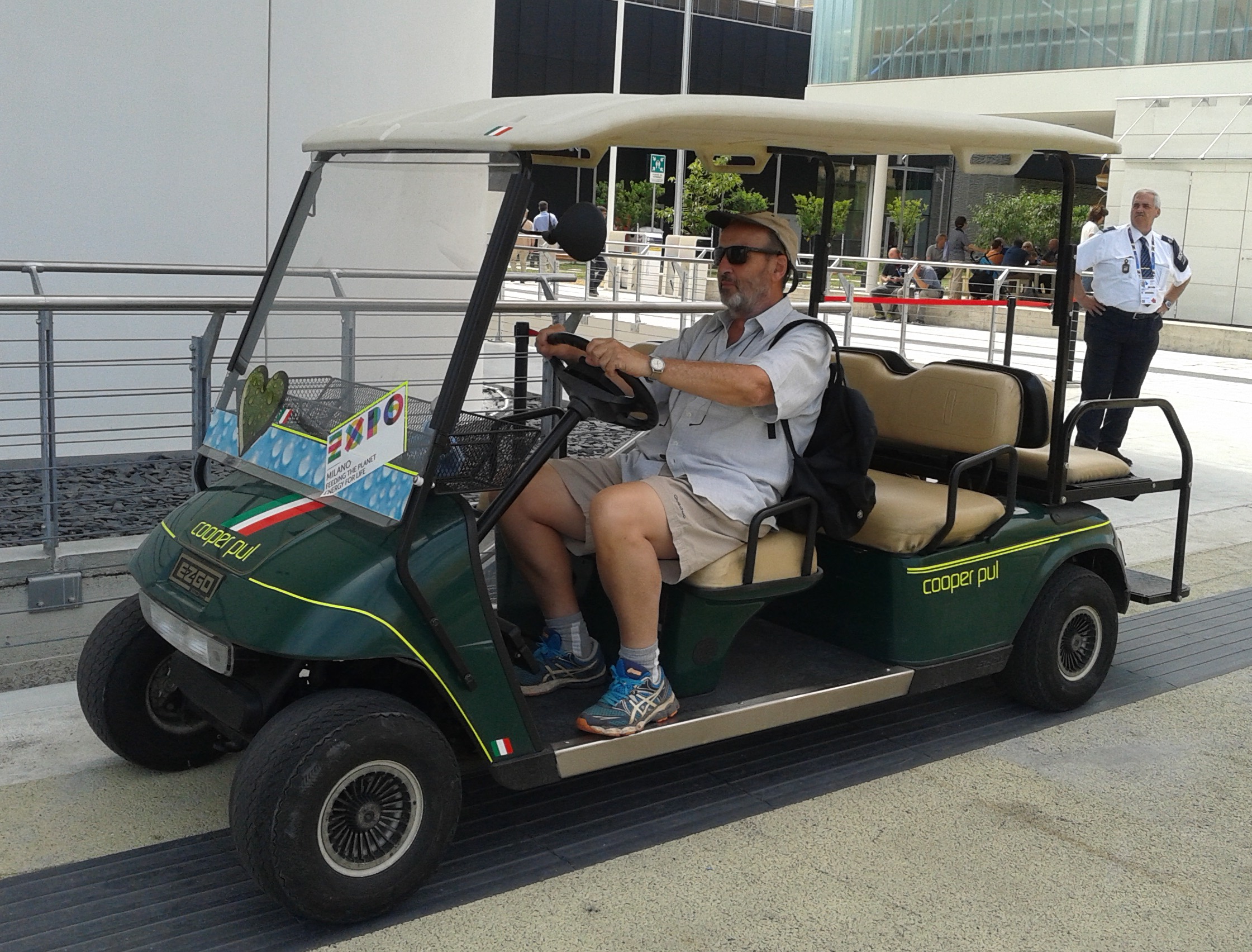
The VIP "EXPOmovil" was also tried.

The VIP “EXPOmovil” was also tried.

Our failure meant that walking was the only option and by the end of the day we completed -according to my pedometer- a staggering 26 km!

Our early morning arrival (to comply with our daughter’s office hours) meant that there were still very few visitors and, in my naive mind, I prepared to visit a few stands before it got too crowded. My enthusiasm was premature as stands only opened an hour later and, of course; by that time queues had already developed! As the Pavilion Zero was apparently the more emblematic, we joined its short queue.

It was impressively large and visually grand. From a spot with its creators at the EXPO web page[2] I quote the words of Davide Rampello: “We wanted to tell a story which begins from the earliest period of human history, through symbols and myths, the different stages of evolution and man’s relationship with Nature – the domestication of animals and plants, and the introduction of tools to work the land and conserve food. The story ends with the current paradox regarding nutrition…”

The display aims at creating the need to move towards something new, something different in the future. Although this is not clearly spelled out, the synergies between the “UN Zero Hunger Challenge. United for a Sustainable World” and the EXPO’s theme are highlighted through a number of UN panels. Although the display was visually stimulating, somehow the message did not get home to me. I attributed this to my “food security burnout” while thinking that it may be a statement suited to the new generation. However, a spark of worry appeared in my mind.

From the Pavilion Zero we walked through the Decumano where most other pavilions are. The popular ones, Brazil, Japan, UK and Israel to name a few that come to mind, were already showing long lines of visitors so we walked on and reached the Piazza Italia where the crowds really gathered. I noted that most of them were Italians, clearly keen to see what their country offered. Many companies and institutions were present, particularly from the food and drink sectors. There were also a myriad of school children at the Piazza. Realizing that some school-visiting day coincided with our visit, we moved on.
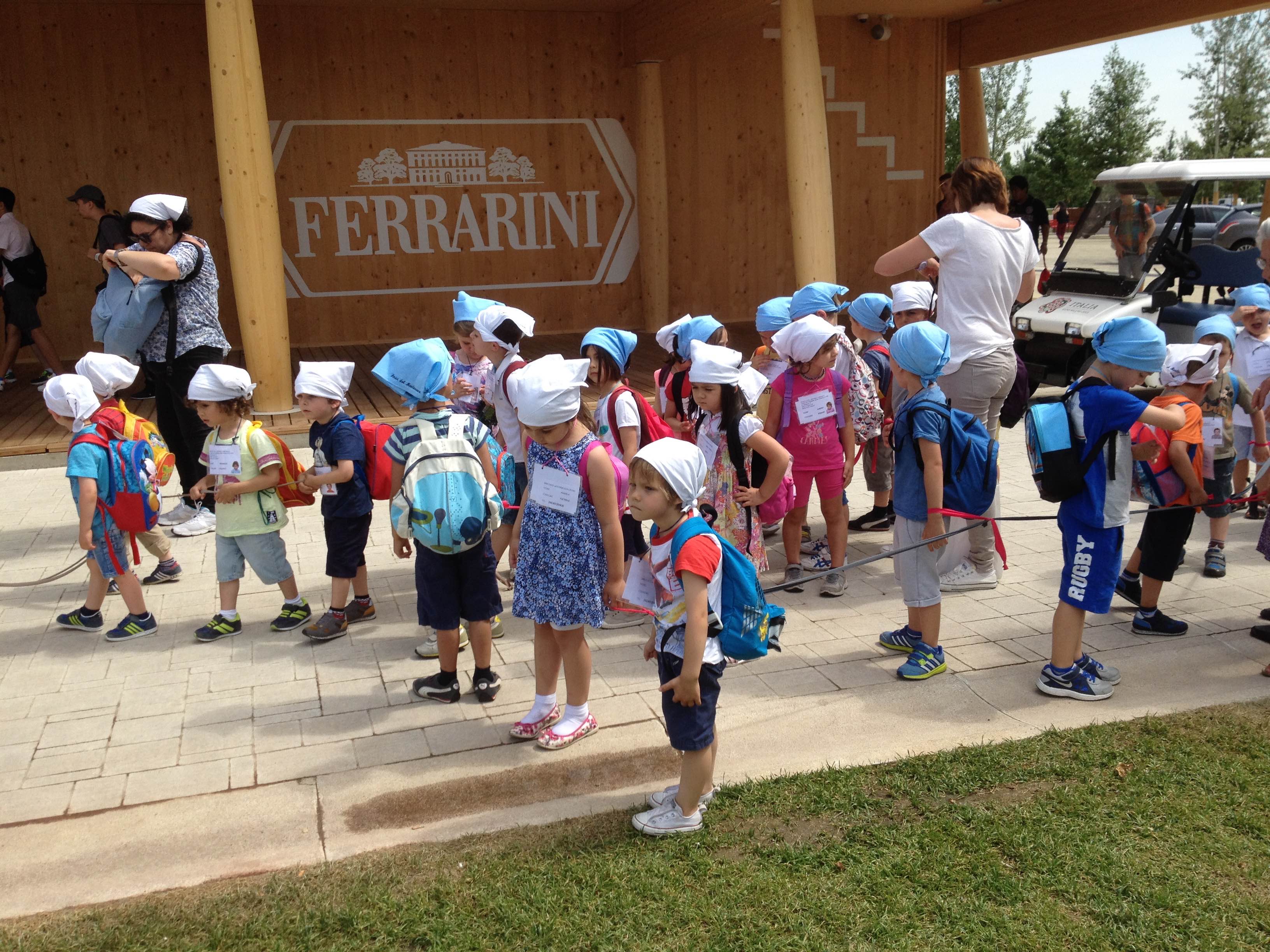
A group of school children. The well behaved held the rope while the naughty ones were tied to it!

A group of school children. The well behaved held the rope while the naughty ones were tied to it!

We did manage to visit some individual country pavilions such as the justifiably modest one from Uruguay and some -not so modest- from Arab countries. An extreme queuing effort eventually took us inside the UK pavilion as we had been tipped that it was very nice. In it you follow the journey of the honeybee while exploring some of the contributions that the UK brings to the global food challenge. The “cross-pollination” metaphor is used to describe the exchange of ideas, skills and knowledge and the theme also stresses that Britain is a “hive” of activity. Its highlight is a 17-metre high metal structure, a stylized beehive. While inside it somehow you experience sounds and lights that reflect the activity in a beehive. I found the concept very original and even more so when I understood that the beehive is an actual living one located in the UK!

Unfortunately, through a combination of deafness and placing myself in the wrong spots of the structure I failed to hear the bees! The failure was entirely mine as other people surrounding me were clearly enjoying what they heard! What I did not fail to see was the offer of British food (by famous chefs) and drink at rather high prices! A common motif throughout most exhibits!

Crowds continued to grow and, as lunchtime arrived, we decided to have a break and join thousand others for lunch in one of the many venues available. While my wife and daughter caught up with their news after lunch, I sought a quiet place to hide from the masses. Unfortunately many other visitors had the same thought and all possible snug places were taken! As the need for the daily siesta intensified my standards lowered and I finally settled for what looked like a peaceful enough -though hard place- and moved in without hesitation.

Aided by listening to my favourite Argentinian radio over the Internet (a wonderful creation!) sleep did not take long to come. About half an hour later I woke up with the clear feeling of being watched.
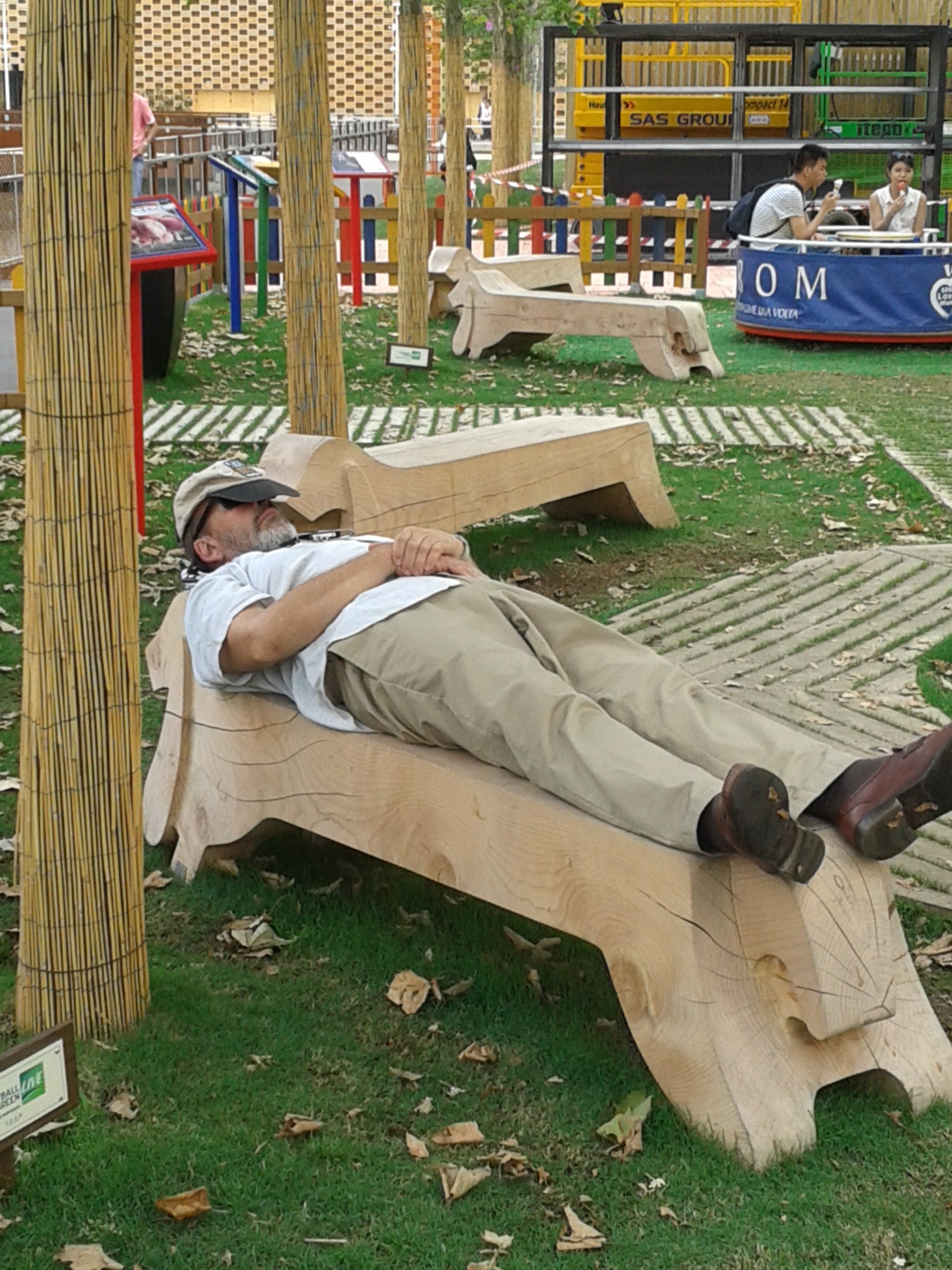
The bushsnob "hard" dog siesta.

The “hard” dog siesta.

Once I located my brain and relocated myself in time and space I peered through my eyelids to explore my surroundings. I saw watching the old man were kids, probably attracted by my snoring? A quick check showed that I was free to move so I was not Gulliver! Luckily the little people became children and, smiling kindly, I stood up slowly, a bit sore but “recharged” and walked away. My siesta had clearly taken place at one of the Children’s Parks “…where the young folk can learn about the themes of Expo Milano 2015 while having fun.” I had clearly provided part of the amusement…

The queues were still there in the afternoon so we decided to spend the rest of the day visiting the much less crowded food clusters. It was very pleasing to see the various representations from countries we had lived in or visited. In particular time was spent at the Kenya and Zimbabwe stands where we immediately connected with the people there and spent a while talking and walking with them to see other stands in the neighborhood. I immediately understood what the Italians were doing!

THe bushsnob with Zimbabean acquaintances.

Walking with Zimbabean acquaintances.

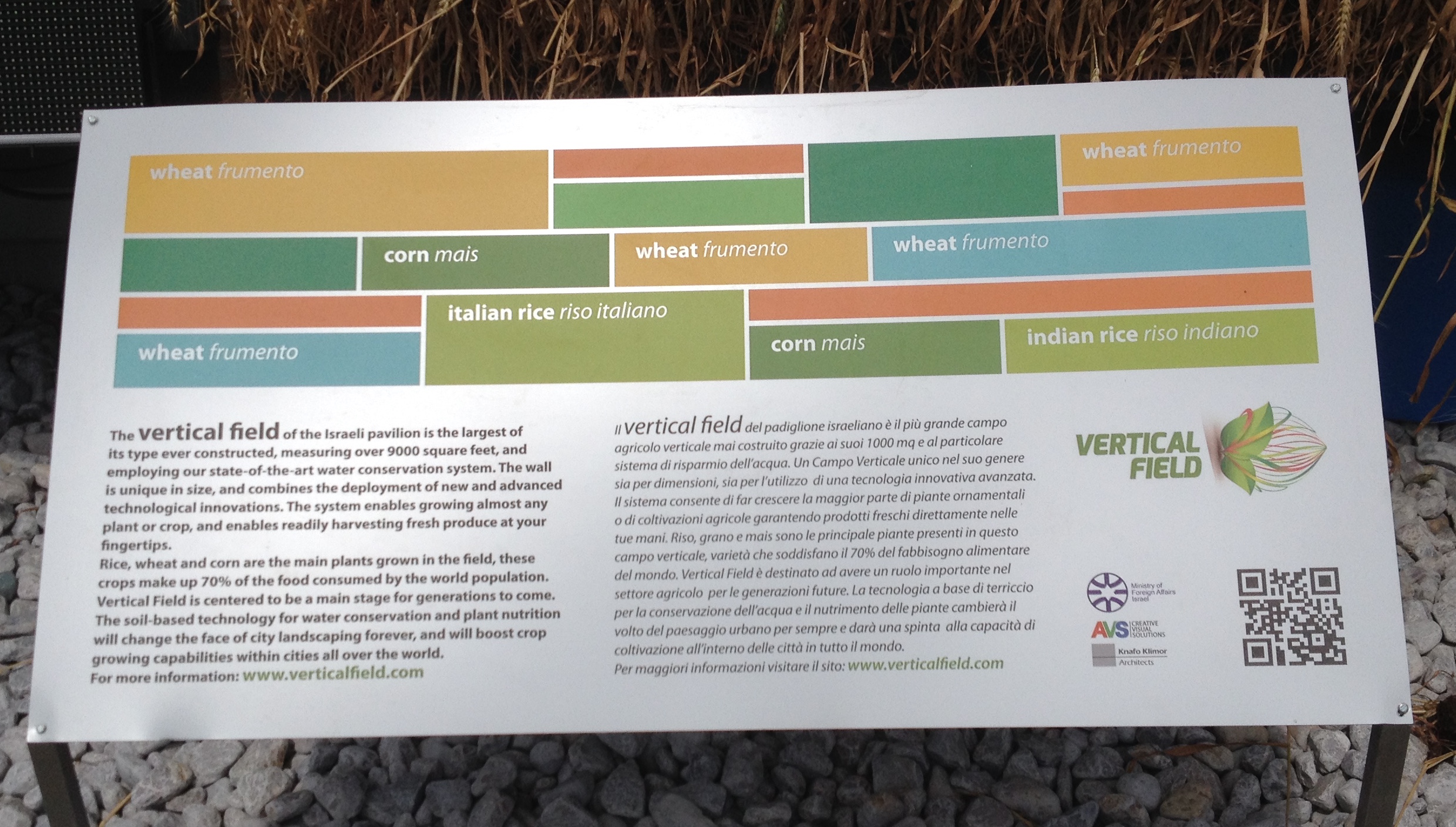
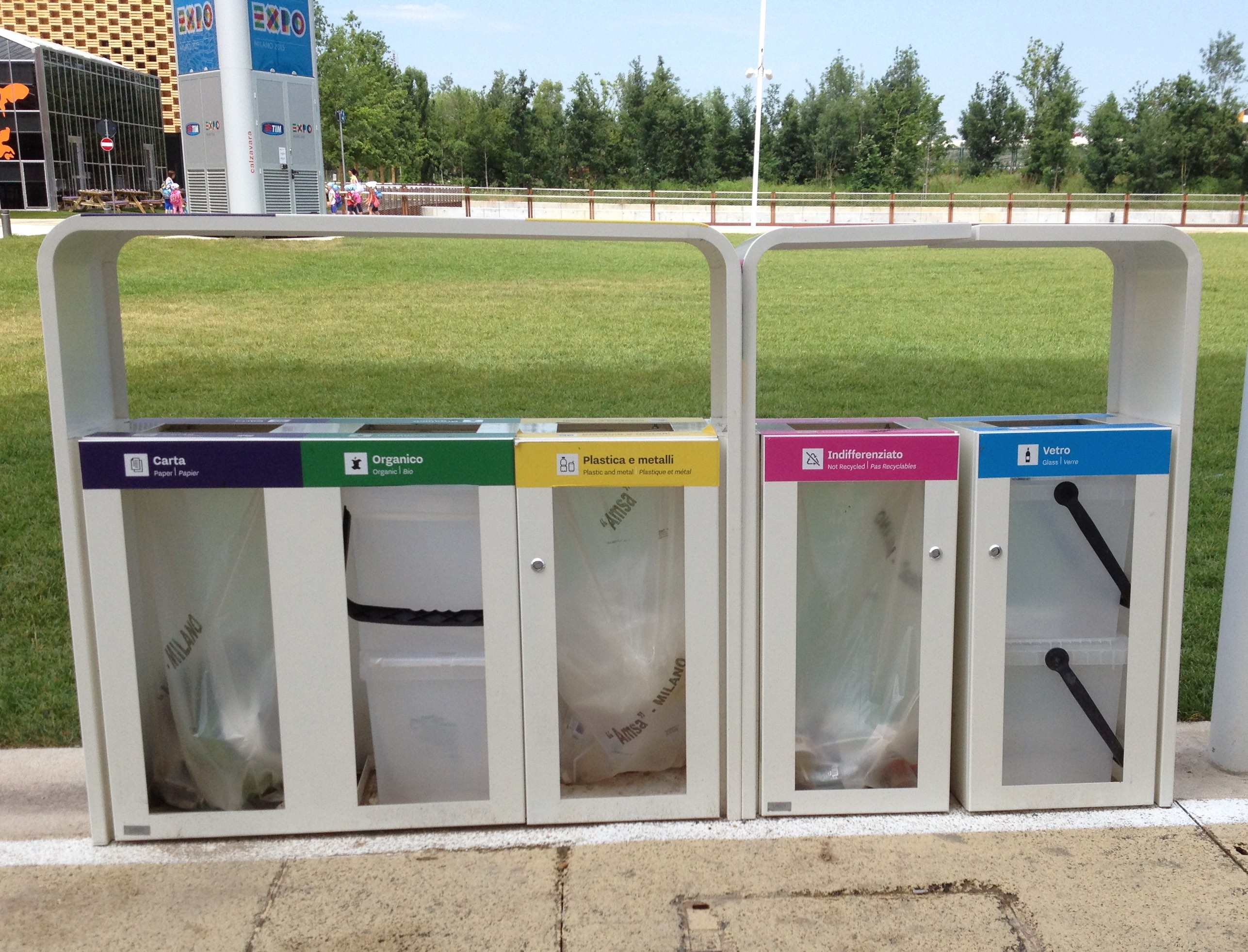
At sunset it was time to go. It was a tired group that walked back to the EXPO train station. I had flashes of vertical agriculture and hydroponics, proposed as useful technologies, air-purifying paint and scores of visiting VIPs and politicians (Mr. Putin was there visiting the Russian pavilion!), the final mountain of discarded food and garbage from the Pavilion Zero and the units used at the EXPO to collect five different litter types! However, solutions to food waste were not many or perhaps not clearly addressed and I missed them.
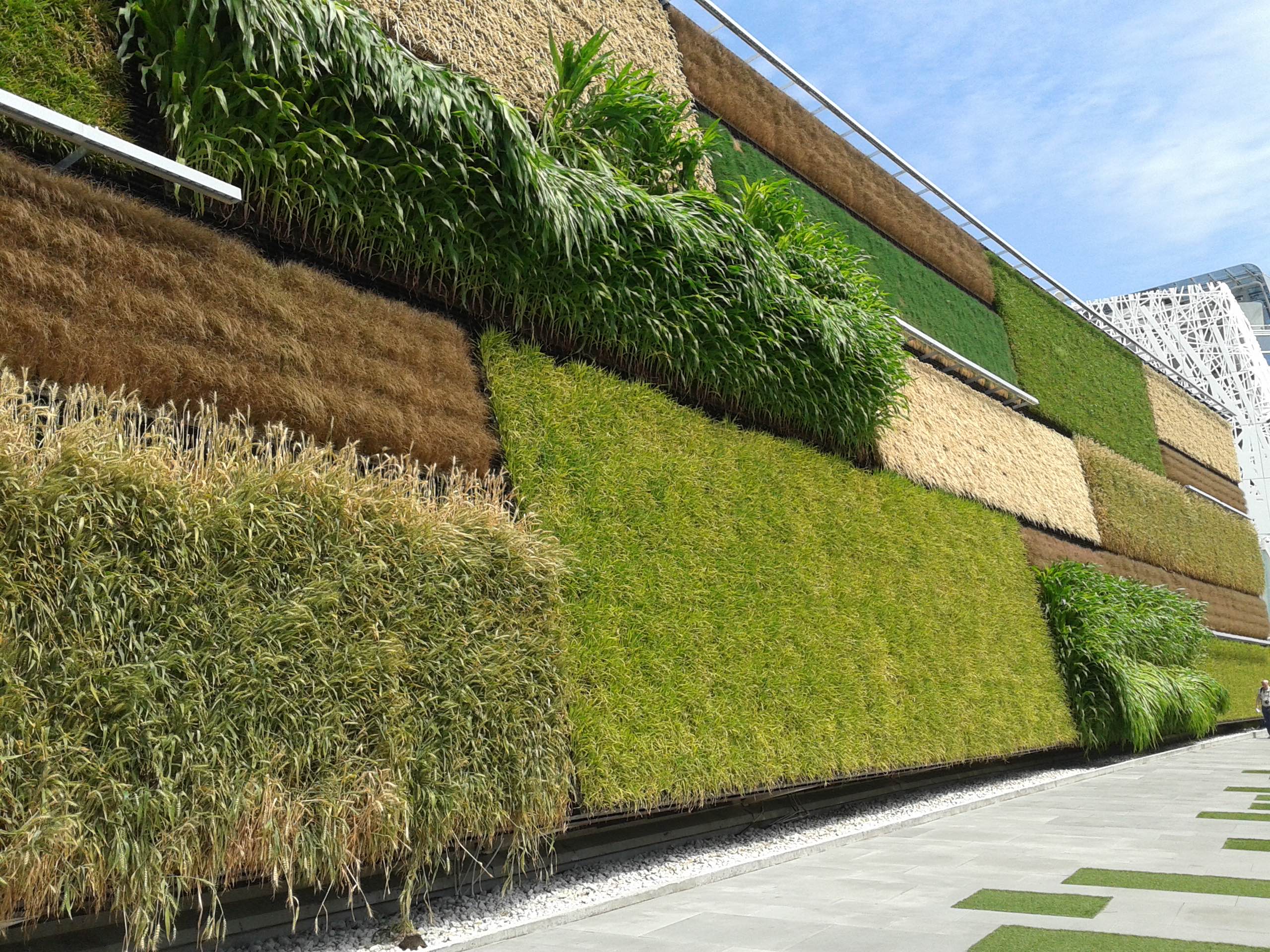
The "Vertical Field" approach to agriculture, one of the options on offer.
The “Vertical Field” approach to agriculture, one of the options on offer.

The "Vertical Field" explanatory sign.

The “Vertical Field” explanatory sign.
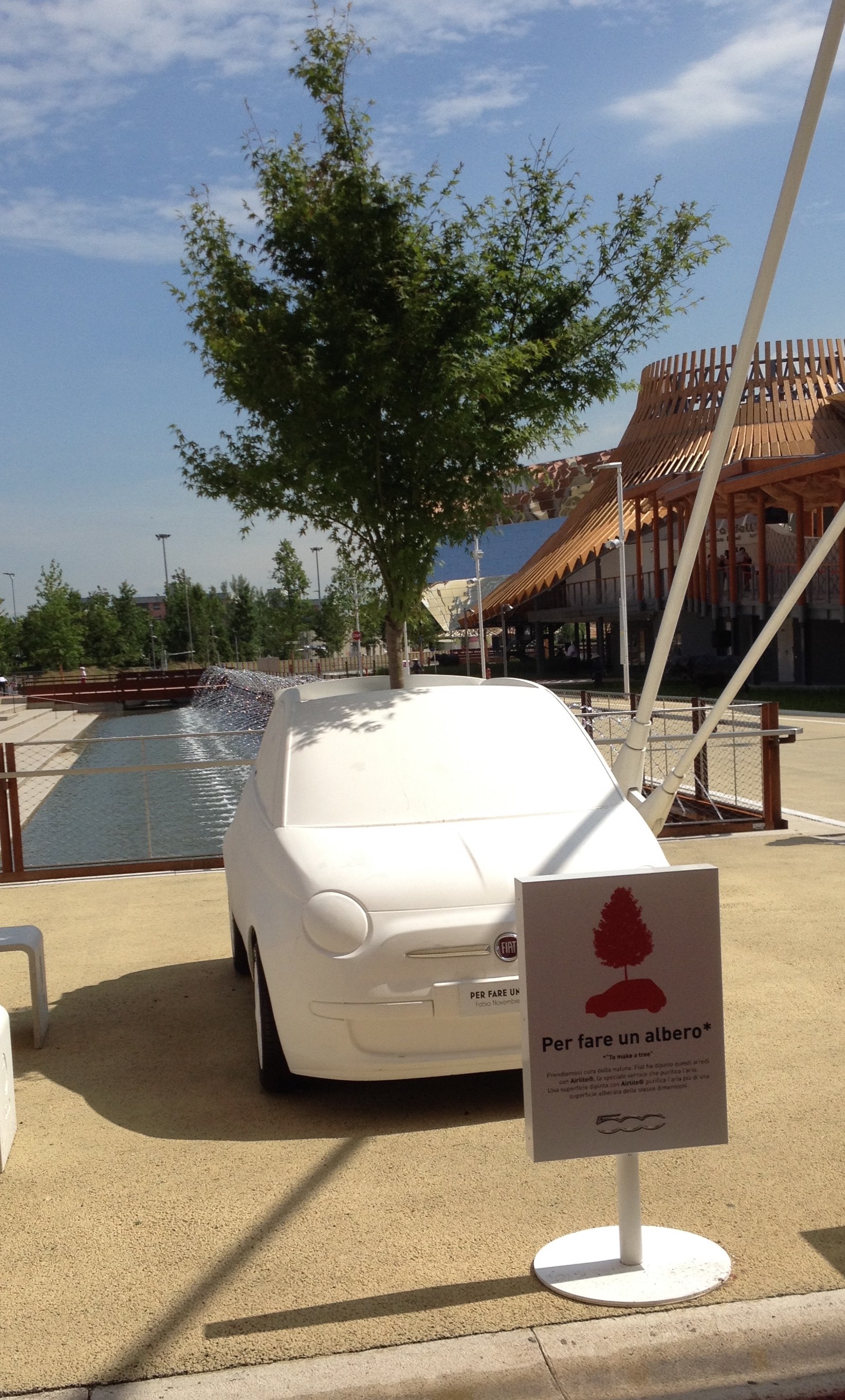
Cars painted with air purifying paint. At first hand a great idea!
Cars painted with air purifying paint. At first hand a great idea!

Litter management options open to the visitors.

Litter management options open to the visitors.

My lasting impression confirms my foreboding that the core theme of “Feeding the Planet, Energy for Life” was a hard one to tackle. Although a gallant effort is made to present it, my impression was that food was plentiful and available at the restaurants of the EXPO! Not much was presented on “energy for life” and how we would feed the ever-increasing world population. Has humanity run out of solid ideas on how to feed its ever growing self!


[1] See: http://www.expo2015.org

[2] The full text is in http://www.expo2015.org/en/pavillion-zero
Noah’s Ark

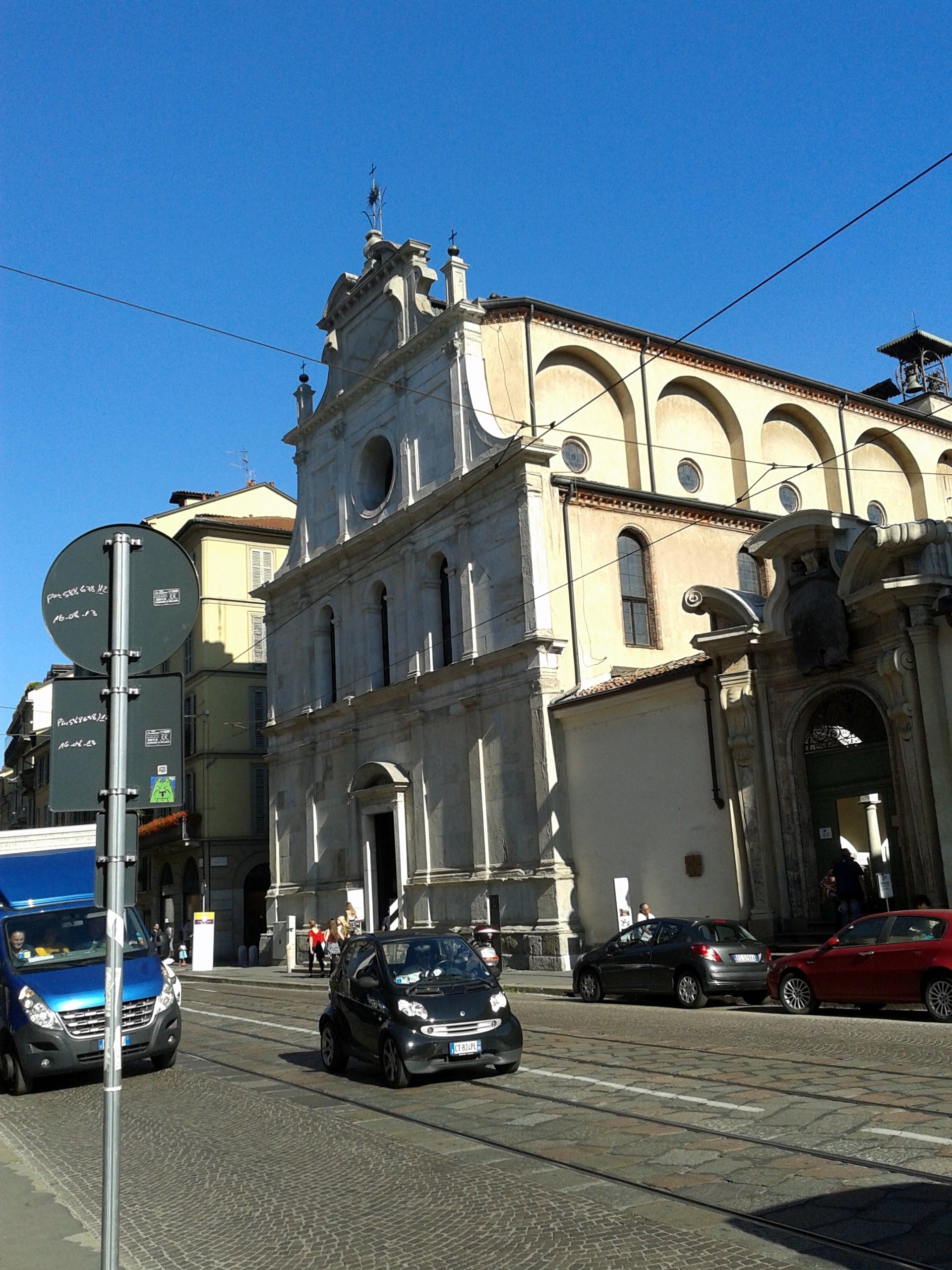
I discovered too late that my wife could also spot “cupule-less” churches! Such is the case of San Maurizio al Monastero Maggiore Church located in via Corso Magenta, 15, again, quite close to the famous Duomo and its crowds in Milan, of course.

From the outside the Church is rather anonymous and I could have easily walked past it. In fact it was originally a female Benedictine Convent and is mostly ignored by tourists. Of course my wife zeroed in on it and quickly went up the entrance steps. Luckily she did not see me rolling my eyes! As I was about to adopt my usual waiting stance at the outside steps (yes, where the beggars are normally begging!) I caught a glimpse of its interior and did not hesitate to follow her! I was truly rewarded.

The church of San Maurizio, Milan.

The church of San Maurizio, Milan.

The church is literally amazing in its inner beauty as, with the exception of its roof, it is completely covered in frescoes. If we forget the roof, I dare to compare the ambiance to the world famous Sistine Chapel and I mean it! The Church, built in the beginning of the XVI century, has another unique feature: it is divided into three separated parts -a crypt, an ample cloistral area and a front part open to the public. The nuns could only follow the mass offered to the public in the front of the church from the confines of the cloister through discreet windows!

To me, a retiree, naturalist and bush snob, the church offered a much more interesting feature that I almost missed! This is the Chapel of Noah’s Ark with its frescoes by Aurelio Luini. The Chapel is the last of ten chapels in the Church so I was a bit “Chapel-bored” by the time I got to it but all was forgotten!

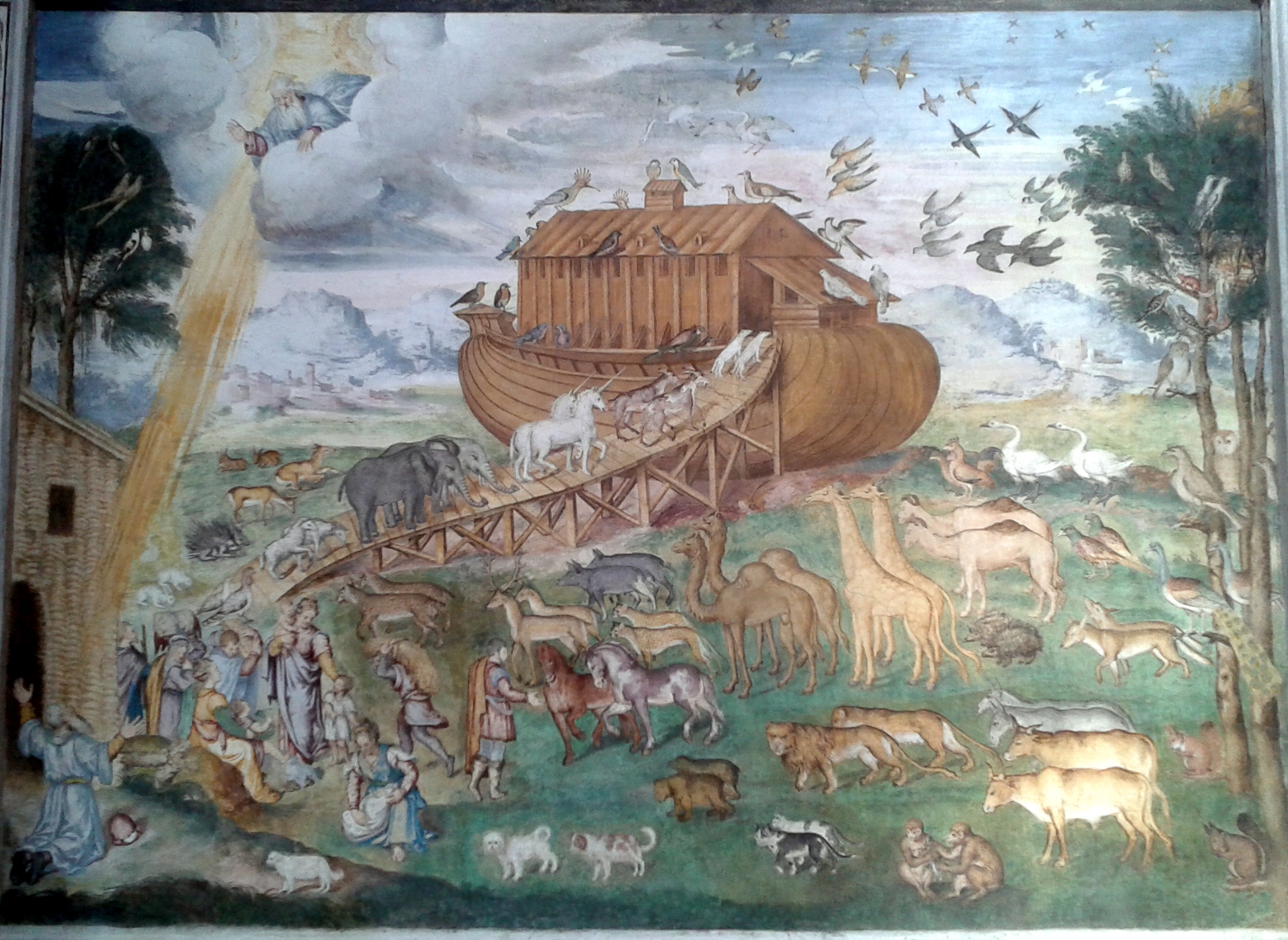
There are three paintings on the theme of Noah’s Ark: before, during and after the deluge. My attention was drawn to the second as the others -secondary- show the vivid drama the Ark must have gone through in rather crude terms. The main painting shows the usual scene of the animal pairs queuing in amazing interspecific harmony to get on public transport (hello nowadays commuters…) while Noah is linked to God, surely getting further instructions.

Noah's Ark by Aurelio Luini.

Noah’s Ark by Aurelio Luini.

Spending a few minutes looking at the fresco, several interesting details slowly appear. There are pairs of all animals, with the exception of a trio of dogs and I enjoyed seeing African hoopoes perched on the roof as well as both porcupines and hedgehogs. Luckily they were saved!

However, the most interesting feature is the pair of white unicorns joining the queue, just in front of the elephants. Why are they there if they did not exist? We will probably never know the reasons. But what if they existed and became extinct after checking in? There is a rumour that they got chewed up en route by the lions.

The sight brought me to wander about its possible (non-existing) scientific name! Regarding its Genus I have no hesitation in placing them with the Equus as they are very horse-like and I do not like to complicate scientific nomenclature as I am not after glory these days. The specific denomination was a challenge. Names such rectocornis, monocornatus, virgo or vestalatractatus and others were left out as they could be misinterpreted or too risqué. The most appropriate seemed to be the rather boring monocornis, following the example of the Black Rhino that having two horns is a bicornis!

The final product would look like:

Kingdom:   Animalia

Phylum:     Chordata

Class:         Mammalia

Order:        Perissodactyla

Family:      Equidae Gray, 1821

Genus:      Equus Linnaeus, 1758

Species:   monocornis Bushsnob, 2015[1]

Whatever happened to the unicorns, the visit was both enjoyable as well as thought provoking. What more can you expect from just “another Church”?


[1] Pliny the Elder around AD 60 in Rome is believed to be the first Naturalist colleague to mention it. He called it a monocerotem. Unfortunately he got it wrong…

Fish and chips[1] 

After seen so many people with fake fishing rods in Milan (read selfie rods) my hunger for fish increased so, apart from eating mussels at a nearby restaurant, my search was again aided by my daughter who informed me that there was an Art Aquarium exhibition that promised to leave you with an open mouth! The information we found told us that the “Art Aquarium” had been in many cities in Japan and this was the first time that it has been staged outside the land of the rising sun. Its creator is Hidetomo Kimura, who has collaborated with Venini, the glass makers of Venice, since 2012 and the latter has been involved with the glass work of the show. “He (Kimura) is the first and only person to combine art, design, and interior with his life work aquarium” said the information available.
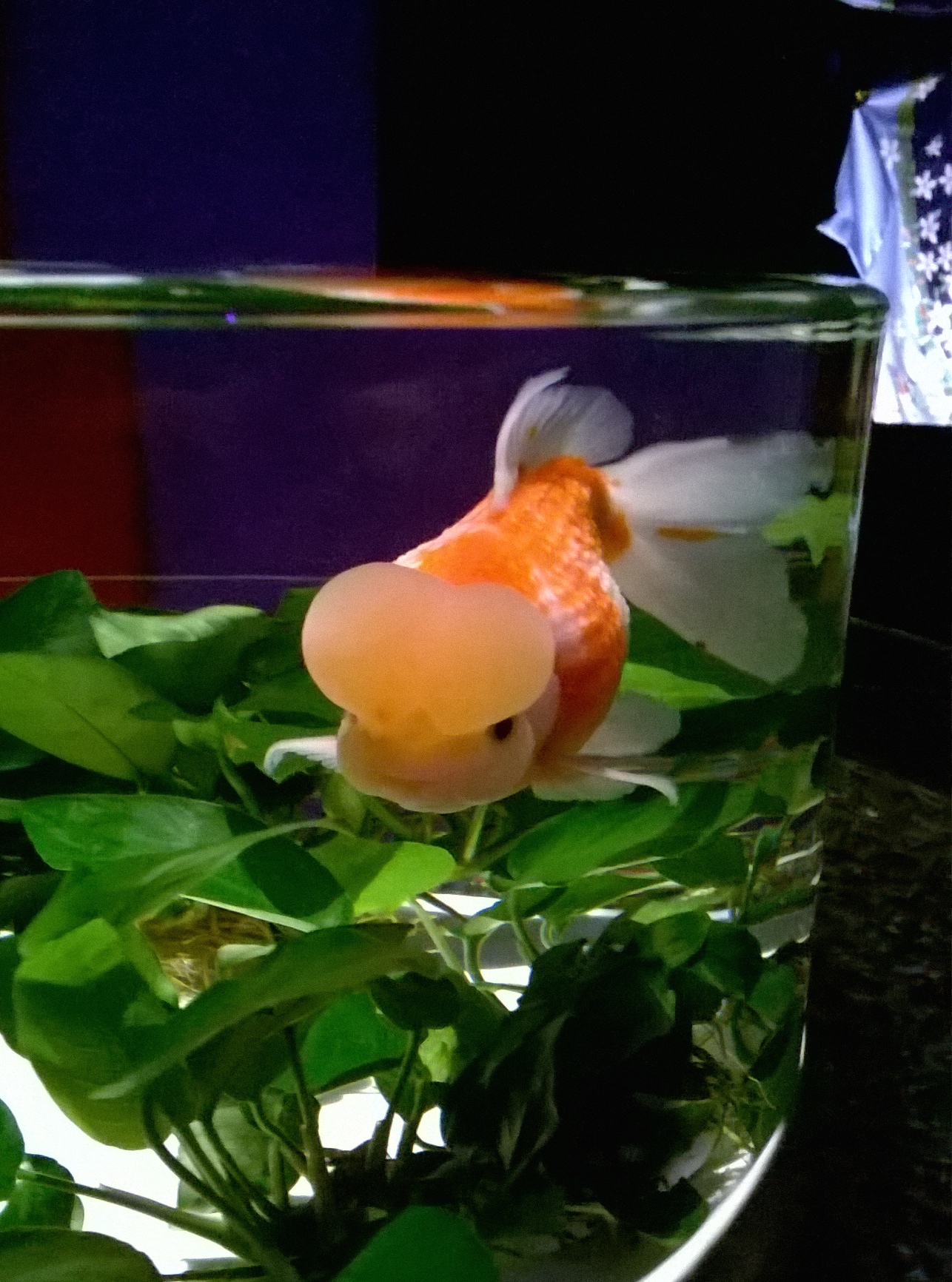
However, we learnt that the goldfish (Kingyo in Japanese) we saw descended from the carps kept for eating that showed some colour mutations (red and yellow) over two thousand years ago in China. These were bred until they became common. The latter in turn also mutated and the fancy Kigyo that exist today were developed, mainly in Japan. Most of them can only survive at aquaria or in fish tanks.

Our favourite Kingyo.

Our favourite Kingyo.

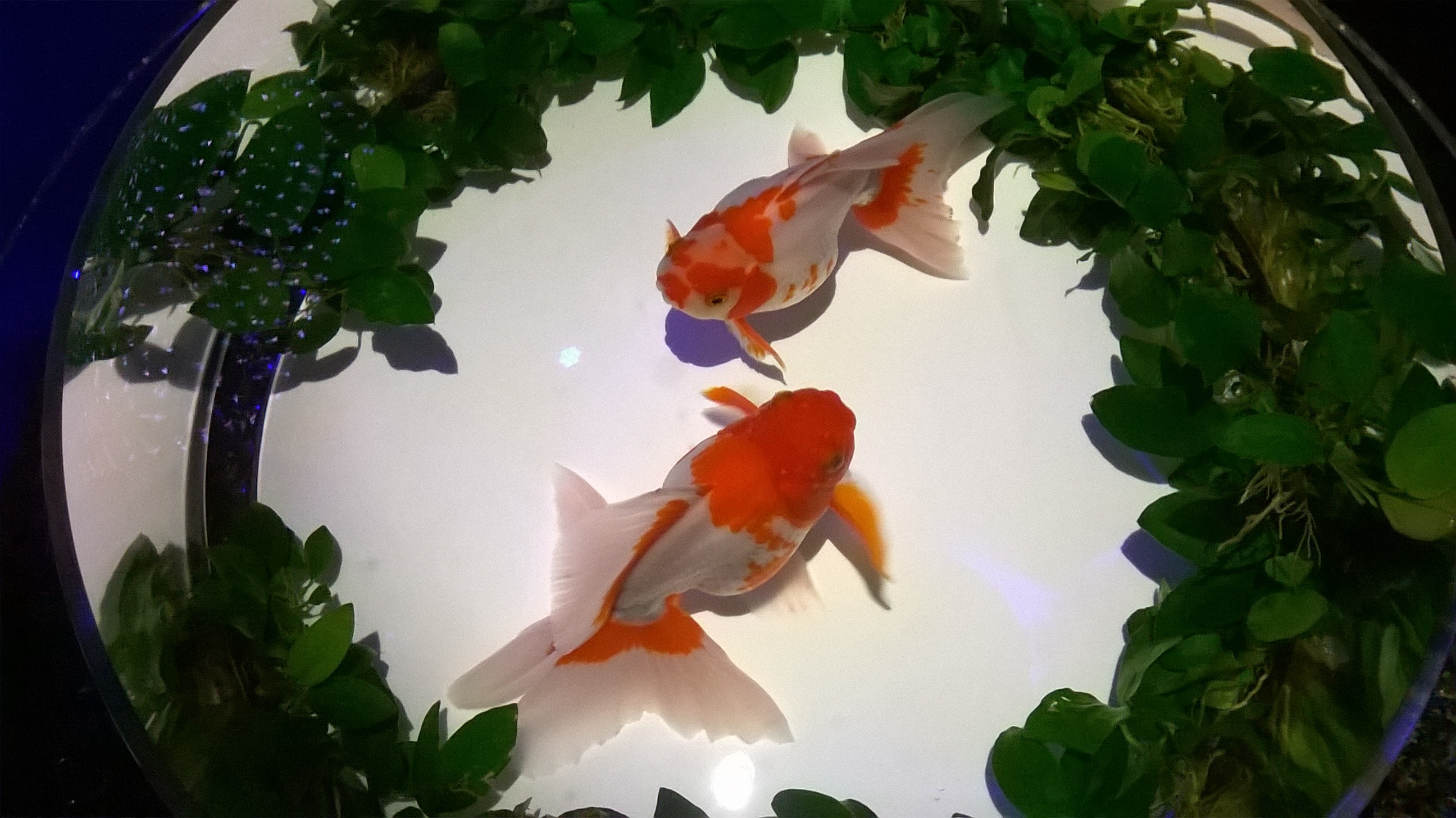
Another type of Kingyo of the many shown.

Another type of Kingyo of the many shown.

Clearly the exhibition needs to be seen to be really appreciated, as it is basically a combination of hundreds of goldfish with glass, lighting and music. As our cameras were only those from our phones and light was not abundant, I am afraid that our pictures do not do justice to what we saw.

As a naturalist I believe that, apart from the artistic beauty of what is shown, the secret of including fish into such a show is to keep the biological balance at all times. It must be a very delicate equilibrium that enables the water to be kept crystal clear when large numbers of fish are confined in reduced spaces. Of course this aspect of the show is behind the scenes but it must involve the work of powerful pumps and filters as well as special feeding strategies (the music and prevailing darkness are probably there also to conceal the needed machines!) It is one thing to stage such a show for a weekend and another very different kettle of fish to maintain it for a few months! The thought of the effect of the light on the fish also came to mind!

The

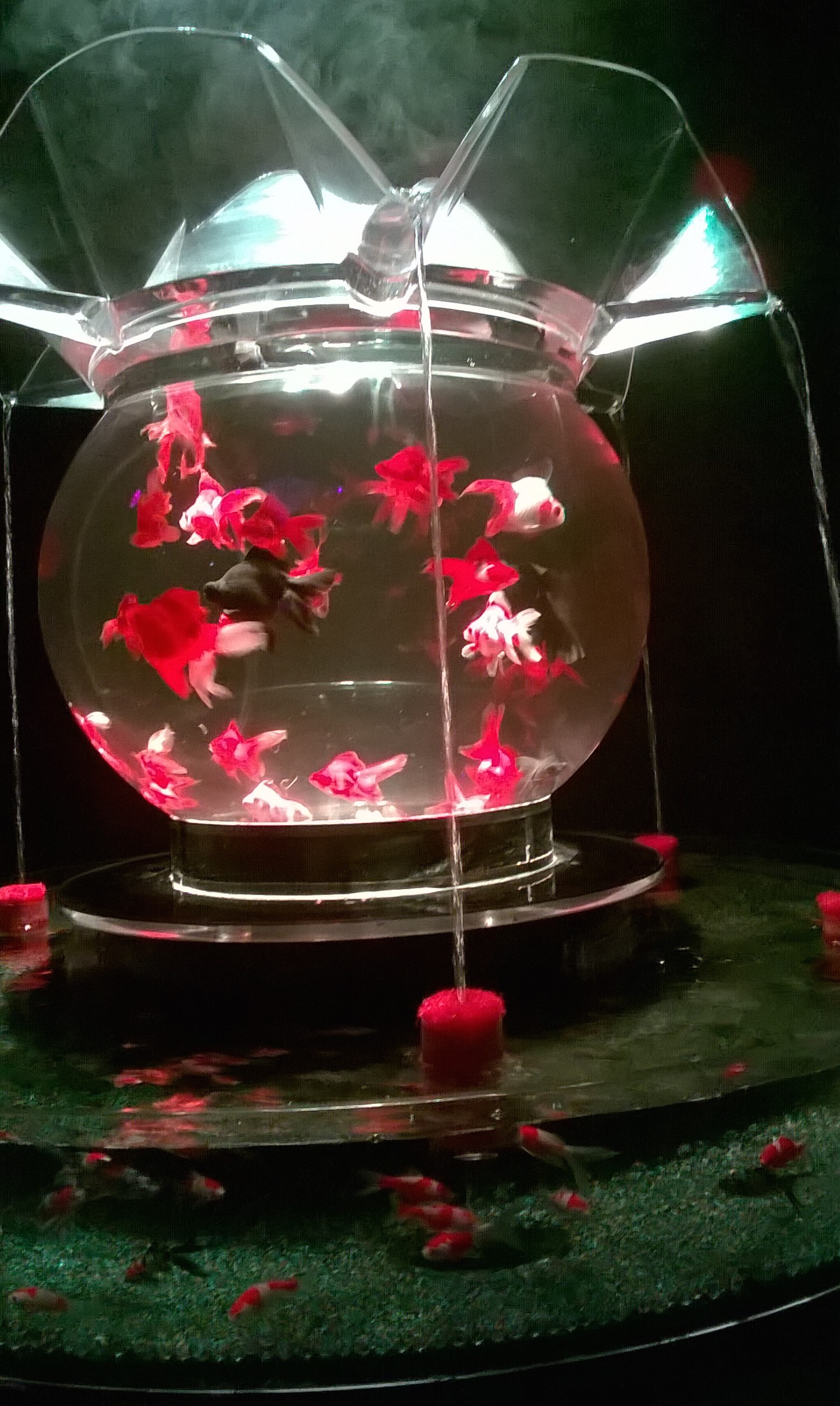
The “Oiran” .

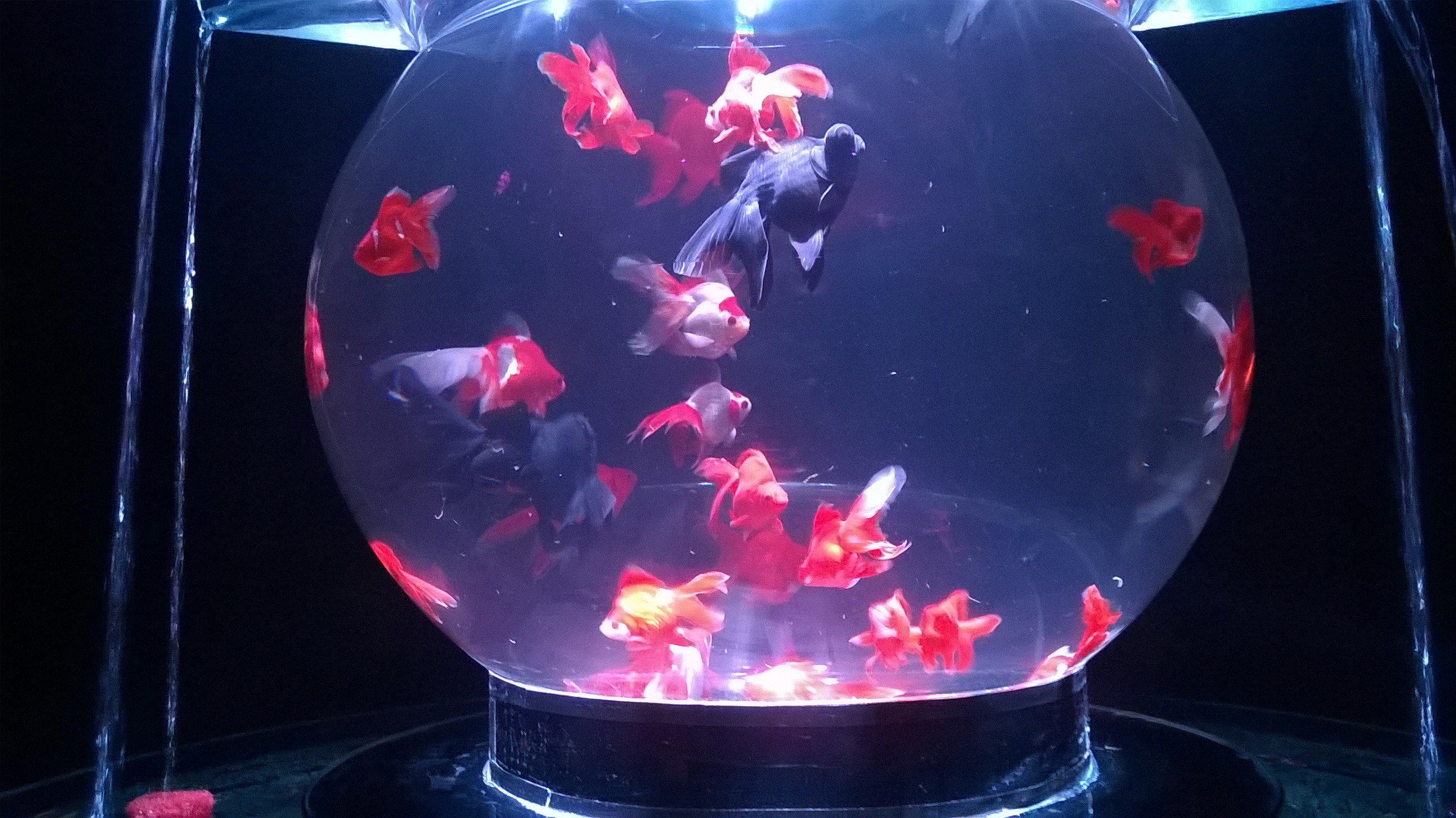
The centre of the exhibition contains several Kingyo, some of which were rather large, of various colours (red, red and white and black) in a large glass water tank. This is displayed using a changing light routine that has an amazing effect. I learnt that it is called “Oiran” that in Japanese means courtesan. It mimics places in Japan where educated and artistic women used to meet during peaceful and politically stable periods that showcased the nation’s good economic growth, known as the Tokugawa period (Edo period) that spanned from the 16th to late 18th centuries.

Another view of the

Another view of the “Oiran”.

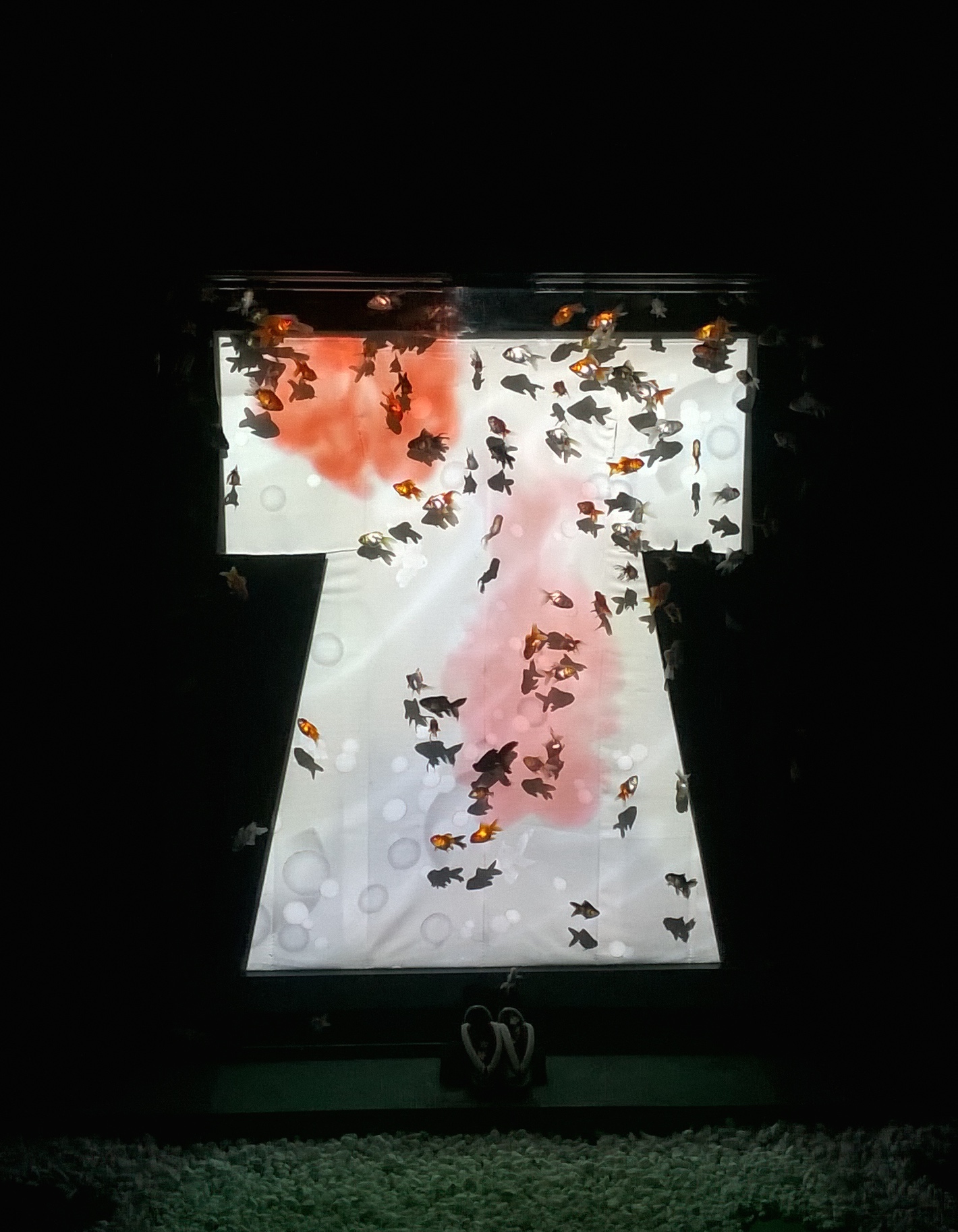
Other displays go from illuminated rounded fish tanks that resemble miniature infinity pools with the water maintaining surface tension at the edge of the glass, the “Kimonorium” that, as the name indicates, is presented as an ever-changing kimono design as the fish move and various background shapes projected onto the white outfit.

The

The “Kimonorium”.

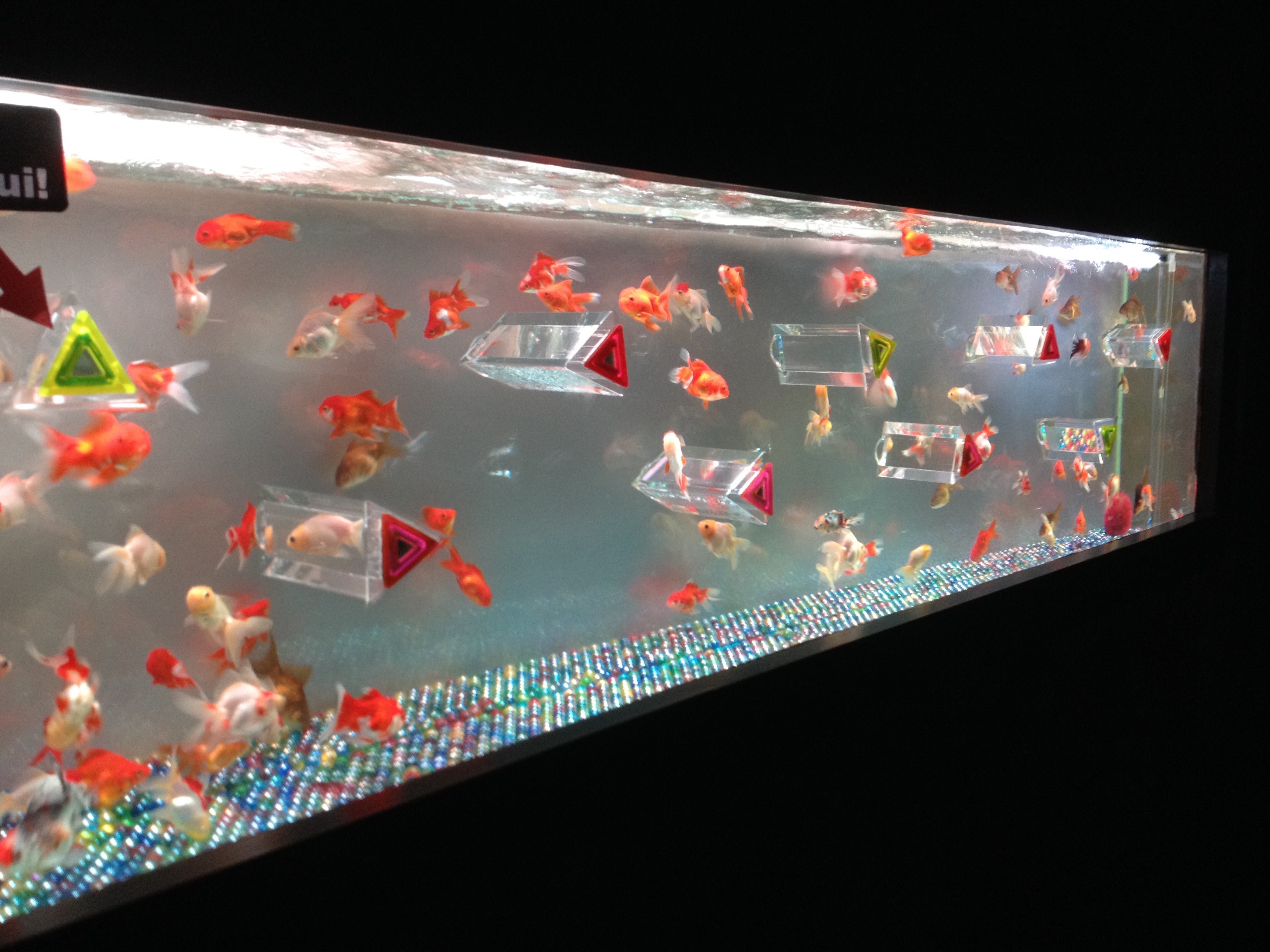
The “Byoburium” follows a similar approach to show Japanese screens that depict the seasons although, because of the fish movements, they are always different! There are other displays including our favourite: a large fish tank where kaleidoscopic viewers have been placed to show the changing images as different fish swim past!

The

The “Byoburium”.

The

The “kaleidoscopic” tank. The idea is to look through the triangles.

A very beautiful display, but I value the very fine ecological balance behind it even more!

[1] Of the electronic type…

Kings, Martyrs and Selfies

I begin with an important reflection: Milan is not Rome! I am aware that you may find this statement as a confirmation of my insanity. However, I said this from the point of view of a walking tourist. While Caput Mundi offers a secret at every step, Milan is mainly shopping and fashion, not really my thing.

As a result of a previous walk through Milan[1], my wife and I followed the advice of our host (our daughter the Editor) and proceeded to the Navigli District in search of new challenges. The reasoning behind this decision being that the presence of water carried with it the possibility of spotting water birds and/or fish?

These water canals, originally built for irrigation, were soon repurposed for the transportation of goods to and from Milan, Lake Maggiore and Switzerland. The canals were essential for the transportation of marble during the building of the Duomo. Leonardo da Vinci was involved in the design of the water level system management.

Two canals (Naviglio Grande and Naviglio Pavese) have been reopened recently. During this “passegiata”[2] I learnt that the Navigli area today attracts people more for its restaurants, bars and fashion shops than for the canals themselves. Interestingly, the majority of those present were contemplating their right hands (a small minority their left) frantically tapping one-handedly while holding their drinks or food with the other.

Although people were in groups they did not seem to notice the presence of their companions! Quite a few also sported misleading telescopic rods, which caused me to briefly think there might be fish in the Navigli, before I realized that I was seeing for the first time the infamous selfie sticks. I spent a few minutes considering how to transform my walking stick into a “bushsnob-selfie rod” so as to be able to share with you some of the special views from future walks.

Our Navigli stroll concluded, I soon became (unwittingly) part of some undercover “cupule spotting”. I was not aware that the maneuver was underway until I found myself in the middle of an ambush: the Basilica of Saint Eustorgio. “What a funny name” was my only thought as I obediently entered, ruminating on the fact that I had never heard of this particular church and had not wished to stumble upon it; yet here I was! Fortunately it was empty and rather cool, providing a nice respite from the heat and crowds.

The Basilica of St. Eustorgio.

The Basilica of St. Eustorgio.

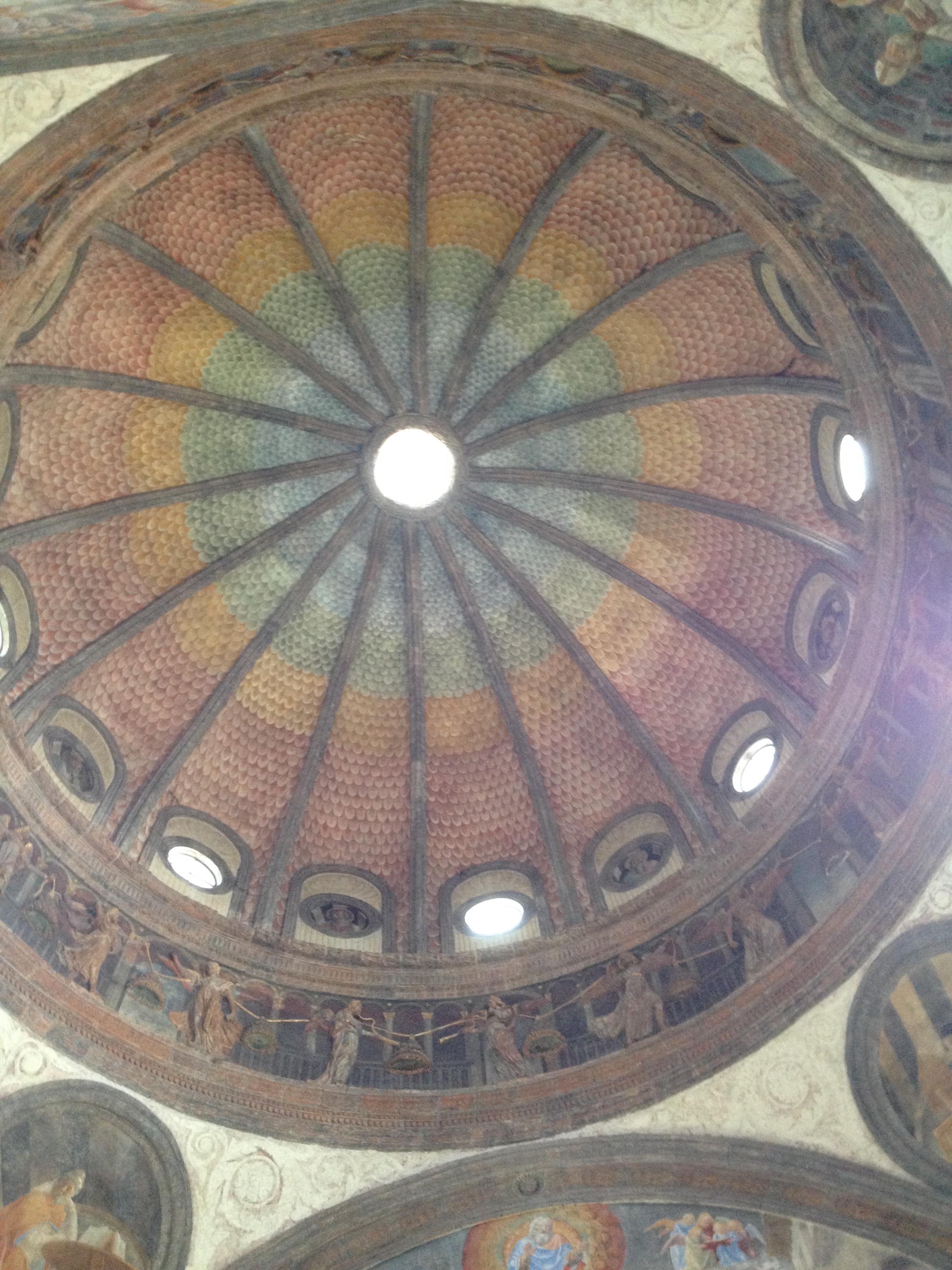
The Basilica, rebuilt in the 16th Century in the Romanesque style[3], hosts the tombs of the Three Magi or Three Kings (yes, the same ones that went with presents of gold, frankincense, and myrrh for baby Christ twelve days after his birth). It also hosts the Portinari Chapel that has exquisitely painted frescoes and a cupule with a remarkable chromatic gradient painted in pastel tones that, according to information received “in situ“, represent the radiation of the divine light. The latter bathed the Bushsnob while deep in serene contemplation…[4]

It is not the Bushsnob relic, only deep in contemplation and showing how you could do it at the Sistine Chapel 35 years ago!

It is not the Bushsnob relic, only deep in contemplation of the magnificent cupula and frescoes!

The spectacular cupule seen from the Bushsnob perspective.

The spectacular cupule seen from the Bushsnob perspective.

Another detail of the roof.

Another detail of the roof.

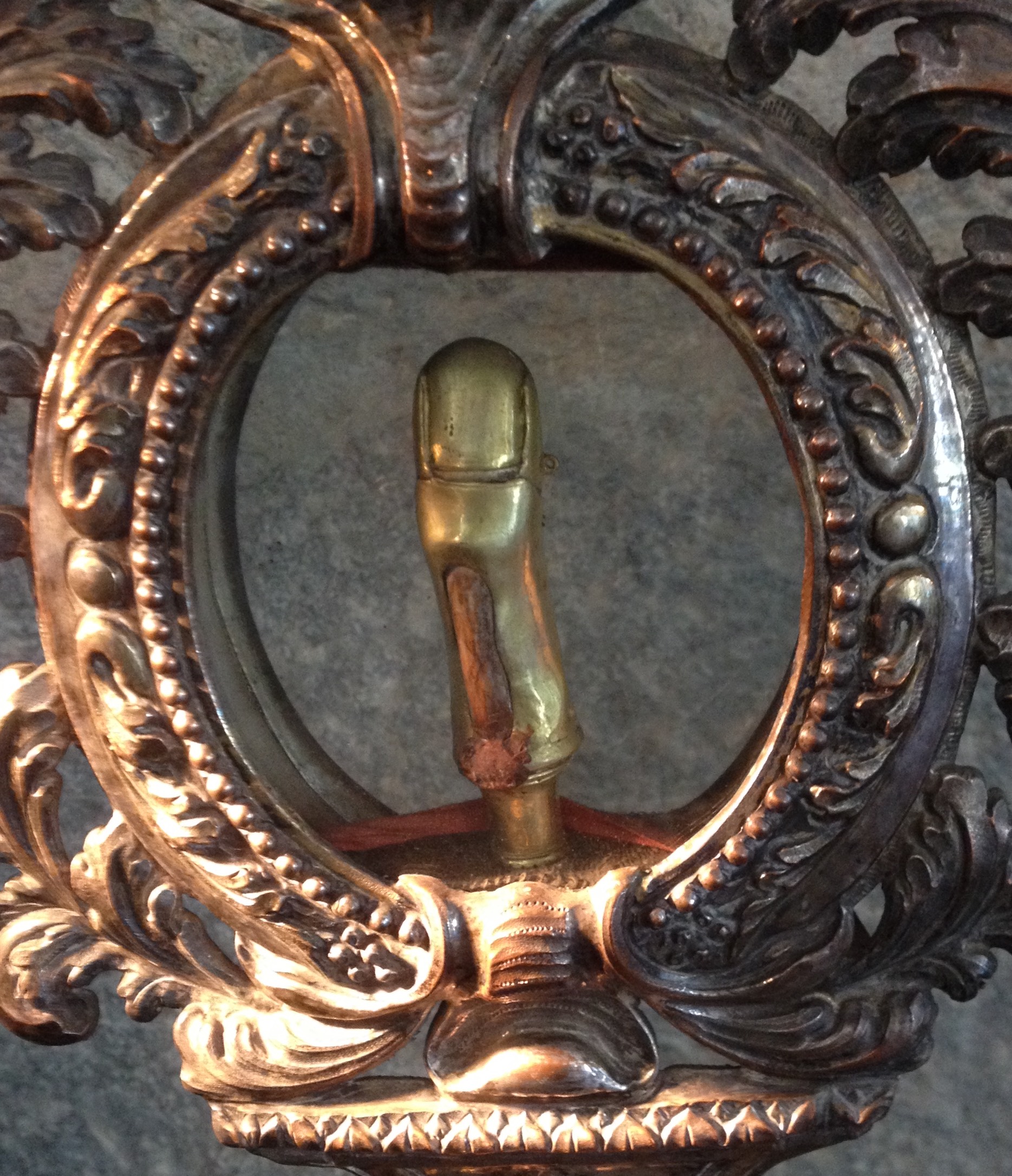
The Chapel also hosts the intricately carved marble sepulcher of Peter of Verona as a number of other relics including a phalanx plated in gold with the shape of a finger that was, perhaps, the most striking of them all.

A close up of the golden finger.

A close up of the golden finger.

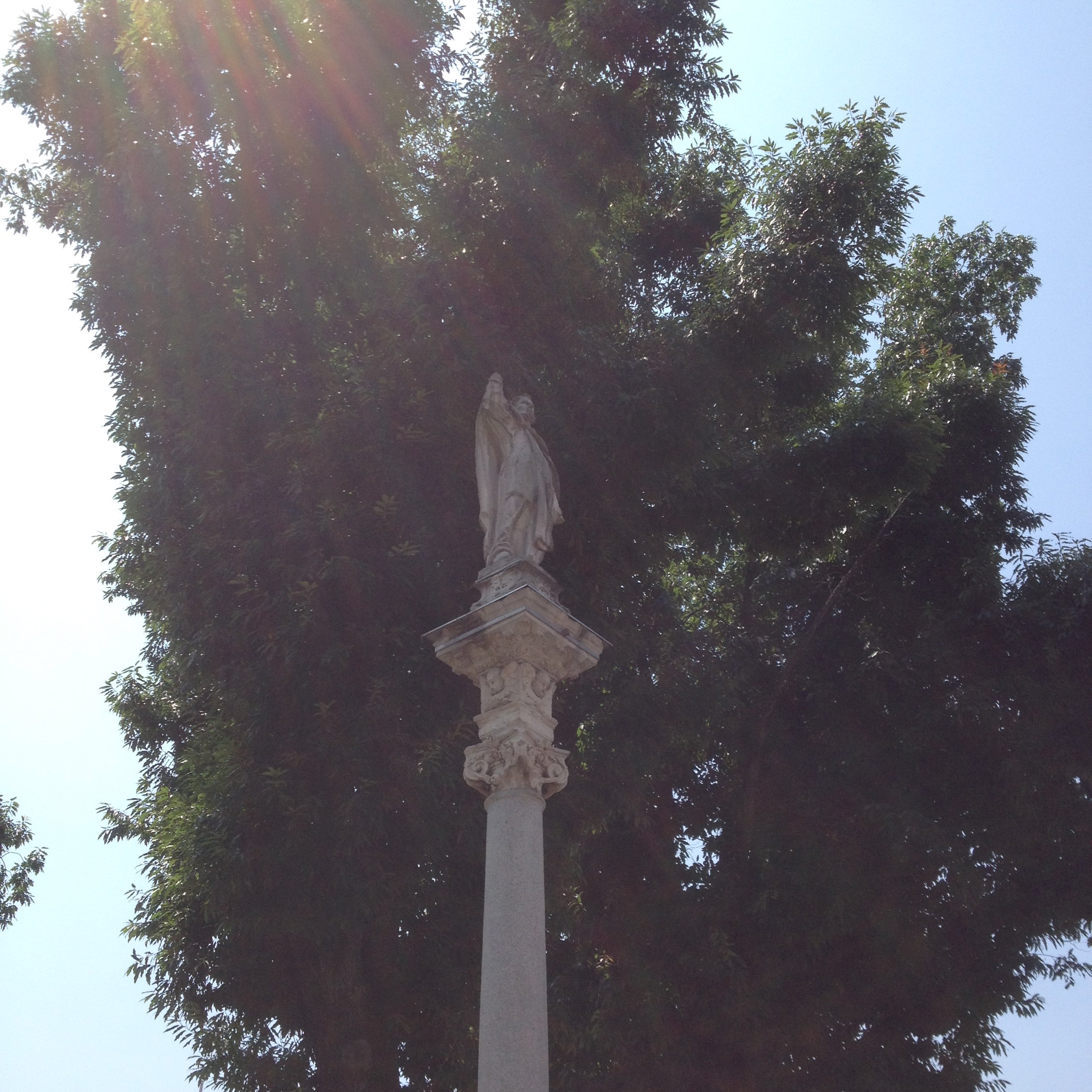
Our visit over, while leaving the Basilica I spotted a tall column with a statue placed quite high with some oddity about its head.

Just another statue...

Just another statue…

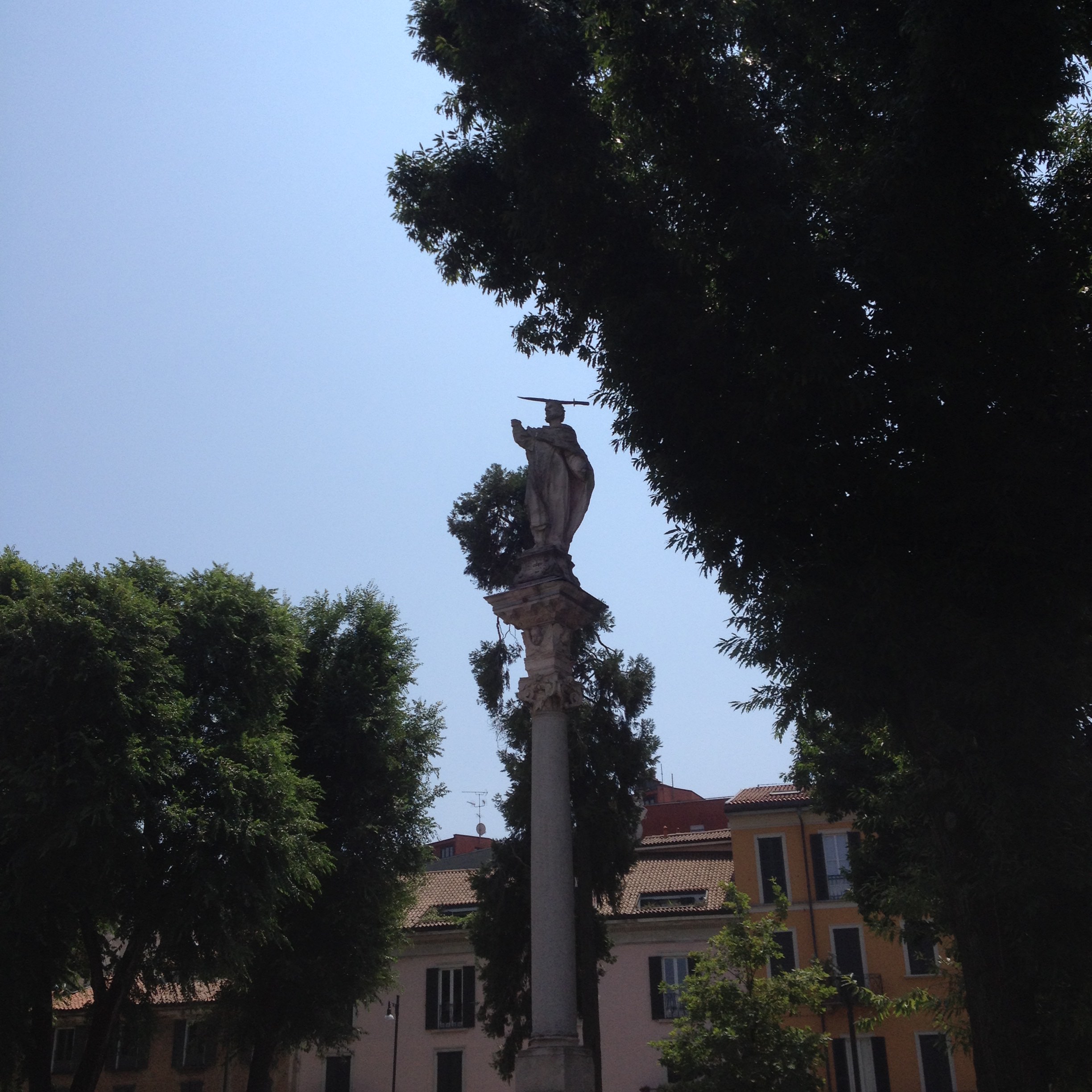
A more attentive look revealed that it had a sword stuck in it! A students’ prank was my first thought but the height and smoothness of the pedestal would have made it extremely difficult for even the most determined trickster to climb. In addition, the priest that carried the sword appeared accustomed to it!

Wait a minute, let's have another look. Oh, oh... this is really odd!

Wait a minute, let’s have another look. Oh, oh… this is really odd!

Clearly this finding required further investigation. I went back to the Basilica and asked for clarification at the Museum’s entrance. “It is the statue is of St. Peter Martyr”[5] I was informed, which in all fairness should have been obvious as, a few seconds before I had seen his sepulcher within the Portinari Chapel! The provided explanation however did not shed any light onto the Saint’s unusual choice of headwear, which meant that further -independent- investigation, was required.

In brief, Peter was a General Inquisitor that amassed some enemies. In 1252 he was struck on the head with a sharp weapon with such violence, as to leave it wedged in his skull. Incredibly, the blow did not kill him, as he was able to rise to his knees and begin reciting the first article of the Symbol of the Apostles. In answer to this display of resilience, his assailant proceeded to stab Peter in his chest with a dagger.

Although some paintings present a dramatic but credible depiction of the assassination (like the one by Bernardino da Asola) most -like the statue in question and Vittore Carpaccio’s portrait- show a rather healthy looking St. Peter equipped with his unusual choice of headwear in the form of a variety of sharp objects: axes, swords, meat cleavers and even scimitars at various angles and depths together with a dagger stuck in his chest.

Picture of Peter being killed attributed to Bernardino da Asola [Public domain], via Wikimedia Commons.

Picture of Peter being killed attributed to Bernardino da Asola [Public domain], via Wikimedia Commons.

Most incredibly however in the majority of these depictions he appears unaware of his terminal condition and proceeds to ask for silence, walk about, write with his blood on the ground, preach or even look far away, vaguely interested in his predicament![6] It is clear that St. Peter was made of tough martyr material!

Picture of Peter by Vittore Carpaccio [Public domain], via Wikimedia Commons.

Picture of Peter by Vittore Carpaccio [Public domain], via Wikimedia Commons.

Fortuitously for Peter, a number of miracles were attributed to him before and after his demise, which resulted in his fast canonization[7] in 1253.


[1] See Milanese bones.

[2] Italian equivalent of a leisurely stroll.

[3] There is a kind of “church taxonomical system” but I do not think that experts have yet adopted the Linnaeus binomial nomenclature. We will wait and see…

[4] I learnt this observation technique from fellow tourists during my first visit to the Sistine Chapel in the eighties. (It is also useful in the identification of birds, particularly swifts).

[5] Also known as St. Peter of Verona.

[6] A search for “Paintings of St Peter of Verona” should produce a few interesting examples.

[7] Could this have been the first example of a “canonization express”?

Milanese bones

Rome is no longer! Well, in fact it is still there but much less important due to the temporary absence of the Bushsnob… But there is no need to worry, as we will be back on Friday. Now it is Milan’s turn to receive my ponderings.

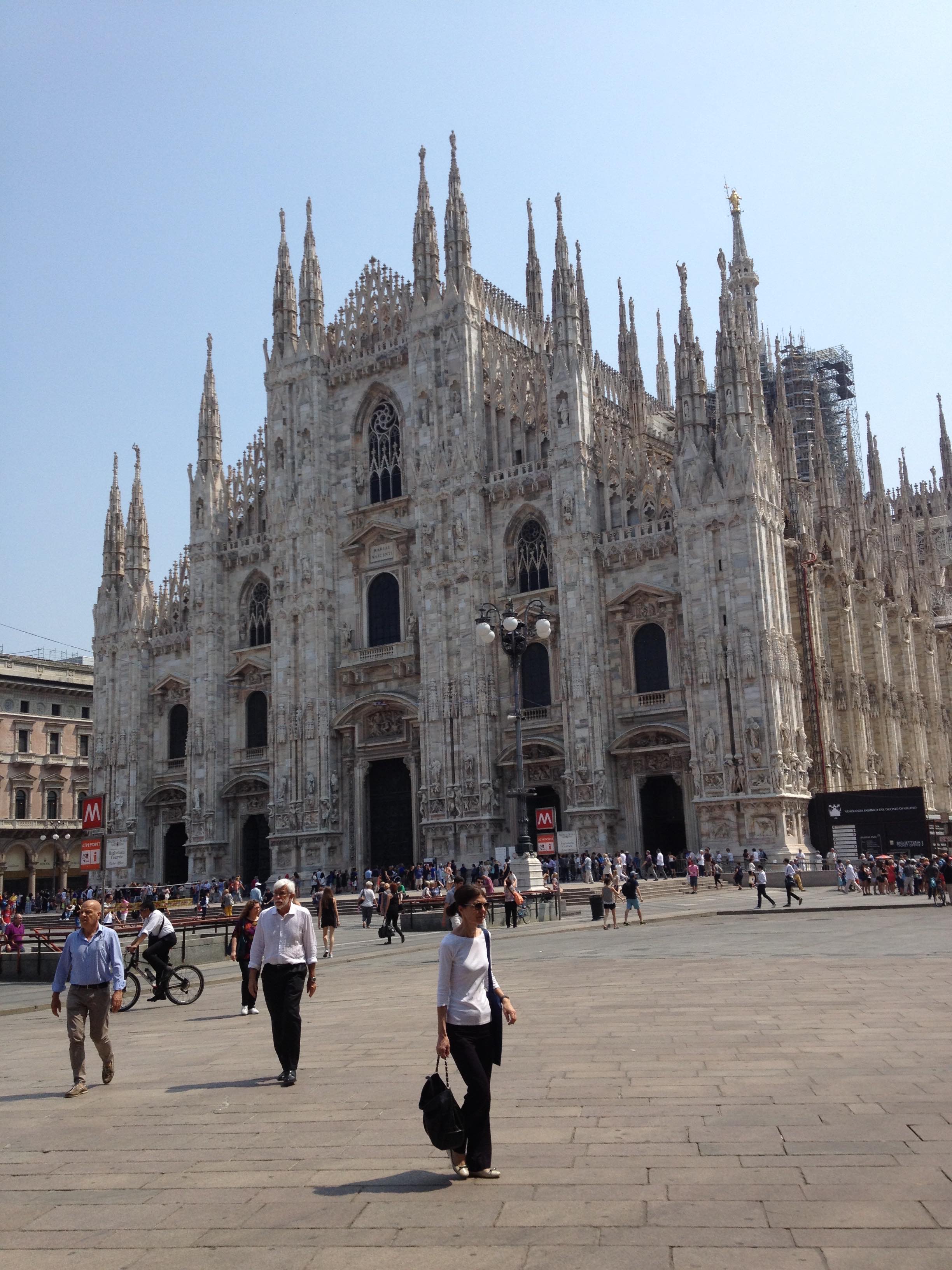
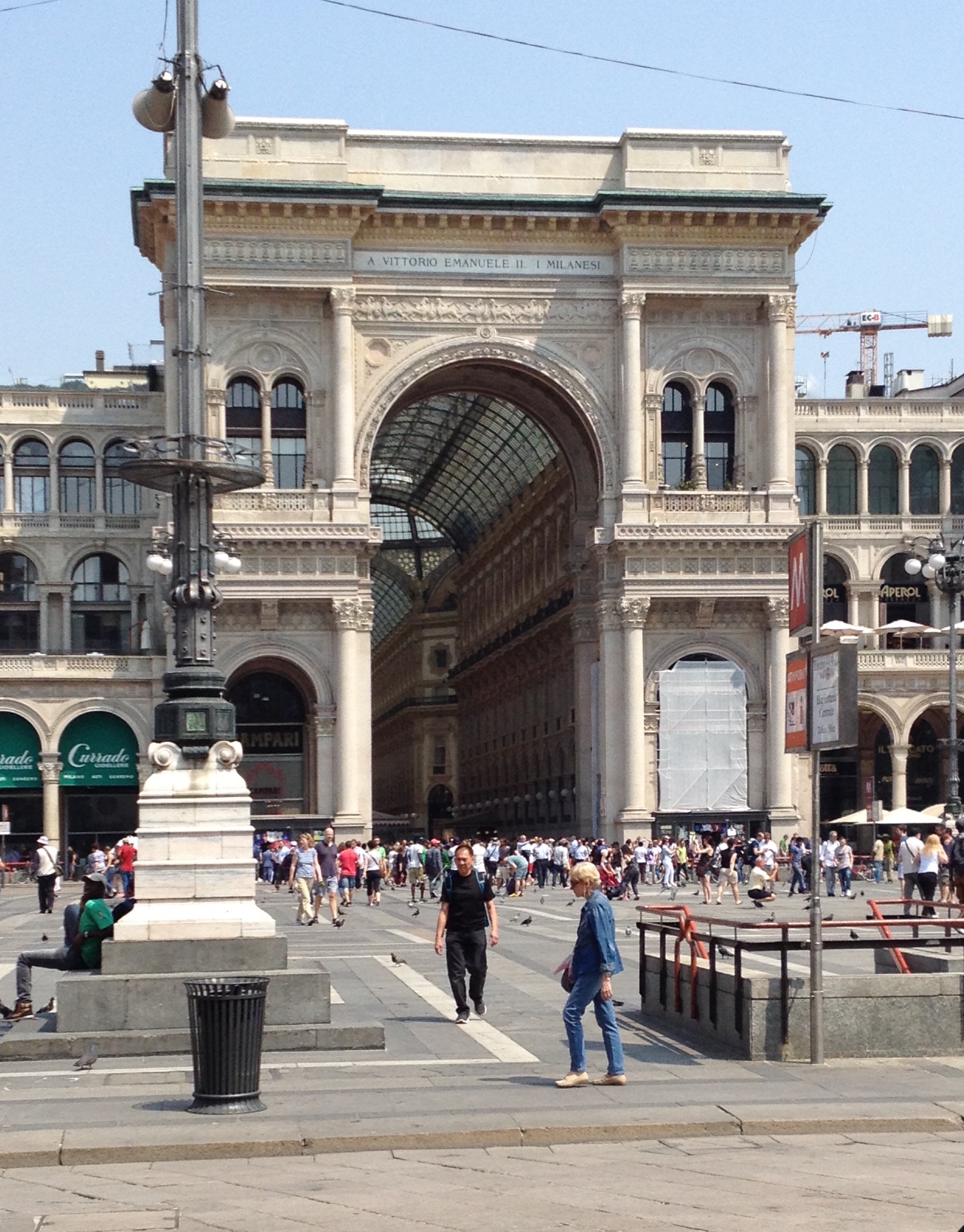
Of course we went to the Duomo first and dove into the sea of tourists. I lasted about five minutes before I needed to resurface and gasp. Seeing the queues to enter the edifice I despaired and moved off through the Vittorio Emmanuele II gallery where people pay about three times the price for food and/or drinks to do what? To watch people walk past!

The Duomo.

The Duomo.

The Vittorio Emmanuelle II Gallery.

The Vittorio Emmanuelle II Gallery.

Inside the Vittorio Emmanuelle II Gallery.

Inside the Vittorio Emmanuelle II Gallery.

Luckily on our way there a large brick building that eventually became the University of Milan (founded in 1924, 65,000 students) located in Via Festa del Perdono caught my wife’s attention. I have already praised her eyes when it comes to game spotting so I do not need to repeat myself but I will anyway! Unluckily, she can spot churches as well! I can handle about one church visit per week but she can visit numerous in a single day, driving me to despair.

Now she did a “double whammy” spotting two sets of cupules in the distance! When she announced this I almost went back to the Duomo and the crowds! The cupules in question belonged to the Parish of Santo Stefano Maggiore and San Bernardino alle Ossa that are found side by side at the Santo Stefano Square. Seeing my wife zeroing in on them, as usual, I followed, resigned to my fate.

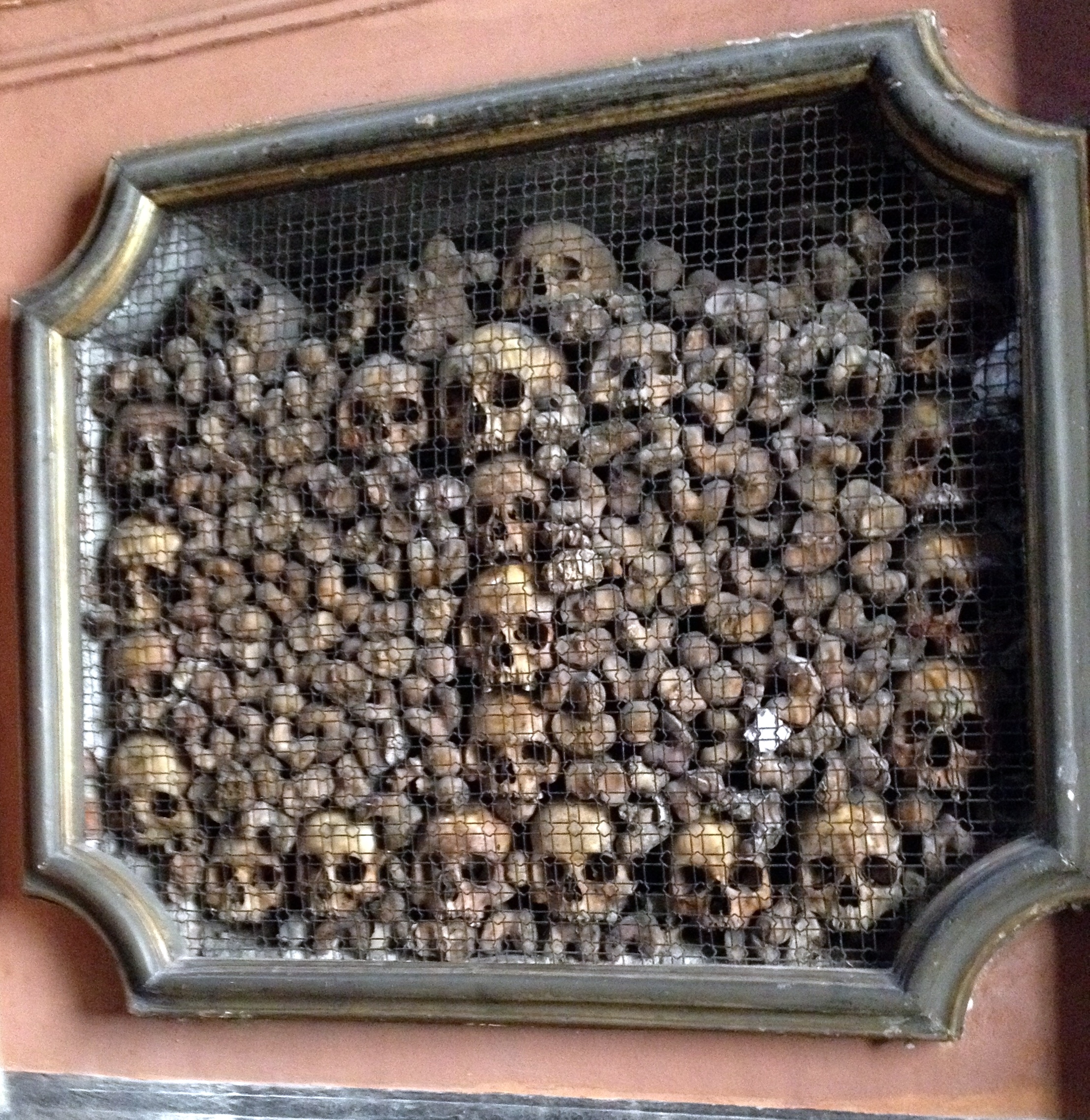
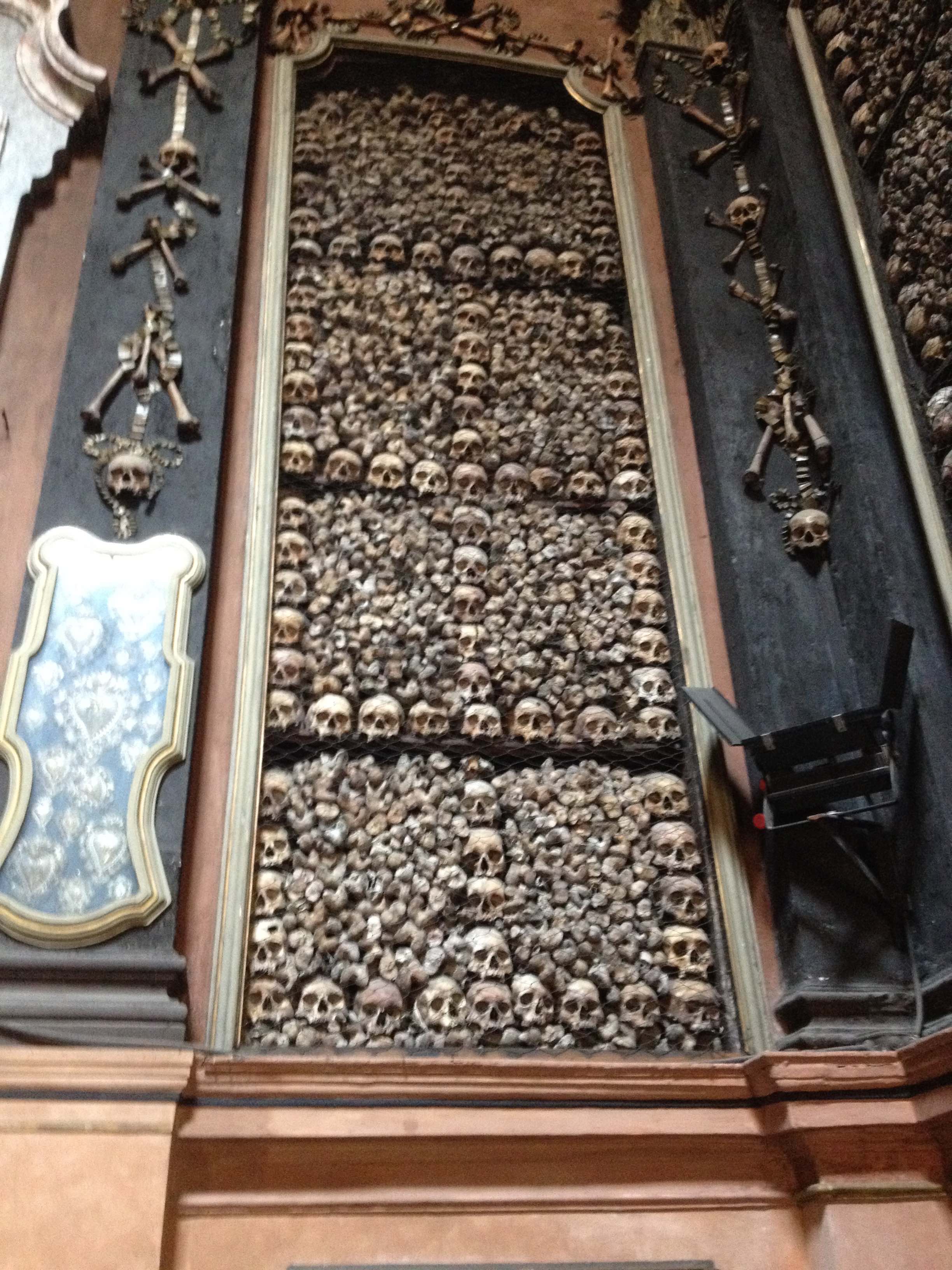
Entry into the Parish confirmed my worst fears of another church full of frescoes and images that I am sure are very beautiful, valuable and important for many people, except myself so I departed quickly and, as usual, proceeded to wait outside. Eventually a satisfied wife appeared and without much ado made a beeline for the other church. I followed again, my complaints ignored as usual. This time I was wrong, the place offered an unexpected corner: the ossuary.

IMG_1026 cropped copy

IMG_1027 cropped IMG_1047 copy

As its name indicates this is a small side chapel decorated with numerous human skulls and bones. I learnt that it was built in 1210 to house the bones of a full next-door cemetery and those who were enterred there. In addition, there is a special place located over the back door where the skulls of criminals who were beheaded for their crimes are kept.

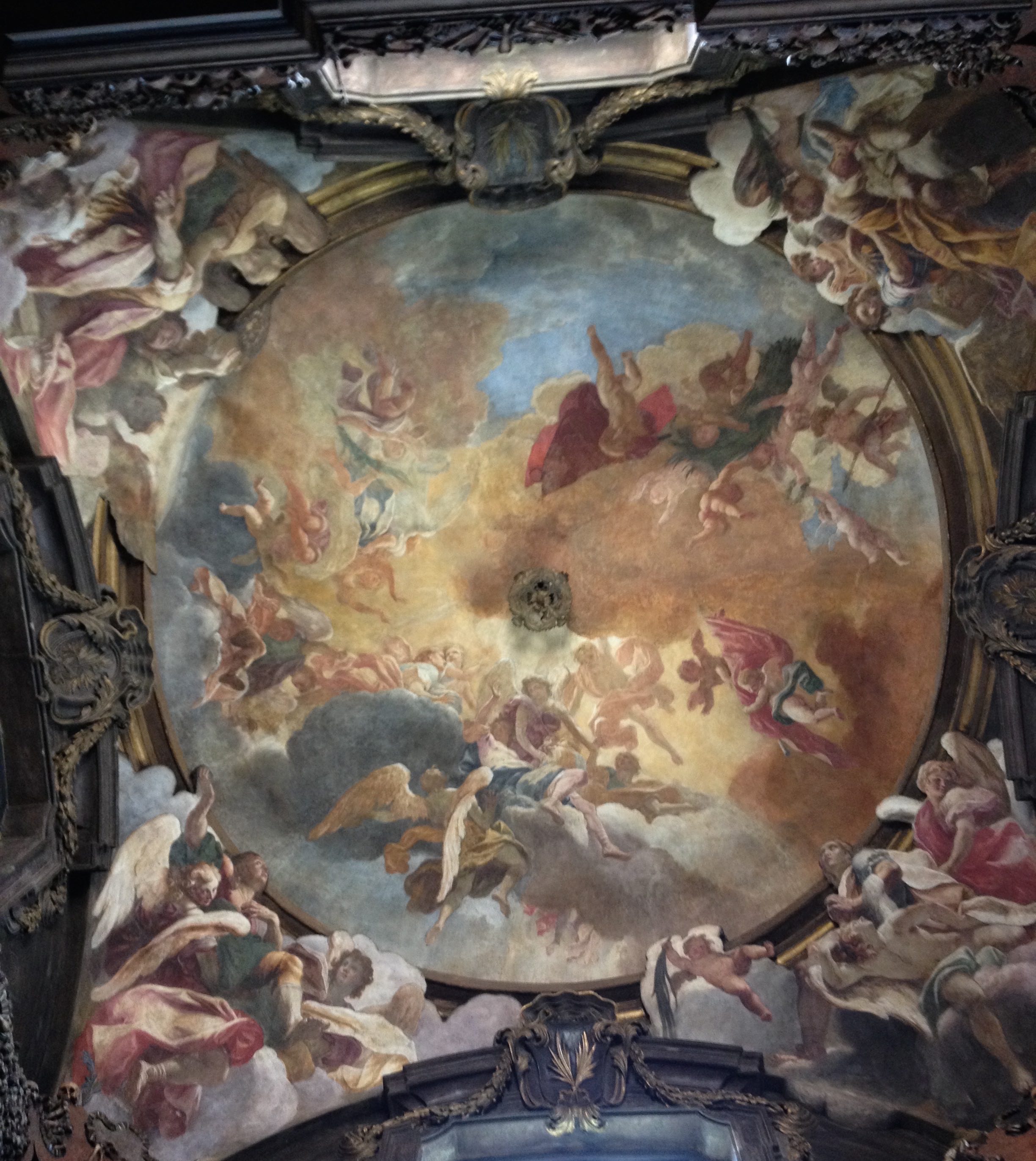
The rather macabre sight of the bone niches and bone-based ornamentation on the walls offers a great contrast with the beautiful and colourful frescoed vault painted in 1695 by Sebastiano Ricci known as the Triumph of Souls and Flying Angels.

The roof of the Ossarium.

The roof of the Ossarium.

We visited the crypt under Santa Maria della Concezione dei Cappuccini in Rome in 2008. There the remains of thousands of Capuchin monks are arranged along the walls in a more elaborate, if the word is appropriate, bone arrangement. However, the most striking find at that church for me was the final sign that reads: “What you are now, we once were; what we are now, you shall be” This had a profound impact on me and it became engraved in my mind as it brought home the inevitability of death! Writing this post I learnt that these bone-related structures are known as “Memento mori[1].

The Capuccino crypt, Rome.

The Capuccino crypt, Rome.


[1] Latin: “Remember (that you have) to die” highlighting the transient nature of all earthly goods and pursuits, a lesson that should be understood by all today!

Caput Mundi – A Waterless Coral Reef

While walking along the Appian Way I described in Caput Mundi Revisited that we passed by the Istituto Salesiano San Callisto[1] on our way to Church of St Mary in Palmis and then to the city centre.

Istituto Salesiano San Callisto.

Istituto Salesiano San Callisto.

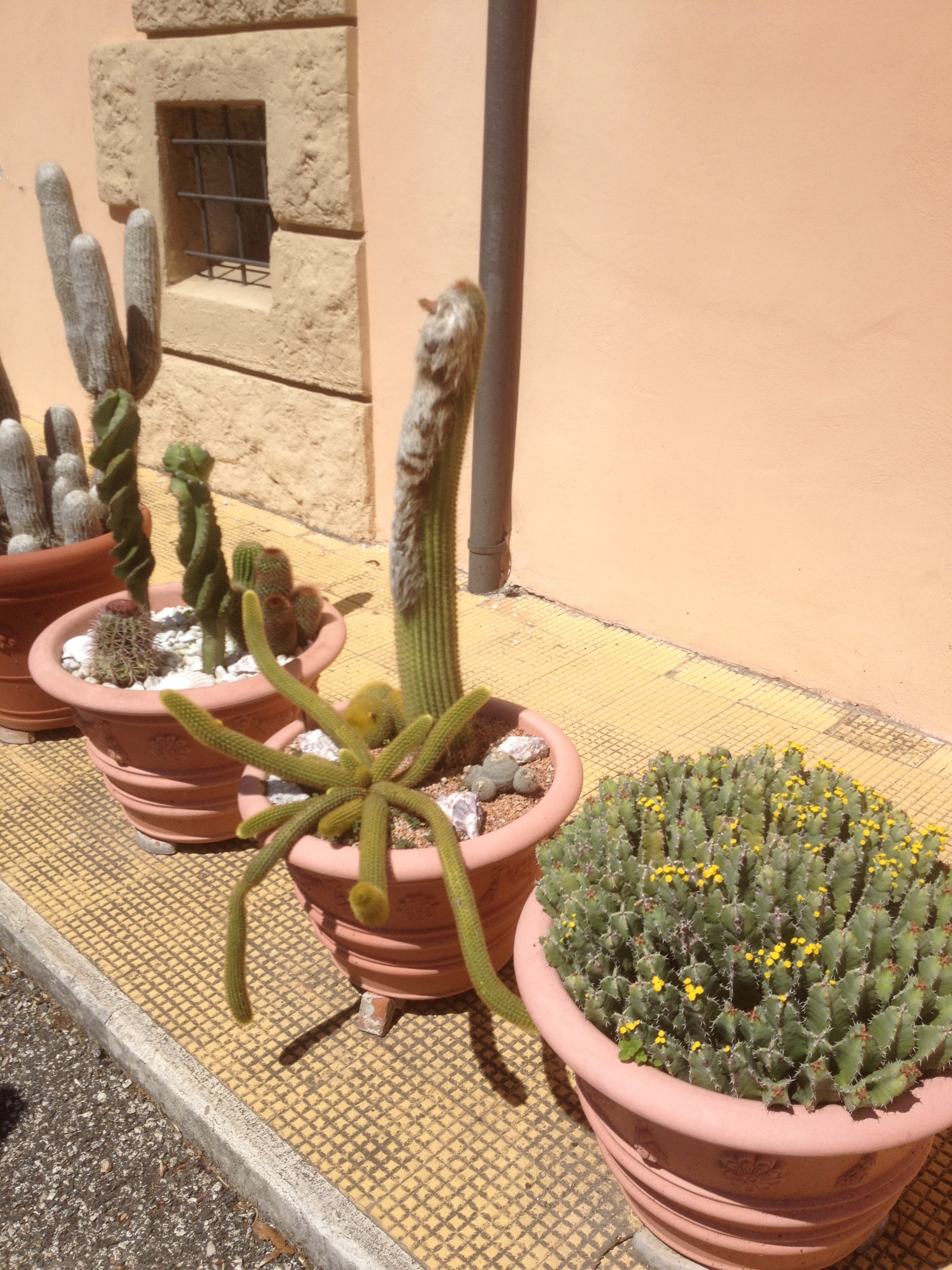
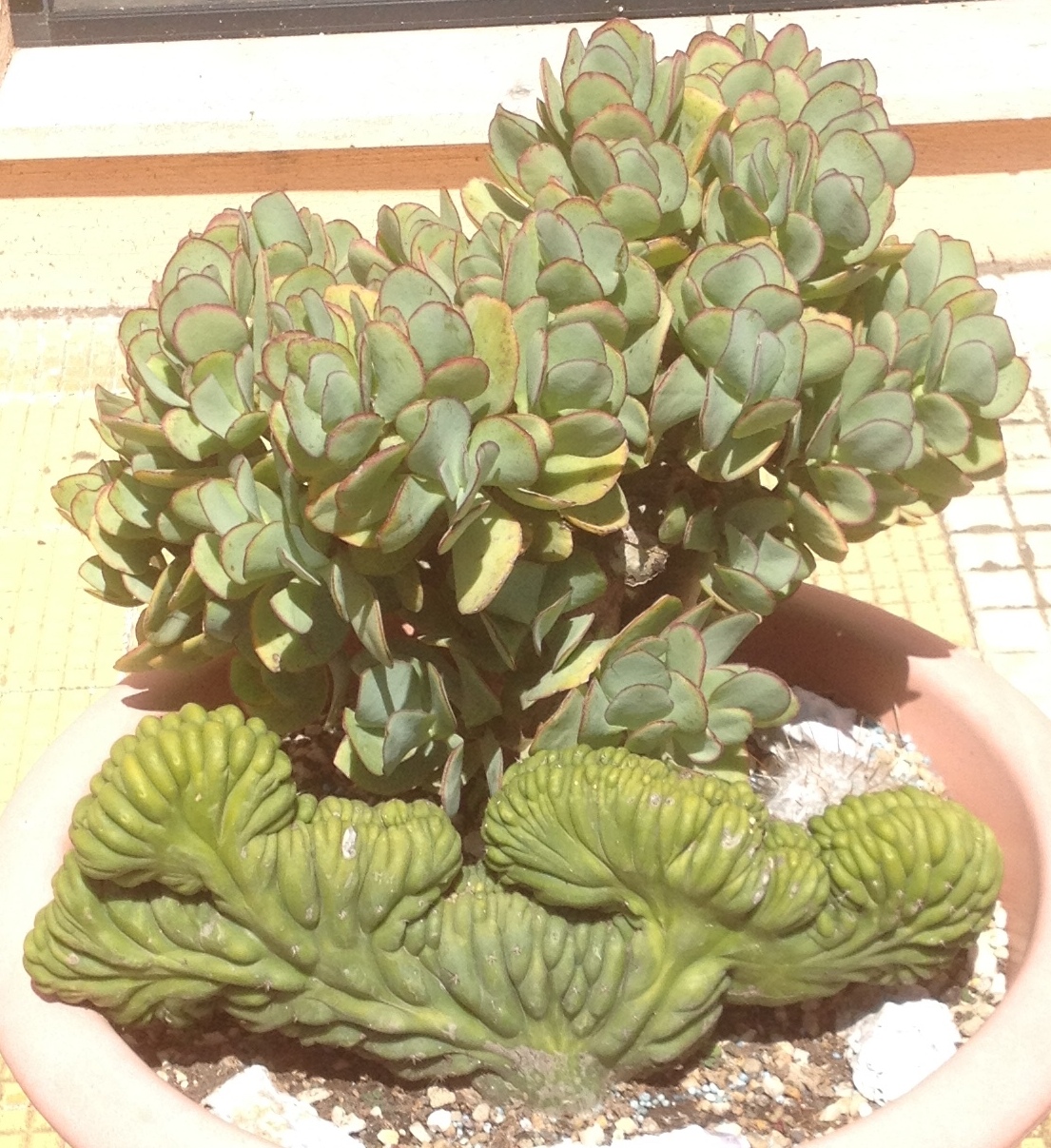
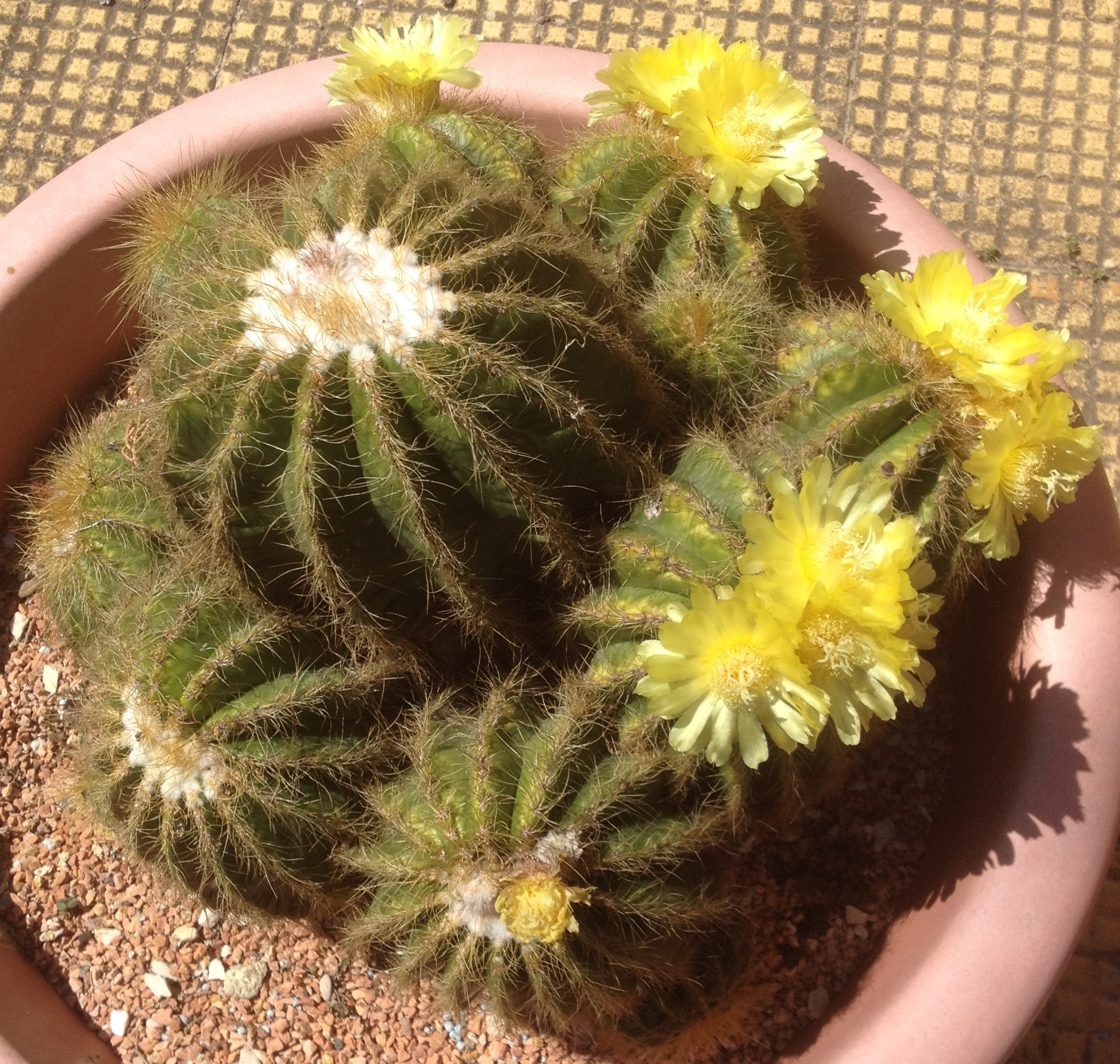
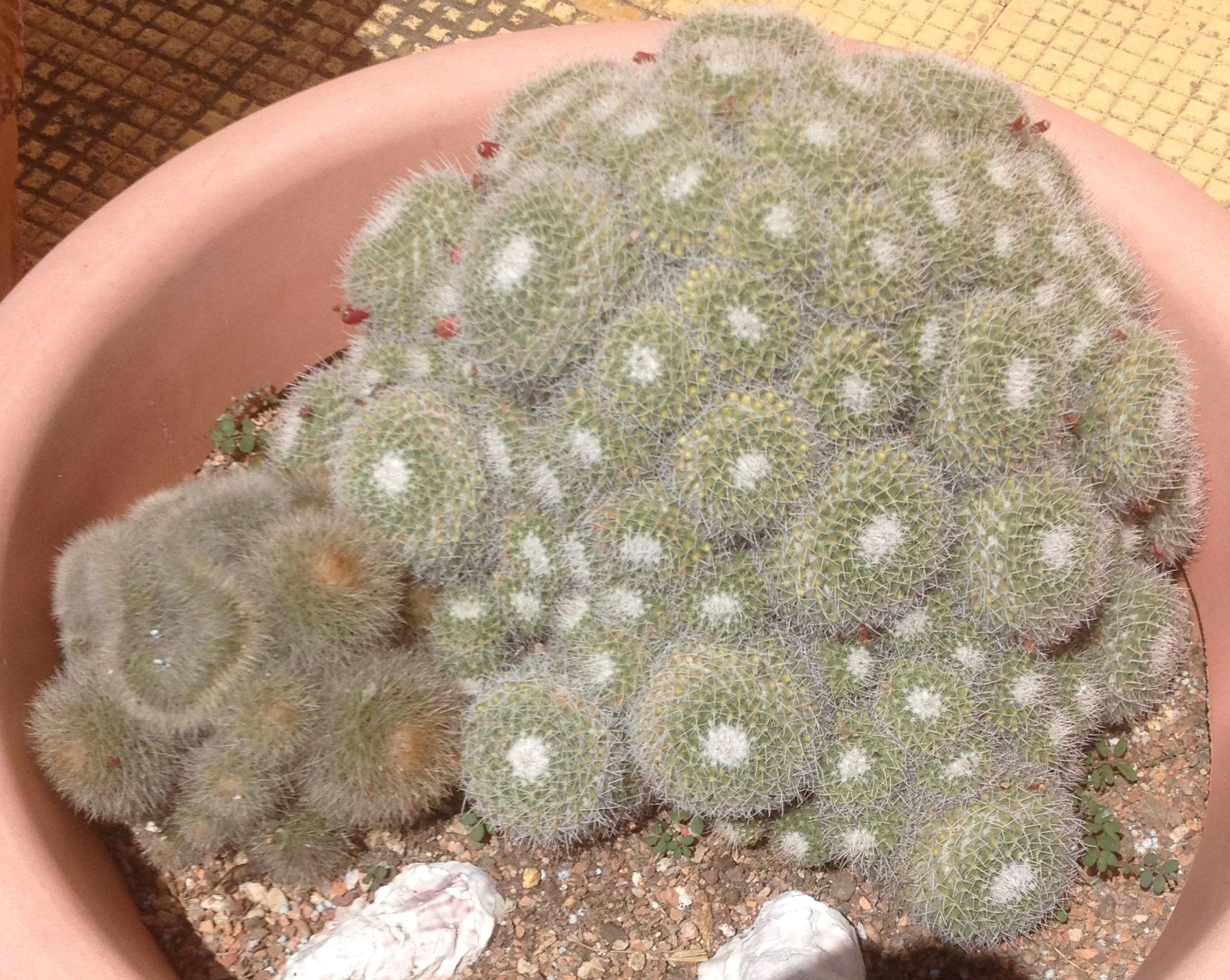
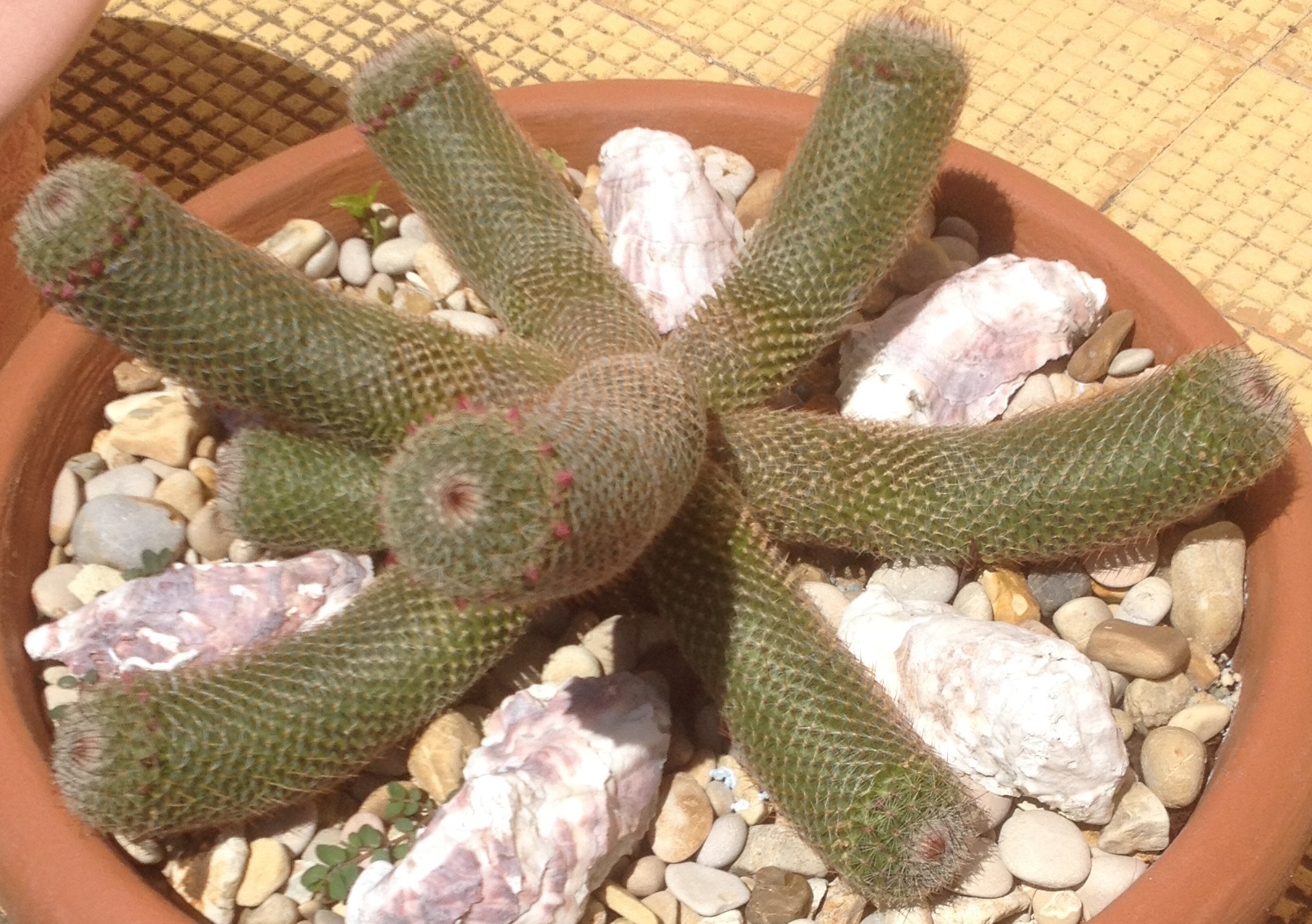
We noted that the front of the Istituto had acquired a new feature: a marvelous collection of succulents. The comparison with coral formations as seen in the Indian Ocean was immediate so we decided that a closer examination was required. What we found is presented here as a pictorial account. No attempt at identifying the plants was made and I leave that to the readers interested in cacti!

IMG_0919

While carefully looking at the plants we noted that seashells had been placed surrounding the plants, a clear reminder to us that whoever did this wonderful work had also thought of the sea!

It is clearly difficult to be original in this world!

IMG_0926 cropped IMG_0930 croppedIMG_0923 cropped IMG_0922 cropped IMG_0910 cropped IMG_0916 cropped IMG_0917 cropped IMG_0911 cropped IMG_0912 cropped IMG_0913 cropped IMG_0914 cropped IMG_0928 cropped

[1] I wrongly referred to it as Dio Silvano college in my Caput Mundi Revisited post, apologies.

Caput Mundi – Romeing

Although we have visited Rome several times and lived there during 1993-1997 and 2006-2010 we are never bored when we are here as it is the city of exploration and discovery as well as surprise! The advantage of both having time and knowing the city quite well enable us to get lost in it with pleasure.

This visit was no exception and we walked in the general direction of the historical centre, with a quick detour at FAO to address pending minor administrative issues. As usual a number of monuments were being restored and were therefore totally or partially covered and invisible to the normal visitor. Seeing them reminded me of the difficulties the Roman authorities must face in order to preserve the city as well as the costs this incurs!

This time a section of the Colosseum was being repaired but we could still enjoy part of it.

The Colosseum never fails to amaze.

The Colosseum never fails to amaze.

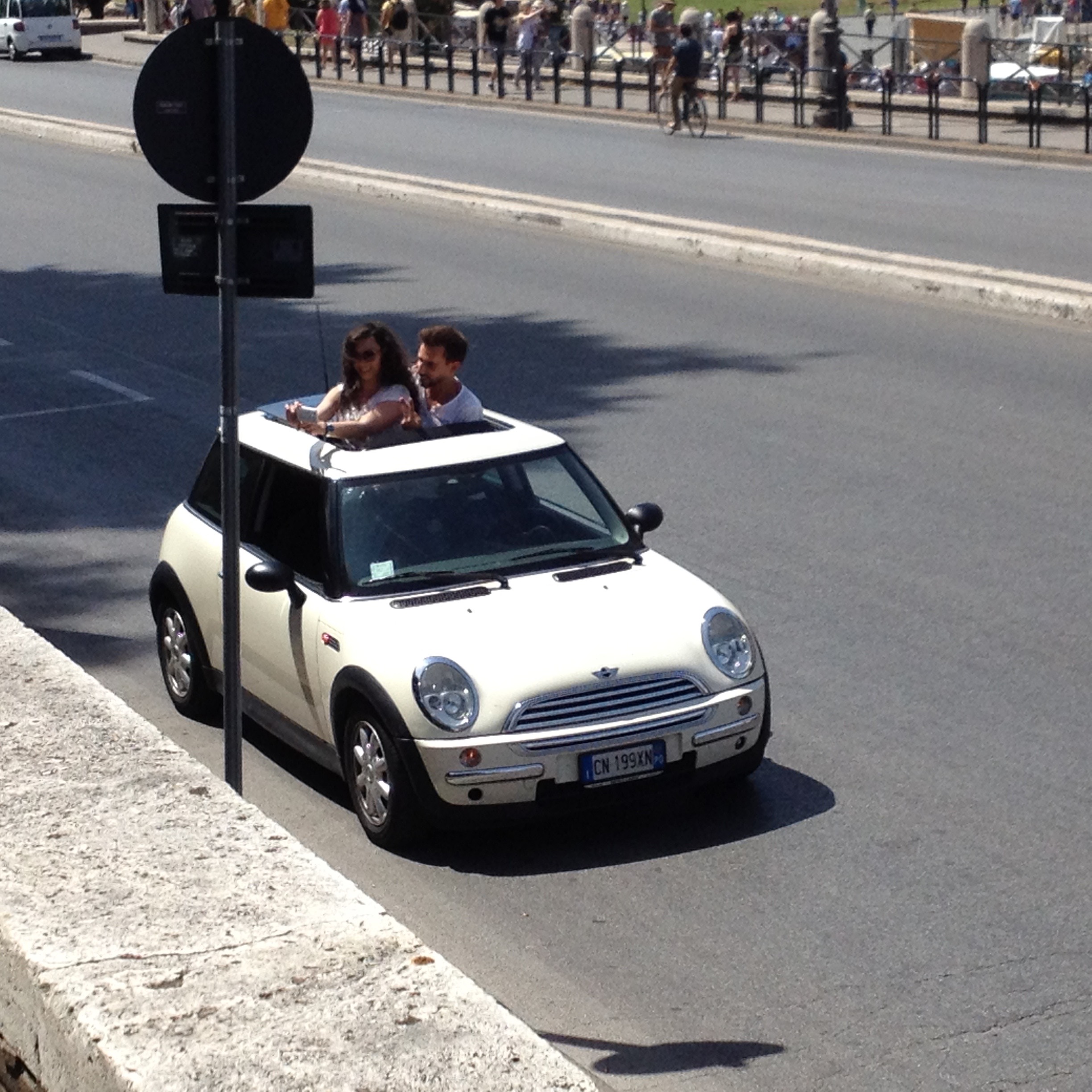
What about a

What about a “selfie” with a “Colosseum background”? Even if it means stopping on the busy road…

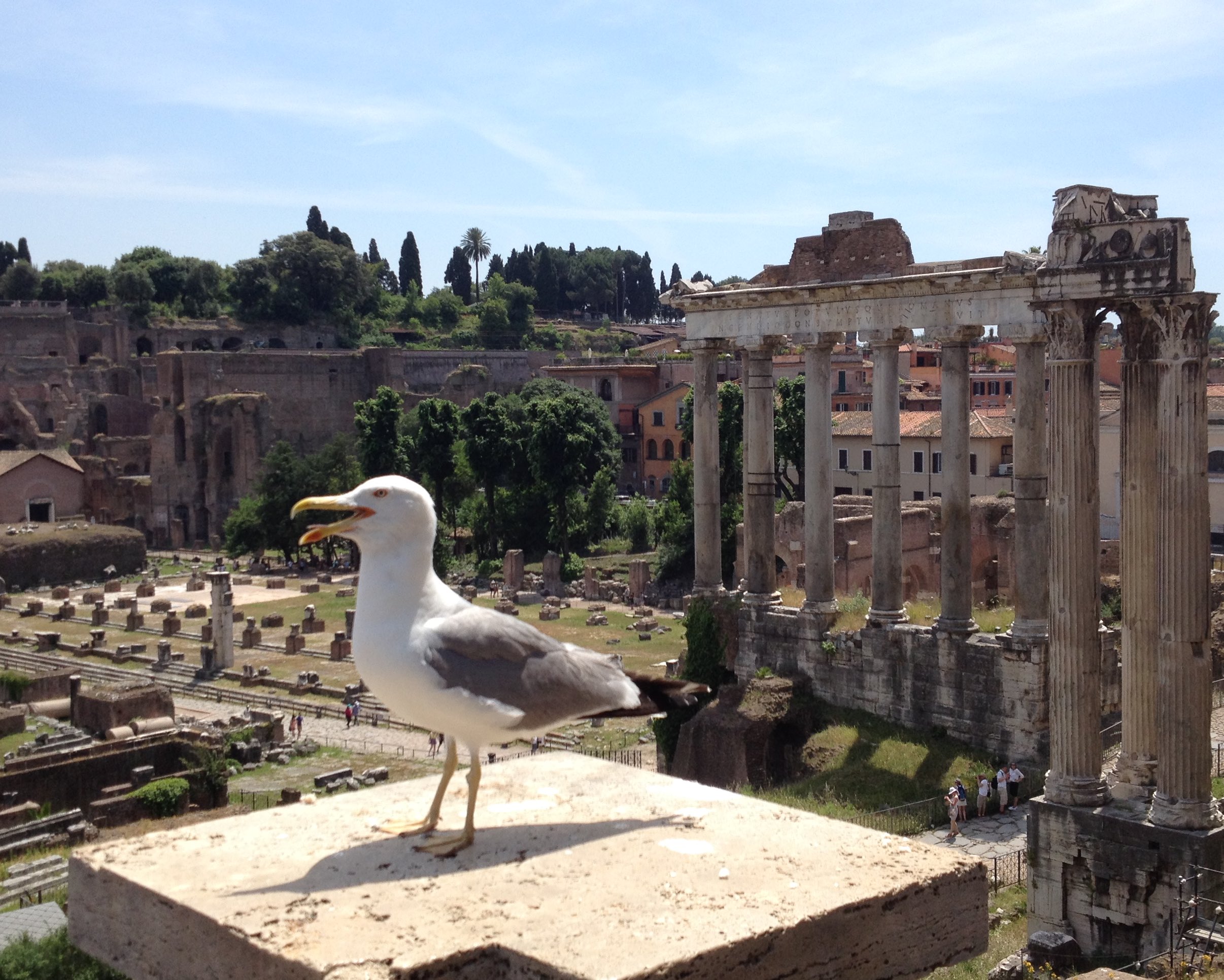
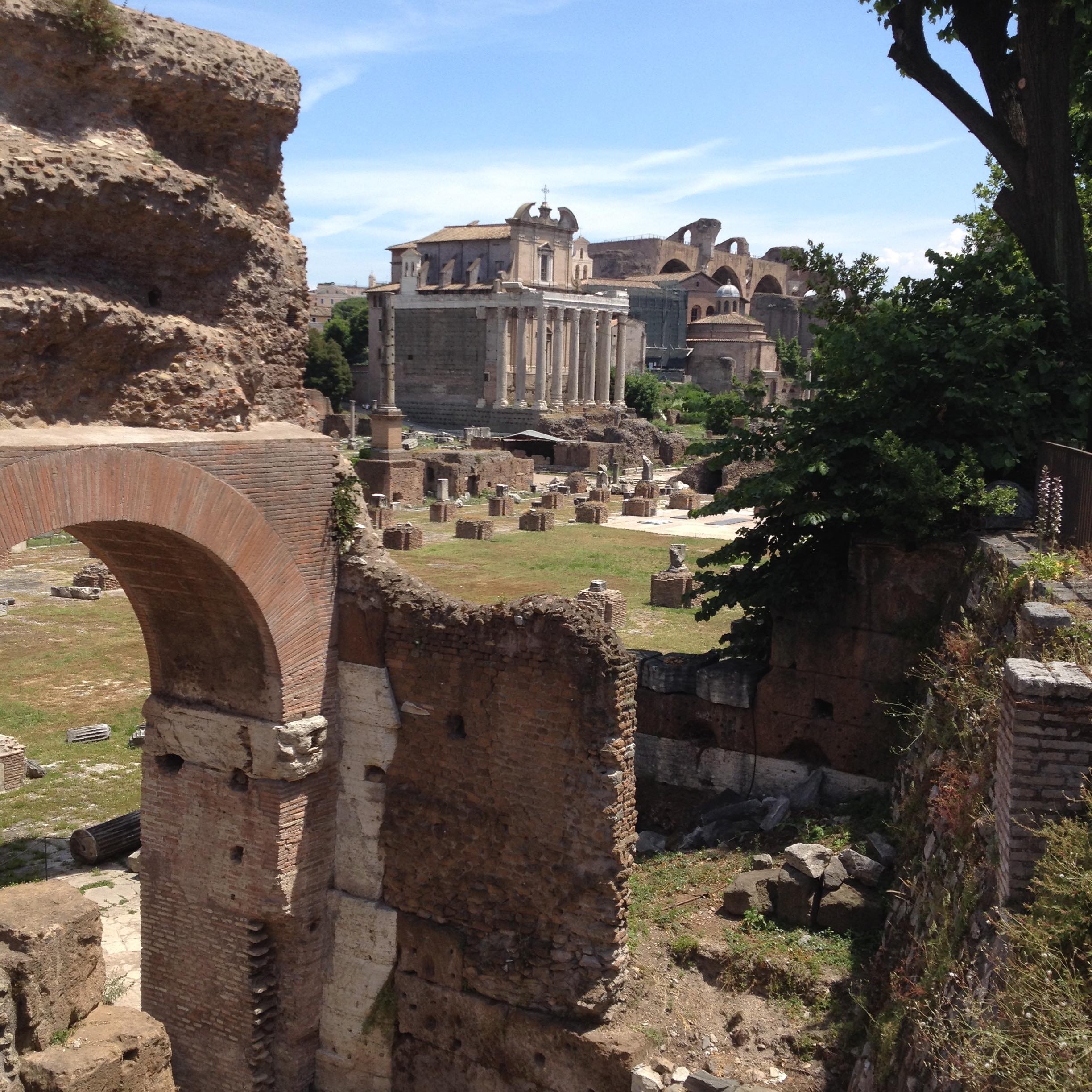
As the weather was very pleasant, our walk continued and took us to the great views of the Roman Forum. Although we have entered it before, we realized that in order to appreciate it as a whole, the best place to see it is from above. Not being archeologists, our interest in ruins goes as far as admiring their present beauty while trying to imagine what the place must have looked like a couple of thousand years before (an impossible task unless they are whole!).

IMG_0974 copy

IMG_0984 cropped

Anyway, in front of our eyes were the Temples of Saturn, Vespasian and Titus, Cesar, Castor and Pollux as well as the Temple of Vesta; the Arch of Septimius Severus and other remarkable surviving ruins of what once was the centre of Roman public life.

IMG_0972 copy

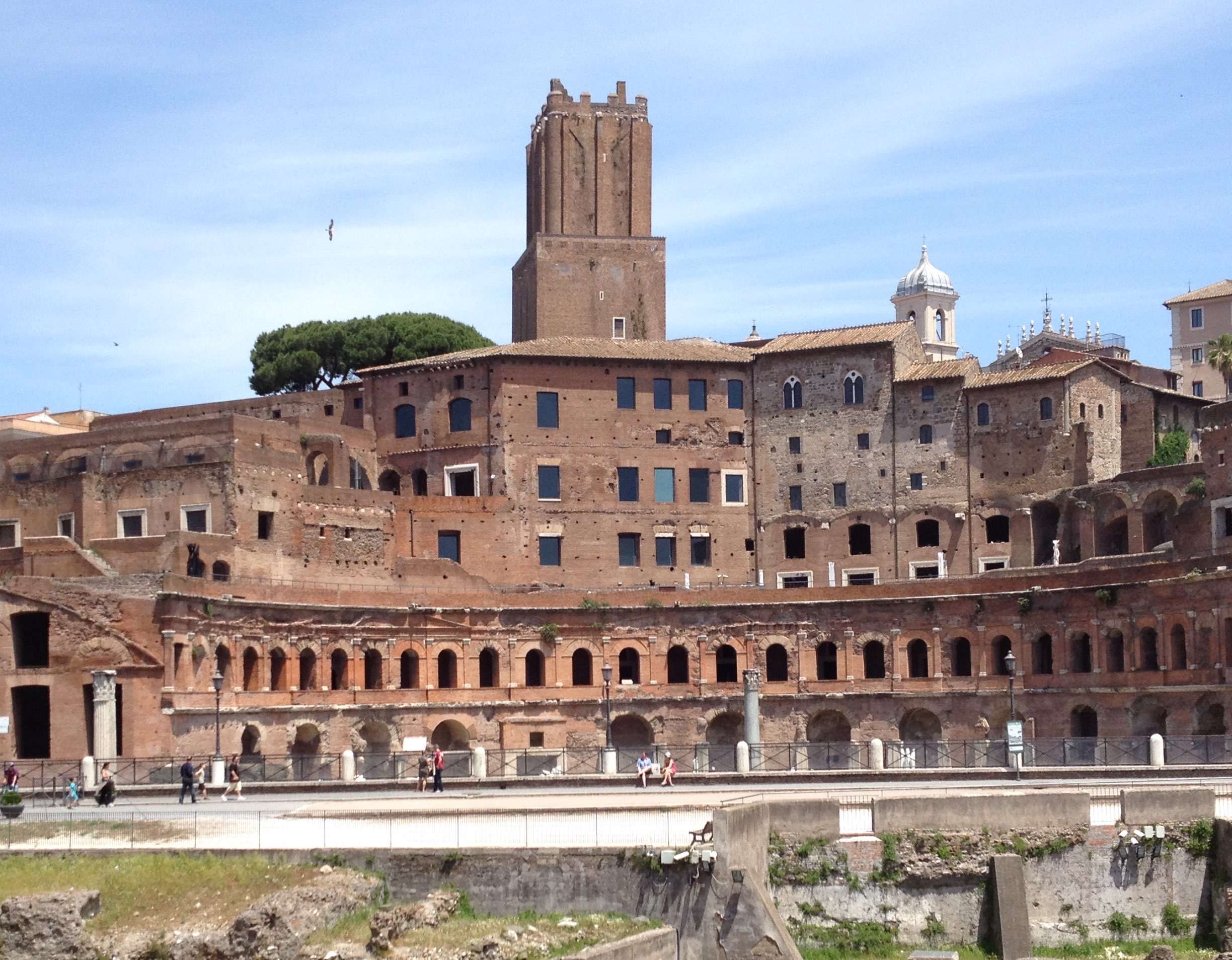
Our contemplation over, our walk continued downwards until we reached the Trajan forum, built in 106 by, not surprisingly, Trajan! The spoils of the conquest of Dacia, with which the forum was built in 106 must have been lean as it is built in bricks (maybe the marble had run out…). Trajan’s Column is next but it was built later (113), quite new for Roman standards!

IMG_0989 cropped

The flag of the Order of Malta adds a touch of colour.

The flag of the Order of Malta adds a touch of colour.

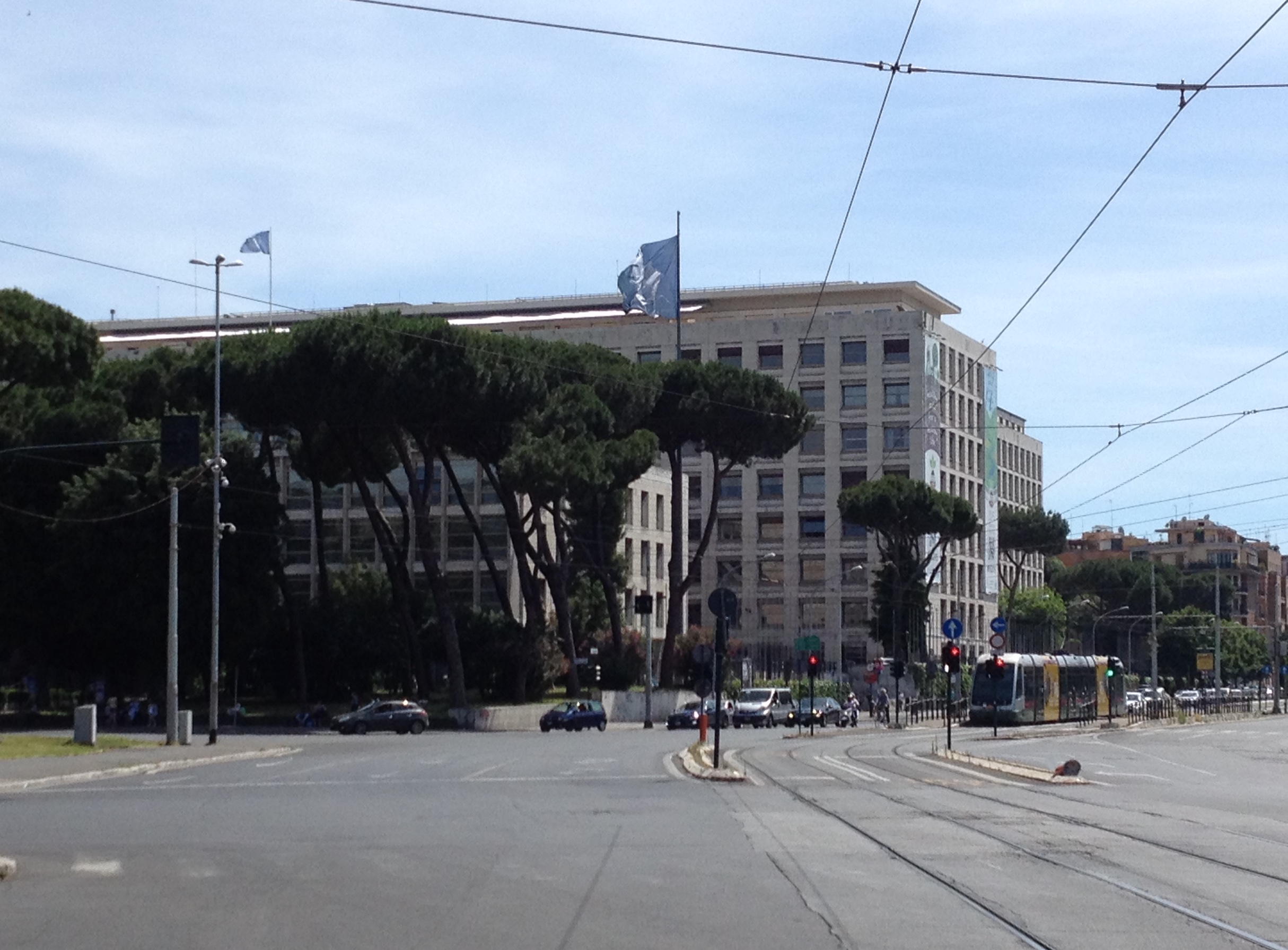
Once we reached the end of our legs’ strength (there was still an infinite Rome waiting!) we decided to return to base for a well earned shower and rest. We chose a short walk down “memory lane” that followed my first-ever walk in Rome: from Via Capo D’Africa, 47[1] to FAO via the church San Gregorio Magno al Celio. Little did we know that a final Roman act waited us!

The FAO Headquarters.

The FAO Headquarters.

The smell of acrid smoke hit us near the church and we saw a small leaf mound on fire, probably the result of the work of a Roma City Council gardener. We did not think much of it and walked past noting a flock of police (women and men) nearby chatting animatedly. Nothing wrong there either. Suddenly though, we heard a siren and, lo and behold, a fire engine came rushing in to control the on-going conflagration!

Italy is the cradle of Opera and clearly Rome’s inhabitants have a flair for drama, even when dealing with really mundane occurences!

[1] The Hotel Penzione Lancelot (now Hotel Lancelot, still under Mrs. Khan’s management) is located there.

Caput Mundi -Truffling

When our good friend Carlo invited us to go looking for truffles[1] near Rome we accepted gladly. We knew that he had started this activity a few years back and we had followed his progress. We also had tasted these sought after delicacies earlier and we were looking forward to a possible repeat of some of his specialties such as Uova di quaglia al tartufi (quail eggs with truffles) or pasta with truffles. He had also assured us that barbequed meat and truffles was great so we (meat-eaters, sorry) could not wait to go out! We were also assured of good company and some exercise anyway!

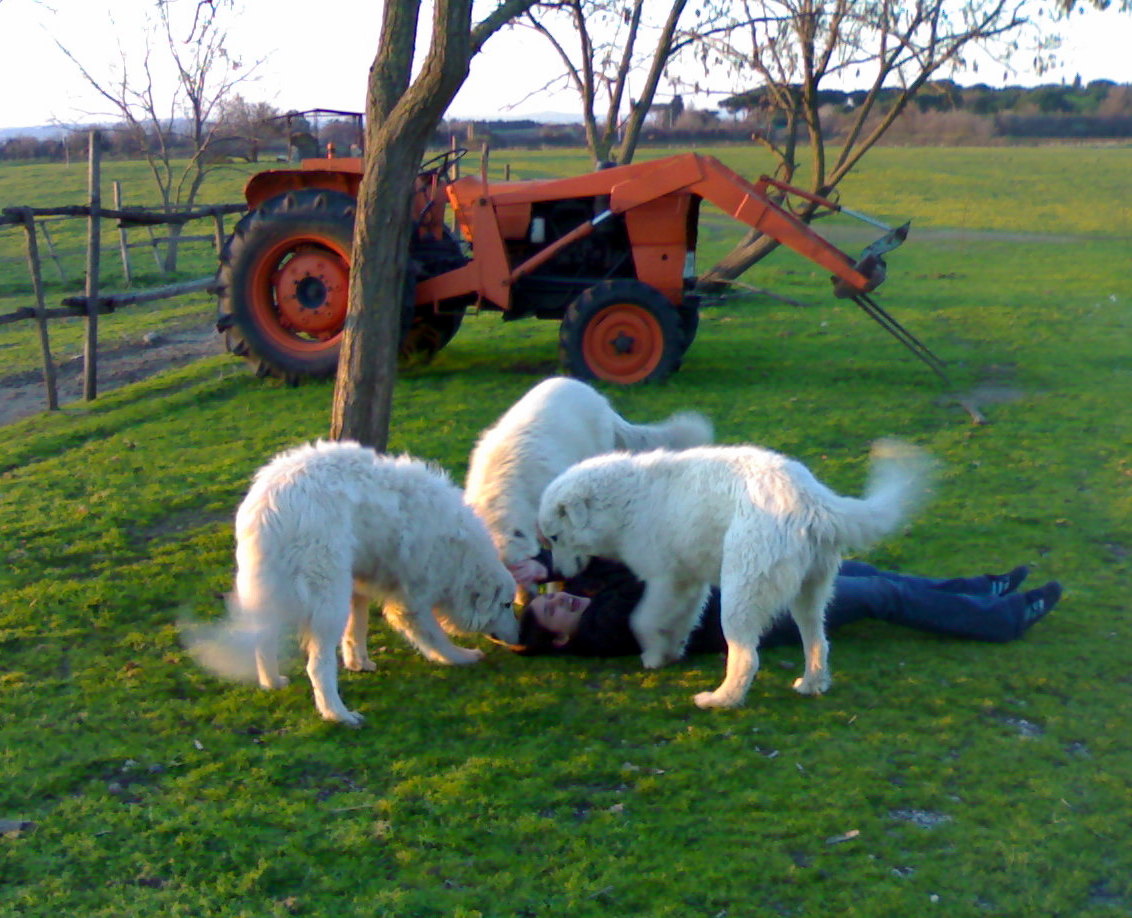
Carlo loves dogs probably more than cooking! Apart from having had a wolf-dog cross for several years he breeds Maremmano-Abruzzese[2] and is among the top breeders in Italy. Suffice to say that they are large and that there are never less than ten of them at the house. Luckily their garden is rather large as they are massive!

Grown Maremmano puppies play with my daughter (2008).

Grown Maremmano puppies play with my daughter (2008).

Although the Maremmano are his favourite, they are not good in finding trufflles so he keeps an additional four “truffle dogs”and one young apprentice. All females, they are two Cocker Spaniels and three Poodles (including the puppy). Carlo had painstakingly trained them all for months and a couple had a few years of experience. We took the five of them and I am glad that he knows how to handle them as he managed three while my wife and I had one each, admittedly with some difficulty.

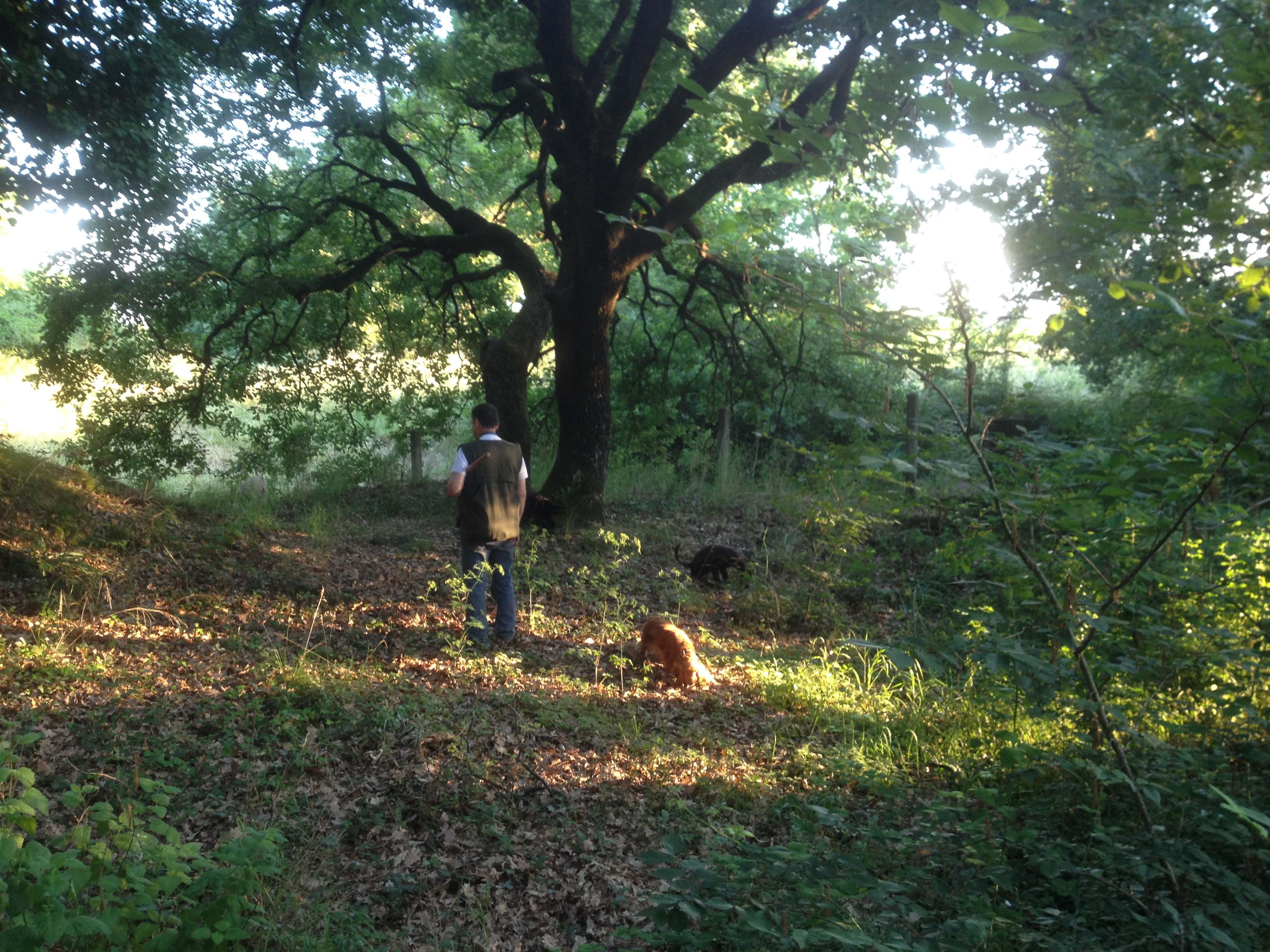
Once we arrived at the right location they were released and we walked until we found the first suitable place, an oak woodland where Carlo thought truffles should be. He then started to use special vocalizations to entice the dogs to search for their targets. The dogs went “bananas” and started sniffing the ground all over the place. Within a couple of minutes Miele (Honey), a Poodle, started digging frantically.

Waiting for results...

Waiting for results…

We carried the necessary and legal[3] digging equipment (a kind of small spade known as vanghella) and, seeing the dog’s high level of activity I prepared to literally go to great depths to get the truffles! My efforts were not needed as the dog, almost immediately, brought out a dark brown tuber the size of a golf ball that Carlo took from her mouth giving her a piece of sausage as a reward for her efforts.

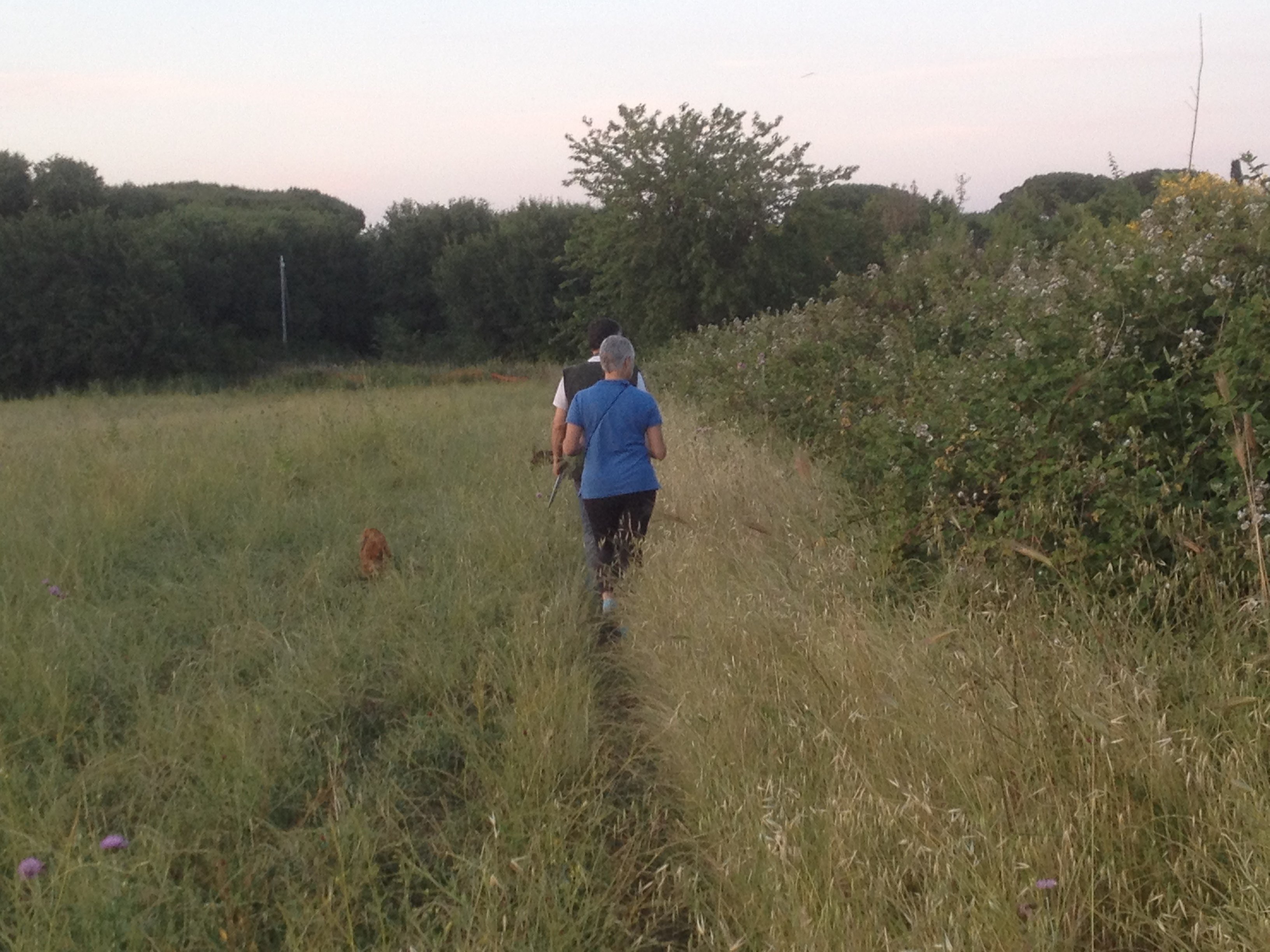
Following the dogs'.

Following my wife, Carlo and the dogs.

A possible

A possible “truffling” area is inspected.

Our walk following the dogs continued and the operation repeated several times until it was decided that we had collected enough and, as it was getting too hot for the dogs’ efforts, it was time to go home.

I believe that the truffles collected belong to the Tuber aestivum species. Common sizes go from 2 to 10 cm but larger ones are also found. These truffles have a rough brown or black outer skin known as “peridium”.

Our collection for the day!

Our collection for the day!

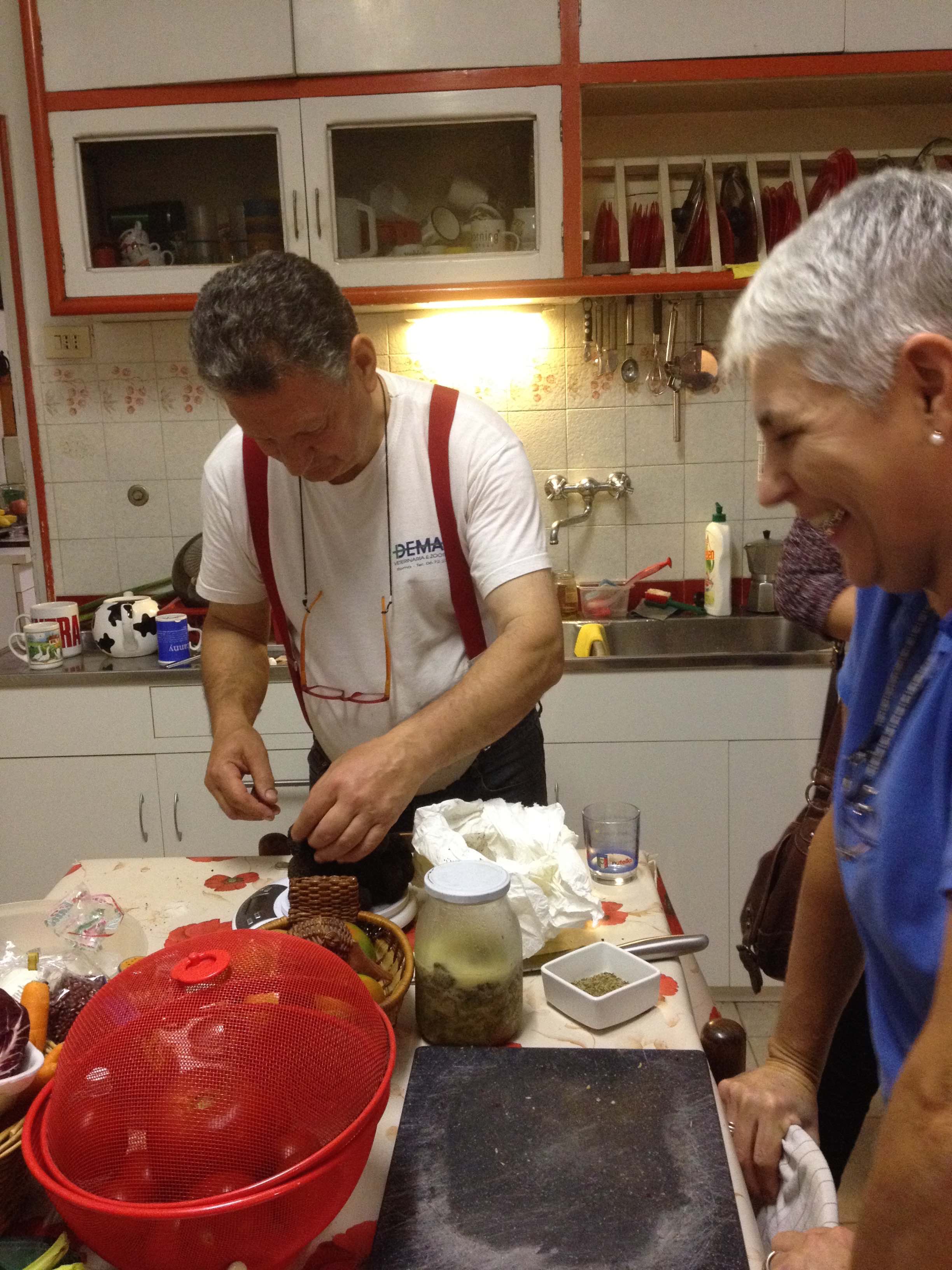
When back home, at my request, the brown treasure was weighed. It reached a rather staggering 750g. Considering that a kilogramme of summer truffles sell for Euro 300, it was a good result for a couple of hours effort!

Placing the truffles on the scale.

Carlo placing the truffles on the scale while my wife praises our find (and the Bushsnob takes the picture…)

We are now sure that we have enough raw material to enjoy a few of Carlo’s specialties and, as we are still in Italy and have the suitable equipment (read truffle dogs!) we can always join Carlo on another of his quests for more!

Look at that!

Look at that!

[1] See: http://www.cercotartufo.it/j/i-vari-tipi-di-tartufo.html. It is in Italian but it has good pictures!

[2] See: http://en.wikipedia.org/wiki/Maremma_Sheepdog for more information.

[3] According to the Law, “for the collection of truffles in Lazio spade or vanghella can be used exclusively, with the aid, for the excavation between the stones, small hoes”.

Caput Mundi revisited

It is back to Rome in 2015, after a few years’ absence. We are on our way to our son’s graduation in Scotland and we will visit our daughter (the Editor of the blog!) in Milano before that. After this is completed, it will be back to Africa.

After a 13 hour of a rather sleepless flight we arrived at our friends house in the Via Appia, yes, we are very fortunate to stay at that magnificent place where once upon a time the Roman legions moved in and out of Rome on their way to Africa and other conquests!

The weather as it is normal here is great, sunny and warm without being too hot yet. On arrival and unable to sleep due to jet lag we decided to walk to town following the Appian way to stretch our legs, get tired and sleep well.

A view of the Appian Way.

A view of the Appian Way.

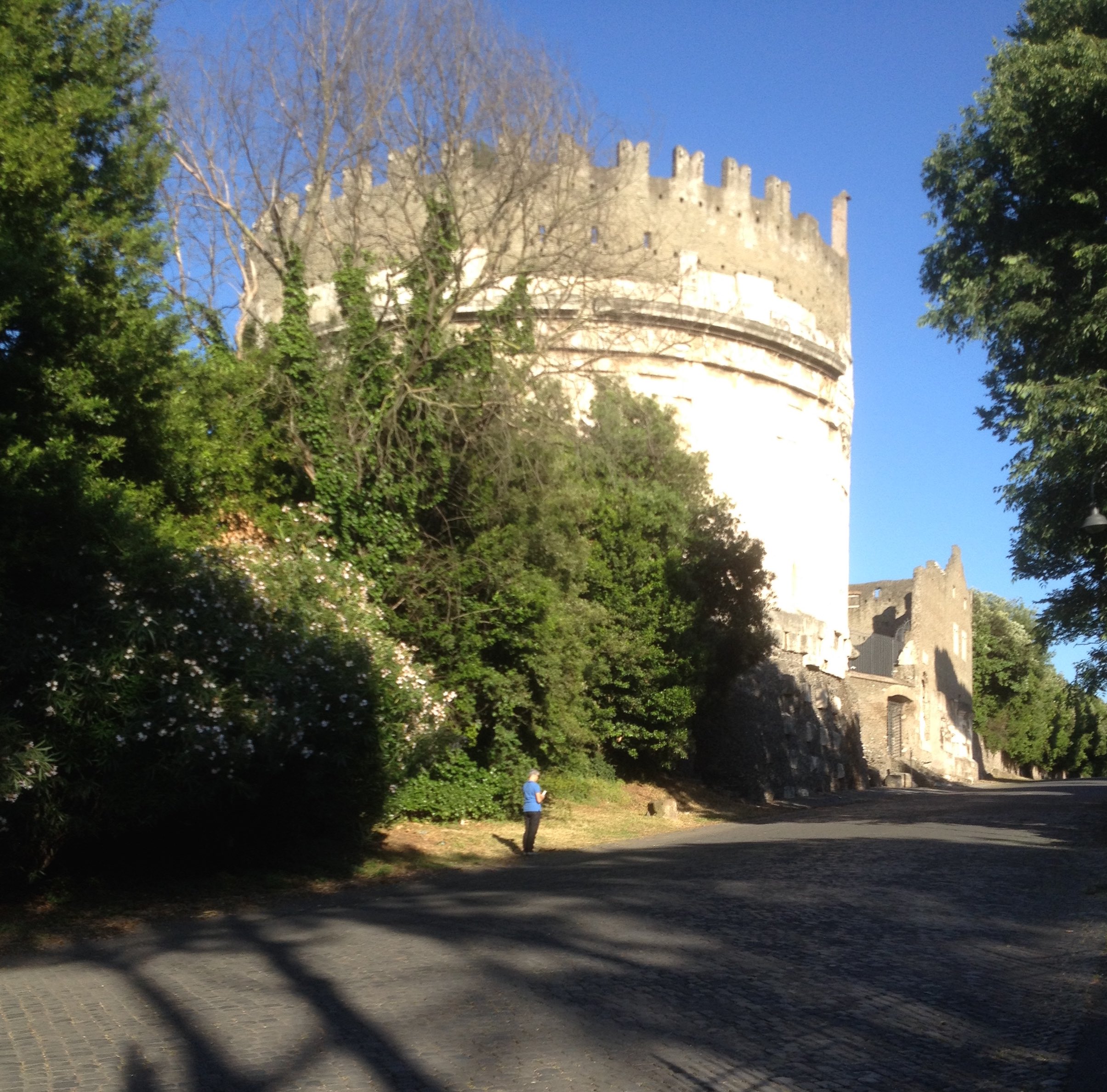
From our friends’ house we passed the Capo di Bove with its thermal baths dating back to the middle of the 2nd century. These baths were used privately until at least the 4th century and its name derived from the cattle head sculptures on the nearby tomb of Caecilia Metella. We also passed the latter, the best preserved mausoleum that signaled that we were three miles from Rome. Caecilia Metella was the granddaughter of Marcus Crassus who served under Julius Caesar.

The Caecilia Metella Mausoleum.

The Caecilia Metella Mausoleum.

After a short while we passed the Basilica of St. Sebastian that is also the entry of the homonymous catacombs and built originally in the first half of the 4th century. St. Sebastian was a popular Roman martyr of the 3rd century and the church was built over a small catacomb. Continuing on our way we crossed the Via Ardeatina and, before the tomb of L. Volumnius and I. Tyrannis we turn left to enter into a favourite area of ours where the Catacombs of Callixtus are located.

The church of St. Sebastian is seen in the background.

At our favourite walk. The church of St. Sebastian is seen in the background.

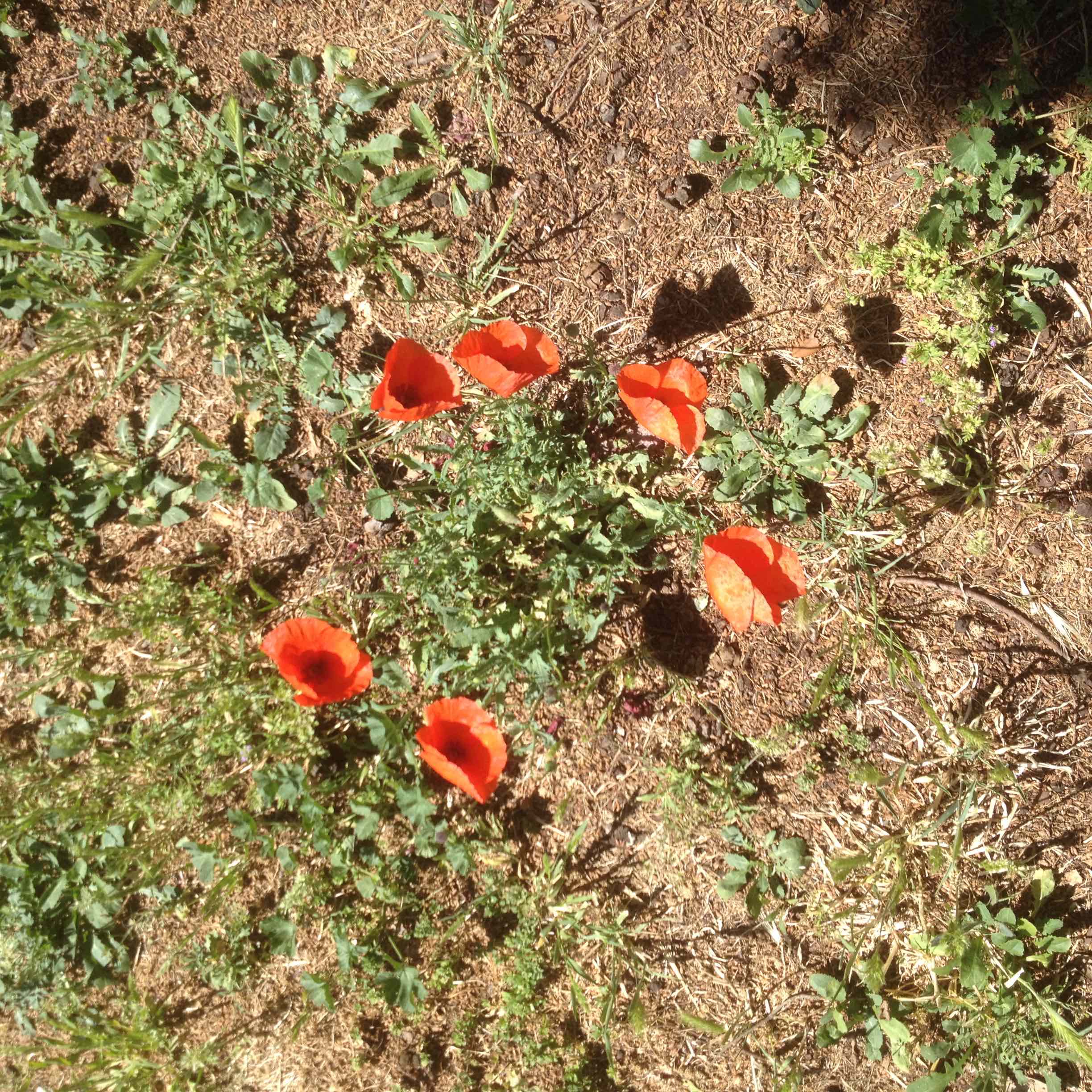
Poppies...

Poppies…

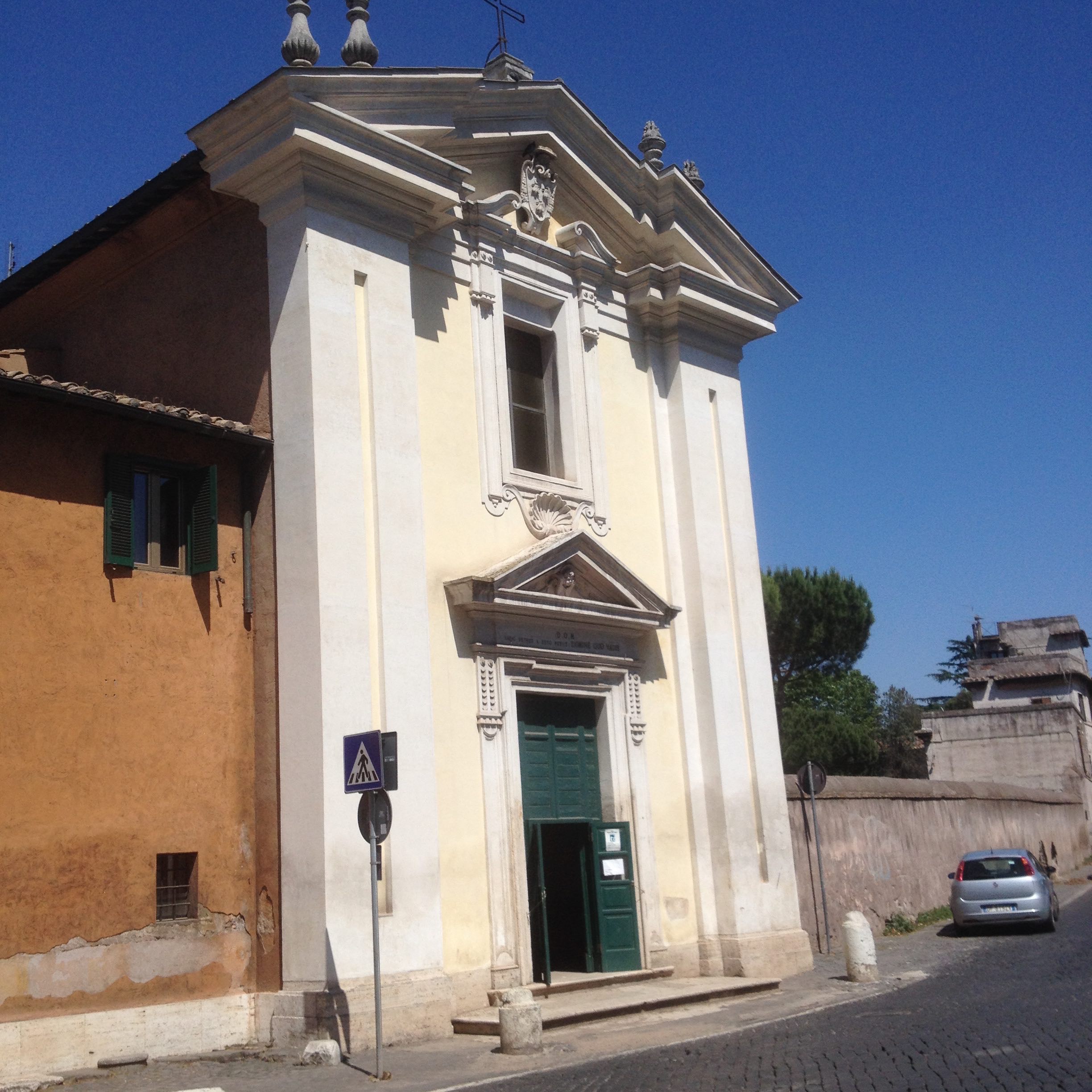
This is an approximately 2 km walk over beautiful fields at the moment sprinkled with red poppies, where the Dio Silvano college and the Ipogeo de Vibia are also found that ends back in the Appian Way, just across the Church of St Mary in Palmis, better known as the church of Domine Quo Vadis. It was here that, according to the legend, St. Peter had a vision of Jesus and asked him: “Lord, where are you going?” (In Latin: Domine, quo vadis?) to what Jesus answered, “I am going to Rome to be crucified again” (In Latin: Romam vado iterum crucifigi). After this encounter St. Peter returned to his own crucifixion!

Church of St Mary in Palmis.

Church of St Mary in Palmis.

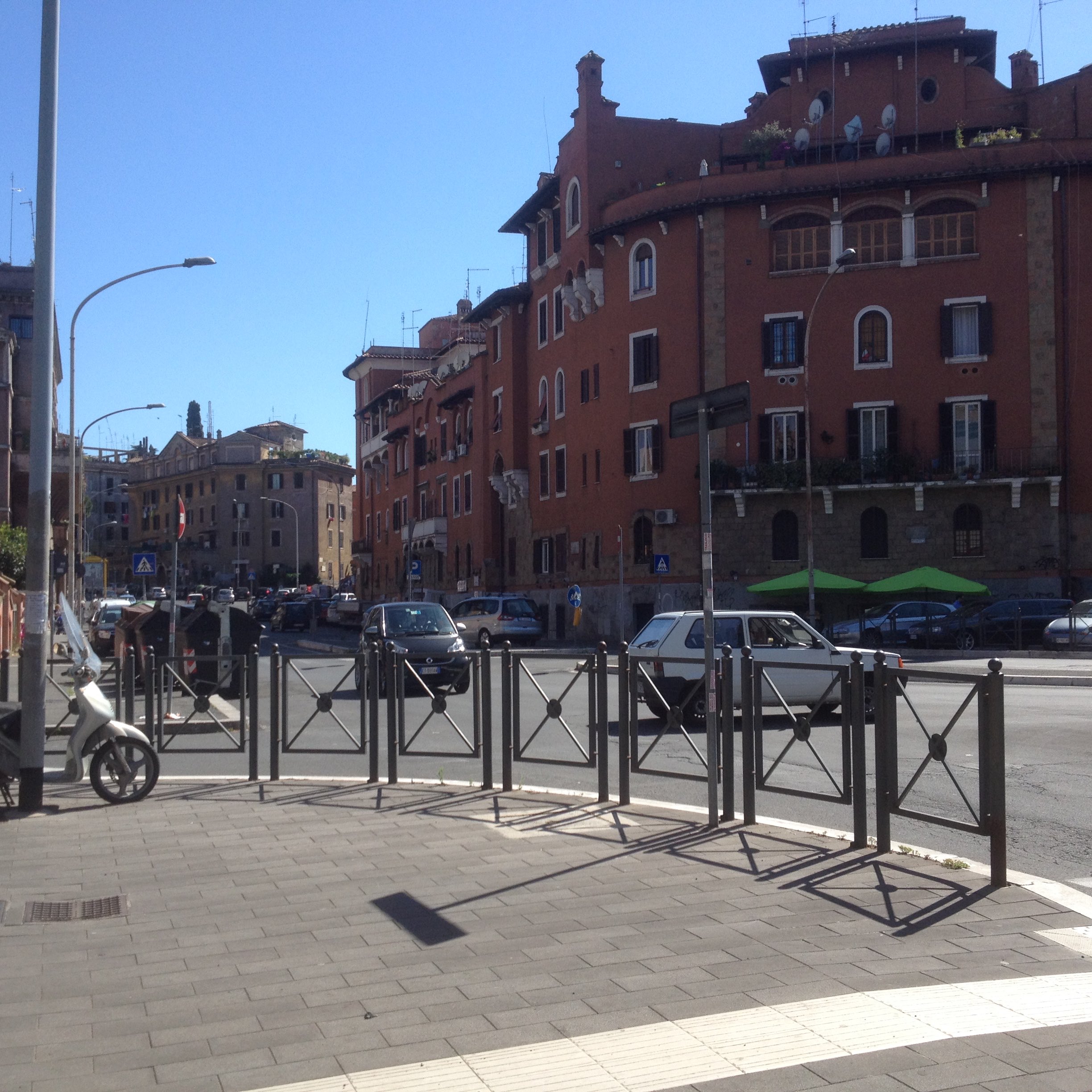
After this rather historical walk we moved to the actual modern city where we did some shopping, ate some pizza on the street and ended up with ice cream from our favourite shop at Garbatella quarter, The latter was founded in the late 1920s with its typical project units (In Italian: “lottos”), Rococo-style buildings grouped together around a common yard. This gives this quarter a friendly and rather familiar atmosphere.

Garbatella's typical architecture.

Garbatella’s typical architecture.

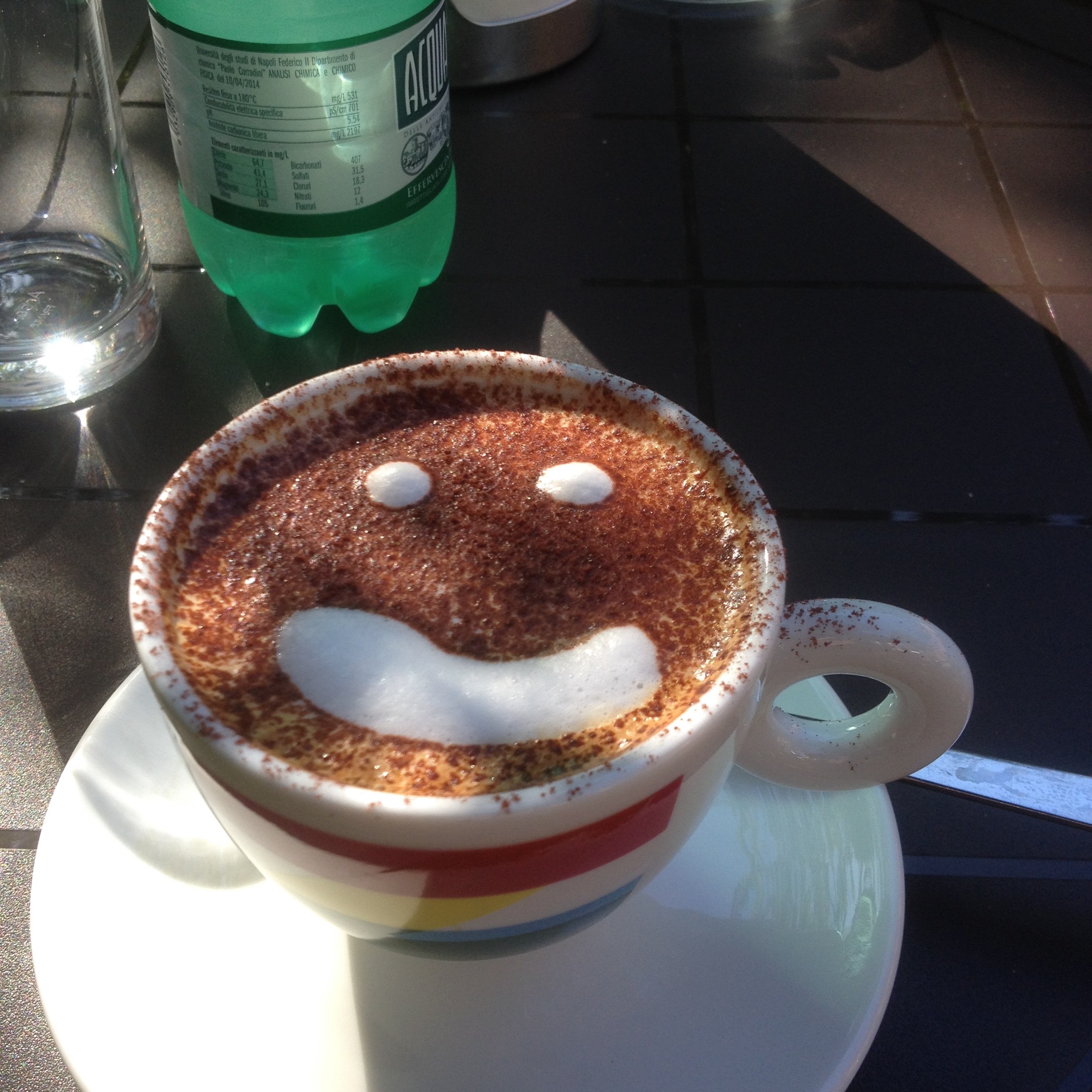
When I looked at the pedometer it showed 9 km! It was time for a “cappuccino stop”. After the tasty pause we recovered our forces and got back home trying to find a shorter way!

A "smiley" cappuccino...

Our “smiley” cappuccino…

Errata: What I referred to as Dio Silvano College was in fact the Istituto Salesiano San Callisto.

Horses on pajamas

Yes, I know I have not written much of late. Several reasons explain this. We are busy moving from Argentina to Uruguay and viceversa, social life pressure and, most importantly, my Editor is very busy at the EXPO in Milan. Rumors that I had finally packed up brain-wise to a severe case of dandruff are totally an utterly false as this disease does not affect your brain! Besides, I became immune to it when I lost my hair!

So now to serious (or less silly) issues.

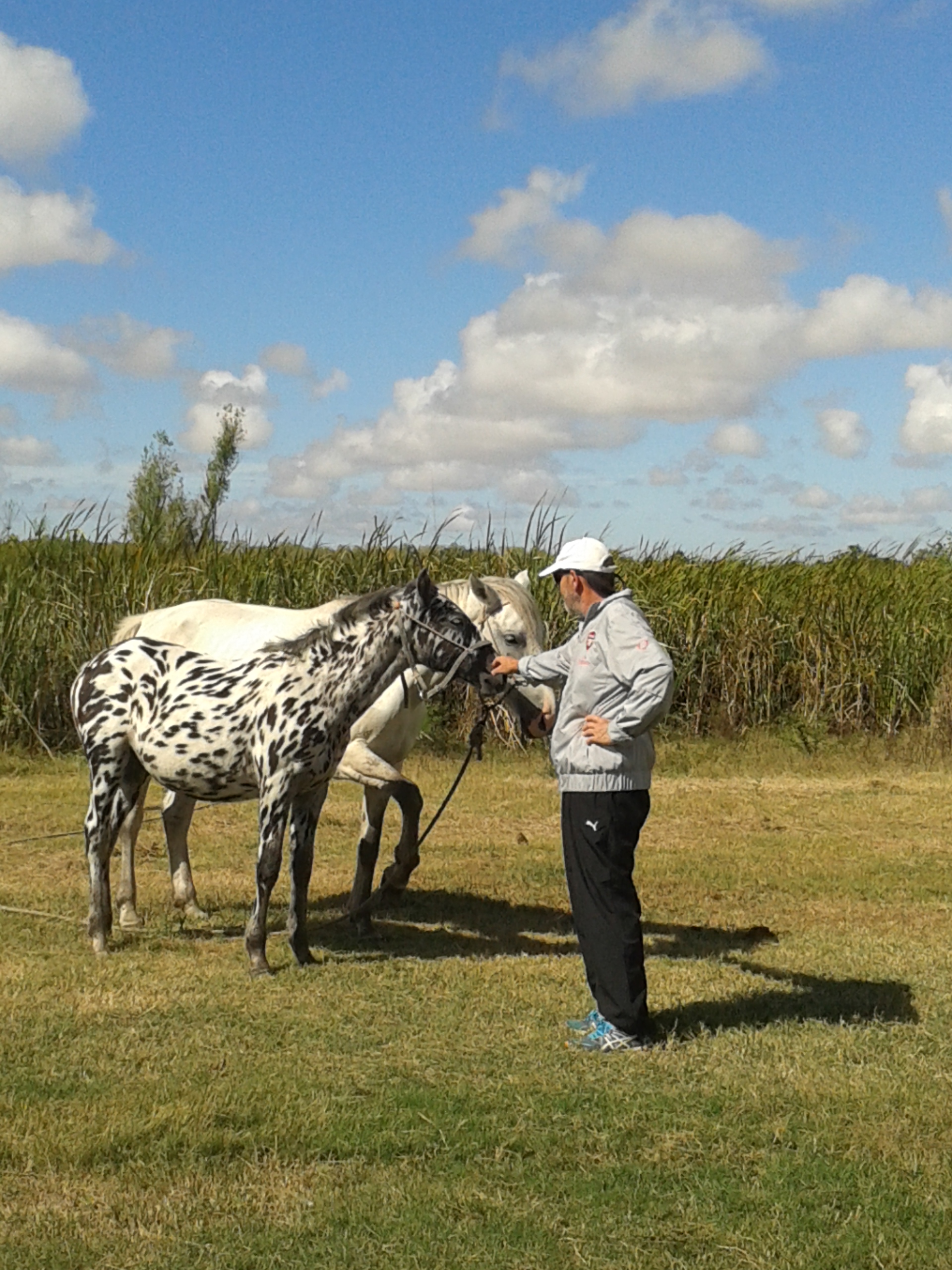
You will recall that a few months back I reported on a zebra-like filly I found while walking in Carmelo? I am pleased to report that it is growing well and our “relationship” continues improving (I managed to scratch her nose the other day!). She has grown a bit now and I am sure will do well.

An older version of the zebra-like horse.

A grown version of the zebra-like horse photographed a couple of weeks back.

The Bushsnob improving his relationship with the beast.

The Bushsnob improving his relationship with the beast.

I am sure that by now you are thinking about the deterioration of my mental condition as you cannot believe that I can be wasting time on this! Wrong again as I am sure that what follows will not fail to impress…

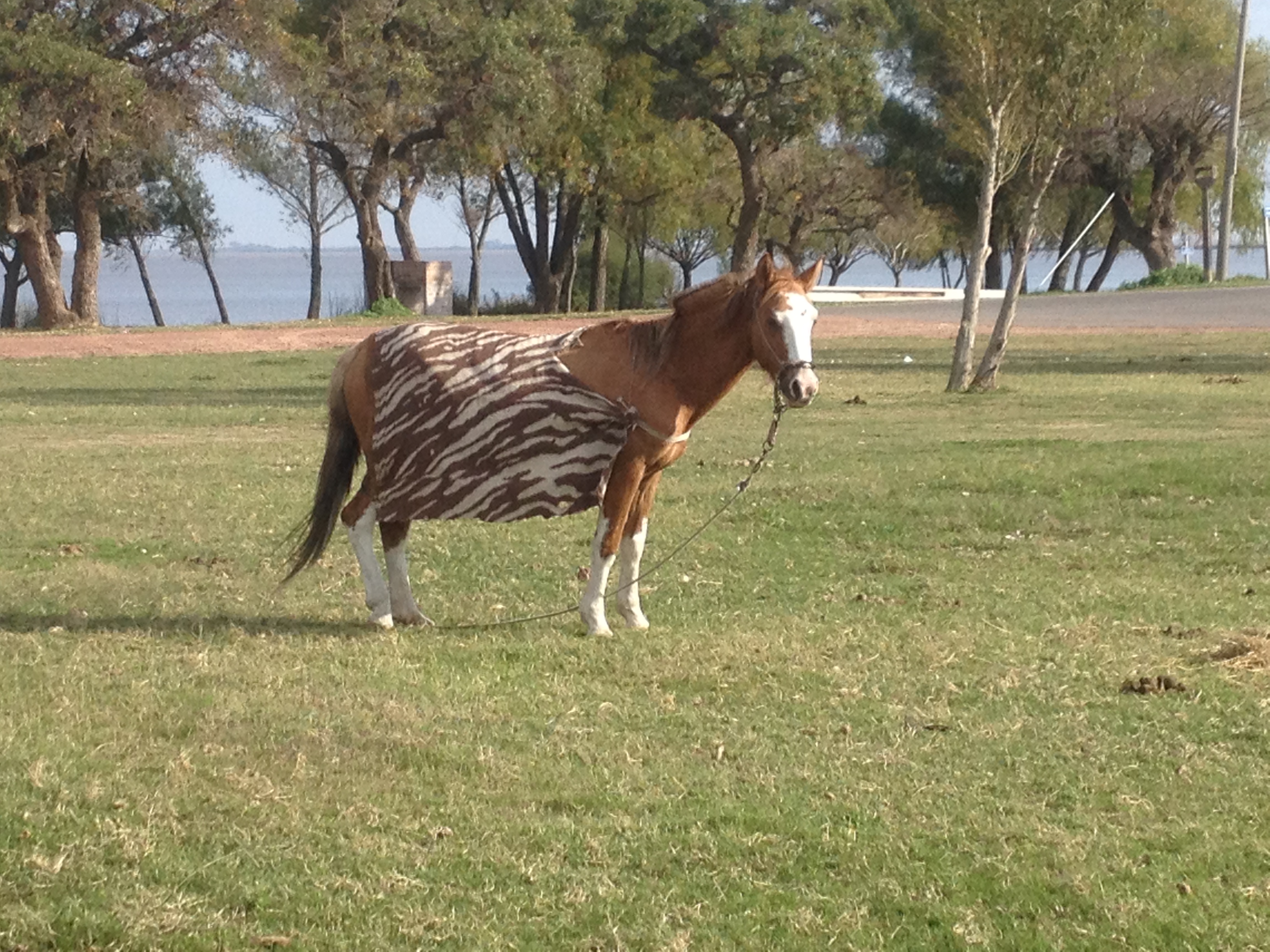
Walking this morning I came across a few horses in the distance. As usual I looked for our filly and identified it among others. I got closer to salute it and then, to my utter shock, I saw a real zebra among the horses! “This cannot be!” was my first thought while I kept walking towards the equines. It was and below is the proof!

Now, this was something!

Now, this was something!