cicada

Insect zombies and vampires

Recently I saw an interesting article (1) regarding a fungus known as Massospora that infects cicadas. It destroy their abdomen. So what? you may think. The interesting thing is that, despite the damage, the cicadas continue flying around but now under the control of the fungus, like insect zombies! The fungus grows in the abdomen while the goes about its business.

But this is not all!

More bizarrely, the fungus makes male cicadas to imitate the females’ mating behaviour so that they attract healthy potential mating males that get infected by contact, increasing the transmission of the disease.

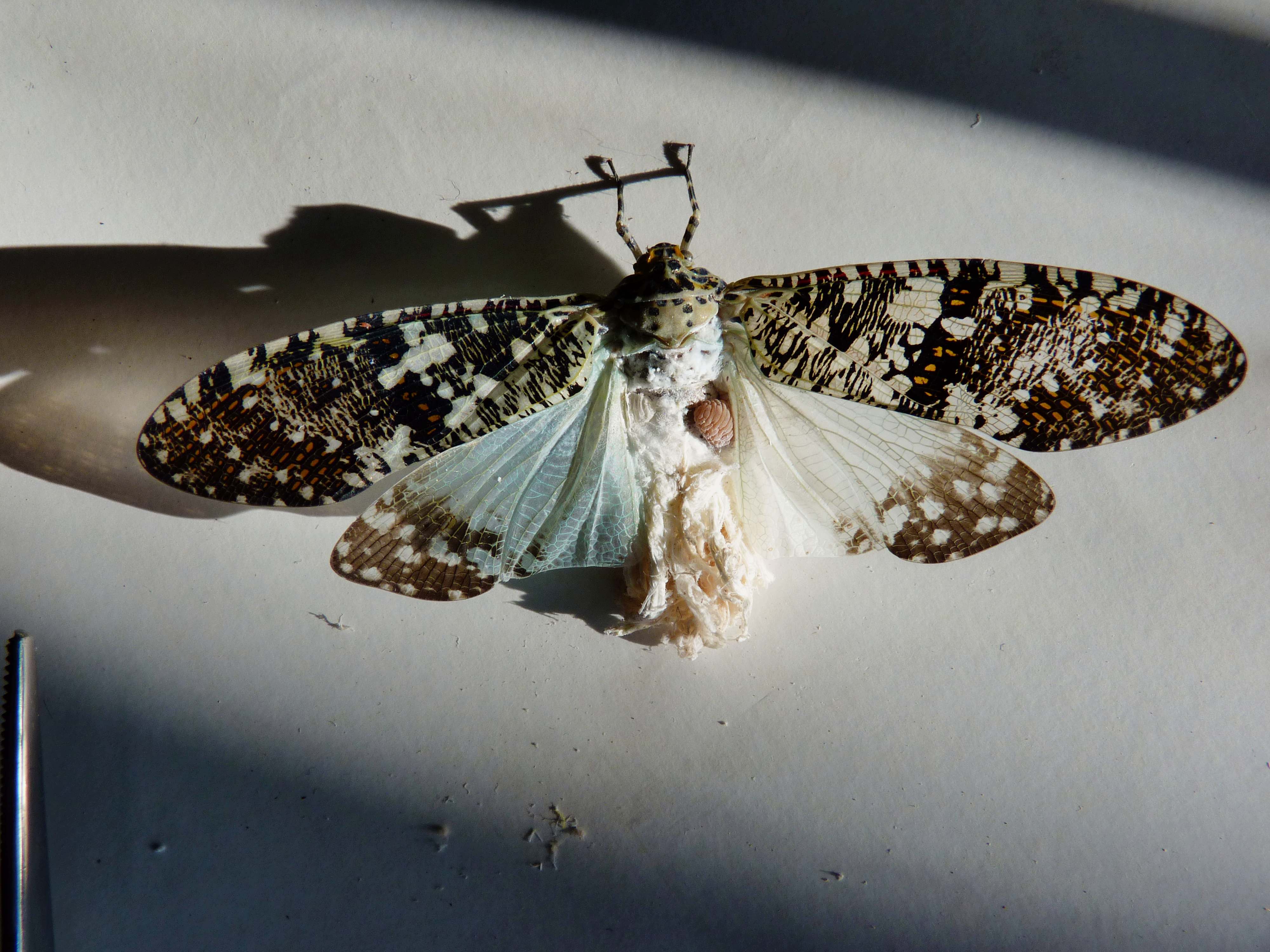
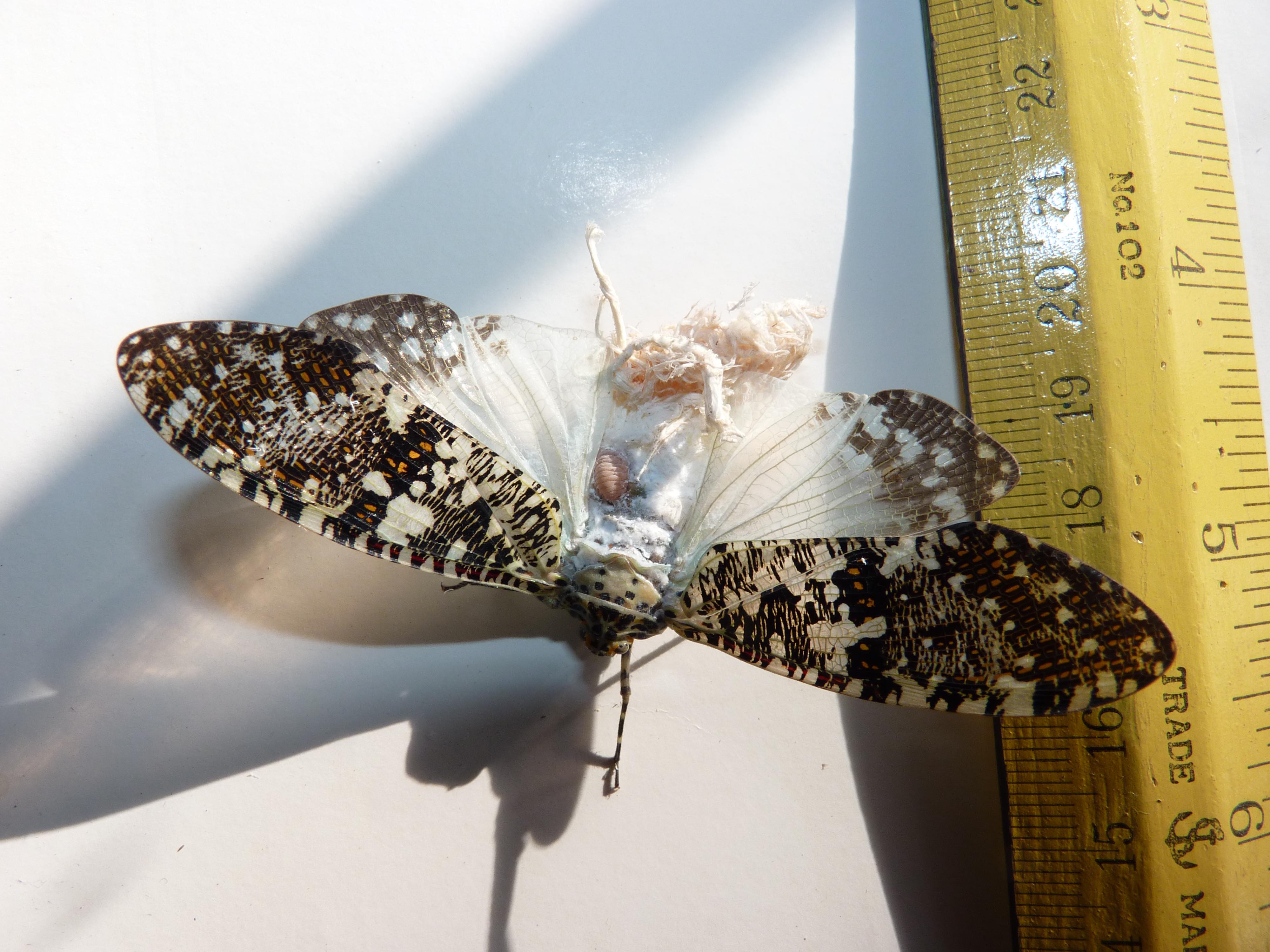
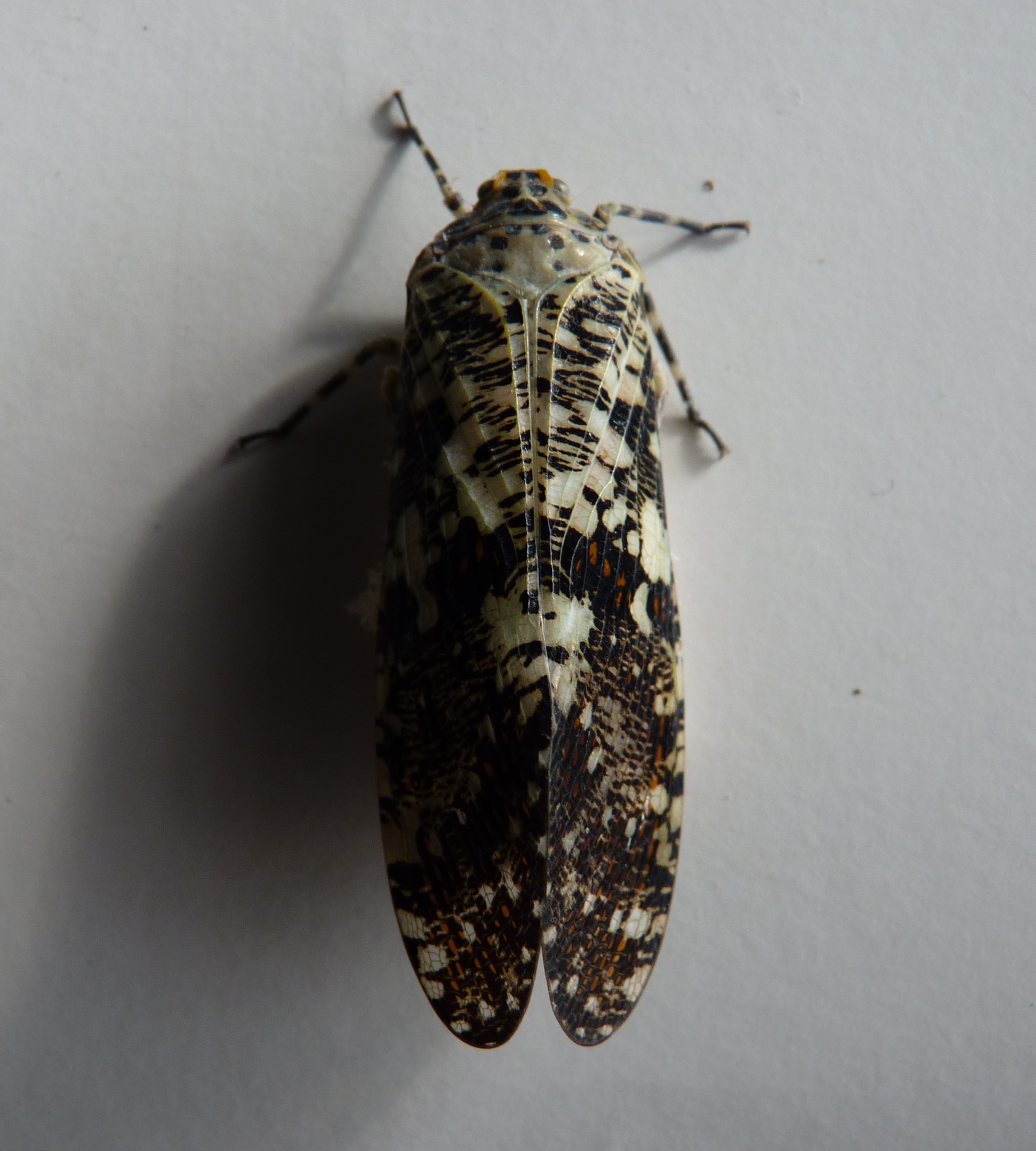
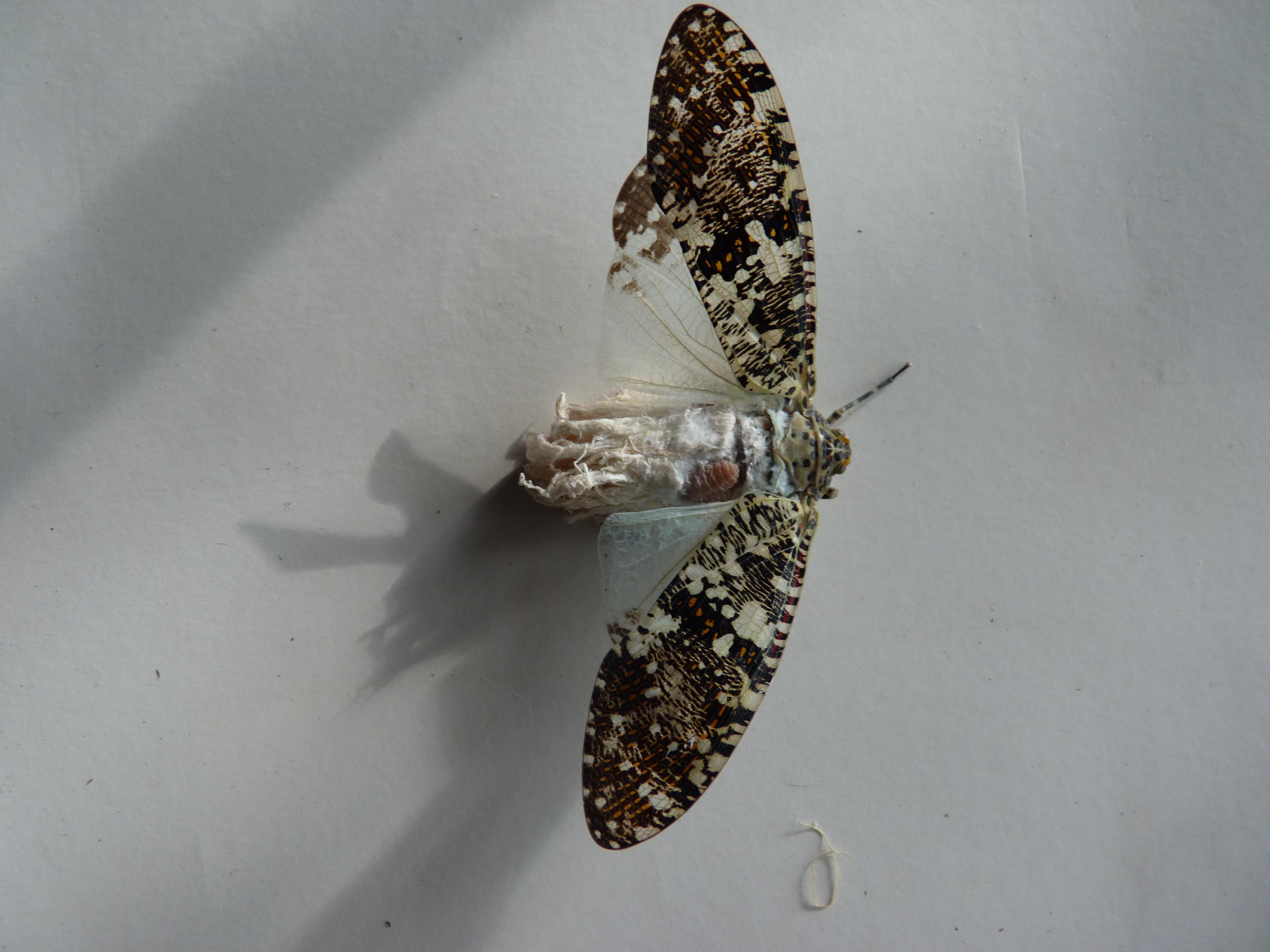
This news reminded me of a find I have photographed in Salta, Argentina a while ago but since forgotten where I thought I have found a “abdomenless” one. A long search through my computer files followed and I managed to find the pictures that I took in 2018. (Below the “cicada” with what I thought to be the fungal infection).
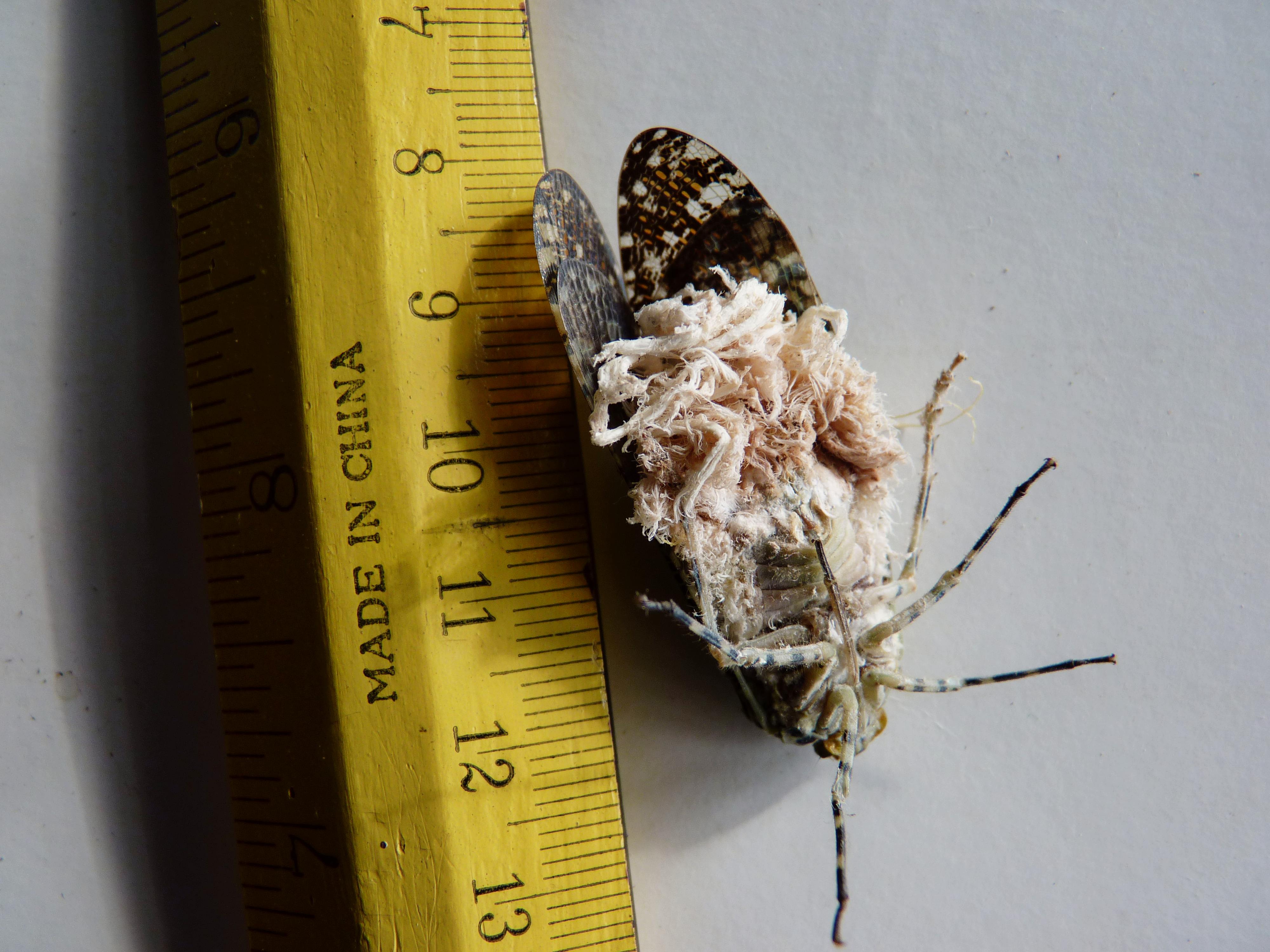
After a careful search and comparing pictures, I realized that the “cicada” from Salta was not affected by the fungus. Still, I thought that there was something very wrong with its abdomen! Obviously my interest was spurred and I spent more hours than I had planned trying to clarify what I have found years back.

I was wrong on all counts but what I could put together was still interesting.

First error: what I thought it was a zombie cicada was in fact a planthopper and what I took for the fungal infection that destroys its abdomen, were filamentous wax strands produced by special glands. The insect would release the filaments as decoys to protect itself from predators allowing it to escape. Something comparable to the lizards dropping their tails to distract our cats or dogs.
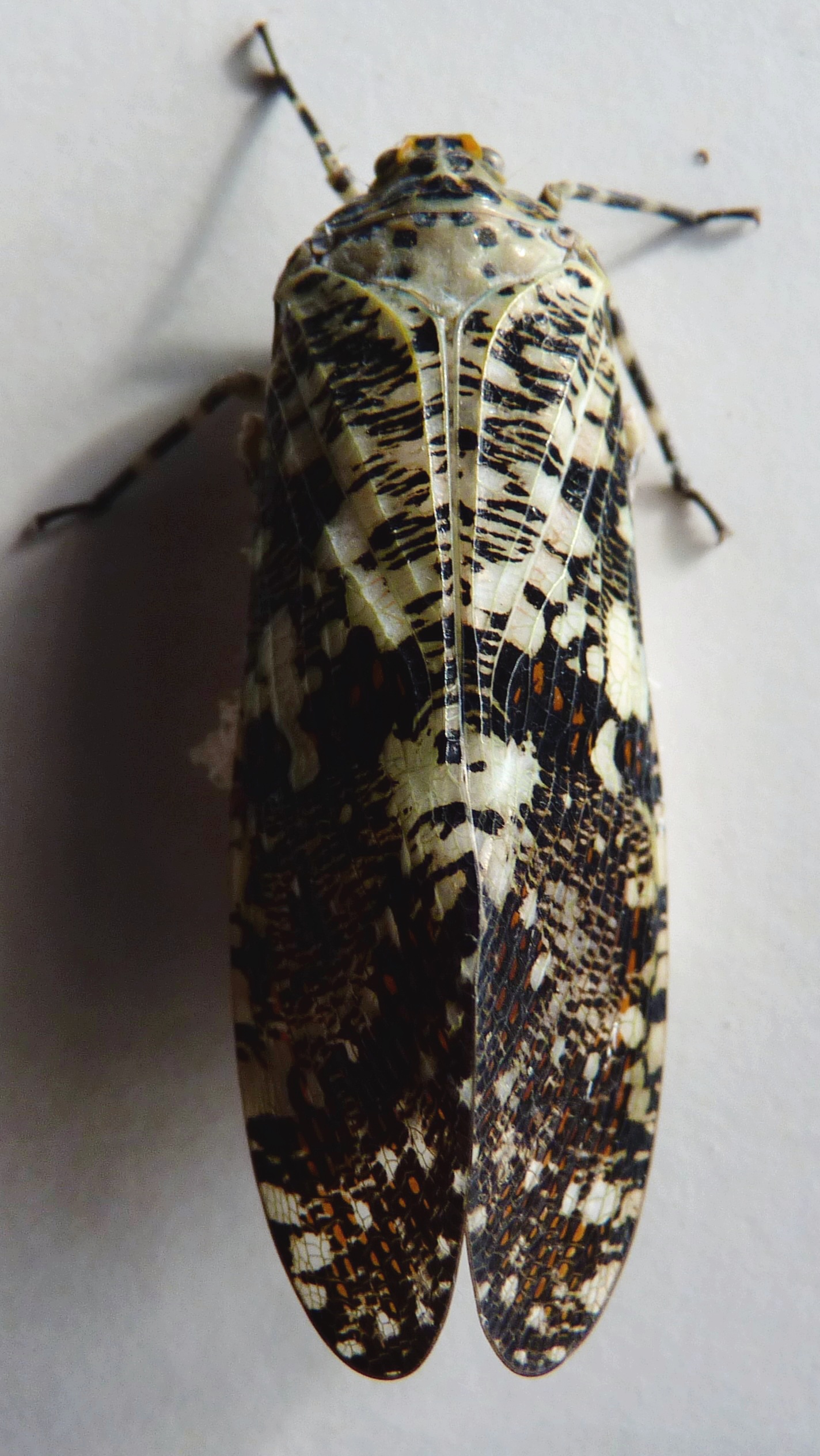
So, my find was a perfectly normal planthopper, possibly Phenax variegata, a species belonging to the family Fulgoridae that lives on tree trunks in South American forests and feeds on plant sap.

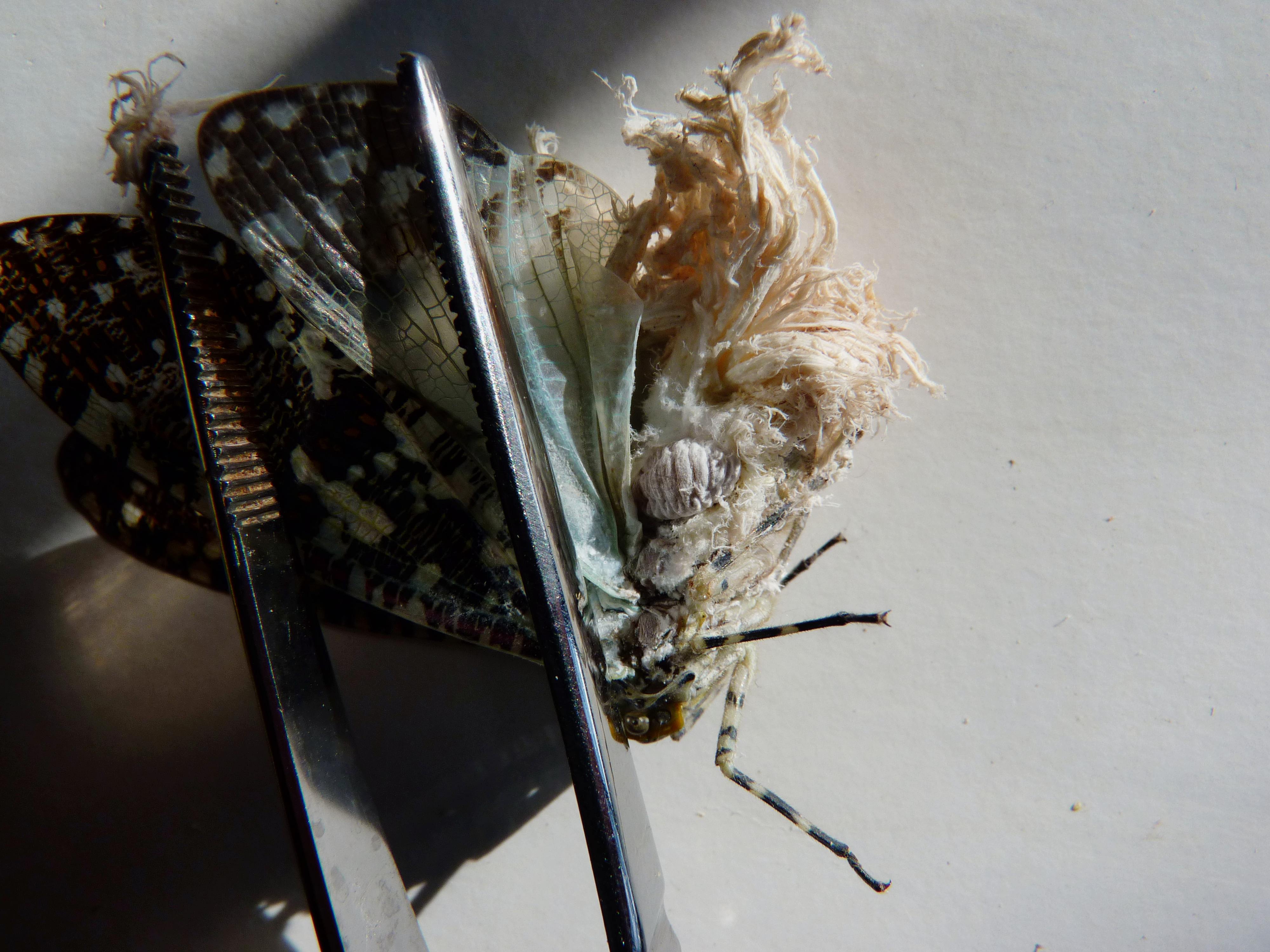
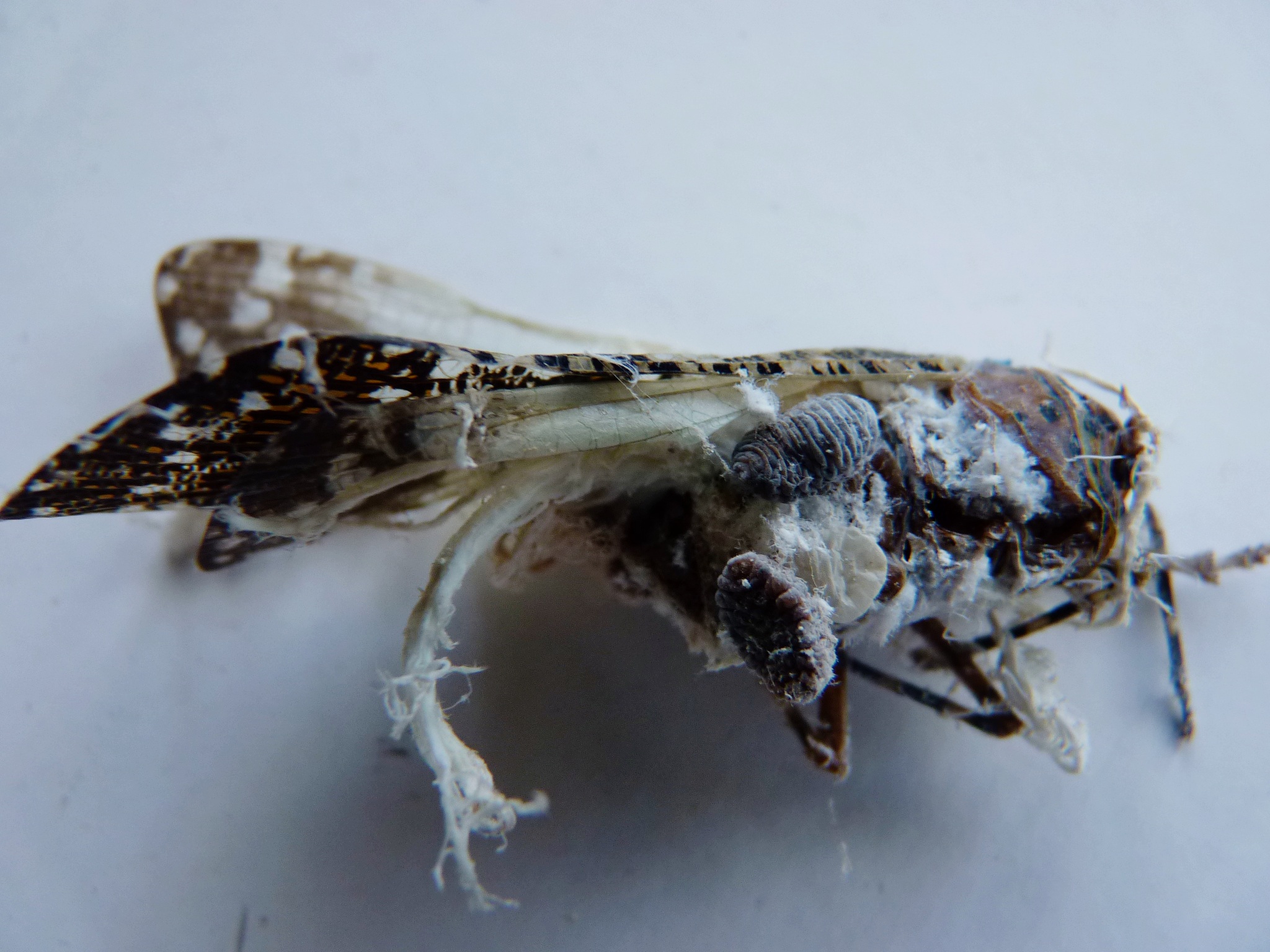
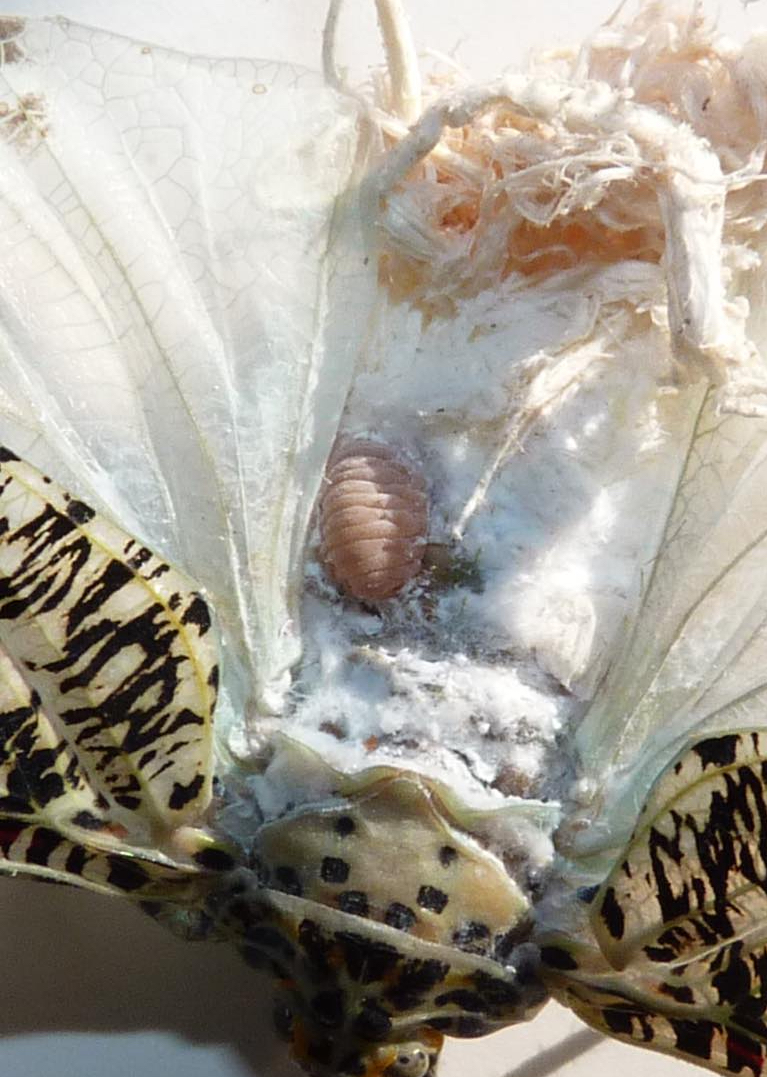
Second error: While taking pictures of the insect I had noted (and forgotten since) that there was something else that had called my attention. The planthopper was carrying two tiny grubs of about 4 millimetres long attached to its body. After another long search, I found that there is a very rare kind of moth that are unique in that their caterpillars, instead of feeding on vegetable matter, parasitize planthoppers. This is what I believe I found!
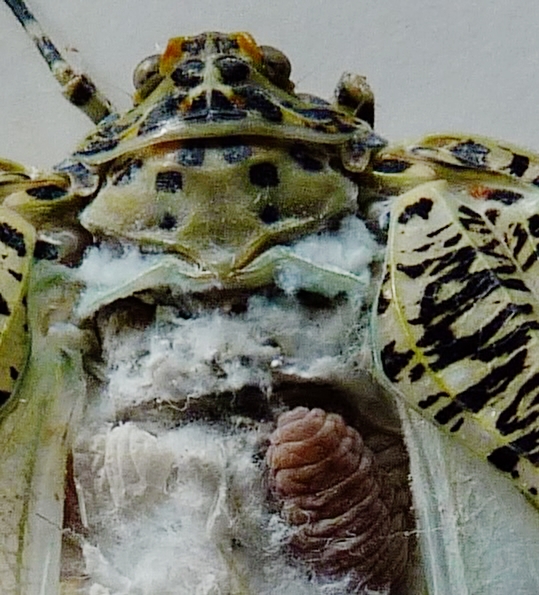
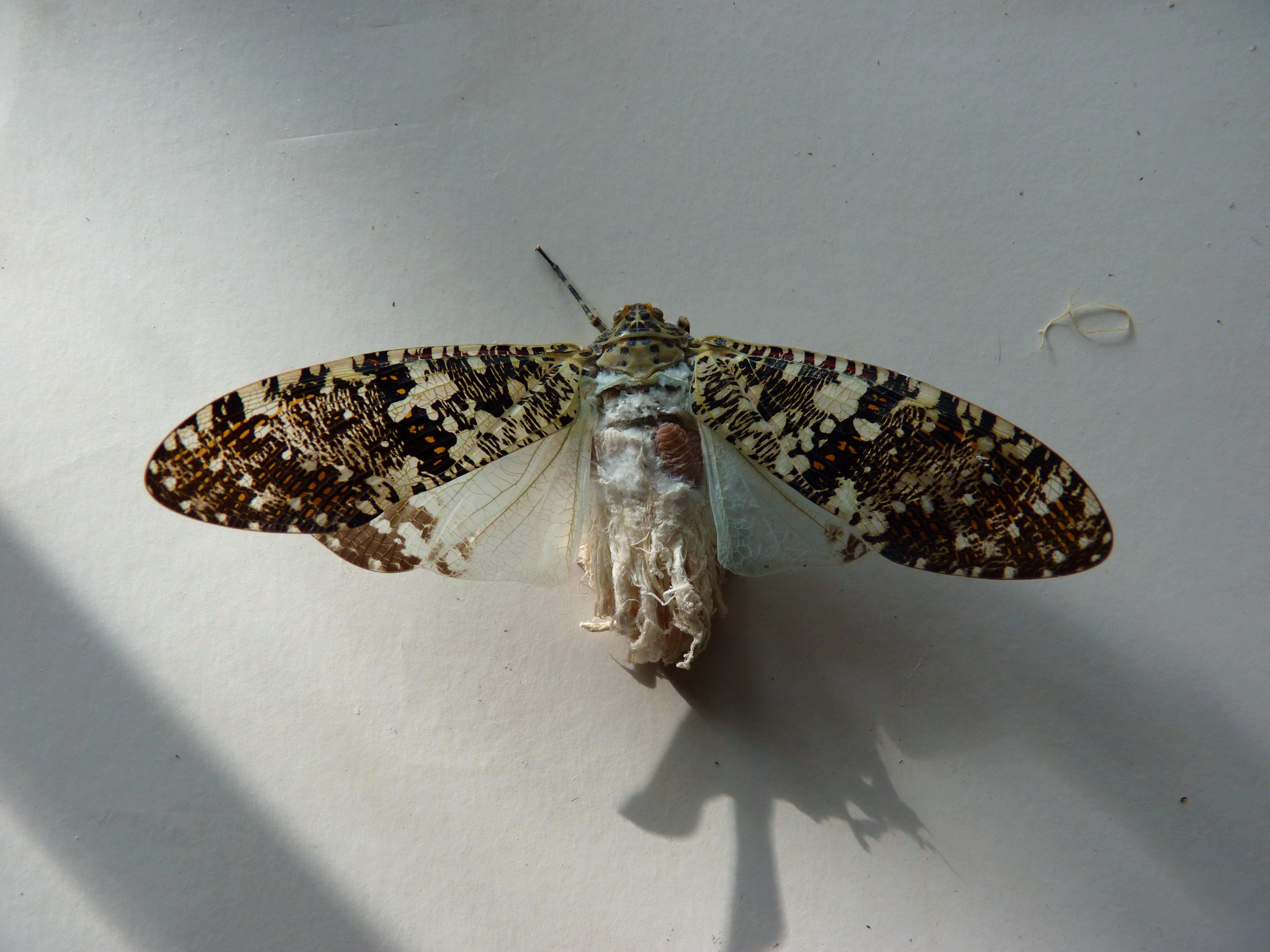
They belong to the Fulgoraecia genus within the family Epipyropidae. (Dorsal and ventral views below).

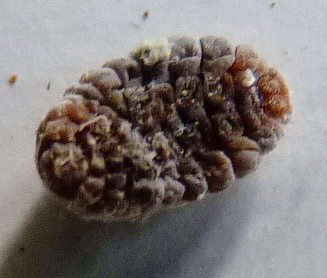
So, although I did not find a planthopper zombie, I came across a kind of “vampire” moth that sucks the haemolimph of the planthoppers!

I am aware that the title of the post is very dramatic but these days you need it to attract readers!

It would be good if someone with more entomological knowledge than me would see this small post and perhaps correct my observations.

(1) https://edition.cnn.com/2020/08/03/us/zombie-cicadas-west-virginia-fungus-scn-trnd. Read on 16 August 2026.
Alien

This year Salta has been unusually wet and we still have warm weather and rather heavy rains in April. This has created a true green revolution accompanied by an insect explosion. The moths are still coming in numbers to our outside lights and midgets and mosquitoes are still around.

We found a cicada that had been attracted to the verandah lights. It was rather quiet and, unusually, stayed after daybreak. I collected it without much difficulty to have a look at it as there was clearly something wrong. While having a look, my wife noted pinkish silky filaments where its abdomen should have been! In addition, it was opening its wings from time to time but not making any effort to fly.

P1190074 copy

Dorsal view of the cicada.

P1190075 copy

The parasitoid larva can be seen at the joint between the thorax and the abdomen.

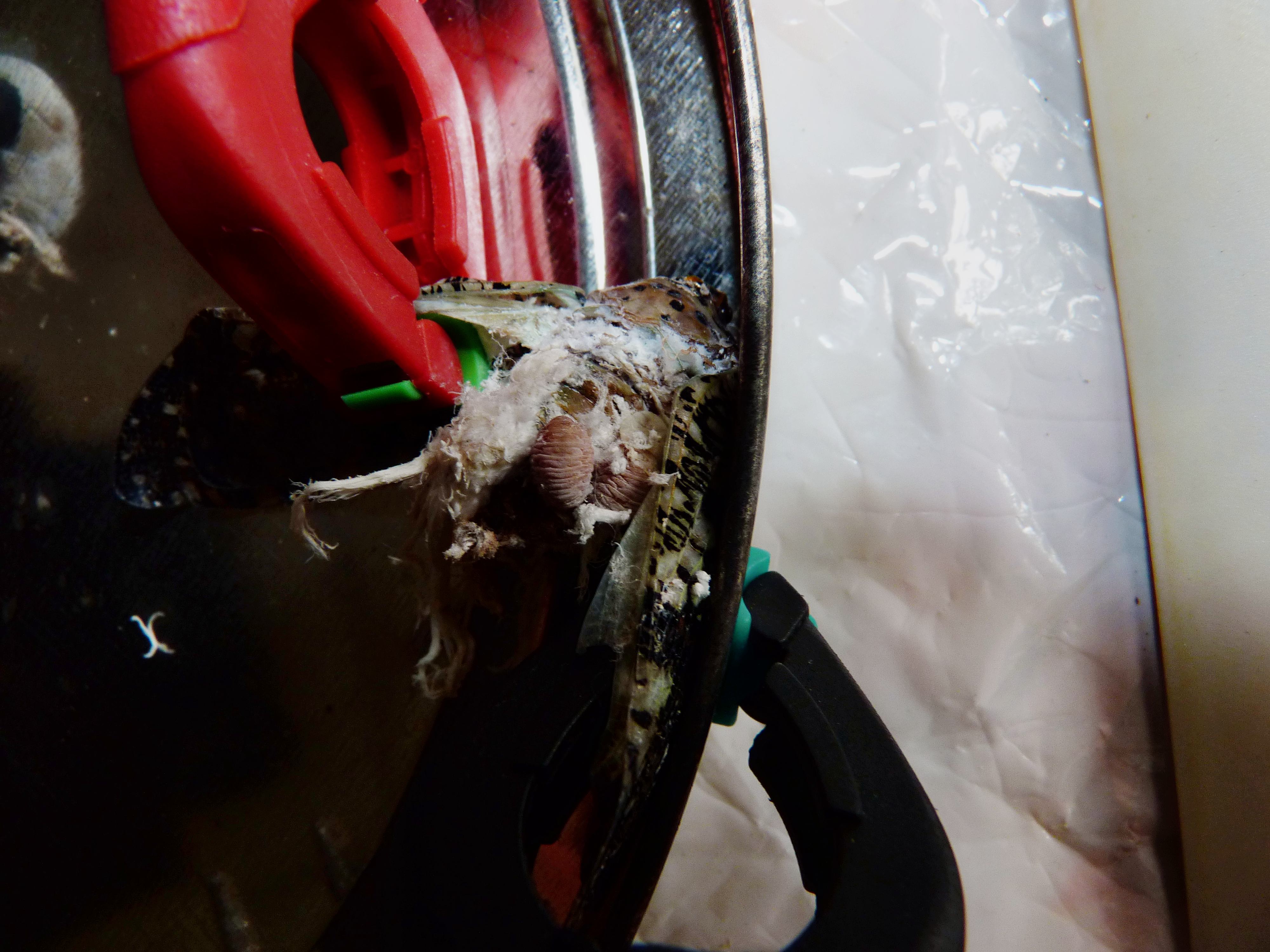
It was during one of these wing movements that she also noted a protuberance on its dorsal area that, after some careful inspection became a small pink worm-like creature apparently lodged in it. It was about 3 mm long and somehow it reminded me of a small warble fly larva.

P1190085 copy

The pink parasitoid seen from above with a size reference.

P1190085 copy 2

A close-up of the parasitoid larva.

Further inspection revealed another couple of worms also lodged on the cicada’s flesh. The larvae were still alive as they moved when I touched them!

We decided to keep the “sick” cicada under observation. As expected it died the following day but the larvae were still there so we left it undisturbed.

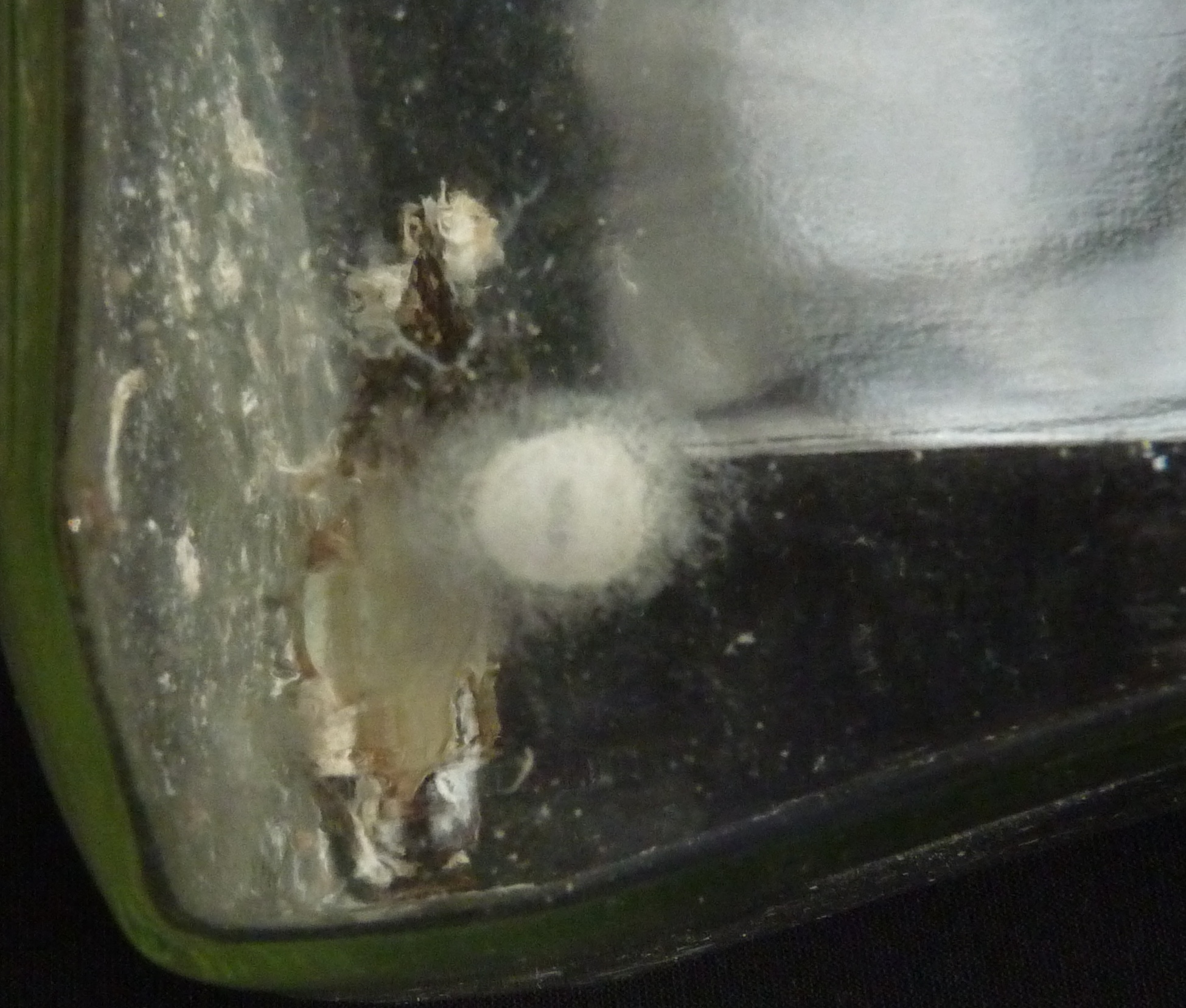
It is now about one month after the find. One of the larvae that detached soon after the death of its host has apparently built a small cocoon attached to the glass jar but the other two that stayed on the dead cicada turned grey and are apparently dead.

P1190248 copy

What I believe hatched from the cicada and made a cocoon in the glass jar.

I am afraid that the outcome of the cocoon will probably have to wait until our next visit, hopefully in 2019. In the meantime I can only speculate that, as it happens with caterpillars and other arthropods, the cicada was the victim of some parasitoids that have somehow colonized it. It is likely, as we other situations like this, that the larvae had eaten the cicada slowly until the damage created caused it to perish but not before the parasitoids, or at least some, were ready to leave the body and develop.

I will venture that these are larvae of a parasitoid wasp but I cannot be sure until the small cocoon hatches, if it ever does. However, having seen such an interesting interaction, I will watch for another cicada showing similar signs and follow it up.


Postcript: In the internet I learnt that some flies are important parasitoids of cicadas and that they locate them through their sound. It is also possible that the silky, pinkish filaments could be a fungal infection that follows the parasitoid’s damage of the host.