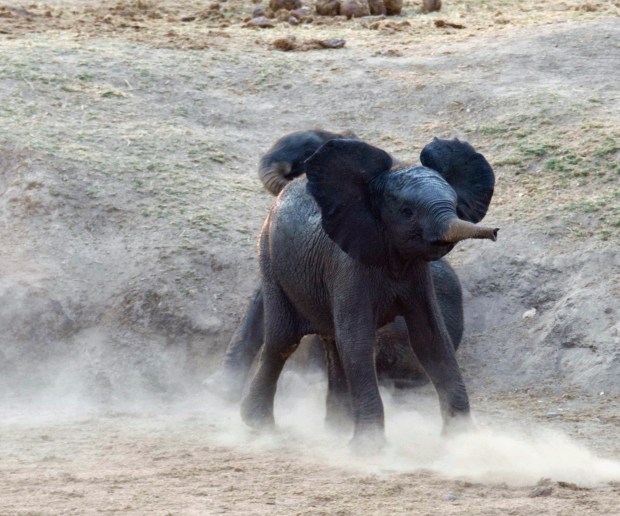
Tsavo National Park

Background

After a while being in Kenya we decided to explore the Tsavo National Park. Eventually, after the first rushed trip that gave us a feel for the area, we returned to both Tsavo East and West in several opportunities.

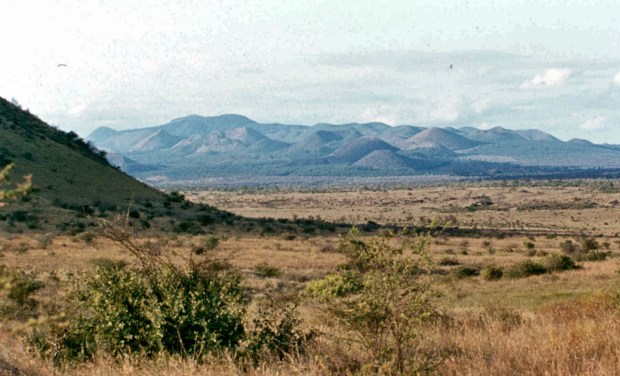
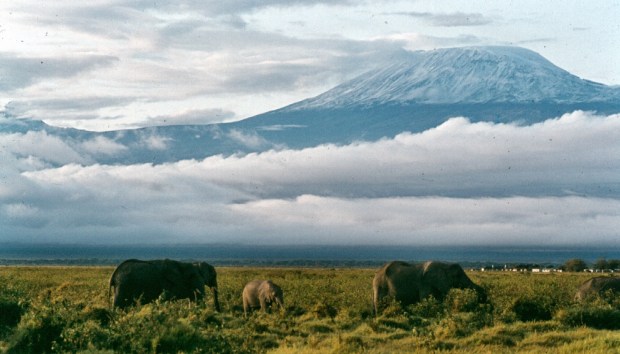
The journey to either of the two park sections was very picturesque as the Mombasa road follows the Athi river with the Yatta plateau, the world’s longest lava flow (290km) that runs along the road and also forms the western boundary of the park. On clear days Kilimanjaro could be seen towards the southwest and then the Chyullu hills (to which I will return later on when dealing with Tsavo West) will make an appearance on the right.

oligorsalie kili 1 2

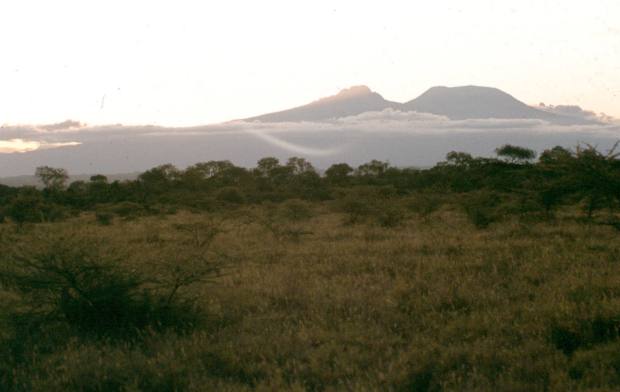
Kilimanjaro from the distance on a clear afternoon.

t west chyullu hills best copy

The amazing Chyullu hills with its hundreds of small volcanoes.

giraffes way to tsavo w

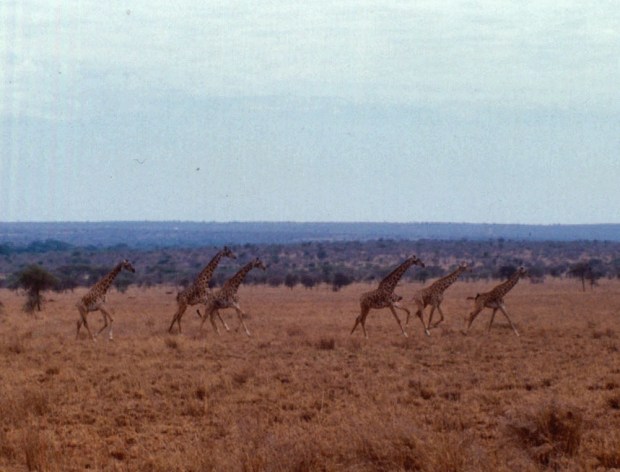
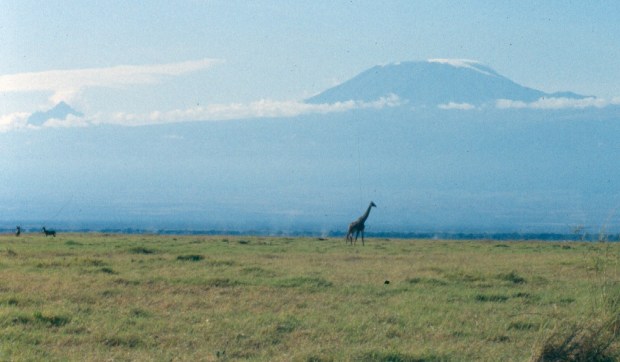
Giraffes by the Mombasa road.

Tsavo National Park was gazetted as a wildlife reserve by the Kenya colonial government in 1949 despite not being the best wildlife area in Kenya but by virtue of being an area of arid scrub too dry for agriculture and, being infested by tsetse flies -vector of trypanosomiasis- also unsuitable for livestock and, largely without human habitation.

David Sheldrick became its first Warden and, apart from dealing with the problem of armed poachers, he developed the original infrastructure of the park while studying the elephants’ behaviour and food needs, and, with his wife, Daphne, rescuing and hand-rearing vulnerable elephants, rhinos and antelopes. After his premature death Daphne established the David Sheldrick Wildlife Trust in his memory that runs the well-known Elephant Orphanage in Nairobi.

The park occupies 22,812 km² of the 41,000 km² of the original Tsavo ecosystem, 13,747 km² and 9,065 km² for the East and West sections respectively [1]. At its inception it was rich in wild animals with about 45,000 elephants and 8,000 black rhinos. Regrettably, after its creation, pressure from the climate and the surrounding human population interfered with elephant movement and brought about a gradual loss of the woodlands due to the high numbers of elephants and the area was transformed into grasslands, good for other species but less so for browsers like rhino and elephants.

The deeper the white man went into Africa, the faster the life flowed out of it, off the plains and out of the bush…vanishing in acres of trophies and hides and carcasses” wrote Peter Beard in his now classic book “The End Game” that highlighted the Tsavo crisis and that anyone interested in nature should look at and read [1].

tsavo east mendizabal and ele bones

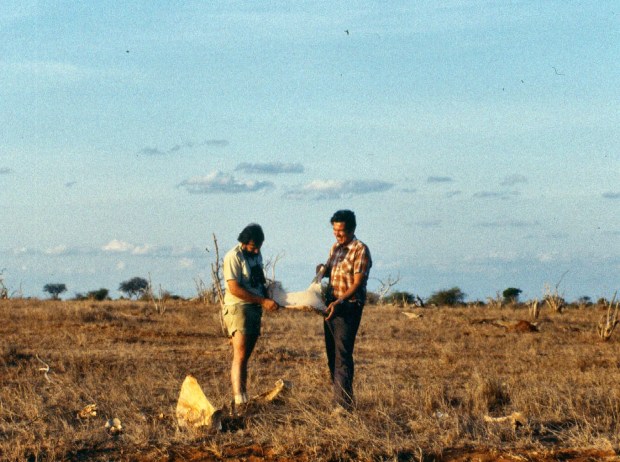
Examining elephant bones with Luis.

So, a severe collapse of the elephant and rhino population followed, particularly the black rhinos. By the time we started going to Tsavo the black rhino had already banished. There were rumours that some had sought refuge in the most remote areas of the park but we never saw any.

I will deal with the two parts of the park separately (starting with Tsavo East) as they both offer their own interesting features.

Tsavo East National Park

Usually we entered the park at the Manyani Gate and travelled through it on our way to the beaches in the Indian Ocean. Sometimes we stayed at the National Parks’ accommodation at the Aruba dam when we were late to complete the traversing of the long distance inside the park.

Mendizabal Tsavo copy

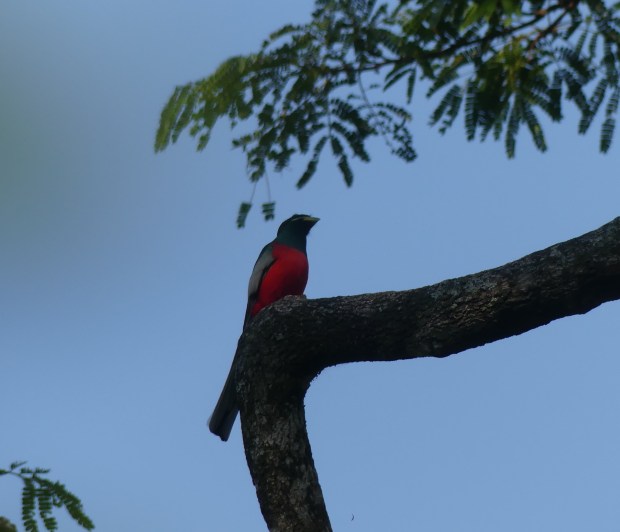
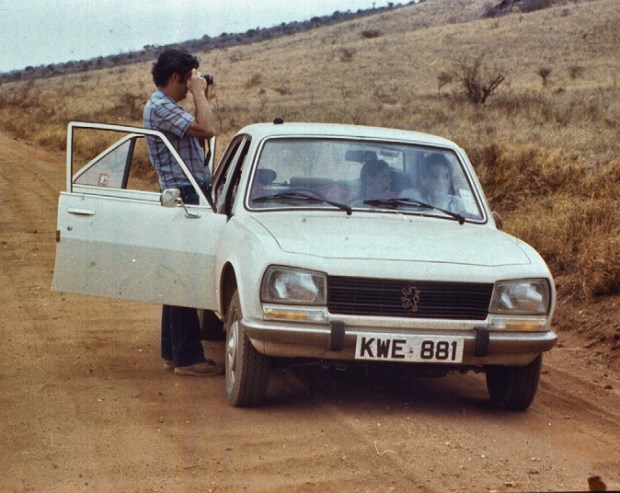
A stop for Luis to photograph an interesting bird.

Before you reached the Manyani Gate we travelled through the territory where once the man eaters of Tsavo ruled. Two lions stopped the construction of the railway in the Tsavo River for nine months and killed more than a hundred workers since March 1898. “The Man-eaters of Tsavo” written by Lt. Col. John Henry Patterson, who was in charge of the work and shot them, is a fascinating read! [2]

In his book Patterson wrote: “. …Two most voracious and insatiable man-eating lions appeared upon the scene, and for over nine months waged an intermittent warfare against the railway and all those connected with it in the vicinity of Tsavo. This culminated in a perfect reign of terror in December 1898, when they actually succeeded in bringing the railway works to a complete standstill for about three weeks… Their methods then became so uncanny, and their man-stalking so well-timed and so certain of success, that the workmen firmly believed that they were not real animals at all, but devils in lions’ shape…”

We came face to face with some of the man-eaters but they presented no danger to us as they had been stuffed with straw for years at the entrance of the Muthaiga Country Club in Nairobi.

Before arriving to the Manyani Gate we usually stopped for re-fueling at the Man-eaters’ Motel stop where there was a memorial that commemorated the event. It was precisely there that I had my life-threatening encounter, not with a man-eater lion, but with a huge baboon that snatched my packet of crisps! [3].

Once you turned at the Manyani Gate the road was rather monotonous until you arrived at the Galana river where we usually stopped to look at the Lugard falls where the river passes through volcanic rock, carving a narrow path that had created a series of rapids and falls as the water flows faster. It was named after Frederick Lugard [4], who passed this place on his way to Uganda.

Most of the times we continued following the river towards the coast (a more interesting drive than the usual way via the Mombasa road) but, a couple of times we deviated south towards the Aruba dam, built in 1952 across the Voi River, a reservoir created to provide water to the game and birds. There we spent a few nights during which we found it difficult to sleep because of the noise the elephants made while coming to drink.

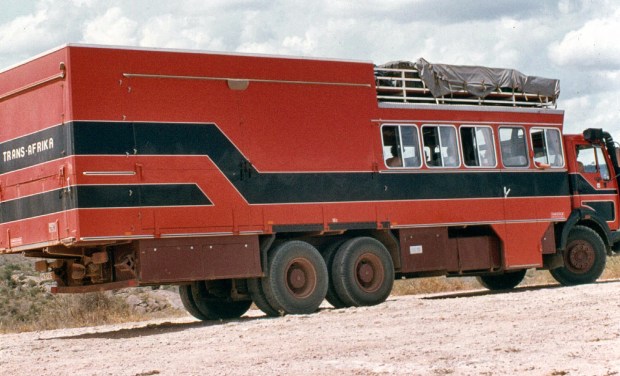
Tsavo e lugard falls turist german truck

Early group travellers from Germany.

Tsavo East is a good place to see fringed-eared oryx grazing on the open plains. The very shy lesser kudu could also be spotted during the early morning when they were away from the thicket. Rarer still was the finding of the long-necked gerenuk standing on its hind-legs to reach the sparse foliage of trees and bushes in the arid environment.

Although there were still elephants at the time of our visits, they were “diluted” because of the size of the park. For the same reason lions were also difficult to bump into. However, when you did you were in for a surprise as the males were maneless [5] and probably its ancestors were of the man-eating variety!

The “baldness” in these lions is attributed to an adaptation to the thorny vegetation in the park as their hair could interfere with their hunting. As their colleagues in Tsavo West that live in a similar environment have normal manes, I personally believe that their baldness, as in humans, is due to high levels of testosterone that may also explain its aggressive reputation.


[1] As a comparison, the Kruger National Park has an area of 19,485 km².

[2] Lt Col. J. H. Patterson in Chapter II of his classic book “The Man-eaters of Tsavo and Other East African Adventures”, published by MacMillan and Co. Limited, London in 1919. If you are lazy, you can ruin a good read and watch the 1996 Hollywood-style movie “The Ghost and the Darkness” (Paramount) with Val Kilmer and Michael Douglas.

[3] See: https://bushsnob.com/2016/06/07/mean-kin/

[4] See: https://en.wikipedia.org/wiki/Frederick_Lugard,_1st_Baron_Lugard#Exploration_of_East_Africa

[5] See: https://www.muyinteresante.es/naturaleza/articulo/hay-leonas-con-melena-521461839096


Piggybacked

We do have scorpions in the garden. They are small, about 4-5 cm in length and dark brown. I believe they belong to the genus Uroplectes but I am not sure. Occasionally they enter in the house where they scurry fast with their tails extended straight back, trying to get away.

A few weeks back, something that I could not see stung me while handling one of the chairs in the patio. I have been stung by bees and wasps several times but this was a different kind of pain, stronger and durable! I suspect that it was a scorpion.

Yesterday Stephen, our caretaker, brought a scorpion that he found in the garden. At first I was surprised but then, when I looked at it I realized that there was a reason. It was a female carrying its progeny on its back as scorpions do until the babies first moult. Scorpions are viviparous, producing live offspring rather than eggs.

Here are some pictures taken with my usual camera as well as with the cellphonwe super macro that my son Julio A. gave me as a present. This small gadget has been a great success for these kind of findings that require detailed pictures.

This slideshow requires JavaScript.

I will re-visit the scorpions subject in the future as i have some more interesting facts and pictures to share with you.

Fossilized

When I wrote the post on Lake Magadi [1], I forgot to include a very interesting place located on route to the lake: Olorgesailie, located about 60km southwest of Nairobi.

oligorsalie bandas

Olorgesailie lodges.

Being almost at the bottom of the rift valley it was hot all year round and often ignored by passers-by heading for Magadi and beyond. We did stop there a few times and even stayed a couple of weekends while I was writing my PhD thesis. as it was a very quiet place.

jj writing phd bushwhakers

Working on my PhD.

The site is in a lake basin that existed there probably between 200,000 and 100,000 years ago (mid Pleistocene). The lake was fed by the long gone Ol Keju Nyiro River, displaced by the then common and dramatic earth movements. While the lake existed it attracted game and hunters and then bones and tools accumulated, got buried and remained there for eons. Somehow they eventually re-surfaced and were found, first by the “discoverer” of the rift valley, J.W. Gregory, in 1919 and later by Louis and Mary Leakey.

The Leakeys, as they are commonly known, started working in the area in 1942 and unearthed crucial evidence on the activities and life of early prehistoric peoples of the Hand axe culture. Because of the fossil wealth it contained, it was declared a small National Monument of about 20 hectares in 1947 to preserve the finds under the care of the National Museum of Kenya.

We had the chance of listening to Mary Leakey talking about her work at Oligosailie and Olduvai. Louis had already passed away by then but we also attending lectures by their son Richard also exposing his finds and ideas about the evolution of man in Africa to which the findings at Oligosailie are very relevant.

Both were lecturers at the Know Kenya Course (now re-named Know Kenya More) that the Kenya Museum Society started running in 1971 and that were going full swing in the 80’s. These series of lectures were a great way for new arrivals to get familiar with the country while getting funds to support projects of this institution in Kenya.

During Mary’s lecture we learnt that at both Olduvai and Olorgesalie heavy accumulation of volcanic ash preserved the famous footsteps in the former and the fossils in the latter. The main producer of ash at Olorgesailie was the now extinct volcano that gives the site its name that with its 1760m dominates the area.

The most important fossils in Olorgesalie were human-made tools and their abnormal accumulation in the area is evidence of early man had their camps. I recall our guide during our tour of the site pointing at tools and the flakes that resulted from their making that truly littered the ground and I seem to recall that Louis Leakey used to make stone tools to practically demonstrate his conclusions at international meetings!

Apart from stones Olorgesalie also had some living attractions. One of the “specials” were the very tame Grey-headed social weavers (Pseudonigrita arnaudi) that nested in the surrounding trees and would come to feed from your hand. It was also one of the few places in Kenya to see Desert roses (Adenium obesum) around the bungalows.

Mabel and weavers.

Desert roses (pink) and other Olorgesailie flowers.

As the area was extremely hot, we walked during the early mornings and evenings and these did not include climbing Mt. Olorgesailie as we are not climbers but to follow the several paths used by the Maasai in the area as there were still a sizeable population of wild herbivores as well as lots of interesting birds.

Apart from the ubiquitous whistling thorns [2], the area is full of another thorny tree known as “wait a bit” [3], a name that describes perfectly its hooked thorns’ ability of stopping you in your tracks. Damage control in these cases indicated reversing to unhook yourself if you could. However, when you were caught jumping or going down a ravine unable to stop the damage to your skin could be rather painful and bloody. Most of the time I ended our walks not only dusty but bleeding from arms and legs. To add insult to my injuries my wife -rather miraculously- ended up dustless and unscathed, a trait she maintains up to date!

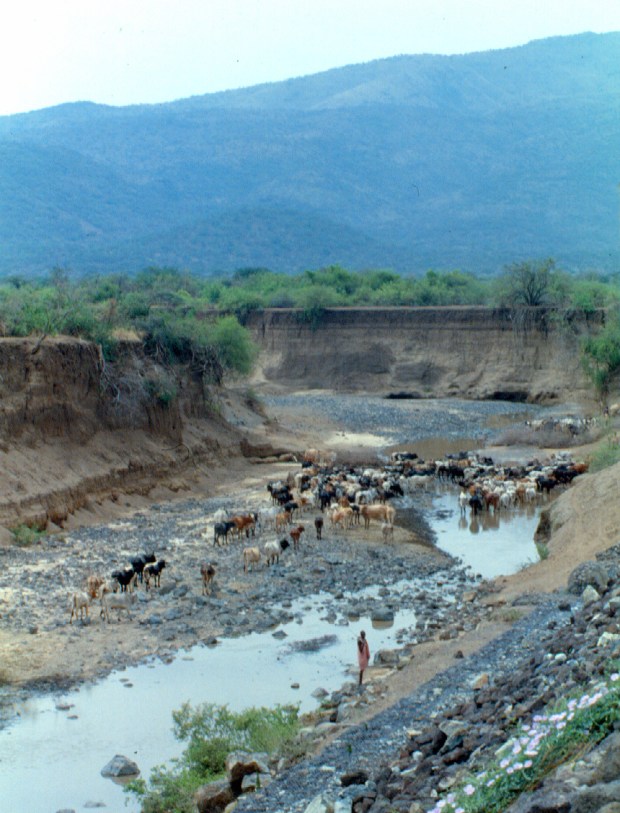
It was not rare to find Maasai herdsmen walking their cattle to the scarce watering points located in the area. They would follow the dry riverbeds that crisscrossed the area to find water. It was in one of these dry rivers while driving to get to Olorgesailie that we met a Maasai herdsman at really close quarters.

cattle Magadi rd.tif

The picture that prompted our meeting with the Maasai, seen at the bottom of the picture.

I took a picture of a herd of cattle drinking by the road, something that their owner did not appreciate and, before I knew it, he was inside the back of our kombi where he joined a very close lady friend of ours that happened to be traveling with us at the time. The man was upset and started arguing with me about the picture leaning forward and trying -unsuccessfully- to grab my camera while I was trying to calm him down and explain him that I was taking a picture of the scene and not of himself!

Unfortunately, during the rather protracted exchange he placed himself in front of our friend who, for a while, had an unobstructed view of his rear end until, when more relaxed, even sat on her lap! Eventually the message went through and the Maasai departed to join his animals, I kept my picture and our friend the “views” and the achievement of having a Maasai on her lap! The incident has remained one of our indelible memories of the times we spent together in Kenya.

At the same spot, a couple of years later we had a different encounter. A leopard had just drank at the same waterhole and it was returning to its territory and decided to cross the road. Totally unconcerned by our presence, after staring at us at leisure, proceeded to climb the rocks on the other side of the road before I could even touch my camera! It was one of the very few encounters with leopards we had in Kenya.


[1] See: https://bushsnob.com/2016/05/07/pink-gem-but-smelly/

[2] These plants that I knew as Acacia drepanolabium (now Vachellia drepanolobium) produce swollen hollow thorns inside which several symbiotic species of ants live. The wind blowing over the holed bulbous thorns it creates a clear whistling noise.

[3] Senegalia brevispica


Salty dust [1]

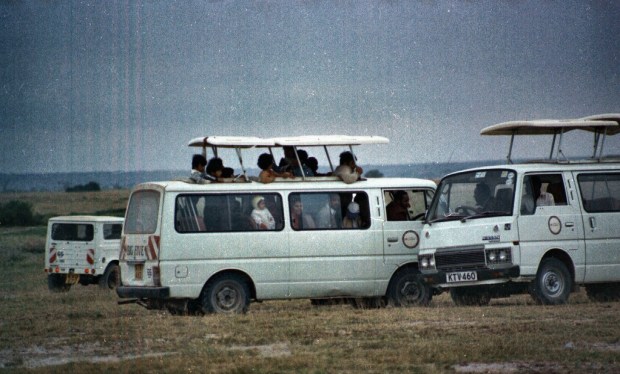
In the 1980’s Amboseli National Park (established in 1974 as a National Park but already a park from 1948) was the most popular among all the Kenya parks. This was probably because it was relatively near Nairobi, despite the corrugated road to get to it, and it offered abundant quality accommodation. The latter I cannot confirm as we always camped there! Tourist packages included an Amboseli and Tsavo National Parks circuit, as there is a road that joins them. The result was that travel companies would take tourists in large numbers and we found it rather crowded, particularly around the lodges and the swamp area.
amboseli 3 enhd

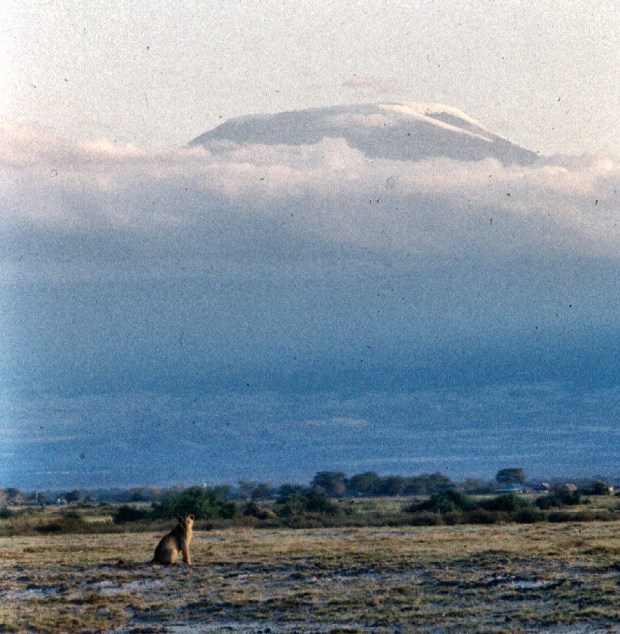
Despite its popularity, the park was still beautiful mainly because of Kilimanjaro that in a clear day offered an amazing view . With its 5,895 metres summit it truly showed itself with its well known peaks Kibo (the flat one) and Mawenzi (the rugged one) above the cloud cover creating a really special atmosphere [2].
amboseli 2

Elephants and buffalo were plentiful and there were still black rhinos that could occasionally found browsing on the scarce trees and bushes, unaware of their sad but approaching extermination.

In 1982, David Western wrote: “…The Amboseli population, at a low of eight animals in 1977, had only two breeding males and three mature females. Given such low numbers and localized populations it is inevitable that the black rhino will, like the white rhino, have to be managed in many cases as a national or even international herd…” [3]

It was the park’s flatness and its scarce vegetation, together with the abundance of prey species, that made it an ideal place to find large predators such as lions and spotted hyenas, although they were already decreasing in numbers.

The abundance of Thomson’s and Grant’s gazelles also made Amboseli a great place to spot the already scarce cheetah and, if you were lucky as we were, to watch them hunting.

Although not considered among the great cats for anatomical reasons [4] these are very interesting and exciting animals to watch. Relying on speed to catch their prey, they are forced to hunt during the day so that they can see where they step while running -for short bursts- at a maximum speed of 100 to 120 km per hour! An injury could have severe consequences to the animal that can cause its death due to starvation! It is this behaviour that exposes cheetah to tourism interference and often leads to them getting disturbed by over-eager drivers.

Although we witnessed a few chases, we only managed to observe a couple that ended with a successful capture and kill of a Thomson’s gazelle. Several times we watched them loosing their prey during the chase when the latter in desperation entered terrain that was too rough for the cheetah or when the latter took a tumble at speed!

Even if the hunt was successful, the cheetah requires about a quarter of an hour of rest before it can start eating and, although their instinct directs them to consume the hindquarters (the richest part of the animal) during this recovery time cheetah are very vulnerable to larger predators -particularly spotted hyenas- to snatch its prey forcing it to hunt again!

Although we saw cheetah defending their prey against a single hyena by bristling and increasing their size dramatically, most of the time we watched while a pack of hyenas harassed them away from their freshly killed prey.

I will not attempt to describe a cheetah hunt as this has been done many times and through different media during hundreds of years. Instead of of that, as pictures I dare recommending my favourite sequence that, despite its age, is still one of the best I have seen (except seeing it live, of course). It is a Survival documentary called “Two in the Bush” filmed by Alan and Joan Root. Although the film (link below) is worth watching in its entirety, the cheetah sequence starts at the 15:32 minutes mark when the Roots are seen driving on the plains. It is important to bear in that the movie was filmed in the 1980’s with cameras that were not those we have today.

https://www.youtube.com/watch?v=X8NzgBqOgJY

We did not attempt to emulate the Roots in filming the hunt but we were lucky enough to take a few shots of the action but the only good ones were those we took after the hund ended when we were lucky that a combination of positioning and camera zoom worked miracles, at least for our standards!

This slideshow requires JavaScript.

We visited Amboseli several times over the years and eventually we got to know it quite well. Already at that time it was showing sigs of severe erosion, particularly during the dry season and we thought that it should be closed to the public for several years to allow it to recover. The park was so degraded by 1991 that the New York Times published an article highlighting its poor status [5]. Since then, a number of initiatives to manage the park have been initiated although I do not know about their degree of success.

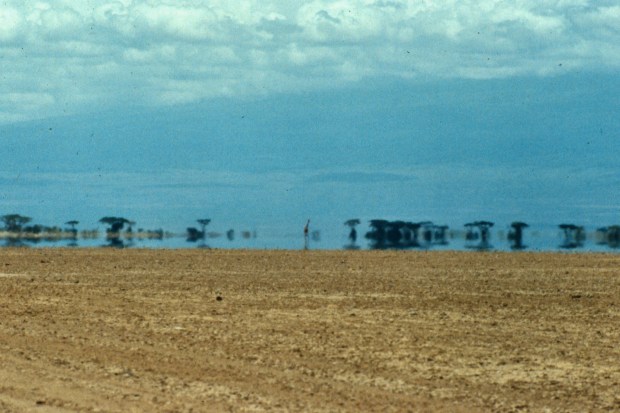
To enter Amboseli you crossed the lake that gives the park its name, a usually dry ash lake and the first place where we saw both dust devils and mirages, the latter framed by Kilimanjaro.
Amboseli dry lake and giraffecopy

Funnily the lake was occasionally flooded! During these times it became a quagmire that took some driving to negotiate.

Land Rover Amboseli flooded lake copy

At first we camped at the now called Amboseli campsite but the lack of adequate shade prompted us to seek other places. We then found the palm tree campsite that our friend Paul also used when staying at the park. Although lacking ablution facilities, this was a shady and cool camp, ideal to rest during the hot time of the day and even to have a short nap before embarking on a late afternoon game drive.

Being rather secluded and with small camping areas it had the advantage of not being frequented by the overland trucks that were beginning to be common at the time and that immediately crowded the limited space and facilities available at the other campsites. We soon learnt the reasons for this seclusion…

While Paul was investigating a rinderpest outbreak we took the opportunity to join him a couple of times at the palm tree campsite where he was staying with his camp hand Tobias as usual. He was a great help at the camp as well as producing some good food, particularly in the evening when we were tired after driving all day. However, the English breakfast was his “special” and this prompted Paul’s say of “with such breakfast, who needs to think about cooking later” in reply to our criticism to the rest of the English cuisine!

After dinner we usually made an inventory of the birds seen during the day as well as planning where we would go on the morrow. That night, however, Paul was starting to tell us about what had happened to him earlier at that camp when, suddenly, we started hearing people shouting!

We stopped talking and listened. After a few seconds we clearly heard a loud and frantic scream: “elephant!” that got repeated until finally we heard a desperate “help us, elephant!” Without hesitating Paul and Tobias grabbed their torches and ran towards the source of the voices. I followed.

We did not have a lot of ground to cover, perhaps one hundred metres, when we came to the next camping spot, a clearing in the bush where the drama was unfolding. There were tents and a Land Rover with three terror-stricken occupants in the back, two men and a woman rather scantily clothed. Outside there was a large elephant holding the roof rack and vigorously shaking the car as much as its springs would allow and, in so doing, badly shaking the people inside!

We then realized that the elephant had stepped and flattened an aluminium camera case and scattered camera(s) and lenses on the fine dust. Luckily, as soon as we shone the torches on the intruder, it took off tail up, aware of its guilt, crashing into the low palm trees to the relief of the vehicle occupants and mine when I saw it running in the opposite direction rather than charging!

After helping the “victims” to collect their dusty gear and their wits, we reassured them that the elephant would not come back as it got quite a fright, not being sure of this ourselves as it was unusual that elephants would attempt to raid a camp in Kenya. After we saw that our neighbours were as calm as the situation allowed, we returned to our camp.

After commenting the incident with the rest of the campers it was Paul’s turn to return to its interrupted story that, funnily enough, also dealt with elephants! He told us that one night he was woken up by some noise outside the tent. Through the door he realized that there were elephants outside and then he felt a rush of hot air in his face, coming from one of the visitors. It was trying to get to the food he had in the tent. Quite alarmed, he tried to get out through the other tent exit that went to his “kitchen” area only to find it blocked by a white elephant that blocked his way. The intruder had managed to break a sac of flour and it was enjoying it!

In the meantime, another pachyderm was busy trying to get at Tobias’ tent where some dirty pots and pans were kept to be cleaned the following morning. His smaller tent was lifted from the ground and Tobias got very frightened and -according to the storyteller- proffered such screams that he managed to scare the animals away, saving the day! After that achievement Tobias rushed to the Land Rover where he spent the rest of that night! (Something I would also have done! – Bushsnob)

It was then apparent that the campsite was a rather uninhabited one in virtue of its naughty elephantine visitors that have become used to get food from campers and the news had spread prompting campers -except us!- to stay away. As it is inevitable in these cases, the camp was closed soon after and, possibly, the elephants destroyed as wild animals always pay for being fed by people who do not realize the consequences of their actions.

This slideshow requires JavaScript.

I always wonder if some of these were the culprits!


[1] The English meaning of the Maa word Amboseli.

[2] There is apparently a third peak called Shira that I learnt about when writing this post! See: https://en.m.wikipedia.org/wiki/Mount_Kilimanjaro (Consulted on 19/10/19).

[3] Western, D. (1982). Patterns of depletion in a Kenya rhino population and the conservation implications. Biological Conservation, 24: 147-156.

[4] The word “Cheetah” is derived from the Hindi word “Chita” meaning “spotted one”. The Cheetah is the fastest land animal reaching speeds of 45 – 70 mph. Cheetahs have also been known to swim, although they do not like to. “…The Cheetah is not one of the Great Cats, because it does not have a floating Hyoid bone in its neck it can not roar, therefore it is a Lesser Cat…” See: https://bigcatrescue.org/cheetah-facts/?amp (consulted 16/10/19)

[5] See: https://www.nytimes.com/1991/05/19/travel/an-african-park-in-peril.html (consulted 16/10/19)


Spot the beast 60

Searching among old pictures to illustrate my future post on Amboseli National Park I found this picture that, at first, I discarded as another useless picture. I was about to delete it when I noticed that it showed some suspense on what happened next.

cheetah stalking ?
?
?
?
?
?
?
?
?
?
?
?
?

I am certain that you have found the “hidden” beast. It was a cheetah stalking a Thomson’s gazelle at the edge of the Amboseli swamp. What happened next will be revealed in the next post…

Under the shadow of Kilimanjaro

I am sure that when I went to Kenya in 1981, my knowledge of this mountain was less than what the German missionaries and explorers Johannes Rebmann and Ludwig Krapf knew when in1848 they caught the first glimpse of what was then known locally as ‘Kilimansharo’ a mountain that was “higher than the clouds and capped in silver”.

Kili with ellies amboseli 4.55.57 PM copy

The accepted knowledge at the time was that ice and snow did not occur in the equator so the explorers initially failed to realise the significance of their find. However, Rebmann -clearly unconvinced- explored its vecinity and eventually wrote in his diary: “…This morning we discerned the Mountains of Jagga more distinctly than ever; and about ten o’clock I fancied I saw a dazzlingly white cloud. My Guide called the white which I saw merely ‘Beredi,’ cold; it was perfectly clear to me, however, that it could be nothing else but snow…”

5 - Kili copy

He published his observations in 1849 but the scientific community did not accept them until later on. About 40 years later, the “Kilimanjaro Elephant” believed to have been killed in 1898 was found with tusks that weighed 108 and 102kg, the heaviest in history. Each were over 3m long and 70cm in circumference at the base. They were eventually bought by the British Museum of Natural History in 1932.

V0048591 An ornate carved doorway in Zanzibar, with an enormous pair

An ornate carved doorway in Zanzibar, with an enormous pair of elephant’s tusks leaning against it. Photograph by A.R.P. de Lord, ca.1900. Credit: Wellcome Collection.

Much later, Ernest Heminway made the mountain more popular when he wrote his well known novel “The Snows of Kilimanjaro” that he opens mentioning another altitude find: a frozen leopard.

Microsoft Word – The Snows of Kilimanjaro.doc

It was when in Kenya that I became aware of the existence of the mountain somewhere in the rift valley until one very clear morning, while traveling from Muguga to Nairobi, I actually saw its silver shadow far in the horizon and I realized that it did exist and that it was not that far away!

Amboseli kili 1


At that time I also learnt that in the late 1800’s Queen Victoria gave her German grandson Wilhelm by changing the Kenya-Tanzania border for Kilimanjaro to be in Tanzania! Only recently, while reading history for this blog, I learnt that the border was a consequence of negotiations and that the story is not true.


If I knew little of Kilimanjaro I knew even less about its surrounding area and the wealth of interesting cultures and beautiful areas that it contained on both sides of the Kenya-Tanzania border. Although unfortunately at the time the border was closed as a consequence of the end of the East African Community that linked Kenya, Tanzania and Uganda, we could still enjoy the Kenyan side and explore its parks, mainly Amboseli and Tsavo National Parks.

I will tell you some anecdotes of our visits to these areas around the mountain in the next posts. Just in case you are interested beyond what I mentioned here, the video below from Alan and Jane Root, despite being “aged”, is worth watching.

https://www.youtube.com/watch?v=ibfoSYwK4MY


Dust

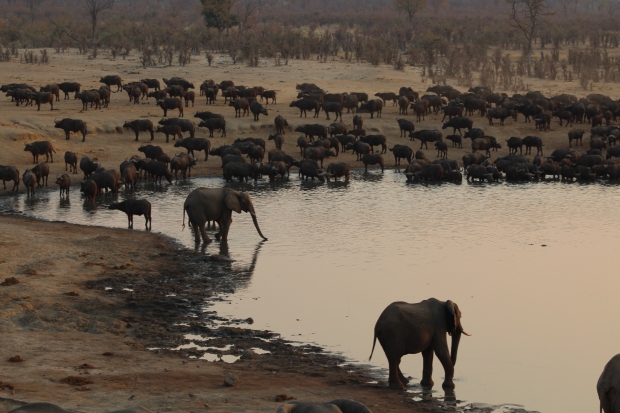
This year Masuma dam offered an amazing spectacle because of the very dry conditions that prevail in Hwange National Park at the moment. There was a continuous flow of animals coming to drink at the shrinking waterhole despite its constant water pumping that could not match evaporation and what hundreds of animals needed to drink.

As described in the previous post the elephants were the stars of the show but there were other visitors, not less interesting such as impala, giraffe, zebra, greater kudu, warthogs, baboons, jackals and some buffalo. Among the latter there was a male that looked in very poor condition that we predicted that it would not last too long and that ended up as a lion meal two days later.

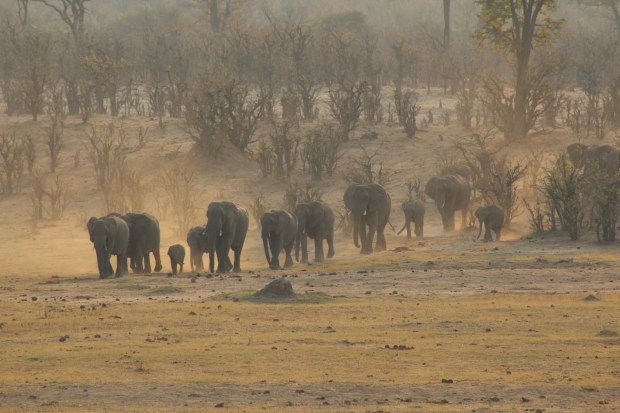
After watching the lions feeding on the buffalo we returned to Masuma to continue with our “comfortable” viewing from our camp as the water is very close to it. We were -as usual- focussing on the comings and goings of the elephants when we noted a large brown cloud rising far away, in the direction of Mandavu reservoir.

One afternoon we were enjoying game viewing from our platform at Masuma when we spotted dust in the horizon.

IMG_6742 copy

We thought that more elephant family groups were arriving but the dust turned into a large cloud and we realized that a large herd was indeed coming. But we were wrong, there were not elephants but a very large herd of buffalo! Hundreds and hundreds of them coming to drink at Masuma.

P1010095 copyP1010101 copyP1010099 copyIMG_6752 copyIMG_6755 copyP1010106 copyP1010110 copy

We had seen very large numbers of buffalo during previous visits at Mandavu reservoir and probably this was the same herd forced to move in search of grazing.

It was an amazing site as buffalo, usually respectful of elephants just bulldozed their way through by the pressure of their large numbers and took over the entire water body! It was interesting to see that the elephants were forced to wait this time.DSC_0769 copyIMG_6763 copyIMG_6748 copy

After about an hour, when the afternoon was turning to dusk, they slowly moved off in in the direction of the Shumba picnic site and the other animal’s wait was over. The herd went slowly, probably in search of grazing and hoping to drink  at Shumba where there was abundant water still.

IMG_6763 copyP1010103 copy

Pictures by Julio A and Mabel de Castro, Patricia Ruiz Teixidor and the bushsnob.

Elephants!

As I mentioned in the earlier post Hwange National Park is going through a severe drought and some of the classical water points where wild animals usually drink are shrinking and drying up.

The hippos at Masuma (except a lone one that is there part-time) are gone, probably to Mandavu reservoir, a walk of about 18 km, not a great distance for a hippo. However, although it is unlikely that such large water body would dry up, grass availability remains the limitant and grazers such as hippos and buffaloes may be the ones to suffer most.

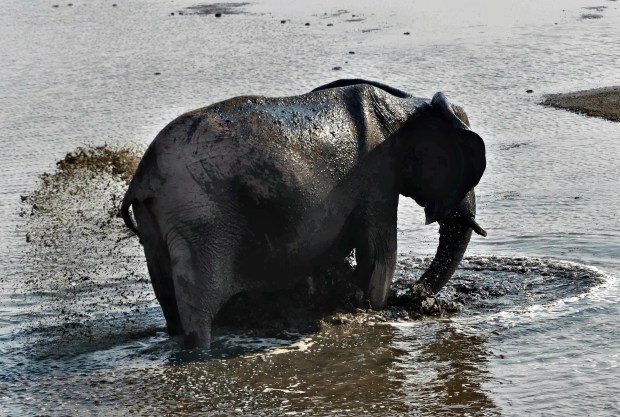
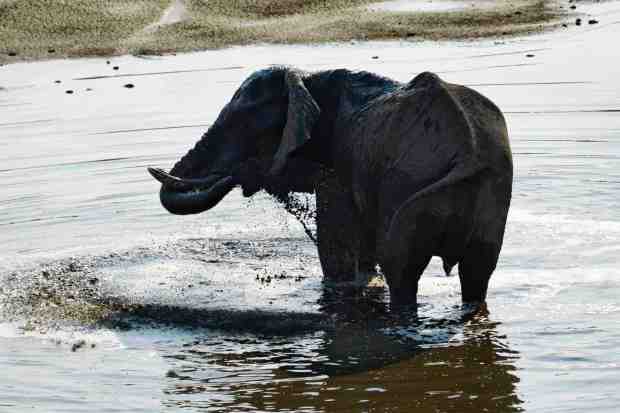
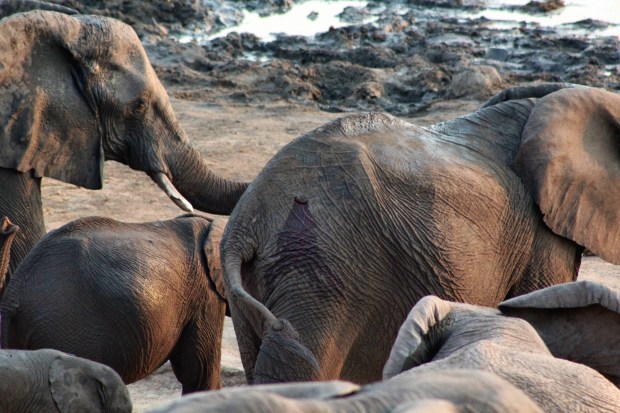
As for the elephants, they were congregating in large numbers at Masuma dam and Dom pan -the areas we saw-  and drinking 24/7 as it is now said. Nyamandhlovu and Masuma dams’ water levels were low and getting lower. Although usually most elephants prefer to drink from the water inlet to get the clean and fresh water, there was no room for everybody there and mostly the large individuals managed to hold their ground there. The majority were forced to drink the muddy water from other areas of the dams, a thing they would not do under normal circumstances.

Tempers were also hot and trumpeting and squealing day and night were heard. At one stage thee was some brawl that ended up with a loud crack when one of the elephants had a tusk embedded in its rump that cracked when the victim tried to move away! After a night of intense elephant traffic we found a dead young elephant near the water although we do not know how it died.

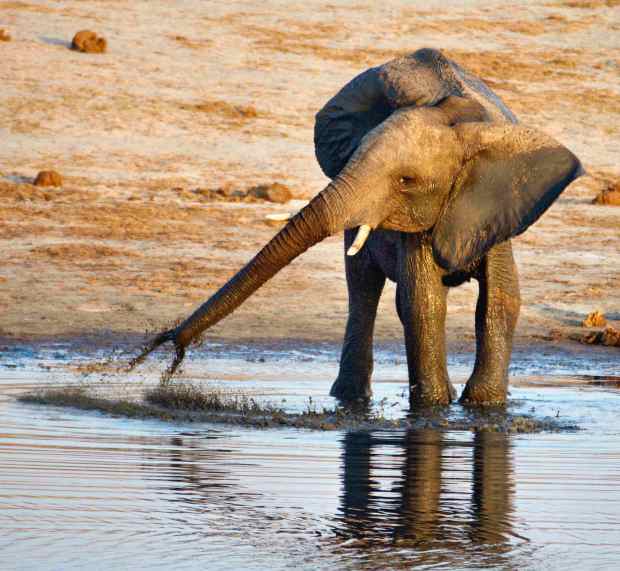
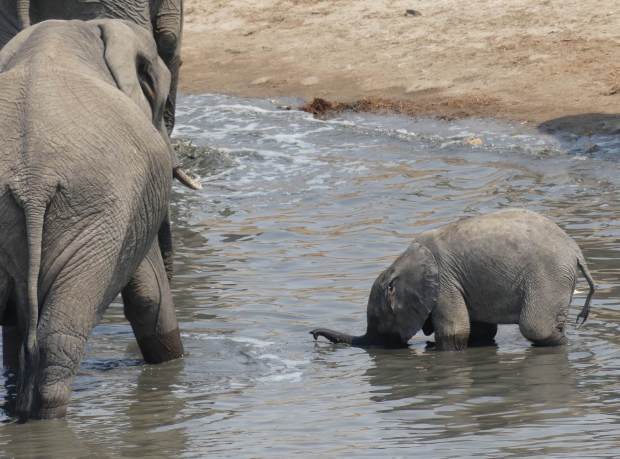
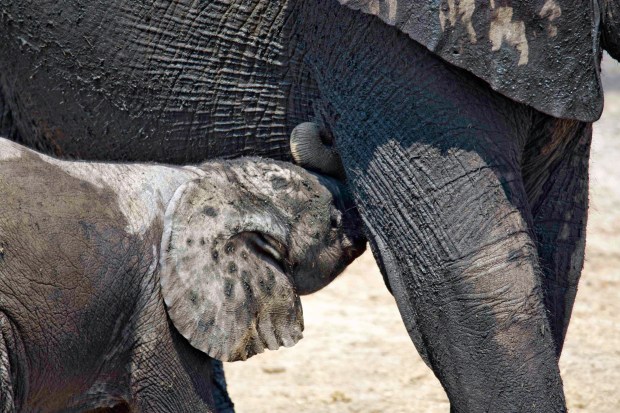
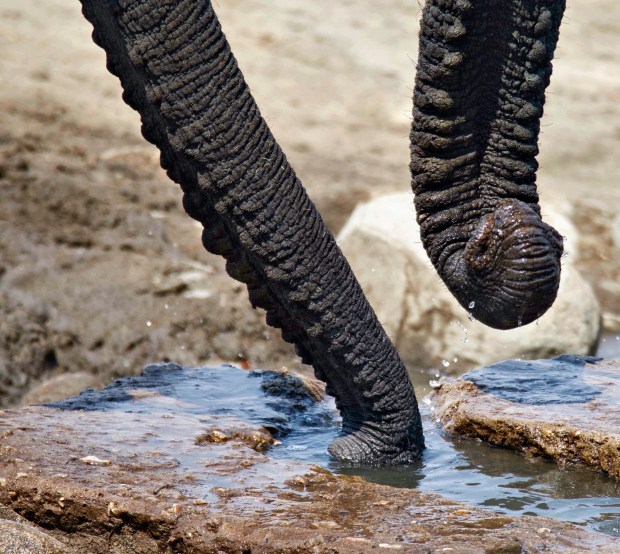
So, there was drama at the dams and pans but there was also great fun with the youngsters as usual and I just wish to show you a few pictures and videos of the action so that you can get an idea of what took place.

Videos and pictures were taken by my son Julio A., his girlfriend Patricia and myself.

Arrival

IMG_6619 PR copy

The dust can be seen for several minutes before the thirsty animals arrive.

Drinking

DSC_0348 JA copy 2

A youngster frolicking and drinking.

P1010039 copy

Not able to use its trunk yet a baby uses its mouth!

DSC_0585 JA copy

And then it gets the real treat from its mother!

DSC_0602 JA copy

The amazing trunks in action.

Bathing

P1010057 copy

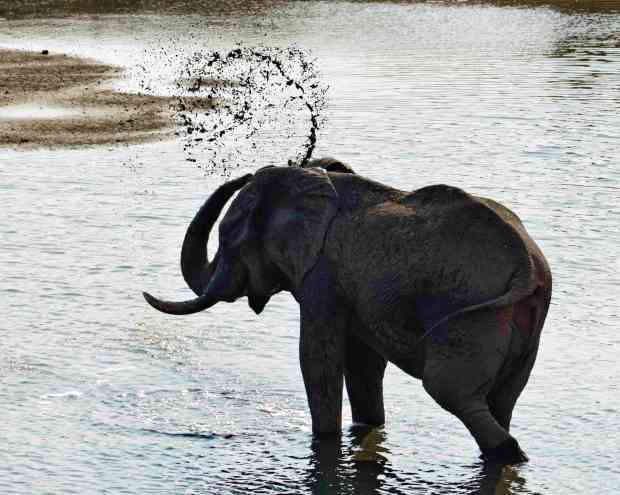
Preparing the water for a mud bath!

DSC_0712 JA copy 2

DSC_0666 JA copy 2

Mud sprinkling.

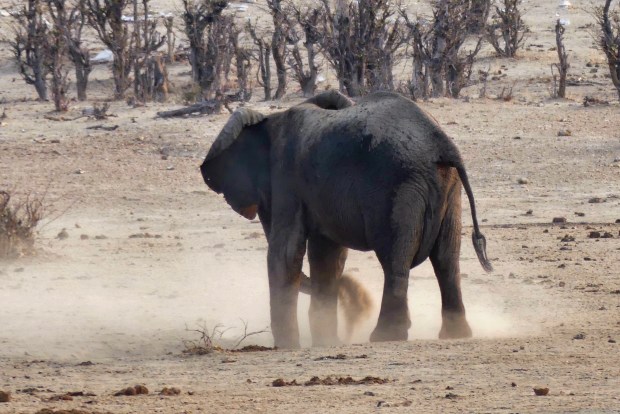
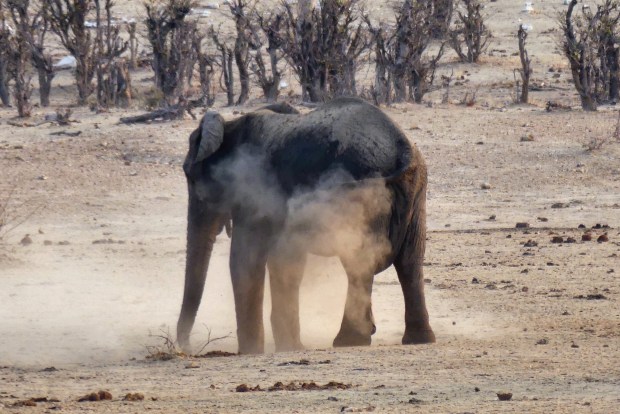
Powdering

P1010024 copy

P1010025 copy

Hanging around

This slideshow requires JavaScript.


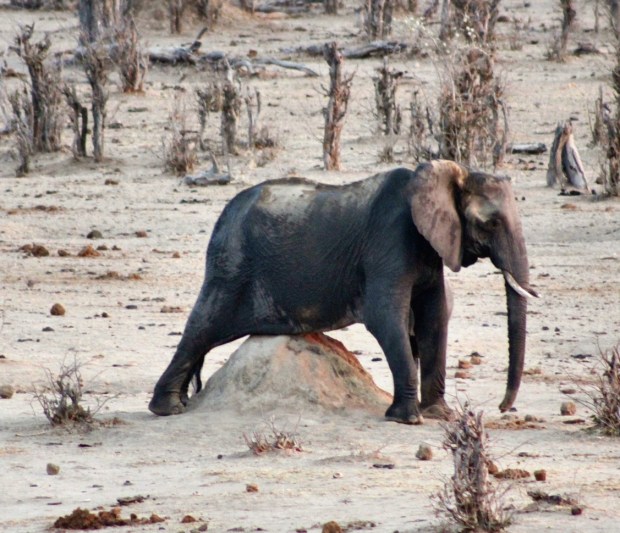
Scratching

IMG_6985 PR copy

Itchy belly!

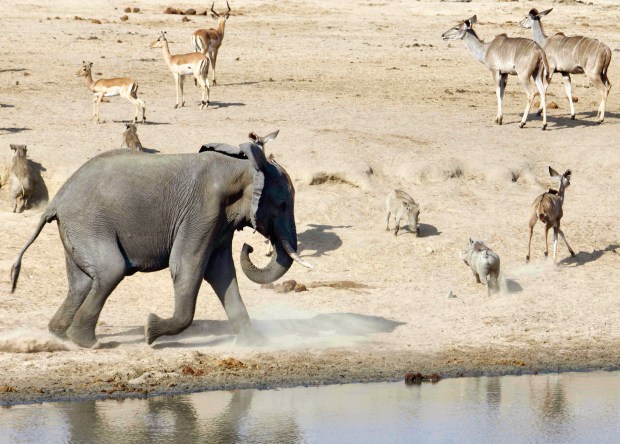
When tempers flare

DSC_0142 JA copy

A young calf scatters smaller animals before drinking.

IMG_6651 PR copy

A tusk wound. The result of a hard push that broke the tusk of the aggressor.

DSC_0551 JA copy

A funny moment!

Although pictures show some of the action, I also present you with a few videos to show you the atmosphere at the water holes.

First Masuma dam:

Then my son did a time lapse one evening:


The next two videos were taken at Dom pan, near Hwange Main camp to show the elephant numbers present there at the time (September 2019).

I really enjoy the start of the video with the arrival of the first group and the noises of the elephants.


A visit

On 8 September 2019 [1] I wrote in this blog: “…By far the biggest nuisance that awaits the camper in Africa is the monkeys both vervet monkeys (Chlorocebus pygerythrus) and baboons (Papio spp.). Although the latter can be rather destructive to tents and other gear, the former can be a real menace when it comes to steal your food. They are the masters of opportunism and surprise and a distraction of a few seconds is enough for them to strike…”

A week after these words were written, we were -again- put to the test with baboons. This time while camping at Masuma dam picnic site in Hwange National Park. As the picnic sites are now practically unfenced, usually, the attendant warns you about any “special” visitor you need to watch for. We were therefore informed of the well-known honey badgers that are a permanent feature there but baboons were not mentioned.

IMG_20190915_062752 copy

A view of the camp at sunset.

We had seen baboons in previous occasions and they had always been “civilized” towards us. This time they were also present at the water edge drinking and scouting the area for any easy prey they could get but we did not pay much attention to them except when one caught a dove and ate it!

P1010357 copy JC

Baboons drinking in the morning.

DSC_0062 JA

A baboon plucking a dove caught at the dam’s edge.

It was on the third day that the visitor came. As every morning we were enjoying our camp breakfast while commenting on what we had seen as well as our plans for the day. We have heard lions nearby and were discussing where to look for them while Mabel -the best eyes among us- was at the hide trying to spot them.

DSC_0748 copy JA

Aggression at sunset. Picture by Julio A. de Castro.

We were seated at our table, my son and his girlfriend in front of me. I was facing the camp’s area that borders with the thicket when this event that may have lasted five seconds took place. I had just prepared my bowl of cereal and fruits and was about to start eating when a movement in the bush in front of me caught my eye. A large baboon was running full speed straight at me and it kept coming!

Before I had time to warn my companions the brute had already jumped on the table, tipping it and scaring all of us, badly. While this took place and all items on the table flew in all directions I just sat there unable to move! The only thing I managed to do was to threaten the beast now looking at me in the eyes with my dessert spoon! [2]

Then it jumped off the table, I threw him my plate of cereal while I felt heat in my legs while my spilled coffee wetted them. The visit was gone in a flash and, luckily, it left us unscathed but shaken. Mabel returned to the camp after hearing the commotion and she found us re-gathering our wits and our various utensils that were scattered all over the floor. It took a while for her to believe what had happened.

This was undoubtedly the most violent experience we have had with a baboon during all our camping years. Although the baboon was clearly after food, it was a stark reminder that we are dealing with dangerous animals while we stay in the bush.

It is likely that campers had fed the baboons earlier as it usually happens but perhaps the rather severe drought prevalent in the area at the moment has pushed them to the limit. All I can say is that from that morning our breakfasts were “breakveryfasts” while constantly keeping an eye on our surroundings.


[1] See: https://bushsnob.com/2019/09/08/the-joys-of-camping/

[2] My later version that I have hit the beast on the nose with my spoon and saved the day may not be very credible giving the circumstances of the event… It did good to my ego though!

Beyond our means

Our son and girlfriend gave us a totally unexpected and amazing present: two nights at the Victoria Falls Hotel, an unheard of luxury for our usual camping standards! So, before continuing to camp at Hwange National Park we took the “colonial plunge”. However, we had a small problem: as the booking was a surprise, we were not prepared to face such serious and traditional establishment!

Our start could not have been more promising as the Head Concierge (Duly Chitimbire) received us as VIPs by the main entrance and then everything worked out very smoothly until we were comfortably settled in our room, located a few steps from the Larry Norton Gallery on the ground floor. We had visited the place to commemorate the birth of our son in 1991, a few years after David Livingstone found Mosi-oa-Tunya (smoke that thunders) in 1855 and stayed in that same area of the hotel.

IMG_20190912_101656 copy

The VIP reception.

2044F294-C9E1-4C8A-B919-FE0869018F5A copy

Entrance to the Larry Norton gallery.

P1000769 copy

The stairway to the upper floor.

After leaving our belongings we started to explore this real museum of Zimbabwe colonial history. We took advantage to visit the various public rooms as staying guests, unlike previous recent visits that we were outside visitors. We admired the main Palm lounge with its incredible dried plant display and the adjoining Bulawayo lounge with its show of historical artefacts and Punch caricatures of important colonial personalities including Cecil Rhodes and Frederick C. Selous, all presided by a painting of King Lobengula above the fireplace.

Our plans to enjoy the opulent seven-course degustation menu and dancing to a live band at the Edwardian-style Livingstone Room (voted the seventh finest Restaurant in the World by The Daily Meal in 2013) were immediately dashed when we read the notice on the door saying “Strictly no safari wear, shorts, sandals or sneakers.” A very quick mental inventory of our luggage (geared for camping) confirmed our poor preparation on this department and saved us some money!

This restaurant is a reminder of the hotel’s glorious past that started in 1904 when it was opened to take care of the personnel of the railways when they arrived at Victoria Falls. At that stage it was a 16-room wood and corrugated iron roof building that has now increased tenfold. Interestingly, steam for the laundry was produced from the boiler of a scrapped locomotive![1]

After WWII a Royal visit took place in 1947 and the party took over the entire hotel, which was not as large as today. At that time the British Overseas Airways Corporation (BOAC) started a mail and passenger service from Southampton to the Vaal dam near Johannesburg in South Africa with Solent S45 class flying boats. These great hydroplanes flew at 338 km per hour at low altitude stopping in Sicily, Luxor, Kampala and Victoria Falls [2].

flying boat

Details of the Solent planes.

The twice-weekly flights offered an innovative way of traveling and the visitors would land upstream from the falls to spend time at the hotel in a stop that became known as the “Jungle Junction”, hence the name of one of the hotel’s restaurants.

Exploring the garden and admiring the view of the falls and the bridge spanning Zambia and Zimbabwe, located where Rhodes wished so that the falls’ spray would wet the train carriages, took a lot of our time. The humongous mango trees offer abundant shade to the guests and the bushsnob took advantage of the latter to perform his siestas, surrounded by an international crowd!

Although the famous baobab known as the Big Tree is found at Victoria Falls, its hotel colleagues failed to impress the bushsnob.

P1000722 copy

Baobab dwarfed by the bushsnob.

However, the large and solitary msasa tree [3] (Brachystegia spiciformis), usually part of the Miombo woodland, estimated to be 200 years old appears as a very impressive frame to the magnificent view of the falls area from the hotel lawn, usually visited by monkeys and warthogs as well as Hadada ibises.

IMG_7773 copy

Flags at half-mast at the entrance due to the death of former president Robert Mugabe.

Before visiting the falls, we extended our walk to the hotel’s surrounding area including the Victoria Falls railway station located nearby in the hope of seeing some of the steam trains that are still functioning. As the tracks are easily accessible, we hoped to flatten a few coins by placing them on the rails. We were unlucky as the next train was expected late in the evening when we had a dinner appointment at a traditional restaurant.

IMG_2462 copy

However, a walk revealed a couple of steam engines and old carriages being restored for future use.

This slideshow requires JavaScript.

Unfortunately during the walk the bushsnob lost the soles of both walking shoes and this jeopardized the plans of a visit to the falls.


The last hope of reaching them was boarding the 1920’s hand-worked rail trolley service that replaced rickshaw rides! Unfortunately, we suffer another blow as it has been out of action since December 1957!

So, we had no other consolation than to join the other guests at the lovely Stanley’s Terrace and order high tea following the British tradition stretching back to the mid-1700s. [4] Luckily, despite its strictly formal beginnings, the affair at the hotel allowed guests dressed for safari and even sole-less! We enjoyed a range of savoury and sweet treats with an excellent Zimbabwean tea served on fine silverware, bone china, and vintage cutlery and crockery whilst relaxing looking forward to our camping experience at Hwange National Park, our familiar treat!


[1] It stopped functioning only in 1996!

[2] See: https://www.tothevictoriafalls.com/vfpages/tourism/flyingboats.html

[3] In Shona language.

[4] This is an afternoon meal, usually served between 15-16hs. and served at the dining room table contrary to the ‘afternoon tea’, served in comfort while the guests are on chairs or sofas.