Historical

Episodes of African history connected to wildlife or guides, hunters, explorers

Lions suckling

A letter about unusual lion behaviour in the Serengeti National Park[1], brought back memories of our own observations in the Maasai Mara Game Reserve, Kenya, in the 1980’s.

P1120930 copy.jpg

A picture of the letter to Getaway.

As it can be seen above, the letter describes that, a couple of tourists on a photographic safari, witnessed a lioness kill a wildebeest cow and her calf. Afterwards the lioness suckled the cow, then consumed the calf and returned again to suckle and lick the milk from the now dead female.

While in the Maasai Mara one evening we witnessed a lioness kill a topi[2]. While the lioness was busy strangling the animal, two cubs appeared on the scene and, without hesitation, went directly to the Topi’s udder and suckled the animal for a few minutes.

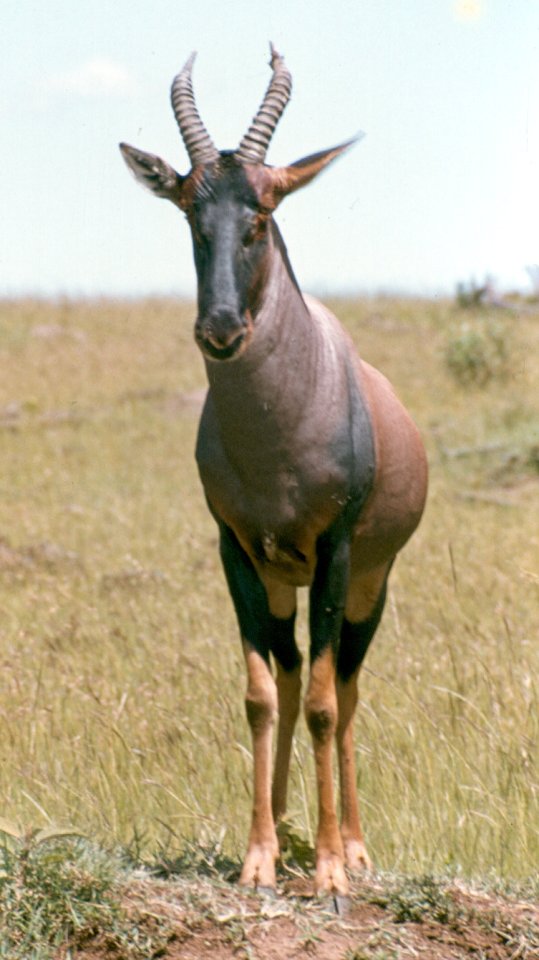
Topi m mara

A Topi in their typical “watching” stance.

Eventually the animal died and the cubs stopped suckling and joined the mother at eating it. We did not see he lioness suckling.

lioness and cubs other copy

The cubs we saw suckling were larger than this one.

The explanatory reply from Brian Jones, a very knowledgeable person on raising lions at the Moholoholo Wildlife Rehabilitation Centre (South Africa) among other activities, confirmed that lions do lick carcasses, a fact that I can also corroborate through personal observations. As he made no mention of the suckling of prey by lions, I decided to write to Brian to let him know of our own observations and somehow reinforce the tourists’ observations. The following is a record of our exchange:


16/11/2015

From:              Julio de Castro <juliojdecastro@gmail.com>

To:                  Moholoholo <moholorehab@wol.co.za>

Dear Mr. Jones,

Reviewing old magazines I saw your comment of a couple of years ago (Getaway, May 2013, p.13) to a sighting of a lioness suckling and licking a wildebeest female in the Serengeti National Park.

In the 1980’s, while working in Kenya, one evening in the Maasai Mara we witnessed a lioness kill a Topi. While the lioness was busy strangling the animal, two cubs appeared on the scene and, without much hesitation, went directly to the Topi’s udder and suckled the animal for a few minutes. Eventually the animal died and the cubs stopped suckling and joined the mother at eating it. I do not recall if the death of the female Topi coincided with the cubs stopping to suckle. The cubs were about 6 months old or older (not suckling babies).

I have also witnessed lions licking wildebeest and zebra prey (mainly in the abdominal area) but I believe that there are two different phenomena, one is the deliberate suckling of a female prey and another is the licking of a dying/dead animal, including males.

I hope you find this interesting and look forward to your comments.

Kind regards.

Julio de Castro

http://www.bushsnobinafrica.wordpress.com


19 November 2015

From:              Moholoholo <moholorehab@wol.co.za>

To:                  Julio de Castro <juliojdecastro@gmail.com>

Good morning Julio,

Thank you very much for your e–mail.

So interesting to hear of your experience witnessing the cubs trying to suckle from the Topi – really amazing!!!

Probably the smell of milk and I’d say the Topi must have had a youngster!!

Yes the licking of a dead animal is normal. I  have often seen even cheetah licking their pray before eating!! I have a few tame Cheetah and they lick my friends on their arm, I tease them by saying “they always lick their prey before they eat them” (ha, ha).

Thank you so much for sharing your experience, it always a story I can tell to other folk.

All the Best

Brian


I thank Brian for his time to reply and his valuable contribution. Please visit http://www.moholoholo.co.za/ to see the valuable work that the Centre performs.


[1] Koetze, R. Unusual sighting. Getaway (Letters), May 2013, p.12.

[2] The Topi (Damaliscus lunatus jimela) and the Tsessebe (D. lunatus lunatus) are sub-species of D. lunatus.

Javelin throwing (almost Olympic games)

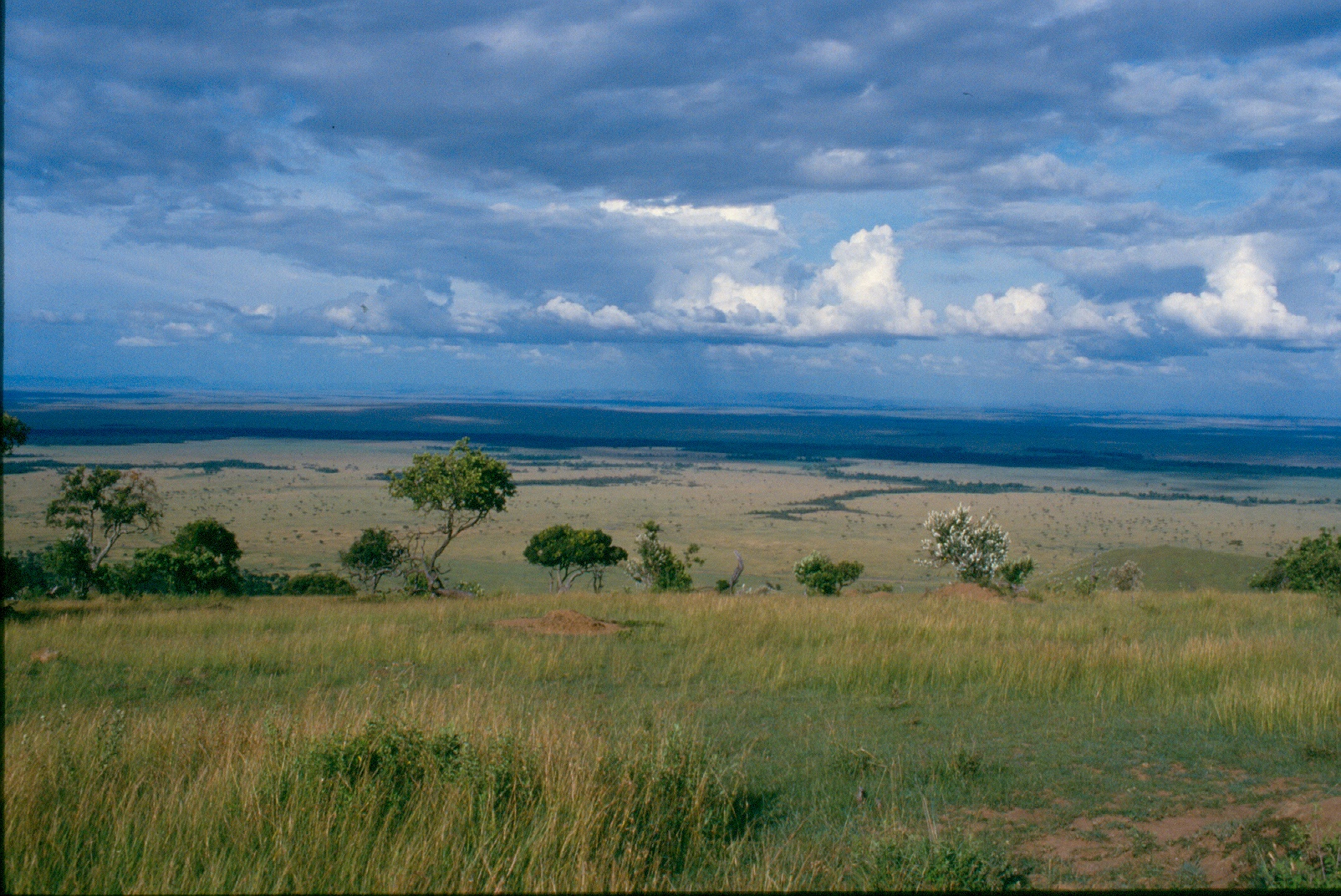
The view of the Mara triangle on the Maasai Mara from the Oloololo escarpment on the way to Intona ranch.

The view of the Mara triangle in the Maasai Mara from the Oloololo escarpment on the way to Intona ranch.

Despite our busy work schedule we did not work on Sundays. We took the morning to explore Intona and its surrounds as there were always interesting sightings, particularly in the area towards the Migori river forest.

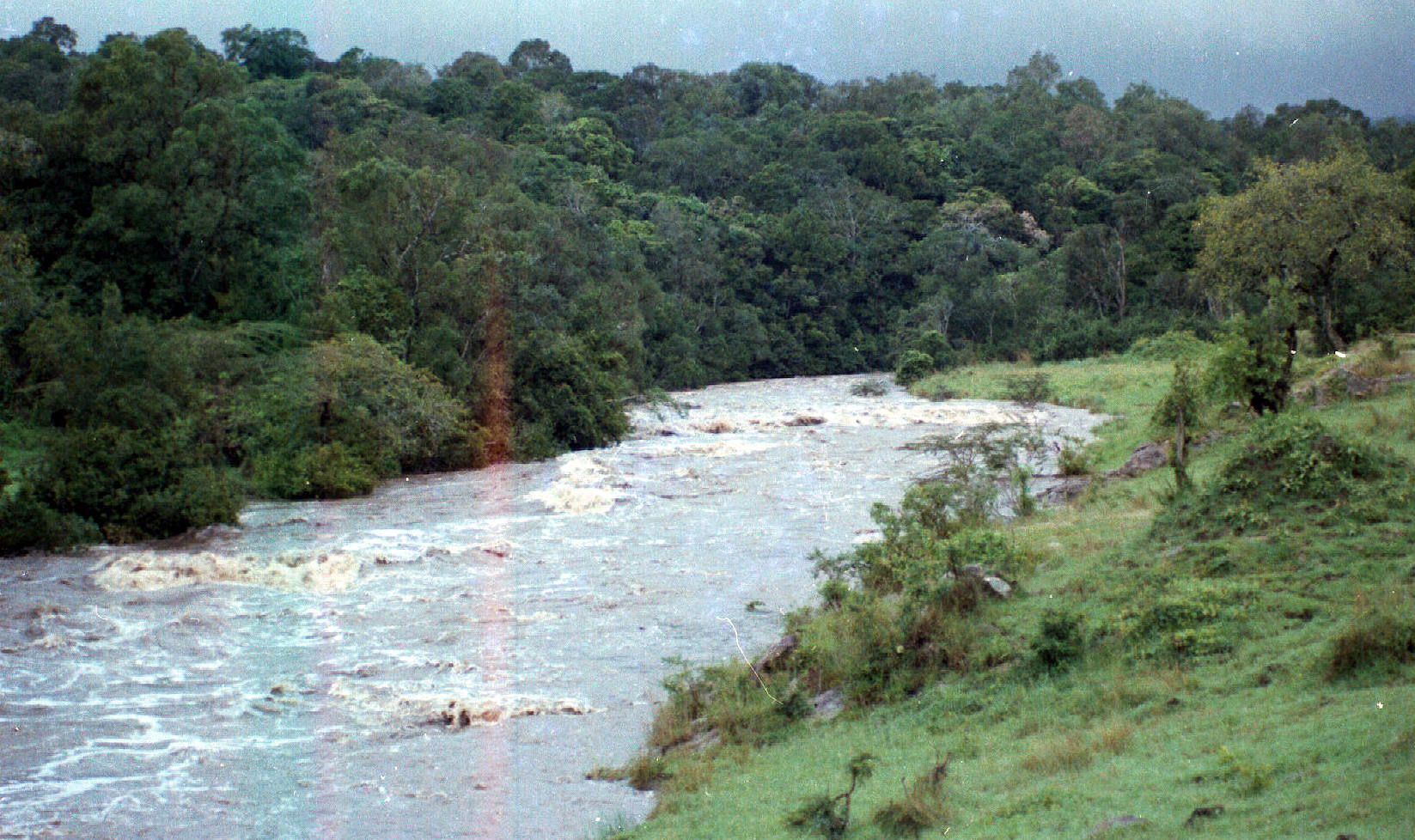
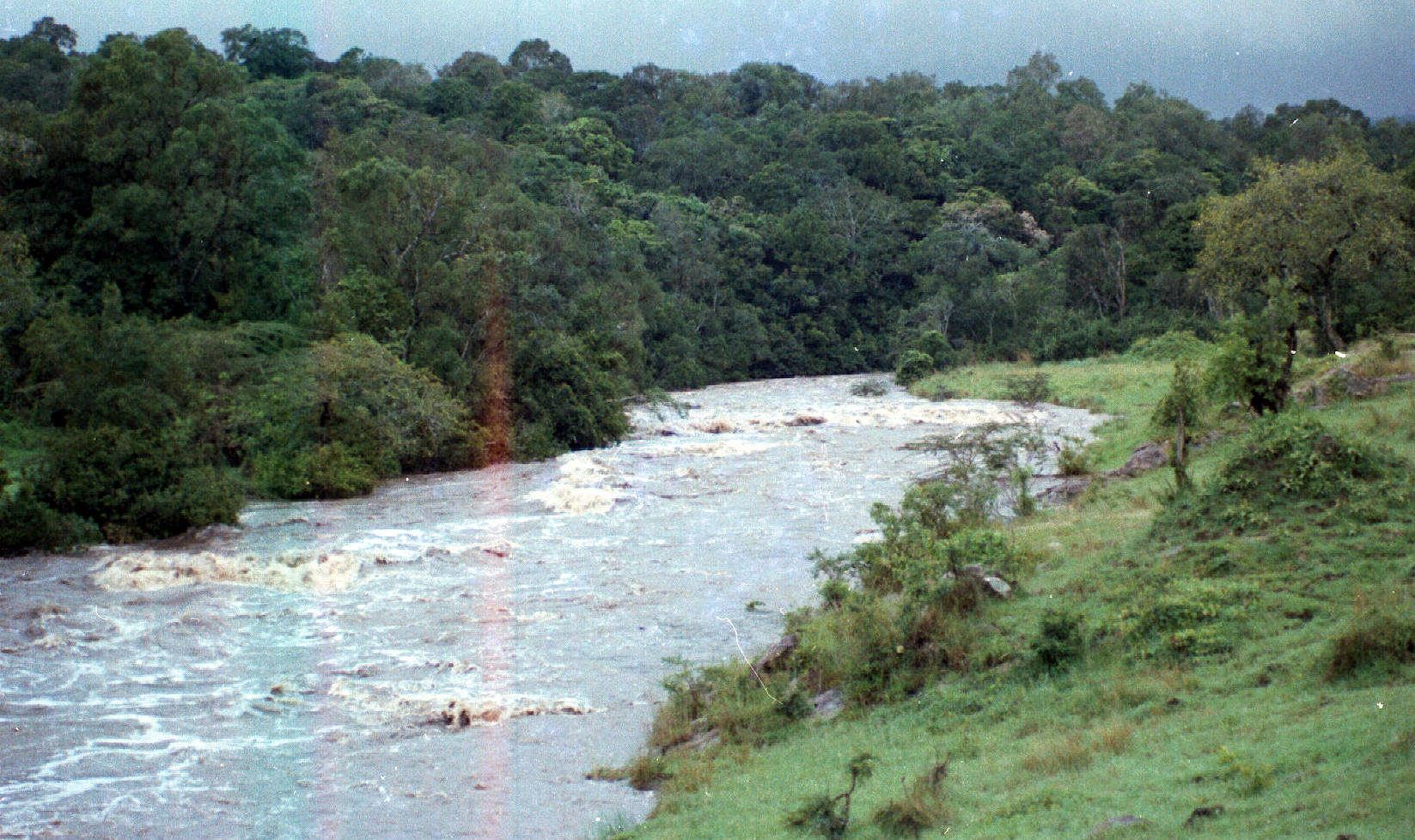
A flooded Migori river at the back of Intona ranch.

A flooded Migori river at the back of Intona ranch.

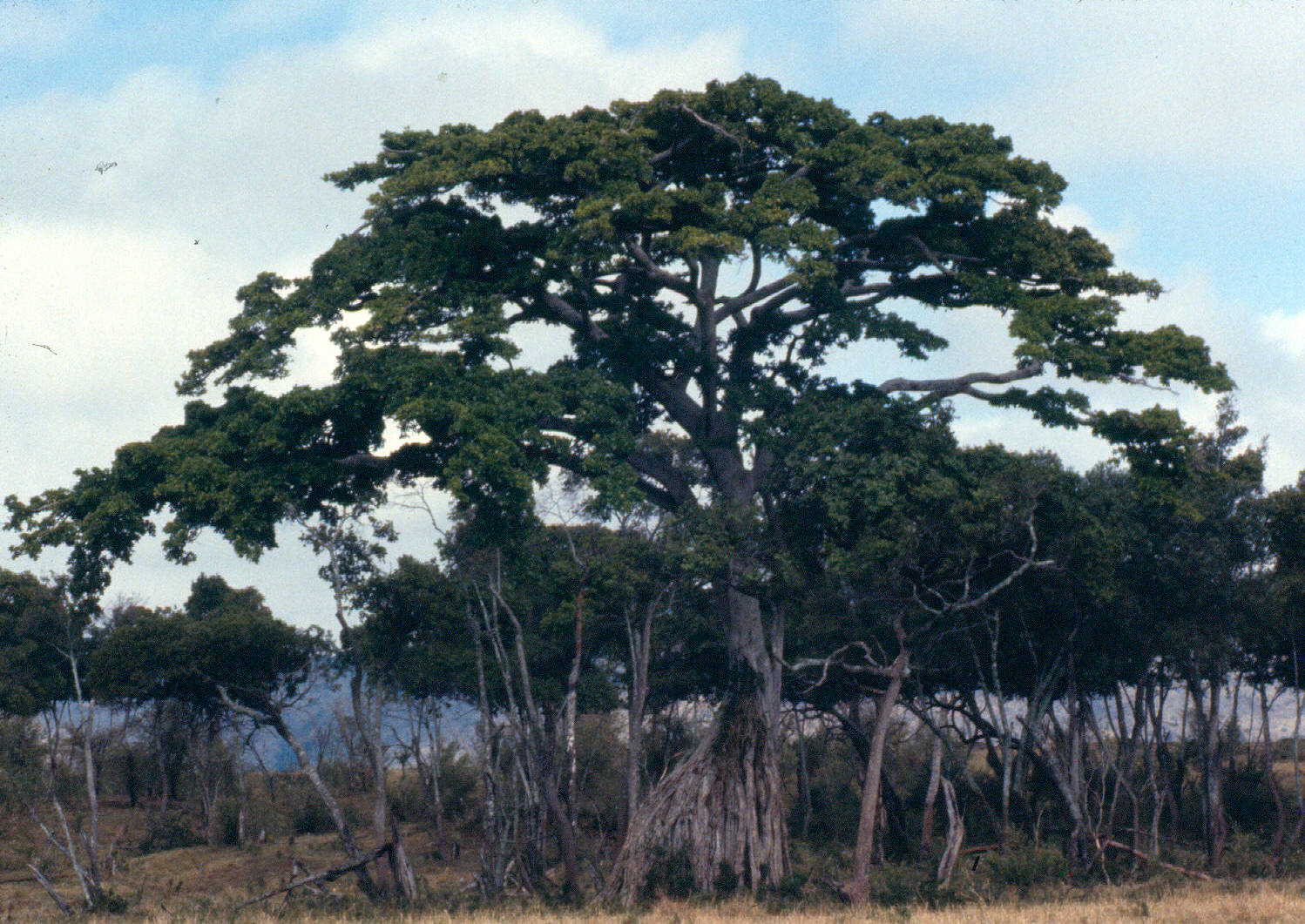
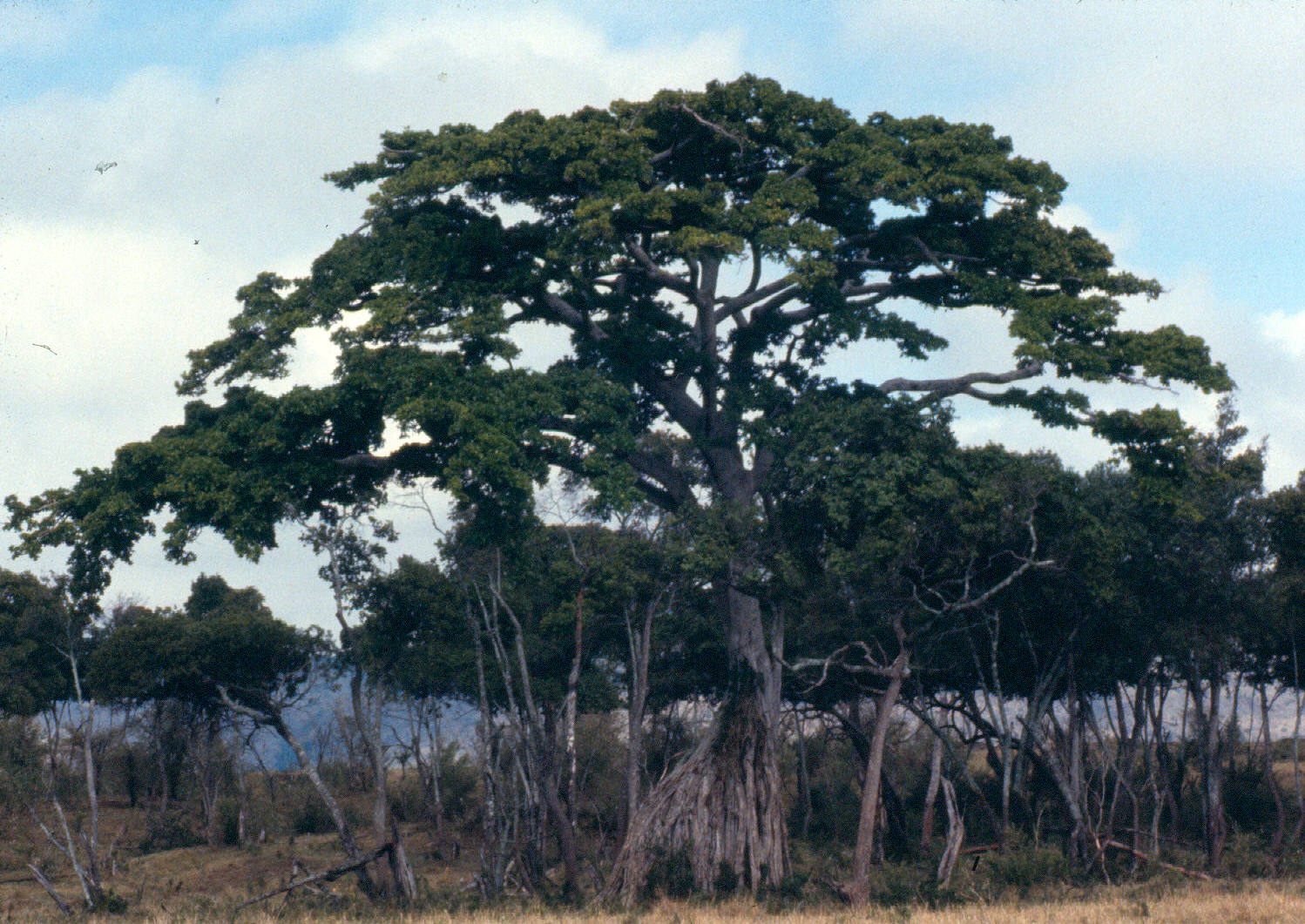
A notable tree in the Migori river forest.

A notable tree in the Migori river forest.

After lunch and seeing that there was not much to do I hatched the idea of a spear-throwing contest and mentioned it to Ernest. “What about an international spear throwing competition this afternoon?” “We can have participants from Africa, América and Europe, almost like the Olympic games”, I added. Ernest happily agreed and I got on with the organizing.

Apart from Ernest and myself there were also a Ugandan veterinarian and Kikuyu and Maasai assistants, admittedly both Kenyans but from different ethnic groups. “After all, we are in Maasailand” I thought and we should find a suitable javelin” “Let’s find a good spear and get the throwing field organized,” I said as I was already walking towards the herdsmen camp to arrange the details. “Tommi, I need to find a good spear” I said before I said good morning, and added, “I have an idea”.

He and the other herdsmen knew me by now and they smiled in anticipation. Tommi assured me that he could easily find the right tool as there were Maasai nearby that he knew. Good news!

A similar spear to the one used in our competition.

A similar spear to the one used in our competition.

While Tommi strolled through the bush in search for the spear we walked about to find a suitable field where the competition could take place. We found a good site and placed some distance marks while we waited for Tommi’s return. I also went around the farm inviting participants to the event. I managed to engage Joseph (Kikuyu, Kenyan) and Kiza (Ugandan) in addition to Tommi (Maasai, Kenyan), Ernest (Swiss) and myself (Uruguay). We had an international field!

By the time Tommi returned after lunch we were all ready and waiting. He brought a sturdy looking spear that we judged suitable for the task although it was rather long and heavy. It had a long metal blade, a wooden middle part and along steel rod at the end. It was time to start to get done before the daily 17:00 hours shower!

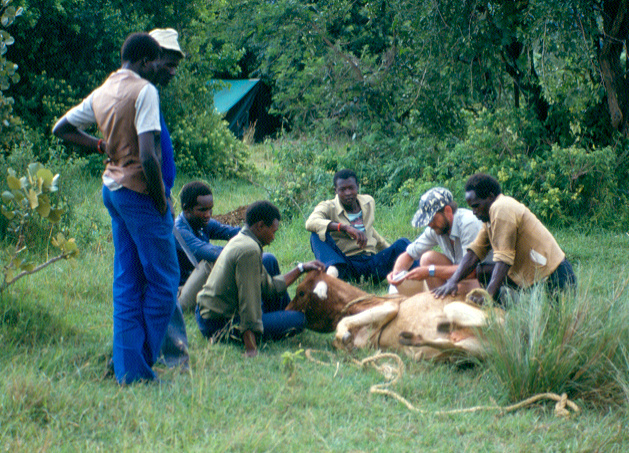
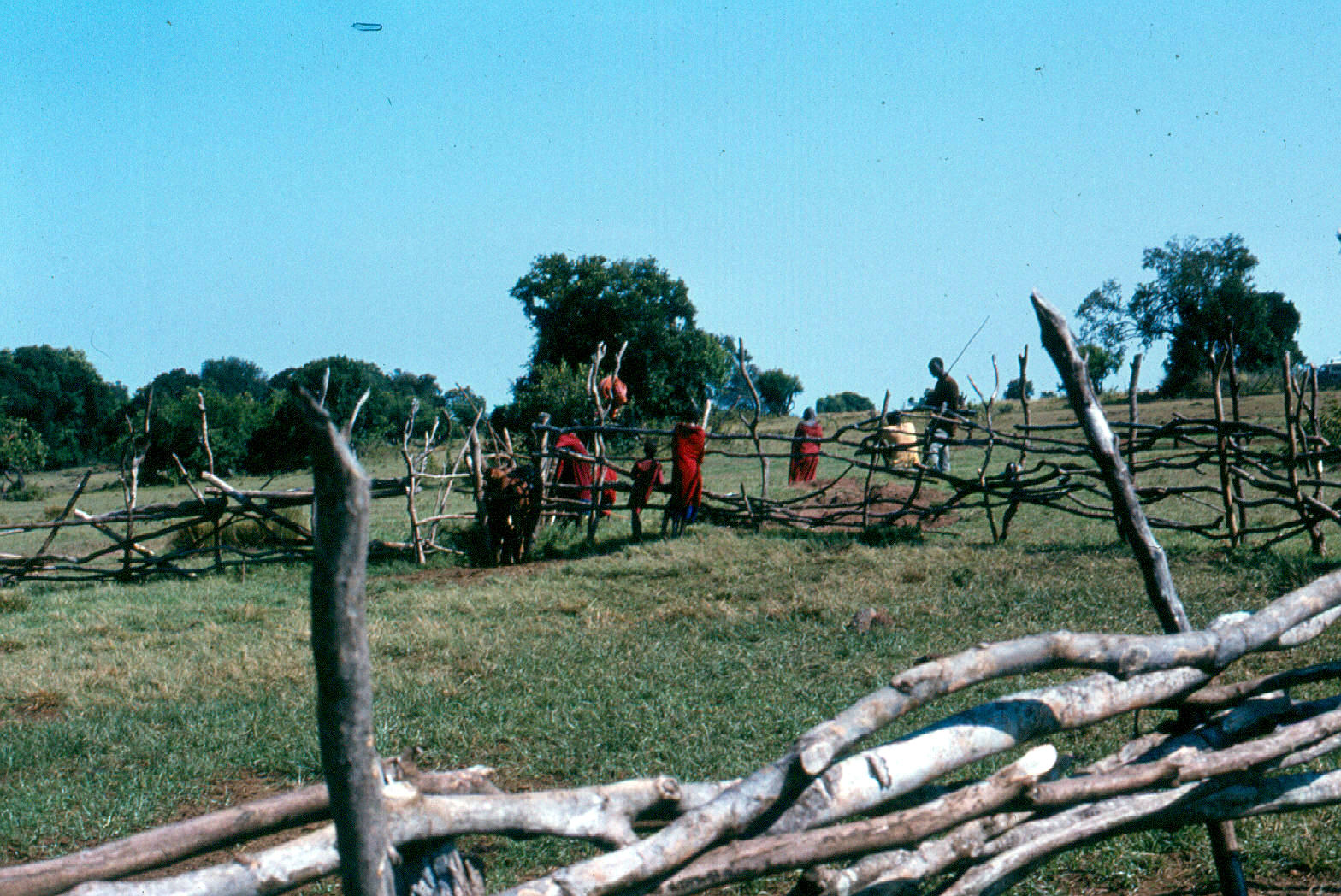
Ernest and helpers examining an animal for ticks.

Ernest and helpers examining an animal for ticks. The herdsmen tent can be seen in the background.

Av copy

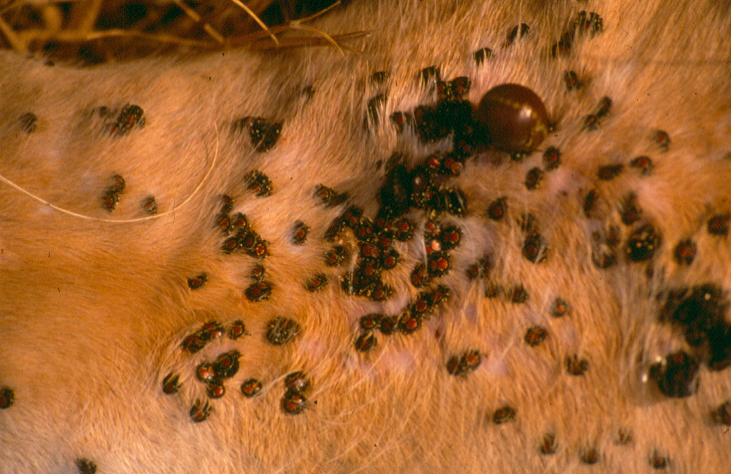
A heavy Bont tick infestation on a heifer at Intona ranch.

All participants agreed at the onset that measurements would be done in paces. It was thought that equal throws were unlikely and the need for laser-aided technology[1] was thought not to be required. No bets were allowed, as just by looking at the competitors, an inexperienced observer should have been able to guess who the favourites were! This did not come to our minds while we warmed-up.

As the start of the competition approached, the tension increased and, by the time we drew our throwing terms, it was almost unbearable… For some reason Uruguay went first, followed by Joseph the Kikuyu representative, Switzerland was third, Kiza, the Ugandan fourth and, a fitting finale, the last to throw was Tommi, Maasai. It may as well as he was the “host country”.

Aware that I would not win I argued in favour of some try throws to get the right balance of both body and javelin but, regrettably for me, the other competitors (unkindly in my opinion) refused arguing that this was not in the rules (?). So, resigned to my fate I grabbed the spear and got ready to do my best. It felt heavy and rigid. I threw it and, the second it left me I knew that there were problems with both direction and distance. It was a rather poor show that landed a long way from the cattle boma and far from my possible personal best. “I have never had any strength in my arms” I said, trying to feel better. “about 20 paces is not too bad for my age”.

Joseph was quite fit although he was from a relatively well off Kikuyu family and this was beginning to show around his midriff. His throw was better than mine but stopped at 26 paces. Ernest, the Swiss researcher turned athlete improved my mark by a couple of paces and Kiza, the man from Uganda, despite his relatively small size, did much better than all at about 30 paces. A big smile lit his face, as usual and a lesson to us all that size is not that important but good technique is!

It was the turn of the Maasailand representative, the final competitor. He was perhaps the most relaxed participant and the one that was enjoying the tournament the most! From the moment he picked the spear we all new that the competition was over! We exchanged resigned glances and head shakes and got ready for an Olympic humiliation! We tried our best to disrupt his throw by talking to him but, he just smiled and replied to our remarks without losing his composure.

He held the spear naturally, balancing its weight by instinct. Almost without running and with a fast and wide arm movement he threw it, almost unexpectedly and even casually. The spear flew high vibrating with a “swiiiiiiisshhhh”. It went beyond our throwing field and over the cattle boma. We lost sight of it but run in the general direction where we last saw it to see how far it had gone. Behind the cattle boma it was the herdsmen camp so, when we fail to find it inside the boma we got more worried and started looking around the camp. There was no trace of the spear anywhere and the camp looked normal. For this we were reassured as at least there were no casualties!

We looked around the tent, near the fireplace, chairs, table, up the trees and all over: no spear! Nothing stuck on the ground, nothing visible up the trees or stuck anywhere. “Another mystery of the African bush”, I thought, or some Maasai magic I was not aware of?

As there was no point in arguing in favour of declaring the throw void on account of it having gone beyond the throwing field or even worse, on account of the disappearance of the instrument, we declared our Maasai warrior the undisputed winner. The absence of the spear meant that there was no possible revenge. This came as a relief as a change of the result would have been unlikely!

I apologized to Tommi for having had the idea that has led to the losing of his borrowed spear and offered financial compensation for his loss. He said that he had thrown it and lost it so I did not need to worry. He will eventually find it he said. I expressed serious doubts but gave him the benefit of the doubt and, as the rain was starting, I moved to our tent.

That night, while we were having our dinner we herd loud talking and laughing at the workers camp next door and went to have a look. The spear had been found! In its wild trajectory it had gone through both the flysheet and the tent and it was embedded in one of the herdsmen’s camp beds, luckily empty at the time of the event! I felt great relief that nothing had happened and a lesser one that the spear could now be returned to its owner!

I cannot remember how I explained the tent holes to my senior managers. Maybe I did not and it just remained as normal “wear and tear”!

Transmara, Kenya circa 1986.

[1] I do not think it was available at the time, anyway!

Hyenas and planet-gazing

The morning after the Maasai chicken dinner a good breakfast was in order! We prepared bacon and eggs to compensate for our austere meal of the night before. In an attempt at avoiding another fasting episode I offered to take over the next dinner and to roast the beef we had brought from Nairobi.

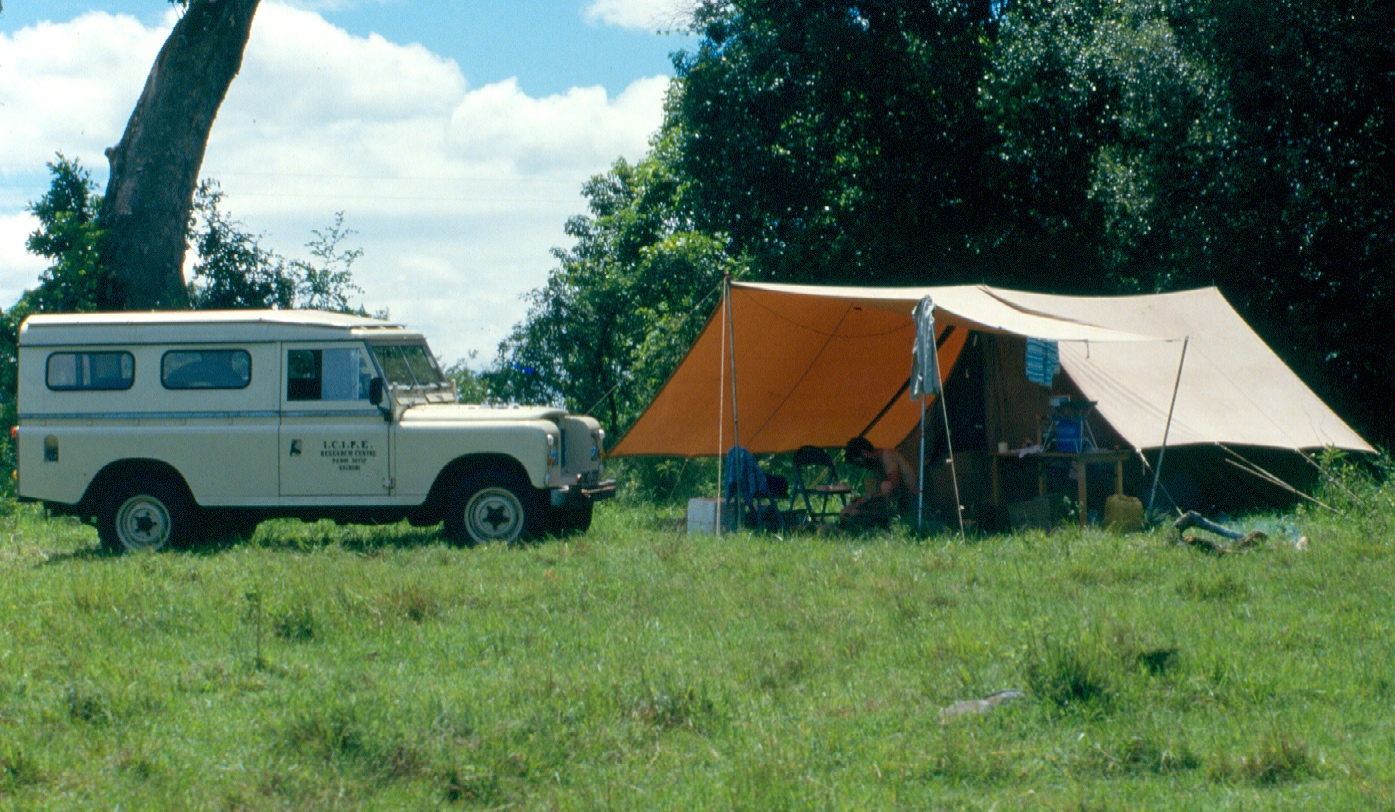
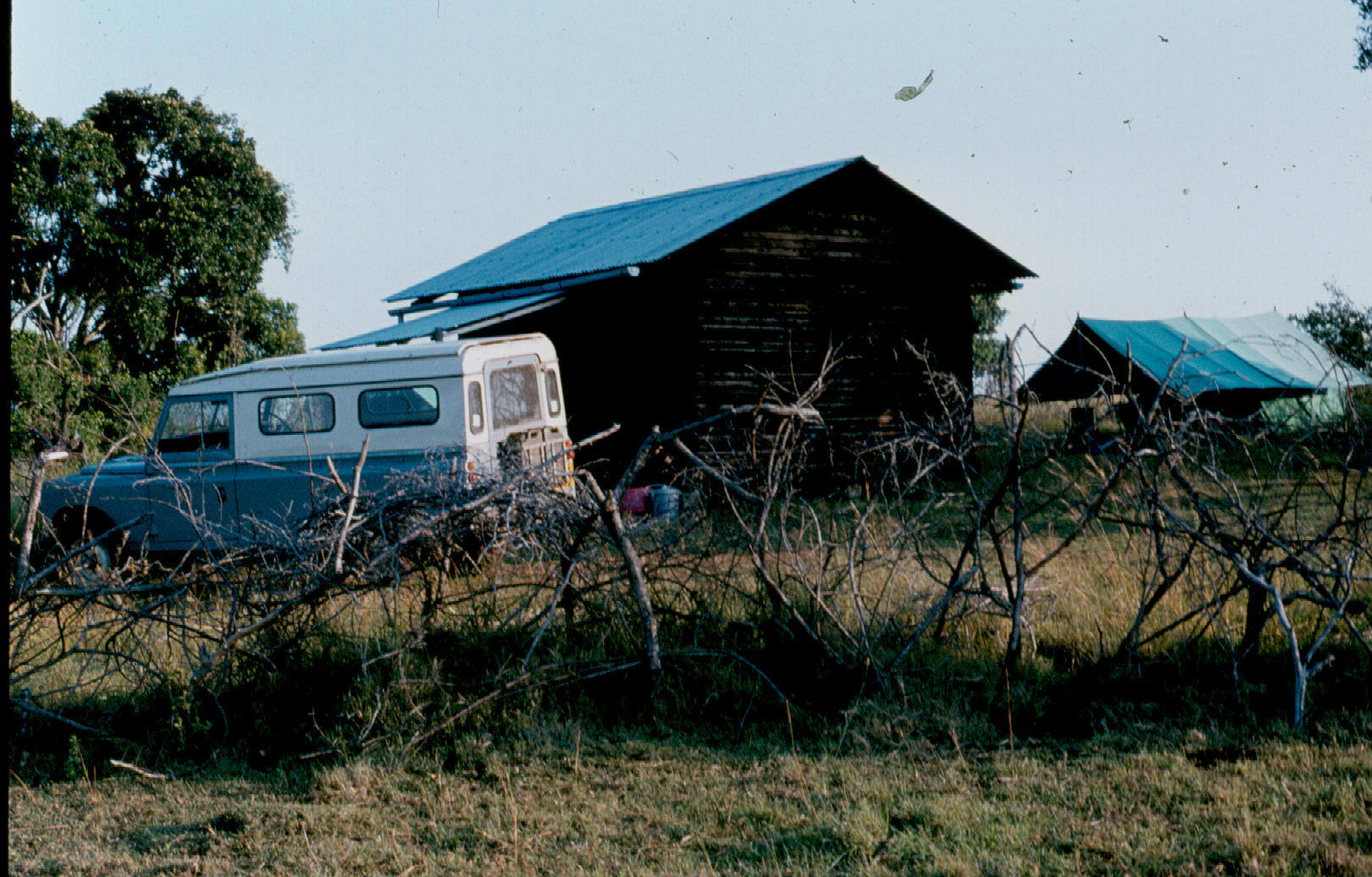
Camping at Intona ranch.

Camping at Intona ranch.

After breakfast, another day of routine field trials followed, as we needed to do many replicates of our tests in order to confirm the results. We worked without stopping until late afternoon when we decided that we had done enough and it was time for a shower and to prepare dinner. As a South American I am ashamed to confess that I am fearful of horses and prefer to keep a good distance from them. That is not all, I am a real disaster at barbequing! Therefore, on the occasion I struggled through and I made sure that the food was abundant and we ate our fill.

The night was truly spectacular. The relative short distance of Intona ranch from Lake Victoria meant that it rained very often. It poured in late afternoon and then the sky cleared at dusk. The consequence was that the rains cleaned the air and the night sky was always very sharp.

Ernest and I stayed awake until late talking and contemplating the pristine sky. We talked about many issues, occasionally stopping to listen to the night sounds, in particular the spotted hyena calls getting closer to our camp. Getting gradually bolder they moved close to the periphery of the light of our camp fire. I reassured Ernest that this was a normal event when camping at Intona and that “normally” hyenas would not be aggressive.

Despite the good time we were having, we have had a long day and we felt very tired so soon we went to bed. As soon as we were inside the tent we heard something sniffing all around our tent. A white-tailed mongoose was seen scurrying away when we shined our torches. That small mystery solved, it was back to bed, hoping that sleep would come soon.

Not so. This time it was a loud crush outside the tent that also merited investigation. This time a hyena was the culprit! The beast had grabbed a dirty pan and had taken off at speed. We run after the beast but it was a futile effort and came back to bed thinking on resuming the search for the pot in the morning.

mmara hyena 2

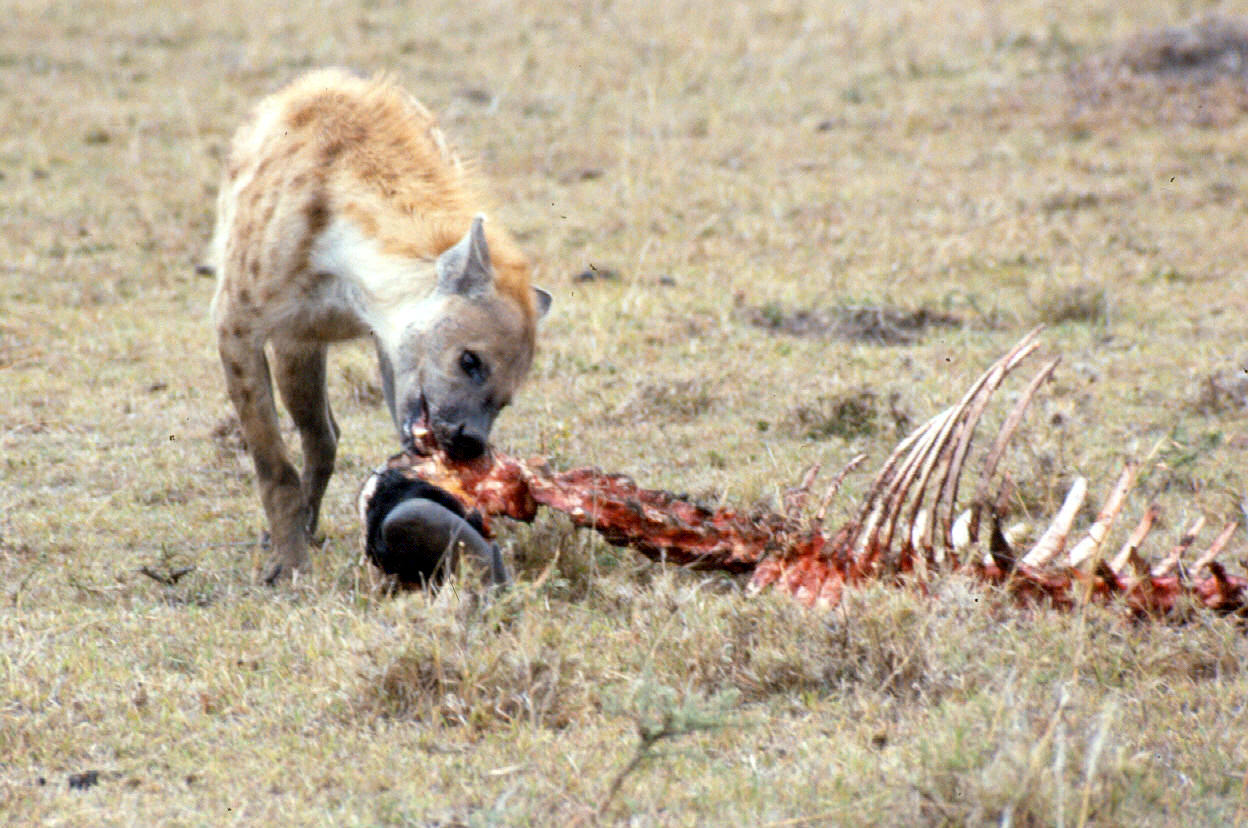
A Brown hyena with wildebeest carcass in the Maasai Mara. Its cousins visited us nightly at Intona.

While thinking and hoping that normality would return, I finally fell sleep. Again, it did not last long. It may have been 03:00 hs when I heard Ernest opening the tent door zip. My first thought was that his gut had finally lost the fight against the filtered water drunk on the way in! In addition, aware of the hyenas I remained awake although without moving, hoping to go back to sleep immediately. No chance! Ernest came back and started to shake me up shouting “Wake up, the sky is perfect to look for planets!” I felt like slaying him but, remembering his partial deafness and on account of his contagious enthusiasm, I made the mistake of getting up!

By the time I managed to go out of the tent, Ernest was already looking through the binoculars, identifying the various noteworthy celestial bodies, accompanying his successive discoveries with shouts of joy! Although I had enjoyed contemplating the night sky both in Uruguay and in Kenya, I have never been that interested in astronomy. However, he convinced me to look at Jupiter (a small orange sphere) and even managed to see Saturn and what I though were its rings! Finally Ernest’s excitement subsided and we managed to hit the camp beds again, this time until the sun was up!

The large ball of crunched aluminium that we found about one hundred metres from our tent was not the remains of a recent asteroid that had narrowly missed us but all that remained from our cooking pan after the hyenas had squished it to get its juice.

Although our cooking options suffered another severe setback we still managed to produce some pan-less and chicken-less dinners during the following days!

Skewered Maasai chicken

When I was there in the 80’s the International Centre of Insect Physiology and Ecology (ICIPE) in Kenya had established various partnerships with universities and research centres outside Africa. I was involved with the collaboration with the University of Neuchâtel on tick pheromones. The idea was to explore ways of attracting ticks to pheromone-baited traps and, with the addition of a tickicide[1], to destroy them.

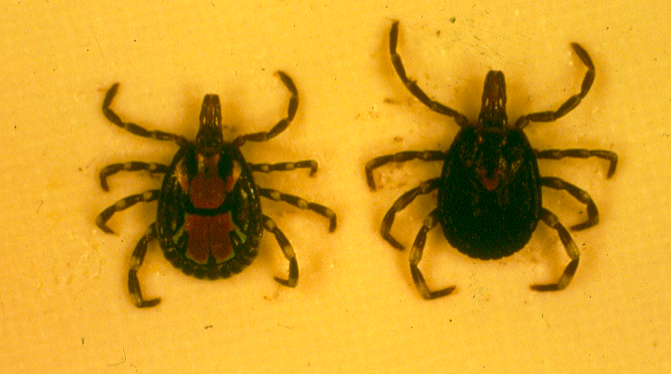
Bont ticks male (left) and female. A bad picture.

Bont ticks male (left) and female. A bad picture.

The composition of the aggregation pheromone of the Bont tick[2], one of the important cattle ticks, had just been discovered. It was a mixture of three chemicals that were available commercially. This offered us a good opportunity to test this compound in the field. Ernest was the scientist from Neuchâtel that would work with me at Intona ranch where natural populations of the tick occurred.

Ernest was a very enthusiastic and good-humoured Swiss that had a hearing problem as a consequence of firing cannons during his military service in the Swiss Alps, forgetting about wearing earmuffs! Luckily, we got on well from the start. So, armed with the necessary research tools, we departed for Intona to spend a few days doing fieldwork.

As a precaution, we did take a few ticks from the tick colony in case the bush ones would not cooperate! Crossing the Maasai Mara Game Reserve was never disappointing and, as usual, we spent a night there on the way to the Transmara where Intona was located. Ernest was delighted being able to see the plains game and we wee also lucky to spot elephants, lions and hyenas.

In the morning, as usual, we laboriously climbed the Oloololo escarpment and stopped to admire the breath taking view of the Mara triangle from its highpoint. The almost aerial view that it offered was really thrilling, even for me, a regular visitor to the area. Lines of wildebeest could be seen in the distance as well as dark patches that indicated buffalo herds. As I knew he would, Ernest loved the view. After spending a long while in contemplation, it was time to continue our long journey.

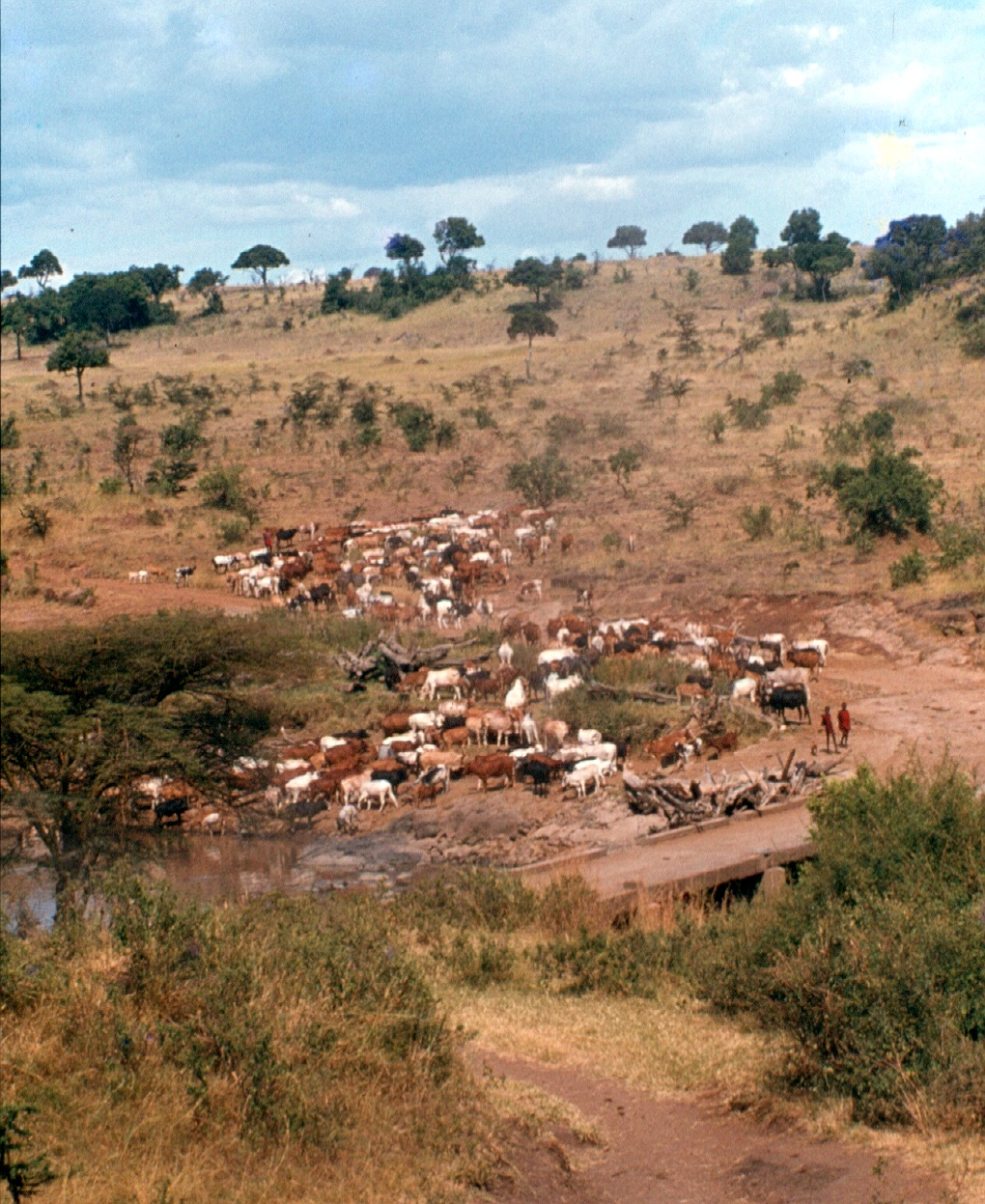
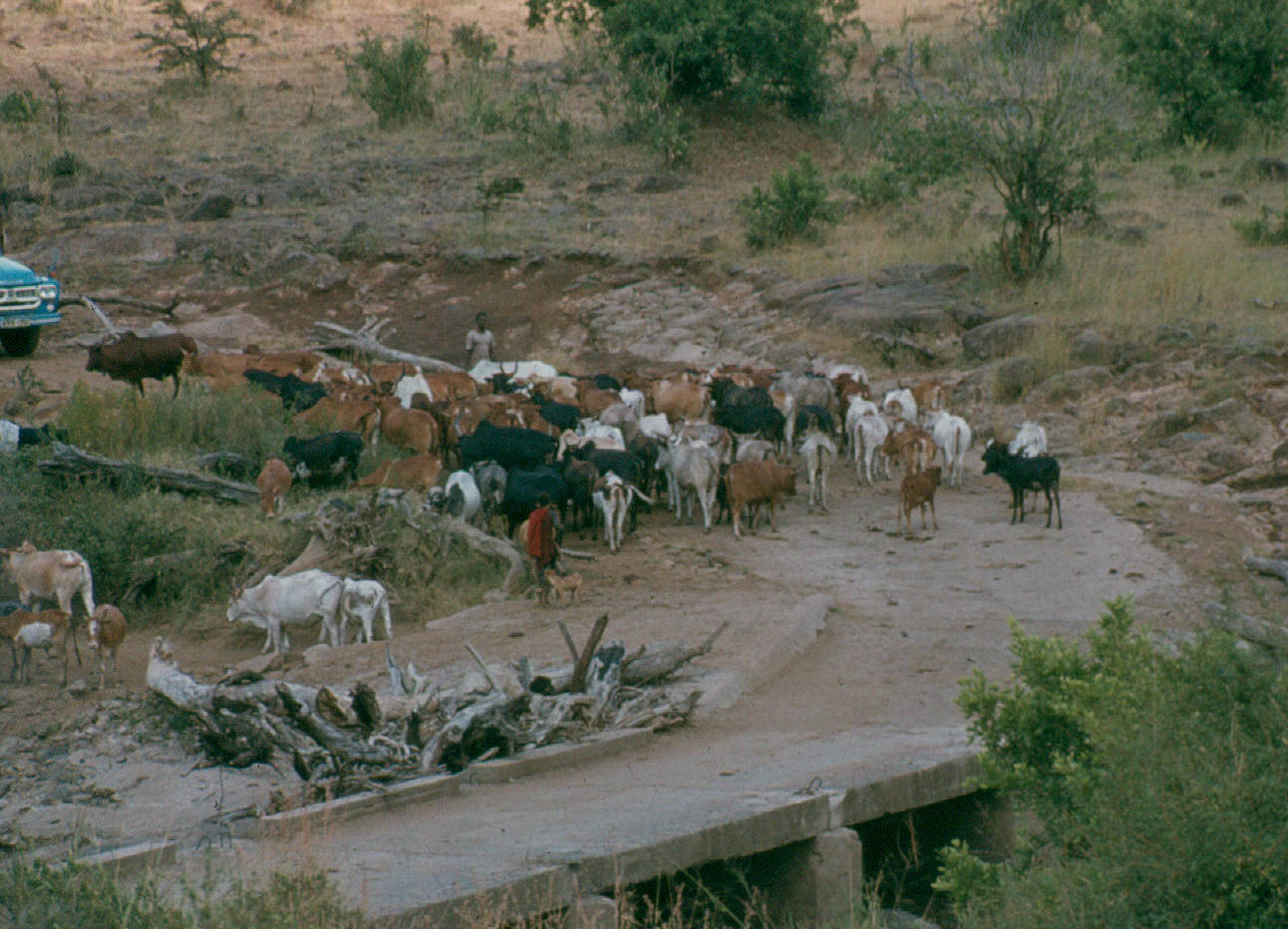
Maasai cattle at the Mara River bridge on the way to the Transmara.

Maasai cattle at the Mara River bridge on the way to the Transmara.

Following the escarpment the road was bad as usual but luckily this time it was dry. However, we needed to stop a few times, not because of getting stuck or having mechanical problems, but because Ernest was amazed at how bad the road was! “Ooohh no, please stop!” he would shout and then get out of the car to photograph it even before I managed to stop. Clearly he was comparing the Transmara tracks with the Swiss roads!

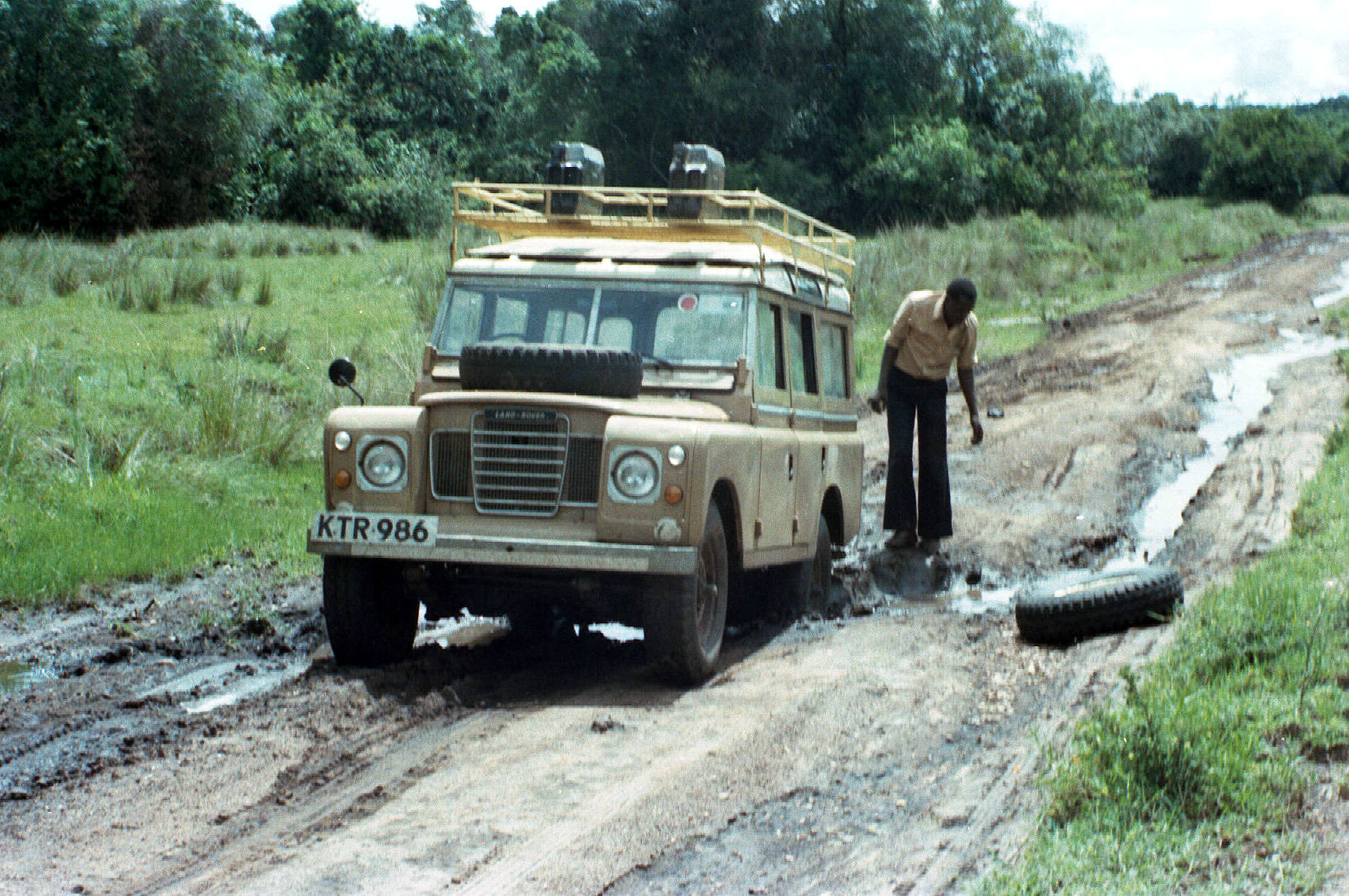
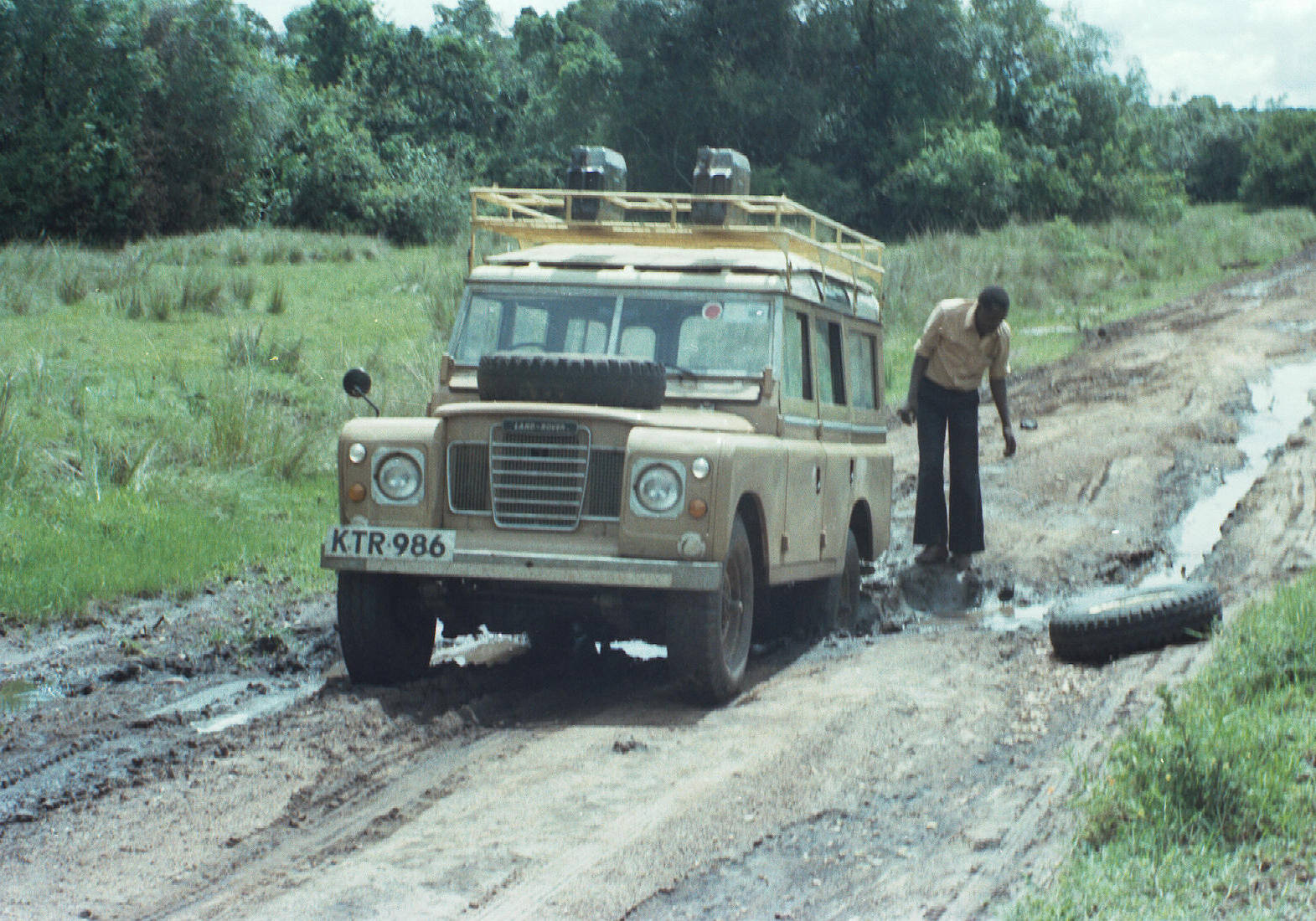
Stuck on the way to Intona on a rainy day.

Stuck on the way to Intona on a rainy day.

Eventually, after a few halts, he got used to the rough road but, being a very active person, his attention drifted to other things. As all first time visitors to the Transmara he took a great interest on the Maasai people and their cattle, a normal sight in the area for me but quite so for guests. As the Maasai were not keen on pictures, we did not stop.

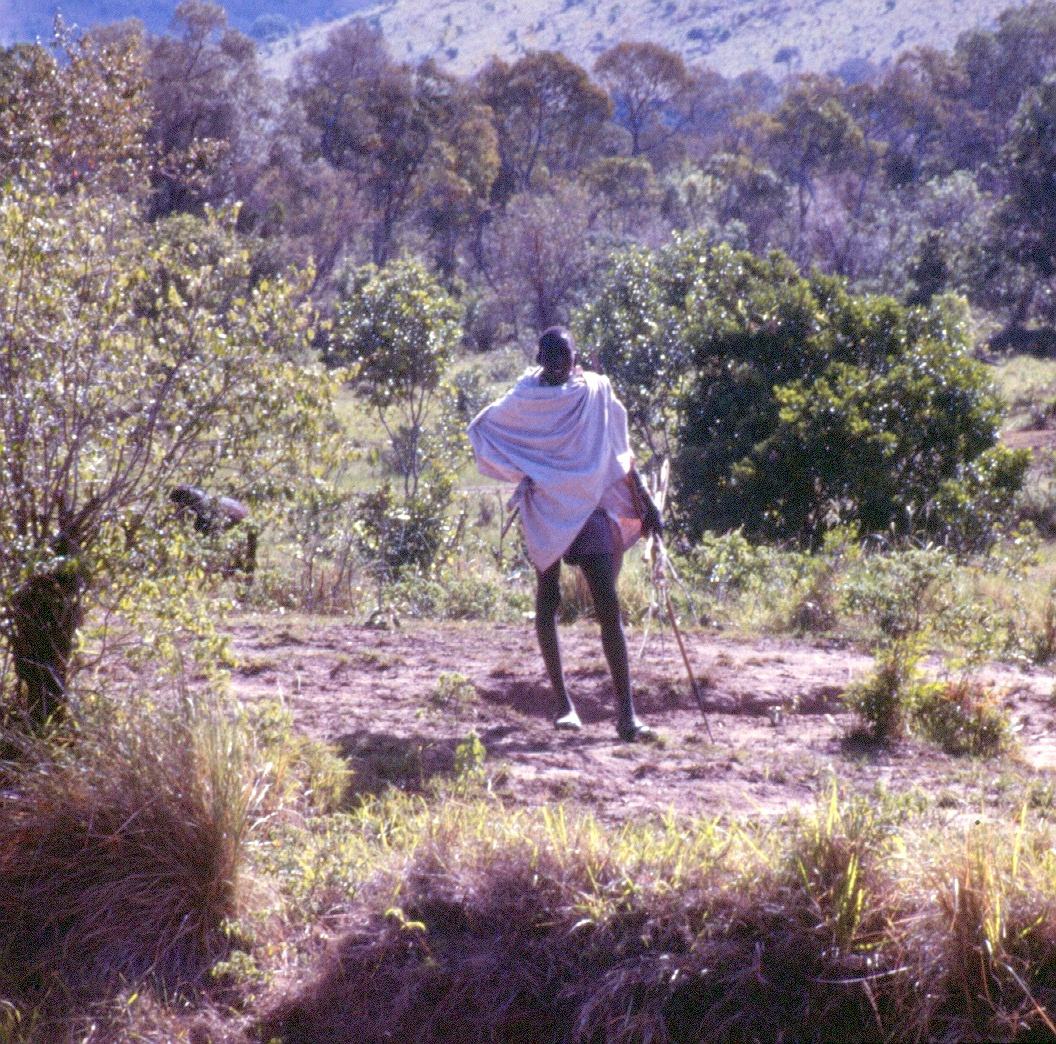
Maasai herdsman on the way to Intona.

Maasai herdsman on the way to Intona.

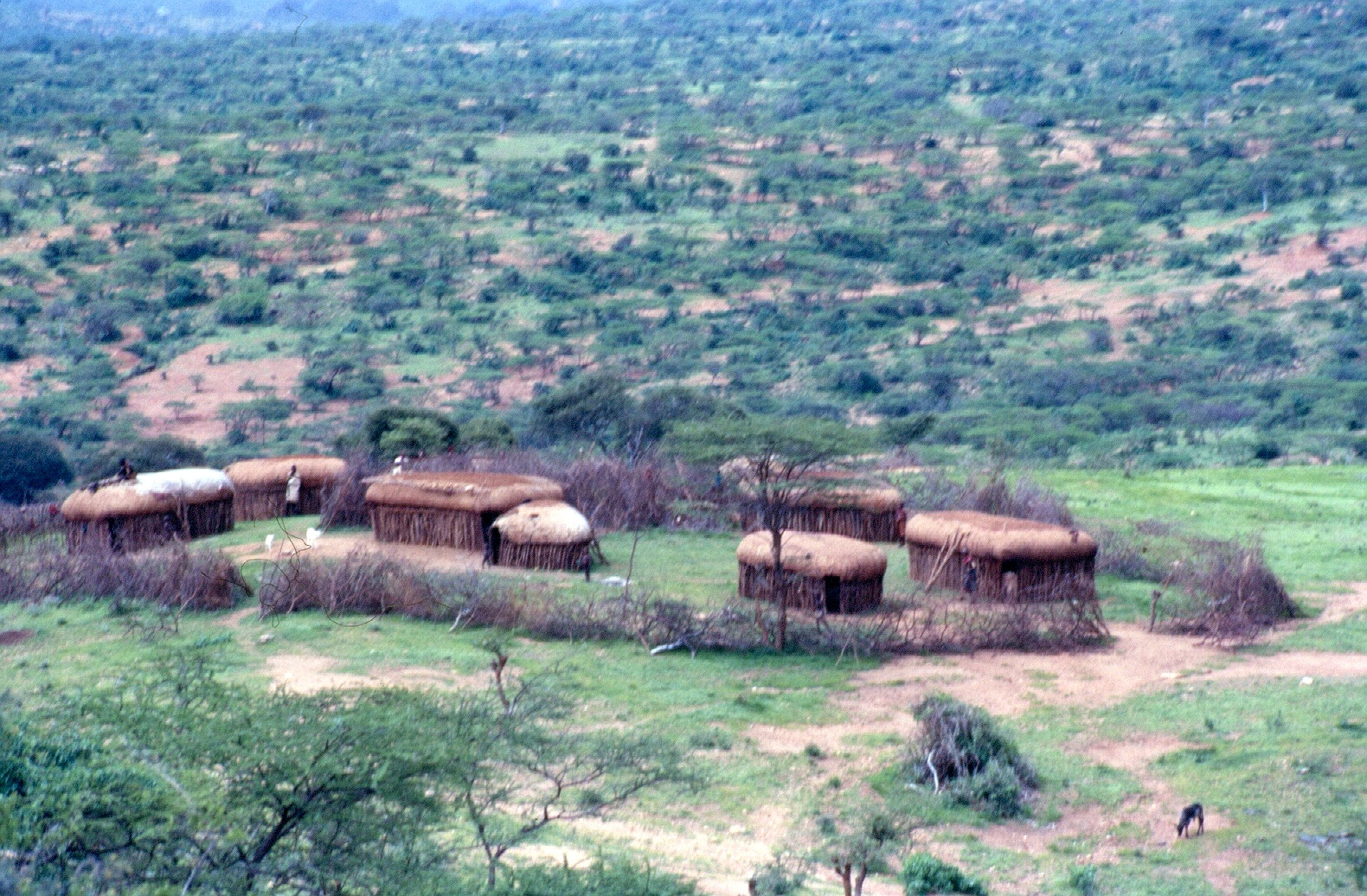
Maasai Manyatta (dwelling).

Maasai Manyatta (dwelling).

Maasai children looking after livestock.

Maasai children looking after livestock.

After about half an hour of hard going I heard “Stop” coming from Ernest as we approached a large muddy pond by the side of the road. While I stopped the car he rummaged in his rucksack from where he extracted what looked like an over-sized hypodermic syringe and a tumbler. I was not sure of what was going on and limited myself to watch, together with our herdsmen travel companions. “This is a Swiss water filter that will make any water suitable for drinking” he said as we were walking towards the mud and the terrapins swam away in fear! He added “It is recommended by the Swiss Tropical Institute, so it must be good!”

Without further ado he sucked water into the syringe and, once it was full, it poured into the glass. The water was indeed crystal clear! “You see,” he said, showing the glass. I must confess that it was an impressive feat as the puddle was truly a thick chocolate mud and I had not seen such a contraption before! Ernest offered the water to us and, when we all politely declined, he drank it himself before I could stop him, fearing for the consequences on his guts.

After praising the quality of what he had just drunk, he repeated the operation once more. This time one of the herdsmen agreed to try it and he agreed that it was indeed OK if with a bit of a muddy taste. “The filter must be getting clogged,” declared Ernest, “I must clean it when we get to Intona”. I refrain from commenting on the cost-effectiveness of the device and we resumed our trip, clearly ready for innovation.

Eventually we arrived at Intona ranch. It was almost dark so we rushed to assemble our tent, had an early dinner and went to bed as we both felt the long two-day trip.

The following day we started our work early and spent most of the day carrying out several trials that were quite successful. In the afternoon we decided that we would have roasted chicken for dinner so while Ernest continued working I went with Tommi, my Maasai assistant, in search of dinner. Eventually we managed to persuade a Maasai lady to sell us a cockerel.

Our prospective dinner was killed by me and plucked by Ernest. The size of its talons were unequivocal indicators of its seniority and its leanness qualified it as a Maasai chicken long-distance runner! Its muscular condition spoke of speed and endurance at the service of survival! Oblivious to all this, Ernest assembled a boy scout-like contraption with branches where, after impaling the chicken, it would be rotated over the fire. We invited our herdsmen to join us and they prepared their traditional “ugali[3]” to go with it.

The cooking of the chicken took a very long time. Ernest kept stabbing it and declaring that it was cooked but still tough. The lengthy turning process led to inexorable shrinking and darkening until it was declared fit for human consumption. The cockerel had turned into a “toasted baby chicken”. I saw the herdsmen exchanging doubtful glances over their Tusker beers, a bad omen!

Ernest cut it into equal pieces and -luckily- Joseph placed large chunks of ugali to go with it. Tommi bit the first piece and I heard a “Taargh” coming from him that became a clear “tough!” once he managed to swallow it. Bad news coming from a Maasai! Ernest agreed on its toughness but declared that it tasted like real chickens did a long time ago in Switzerland so he was happy! As for the rest of us, we could have done with a second runner Maasai chicken!

Transmara, Kenya, circa 1986.


[1] Also known as an acaricide, a substance that kills ticks.

[2] Amblyomma variegatum (the Bont tick) transmits Cowdria ruminantum that causes a deadly disease of ruminants known as Heartwater.

[3] From Swahili, maize flour cooked with water to a thick porridge. It is the staple food in Kenya.

Harvesting from the effort[1]

The following is a concise account of my working life. More details can be found in the “Pages” section of this blog. The intention of this short account is to set the seen for the next historical posts that will deal only with episodes that took place during these years and that I consider to offer some interesting aspect worth mentioning.

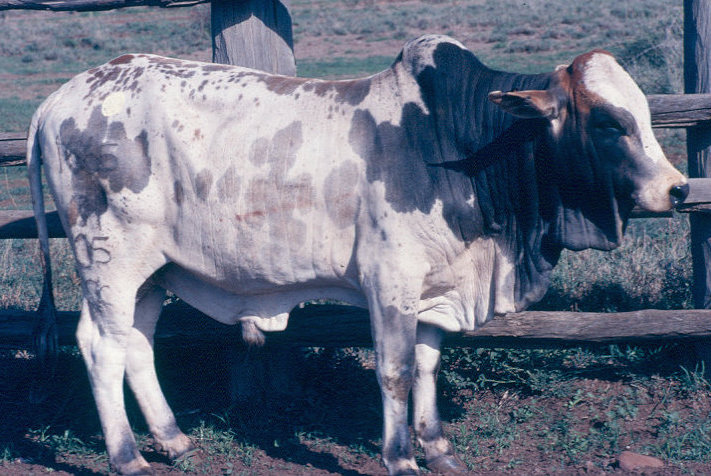
A Boran young bull at Mutara ranch, Kenya.

A Boran young bull at Mutara ranch, Kenya.

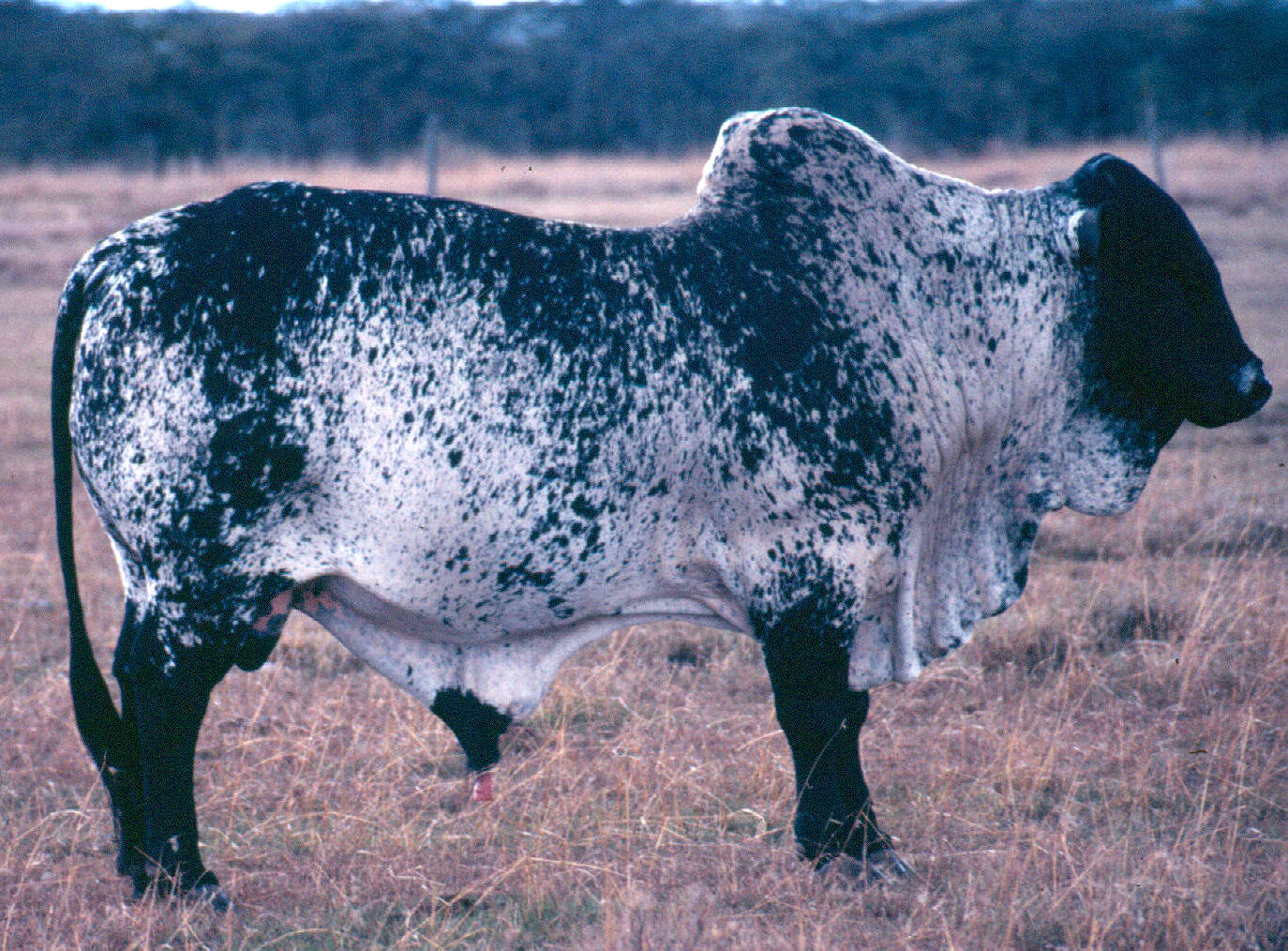
Boran young bulls at Mutara ranch, Kenya.

The work at Muguga and Intona described earlier (give link) yielded fruit and I was able to publish the results in good scientific journals, together with my co-workers, Matt, Alan and Robin included. My research added some knowledge to a large regional programme on ticks and tickborne diseases that FAO had initiated at the time of my arrival in Kenya and that covered several countries in East, Central and Southern Africa.

Mutara tick selection work.

Mutara tick selection work.

Once my fellowship ended, although I had a lot to learn yet, I had somehow found a niche for my work at ICIPE and, with Matt’s blessing, I joined the Tick Programme as a scientist. My work on tick impact had ended and now my work would have to fall within the Tick Programme’s goals and funding. The main target was to control ticks using the cattle resistance to them. I had come across this fact while doing my research as some animals showed resistance while others not.

At that time I also decided to start my PhD studies as an external student with my former Department of Applied Zoology at the University of Wales. Four years of hard work were in front of me, as I needed to work and study, not an easy feat! I was lucky to be surrounded by knowledgeable colleagues and to find a great supervisor, the late Ian Herbert from the Department.

While working on my PhD I got involved with the work on ticks and tickborne diseases on-going at Muguga and I also continued with field work at Intona. Later on we started more work at Mutara Ranch, then the Boran cattle stud for Kenya, where we started work on selection of cattle for tick resistance that sadly needed to be abandoned for lack of resources. The initial study got published and this added to my growing reputation in the tick world. I completed the PhD in 1986 while still in Kenya.

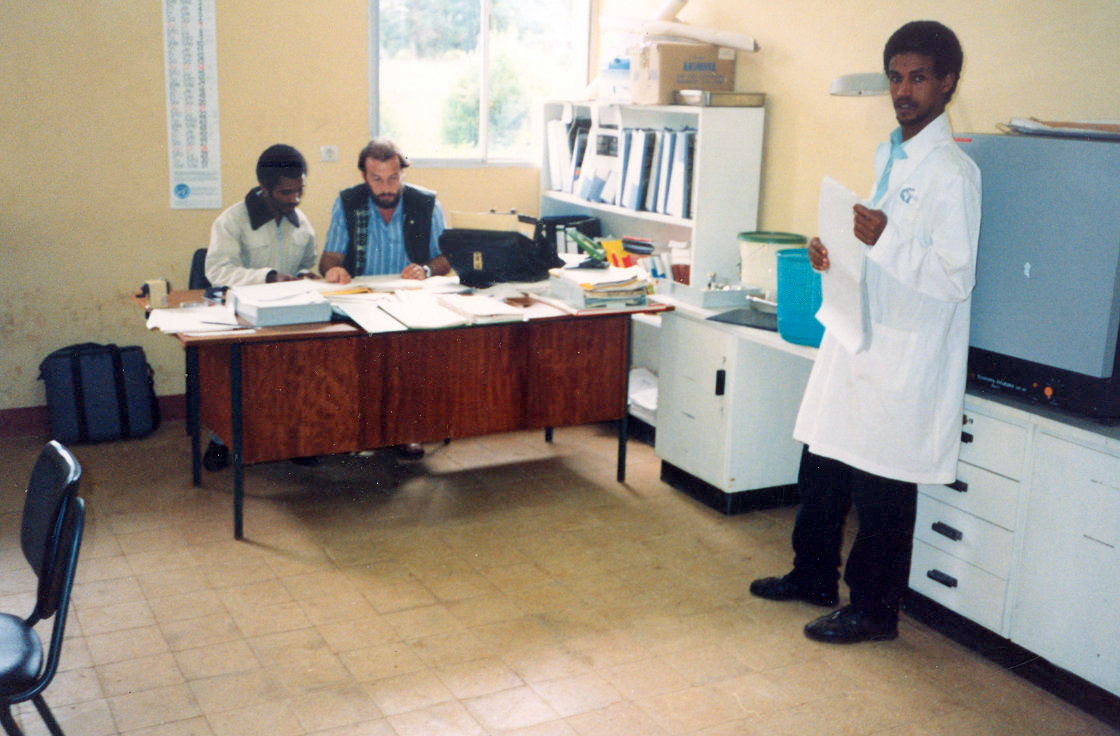
The laboratory at Bedele, Ethiopia.

The laboratory at Bedele, Ethiopia.

In 1988 FAO offered me a position as a Leader of the Ethiopian component of their regional tick and tickborne disease programme I mentioned above. I accepted the offer as it had very favourable conditions but left ICIPE and Kenya with a heavy heart after so many years of enjoying life and work there.

Villagers at Gambela, West Ethiopia.

Villagers at Gambela, West Ethiopia.

Ethiopia was a big change as we arrived in a country at war with Eritrea and under a comunist regime led by Mengistu Haile Mariam, a ruthless leader. My duty station was Bedele in West Ethiopia, still green and wooded with a rainfall of about two thousand mm per year! It was a remote place where FAO has assisted the Government in building a Veterinary Diagnostic Laboratory. Bedele’s main claim to worldwide fame is ob being the place where coffee originated from.

The work was more routine than challenging and it required the collection of ticks from cattle at different locations both to get to know the species and to understand their population dynamics. My assignment there lasted under two years as I was replacing another tick officer that needed to be evacuated with a severe heart condition. Despite the political and economical difficulties the country was going through, the work was completed and, as the possibilities of continuing the work were not there, it was tie to move on.

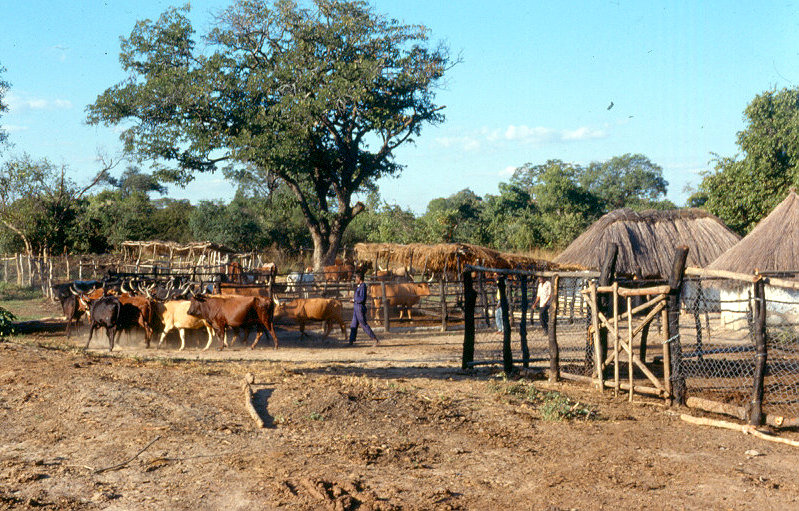
The project site at Lutale, Central Province of Zambia.

The project site at Lutale, Central Province of Zambia.

I was transferred to Zambia where I was to continue a long-term trial on the effects of ticks on traditional cattle productivity both of milk and beef under different tick control regimes: no control, intensive control and “strategic” control. The latter meant to treat only to prevent tick numbers from building up. The trial run for three years and it was completed successfully. It was during this time that our children were born and our lives changed!

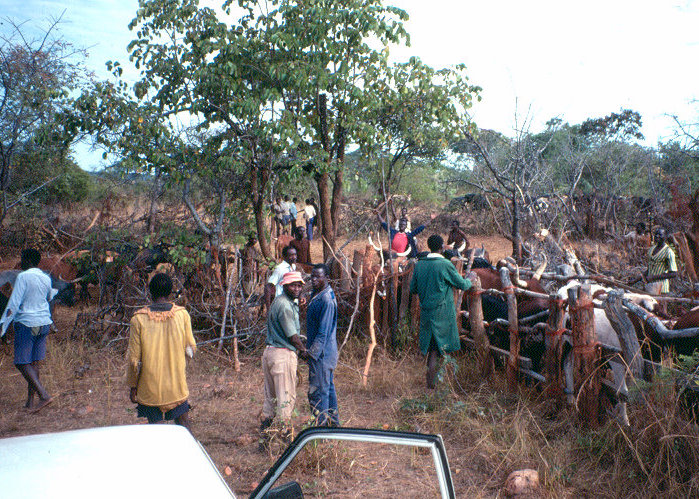
Cattle work in Southern Province, Zambia.

Cattle work in Southern Province, Zambia.

After three busy and productive years in Zambia the regional programme was going through important changes. Its coordinator based at FAO HQs in Rome was about to retire and more funding was coming in to continue the work for another phase of four years. Somehow I landed the coordinator’s job and moved to Rome in a move that removed me from scientific work and converted me into an international bureaucrat!

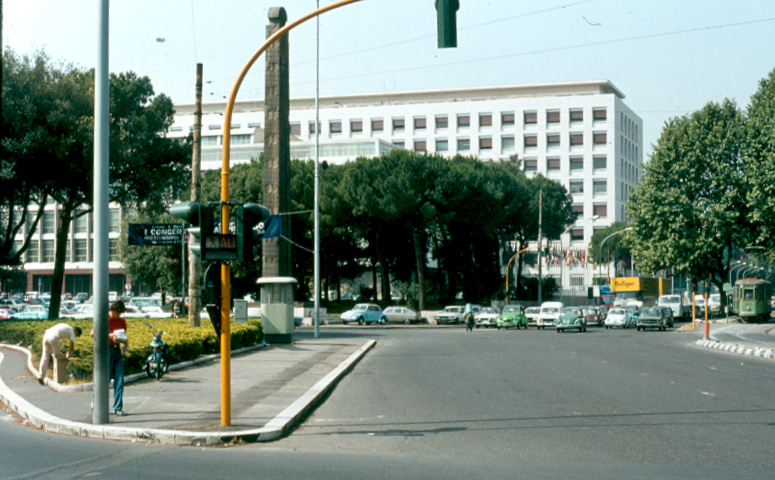
FAO in the 90s. Please note the Axum stele that was returned in 2005.

FAO in the 90s. Please note the Axum stele that was returned in 2005.

After a few months in Rome, once the “glamour” of the job waned, I realized that I needed to get back to the field as the work I was doing did not appeal to me.

Mudanza a Hre copy 2

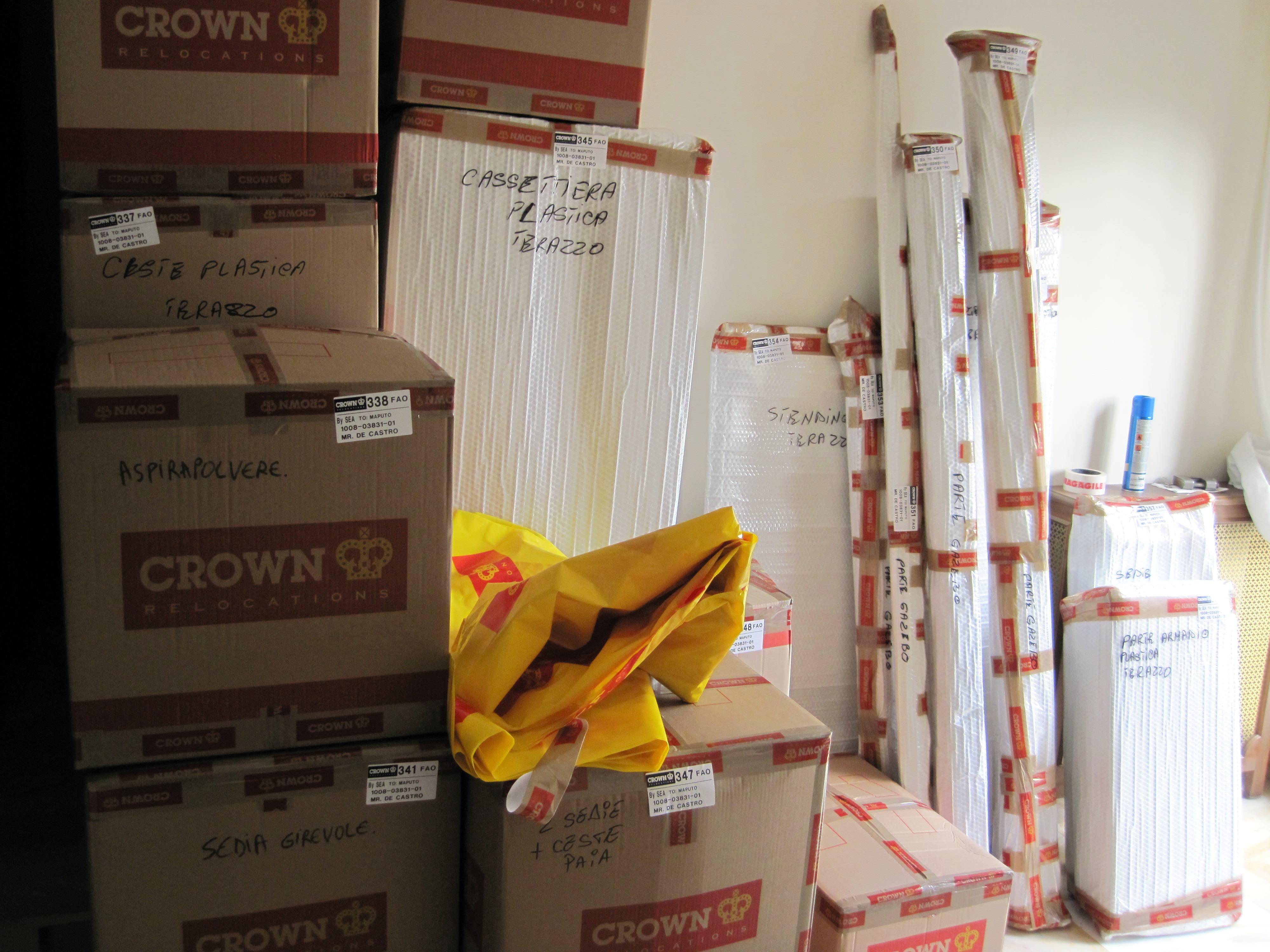
Moving again! This time to Zimbabwe.

The opportunity to move to the field -again to Africa- presented itself in 1997 and I did not hesitate! We moved to Harare, Zimbabwe where I took up the role of sub-regional animal production and health officer, an even broader professional role as it also involved animal production. As compensation, however, the job was restricted to Southern and Eastern Africa. Although it was not “hands on” scientific work, it was closer to the action than what I was doing from Rome!

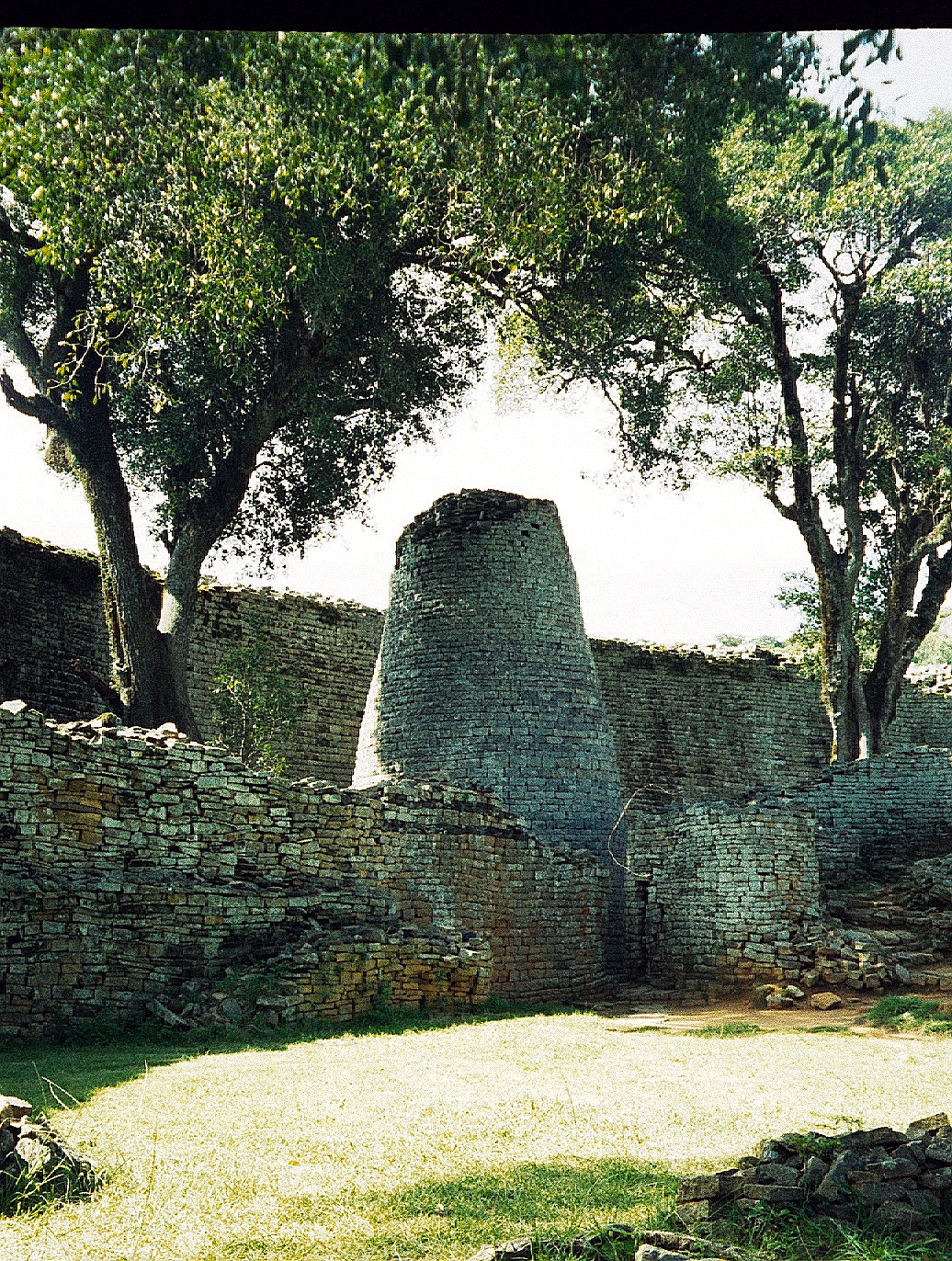
Great Zimbabwe ruins, Zimbabwe, 1998.

Great Zimbabwe ruins, Zimbabwe, 1998.

After four years in Harare I realized with regret that I needed to move to get a career improvement. At the end of 2000 I put my name for a FAO Representative job and succeeded getting designated FAOR in Bolivia so in mid 2001 we left for La Paz, Bolivia. This would be my first assignment in a Spanish-speaking country and it also meant becoming the head of an office with a large multi-sectorial programme and several employees both in the office and in the field. In addition, as the representative of the organization in the country I also carried a political role having to develop strong links with the host government.

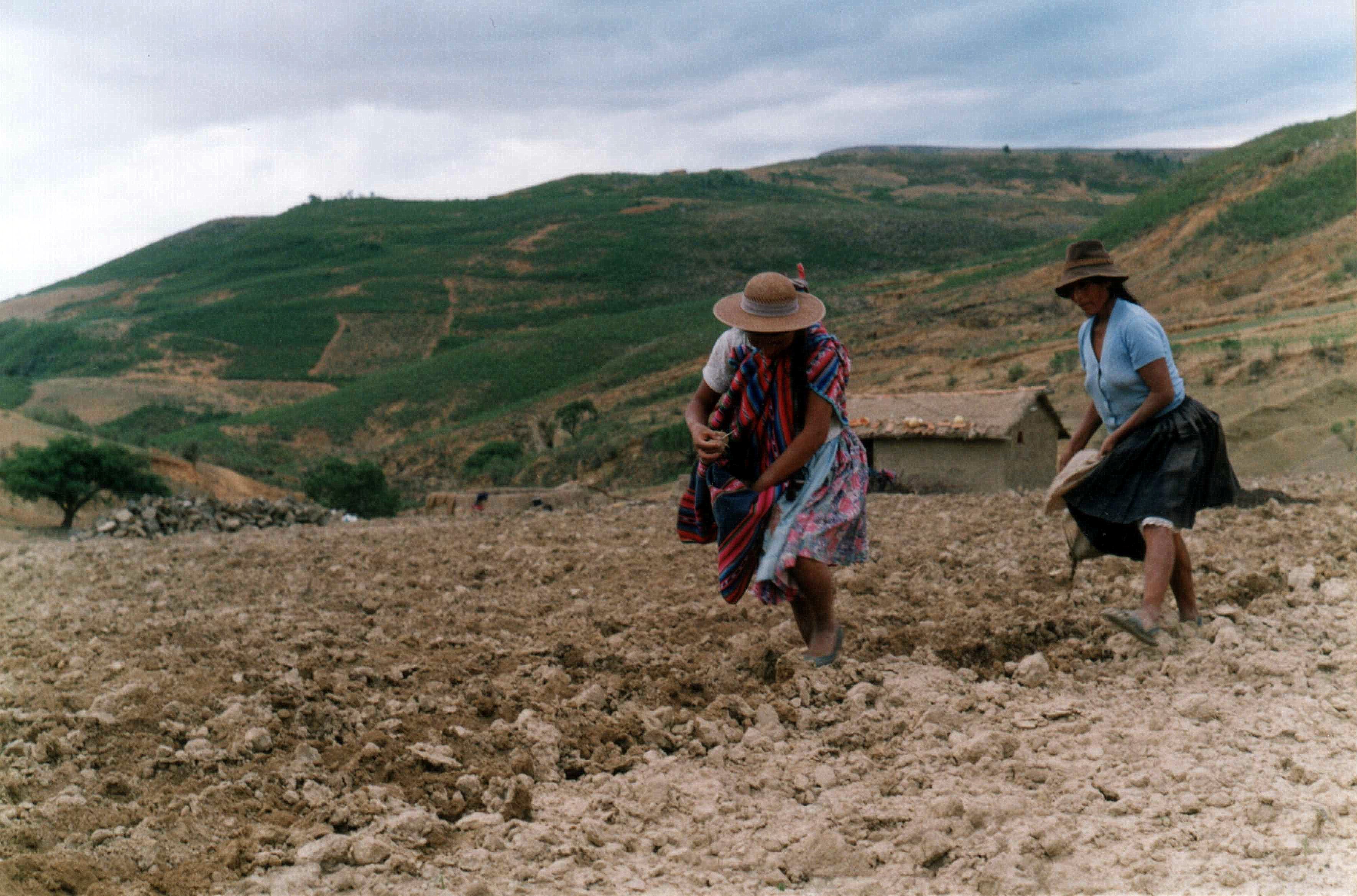
Sewing in Bolivia.

Sewing in Bolivia.

Market street of La Paz, Bolivia.

Market street of La Paz, Bolivia.

I worked in Bolivia for five incredible years and, in 2005 I returned to Rome, again as a technical expert to continue working on animal diseases, in particular I returned to ticks and TBD. Again I did not find this assignment enjoyable and, after four years I had had enough of desk work and it was either another field post or retirement!

The Appia Antica road, Rome.

The Appia Antica road, Rome.

Rome, 2009!

Rome, 2009!

Fortunately I was selected for the position of FAO Representative in Mozambique where I worked until my retirement, from mid 2010 to the end of June 2013 when I reached 62 years, the mandatory retirement age of the United Nations.

Time to move to Mozambique.

Time to move to Mozambique.

Speaking on World Food Day in Mozambique.

Speaking on World Food Day in Mozambique.

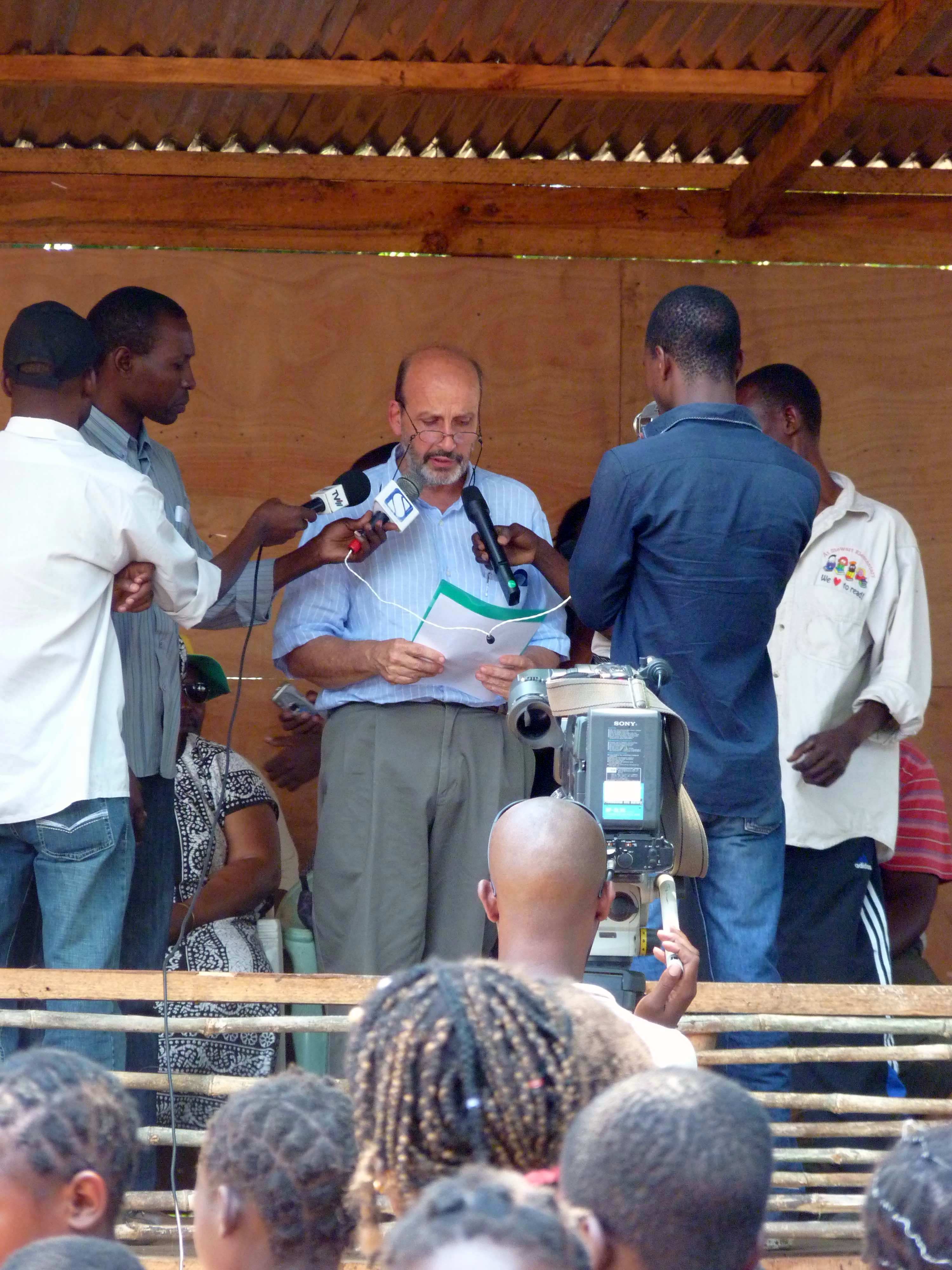
Interviewed by the press.

Being interviewed by the press.

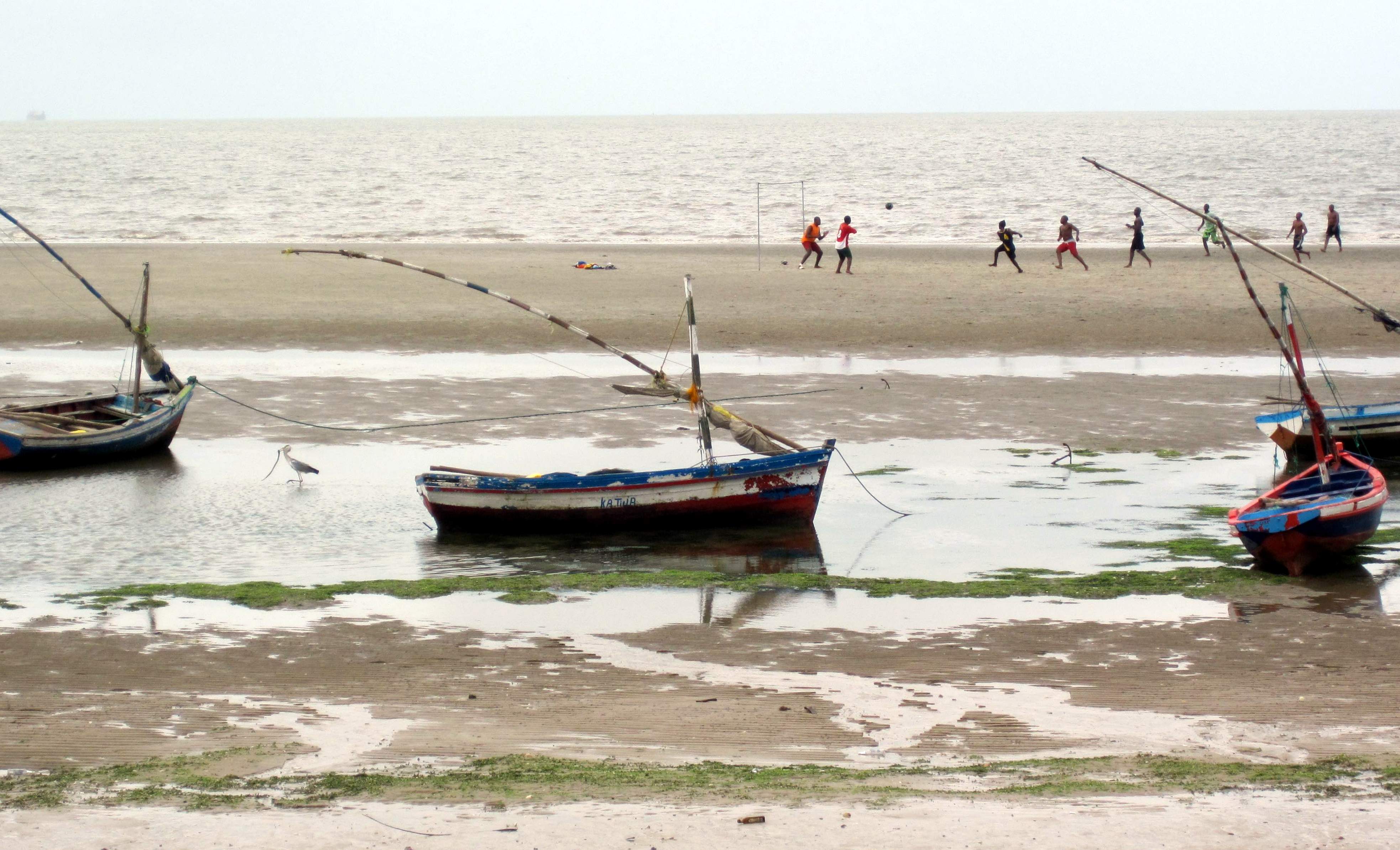
Maputo's beach in Mozambique.

Maputo’s beach.

Needless to say that I write in first person but my life has been shared with my wife and later my children. She has been a main support throughout and the kids added their part!

I hope you enjoy reading what I have to say.


[1] This post follows “Life and work in Kenya: Intona”.

Back to Nairobi[1]

The return trip from Intona ranch took us through the attractive Transmara parkland where its green natural grasslands were splattered with islands of forest, usually associated with large termite mounds. These forest patches coalesced at times to form larger wooded areas, particularly when linked with a river. Talking about rivers, we crossed the Migori where Alan said a group of Giant Forest Hogs (Hylochoerus meinertzhageni) -a Transmara “special”- could be seen grazing in a forest clearing next to the road[2]. Other common game was plentiful, crisscrossing the road almost continuously. Alan informed me that the wildebeest had crossed the Mara River and were grazing in the area of the Mara triangle and some would climb the escarpment towards the Transmara. I was happy to know that we were heading in that direction!

Migori river in flood.

Migori river in flood.

A large tree near the Migori river.

A large tree near the Migori river.

The dirt road took us through Lolgorian where two GTZ German animal health specialists were supporting the Government of Kenya by giving veterinary assistance to the Maasai. We stopped to greet them as Alan had some ground-breaking collaboration going on with them, as mentioned in the earlier post. It was the first time I saw a small field laboratory that could deal with most relevant diseases while keeping work simple and straightforward. It was known as “ILRAD II”[3], an irony that Alan found very funny although it took me longer to understand the humour behind it!

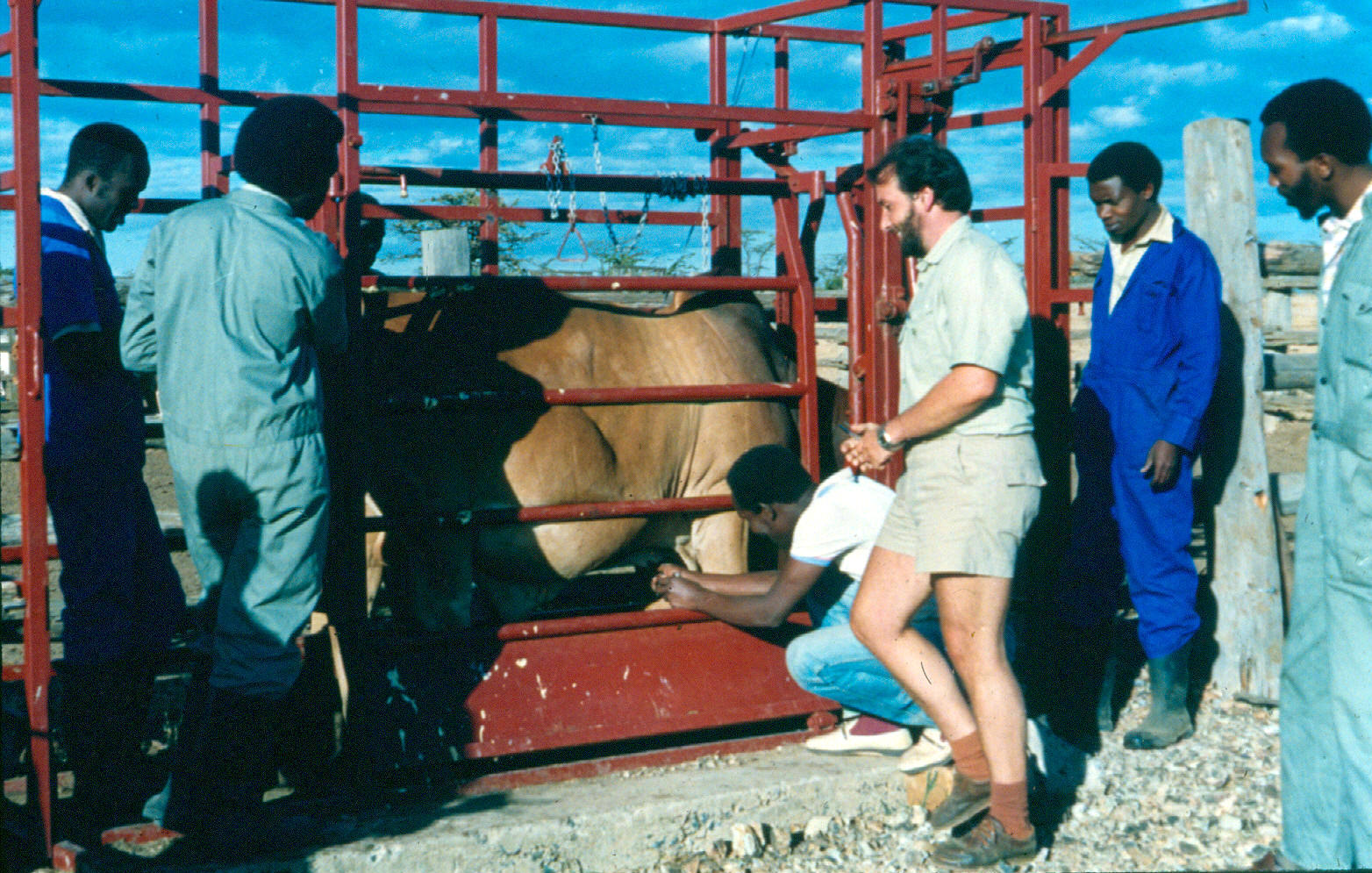
Maasai working with their animals at Kilae, near Lolgorien.

Maasai working with their animals at Kilae, near Lolgorien.

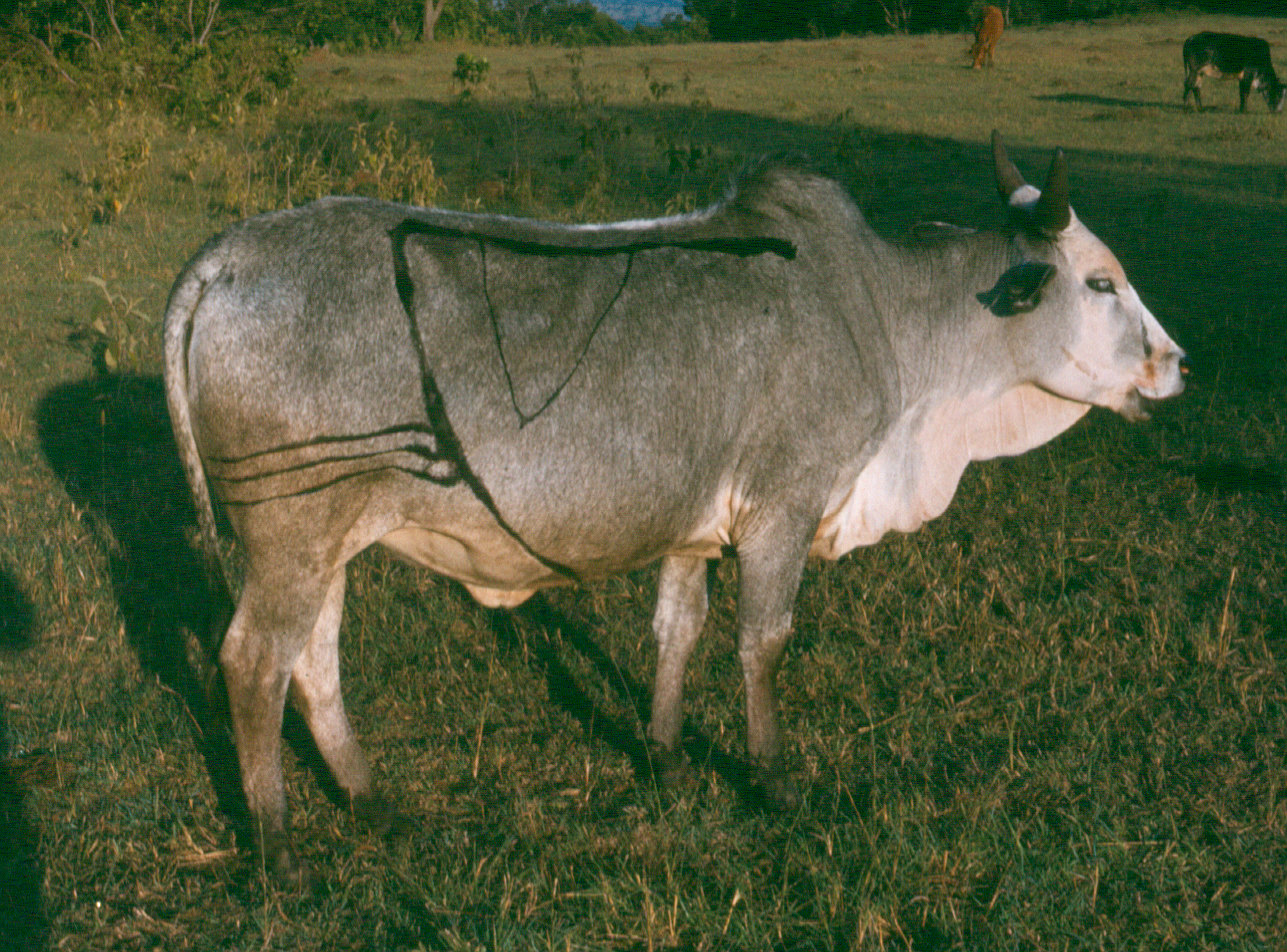
A Maasai heifer. Note the heavy branding.

A Maasai heifer. Note the heavy branding.

ILRAD II (outside).

ILRAD II (outside).

ILRAD II (inside).

ILRAD II (inside).

After that enlightening visit we continued and passed a religious mission where Father Frans Mol lived and worked. Although we did not stop, I met him on other occasions and learnt of his erudition when it came to the Maasai people.[4]

Moving on and still in the Transmara we came to the “red hill” an infamous stretch of road. “When it rains, it is like driving on a bar of soap” said Alan and added, “I hope it is dry today”. He went on: “Because of the proximity with Lake Victoria, it rains almost everyday here so it is tricky at the best of times!” “That is why you should leave in the morning as to avoid the afternoon rain”. Alan continued: “You should engage 4WD and advance slowly in second gear. If the car starts sliding off the road all you can do is to stop and hope that the car stops and that you can straighten it again”. And then laughing: “I know people that have spent the night here!”

A common occurrence at the Transmara!

A common occurrence at the Transmara!

Luckily we managed it without problems and then we came to a stretch of black cotton soil that looked menacing to me as it was fairly water-logged. However, we slowly moved forward and even gathered some speed, as the wheel ruts were deep enough to prevent us from going off the road and our only option was to go straight. The road became better and then we found large wheat and barley plantations where the Maasai had leased their land to commercial farmers.

Soon we got to the edge of the Oloololo Escarpment. I can claim to be many things but a poet is not one of them, so I am not able to describe the view that unfolded below us. It was a green sea that extended as far as you could see. In it you could just make out vast numbers of animals; those forming long lines were wildebeest and zebra while the small specks were Thomson’s gazelles. A few elephants could also be seen together with an almost black and compact herd of buffalo. This sight will be with me until I die![5] I asked Alan to stop for a while so that I could take in the view a bit longer while stretching our legs. While watching the green marvel, Alan explained that we were looking at the “Mara Triangle”. He pointed out the Mara River to me as well as where Tanzania and the mythic Serengeti were.

We started our descent and eventually crossed the Mara River at the bottom of the Escarpment. We passed Kichwa Tembo Camp and then deviated into the Maasai Mara Game Reserve to have a look at the animals before continuing on the way to Aitong, Narok and Nairobi. The place was magnificent and we saw vast numbers of wildebeest and zebra grazing as well as other animals roaming around. A special mention to the Thomson’s Gazelles that are ubiquitous in the Maasai Mara; they are an integral part of the ecosystem. The best description I have heard about these gazelles came from Paul, my Mentor in FAO, who visiting the place for the first time, told me that they look like shoals of tropical fish!

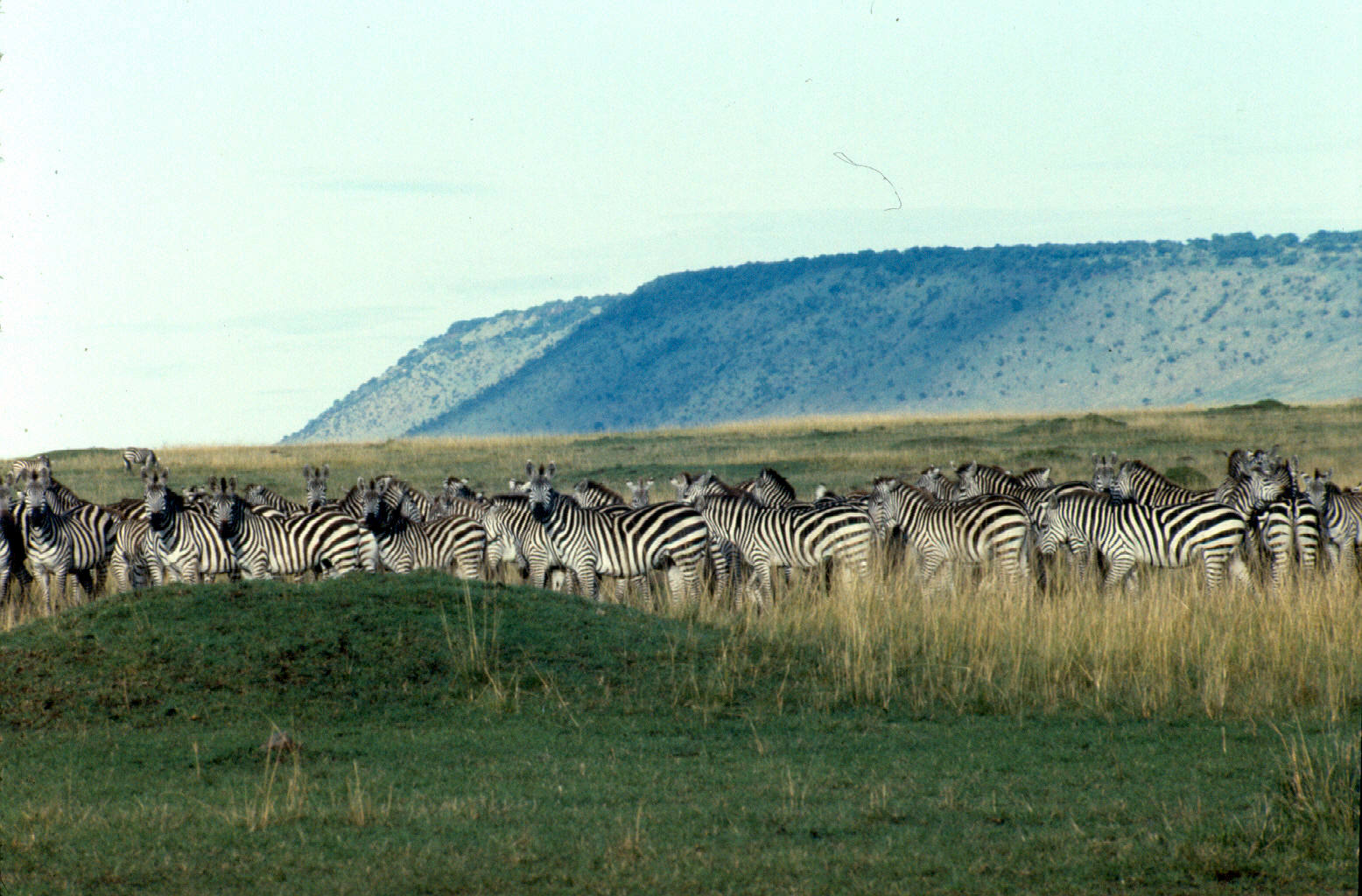
Zebra with the Oloololo Escarpment in the background (I will remove the dirt from the ski when I learn to do it!)

Zebra with the Oloololo Escarpment in the background (I will remove the dirt from the sky when I learn to do it!)

Maasai cattle at the Mara river bridge.

Maasai cattle at the Mara river bridge.

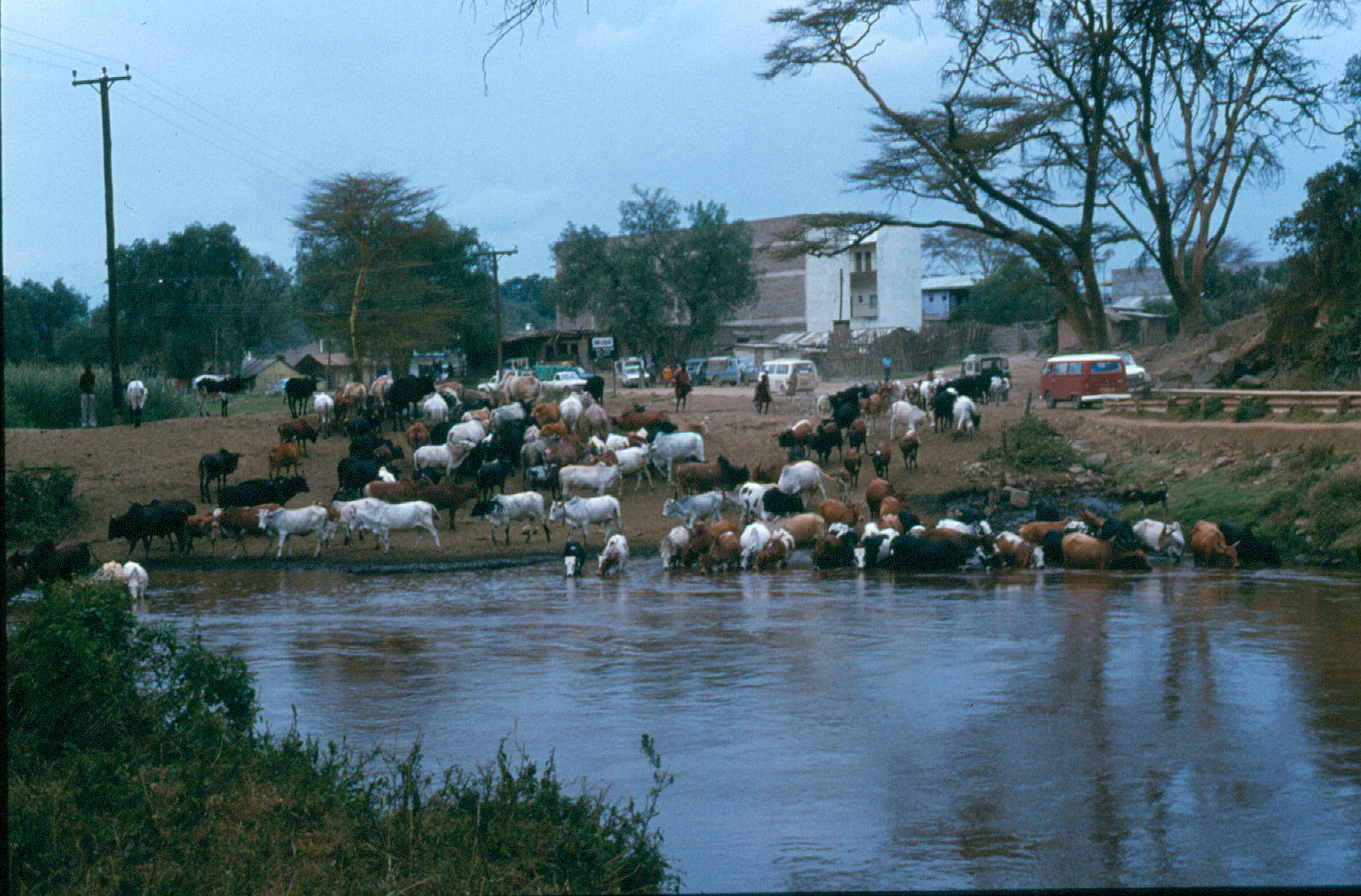
Cattle drinking at Narok dam. Note cars used at the time: VW Kombi, Land Rover Series III and Land Cruiser 50 series!

Cattle drinking at Narok dam. Note cars used at the time: VW Kombi, Land Rover Series III and Land Cruiser 50 Series!

As detailed at the Intona ranch post the return journey only served to strengthen my conviction that I should work at Intona ranch, something that with the help of Alan, Matt could be persuaded to accept, thus allowing me the privilege of driving through the Maasai Mara Game Reserve on the way!


[1] Follows “Joe”.

[2] I did see them very often in this spot where they were quite tolerant of my presence and could watch them during long spells.

[3] The International Laboratory for Research in Animal Diseases was a state of the art large facility located at Kabete, near Nairobi. Today is known as the International Livestock Research Institute (ILRI).

[4] Fr. Frans Mol MHM, affectionately known as the ‘Apostle to the Maasai’ worked at the Ngong Diocese covering most of Maasailand. He authored several books such as: Lessons in Maa: a grammar of Maasai language (1995) and Maasai Dictionary: Language & Culture (1996).

[5] We were at the very spot where Out of Africa’s famous final scene was filmed! Watch the movie and you will get the idea of what I saw in 1981!

Chicken “A la Rusinga”[1]

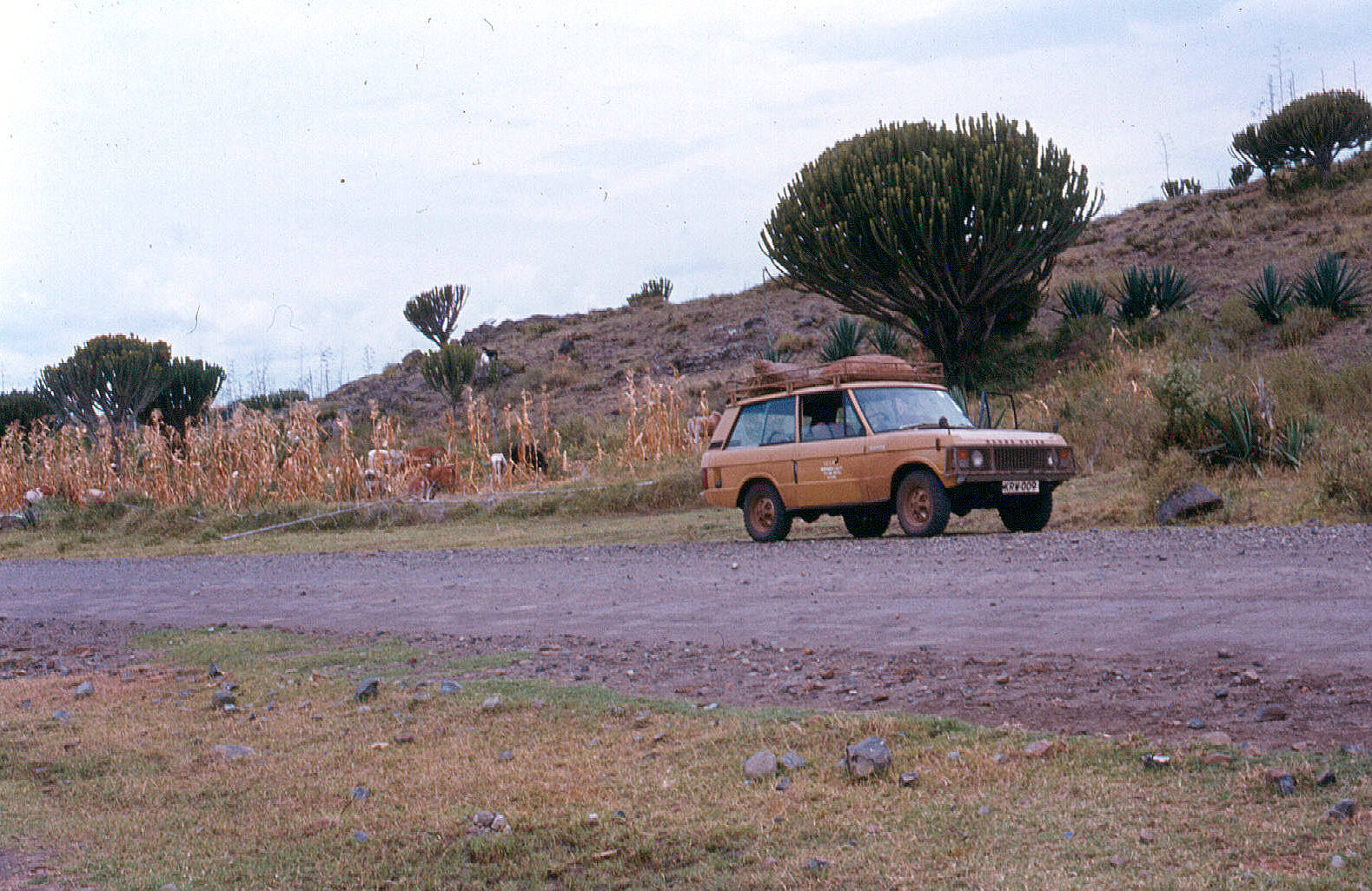
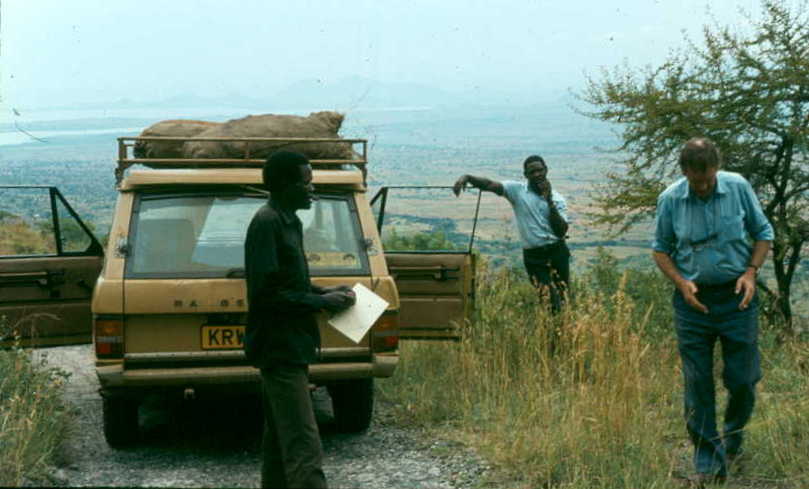
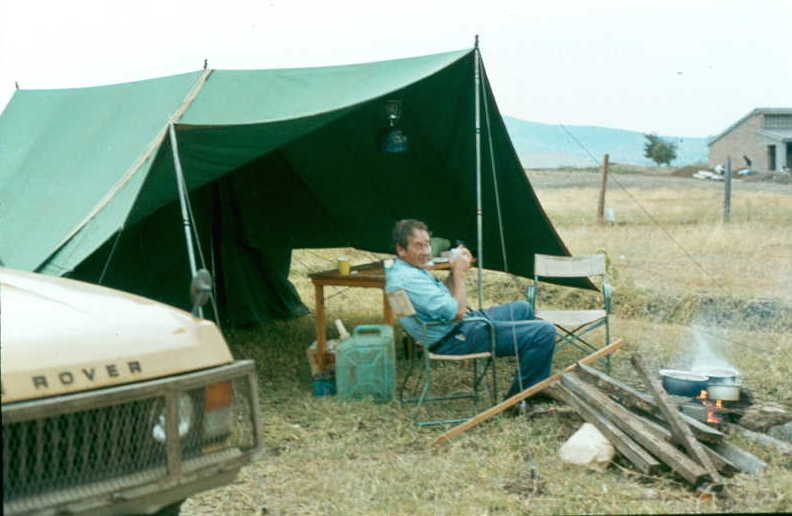
Matt, driven in a Range Rover, came to fetch me early in the morning for our rather long trip to Western Kenya. We would travel northwest, first following the Great Rift Valley then Kericho, Kisii and afterwards to Homa Bay. From the latter, already on the shores of Lake Victoria, we would proceed to Mbita Point. Rusinga Island was just across, separated by a narrow channel.

Matt enjoyed travelling. He was very cheerful while constantly giving me details of the route, Kenya, his work and other interesting facts. While going down the dramatic Kikuyu escarpment he pointed at a little chapel and said in his heavy Glaswegian accent “This road and this wee church were built by the Italian prisoners during the war” and he added “and you know, one of the guys that came from the Italian Alps longed to climb Mount Kenya, poor bugger”. He continued: “You know what he did? He organized other prisoners and secretly prepared the climb, including all necessary gear that they secretly made, escaped, climbed it and returned!” “That was good,” he said with amusement and respect for his enemy[2].

Going further down we saw Longonot, my first volcanic cone, then Suswa in the distance with its much larger caldera. As the Range Rover continued descending we spotted the blue waters of lake Naivasha with its freshwater, later lake Elementaita and finally lake Nakuru with their soda-charged waters, harbouring prolific birdlife. I made a mental note to return to this magnificent pink lake that on a more careful look revealed its secret: hundreds of thousands of flamingoes feeding on its blue green algae-rich soup. An ornithological sight difficult to match and to forget![3]

From there we continued to Kericho through extensive and manicured tea plantations that slowly became smaller areas as we moved through smallholder owned tea plots that somehow interrupted the large extensions of the commercial plantations. The area offered a great contrast between the tea and the clumps of forest that still remained, adding shady green to the yellowish green of the tea bushes. People, mainly women, were busy picking tea leaves, placing them in their back baskets while lorries were seen at points where the bulk of the tea was collected to be taken to the processing plants. We stopped at the Kericho hotel for lunch and then moved on past Kisii. Finally we entered the final dirt road towards our destination. The going was tough as the road was dusty and rough. I noted that the area got gradually more arid as we drove on towards lower altitude.

Towards Mbita Point.

Towards Mbita Point.

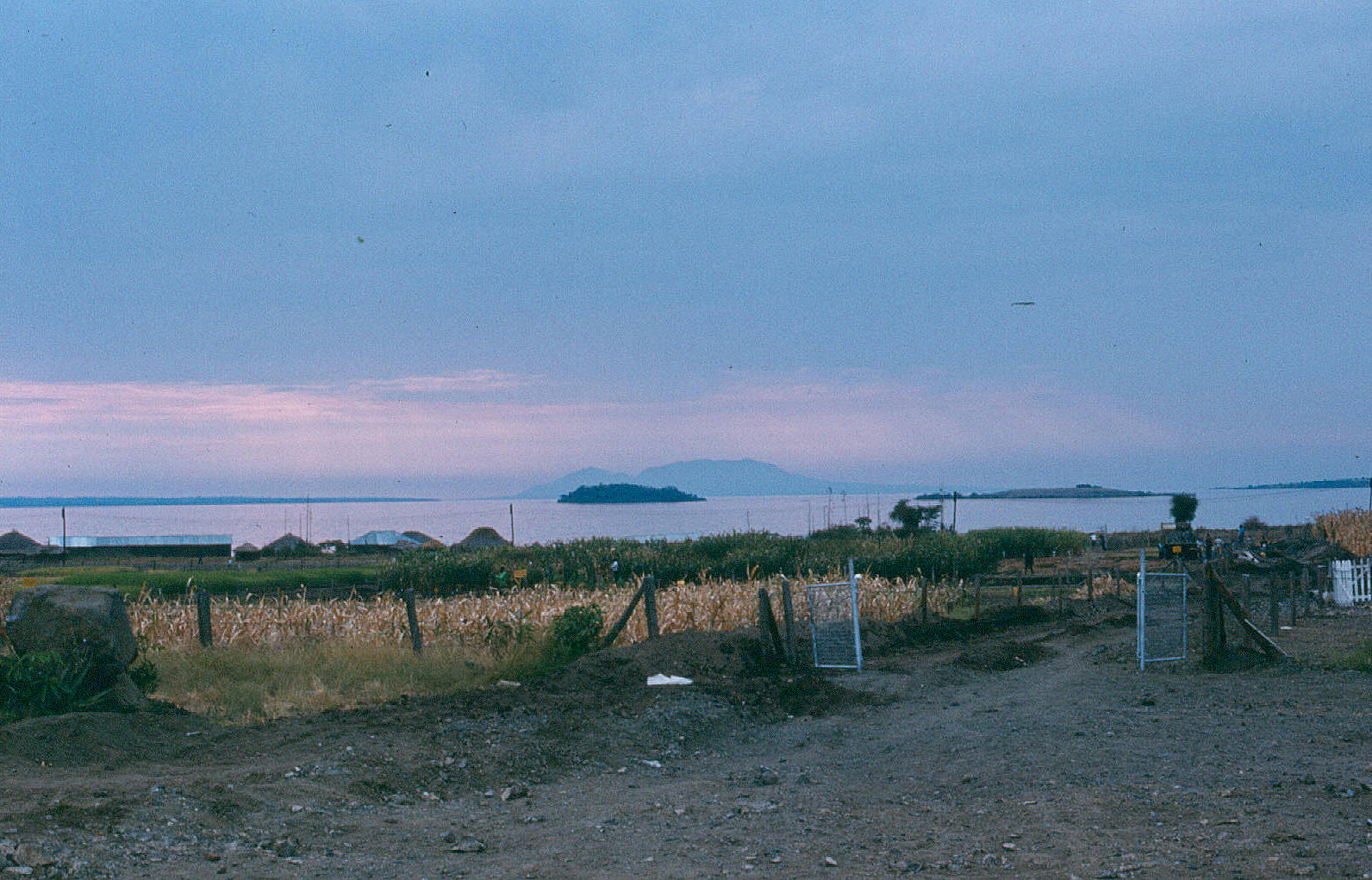
After a while, suddenly, Lake Victoria came into view. The sight did not match my expectations. It was framed by fairly bare and brownish rolling hills in a rather dry landscape that contrasted nicely with its blue water. It was humongous, a true inland sea! I thought on how the early explorers would have felt at finding the main suspect for the Nile source!

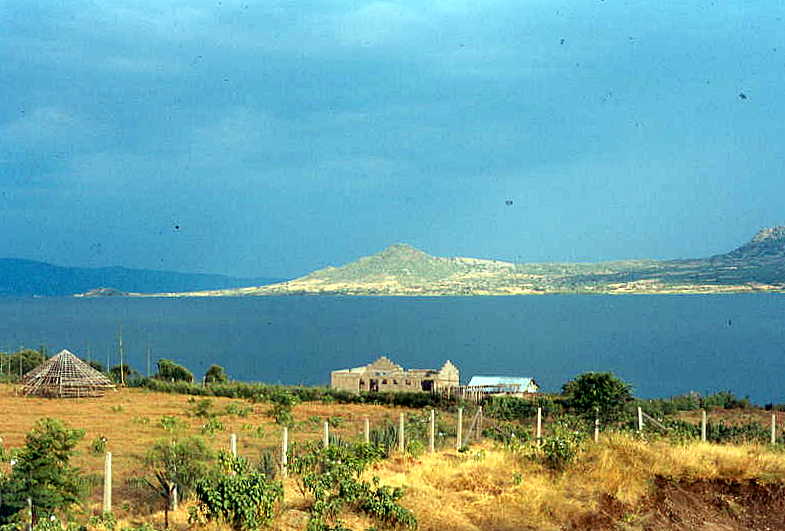
We stopped to enjoy the view of Lake Victoria in the distance.

We stopped to enjoy the view of Lake Victoria in the distance.

Eventually by mid afternoon we passed Homa Bay and after dustier travelling we got to Mbita Point and, just across, before my very eyes was the now “mythical” Rusinga Island! It looked beautiful by twilight and it suddenly hit me that I had come a long way from Uruguay! However, there was no time for soppiness as we needed to focus on practical issues: to find accommodation and dinner.
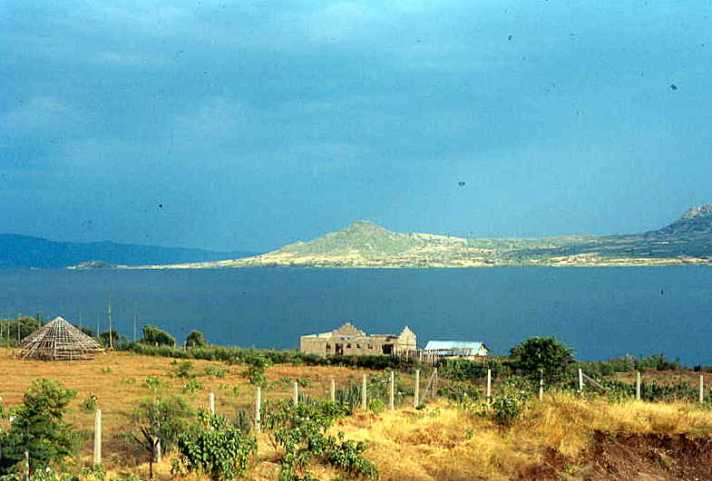
Rusinga island, across the channel.

Rusinga island, across the channel.

During the trip I had learnt -rather to my shock- that this was also Matt´s first trip to Mbita Point so he was as keen as me to see the place. The Head of the station, warned in advance of our coming, was there to welcome us. He apologized for the absence of accommodation and recommended a place for us to camp within the perimeter of the station. We agreed to meet again in the morning and got ourselves to put the tent up and unpack our belongings. While we organized the camp, Matt dispatched the Driver to find a kuku[4] and to bring it ready for cooking.
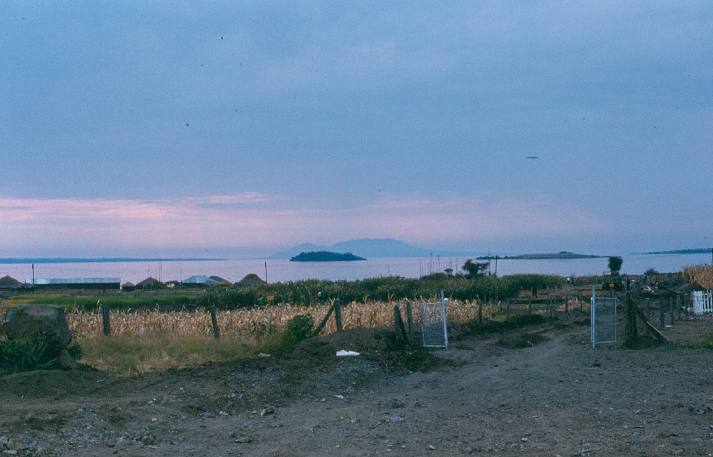
The entrance to the research station.

The entrance to the research station.

Matt had organized the food for the two nights we would spend there. I saw potatoes in the car and we had also acquired a large cabbage, bananas and charcoal on the road, as it is routine in Kenya. He had also brought a couple of sufurias[5], cooking oil, salt and pepper. Evidently food was not Matt’s main goal in life!

The tent job done, we opened the ubiquitous Tusker beers and proceeded to sit and wait for our soon-to-be dinner to arrive while contemplating the lake, peeling a few potatoes and boiling water. We spent some time discussing whether the Schistosoma[6] parasite would be present in the tap water of the station as we knew of its high prevalence in the area. As this parasite enters a person through the skin, we evaluated the risks of showering with lake water. After some discussion we agreed that we did not know but, more importantly, there was no shower on sight so the discussion ended with a hearty laugh while agreeing to continue in our dirty condition just in case. We left it at that and then changed the subject to the late Tom Mboya, a famous young politician that lived in Rusinga Island[7]. Matt told me that his house would be a good place for me to live. “Typical Matt” I though, “He has never been on the Island but he has already found me a house” but I refrained from making a comment!

We heard the return of the car and we looked at each other as we also heard a chicken! Dinner would be delayed as the Driver had difficulties to persuade farmers to part from one! Eventually, through the old trick of adding more Kenyan Schillings, had managed to buy one. It was a tough-looking country cock and, judging by the size of its talons, an elderly one! Matt was not impressed with the price paid but supervised its killing and cleaning by the Driver and myself. He then placed the whole animal in a sufuria of boiling water adding salt and pepper. The peeled potatoes were placed to boil in a separate one.
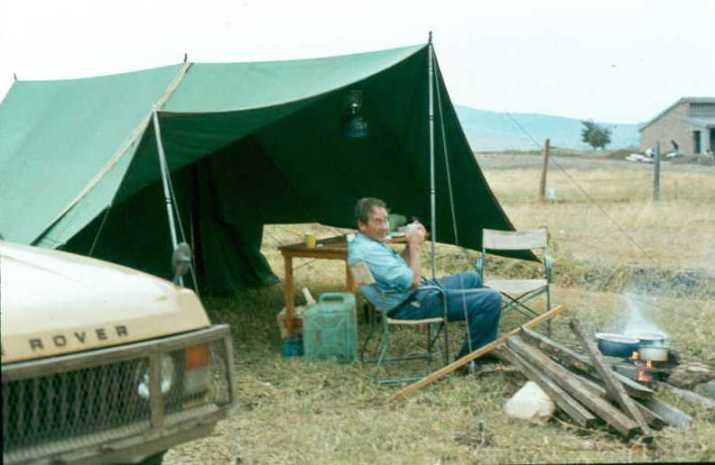
Our camp at Mbita Point. The chicken and potatoes boil while Matt relaxes.

Our camp at Mbita Point. The chicken and potatoes boil while Matt relaxes.

While we waited, time was passing when we heard “Jambo[8] pronounced in the way foreigners speak. It was a crop protection specialist from Ghana -resident at Mbita Point- that learning of our arrival had come to greet us. He knew Matt from Nairobi and he was pleased to see him again. He politely declined Matt’s invitation for dinner but he did accept a Tusker beer and stayed a while.

From him we learnt that at that time the station consisted of temporary prefabricated facilities to house staff and carry out basic laboratory work while the definitive laboratories, staff quarters, school and hostel were slowly being built. We joined him in a short walk by the lakeshore while he explained that he was there with his Dutch wife and that they had two girls aged four and six. He was a specialist on integrated crop insect control and was working on cassava, an abundant crop in the lake region.

The walk by the shore of the lake was very pleasant; the sun had already disappeared behind the hilly Rusinga Island leaving its trail of red –smoke-fed- haze with an amazing cloud frame, product of the high humidity that prevails around the lake. More basic needs suddenly interrupted our inspiring walk when Matt remembered our chicken! We rushed to our camp while our visitor, laughing at Matt’s panic, hastily departed not without inviting us for dinner on the morrow. We shouted our acceptance over our shoulders and kept running to attempt to save our dinner.

Not a chance! The water -clearly not enough in the first place- had evaporated for a while now and our dinner looked black and crusty on the bottom side and raw and very juicy on the top. The potatoes were also dried and rather burnt but had feared slightly better.

As dinner looked rather inedible and there was no way of preparing something else I braced myself for a hungry night. Conversely, Matt found the whole thing very amusing and, oblivious to its apparent inedibility, pulled bits of chicken apart and placed them on our plates together with pieces of the burnt potatoes. He passed me a plate with a Tusker and said: “Julio, welcome to Mbita” and then added with a sardonic smile: “Enjoy our Chiken a la Rusinga!” Unknown to me then, this event became our connection from then on and the anecdote came up in many conversations afterwards, helping us to connect. I must confess that I was so tired and hungry that I actually found the contrast between burnt and raw chicken meat tasty… but I think it was probably the beer that did the trick.

Dinner over, Matt got his whisky bottle from the car and, diluting it with water, started enjoying it. He cheerfully said: “Julio, I know you will be all right!” and, after a few more minutes of night contemplation, he stood up and, after wishing me good night entered the tent. I decided to follow him after brushing my teeth, still thinking of the lake water and its risks! He was already asleep when I finished undressing. Like him I passed out instantly and slept soundly until the morning, no doubt assisted by the Tuskers I have had but also by a belly filled with our newly created delicacy…

Somehow we survived the potentially severe Salmonella challenge and we were both alive in the morning. After coffee and bananas, we went to meet the Head of the station for a tour of the facilities. The fresh foundations showed the layout of the future buildings and the walls of the more advanced constructions had reached about one metre high. Clearly things were far from ready and I could detect some concern from the Head.

Despite the glaring unsuitability of the place Matt -to my surprise and growing irritation- kept insisting that I would be based here! This was music for the Head’s ears, eager to get new staff to “his” station. I kept quiet but my heart was sinking as to do all that was expected from me under these conditions would have been impossible and I saw myself having to build both house and laboratory to be able to move forward. “We have plans for Julio to stay in Tom Mboya’s house in Rusinga”, Matt repeated and the Head smiled and nodded in agreement. My concern was turning into desperation!

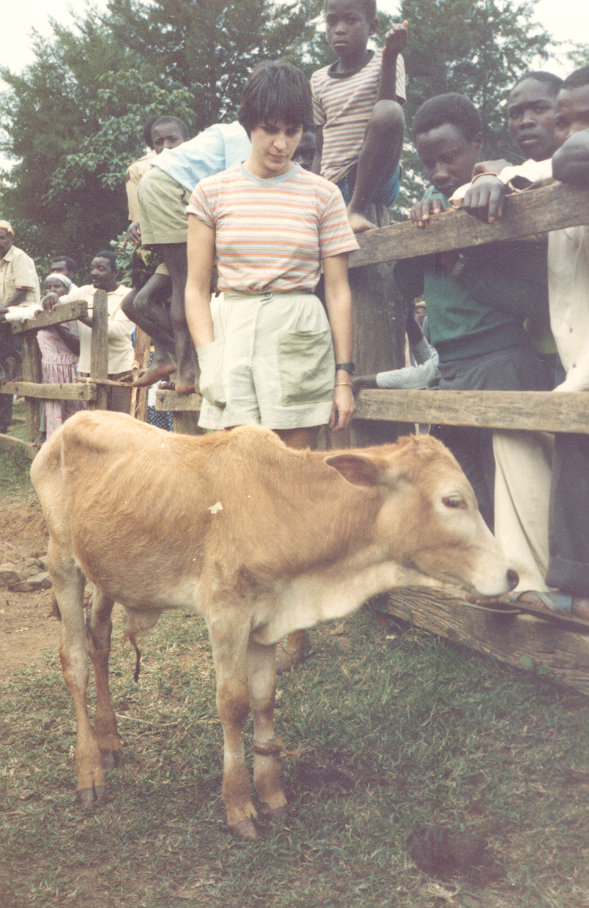
In accordance with what was there to see, the tour lasted a short time and we decided to visit the surrounding rural area, accompanied by a local technician to act as guide and show us the way and interpret for us. I found this much more interesting as it enabled me to have my first exchanges with the local farmers and to get a first hand feeling for their problems that, in regard to their livestock, were blatantly obvious! For the first time I saw dwarf cattle! They were the consequence of surviving trypanosomiasis and theileriosis as well as other diseases and parasites that will dispatch European cattle in days if not hours! To reduce the risk of trypanosomiasis cattle were kept tethered until late morning to protect them from the bites of the tsetse fly vectors and they were only left out to graze for literally half day.
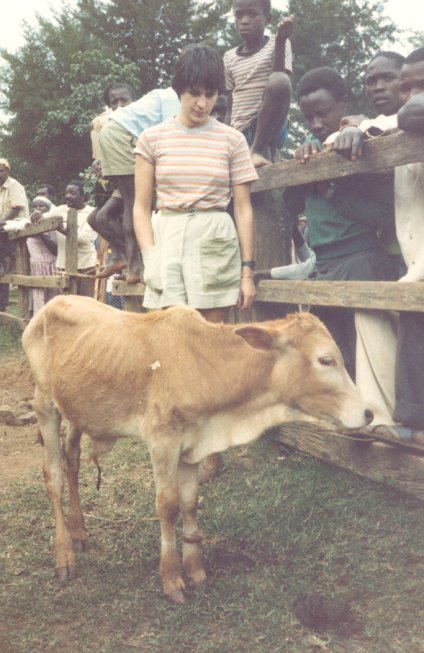
A survivor! An adult steer with my wife and members of the public!.

A survivor! An adult steer with my wife and members of the public!. Please note that this picture was taken during a subsequent trip to the area.

“What do this animals produce” I asked, realizing that it was a rather inept question before I finished asking it! I was told that they gave a calf every 18 to 24 months and that they produced meat and little milk. However, I was explained that other factors are also important in Africa as cattle are not valued only by their productivity but by their many other functions: savings, status and as a source of dowry money. I could not fail to note that they were also covered in ticks of different species! I was starting to learn about African cattle!

The field trip took us until mid afternoon as Matt kept asking to see more and spent time telling them that their productivity would increase once ICIPE developed the tick vaccine! I thought of it as a rather far-fetched promise but that was Matt. We got back from our trip dusty and sweaty but there was no chance of swimming in the lake! If you were spared by crocodile and hippos you were still likely to contract schistosomiasis and spend days under treatment with no guarantee of a full recovery. So a bucket-wash with lake water, the less risky option, is what I took. While I was on cleaning duties behind bushes Matt sat and drunk a Tusker with no intention of improving his personal hygiene and still wearing the same clothes from Nairobi!

I was ready when the Ghanaian colleague came to fetch us for dinner. His blond wife and their two lovely dark skinned and blond girls greeted us on arrival to their wooden prefabricated house. Although the house was small it transmitted a warm feeling where you could see a woman’s touch and the children’s influence. Our dinner of Nile perch was excellent and our conversation started with Matt mentioning the Chicken a la Rusinga of the night before! While having our dessert I asked how was life in Mbita Point as I was curious and needed to prepare for it. Suddenly our hostess that had remained mostly silent came to life and said bitterly: “No drinking water, no electricity, no transport and endemic cerebral malaria” and then she added with a grin of dejection: “apart from that, it is fine!”

Sensing trouble her husband tried to change the subject but she continued, getting more upset when she mentioned that they had all been sick with malaria several times, concluding her horror story. Hearing this Matt tried to comfort her saying that things were improving. However, her reaction was not what he expected and she broke down and started to cry saying finally: “Matt, please do not send Julio here with his young wife, this is no life for them!”

After this acme the lady calmed down but the situation had become very awkward and we soon decided that it was time to depart. We thanked them for their kindness and left walking in silence towards our tent, her words “this is no life for them” ringing in my ears while trying to develop a valid strategy to convince Matt -and ICIPE- of the absurd of having to stay in Mbita Point. Matt did not say a word until we got to the tent and then he only said “Good night” and went in. I sat outside for a while, still thinking. Then I decided that sleep, away from mosquitoes, was the best possible course of action and went to bed.

I heard Matt loud snuffles before I entered the tent. Until then I was the one that snored and my wife had put up with it rather stoically. This time the tables changed and I needed to continue my adjustment to Matt’s ways, this time even while he slept! I came in silently, climbed on my camp bed and closed my eyes. Matt was quiet now so I relaxed and waited for the sleep to come. Soon I started to drift off when suddenly I heard a loud grunt followed by a longish silence and then the start of a chained sequence of snorts that became louder and louder to almost be unbearable and then as suddenly as they had started stopped, before Matt breaking apart! He had gone into an apnea that I associated with his passing. I was wrong; he was alive and well and would repeat the whole shenanigans again and again during the whole night!
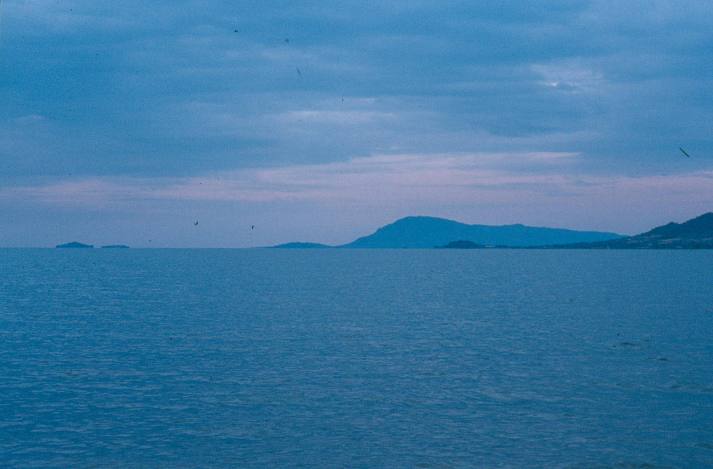
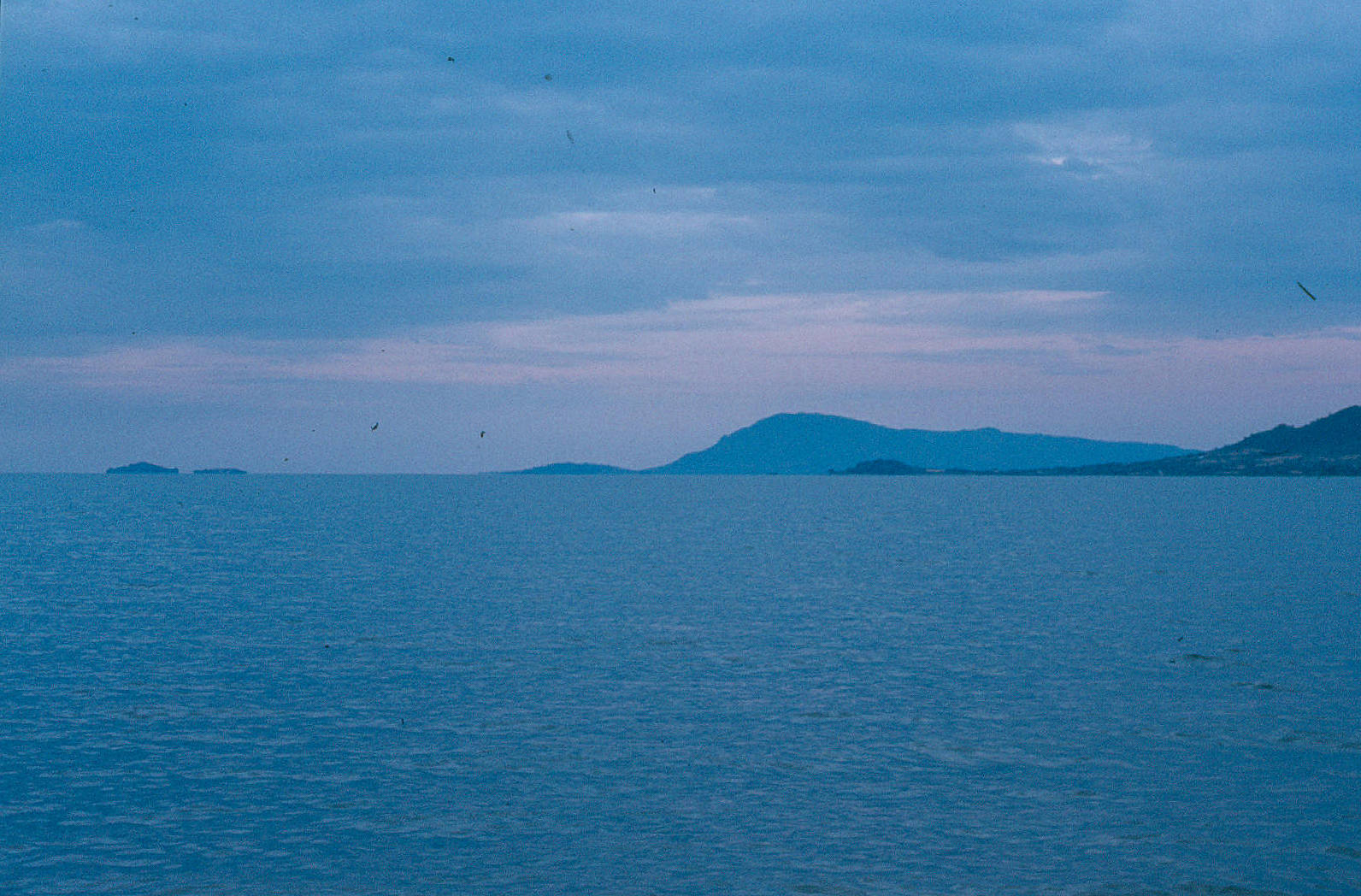
A tip of Rusinga island in the forefront (right) with Mfangano island in the back.

A tip of Rusinga island in the forefront (right) with Mfangano island in the back.

His snoring beat my most extreme ideas on the subject and I lied there with open eyes in a moral dilemma: I wanted him to stop but I had heard that waking a snoring person suddenly could be fatal. I also wanted -and needed- him to live so I decided to bite the bullet. Gradually my tiredness got the best of me and with a parting thought that it would be easier to handle his dead body in the morning rather than worrying for each of his “deaths” during the night I also joined in with my own snoring contribution. I am confident in assuring you that our combined efforts kept Rusinga Island awake for a while!

Amazingly the following morning Matt was not only alive but had also already brewed some coffee for both by the time I woke up. “Did you rest well?” he asked knowing that I had not. Then he added “Julio, we need to find another place for you to work as this place is shit!” Startled by his change of heart, all I could do was to nod gravely making a supreme effort not to laugh and shout in joy! I did silently thanked the unhappy Dutch lady, my saviour!

It was time to travel to Kilgoris to meet Alan and to decide my fate and, by en large, my future life.

[1] Follows Kenya: Friends and Foes.

[2] See Felice Benuzzi in the “Pages” section of this Blog for more details.

[3] I am told that today the lake is not what it was as the flamingoes are not there in large number anymore.

[4] Swahili for chicken.

[5] Swahili for handless saucepans.

[6] See http://www.who.int/mediacentre/factsheets/fs115/

[7] See Thomas Joseph Mboya under “Pages” for more information on him.

[8] Swahili for Hello!

An Amphibious Land Rover

I mentioned earlier that I worked as a veterinary practitioner in Uruguay for four years after my graduation in 1975. It was after a couple of years of this work that the events narrated here took place.

It was a luminous autumn day that, as usual, started very early with a mate breakfast[1] before going to work at the clinic. The latter, as most clinics in Uruguay, was a mix of agro-business (belonging to a third party) with our clinic attached to it. At the time we were three partners, myself being the newest.

The shop was a popular meeting place, close to the main bank and it was normally busy. Apart from customers seeking to purchase agriculture-related products as well as getting advice on veterinary issues from us, there were friends and hangers-on all the time. That morning was not an exception and, when I got there, Gerardo, one of my partners was talking animatedly with one of the visitors, Pozzo, a well known farmer from a neighbouring farming area.

The topic of conversation was the then-current situation of the River Plate which was undergoing an extreme low tide that, according to a veteran like Pozzo, had not been seen since he had “use of a memory” as he put it. Pozzo was known as a colorful character reputed to eat eighteen fried eggs for breakfast among other colourful stories attached to his name!
Clearly the situation was interesting and I suggested that, once the business of the day was dealt with, we should go and investigate. Pozzo said he would join us, as he wanted to see what the Carmelo coastline looked like at low tide. So, before lunch the three of us climbed in my car and left for the beach, located a few kilometres away. At the time I had bought a 1959 Series II SWB Land Rover, after trading in my first car, a beautiful red and black voiturette Chrysler 1931 that was too expensive to run on paraffin leave alone petrol!

On arrival at the beach it was clear that the situation was extreme and I had never seen a sight like that before. There was no water for at least a couple of kilometres into the river where only wet sand could be seen except for the navigation channel where the river was still “wet”! Spectacular situations require equally remarkable responses… and I rose to the challenge! For some reason I hatched the idea of going down to the beach and then to drive all they way to Conchillas to surprise my wife -then my girlfriend- with a glorious and an unexpected virgin voyage after 30 kilometres of beach drive!

With the agreement of my eager companions we set off driving over wet sand for a few kilometres without stopping, looking for possible Spanish galleons carrying gold that sunk during the conquest… Of course we found no trace of them but found a large and shallow lagoon where several rather large fish had become temporarily trapped. They were bogas (Leporinus obtusidens) a good fish both to catch and to eat. We watched their futile swims towards the normally deeper areas that ended in them almost coming out of the water! It was a unique sight as these were large fish, apparently doomed. After watching their comings and goings for a while we left to continue our journey.

The way ahead looked clear, apparently all the way and we felt encouraged to go on. So we climbed back to the car and I engaged first gear. The car did not move forward but rather down, or at least its rear end did. I revved the engine but -of course- made matters worse by sinking further into the wet sand. We got out to inspect the situation and realized that we were in a tight spot, particularly bearing in mind that the front wheel transmission in my ancient Land Rover had become somehow disconnected some time back and I had not repaired it!

So, it was a matter of digging and pushing, which we did for a while. After each attempt the car would move a bit and then sink again. We were in trouble! As if being stuck was not enough of a problem, we heard Pozzo say: “I think the tide is coming in”. As I revealed before, he had a reputation for being witty so we did not pay attention to his words and kept on digging frantically.

After a few minutes I could see that not only was he correct, but also that the water was coming in remarkably fast! After a few more attempts the water reached the wheels and the sand became liquid rendering all our efforts totally futile. As the loss of the car became a certain probability I reacted and decided to look for help ashore. “I will go and find a tractor to pull us out” I said not before agreeing with my companions that they would take out all movables from the car, preparing for the worst. I ran to the shore and, very luckily, found someone driving a tractor cutting bulrushes, taking advantage of the lack of water. My hopes increased when I realized that I knew him. A mixture of the absurdity of the situation and my heavy breathing due to the running did not help my explanation. Eventually he understood and agreed to have a look.

My heart sank when he announced that it was too risky to enter the water to pull the car because he could also get stuck in the river as the bottom would be very soft. I insisted but he steadfastly refused so I gave up. I believe that my dismay helped in his decision to take me in the tractor to seek further help. We drove up the steep bank to see if the owner of another tractor would dare to go in as they had a larger tractor.

Luckily the owner was there. This time I did not need to explain much as, before our eyes and into the river we could see my Land Rover being progressively denuded of its movable parts by my trip companions. “There is no way we can pull it with a tractor” he said and added, “If we get stuck, we lose everything!” Somehow my mind moved to what story I was going to tell the insurance company about how I lost the car and then the idea of bringing a wreath every year to the spot also came to mind but it was quickly discarded as superfluous!

“I will try to pull it with horses” the voice of the farmer brought me back from my total loss-related thoughts. “What?” I just managed. “Yes” he said, “I have horses and a pulling harness. I think the horses will pull it out”. He called a couple of workers to bring three horses, the harness and ropes and, before ten minutes had passed we were going down the bank towards the “sinking” Land Rover.

The situation was now desperate! The water has come in fast and it had already covered the wheels. My companions had been waiting, wondering whether I was coming back. We entered the water and walked towards the car with the horses. The car was a pathetic sight as all movable items were no longer there and the water was now covering the engine and flowing inside it! Realizing that time was not on our side we got to work fast and harnessed two of the horses to the submerged bumper. A guy sat on the bonnet with the reins and I sat under water behind the wheel as, although the engine was flooded, there was still a need to steer! A horse was kept in reserve and all other hands got ready to push.

Despite my strong reservations about success, we agreed to push and pull at the count of three. What happened next was unexpected. Under the strength of the horses the Land Rover rolled forward with ease and moved to the triumphant shouts of my rescuers! “Do not stop now!” I shouted, my adrenaline flowing while seated in water to up to my breast steering and watching the back of the farmer on the bonnet that was controlling the horses, our real saviours. Stop we did not and, eventually, we managed to get the car on dry ground and away from the highest tide line mark to a safe zone. I was a happy man and, at the same time amazed that two horses could move a stuck car so easily. Later I realized that the increase in water depth helped greatly in making the car lighter.

News moved fast and, by the time our rescue was over and we were wondering what to do next, my father had come and witnessed the action. Being a photographer, he took the only picture I have of the event that I present you with here. It is a bad scan of the print he took but I hope it shows the absurd situation I got into and, luckily, out of.

The speck in the background is the semi-submerged Land Rover then there is open water and in the forefront an extensive area of water covered with bulrushes.

The speck in the background is the semi-submerged Land Rover then there is open water and in the forefront an extensive area of water covered with bulrushes.

The aftermath was an anticlimax! My father towed us back to Carmelo where we arrived after dark and straight to the mechanic. After dropping the car and when we were alone, as expected he lectured me on my lack of prudence!

In addition to the failure to achieve the feat -and impress my girlfriend- I also suffered financial humiliation when the time came to pay the bill for the car repair!

[1] Mate is a traditional drink where hot water is drank after sucking it through ground dried leaves of yerba mate (Ilex paraguariensis) with the aid of a bombilla (metal straw) from a calabash gourd (mate).

See also  http://en.wikipedia.org/wiki/Mate_%28beverage%29 for more details.

Kenya: Friends and foes[1]

After the initial rather intensive contact with Matt, a time of waiting followed while settling down at Muguga House. I saw Matt less often as he was busy running the Tick Programme. It was time for waiting, he had said earlier, as possible collaborators needed to return from their home leave when the European summer ended.

I was still busy! My attention was fully dedicated to my wife’s arrival as this offered some logistical issues both locally but also en route. The local issues were easier: obtaining a more comfortable bungalow at Muguga House and persuading a colleague to provide us with night transportation to and from the airport as her arrival was late at night. The issue of her Visa was a serious concern, though. For some reason better known to the intricate recesses of international diplomacy, Uruguayans get a Visa at the airport in both Kenya and South Africa, a rather convenient procedure. All very well then. Not so: my wife needed an overnight stopover in Johannesburg and needed a Visa for South Africa.

Flight connections were not as frequent as today. Nothing wrong with that you may think. However, I had learnt while in Kenya that, because of South Africa’s apartheid being in full swing at the time (1981), passengers arriving in Kenya with their passports stamped by the “racist regime” would be denied entrance and sent back! This was part of the blockade being imposed by all African countries to South Africa at the time.

I could expect no assistance from the Embassy of Uruguay in Kenya as there wasn’t one![2] There were only three Uruguayan embassies in Africa: Egypt, Nigeria and South Africa. Aware of that there was no South African High Commission in Kenya I decided to first see the airline and then, if all else failed, to call the Uruguayan Embassy in South Africa seeking help. Cellphones did not exist and landlines between Muguga and Nairobi did not work very well so the best thing to do was to go to Nairobi to meet the airline, Varig at the time.

As her arrival was imminent I decided to travel to Nairobi the following day using public transport, no doubt encouraged by the experience I had on arrival[3]. The trip consisted in finding a way from Muguga to the main road and then another one to Nairobi, both ways.

The trip started well as I was lucky to find transport straightaway and got to the main road in good time. I joined a crowd of waiting passengers and, soon enough, a matatu[4] was waved down. It was a VW minibus, the brand that at the time dominated the minibus world in Kenya.

My hopes of a good ride in the front evaporated fast as this was apparently reserved for women and friends and currently overflowing. With moderate pushing and shuffling I entered, after paying the tout the necessary fare. “Not too bad” I thought while finding a seat in the back. “At least I will learn the dynamics of public transportation”. I also thought that the trip would have been fast as the bus was pretty full -by my standards- already. Nothing could have been more wrong! People needed to get out but many more got in until there were over twenty people in the back (I cannot say how many there were in the front seat as visibility was severely impaired!). Amazingly, we still accommodated a few more before we reached the Post Office stop at Nairobi city centre.

I literally popped out of the jam-packed bus and walked to the Varig office, almost on a “high” due to the sudden increase in oxygen levels, despite Nairobi’s high altitude! I hasten to add that, despite the large number of people and the scarcity of water in the rural areas, there was no more human body smell in the bus than in any minibus or lift in my country or the UK for that matter!

The Varig representative, fortunately, was not at all concerned by my predicament. “All you need to do is to ask your wife to get her Visa on a separate paper” she said. And she added, “She gets that paper stamped, makes sure that her passport is clean when she presents it to Immigration here”. Those were the tricks of countries under UN sanctions! The rather fast resolution of the Visa issue left me with time in my hands so I decided to look for Matt at ICIPE and I was lucky to get a most welcome return ride all the way to Muguga with him. He was rather surprised that I was so grateful and, after explaining the reasons, luckily he agreed to approach FAO in Nairobi to get me a vehicle. A rather good outcome from the matatu ride!

My wife’s travel went without hitches and I soon had her with me at Muguga House. Her arrival coincided with the return of most of the potential collaborators and I had the chance to meet some of them as well as do a lot of reading about tick and tick-borne diseases, working at the KARI library, an excellent source of historical research documents on the subject. I prepared a new work plan everyday, only to abandon it as my knowledge augmented!

Over the following days Matt took me for a round of official meetings to meet several people relevant to my future stay in Kenya. We had a rather difficult and cold meeting with the Government Veterinary Department and I could detect negative vibrations. In the end I was given the green light. Matt did not enjoy the meeting and he was rather short-tempered for the rest of the day. I, conversely, was happy that I was in Kenya to stay!

We also met the FAO Representative to update him on my plans as well as to plead for transport. Luckily, his response was positive and he asked the Administrator to identify a suitable vehicle for my use. This produced a VW Kombi, redundant from an earlier project, that was allocated to me for private as well as official use! An added advantage was that it had one of the most coveted items: a red -diplomatic- plate, a road opener. So we were finally mobile. The new car was ideal for us. Although it did not have 4WD, it had the necessary road clearance to take us all over Kenya.

Returning from a muddy Maasai Mara Game Reserve in the VW Kombi.

Returning from a muddy Maasai Mara Game Reserve in the VW Kombi.

At Muguga we met the Director of KEVRI, a highly qualified, very friendly and smooth Kenyan that was very welcoming. He was the Chairman of one of the two most popular soccer teams of Kenya and very involved with soccer in the country. We connected immediately when he learnt that I was coming from a country with such a good soccer pedigree and, although we talked about my future work and how collaboration could be strengthened, the main topic of our first meeting was soccer! Among the issues we covered was the possibility of me getting a Latin American coach for his team! This was the beginning of a friendly relationship through which I got very good support at work and also shared a few soccer matches with him.

The final of the “obligatory” meetings was with the Director of ICIPE. He was a highly educated and suave Kenyan Professor that was difficult to meet as he was constantly in meetings, running the Centre and meeting Donors and partners. He was pleased to see me and gave me valuable directions on what my situation as a Fellow within ICIPE would be and, of course, directed me to his Deputy for further issues. During the meeting he was very clear that I was awaited at Rusinga Island as ICIPE’s new research station at Mbita Point needed scientists settling down there. After the meeting was over, I learnt from Matt that the Director’s home area was precisely Western Kenya and that was the reason for his keenness for me to get there. Apparently the die was cast!

After these meetings I saw Matt less frequently for a while. Luckily Robin, the ICIPE ecologist, returned and I started going to the ICIPE laboratory at Muguga to be with him and learn. He was a very kind man, graduated in Oxford, who never refused to answer my questions and be of help. I was really lucky to find him and with him I learnt most of what I know about ticks and their ecology!

I had been in Kenya for about two months by now and I still did not know about what I would be doing so, concerned, I decided to ask Matt what was happening. The opportunity presented itself when he came to Muguga for a meeting. I managed to get a moment alone with him and asked him about the situation. Matt’s reply left me cold: “Julio, if you are not happy with the situation you tell me now and we cancel all arrangements and you go back to Uruguay and nothing happens”. I was shocked and worried but perhaps I had insisted a trifle too much or perhaps he was having a bad day as his mood sometimes seemed to swing. However, as the FAO Fellowship was all I had, I replied that I trusted him and would wait. I said: “Matt, the idea is not to leave but to let you know that I am worried for the delays”, I answered. “I understand your problem but this is Kenya and things work differently and at a slower pace. This should be clear to you from the start, otherwise you will not be able to work here” he said, in a way that was meant to close this uncomfortable encounter. I got his message and began my adjustment process to Kenya, Africa and to Matt’s ways and moods!

A few days later Matt came to see me at Muguga. He was in a jovial disposition. “Julio, Alan is back and we are meeting him now” he said. The meeting was timely and good. Alan was aware of my arrival and very keen to work with me as he saw the collaboration as very promising. The various work options were discussed and it also transpired that Matt had been under great pressure from the Government regarding my work as the latter had different ideas[5]. There had also been some administrative difficulties between FAO and ICIPE regarding the administration of the Fellowship’s funds. However, it had all been solved by now and we were, apparently, ready to go.

Matt was as idealistic as Alan was practical so they were a good combination: ideas and execution. I liked Alan from the start. During the meeting it was agreed that I would do some work at Muguga itself as well as field work. We would therefore visit Mbita Point and Rusinga Island with Matt. On the way back to Nairobi, we would take the opportunity to visit the ranch in the Transmara where Alan had his research on immunization. Finally, the return would be across the Maasai Mara Game Reserve, an added bonus.

It was agreed that, after that visit we would be in a better situation to take a decision on my future research work. In a way they kicked the ball forward! Nevertheless, I was happy to see movement at last. We agreed to leave as soon as possible.

[1] Follows “Kenya: Muguga”

[2] A complication that affected our lives and I will refer to in a future post.

[3] See “Africa – Arrival” in this blog.

[4] In Swahili, passenger minibuses or closed pick-ups.

[5] A couple of years later I learnt that the Kenyan Government had their own candidate for the FAO Fellowship that I got and my appointment did not go down well.

Kenya: Muguga[1]

The last night at the Fairview Hotel was a good one and I enjoyed my breakfast in the garden, where I noticed that birdlife in Nairobi was prolific and that there were not only several bird species but there were also large numbers of them! I did not know their names yet, apart from the ubiquitous sparrows that I knew from Uruguay. I was amazed to see birds so tame, in particular a kind of iridescent blue ones with cinnamon chests[2] that would come to my breakfast table expecting something from me! “Cheeky ones”, I thought.

The access to the Fairview Hotel.

The access to the Fairview Hotel.

It was light by 06:00 hours and dark by 19:00 hours so, unless you covered your ears, it was impossible not to be woken up by the early loud bird chorus. As it is customary, a cup of early morning tea is brought to your room and I had asked for mine for 06:30 hs, had showered and packed my bags before I went down for breakfast to be ready for Matt’s arrival.

A Superb Starling (Lamprotornis superbus).

A Superb Starling (Lamprotornis superbus).

The hotel was good and, thankfully, economical as I did not get any perdiem as a FAO Fellow and my stipend was rather modest. I needed to watch my expenses all the time. Clearly aware of my modest income Matt had booked me at a Government’s Hostel in Muguga, known as Muguga House until more permanent accommodation could be found. Muguga was then about 30-40 minutes drive North of Nairobi, in the direction of the Uganda border.

Packing Matt’s car -a smallish Honda Civic- was trickier than expected. One of my bags filled the boot so I went straight for the back seat, only to be warned by Matt “Wait, this is my portable Office archive” I looked up and only then noted that the back seat and floor were covered with papers and publications. “I need to be in several places so I carry the work with me” said Matt while piling papers on the floor in no particular order!, until my bag fit.

We drove straight to the hostel at Muguga. The place consisted of a central building where the administration and common facilities such as dining room and bar were located and a number of two- and three-room cottages with toilet and bath, scattered throughout ample wooded grounds. Matt had already booked me a cottage so my settling in was smooth. I noticed that several cottages were occupied and wondered who my neighbours would be but I left this for later. I adverted the Manageress of the arrival of my wife in about one month and arranged to pay monthly. I also deposited some advanced money for the use of the bar and I was settled.

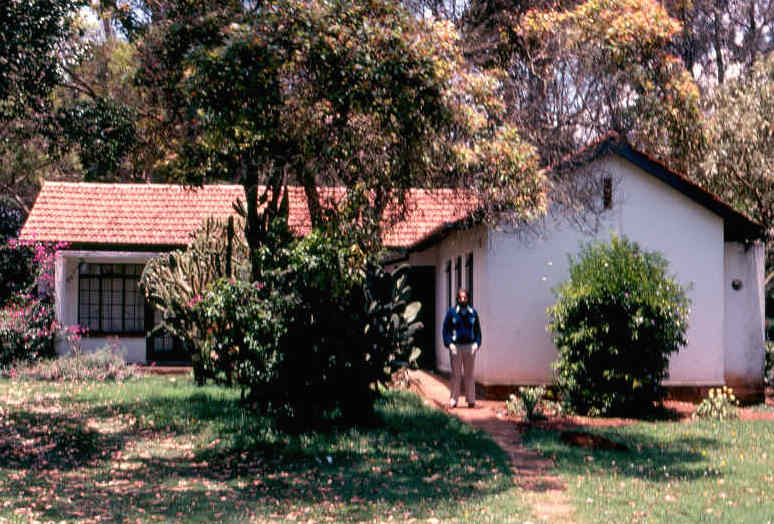
Our bungalow at Muguga House.

Our bungalow at Muguga House.

After Muguga House, we toured the very large grounds of the Kenya Agriculture Research Institute (KARI) where we saw the various establishments based there such as the Kenya Veterinary Research Institute (KEVRI) and the Kenya Trypanosomosis Research Institute (KETRI). Matt pointed out the ICIPE’s “laboratory” at KEVRI. To my eyes it looked like a very small barn but I kept the comments to myself.

We did not find any of our prospective collaborators as most were on leave and others outside the Institute so Matt decided that lunch would be at ILRAD’s restaurant, so we drove back to Kabete, about half way between Muguga and Nairobi. While KARI impressed me as a formerly beautiful place built by colonial Britain and getting slowly worn down by lack of funding and maintenance since Kenya’s independence, ILRAD belonged to another planet! It was a modern and beautifully set campus with manicured lawns and all possible facilities to perform research on livestock diseases. To me it looked like a grand place tailored for high-powered research with several state of the art laboratories and all the necessary equipment that scientific research would need. All of this was nestled in a lovely hilly area where the central manicured lawns and woods were surrounded by grasslands where lovely zebu cattle grazed. “Julio, welcome to ILRAD” said Matt while finding a place to park among the abundant 4WDs and other expensive cars. I could not believe my eyes!

While walking towards the canteen Matt explained that ILRAD was created in 197… to solve two problems Trypanosomosis and Theileriosis. “A difficult job” said Matt and added “I know lots of people here and we will meet a few over lunch”. The restaurant followed the style of a university campus restaurant and it was very busy. The diners were of mixed race and different nationalities. I was amazed, as Ross seemed to know everybody. He walked straight to a large table at a corner and introduced me to the Director General and his Argentinian born wife. I also met many other people that day. The place was a hive of activity and the closest resemblance to a place I had been was the University of East Anglia in the UK while I learnt English prior to my MSc studies in North Wales. It was both stimulating and rather intimidating but, above all, totally unexpected!

After lunch we toured the laboratories and talked to even more researchers about what they were doing until Matt decided that we had done enough and it was time to leave. He invited me to pass by his house in Tigoni, North of Nairobi, for a cup of tea. Matt’s invitations were more decisions than invitations so I was not given a chance to refuse, despite being rather tired by then!

It was a worthy visit as another huge surprise awaited me. His house was a lovely British-style house with a tiled roof and stonewalls, located in beautiful woodlands. A stream ran through the large grounds and this was the source of water for the trout ponds being developed. I could see at least three from the house.

Although she was not informed of our visit[3] his wife gracefully invited us for tea and cake in the lovely garden. Afterwards Matt gave me a guided tour of the trout dams with two of his three young sons. The third one was busy becoming a plane pilot in Nairobi Wilson Airport. It was an impressive development as three dams were being built and there was a lot of activity. Clearly Matt was serious about his trout! Afterwards it was his wife’s turn to show me their flock of African Gray parrots. About eight young parrots were kept in a large enclosure. They were young fledglings when seized as part of an illegal shipment at Jomo Kenyatta Airport. “They were in bad condition when we got them but we were lucky to get them all back to good health” said his wife, proud of her achievement. She also informed me that once fully grown they would be returned to the Kenya Society for the Protection of Animals for distribution.

Matt somehow interrupted the “parrot tour” to bring me back to his verandah as he wished to show me something. I followed him until he stopped facing the dams. “Julio, this has been my dream since I left Scotland” he said and then added “I will catch them from here when I retire and cannot walk anymore” he said, mimicking the fly rod movement from his verandah and laughing heartedly. It was clear that Matt and family enjoyed a very good standard of living that, in my ignorance, I did not expect to find in Africa!

The more I listened to Matt the more I gathered that he was a man with many dreams and ideas both private and professional. While the trout dams being built belonged to the former, the achievement of an immunization method against ECF was clearly part of a realized professional dream. A more recent one was the development of the vaccine against ticks and he talked about it as if it was something really achievable. However, it was clear that his veterinarian’s heart was with ECF work while the tick work -mine included- was more of a necessity for him, despite his infectious enthusiasm.

I continued listening to Matt for the rest of the day and it helped me to get an initial understanding of the persona as well as the worker. It was clear that as someone who got to the top of his working area, he had made himself a few enemies, both black and white. Realizing that I would have to share them I listened carefully. As most people in Kenya at the time, he had a rather colonial view of racial relations! I learnt that he had a long-term rivalry with a Senior Government veterinarian as well as with other British colleagues. He had a clear dislike for one and described his face as looking like “a weasel peering out of a bear’s ass”. I did not really understand what that meant until later!

We drove back to Muguga at the end of the day, still talking and making future plans. We agreed to meet again in a couple of days to carry out a few protocol visits: Government, FAO and ICIPE to start with.

I got back just in time for dinner and to get to know some of my future housemates. There were several Kenyans from up country, Ugandans and the ubiquitous British. I shared the table with some of them. Food was simple (some roasted, boiled or curried meat with rice and occasionally salads), soon to get boring, particularly the boiled cape gooseberries and custard dessert that I eventually learnt would be a lunch and dinner ending feature forever!

More interesting was the after dinner conversation held in the main hall. Most of the guests were long-term and worked in different institutions at KARI. There were mainly agronomists, biologists, foresters and veterinarians and the topics of conversation were Kenyan politics, sports and comments about life in Muguga House. It was entertaining and interesting as well as informative and some of the friends I made there remain friends to this very day!


[1] Follows “Kenya – The Beginnings”.

[2] Later I identified them as Superb Starlings, a common bird in East Africa.

[3] No cell phones then!