Kenya

Two dhows

Traveling to the warm Kenya coast was an attractive break from working inland in the cooler and often cold highlands. After trying a few options, the preferred choice was to rent a house for a few days at Watamu and, from there, to explore the surrounding area or to enjoy the beach for my wife and practice windsurfing for me. But that is another story.

Our first visit to the coast included staying at a rather hot camp in Diani beach that we did not repeat. During that visit we explored Mombasa and we got lasting impressions of its ocean and coastal area, particularly Fort Jesus and the old Mombasa harbour.

While at the Mombasa harbour, apart from the ubiquitous fishing boats we saw some larger vessels that seemed to be dedicated to cargo activities. It was also the first time that we saw (or learn of) dhows. These, rather elegant vessels anchored some distance away from the shore and surrounded by smaller boats that were busy offloading them during the cooler hours of the day.

boats-mombasa-harbour-8-16-03-pm-copy

The Kenya coast in the 80s.

To add to their rather romantic reputation, we also learnt that these sailing boats, with their main masts pointing forward and lanteen sails, would use the trade winds to commute between Africa and Asia with exotic cargo.

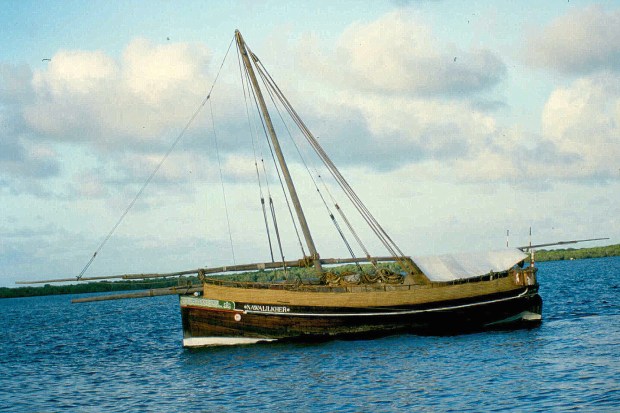
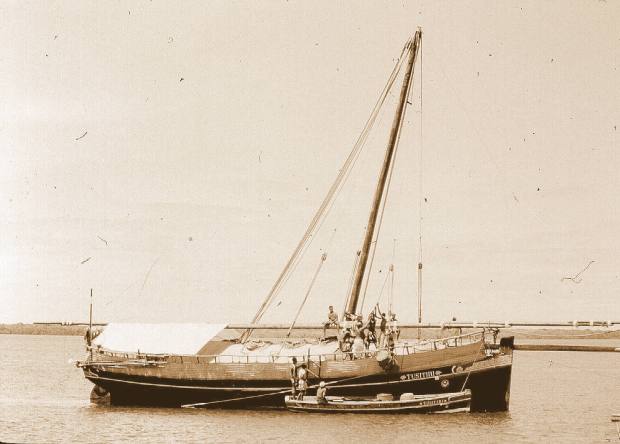
I found pictures of the dhows recently while looking for images to place in my Instagram page. As the photographs were originally taken as slides with a film camera and later on scanned by myself, I was checking them critically to decide on their quality for the intended use. It was during this process that I noted the names of the dhows: Nawalilkher and Tusitiri.

dow-mombasa

Nawalilkher in the 80s.

lamu-7-sepia

Tusitiri as we saw it in the 80s.

Curious, I Googled the names to see if, by any chance, they were still with us. To my surprise I not only found them but learnt that they seemed to be still in “active service” forty years after I took the pictures and probably quite a few more from the time they were built.

I then contacted the owners and they confirmed that the vessels were the same after looking at my photographs and I got some interesting information.

Nawalilkher is now a floating restaurant with the Tamarind Group and they call it “Nawali” for short. The dhow was refurbished to a five star cruising restaurant now moored at the Mombasa Tamarind jetty. The vessel can accommodate seventy commensals for dinner, leaving room for dancing on the night cruises. It sails everyday except Sunday for both the day and evening cruises. Unfortunately, the company would not let me use their pictures to illustrate this post and referred me to their web site for more information[1].

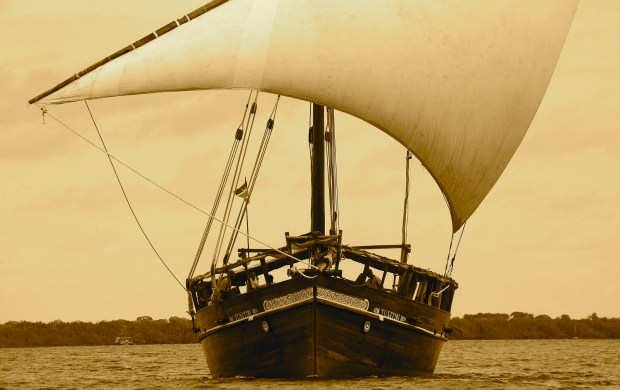
Tusitiri, nicely restored, is sailing as an exclusive floating lodge along the Indian Ocean coast, owned by the Enasoit Collection[2]. It is believed that it was bought by its present owners around 1995 in Lamu where she was also originally built. I was also assured that the dhow is being treasured by them and is very much loved as I can see by the way it is being kept. It mainly stays within the Lamu archipelago but it has gone as far as Mozambique and she is considered by its owners as “…without doubt the most beautiful dhow on the East African coast”.

vamizi2012_1115cr-copy

The restored Tusitiri sailing somewhere at the Kenya coast. Picture credit: The Enasoit Collection.

sea14_highres-copy

A great picture of the restored Tusitiri. Picture credit: The Enasoit Collection.

I must admit that I am quite pleased to have found the dhows again and clearly it is worthwhile to follow up certain things, as you never know where your search will take you.


[1] See: http://www.tamarind.co.ke/tamarind-dhow/

[2] See: http://www.enasoit.com/


Acknowledgements and credits

John and Lulu Clark, Managers of Tusitiri Dhow, The Enasoit Collection for the information and use of Tusitiri pictures. Pictures of Tusitiri by Robin Moore Photography and/or Stevie Mann Photography.

Akoko Vivian of Dhow & Rest Reservations of The Tamarind Group confirmed the identity of Nawalilkher and assisted me with useful information.

Black tea in Maasailand

There are incidents in life that have a strong influence in the future and although the improper use of a microhaematocrit centrifuge may not be the commonest of examples, it had an impact on mine.

In short, while working at a colleague’s laboratory in Muguga, I forgot to place the inner lid over the blood-filled capillaries. The result of a short spin -I switched the machine off immediately- was a bloodstain at tummy height all around, including the people present! Basil, the Head of the Laboratory while watching his own red mark at waist level, made only one comment in the best British understated style: “Julio, you need a PhD” and abandoned the room leaving me alone to clean up the mess!

muguga-isolation-unit

My usual “laboratory”, quite far from Basil’s!

Basil’s words sunk in my mind and I decided to attempt a PhD as, clearly, I needed more scientific training, in addition to learn how to properly use a microhaematocrit centrifuge! Through a Muguga colleague I managed to get in touch with Cambridge University in the UK where I was -to my surprise- accepted. Unfortunately my initial enthusiasm got quickly dampened when I learnt about the university fees and the option was quickly discarded.

After more enquiries I learnt that I could do a PhD as an external student at my former Department of Applied Zoology of the University of Wales. So, very soon, I had organized the study at a small fraction of the cost. Luckily Ian, a Lecturer and friend from the Department, agreed to be my external supervisor while my ICIPE colleague Robin kindly agreed -apart from being my tick ecology teacher- to take on the day-to-day supervision of my work.

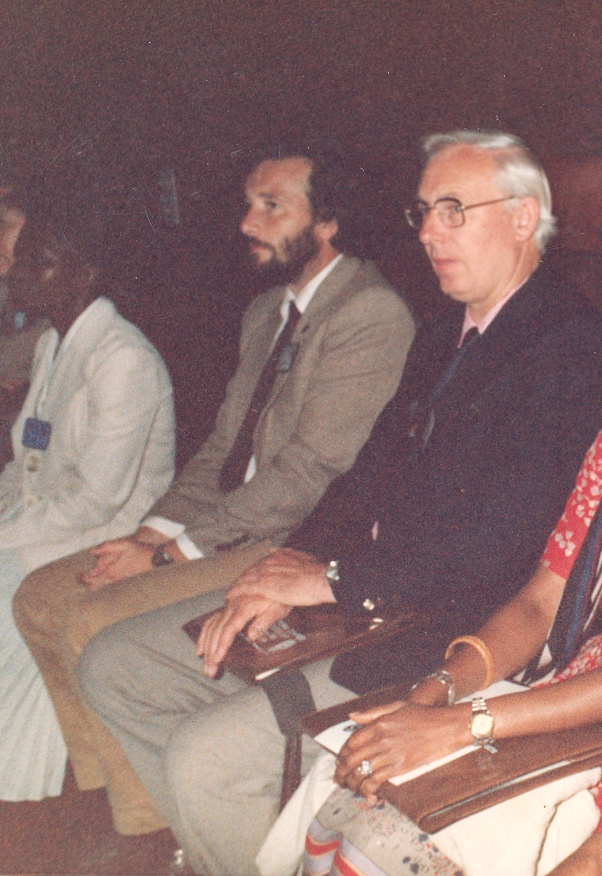
The rules of the PhD were very strict and they included a visit by the external supervisor to Kenya. Fortunately, Ian planned to present a scientific paper at an International Protozoology Conference[1] held in Nairobi in 1985 and the time was very suitable for the review of my work.

int-conf-protozoology-nbo-ian-herbert-copy

Ian, right, and a smart Bushsnob attending the Conference.

Most of my fieldwork was carried out at Intona ranch[2] in the Transmara. So, when the time for Ian to come to oversee my work, apart from the more routine visits to the main ICIPE office in Nairobi and to our Muguga laboratory, the exciting part was a trip to Intona itself. In those days, the Transmara area was an uncommon and rather exciting destination in Kenya.

As usual, the trip required some organizing, particularly as I did not wish to give a bad impression to my Supervisor during his only review of my work! I got authorization from the always kind Murumbis to stay at the main house at the ranch and to get their staff to look after us.

t-mara-intona-ranch-j-murumbi-1-copy

The main house at Intona ranch.

The one-day journey to Intona was an enjoyable one as we drove by the Maasai Mara Game Reserve where animales were always very abundant and then crossed the bridge over the Mara river to climb the Oloololo escarpment through Lolgorian to, finally, get to the ranch where we settled down and spent the next three days looking at our trials and analyzing my data.

Images of the journey, above and, below, some of the work we reviewed at Intona ranch.

The afternoon of the day after arriving, knowing that Ian was a great tea drinker[3], I decided to treat him to some five o’clock tea at the house’s back verandah where there was not only a beautiful view of the parkland and wildlife surrounding the house but also some very snug chairs.

I asked the cook to use some good Kenya tea I had brought for the occasion and we sat to chat, waiting for the fresh brew to arrive. We did not wait for long before the teapot came with the necessary milk and sugar. Tea was served while we contemplated the various art objects that decorated the verandah while the cook -trained by Sheila- discreetly withdrew.

I poured the tea and the milk and drank it while enjoying the both the taste as well as the view while Ian drank his. We talked about the journey and the animals we had seen, particularly during our stopover at the Maasai Mara but also during our trip when close to Intona. Seeing that Ian had finished his cup, I offered him more. To my great surprise, he politely declined!

When I insisted, making a comment about the tea being good, Ian mentioned that he found it with smoky flavour that he found rather unusual and too strong to his liking. Then I realized that our milk supplier was a Maasai lady from a manyatta nearby and, when I had a look at the milk, I confirmed that I had overlooked a detail: the milk was grey with a rim of dark froth!

With my apologies, I confessed to Ian that, in my enthusiasm to treat him to a proper “cuppa”, I had overlooked that our milk came from the Maasai who added a few pieces of charcoal to the milk gourd! Although Ian did not change his mind regarding drinking a second cup, he was very amused about the reason for the smoky flavour.

Although I knew that a few drops of cow urine were also added as a preservative to the milk, I did not mention it to Ian!


[1] The VII International Congress of Protozoology Held at the Kenyatta International Conference Centre, Nairobi, Kenya, 22-29 June 1985.

[2] See: https://bushsnobinafrica.wordpress.com/2015/07/08/life-and-work-in-kenya-intona-2/ and https://bushsnobinafrica.wordpress.com/2015/06/01/intona-ranch1/

[3] His favourite saying was: “Whenever there is a crisis, have a cup of tea. Many times the problem goes away after that”.

Memories – A fishing trip

Thomas was one of our Maasai askaris[1] at Intona ranch. He liked cattle so, in addition to his guard duties, he often volunteered to take them for grazing. This was welcome as he was fearless when it came to walk in the bush and dealing with the buffalo herd that often intermingled with our cattle. It was rather amazing to see the herdsmen and Thomas separating our cattle from the buffalo herd!

Intona cattle grazing

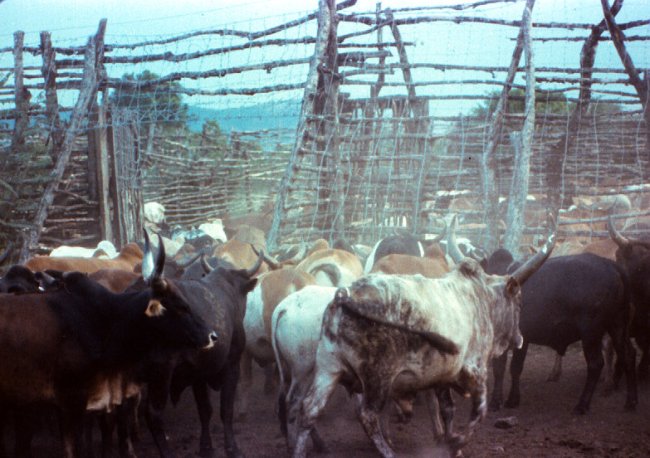
Intona cattle kraal

Thomas was a very friendly young man and he got on very well with the other workers so, when I proposed to the workers to join me in a fishing trip, Thomas was very keen on the idea and he came along.

During the time of the fieldwork I often travelled to Intona ranch over the weekends, as I also needed to spend time working in Muguga on the laboratory trial during the week so time was short. Although there was some work to be done on Sundays, we tried to keep this to a minimum so that we had time off to rest and relax. Being rather restless I was always looking for some activity to do during this free hours. For this visit I had brought some fishing gear as I wished to try my luck in the Migori river, one of the boundaries of Intona ranch.

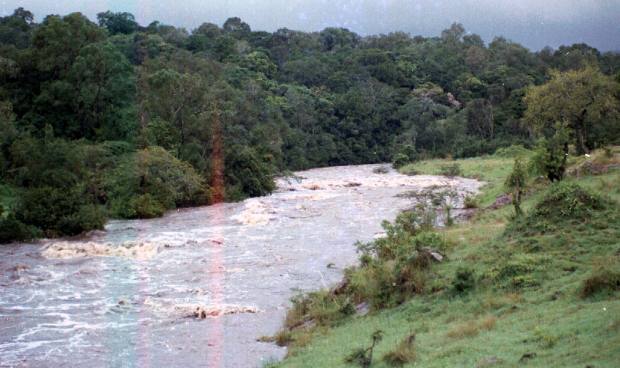
migori-flooded-cropped

The Migori in flood. We fished from these banks.

The Migori river water ends in lake Victoria after it joins the Gucha river forming the Gucha-Migori river basin. During every trip that we came to Intona via the Maasai Mara we crossed the Migori river bridge about 10 km before we arrived to Intona ranch. The area was well forested and there were a number of large fig trees in its vecinity making it a very attractive area as the shore of the river before the bridge was open grassland and seemed safe from the presence of buffalo, the main danger in the area.

It was in this bend by the river that we often saw a sounder of Giant Forest hogs[2] (Hylochoerus meinertzhageni) grazing in this clearing. As these dark grey animals were a rare sight, it was a highlight of the journey for me whenever we spotted them, as they were quite tolerant of our presence with their impressive size, the males being about 100cm high and up to 190cm long with a mass ranging from 180 to 275 kg. Their name honours Richard Meinertzhagen who shot the type specimen in Kenya and had it shipped to the Natural History Museum in England in the early 1900s.

This “hog spot” is what I chose for our fishing expedition as, apart from catching fish, I also hoped to get a glimpse of these animals towards the evening. Our fishing targets were Clarias gariepinus or African sharptooth catfish. We had fish them earlier in the Mara river just outside of the game reserve and I saw no reason for them not to be in the Migori.

After fruitlessly digging for earthworms at various places in the bush I remembered Mrs. Murumbi’s greenhouse and garden at the main house and, after a short commando sortie we managed to get a handful from the large compost kept there.

The final preparation for the fishing trip was to run a tutorial on the basics of fishing as none of my companions had done this before, as they did not come from fish-eating ethnic groups. Aware that it had taken me some time before I could master the proper use of rod and reel, I decided that I would handle these equipment and prepared a couple of hand lines for my companions to use. We chose an open field and, after a while I judged that the team was as good at fishing as it could be so we went.

We left before lunch and took some food and non-alcoholic drinks for lunch and my companions were quite excited at the prospect of trying a new activity. Thomas in particular could hardly control his excitement and this somehow dented my understanding that the Maasai did not care for fish. Maybe Thomas was the exception?

After a quick lunch under the shade it was time to try our luck. I gave hand lines to Thomas and Joseph, I kept one rod and gave the other one to Mark. As expected, the earthworms were attractive as I felt them biting as soon as my hook landed.

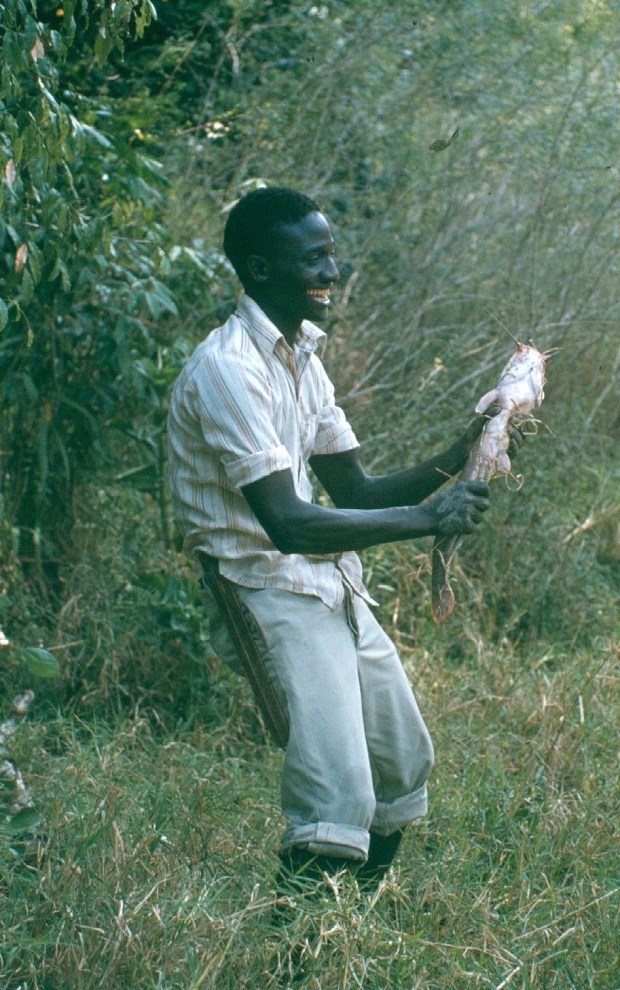
Somehow, Thomas got lucky and hooked something that after a short struggle with a rather thick hand line happened to be a reasonable catfish. After a short squabble he soon had it out of the water and his happiness at his feat was incredible. It held the fish with both hands looking at it and laughing while talking to it. He said that he would eat it, something I found strange but, busy with my own fishing, I did not pay much attention. So, Thomas departed to clean his fish. We continued fishing and had some bites that, regrettably, resulted in clean hooks.

maasai-that-got-cut-with-fish-migori-river-copy

Thomas and the fish!

After a while we noted Thomas’ absence but, distracted by our own fishing, did not think much of it. After a while longer of not seeing him and knowing that many dangerous animals were present, we stopped fishing and went searching for him. Joseph went one way and I took another path thinking that like that we increased our chances of success.

After walking perhaps 100 m following the river I saw Thomas seating down against a tree and I called him but did not reply. I called him again but still no reply so I assumed him to be sleeping and got closer to wake him up and then I saw his unsheathed simi[3] and the pool of blood. He had a bad cut in the palm of his right hand that was bleeding profusely and he was very pale.

I shook him and he opened his eyes and, still smiling, looked at me. He was weak but alive and, lifting his wounded hand above his head, I helped him to walk towards the car, calling Joseph to come and help. He appeared and, between both of us, we took him to the car and drove him with his hand bandaged and up outside the car towards the Lolgorian seeking medical assistance.

Maasai lived rather dangerous lives. Not only they fought often among themselves with serious consequences but also, as I described in an earlier post, they were constant skirmishes taking place at the time with the Kisii ethnical group that was moving into the Transmara. As if this would not be enough, they walked through the bush where many dangerous animals dwell. Although they do not fear them, they often suffer the consequences of encounters with wild animals, in particular with African buffaloes as these animals camouflage well and attack by surprise and without notice.

This way of life explained why the Lolgorian clinic was very busy that Sunday afternoon. Concerned about Thomas’ condition, I entered the hospital running and went straight to the emergency room asking for a doctor. A nurse pointed me to an European young guy in white that I assumed – correctly as it turned out – that he was a doctor.

I hastily mentioned that I had an injured person that needed his help and he gave me a rather tired look and motioned to me to look around. In my haste I had not paid attention to the “waiting room”! There were at least five people waiting before Thomas. A couple looked sick with malaria but the others were suffering from various traumatic accidents. I remember one that was holding his bloodied abdomen and another that had almost severed his large toe. It was clear that Thomas would need to wait.

Without much ado the doctor asked me to help him and I spent that Sunday afternoon cleaning wounds and helping him to stitch the severed toe and to close an abdominal wound caused by a buffalo horn! I was shocked by how stoic people were throughout the proceeds and this included Thomas’ stitching, comparatively a minor affair.

After finishing with Thomas, we thanked the doctor and left. During the return journey with a much more recovered Thomas, we learnt that while gutting the fish he had tripped and fell. During the fall his right hand had slipped over the length of the simi’s blade and had cut his hand very deeply.

With a much-recovered Thomas we arrived to the fishing spot at dusk where, before we collected all our fishing gear abandoned earlier, we had the privilege of watching the gian forest hogs! Thomas, now feeling strong again, collected his fish and, laughing again, assured us that he was going to eat it!


[1] An askari (from Arabic) was a local soldier serving in the armies of the European colonial powers in Africa. The term is still used today to informally describe security guards.

[2]  Listed as of “Least Concern” as they are relatively widespread, it is acknowledged that there is a general decreasing trend for the species across its range. In Kenya, Ethiopia and South Sudan Giant Forest hogs live also in very fragmented populations.

[3] A short sword used by the Maasai people with a leaf-shaped blade. It is kept in a scabbard made of wood and covered with rawhide.

Animals on the runway

On 16 August 2016, the El Sauce International airport in the top beach resort of Punta del Este, Uruguay stopped functioning for a few hours. The stoppage was not caused by a strike of air controllers, airline crews or baggage handlers. Although cold for going to the beach, the weather was clear and the visibility was excellent.

Taking advantage of the nice day a dairy cow had squeezed through a breach in the airport’s perimeter fence and decided to have a different grass variety for lunch. Her feeding activity near the 01-26 runway was immediately detected by the control tower that initiated the relevant emergency protocol.

This resulted in the closure of the airport. Messages for flight cancellations/delays were sent to all airports from where flights to El Sauce airport would depart. Aerolíneas Argentinas flight AR 2346 departing for Buenos Aires was also cancelled and the passengers travelled by taxi and airline bus to Montevideo for a rescheduled flight. Meanwhile, oblivious to the chaos it created, the cow continued grazing happily!

Part of the emergency protocol included the capture of the intruder and, although Army personnel were quickly mobilized, they were not immediately successful and at some stage the tension escalated when the cow disappeared from sight! Eventually the cow, belonging to the Army’s herd located at the nearby military base, was captured and returned to its lair. The all clear was given and the airport was reopened[1].

Luckily this did not take place at a busy airport and the disturbance did not cost as much as when a family of monitor lizards, jackals and raptors entered the New Delhi international airport’s secondary runway and remained there for one hour before being evicted by an animal rescue team. The incident forced the closure of the airport and approximately 100 flights were delayed at a cost of several USD million[2].

I can just imagine passenger losing connections in other airports and trying to get compensation mentioning that monitor lizards delayed their flights!

Obviously, when flying to tourist destinations in Africa, wild animals on the runway are an expected occurrence. The pilots, almost invariably, do a first low fly over to scare intruders and only land the aircraft when they see that the landing strip is clear, at least for the time. It is common to see the animals coming back to graze on the runway a few minutes after the disturbance is over!

Bush “airports” do not close due to stray animals on the runway, the latter are part of its “personnel”!


[1] http://www.elpais.com.uy/informacion/vaca-le-complico-dia-aeropuerto-laguna-sauce.html and http://www.lanacion.com.ar/1928651-una-vaca-paralizo-las-actividades-del-aeropuerto-de-punta-del-este

[2] http://www.atimes.com/atimes/South_Asia/JF21Df03.html

Upset Maasai

Intona 2 and Tommi copy

Tommi checking the cattle at Intona ranch.

As I mentioned in earlier posts about my work in Kenya, Tommi was one of the herdsmen working with me. Regrettably he passed away in a car accident a couple of years after I left Kenya, the sad consequence of a very common event in that country where unsafe public transport claims an excessive number of innocent lives.

Tommi frequently accompanied me to Intona ranch with great pleasure as for him it meant “going home”. He was not exactly from the Transmara area as he came from Narok but he was close enough to the Maasai around Intona to feel well among them.

This was a great contrast to herdsmen belonging to other ethnic groups, such as Benson above, that did not relish spending time in Maasailand. This was particularly obvious among the Kikuyu workers that could not wait for me to relieve them from their duties and take them back to their homeland. I still remember their voices getting louder as soon as the Kikuyu escarpment came into view after Narok! We, outsiders, do not often realize how foreign parts of a country can be to other nationals, product of some arbitrary divisions decided by their colonizers.

In the case of the Maasai people, their territory got split between Kenya and Tanzania when the straight line from lake Victoria to the Indian Ocean coast was drawn as the border between these two countries. Eventually the line did not end as a straight one. This was not the consequence of Queen Victoria giving Kilimanjaro to her grandson Wilhelm to meet his complaints of not having a high mountain in Tanzania as it is often believed, but part of the treaty of Heligoland through which Germany abandoned some places in the Kenya coast, receiving in compensation the Island of Heligoland in the North Sea.

Night watchmen Benson adn Tommi Intona copy

The herdsmen and cattle guards. Benson in blue and Tommi in white.

The herdsmen lived at a tented camp at Intona and their presence attracted both vervet monkeys and baboons. Over the years that the camp was there the monkeys gradually became more cheeky as they got used to taking food from the camp. This was an annoyance to the herdsmen and Tommi in particular took exception to the primates’ shenanigans.

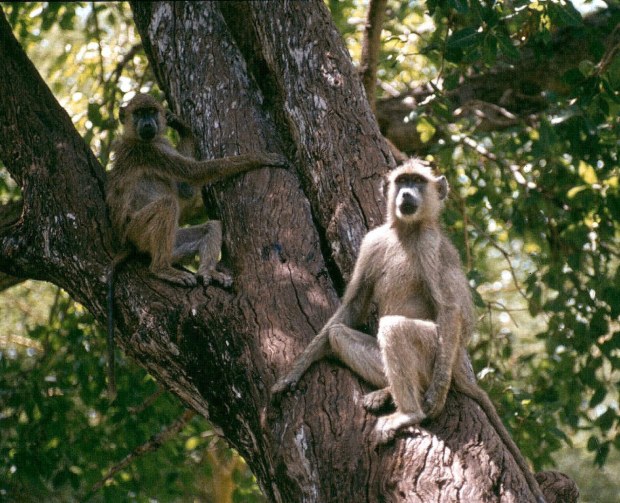
Tsavo W baboon best copy

Mwizi’s relatives.

There was one particular individual that Tommi identified and called Mwizi that in Swahili means thief. He was able to recognize that particular animal and he maintained a long feud with it. The baboon seemed to know this and kept a wide berth from the man! For a few months a truce seemed to have been worked out but one day Mwizi overstepped the mark. (!!The baboon took advantage of a distraction and broke open Tommi’s bag of maize meal spilling its contents all over the tent.!!) This was the proverbial straw and the last act of misbehaviour that would be would tolerated.

Tommi decided to take exemplary action against the intruder. Before I tell you what happened, let me tell you that the Maasai social structure is based on a system of age-sets. This applies primarily to men, as women become members of the age-set of their husbands. Successive age sets, at about five year intervals, are initiated into adult life during the same period forming a cohesive and permanent grouping that lasts throughout the life of its members.

The age sets go through successive milestones that are celebrated as ceremonies. Among these are, to name a few, Emuratta (circumcision), Enkiama (marriage) and Eunoto (warrior-shaving ceremony)[1].

Tommi, like all Maasai boys had undergone their circumcision and became Sipolio (recluse). This is an important step into manhood (and warrior-hood) and, after this somehow dreaded event, the newly circumcised boys roam around the countryside dressed with dark garments and armed with bows and arrows. They shoot blunt arrows at girls as part of their social interaction. They also use the same arrows to kill small birds that they skin and place around their heads, together with ostrich feathers. During this time they acquire excellent skills with the various weapons.

In view of the above it is not difficult to imagine that Mwizi’s fate did not look good. I was not aware of the development of this feud at the time so its finale took me by surprise. After a day’s work, I was getting ready for a wash and tidying up my own camp when I heard the commotion, or rather Mwizi’s screams. It is not normal to hear a baboon screaming unless there is some kind of danger, so, expecting some leopard-mobbing, I rushed to the place where the screams where coming from.

There was no leopard but another kind of drama was unfolding. Tommi, looking upset, was circling a tree near the cattle kraal. Once closer, I realized that he had managed to tree the baboon and he was about to execute his revenge. He carried a few stones and he was trying to get the best angle from where to throw them at Mwizi! I felt sorry for the beast but the events moved too fast and the adrenalin was flowing on both sides so I could only watch from a distance, keeping my own head down!

I imagine that some stones had flown before I arrived and this explained the baboon’s alarm calls. The first stone I saw Tommis’s throw at the terrified beast missed it by a few inches and, Mwizi moved to the top of the tree. At that time Tommi said “I got it now” and threw another stone that must have passed a couple of cm from the baboon that now offered a clear view. This was too much for the monkey that was now in a serious panic with the consequence that it emptied its bladder first and soon afterwards the rest followed.

I have mentioned earlier that I do not like baboons while camping but I could not help feeling sorry for the poor creature so I did the unthinkable: I negotiated with Tommi on behalf of the victim! I managed to calm Tommi down and he agreed to leave the terrified animal alone. Seeing that the siege had relaxed, Mwizi climbed down in a flash and disappeared into the bush.

Vervet monkeys and baboons continued to visit our tents and behave in their usual opportunistic ways taking food items from us so we really needed to take care at all times. As I could not recognize individual baboons, I took Tommi’s word that Mwizi was not among them and that it had migrated to another troop in the Transmara, away from its deadly enemy.


[1] Among the many books describing the Maasai culture I would like to recommend “Maasai”, written by Tepilit Ole Saitoti and illustrated by Carol Beckwith.

Unpredicted friends and unforgettable dates

The morning of Saturday 17 July 1982 (I remember this day well!) we got up early to pack our car with camping gear for a safari to the Maasai Mara Game Reserve. We had booked the Sand River campsite for a couple of nights.

We were about ready to go when, totally unexpectedly, someone walked into our front garden! It was a messenger from the Kenya Posts and Telecommunications Corporation coming to deliver a telegramme, the first we had ever received! As we had no working telephone in the house (and cellular phones were not yet invented!) a telegramme was almost the ultimate in urgent communications. Being far from home, it also carried a dose of dread as it could carry bad news from home. So, with wonder as well as some trepidation I read it, trying to prepare for the worst.

Its contents were surprising and shocking but good! It read: “We arrive tomorrow” and it was signed by two of our best friends: Nazar and Aurora. That was that, not even a date! We were thrilled that they had finally decided to come to Kenya. We knew they were travelling to Piediluco, Italy to accompany their son Juan José that was rowing at the 1982 World Rowing Junior Championships representing Uruguay and we had insisted that they extended their journey to visit us although we knew that this would be very difficult for them!

Our initial elation turned into mild panic when the fact that they could be at the Jomo Kenyatta International airport (JKIA) at the time of reading the telegramme sunked in! Expecting the worse we immediately drove to JKIA as we knew that most flights from Europe would arrive by mid morning. We were on a rather blind chase and during our journey we did a lot of speculation, not only about their arrival but also on contingency planning regarding our planned safari.

Our fears that they had arrived the day before and were stranded at the airport unable to communicate were unfounded and perhaps exaggerated as a thorough examination of the arrival area gave no results. Unable to get any passenger information from the possible airlines we decided to stay put and wait. After about an hour or so, a few flights from Europe arrived within thirty minutes. We crossed our fingers and, eventually, we were rewarded when our friends emerged looking dazzled at what they were seeing around them but otherwise unaware of our earlier dilemma and very happy to see us.

It was an emotional reunion and, after an exchange of the usual family news, I casually announced that we were aware of their long journey but that we were off to the Maasai Mara, leaving as soon as possible. As expected (they had no real choice!) they gallantly accepted the invitation and, after passing by our house to finish our packing, we set off with their luggage still unopened!

Nazar, had a tiring trip, and he was also suffering from a gut complaint. His time during the journey to the Maasai Mara was spent drinking abundant amounts of warm cola and going into episodes of slumber until, by the time we got to Aitong, a few hours later, he started to talk nonsense with me, a sure sign of his slow recovery. Aurora, on the contrary, was wide awake and did not miss detail, asking questions all the time and gaining in excitement as we moved from Nairobi to the Kikuyu escarpment, the breathtaking Rift Valley views, Narok and beyond into the great green plains of the Mara-Serengeti ecosystem.

Because of our late departure, I drove non-stop and despite the rough road, we managed to get to the gate in time to get to the Sand river camp by the Mara river at dusk. Without delay we started unpacking and finished setting up camp using our car headlamps, as was the norm with us then.

While this was on going, our friends watched, not moving too far from the car, still rather confused with their situation. Our work was cut short, as already in Nairobi they had decided to sleep in the car. Luckily for them, removing the second seat of our loyal VW Kombi was relatively easy so soon they had their nest ready. As soon as we finished with the car arrangements my wife had heated our ready-made dinner brought from home and, although we still had a lot to talk about, we were so exhausted that we went to sleep early.

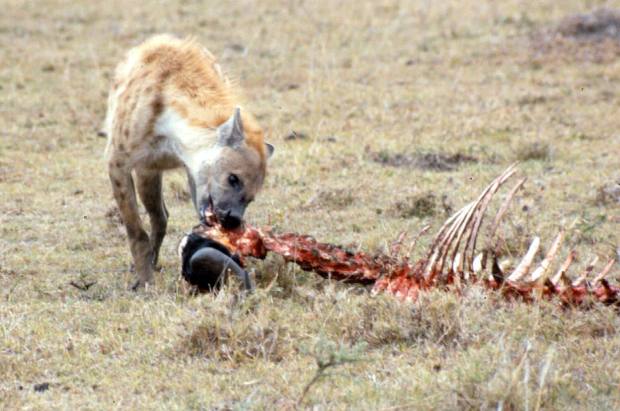
Camping at the Sand River was ever exciting as there were always plain game in its neighborhood, particularly wildebeest and zebra that, somehow enjoyed crisscrossing the Mara river offering, apparently unnecessary opportunities to their reptilian predators. Their presence also attracted lion and hyena so there were always nocturnal happenings! That night was quieter than expected but still the hyenas came close to camp, their calling amplified by the river. We did not fail to hear lions roaring in various degrees of proximity, above the constant wildebeest snorting and zebra whinnying. Thinking on our friends’ time in the car, we paid the price for our rather busy day and passed out before long.
mmara hyena 2

The following morning, recovered, I got up early as usual and prepared tea and coffee waiting for the other fellow campers to show life signs. My wife emerged eventually but no movement was detected inside the car! A quiet inspection of it showed it to be unscratched. Its windows were totally foggy and I had some concern about whether our friends have had enough oxygen inside there as the car was tightly shut!

My fears were unfounded as, eventually, a hand started to remove the fog from the side window and the smiling faces of our friends showed gradually behind the glass. Eventually they left their protective and damp metal cage to join us for a rather late breakfast and they shared their mate[1].
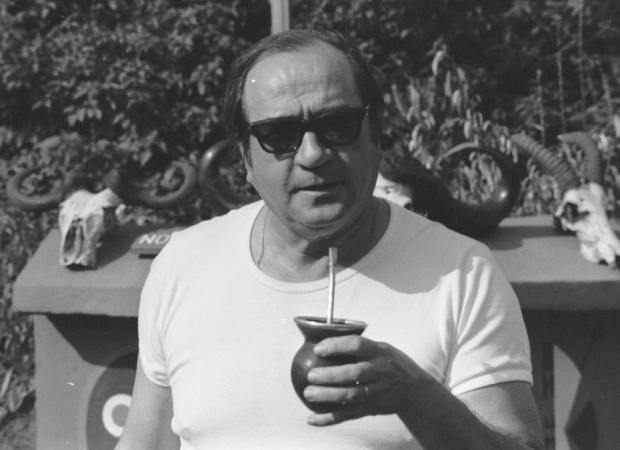
nazar m mara

Nazar offers a mate to the photographer.

As usual with first time visitors, they have heard nothing the whole night as they had slept like logs! We finally had a chance to finish exchanging pending news at leisure.

Fortunately they were fast to adjust and gradually they became used to our ‘bush ways” joining us on a couple of game drives during which they greatly enjoyed what they saw. The frequent appearances of the imprudent hyenas and the lions roaring were not conducive to us persuading them to abandon their cage the following night and they still preferred their airtight environment to the risks of camping in the bush. We understood them well as it had taken us longer than that to get used to camping “al fresco” surrounded by wild beasts!
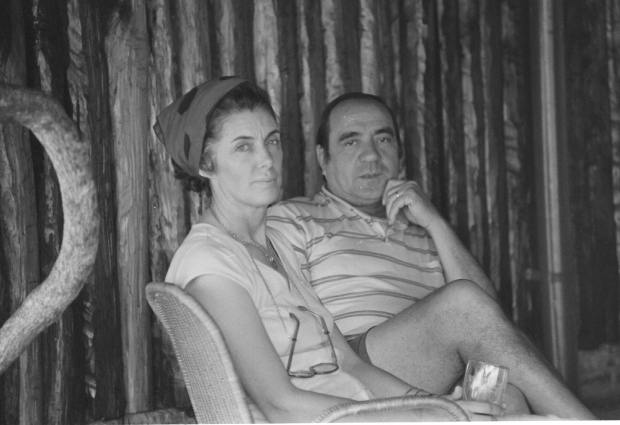
nazar y aurora 8.35.44 PM

Our friends relaxing at the Mara Serena lodge.

We returned to Nairobi after two nights. This time they were able to appreciate their surroundings much better, including the always-interesting sight of the Maasai people and their manyattas and livestock and they were delighted with the daylight return journey.

Later on during the week we showed them Nairobi and the wonderful Nairobi National Park and later travelled to Nakuru and Bogoria for a view of the Rift valley, its hot springs and flamingoes. Luckily, they loved the experience but time passed very fast and it was soon time for them to depart, too soon for us!

Their plane left back to Europe at midnight on Saturday 31 July 1982 so we took them to the airport early and made sure that they went through all the departing procedures early until the time came to leave them once they have checked-in to return to Tigoni late at night. Unused to driving at night, we negotiated several road blocks that we thought too many but, as we drove a car with red diplomatic plates, our going was smooth and we got home safely.

The following morning we had arranged with our friend Ranjini to go to the Nairobi National Park so we travelled to Muguga through back-roads to fetch her. Once there she announced that an attempt to overthrow President Moi’s government had taken place at midnight and that there were serious confrontations going on in Nairobi between the Police and students! Apparently, a group of soldiers from the Kenya Air Force had taken over the Voice of Kenya[2] and announced that they had overthrown the government!
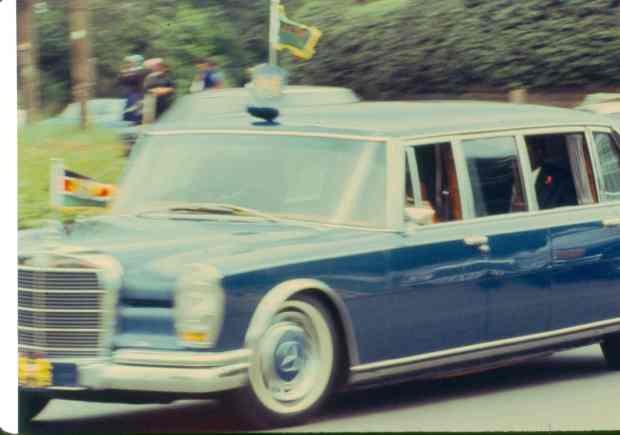
moi

A bad picture I took of Moi’s cavalcade before knowing the risks involved!

We thanked Ranjini for the news and quickly turn around heading for home as fast as we could! During the journey we met a large military convoy ready for war heading for Nairobi but we did not know what their stance was at the time! Luckily they ignored us and we, the sole occupants of the road by now, got home safely where we remained -listening to the BBC radio for the latest news- for the following three days until it was confirmed that the attempt had failed[3].

It was lucky that our friends just managed to get away (a while) before the Kenya airspace was closed and that they were over the clouds when all this happened! They remained unaware of their narrow escape until we met them back in Uruguay a year later when they listened to us in disbelief!


[1] Traditional South American caffeine-rich infused drink, prepared by steeping dried leaves of yerba mate (Ilex paraguariensis) in hot water and is served with a metal straw from a shared hollow calabash gourd and shared among drinkers.

[2] From 1989 it became the Kenya Broadcasting Corporation.

[3] The coup failed. The Air force pilots that meant to bomb State House dropped their bombs over Mount Kenya and eventually, after ruling Kenya for a few hours, Hezekiah Ochuka, a soldier in the Kenya army, escaped to Tanzania. He was eventually extradited back to Kenya, found guilty at a high profile trial that involved both Oginga Odinga and Raila Odinga, and eventually executed in 1987.


Fire down below

After a few months after our arrival in Kenya in the 80’s[1] we eventually left the Muguga House hostel for Tigoni where we rented a large house belonging to the Harvey family. Tigoni is about 40km northwest of Nairobi, on the eastern side of the Rift Valley at over two thousand metres of altitude. Indigenous forest islands still remained then, among the large tea plantations. Several animal species still inhabited the area, the most notable being the conspicuous Black-and-white Colobus monkeys during the day and the bush babies at night, with their loud and somehow scary calls.
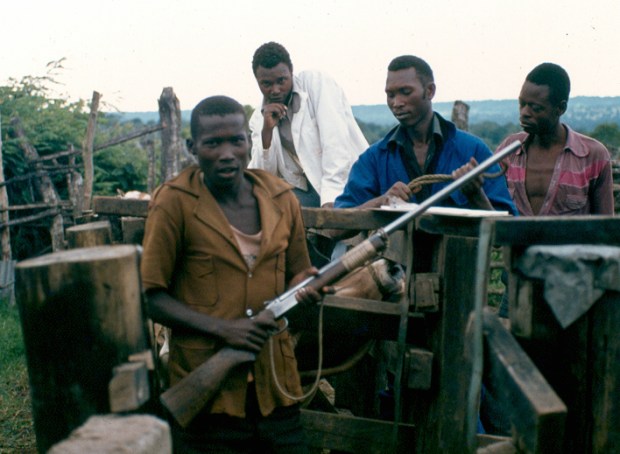
tigoni house

The land at the back of the house had no fence or wall (imagine that today!) and therefore we were able to walk towards the nearby stream located about two thousand metres down hill.

A Sunday that we were not camping in the bush, we invited our friend Ranjini for lunch and,  afterwards, we decided that going down to the river was a good idea to help digest our food. So, armed with our binoculars and wearing long trousers to protect ourselves from thorns and ticks, we set off. About half way down the red and slippery hill our “private” path joined a “public” wider lane where the local inhabitants went about their business rather than fun walking like us.

tigoni hse bfast 1

We soon arrived to the stream and, after walking about the area for a while; we found a shady spot where we decided to have a small walkers consultation to decide our next steps. The ideas put forward were whether to continue up the other side of the ravine or to return the way we came and enjoy a cup of tea at home. The latter was gaining consensus when, without warning, a fire started in my ankles and started spreading up my legs. I saw no smoke but noticed that I was standing in the middle of a colony of siafu![2]

The nasty meat-eaters, amazed by their lucky find, were not wasting any time in processing it! Without wasting a second and forgetting about being normally shy (?), I downed my trousers in a flash (excuse the pun) and checked my hurting parts. What I found was not encouraging: a few dozen soldier ants had climbed up the inside of my trousers. While some had already locked their jaws on my pink flesh, others were still going “upwards”…

Yelling “siafu!!!” to alert my companions, I started to grab and remove those still trying to reach tender places and, only when I smashed them all, I focused on removing those that had already bitten me and were going nowhere. This is easier said than done! Pulling them in a hurry (what else can you do?) only makes their bodies detach, leaving their heads with their rather outsized jaws still embedded in you! While this was going on, my companions, luckily looking the other way, moved off fast and left me alone to deal with the aggressors. Before they moved off, I caught a glimpse of their expressions that did not help. Instead of seeing sympathetic concern or at least indifference towards my predicament, they were amused! I am still trying to forgive them for this!

It was in the middle of my painful struggle when I became aware that I was still being watched. I turned around and saw that my antics had gathered some public! A growing bunch of Kikuyu kids were carefully watching me. Once discovered, they started to make comments, pointing at my nakedness and, worse of all, they laughed loud! I was clearly a “first” for them but that failed to amuse me. I told them -mainly with gestures aided by my basic Swahili- to go away. They only moved back a couple of paces, unwilling to stop watching the sight of their childhood: how a half-naked muzungu[3] “danced with ants”.

(Almost) embarrassed and in a desperate effort at damage control I immediately lifted up my trousers. Although this calmed down the young Kikuyu crowd, it did nothing to placate my traitorous companions’ enjoyment of the scene of my distress! So, ignoring everybody, with a great effort I put on my best neutral face, and started walking back to the house, still bringing with me a considerable number of large ant jaws for later extraction.

Despite my rather unpleasant experience, siafu are not a bad thing as they control a number of otherwise harmful pests for crops and their storage. They also take care of other undesired beasts such as ants, roaches, spiders, and everything else that crawls or creeps. Later, while busy un-plucking mandibles my thoughts did focussed of their beneficial side but, although I could somehow see it, it did nothing to relieve the consequences of my encounter!


[1] See: https://bushsnobinafrica.wordpress.com/2015/06/30/life-and-work-in-kenya-muguga1/ and https://bushsnobinafrica.wordpress.com/2015/03/10/kenya-muguga1/

[2] Siafu (in Swahili) are members of the Dorylus genus, also known as driver or safari ants. They are army ants between 1-15 mm in length found primarily in central and east Africa in large colonies (up to several million individuals). They move in columns as they travel from their lair to the hunting field or they spread when actively hunting by sensing the carbon dioxide that insects and animals breath out. Aggressive soldiers protect the colonies.

[3] A common term used to refer to “white” people.

Not just dinner

Kenya became independent on 12 December 1963 when Kenyatta became its first President and Odinga the Vice President. Not surprisingly, in 1965 Kenyatta and Odinga fell out, and Murumbi (Joe) was named Kenya’s second Vice-President for a few months until he resigned in December 1966[1].

As described before, I became involved with Joe through the work we did with Alan Young on tick and tick-borne diseases. He wholeheartedly supported our work. As with all scientific work, a substantial amount of time was spent writing research proposals in order to get the funds to continue with the research. Once the funding is secured, donors visit your field sites to see for themselves the activities being performed with their funds, the conditions of work, applications, progress, etc. These visits are critical for the future of your investigations and that was the way that they were also understood at the institute I was with. This meant that all should go smoothly and a good performance was expected.

I had several such visits but none as important as the final evaluation of our tick programme in the mid 80’s. Laboratory and field work came under the magnifying glass and, as it is quite normal our results were mixed. My part of the bargain was going well as we had good collaborators and achievable goals. Our partner with the highest profile was of course Joe and, in addition, nature was a great partner. Soon the donors knew that Intona ranch and its surrounding area -including the Maasai Mara- were beautiful areas worth a visit and this was good for us and we used it to our advantage!

The organization of a “high level” visit needed lot of work as guests would usually fly to the Maasai Mara where I would meet them and look after them until the following morning when we would climb the Oloololo escarpment and drive about three hours to Intona, hoping that the rains were light and we did not get stuck in the various tricky spots we needed to cross and spoil our trip! Usually our journey would take us to the manyatta (Maasai dwelling) of the Maasai Chief to inform him of our visit and to our GTZ collaborators, if applicable. The visit would last two days during which our work was shown and presented and future prospects discussed in detail. We were of course very fortunate that Joe and Sheila (his wife) allowed us to put them up in their magnificent house.

t mara intona ranch j murumbi 1

Joe and Sheila’s house at Intona ranch, Transmara, Kenya

During this particular visit Joe and Sheila were at Intona. They normally flew directly to the ranch, together with their dogs! Aware of the importance of the occasion they kindly offered to organize a dinner for our guests. This was not an everyday event, but I had joined them for dinner a few times before and I knew that it would be a formal occasion with excellent hospitality and very good food.

The day of the visit arrived and I collected our visitors from Kichwa Tembo Camp, located close to the Oloololo escarpment and, after a game drive that they thoroughly enjoyed in the surrounding area of the Maasai Mara

m mara small cropped

The Wildebeest moving through the reserve.

-that I knew very well- we spent the night there to leave early morning for Intona. The road was good and, once there, we devoted the rest of the day to visit our field activities. They seemed pleased with what they saw. I was also pleased and looking forward to the dinner to close a long day.

The Intona area is under the influence of the near lake Victoria and it frequently rains for a short spell in the afternoons. As a consequence the sun sets in a cloudy sky resulting in the most glorious and colourful sunsets. Aware of this Joe positioned the house in such a way to be able to make the most of them by having a wide west veranda where we congregated often to talk and have a drink before dinner. That day it was no exception and we joined Sheila and Joe for sun downers and polite conversation until Sheila, the perfect hostess and a very experienced one, announced that dinner was ready. While walking to the dining room she came close and whispered: “Julio, we have a new cook that came with us from Nairobi, I hope it will perform as he has excellent recommendations”. Knowing her standards I had no doubts and told her so.

trans mara

A view of Intona ranch in the Transmara parkland.

The dining room had a door to the kitchen and another one to the enormous and beautifully decorated sitting room. It had the most exquisite antique wooden table and chairs and antique rugs, most probably of Afghan origin, covered its floor. I knew from past dinners that under the rags at the place where Sheila sat there was a bell that she will press in order to call for assistance from the staff. This was her “secret weapon” that enabled her to coordinate things so perfectly that the guests would be amazed. Needless to say that it was a candlelight affair with lots of silverware and crystal!

When the first course came, brought by staff dressed in white with purple fezzes, it was a brownish coloured soup that looked rather disappointing. Trying it did not improve its look: it had a strong curry flavour and it was chilled! “I hope you like our Mulligatawny soup” said Sheila while she gave an approving look to the new cook that was overseeing the dinner from a discreet distance. Your concerns about the soup dissipated the moment your spoon found some submerged resistance that transformed itself in a spoon tip full of cranberry jam. The combination was simply amazing!

After our praise of the soup ended, the staff came back to collect our plates and this time the new cook looked happy and smiley, “the success with the soap was a boost for him” I thought while noting a serious-looking Sheila. By the time the roast beef with Yorkshire pudding and roast potatoes was brought in, the cook was definitely too happy and talking loudly to the visible embarrassment of our hosts. Sheila, used to deal with the highest-ranking world figures, ask to be excused and went to the kitchen, an unusual event. In the meantime, we enjoyed our roast that was really excellent.

Soon, Sheila came back announcing that all was well although she could not hide her concerned expression. We understood her fears the moment the cook opened the door of the kitchen when the staff came to collect the plates. The cook proffered, rather loudly, his hopes that we enjoyed the main course while trying to keep steady. By then we could not help noticing the strong alcohol whiff and knew that the worse had taken place! The spirit meant to go into the cooking had been “diverted”!

Although the guests and Joe were rather amused, Sheila was visibly upset! She excused herself again and went to the kitchen. We could not help overhearing a loud argument or rather Sheila’s shouts! There was a door banged and the sounds of a scuffle. She came back; her usual cool almost lost and red on her face. As an experienced host, she re-gained her composure fast and invited us to move next door to the sitting room for coffee and liquor. I stayed back with her as the guests and Joe moved out and Sheila -unseen by the guests- looked at me as if asking for support and understanding. I made my best “do not worry” gesture and moved to the sitting room together with the guests. She remained behind.

Intona sitting room copy

We all sat in the ornate sitting room and overlooked the cook’s episode, listening to Joe. Although soft spoken, he was a great host and a very engaging story teller with great tales and anecdotes from his many years in politics. We listened for quite a while until more noises coming from the kitchen area hinted that all was still not well and then Sheila reappeared –now with a grimace- to announce that the cook would like to say good bye to the guests! “Oh, no”, I thought, “is the situation that bad!”

The cook appeared escorted by the night watchman and a couple of staff and boisterously said “bye-bye!!!” but did not move and tried to say something but what came was a rather loud burp followed by another “bye-bye!!!” After this performance he was immediately manhandled out of the room, still saying “bye-bye!!!” and waving at us until the door was closed behind the group. I still vividly remember his final wave just before the door was shut! Confronted with this final act, even Joe was briefly embarrassed while the guests and I were quite amused!

The following morning Sheila and Joe were leaving for Nairobi and, as usual, I escorted them to the plane to assist them with their luggage, dogs and other items that they needed to take with them. They were sorry for what had happened. I felt very bad to have put them in this situation and explained them that I was very grateful for their hospitality and, to their obvious relief, I also told them that the donors were very pleased with the work and also very proud to have had the opportunity to have met them and enjoyed their hospitality, including the cook incident.

Before closing the door of the plane I spotted the cook. He was seated at the very back, looking penitent. I could not decide if his rather sombre looks were a consequence of his hangover, Sheila’s morning sermons or a combination of both!

The next time I was invited for dinner at Intona there was a new cook!


[1] See: https://bushsnobinafrica.wordpress.com/joseph-zuzarte-murumbi-1911-1990/ and https://bushsnobinafrica.wordpress.com/2015/06/22/joe-1/ in this blog.

Lions suckling

A letter about unusual lion behaviour in the Serengeti National Park[1], brought back memories of our own observations in the Maasai Mara Game Reserve, Kenya, in the 1980’s.

P1120930 copy.jpg

A picture of the letter to Getaway.

As it can be seen above, the letter describes that, a couple of tourists on a photographic safari, witnessed a lioness kill a wildebeest cow and her calf. Afterwards the lioness suckled the cow, then consumed the calf and returned again to suckle and lick the milk from the now dead female.

While in the Maasai Mara one evening we witnessed a lioness kill a topi[2]. While the lioness was busy strangling the animal, two cubs appeared on the scene and, without hesitation, went directly to the Topi’s udder and suckled the animal for a few minutes.

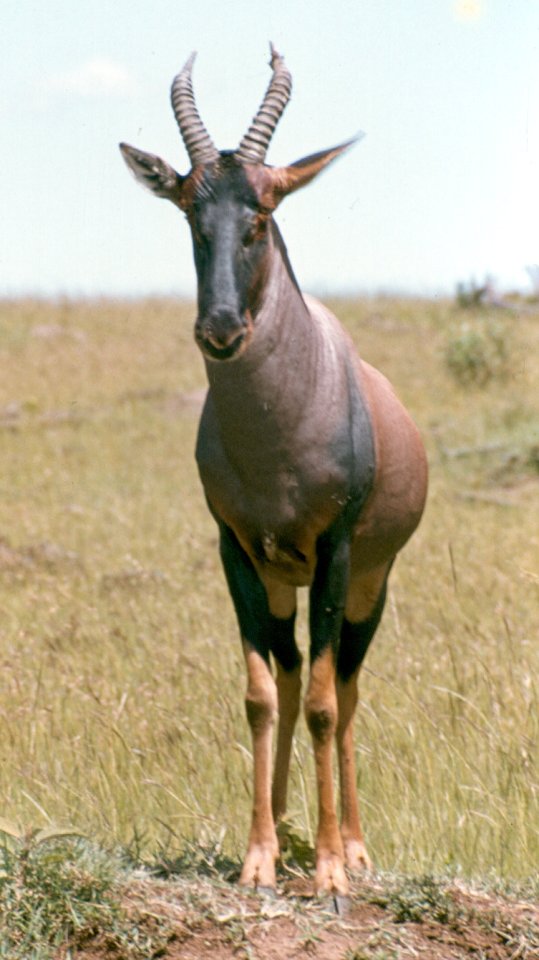
Topi m mara

A Topi in their typical “watching” stance.

Eventually the animal died and the cubs stopped suckling and joined the mother at eating it. We did not see he lioness suckling.

lioness and cubs other copy

The cubs we saw suckling were larger than this one.

The explanatory reply from Brian Jones, a very knowledgeable person on raising lions at the Moholoholo Wildlife Rehabilitation Centre (South Africa) among other activities, confirmed that lions do lick carcasses, a fact that I can also corroborate through personal observations. As he made no mention of the suckling of prey by lions, I decided to write to Brian to let him know of our own observations and somehow reinforce the tourists’ observations. The following is a record of our exchange:


16/11/2015

From:              Julio de Castro <juliojdecastro@gmail.com>

To:                  Moholoholo <moholorehab@wol.co.za>

Dear Mr. Jones,

Reviewing old magazines I saw your comment of a couple of years ago (Getaway, May 2013, p.13) to a sighting of a lioness suckling and licking a wildebeest female in the Serengeti National Park.

In the 1980’s, while working in Kenya, one evening in the Maasai Mara we witnessed a lioness kill a Topi. While the lioness was busy strangling the animal, two cubs appeared on the scene and, without much hesitation, went directly to the Topi’s udder and suckled the animal for a few minutes. Eventually the animal died and the cubs stopped suckling and joined the mother at eating it. I do not recall if the death of the female Topi coincided with the cubs stopping to suckle. The cubs were about 6 months old or older (not suckling babies).

I have also witnessed lions licking wildebeest and zebra prey (mainly in the abdominal area) but I believe that there are two different phenomena, one is the deliberate suckling of a female prey and another is the licking of a dying/dead animal, including males.

I hope you find this interesting and look forward to your comments.

Kind regards.

Julio de Castro

http://www.bushsnobinafrica.wordpress.com


19 November 2015

From:              Moholoholo <moholorehab@wol.co.za>

To:                  Julio de Castro <juliojdecastro@gmail.com>

Good morning Julio,

Thank you very much for your e–mail.

So interesting to hear of your experience witnessing the cubs trying to suckle from the Topi – really amazing!!!

Probably the smell of milk and I’d say the Topi must have had a youngster!!

Yes the licking of a dead animal is normal. I  have often seen even cheetah licking their pray before eating!! I have a few tame Cheetah and they lick my friends on their arm, I tease them by saying “they always lick their prey before they eat them” (ha, ha).

Thank you so much for sharing your experience, it always a story I can tell to other folk.

All the Best

Brian


I thank Brian for his time to reply and his valuable contribution. Please visit http://www.moholoholo.co.za/ to see the valuable work that the Centre performs.


[1] Koetze, R. Unusual sighting. Getaway (Letters), May 2013, p.12.

[2] The Topi (Damaliscus lunatus jimela) and the Tsessebe (D. lunatus lunatus) are sub-species of D. lunatus.

Javelin throwing (almost Olympic games)

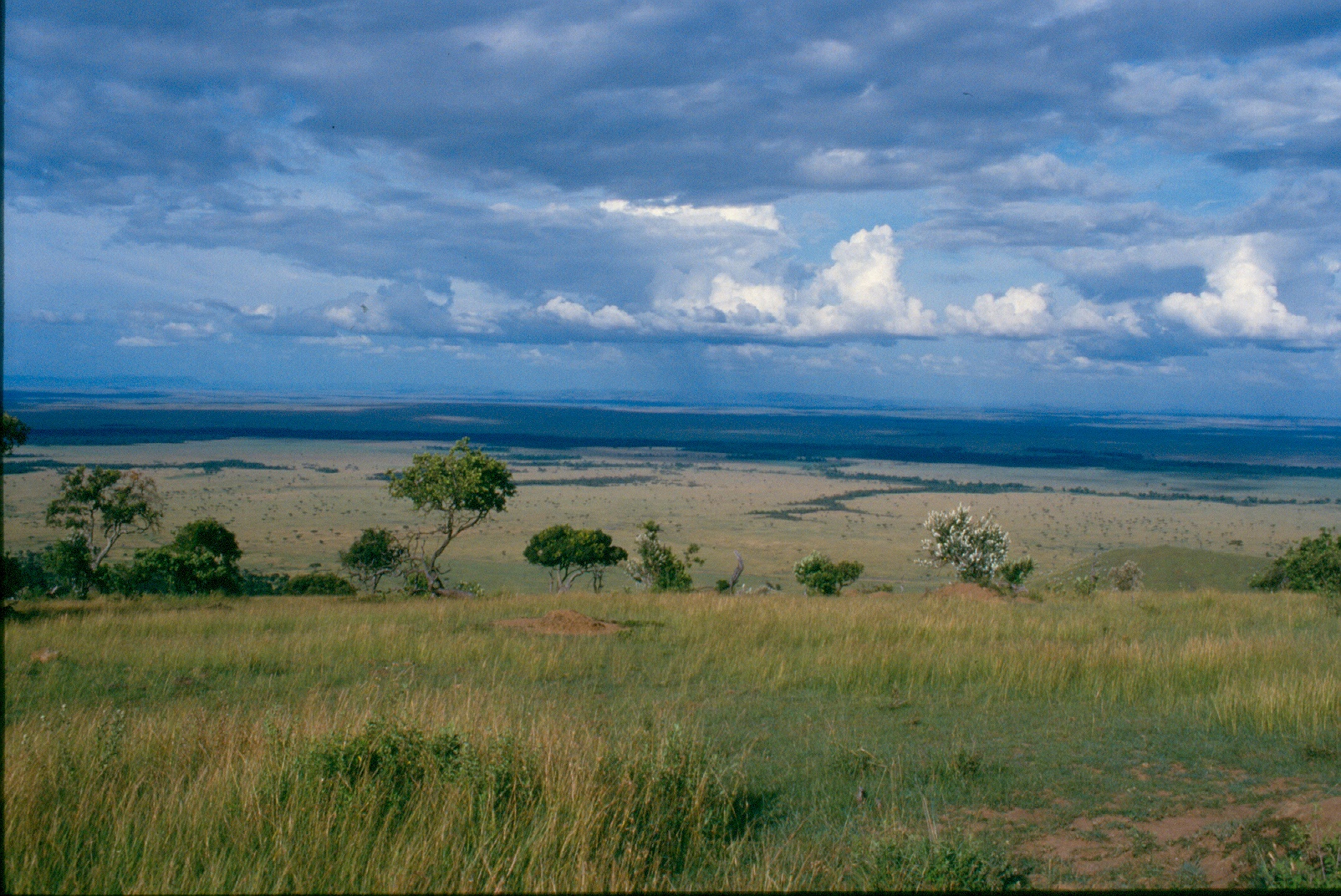
The view of the Mara triangle on the Maasai Mara from the Oloololo escarpment on the way to Intona ranch.

The view of the Mara triangle in the Maasai Mara from the Oloololo escarpment on the way to Intona ranch.

Despite our busy work schedule we did not work on Sundays. We took the morning to explore Intona and its surrounds as there were always interesting sightings, particularly in the area towards the Migori river forest.

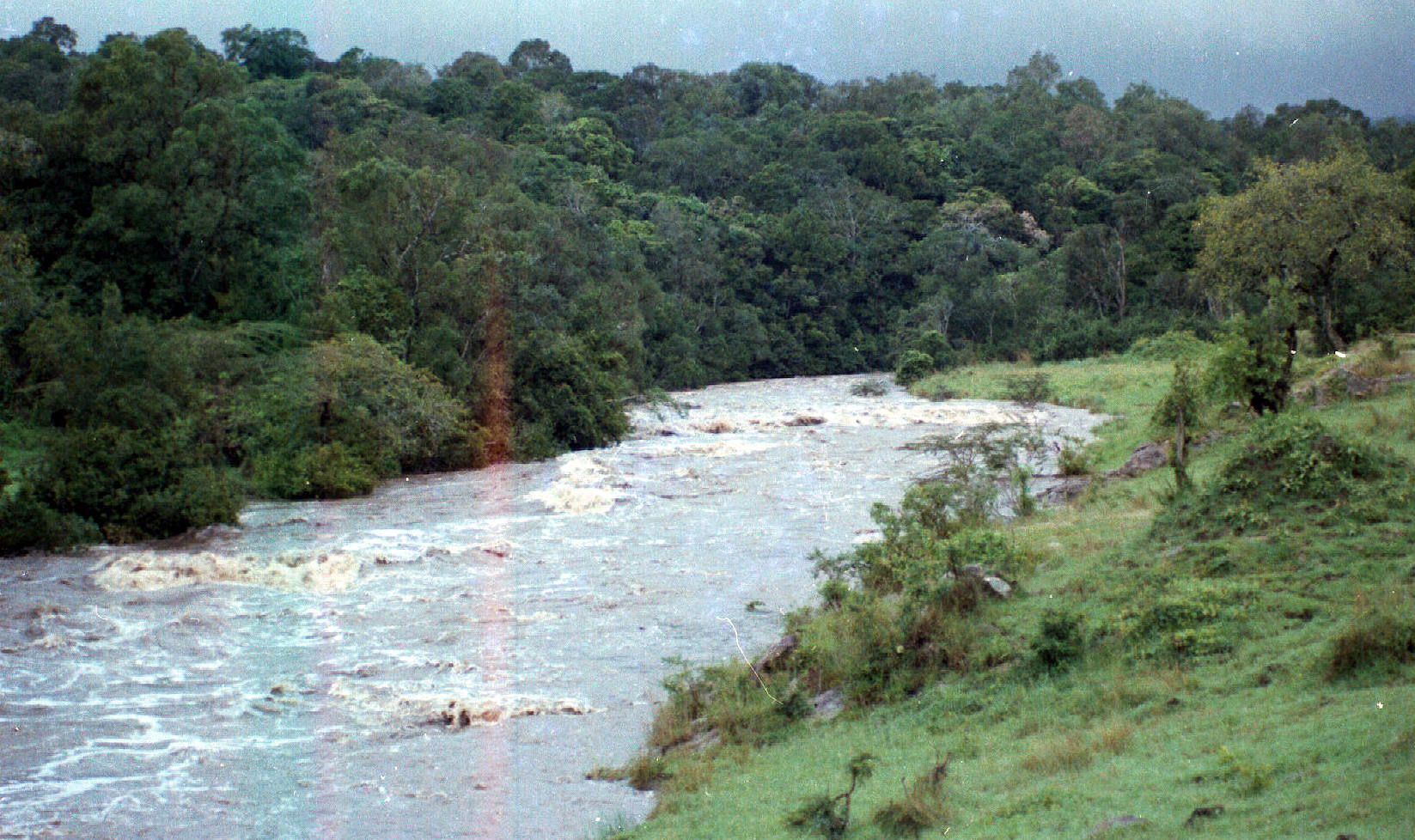
A flooded Migori river at the back of Intona ranch.

A flooded Migori river at the back of Intona ranch.

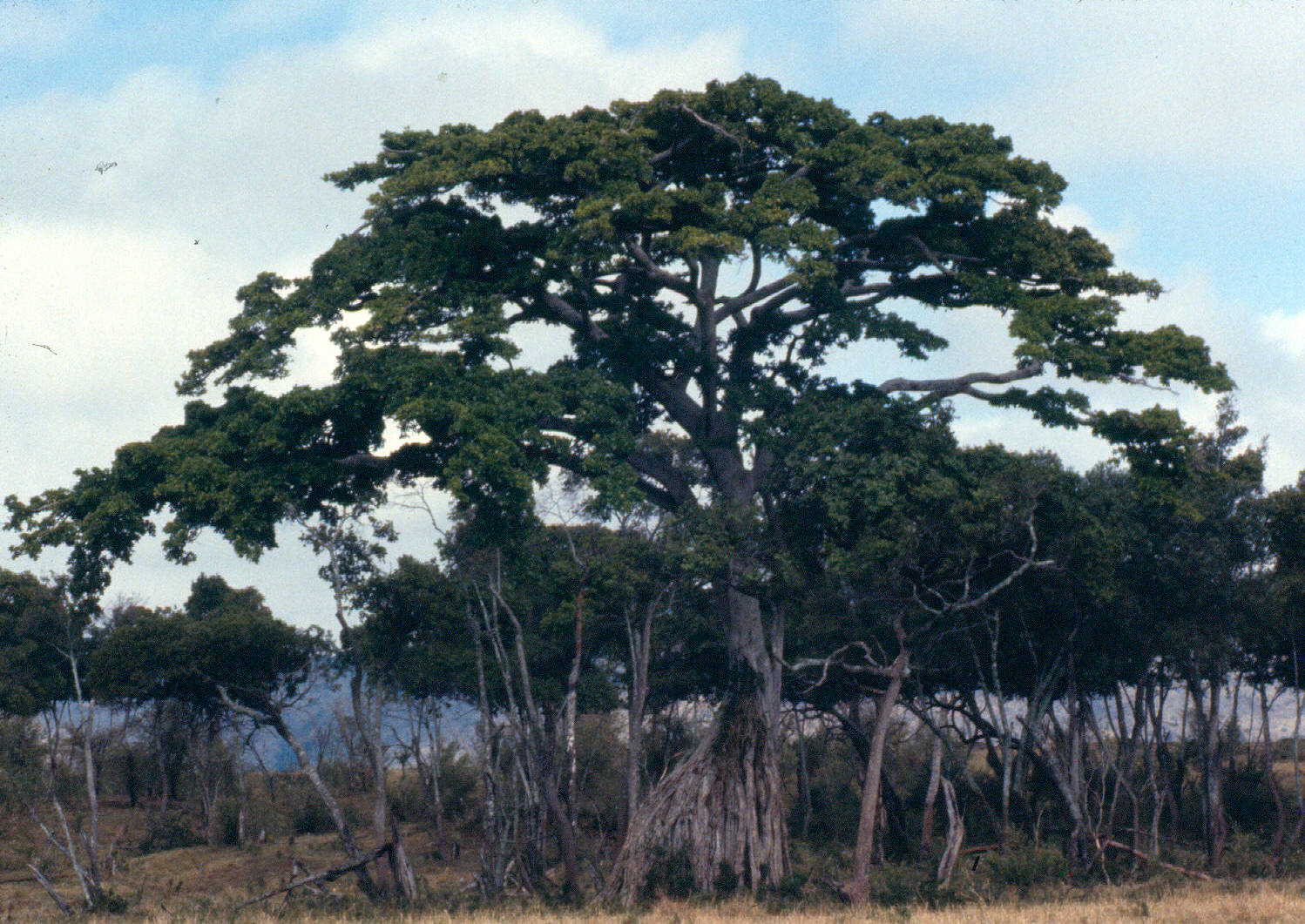
A notable tree in the Migori river forest.

A notable tree in the Migori river forest.

After lunch and seeing that there was not much to do I hatched the idea of a spear-throwing contest and mentioned it to Ernest. “What about an international spear throwing competition this afternoon?” “We can have participants from Africa, América and Europe, almost like the Olympic games”, I added. Ernest happily agreed and I got on with the organizing.

Apart from Ernest and myself there were also a Ugandan veterinarian and Kikuyu and Maasai assistants, admittedly both Kenyans but from different ethnic groups. “After all, we are in Maasailand” I thought and we should find a suitable javelin” “Let’s find a good spear and get the throwing field organized,” I said as I was already walking towards the herdsmen camp to arrange the details. “Tommi, I need to find a good spear” I said before I said good morning, and added, “I have an idea”.

He and the other herdsmen knew me by now and they smiled in anticipation. Tommi assured me that he could easily find the right tool as there were Maasai nearby that he knew. Good news!

A similar spear to the one used in our competition.

A similar spear to the one used in our competition.

While Tommi strolled through the bush in search for the spear we walked about to find a suitable field where the competition could take place. We found a good site and placed some distance marks while we waited for Tommi’s return. I also went around the farm inviting participants to the event. I managed to engage Joseph (Kikuyu, Kenyan) and Kiza (Ugandan) in addition to Tommi (Maasai, Kenyan), Ernest (Swiss) and myself (Uruguay). We had an international field!

By the time Tommi returned after lunch we were all ready and waiting. He brought a sturdy looking spear that we judged suitable for the task although it was rather long and heavy. It had a long metal blade, a wooden middle part and along steel rod at the end. It was time to start to get done before the daily 17:00 hours shower!

Ernest and helpers examining an animal for ticks.

Ernest and helpers examining an animal for ticks. The herdsmen tent can be seen in the background.

Av copy

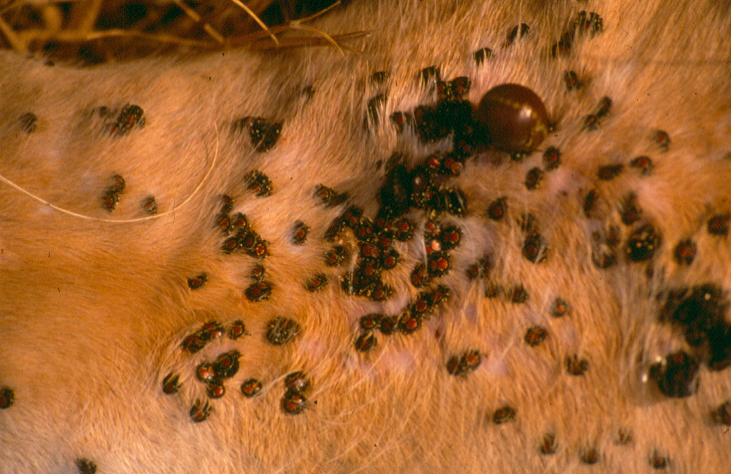
A heavy Bont tick infestation on a heifer at Intona ranch.

All participants agreed at the onset that measurements would be done in paces. It was thought that equal throws were unlikely and the need for laser-aided technology[1] was thought not to be required. No bets were allowed, as just by looking at the competitors, an inexperienced observer should have been able to guess who the favourites were! This did not come to our minds while we warmed-up.

As the start of the competition approached, the tension increased and, by the time we drew our throwing terms, it was almost unbearable… For some reason Uruguay went first, followed by Joseph the Kikuyu representative, Switzerland was third, Kiza, the Ugandan fourth and, a fitting finale, the last to throw was Tommi, Maasai. It may as well as he was the “host country”.

Aware that I would not win I argued in favour of some try throws to get the right balance of both body and javelin but, regrettably for me, the other competitors (unkindly in my opinion) refused arguing that this was not in the rules (?). So, resigned to my fate I grabbed the spear and got ready to do my best. It felt heavy and rigid. I threw it and, the second it left me I knew that there were problems with both direction and distance. It was a rather poor show that landed a long way from the cattle boma and far from my possible personal best. “I have never had any strength in my arms” I said, trying to feel better. “about 20 paces is not too bad for my age”.

Joseph was quite fit although he was from a relatively well off Kikuyu family and this was beginning to show around his midriff. His throw was better than mine but stopped at 26 paces. Ernest, the Swiss researcher turned athlete improved my mark by a couple of paces and Kiza, the man from Uganda, despite his relatively small size, did much better than all at about 30 paces. A big smile lit his face, as usual and a lesson to us all that size is not that important but good technique is!

It was the turn of the Maasailand representative, the final competitor. He was perhaps the most relaxed participant and the one that was enjoying the tournament the most! From the moment he picked the spear we all new that the competition was over! We exchanged resigned glances and head shakes and got ready for an Olympic humiliation! We tried our best to disrupt his throw by talking to him but, he just smiled and replied to our remarks without losing his composure.

He held the spear naturally, balancing its weight by instinct. Almost without running and with a fast and wide arm movement he threw it, almost unexpectedly and even casually. The spear flew high vibrating with a “swiiiiiiisshhhh”. It went beyond our throwing field and over the cattle boma. We lost sight of it but run in the general direction where we last saw it to see how far it had gone. Behind the cattle boma it was the herdsmen camp so, when we fail to find it inside the boma we got more worried and started looking around the camp. There was no trace of the spear anywhere and the camp looked normal. For this we were reassured as at least there were no casualties!

We looked around the tent, near the fireplace, chairs, table, up the trees and all over: no spear! Nothing stuck on the ground, nothing visible up the trees or stuck anywhere. “Another mystery of the African bush”, I thought, or some Maasai magic I was not aware of?

As there was no point in arguing in favour of declaring the throw void on account of it having gone beyond the throwing field or even worse, on account of the disappearance of the instrument, we declared our Maasai warrior the undisputed winner. The absence of the spear meant that there was no possible revenge. This came as a relief as a change of the result would have been unlikely!

I apologized to Tommi for having had the idea that has led to the losing of his borrowed spear and offered financial compensation for his loss. He said that he had thrown it and lost it so I did not need to worry. He will eventually find it he said. I expressed serious doubts but gave him the benefit of the doubt and, as the rain was starting, I moved to our tent.

That night, while we were having our dinner we herd loud talking and laughing at the workers camp next door and went to have a look. The spear had been found! In its wild trajectory it had gone through both the flysheet and the tent and it was embedded in one of the herdsmen’s camp beds, luckily empty at the time of the event! I felt great relief that nothing had happened and a lesser one that the spear could now be returned to its owner!

I cannot remember how I explained the tent holes to my senior managers. Maybe I did not and it just remained as normal “wear and tear”!

Transmara, Kenya circa 1986.

[1] I do not think it was available at the time, anyway!