Spot the beast

Spot the beast 64

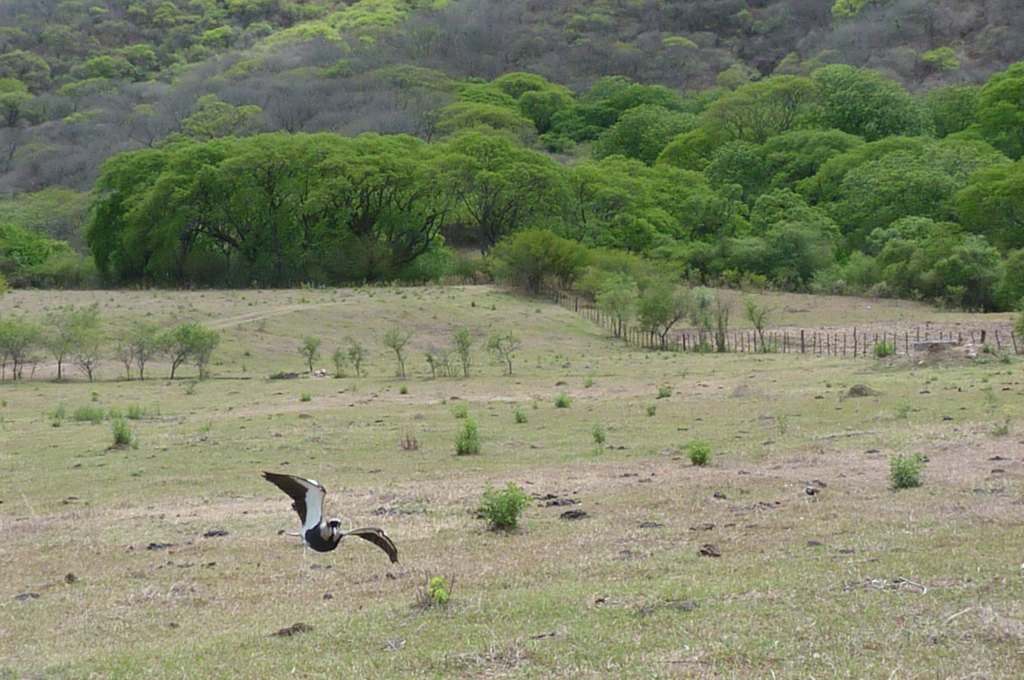
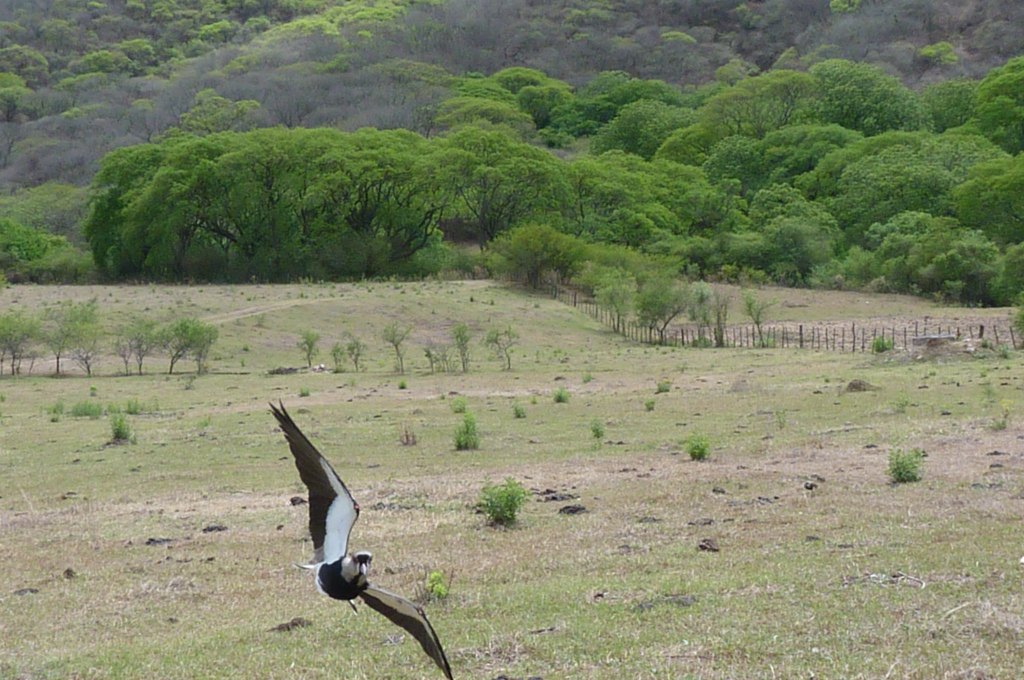
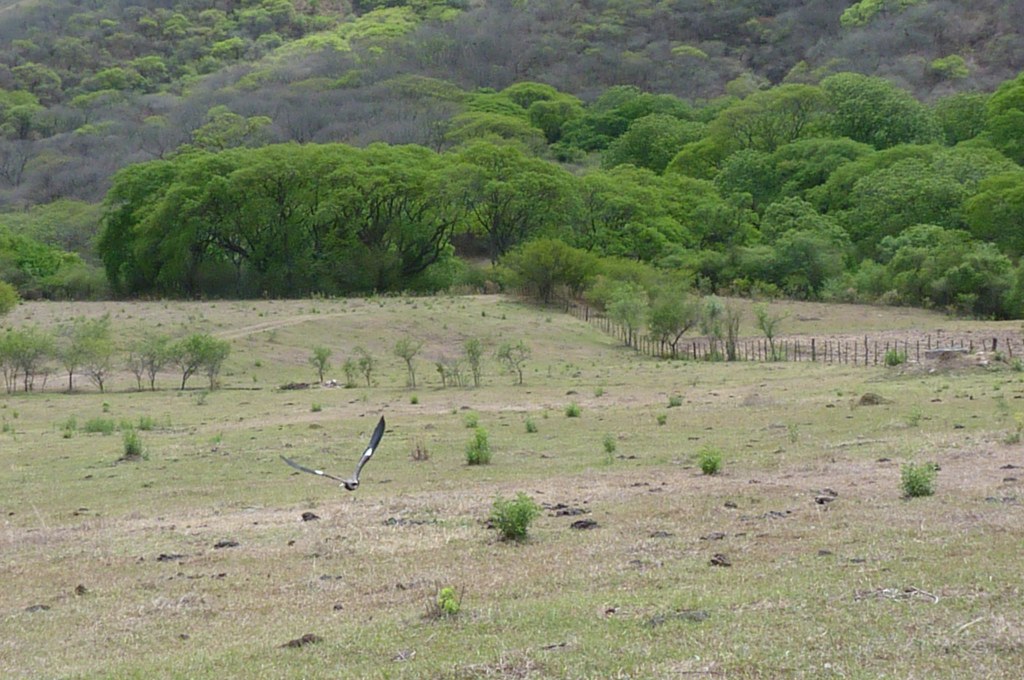
Now that the winter is over, things start to happen at the farm in Salta, Argentina. The following “Spot” is difficult, perhaps too difficult but what follows I believe it is interesting. Here there are two pictures for you to look at and try to find the hidden “beasts”.

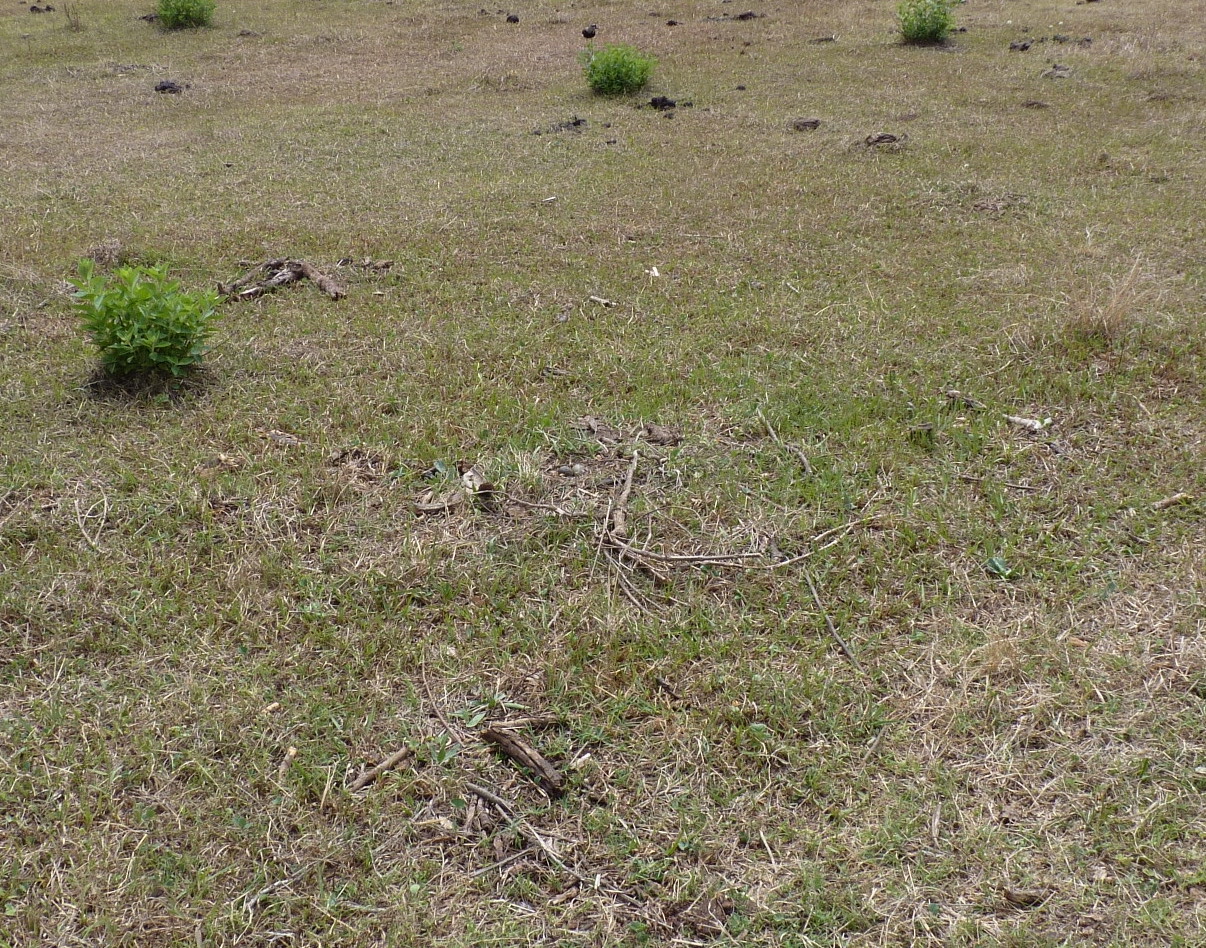
Here you can see our finding:

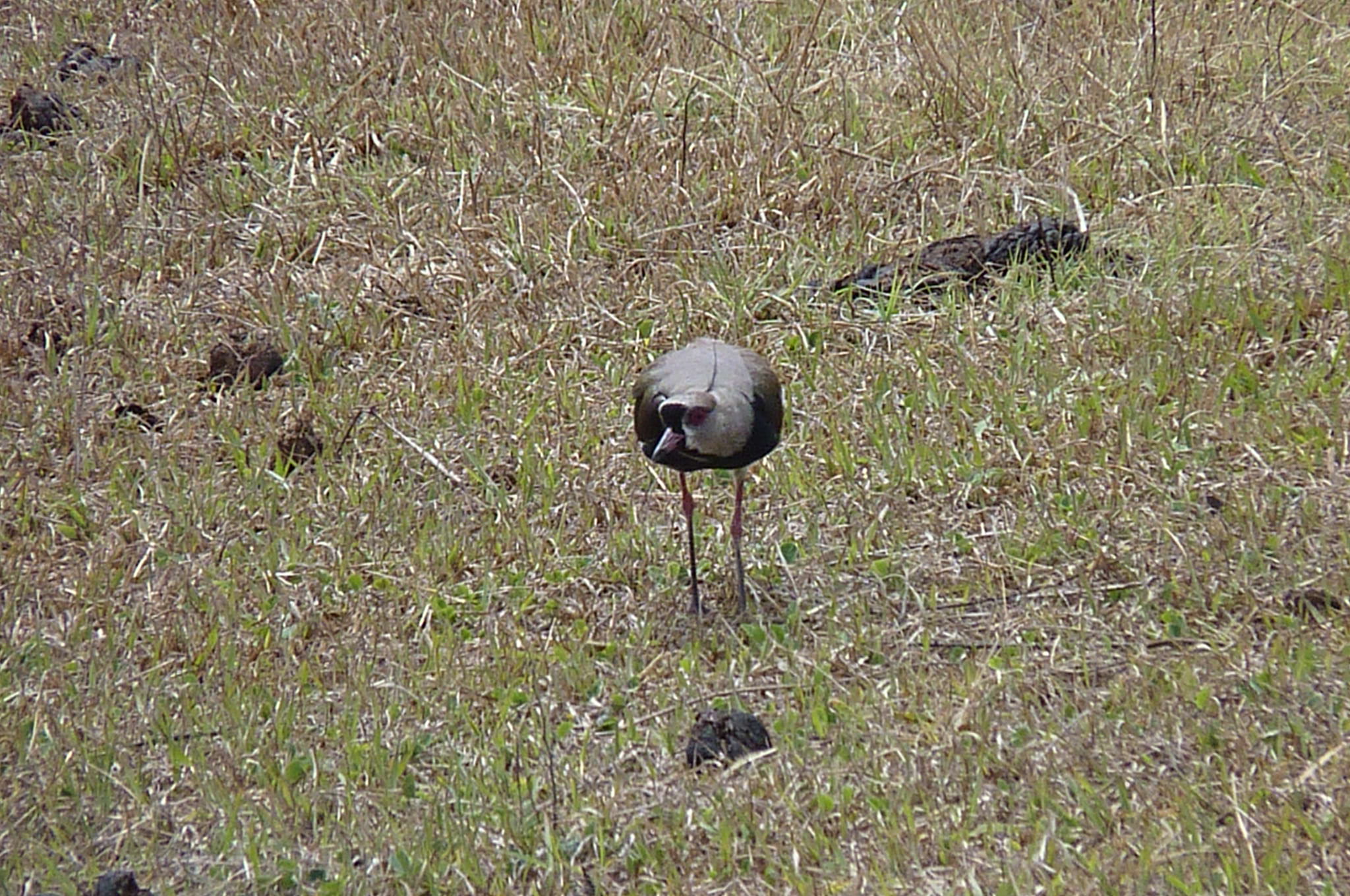
Well, in reality there were “future beasts”. It is a nest of the Southern lapwing (Vanellus chilensis). This bird is common throughout the southern part of Latin America. The nest with two to four eggs looks like if the eggs were dropped anywhere as nests go. The idea of “egg incontinence” came to mind…

Meet the birds known locally as “Tero” or “Teru-teru”, because of their calls, that happens to be the national bird of Uruguay:

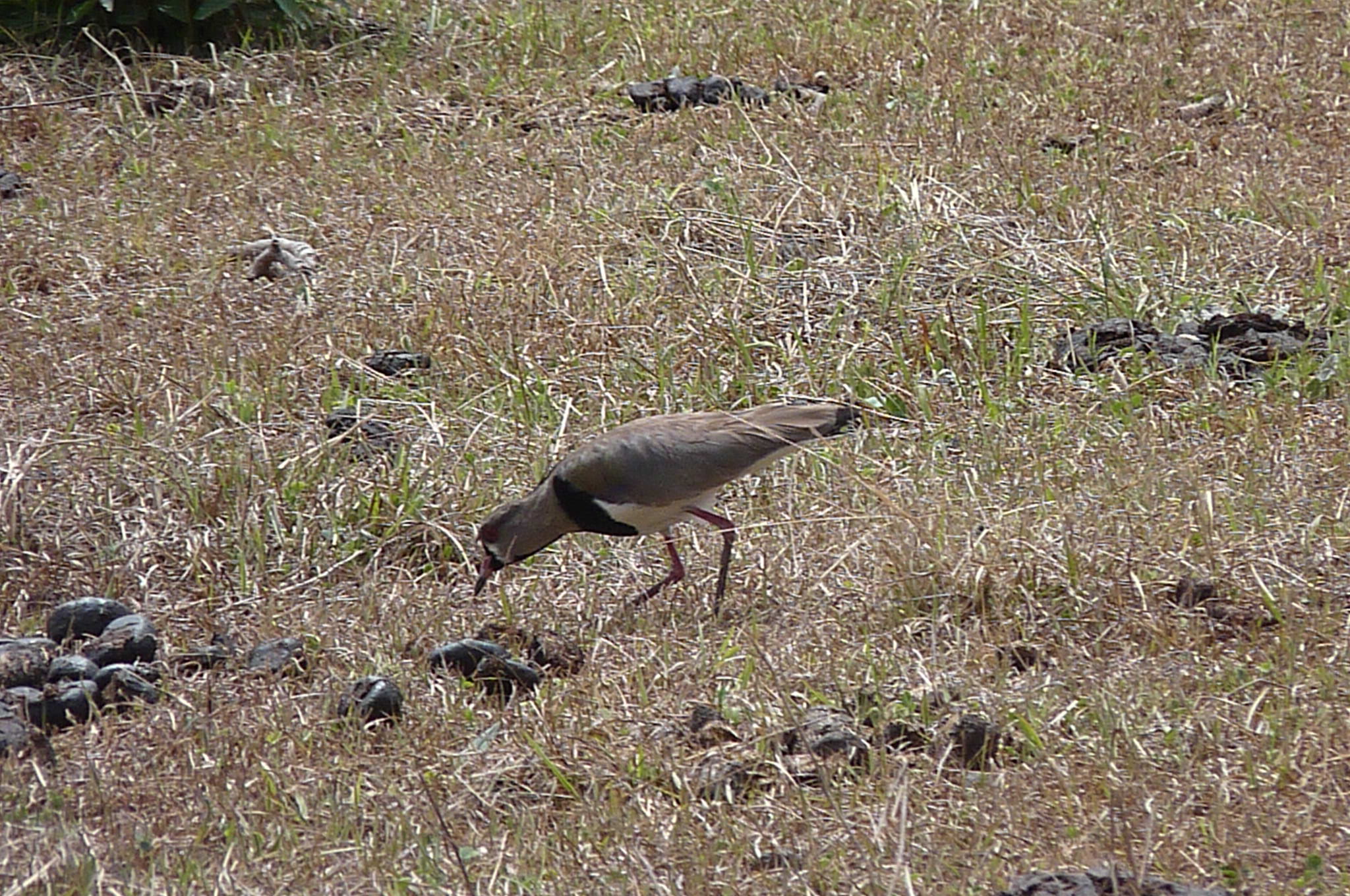
As much as the nest looks like a careless affair, its defense by the birds is not. Apart from their loud screams, they go through a routine that I can prove is a good deterrent to anyone approaching the nest.

First they try to attract you to a spot far from the nest by pretending to be sitting on it. If this fails, one or both start behaving weirdly, showing signs of being wounded or just trying to distract you, staying quite close to you.

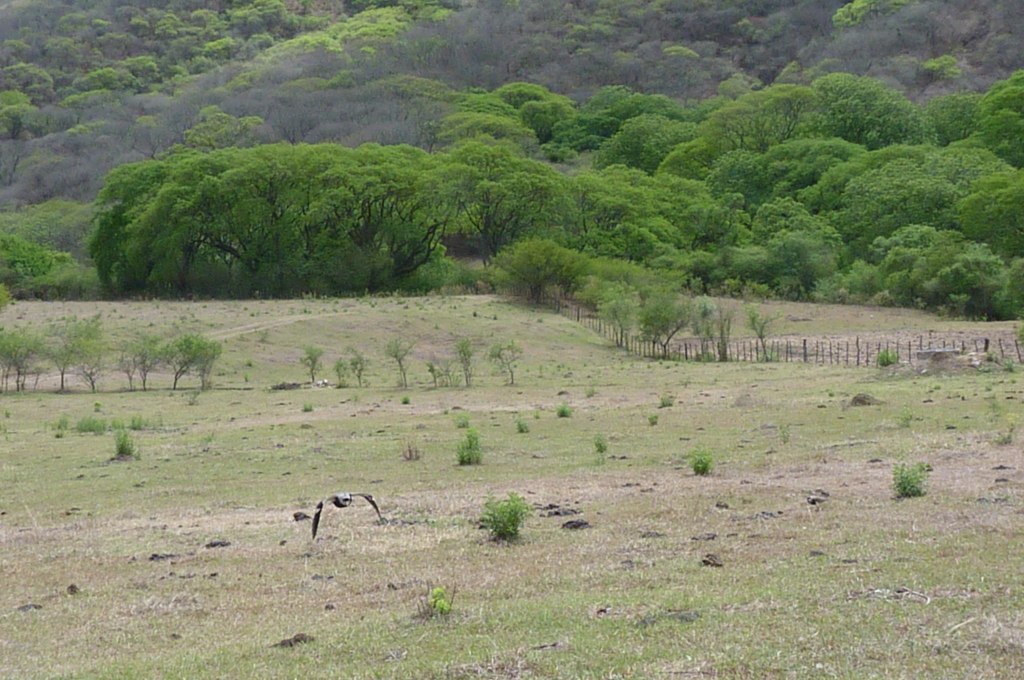
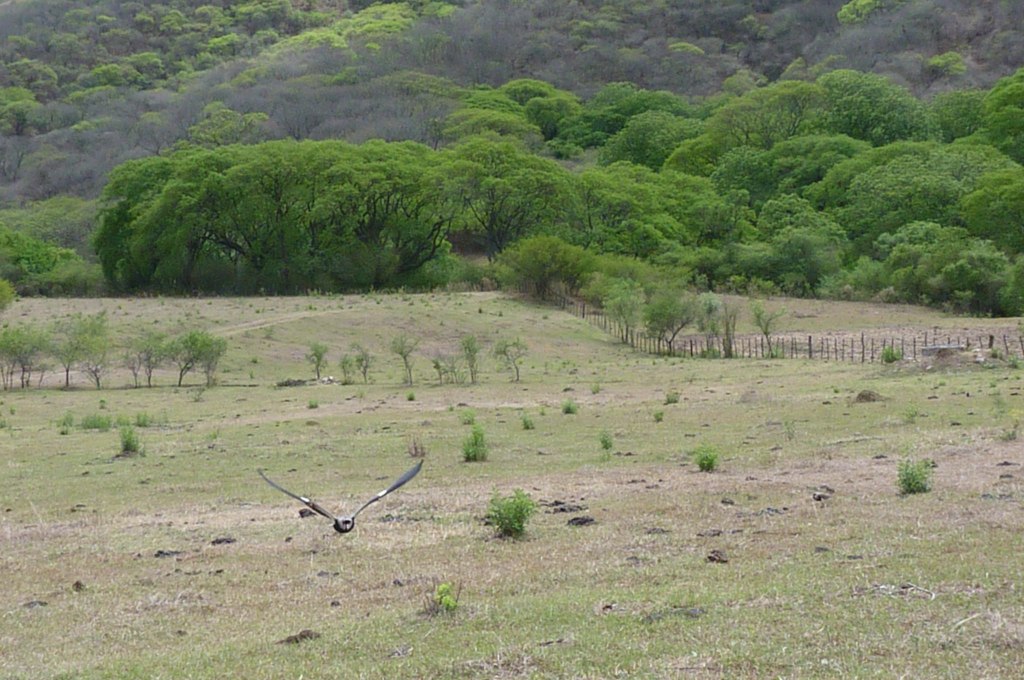
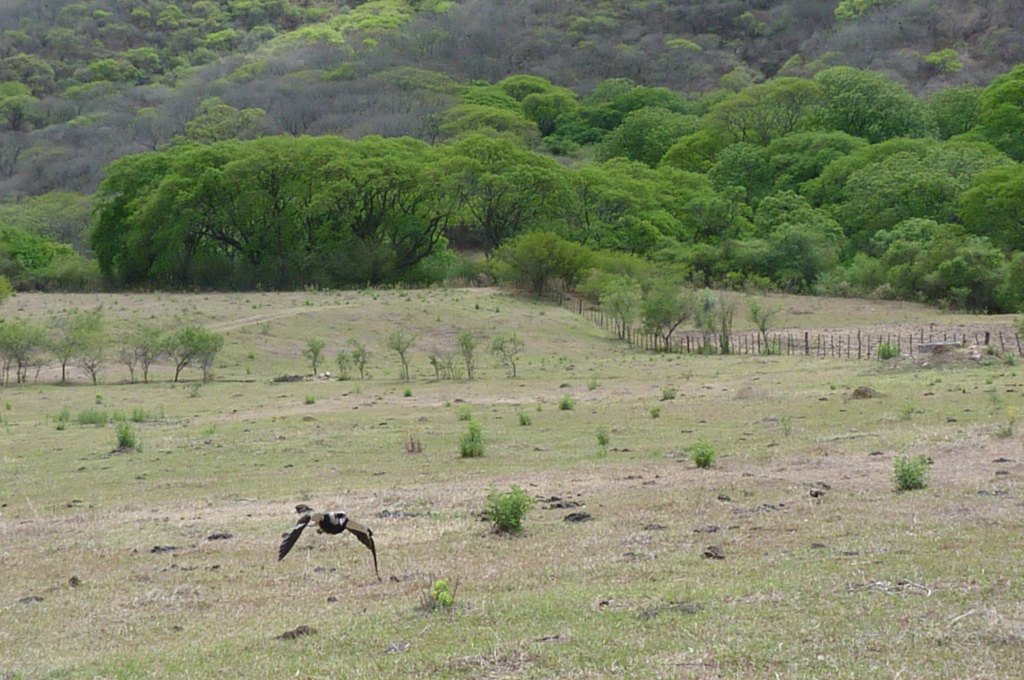
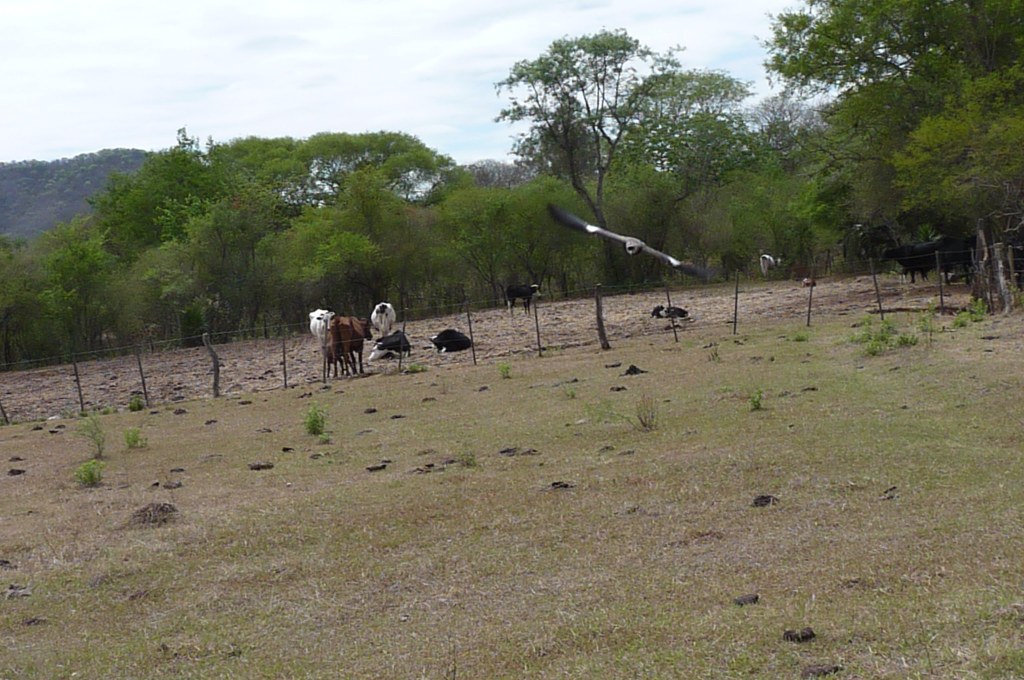
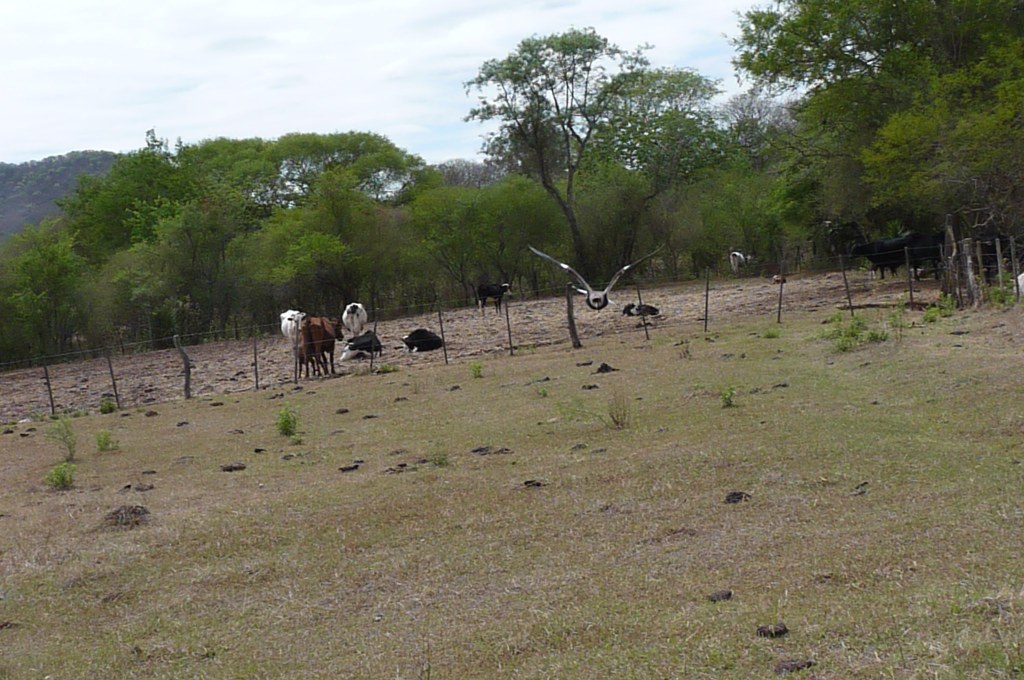
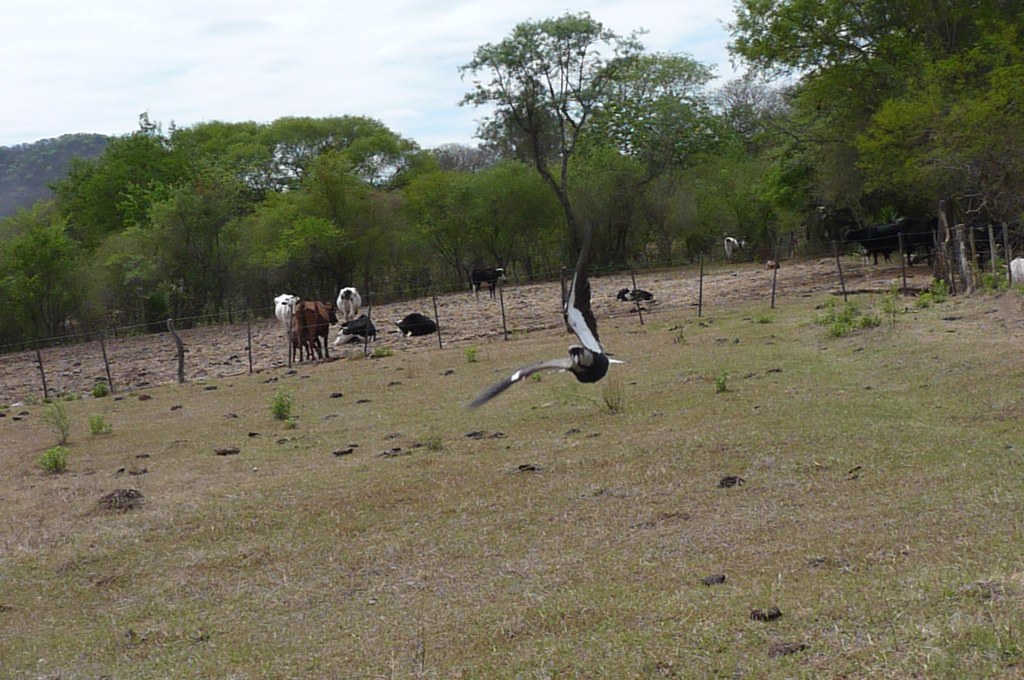
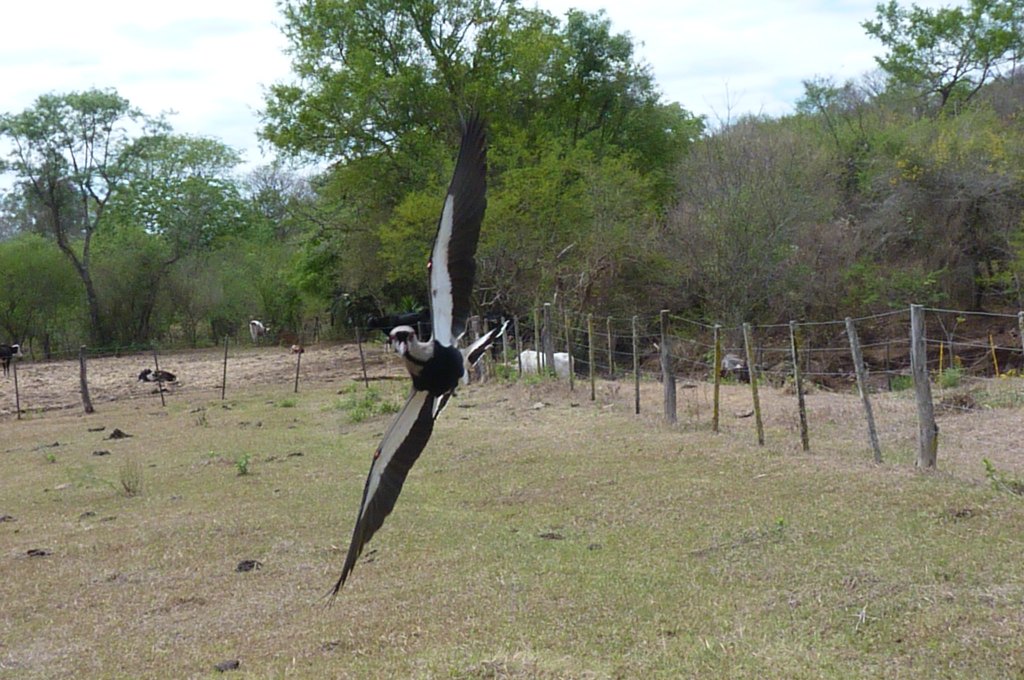
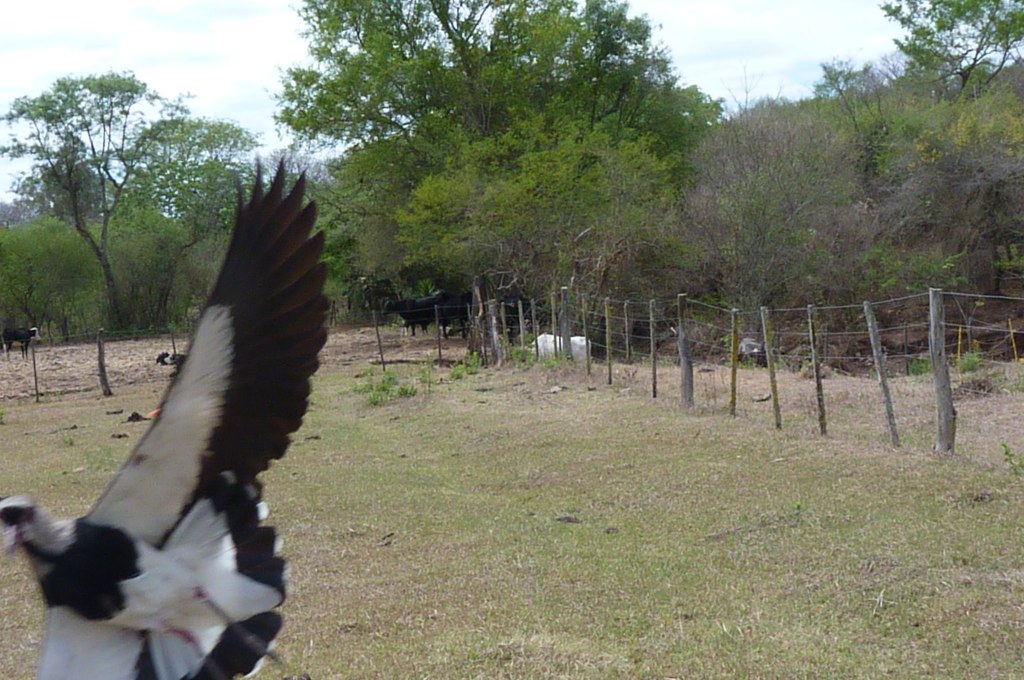
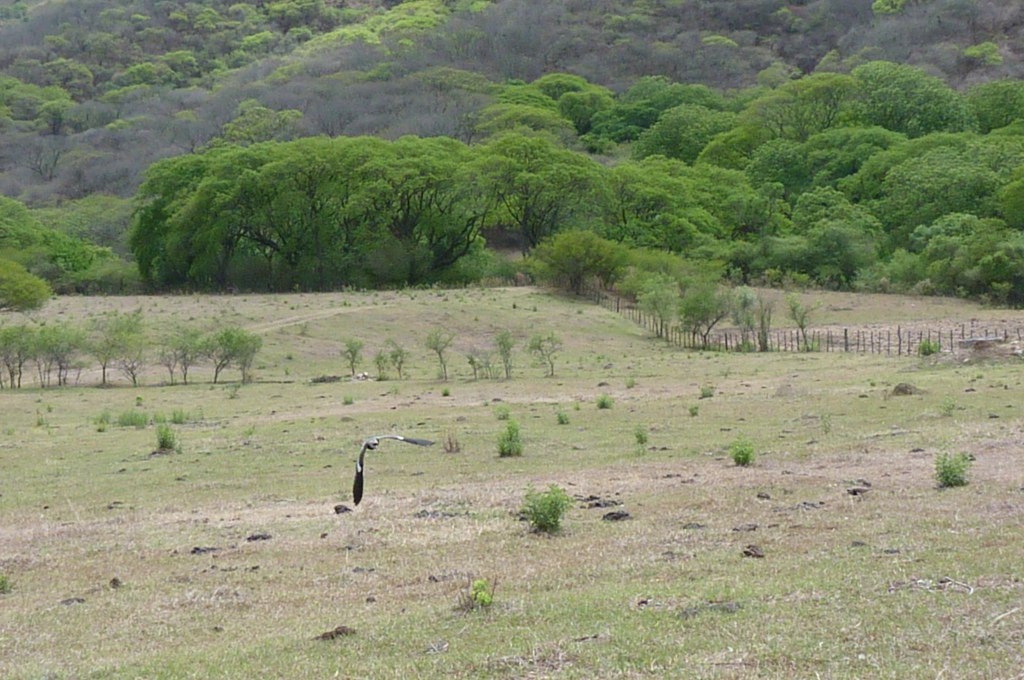
If the above noisy diverting tactics fail, the birds go into the next line of defense that is quite aggressive. The screaming goes up a few decibels while taking off and flying low directly towards you until veering off at the last second! When close, you can hear a clicking noise that I believe they make with their beaks as well as the spurs in their wings.

Although I have being mobbed many times I can assure you that they can be extremely intimidating as the following sequence of images show.
More info on the species can be found at: https://en.wikipedia.org/wiki/Southern_lapwing

To hear their calls:
Spot the beast 63

I have not been able to continue with “Spots” as we are not travelling and we had gone through our winter in our farm in Salta where we focussed on looking after ourselves in isolation.

The arrival of the spring brought nicer temperatures and things started to change and liven up. Plants and trees started to flower and, because it is dry now, lots of birds have arrived to drink at our water baths.

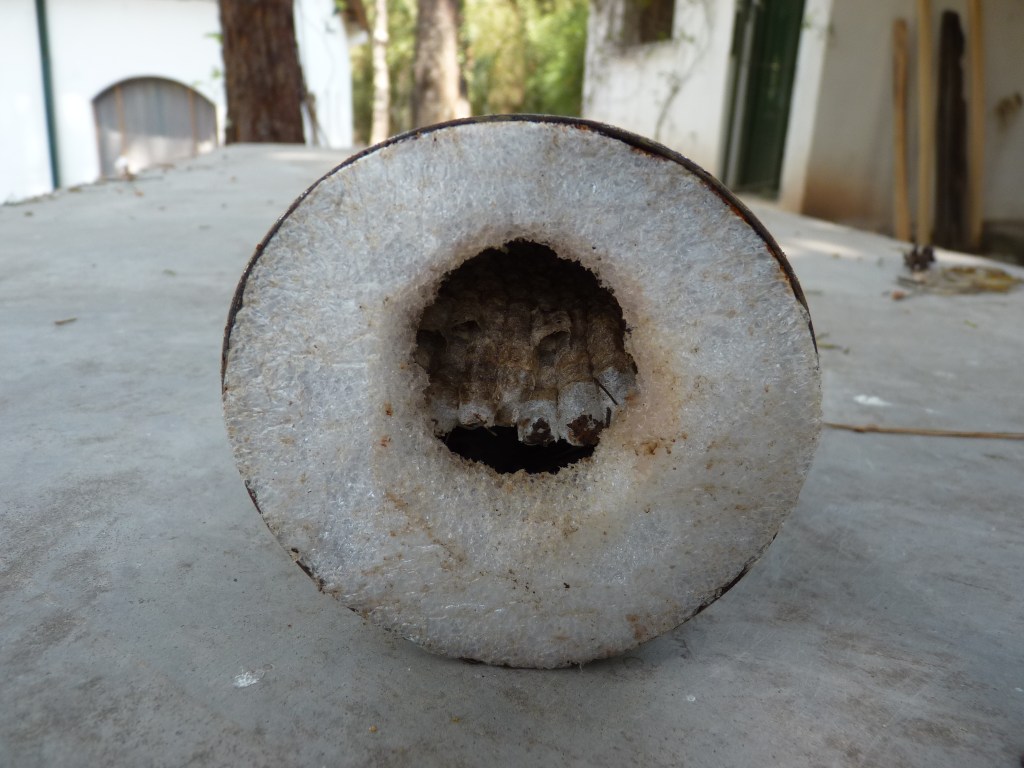
So, while doing general maintenance preparing for the summer that it seems we would need to spend here, I found this object that, although it is not a usual “beast” it is somehow challenging. Would you guess what it is and what happened here?

I am aware that it is not straight forward… but it gets better if we remove the white cover.

Just in case you did not get what had happened I will explain.

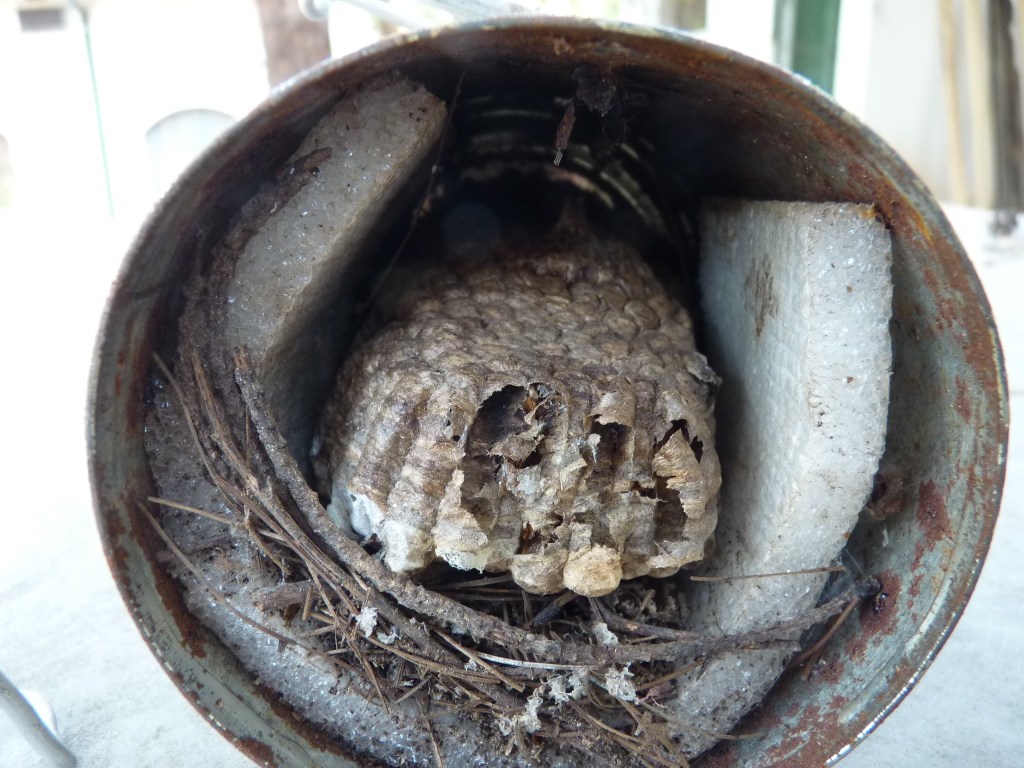
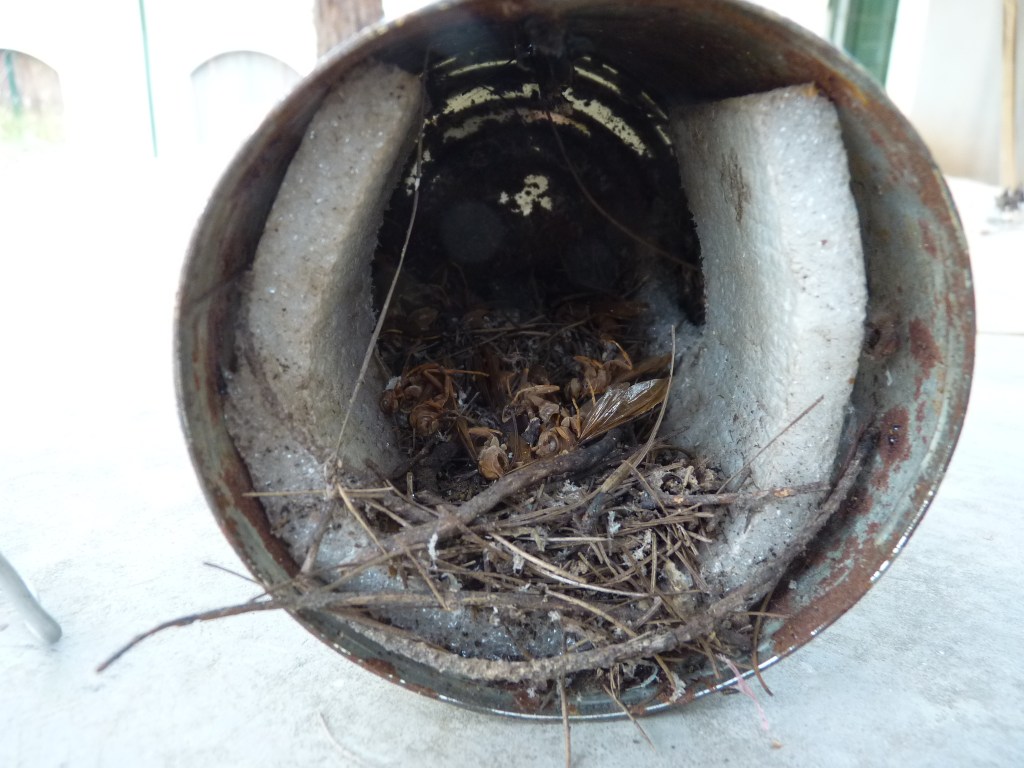
I use the tins of preserve to build bird nests. To this particular one I added the white foam for warmth and used the same material to close it, leaving the round hole for the birds to get in (see first picture, above). They did and you can see their nest at the bottom of the tin. That happened during year one.

The following year a colony of wasps found the tin suitable for their purposes and decided to build their nest inside, on top of the birds’ nest. The birds did not come back again for obvious reasons as these are large and aggressive wasps.

So, removing the wasp’s nest you can actually see the bird’s nest and a few wasp bodies.

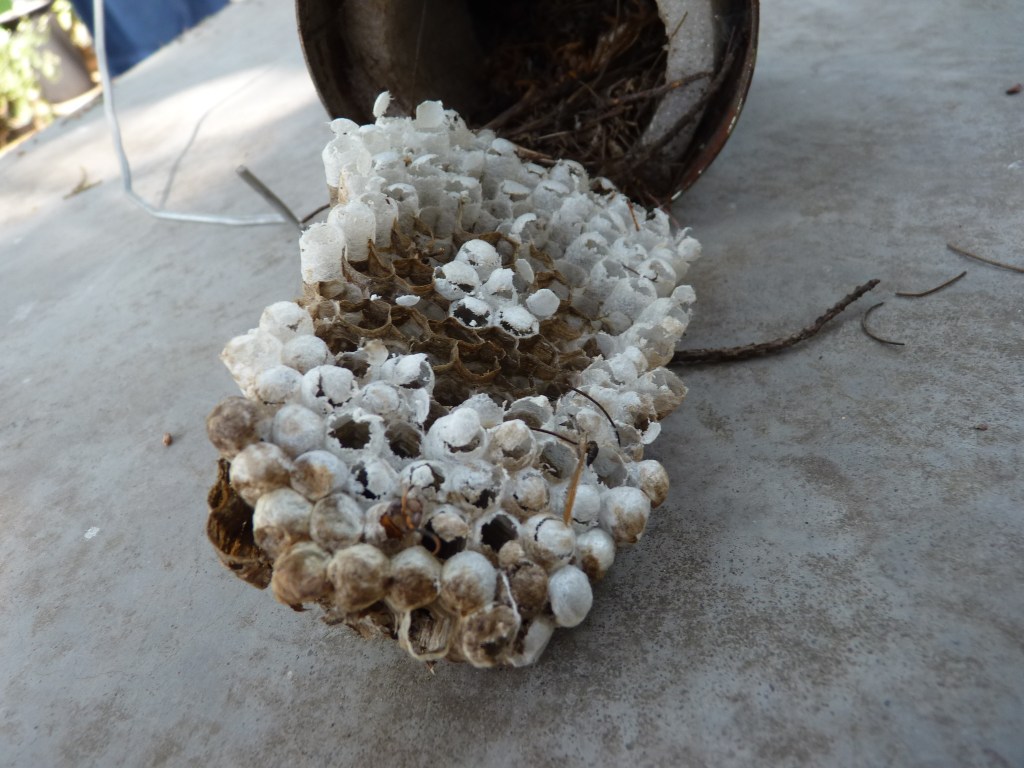
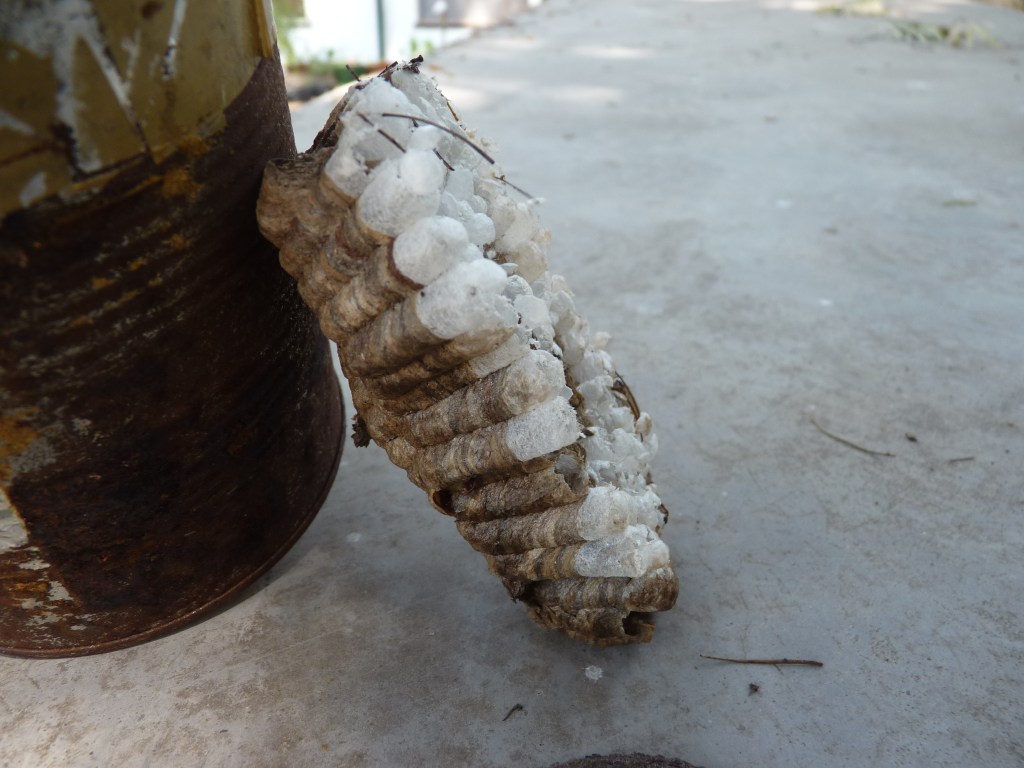
Two more pictures to show you the removed wasp’s nest.

The removed wasp comb .
Another view of the wasp comb.


Spot the beast 62

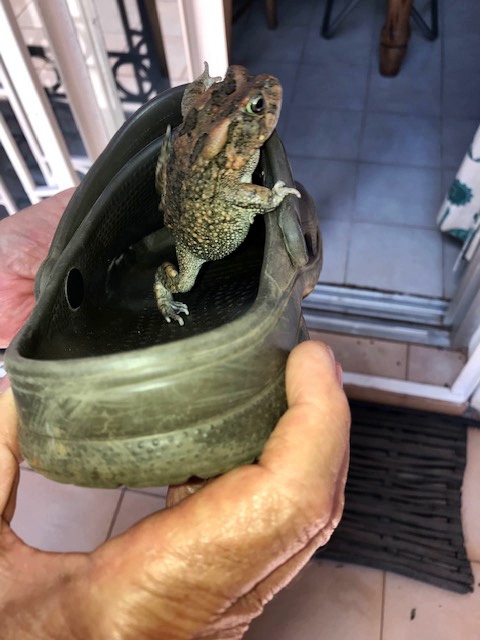
Today I needed to go to the garden and, as usual, I went for my Crocs shoes. When I tried to slip my left foot inside I found some resistance and I was surprised and amused to find a best inside. See if you can identify it…

IMG_4762

I know that it is not a very good picture but otherwise you would get it too fast!

?
?
?
?
?
?
?
?
?
?
?
?
?
?
?
?
I am sure that you have guessed what it was:

IMG_4763

IMG_4764

Understandably it wanted out of my shoe in a hurry! Soon it was released back to where it come from.

IMG_4769

I believe it was an African common toad or guttural toad (Sclerophrys gutturalis) of widespread distribution in Zimbabwe.

Luckily it was not a scorpion or worse!

Spot the beast 61

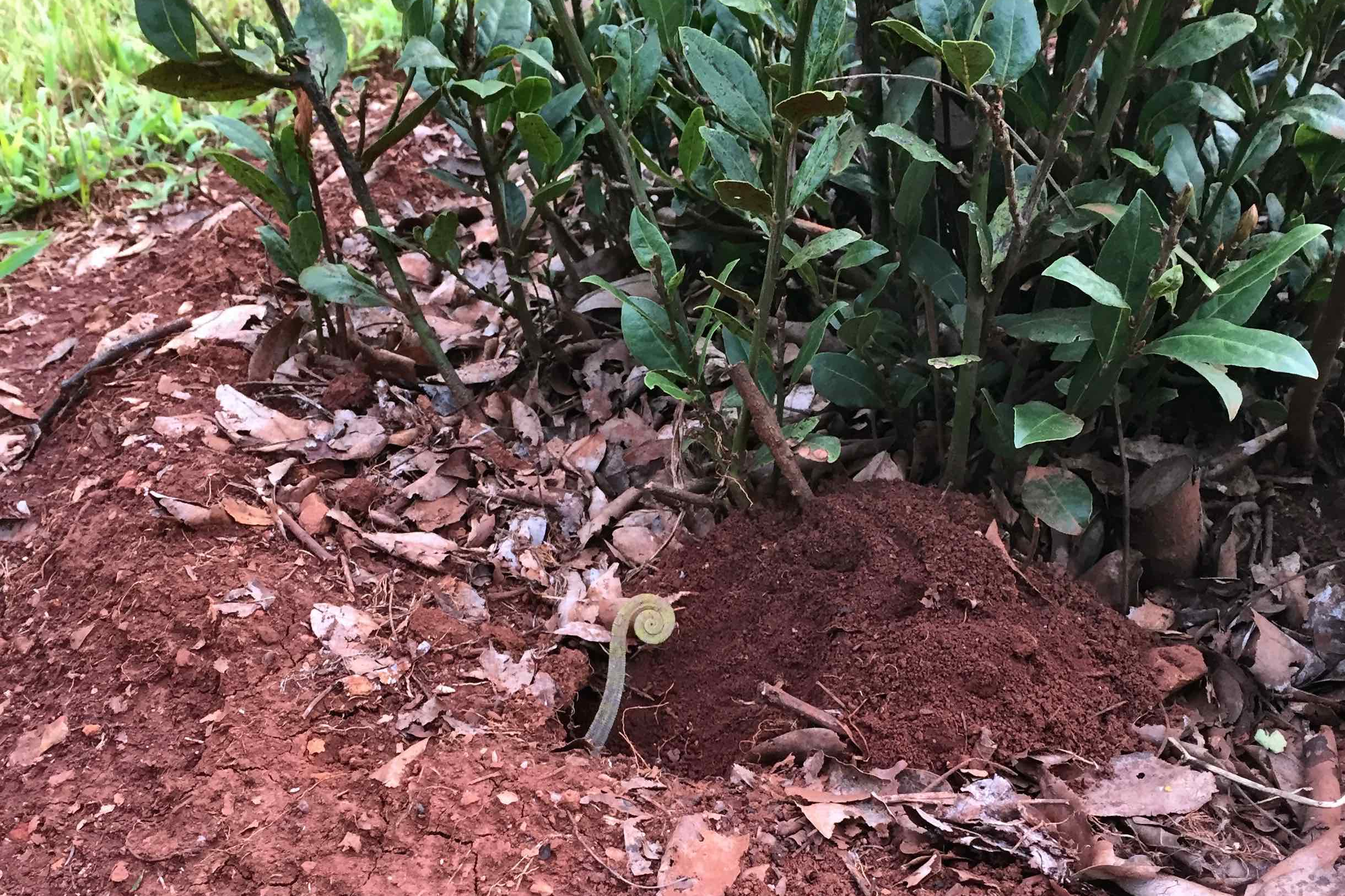
We are having a slow start of the rainy season this year but, searching among my pictures, I found this ones that show a beast of some sort from one of Nature’s kingdoms…

See if you can spot it!

img_3139-1-copy.jpg?
?
?
?
?
?
?
?
?
?
?
?
?
?

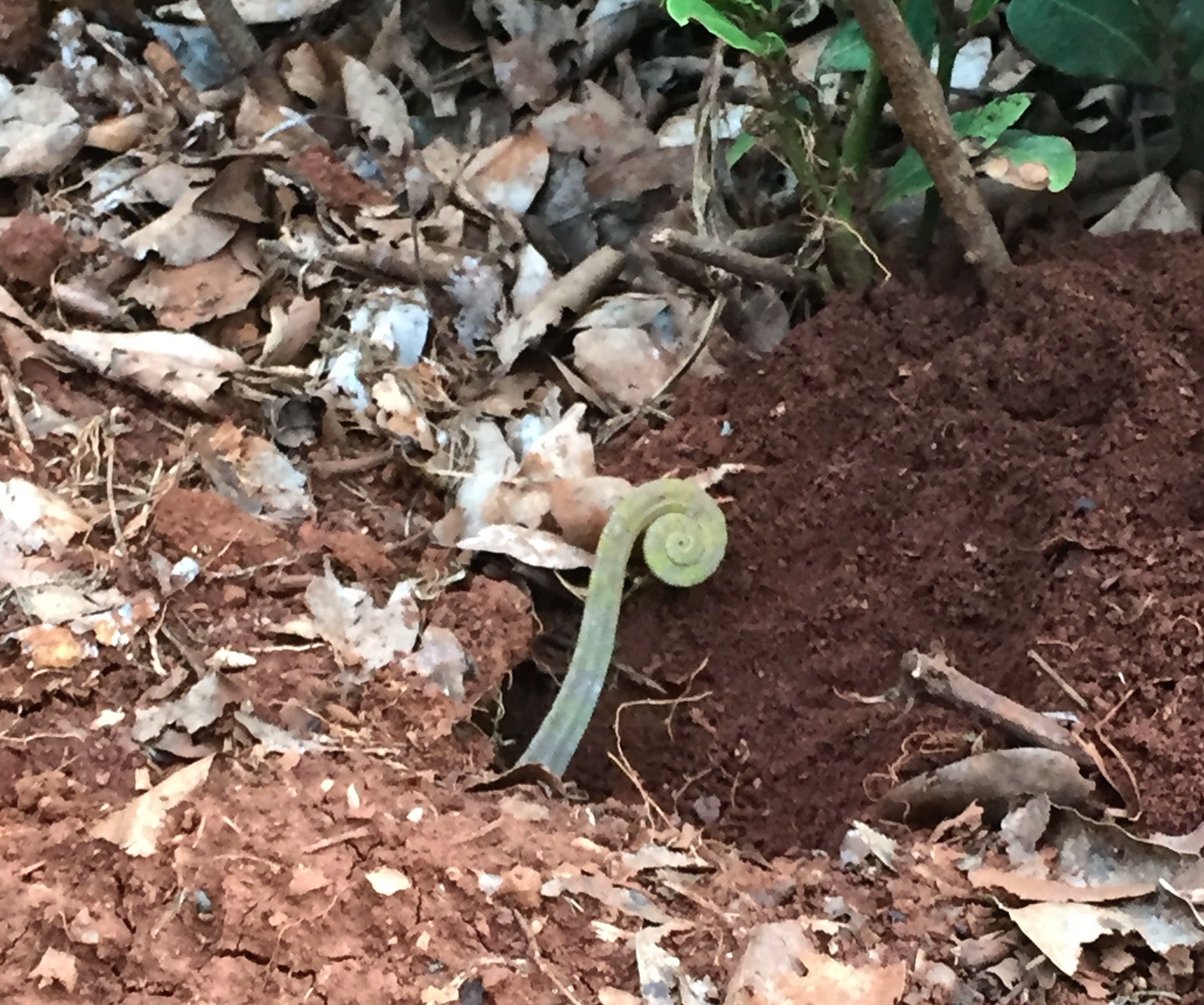
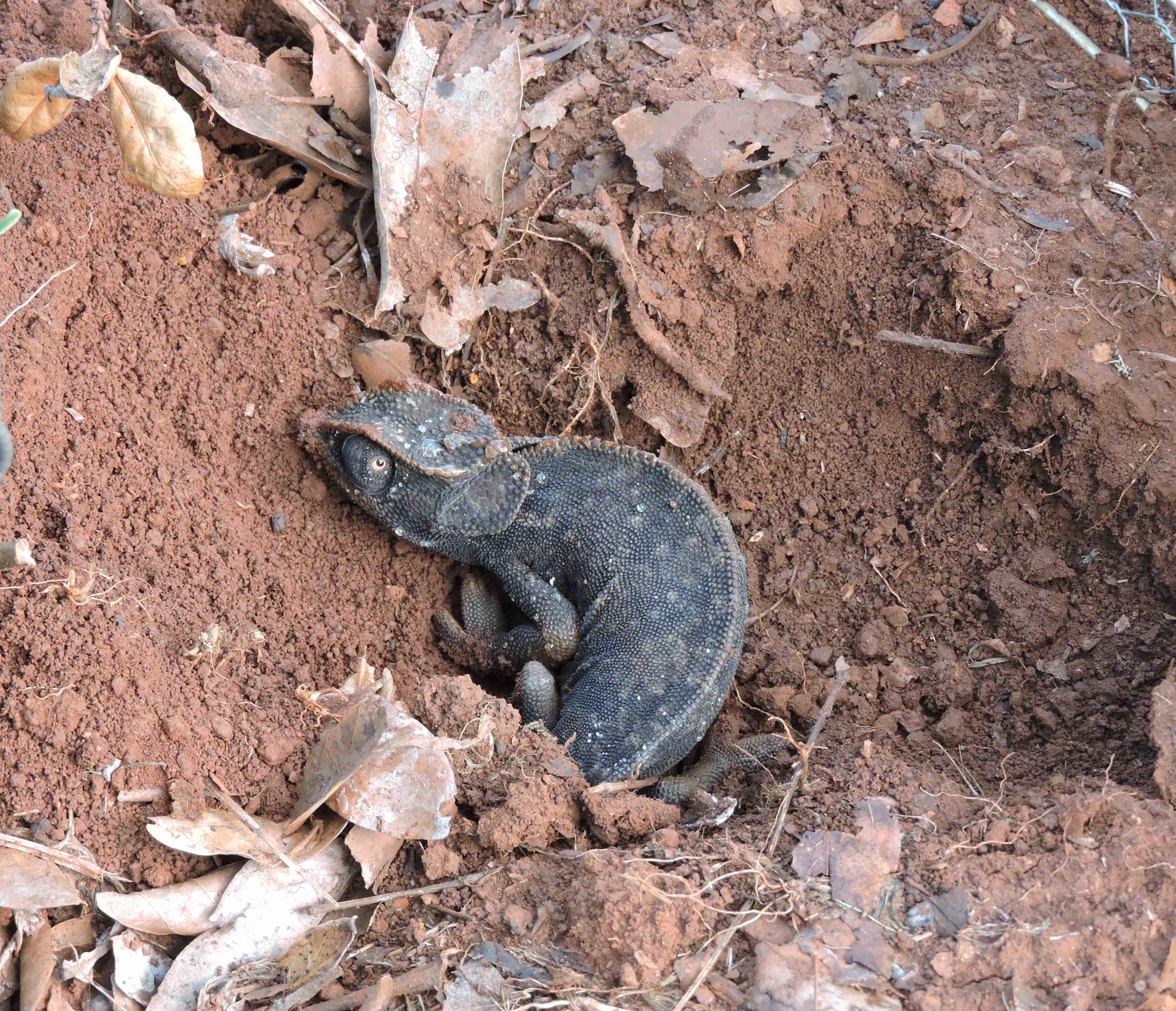
Here it is. As you have realized by now, it is not a giant fern sprouting but a chameleon digging its egg-laying hole with the rolled tail out!

IMG_3140 cropped copy


This is the culprit laying, darker after the effort.

DSCN1562 copy


Spot the beast 60

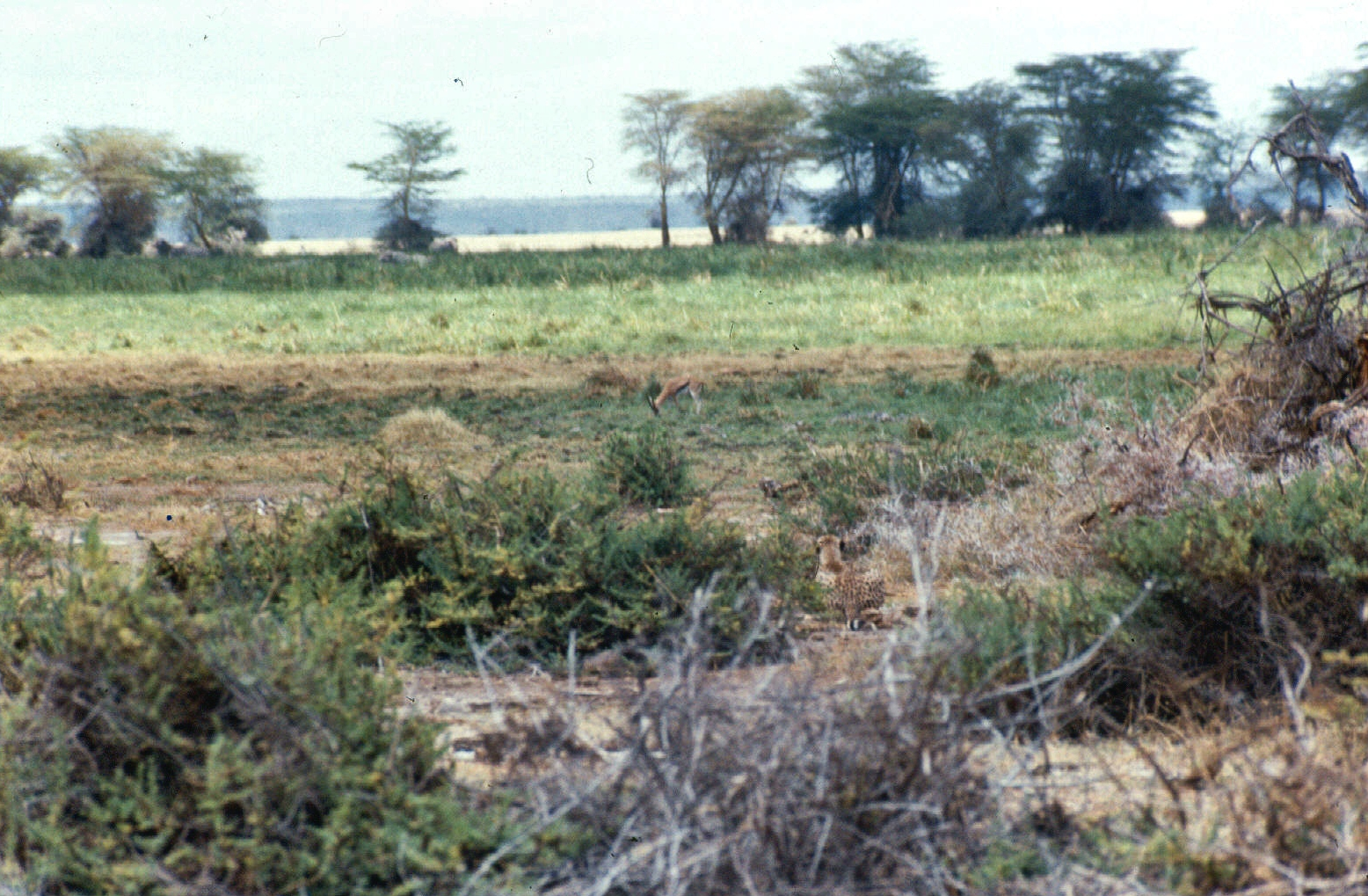
Searching among old pictures to illustrate my future post on Amboseli National Park I found this picture that, at first, I discarded as another useless picture. I was about to delete it when I noticed that it showed some suspense on what happened next.

cheetah stalking ?
?
?
?
?
?
?
?
?
?
?
?
?

I am certain that you have found the “hidden” beast. It was a cheetah stalking a Thomson’s gazelle at the edge of the Amboseli swamp. What happened next will be revealed in the next post…

Spot the beast 59

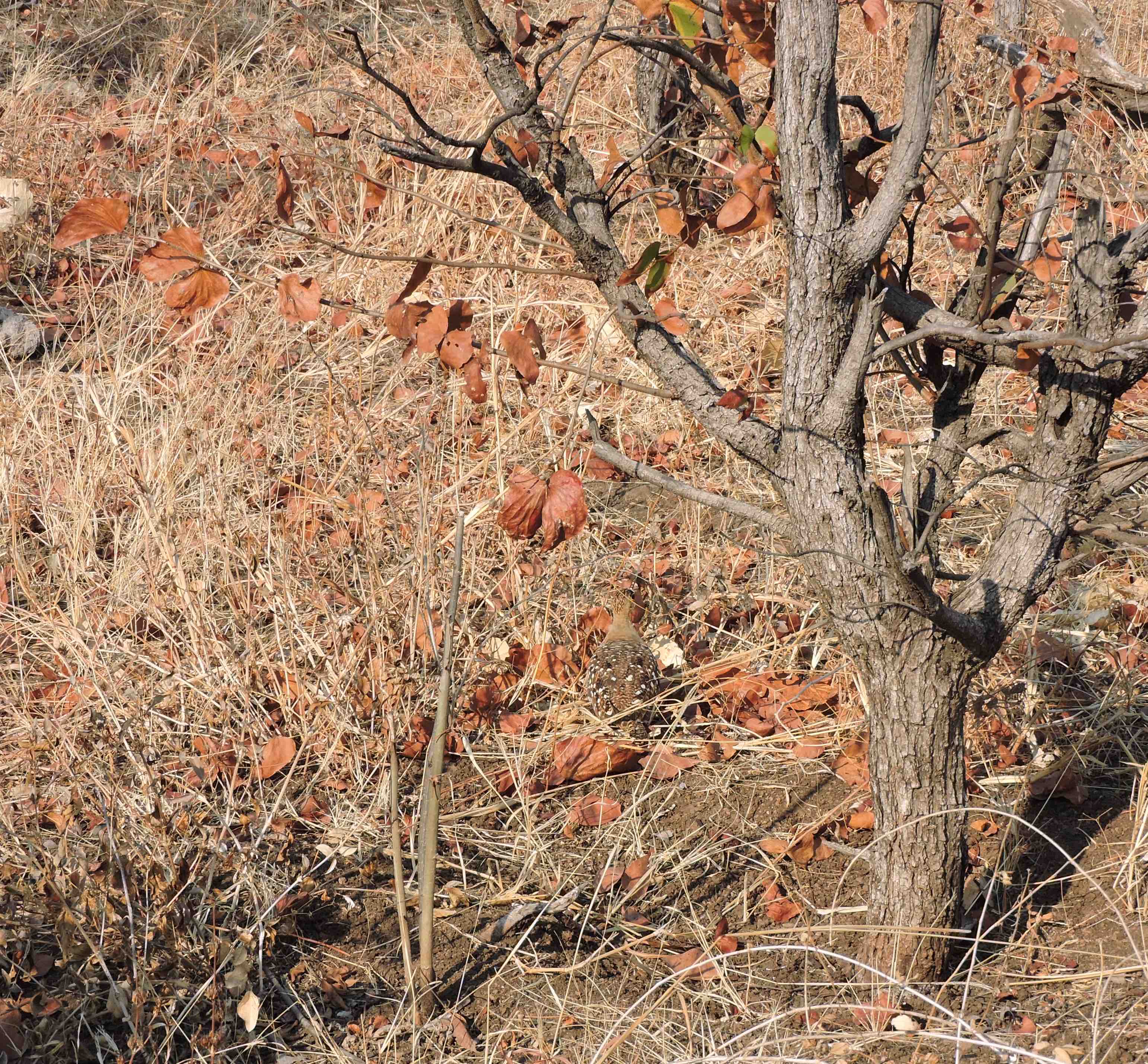
“An insconspicuos species that is easily overlooked during the day…” [1], I present you with this beast for you to find.

DSCN2324 copy

?
?
?
?
?
?
?
?
?

DSC_0053 copy

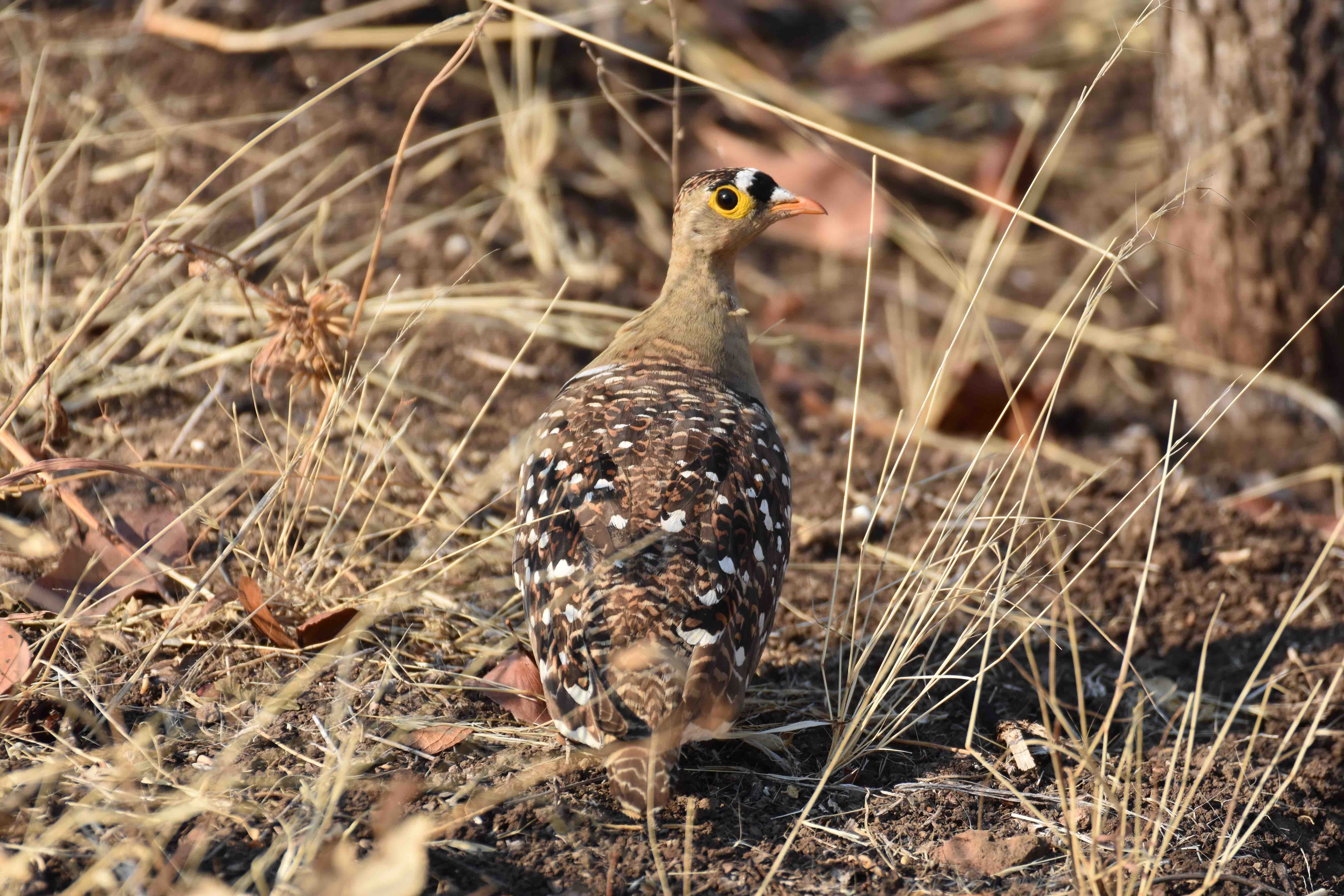
Not difficult to find in the picture but the Double-banded Sandgrouse (Pterocles bicinctus), a lovely bird, is not easily seen as their camouflage blends it with its environment in an amazing way. This bird was sotted slowly crossing the road and moving into the grass by the road.


[1] Roberts VII Multimedia Birds of Southern Africa. iPhone and iPad Edition. Version 2.4


Spot the beast 58

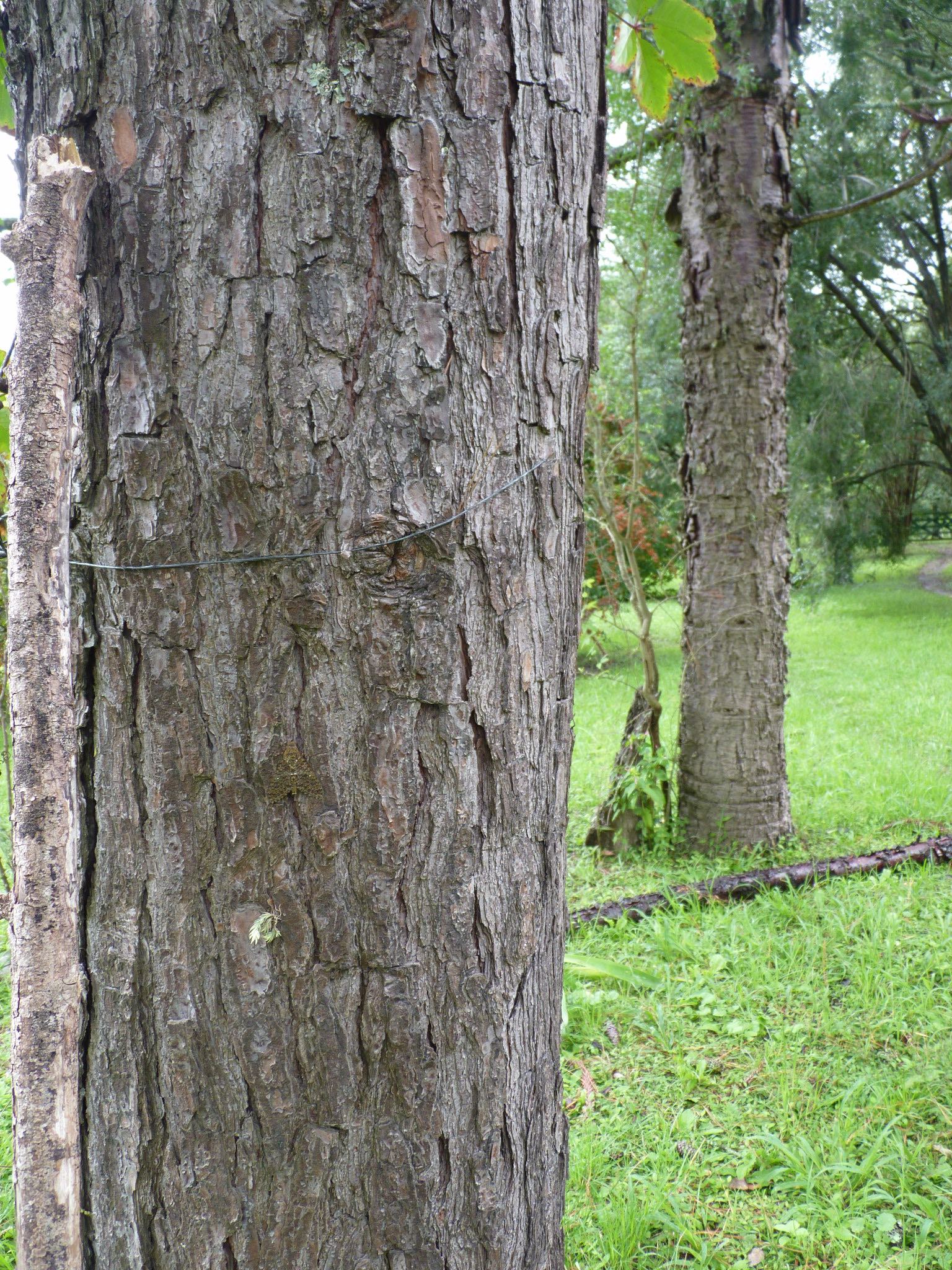
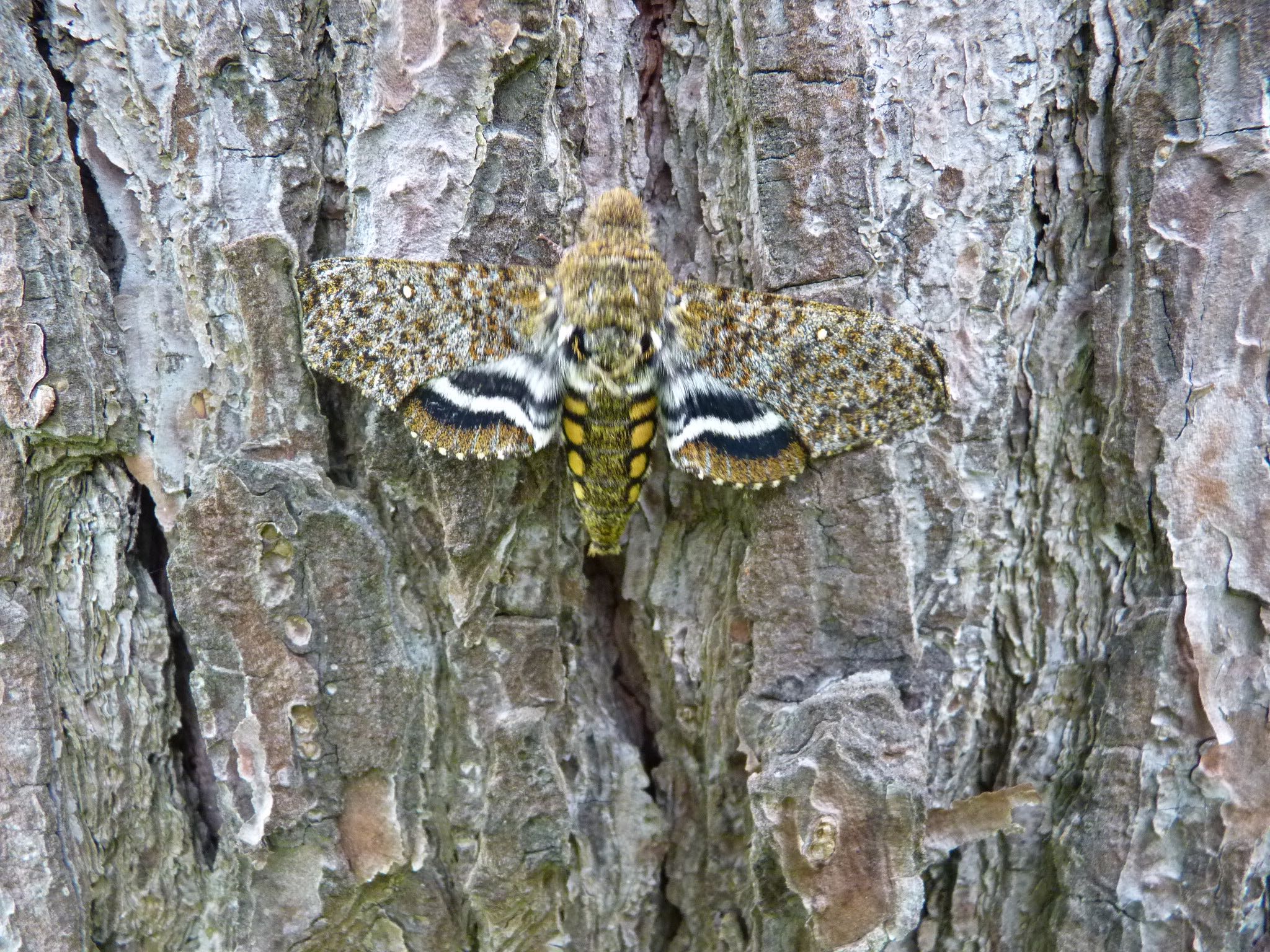
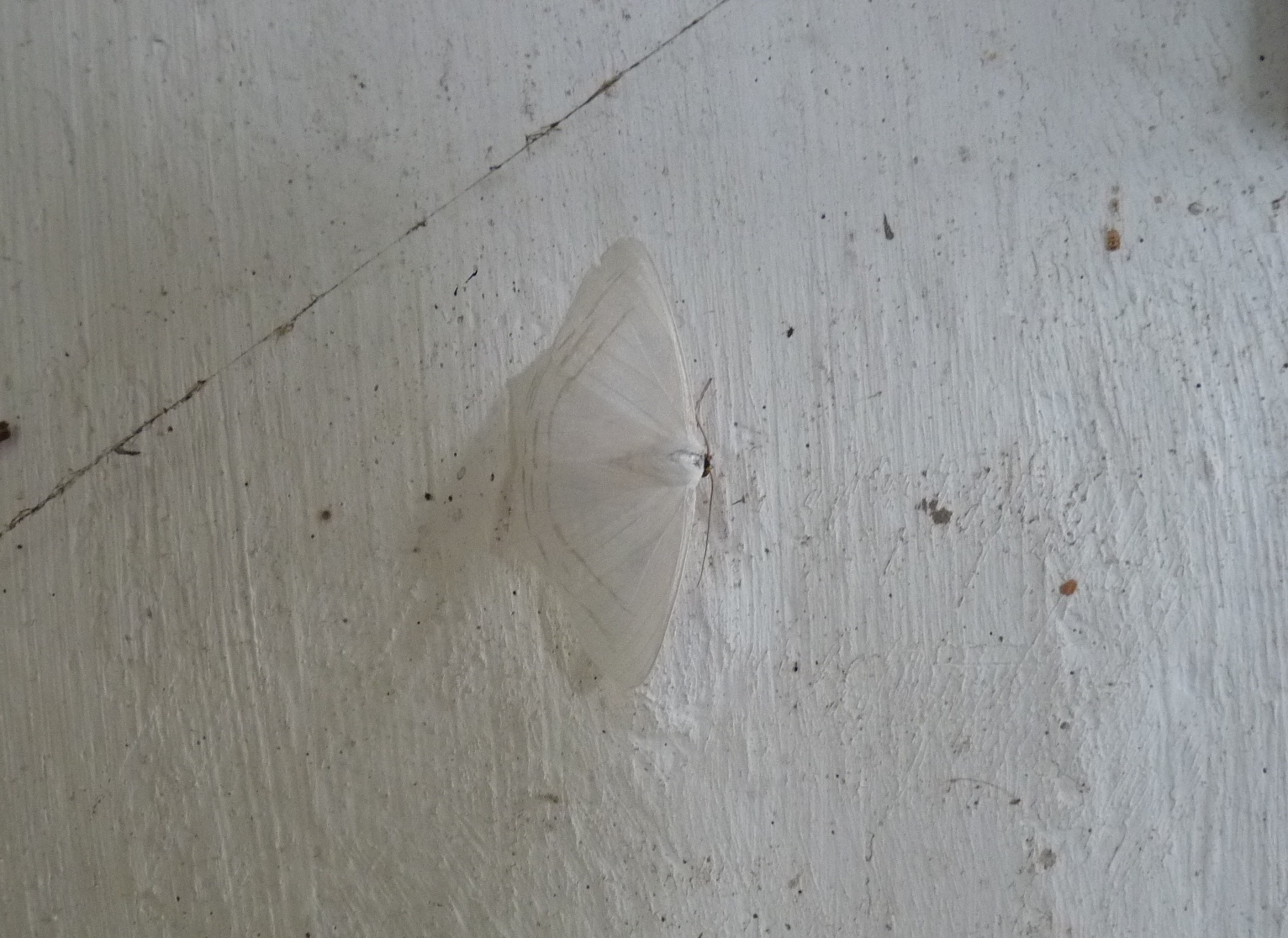
I saw this beast flying off from our verandah when I turned the light off early morning.

P1190690 copy

?

?

?

?

?

?

?

?

?

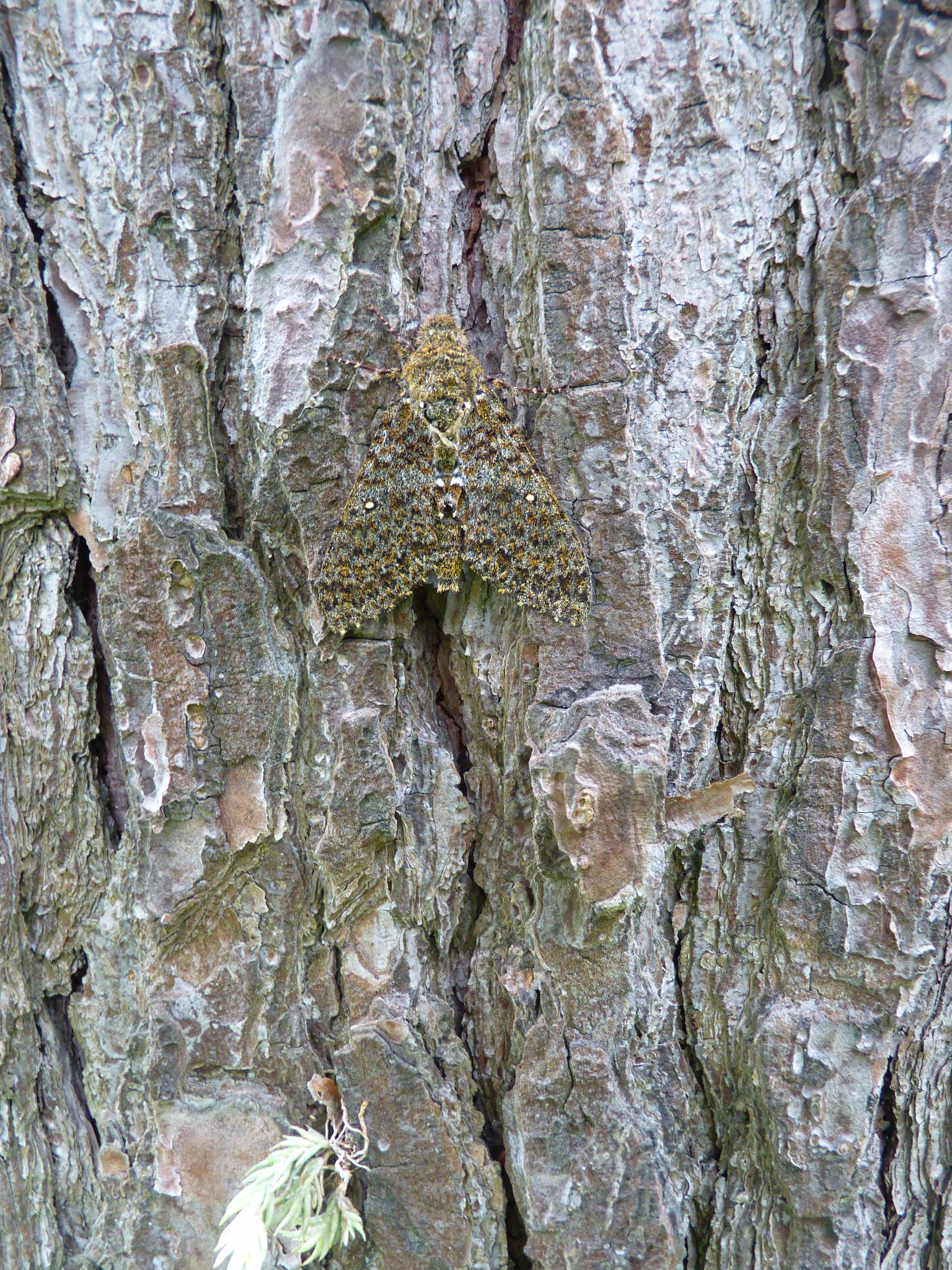
Here it is. Just visible even when I cropped the picture.

P1190688

The moment the moth gets ready to fly, it is a different story! Quite beautiful.

P1190692 copy

Spot the beast 57

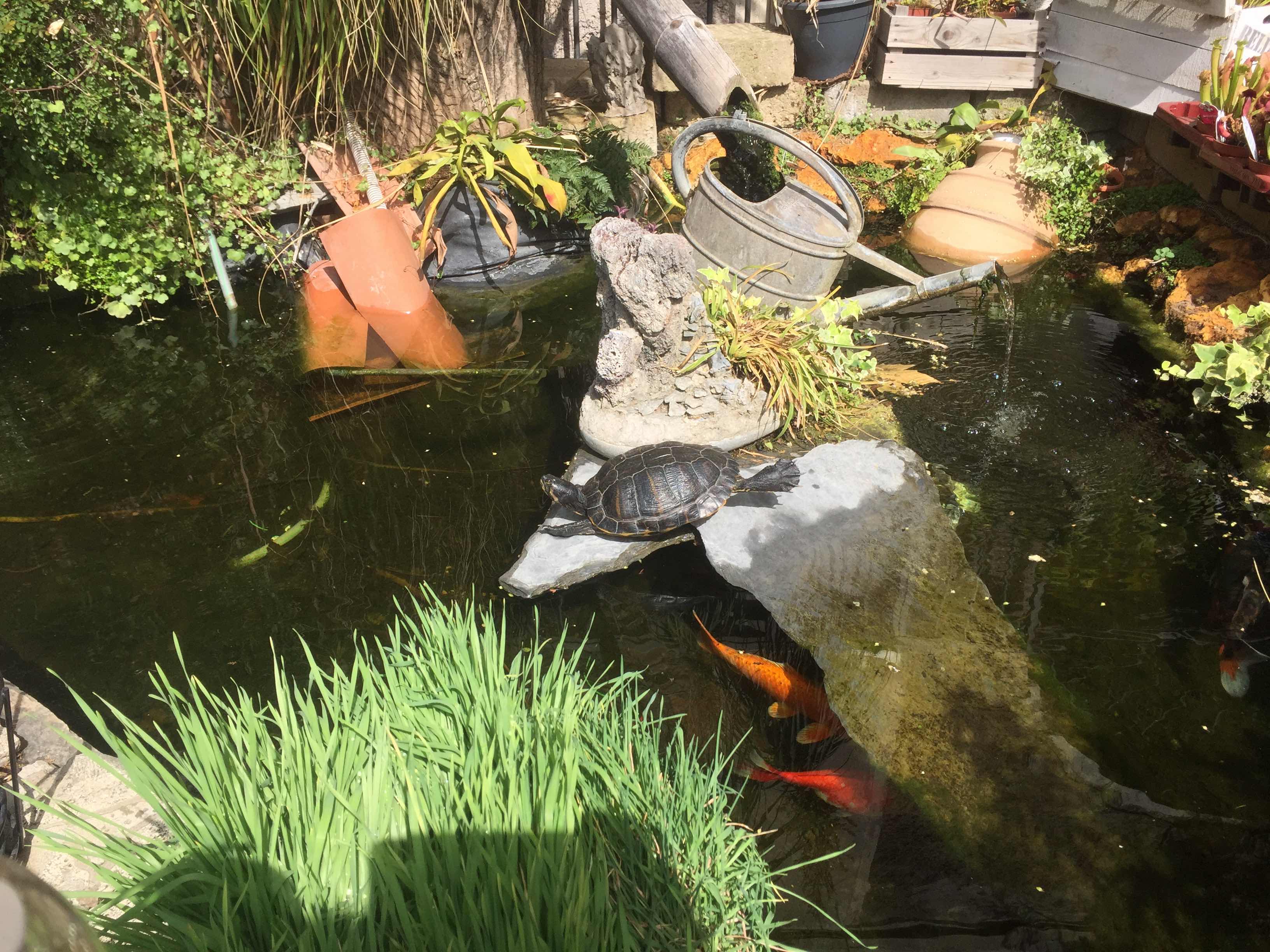
See if you can spot this one. Please, do not look too much if you fail to find it in a few seconds…

IMG_4634 copy

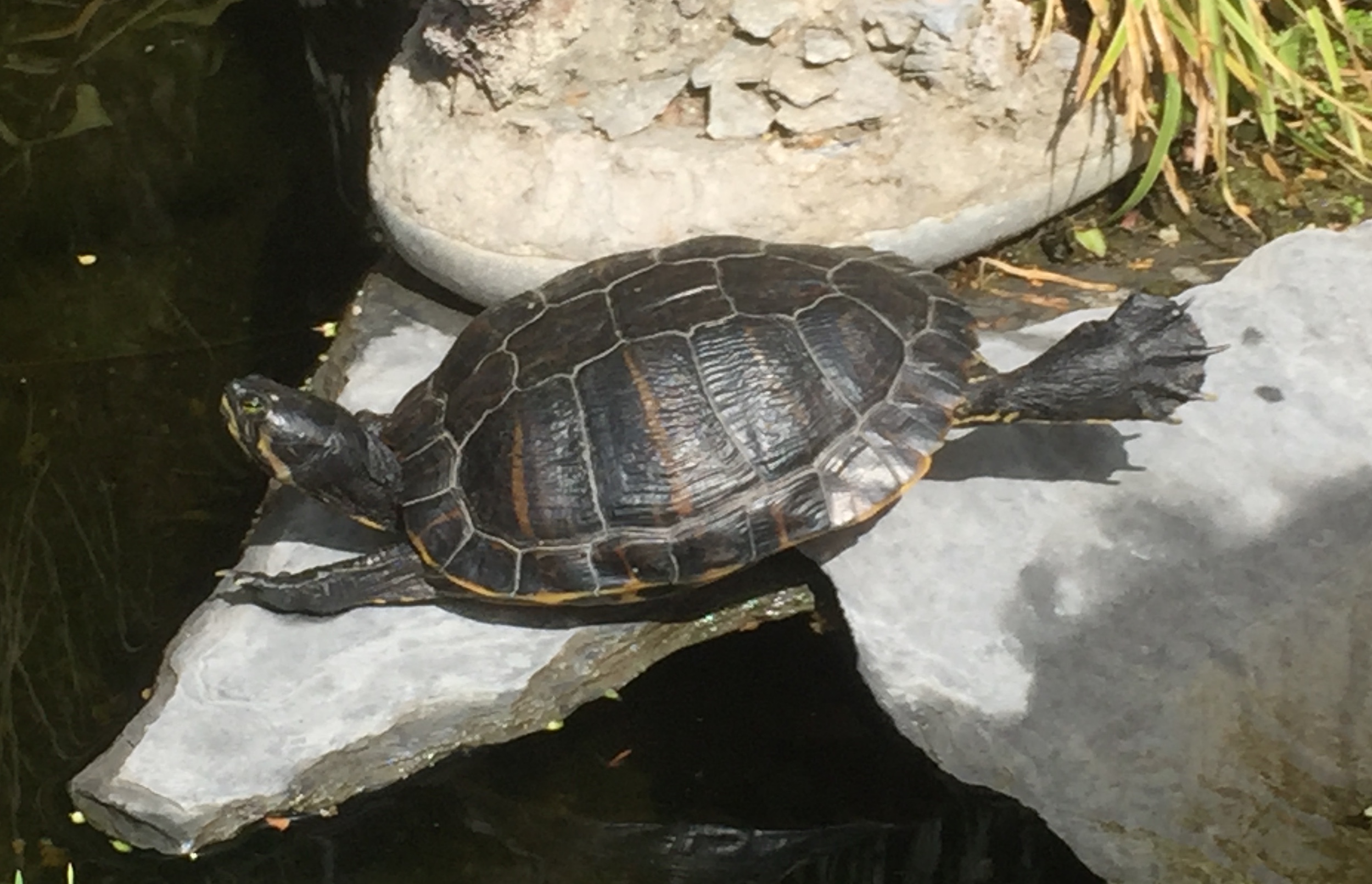
This one is really a different “Spot” as it is quite clear that we have a terrapin in front of us. However, have a good look at it.

I did not notice anything strange until my son, said “look at the terrapin doing Yoga”!

IMG_4635 copy

It was rather hot in Roma so the beast was sunning one leg at a time at leisure!

Spot the beast 56

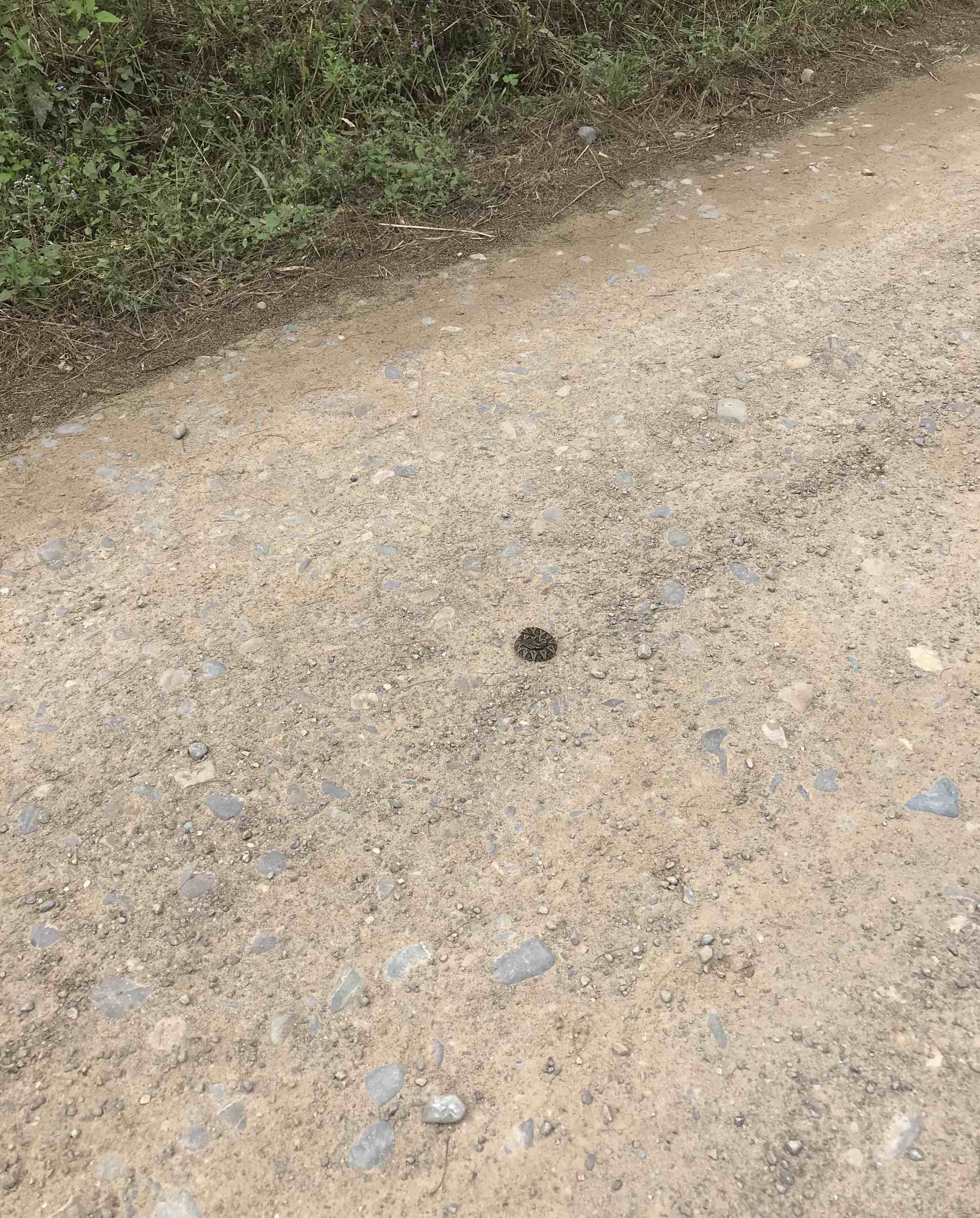
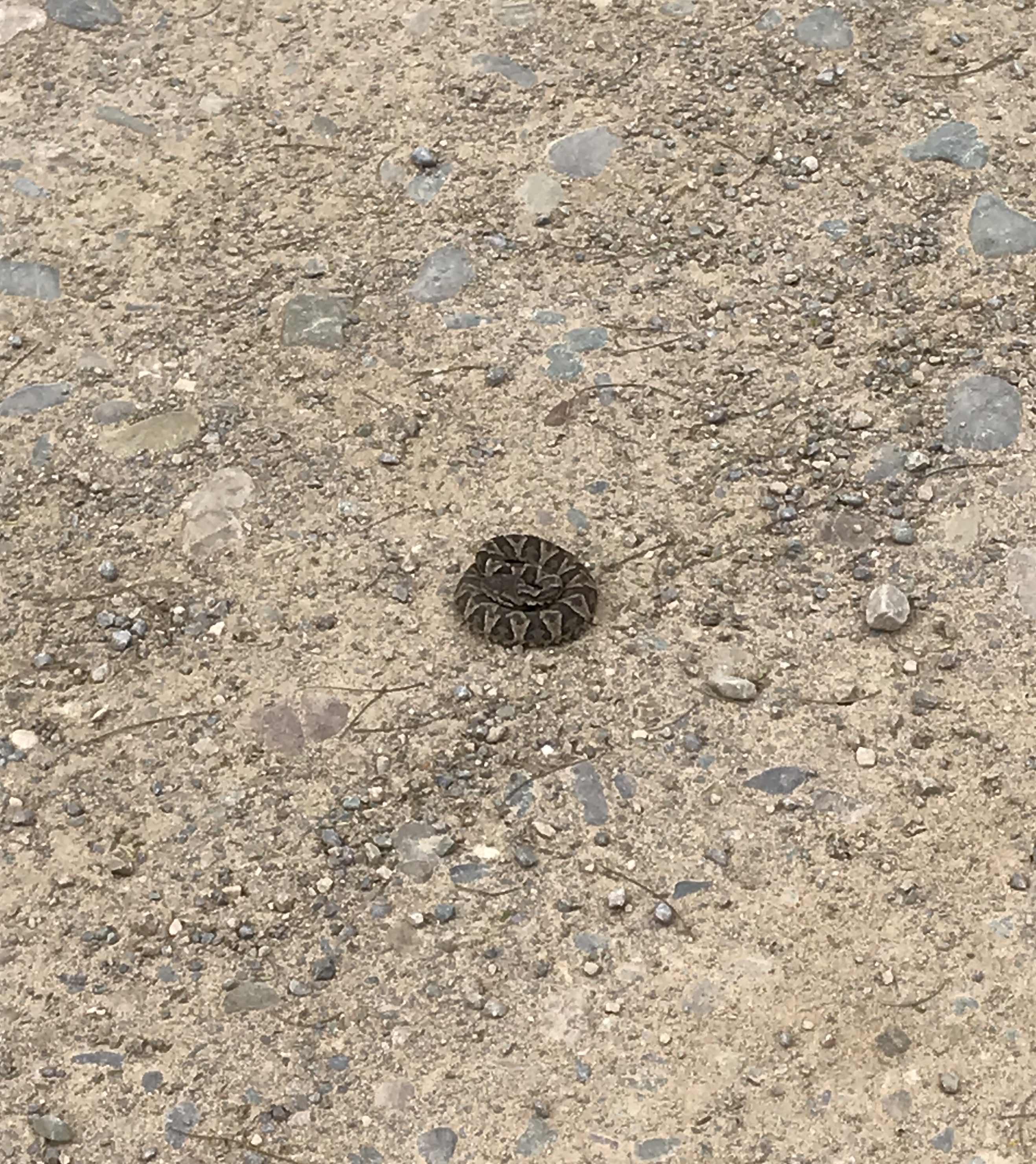
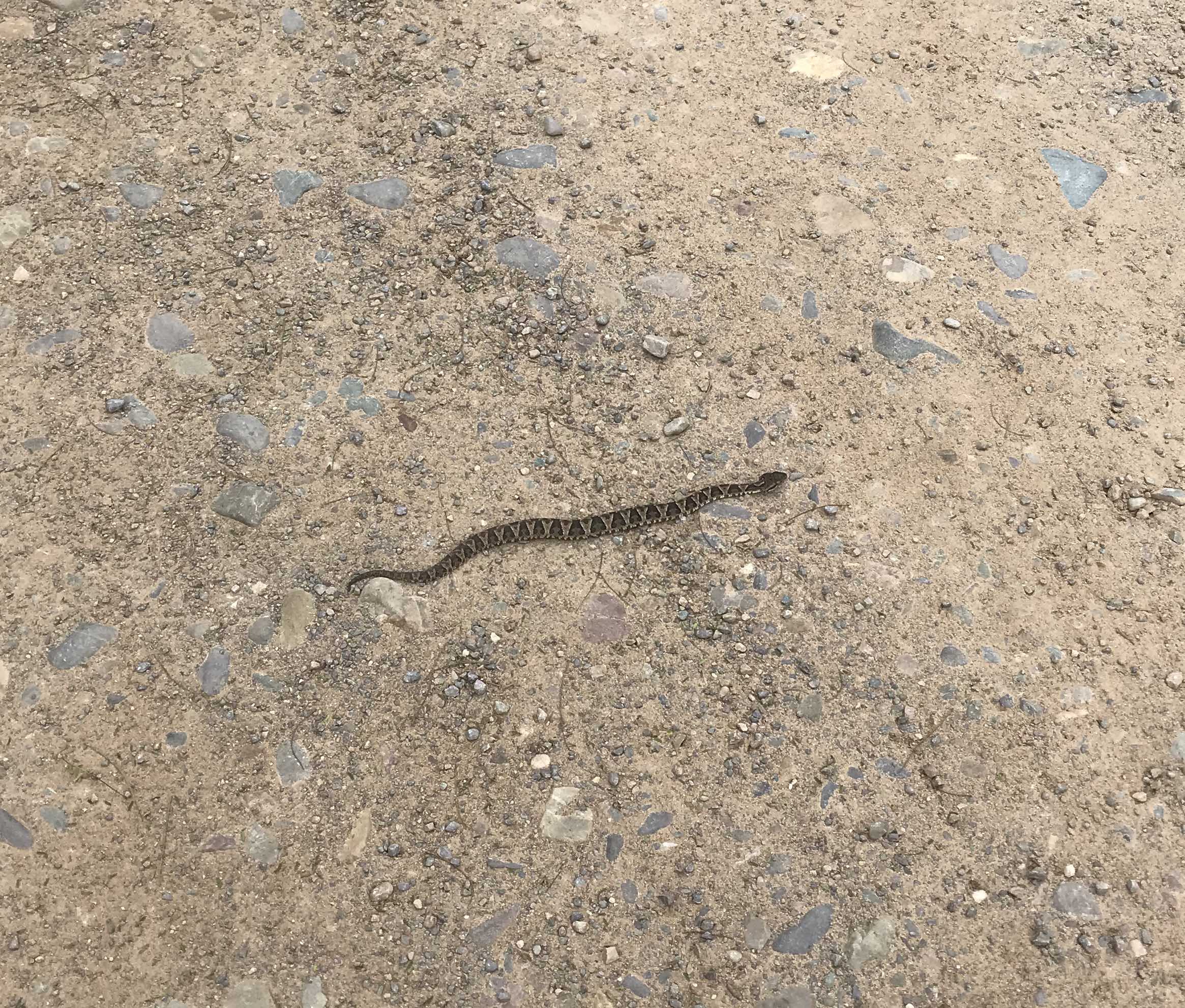
Although it is pretty obvious, it was interesting that it was found by my wife that is not a fan of these beasts. She carefully avoided getting close to it and took the pictures with her cellphone from a distance!

IMG_2160 copy

?
?
?
?
?
?
?
?
?
?
This small beast, probably a yarará chica (Bothrops diporus) measured about 25cm and, according to my wife was quite aggressive… After rolling itself up in the middle of the road, it eventually departed.

IMG_2161 copy

IMG_2159 copy

Snakes of this genus (there are a few) are responsible for most fatalities in the Americas. Their venom is hemotoxic and cause severe lesions at the bite site (see https://en.wikipedia.org/wiki/Bothrops#Behavior)


Spot the beast 55

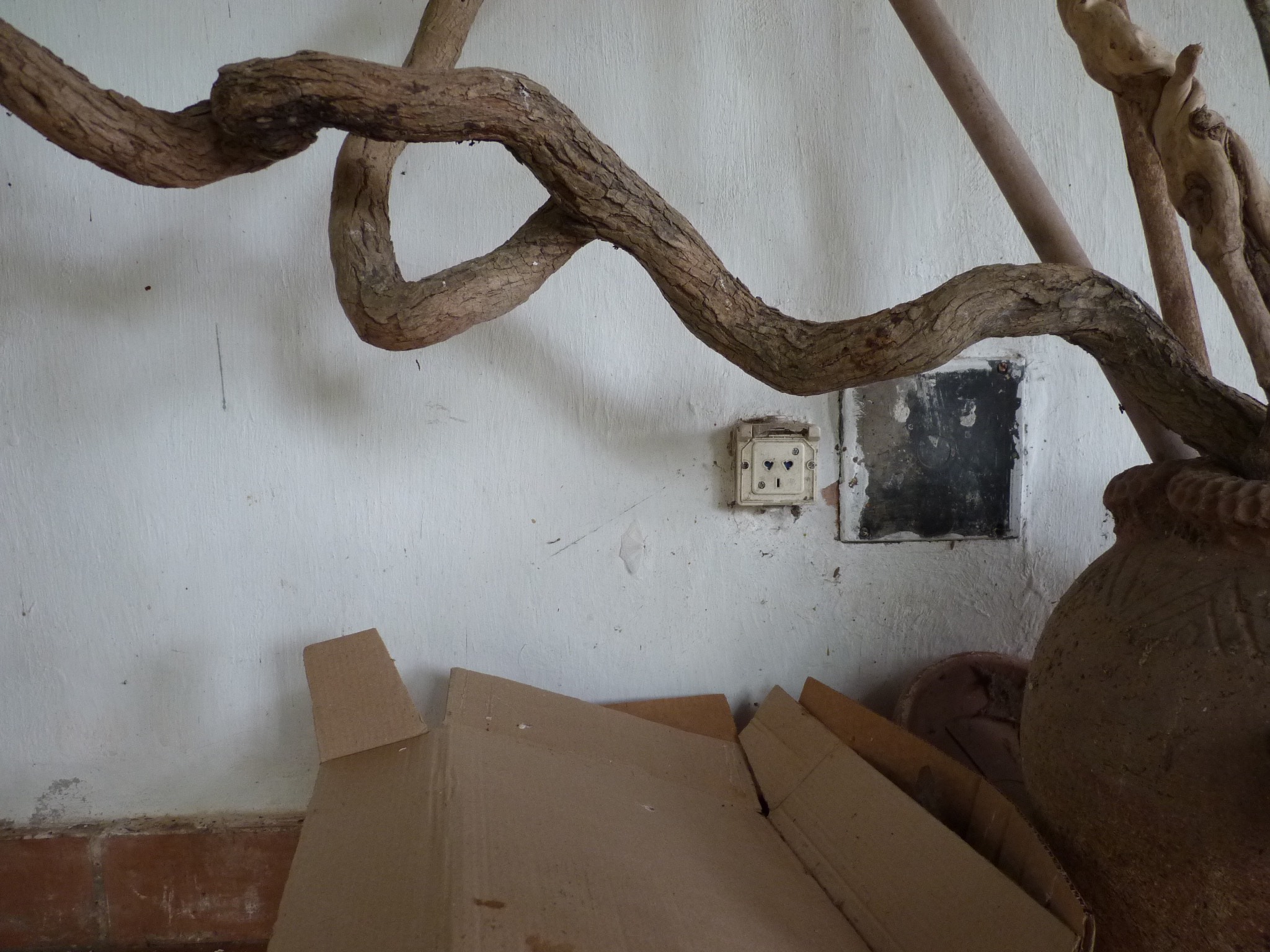
The setting makes spotting this -rather delicate- beast difficult. However, I am sure you will find it…

P1190759 copy 2

?
?
?
?
?
?
?
?
?
?
?
?
?
?
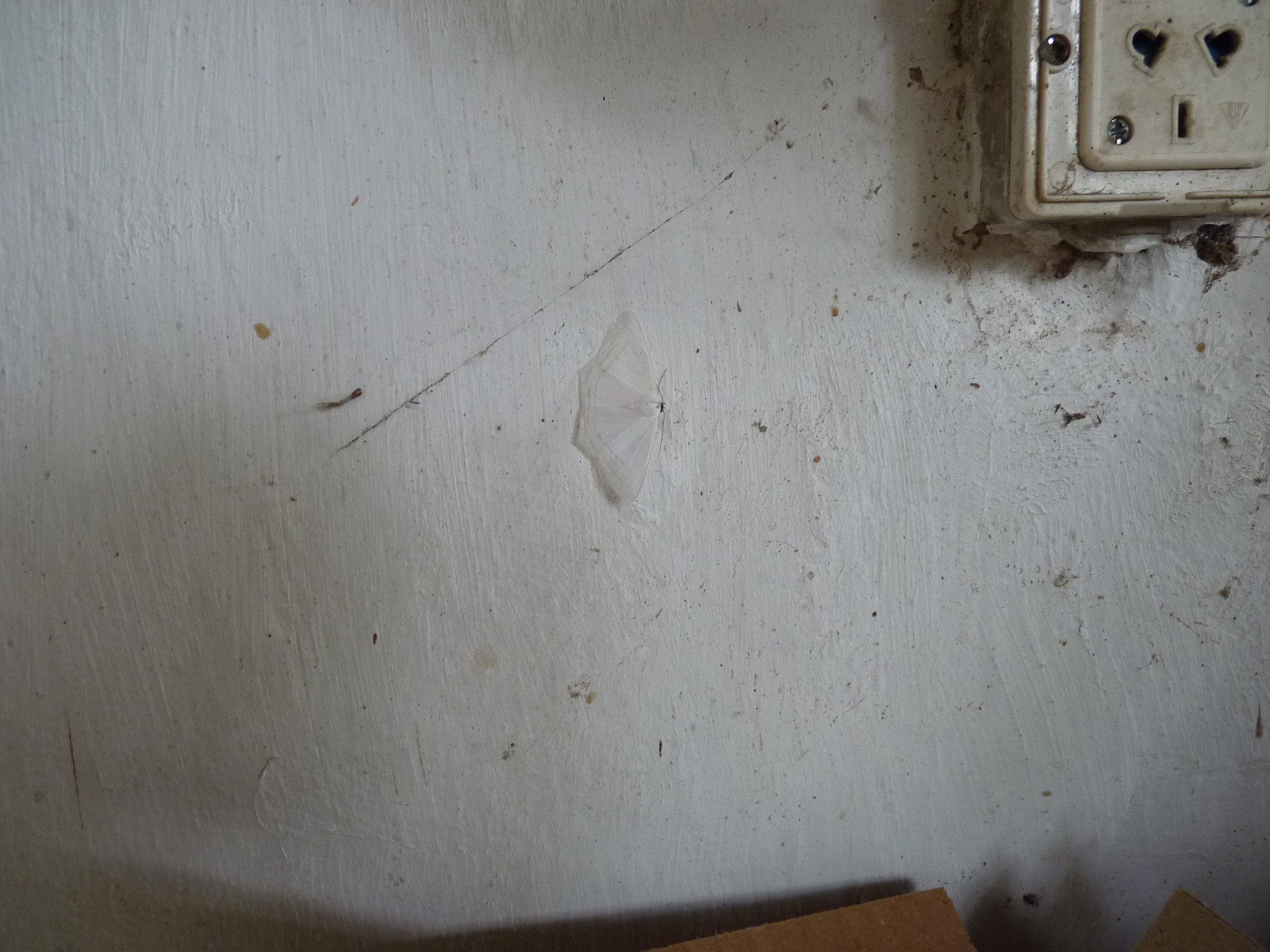
Here it is, probably not what you expected? I was pretty sure that you would check the sticks thoroughly and probably (at least at first) miss it.

P1190760 copy

It is a rather delicate moth that does not visit us very often.

P1190761 copy